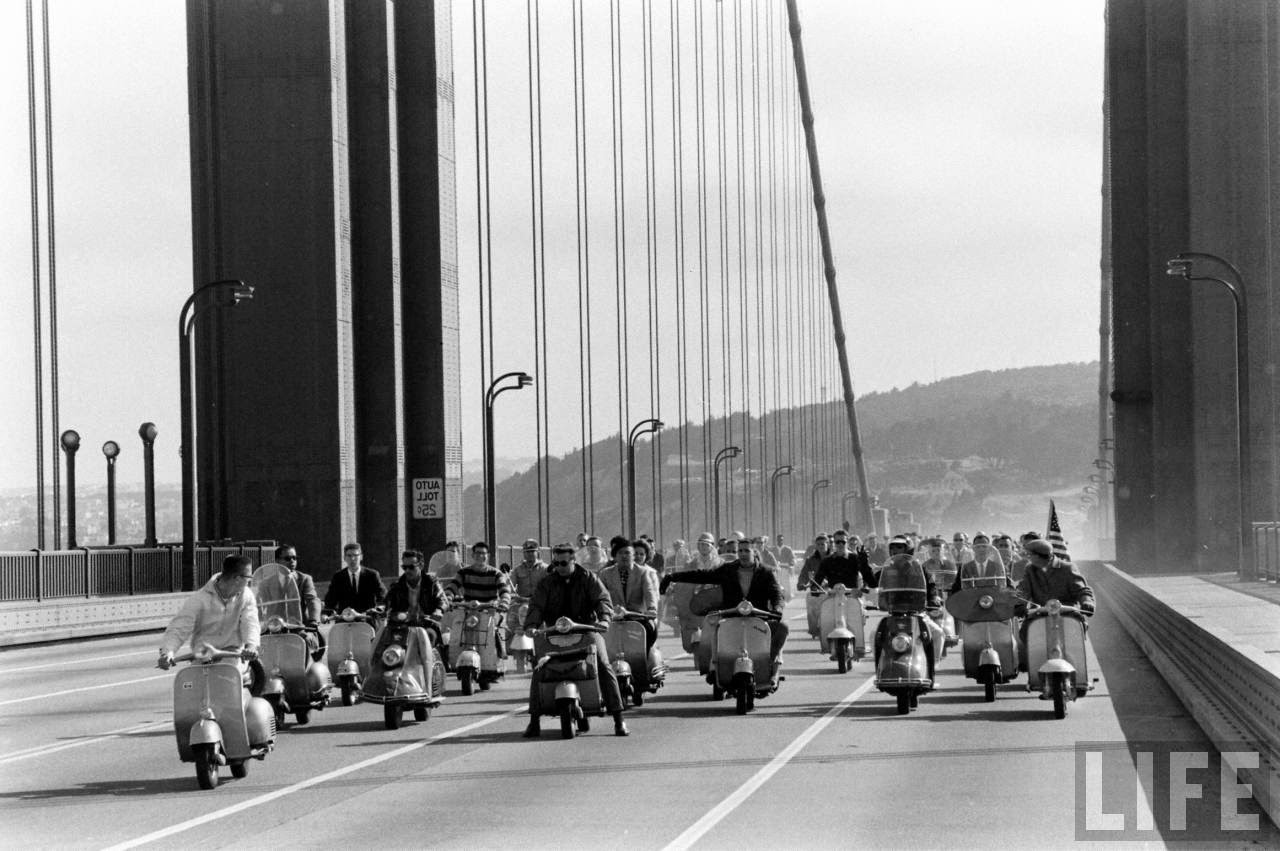
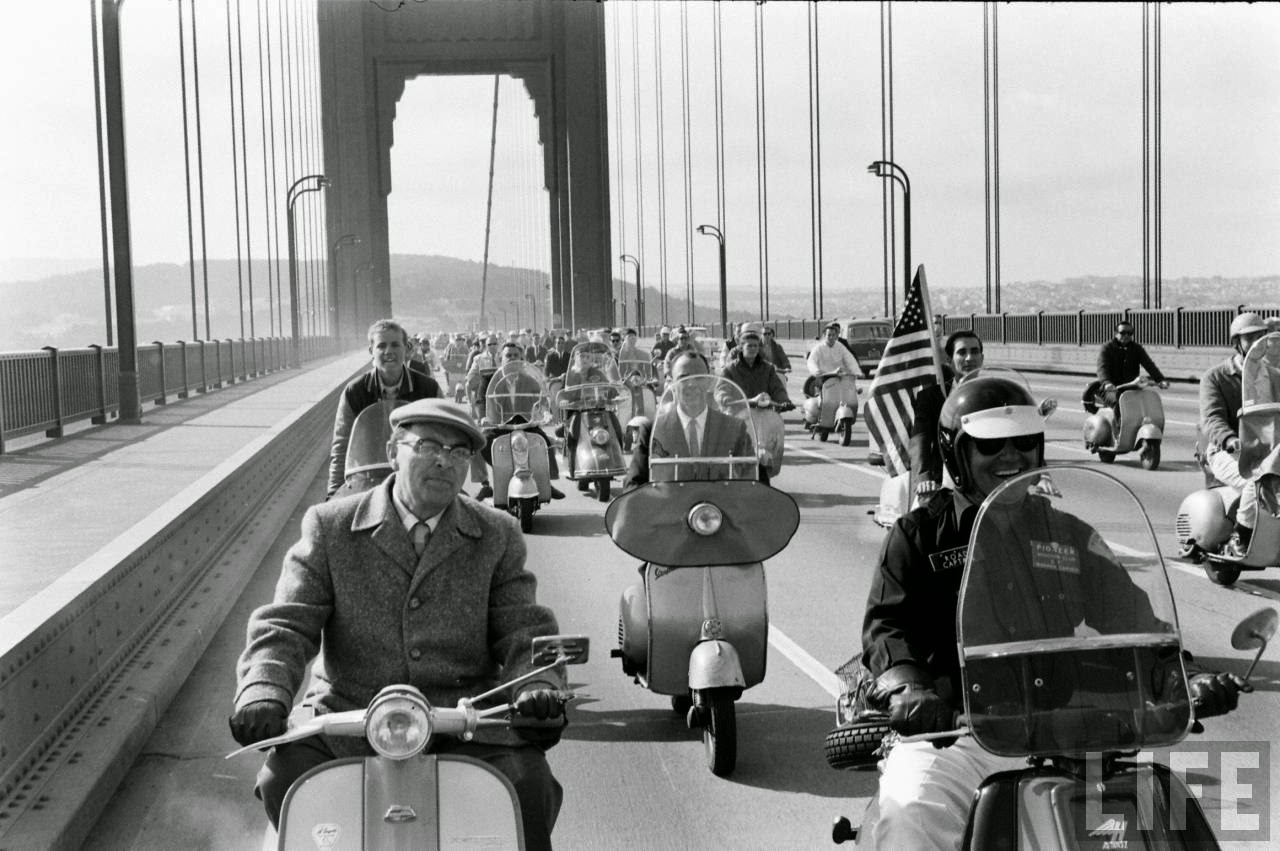
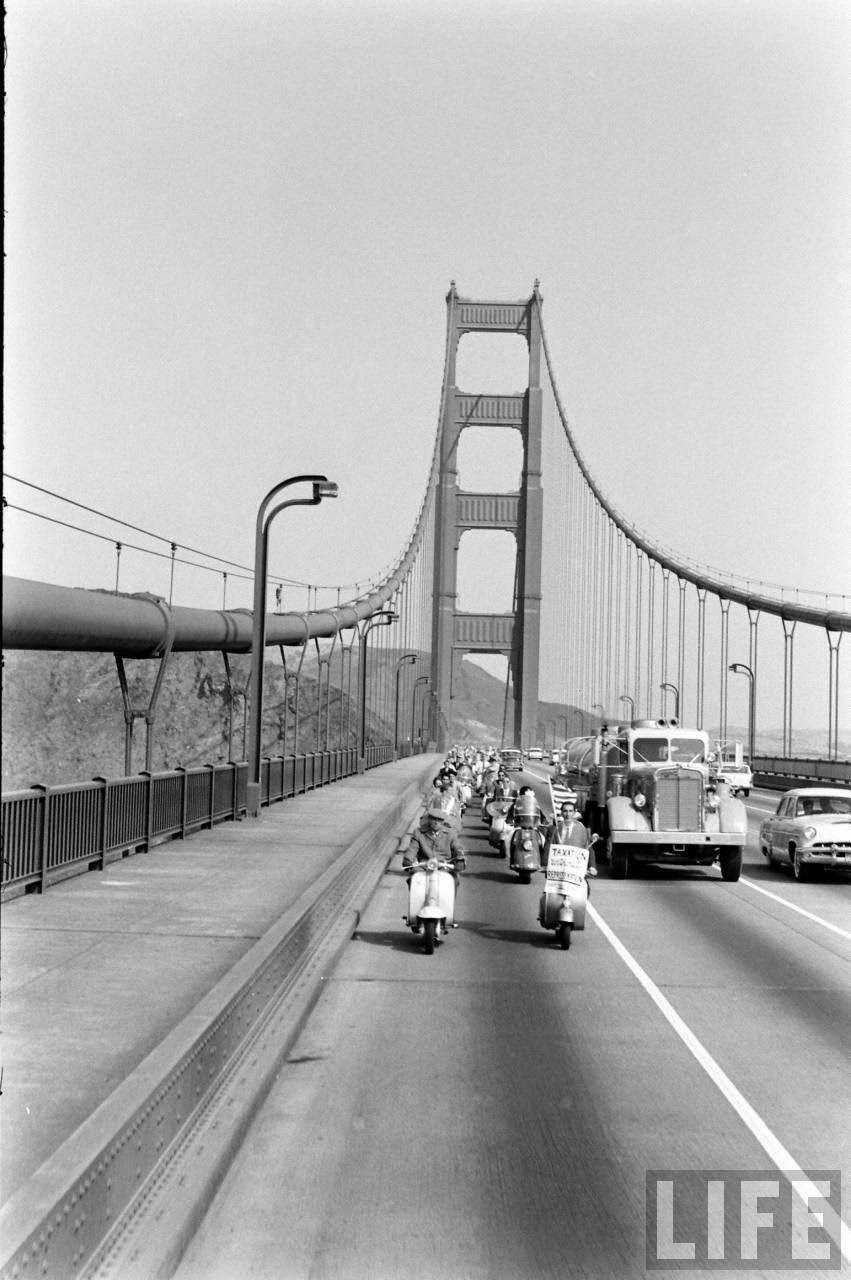
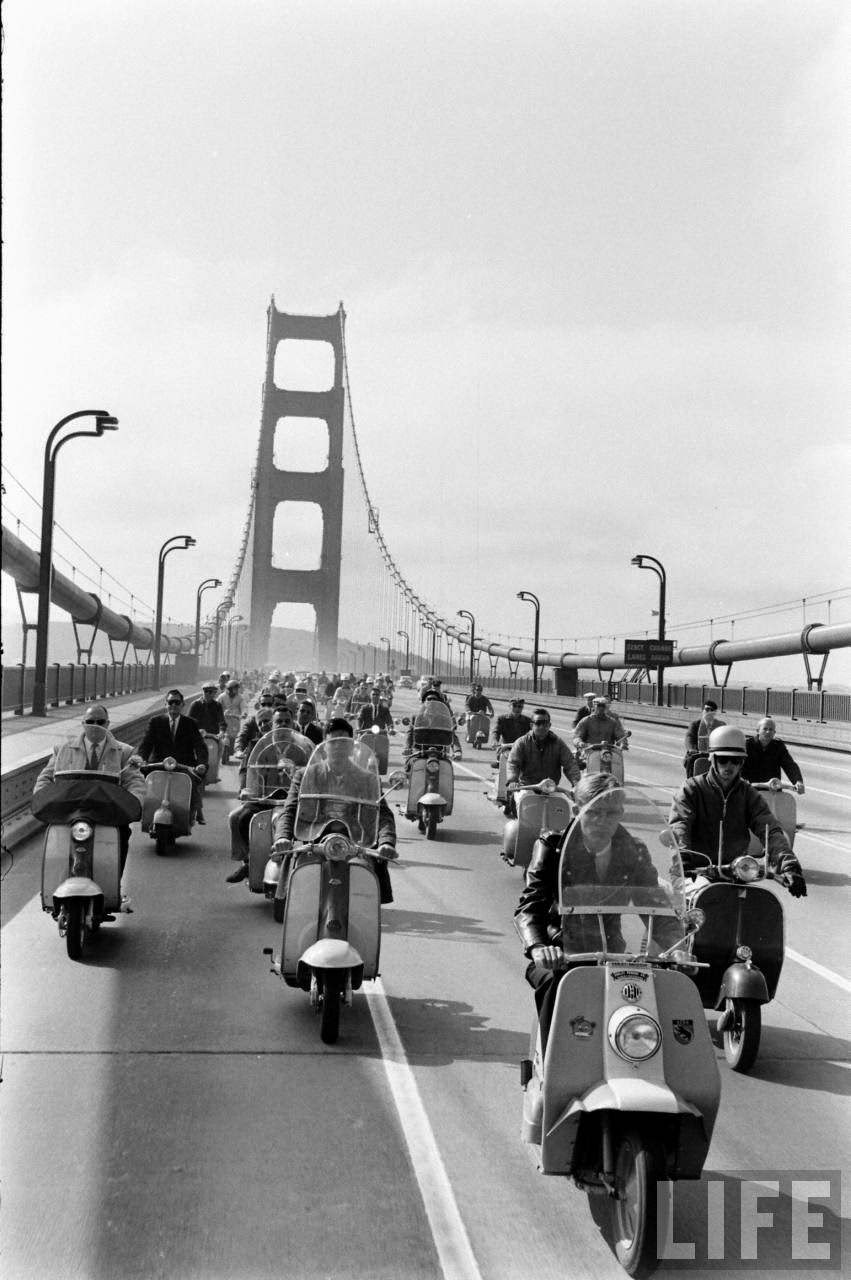
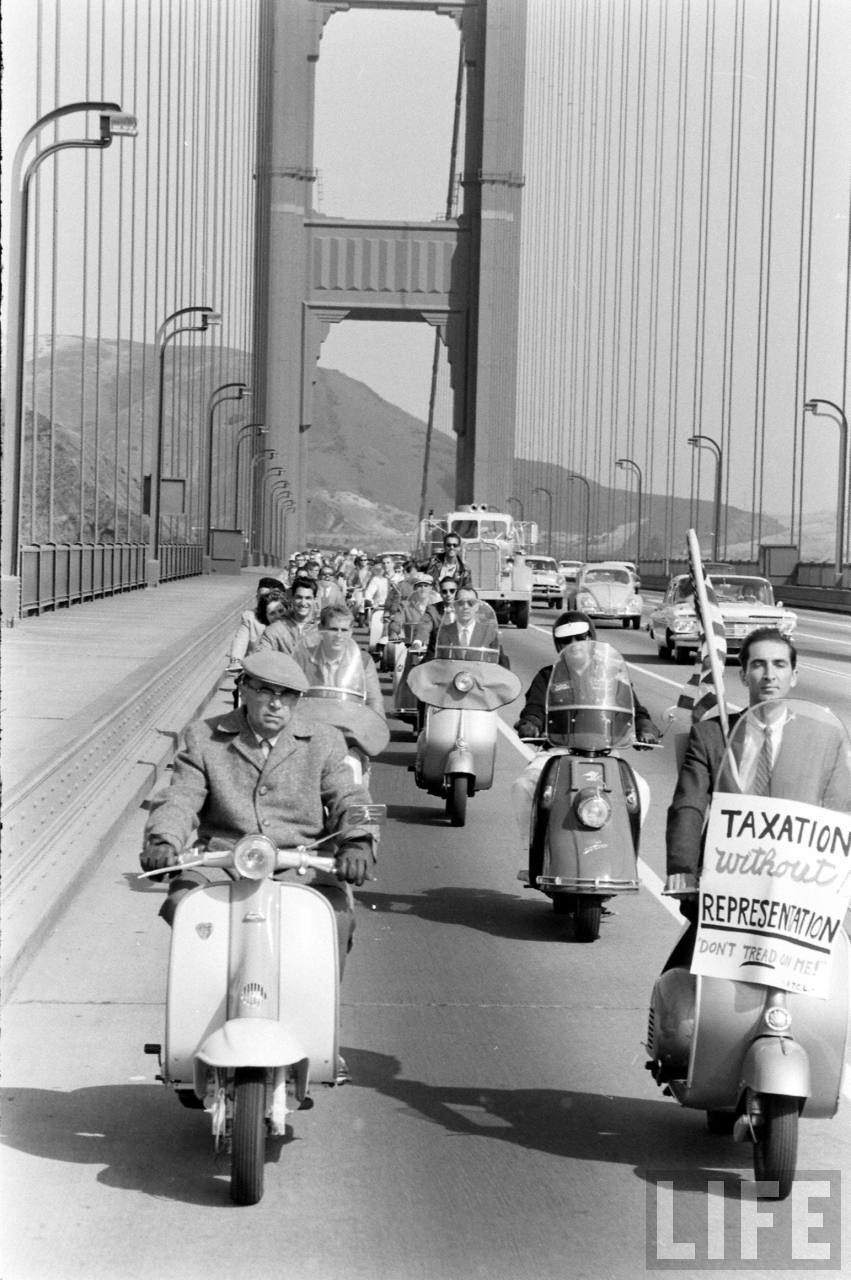
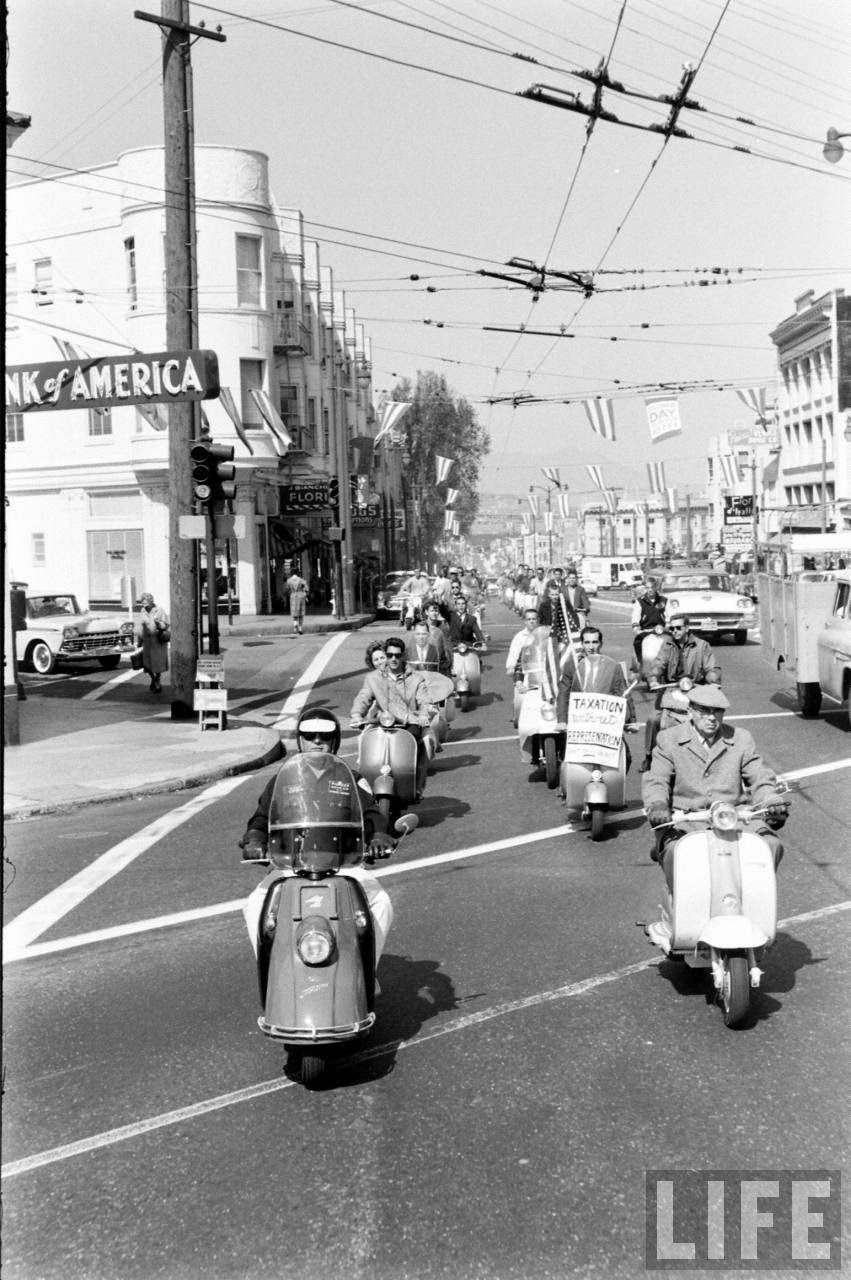
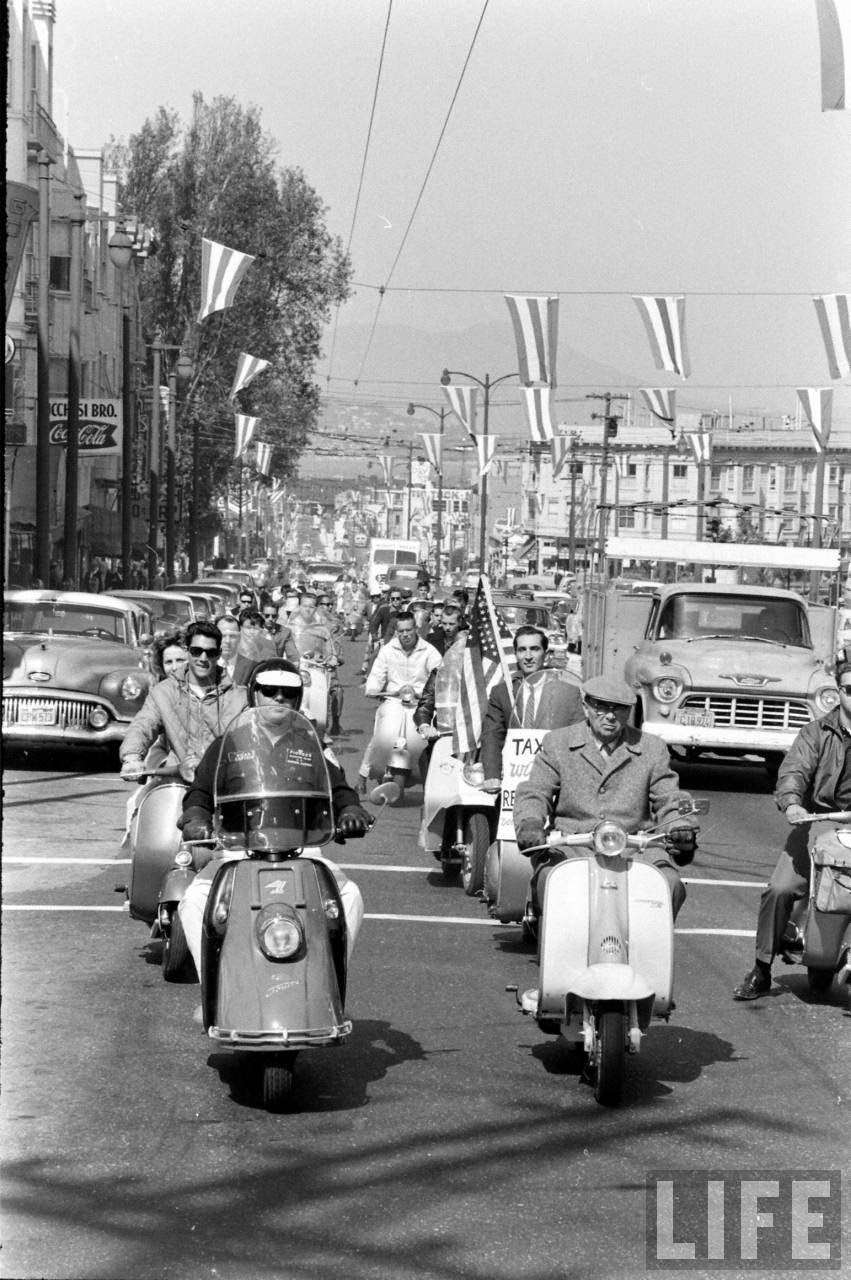
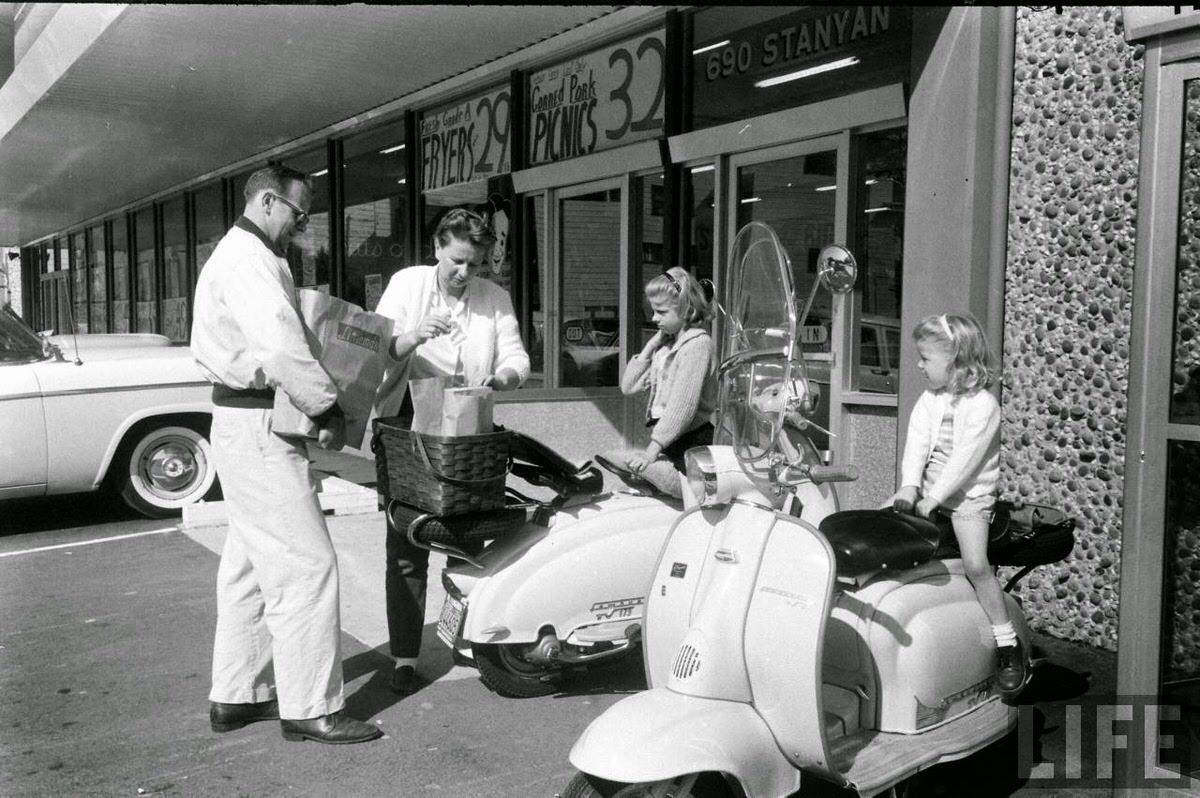
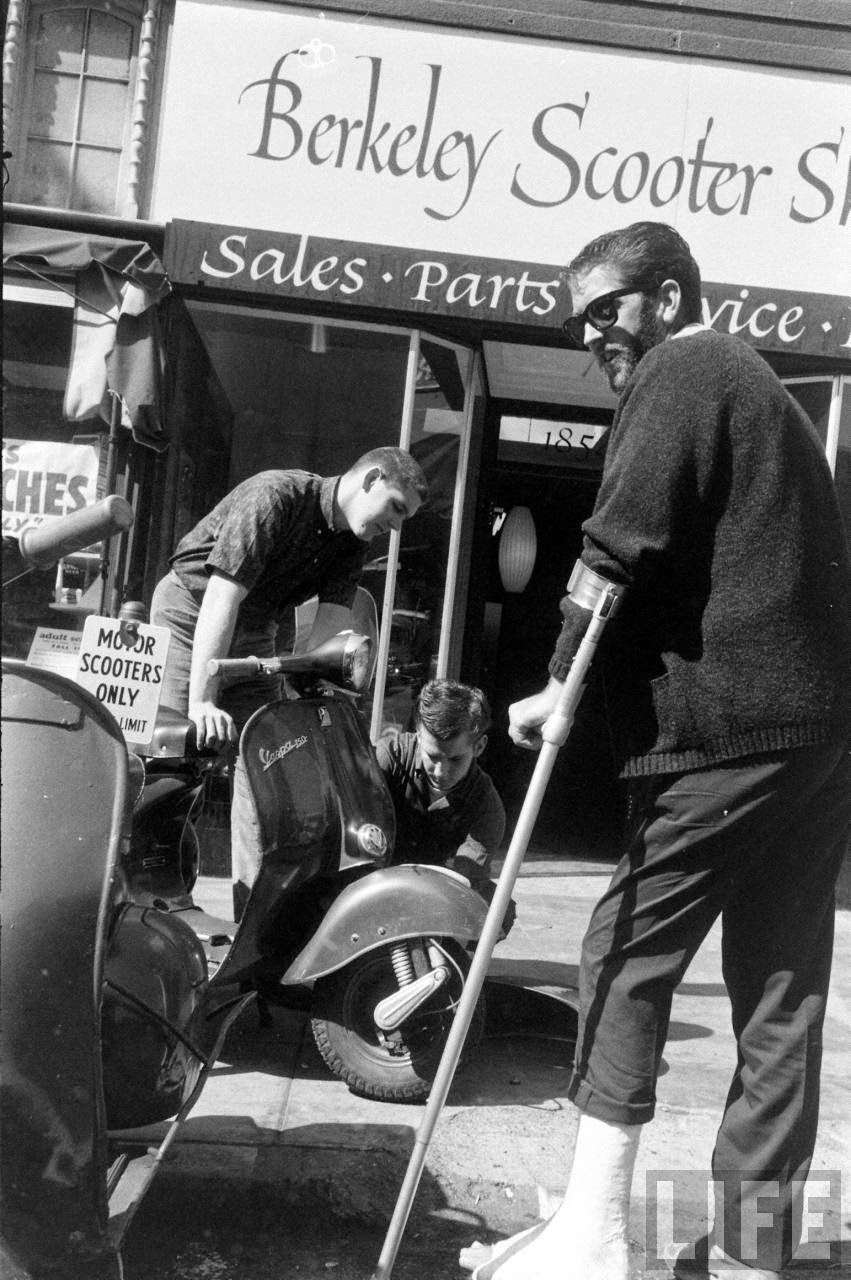
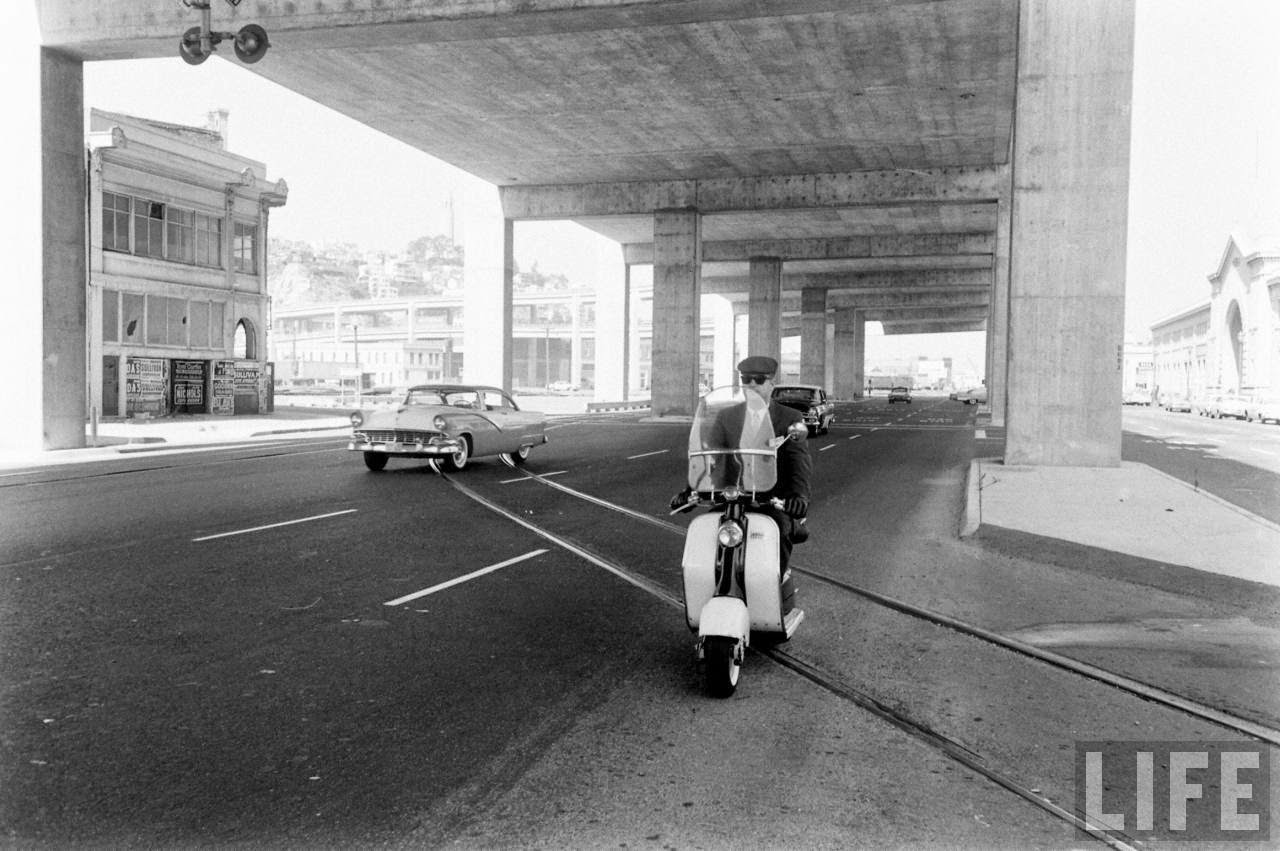
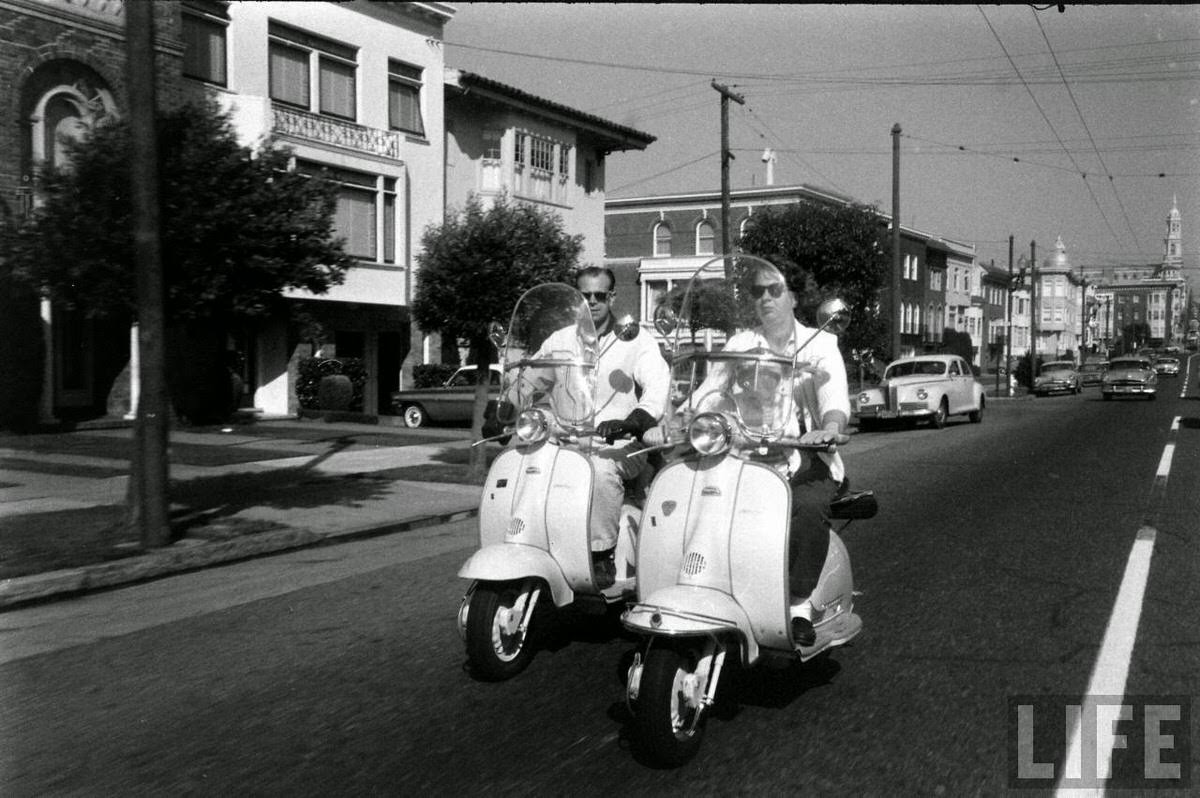
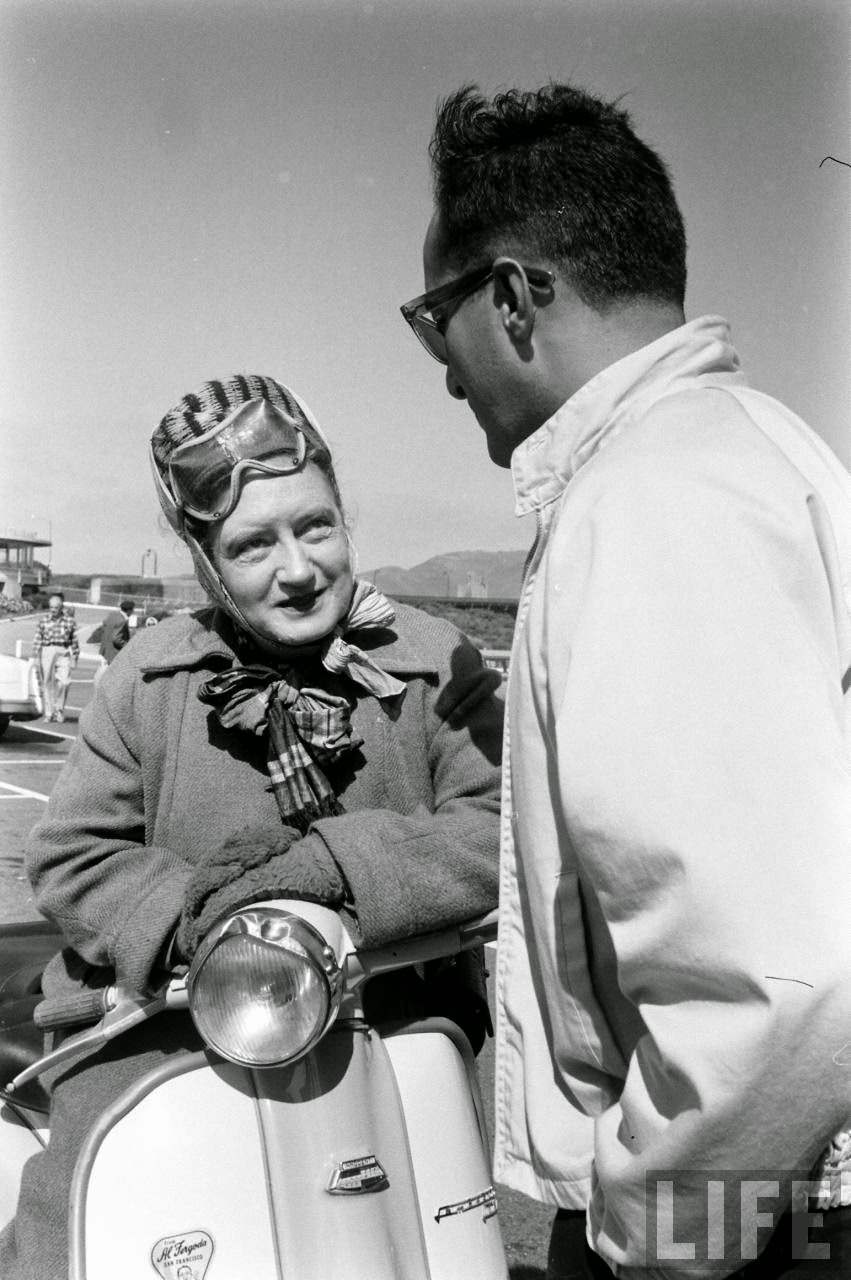
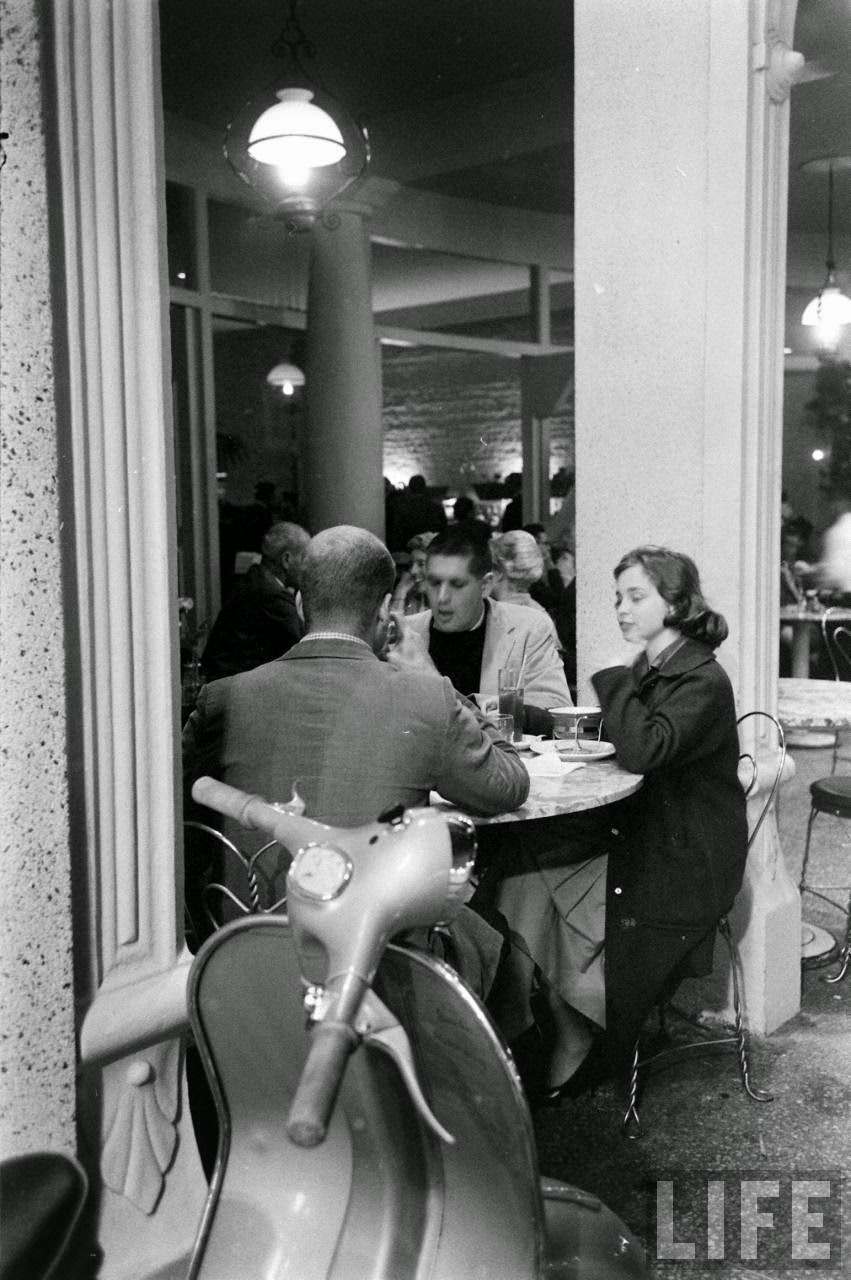
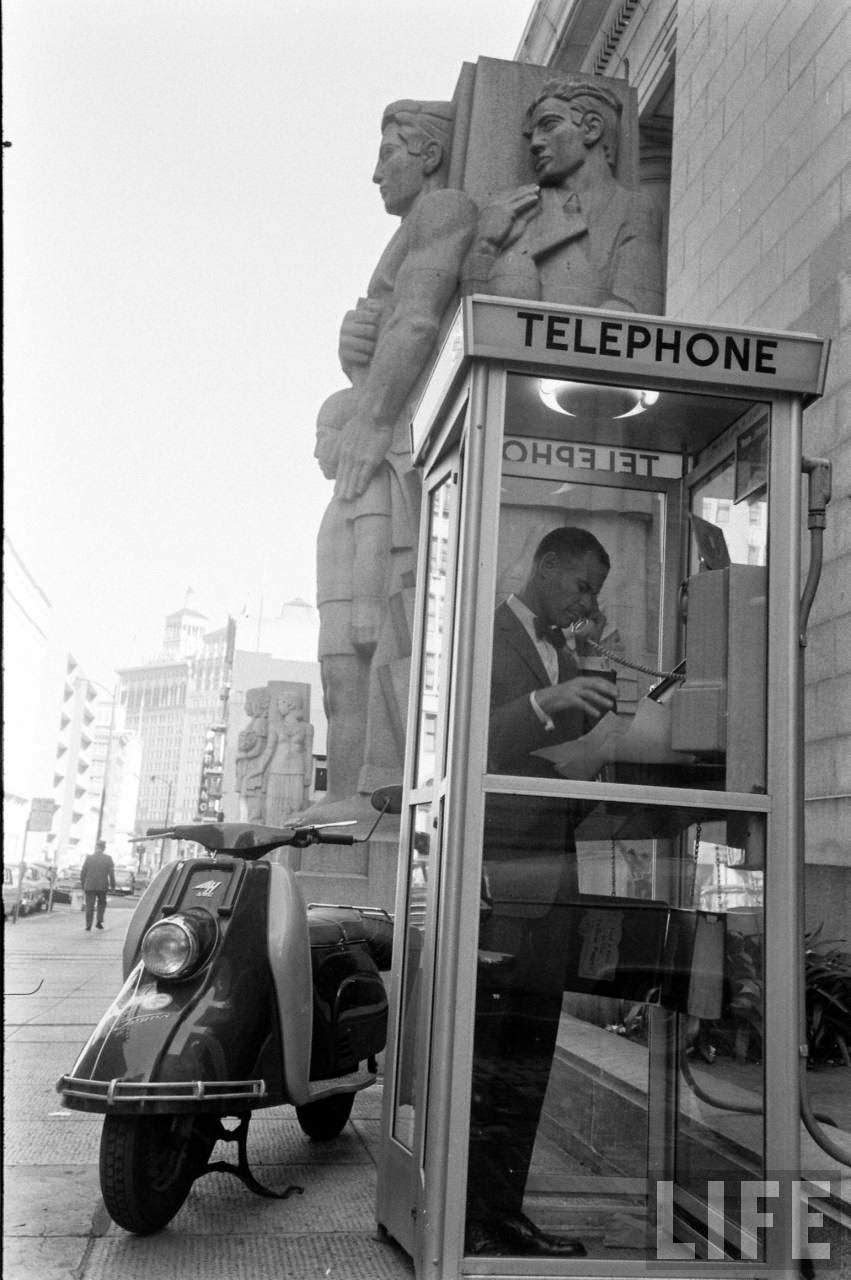
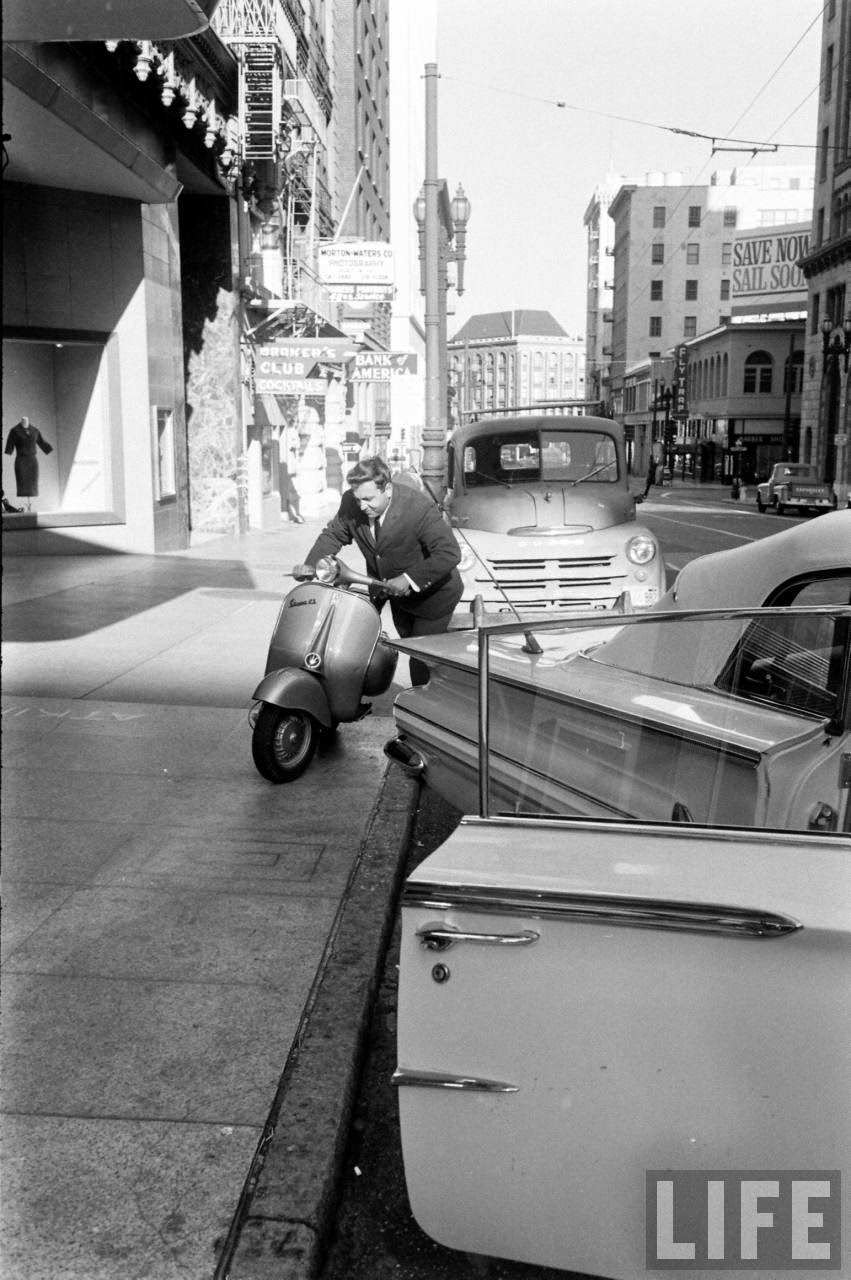
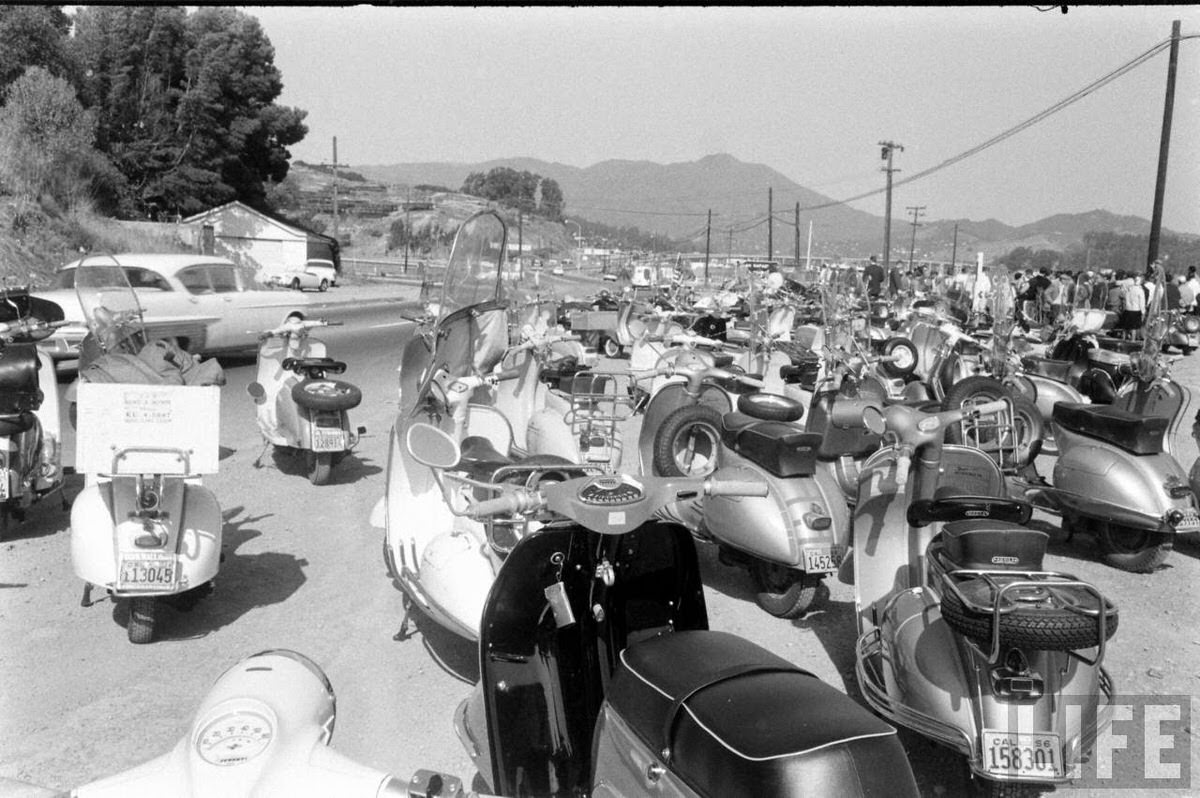
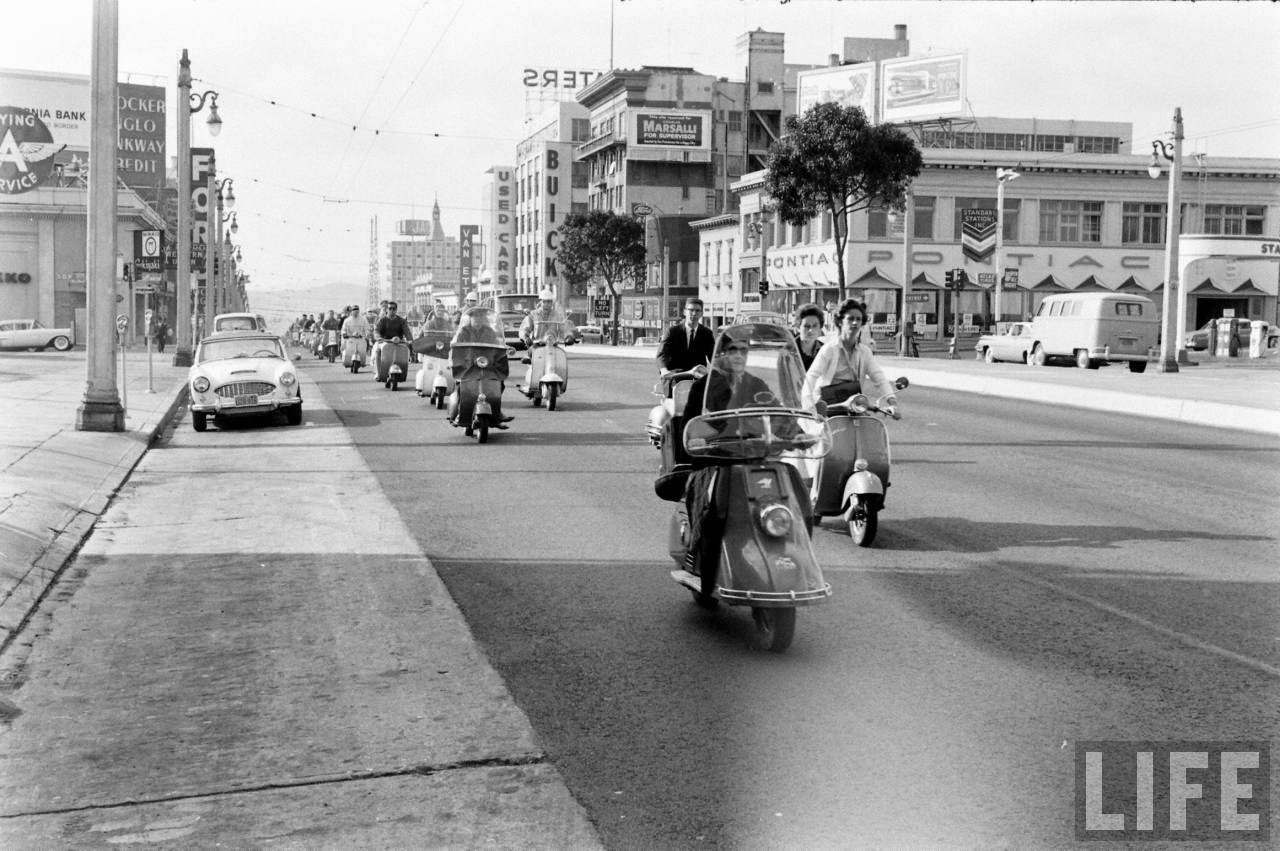
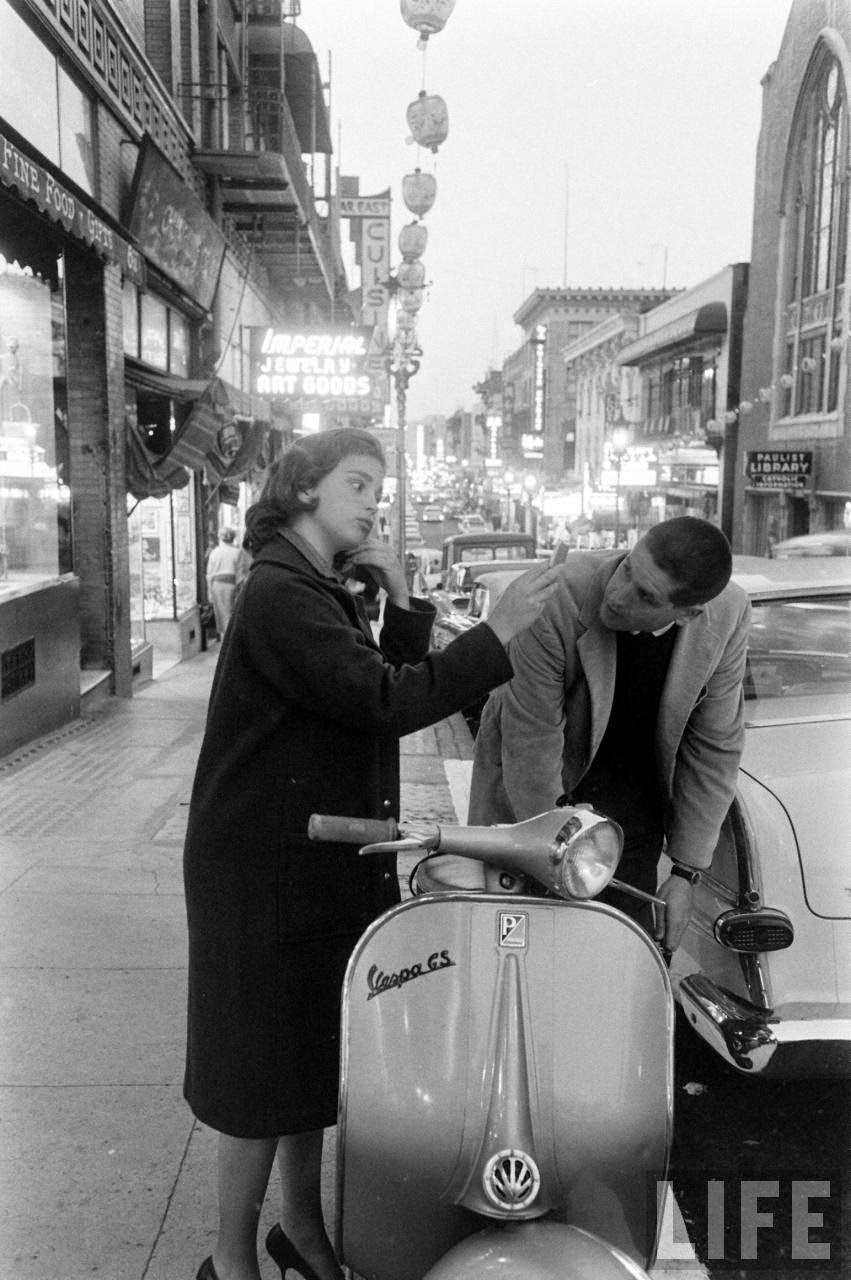
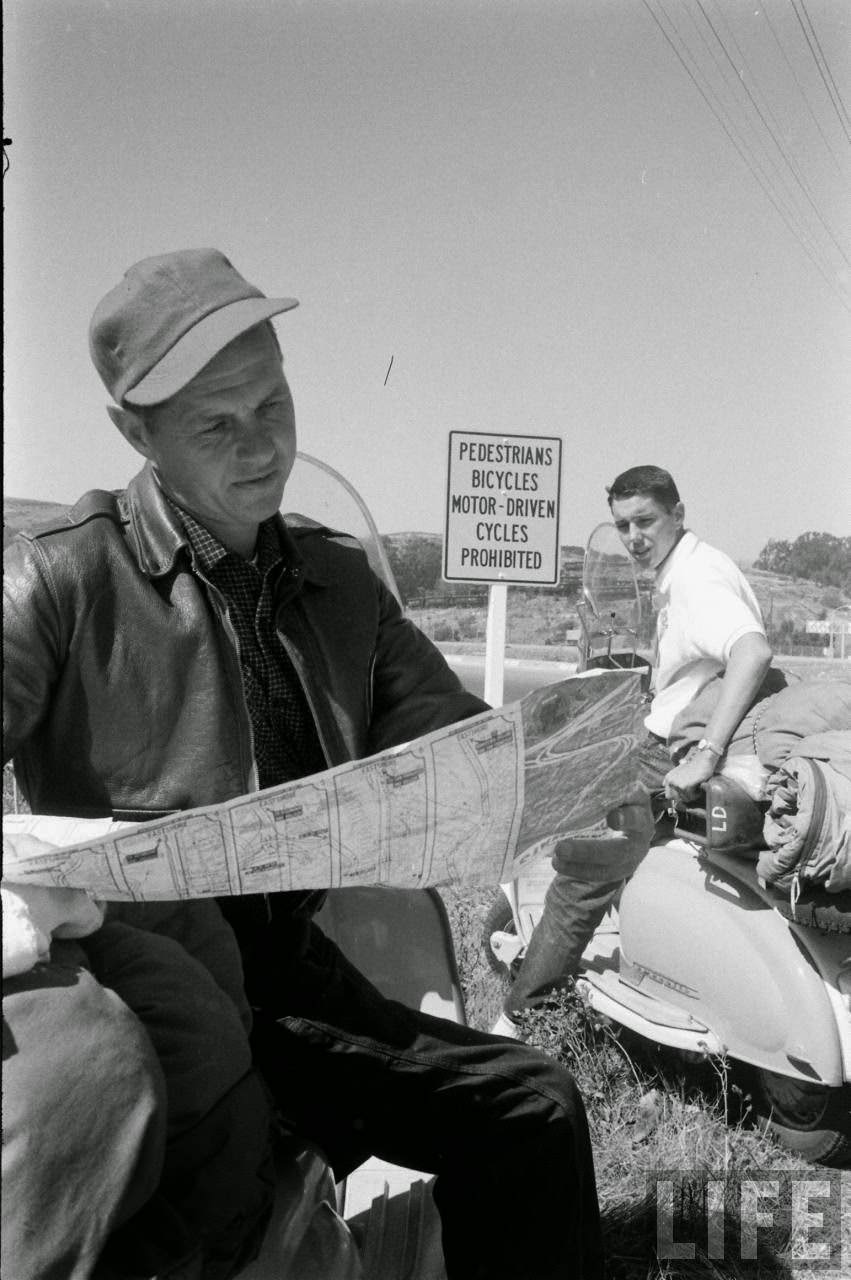
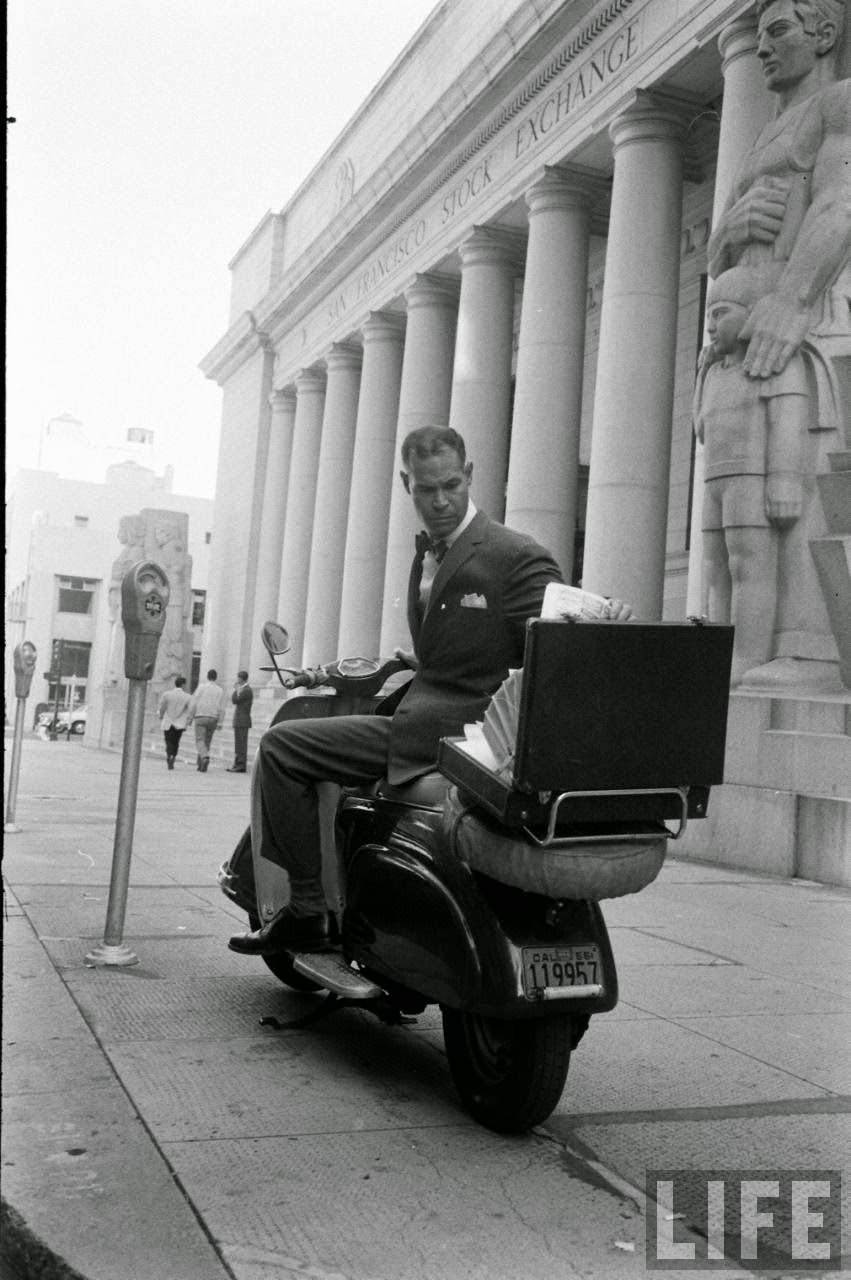
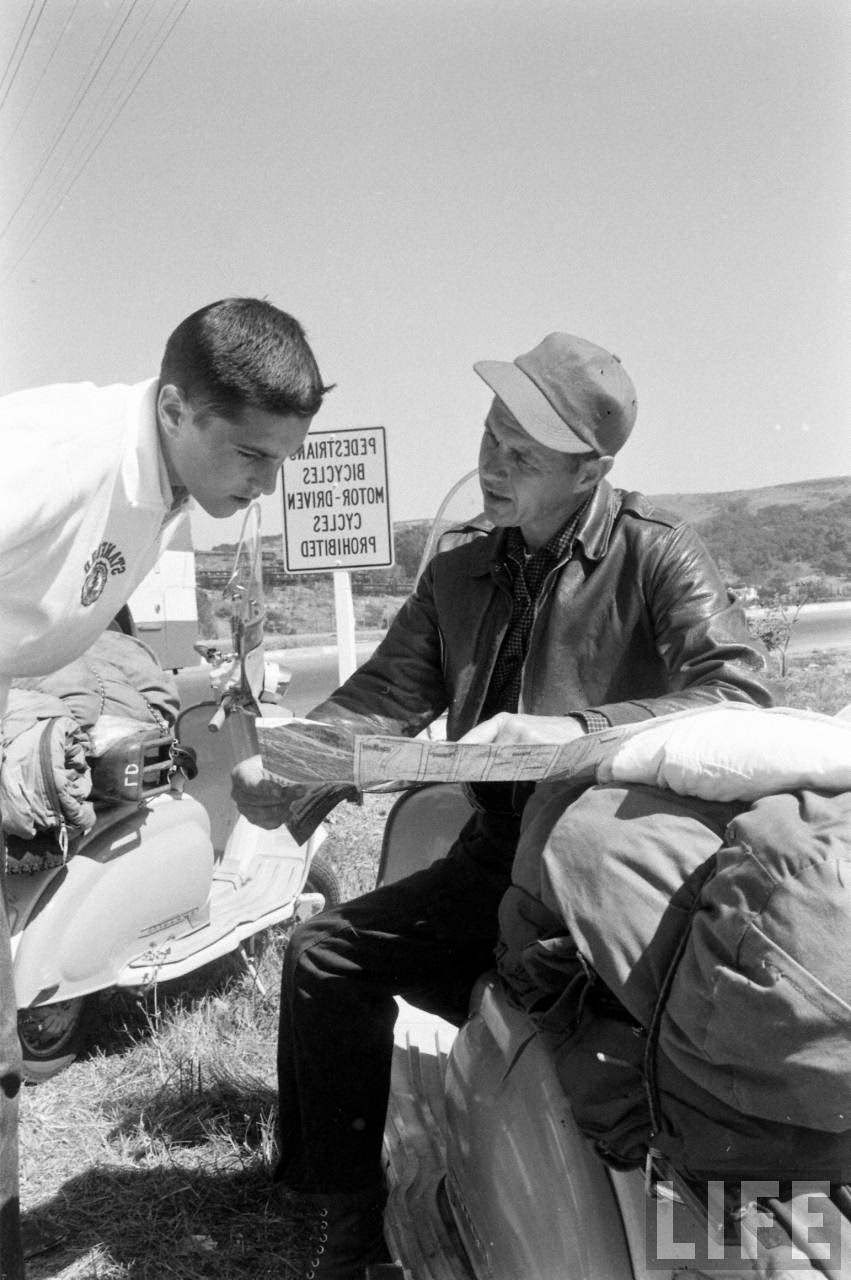
In the mid-1960s, the quiet suburbs of California faced a noisy new phenomenon. Thousands of teenagers purchased lightweight Japanese motorcycles, specifically the Honda 50. These machines were small, inexpensive, and easy to operate. Unlike the heavy, greasy motorcycles associated with rebellious gangs, these scooters appeared friendly and approachable. They cost around $250, making them affordable for high school students with part-time jobs. Within a short time, they replaced bicycles as the primary mode of transport for local youth.
The Permit Loophole
A specific gap in California traffic laws fueled this sudden explosion in ridership. The state regulations allowed fifteen-year-olds to operate motor-driven cycles. While they were too young to drive automobiles, they could legally ride these scooters with a simple learner’s permit. This freedom allowed ninth and tenth graders to travel long distances without parental supervision. They formed massive packs, often numbering in the dozens, and cruised through residential neighborhoods after school and on weekends.
The Suburban Backlash
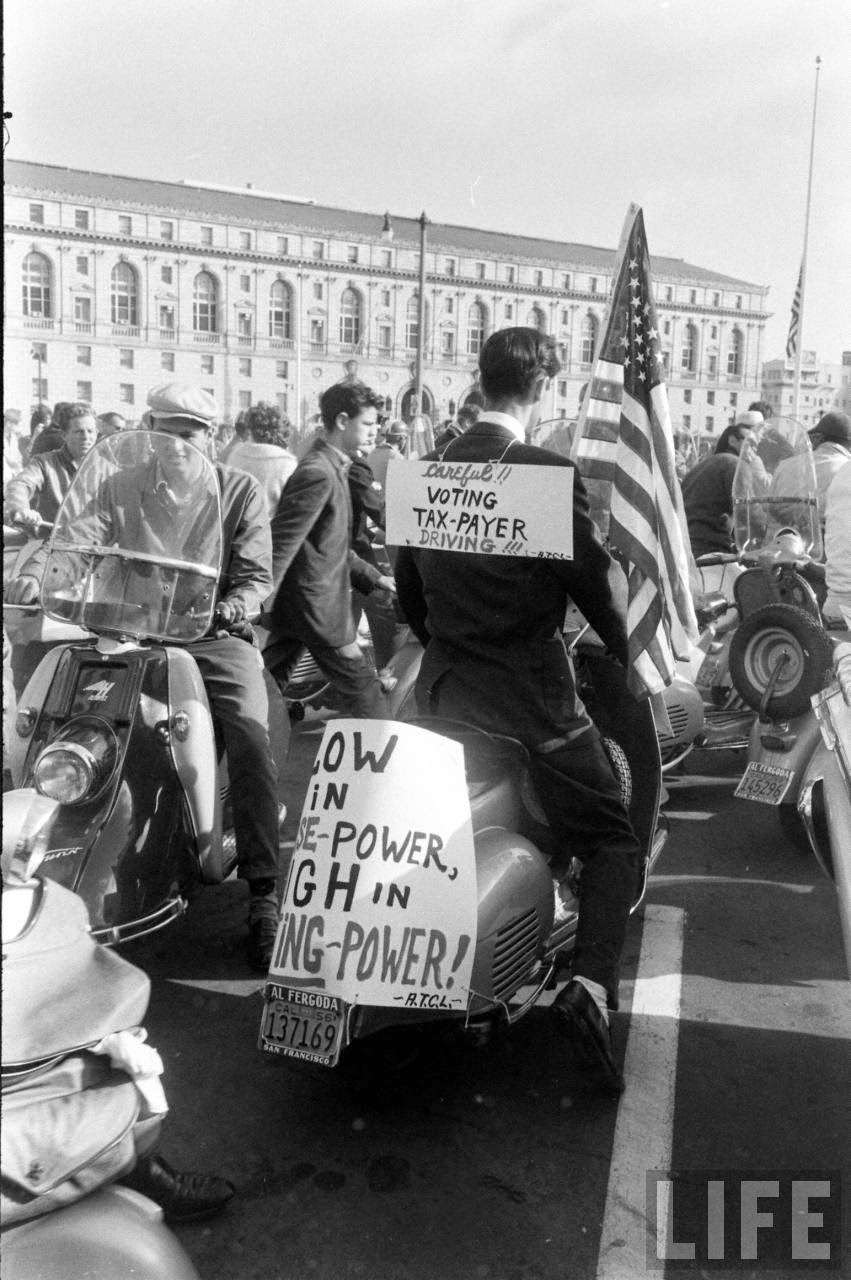
Adult residents quickly grew tired of the constant buzzing sound. They complained that the scooters sounded like angry hornets swarming through the streets. Homeowners flooded local police stations with calls about noise violations and reckless driving. In affluent communities, the scooters became a major political issue. City councils held heated meetings where angry parents demanded stricter controls. They argued that the streets had become dangerous playgrounds and that the teenagers lacked the maturity to navigate heavy traffic safely.
Read more
Police Crackdowns
Law enforcement officers responded to the complaints with aggressive ticketing campaigns. Motorcycle officers set up traps near high schools and popular hangouts. They cited teenagers for every possible infraction, including speeding, failure to signal, and carrying passengers illegally. In some towns, police confiscated the scooters and forced parents to come to the station to retrieve them. The tension between the police and the teenage riders created a distinct generational divide in these coastal communities.
The Safety Debate
Beyond the noise, real safety concerns emerged. The Honda 50s had a top speed of about 45 miles per hour, which was enough to cause serious injury. Teenagers frequently rode wearing shorts, sandals, and windbreakers rather than protective gear. Helmets were not yet mandatory, and very few riders wore them. Hospital emergency rooms saw an increase in scrapes, broken bones, and concussions related to scooter accidents. This medical reality gave ammunition to the legislators who wanted to raise the minimum driving age and close the loophole for good.