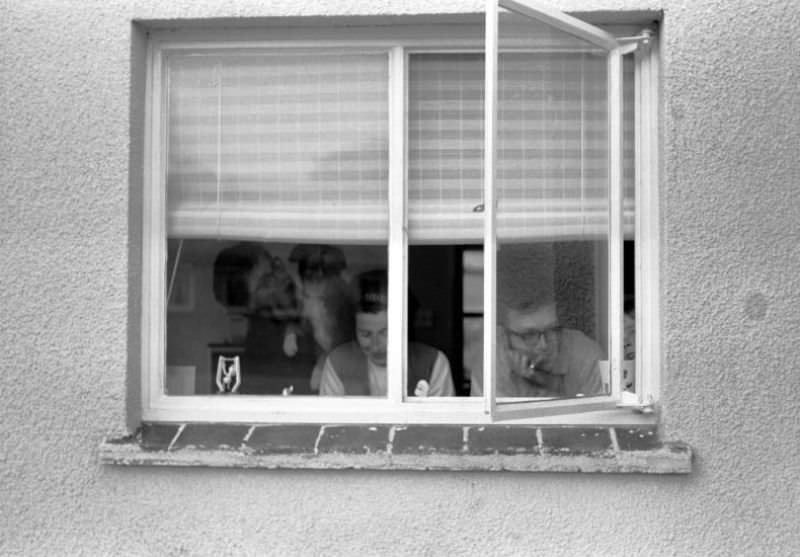
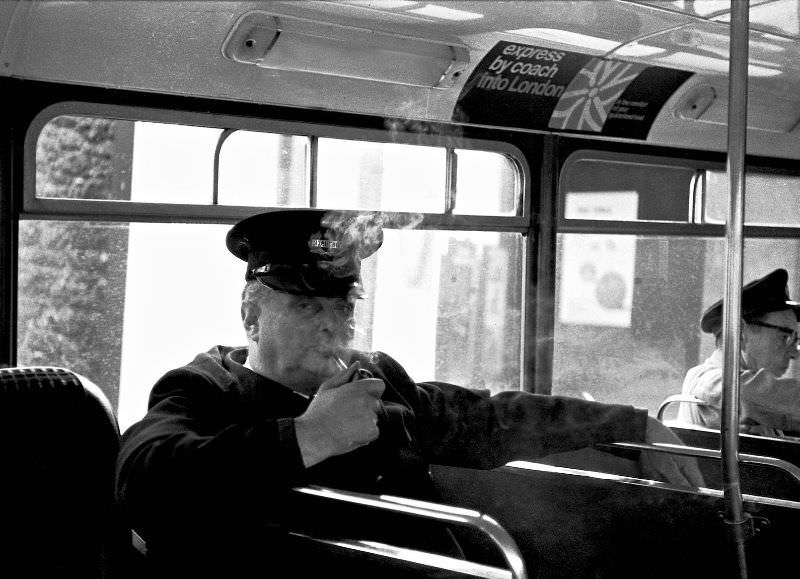
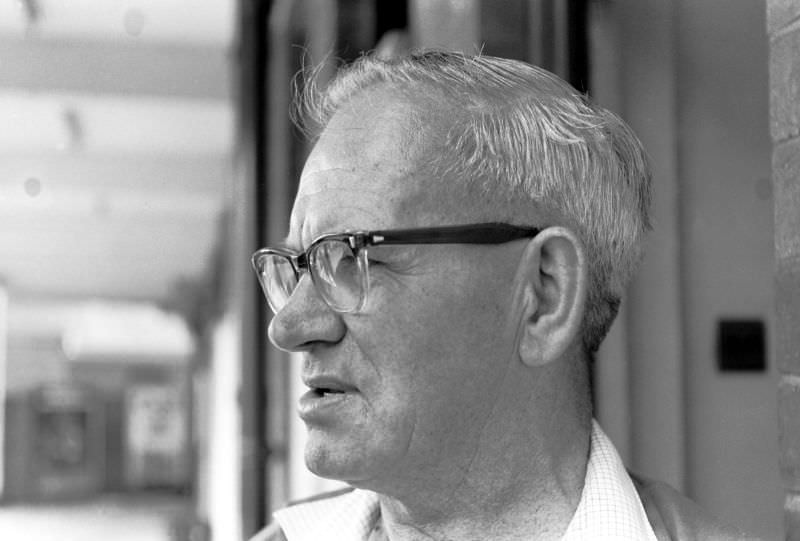
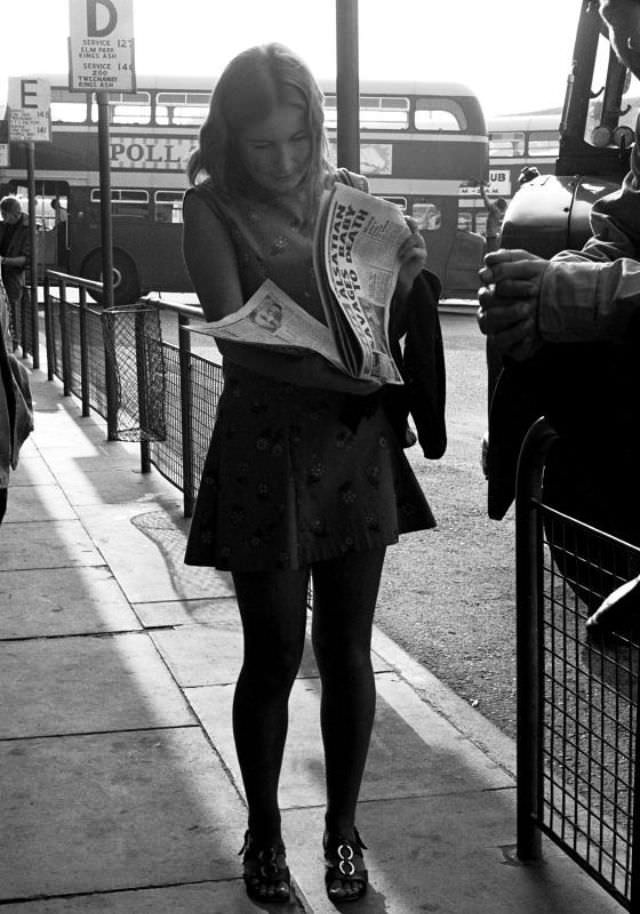
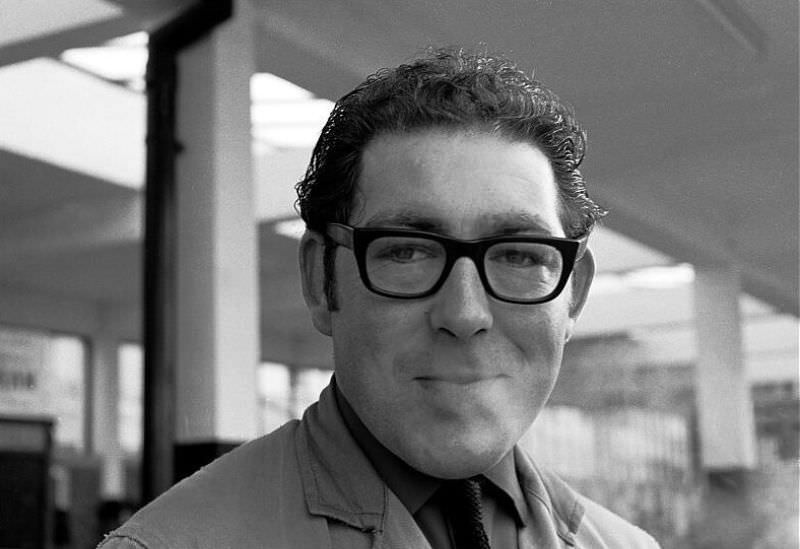
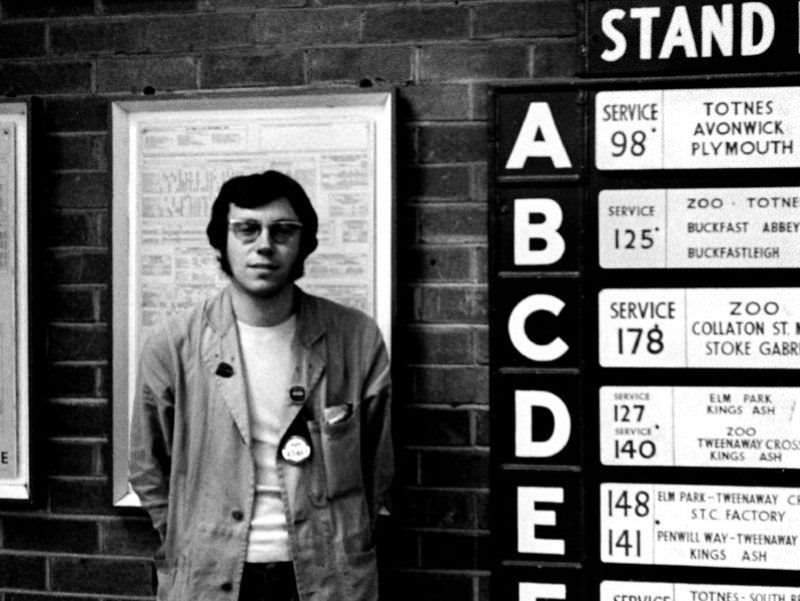
In 1970, photographer Norman Craig spent time with the bus workers and passengers of Devon, England, capturing a world that no longer exists. His series, “On the Buses, Devon, 1970,” focused on the towns of Paignton and Totnes. These were not staged portraits. Craig shot people mid-conversation, mid-bite, and mid-thought — ordinary moments that most photographers would have walked past.
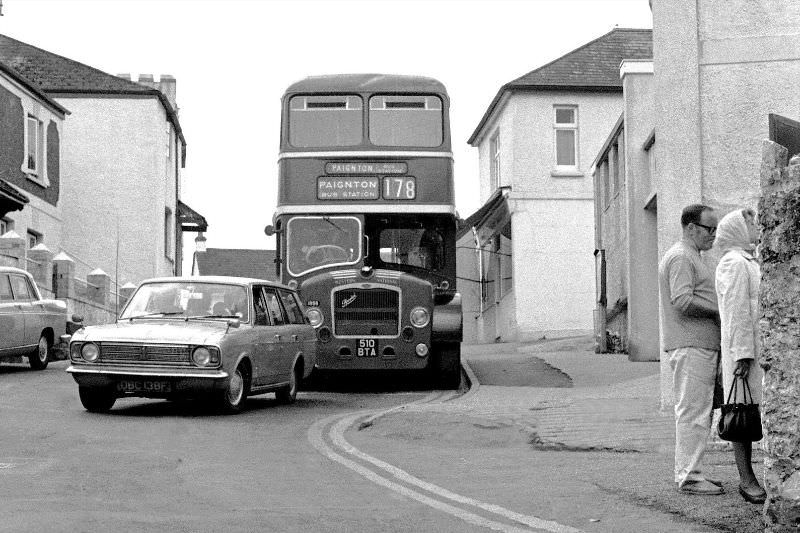
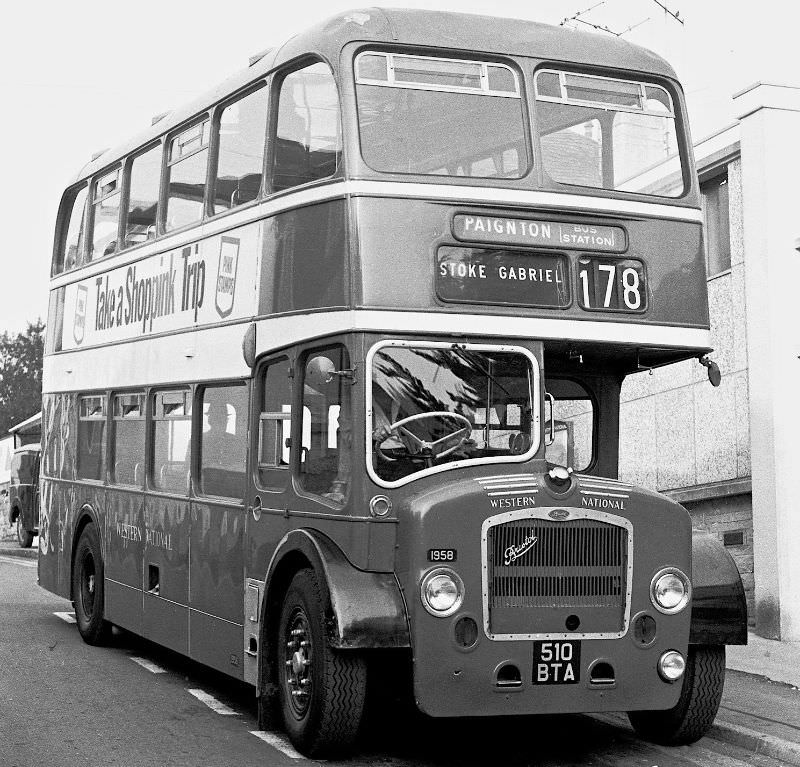
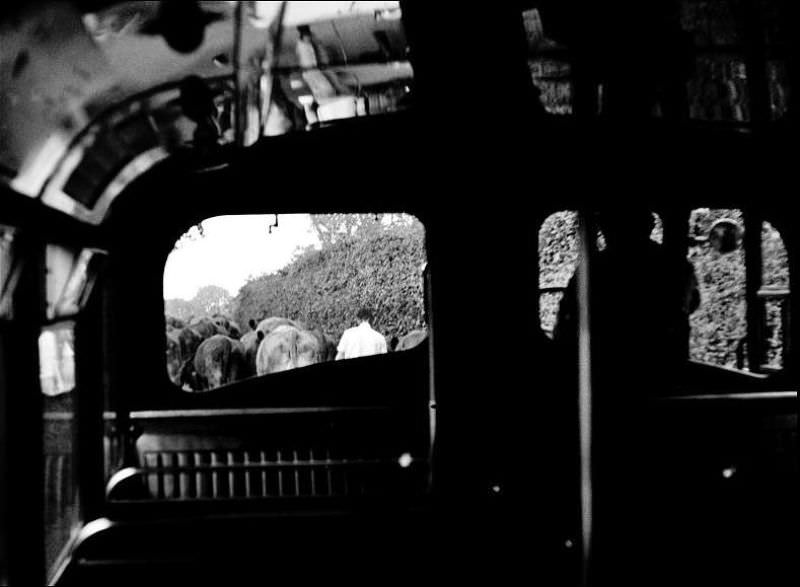
The buses themselves tell part of the story. Open rear platforms, no air conditioning, and mechanical engines that needed changing on-site were standard features of the fleet. The route from Stoke Gabriel to Paignton ran through narrow Devon roads that turned congested at rush hour. These were working vehicles in every sense — lived-in, worn, and essential to the community.
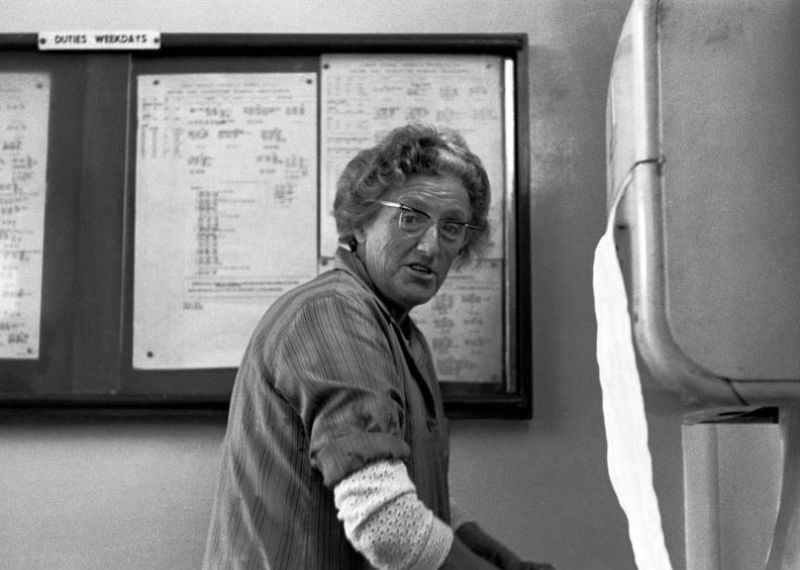
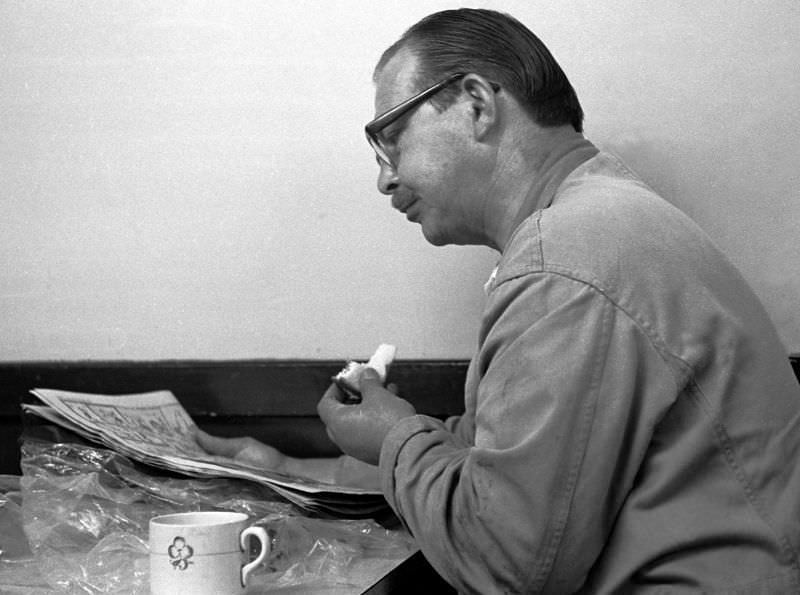
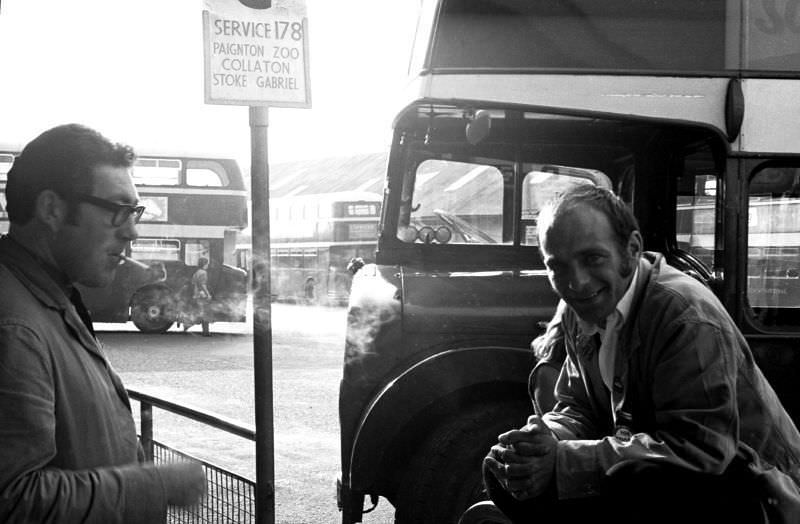
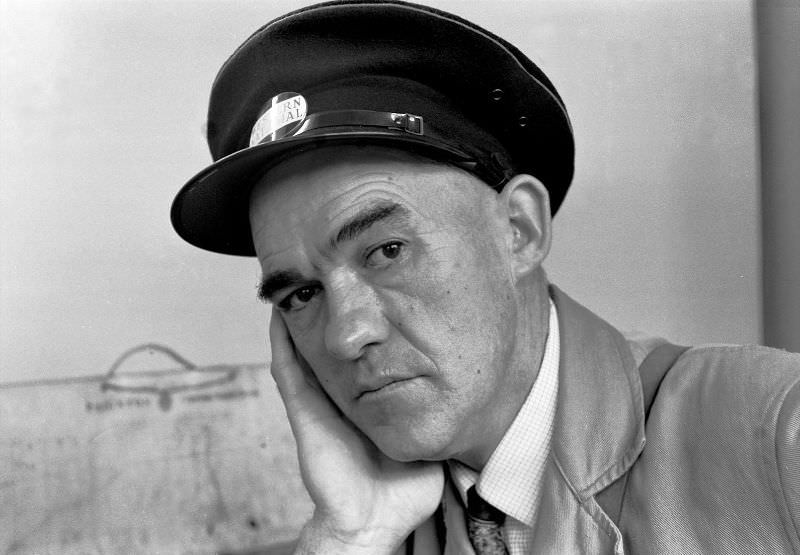
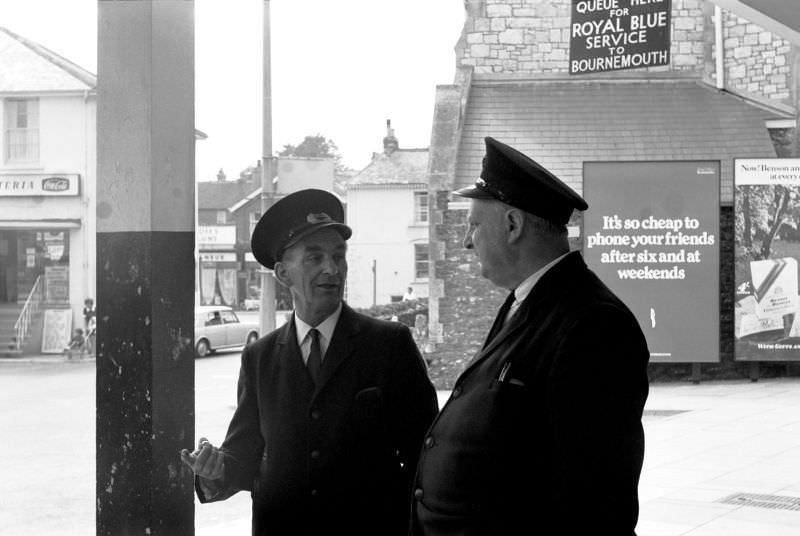
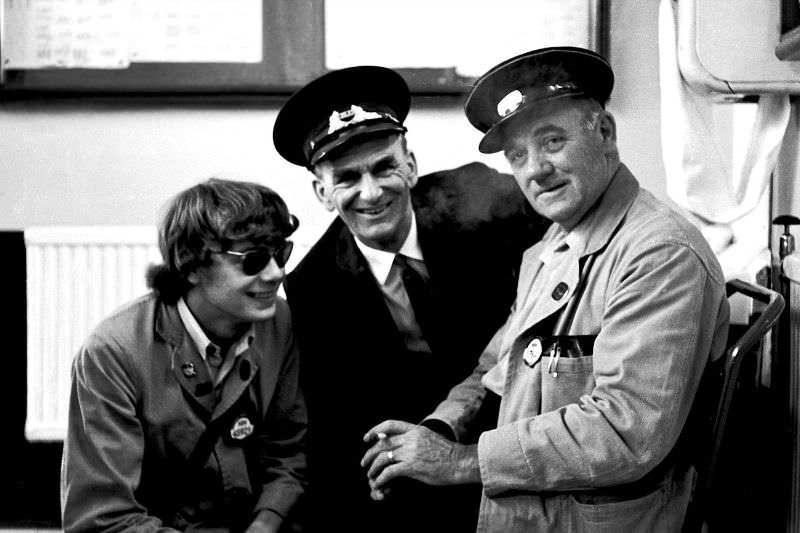
The conductors and drivers who appear throughout Craig’s photos were employees of the Western National Omnibus Company. Between trips, they gathered in the staff rest rooms at Paignton and Totnes bus stations — smoking, eating sandwiches, reading newspapers, and swapping gossip. The rest room was a social space as much as a functional one.
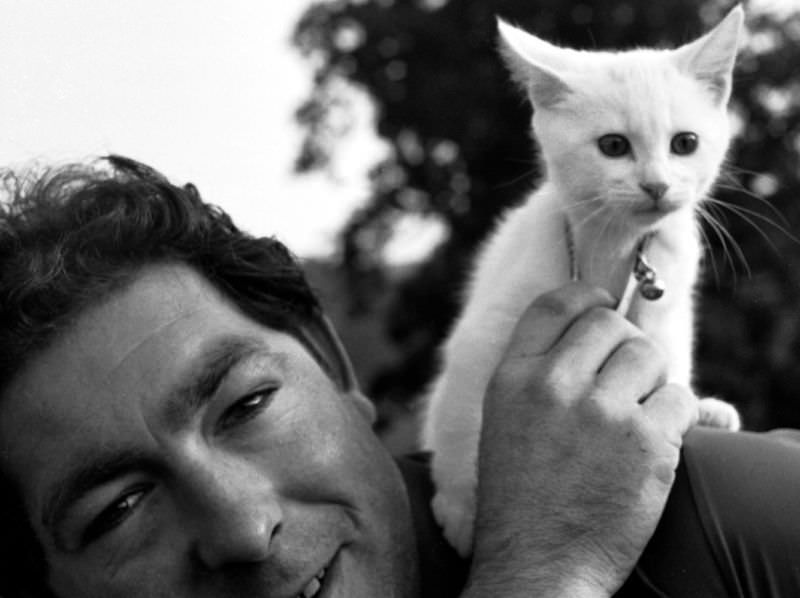
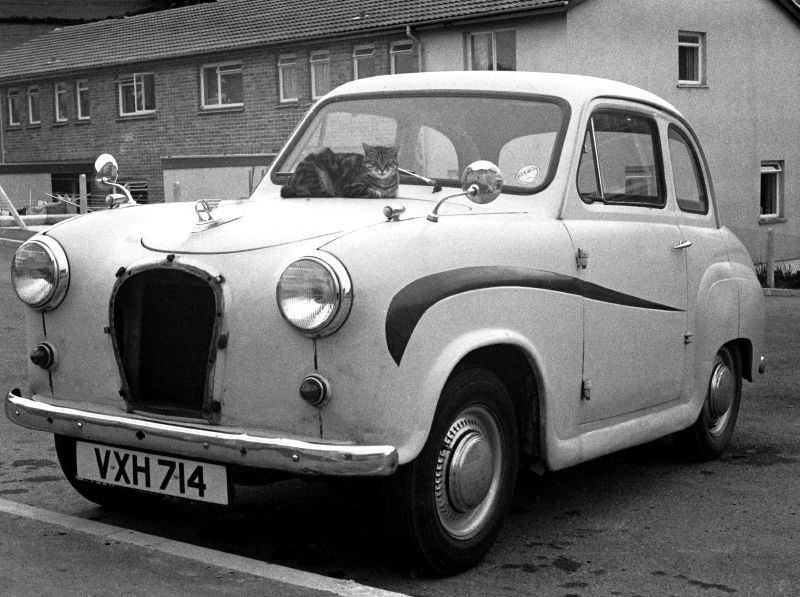
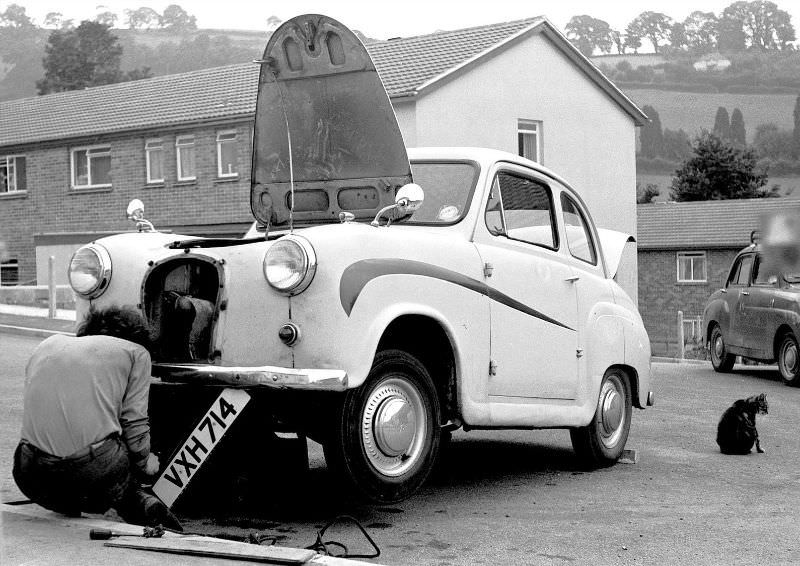
Cats appear more than once across the series — a kitten perched on a conductor’s shoulder, another stretched across the hood of an Austin A35 in Totnes. These small details ground the photos in a specific, unhurried pace of life.
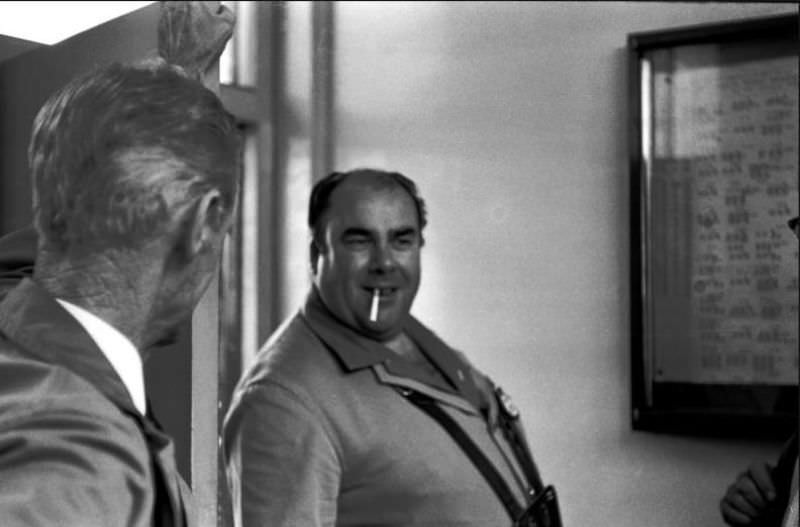
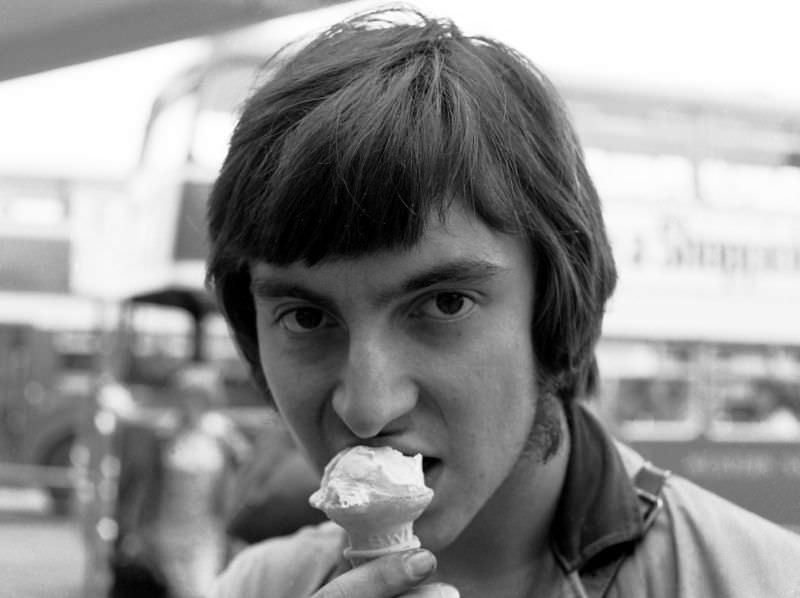
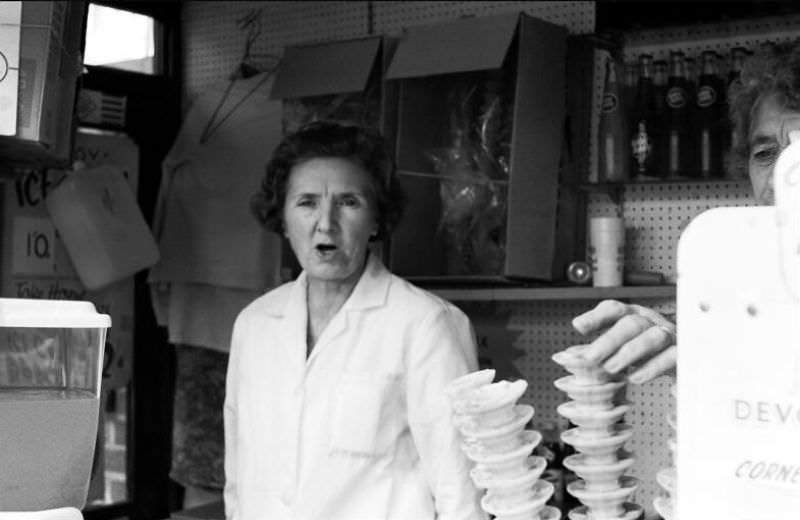
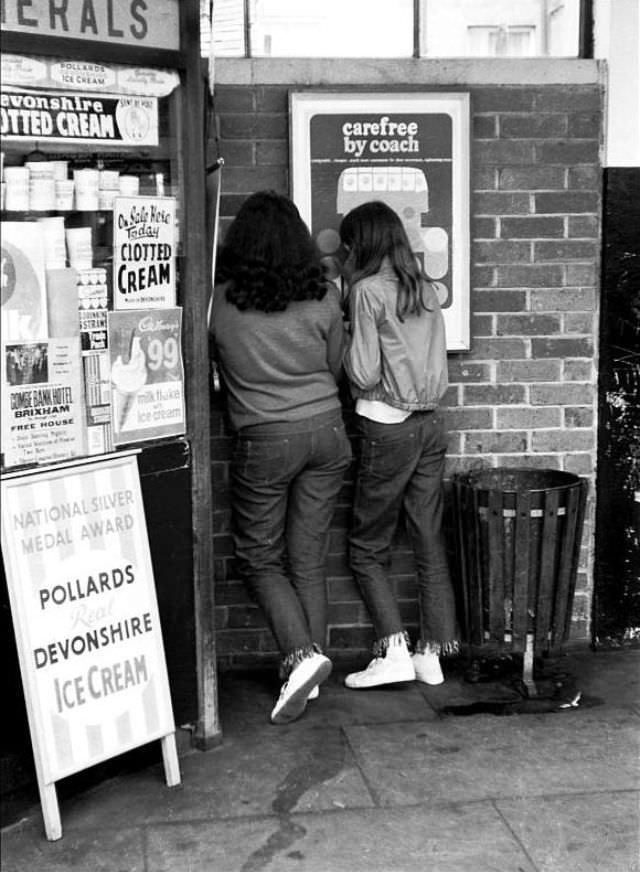
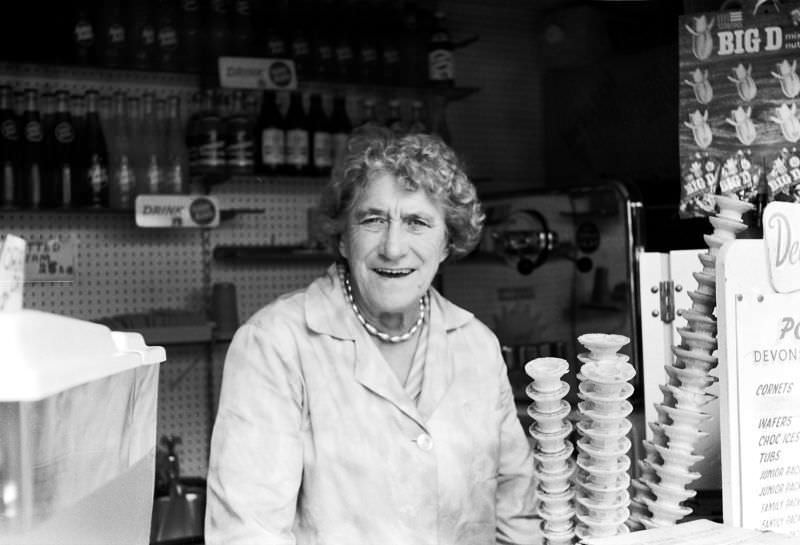
Paignton bus station was a hub of daily activity. Conductors compared notes between runs, regulators debated scheduling, and the woman running the ice cream kiosk became a recurring figure in Craig’s frames.
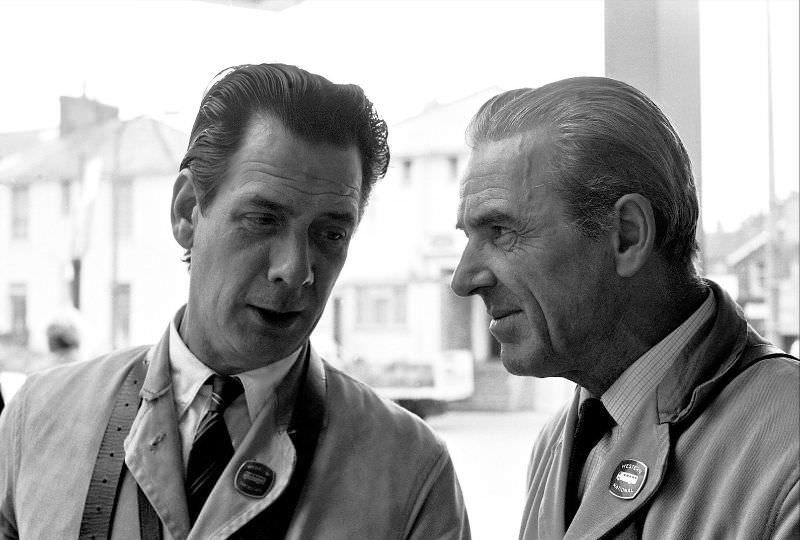
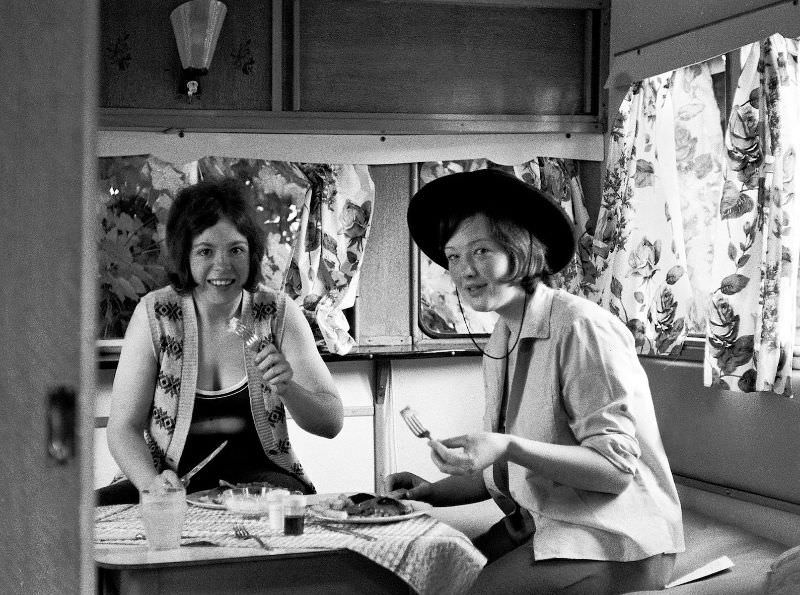
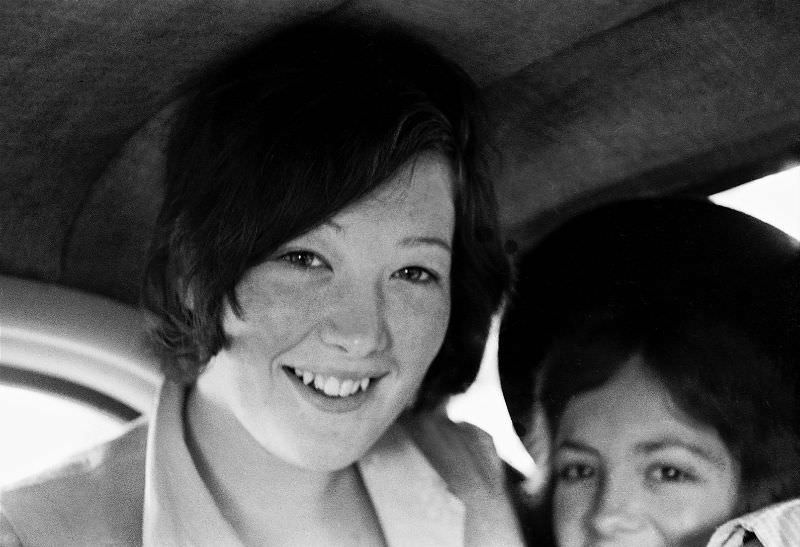
Not everyone Craig photographed worked the routes. Deilwen and Carol, two visitors from Liverpool, were spotted enjoying the top deck on a Devon bus during their holiday. Tourists mixed easily with locals, all sharing the same seats and the same views out the window.
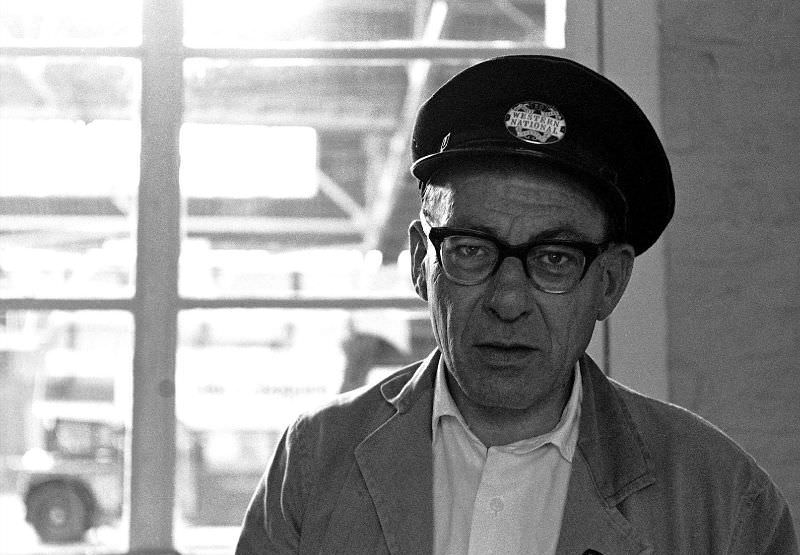
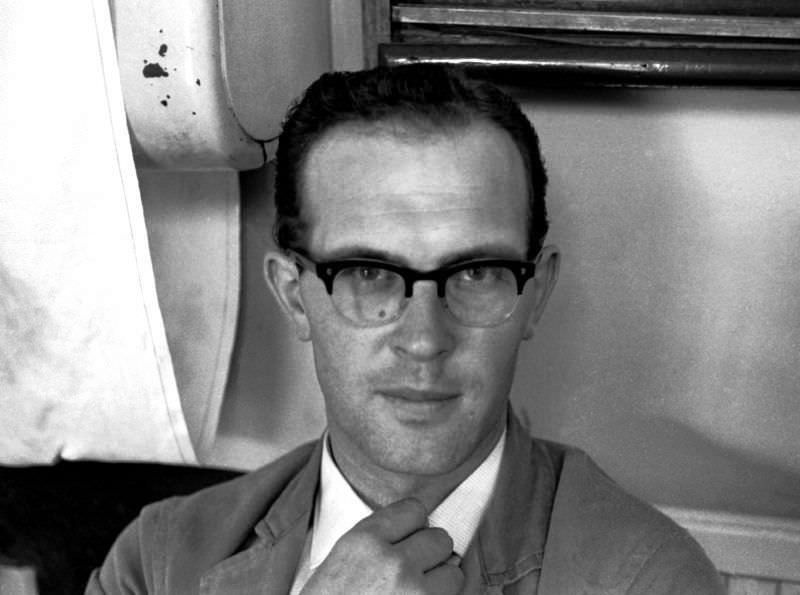
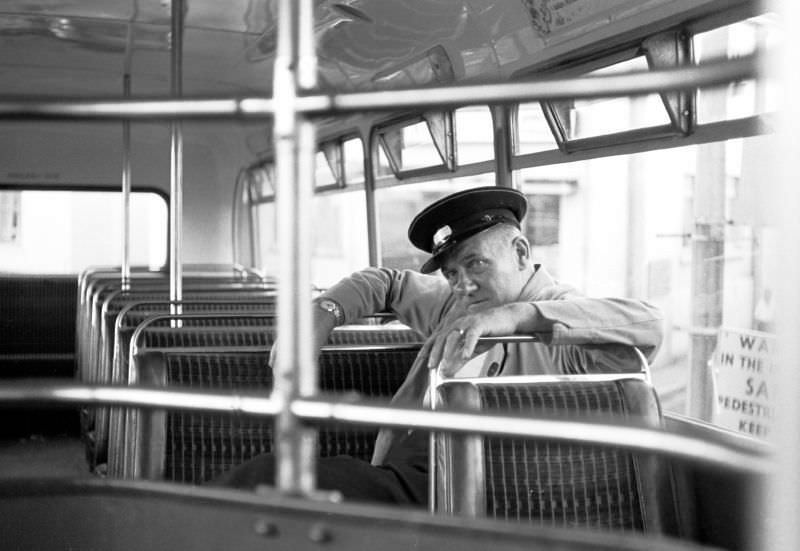
Drivers kept a standard of dress. Ties were worn, uniforms were maintained, and there was a clear professional identity attached to the job. Driver Luscombe was photographed taking a break on the top deck — quiet, alone, looking out over the station below.
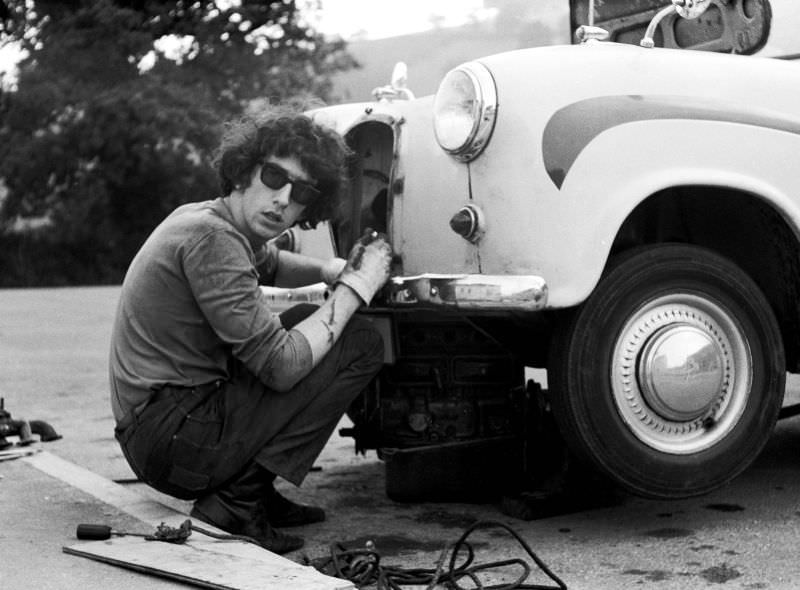
Engine changes were carried out directly in Totnes, with mechanics working in the open. It was hands-on, practical work — no dealership service bays, just men with tools and a bus that needed to keep running.
The ice cream kiosk at Paignton station was a focal point. Craig returned to it repeatedly, photographing the woman who ran it from multiple angles — including one shot that caught her delivering a sharp, direct look straight into the lens.
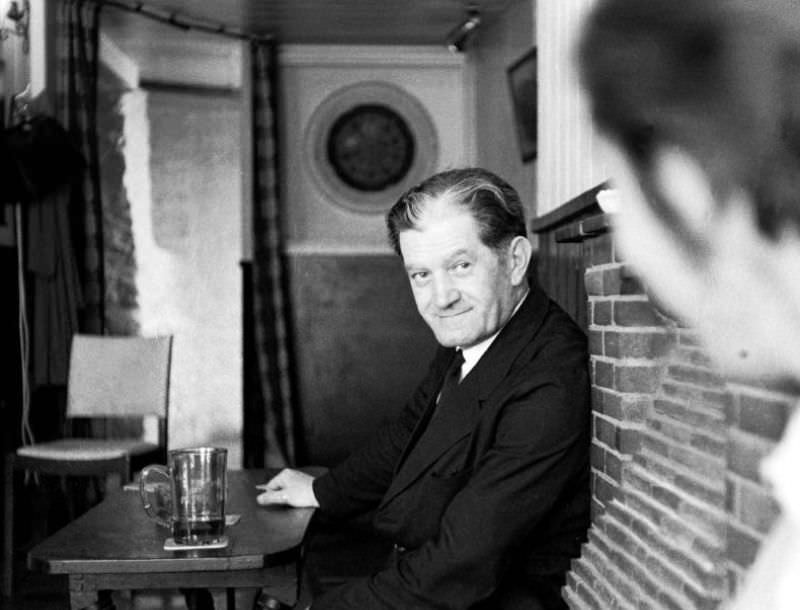
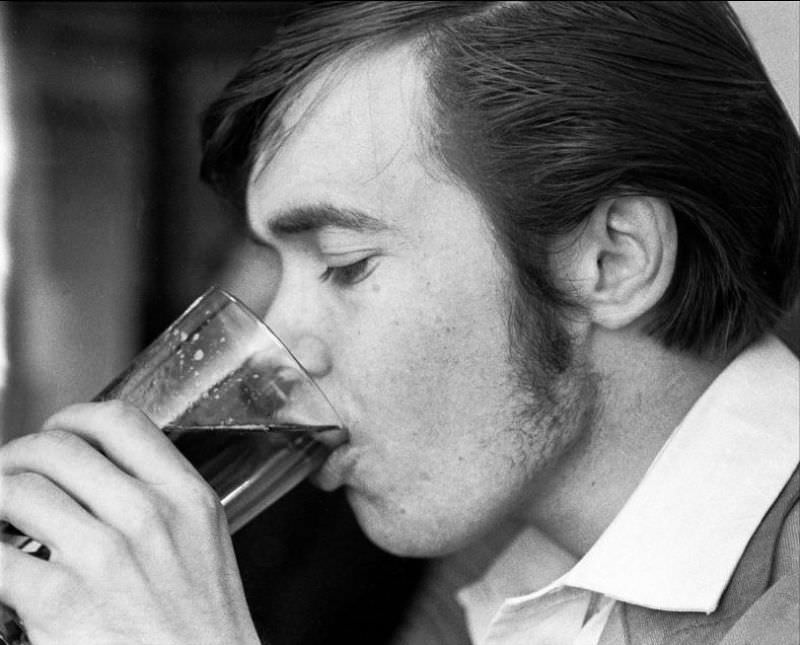
After shifts ended, some workers crossed to the pub near the Plains in Totnes. Mick the inspector and a driver named Pete both appear there — one with a pipe, one with a pint, both unwinding after long days on the road.
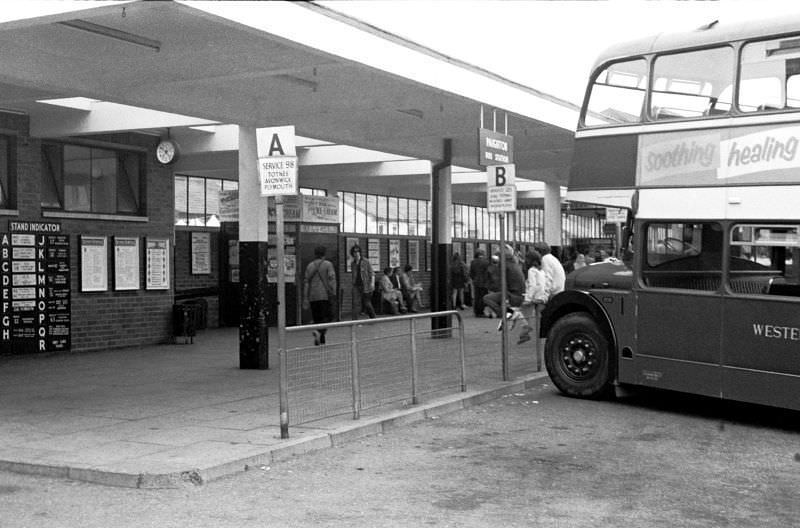
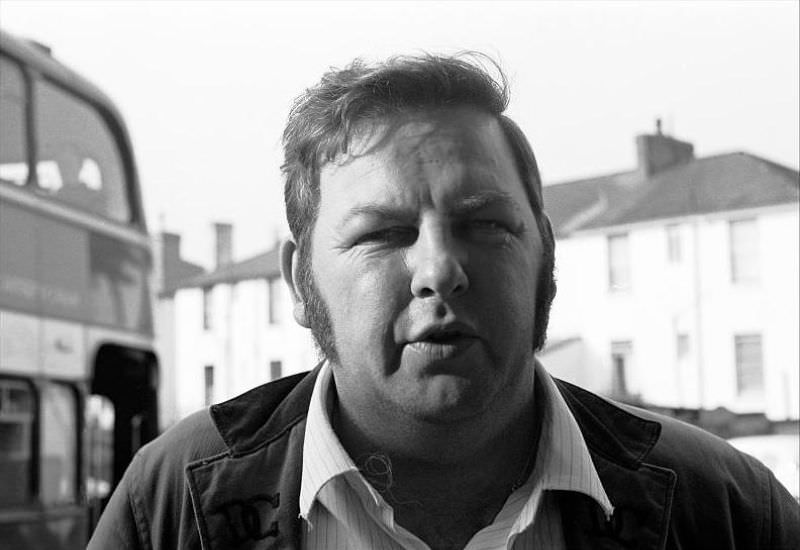
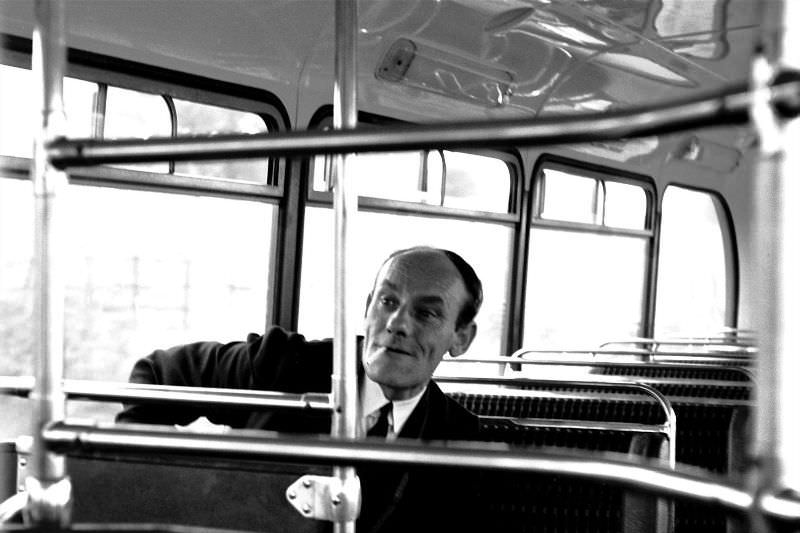
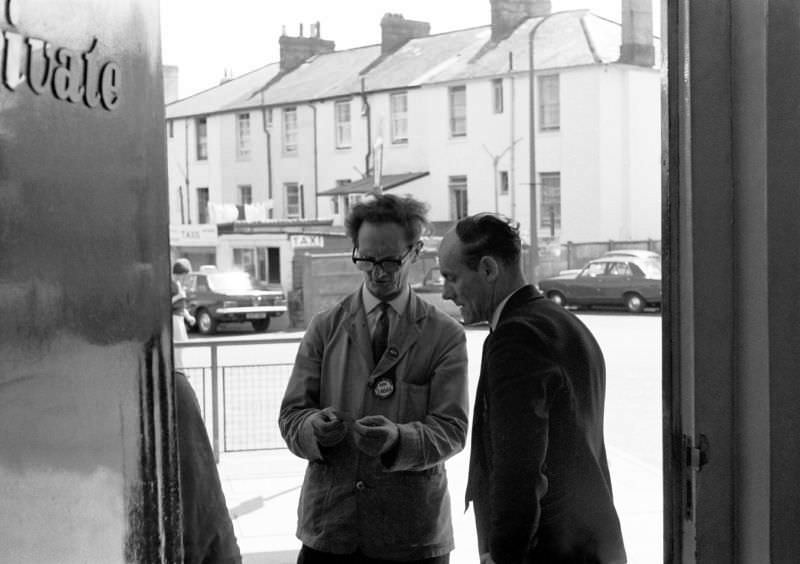
Totnes appears throughout the series as well — its residential streets, the Parkers Close area, and the bus garage that served as the operational base for local routes.
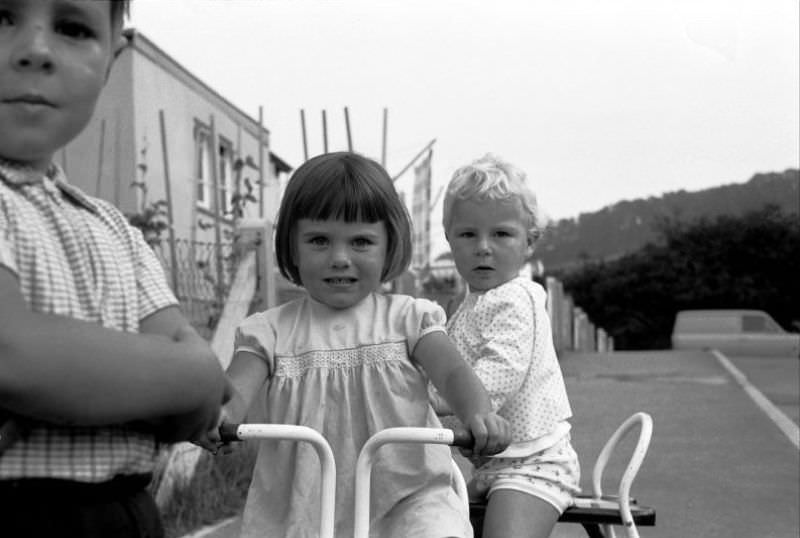
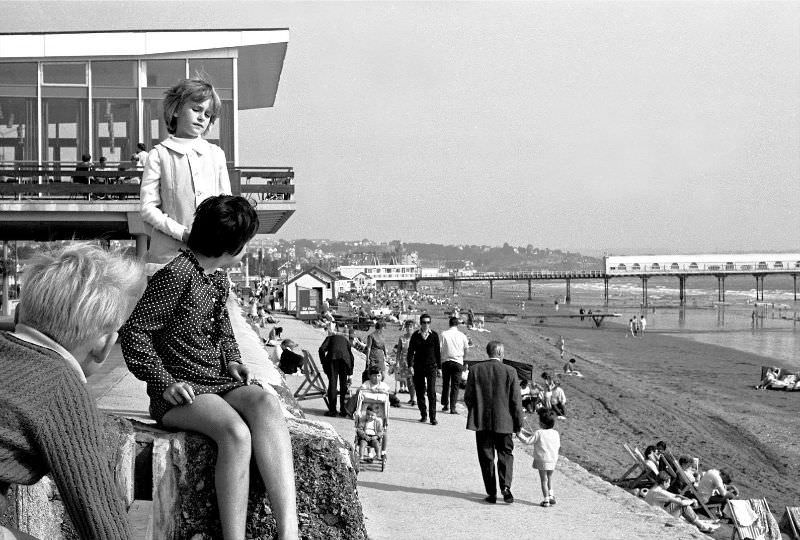
On a clear summer day, Paignton’s seafront filled with holidaymakers. The beach scenes sit alongside the bus station photos as a reminder that this was also a leisure destination — and the buses were what brought people to it.
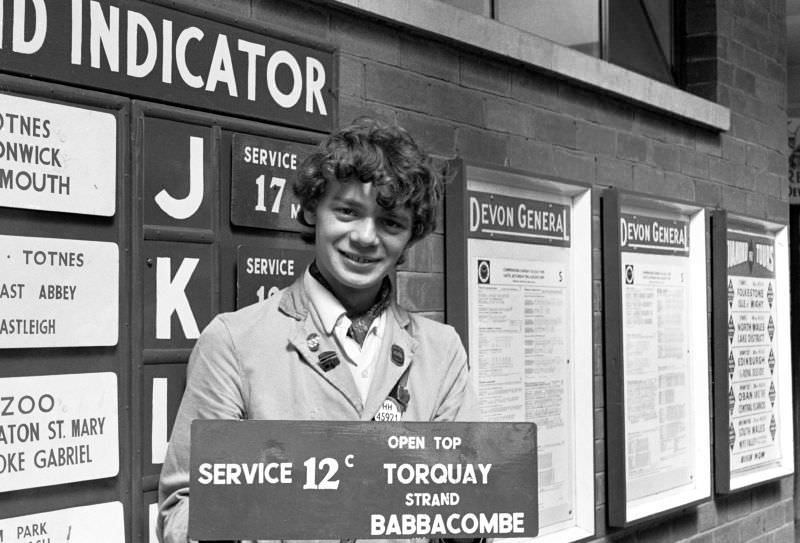
One conductor is photographed holding a Devon General indicator board — a route sign from a rival company, treated here as a kind of trophy. The Western National and Devon General operated competing services in the region, and the playful caption reads “war trophy” in the original notes.