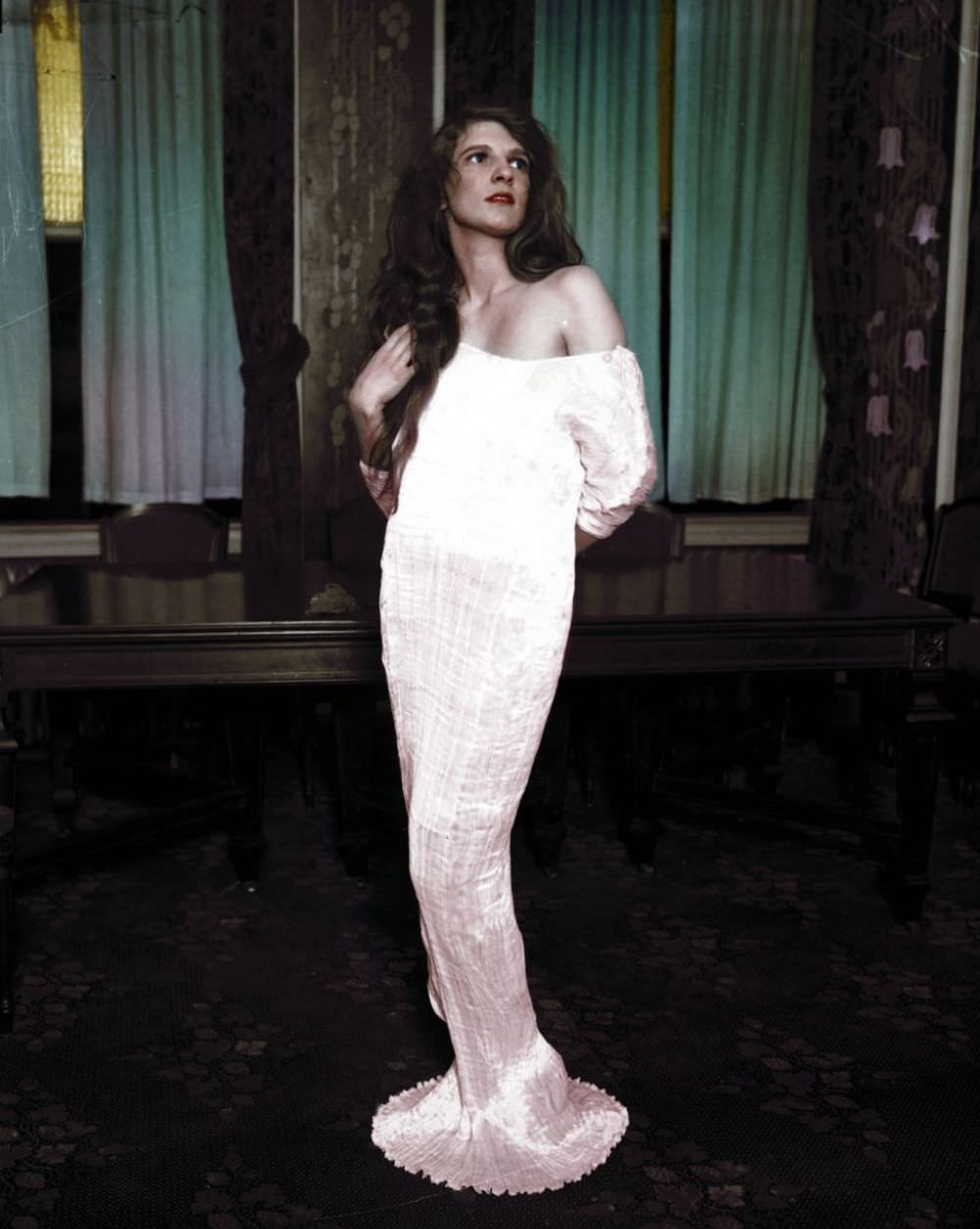
A century ago, beauty pageants were a genuine cultural phenomenon across the United States. From beaches in Washington D.C. to ballrooms in Chicago, women competed for titles that drew thousands of spectators and contestants alike. Irish artist and photographer Matt Loughrey has colorized a remarkable set of photographs from that era, pulling these women out of sepia tones and back into vivid, recognizable life.
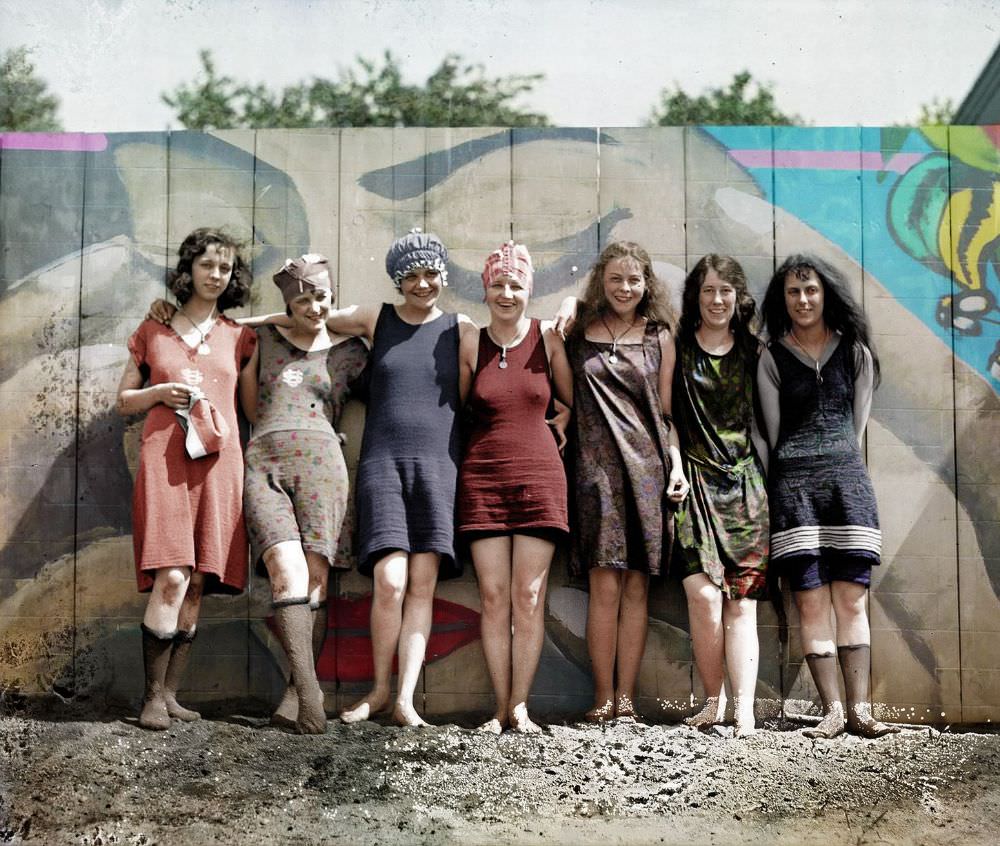
The 1920s brought a sharp shift in how women presented themselves. Hemlines rose, hair was cut short, and fitted silhouettes gave way to straighter, more relaxed shapes. Long hair had long been seen as the ultimate mark of femininity, but women of the 1920s rejected that idea boldly. These pageants became a stage for that new look — and the women who wore it with confidence.
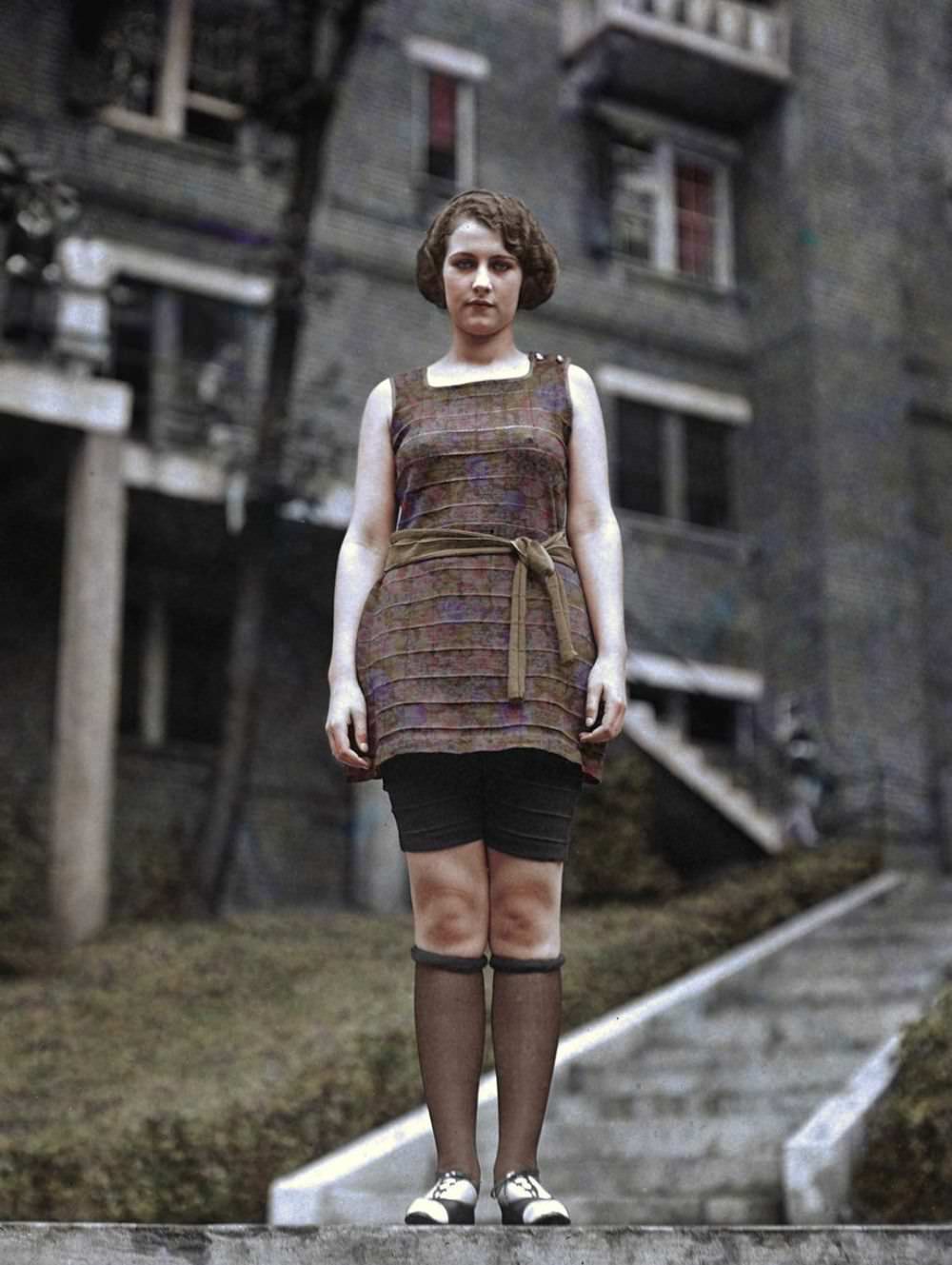
Local and regional titles were fiercely contested. In 1925, Margarita Gonzales claimed the Miss Chicago crown and earned a spot at the prestigious Atlantic City national beauty contest. She was eliminated in the first round, but her win in Chicago alone represented a major achievement in a highly competitive field.
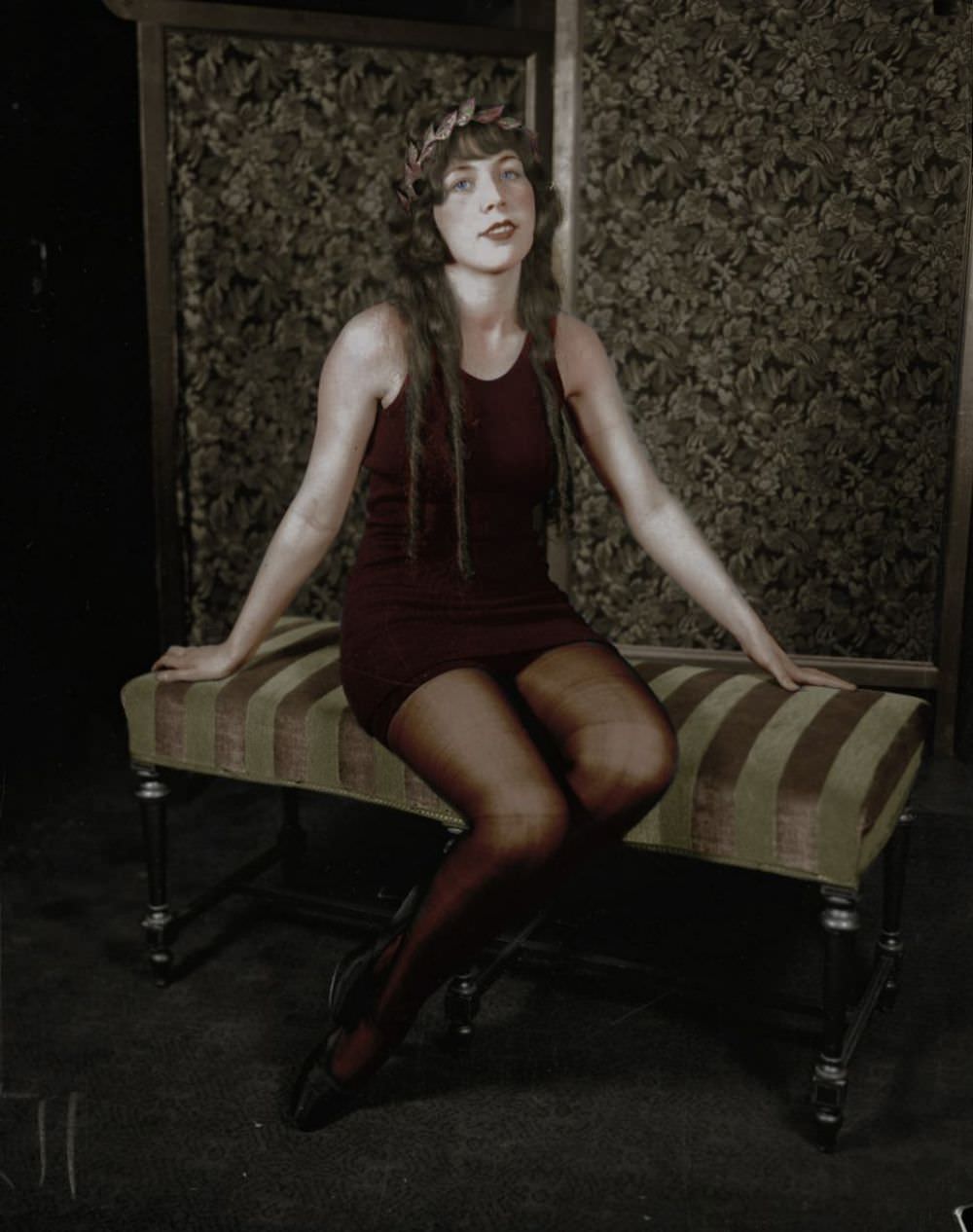
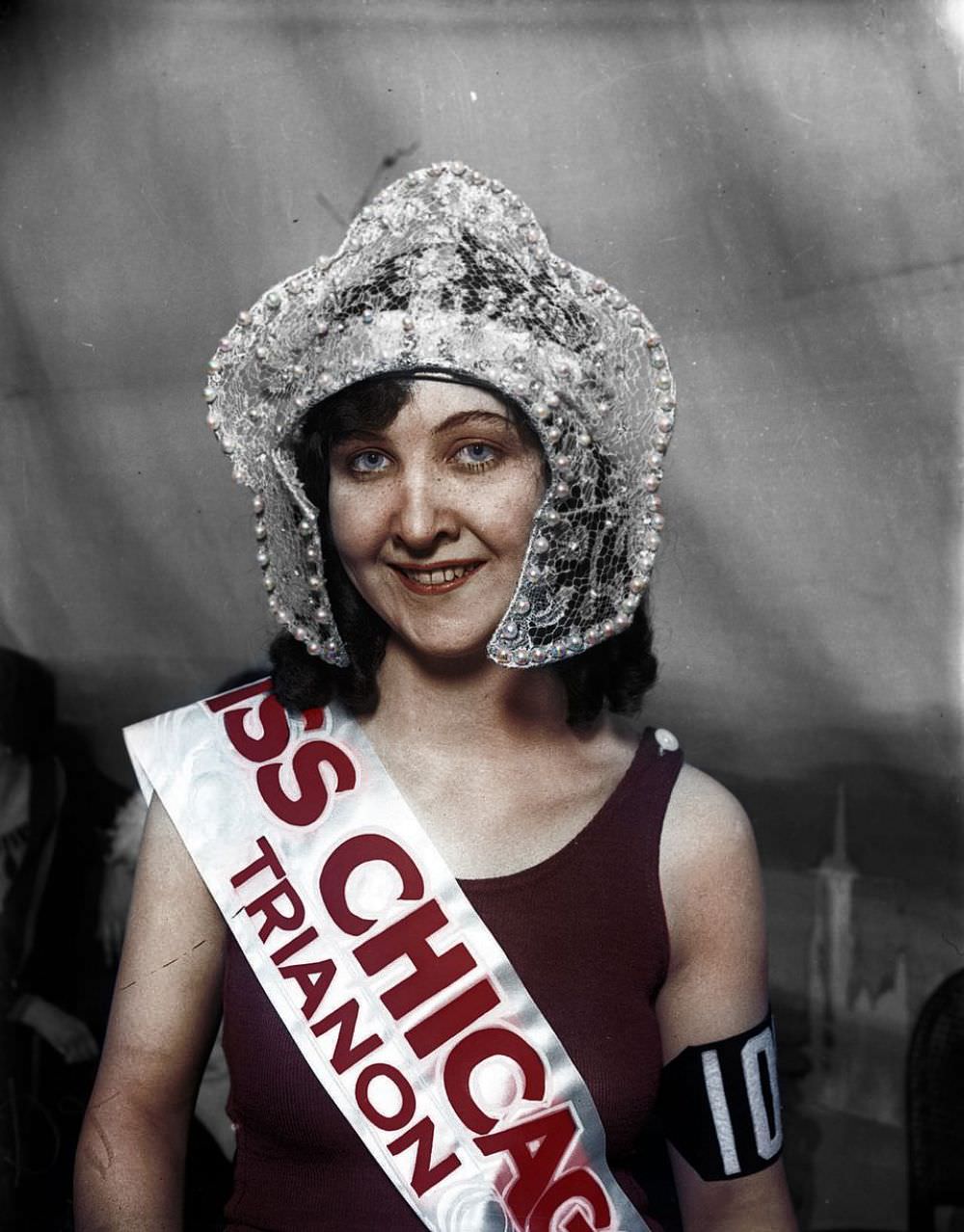
Regional titles could also serve as stepping stones to national competitions. Evelyn Cushing won Miss Illinois in 1932 at just 24 years old and went on to compete for Miss America, while Mae Greene was selected as Miss Chicago 1926 from a pool of 4,000 rivals at the Trianon Ballroom — a staggering number that shows just how popular these contests had become.
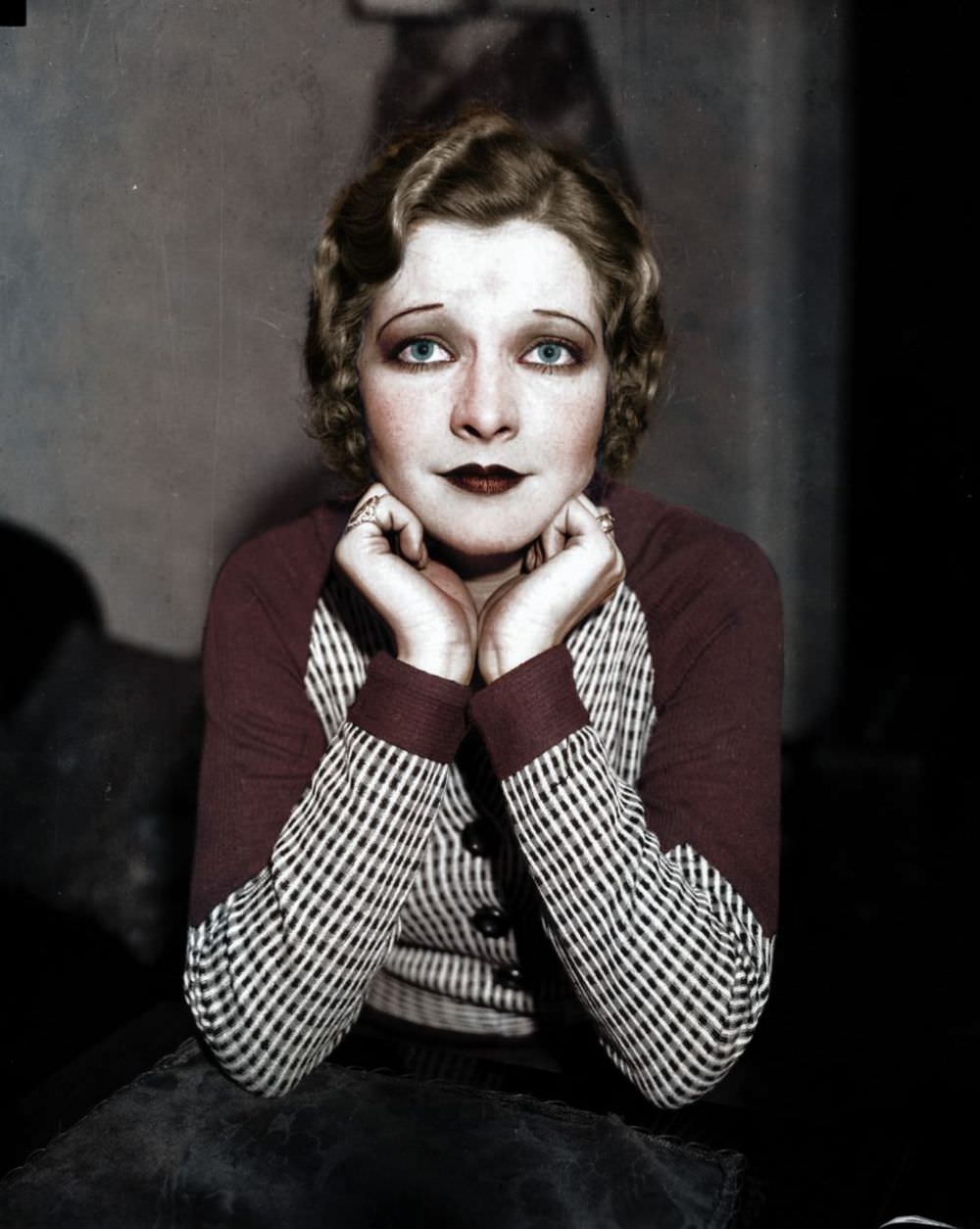
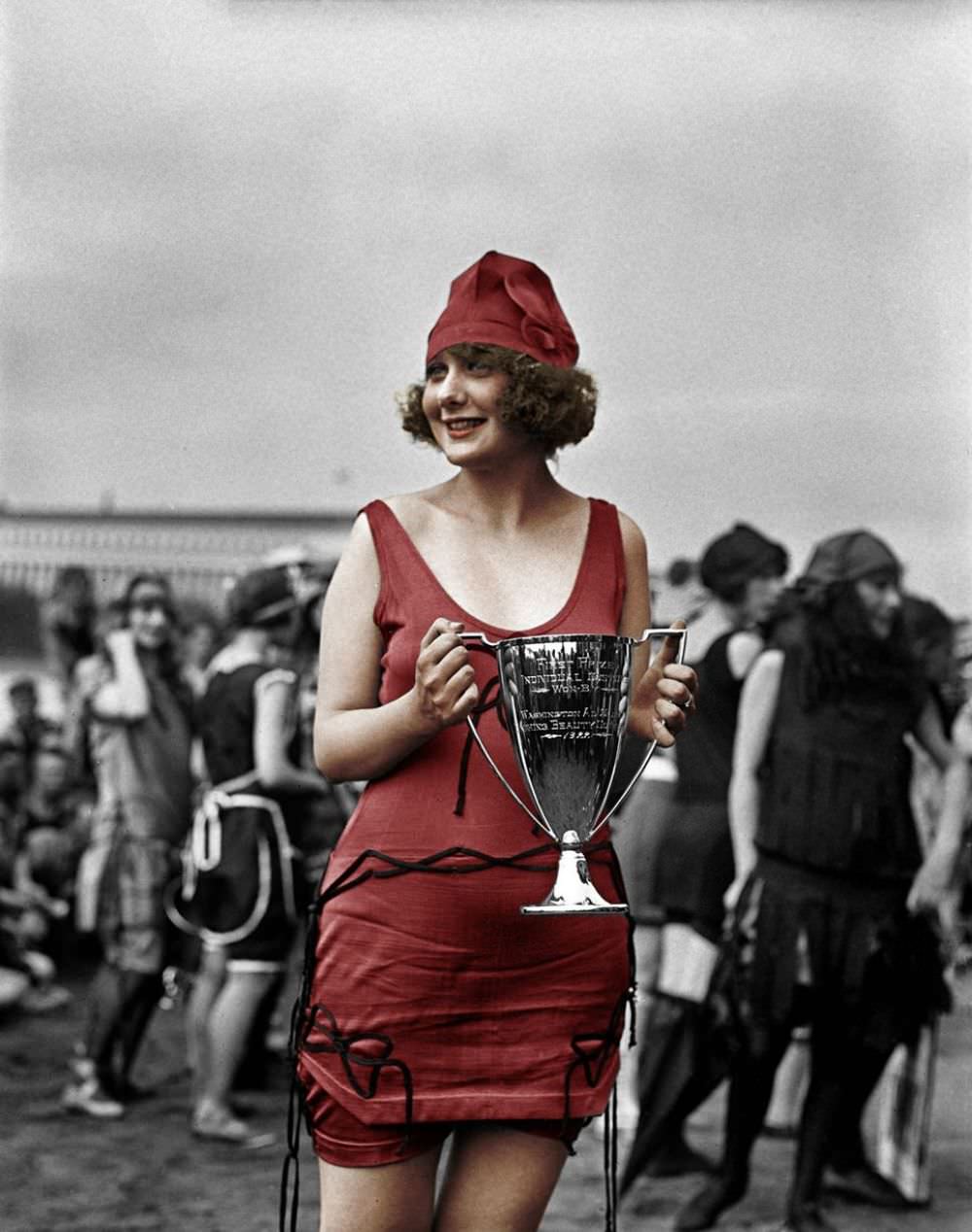
The Washington Tidal Basin hosted some of the most well-documented pageants of the era. Eva Fridell won there in August 1920, and two years later she returned to claim the winner’s cup again on August 5th, 1922 — a rare repeat showing at one of the city’s most celebrated outdoor contests.
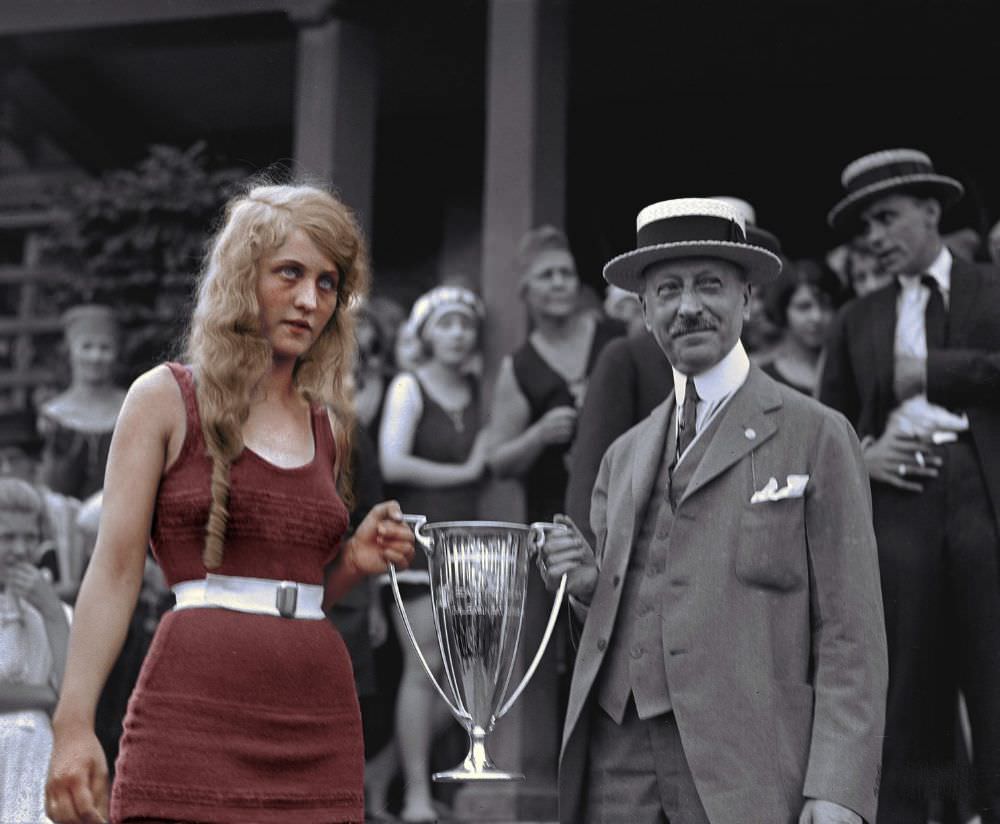
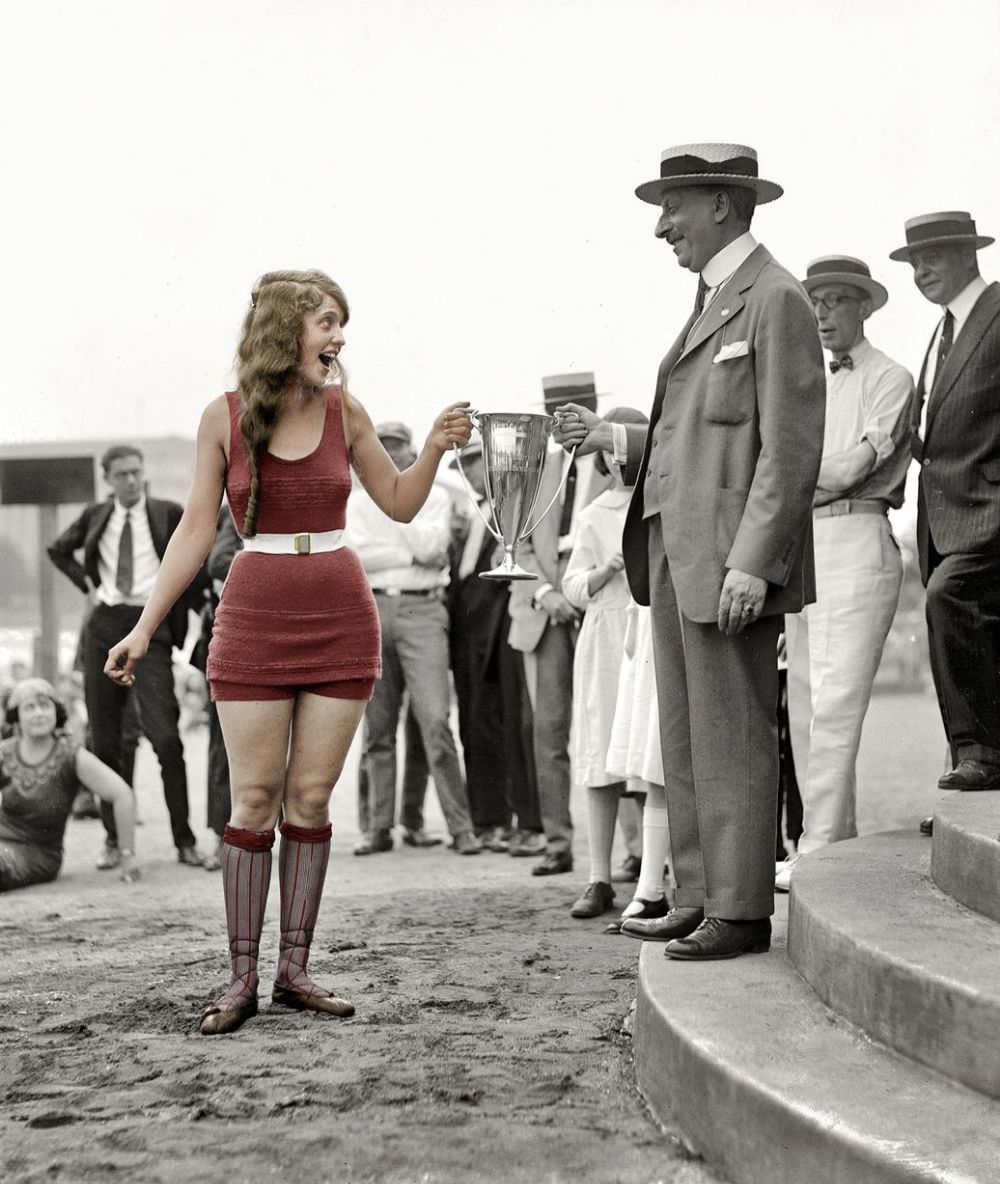
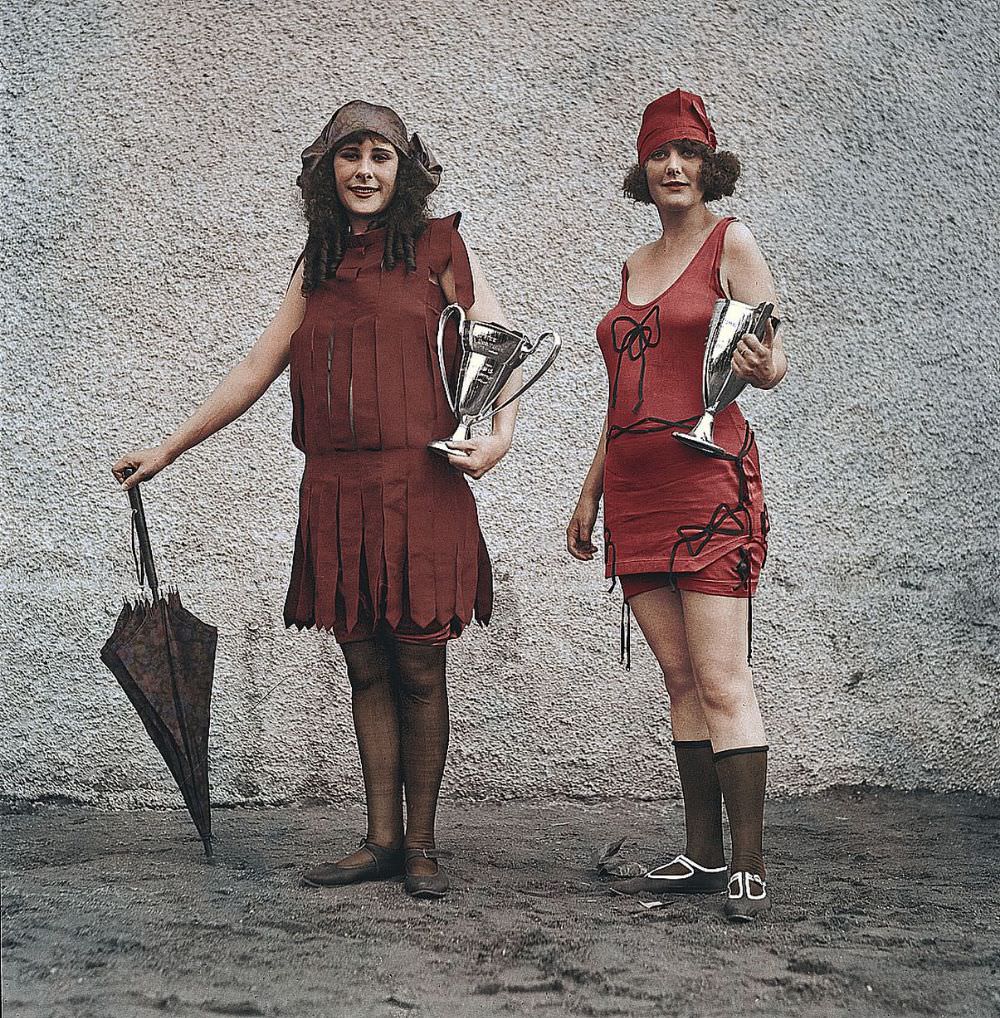
The 1922 Tidal Basin contest also produced two other notable winners. Iola Swinnerton and Anna Neibel both took honors that year, with Neibel photographed proudly holding her winner’s cup on the waterfront — a moment now made vivid again through Loughrey’s colorization work.
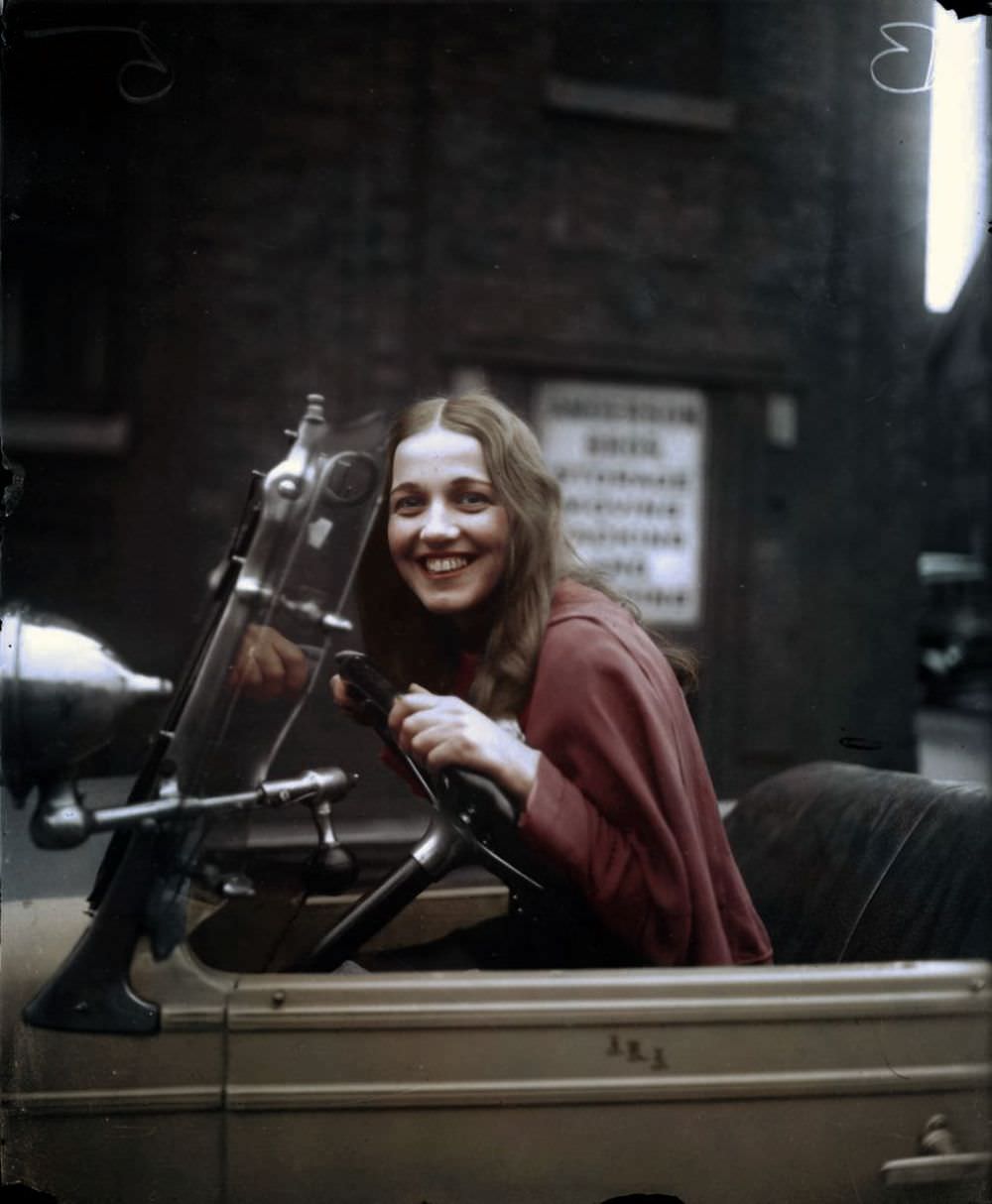
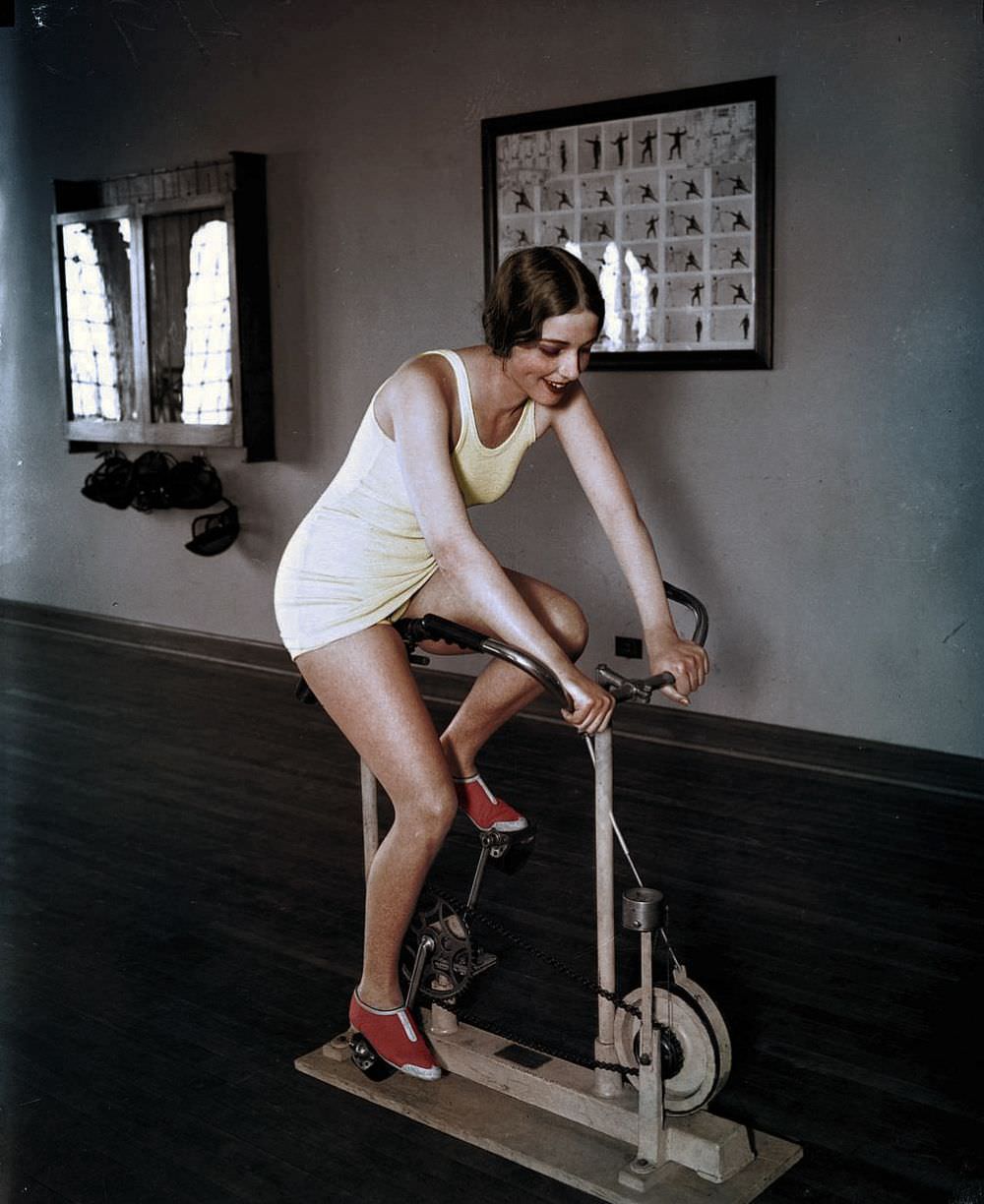
At the international level, Ella Van Hueson was crowned Miss Universe and became one of the most photographed women of her day. Captured behind the wheel of her car in 1922 and again exercising on a static bike in June 1928, Van Hueson embodied the active, modern image that the pageant world was beginning to celebrate.
Beyond the competitions themselves, pageant culture extended into fashion and social events. Mrs. Wallace Ford modeled a gown in 1927 that she planned to wear to the Miss America ball — proof that these contests shaped not just who won, but what women wore and how they moved through public life.