Zündapp is a name most people associate with motorcycles, and for good reason. The German company was founded in 1917, originally making detonators before shifting into the motorcycle business in the 1920s. Their bikes were well-regarded — some even served with the German Wehrmacht. In 1931, Zündapp briefly partnered with Ferdinand Porsche to help develop an early Volkswagen prototype. But the company’s strangest chapter came near the end of the 1950s, when it built its first and only car.
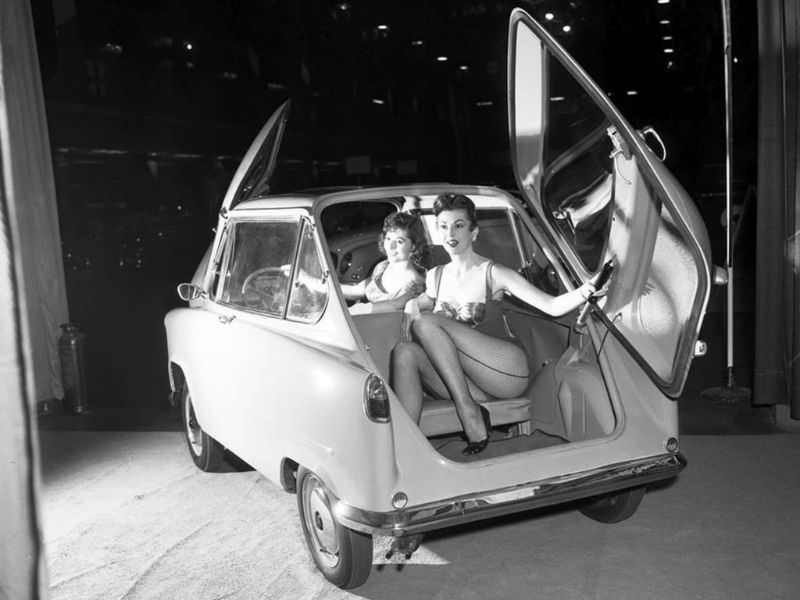
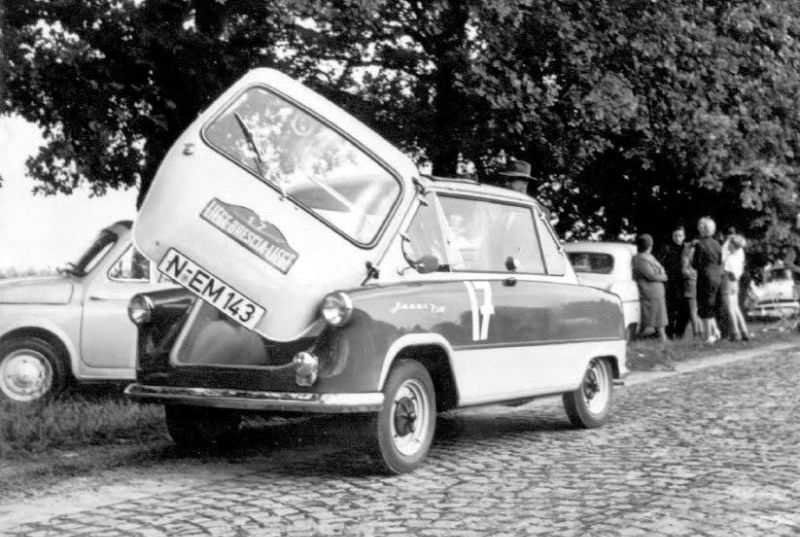
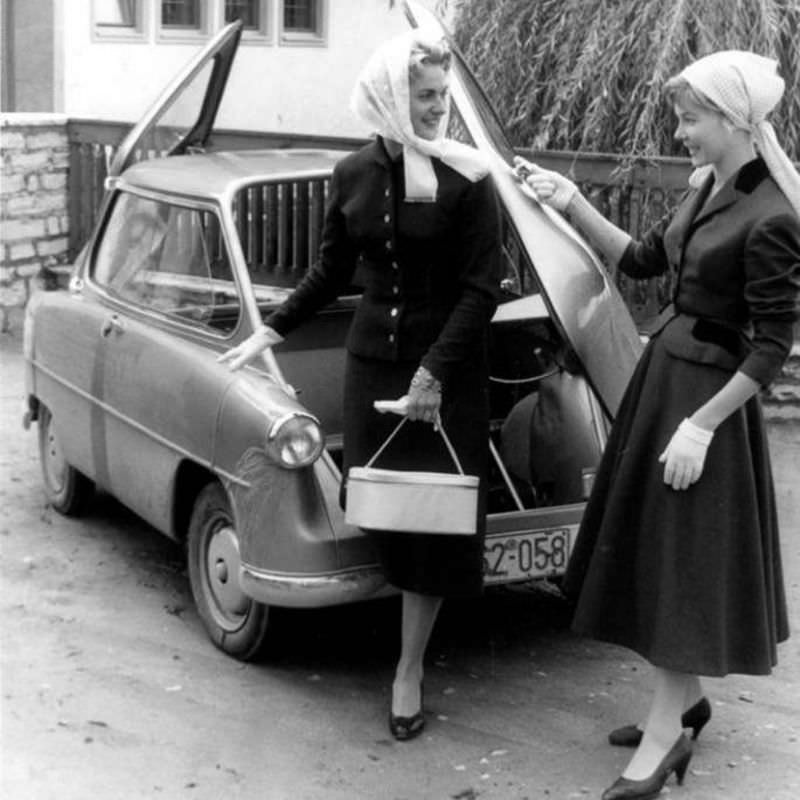
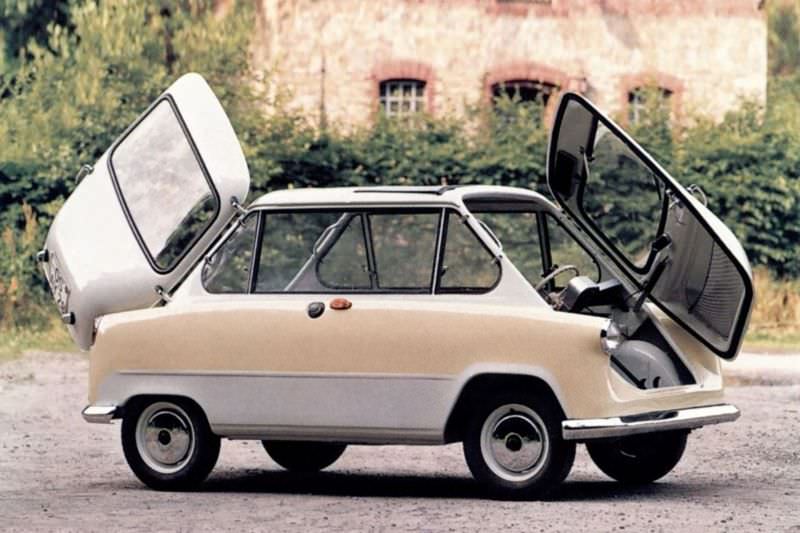
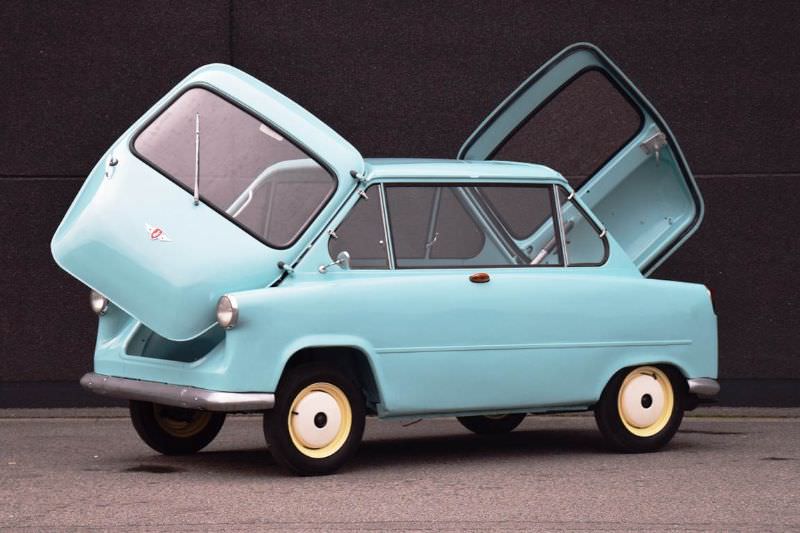
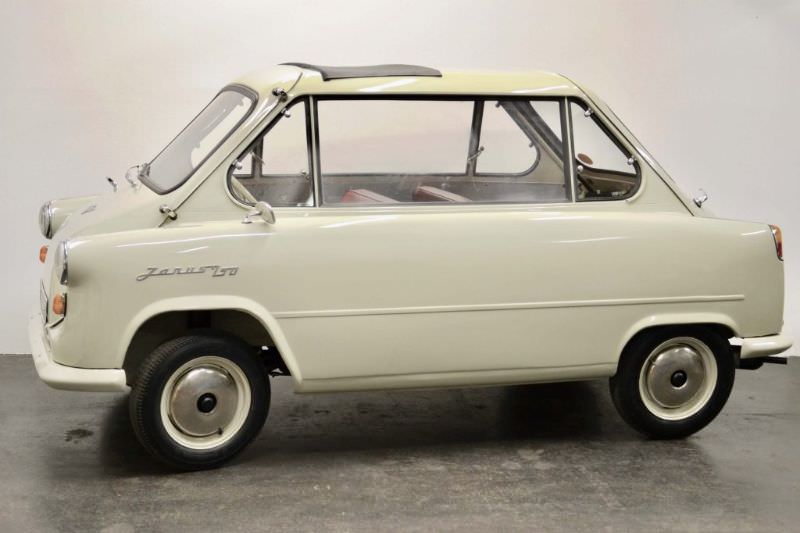
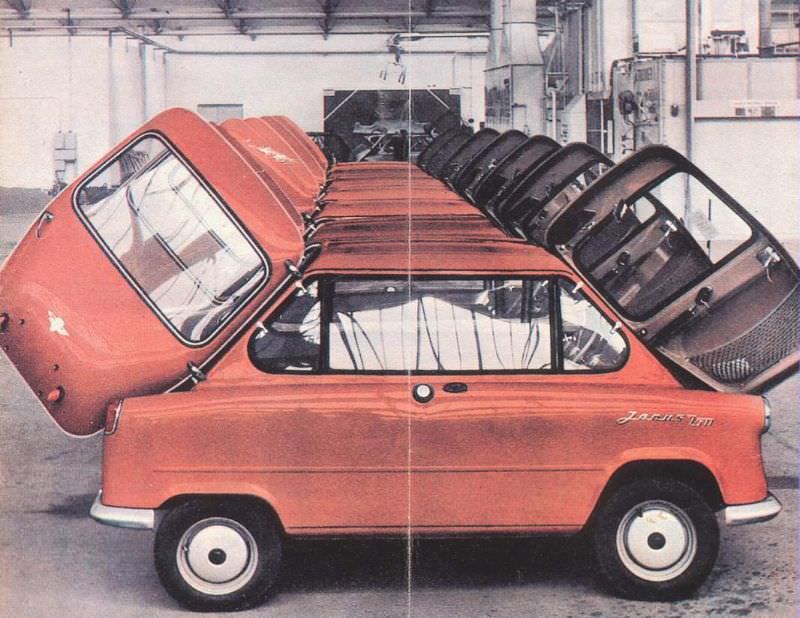
The car was called the Janus, and it earned that name. In Roman mythology, Janus was the two-faced god who looked forward and backward at the same time. The microcar worked the same way. The driver and front passenger faced forward. The rear passengers sat facing backward, looking out at the road already traveled. A door at the front and another at the back gave each pair of occupants their own entry point. The engine sat in the middle, between the two seating sections.
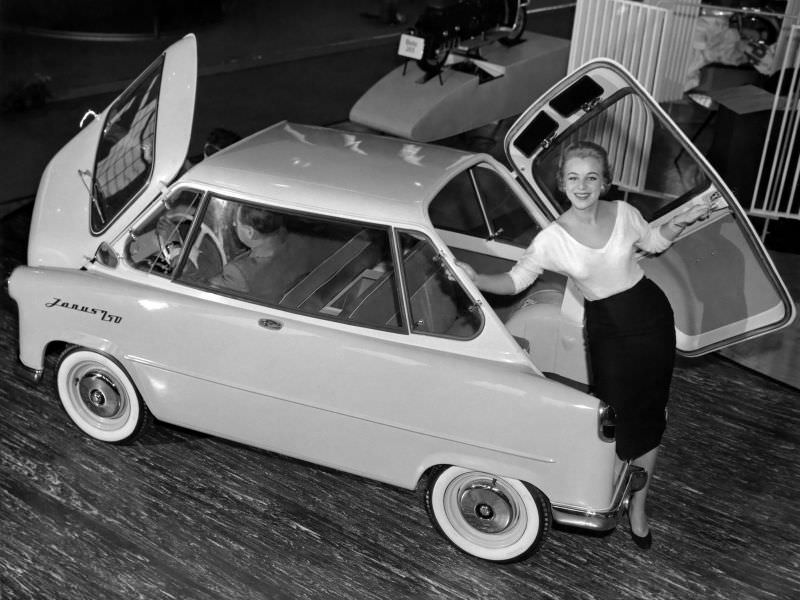
The Janus started life in 1954 as a project called the Delta, developed with aircraft designer Claude Dornier. The unusual seating layout drove the name change. Once the Roman mythology connection was made, the Delta became the Janus — a perfect fit for a car that could, quite literally, face both ways.
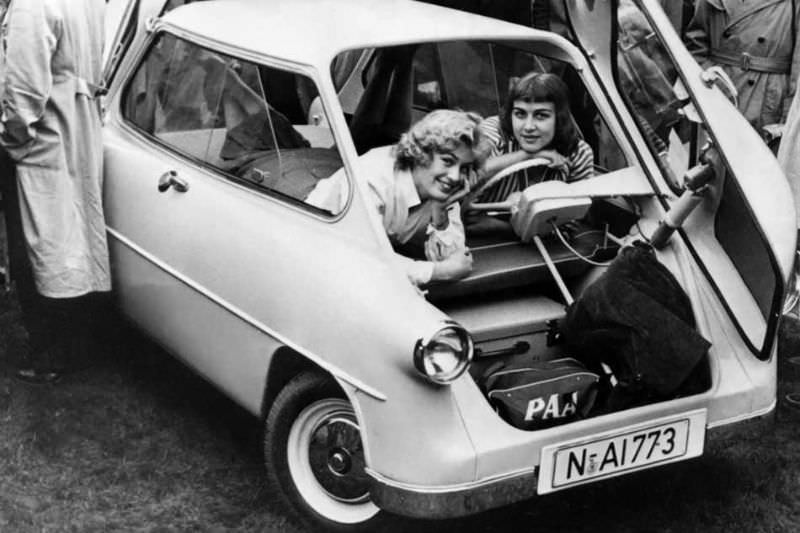
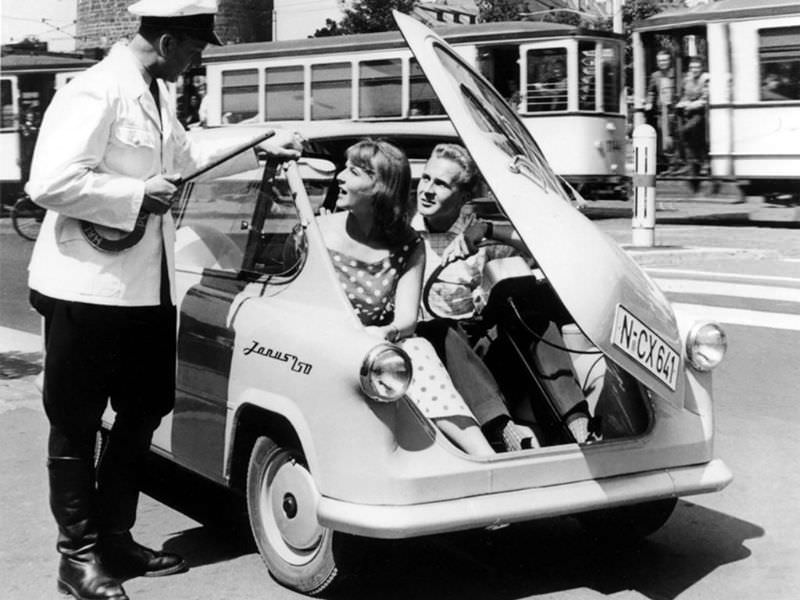
Under the hood — or rather, under the center floor — sat a 245cc one-cylinder, two-stroke engine producing 14 horsepower. That was enough to push the Janus to a top speed of 50 mph, though that figure dropped noticeably with four people on board. The car came with a 4-speed transmission, a 12-volt electrical system, and MacPherson strut suspension. Optional extras included a heater, a sunroof, and one genuinely odd addition: a fake rear steering wheel, installed purely to give the impression the car could be driven from either end.
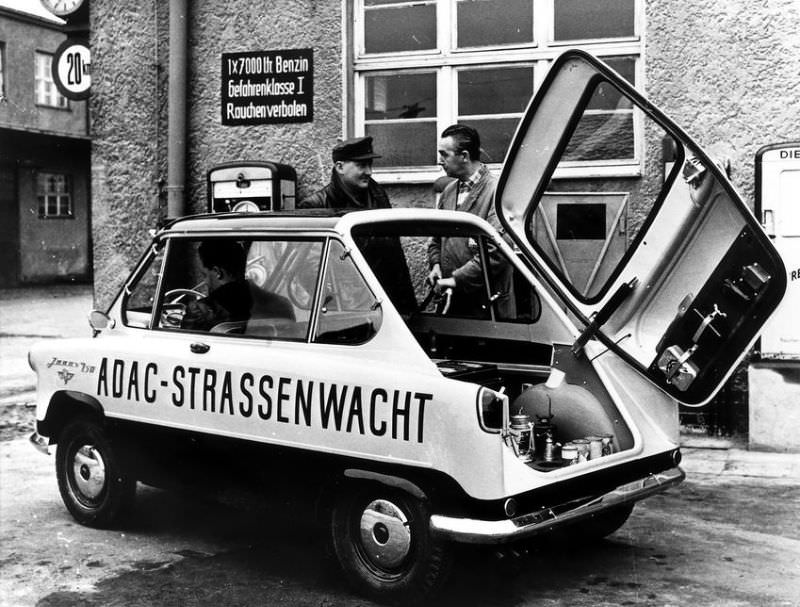
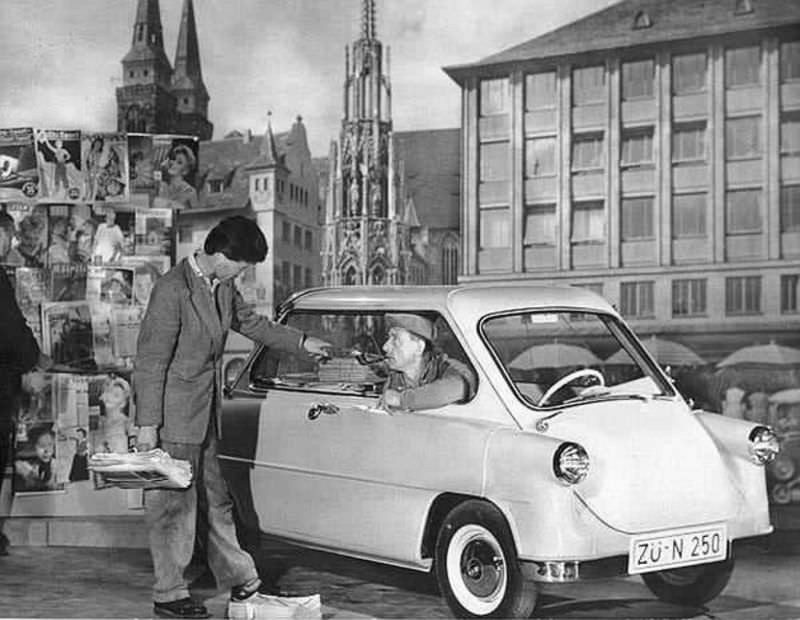
The center-mounted engine created a shifting center of gravity, especially when the car was fully loaded. This made handling tricky in turns. Water leaked in around the quarter lights, and rust followed. Storage was nearly nonexistent — mesh nets inside the doors were the only place to put anything.
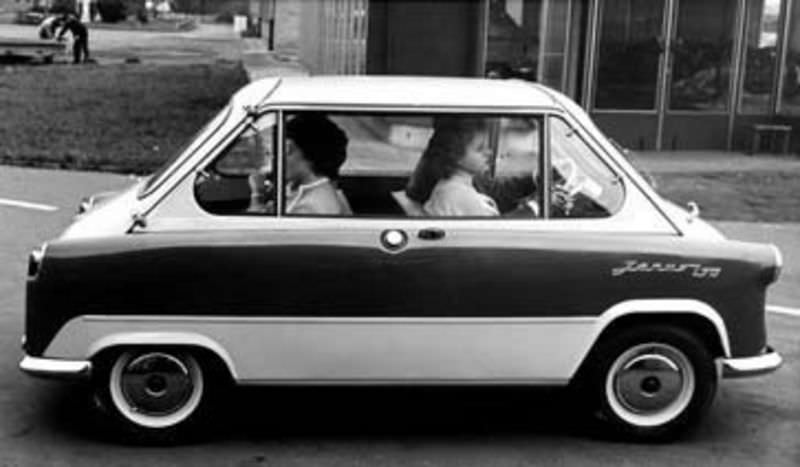
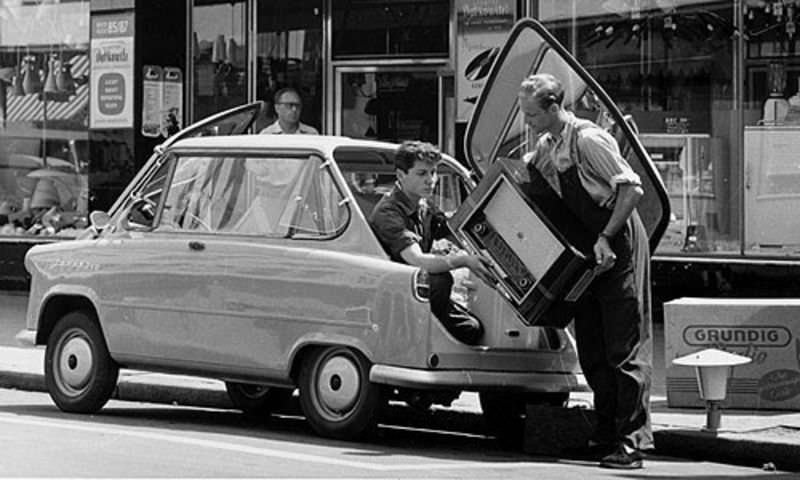
The Janus was also expensive compared to other microcars on the market at the time. Buyers looking for cheap, basic transport had better options. Production ended in 1958 after fewer than 7,000 units were built. Today, only around 70 survive, making them highly sought after by collectors.
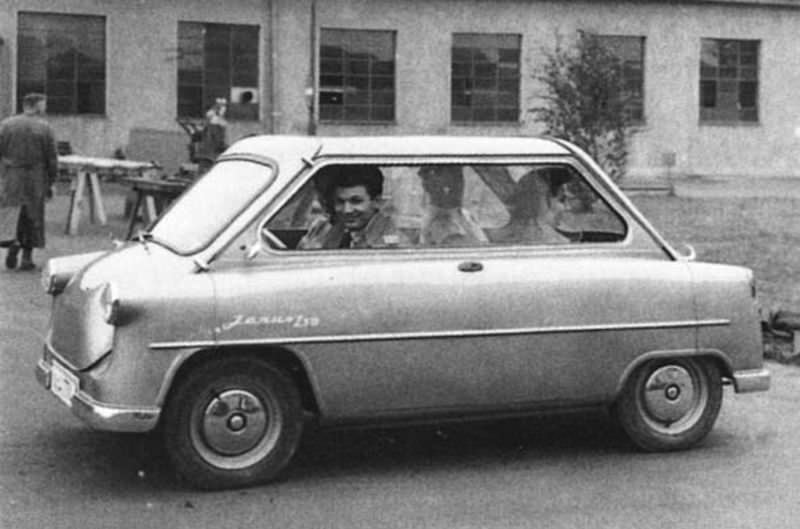
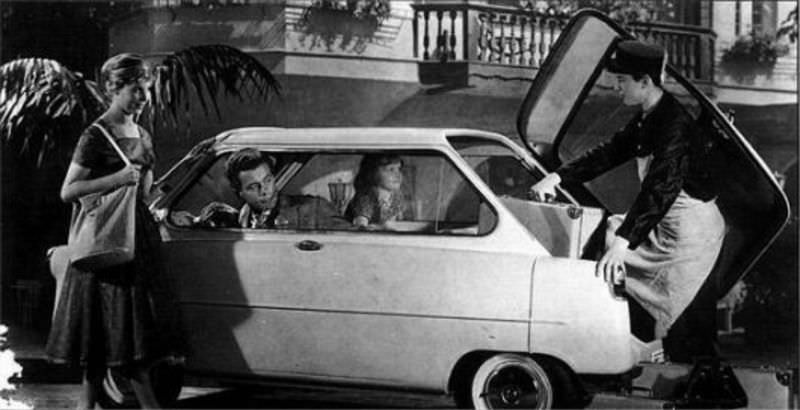
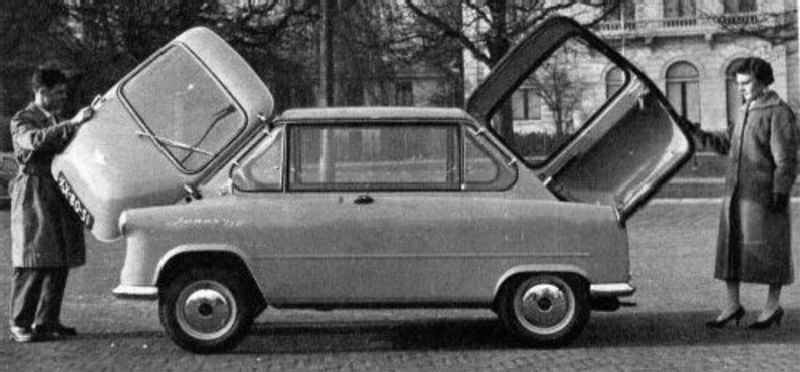
The Janus did find one unexpected form of immortality. Pixar cast a villainous blue Zündapp Janus as Professor Z in the 2011 animated film Cars 2 — proof that even a failed microcar can leave a lasting mark when its design is strange enough to be unforgettable.