

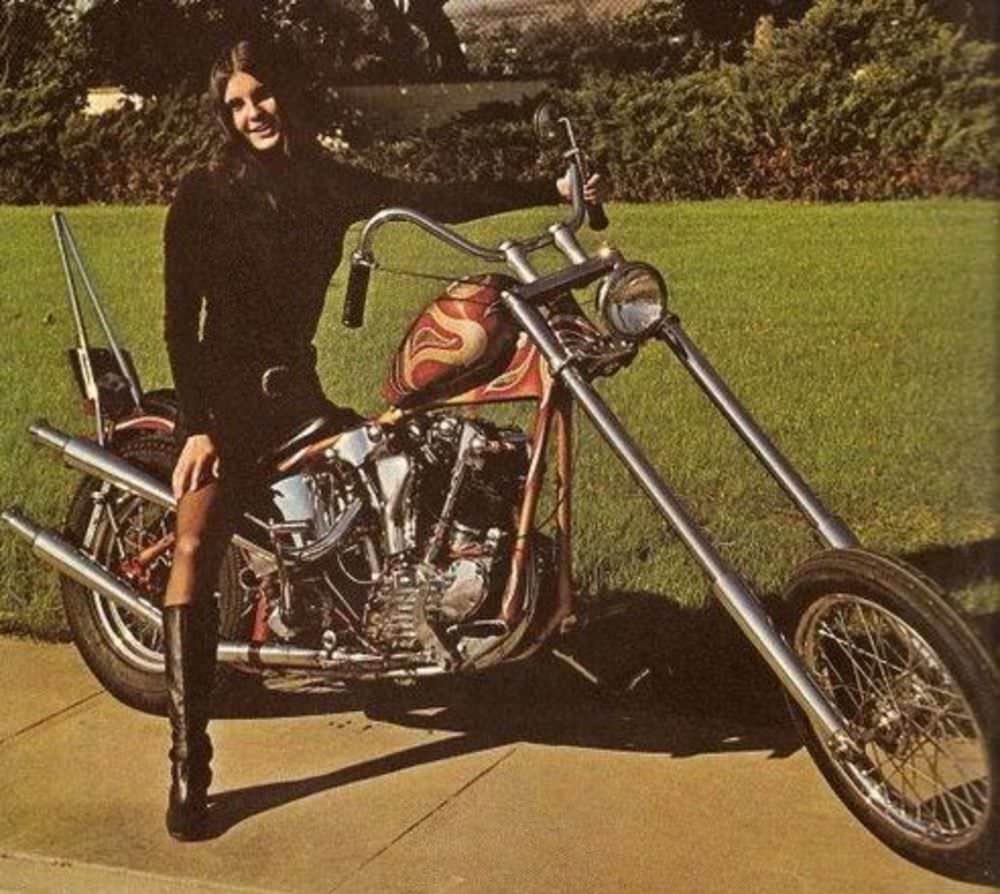
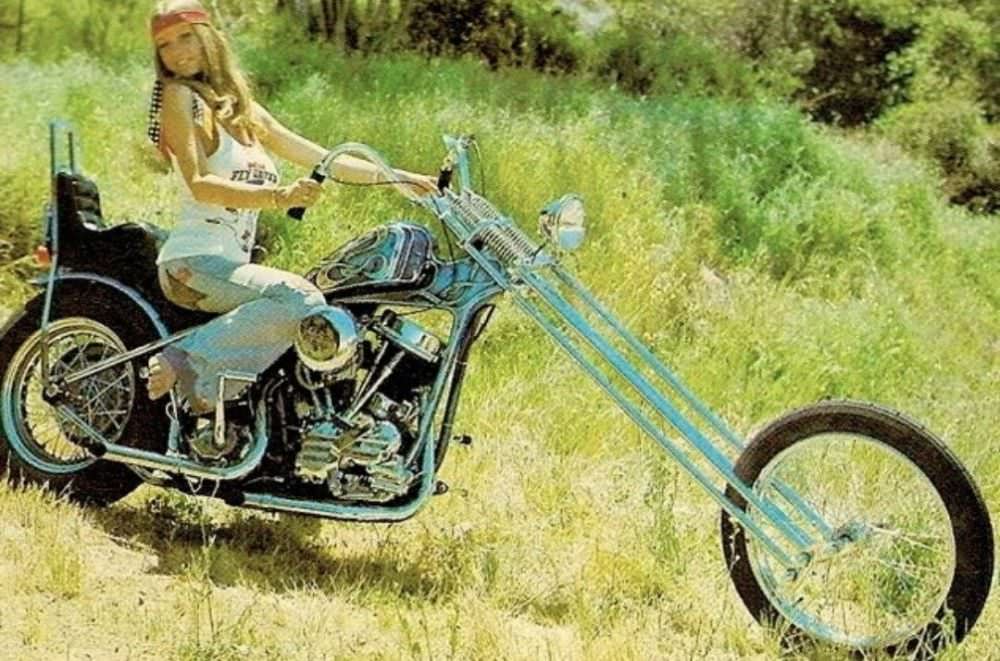
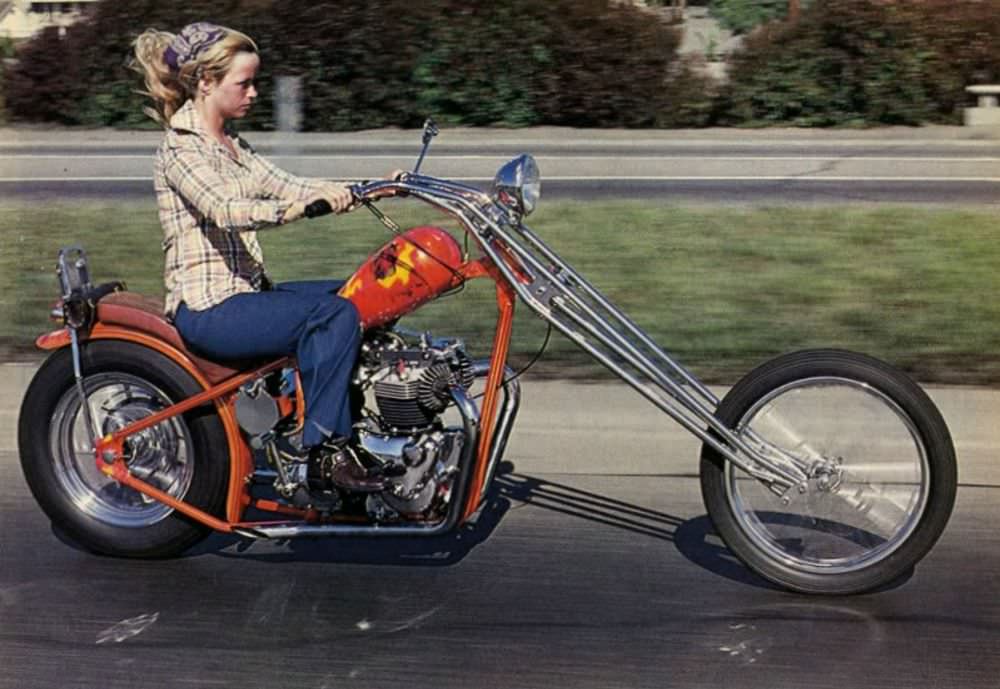
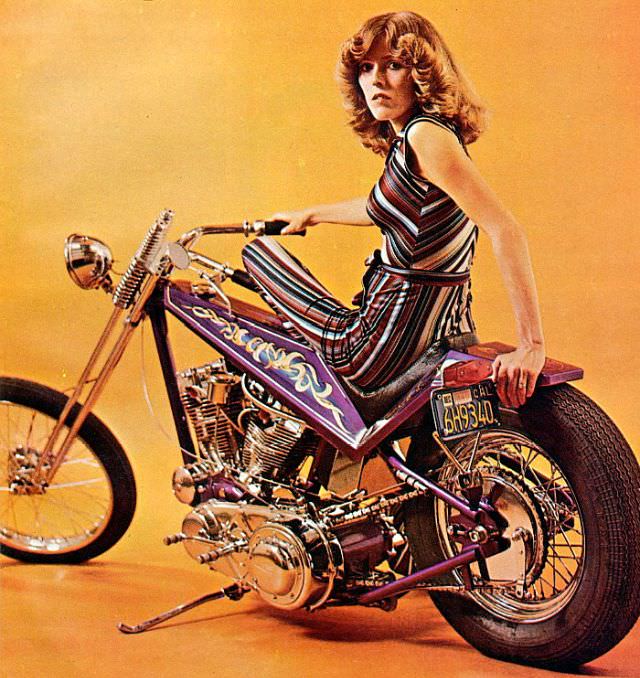
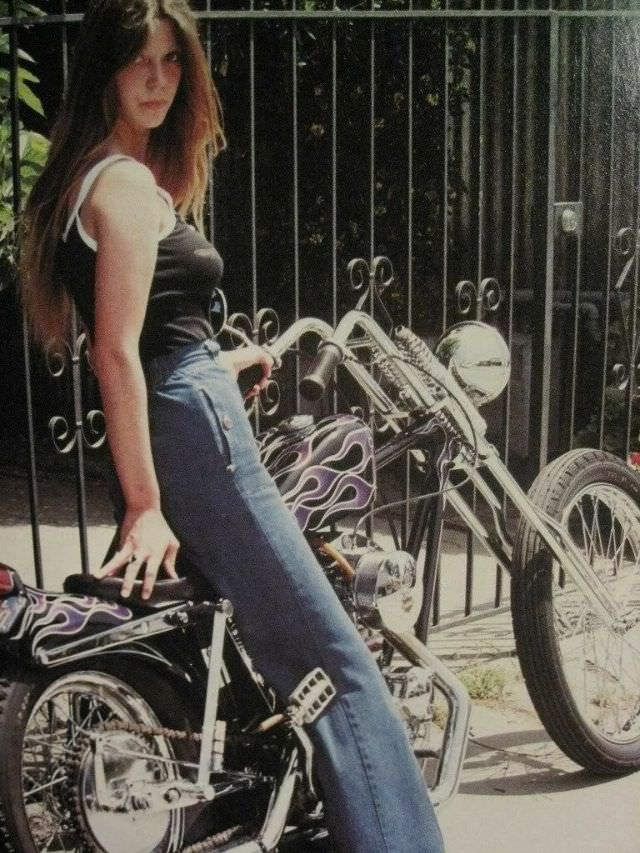
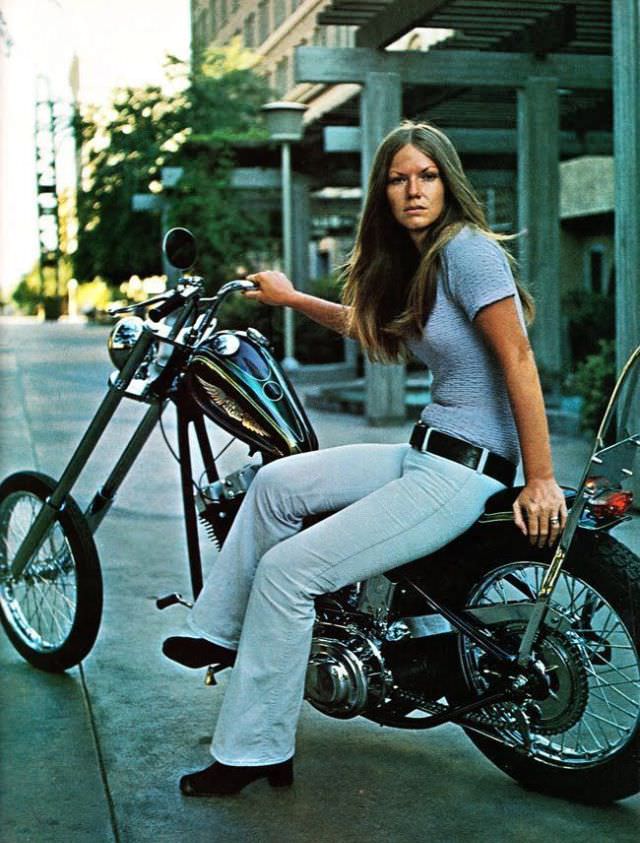
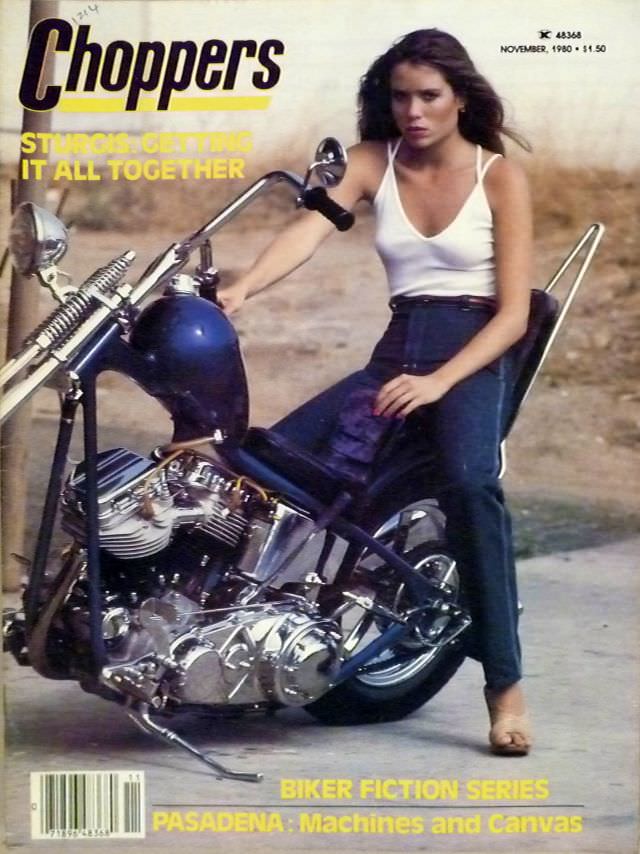
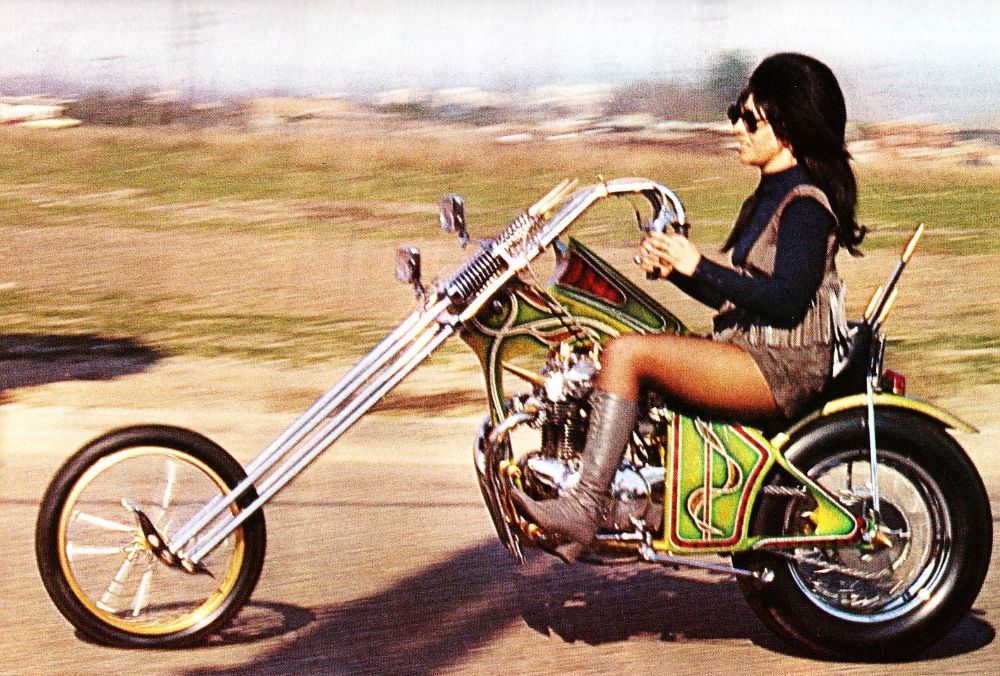
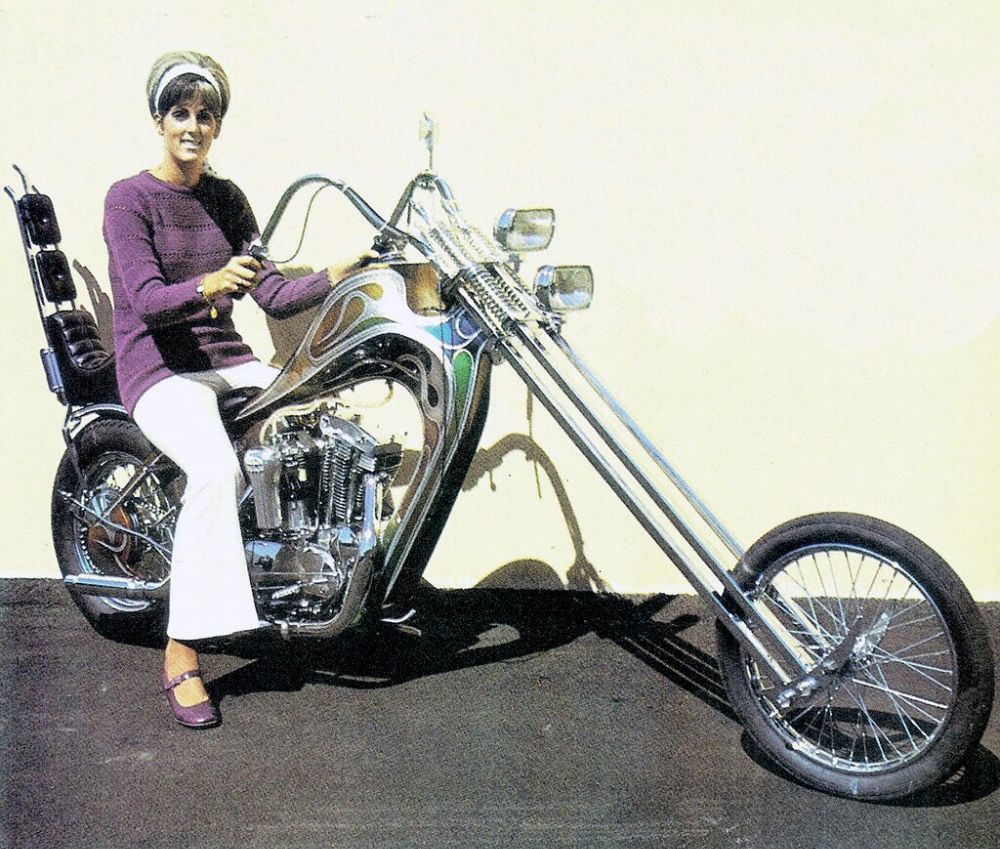
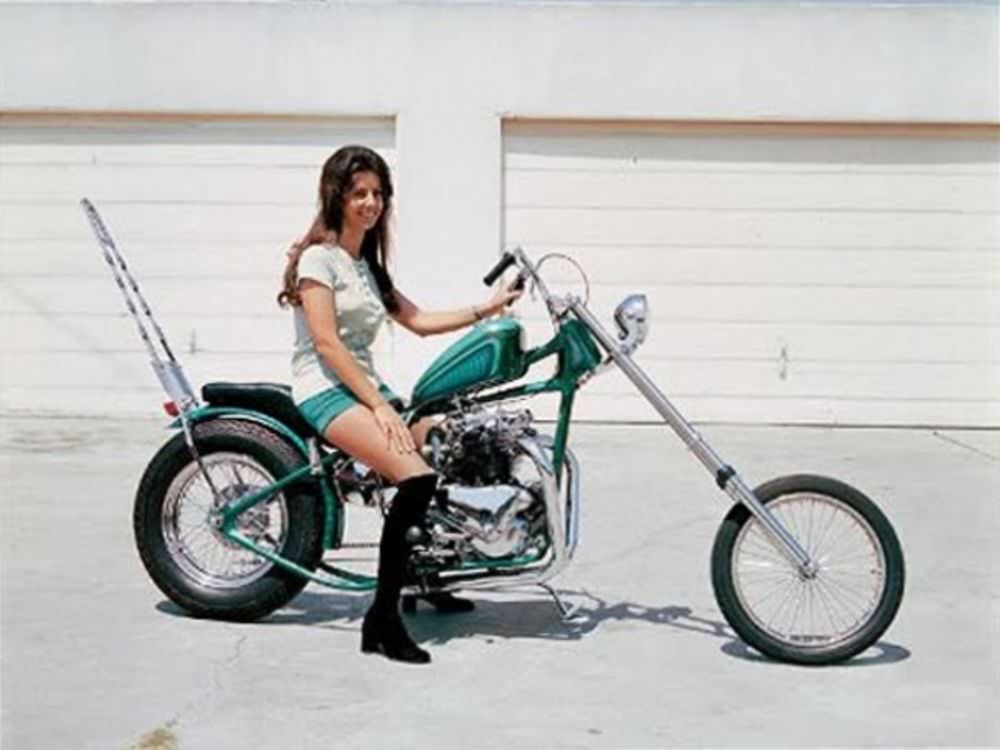
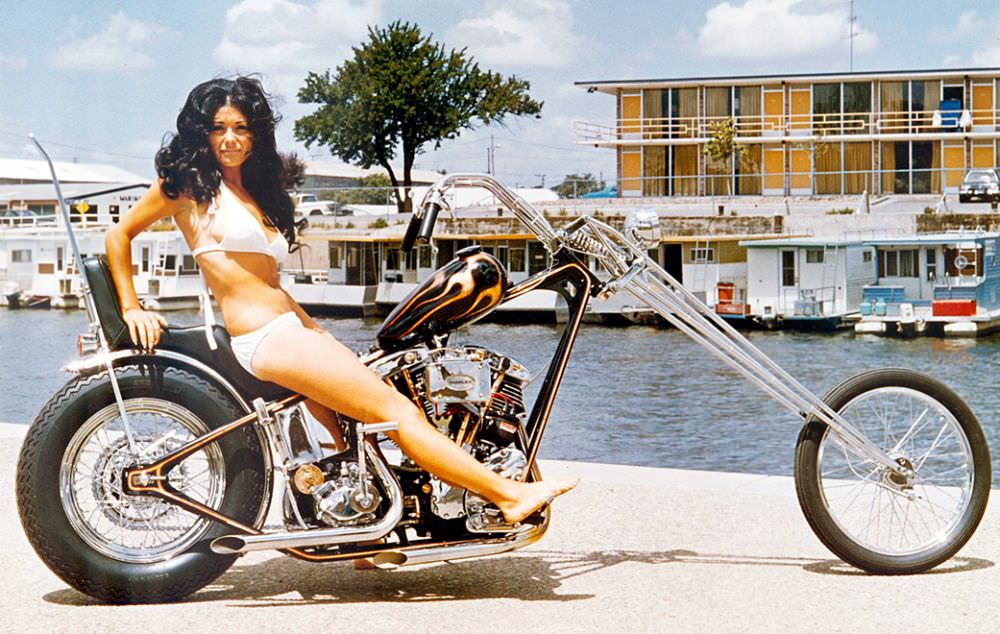
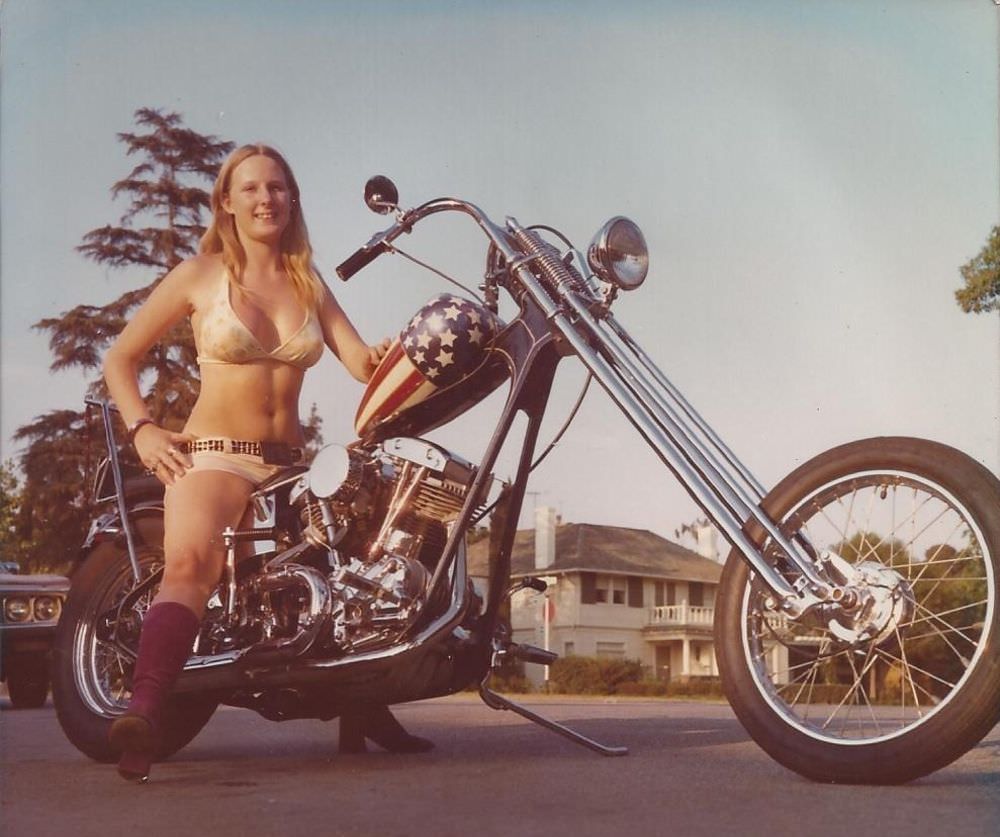
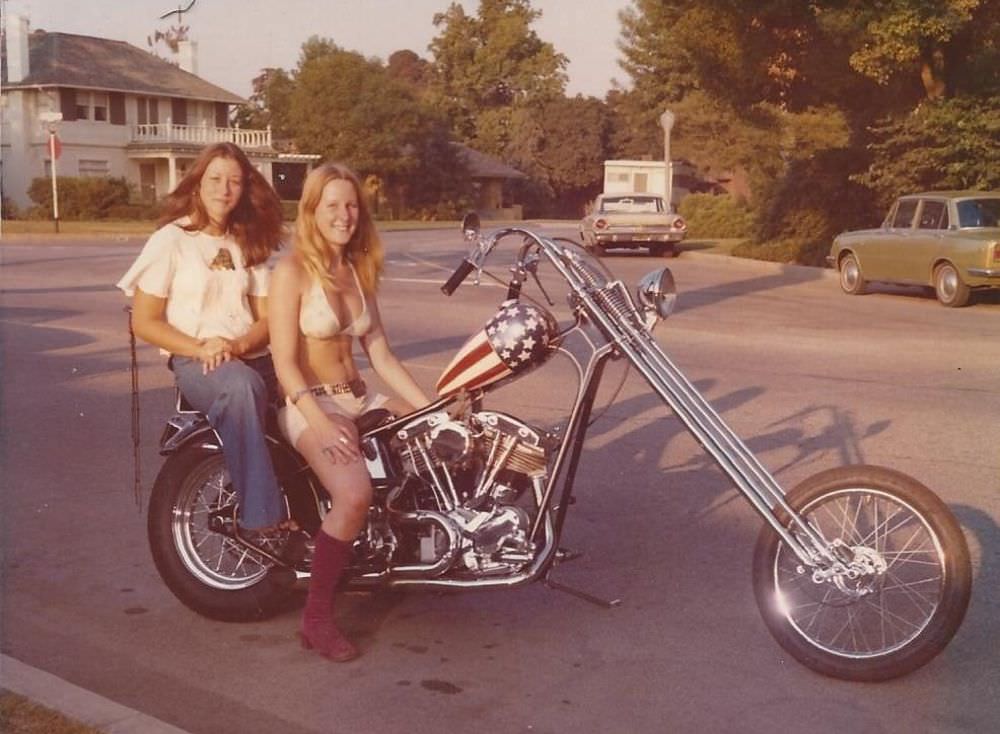
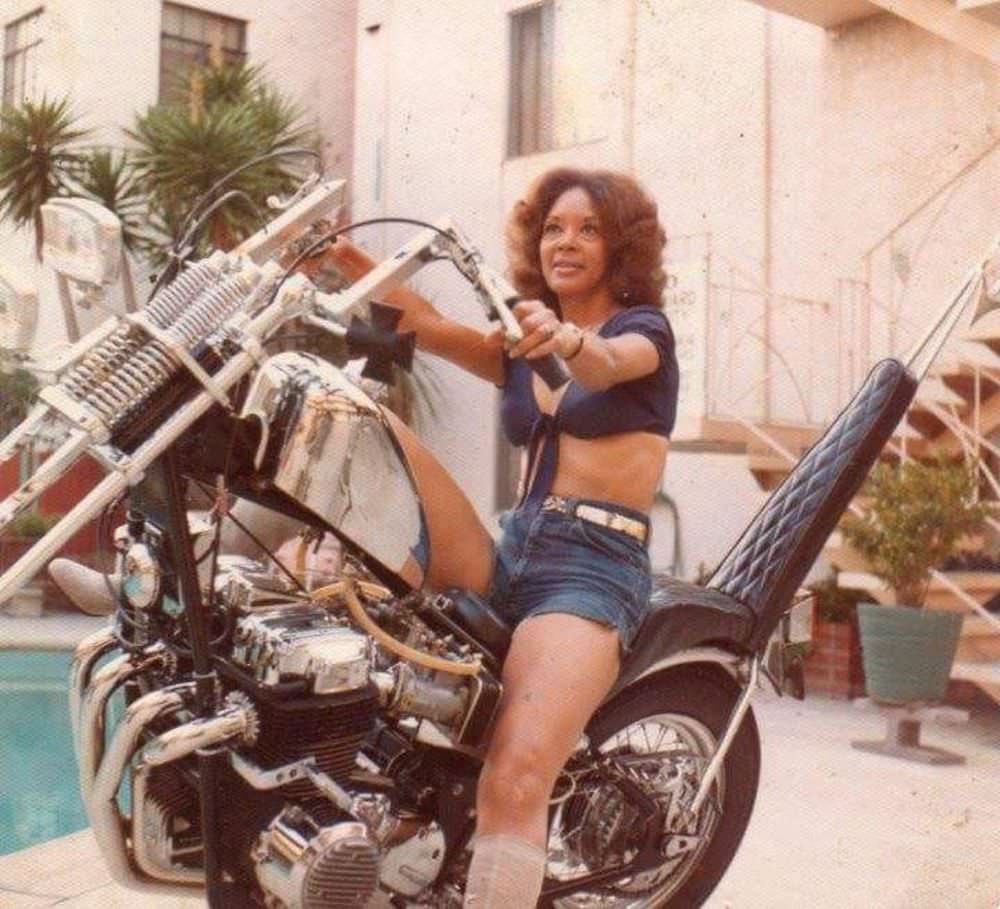
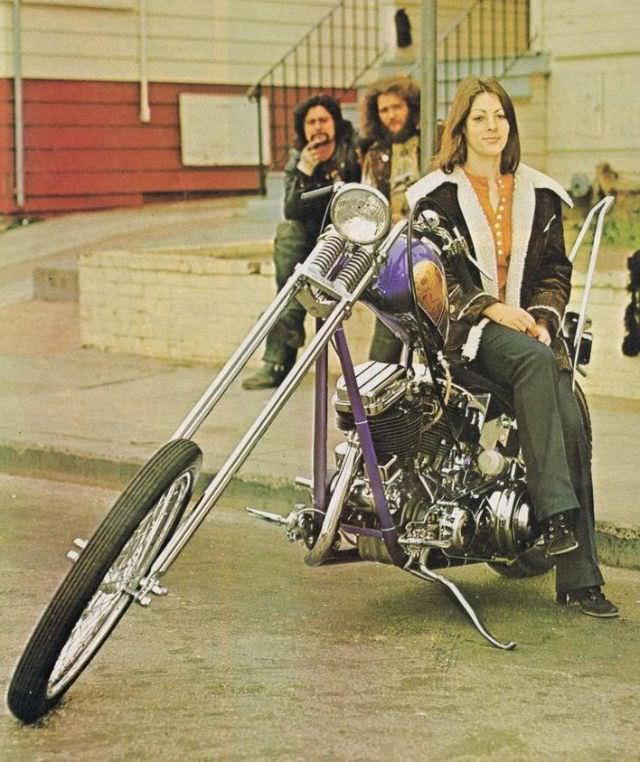
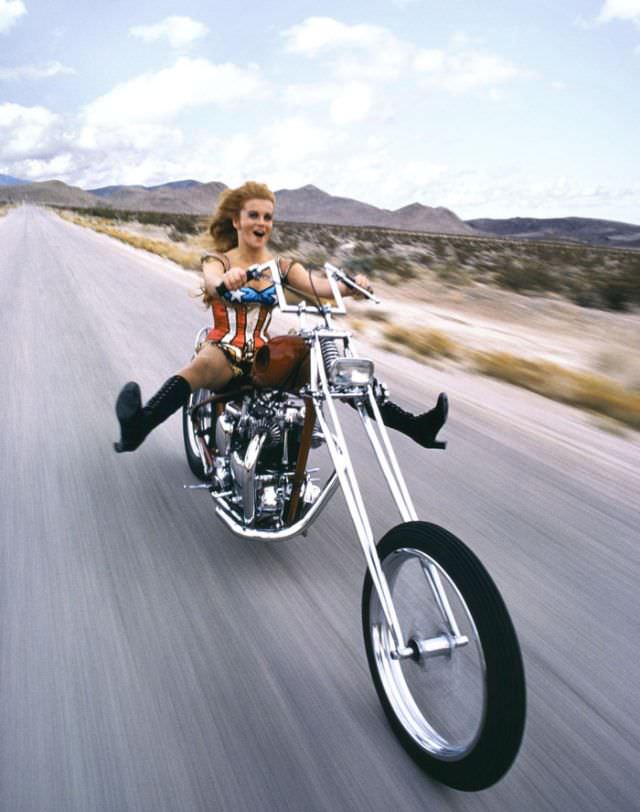
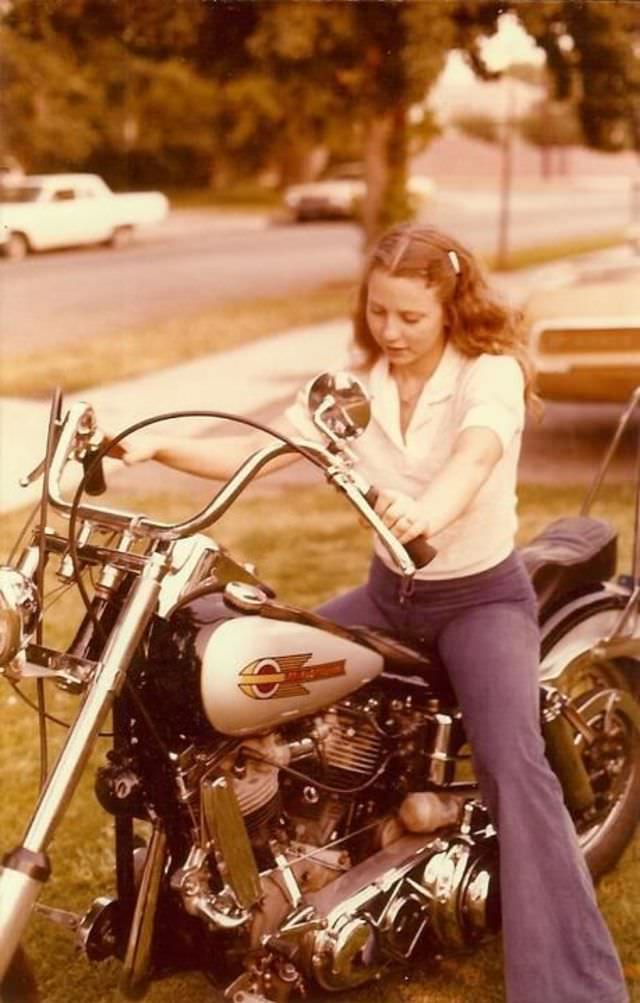
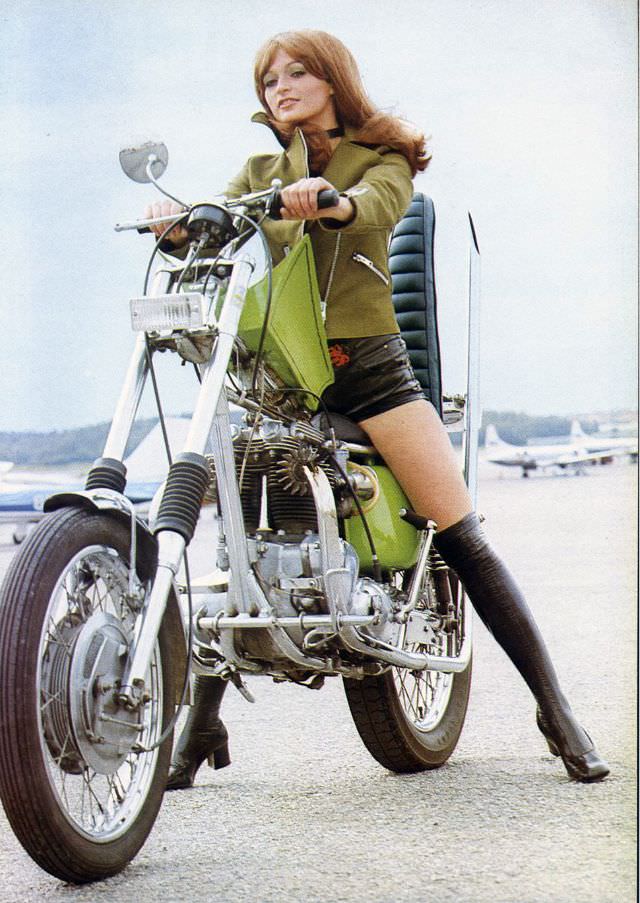
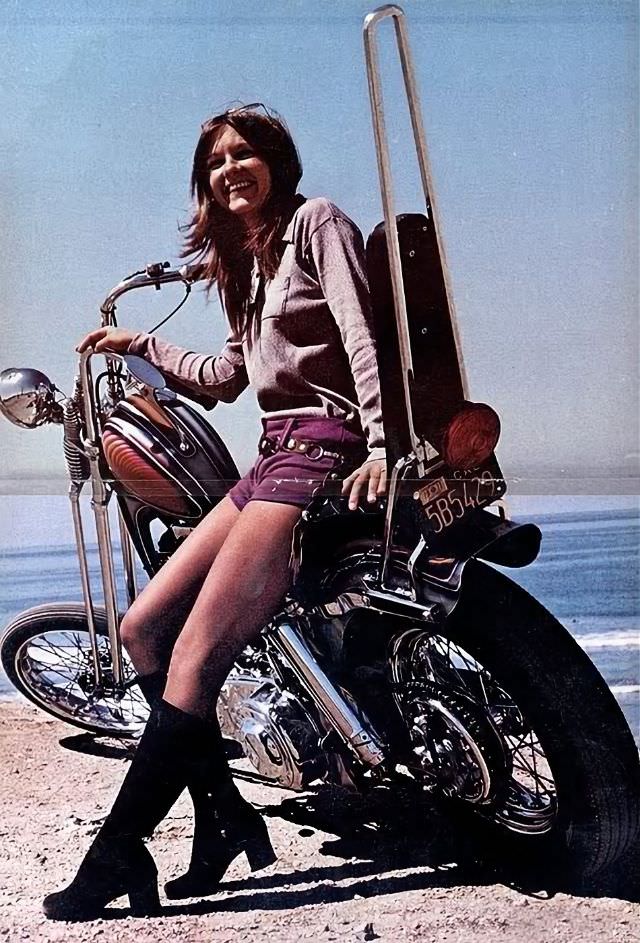
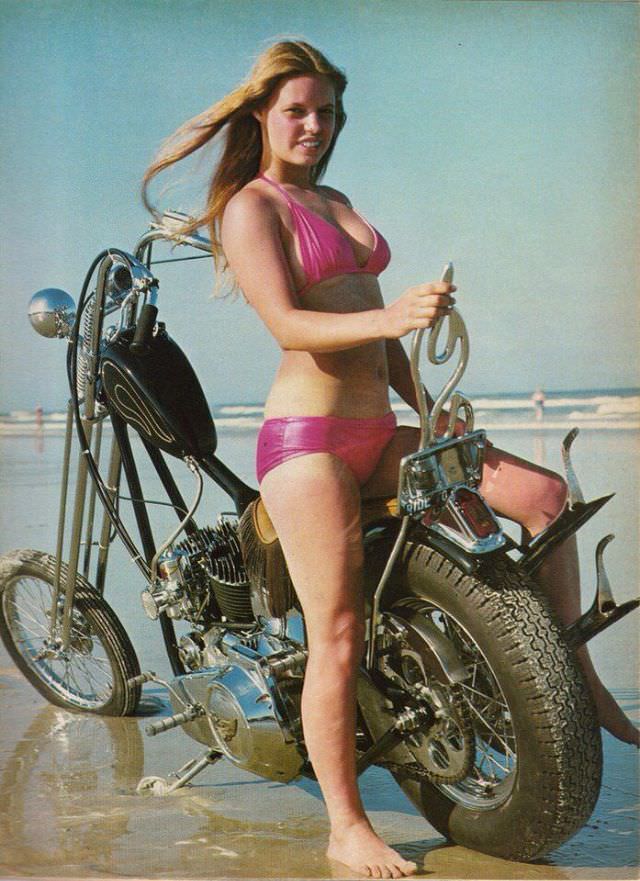
These photos of women riding their choppers are a fascinating glimpse into a bygone era. These photos capture the power and strength of women who rode motorcycles at a time when it was not always socially acceptable. They also show the creativity and ingenuity of these women, who often customized their bikes to make them their own.
Women have been riding motorcycles since the early days of the automobile. In the early 1900s, women were often seen as daring and adventurous for riding motorcycles. However, as the years went on, women became more and more accepted as motorcyclists. In the 1970s and 1980s, women were still a minority among motorcyclists, but they were becoming more and more visible. Many women rode choppers, which were popular at the time.
Choppers are a type of motorcycle typically customized with long front forks, a raked-back frame, and a large engine. Their owners often customized them and would add their personal touches to make them unique. Choppers were popular among bikers, who saw them as a symbol of freedom and independence.
Today, women are still a minority among motorcyclists, but they are becoming more and more common. Women ride all types of motorcycles, including choppers. They are just as likely as men to be interested in motorcycles and to enjoy the freedom and independence that comes with riding.
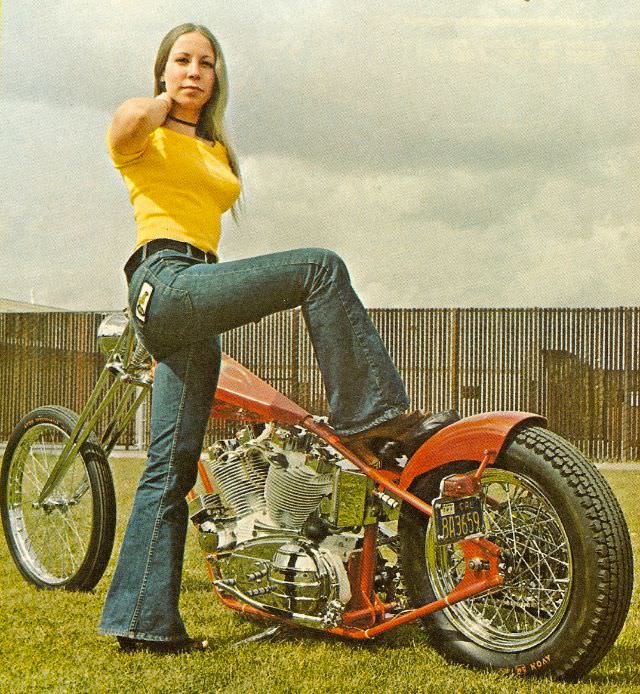
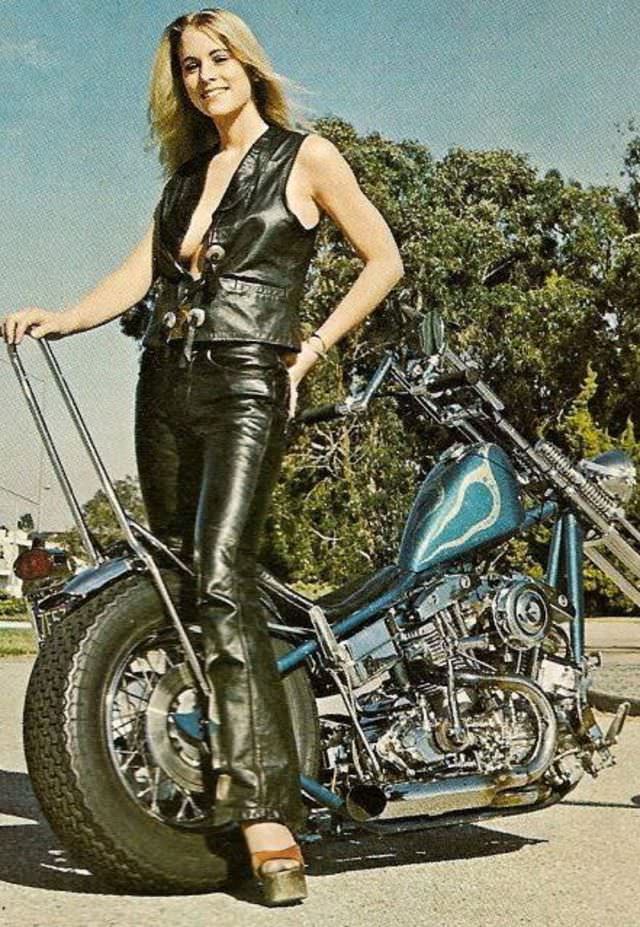
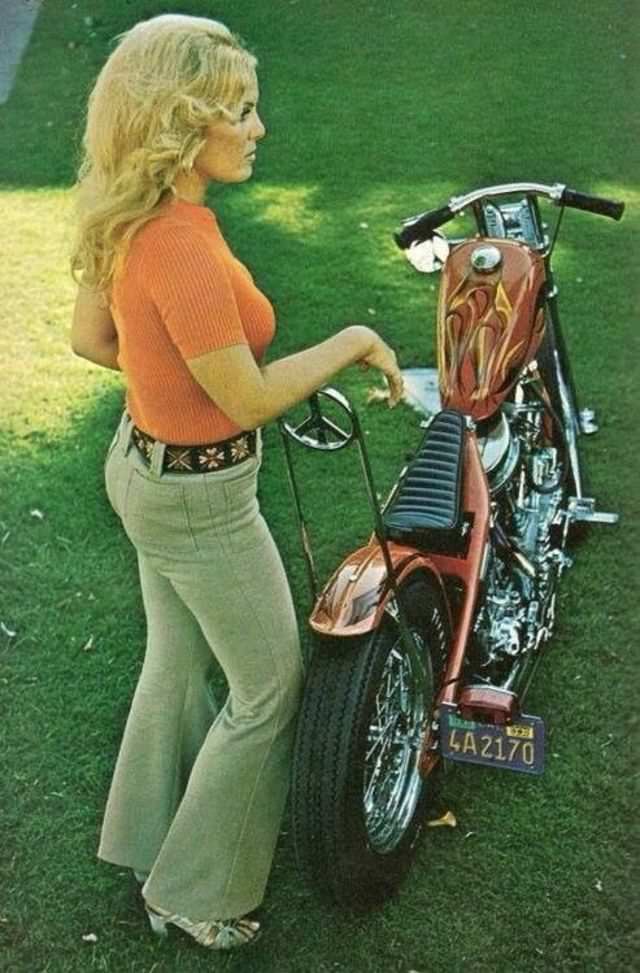
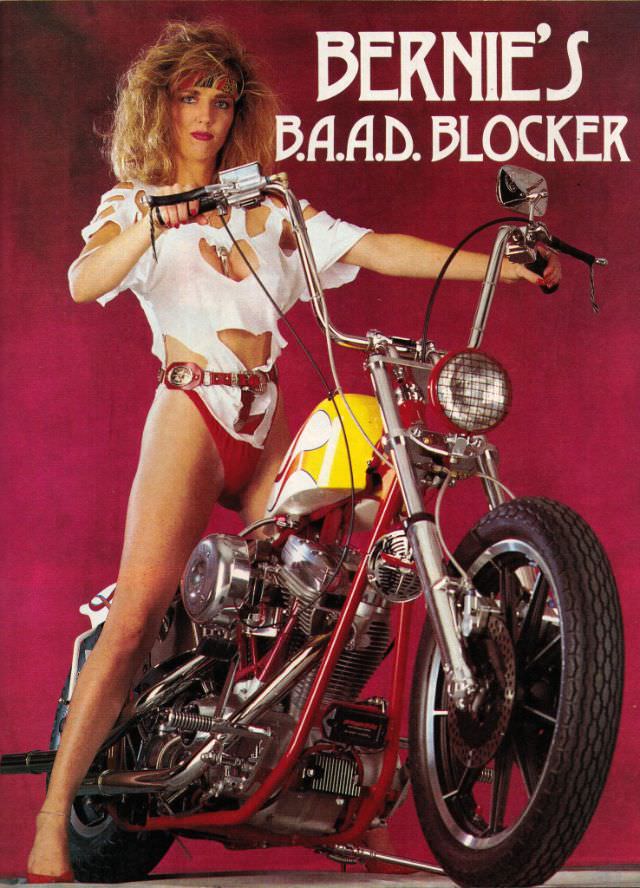
Here are some stunning photos of women riding choppers from the 1970s and 1980s.
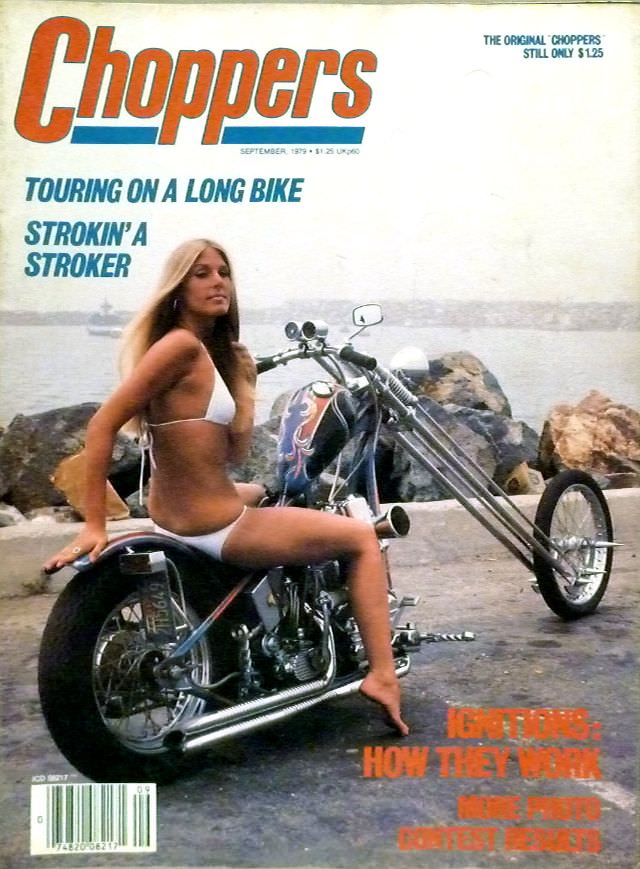

5 and #19 could start some arguments around here lmfao. “They have rear swingarms they aren’t choppers”
I don’t agree with the sentiment but I’ve also been back forward to a mountain on my bike. Those shocks help alot…now do I still want a rigid with a springer? Absolutely. But to each their own.