Knitwear in the 1960s was far more than a practical wardrobe choice — it was a full-blown fashion statement. Spinnerin magazines led the charge, publishing knit dress patterns that captured the decade’s bold, energetic spirit. The dresses featured in these magazines showed readers exactly how stylish handmade knitwear could be.
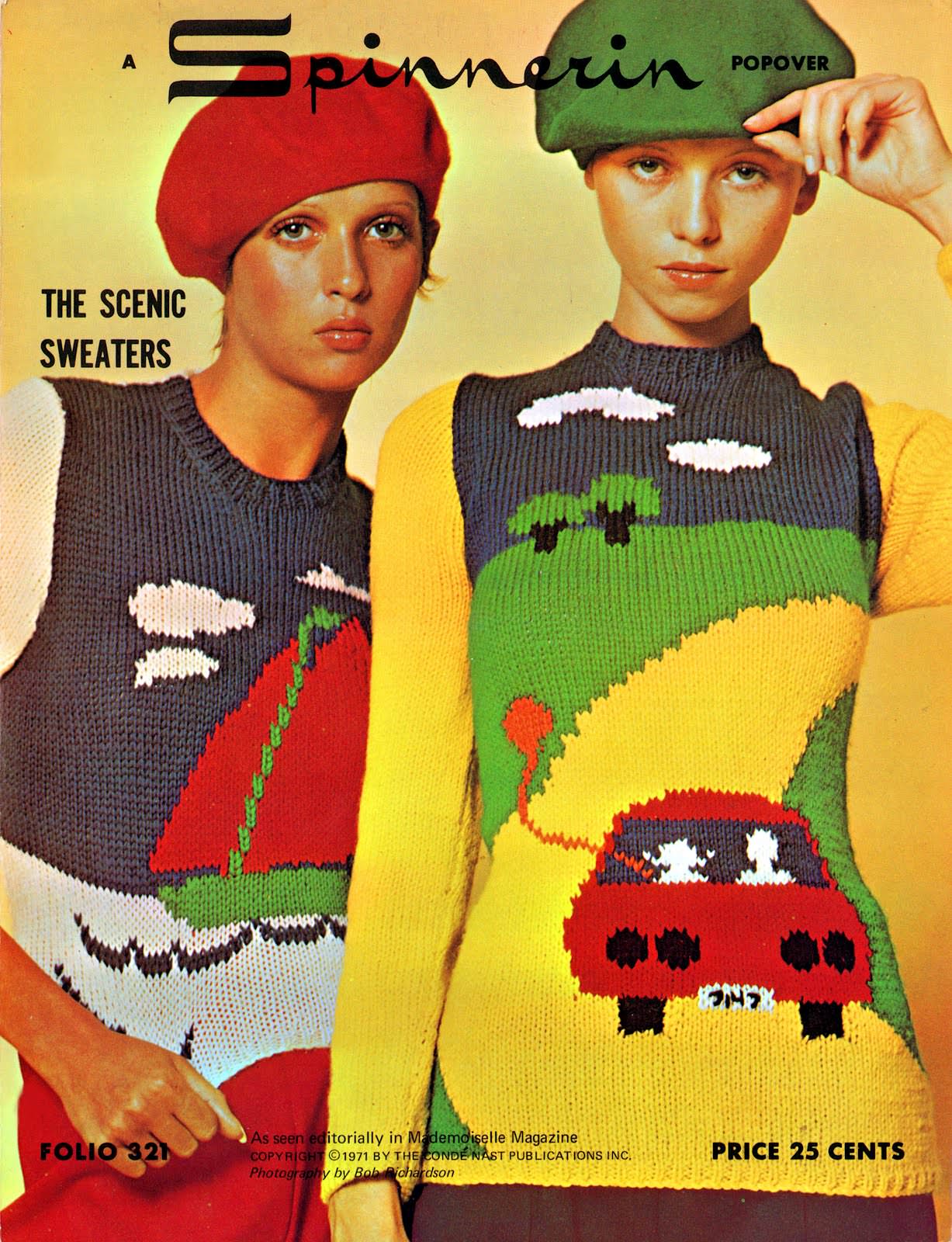
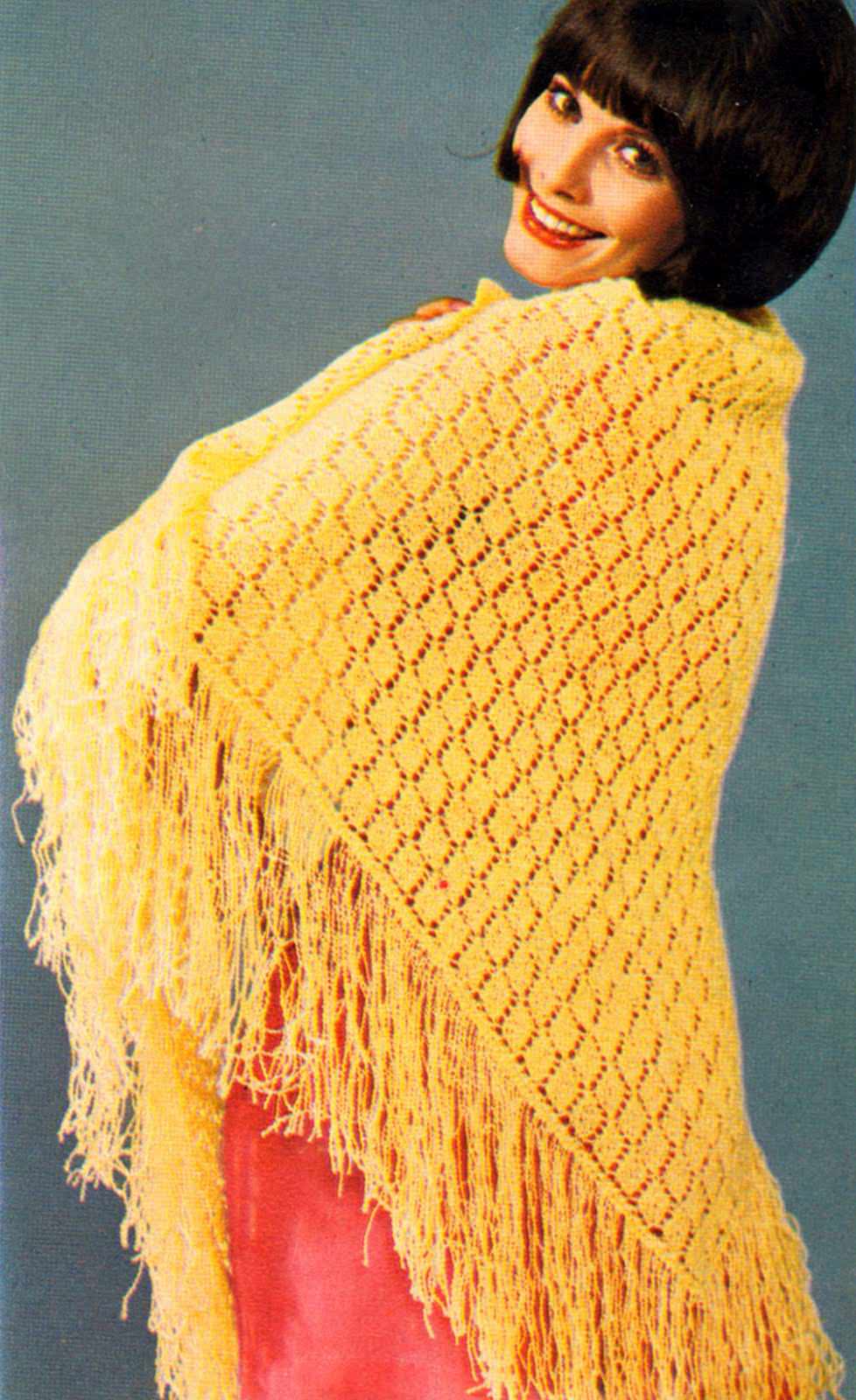
Patterns were one of the most defining features of these dresses. Vertical stripes, zigzags, and floral motifs appeared regularly across Spinnerin’s pages. Raised knit techniques added physical texture to the surface of each piece, creating a three-dimensional quality that flat-woven fabrics simply couldn’t match. This was a sharp departure from the simpler silhouettes of the 1950s.
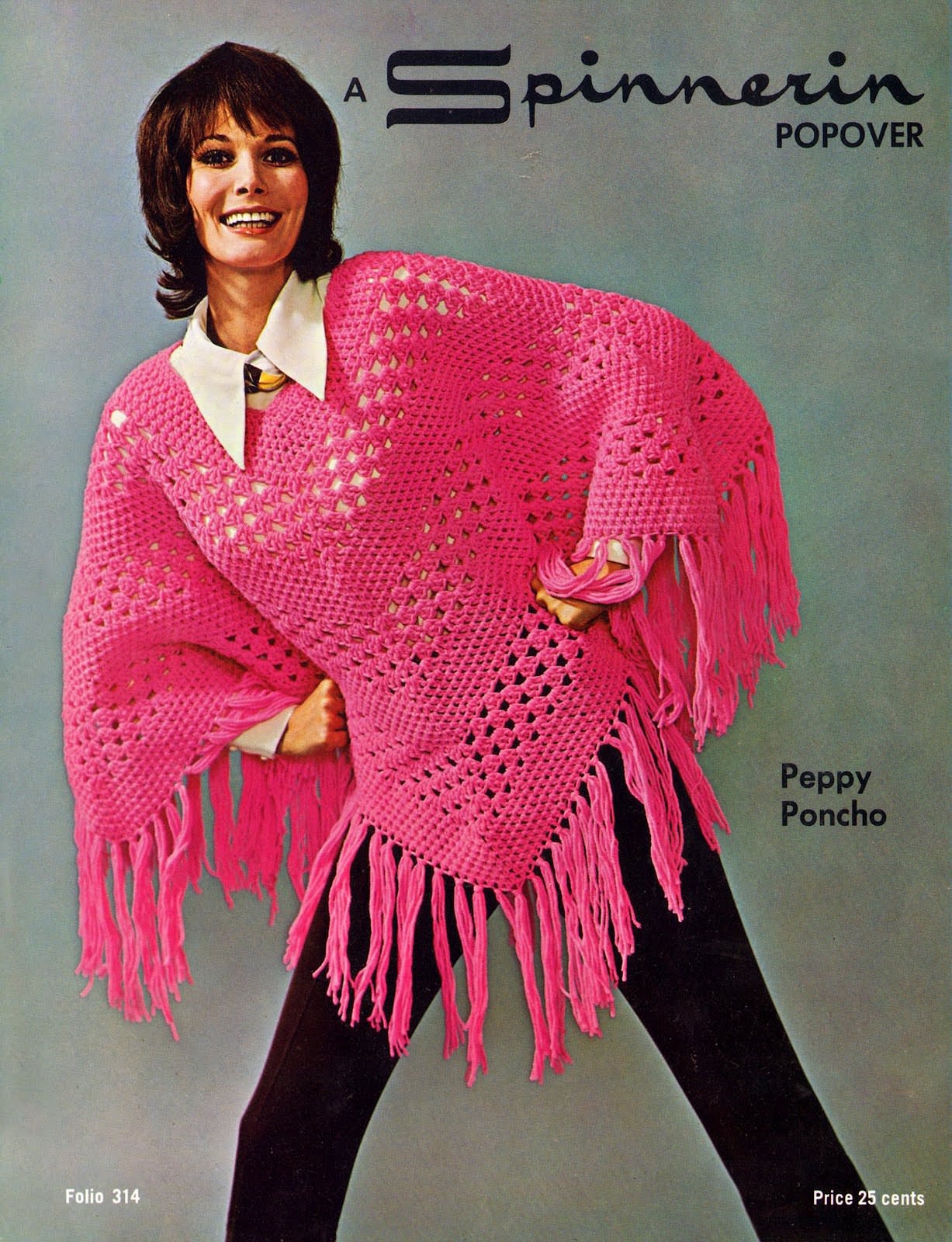
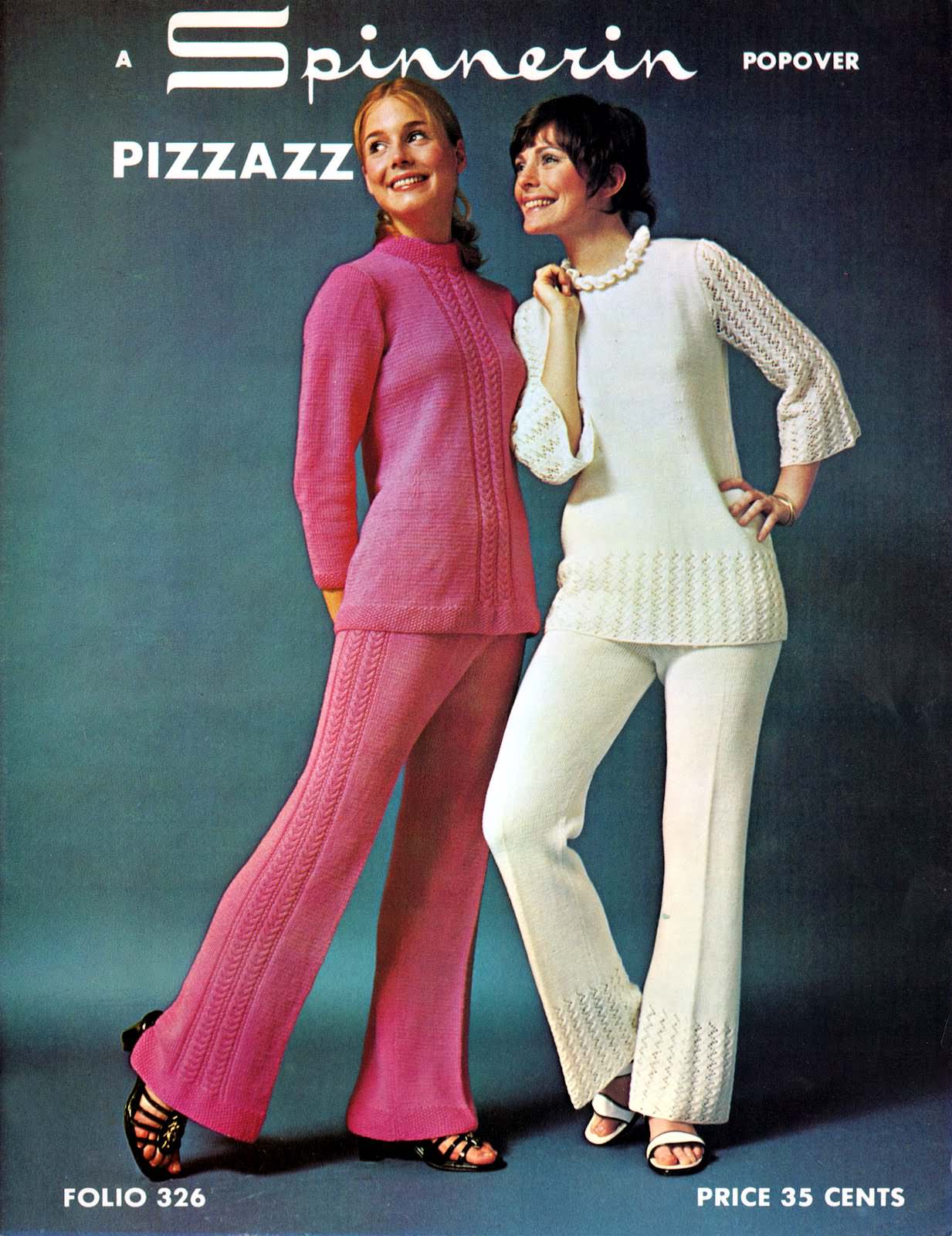
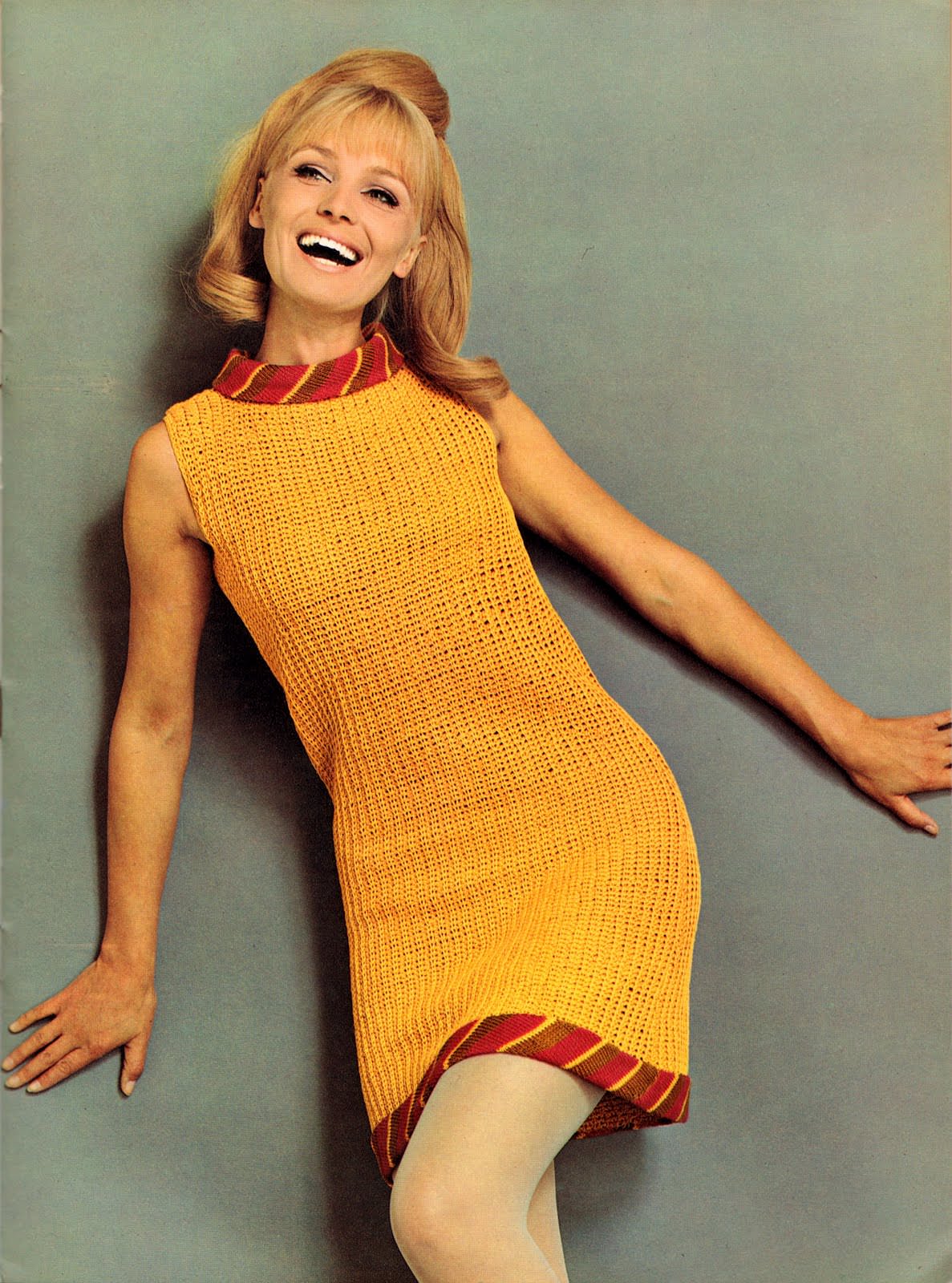
Color was just as important as pattern. Spinnerin regularly featured dresses knitted in vivid shades — orange, teal, and mustard yellow were recurring favorites. These bold tones matched the decade’s high energy. Softer pastel versions also appeared, giving knitters a quieter alternative without sacrificing style.
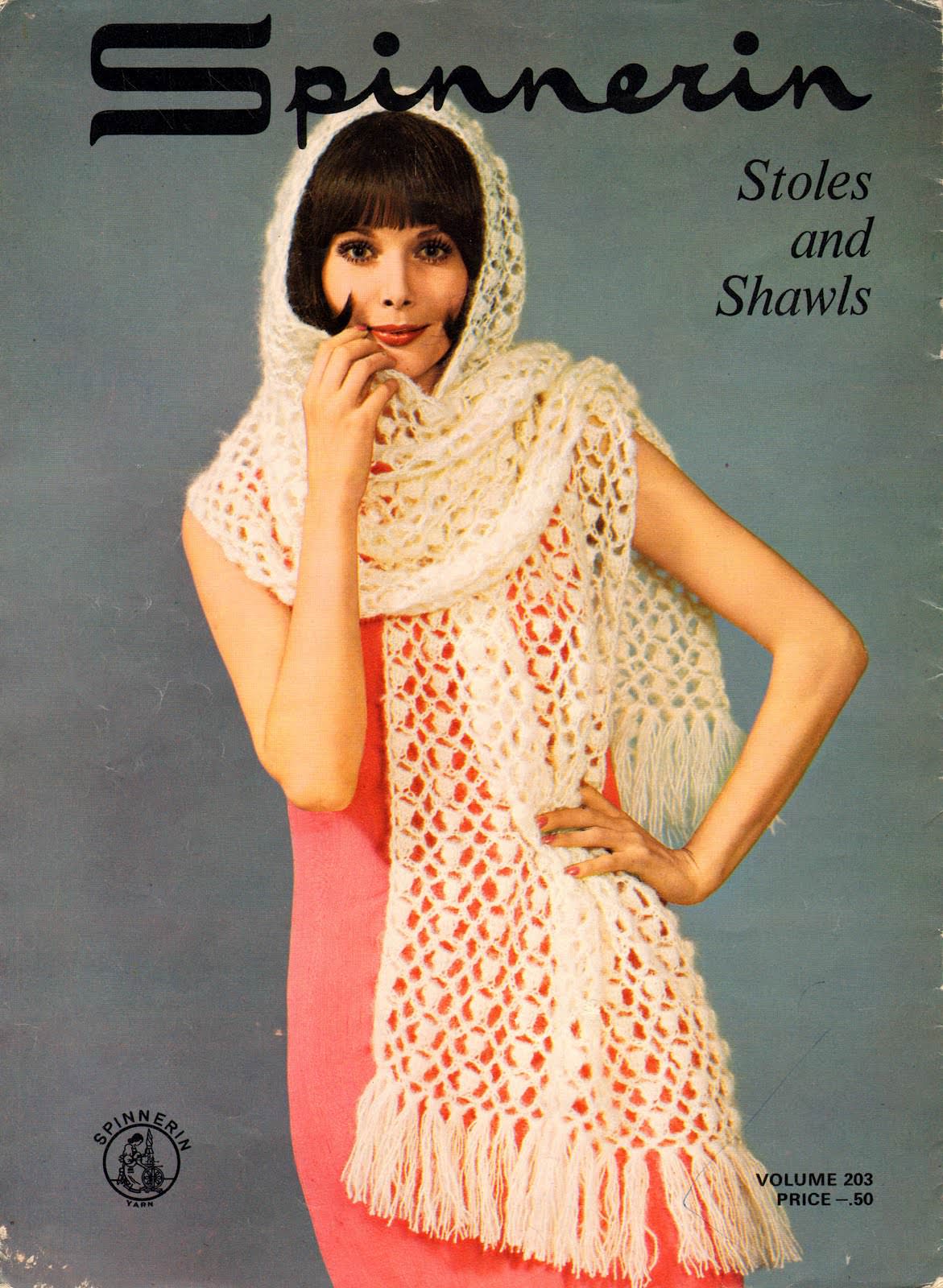
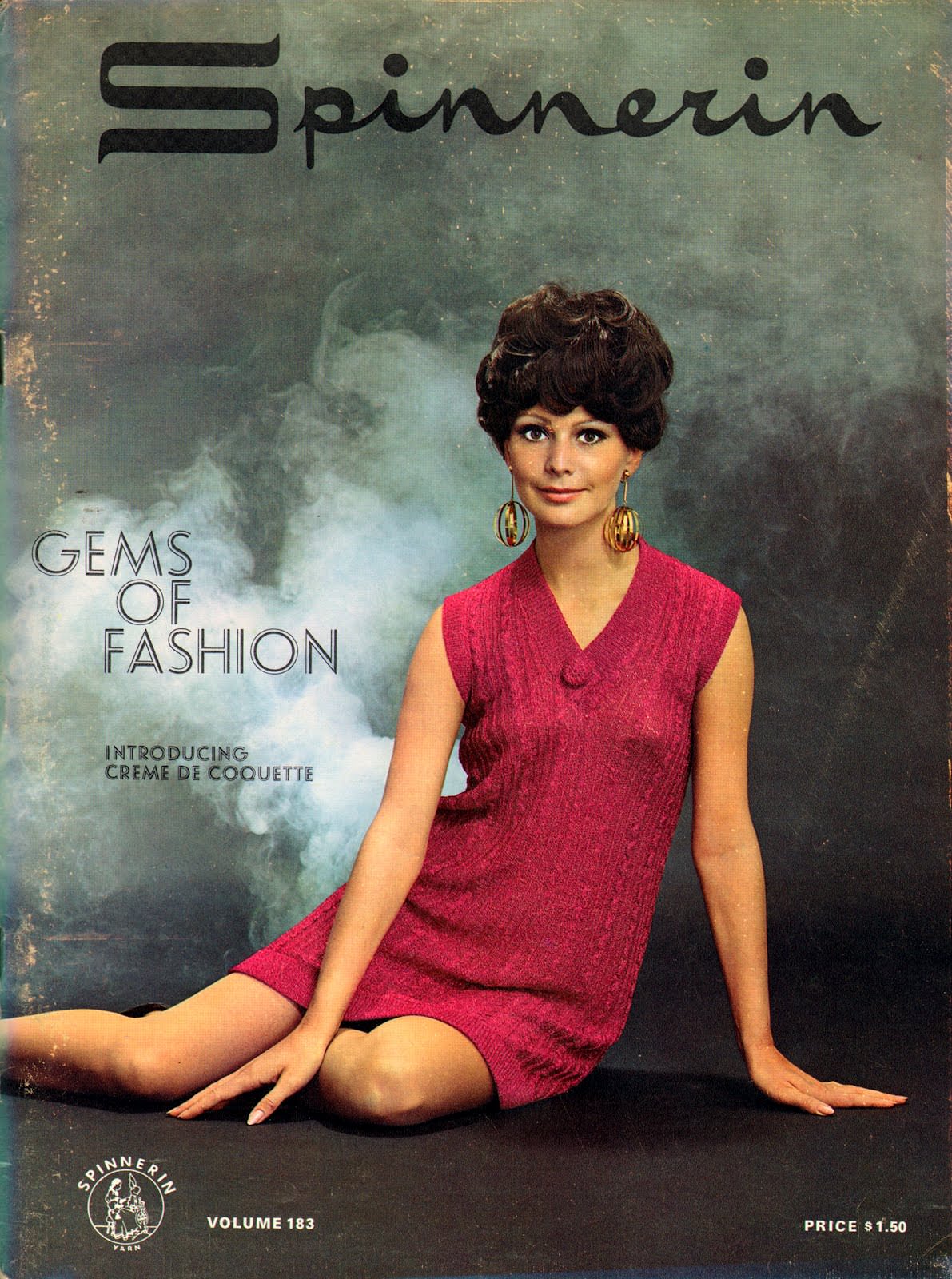
The details built into these dresses set them apart. Oversized collars were a signature touch — some were wide shirt-style collars, others resembled short shawls draped across the shoulders. Dresses without collars typically featured thick collar bands that framed the neckline with equal impact. Matching cuff bands gave each design a clean, finished look.
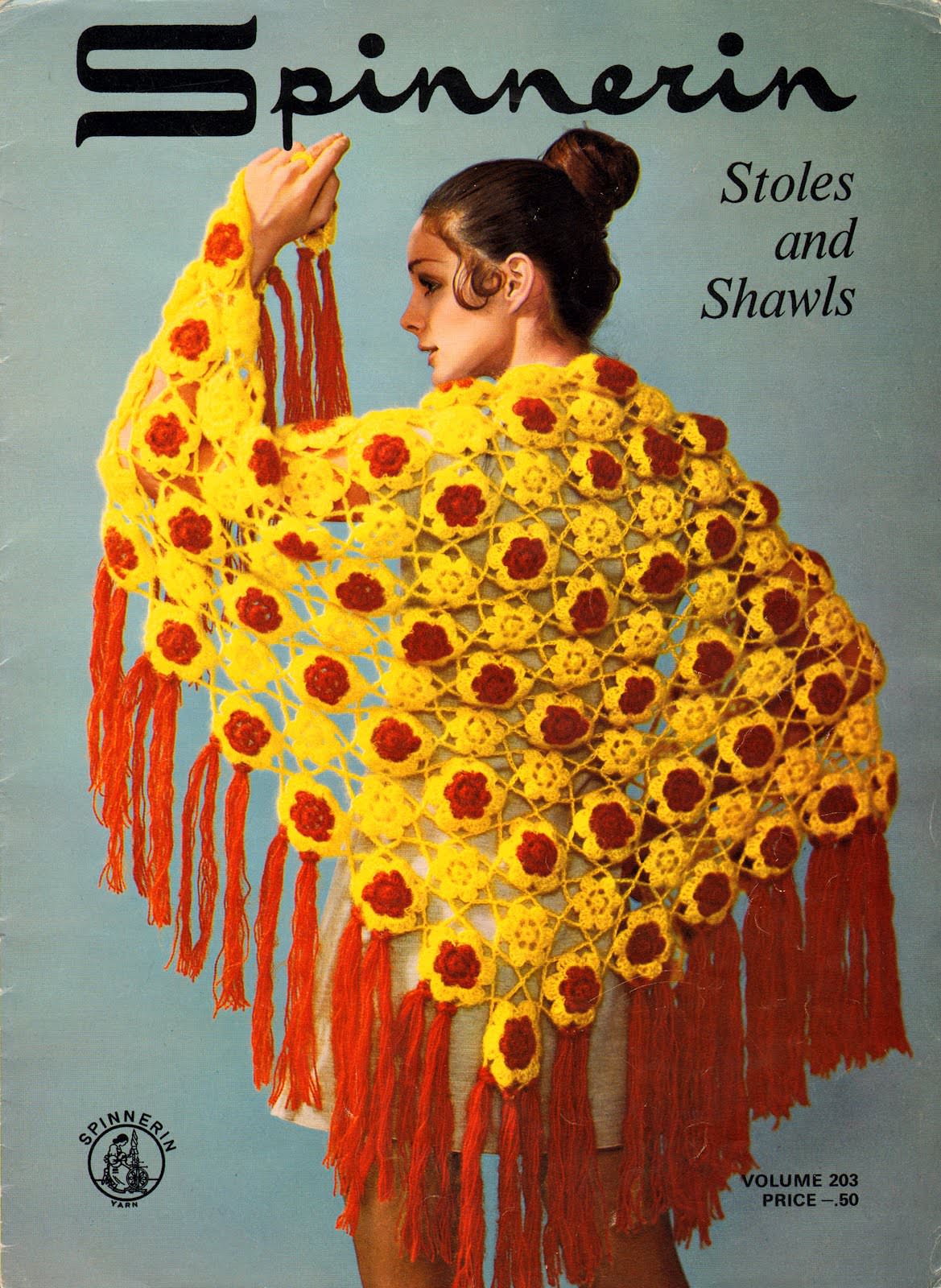
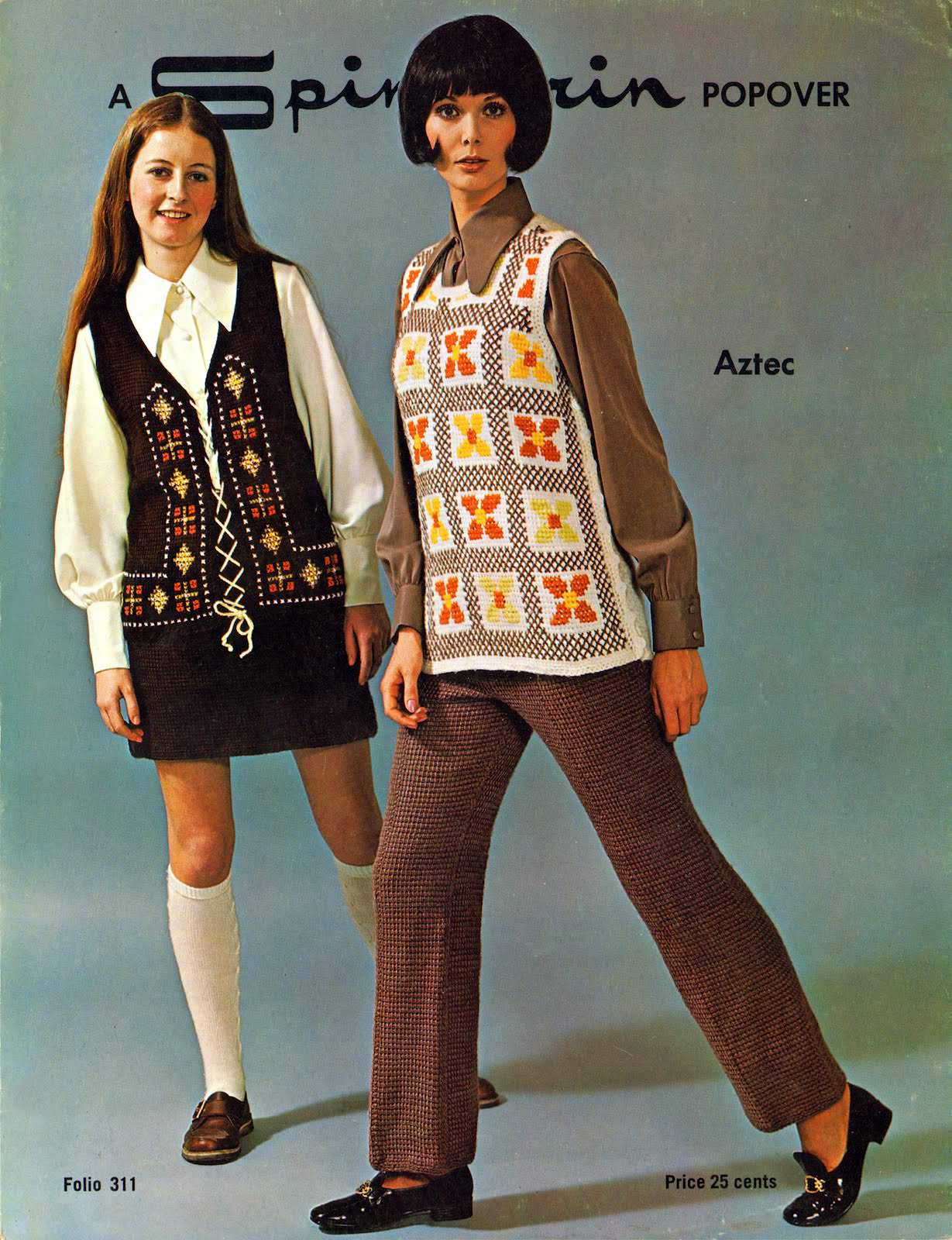
Sweater knits were notably heavy, with defined stitch patterns that gave each dress its own distinct character. The weight of the yarn added structure while the knit construction still allowed stretch and movement — a combination that made these dresses practical for long days.
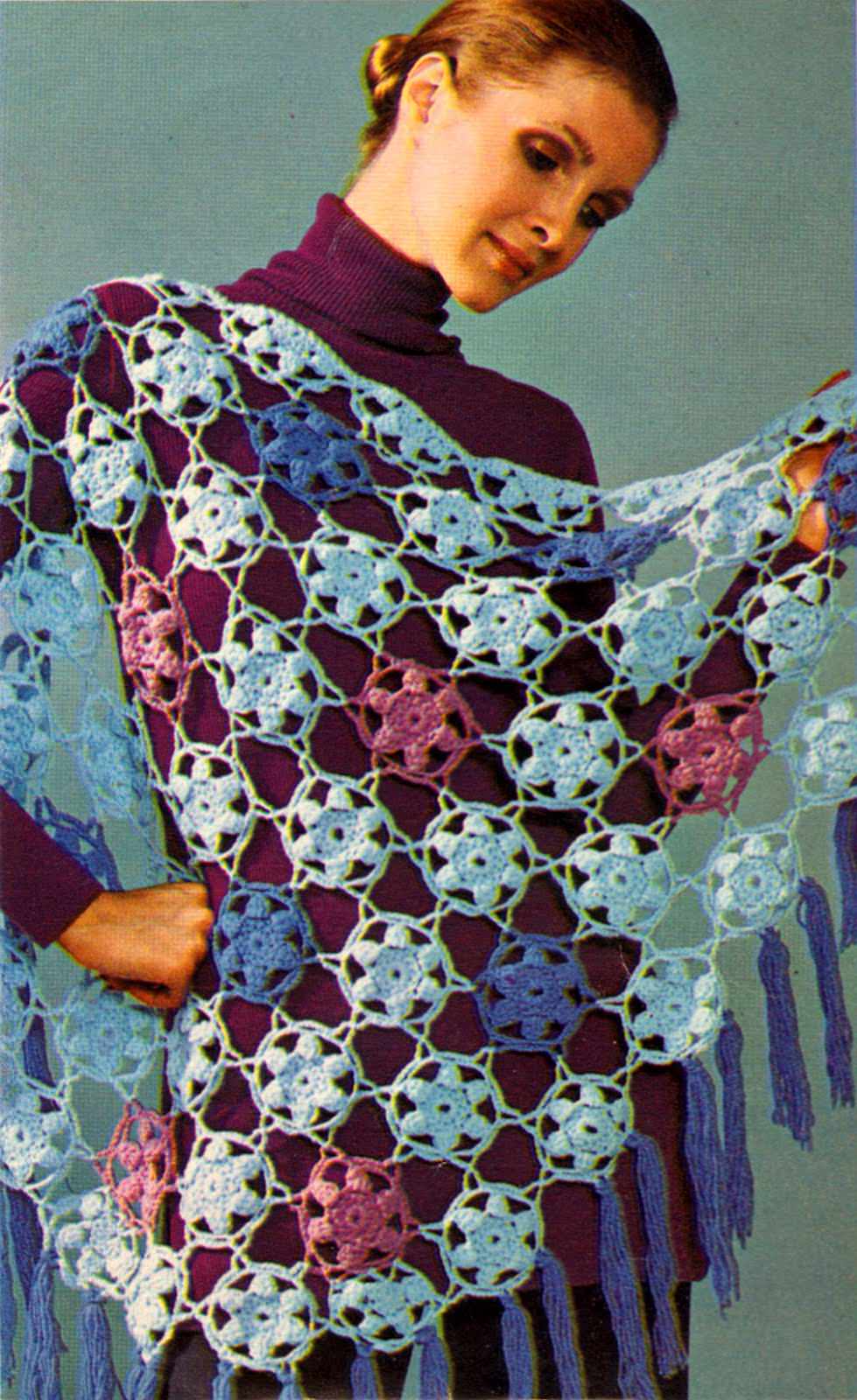
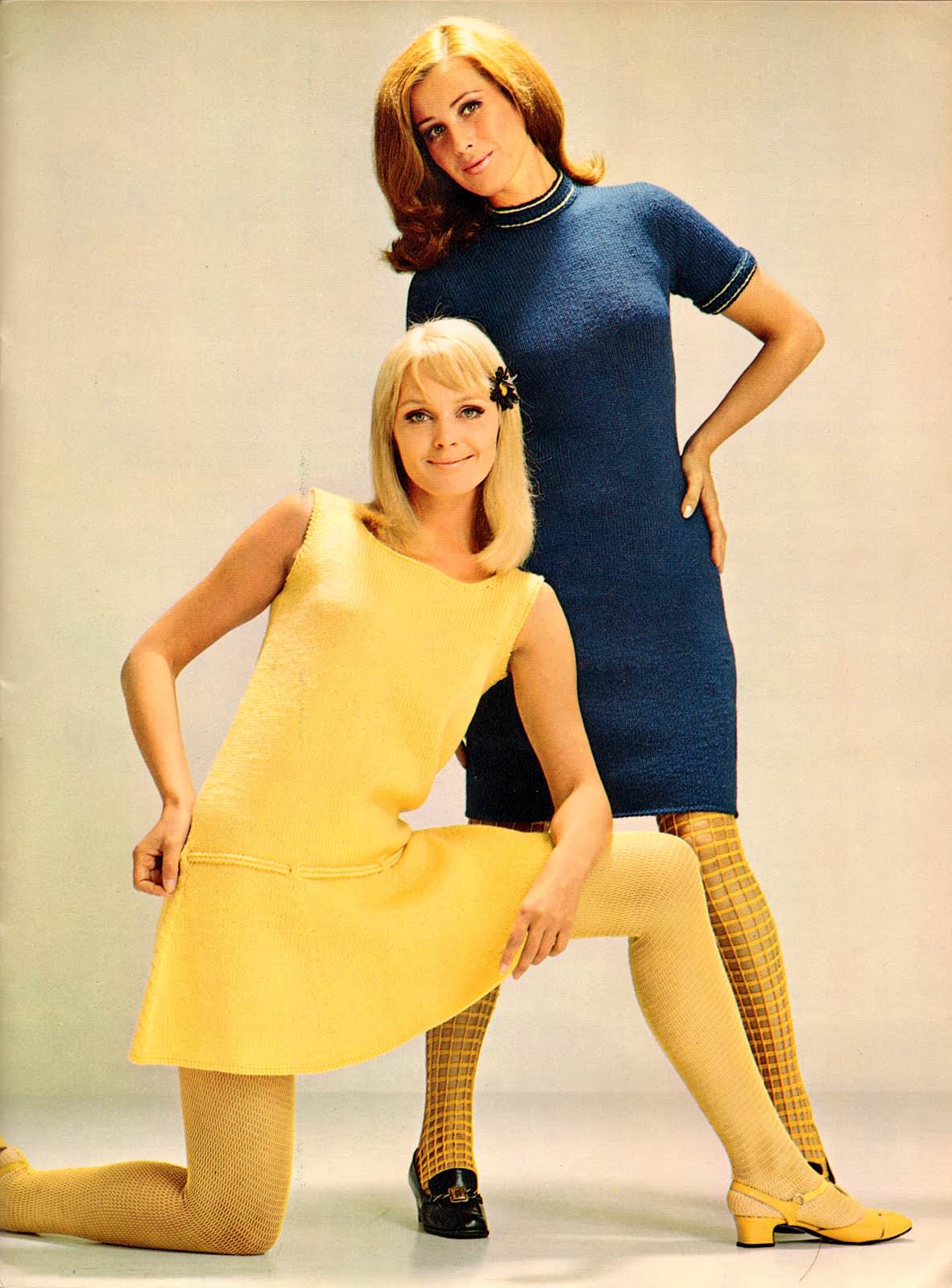
Women wore knit dresses to casual outings and more dressed-up occasions alike. Swapping out accessories was enough to shift the entire look. A pair of earrings or a statement necklace could take the same dress from an afternoon errand to an evening gathering with no effort at all.
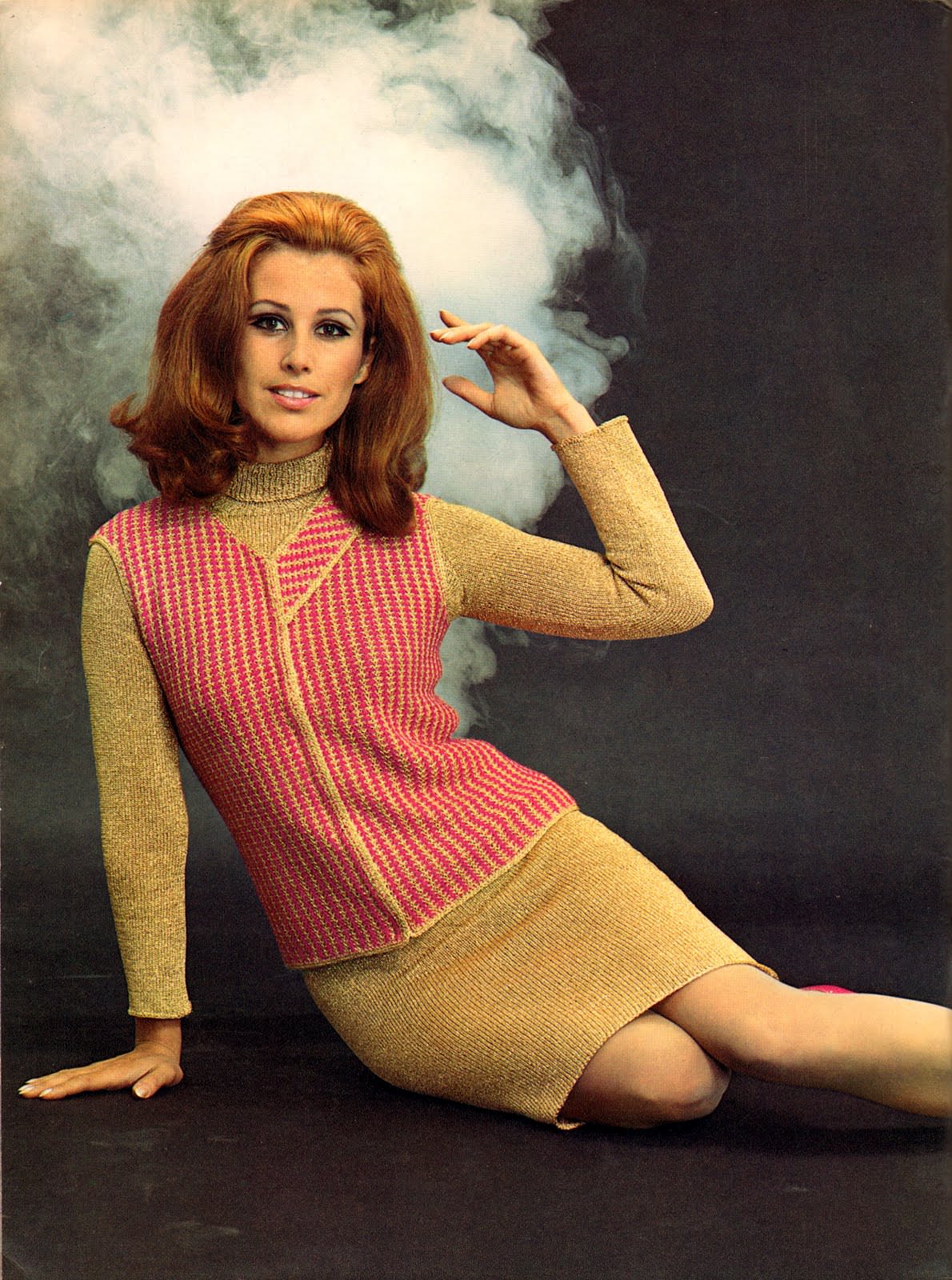
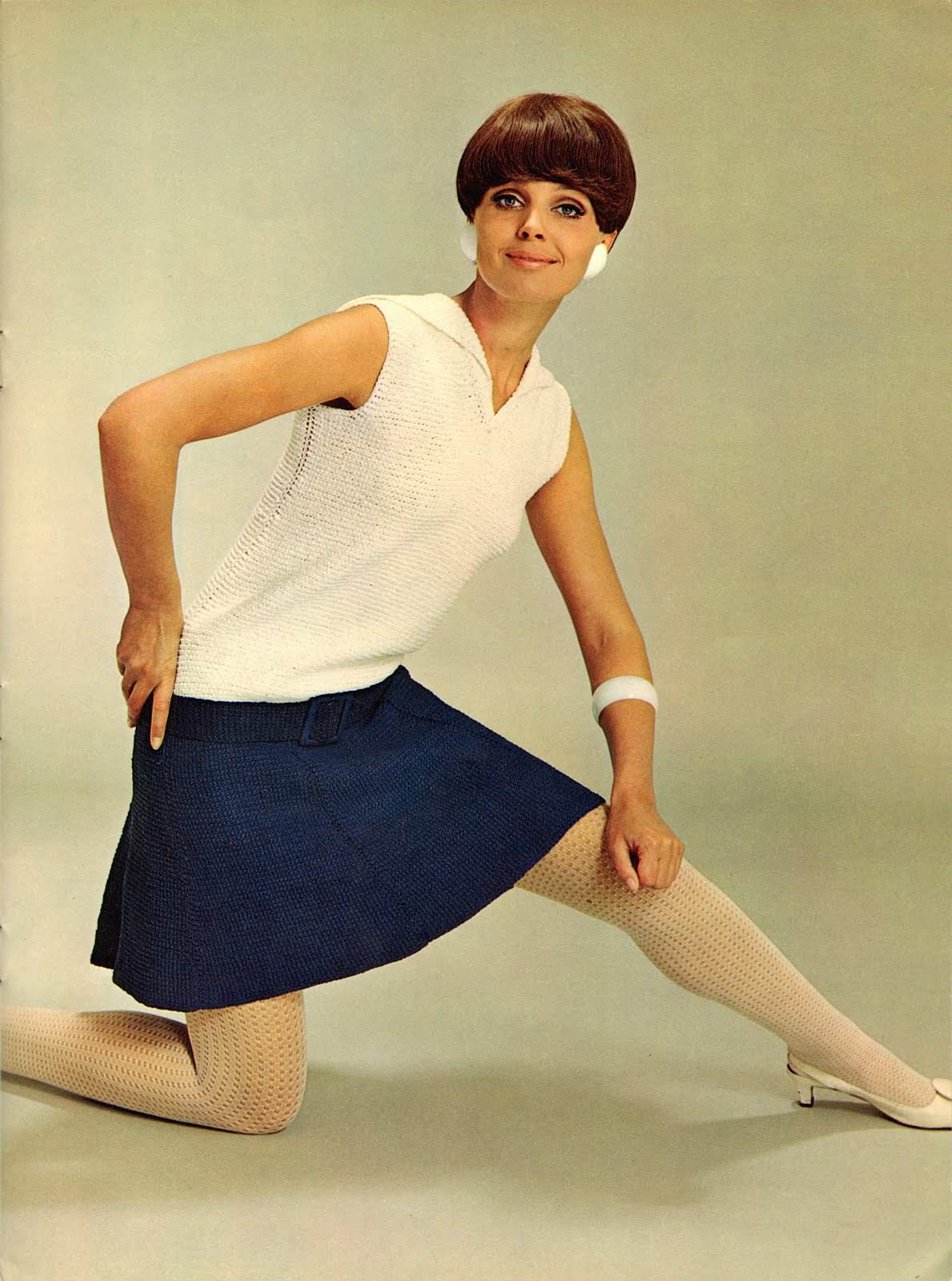
Spinnerin magazines gave home knitters the tools to recreate these looks themselves. Each issue translated runway-inspired knitwear into accessible patterns, bringing high-style design directly into the hands of everyday women across the country.