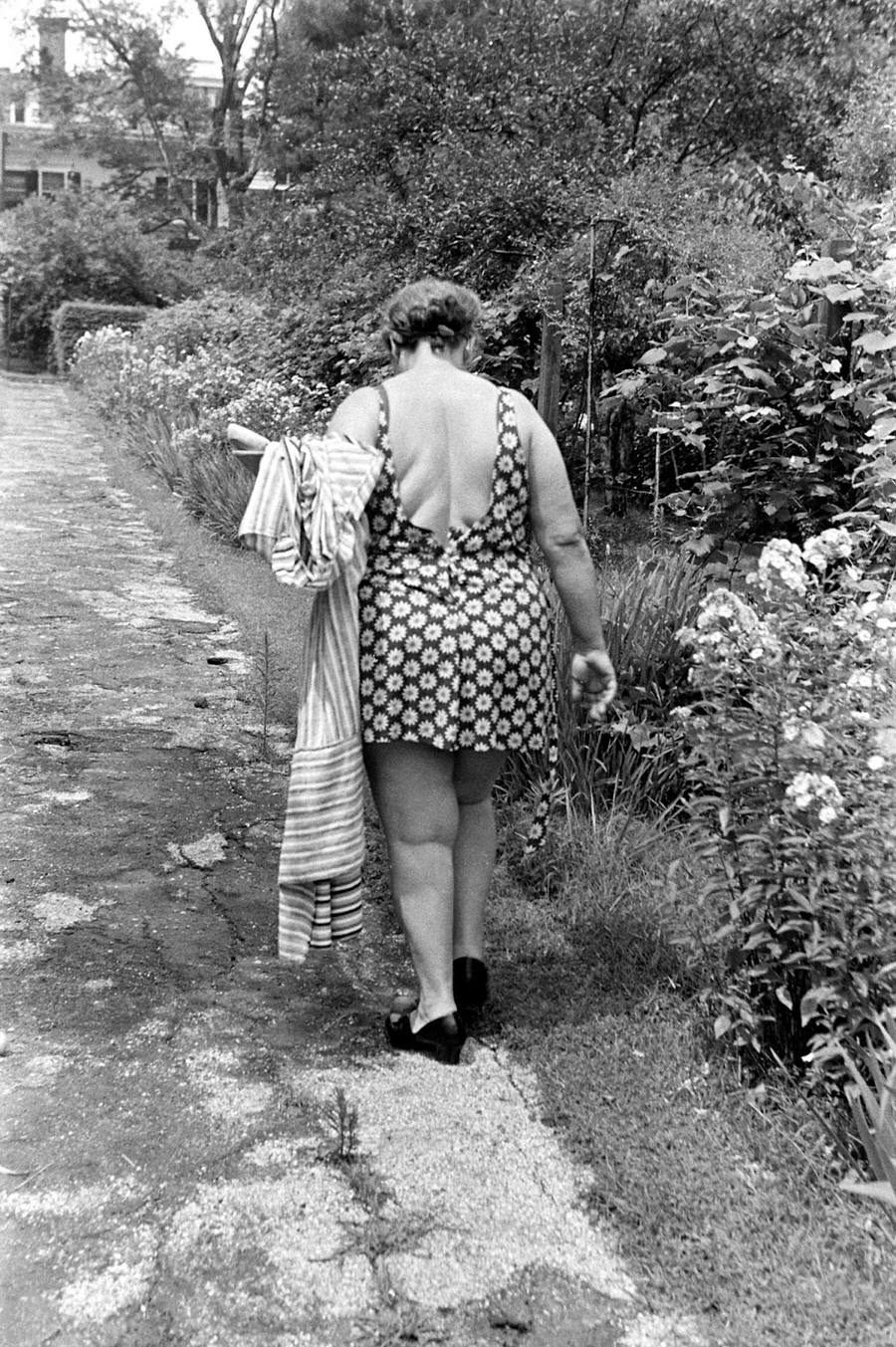
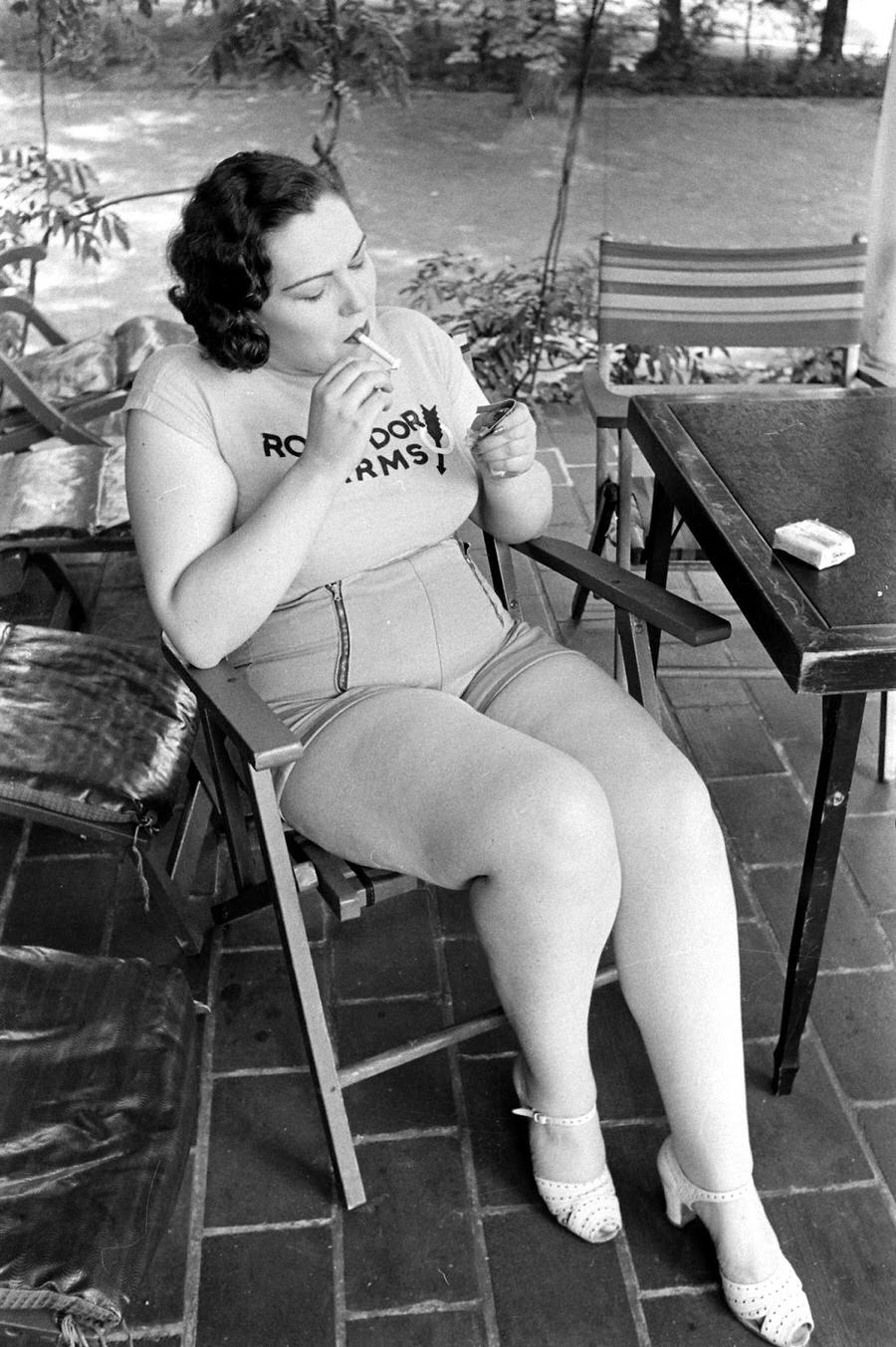
Long before diet culture became a billion-dollar industry, women in the 1930s were checking into a working dairy farm along the Hudson River to shed pounds. Rose Dor Farm, located just north of New York City, offered a structured ten-day weight-loss program built around one surprising centerpiece: cultured milk. At $5.50 a day, women arrived from across the country hoping to leave lighter, and the farm had a very specific method for getting them there.
The program began with three days of what we would call juicing today — liquid-only nutrition designed to clear the body before the real regimen started. After that came a full week of cultured milk paired with vegetables. Dairy was not viewed as a problem food in this era. Quite the opposite: dietary calcium was believed to regulate metabolism and speed up fat loss, making cultured milk the logical foundation of any serious weight-reduction plan.
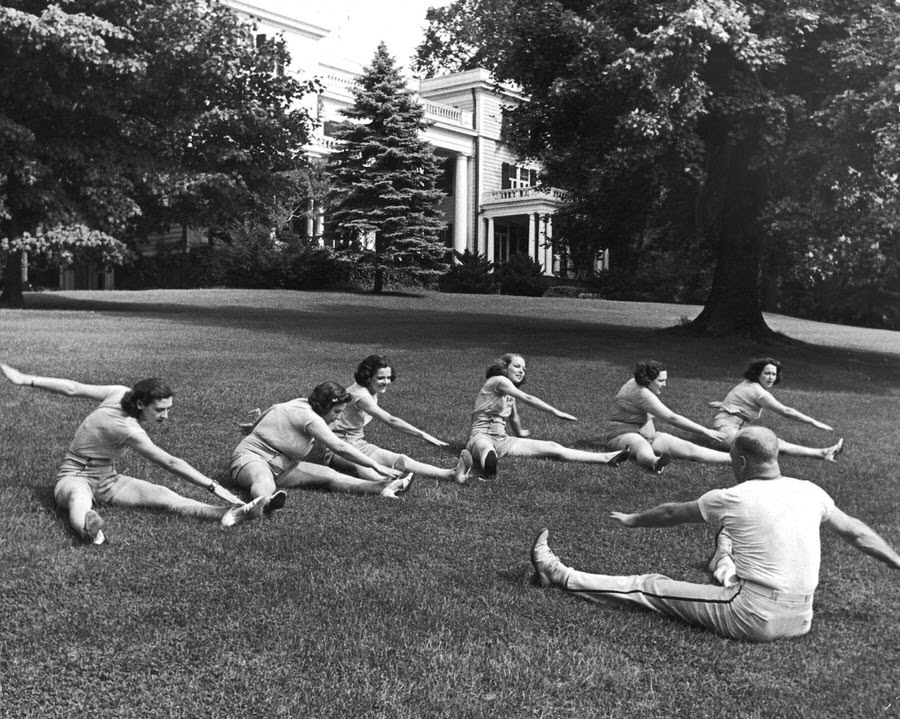
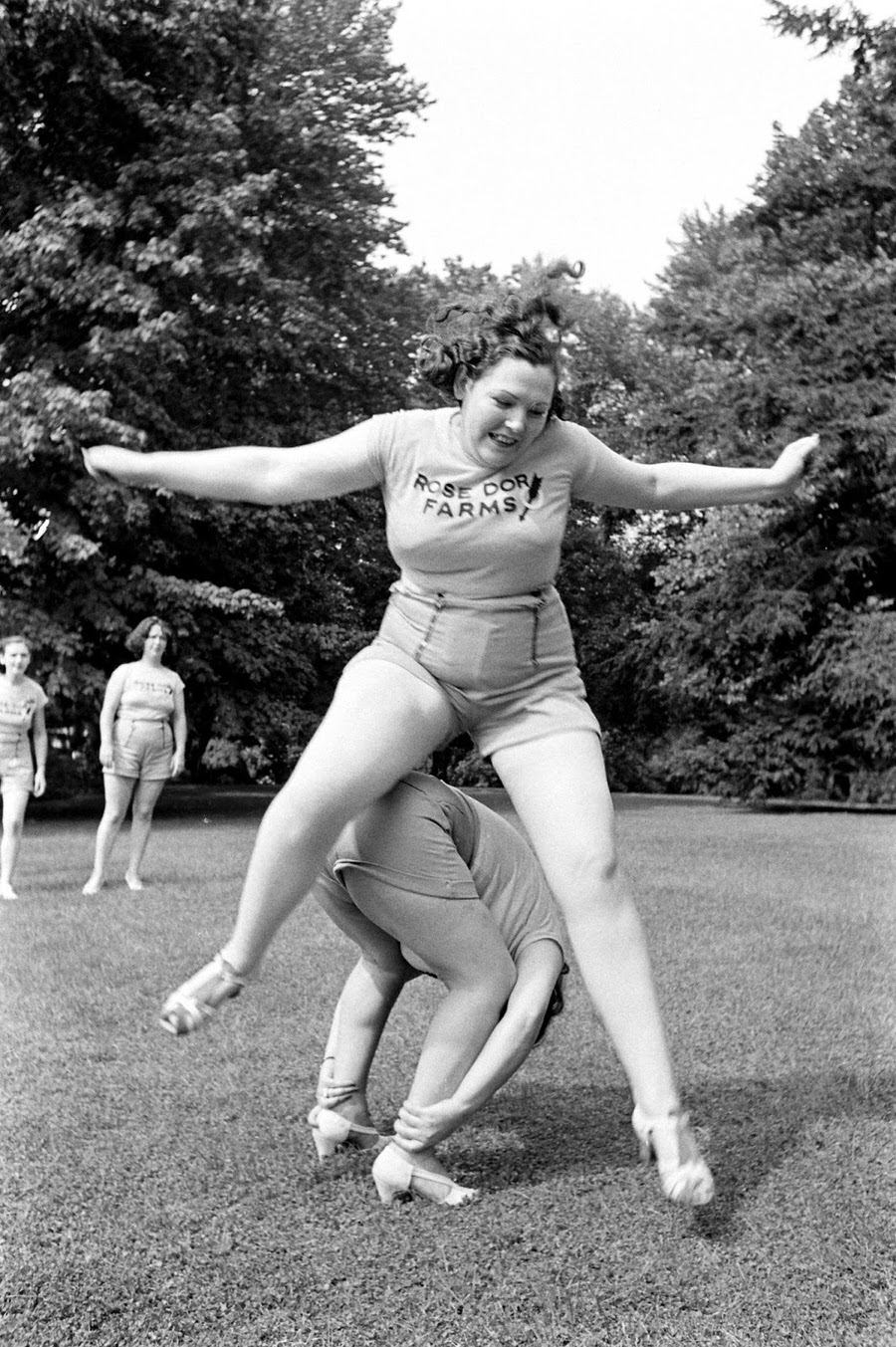
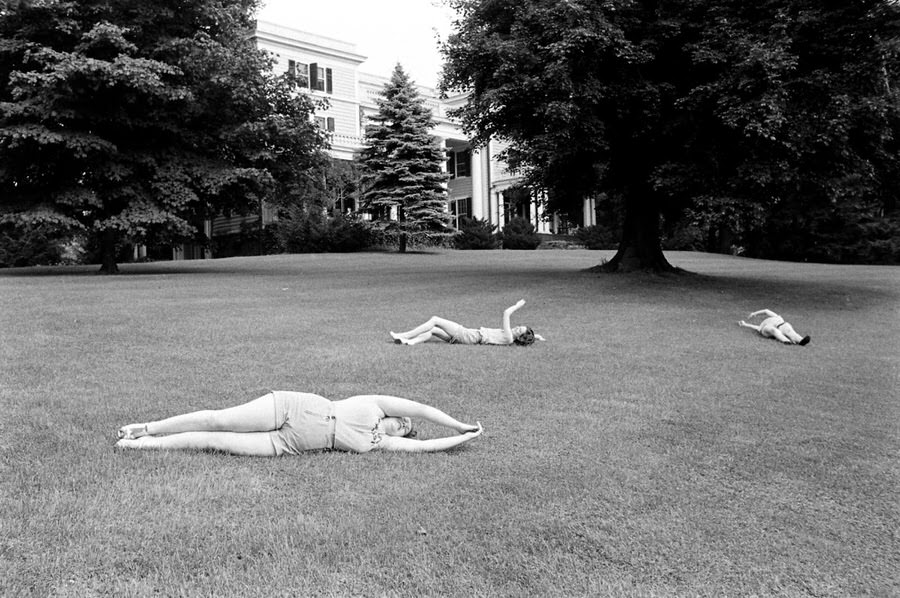
Diet alone was not the whole picture. Physical exercise was a major part of the daily schedule, led by Swedish Physical Director Steve Finan. Gym classes were held regularly, and Finan put clients through a range of exercises aimed at specific problem areas. Women who were too tired or too unwell to participate actively were still included — Finan offered passive exercise sessions where he manipulated clients’ limbs himself while they lay still.
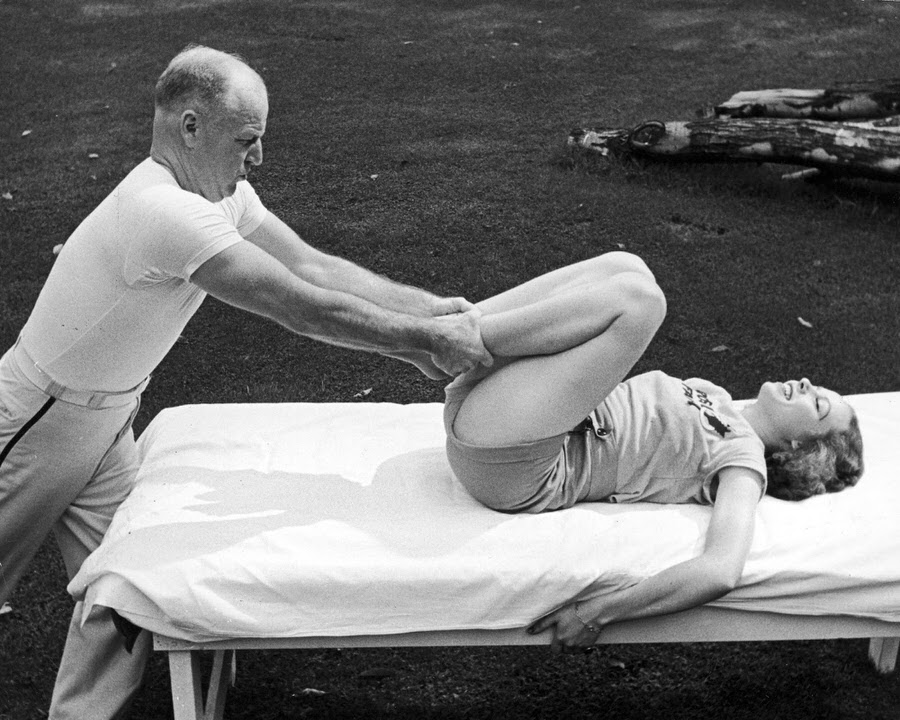
Mat work was a key part of Finan’s program. He directed floor exercises specifically designed to slim the hips and address what were then called “widow’s humps” — fatty deposits that formed at the base of the neck. These targeted routines reflected the era’s precise ideas about where women’s bodies were supposed to change, and Finan’s methods were taken seriously by the farm’s clientele.
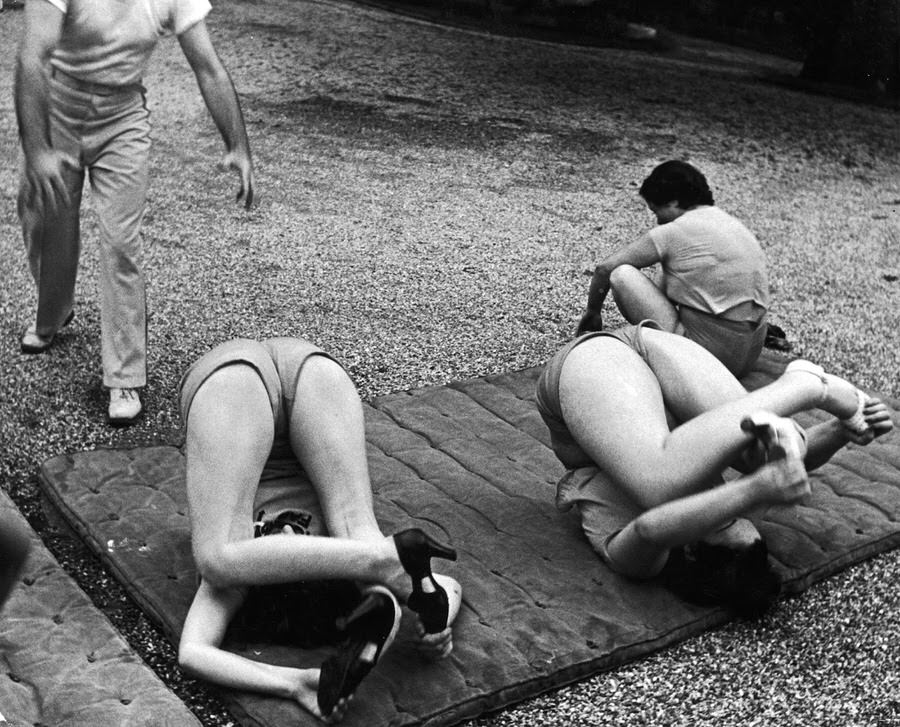
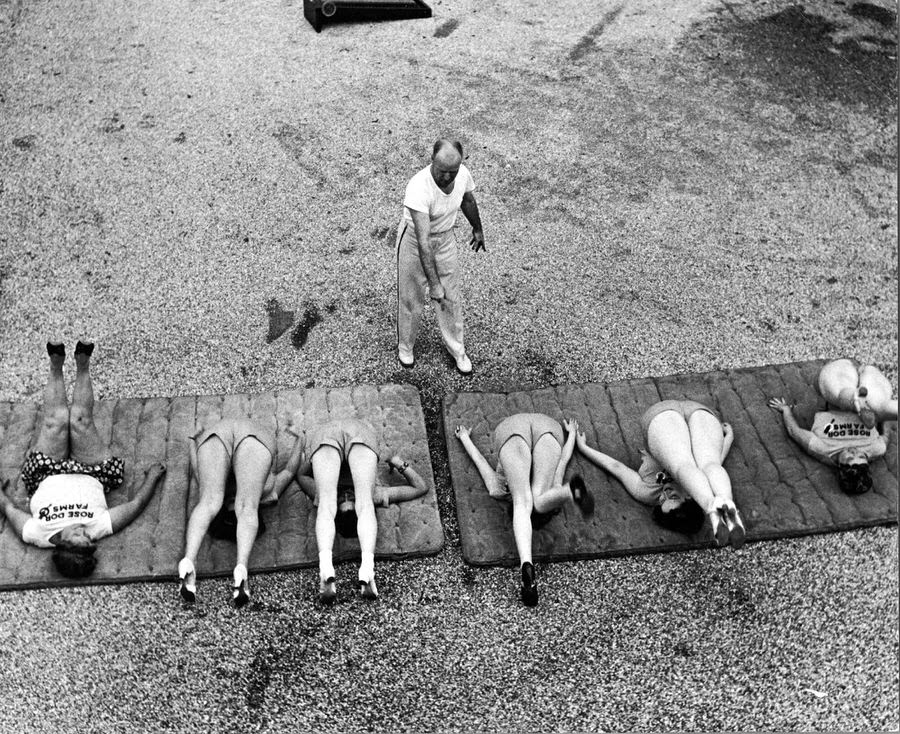
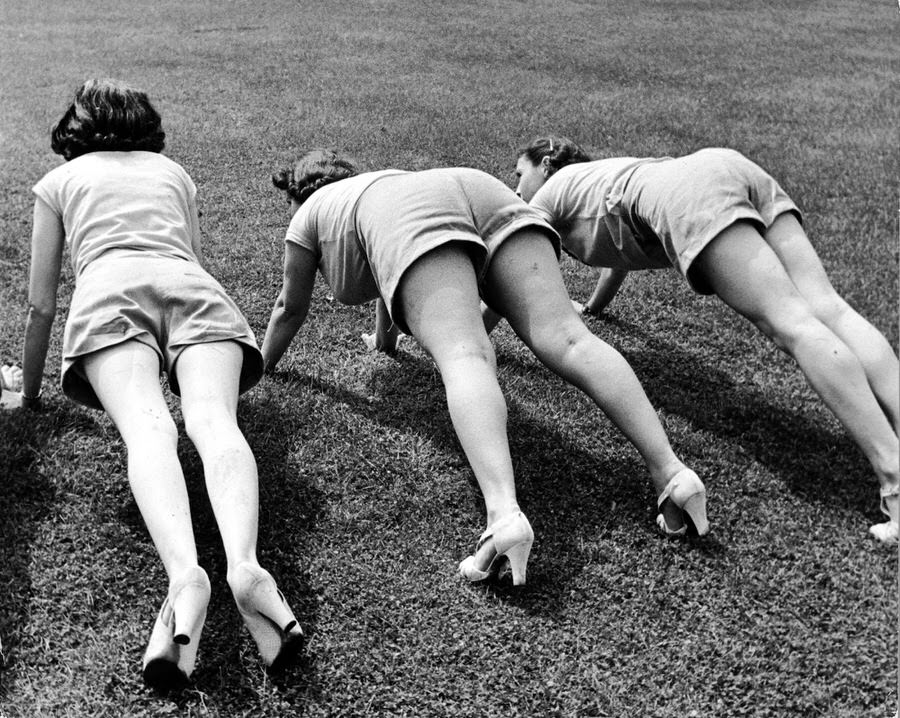
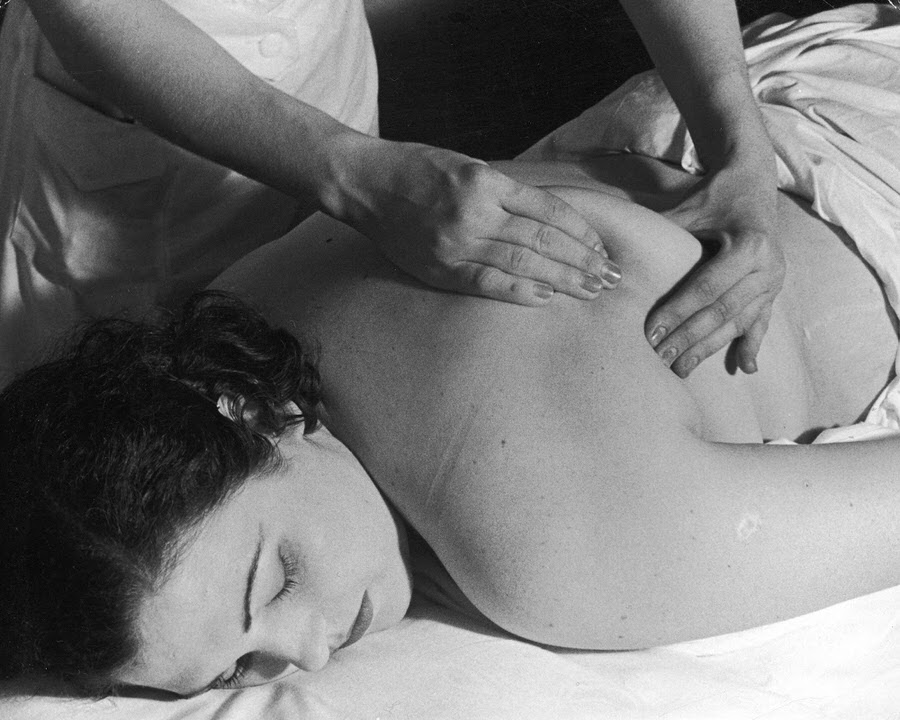
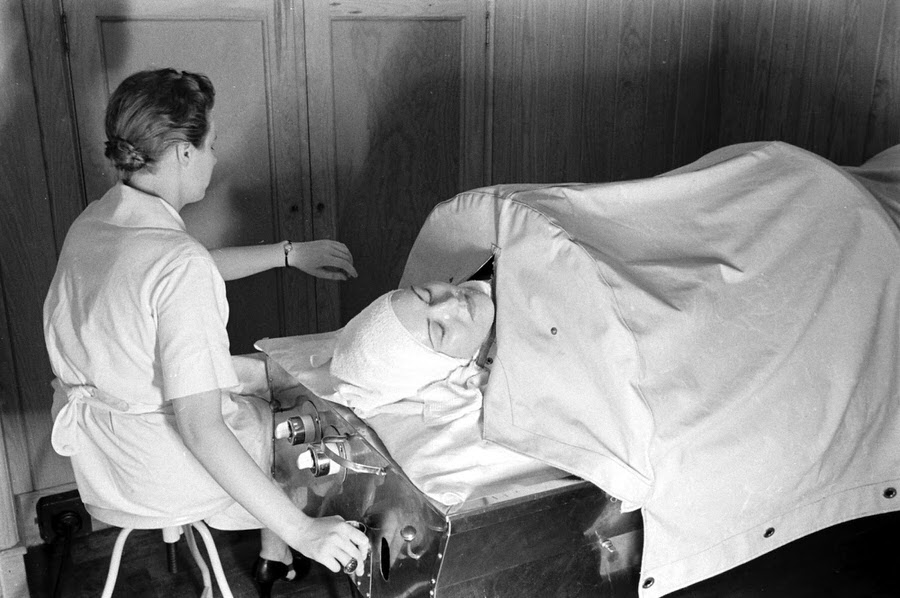
Beyond exercise, the farm offered treatments designed to accelerate weight loss through sweat. Clients received herbal massages followed by full-body wrapping in hot blankets, with only their faces left exposed. A single session was reported to strip off as much as three pounds — mostly water weight — making it one of the more dramatic offerings on the program.
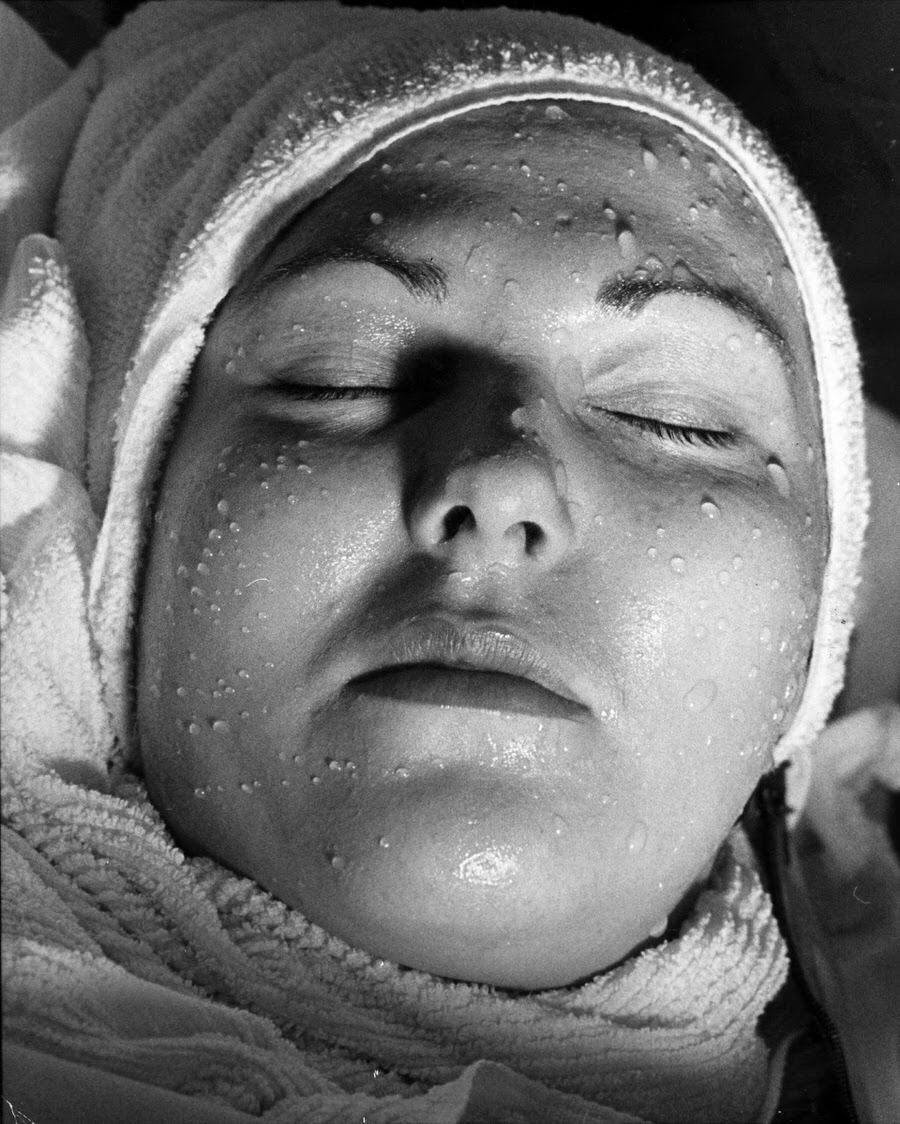
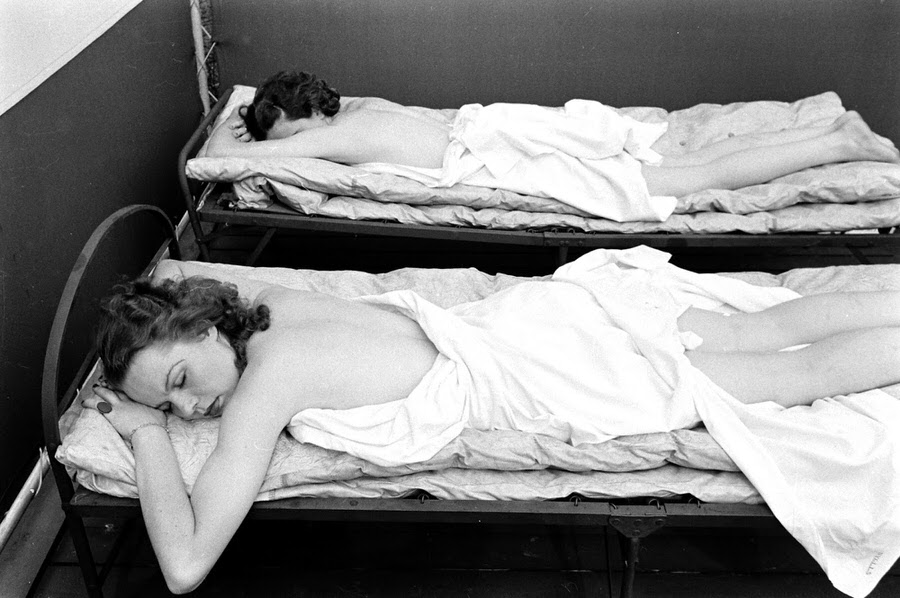
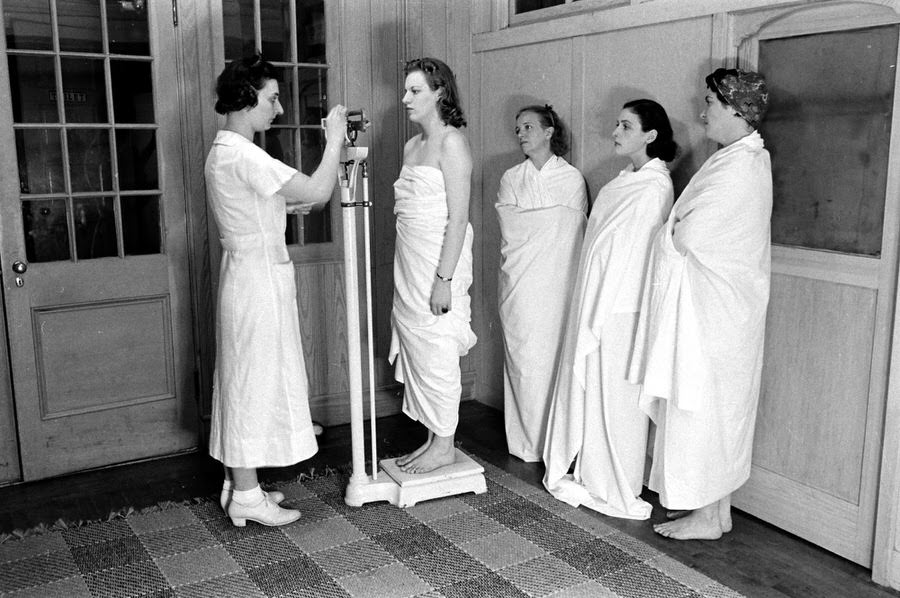
Life at the farm was not entirely grueling. Women were given time to rest between sessions, and the rural setting along the Hudson provided a break from city life. Still, the program was closely monitored. Staff kept track of each client’s progress, and the weigh-in was a regular ritual that kept everyone accountable.
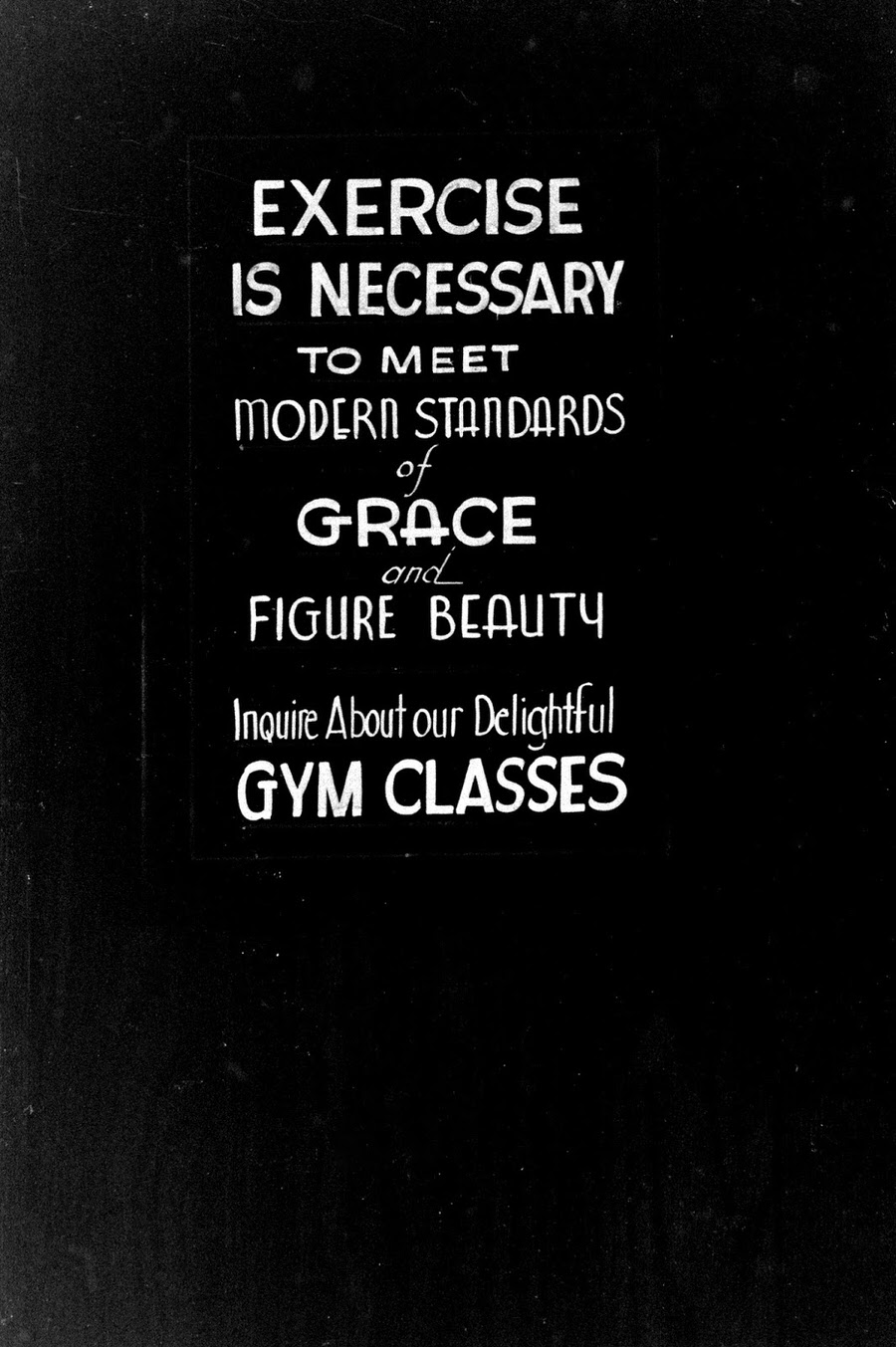
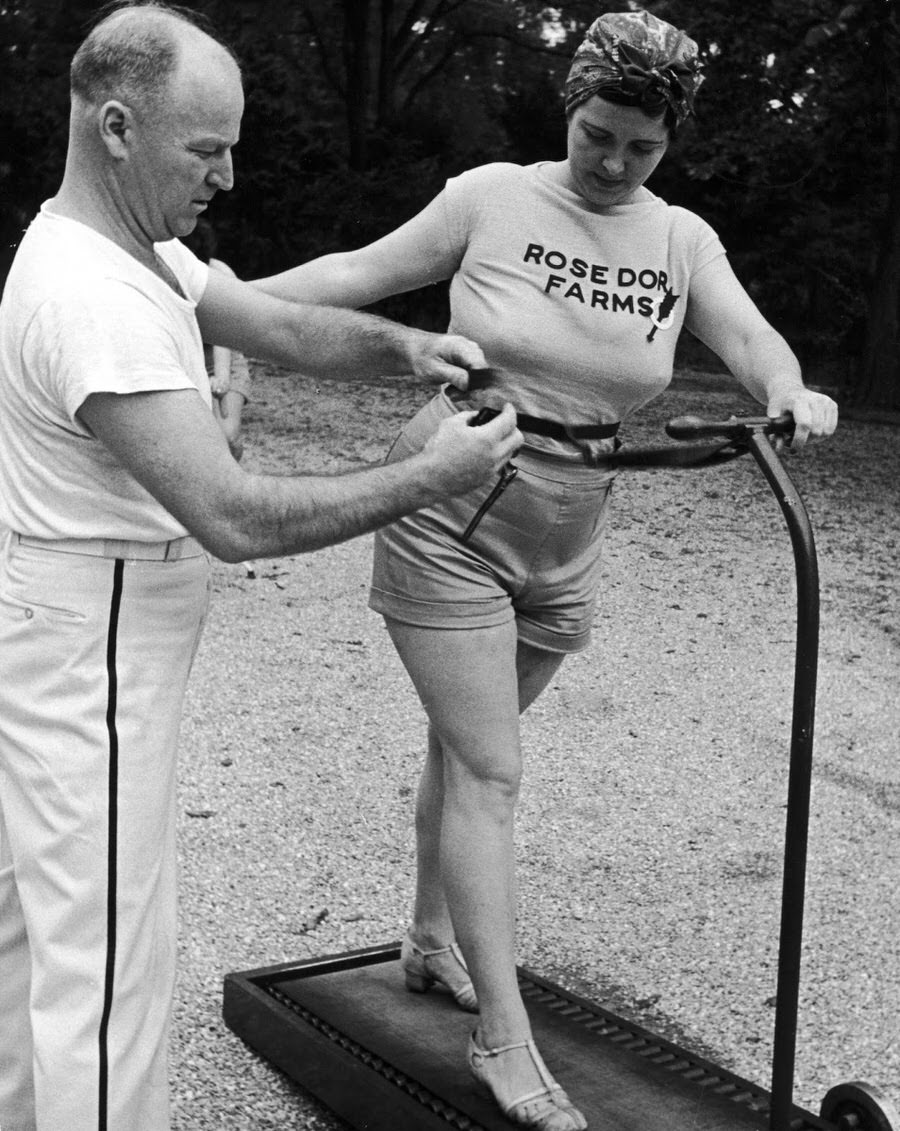
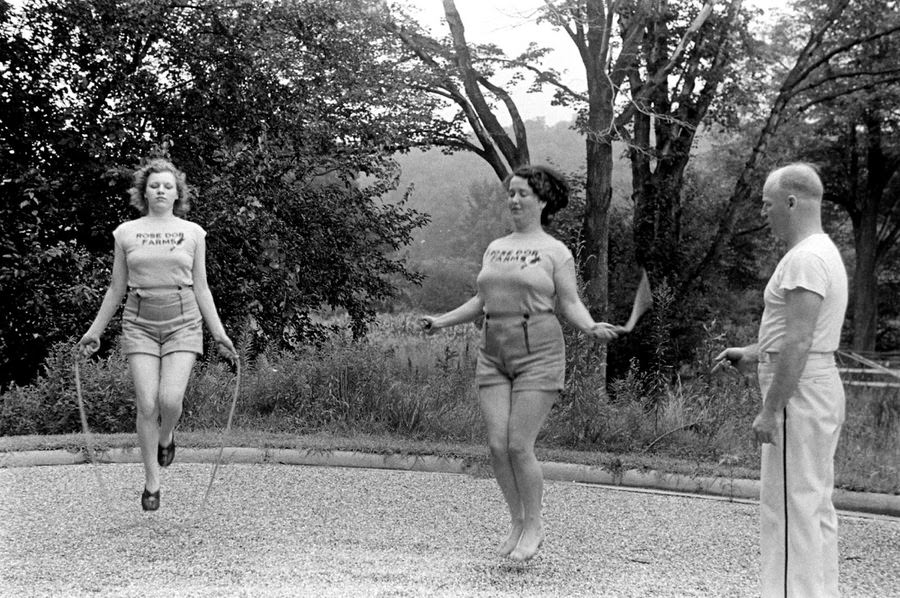
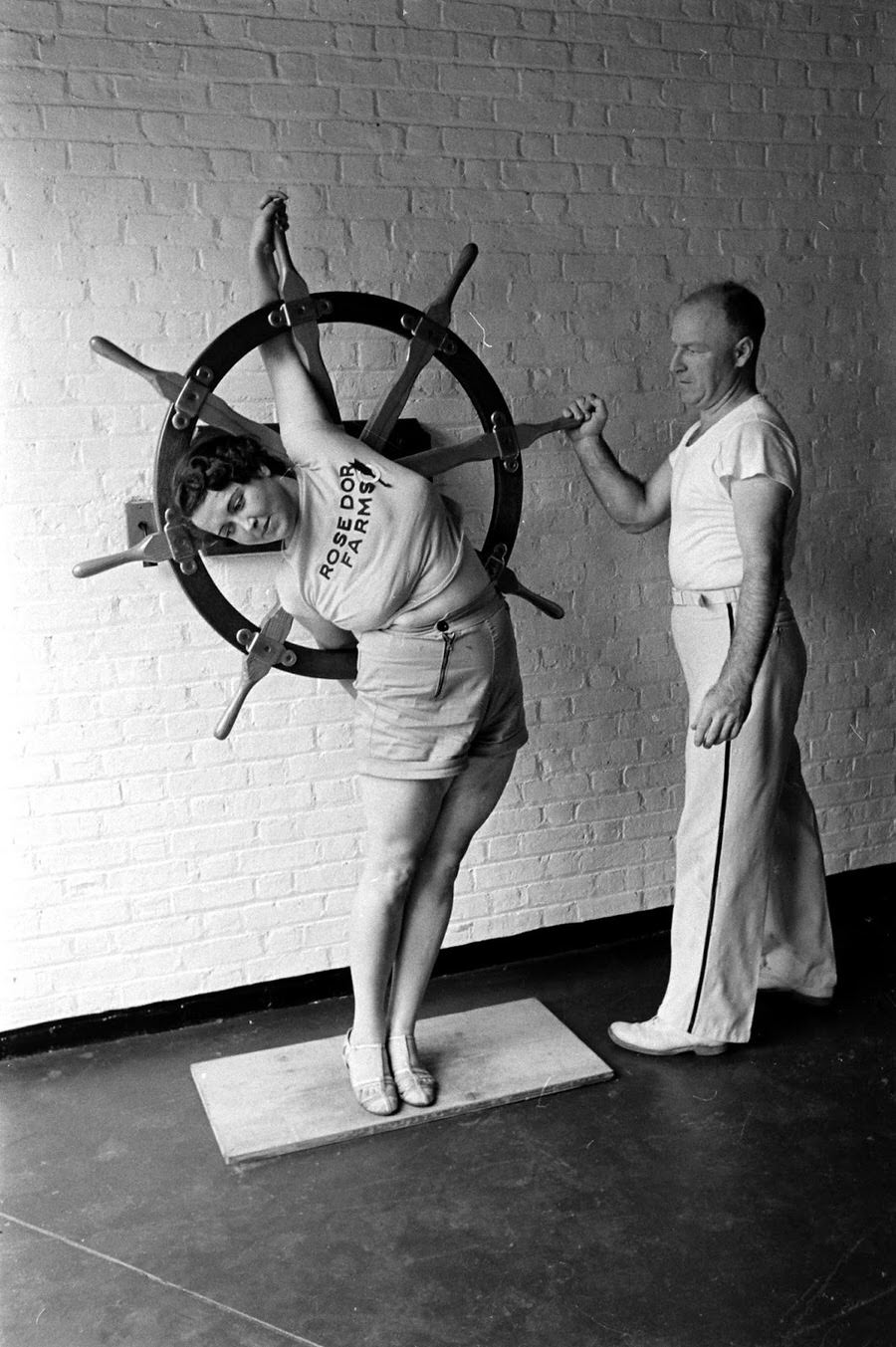
The gym program was more varied than a modern observer might expect. Clients jumped rope, used stretching equipment, and even worked with a ship’s steering wheel as a resistance and flexibility tool. The farm clearly put effort into keeping exercise sessions from becoming monotonous, mixing conventional drills with more unusual methods.
Not everyone followed the rules perfectly. One client, Mrs. Remer of Kansas City, became something of a cautionary tale at the farm after she was caught sneaking fried chicken — a direct violation of the strict milk-and-vegetables diet. Her story circulated among the other women as an example of what not to do. On the other end of the spectrum, Jewel Mau Claire of New York became a standout success, losing 13 pounds in just five days.
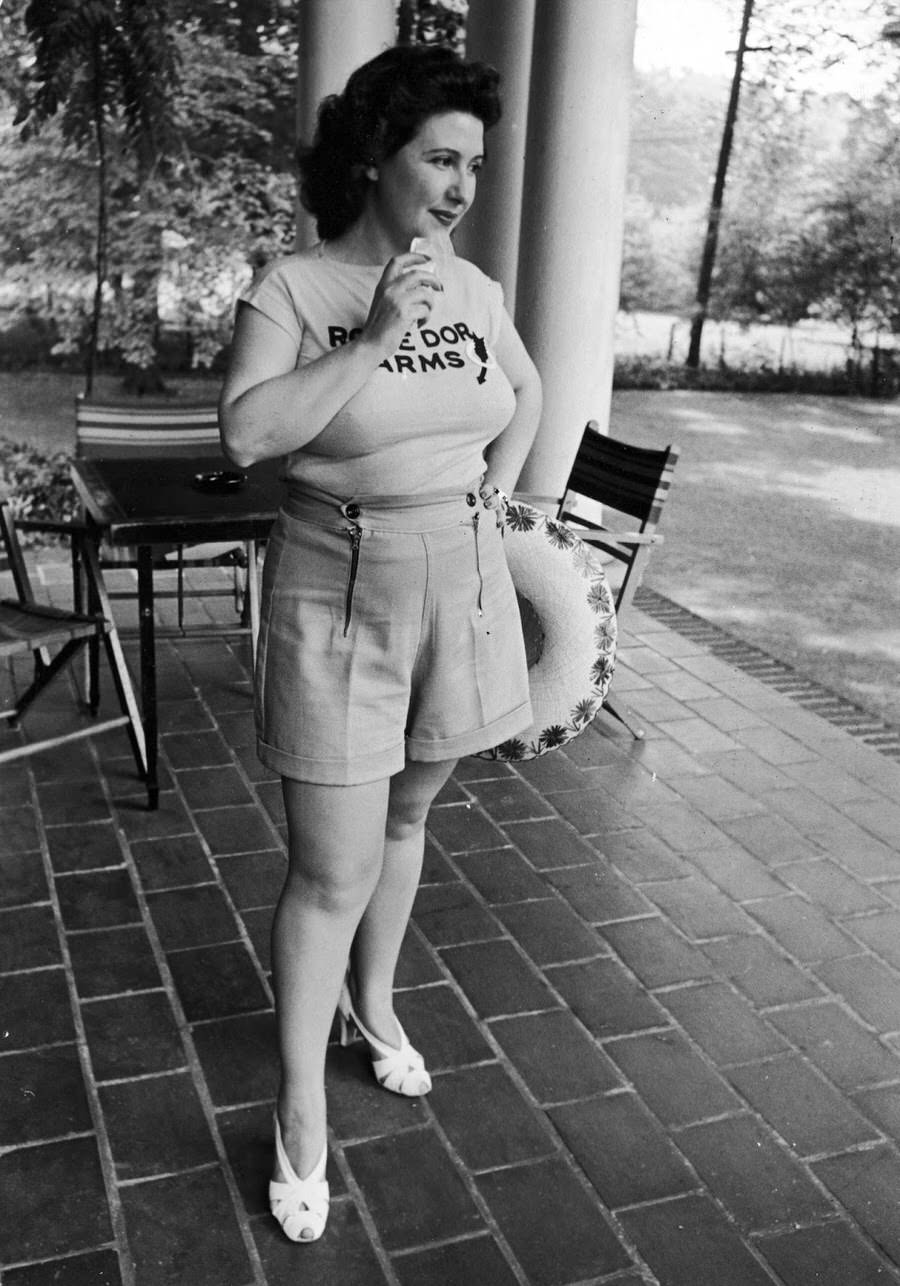
Women who completed the program were sometimes called “milk farmers” — a tongue-in-cheek label that stuck. The term captured what made Rose Dor unusual: it was simultaneously a functioning dairy operation and a retreat for urban women serious about losing weight. The results, at least for some, were real and measurable.