
Salt Lake City in the 1990s was a city in motion. The capital of Utah sat at the crossroads of rapid growth and deep-rooted tradition, and the decade left visible marks on nearly every corner of the urban landscape. The city’s population climbed by nearly 20% from 1990 to 2000, driven by a booming economy built on technology, mining, and tourism. New homes, businesses, and roads rose to meet the demand of thousands of new residents arriving each year.
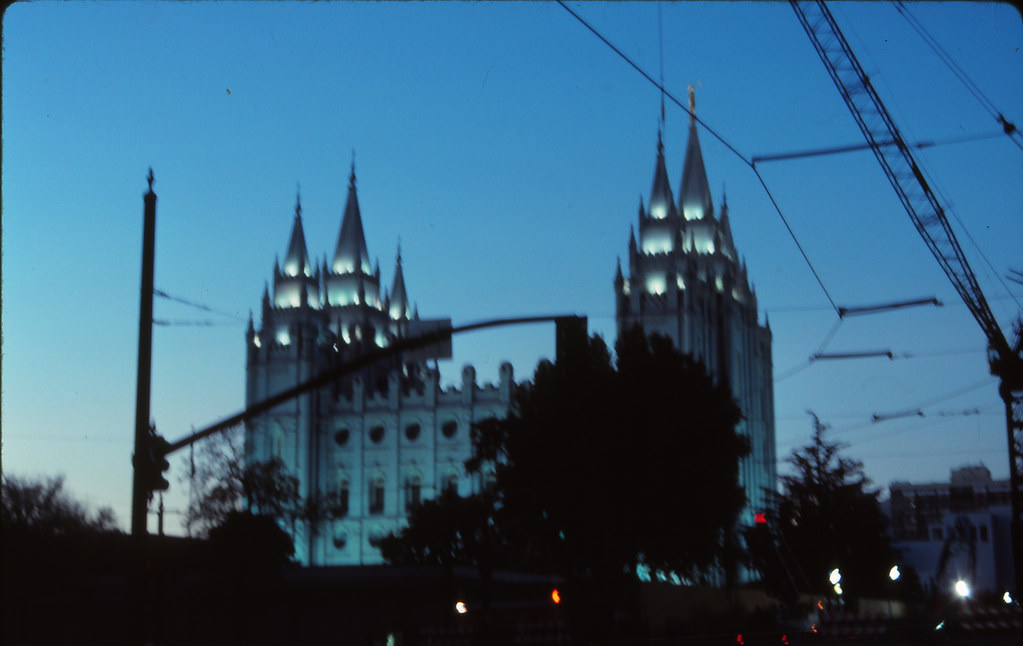
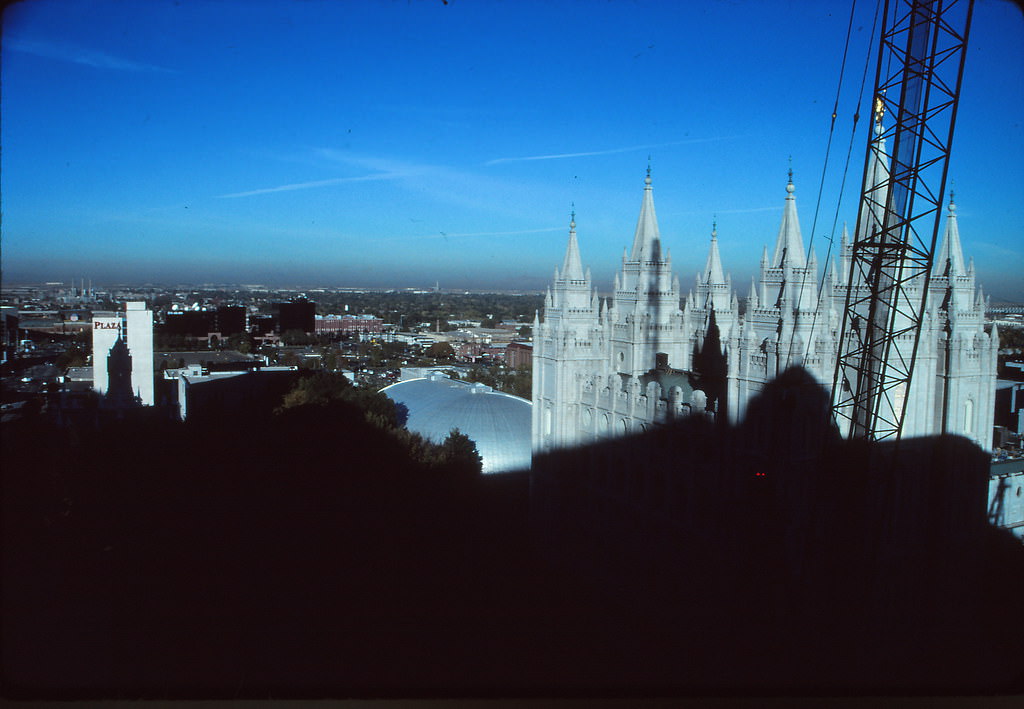
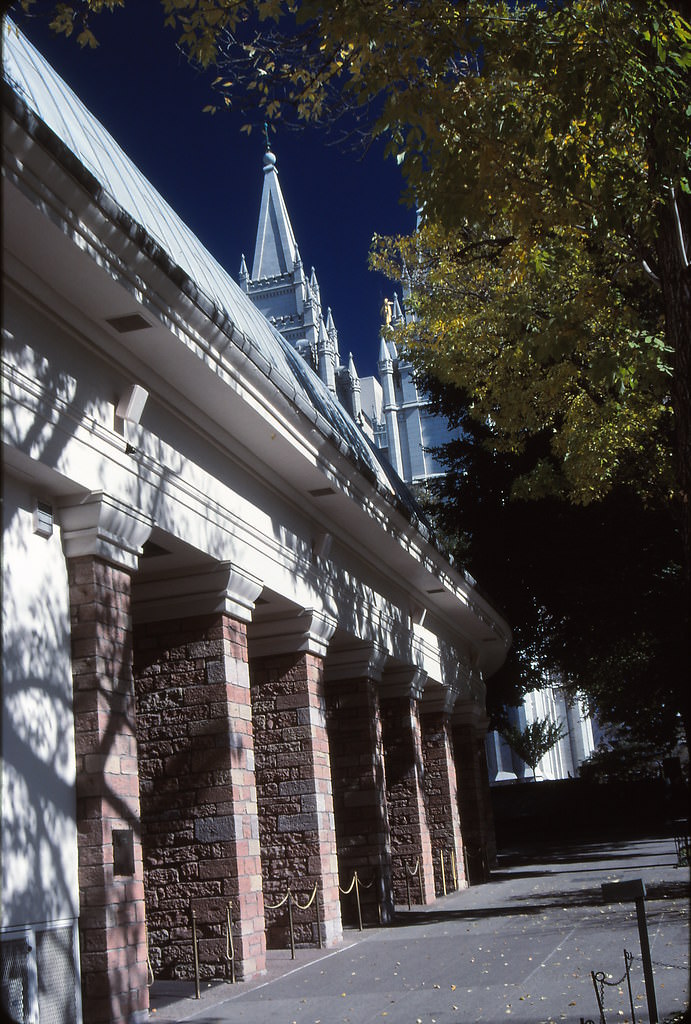
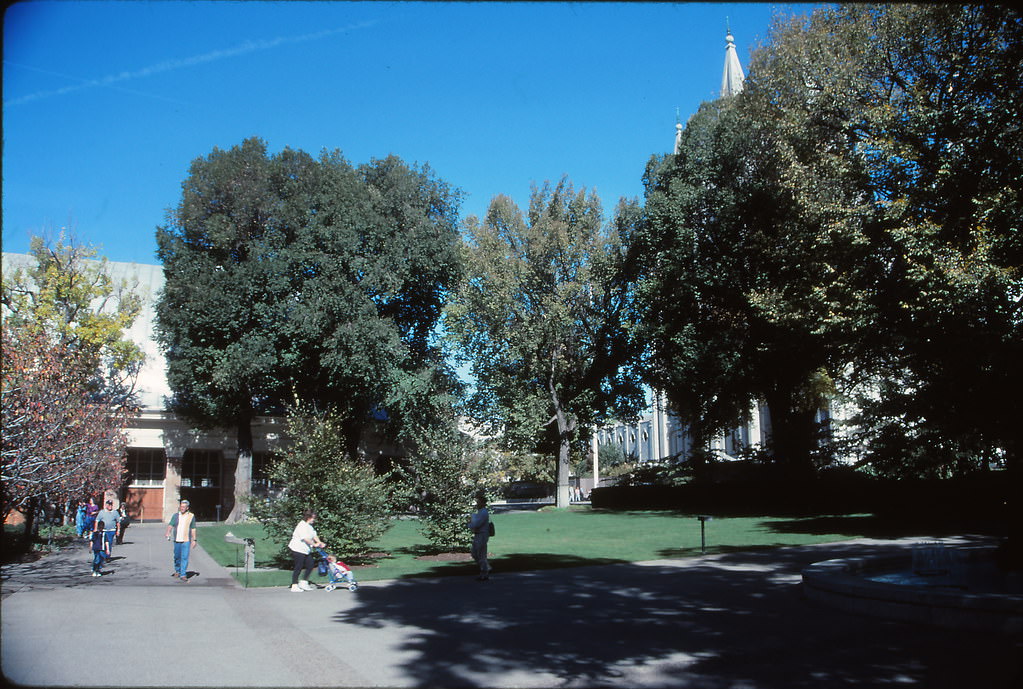
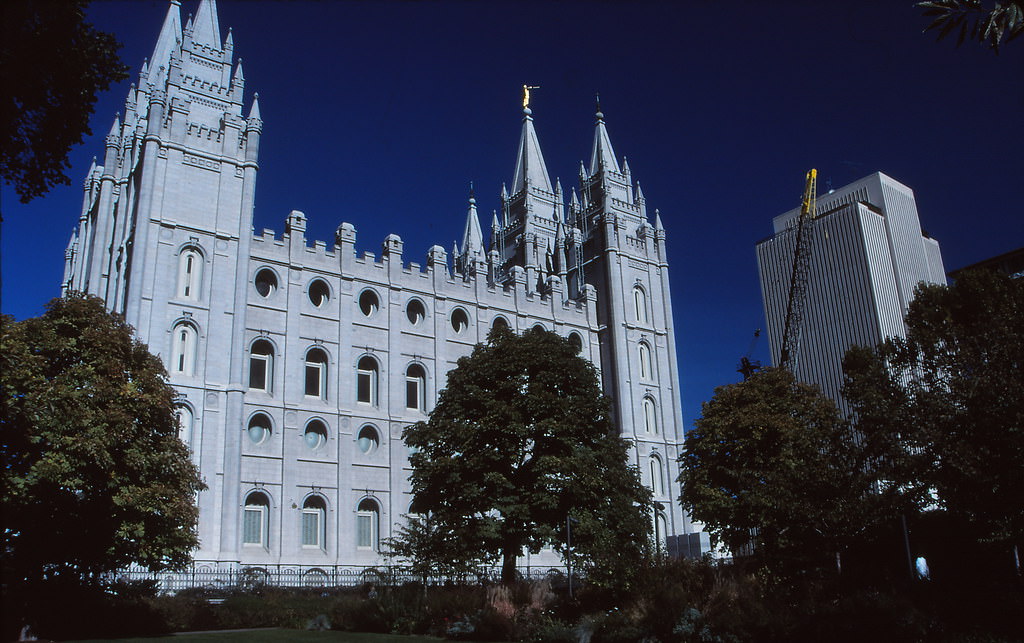
At the spiritual and geographic heart of the city stood Temple Square. The Salt Lake Temple, completed in 1893 after 40 years of construction, remained the most recognizable landmark in Utah throughout the 1990s. Its six spires dominated the downtown skyline, and the surrounding 10-acre Temple Square grounds drew millions of visitors each year. The area served as both a religious center for The Church of Jesus Christ of Latter-day Saints and a major tourist destination for people from around the world.
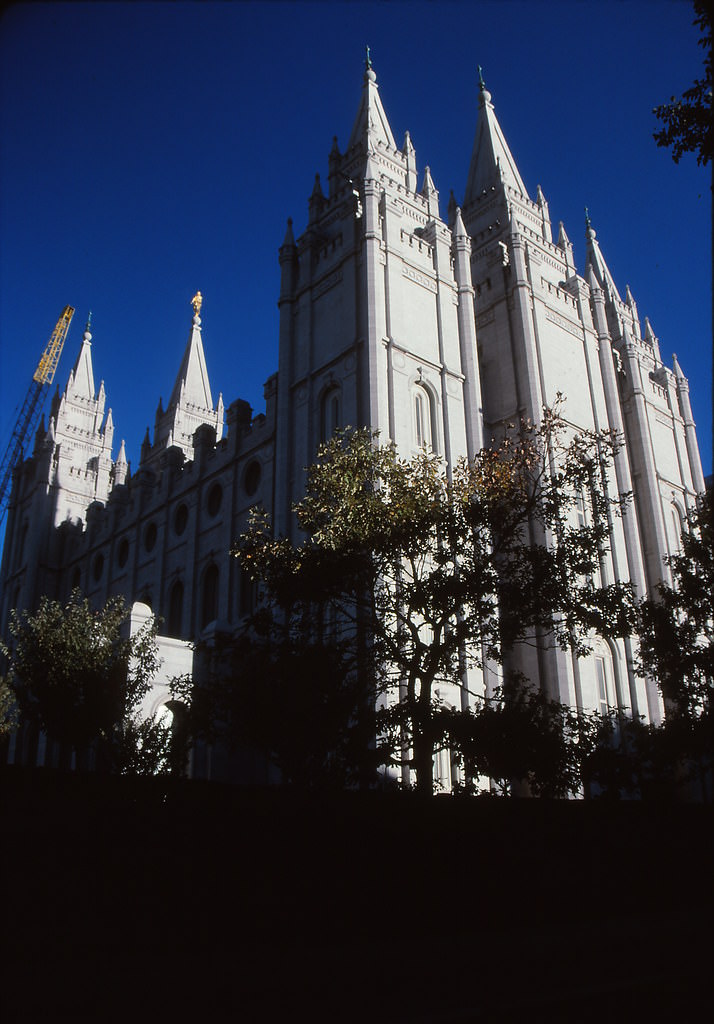
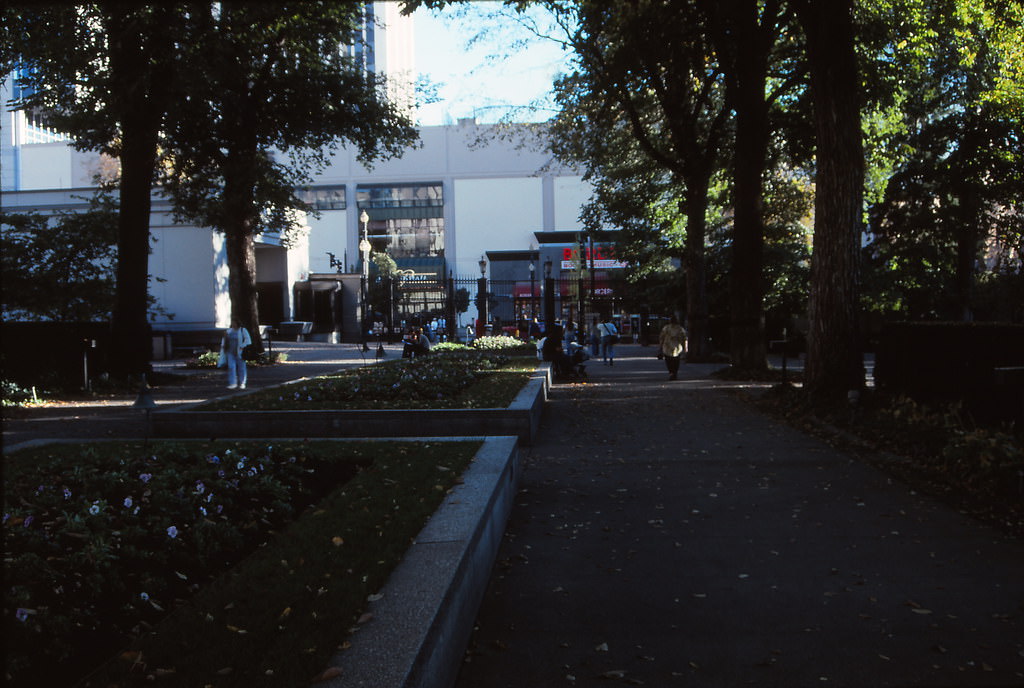
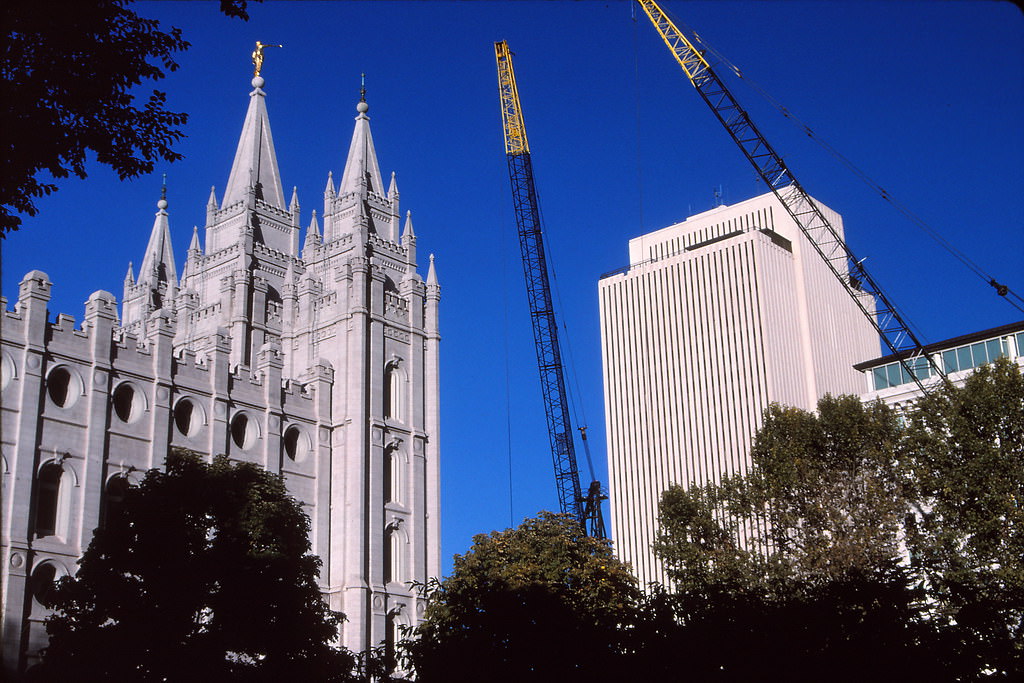
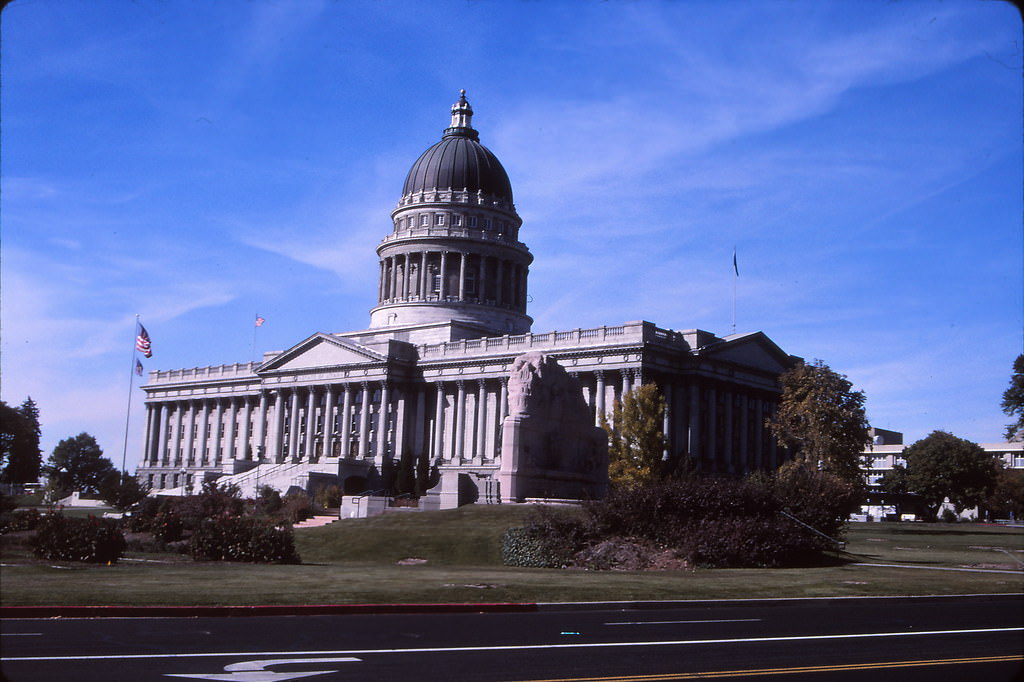
Temple Street ran directly alongside the Square, lined with historic buildings and steady foot traffic. From certain vantage points, the Utah State Capitol — completed in 1916 and sitting high on Capitol Hill — was clearly visible above the temple walls. The relationship between these two landmarks defined the city’s visual identity throughout the decade.
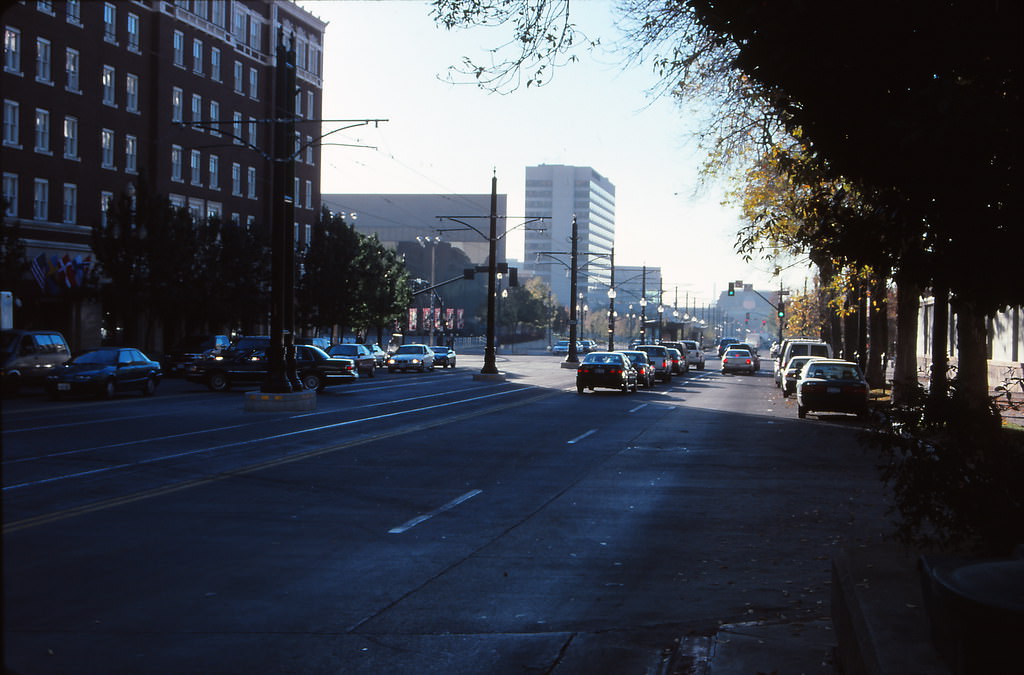
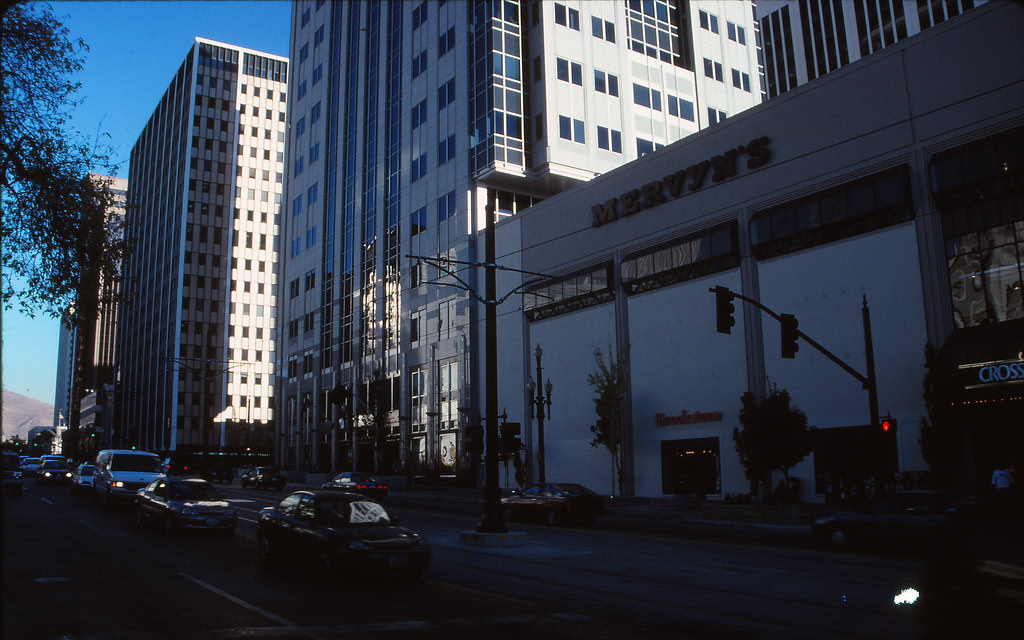
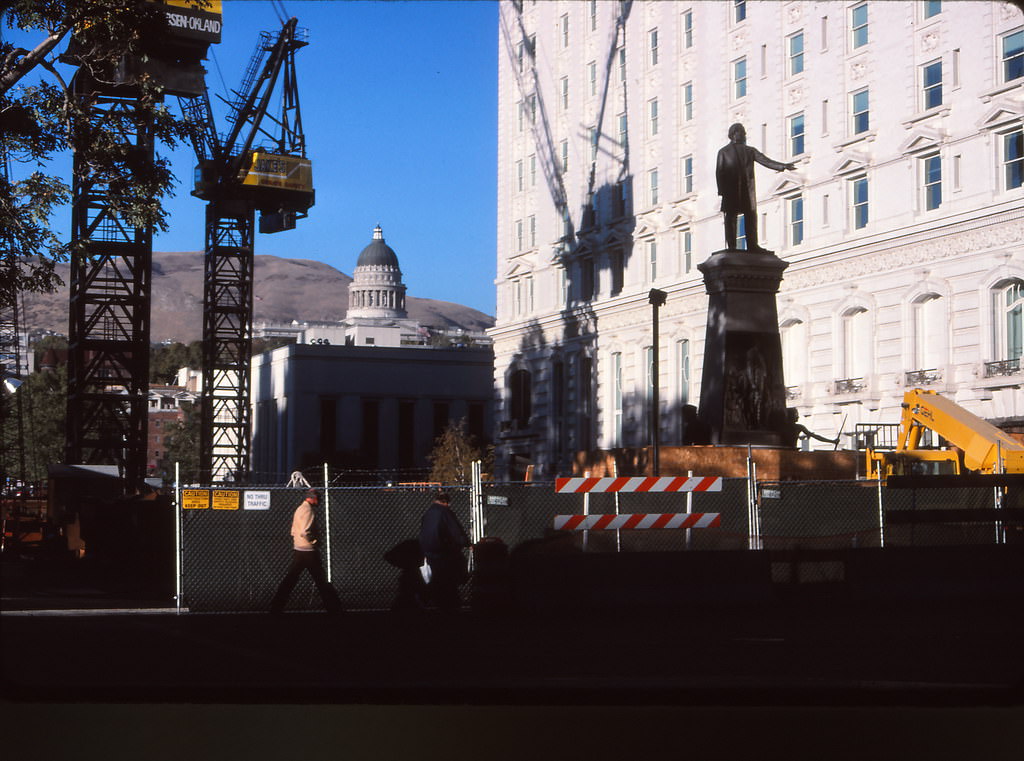
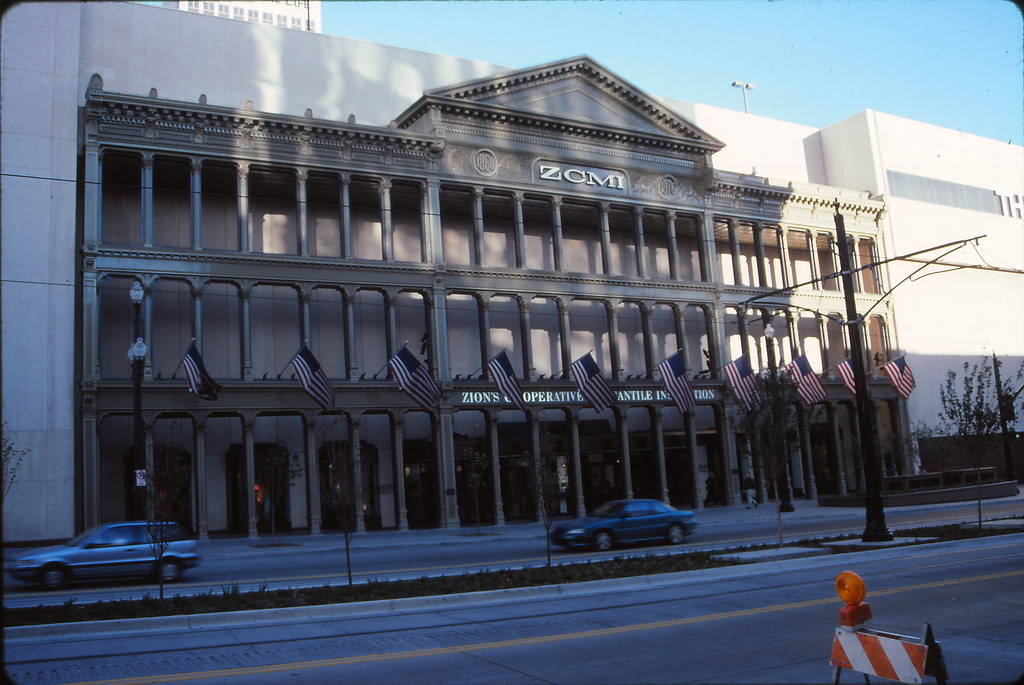
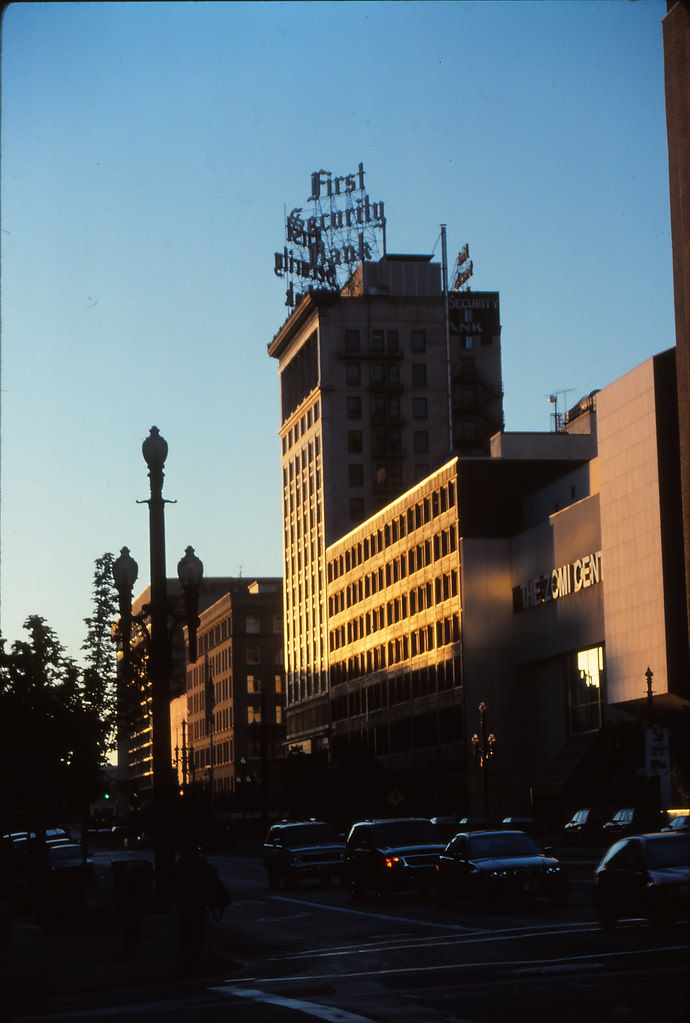
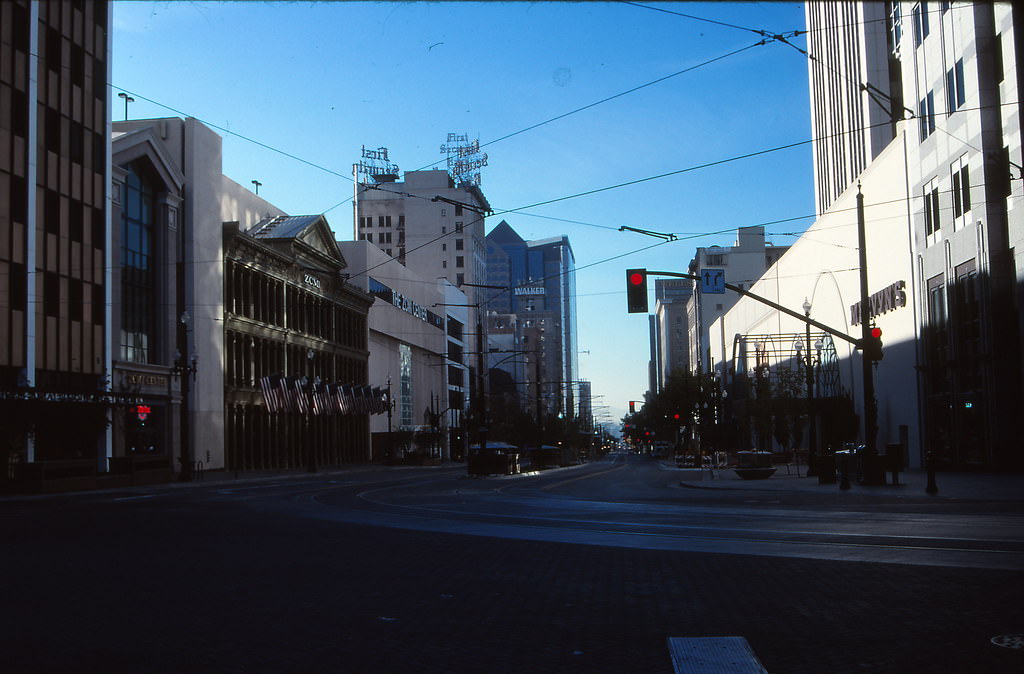
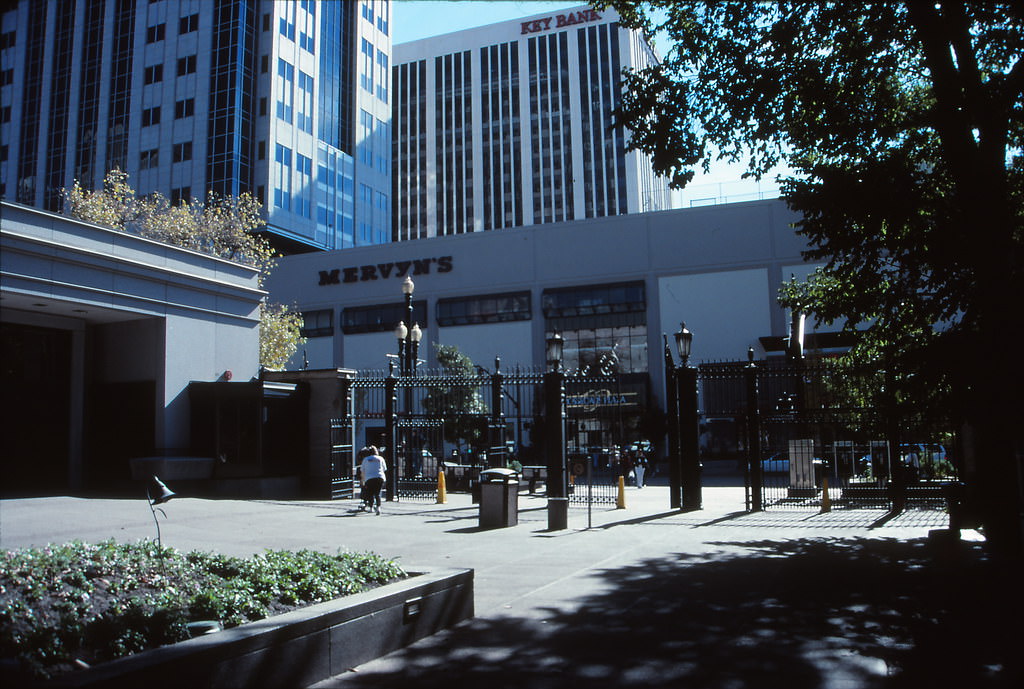
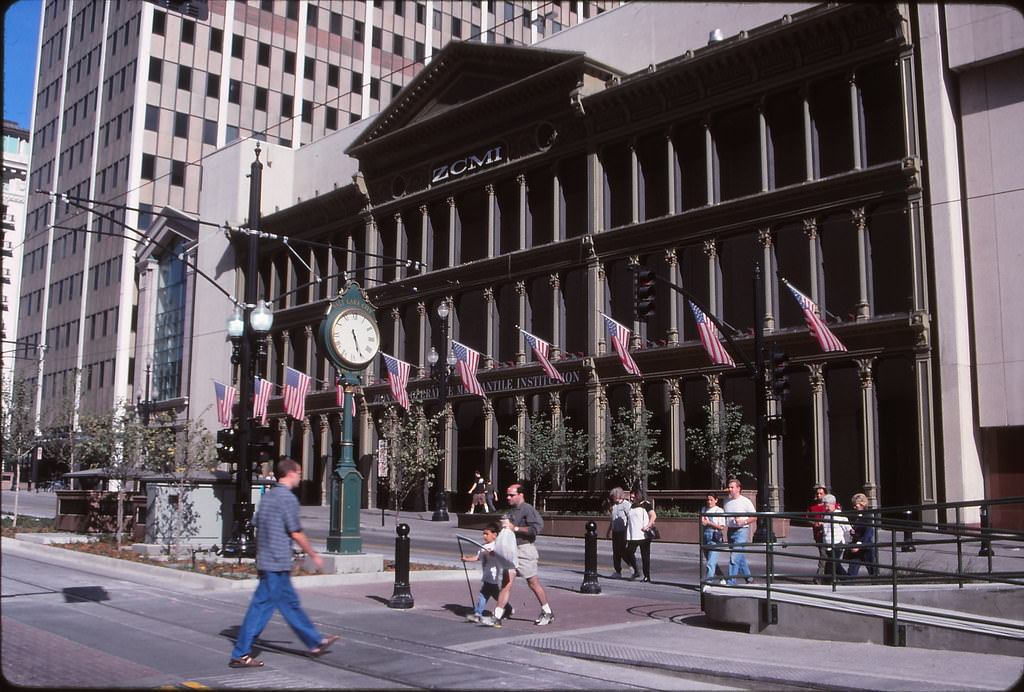
Main Street was the commercial spine of downtown Salt Lake City. The ZCMI — Zion’s Cooperative Mercantile Institution — anchored the retail scene there. Founded in 1868, ZCMI was one of the oldest department store chains in the United States and remained a fixture of the downtown shopping experience well into the 1990s. Its large storefront on Main Street was a familiar sight to generations of Salt Lake City residents.
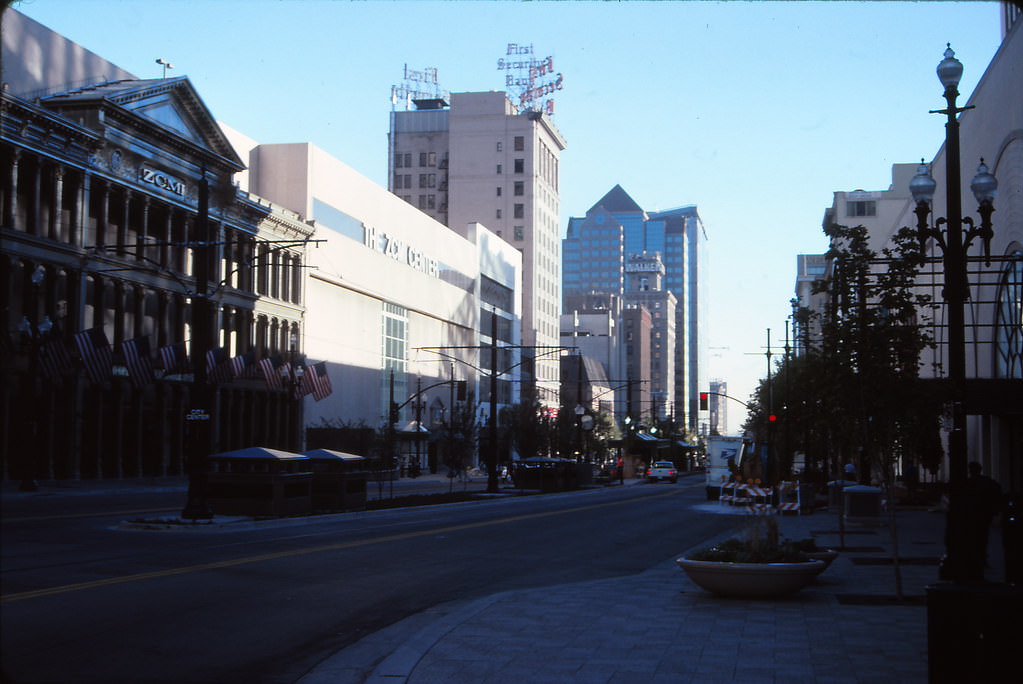
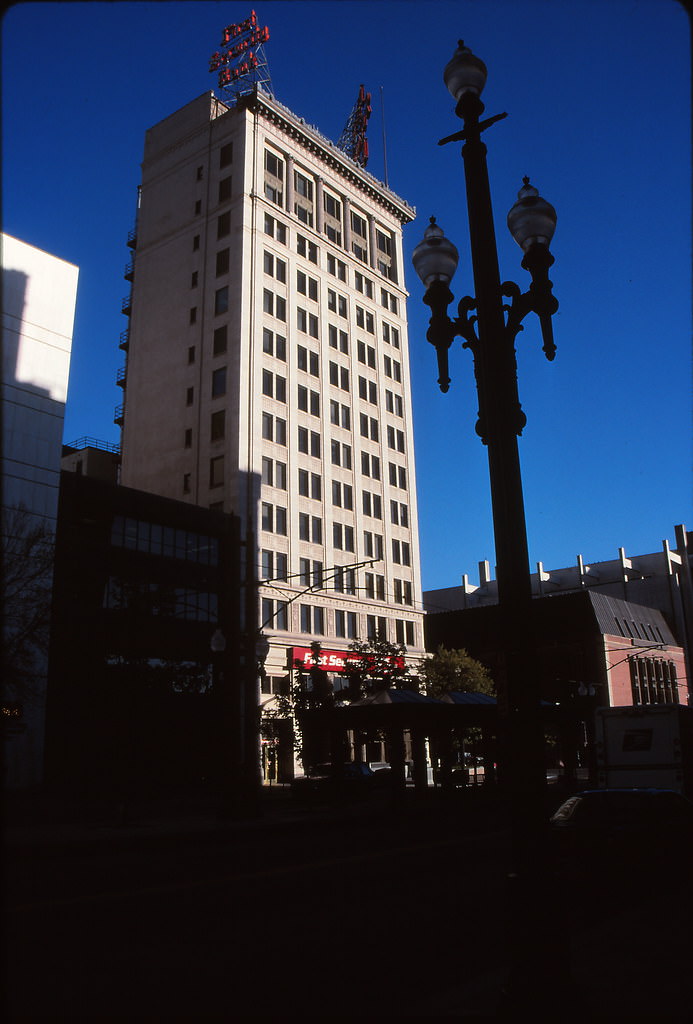
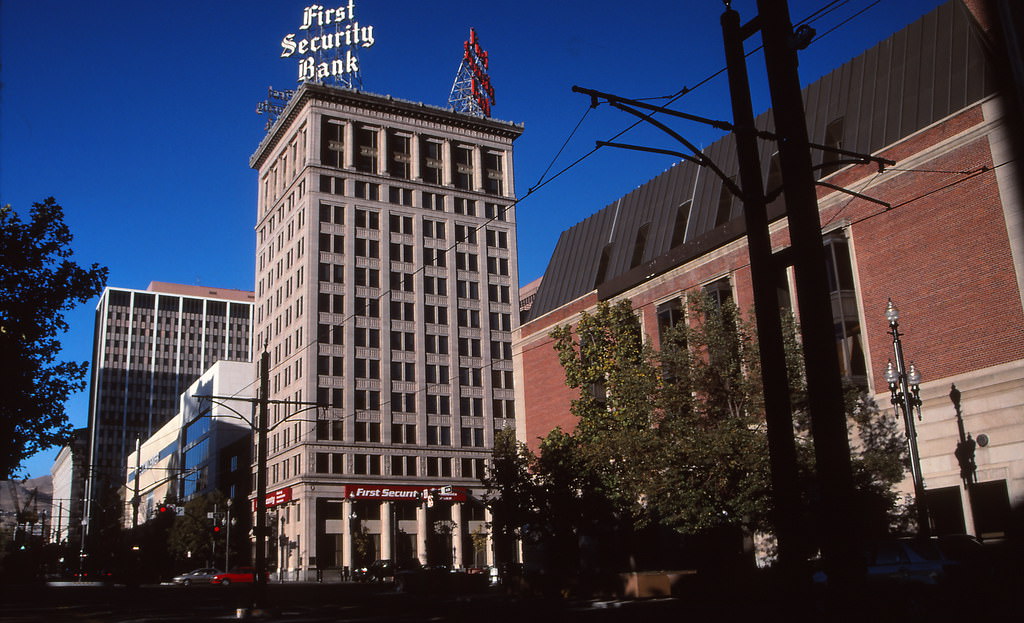
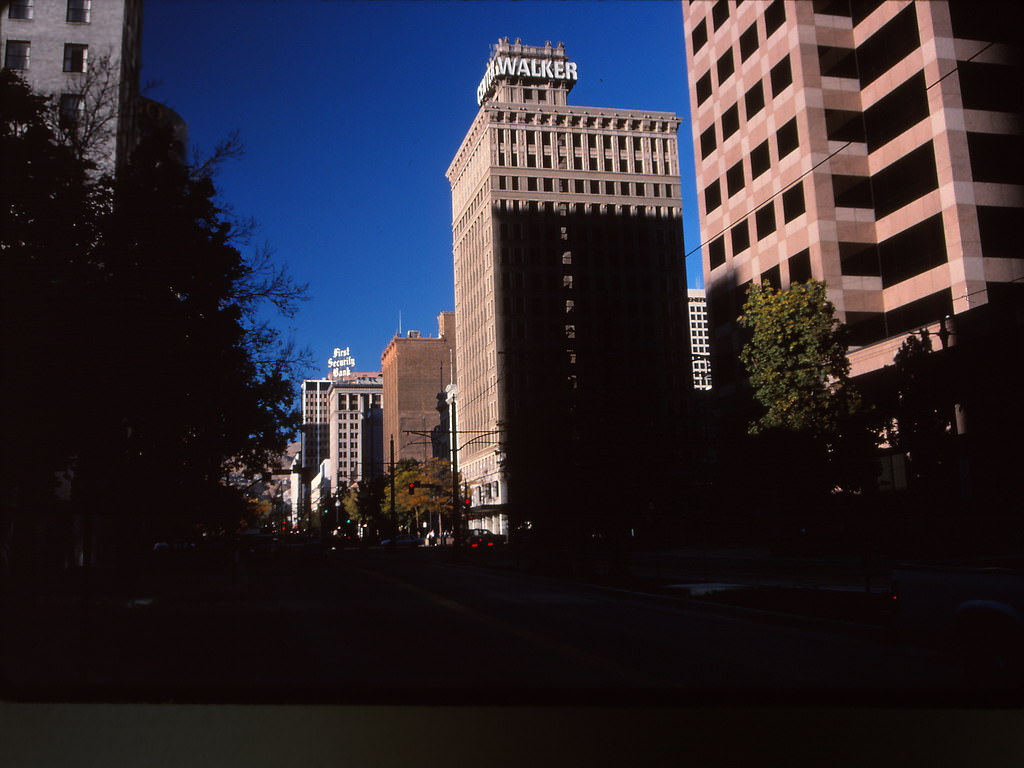
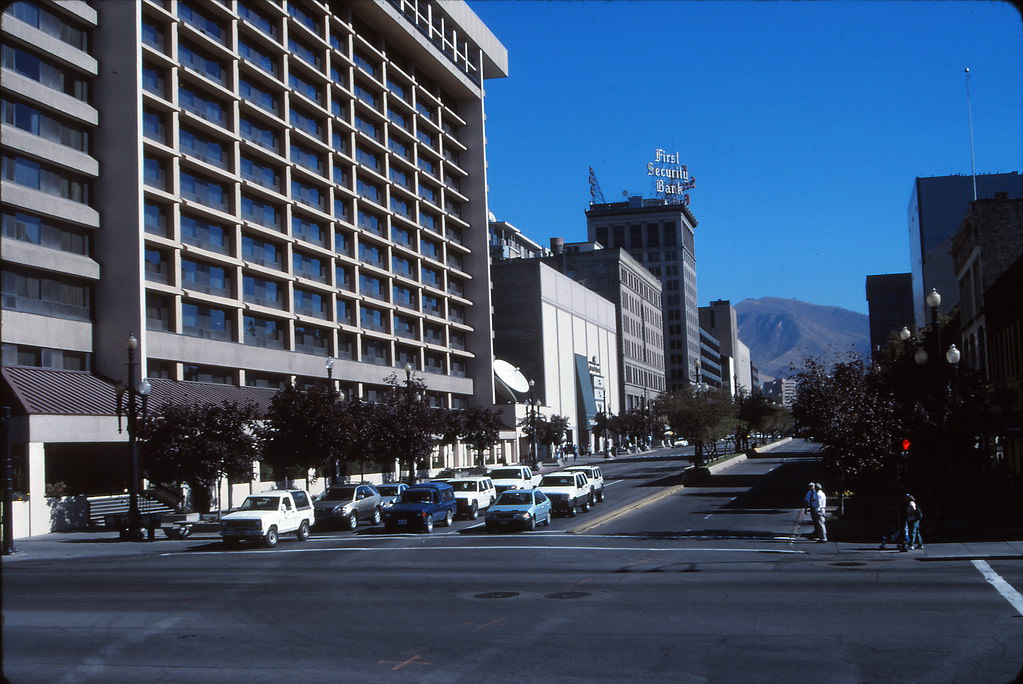
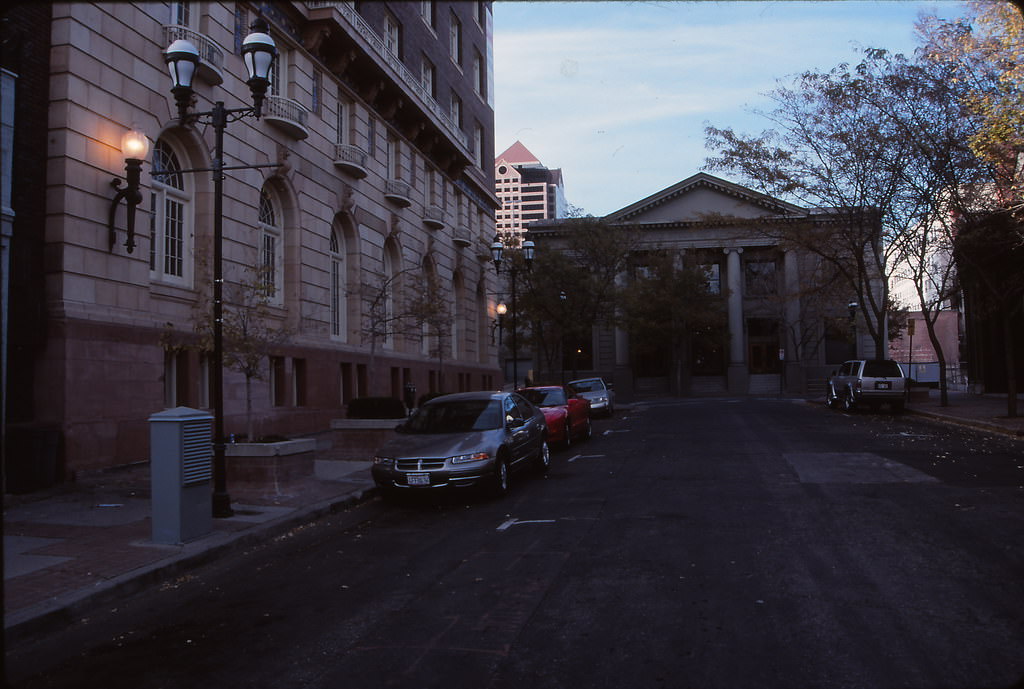
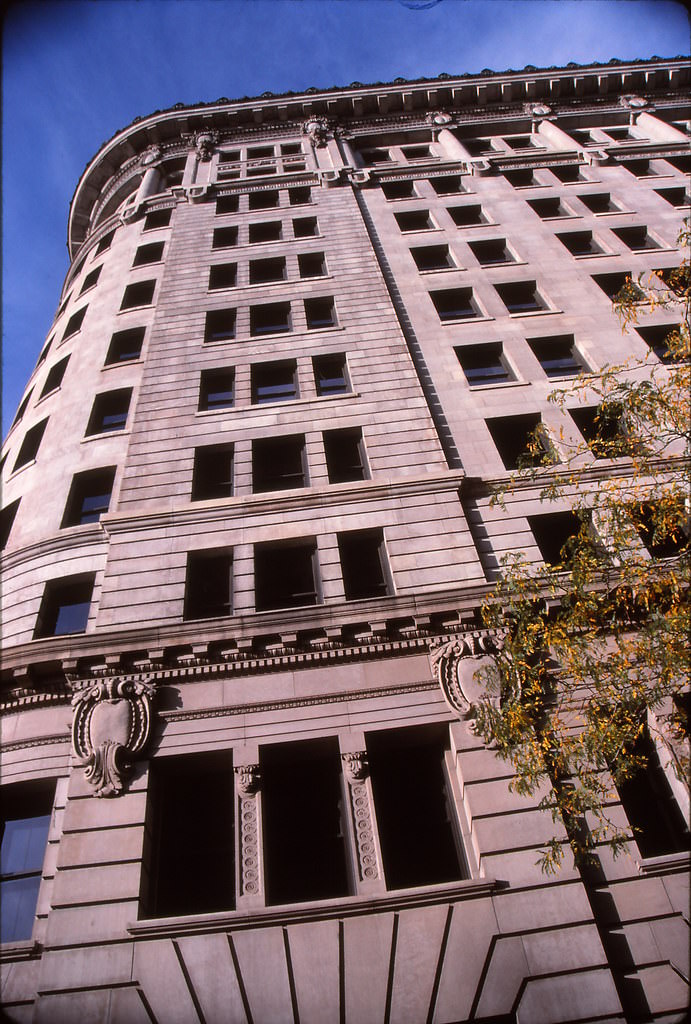
Not far from ZCMI stood the First Security Bank building at 79 South Main Street — originally constructed as the Deseret Building. Its classical architecture was a reminder of the ambition Salt Lake City had shown in the early 20th century. Buildings like this one gave Main Street a layered quality, where decades of commercial history existed side by side on the same block.
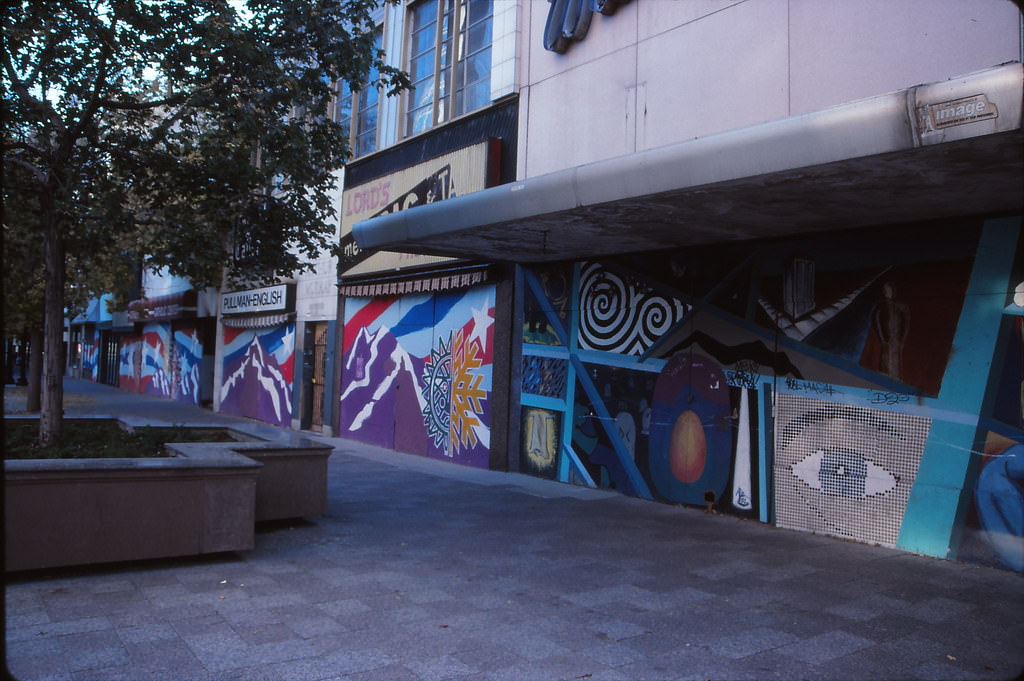
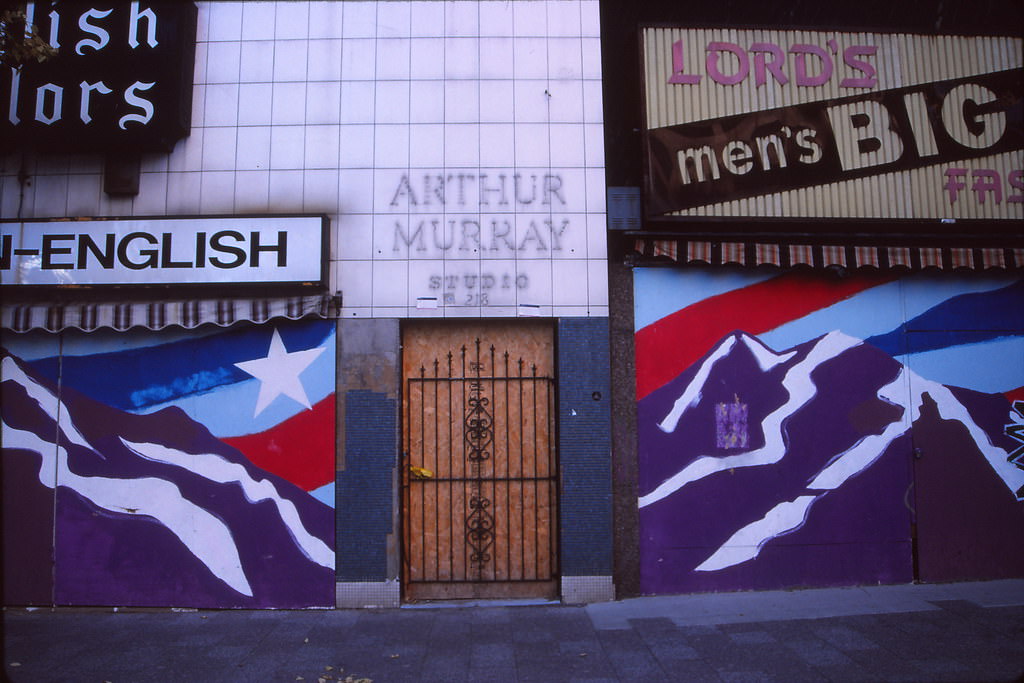
Despite its commercial strengths, Main Street also showed signs of strain during the decade. Vacant storefronts appeared alongside active businesses, reflecting the challenges that many American downtowns faced in the early-to-mid 1990s as retail patterns shifted and suburban shopping centers pulled customers away from city centers. City planners were well aware of the issue and worked to bring new investment and foot traffic back to the street.
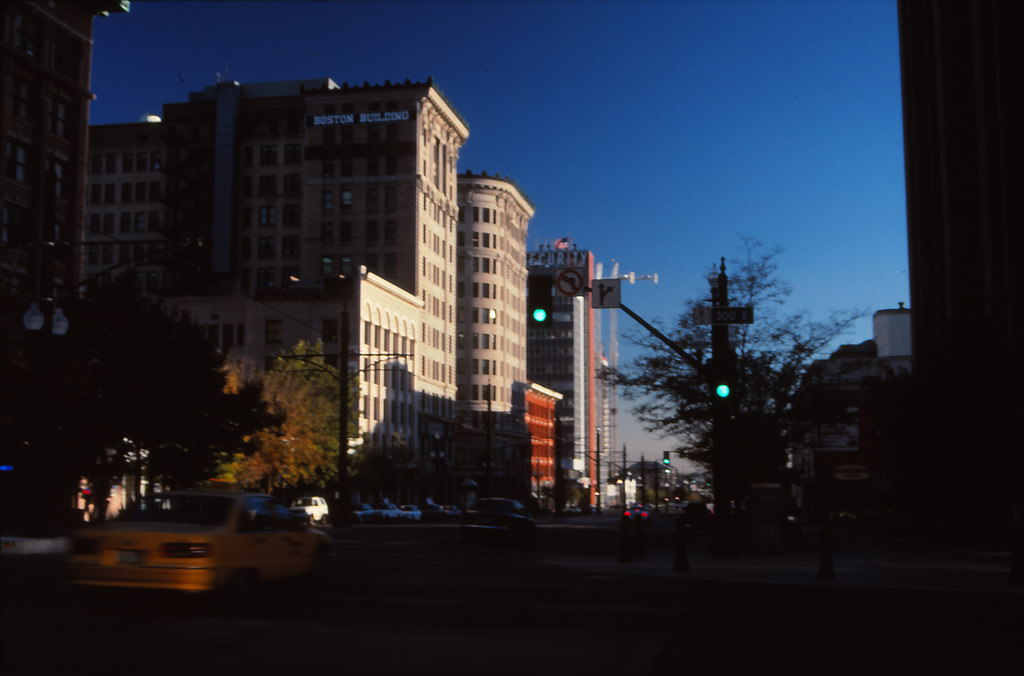
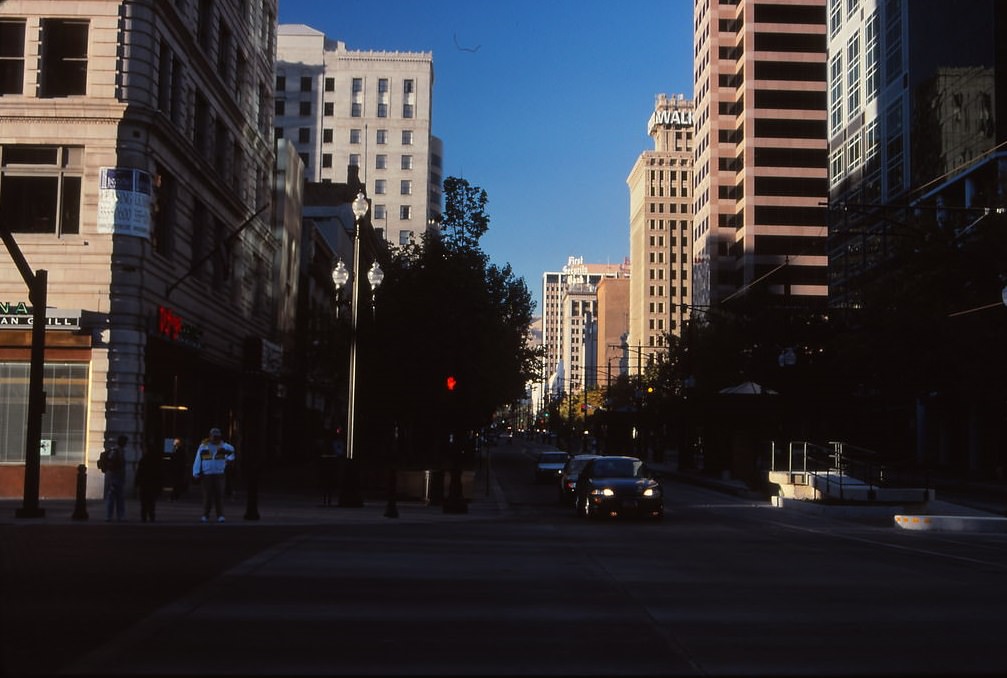
Off Main Street, Exchange Place offered a different kind of architectural drama. The Boston and Newhouse Buildings at 9 and 10 Exchange Place were two of the most impressive early 20th-century commercial structures in the city. Built in the early 1900s during Utah’s mining boom, they reflected the wealth and confidence of that era. By the 1990s, they stood as carefully preserved examples of Salt Lake City’s early urban ambition.
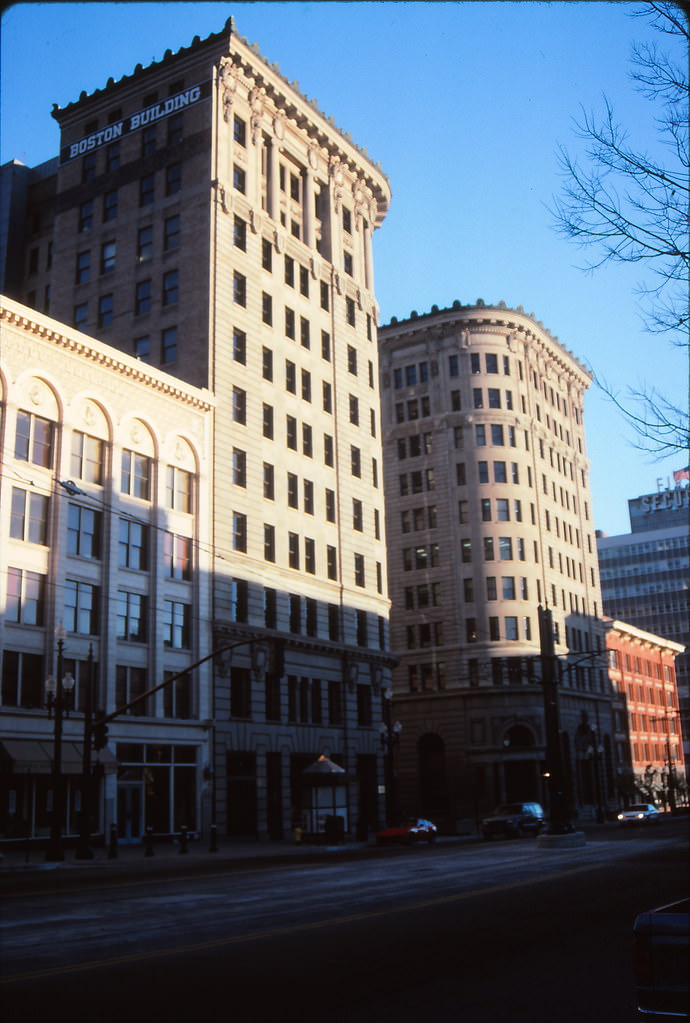
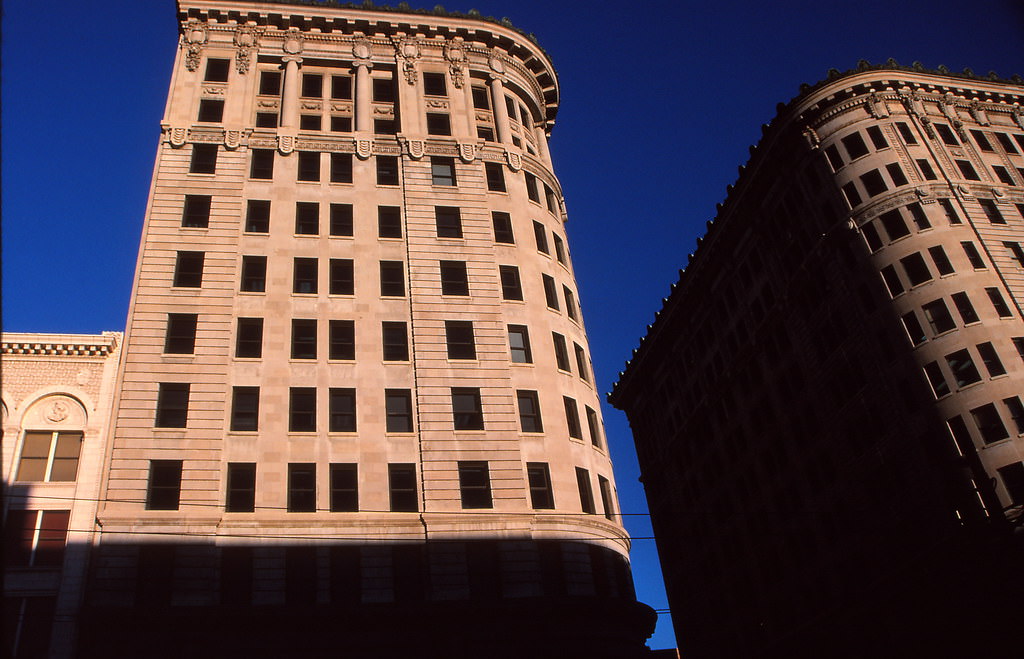
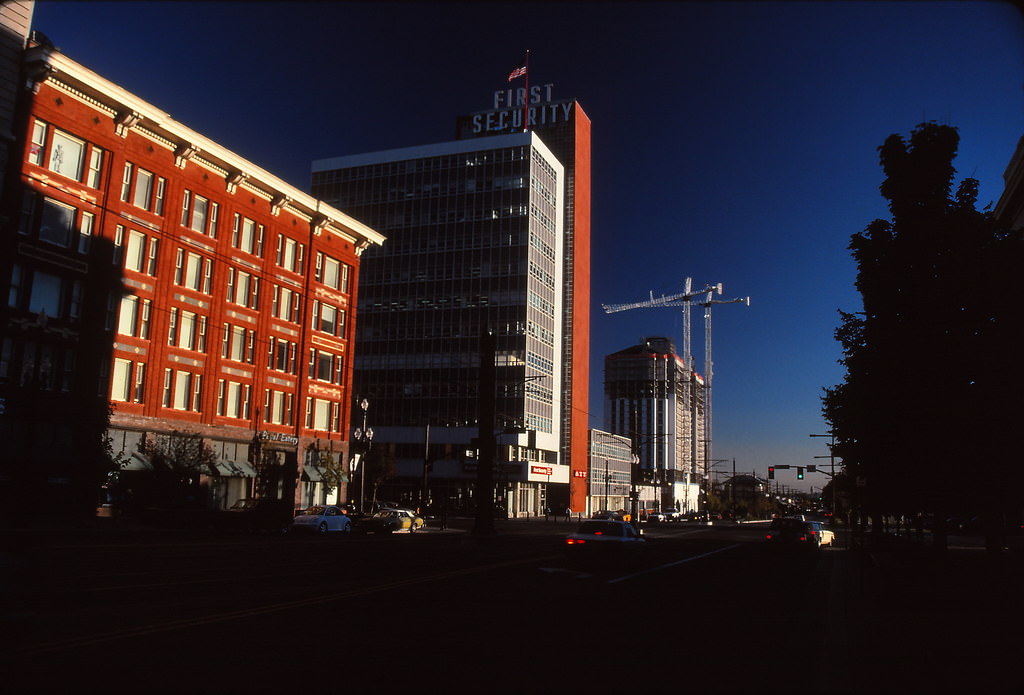
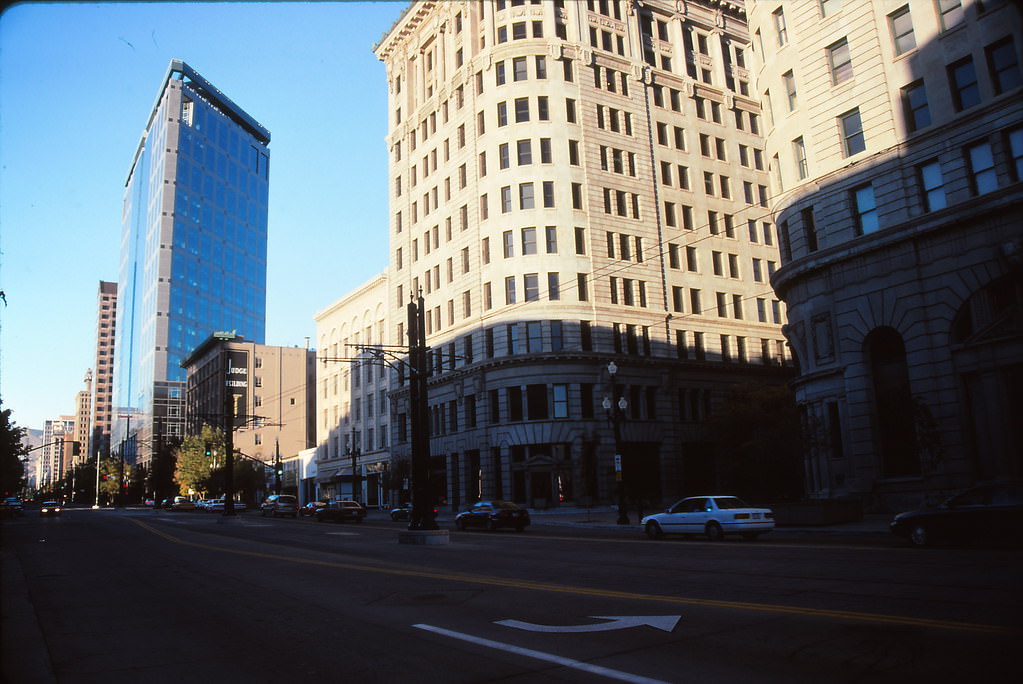
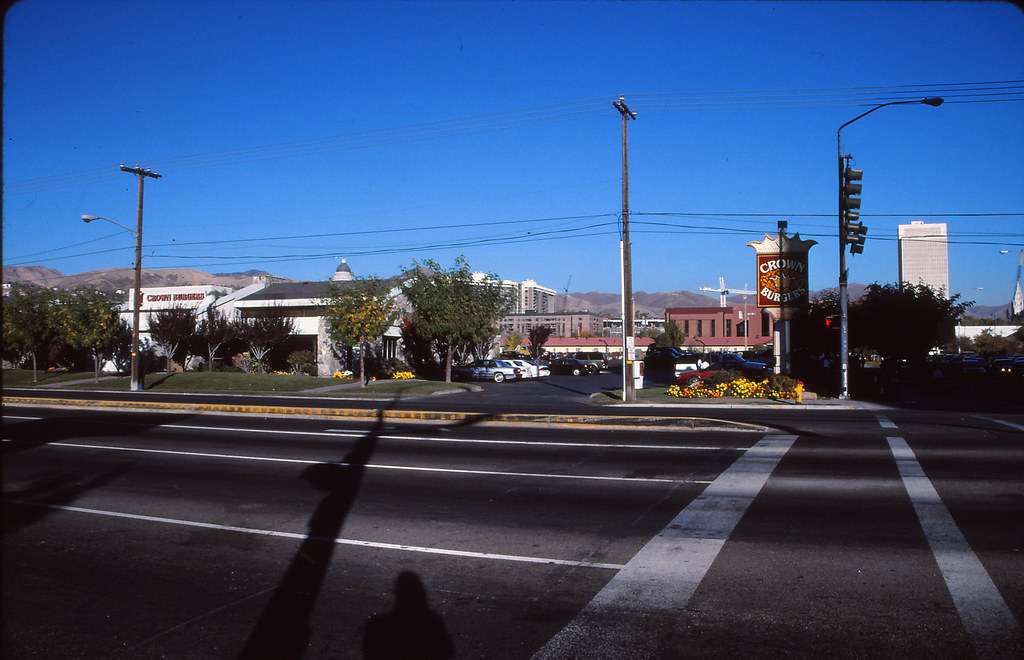
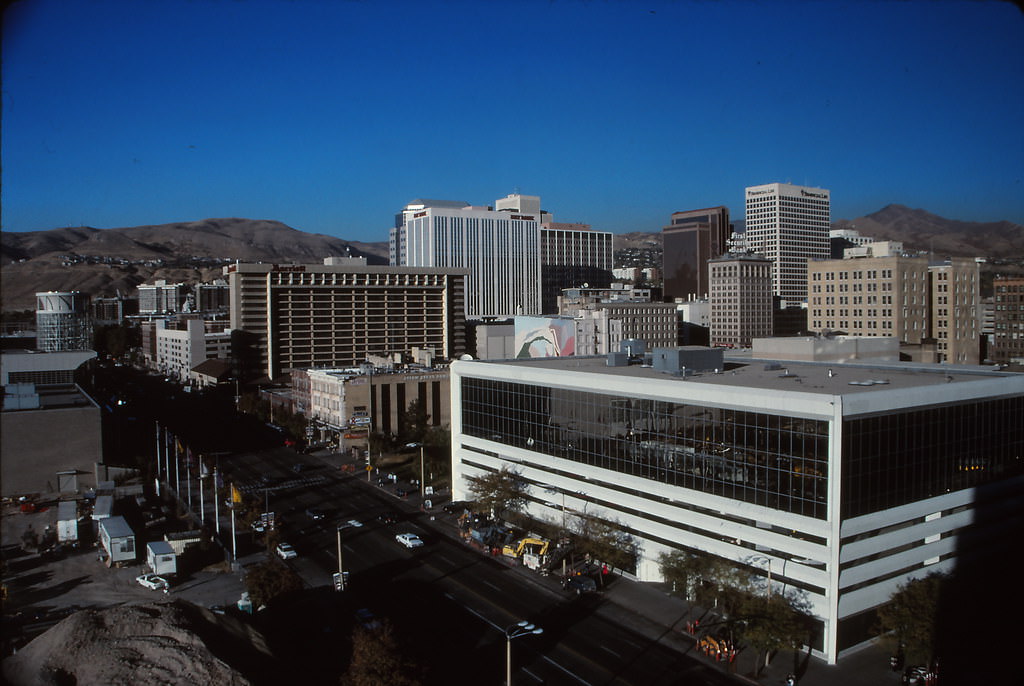
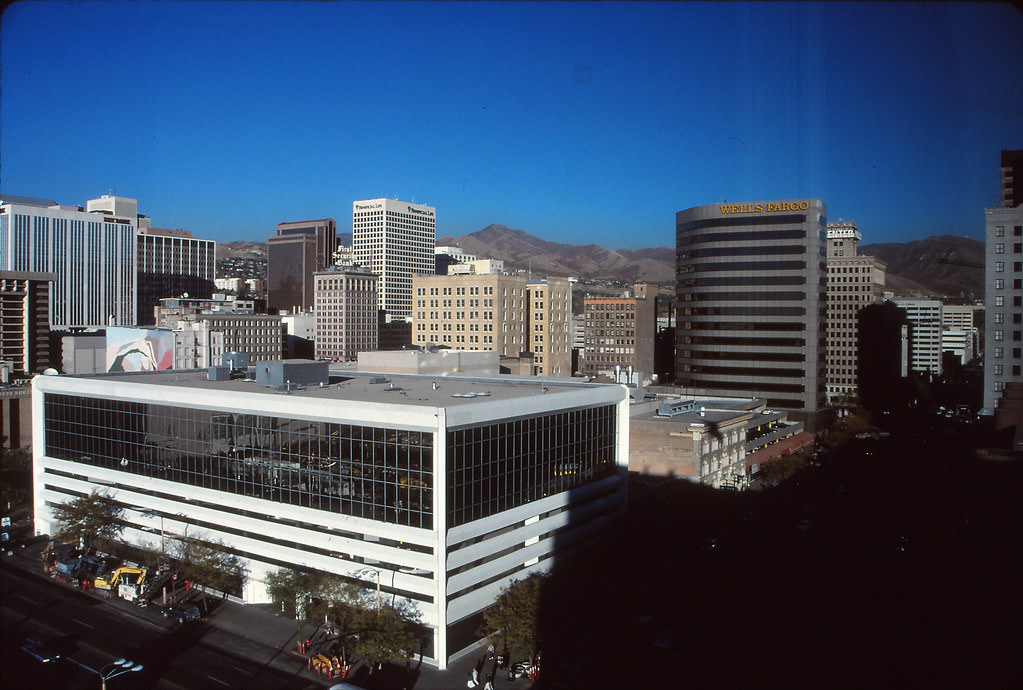
From University Boulevard, the broader Salt Lake City skyline stretched out against the backdrop of the Wasatch Mountains. The contrast between urban development and natural landscape was one of the city’s defining visual characteristics. These views made clear just how much the city had built up over the decades while still sitting in the shadow of dramatic mountain terrain.
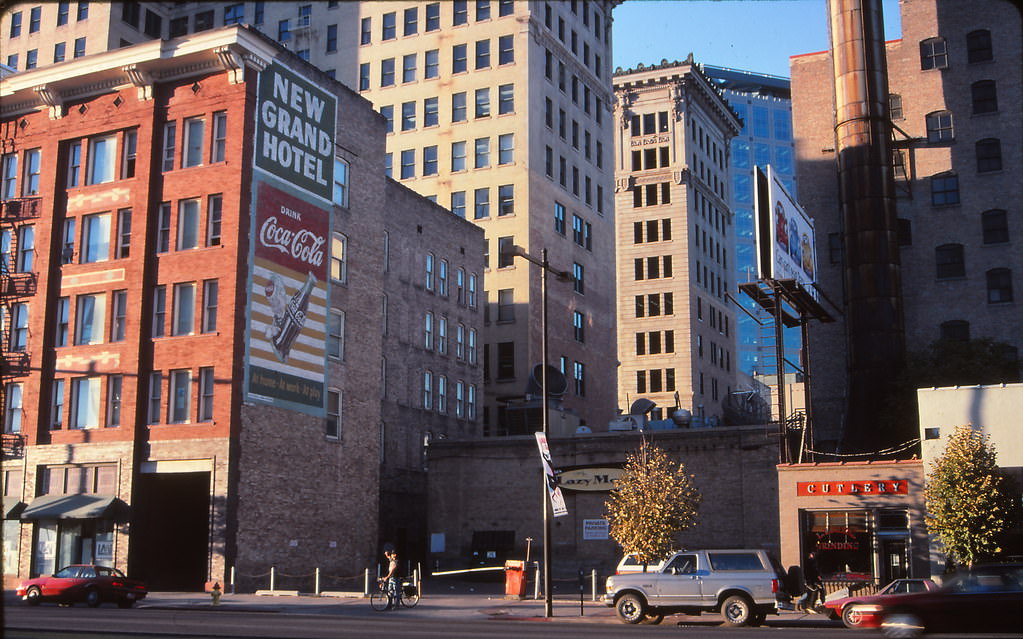
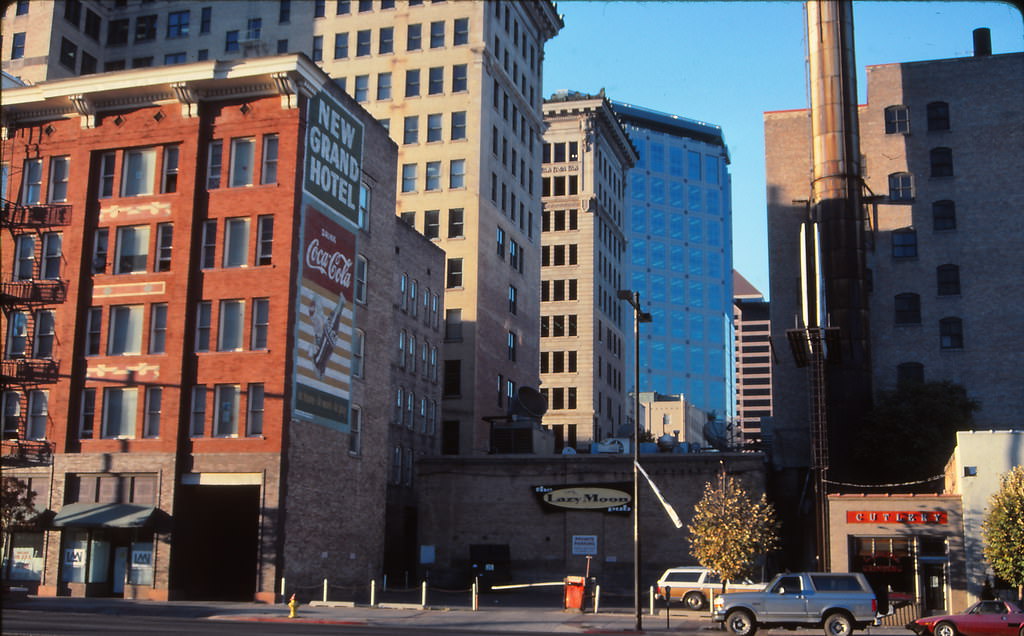
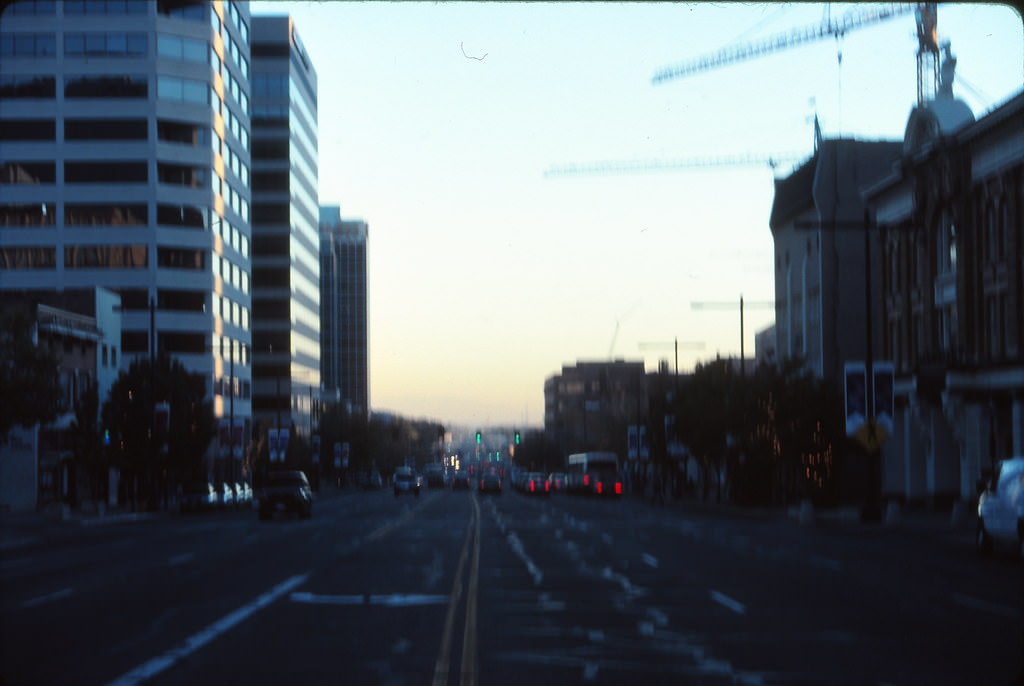
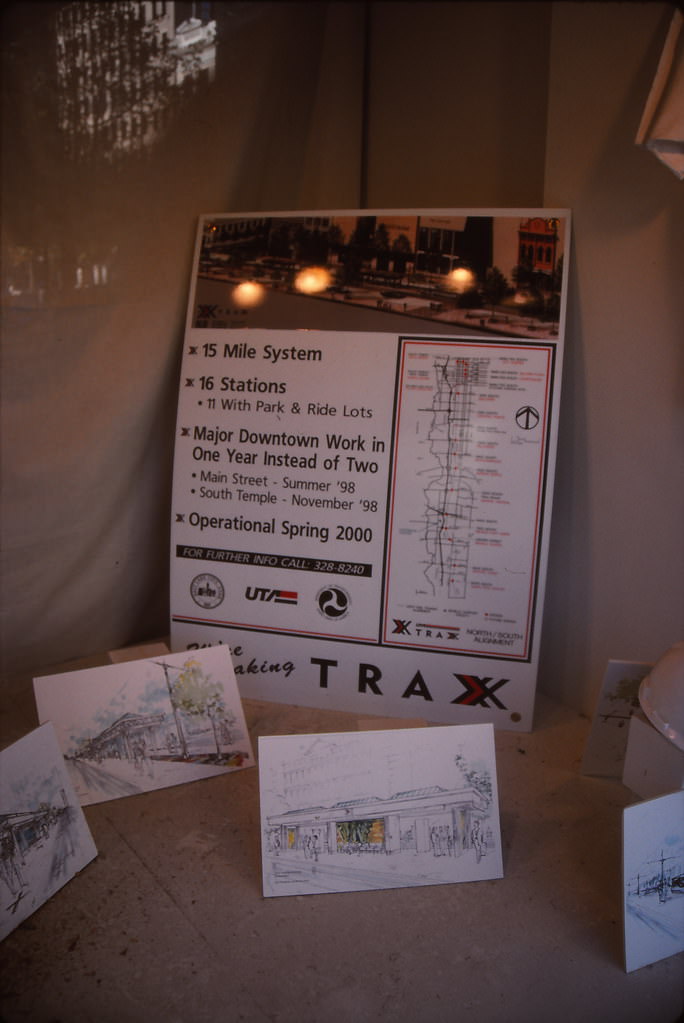
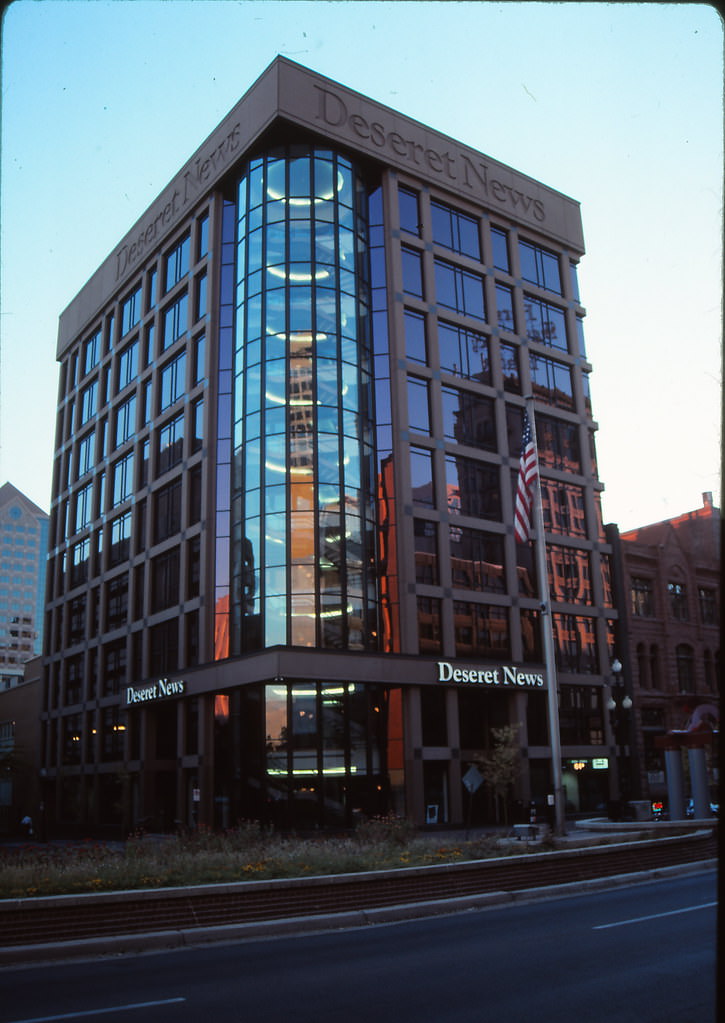
By October 1999, the Deseret News — Utah’s oldest continuously published newspaper, founded in 1850 — was still operating out of its downtown Salt Lake City location, continuing its long run as a daily print institution in the city. That same year marked a major turning point in Salt Lake City’s transit history: the Utah Transit Authority launched the TRAX light rail system. The new line connected downtown with the southern suburbs and gave residents a faster, more direct way to move through the city without a car.
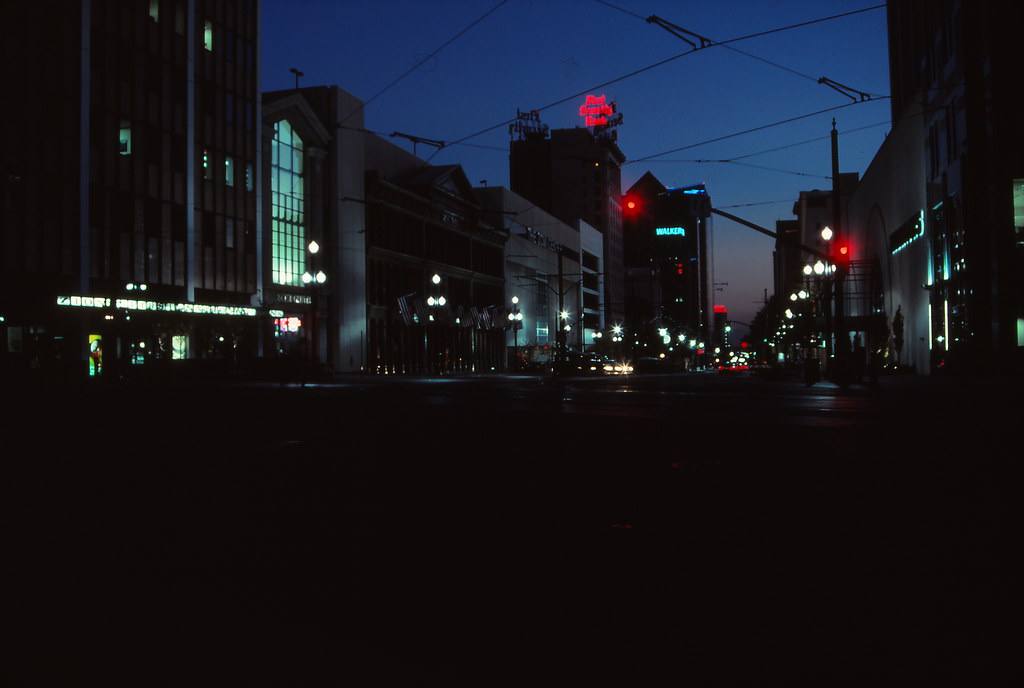
East of downtown, the Convention Center anchored a stretch of South Temple that connected major civic and cultural spaces. Looking east along 100 South from the Convention Center gave a clear picture of how the city organized itself — wide streets laid out in a grid, tall buildings marking the center, and lower structures fanning outward. The street grid, originally designed by Brigham Young in 1847, gave the city an unusual sense of order that was still easy to read from street level more than 150 years later.
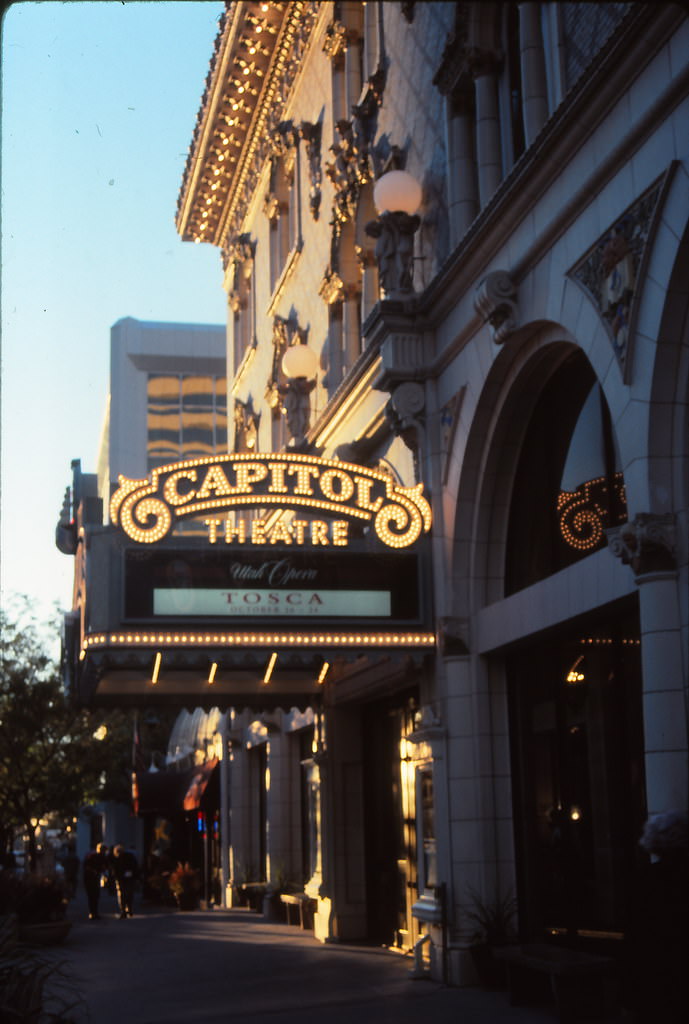
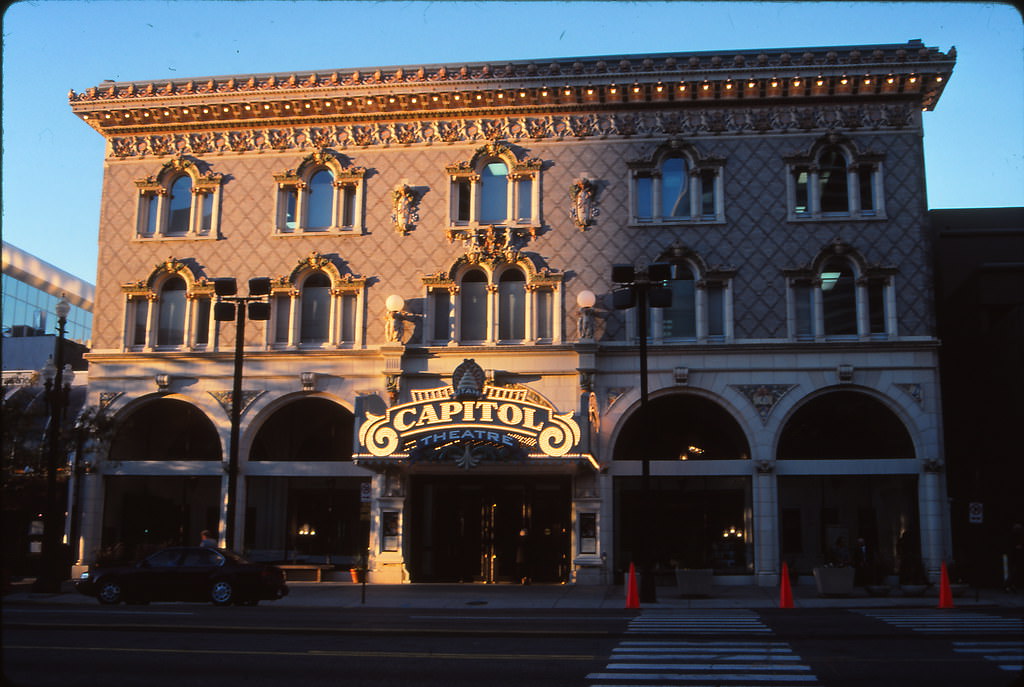
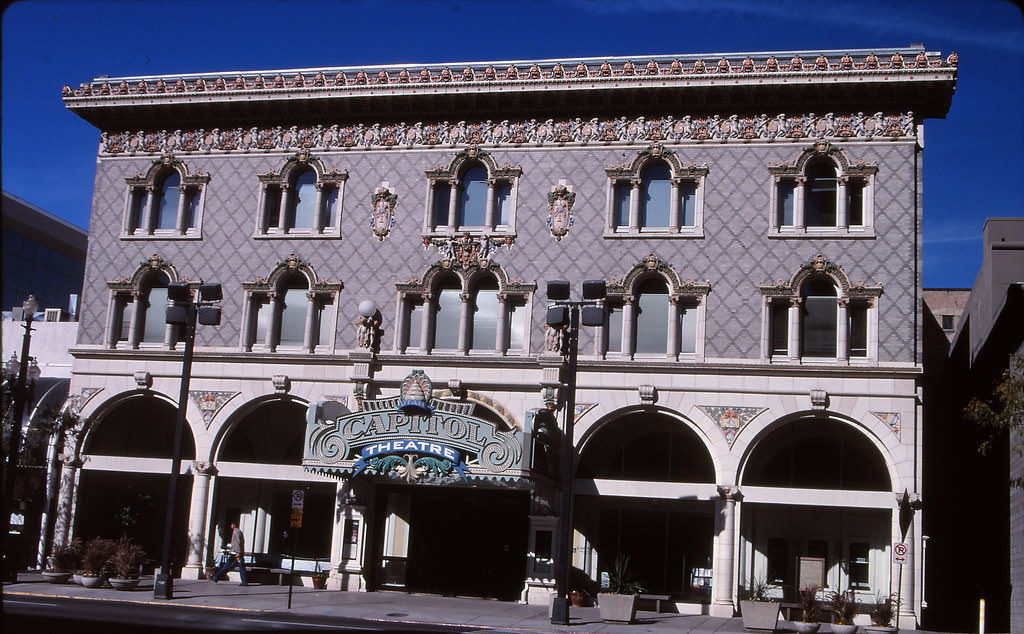
The 1990s also brought renewed investment in the city’s performing arts. The Capitol Theatre on 200 South was one of the most active cultural venues in the state, hosting ballet, opera, and theater performances throughout the decade. Originally built in 1913 as a vaudeville house, the Capitol Theatre had been renovated in the 1970s and continued to serve as a premier performance space. The Rose Wagner Performing Arts Center also opened during this period, adding another dedicated space for local and touring arts companies.
Heading west along 300 South — also known as Broadway — the Rio Grande Depot came into view. Built in 1910 for the Denver and Rio Grande Western Railroad, the Depot was one of the grandest buildings in the state. By the 1990s it housed the Utah State Historical Society, preserving its role as a place where people moved through history, just in a different way than before.
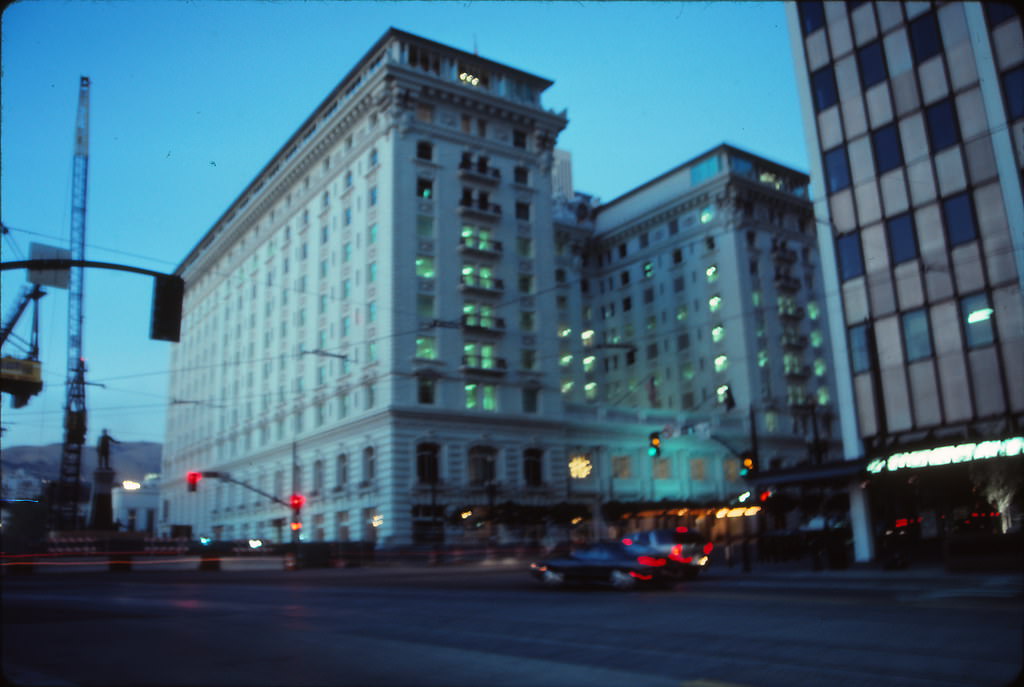
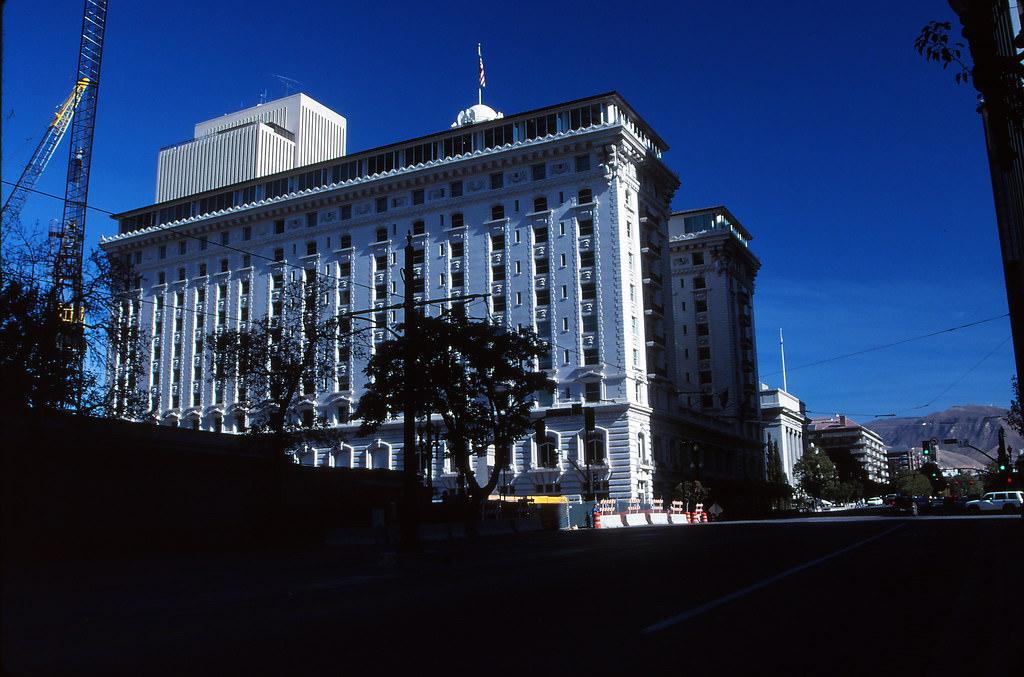
Directly across South Temple from the Square stood the former Hotel Utah. Opened in 1911, the Hotel Utah was one of the finest hotels in the American West for most of the 20th century. It closed as a hotel in 1987 and was converted into the Joseph Smith Memorial Building by 1993, repurposed to serve Church administrative and visitor functions. In the 1990s, its grand Beaux-Arts exterior still commanded the intersection, even under its new identity.
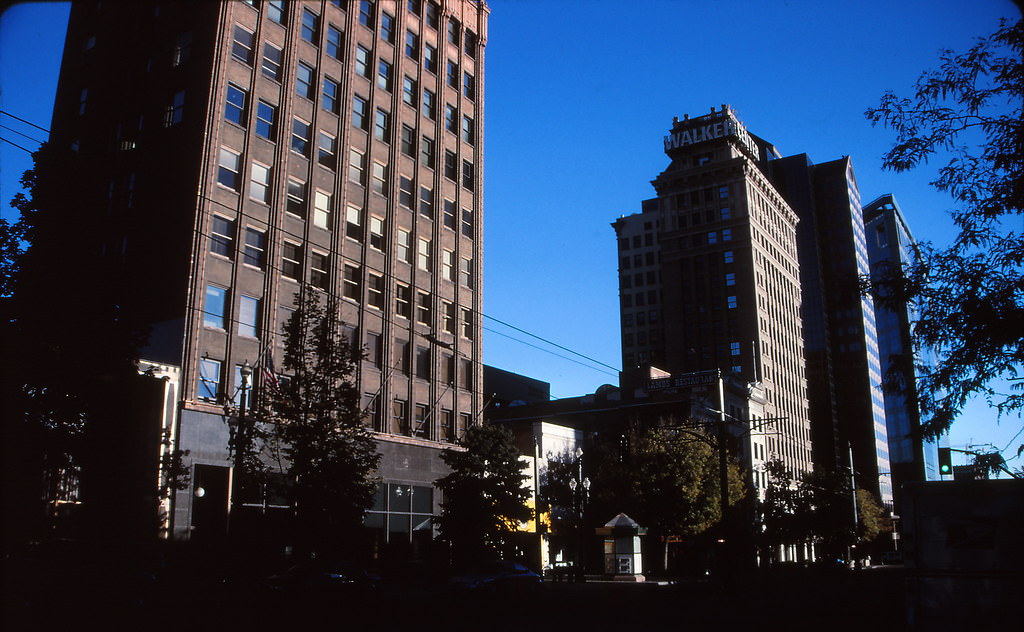
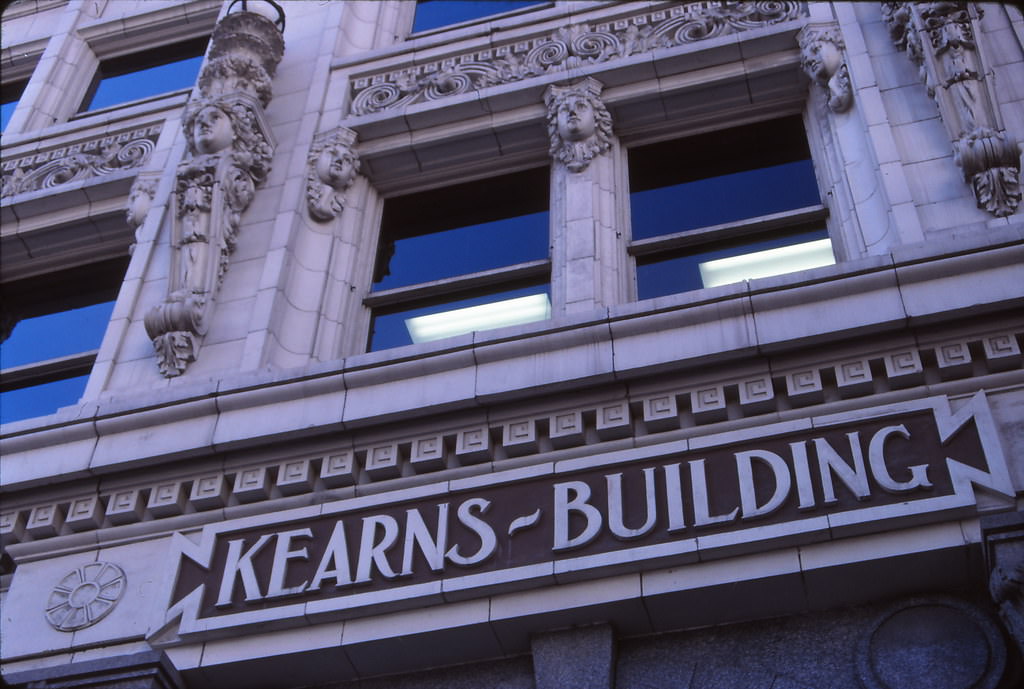
The Kearns Building was another Main Street landmark with deep roots. Built in 1911 by mining magnate Thomas Kearns, the 10-story structure served as an office building and housed the Salt Lake Tribune for many years. In the 1990s it remained a prominent feature of the downtown streetscape, its terracotta facade still catching the eye of anyone walking along Main Street.
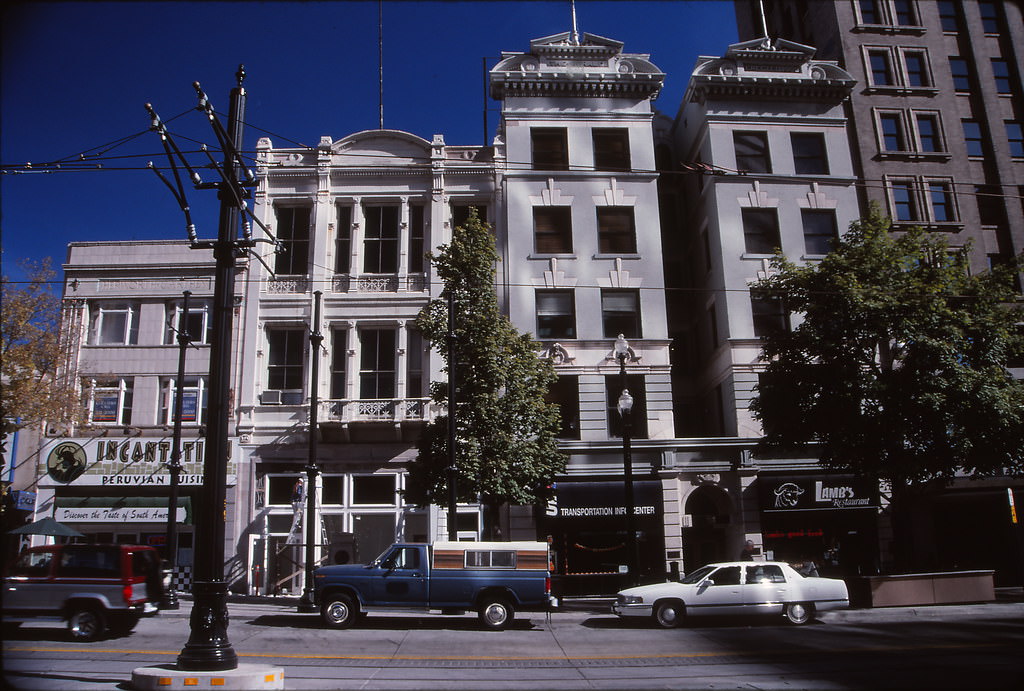
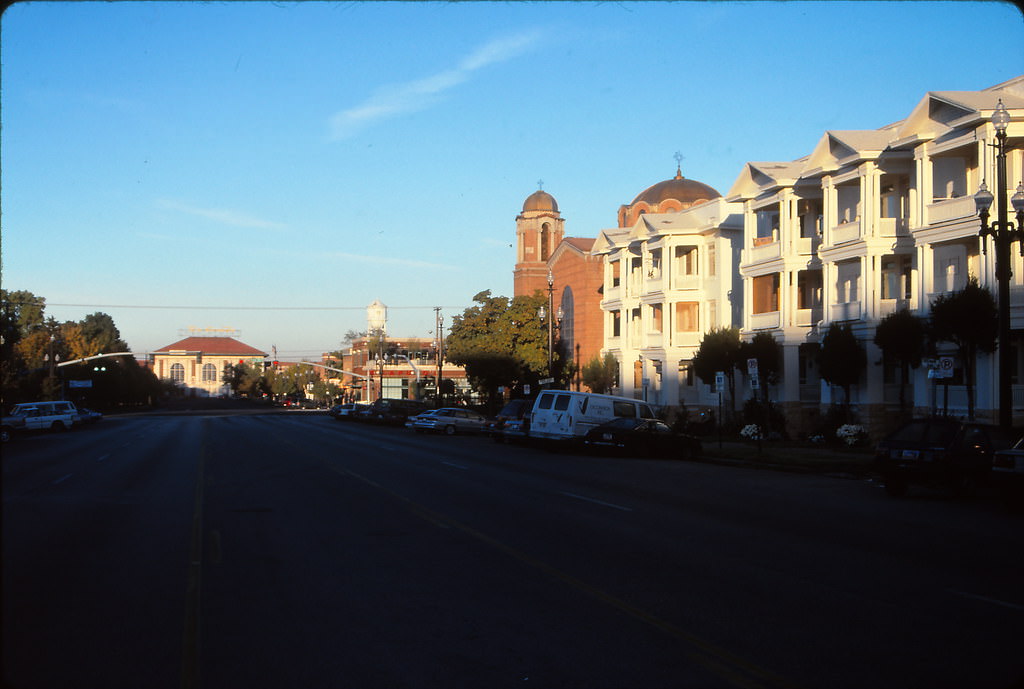
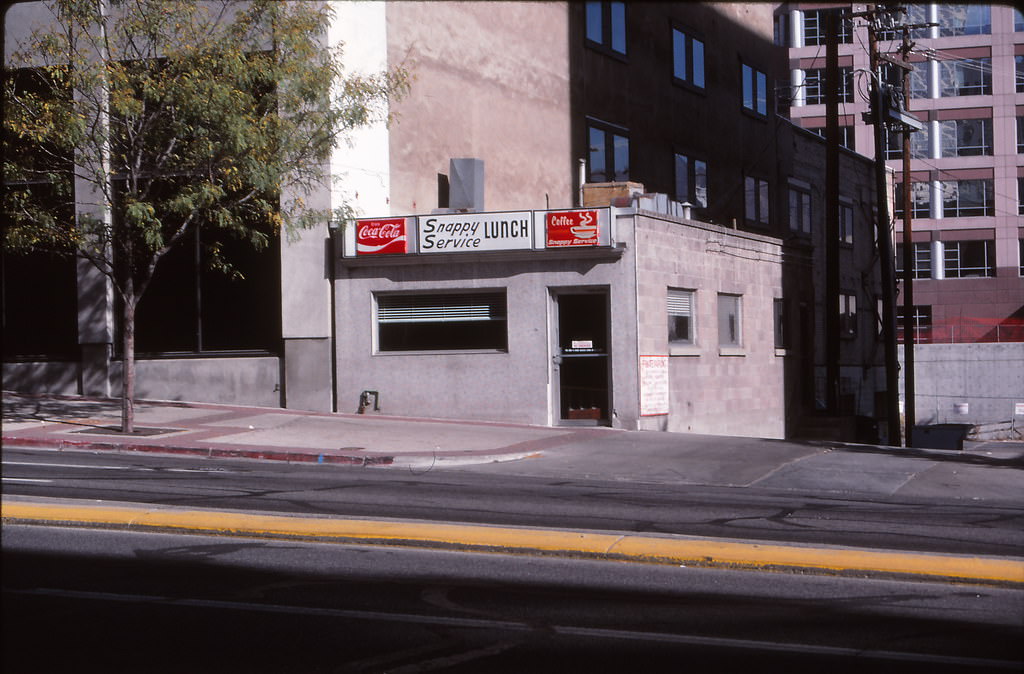
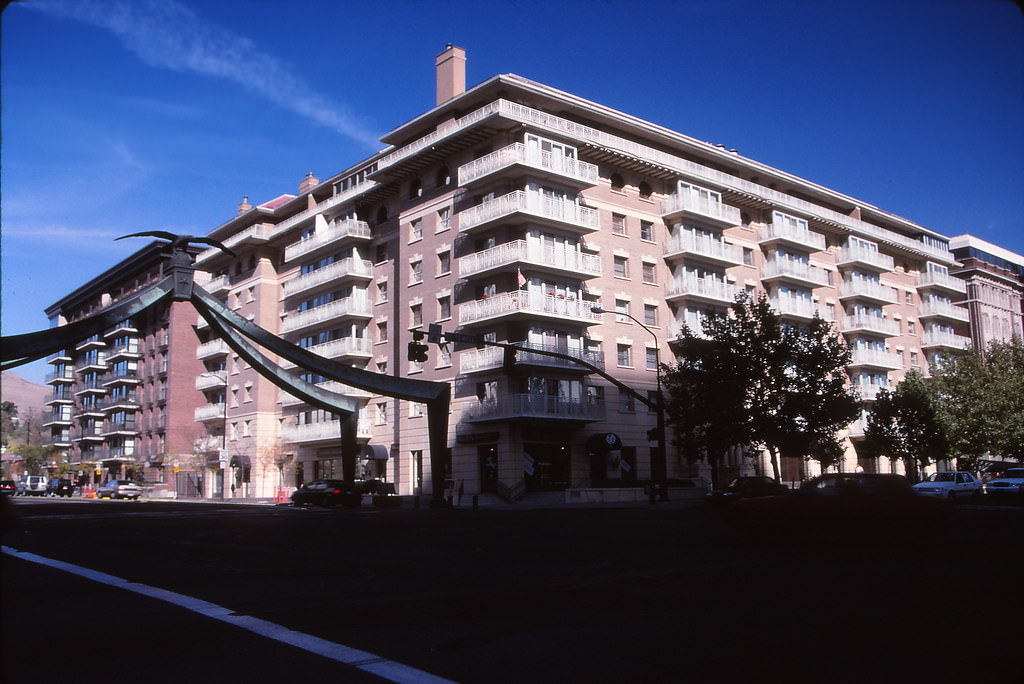
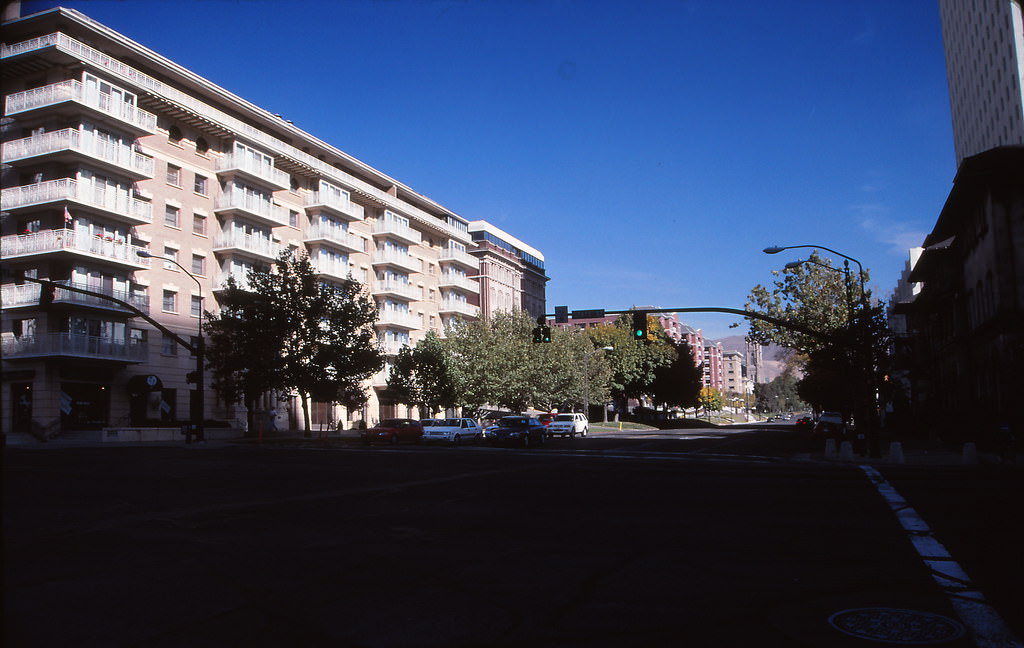
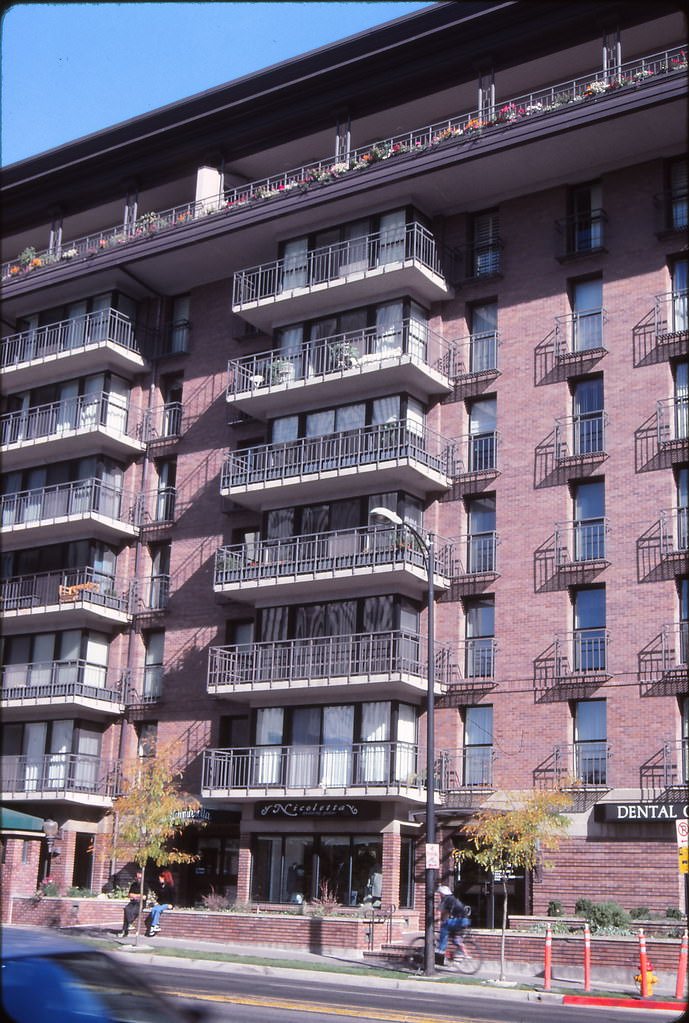
At street level, everyday businesses gave the city its texture. The Snappy Service Lunch in downtown Salt Lake City was the kind of no-frills spot that fueled the working population — quick, affordable, and well-used. Nearby, apartment buildings filled the blocks between commercial zones, housing the city’s growing population of workers, students, and families who wanted to stay close to the city center.
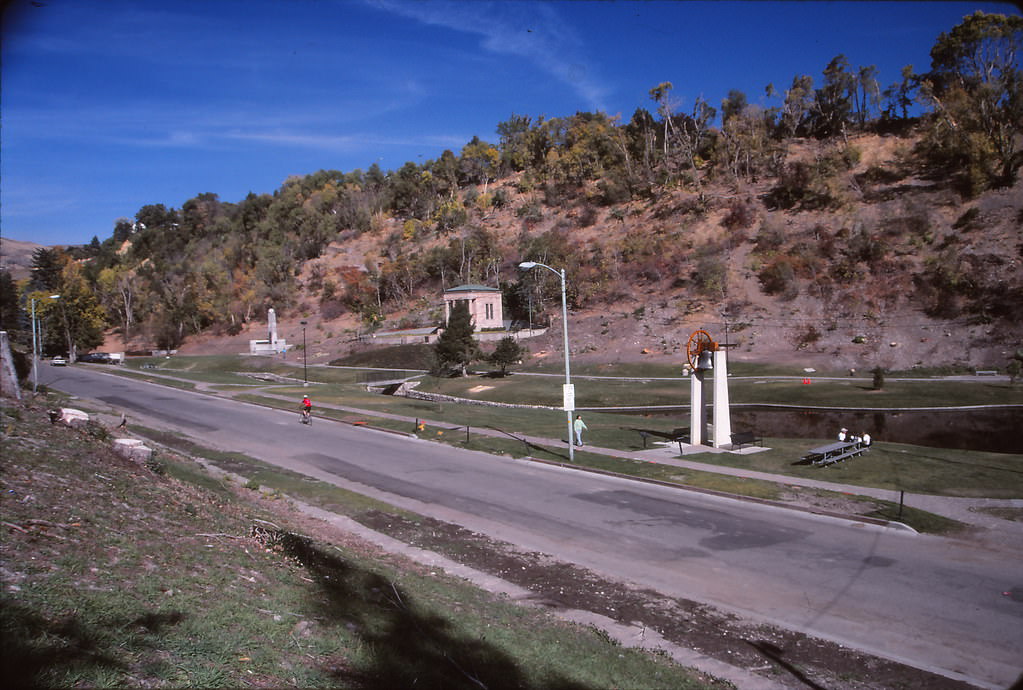
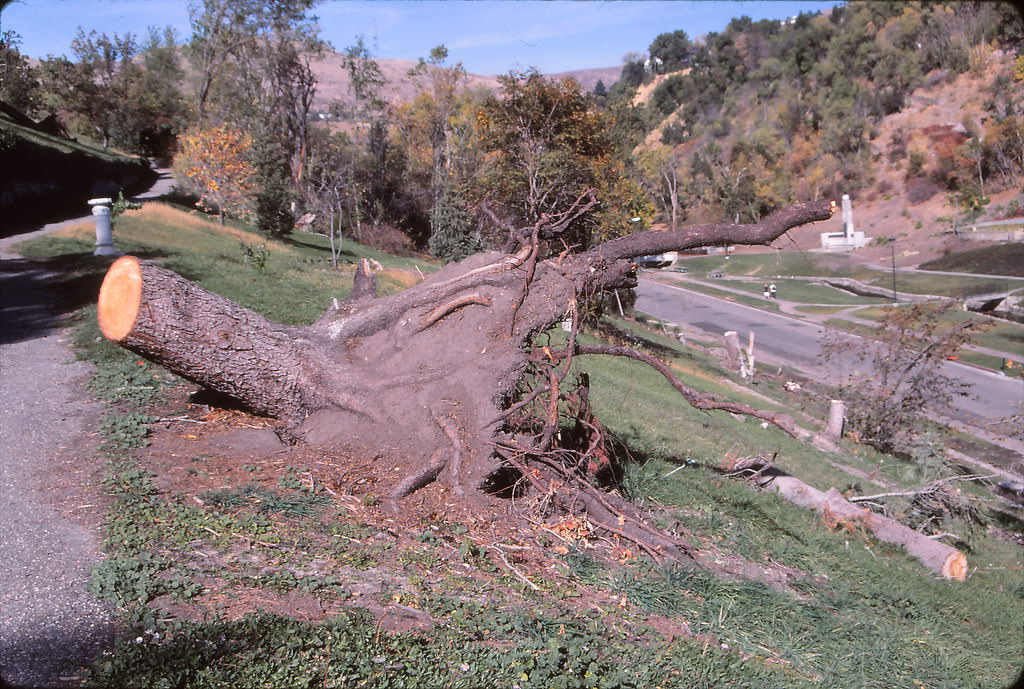
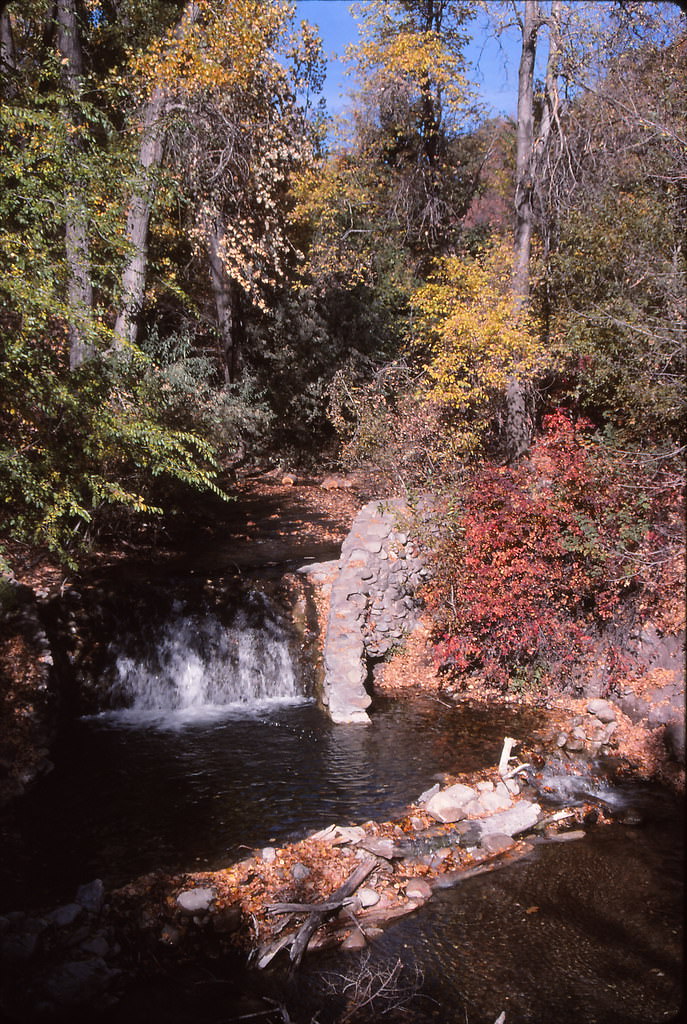
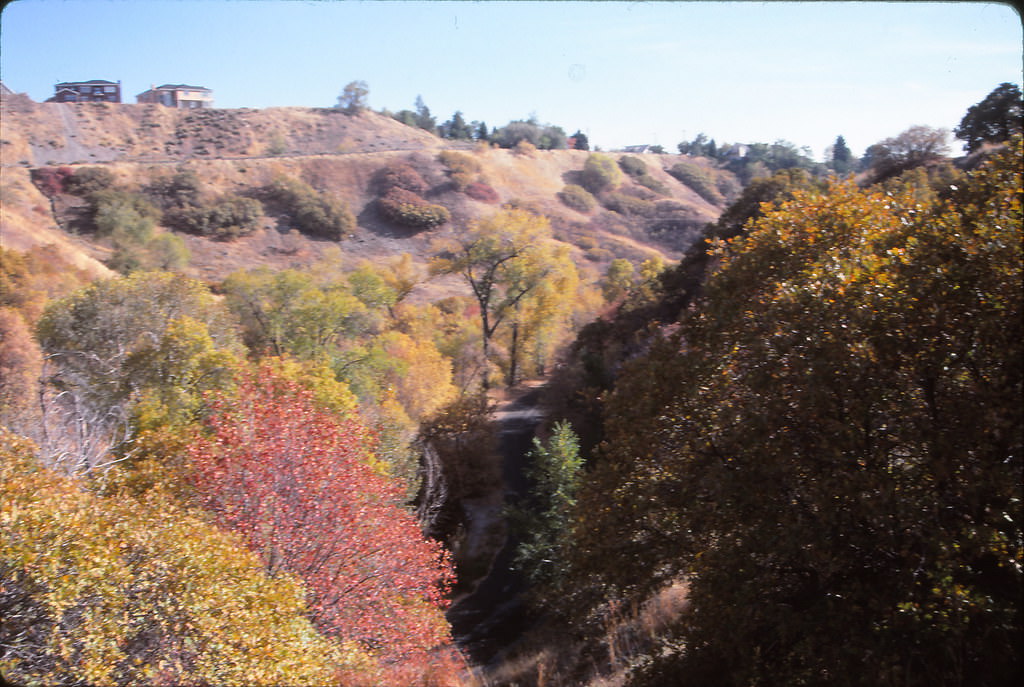
City Creek Canyon offered a sharp contrast to the urban grid. Running directly north of the State Capitol, the canyon was — and still is — one of the few places in the country where a natural watershed sits within walking distance of a downtown city center. City Creek itself flows through the canyon before passing under the city streets. The canyon park gave residents a genuine escape into nature just minutes from the heart of Salt Lake City.
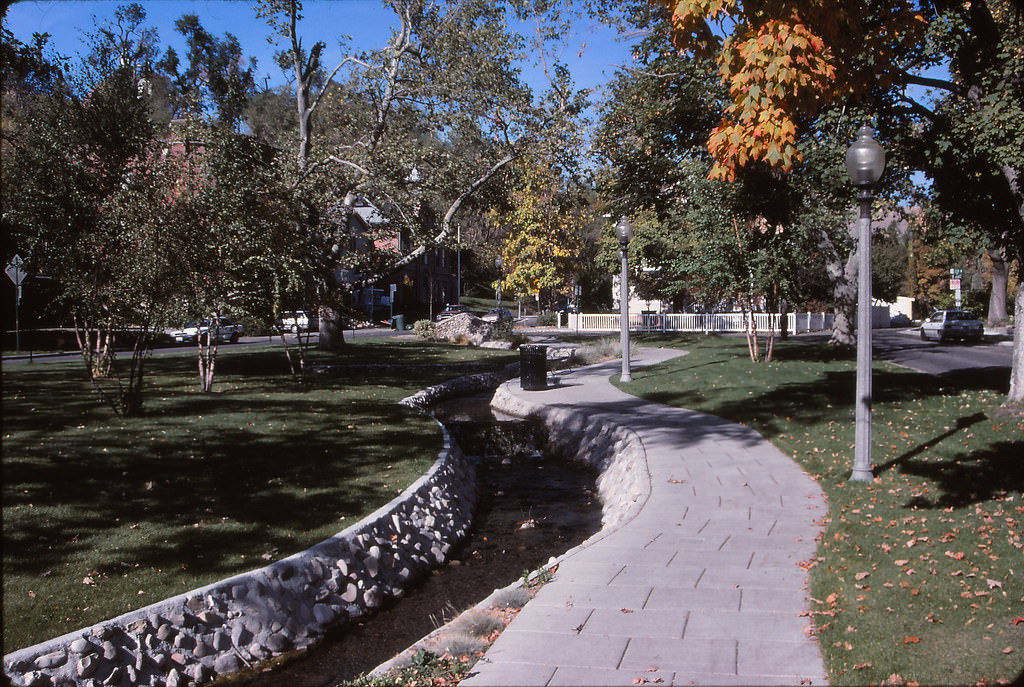
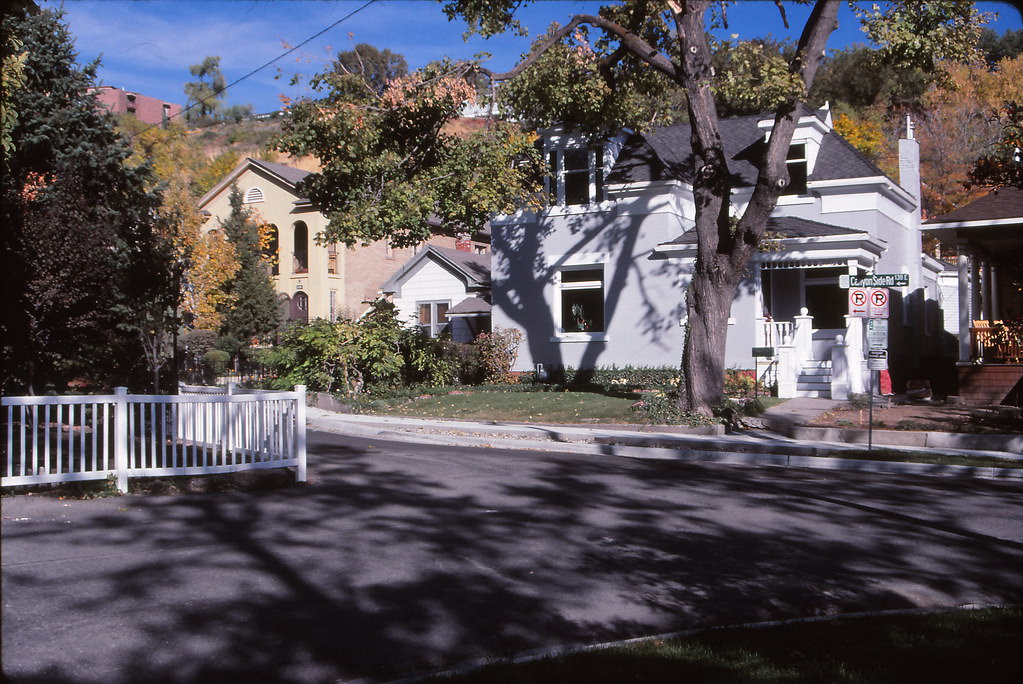
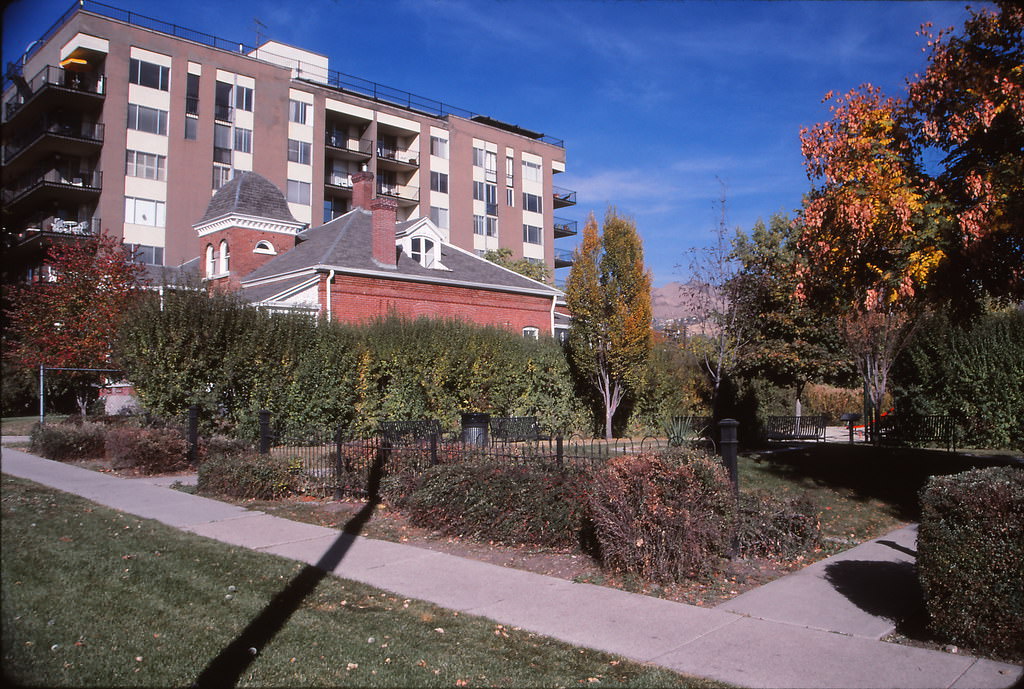
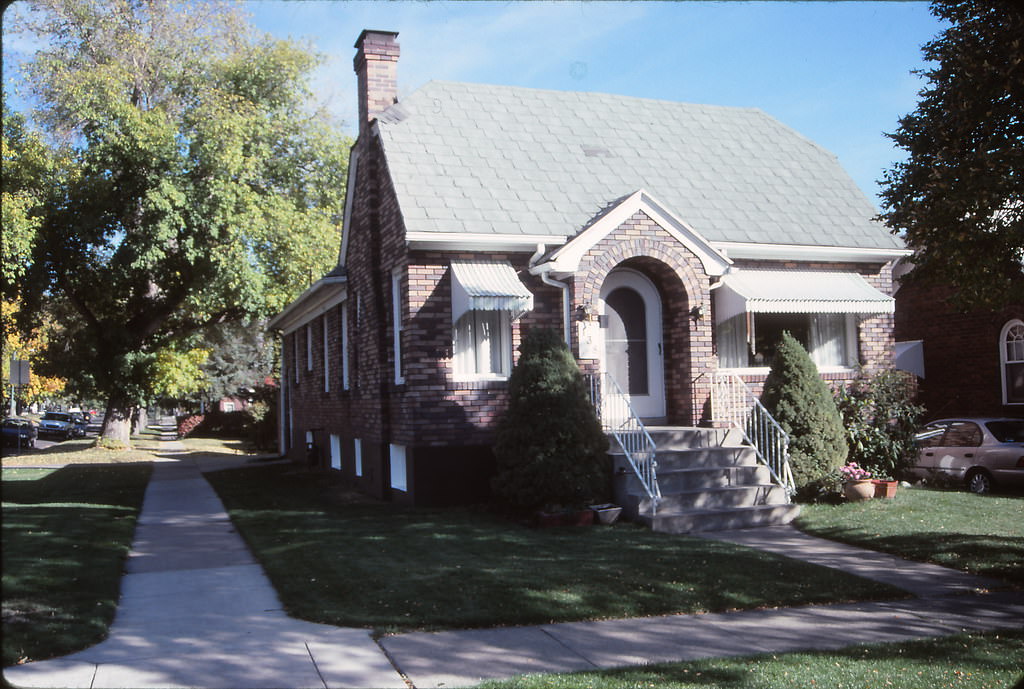
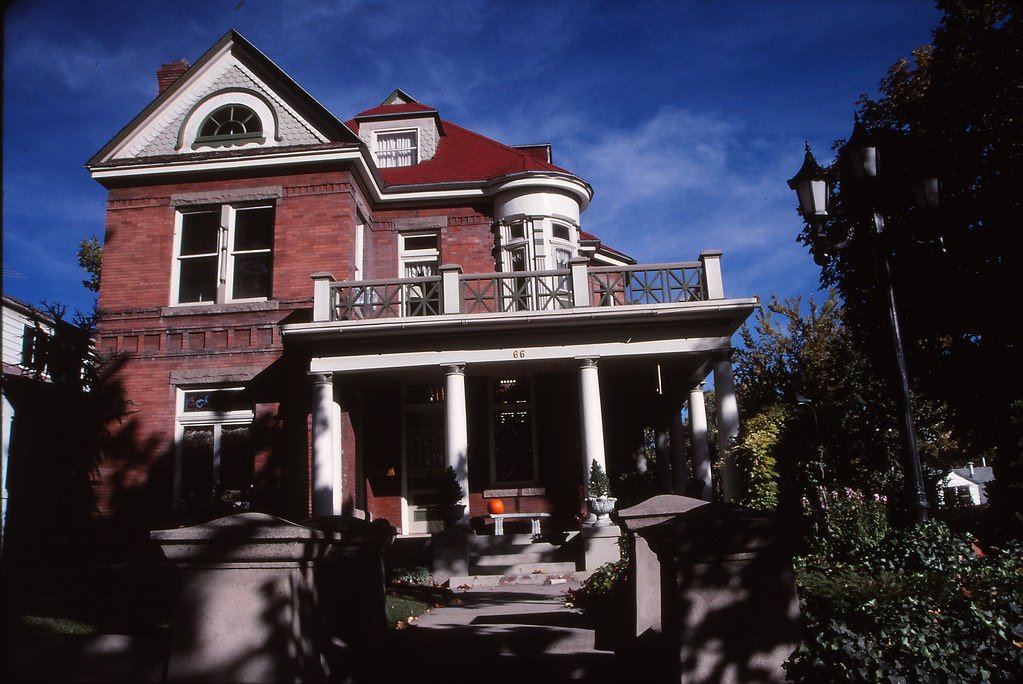
The Avenues district, sitting just northeast of downtown, was one of Salt Lake City’s most established residential neighborhoods. Its streets were lined with homes dating back to the late 19th and early 20th centuries — Victorian-era cottages, craftsman bungalows, and brick row houses that had been maintained through decades of changing city fortunes. Small pocket parks tucked between blocks gave the neighborhood a livable, human-scaled quality that made it a sought-after address throughout the 1990s.
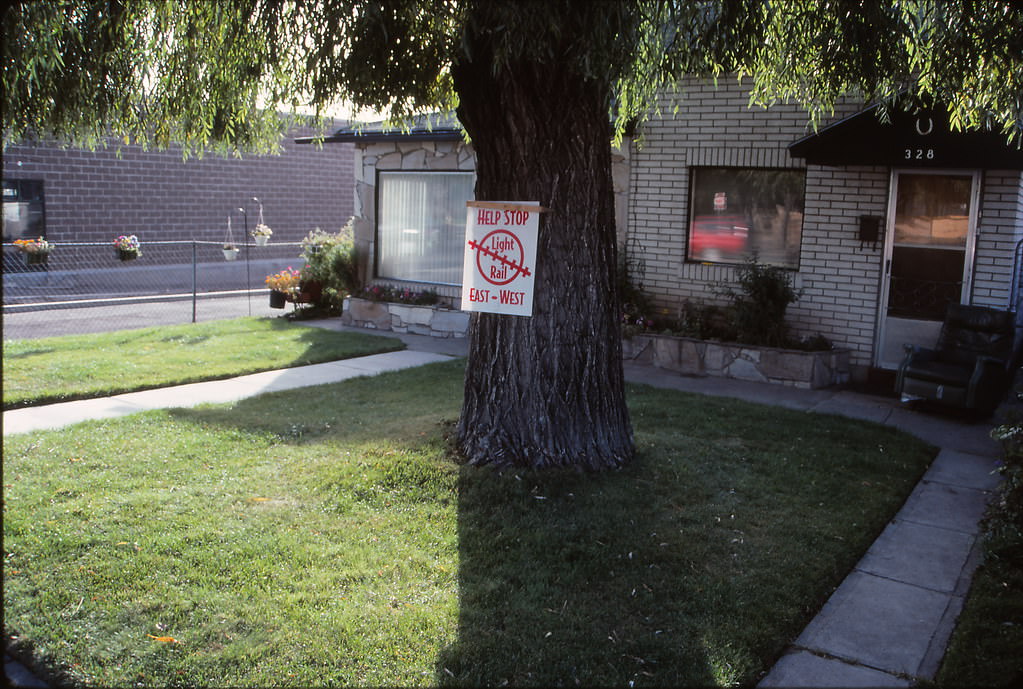
Not everyone welcomed the changes coming to the city. When the TRAX light rail system was proposed, it sparked real debate. Anti-light rail signs appeared around the city, with some residents and business owners opposing the disruption that construction would bring to Main Street and expressing doubt about whether a rail system was the right fit for Salt Lake City. The controversy was real and public, but city planners moved forward, and the first TRAX line opened in December 1999.
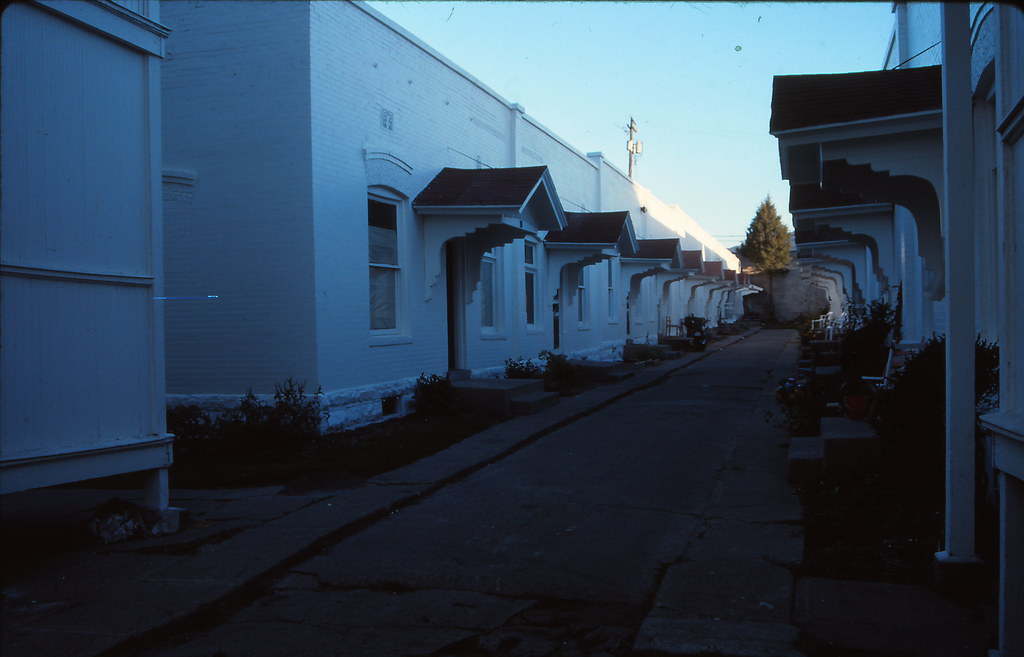
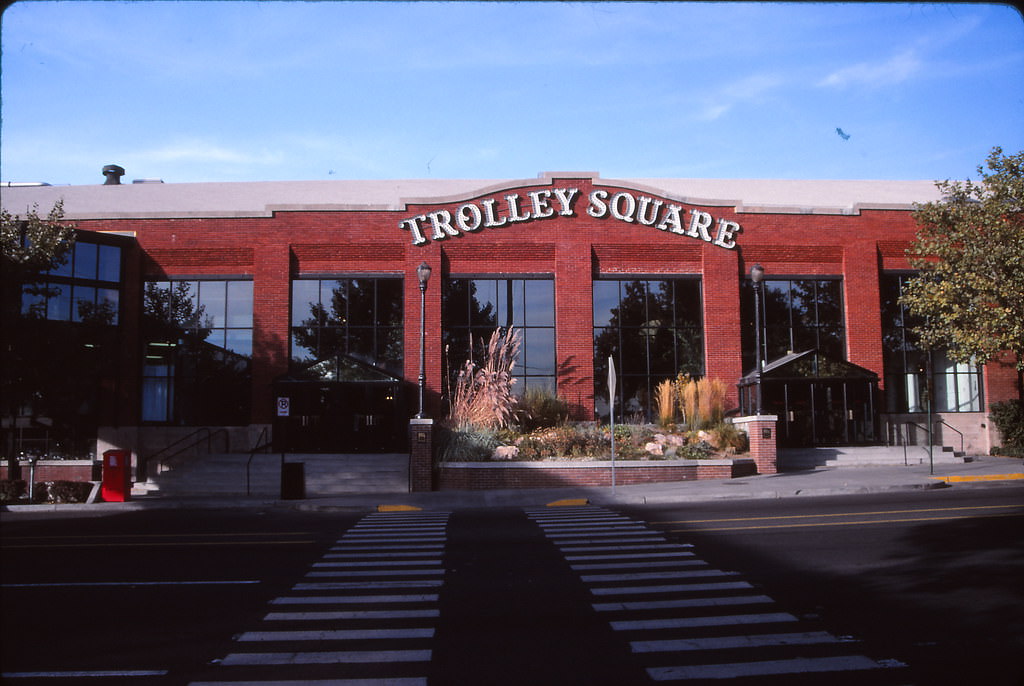
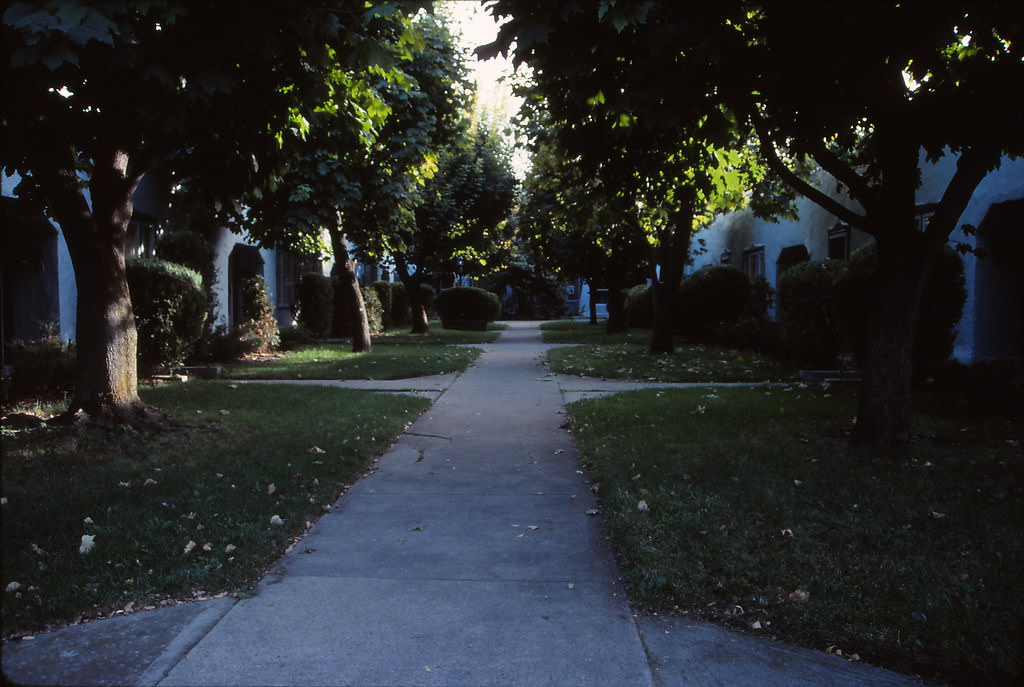
Trolley Square, located on 700 East, was one of the city’s most distinctive commercial spaces. Originally built as a trolley car barn in the early 1900s, it was converted into a retail and dining center in the 1970s. By the 1990s, it was an established part of Salt Lake City’s identity — a repurposed industrial space that had become a popular gathering place. Nearby, rowhomes clustered around shared courtyards offered a different style of urban living than the detached houses of the Avenues.
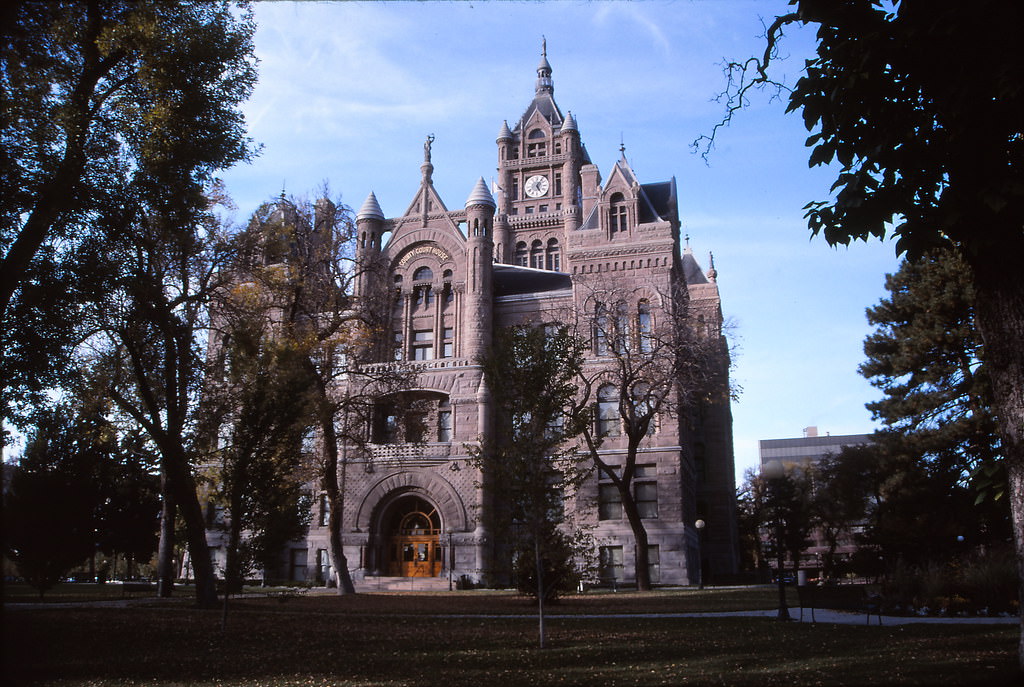
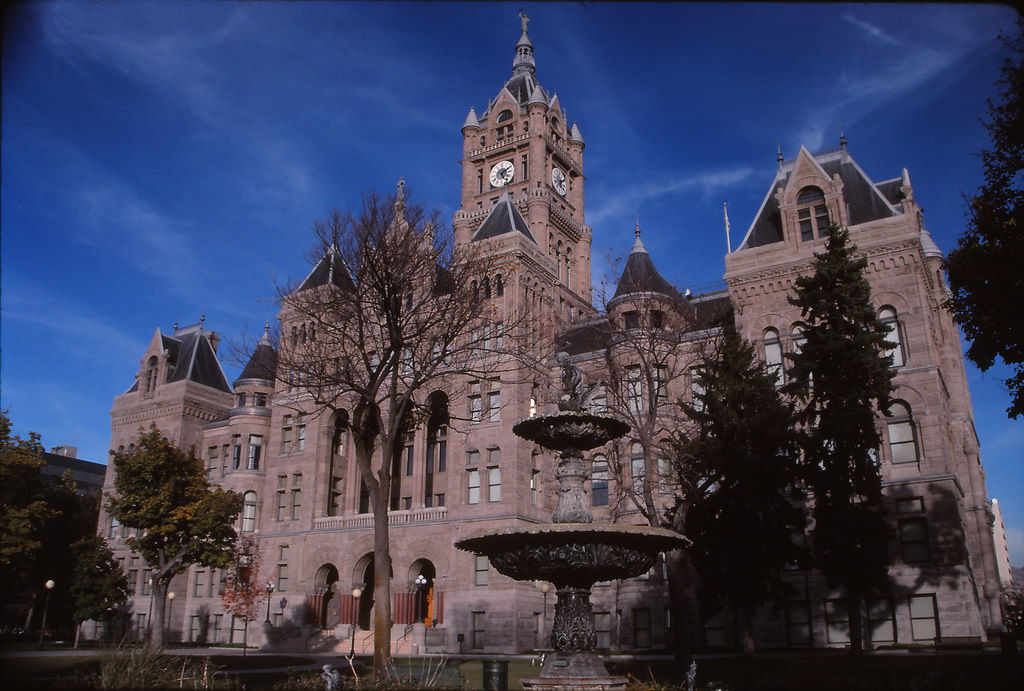
The City-County Building on Washington Square was another defining structure of 1990s Salt Lake City. Built between 1891 and 1894, the Romanesque Revival building served as the seat of city and county government. Its clock tower was a landmark in its own right, visible from blocks away. Throughout the decade, the building continued to function as the center of local government, anchoring Washington Square — a full city block of public green space — as a civic gathering place.





Holy nostalgia! Thanks for sharing.
ZCMI.. what a flashback!
I’m curious about what’s inside the closed store fronts located on the 300s east of Main St. Given their prime real estate location, it’s surprising that these buildings have remained empty for several decades.
So, the same but without the dilapidated appearance it currently has, reminiscent of Soviet Russia’s decline?
Aging like fine puke 🥰
Can confirm, I was there.