In April 1976, the Ramones released their debut album on Sire Records. They were a four-piece from Queens, New York, built out of the CBGB club scene — fast songs, leather jackets, and almost no guitar solos. Mainstream America had barely noticed them. But Seymour Stein, the head of Sire Records, had a bigger idea.
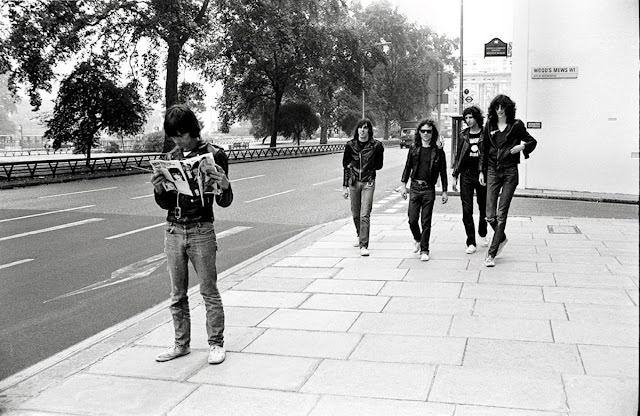
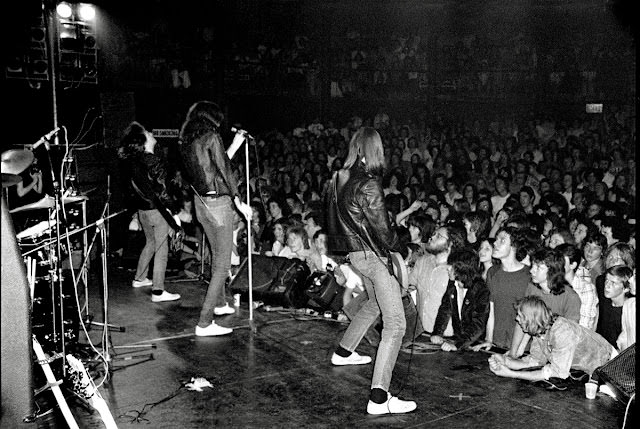
Stein booked the Ramones to play London’s Roundhouse in July 1976 — a venue that held 3,300 people. Their manager, Danny Fields, was stunned. The band had been playing small, sweaty clubs. Now they were crossing the Atlantic, more than 3,400 miles from home, to headline a major London venue with almost no European profile.
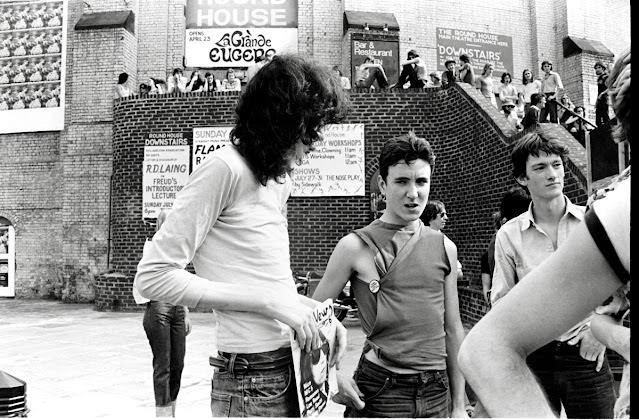
London that summer was already on edge. A record-breaking heatwave had the city baking. Beneath the surface, a generation of young people were restless and looking for something new. Punk music was spreading through word of mouth and small venues, and the Ramones arrived right at that tipping point.
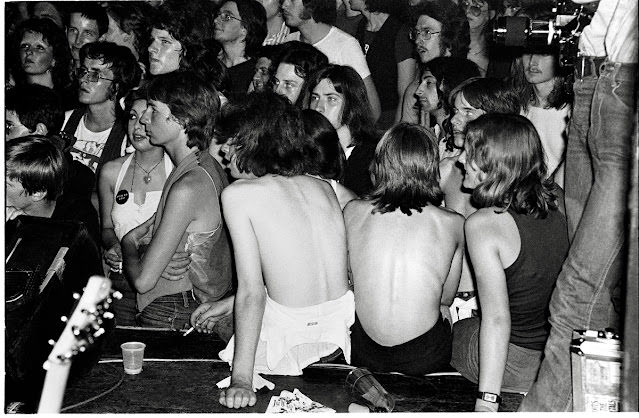
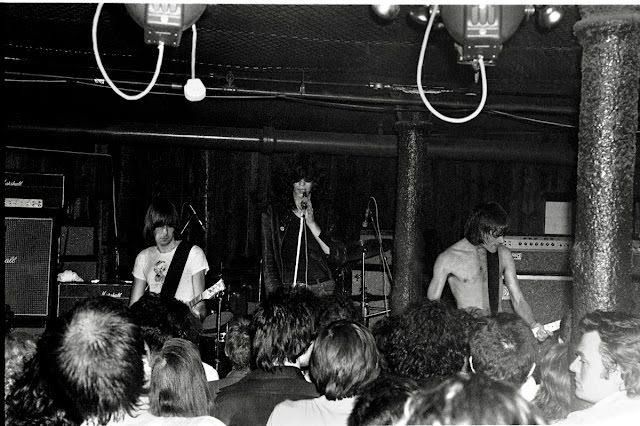
The band played the Roundhouse for two nights. The crowd was packed with young Londoners, many of them already plugged into the underground music scene. Future members of the Sex Pistols, the Clash, the Damned, and the Pretenders were in attendance, watching the Ramones tear through their set.
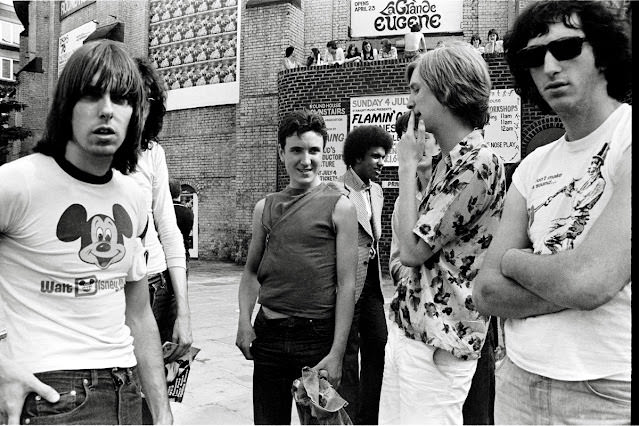
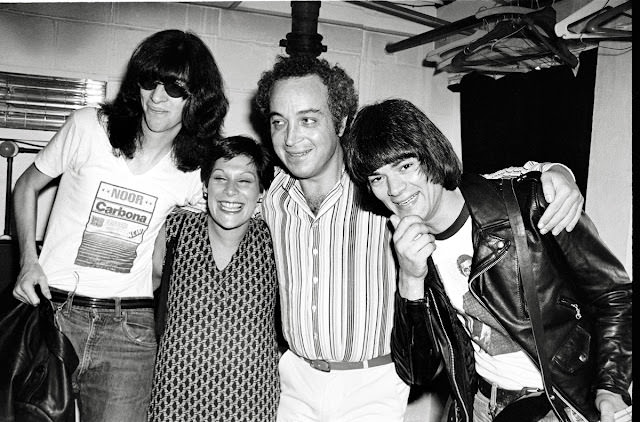
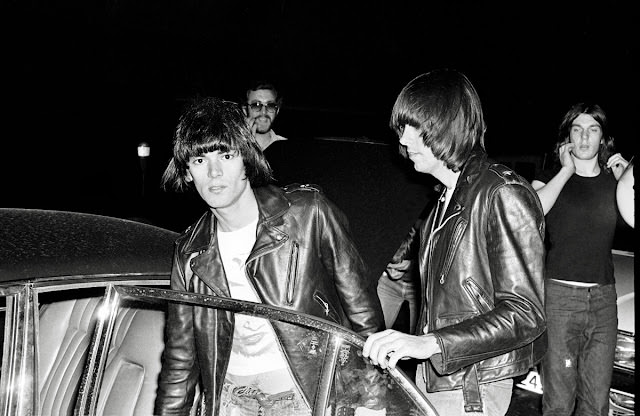
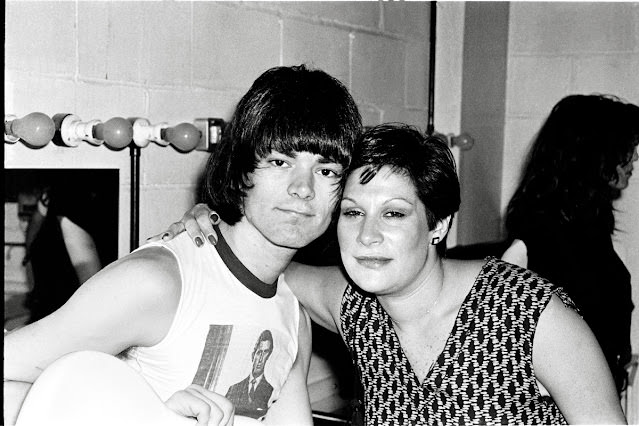
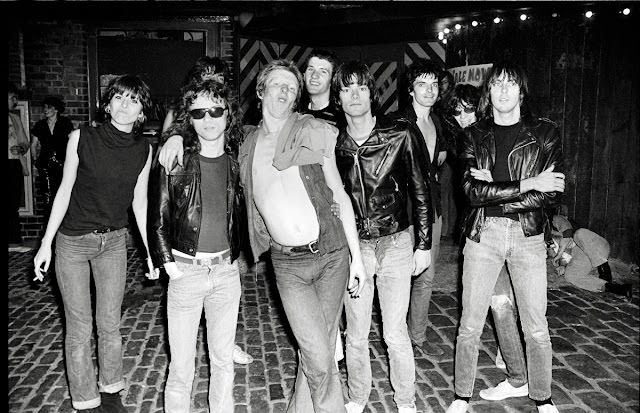
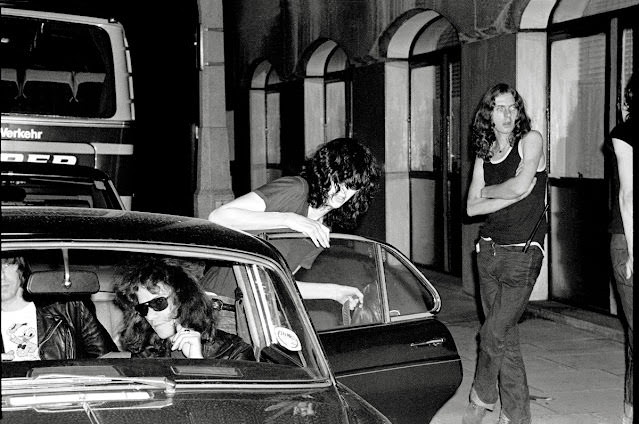
Danny Fields documented the trip through his personal photographs. The black-and-white images show the band off stage — candid, unguarded, and entirely unbothered by the significance of what was happening around them.
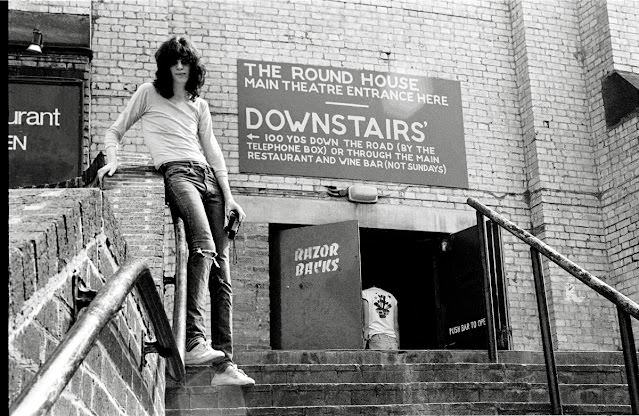
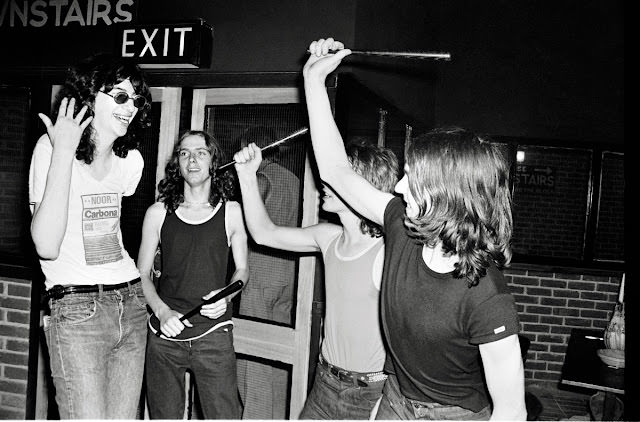
Joey Ramone — tall and lanky — appears in several shots hunched in conversation. Johnny Ramone leans against brick walls with the ease of someone killing time between soundchecks. These weren’t posed publicity photos. They were a working band on the road.
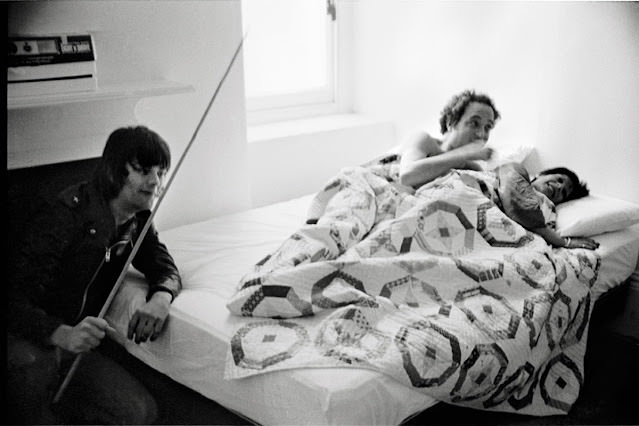
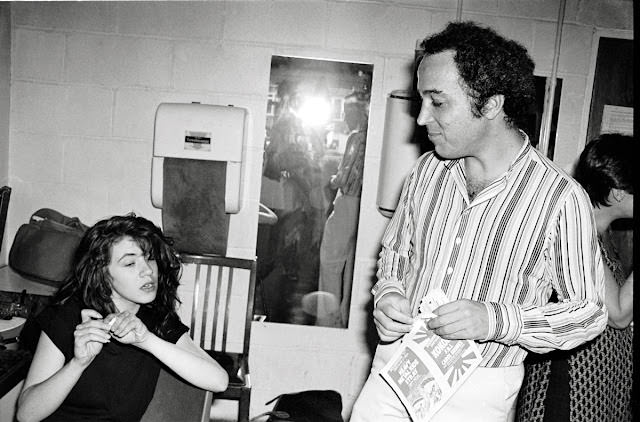
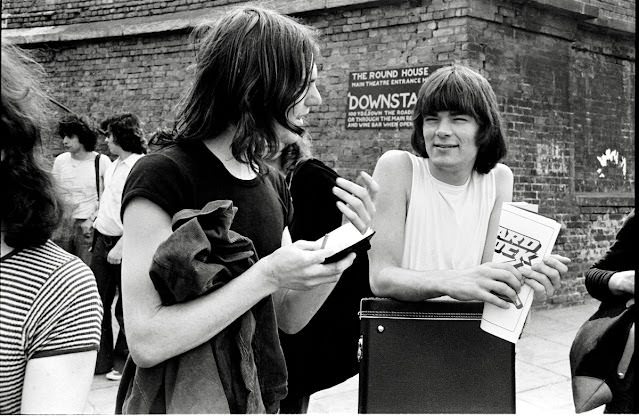
Fields’ photos capture a specific moment in time — a band that had no international reputation yet, standing on the edge of it. The Roundhouse shows were raw and direct, the same approach the band brought to every stage regardless of the size.
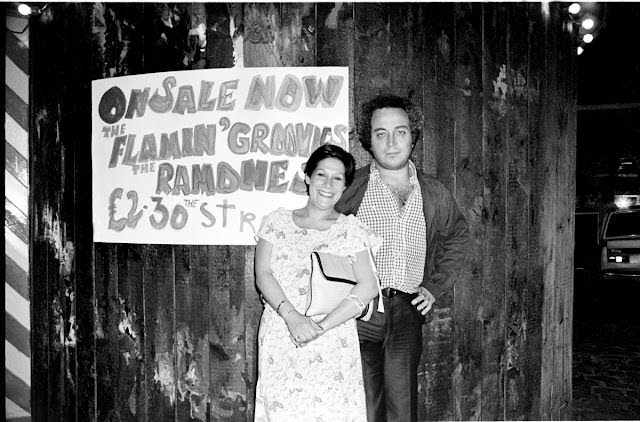
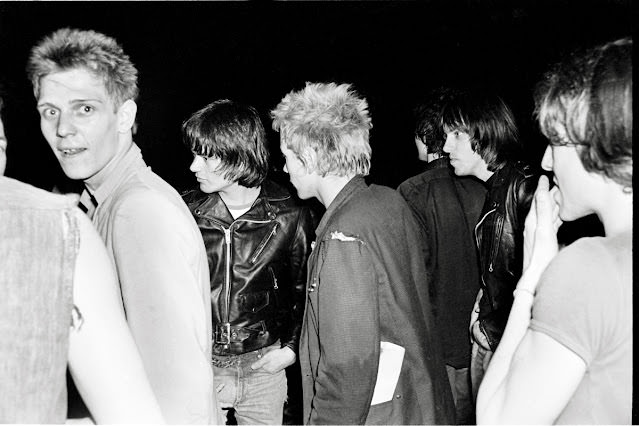
What made the London shows matter wasn’t just the music — it was the audience. The people in those seats were already forming bands, already writing songs. Seeing the Ramones gave them a framework: short songs, high speed, no compromise.
The Ramones played two nights at the Roundhouse and then moved on. No fanfare, no extended stay. Just a band doing its job, leaving behind a city that was already starting to change.