Long before they became one of the most recognized dog breeds in the world, dachshunds were hard-working hunters bred in Germany. Their name literally means “badger dog” in German, and that tells you a lot about what they were built to do. Standard dachshunds were bred to scent, chase, and flush badgers out of their burrows. Their long, low bodies and powerful short legs were perfect for digging into the earth and navigating tight underground tunnels.
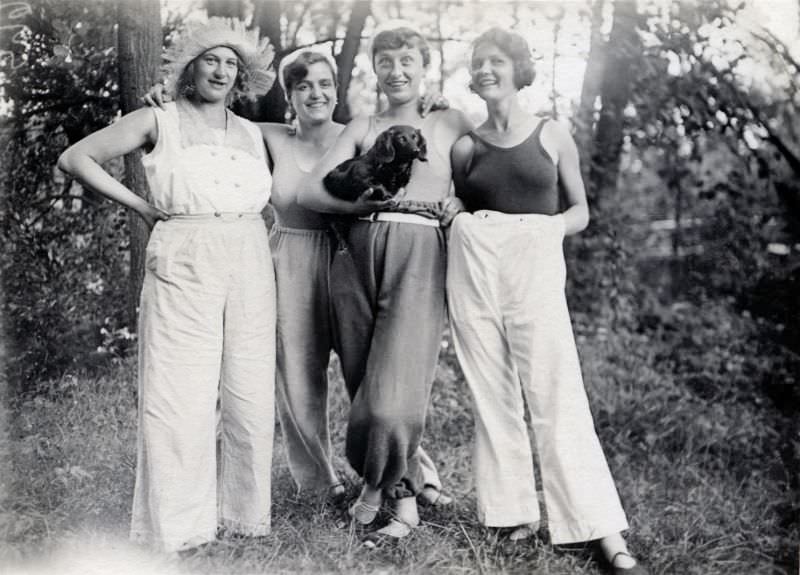
Miniature dachshunds served a different purpose. They were developed to hunt smaller animals like rabbits and other creatures that lived in narrower burrows. Despite the size difference, both versions shared the same bold, determined personality. Hunters relied on them to work independently underground, which gave the breed its famously stubborn streak.
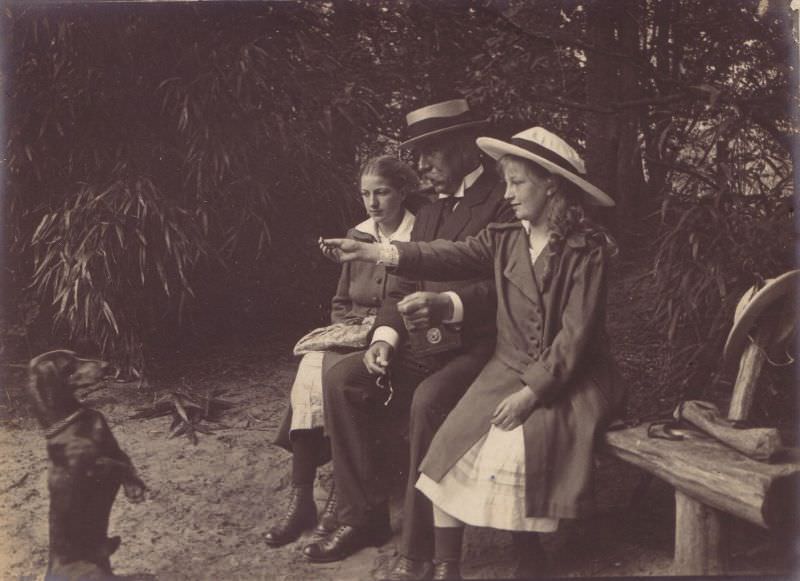
Dachshunds come in three coat types: smooth-haired, wire-haired, and long-haired. Each coat type was suited to different hunting environments. The wire-haired variety, for example, had a tougher coat that protected it from thorns and rough terrain. The long-haired variety was bred in colder regions where extra insulation mattered.
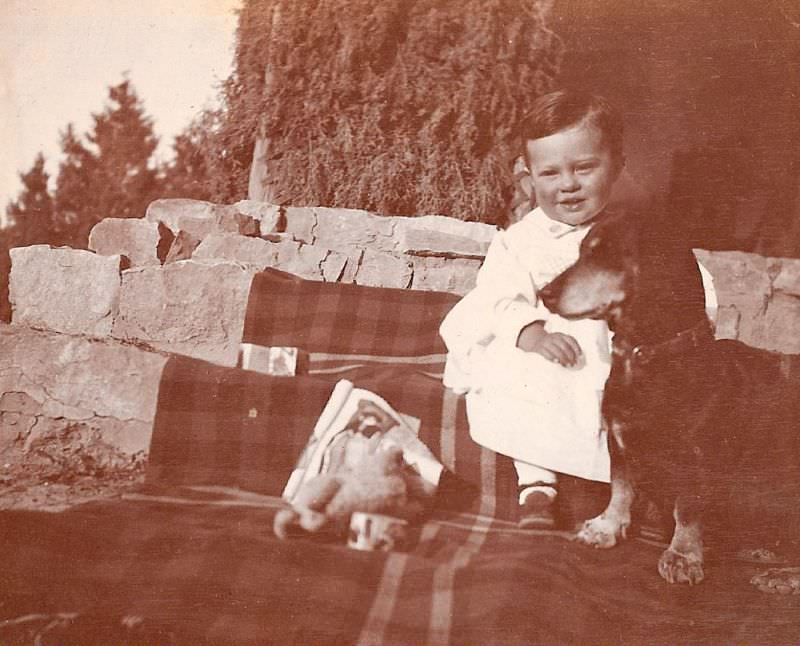
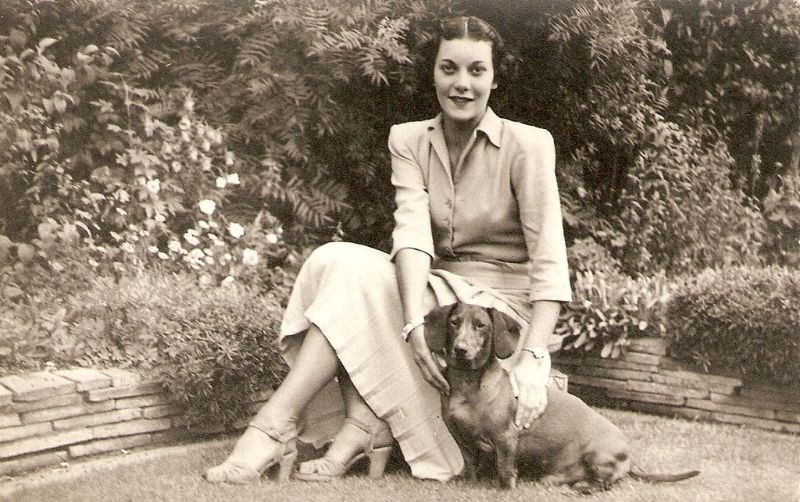
By the early 1900s, dachshunds had moved well beyond the hunting field. Families across Europe and North America kept them as beloved household companions. Their quirky shape and lively personalities made them a natural favorite, and many owners were proud enough of their dogs to sit for formal portraits with them.
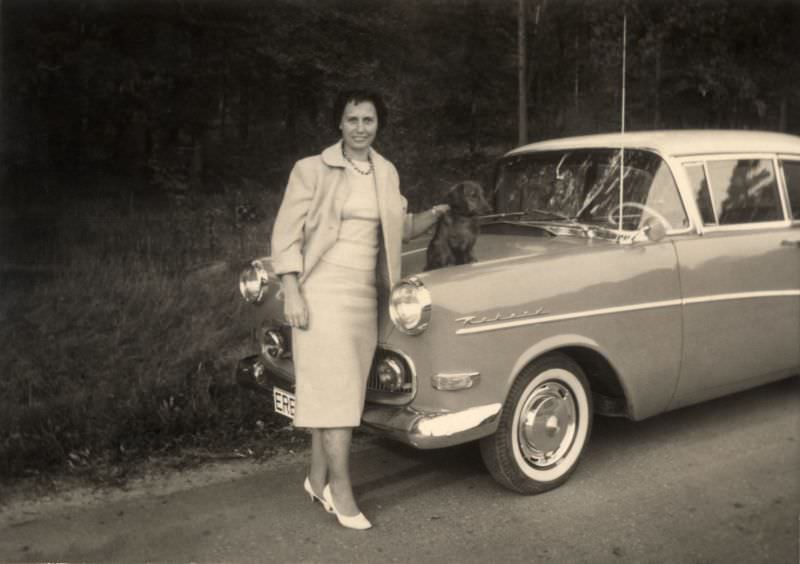
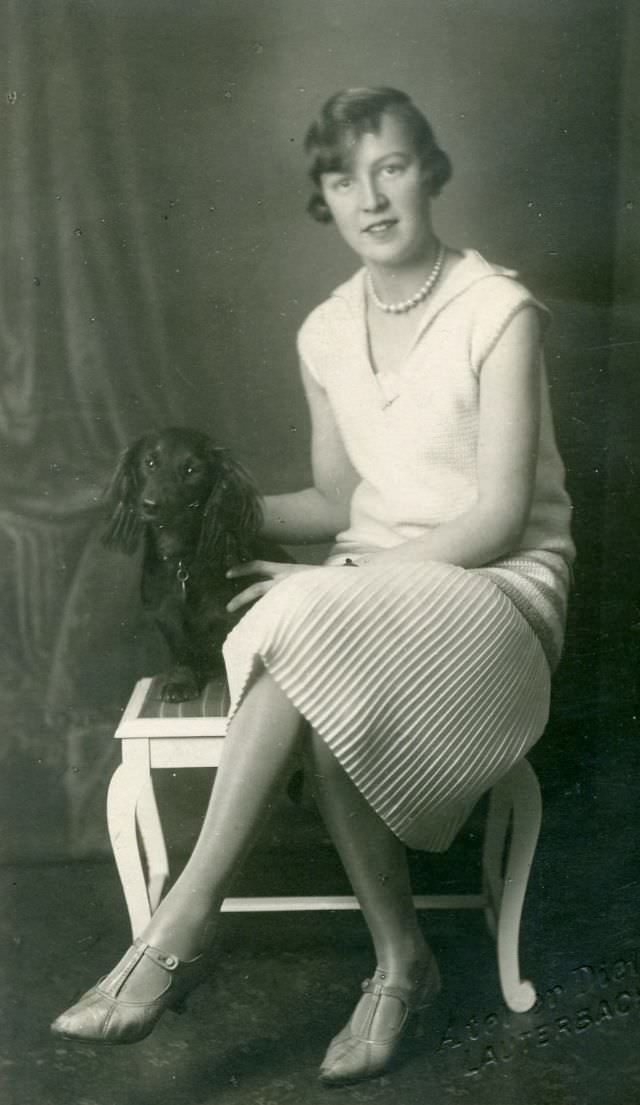
Photography in the early 1900s was still a formal event for most people. Having your portrait taken meant dressing up and sitting still for the camera. The fact that so many people chose to include their dachshunds in these portraits says a great deal about how deeply they valued their dogs.
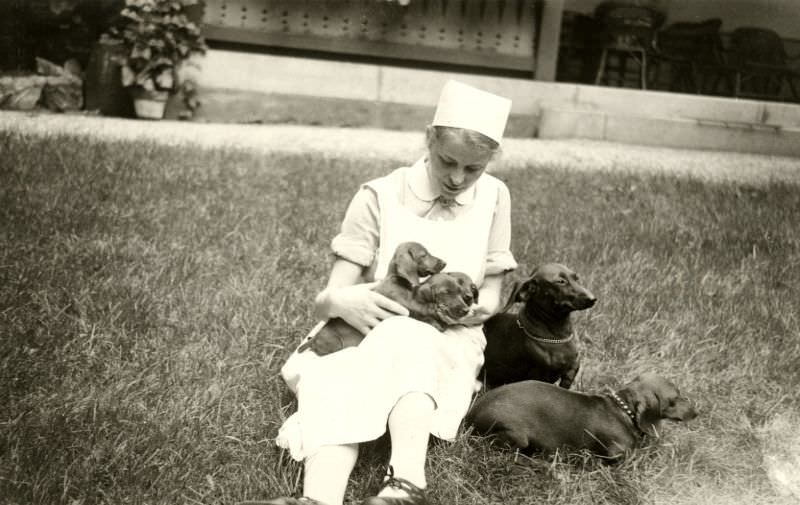
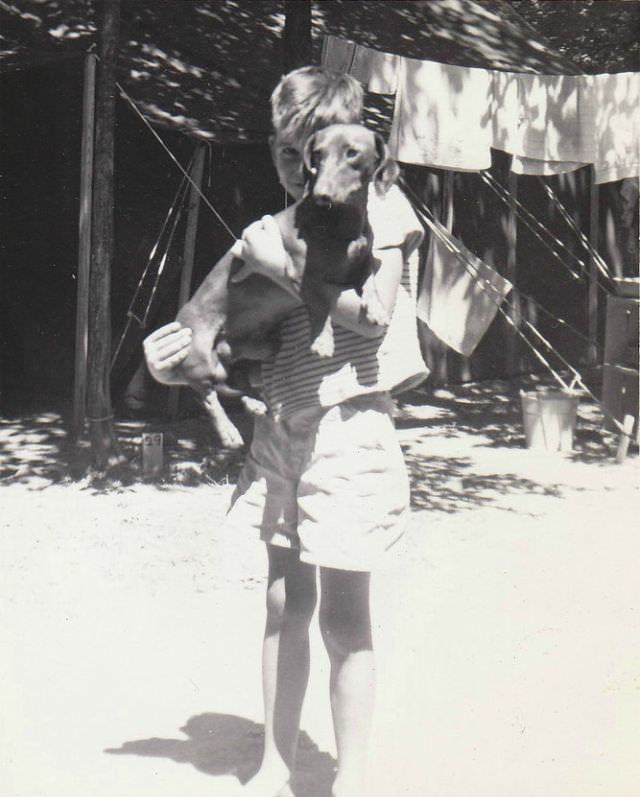
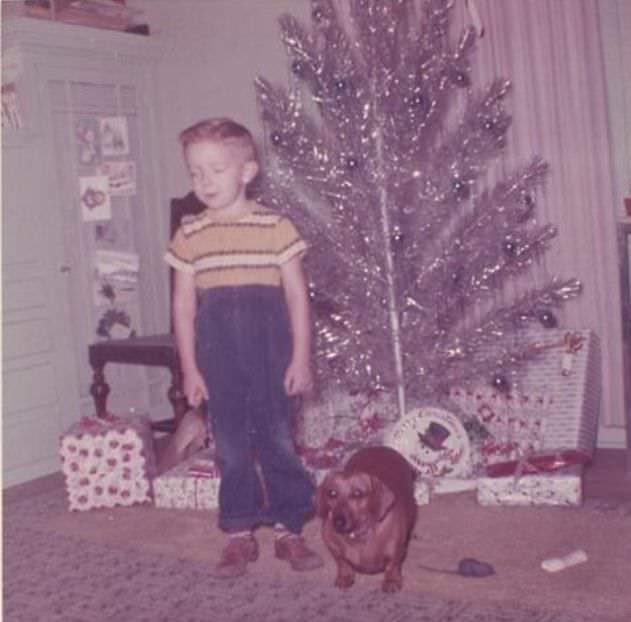
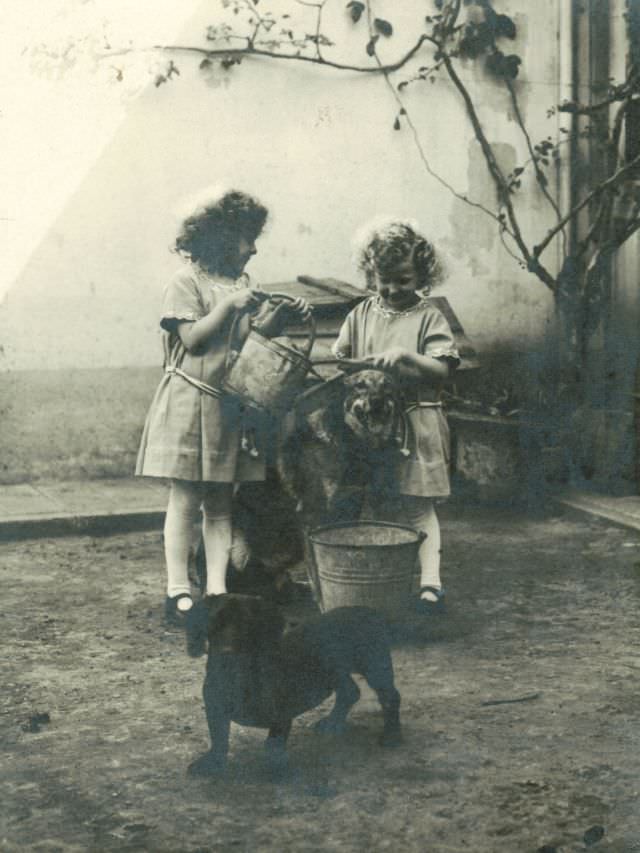
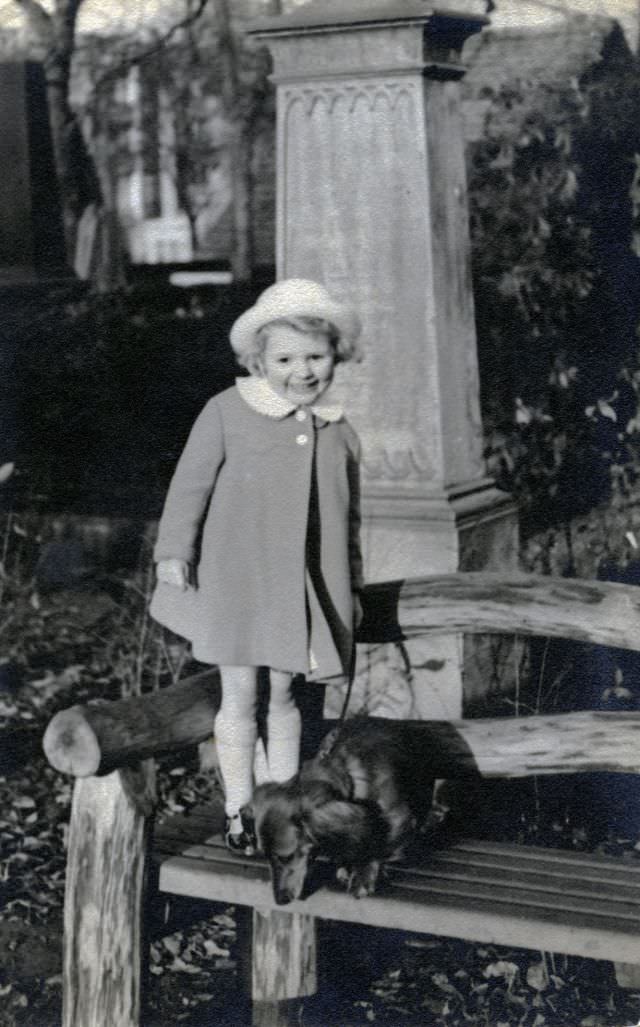
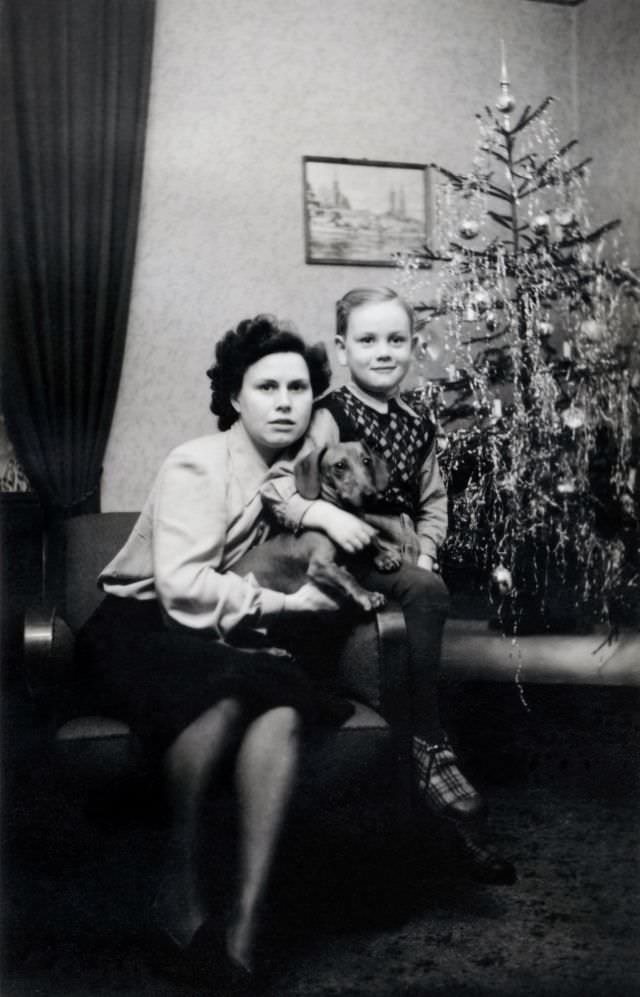
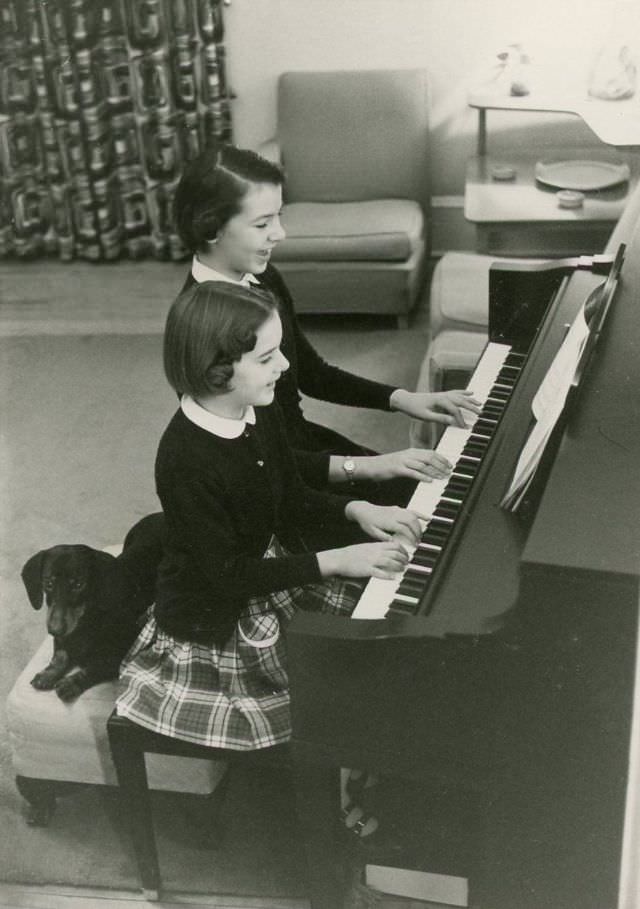
Children especially seemed to bond with dachshunds. Their small size made them easy for kids to hold and carry, and their playful nature made them ideal playmates. Many of the vintage photos from this era show children cradling their dogs with obvious affection.
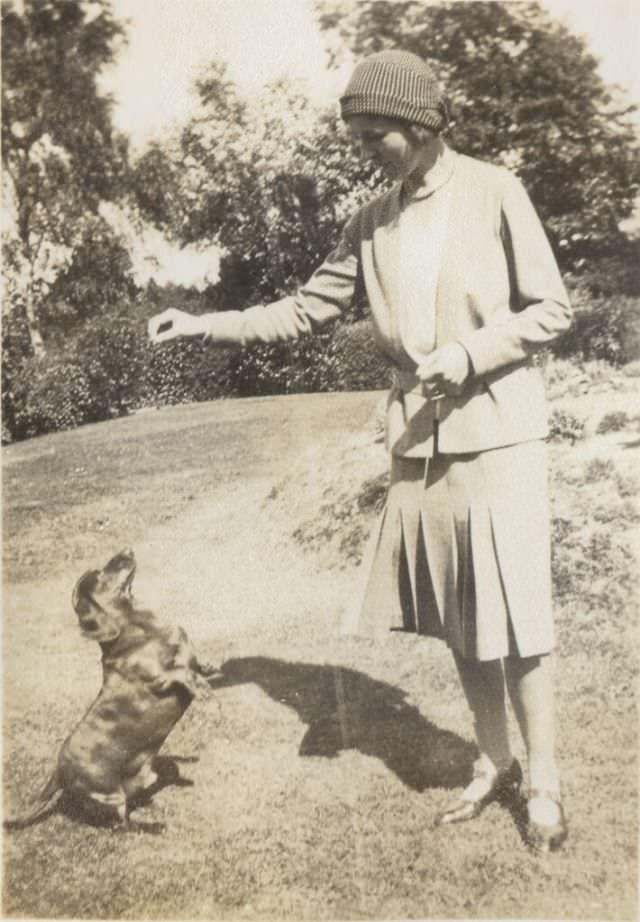
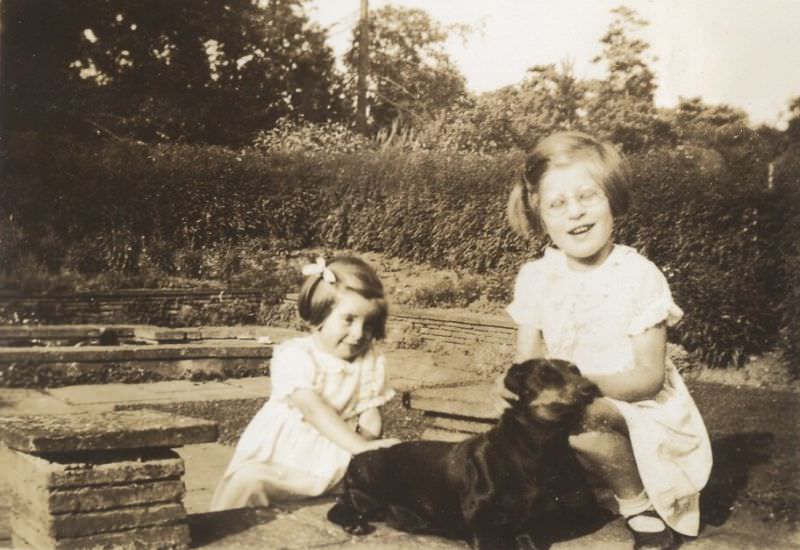
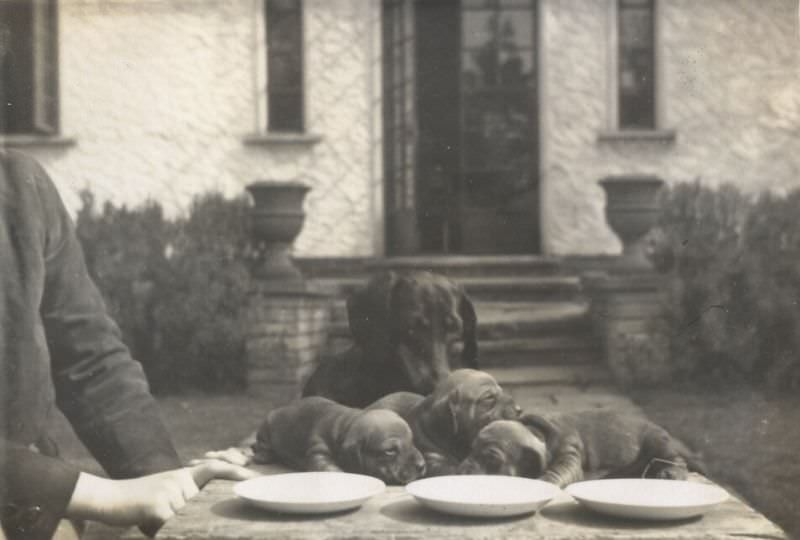
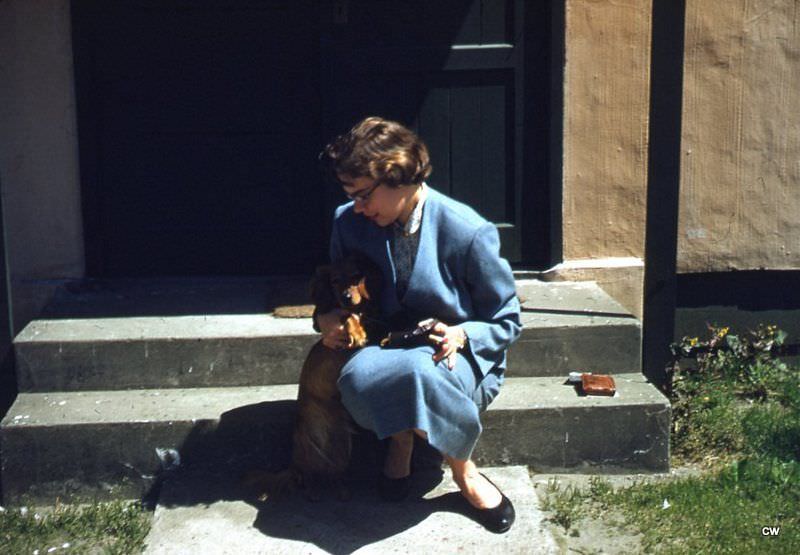
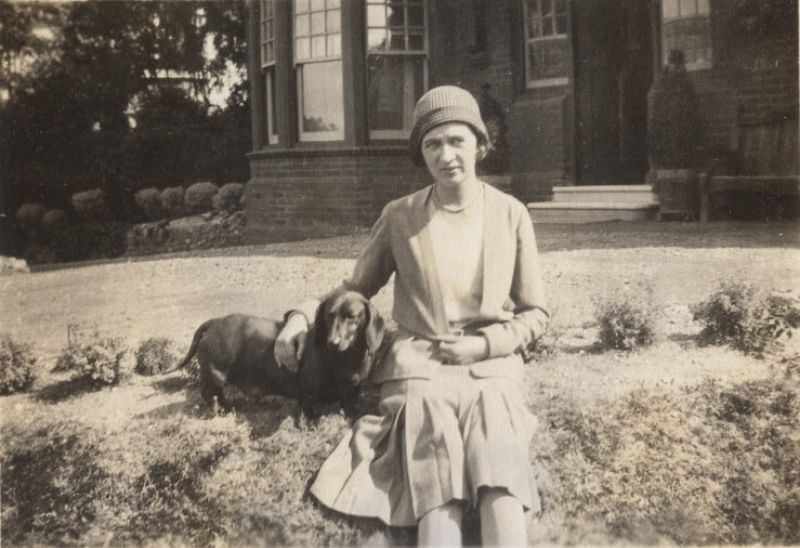
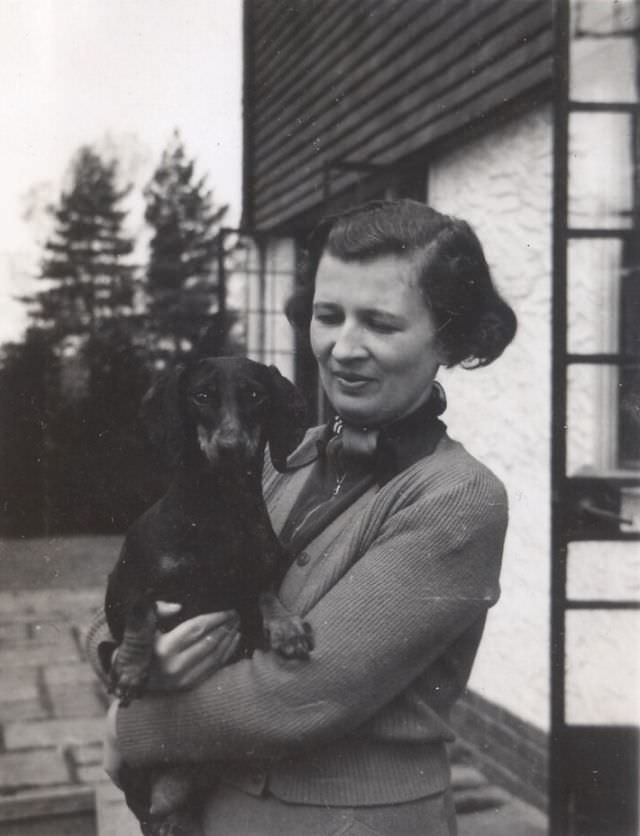
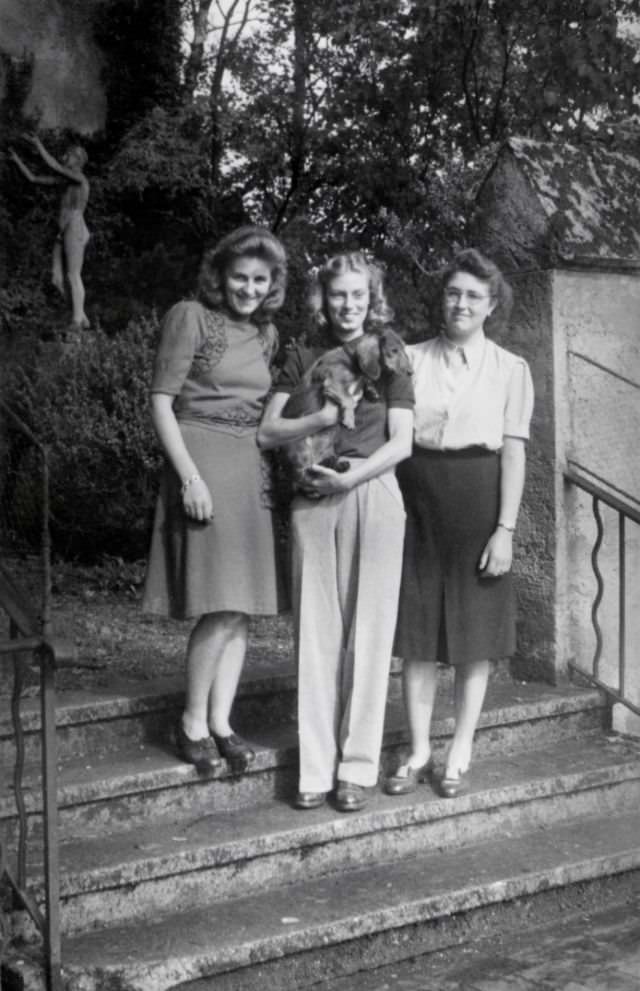
Women in these photos often posed with their dachshunds on their laps or tucked under their arms. The dogs appear relaxed and comfortable, which reflects how well-socialized most of these animals were. These were clearly house dogs that spent a great deal of time with people.
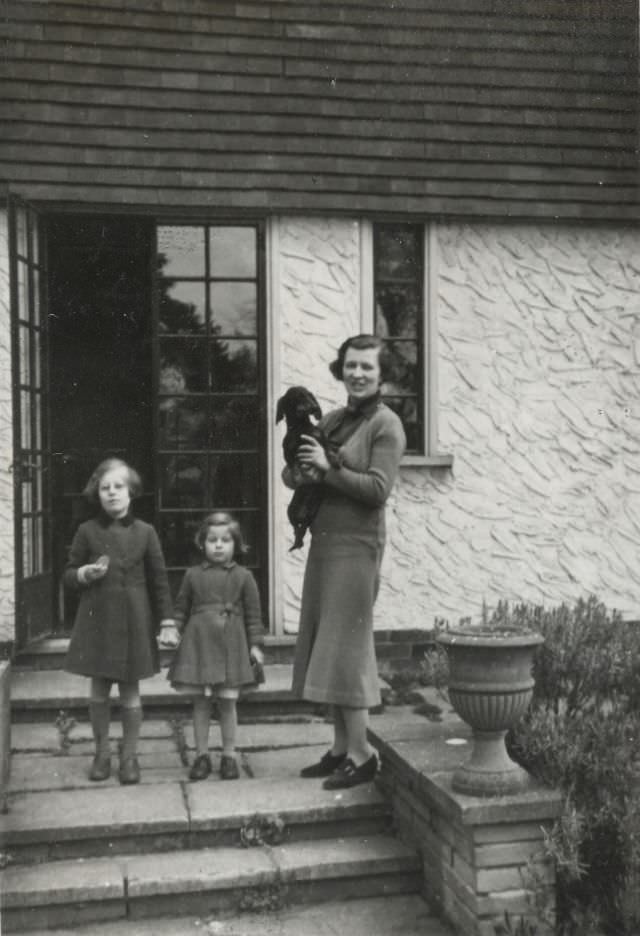
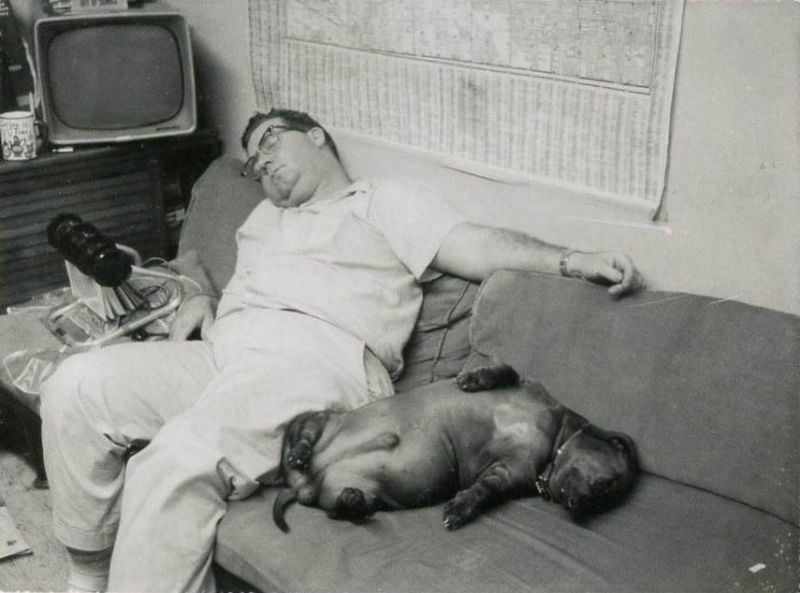
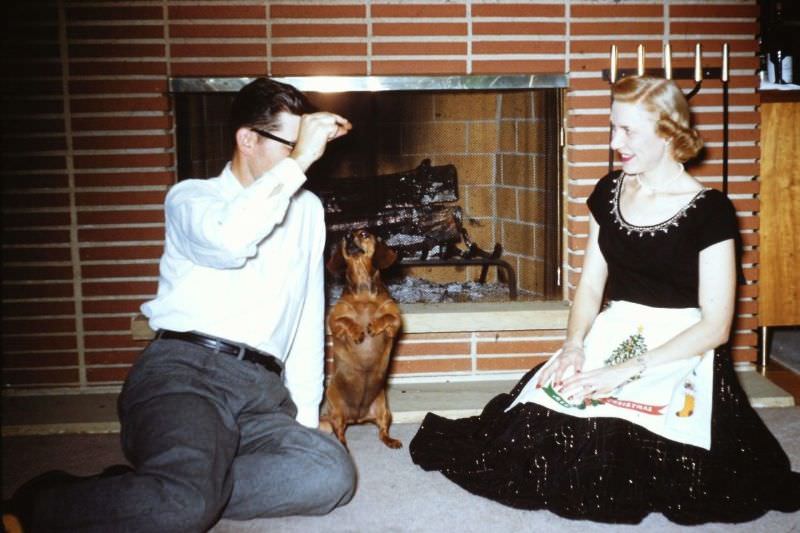
Men posed with their dachshunds too, sometimes outdoors and sometimes in formal studio settings. A dog sitting at attention beside its owner was a common composition, one that suggested both companionship and a degree of pride in the animal’s appearance and temperament.
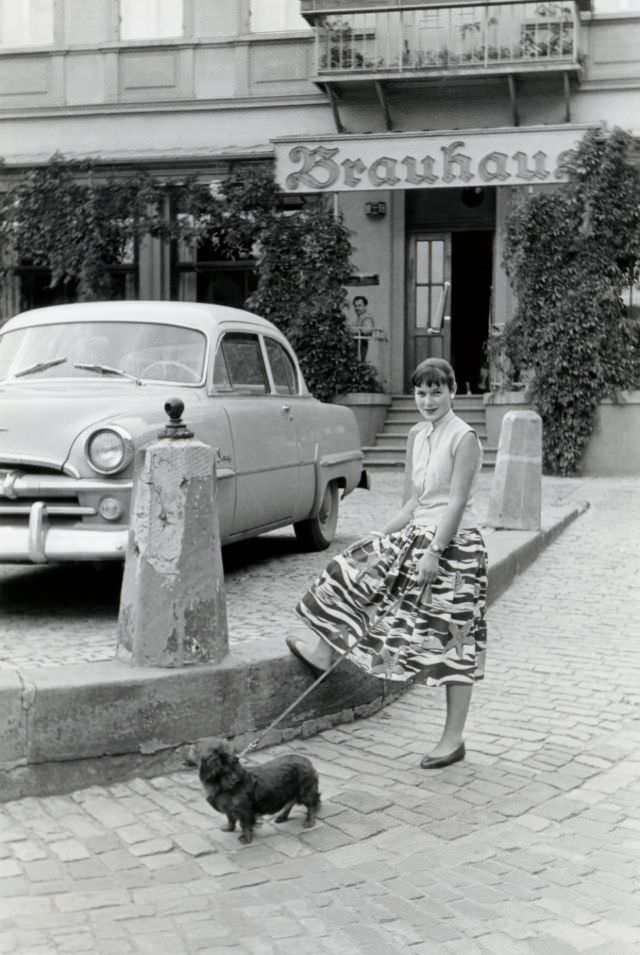
The breed also went by other names that captured its unusual shape. “Wiener dog” and “sausage dog” were popular nicknames that stuck around for generations. These names were used affectionately, and the dogs seemed to wear them well. Their elongated bodies became as much a part of their charm as their personality.
Some photos from this period show multiple dachshunds together, which was not unusual. Owners who hunted with the breed often kept small packs. Even among non-hunters, having more than one dachshund was common, since the dogs tended to get along well with others of their kind.
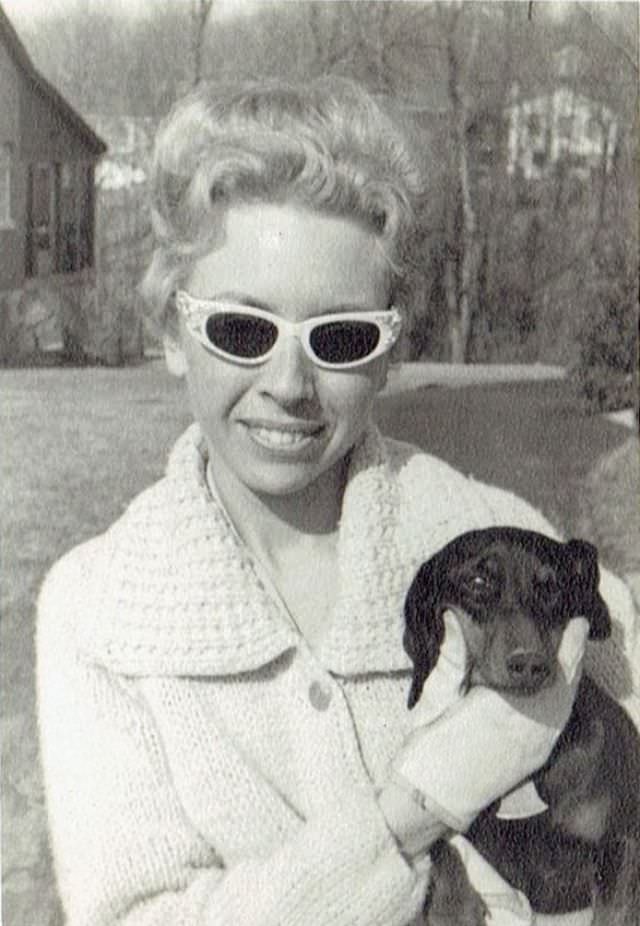
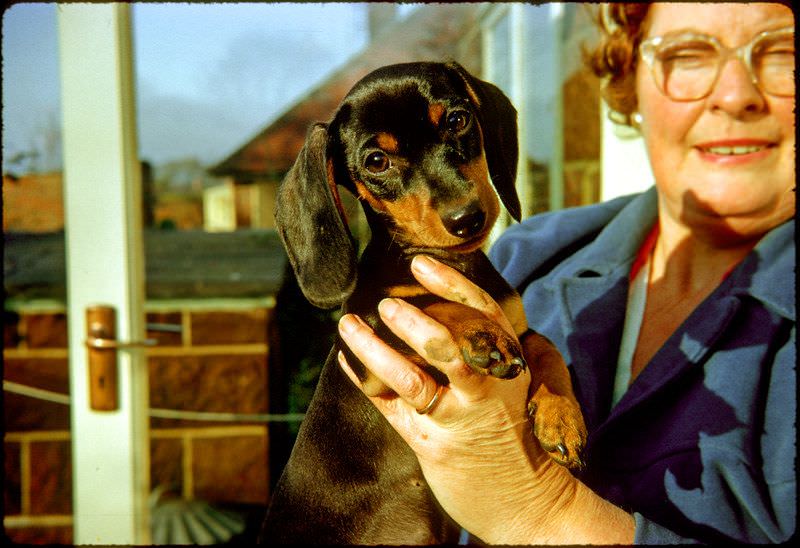
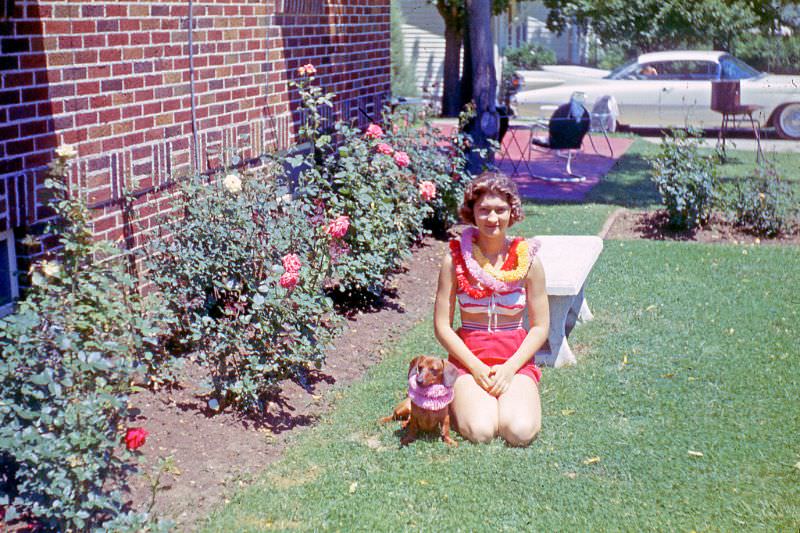
The clothing and settings in these photos offer a window into daily life in the early twentieth century. High collars, long dresses, and tailored suits appear alongside these small, long-bodied dogs. The contrast between the formal human subjects and the casual presence of the animals gives these images a warm, human quality that feels timeless.
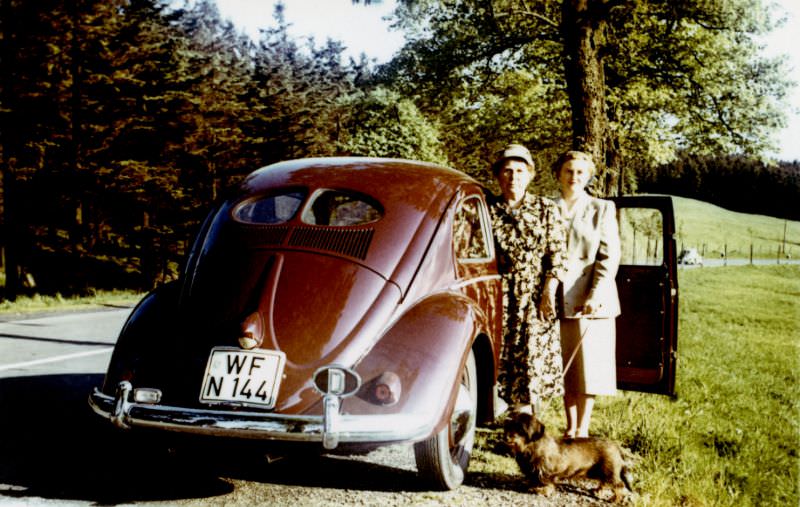
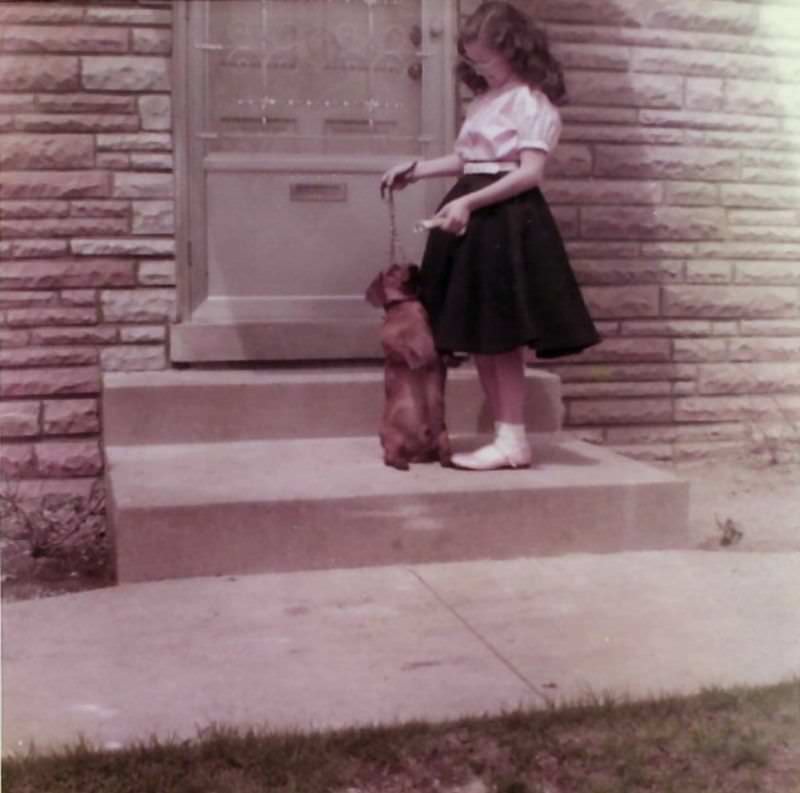
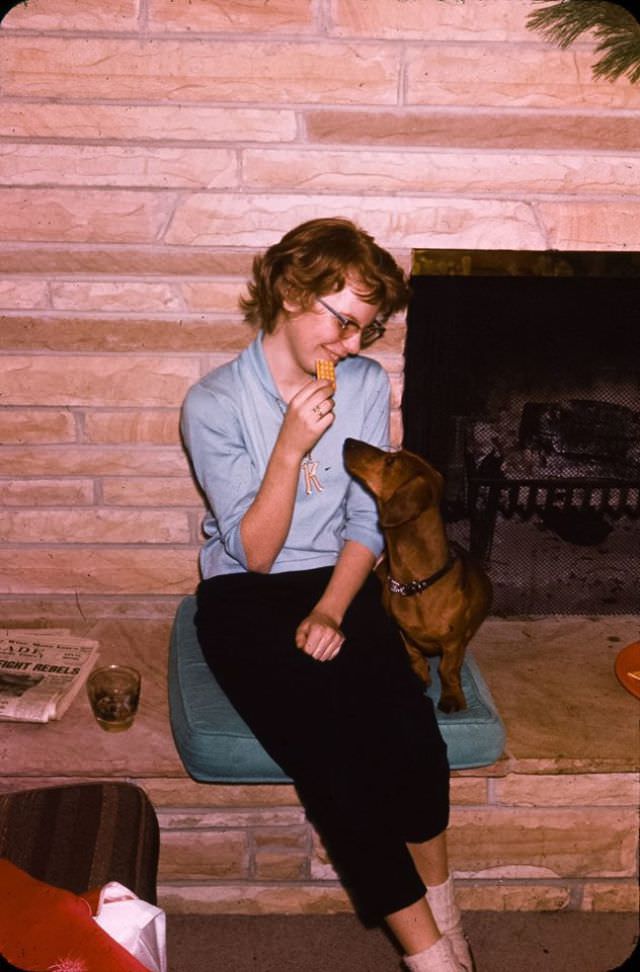
Whether held in arms, seated at someone’s feet, or perched on a chair beside their owner, dachshunds fill these early photographs with life. Their expressive faces and distinctive silhouettes are unmistakable even in faded black-and-white prints. These images are a reminder that the bond between people and their dogs is nothing new.