
Nikola Tesla was born on July 10, 1856, in Smiljan, a small village in Croatia that was then part of the Austro-Hungarian Empire. His father, Milutin Tesla, was a Serbian Orthodox priest. His mother, Georgina Đuka Tesla, never attended formal school but had a remarkable talent for crafting household tools and mechanical devices from memory. Tesla credited her as a major influence on his inventive mind. From childhood, he showed an unusual ability to visualize complex mechanical systems in his head without writing them down — a skill that would define his entire career.
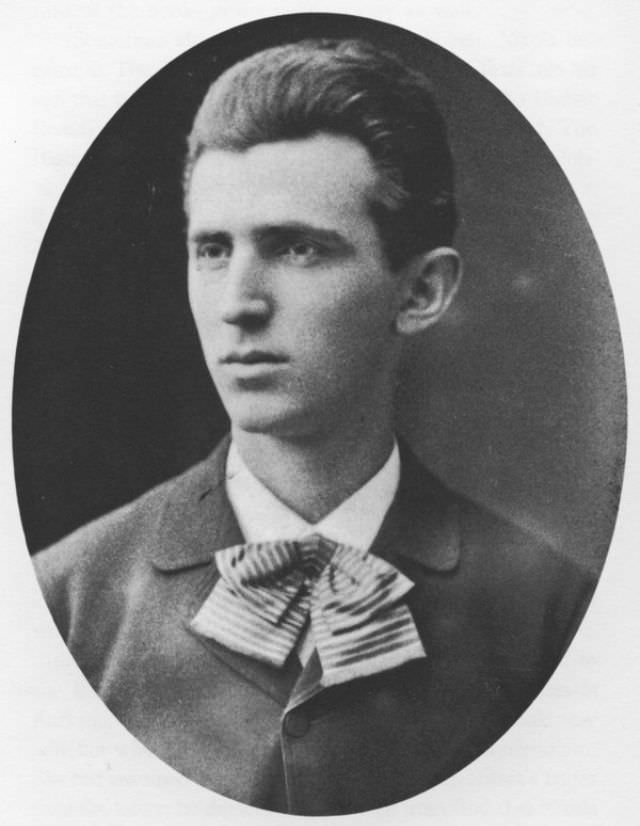
Tesla received his early education at a gymnasium in Karlstadt, Austria, then went on to study electrical engineering at the Austrian Polytechnic in Graz. After graduation, he found work at a telegraph company in Budapest, where he developed a telephone repeater — an amplifier that significantly improved the quality of long-distance telephone calls. It was a practical invention, but Tesla had far bigger ambitions. He moved to Paris to work for the Continental Edison Company and, in 1884, boarded a ship to America with little more than a recommendation letter and a few cents in his pocket.
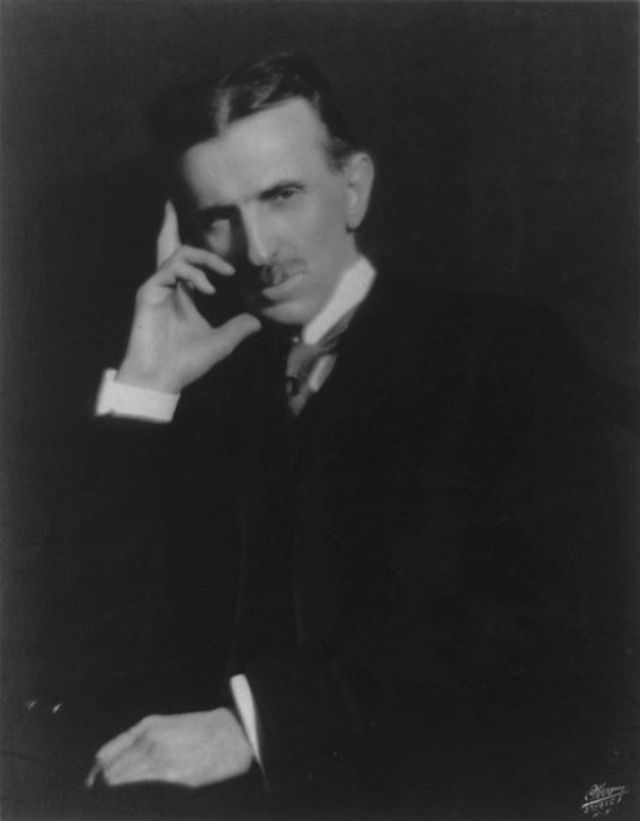
Tesla arrived in New York City and went straight to work for Thomas Edison. Edison was already a famous inventor and businessman running a massive operation built around direct current, or DC, electricity. Tesla quickly proved himself as a skilled engineer. According to Tesla, Edison promised him $50,000 if he could solve a series of problems with Edison’s DC generators. Tesla solved them. Edison reportedly laughed and told him he didn’t understand American humor. Tesla quit shortly after. The two men became permanent rivals, and their feud would shape the future of electrical power in America.
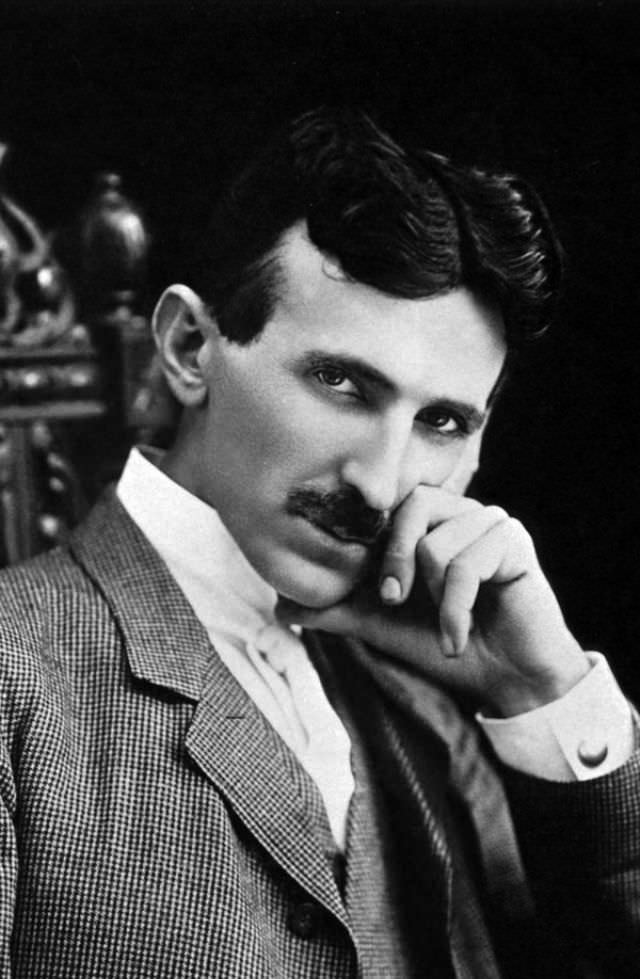
In 1887, Tesla made one of the most important discoveries in the history of electrical engineering: the rotating magnetic field. This principle made it possible to build efficient alternating current, or AC, motors. He was granted patents for the invention in 1888. AC electricity could travel much farther than DC over power lines, making it far more practical for large-scale electrical distribution. Tesla partnered with George Westinghouse and the Westinghouse Electric Company, which gave him the funding and infrastructure to develop and promote his AC system on a national scale. That system became the global standard for how electricity is generated and delivered.
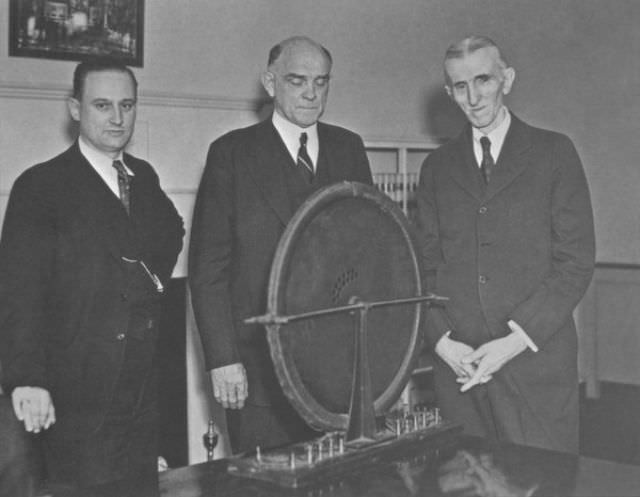
Tesla filed more than 300 patents worldwide during his lifetime. Most covered electrical and mechanical engineering, but his ideas stretched far beyond that. He filed patents related to robotics, guided missiles, early aircraft concepts, and remote control technology. In the 1890s, he conducted serious experiments in wireless communication, transmitting radio signals before Guglielmo Marconi received wide credit for the invention. Tesla also worked on early X-ray technology during this period, taking some of the first X-ray images ever produced in the United States.
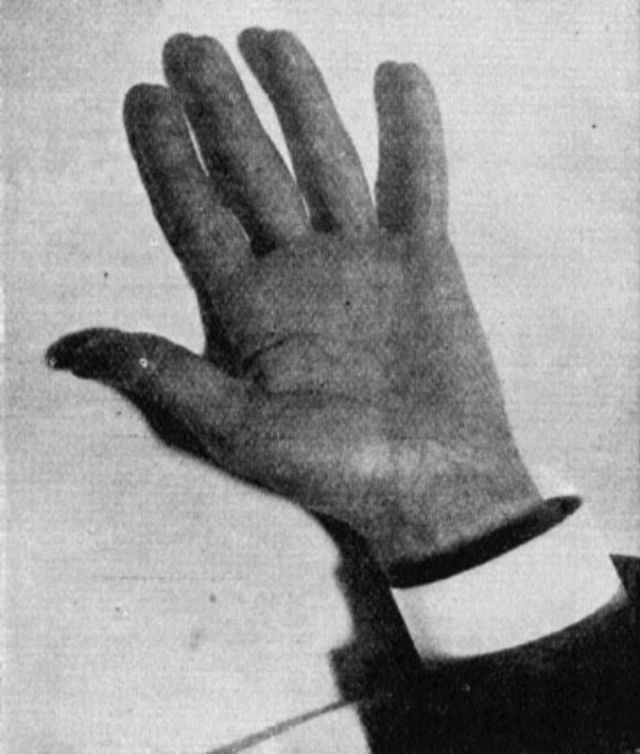
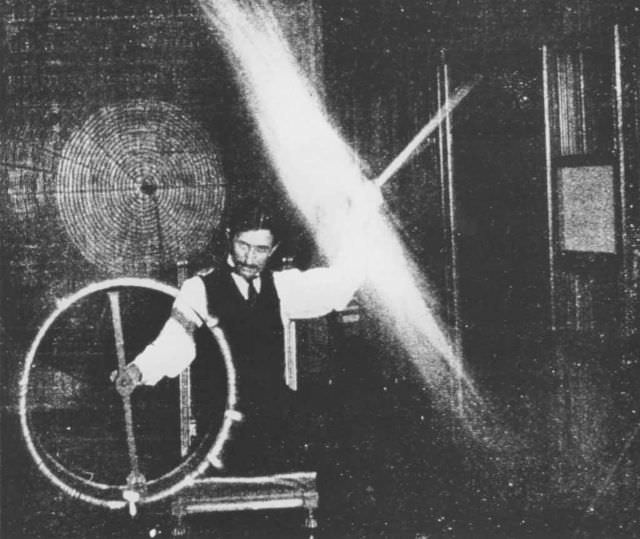
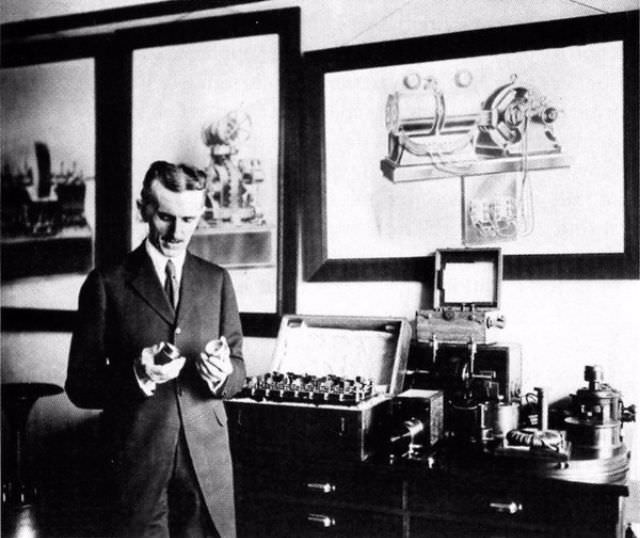
Tesla also experimented extensively with high-frequency electrical currents and phosphorescent lighting — technology that pre-dated modern fluorescent lamps by roughly half a century. He demonstrated wireless lighting in his New York laboratory, lighting bulbs that had no direct electrical connection to any power source. These demonstrations stunned audiences and attracted famous guests, including author Mark Twain, who visited Tesla’s Houston Street lab in 1894.
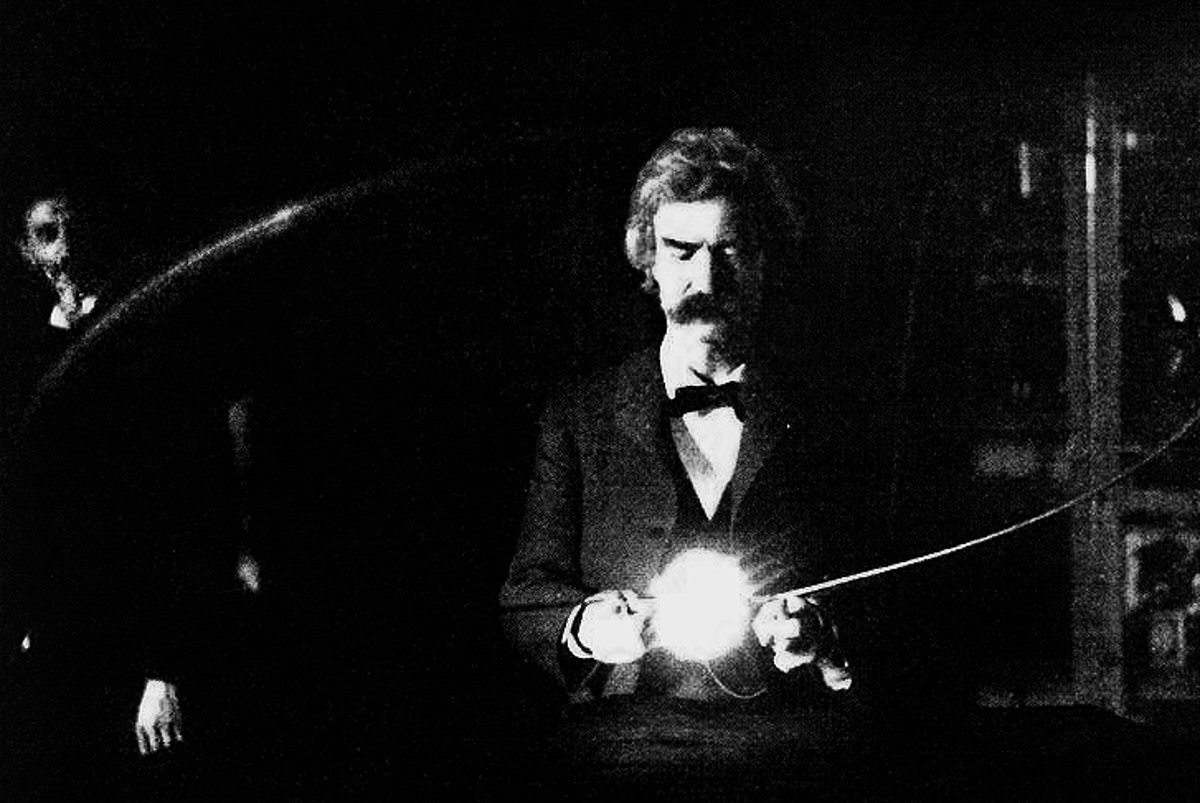
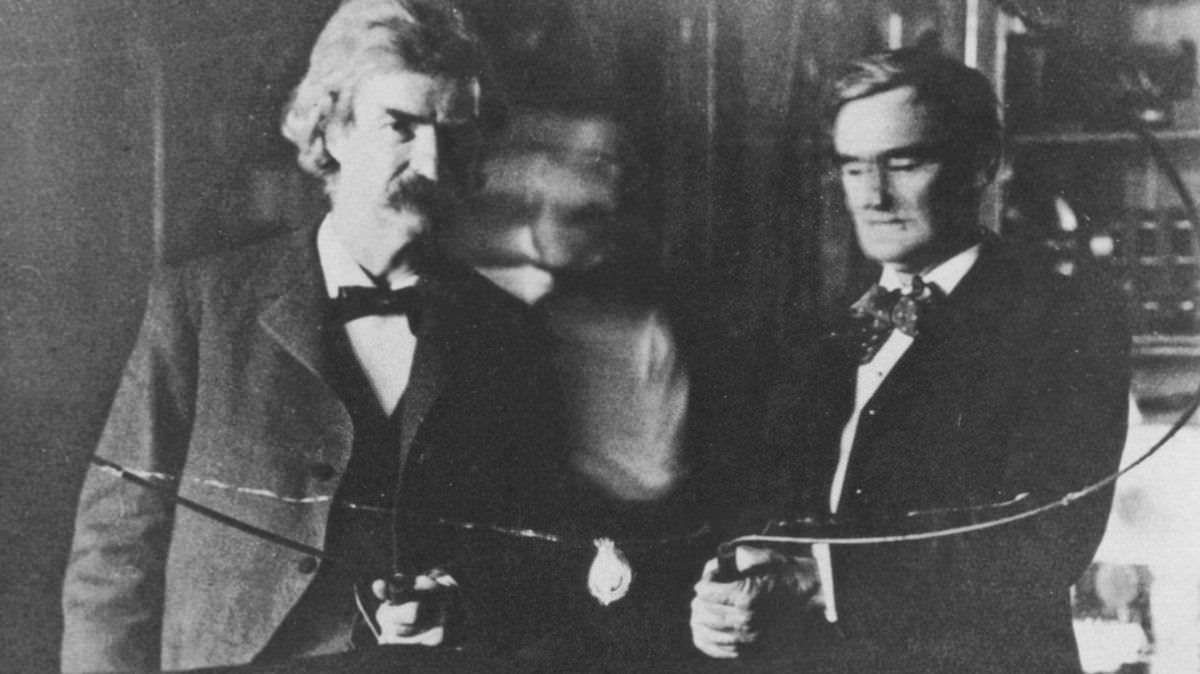
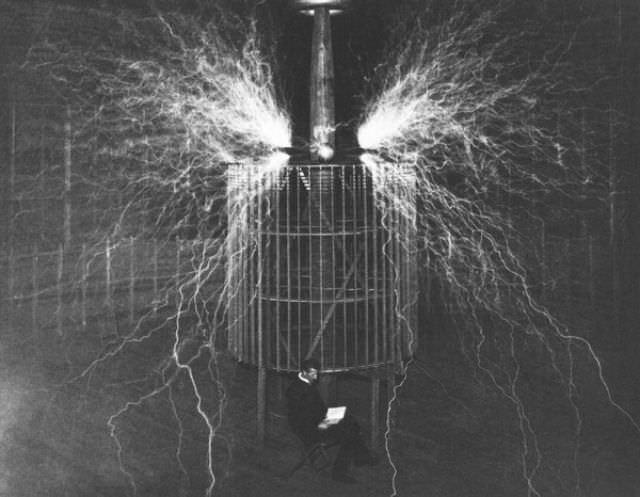
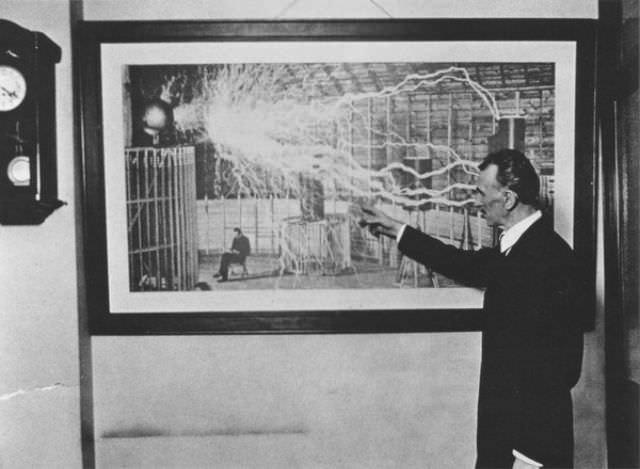
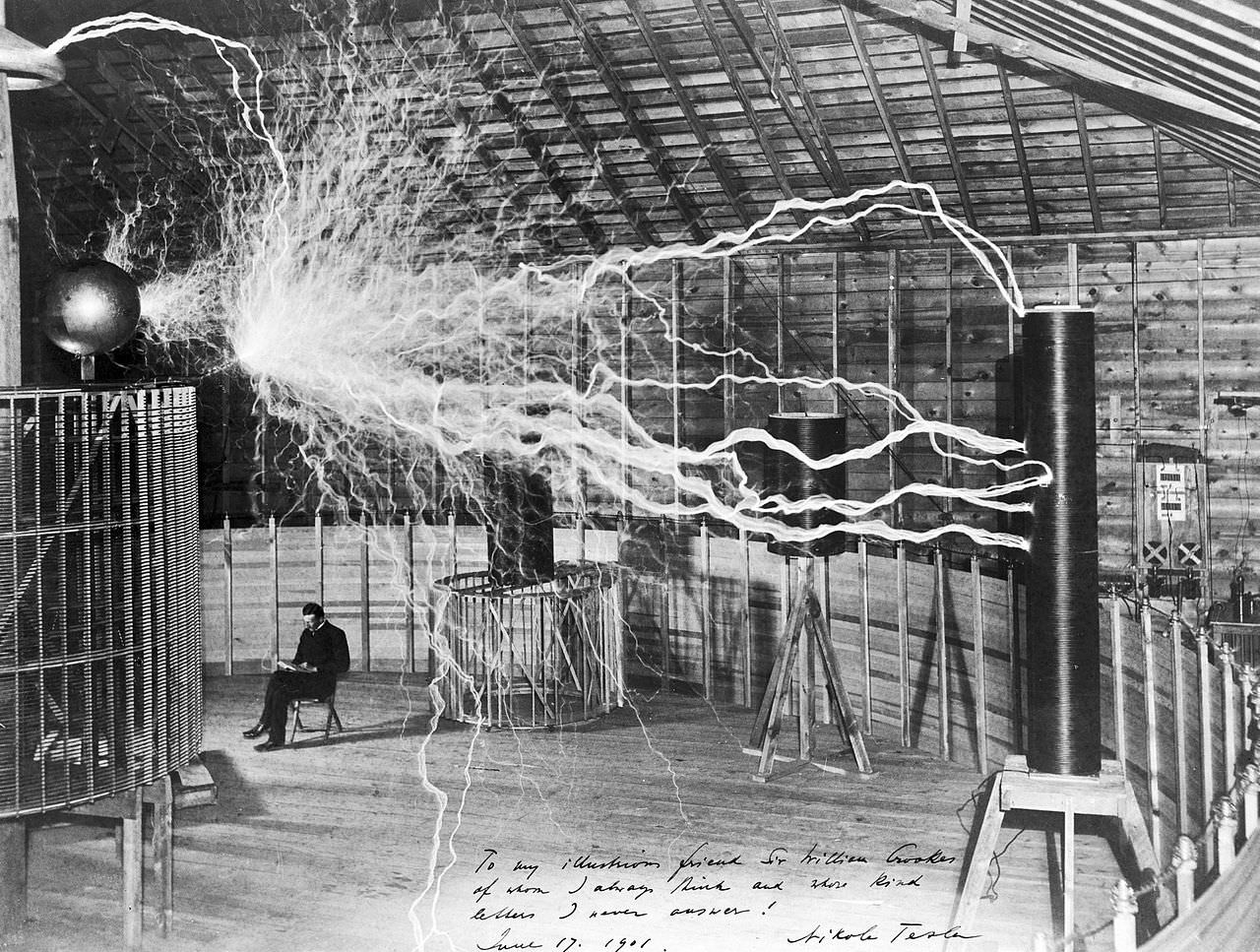
Tesla’s laboratory demonstrations were genuinely dangerous. He regularly subjected his own body to massive electrical charges in front of onlookers to prove the safety principles of high-frequency current. Photographs from this era show him sitting calmly amid arcs of electricity that would have killed a person exposed to low-frequency currents of the same voltage.
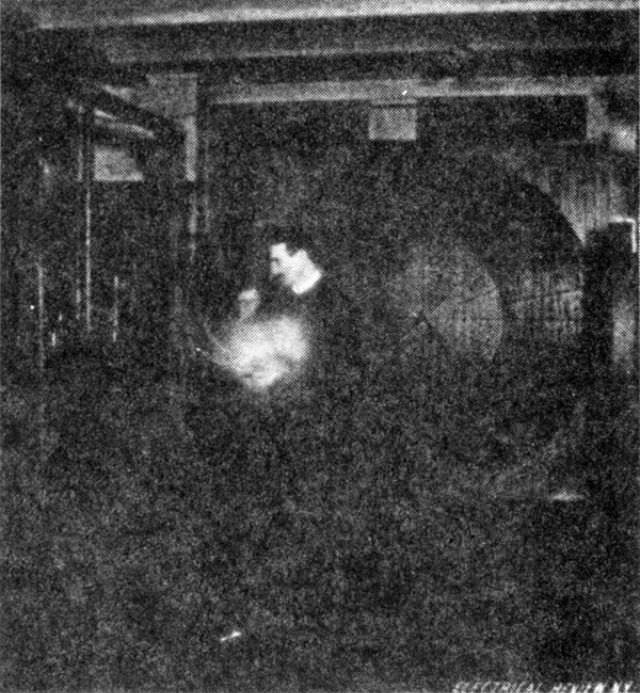
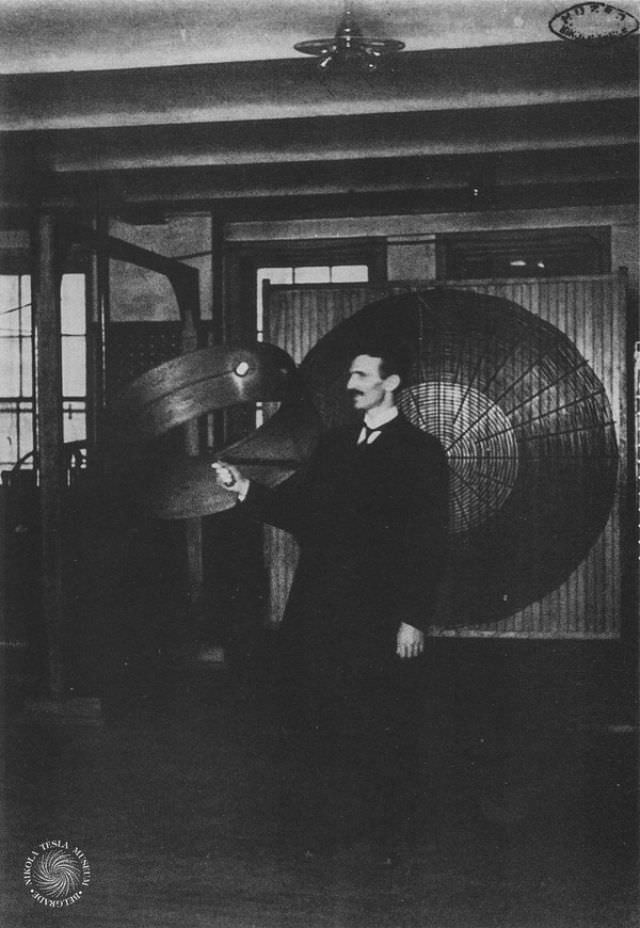
In 1899, Tesla relocated to Colorado Springs, Colorado, and built a large experimental station equipped with a massive Tesla coil. There, he conducted high-voltage, high-frequency experiments on a scale never attempted before. He confirmed the existence of atmospheric electricity and transmitted electrical power across distances without any physical wires. He also famously created artificial lightning bolts that were heard for miles. The photographs taken at Colorado Springs remain some of the most striking images in the history of science.
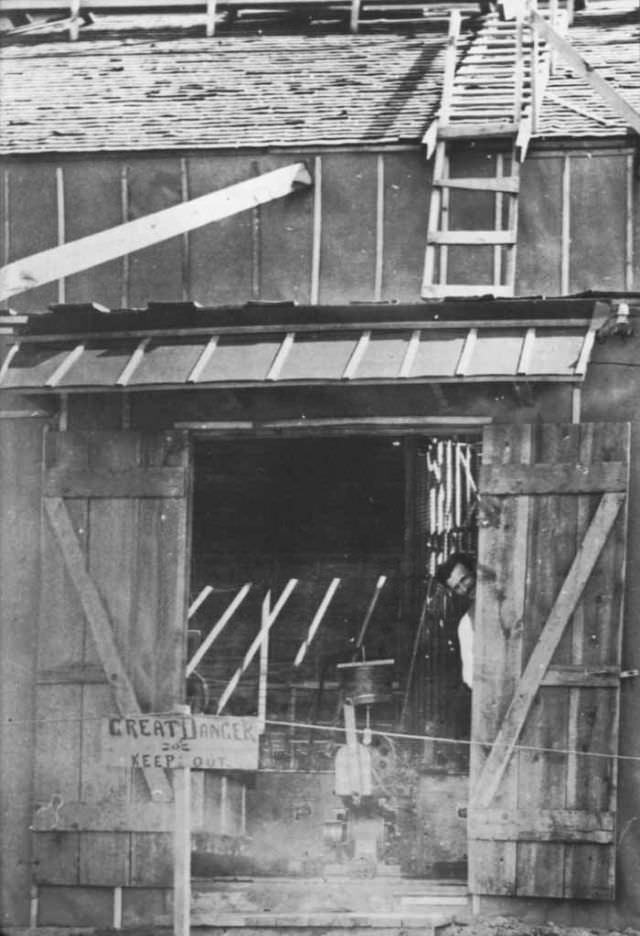
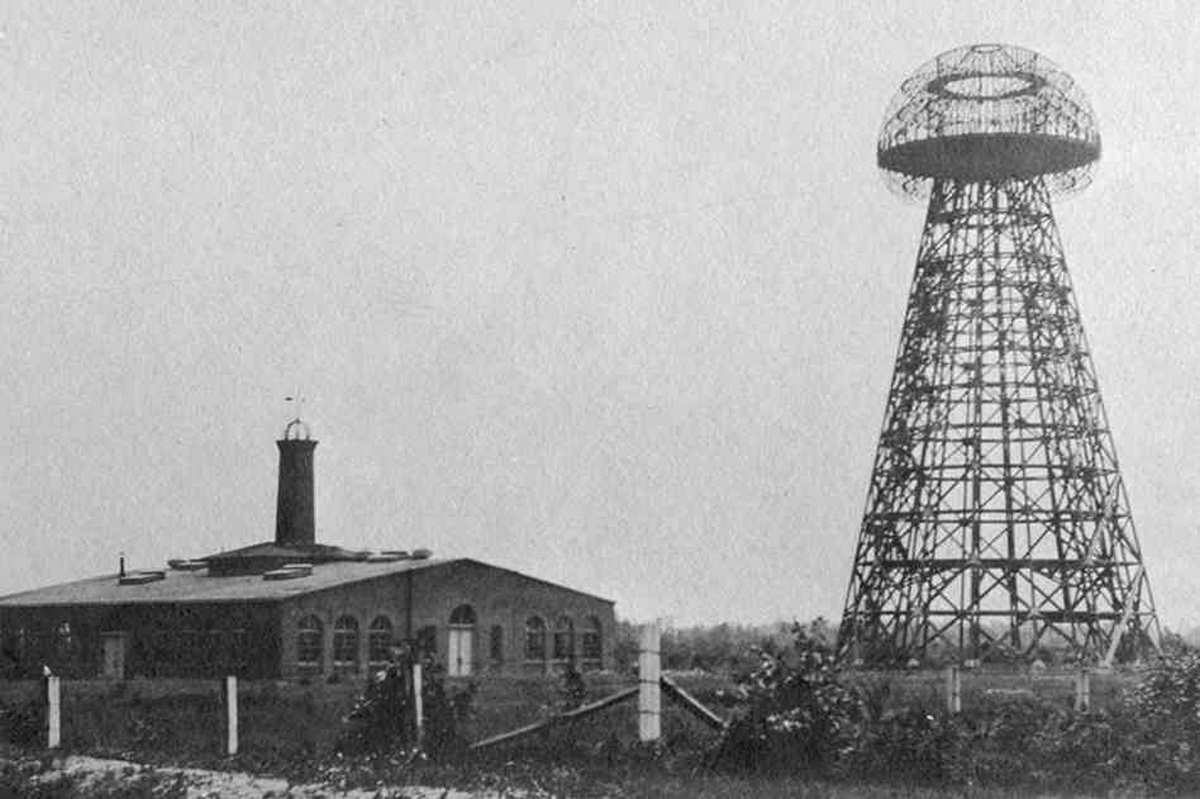
After returning from Colorado, Tesla launched his most ambitious project: Wardenclyffe Tower on Long Island, New York. The tower was designed to transmit electrical power and communications wirelessly across the Atlantic Ocean. Financier J.P. Morgan initially funded the project, but pulled his support when it became clear the system could not be easily monetized. Without funding, construction stopped. The tower was never completed. It was demolished in 1917, and Tesla never recovered financially from the failure.
Tesla’s personal life was as unusual as his science. He never married. He had a severe fear of germs, refused to touch round objects, and had a deep obsession with the number three — reportedly walking around a building three times before entering. He had an exceptional memory and claimed to sleep only two hours a night. As he aged, he developed an intense attachment to pigeons, particularly one white female pigeon he spoke of with deep affection. He regularly crossed from his office on West 40th Street to Bryant Park in New York to feed them.
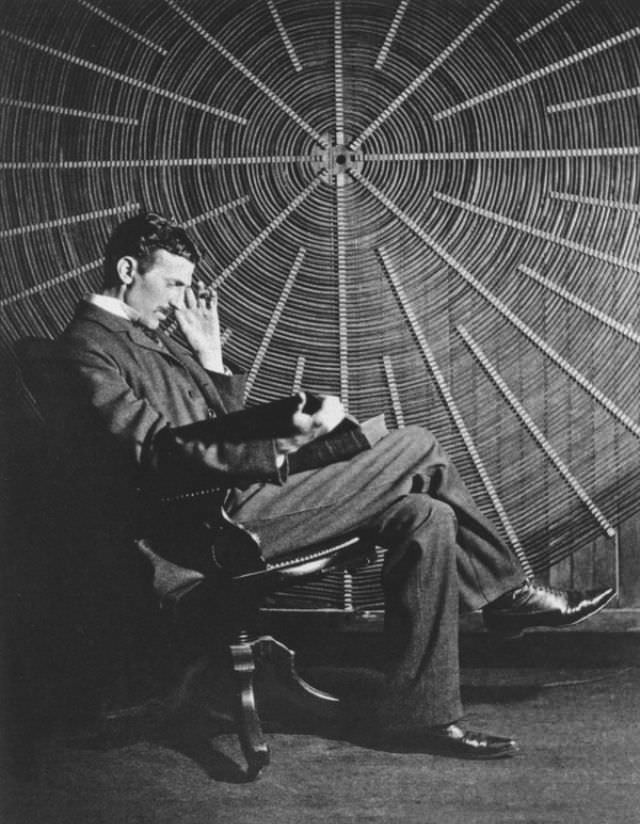
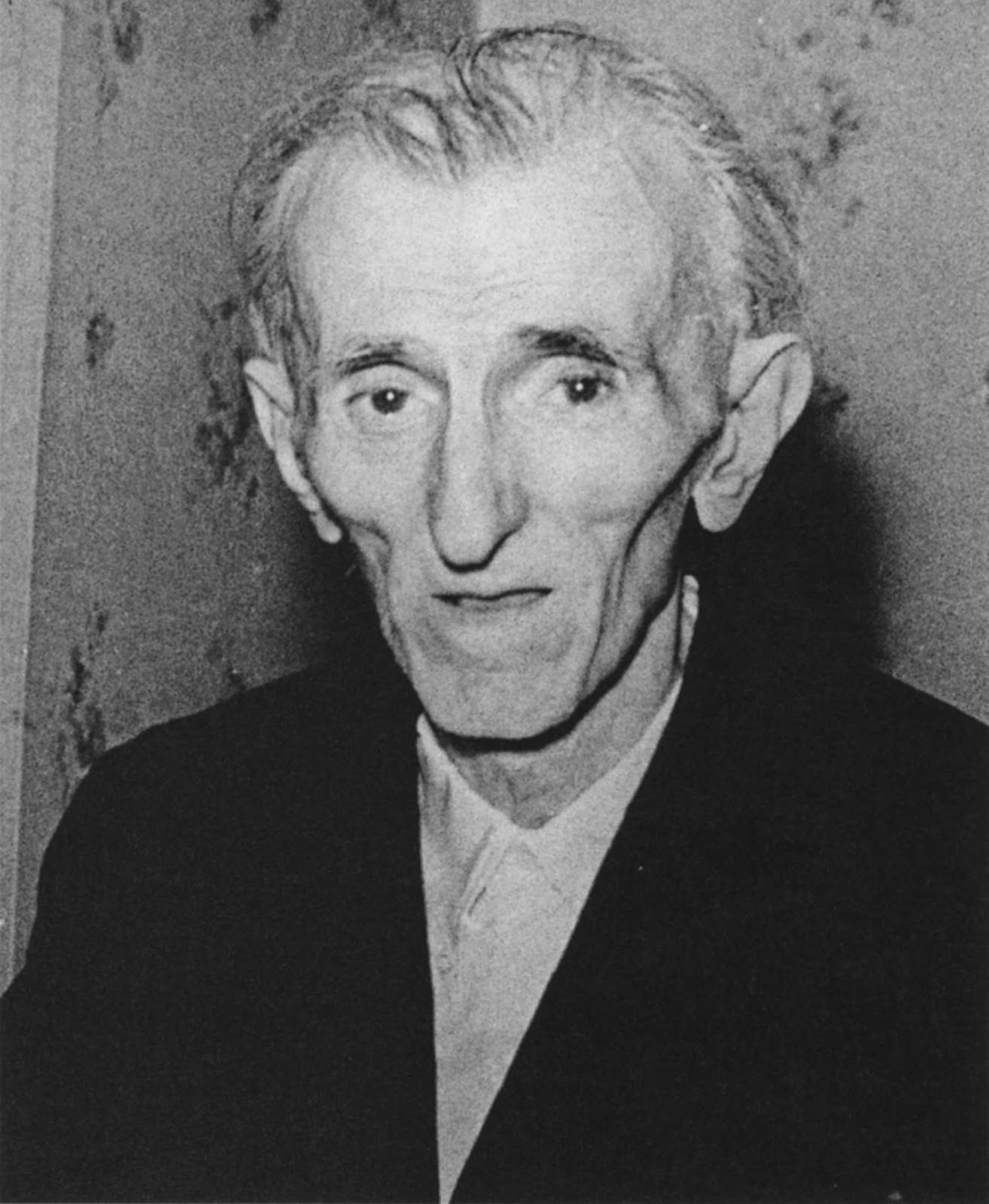
Tesla’s later years were defined by financial ruin and isolation. He was forced to sell patents to cover debts and moved between hotels, often unable to pay his bills. He spent years working on theoretical projects, including what he called a “teleforce” weapon — a directed-energy device the press labeled a “death ray.” He never built it. By the 1930s, Tesla was living permanently at the Hotel New Yorker, largely forgotten by the public and the scientific community.
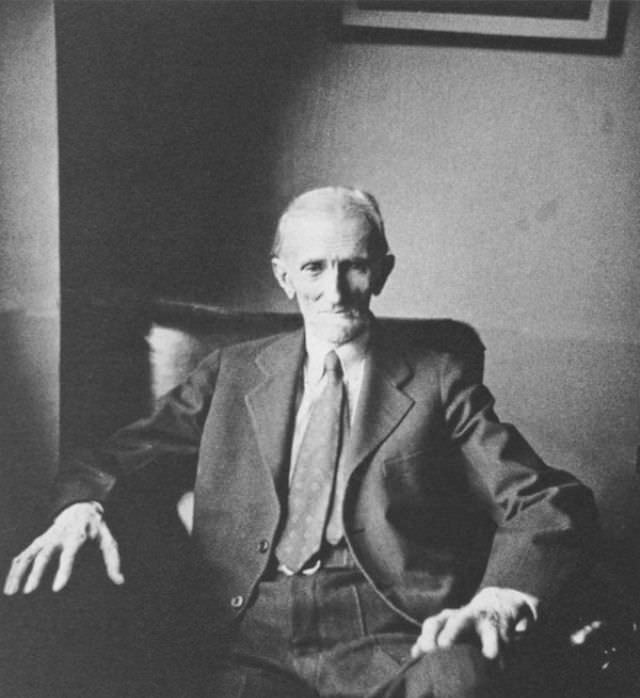
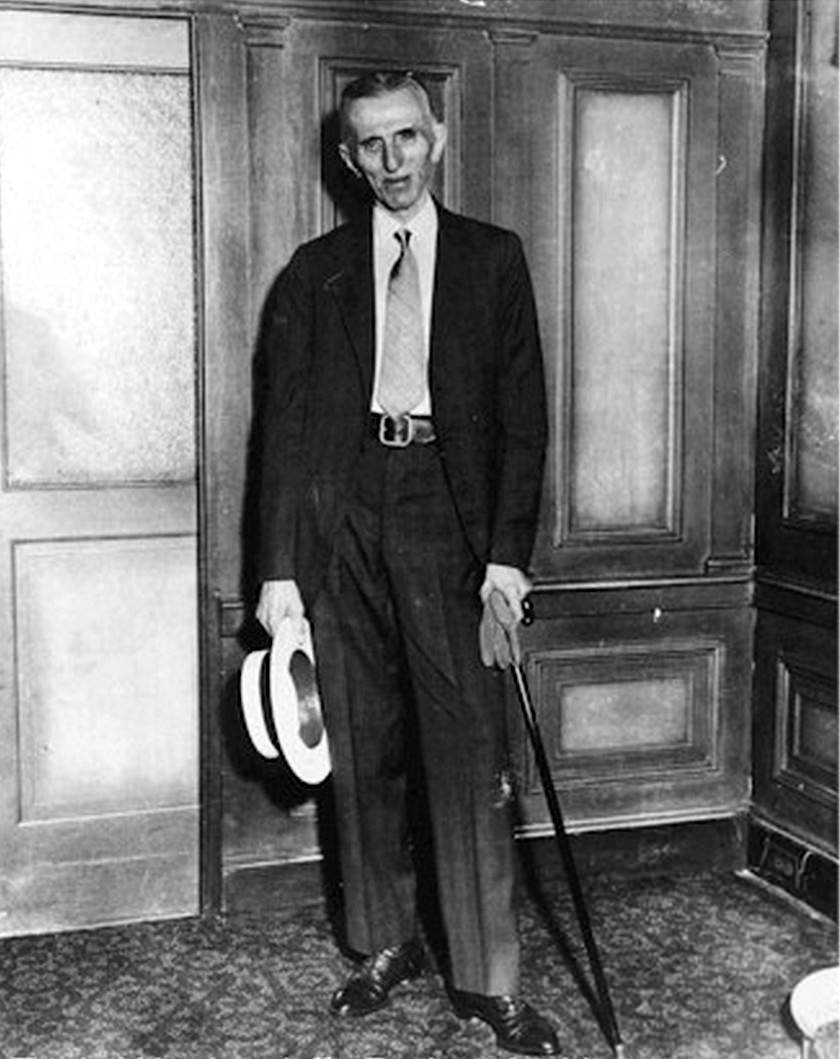
One of the few public moments Tesla still enjoyed in his final years was his annual birthday press conference. Reporters would gather, and Tesla would make bold announcements about his latest ideas, though little of it led to working prototypes. In 1937, the Czechoslovak government awarded him the Order of the White Lion, a rare gesture of international recognition in an era when most had already moved on from his name.
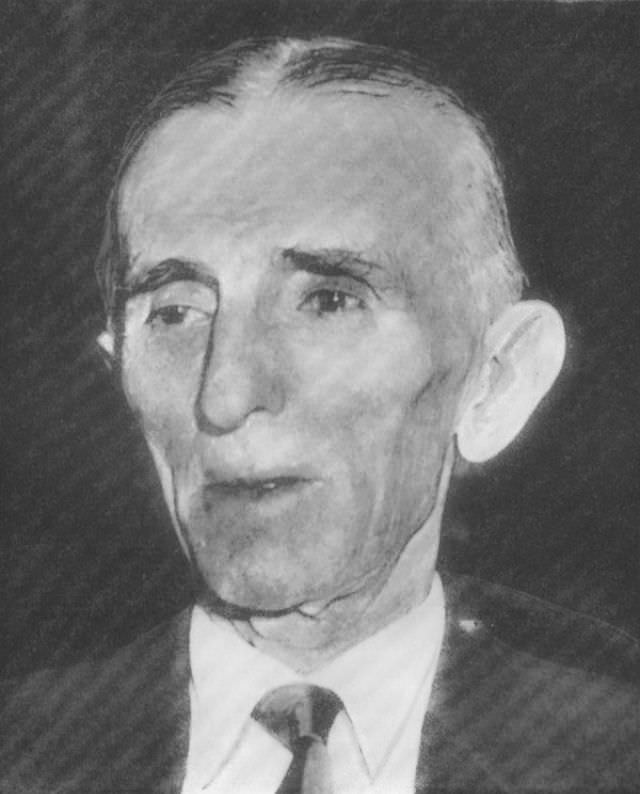
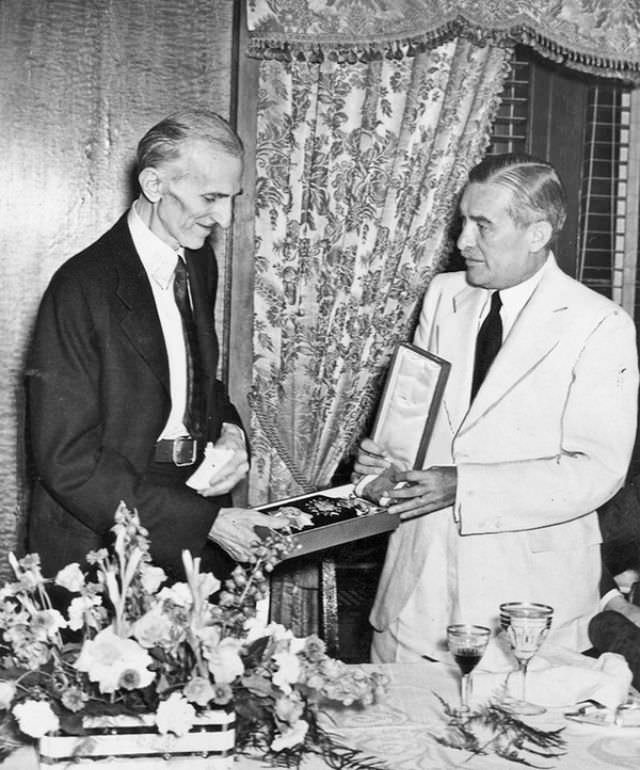
The following photographs capture Tesla at work across the different phases of his career — from his active years conducting experiments to the quieter decades spent in his office and hotel room. They offer a rare, direct look at a man who helped wire the modern world, even as the world largely forgot he had done so.

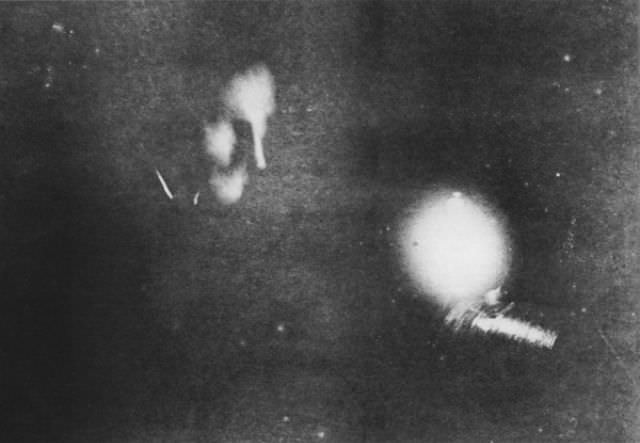
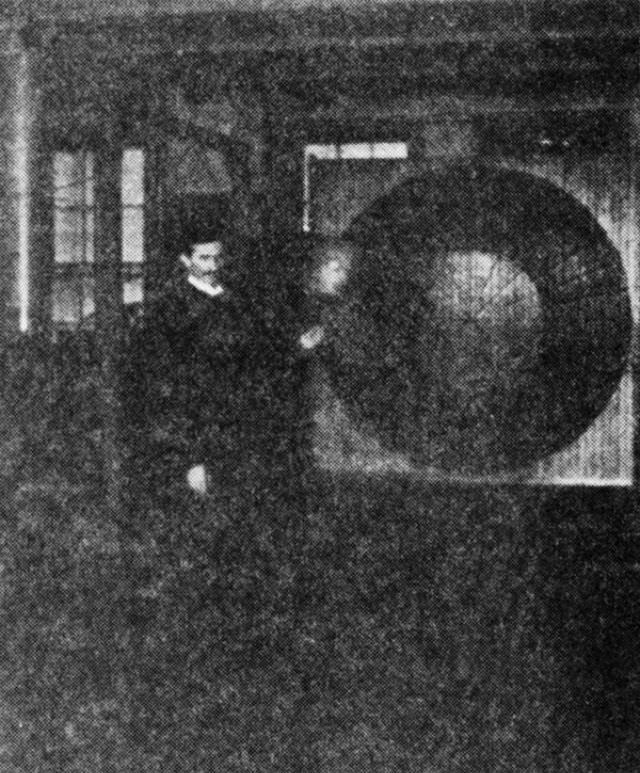
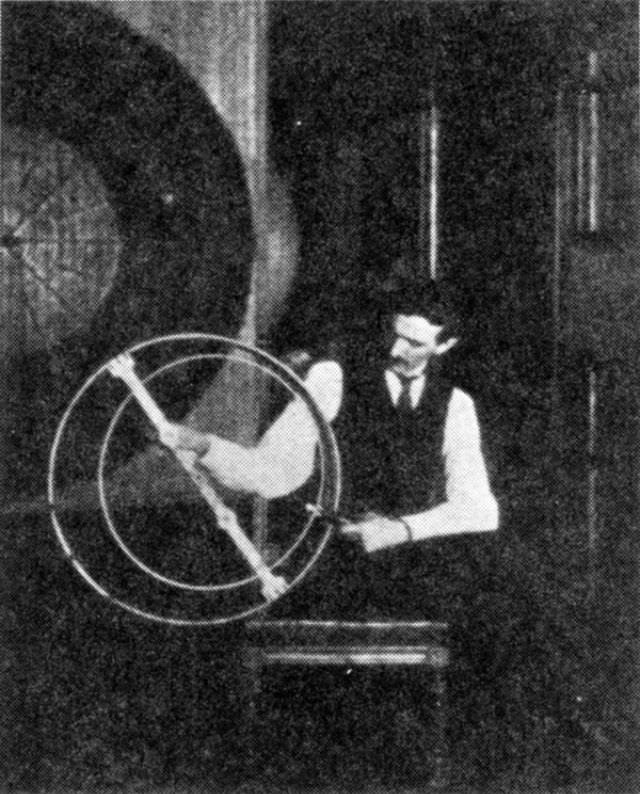
The energy received is transferred upon another unresponsive circuit, lighting the incandescent lamp attached to the same.
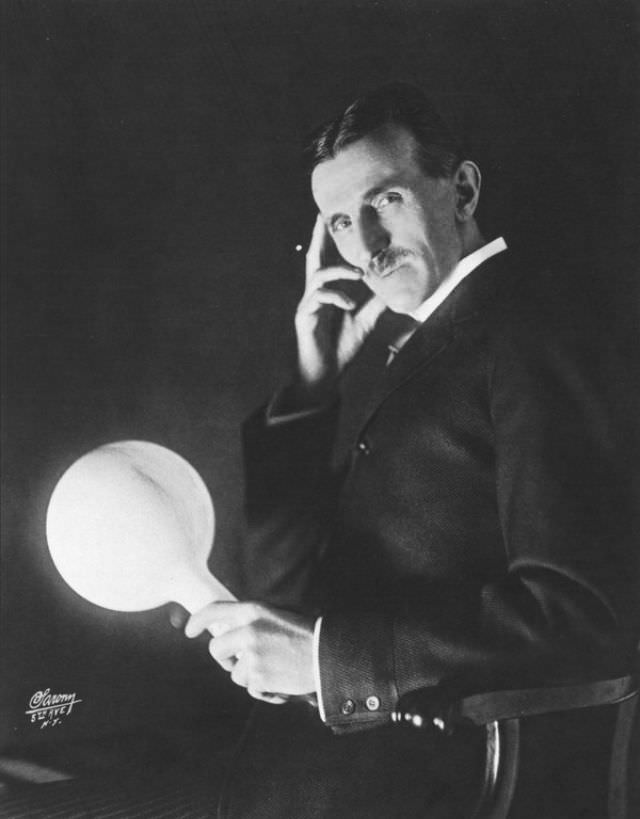
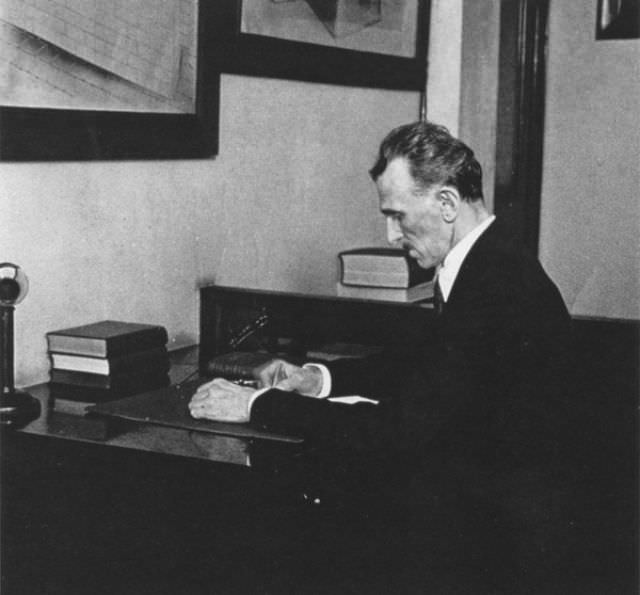
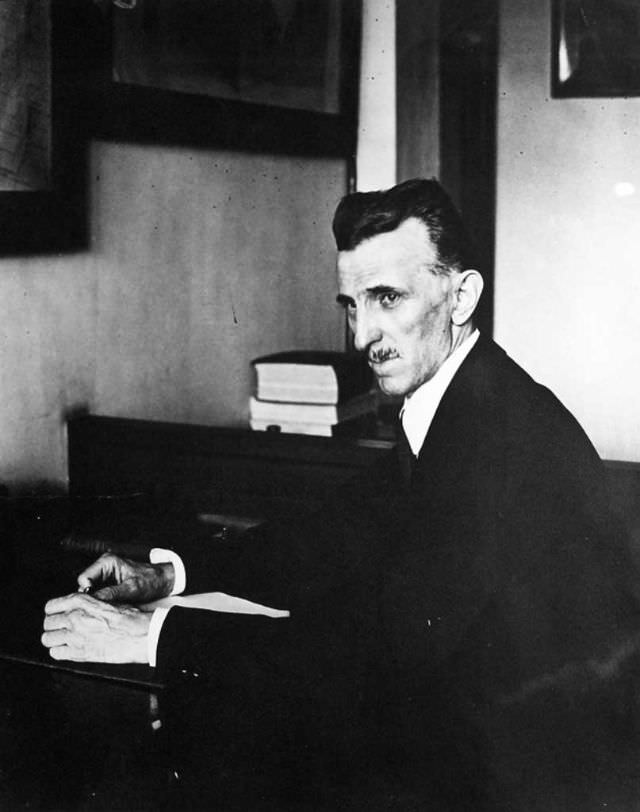
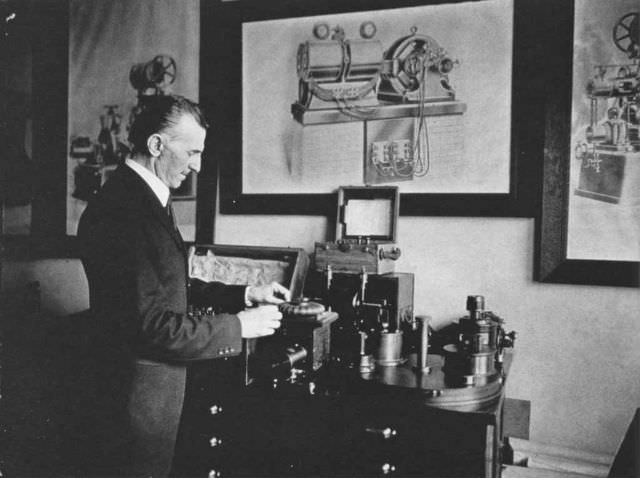
Nikola Tesla died on January 7, 1943, alone in Room 3327 of the Hotel New Yorker. He was 86 years old. A maid discovered his body two days after he died. He had no money, no family present, and no close companions at the end. The U.S. government’s Office of Alien Property seized his papers and belongings shortly after his death. Many of his documents were later returned to the Nikola Tesla Museum in Belgrade, Serbia, where they remain today.


Great article. A lot of these photos i haven’t seen before.
Correction: Tesla first conceived the induction motor and rotating magnetic field 1882 (in Varosliget city park of Budapest). The year 1887 listed here was when he first patented it, which was after selling it to Westinghouse.
Yes! The inventor of the modern AC electrical system. Edisons’ pos DC was ineffective as a way to relay electricity. Edison exploited Teslas’ foreigner status to patent the invention as his. Tesla went a little wonky mentally towards the end of his life. Built a device, in his backyard, to communicate with those on Mars. Geniuses are sometimes mad as hatters. Like cutting off an ear as Van Gogh did.