John “Johnny” Florea was born in 1916 in Alliance, Ohio, and grew up in Los Angeles. He joined Life magazine as a staff photographer in 1941, stepping into one of the most demanding and consequential roles in American photojournalism. He was developing photographs of actress Jane Russell in a darkroom when news broke of the Japanese attack on Pearl Harbor. Within days, his career shifted entirely toward the war.
Florea headed to the military camps in San Diego and produced a photo essay titled “A Day in the Life of the Marine Corps Raiders.” The work was widely praised and established him as one of America’s earliest frontline war correspondents. He shot through some of the most brutal moments of World War II — the liberation of the Bergen-Belsen concentration camp in Germany, marine combat in the Pacific, and the final days of the war on both the European and Pacific fronts. “I busted a lot of lenses,” he recalled in 1995. “It’s hard to run with cameras, and you have to hit the deck when the bombs whistle by.”
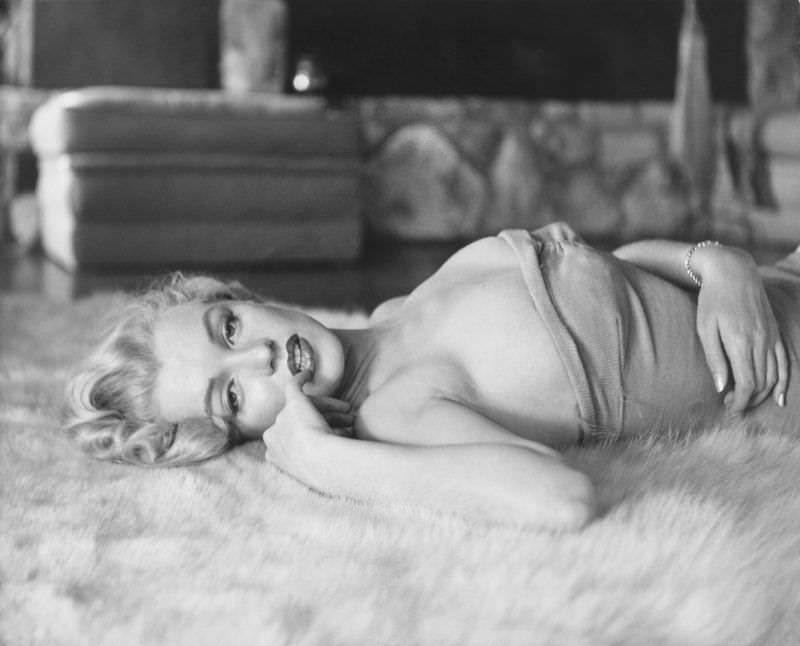
After the war, Florea returned to Hollywood and built a new career in celebrity and entertainment photography. He worked as a photo editor for Collier’s magazine and contributed to Life and the San Francisco Examiner. His postwar work brought him into the center of Hollywood’s golden era, where he photographed some of the biggest names in film and entertainment.
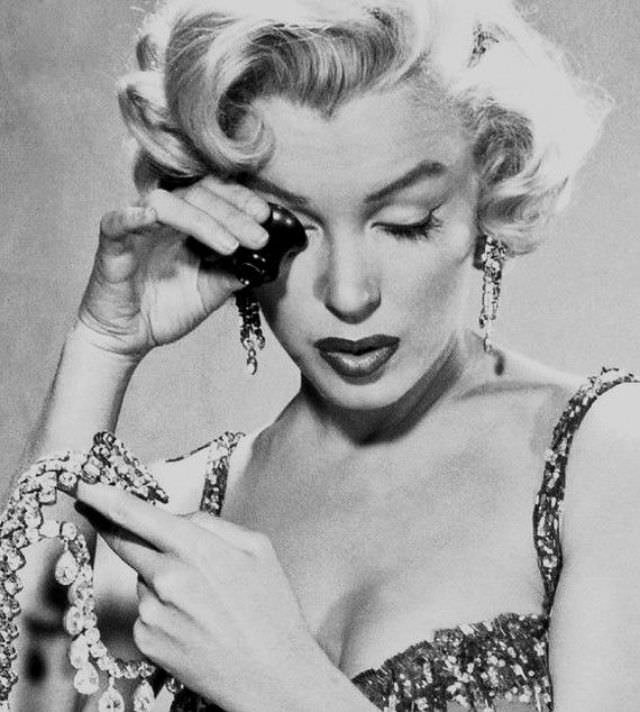
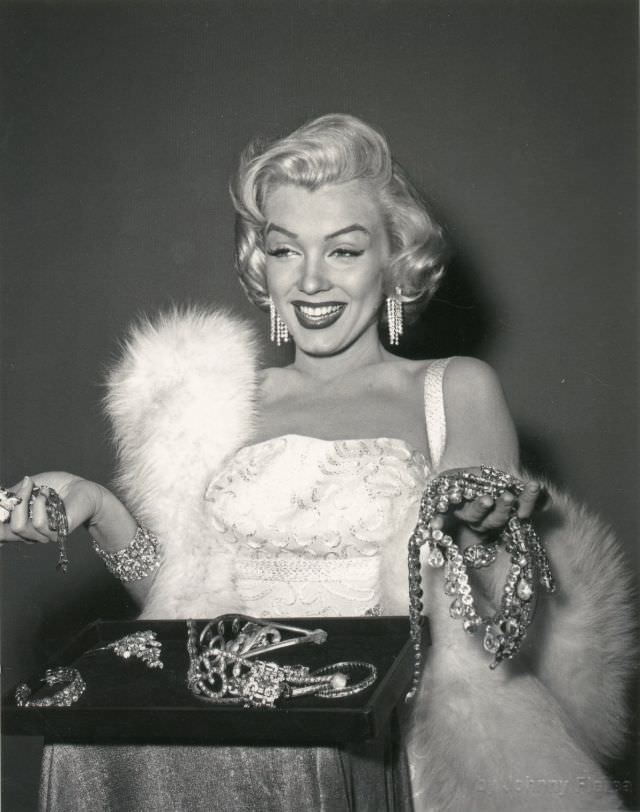
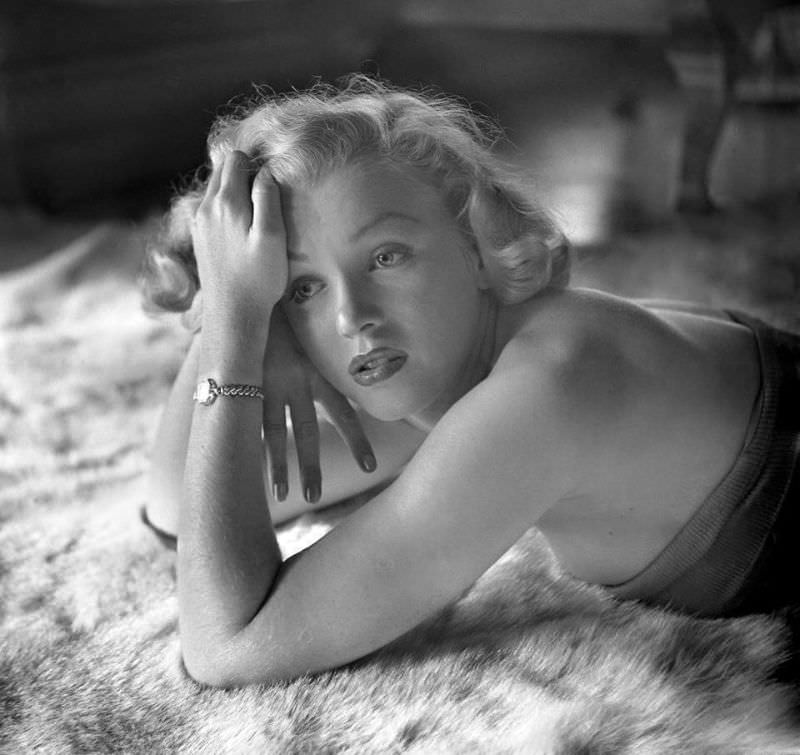
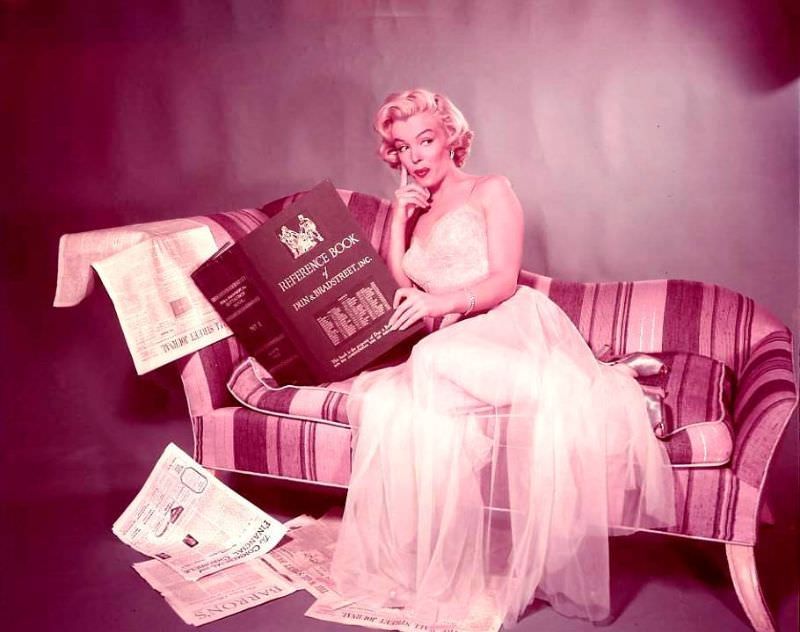
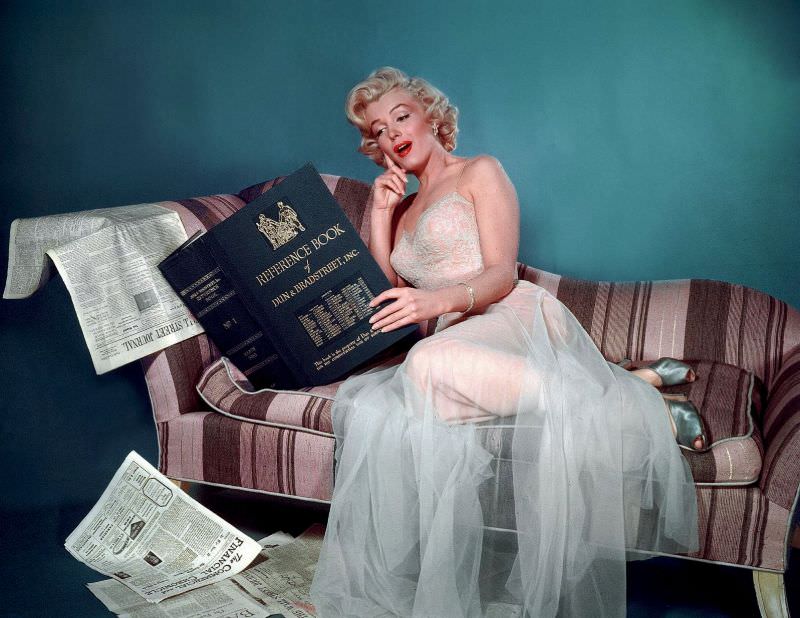
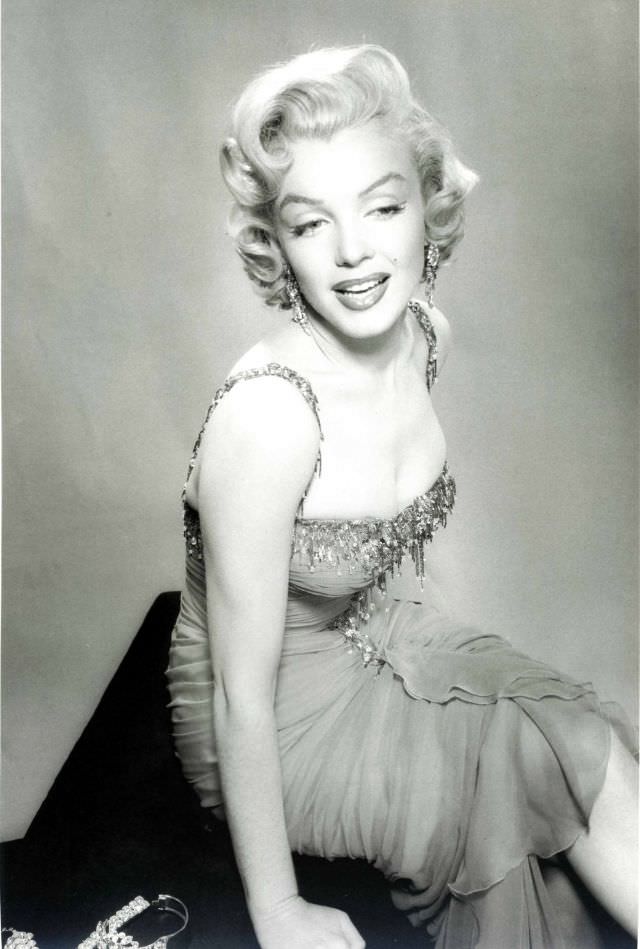
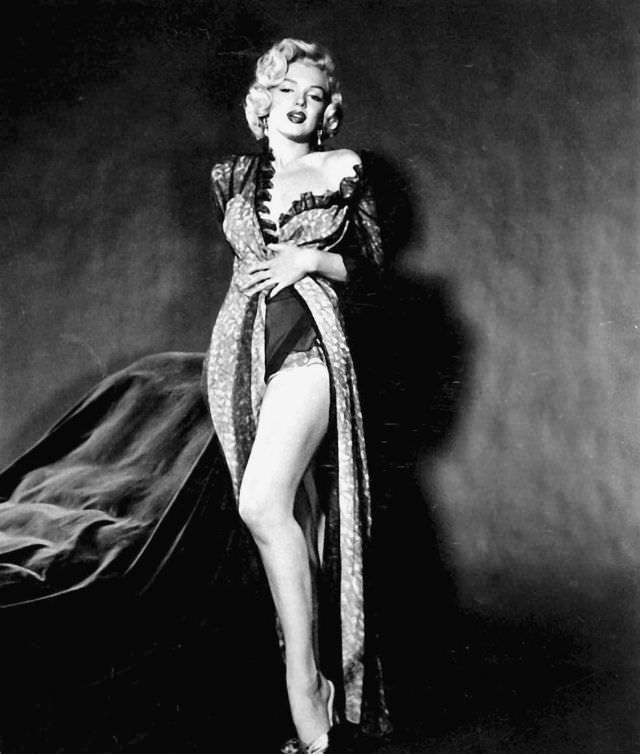
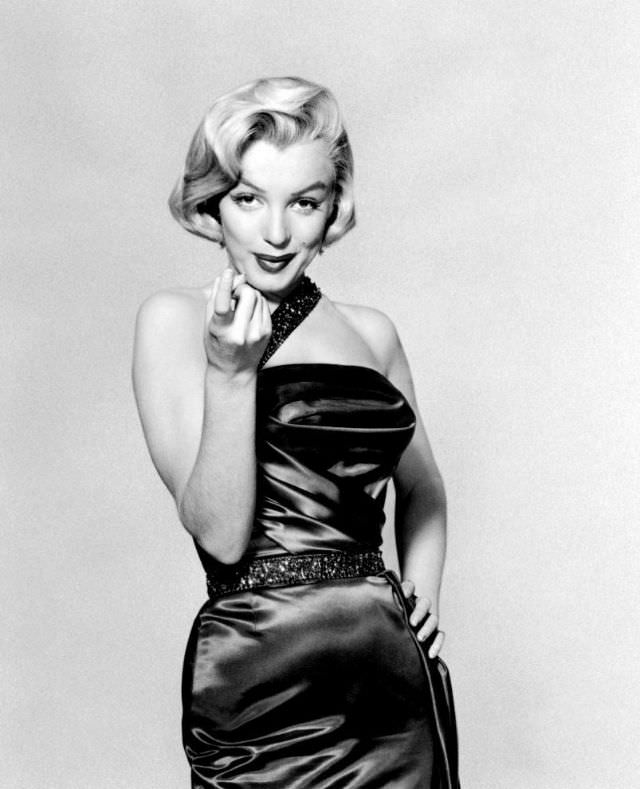
Florea first photographed Marilyn Monroe in 1951. By that point, she had already made a strong impression in two critically noted films — The Asphalt Jungle and All About Eve — both released before her 24th birthday. Twentieth Century-Fox had recently signed her to a seven-year contract, signaling that the studio saw real long-term value in her. Monroe was a natural in front of the camera, but she was still in the early stages of being shaped into the screen icon she would become.
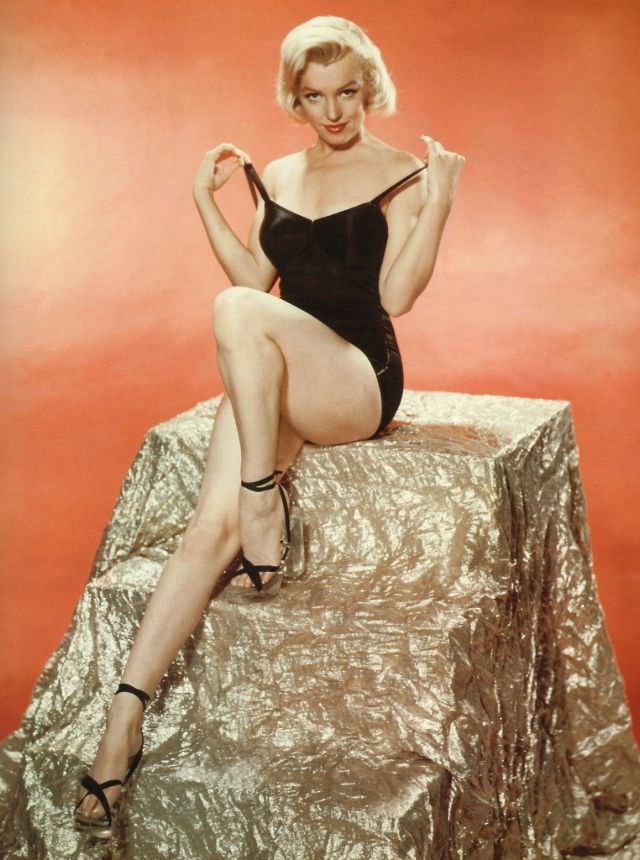
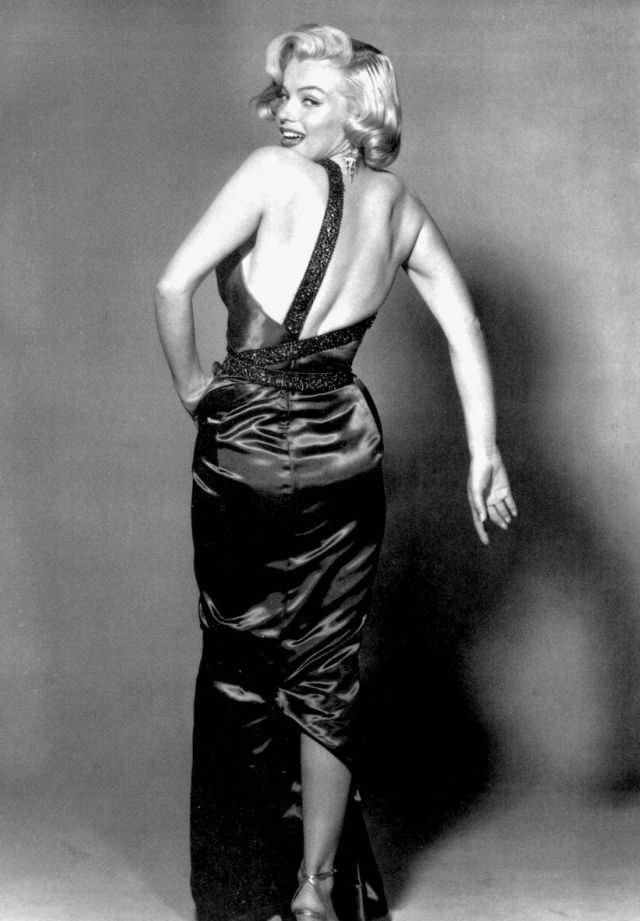
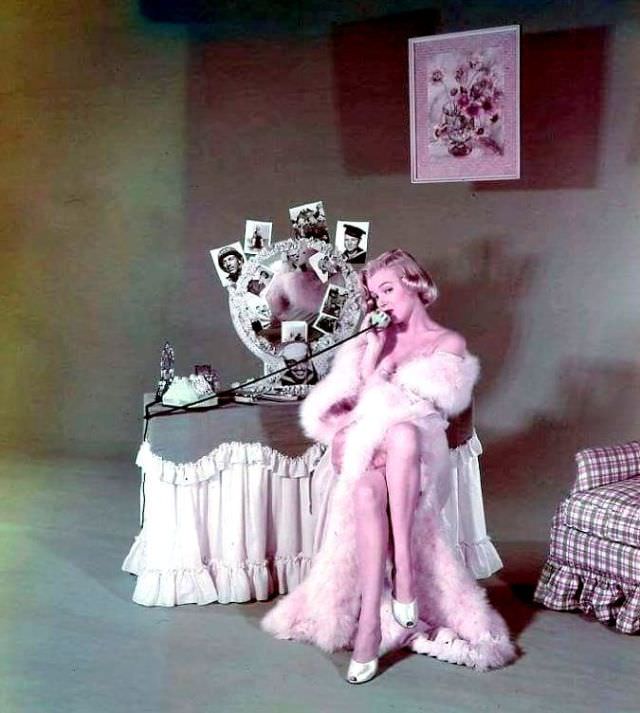
During this period, most of Florea’s publicity photographs of Monroe followed what was known as the “cheesecake” style — glamorous, flirtatious poses designed to generate press attention. Monroe was comfortable and cooperative in these sessions. The photos served their purpose: keeping her name and face in front of audiences as her film career accelerated.
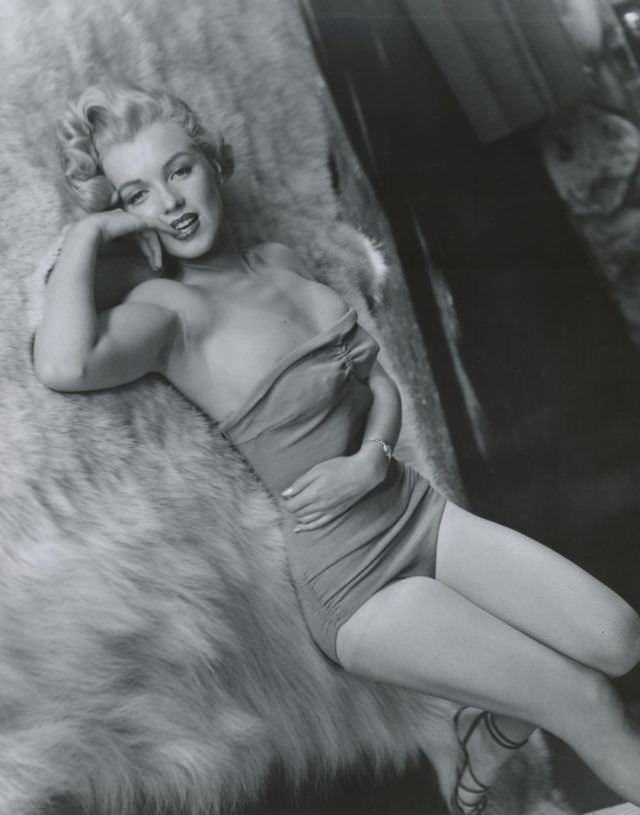
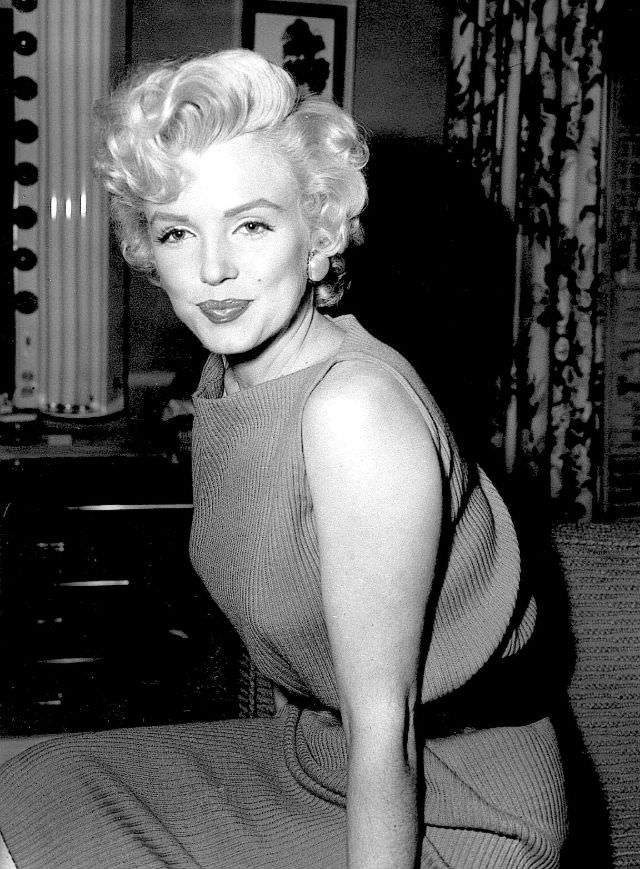
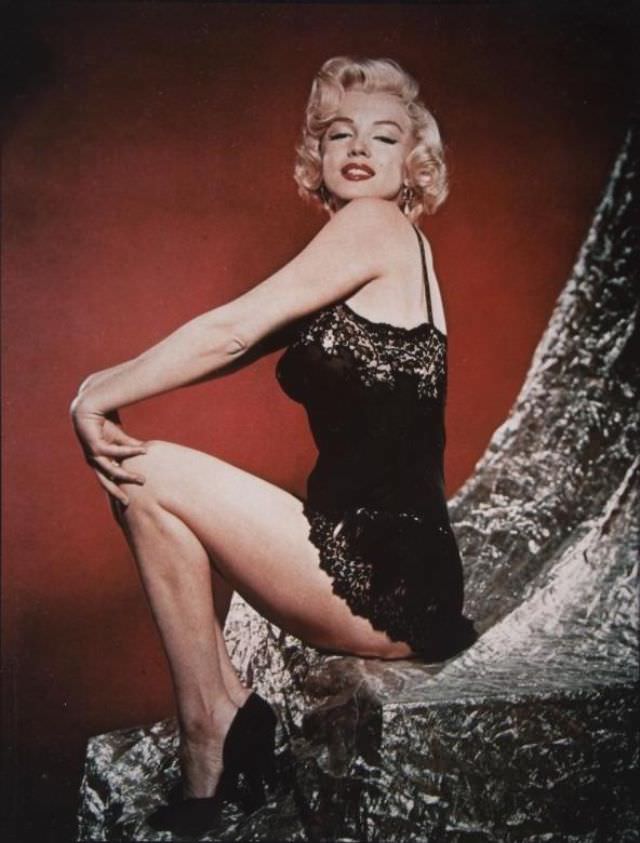
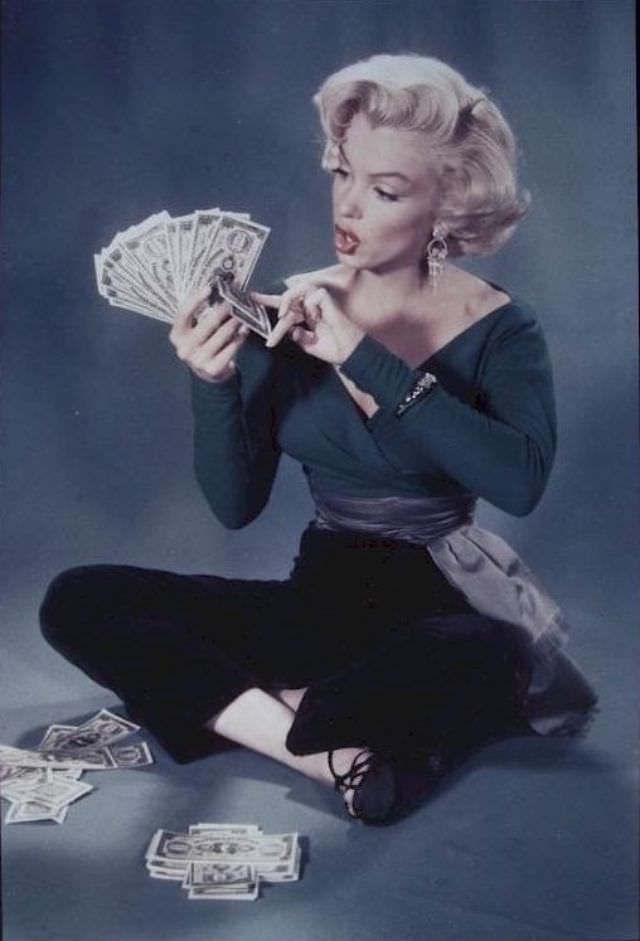
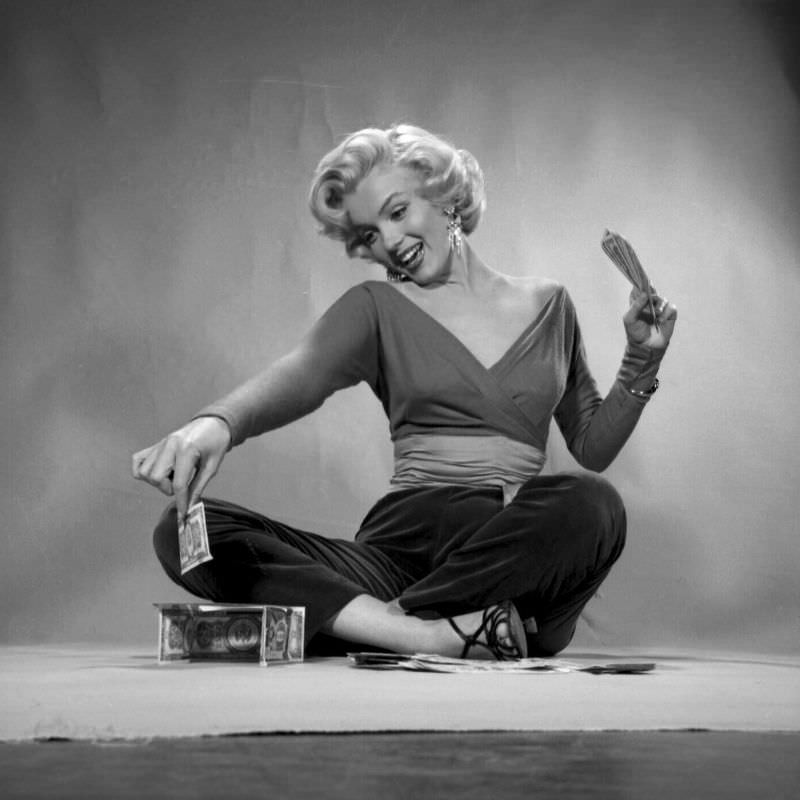
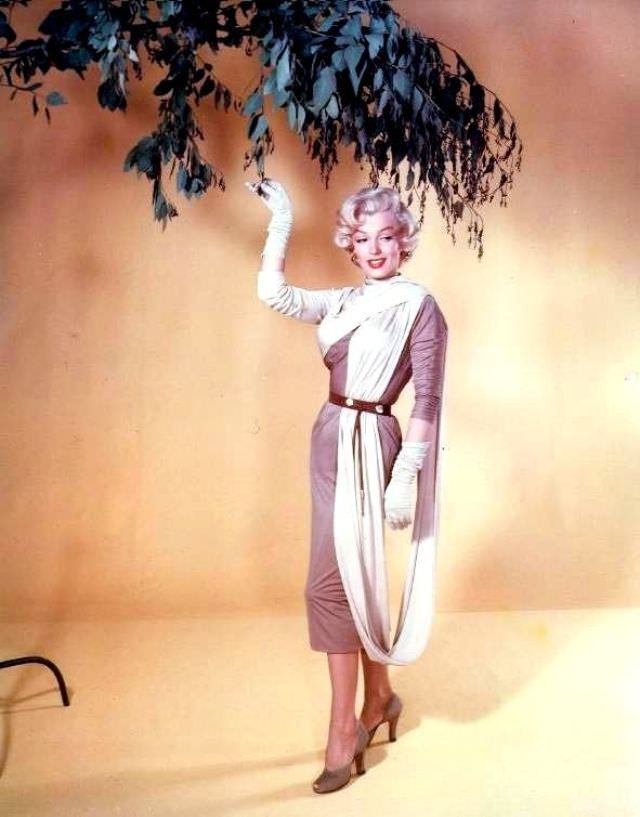
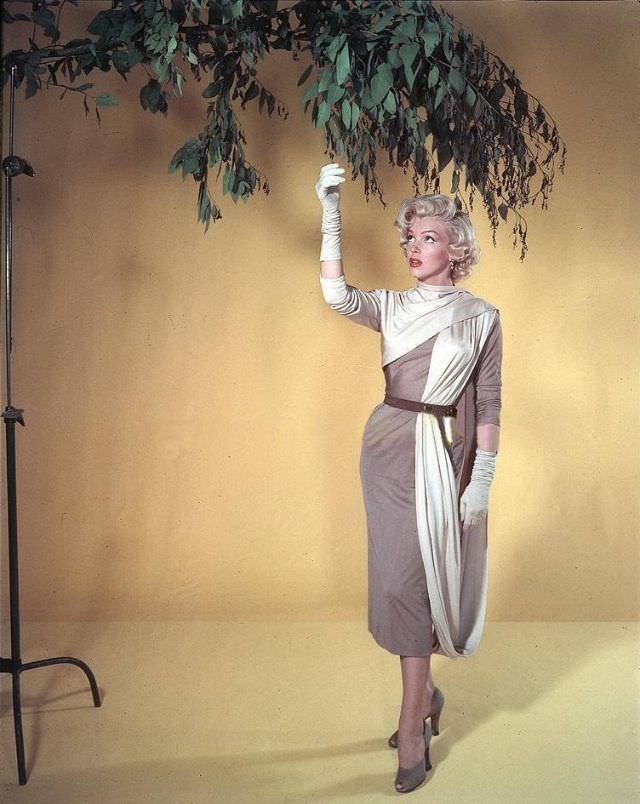
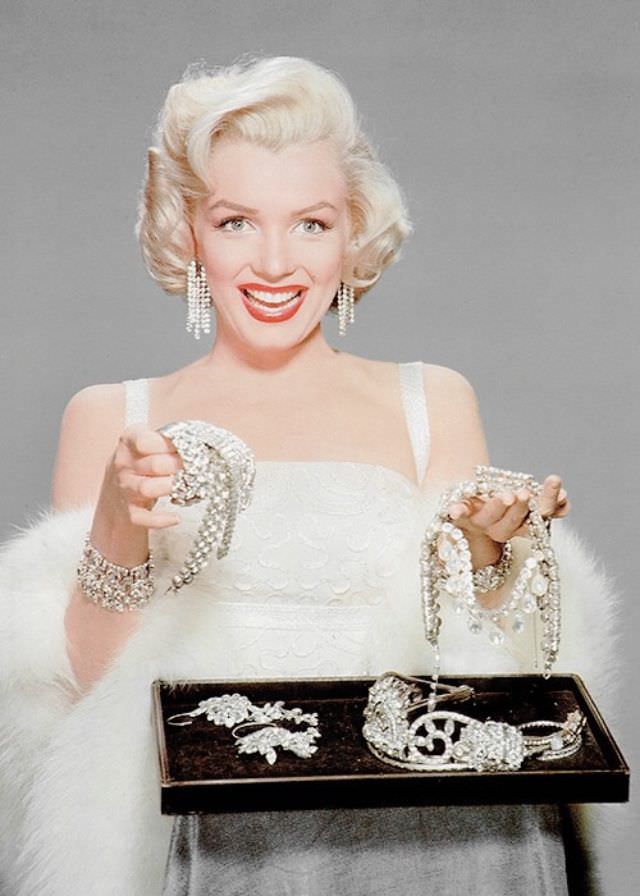
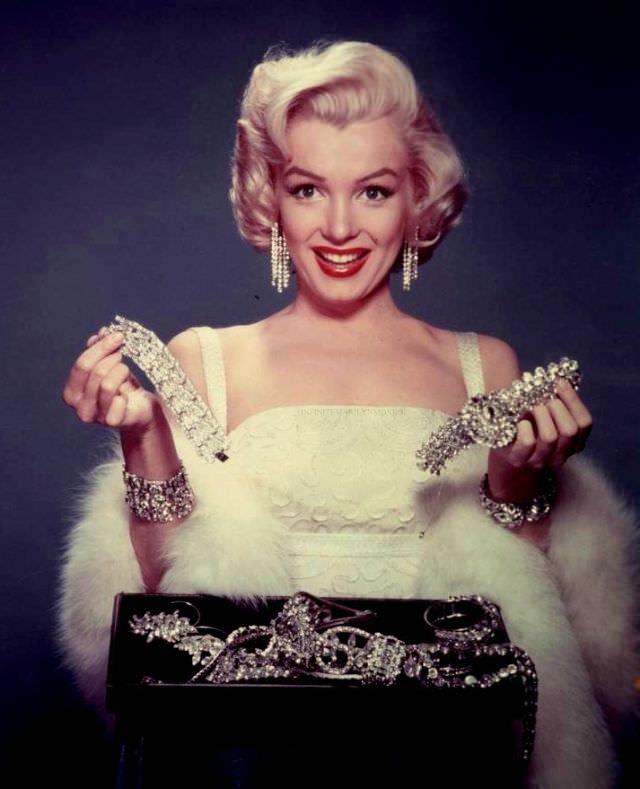
Florea continued photographing Monroe on film sets throughout 1953 and 1954, a period when her stardom was reaching its peak. On the set of Gentlemen Prefer Blondes, he captured her in character as Lorelei Lee, a gold-digger. She posed cross-legged, counting money — a frame that matched the playful, knowing energy of the role perfectly.
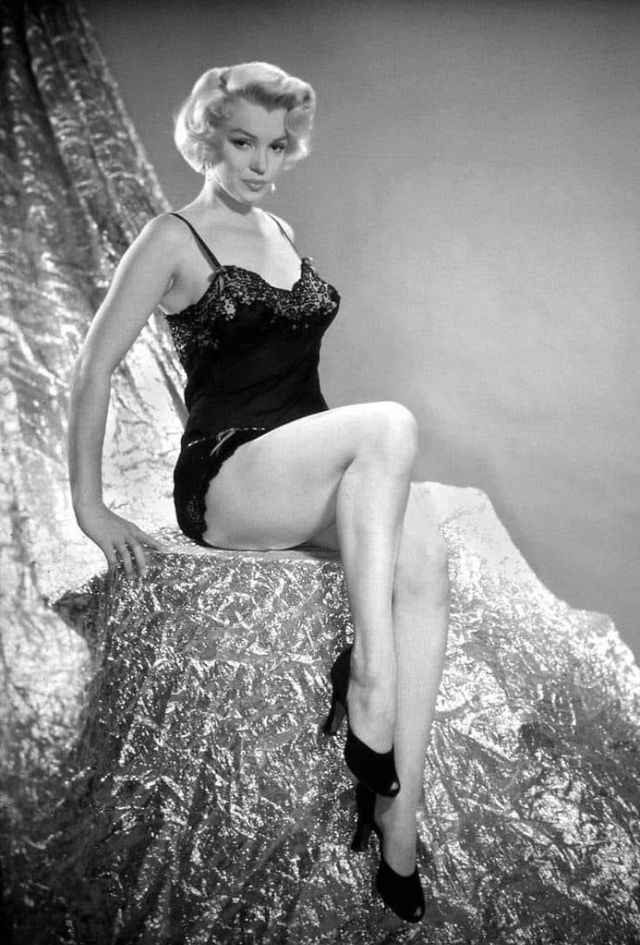
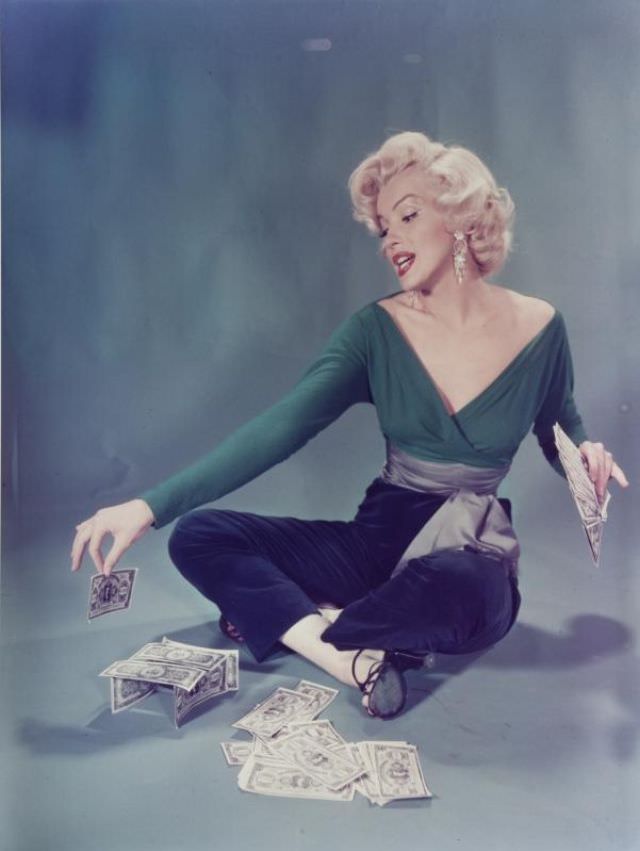
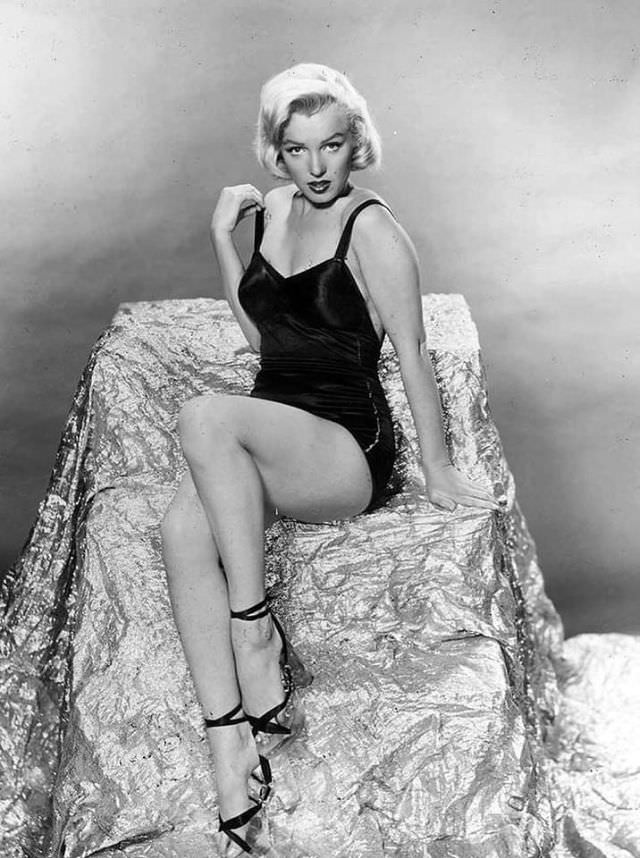
The two worked together across several productions during those years, with Florea present at key moments in Monroe’s rise. His access to her on set gave the photographs an informal quality that staged studio portraits rarely achieved. These were images of Monroe at work, not just posing for the camera.
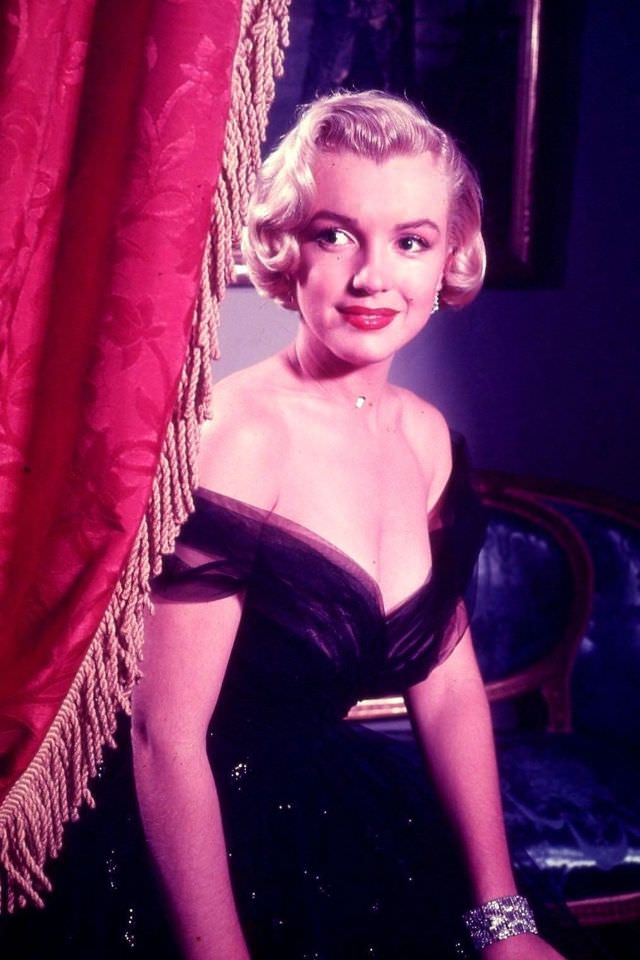
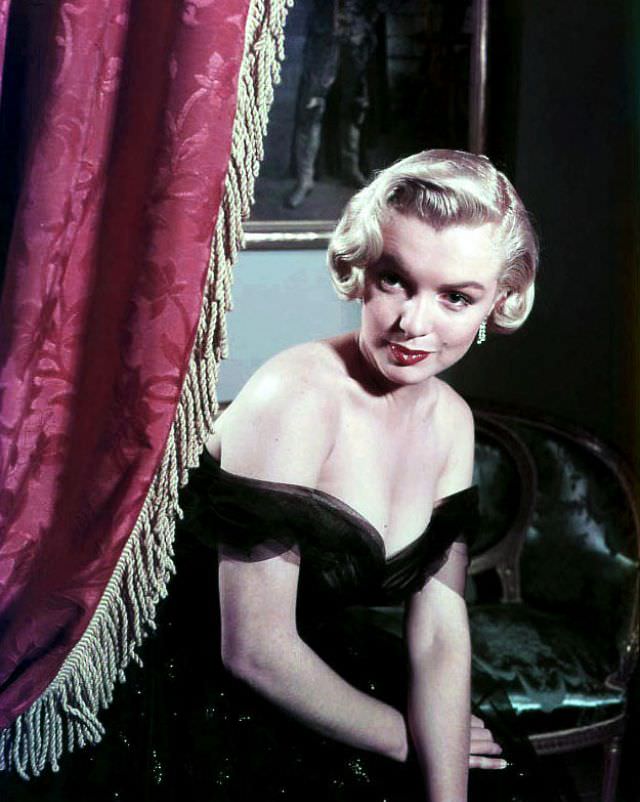
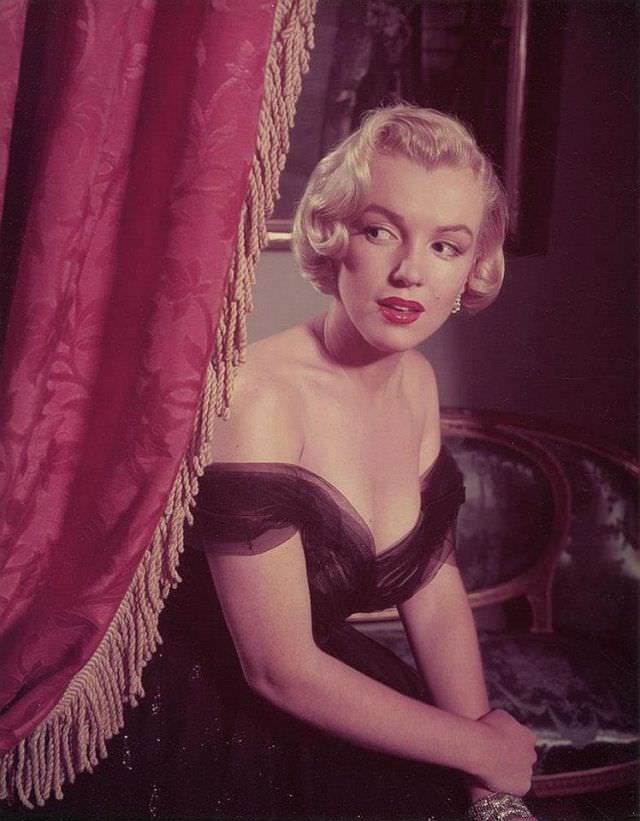
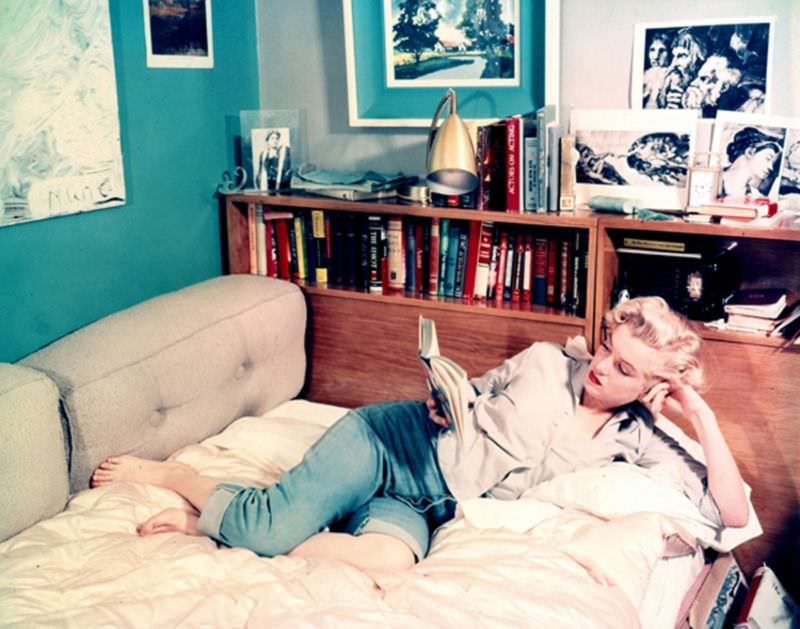
Florea’s final major shoot with Monroe took place in a recording studio, where she was performing Irving Berlin’s “There’s No Business Like Show Business.” The photographs from that session captured a more focused, professional side of Monroe — a performer in the middle of her craft, not a publicity subject.
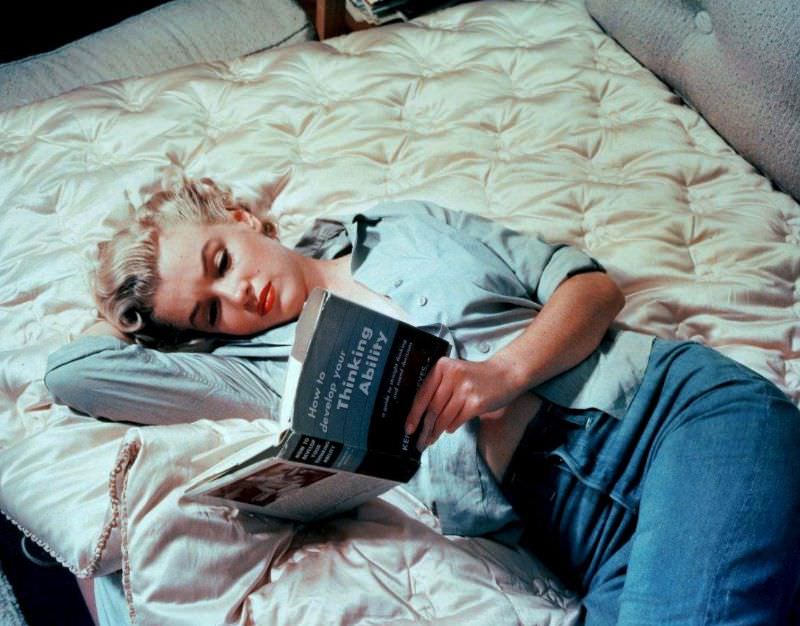
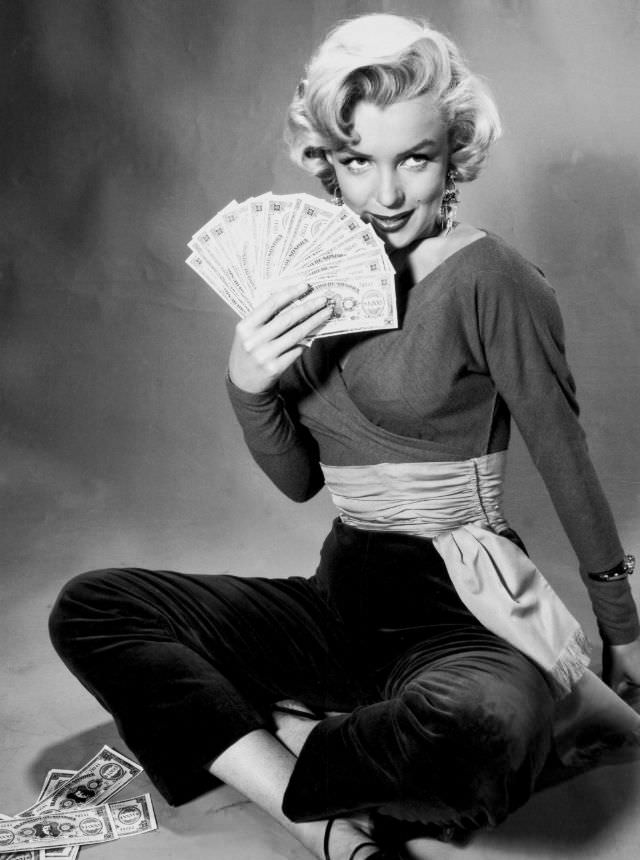
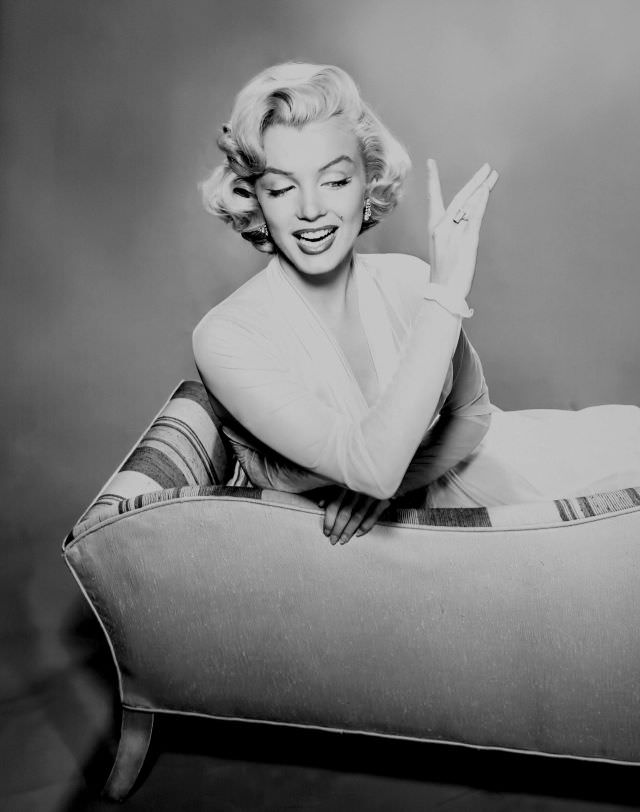
Across those years, Florea built a body of work that documented Monroe at a pivotal stretch of her career — from a promising young contract player to one of the most photographed women in the world. His images are a direct record of that transformation.
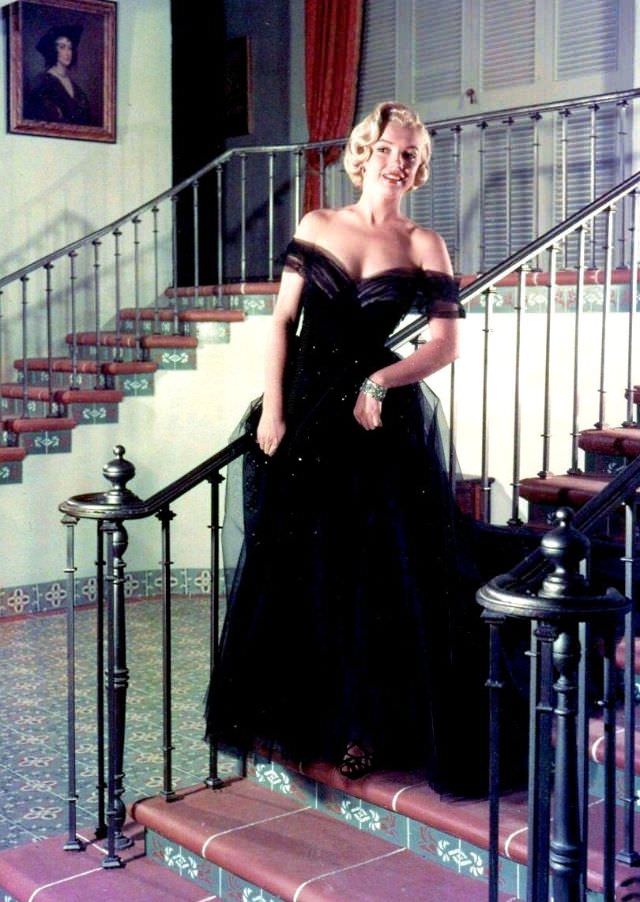
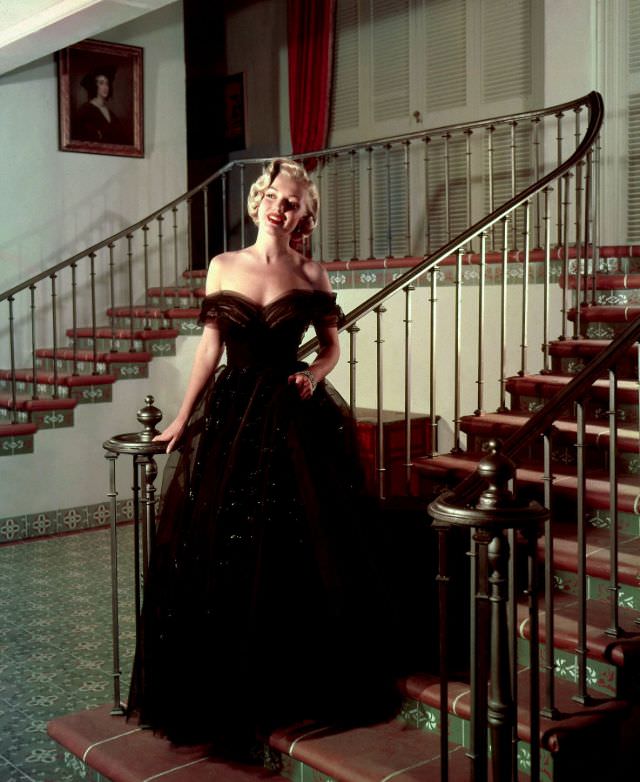
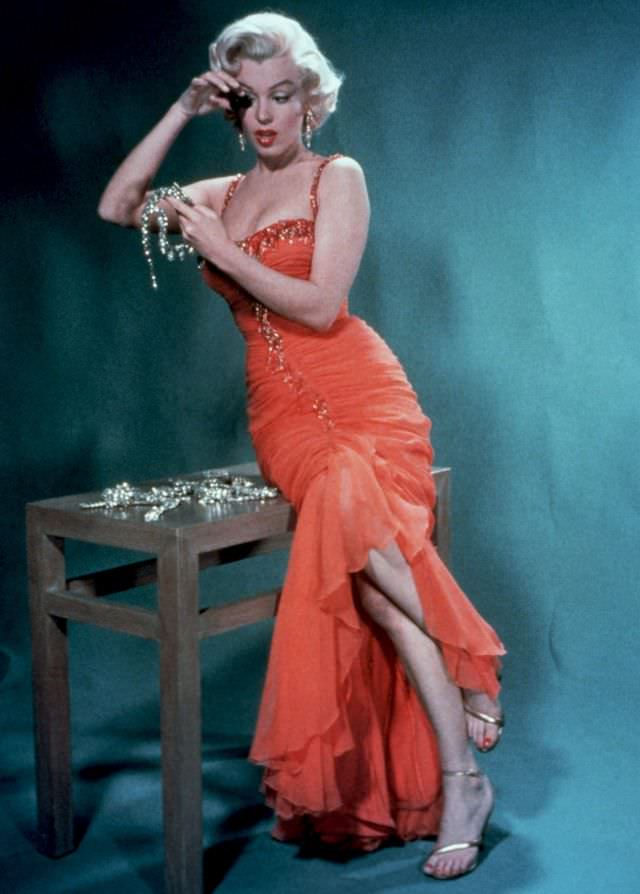
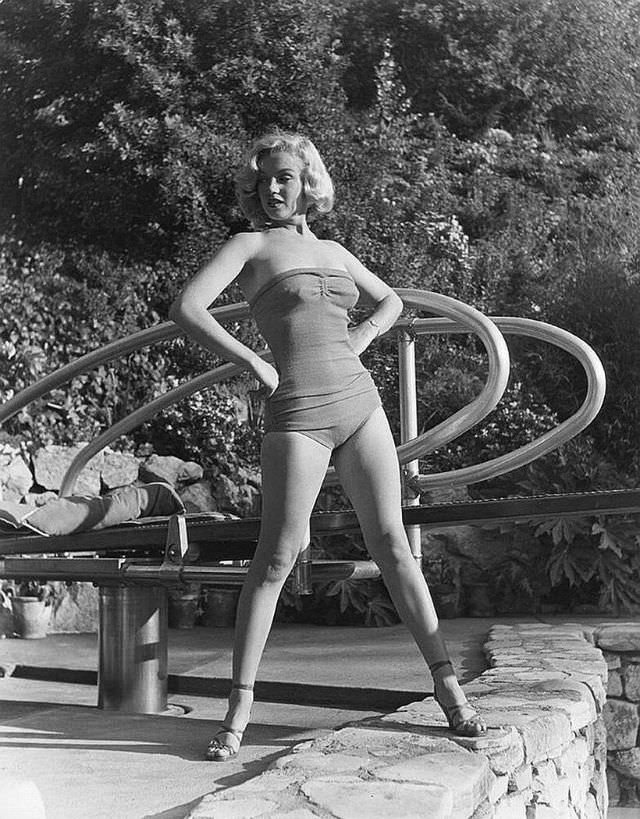
In 1988, a Los Angeles museum of art exhibition featured Florea’s Hollywood photography, bringing his decades of celebrity work to a wider public audience. The exhibition highlighted not just his images of Monroe, but the full scope of his time documenting Hollywood’s most prominent figures.

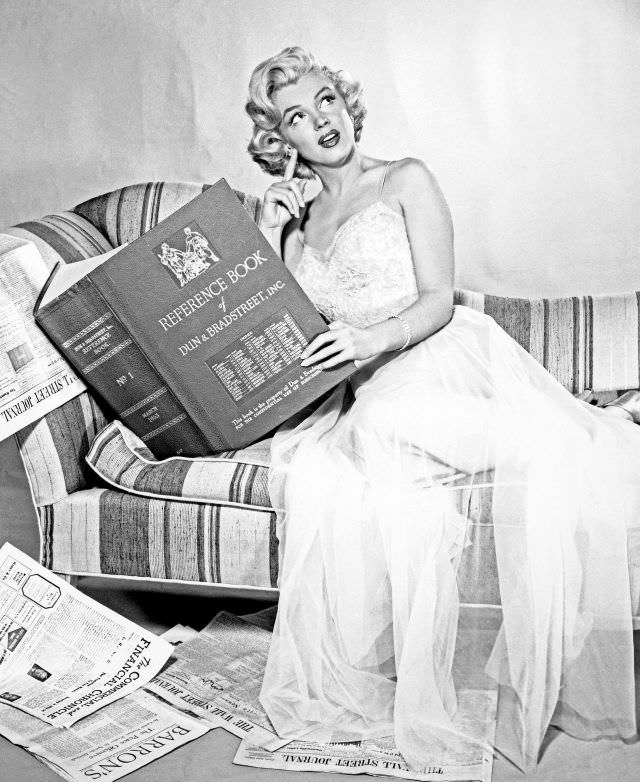

John Florea died on August 25, 2000, at Summerlin Hospital in Las Vegas. His career spanned two of the most photographed eras in American history — World War II and the golden age of Hollywood — and he was present and working at the center of both.