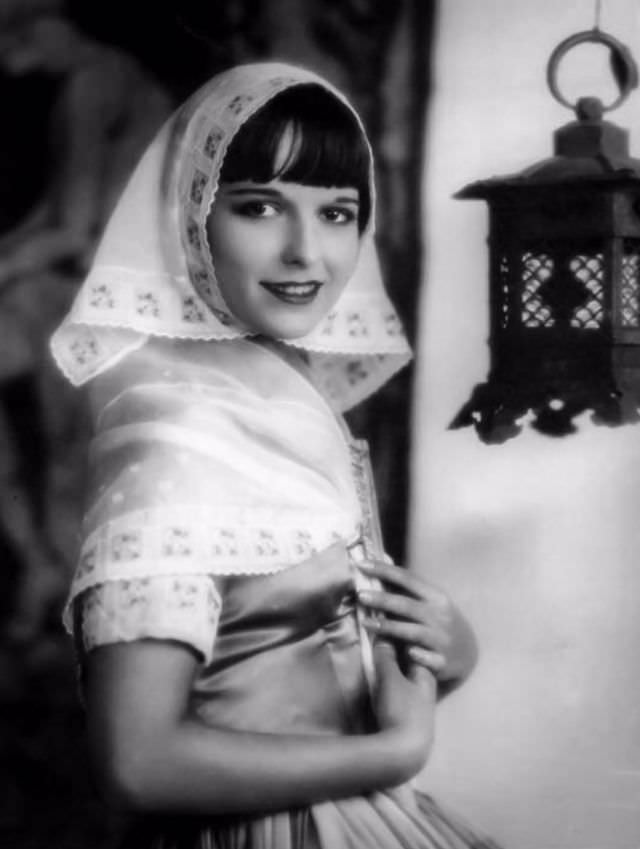
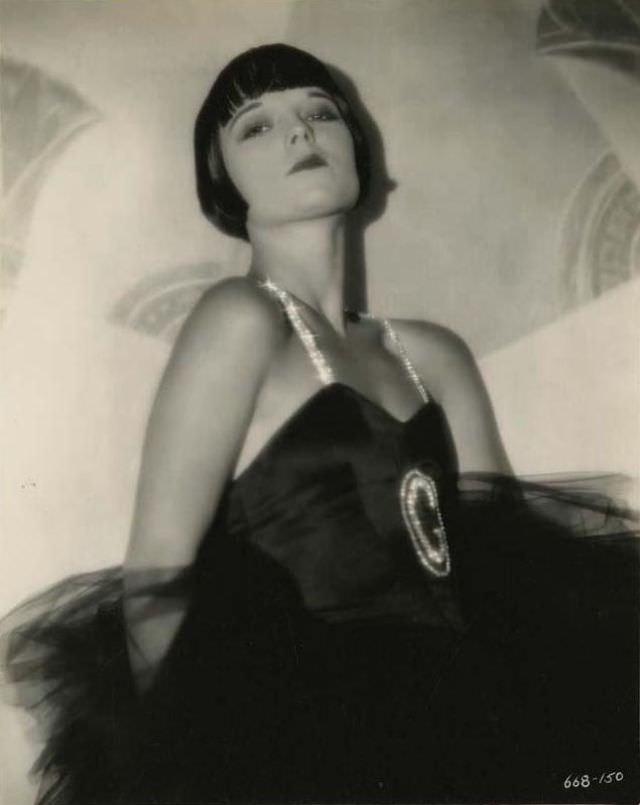
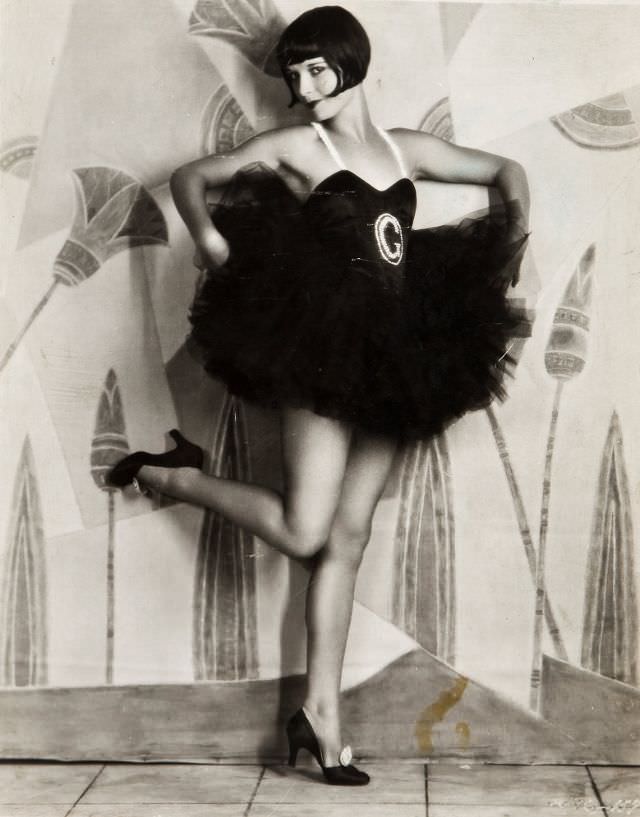
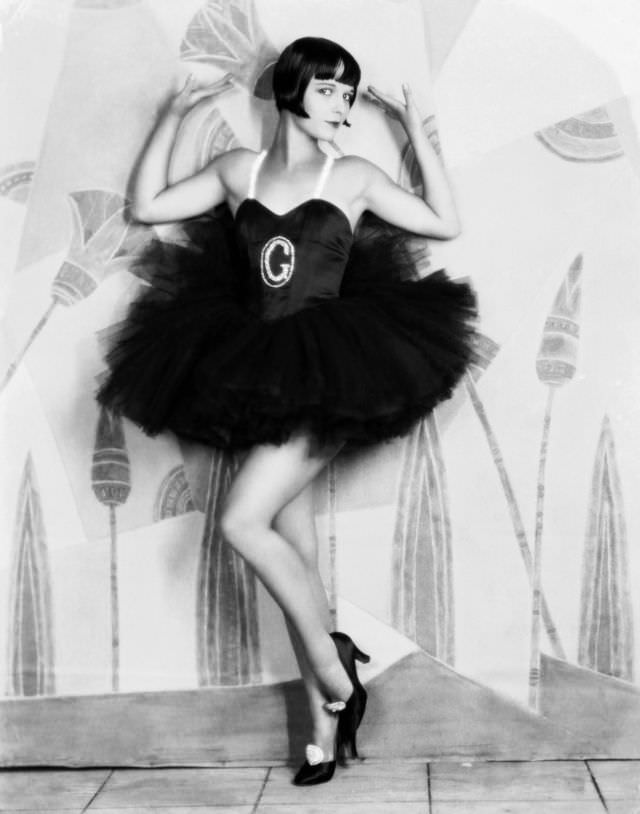
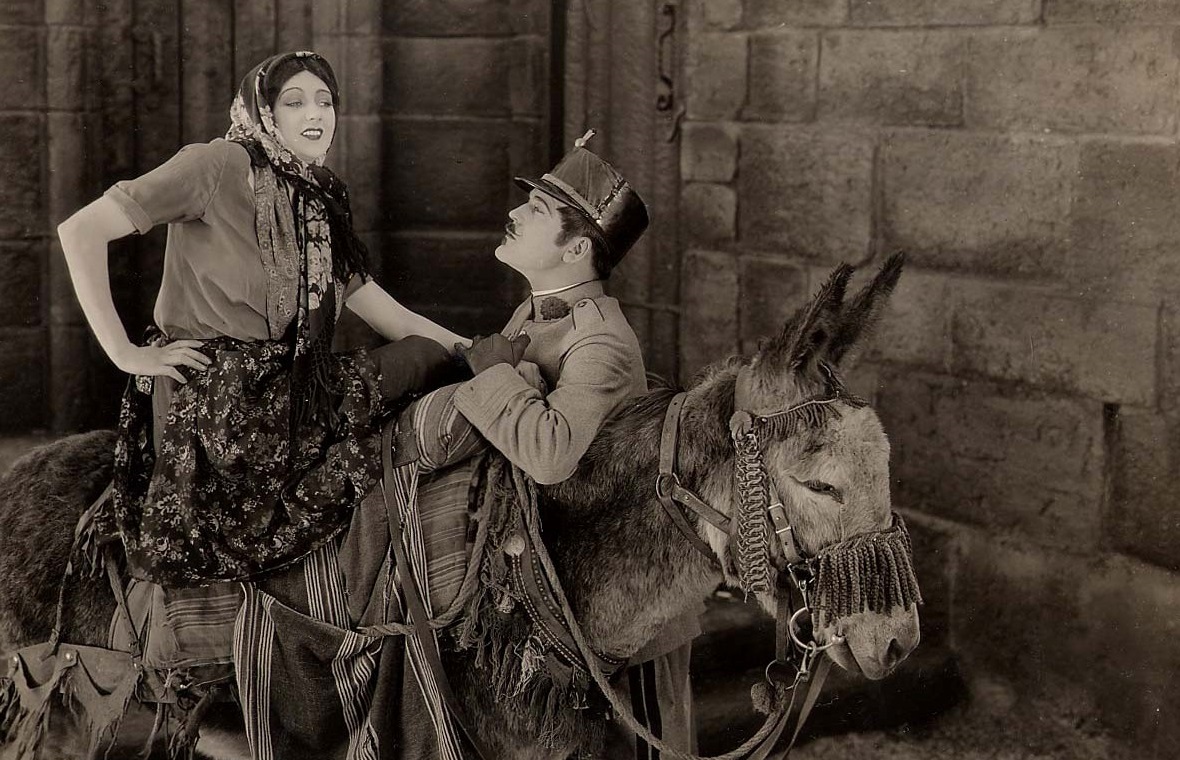
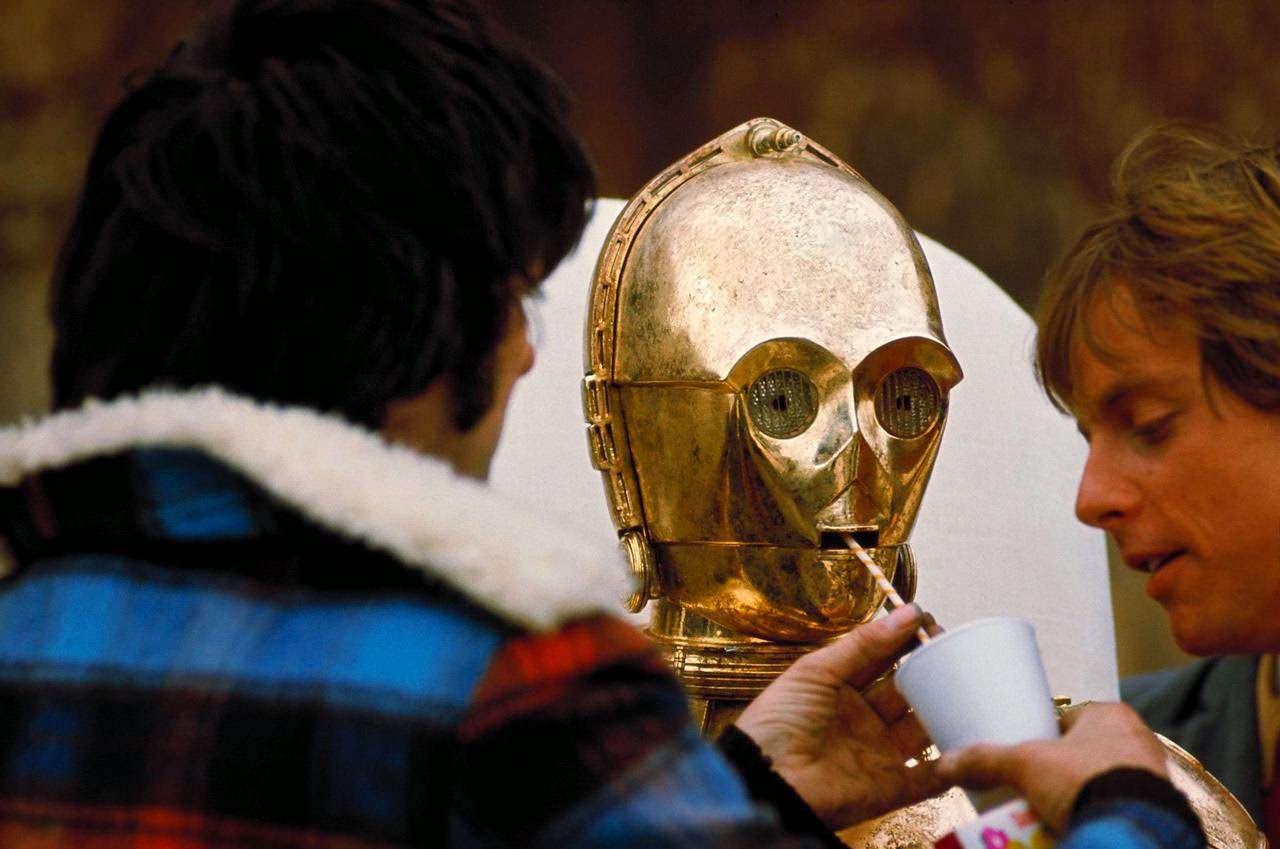
In 1927, Paramount Pictures released Now We’re in the Air, a silent comedy built around the well-known duo of Wallace Beery and Raymond Hatton. The two had already found success together in military-themed farces, and this film followed a similar formula. It performed well enough with audiences, though it did not quite match the enthusiasm that greeted their earlier comedies.
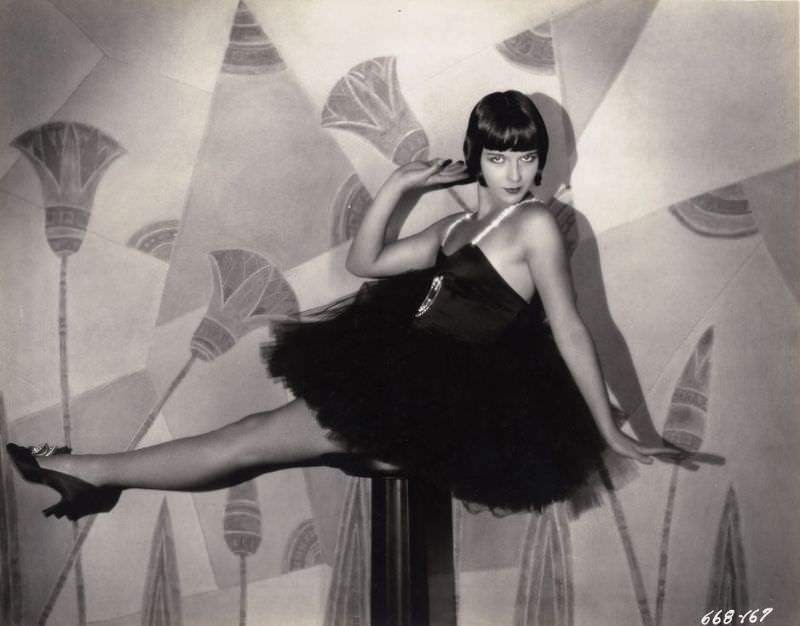
Louise Brooks appeared in the film in a supporting role, and she made the most of it. She played twins — one raised in France and the other raised in Germany — a creative bit of casting that let her show range within a single production. At this point in her career, Brooks was among the most watched young actresses at Paramount.
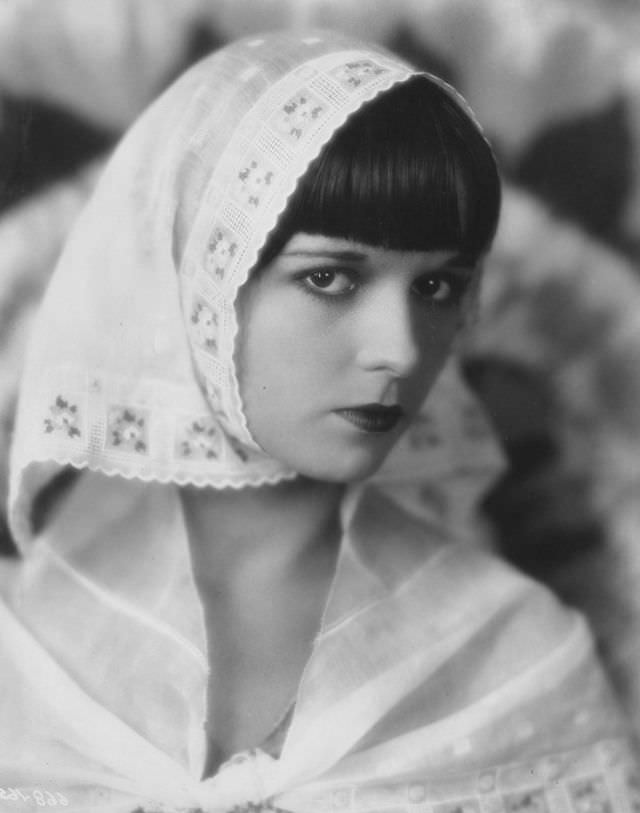
Brooks was under contract to Paramount during what turned out to be the peak years of her Hollywood career. She shared the screen with major names of the era, including W.C. Fields, William Powell, Adolphe Menjou, and Evelyn Brent. The directors she worked under were equally impressive — Howard Hawks, William Wellman, James Cruze, and Malcolm St. Clair all directed her during this period.
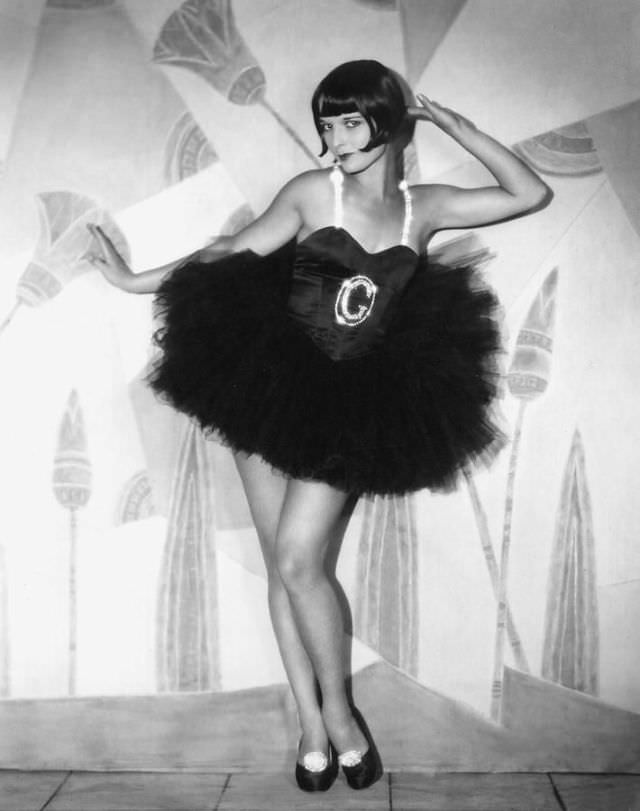
The year after Now We’re in the Air, Brooks reunited with Wallace Beery for Beggars of Life, an early sound film that was well received by critics and audiences. That film showed a more dramatic side of both actors and is still regarded as a strong entry from that transitional era in Hollywood history.
Brooks had a reputation behind the scenes for being temperamental, though by all accounts she was no more difficult than many of her contemporaries. The studio system of the late 1920s was demanding, and strong-willed performers often clashed with producers and executives. For Brooks, it was part of a larger pattern that would eventually define her Hollywood story.
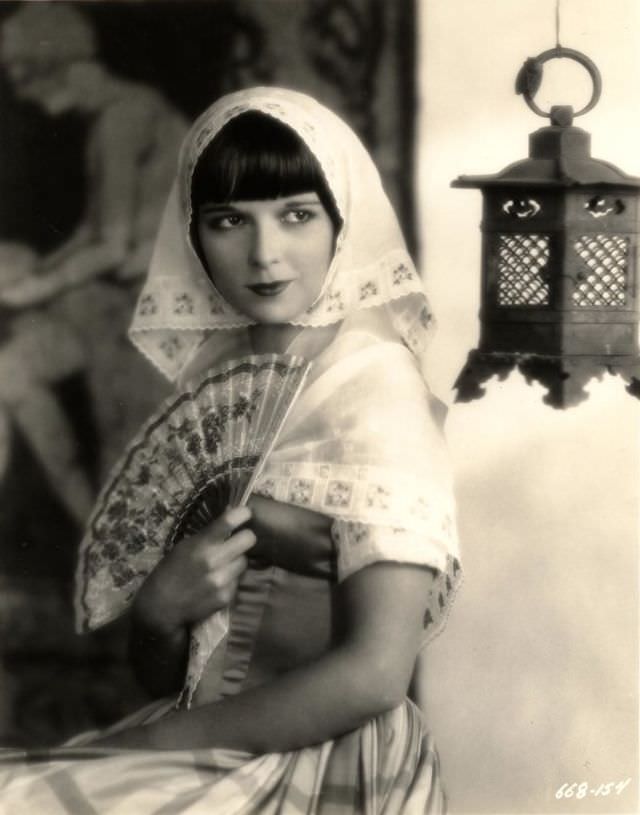
As talkies swept through Hollywood at the end of the decade, Brooks made a decision that set her apart from almost every other actress of her generation. Rather than adapt to the new sound format in Hollywood, she left for Europe. In Berlin, she starred in two films directed by G.W. Pabst, and she made one additional film in France.
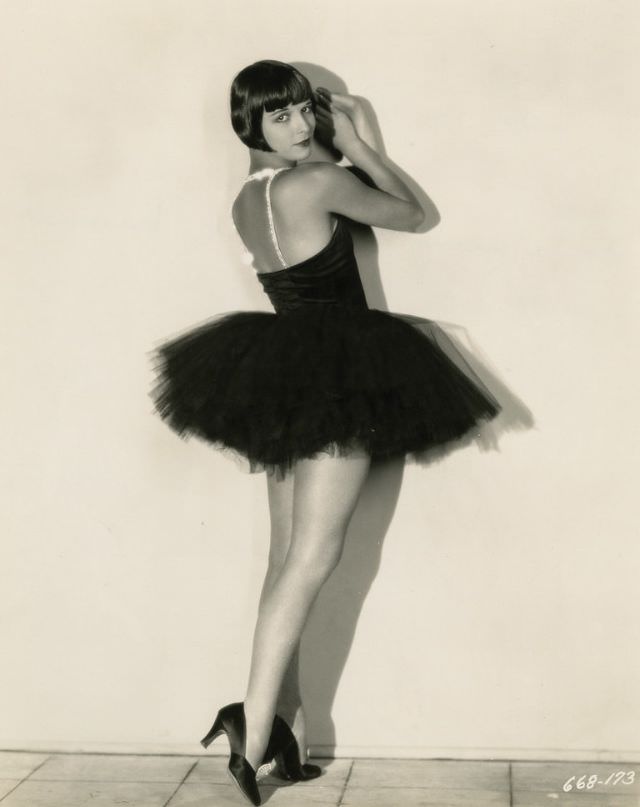
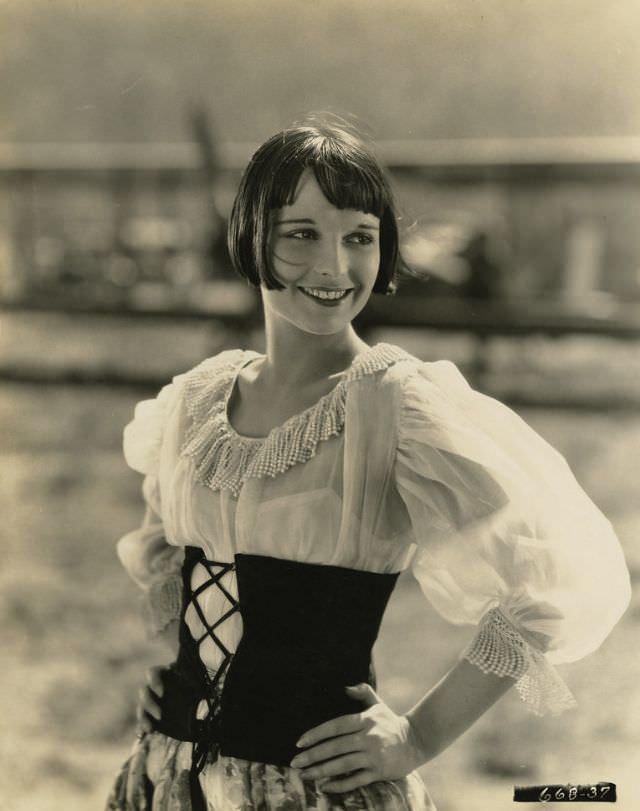
Her work with Pabst produced some of the most celebrated films of the silent era, but the European detour came at a cost. When Brooks returned to Hollywood in 1931, the industry had moved on. She was unable to reclaim her earlier standing, and she never again appeared as the lead in a major, quality production.
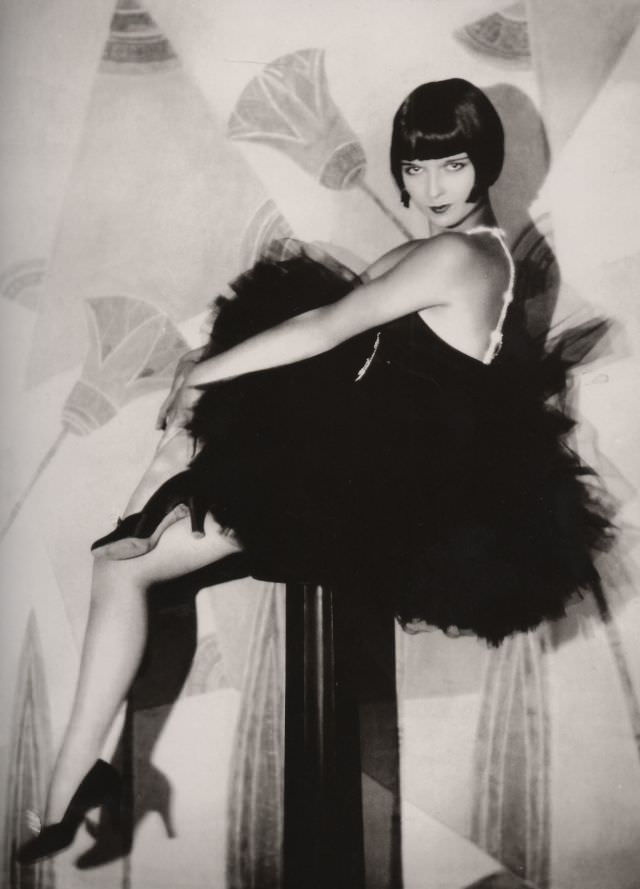
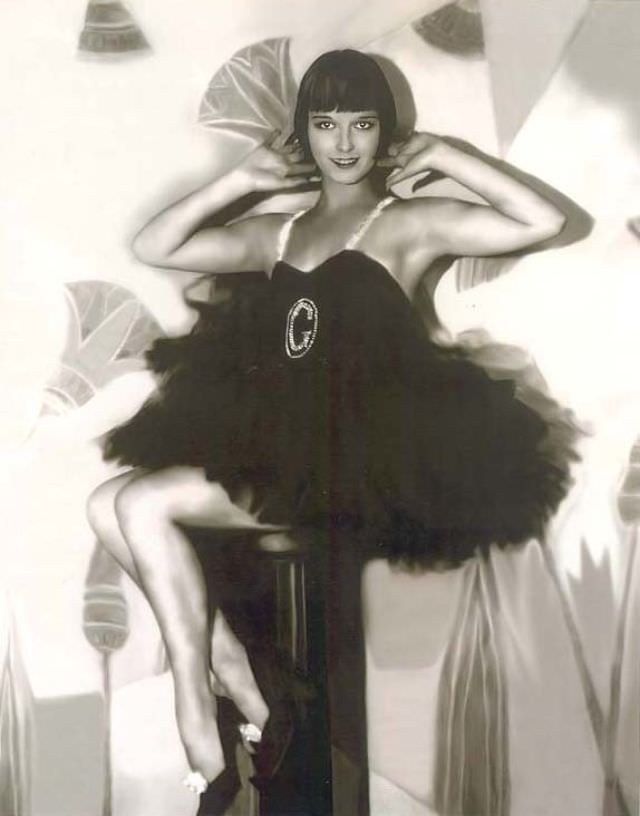
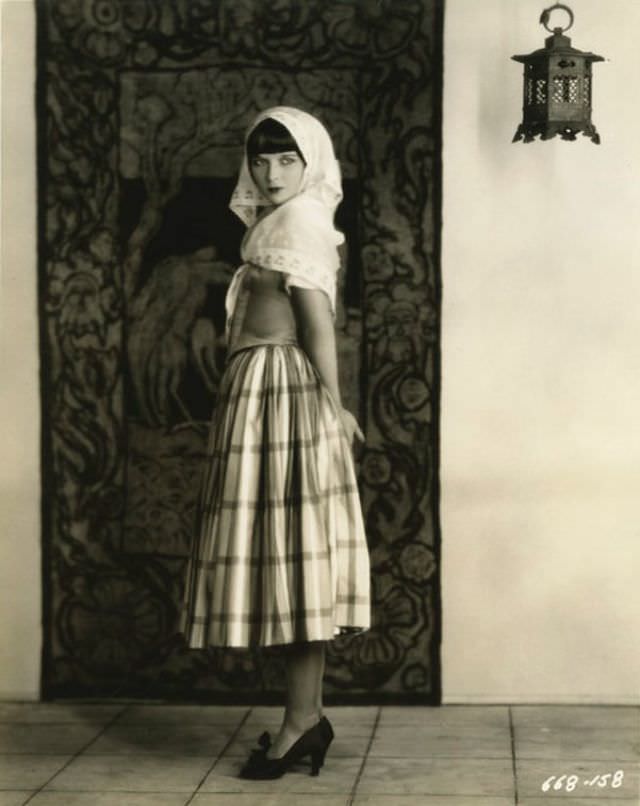
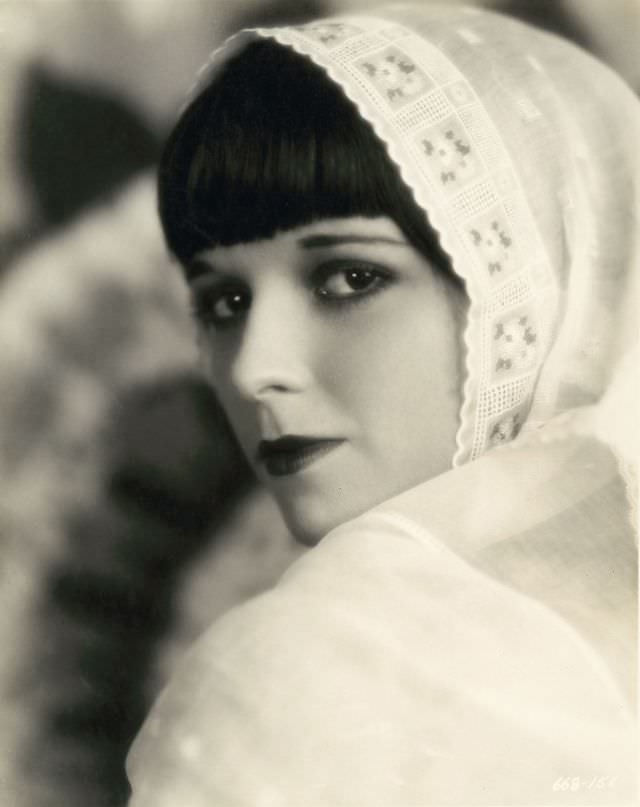
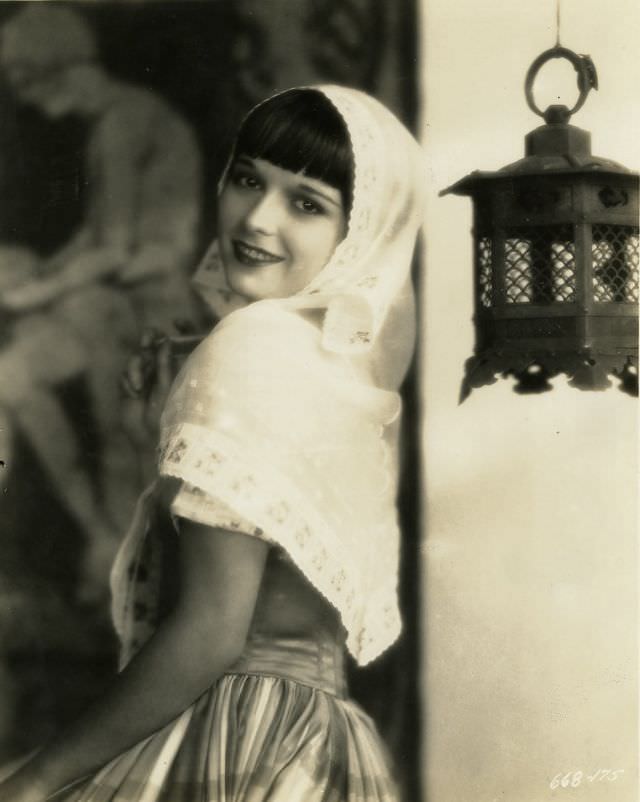
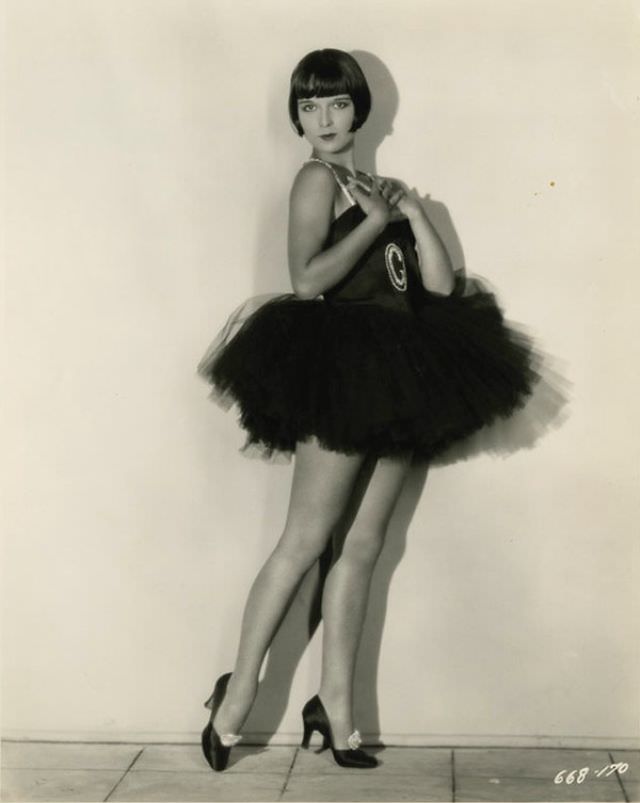
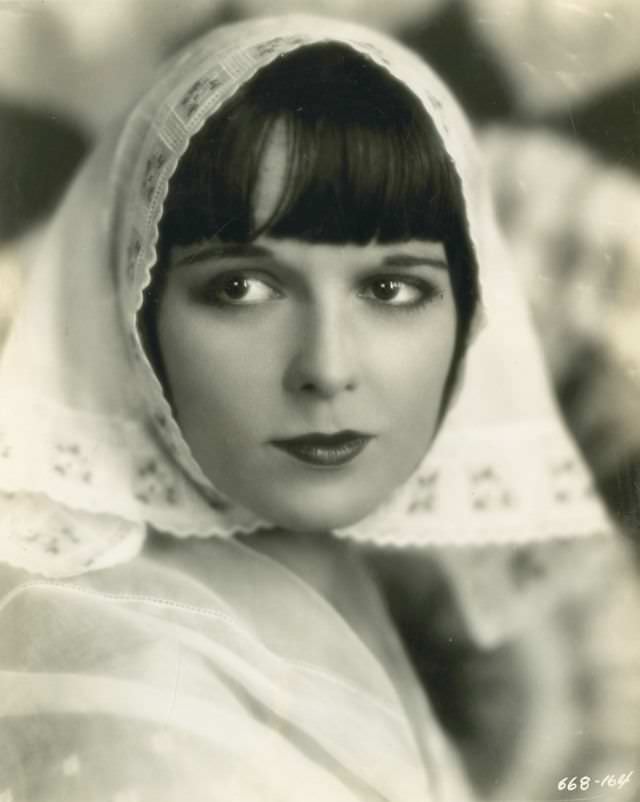
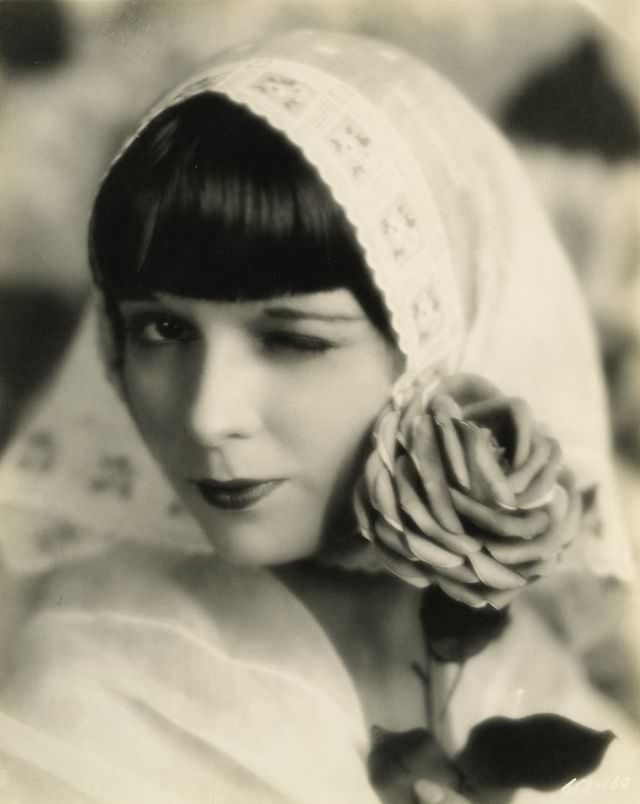
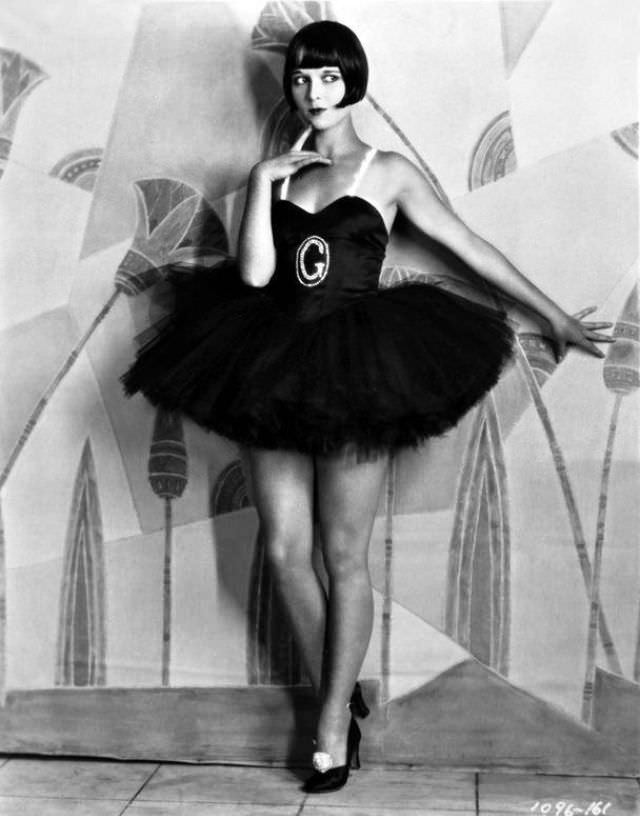
The photos from the Now We’re in the Air period capture Brooks at the height of her Paramount years — polished, striking, and full of the kind of screen presence that made studios take notice. Her look during this era, including her signature dark bob, became one of the most recognizable images of late 1920s Hollywood.

Raymond Hatton, who co-starred with Beery in the film, was a familiar face in comedy pairings of the era. His collaborations with Beery extended beyond their joint films — Hatton also worked alongside Beery’s older brother, Noah Beery, in separate productions. The Beery family was a significant presence in Hollywood during the silent and early sound years.
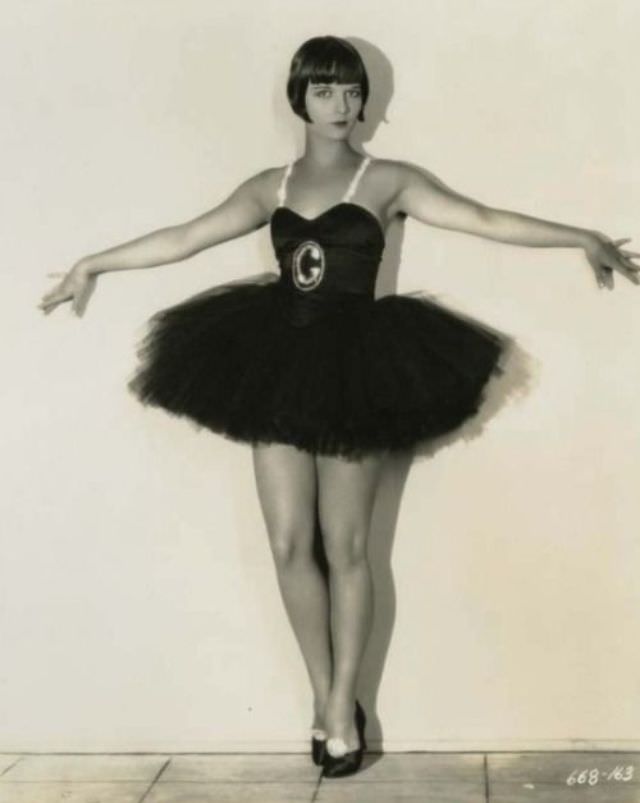
Now We’re in the Air was popular with audiences when it opened, even if critics placed it a step below the duo’s best work. For Louise Brooks, it was one of several films she completed during a remarkably busy stretch at Paramount — a stretch that, in hindsight, represented the full bloom of her Hollywood career before her departure changed everything.