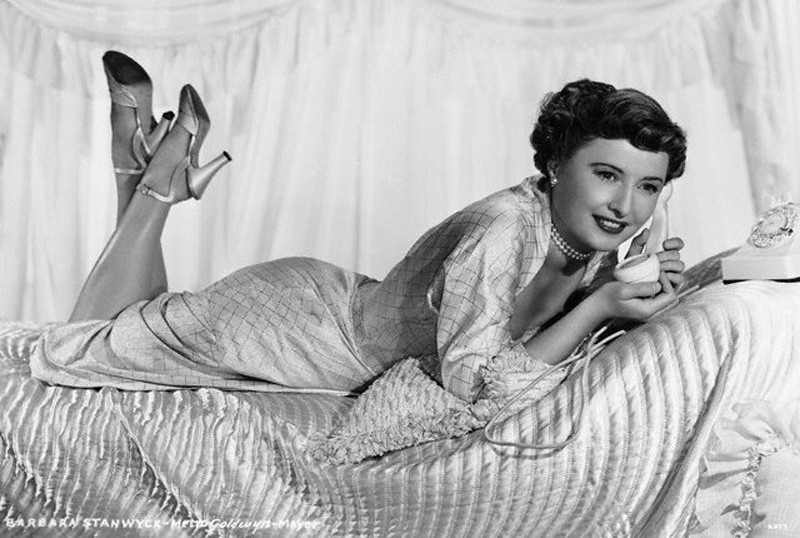
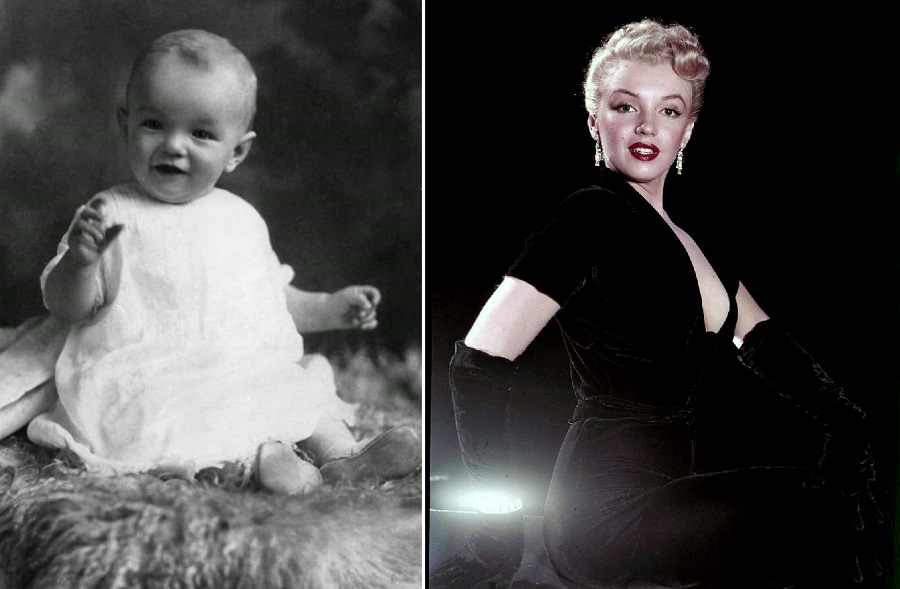
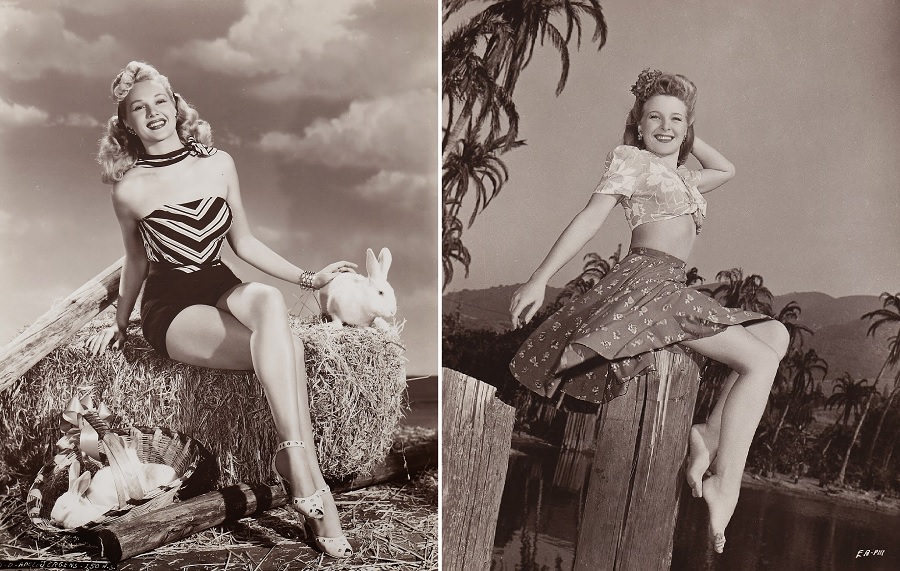
Virgil Apger was born in 1903 and spent decades building his craft during Hollywood’s golden age. He learned photography under Eugene Richee, his brother-in-law and one of the most celebrated studio photographers of the era. In 1931, Apger joined MGM Studios, where he would spend nearly four decades photographing the biggest names in film. His ability to draw out the personality of a subject — rather than simply lighting them well — set him apart from other studio photographers of his time.
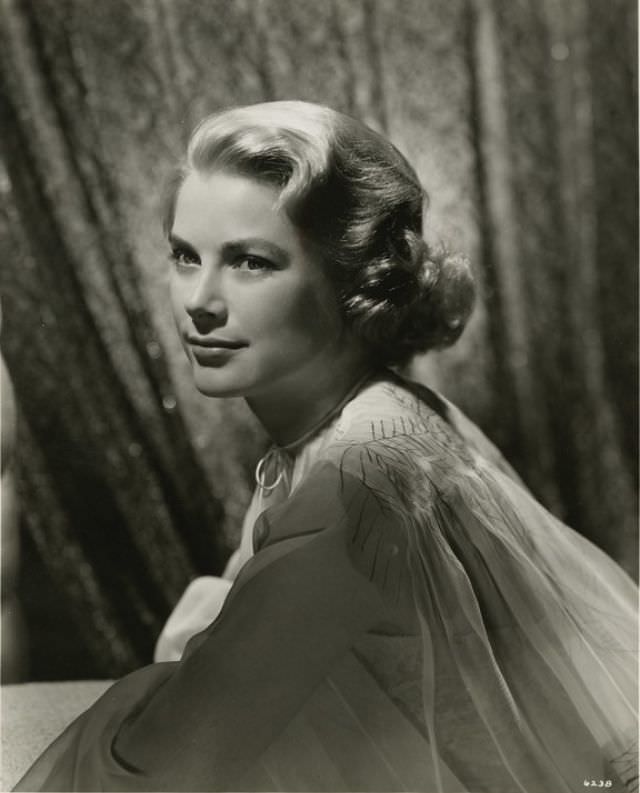
By the early 1950s, Grace Kelly had become one of Hollywood’s most sought-after actresses. Known for her cool, refined presence on screen, she was a natural fit for Apger’s camera. He had a talent for finding the quality that made each star unique, and with Kelly, that quality was effortless elegance. Directors, audiences, and photographers all recognized something rare in her — a composure that felt genuine rather than performed.
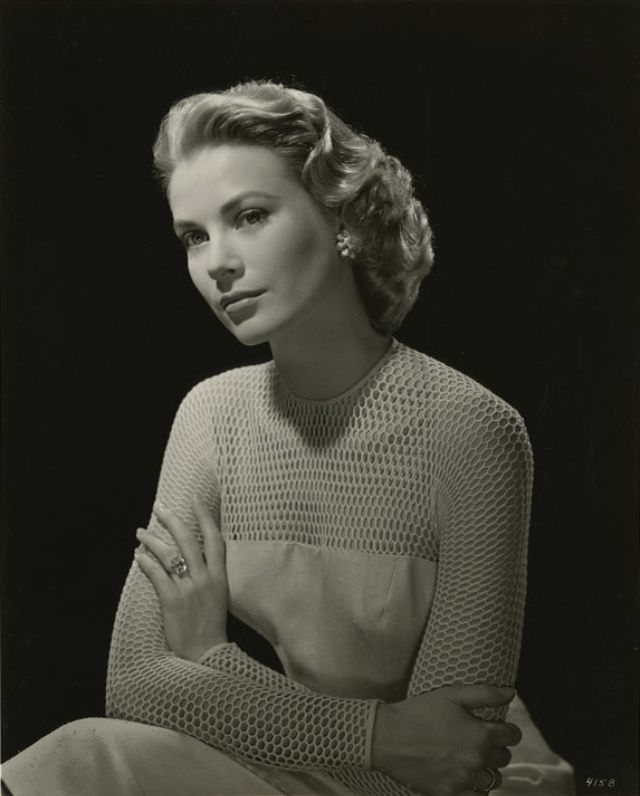
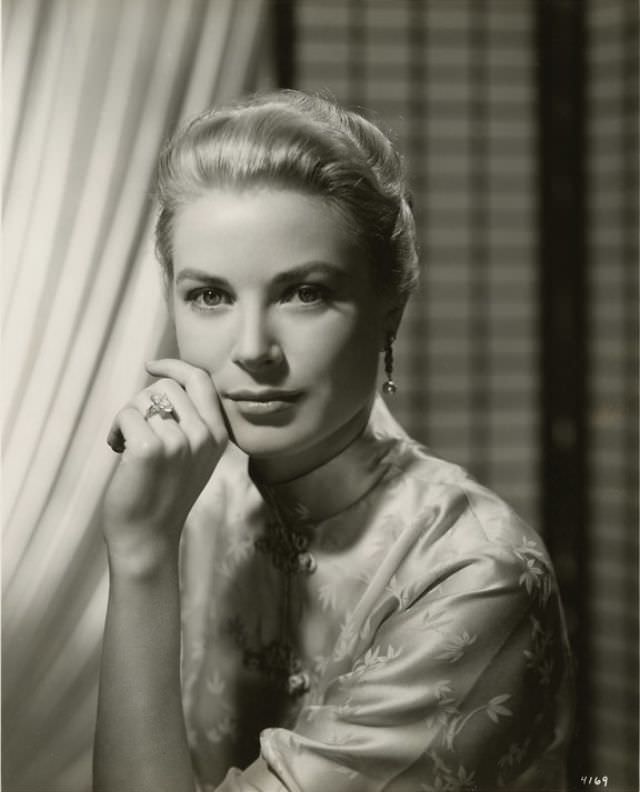
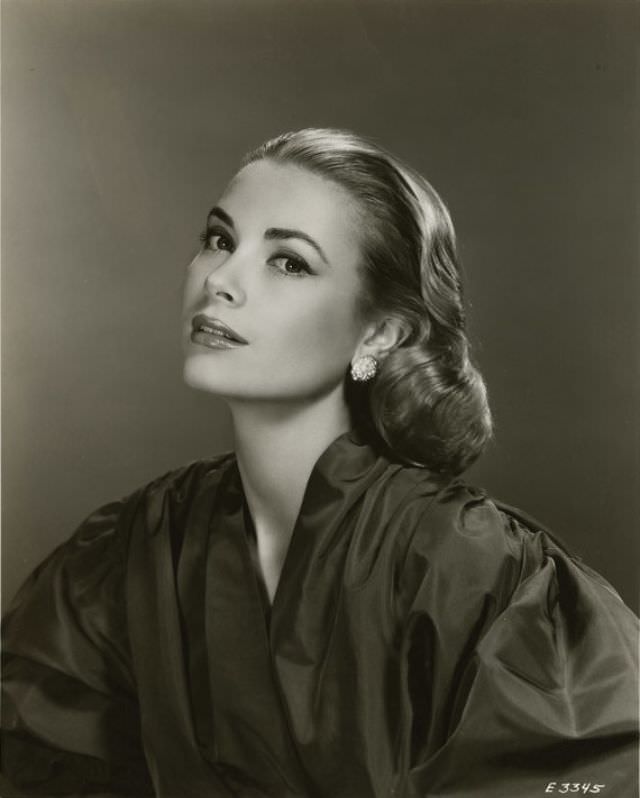
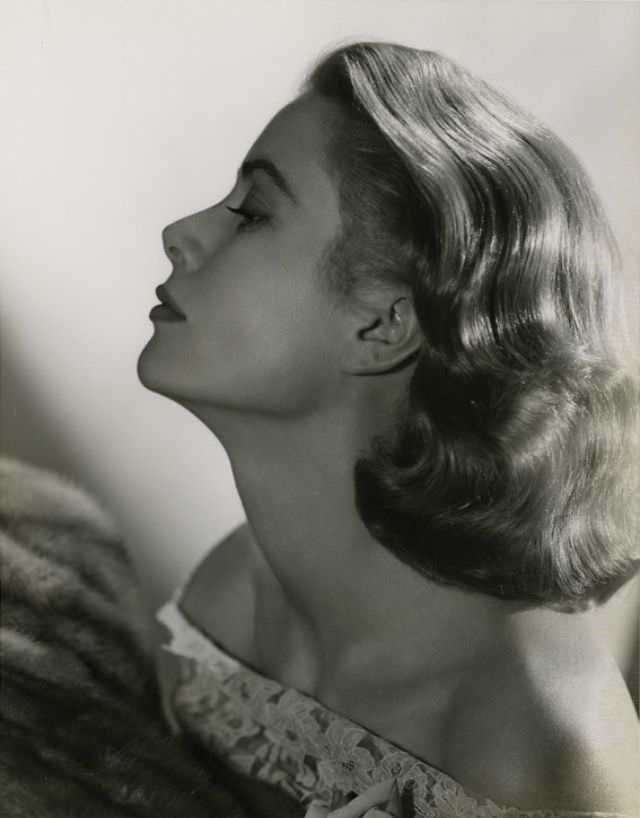
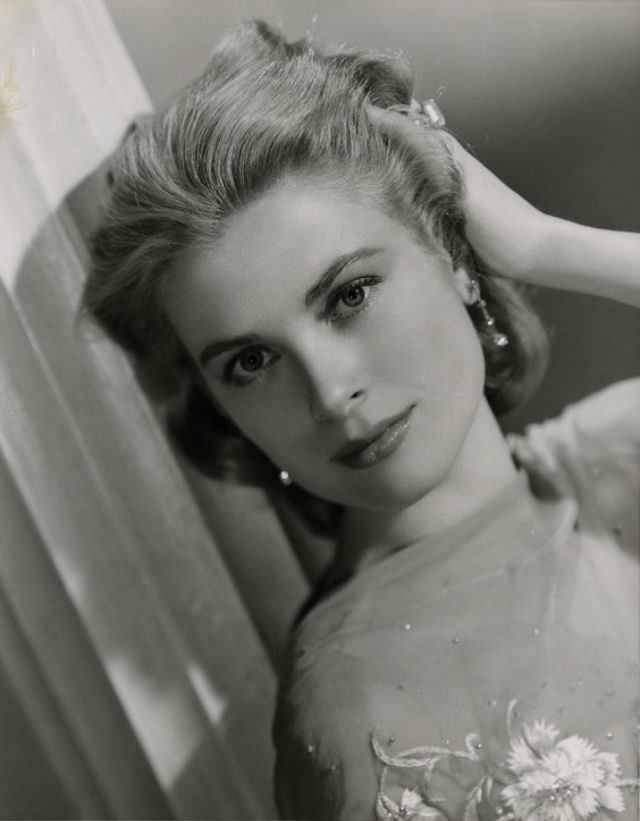
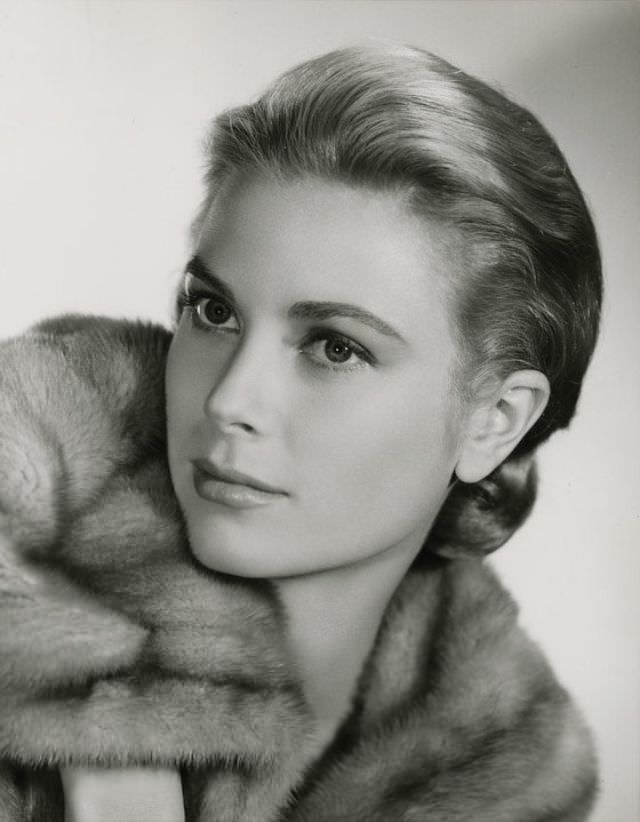
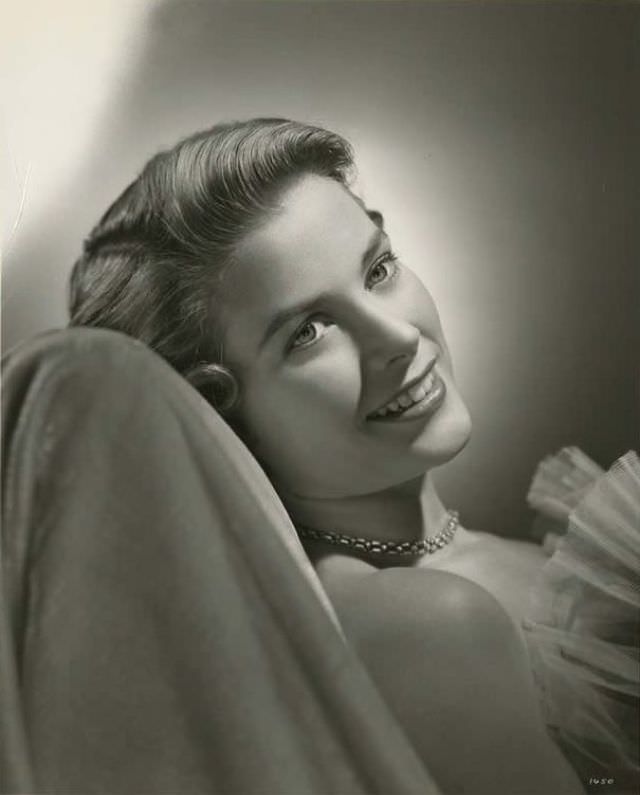
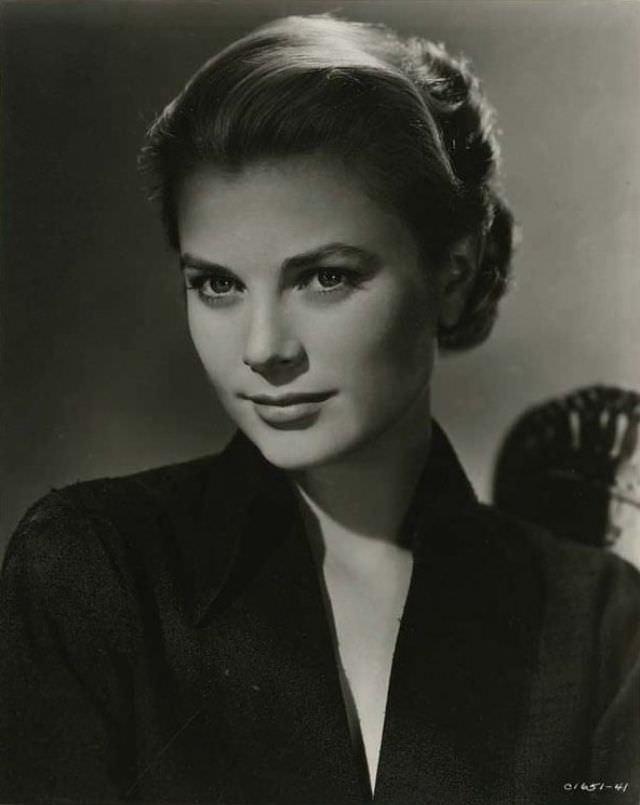
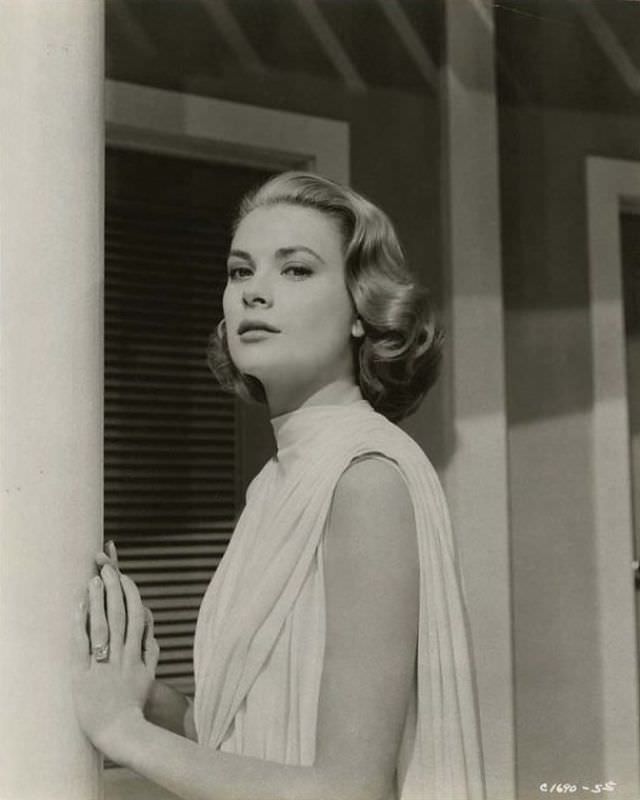
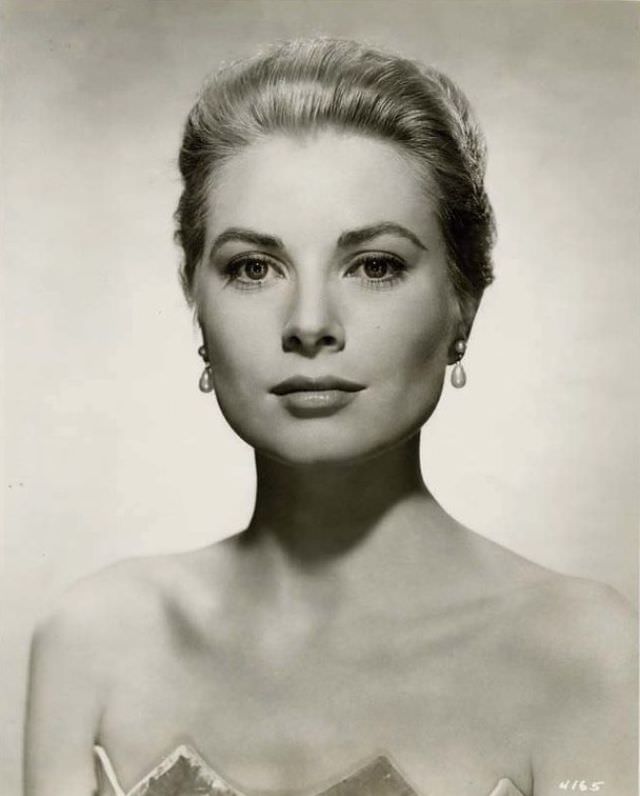
The portraits Apger took of Kelly during this period show her at the height of her fame. In several shots, she is photographed in profile, her face carefully lit to highlight her fine features and direct gaze. The simplicity of the compositions works in the images’ favor — there is nothing to distract from Kelly herself.
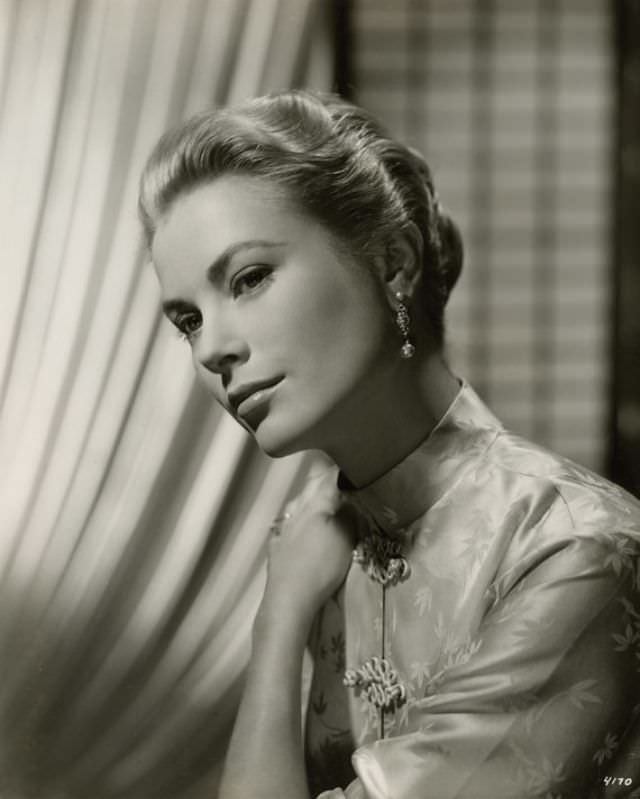
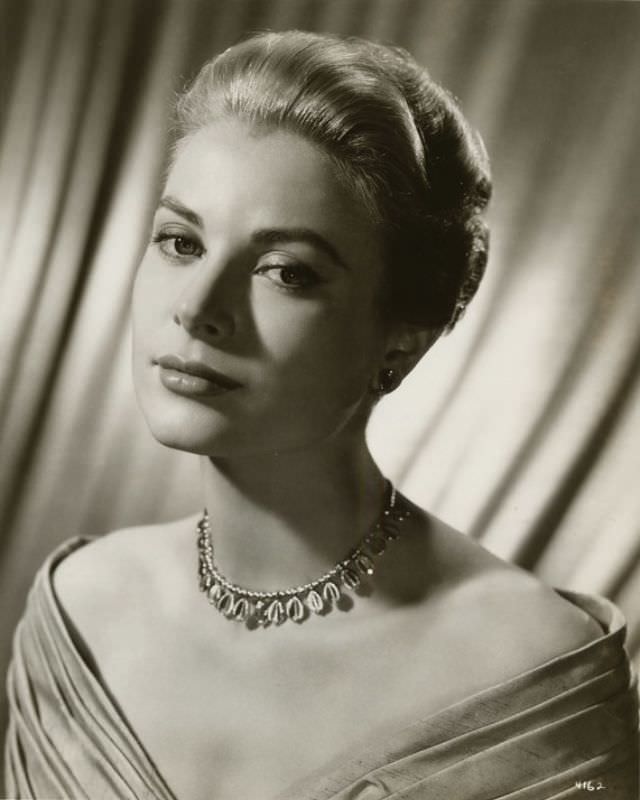
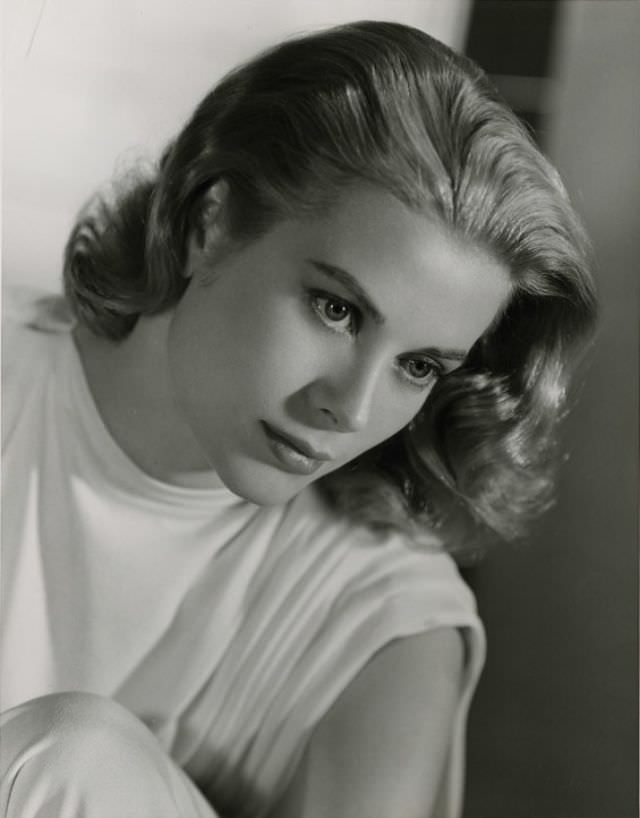
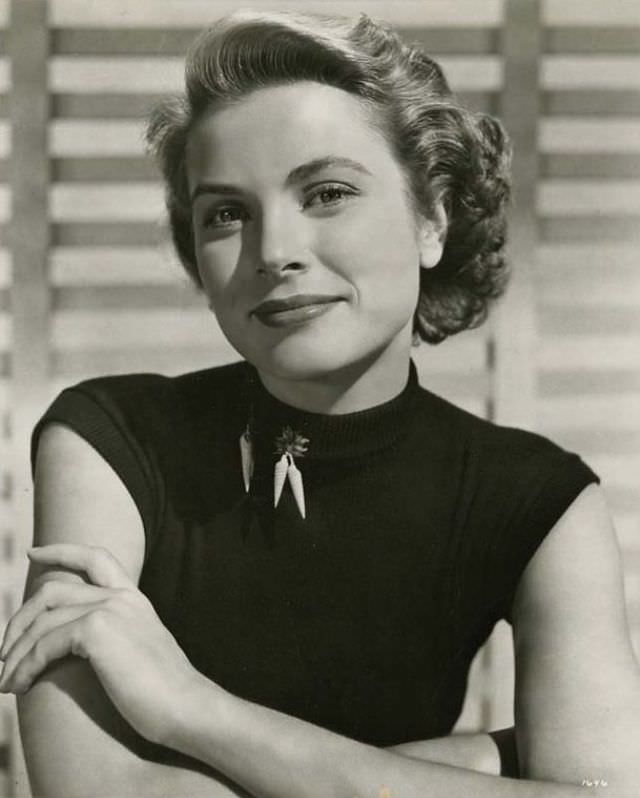
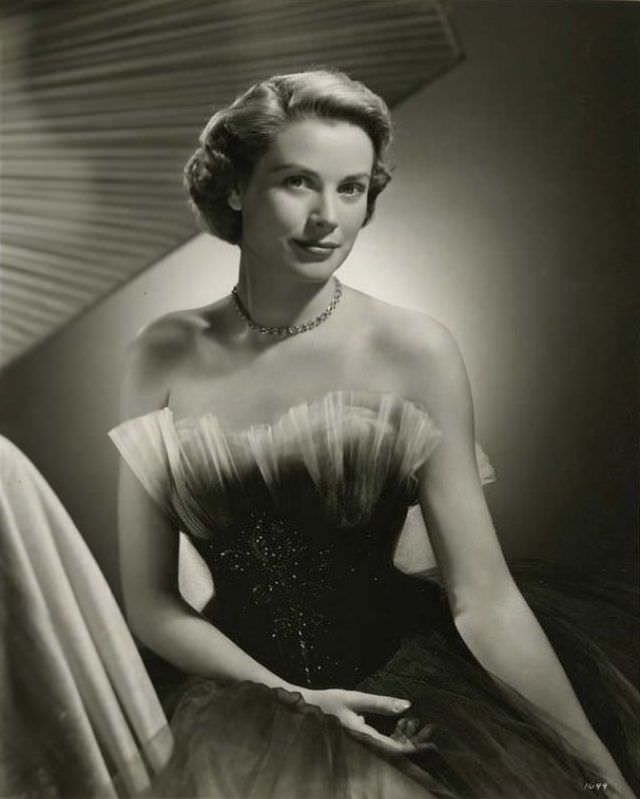
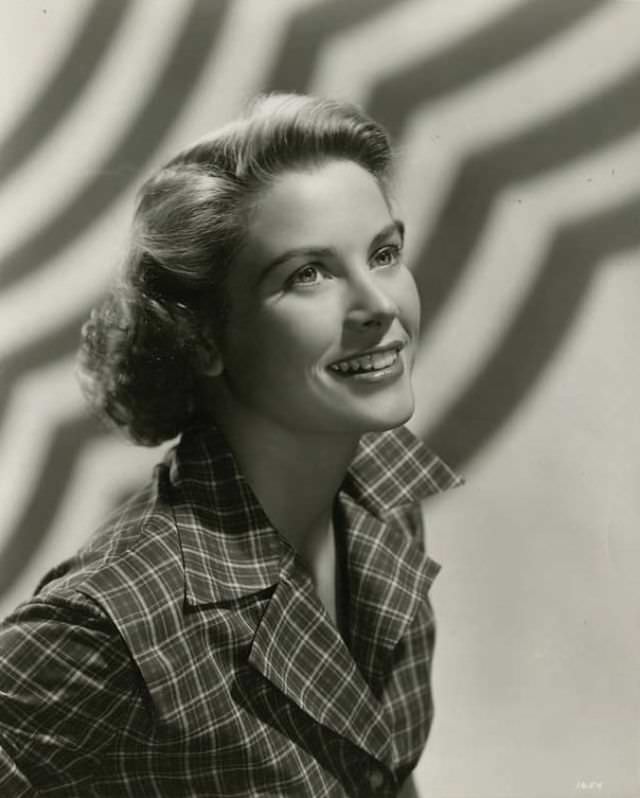
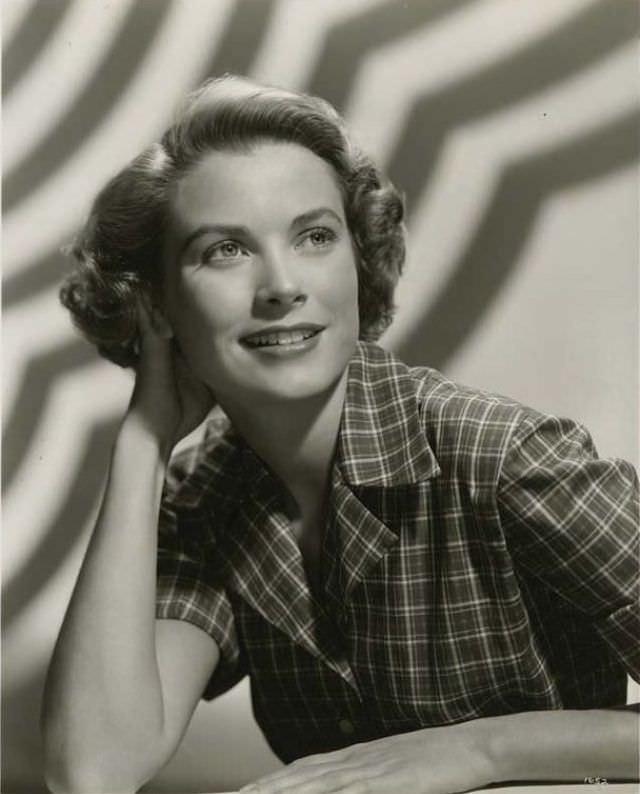
Other images in the series catch Kelly in more relaxed poses. Her expression shifts between composed and openly warm, and Apger’s framing gives each photograph a sense of intimacy that formal studio portraits often lack. These weren’t just publicity shots — they were carefully constructed images meant to define how the public saw one of Hollywood’s biggest stars.
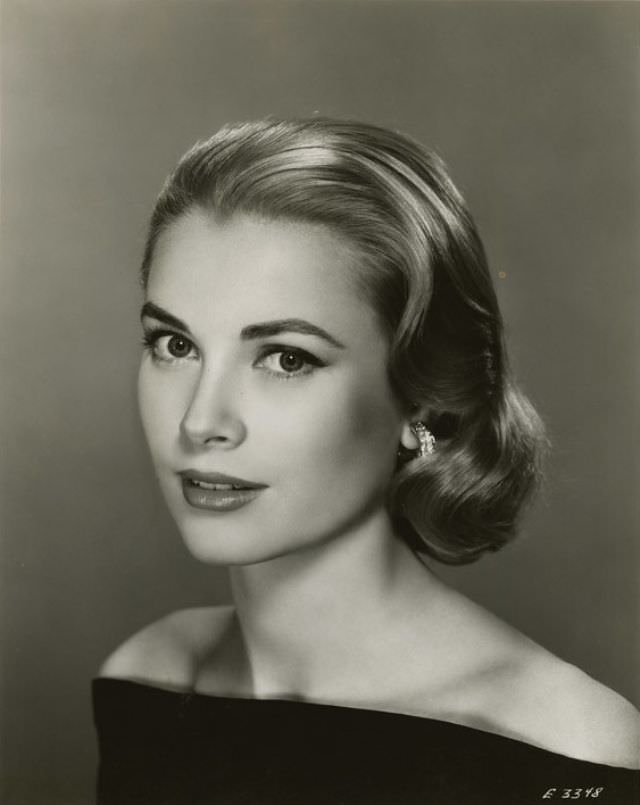
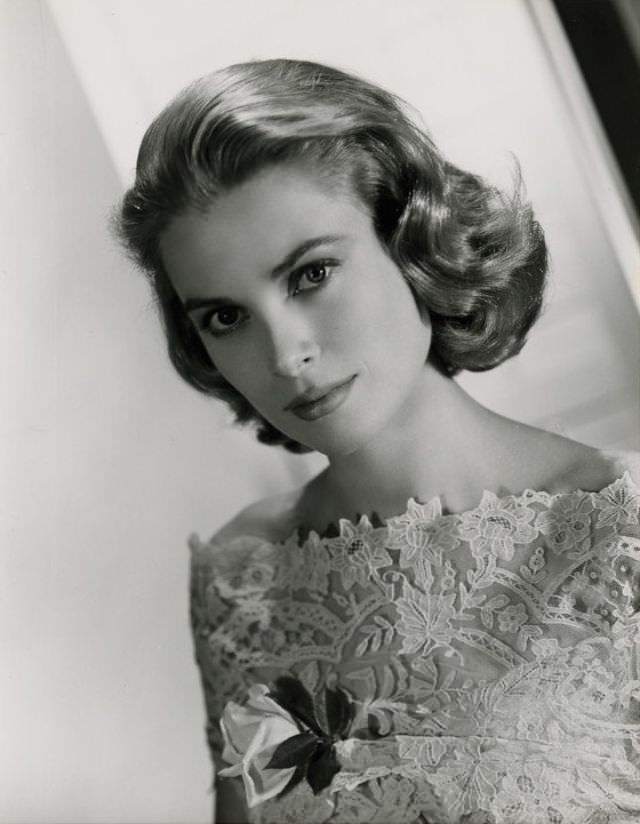
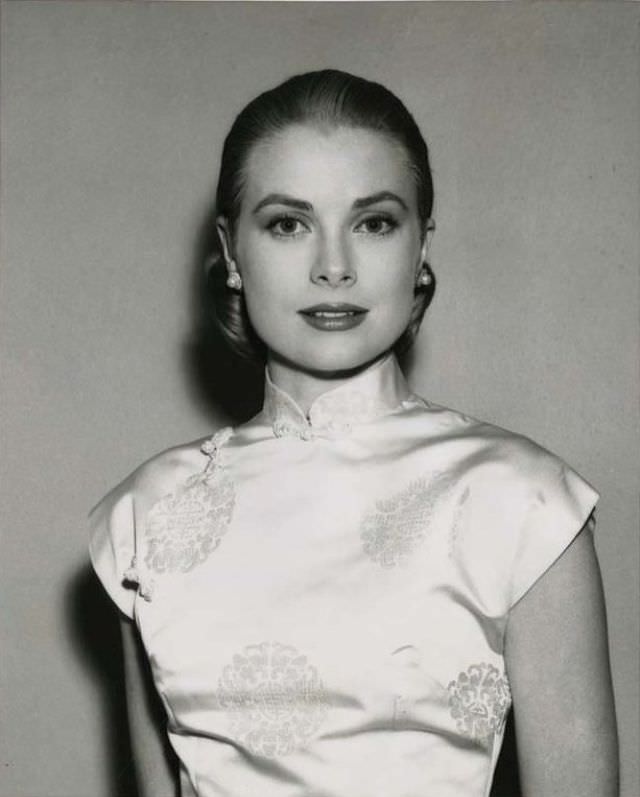
Apger worked within the strict conventions of MGM’s studio photography, yet managed to bring something personal to each sitting. The lighting in his Kelly portraits is precise — soft enough to be flattering, but never so heavy that it flattens her features. Each image feels deliberate, the result of a photographer who understood exactly what he was doing.
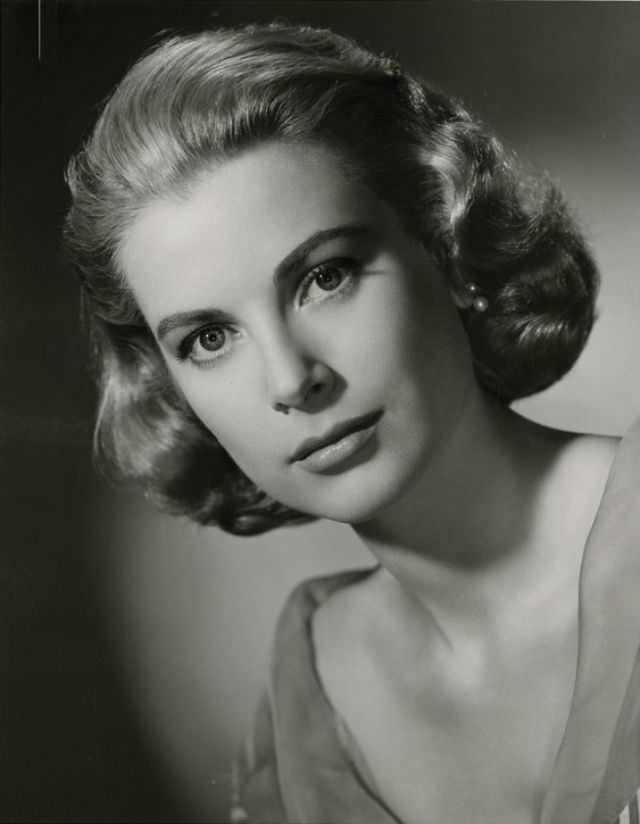
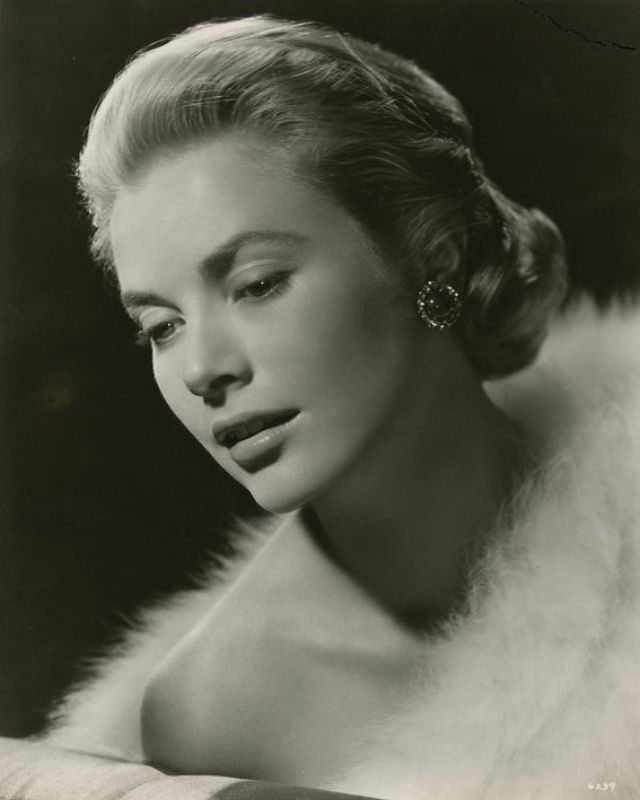
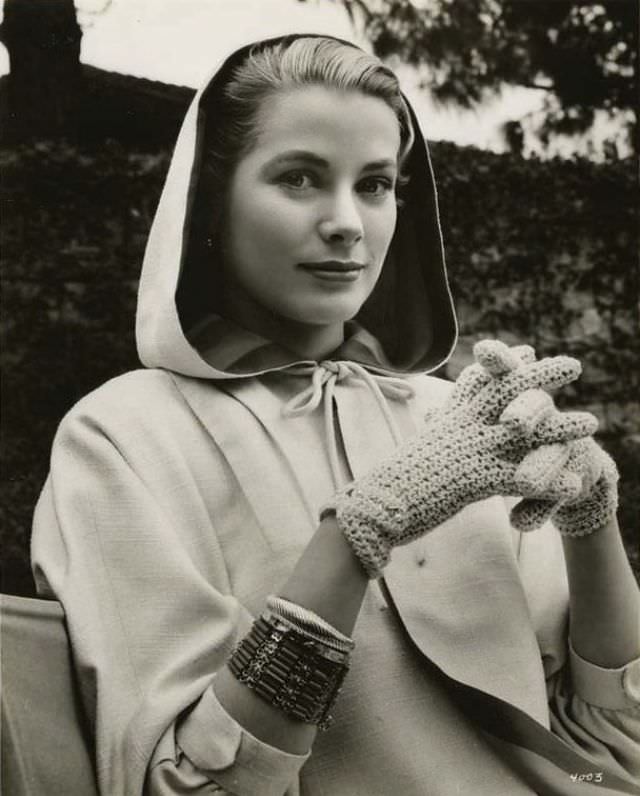
Kelly’s wardrobe in the portraits ranges from simple dresses to more formal looks, but the styling never overshadows her. Apger kept the focus squarely on her face and bearing. In several frames, her posture alone conveys a quiet confidence that matched her screen persona perfectly.
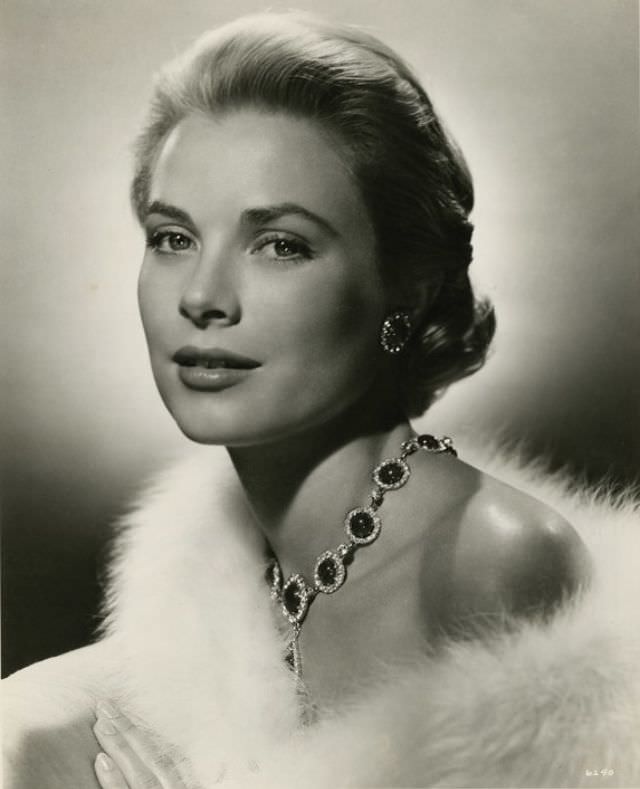
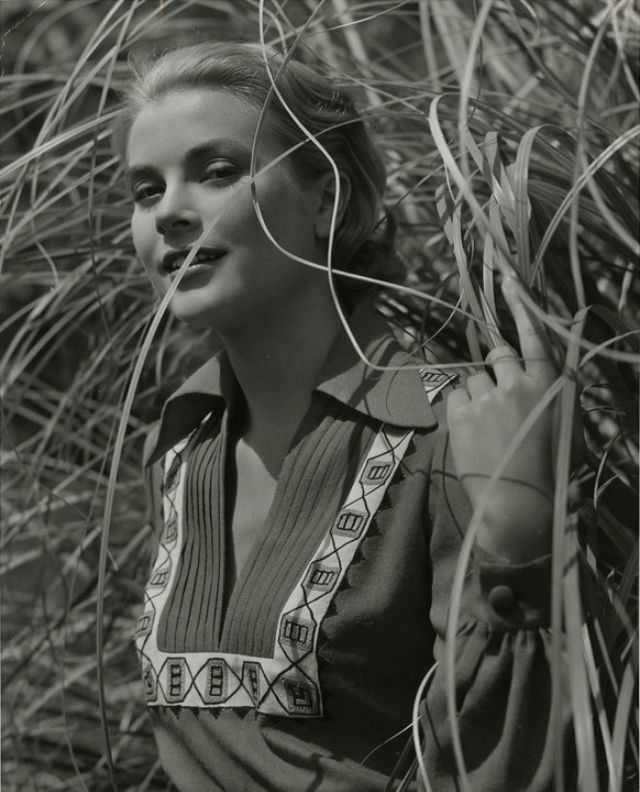
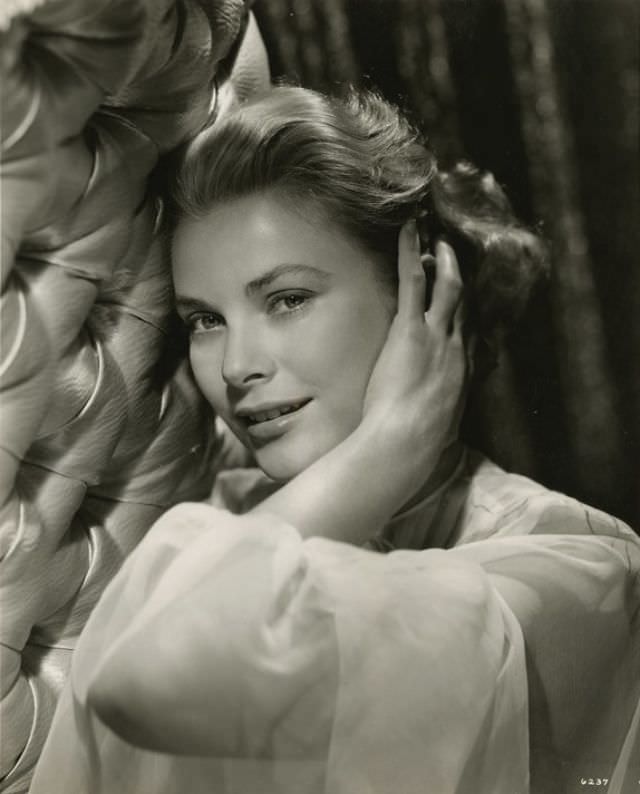
The collaboration between Apger and Kelly produced some of the most recognizable studio portraits from the decade. These images circulated widely in magazines and promotional materials, shaping how audiences around the world pictured the actress. At a time when a single photograph could define a star’s public image, Apger’s work carried real weight.
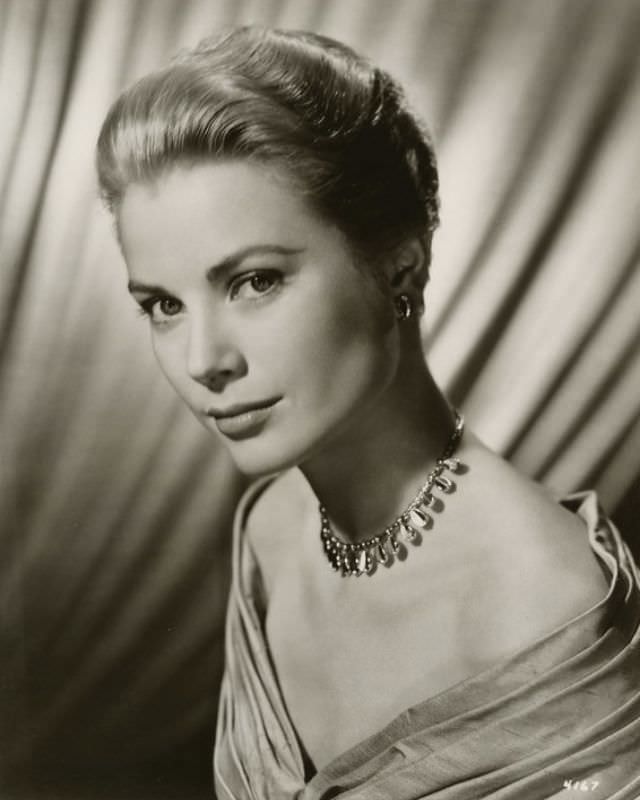
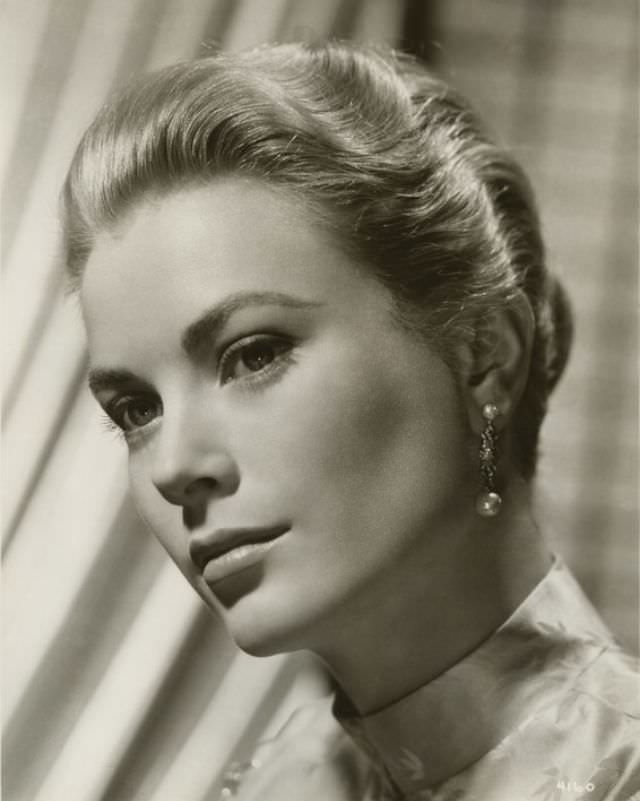
Apger continued working at MGM until his retirement in 1969, photographing countless stars over his long career. But his portraits of Grace Kelly stand as some of his most striking work — a precise record of a major Hollywood figure captured by a photographer at the top of his craft.