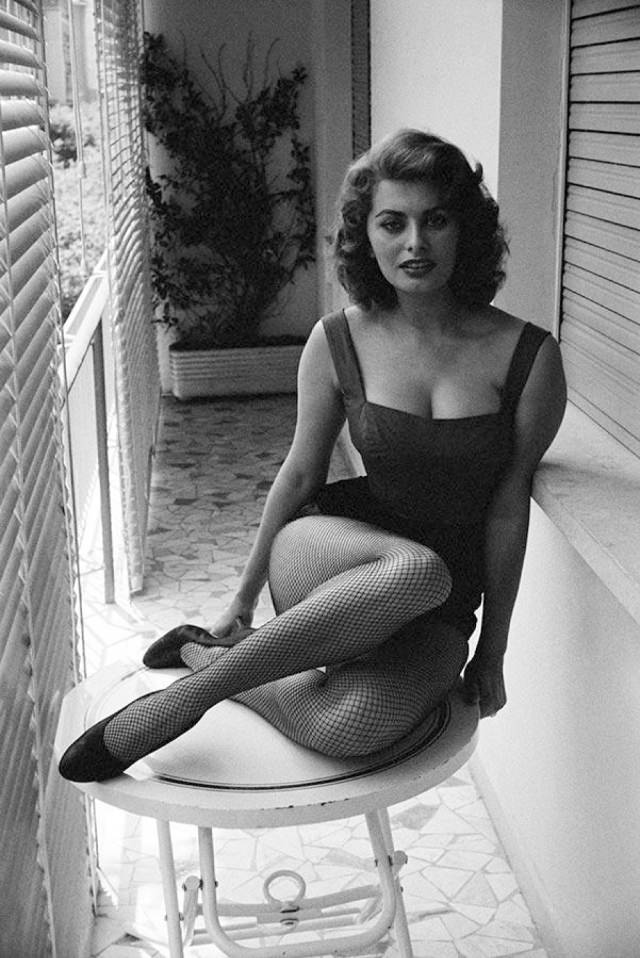
On a Sunday morning in Rome in 1955, photographer David Seymour knocked on the door of Sophia Loren’s apartment. Loren was still on a phone call when he arrived, dressed in a dark blue negligee — not yet the polished screen goddess the world would soon know, but a young woman at ease in her own home.
Seymour was already one of the most respected photojournalists of his generation, a co-founder of the Magnum Photos agency. He had spent years documenting war, refugees, and the wreckage of postwar Europe. Photographing a 20-year-old actress in her Rome apartment was a different assignment, but he brought the same attentive instincts to it.
His approach that morning was unhurried. He listened more than he directed. He was known for using quiet humor to put his subjects at ease, and that skill served him well with Loren, who was still building her profile in Italian cinema before breaking into Hollywood.
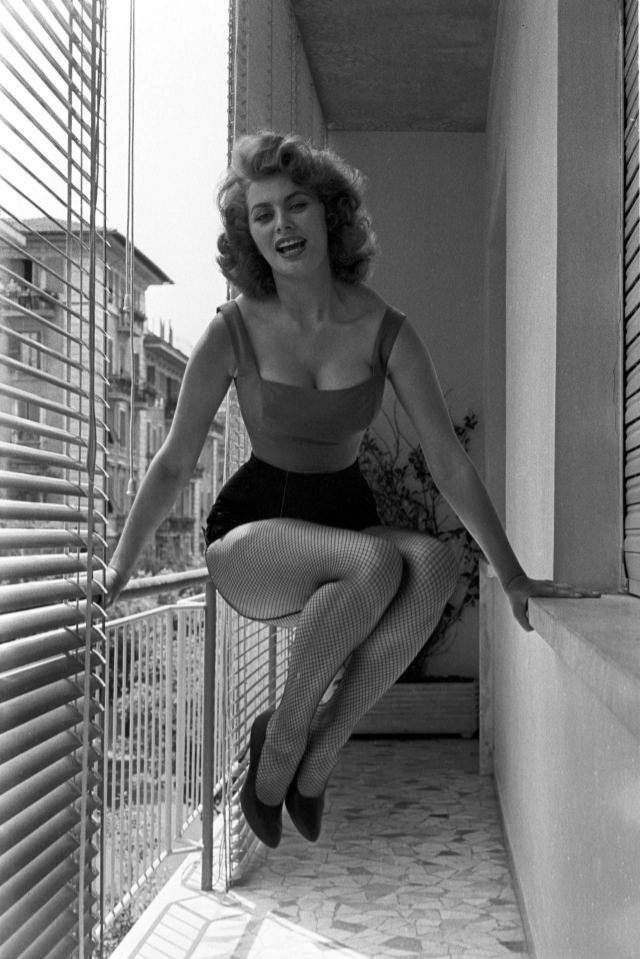
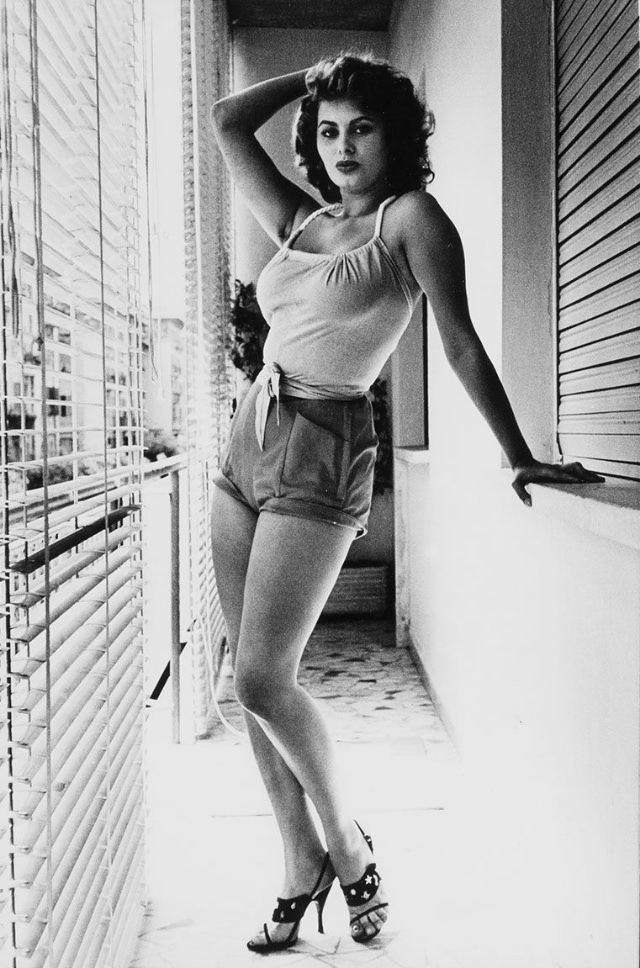
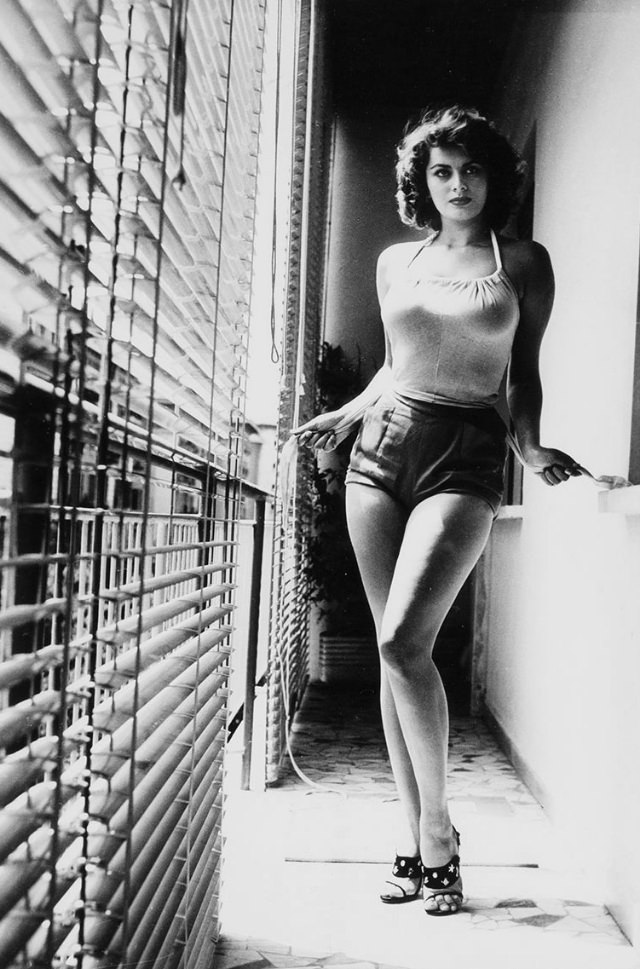
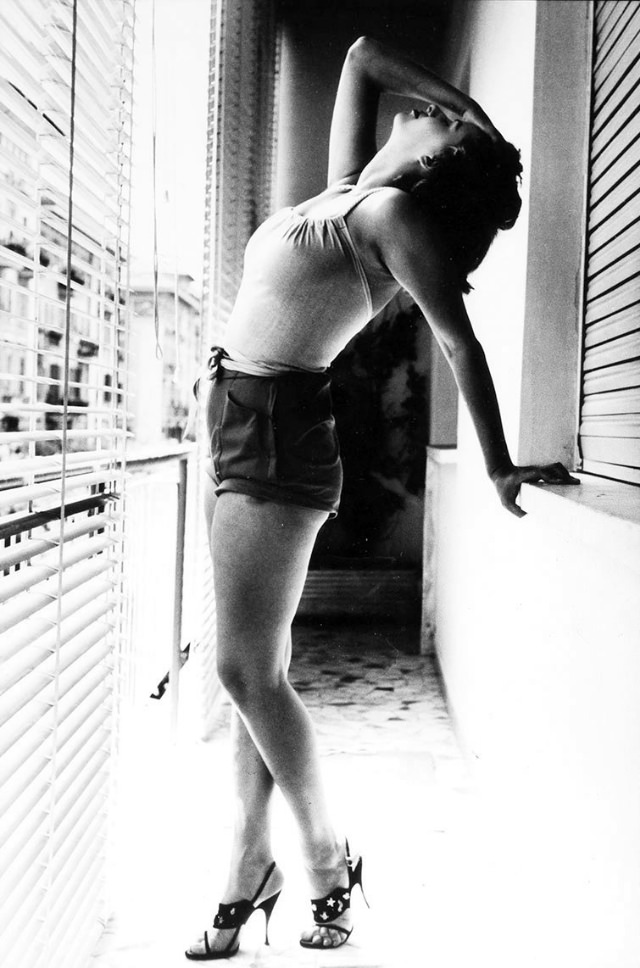
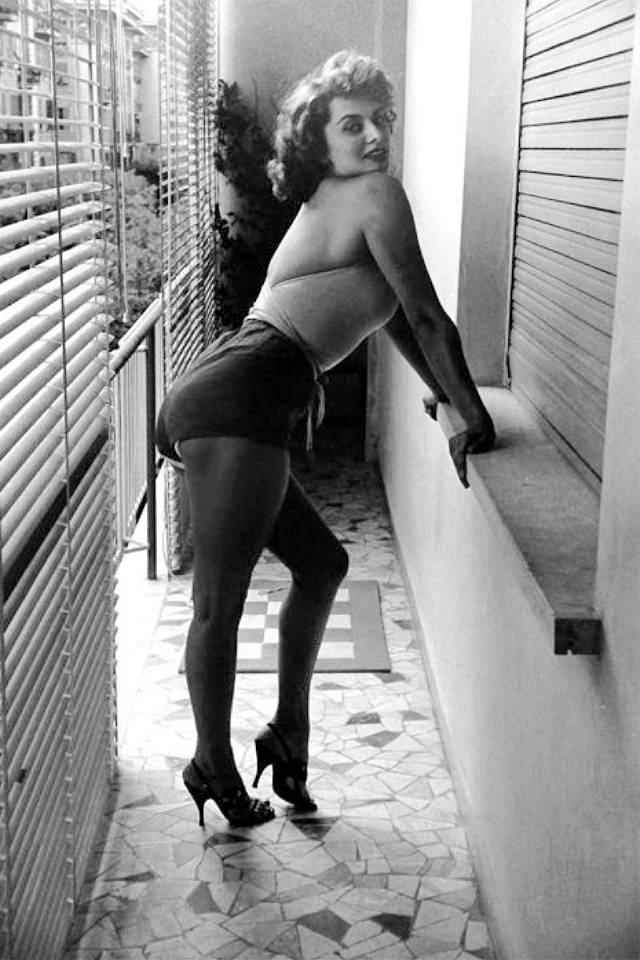
After the initial pleasantries, Loren stepped away to change. When she returned, Seymour moved the session to the covered balcony, where the Roman morning light filtered in at a low, warm angle.
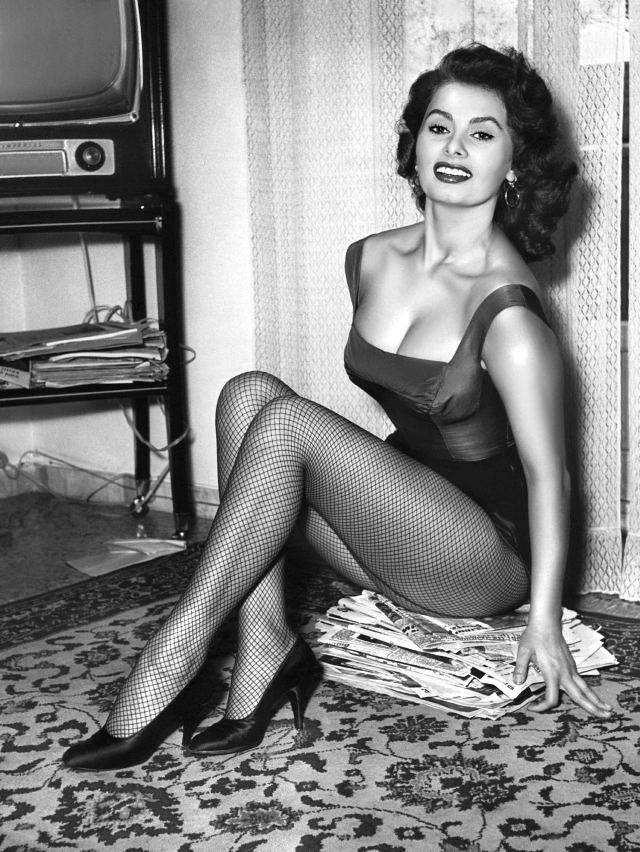
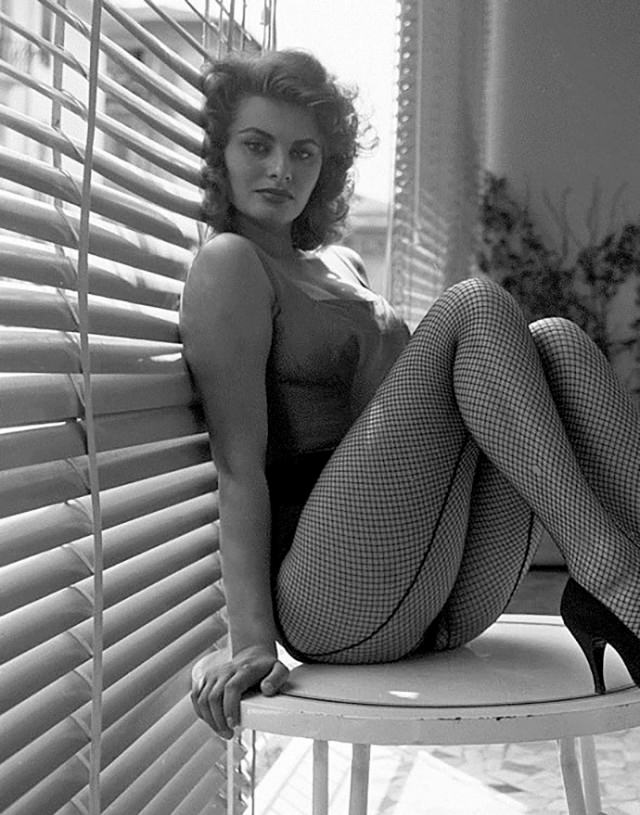
The balcony became the stage for a fluid, unscripted session. Loren shifted between poses naturally, without the stiffness that formal studio shoots often produced. Seymour later described the series as reminiscent of wartime pin-ups, but done with a knowing irony and a clear sense of play on Loren’s part.
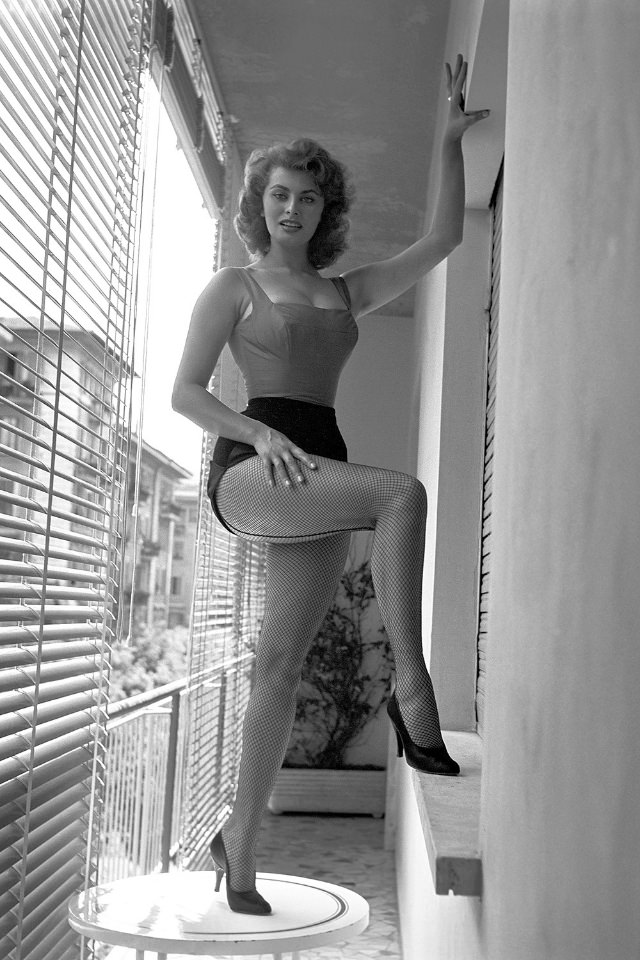
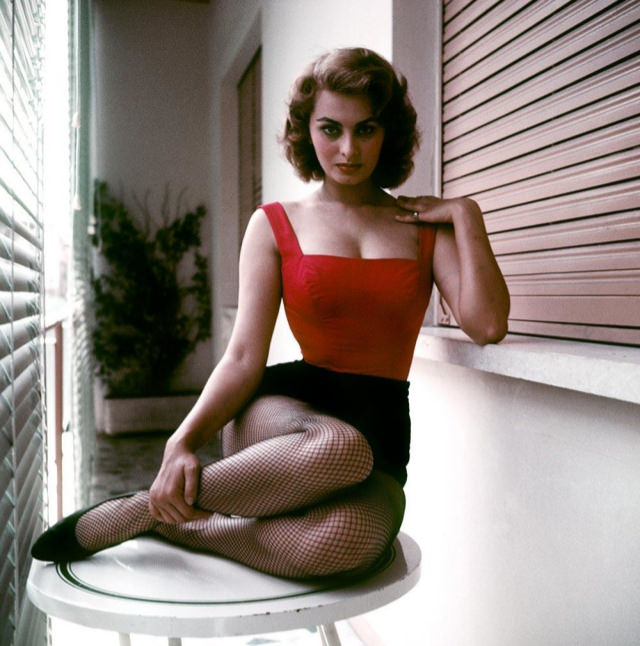
What made the session unusual was its setting. This was not a studio with controlled lighting and a stylist hovering nearby. It was a private apartment, a domestic space, and Loren moved through it with full ownership.
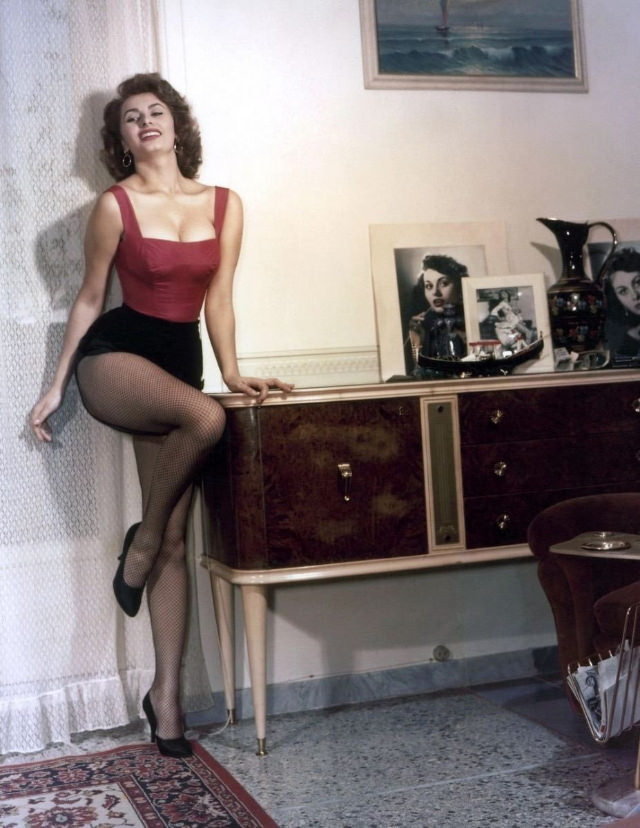
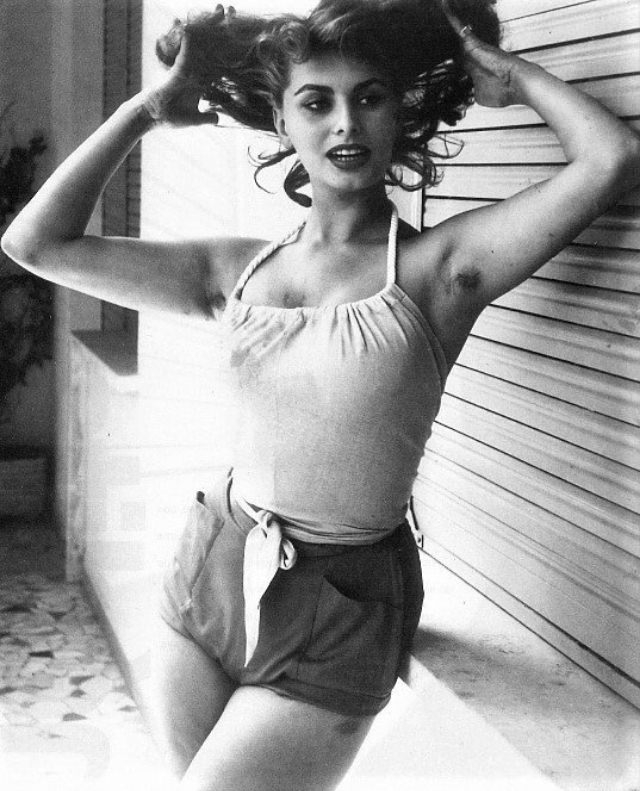
Seymour’s camera caught her laughing, posing, leaning — all within the same short session. The photographs show a woman who was entirely comfortable being watched, but on her own terms.
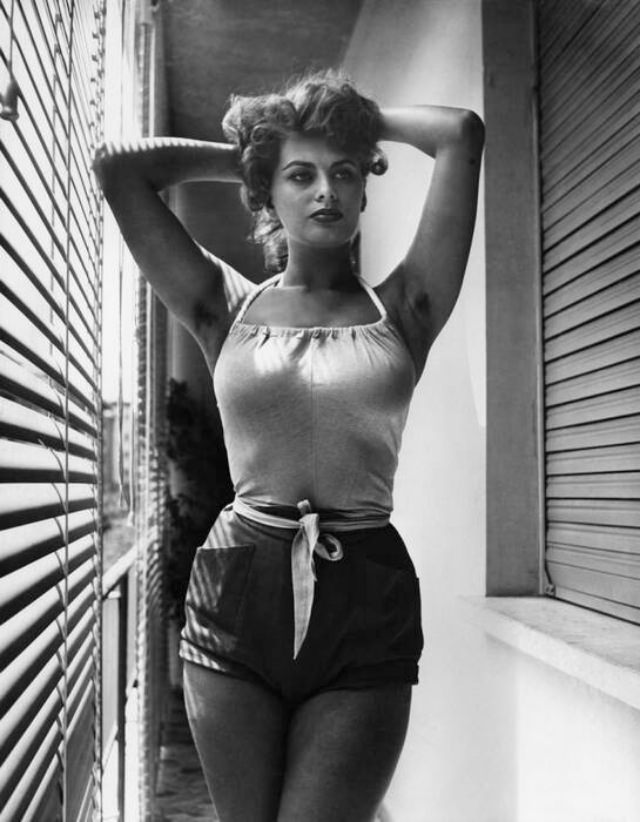
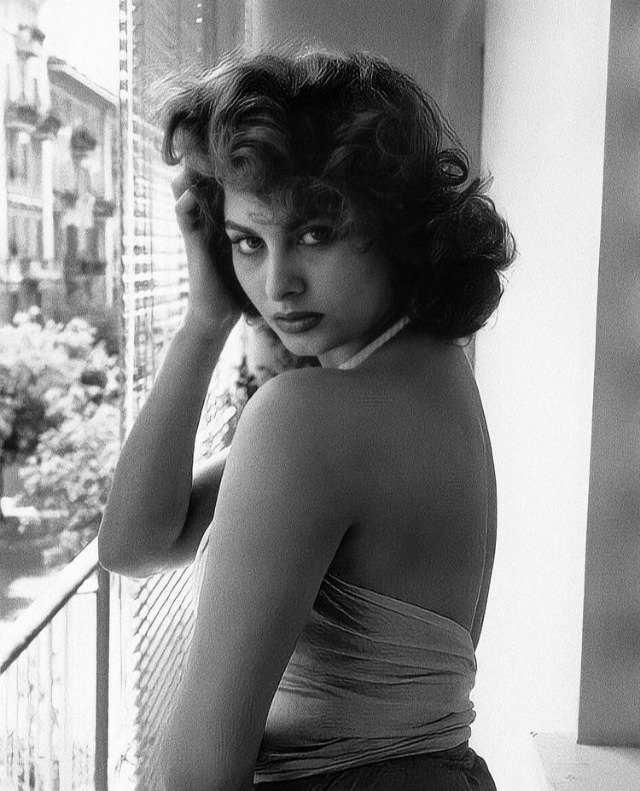
By 1955, Loren had already appeared in more than 20 Italian films, but her name had not yet crossed the Atlantic in a significant way. That would come within two years. Seymour’s photographs, taken that Sunday, belong to a very specific window — the last months before her international fame became permanent.
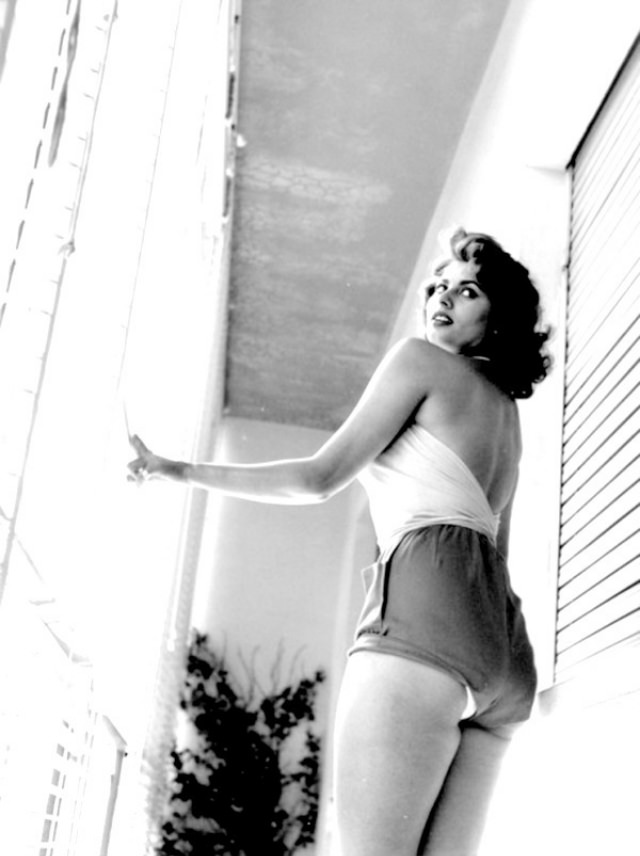
Seymour himself had less than two years left to live. He was killed in November 1956 while covering the Suez Crisis in Egypt, struck by machine gun fire near the canal. He was 44.
The Rome apartment session stands as one of his final extended portrait assignments. The photographs are intimate without being intrusive — a quality that defined Seymour’s entire body of work, whether he was shooting a displaced child in postwar Germany or a rising actress on a sunlit balcony in Rome.