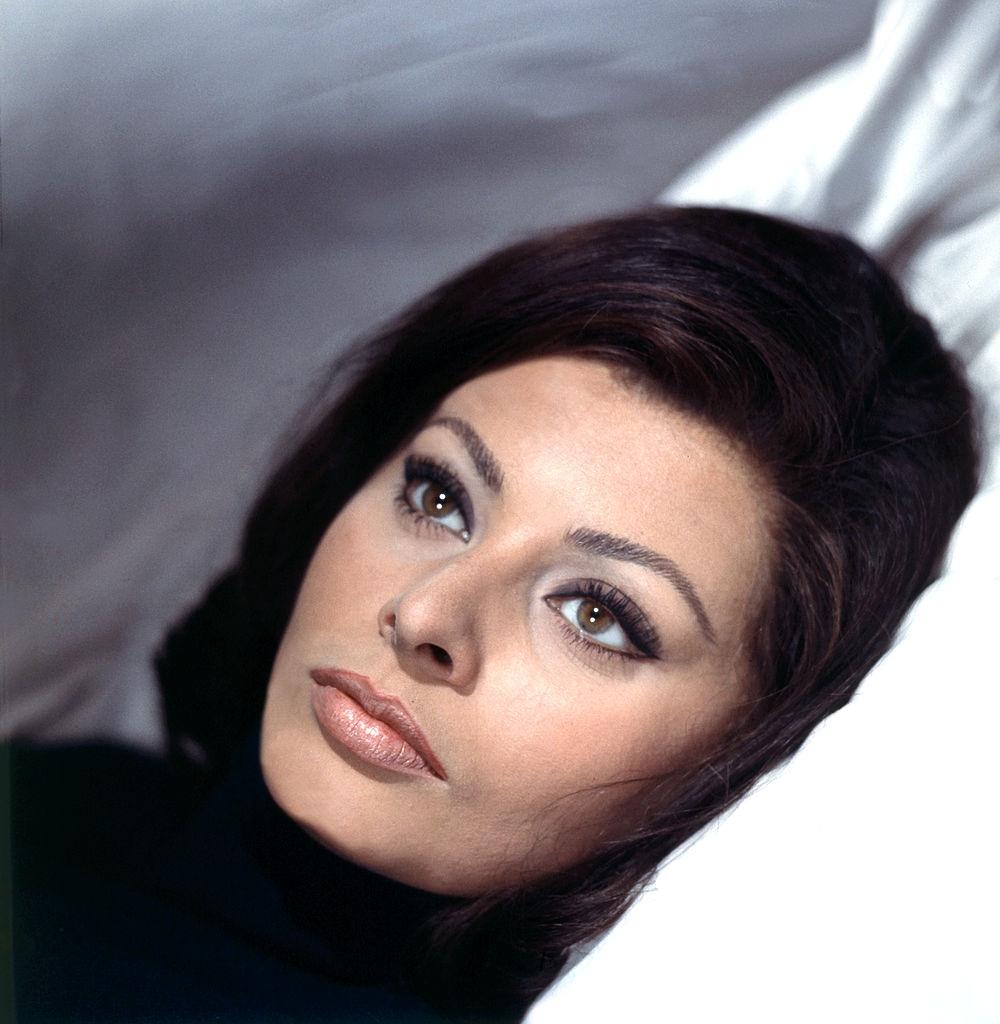
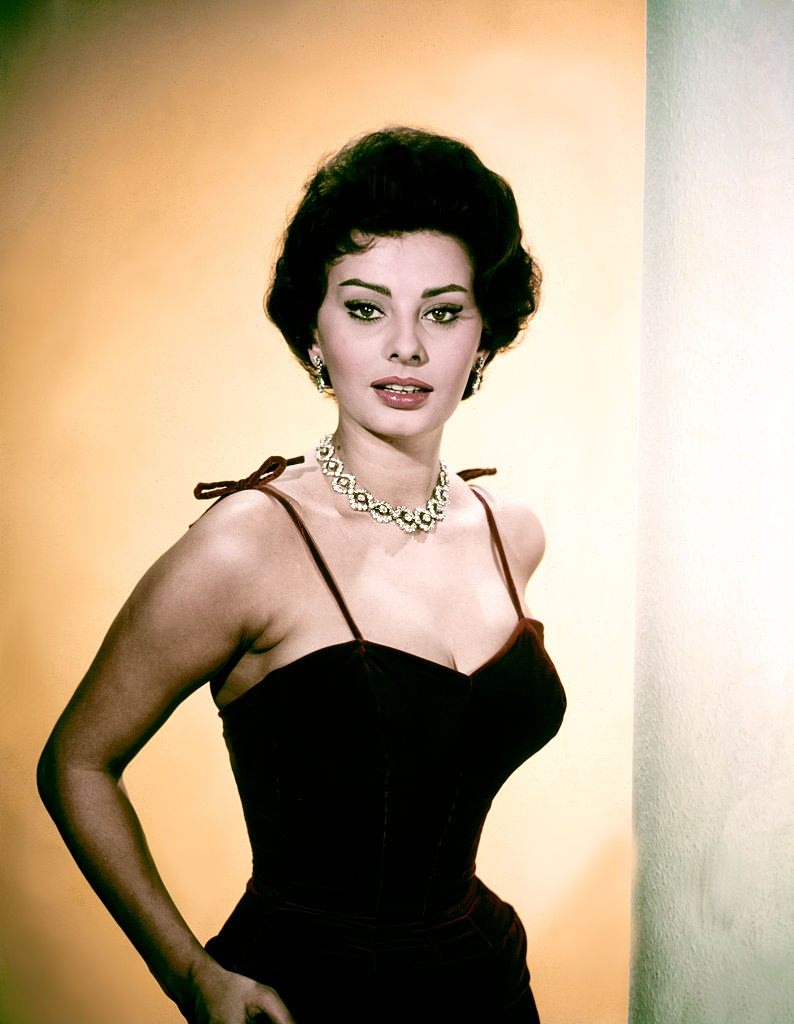
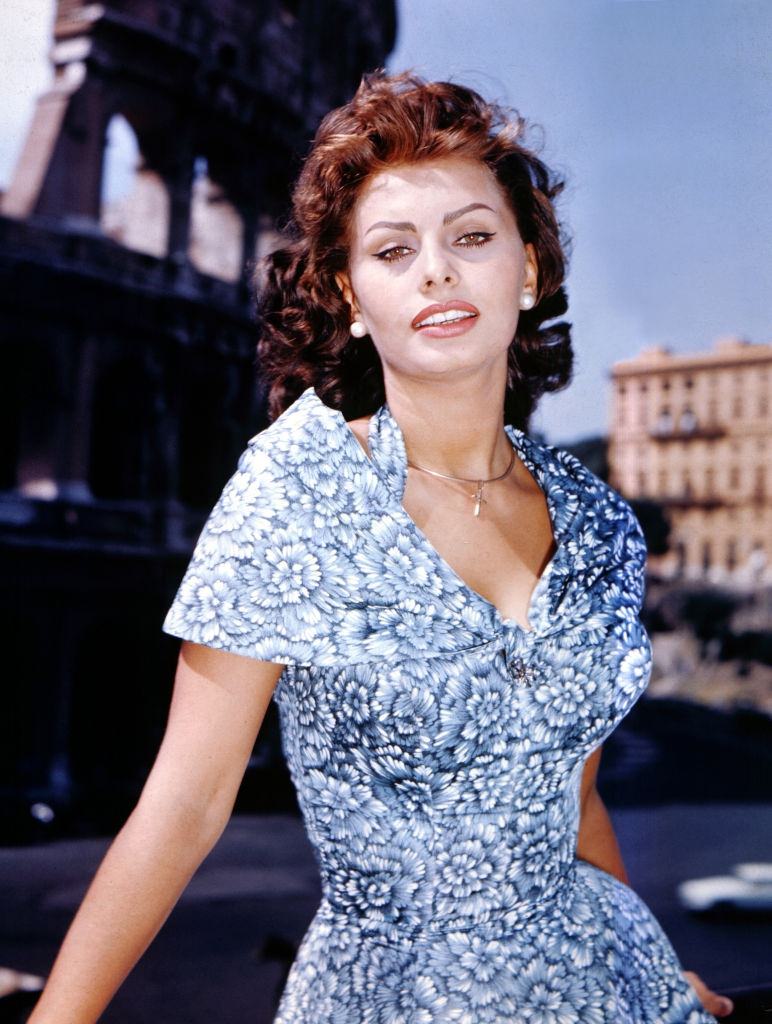
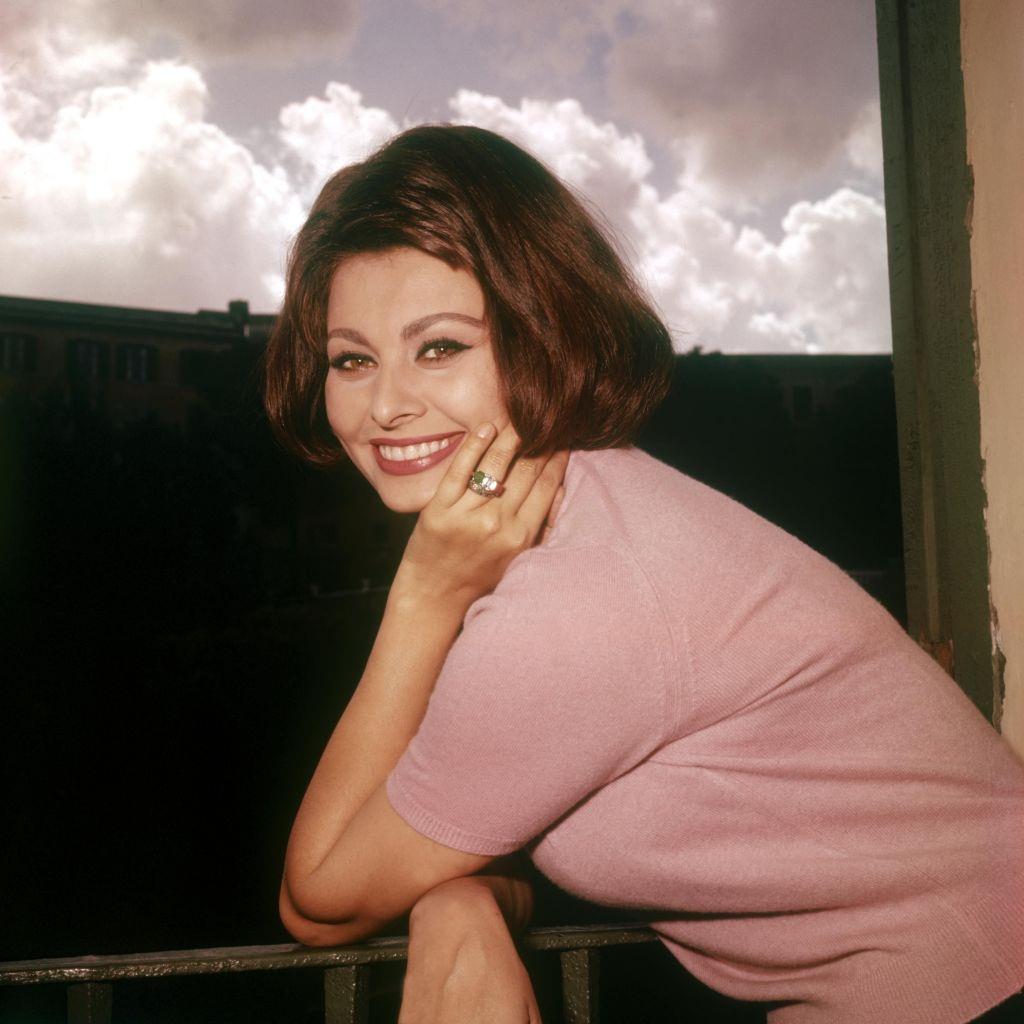
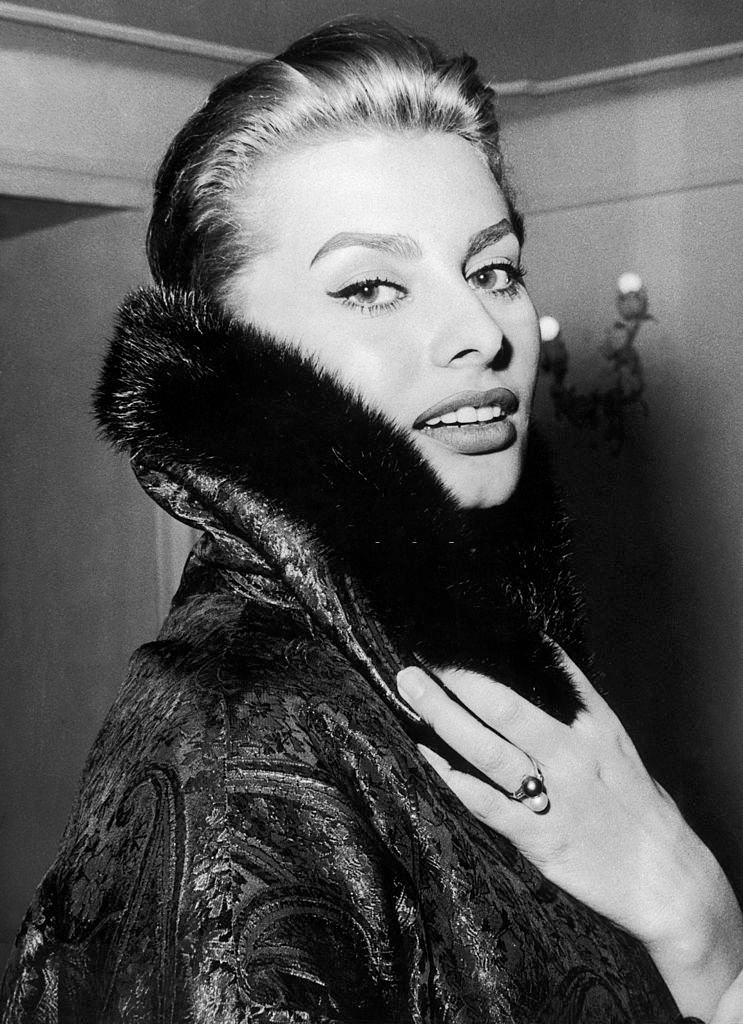
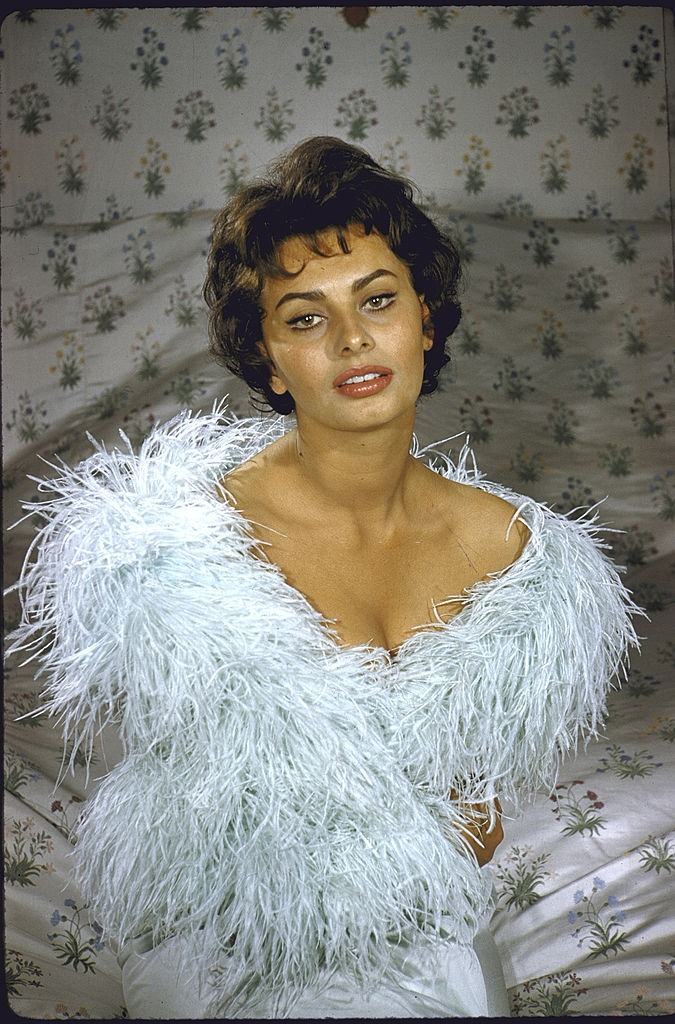
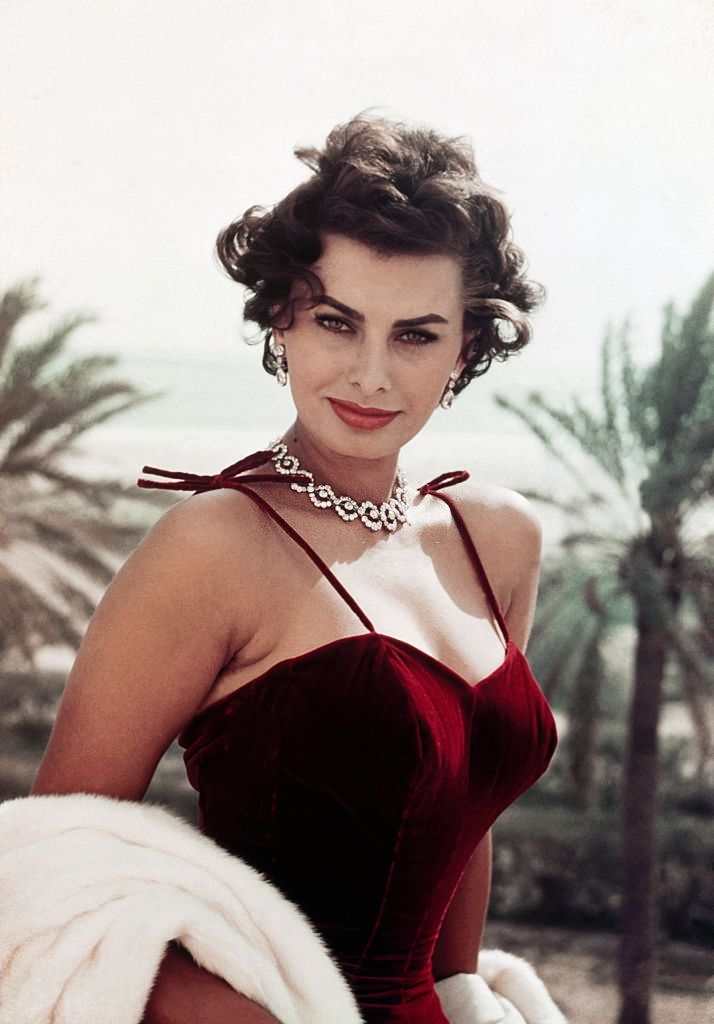
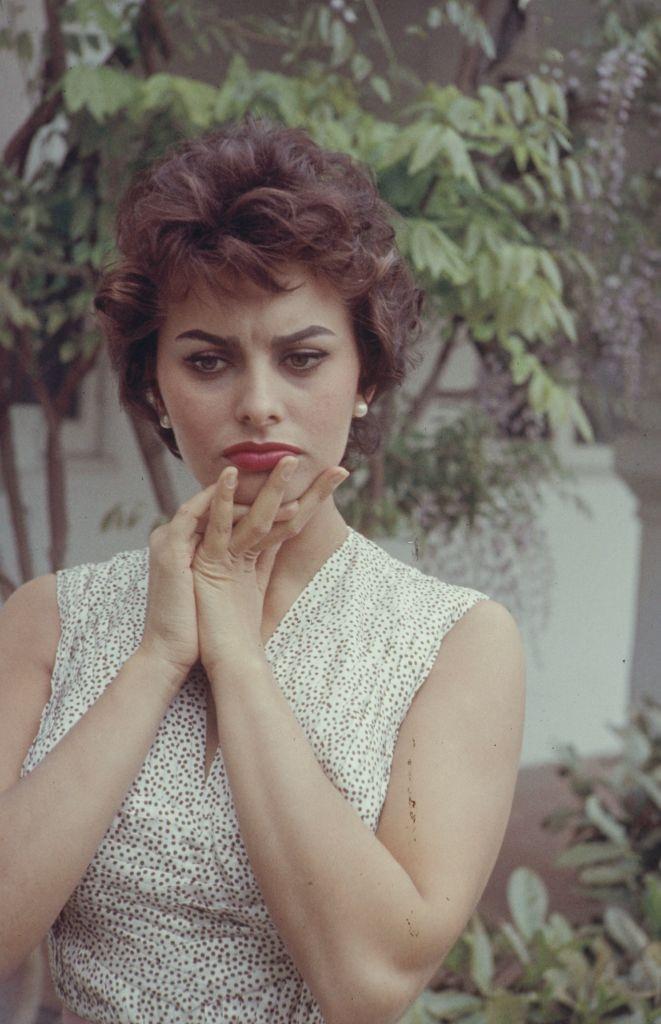
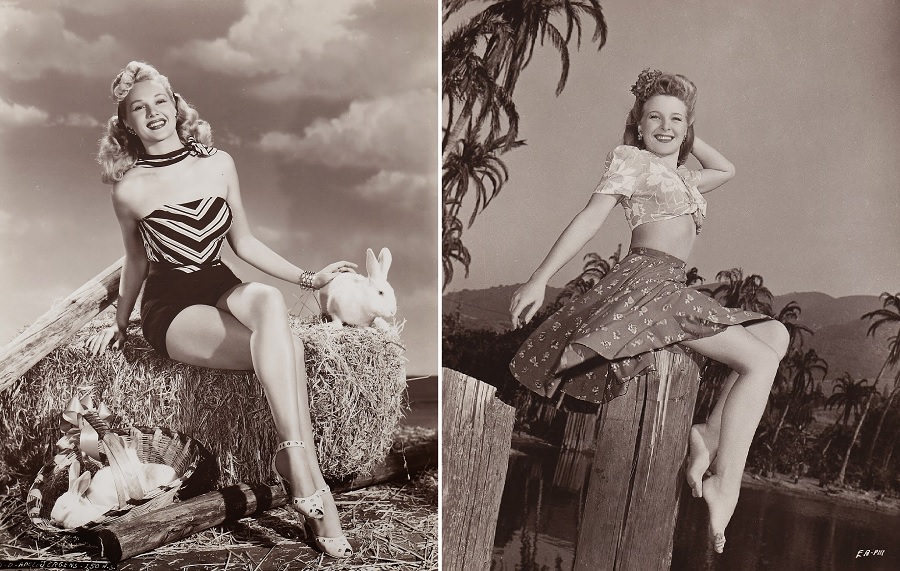
Sophia Loren is widely regarded as one of the most beautiful and talented actresses in cinema history. Born Sofia Villani Scicolone on September 20, 1934, in Rome, she grew up in Pozzuoli, a small town near Naples. Her childhood was defined by hardship — her family lived in poverty, and she and her sister Maria were raised largely without their father. Despite these difficult beginnings, Loren developed a striking presence that would eventually make her one of the most recognizable faces in the world.
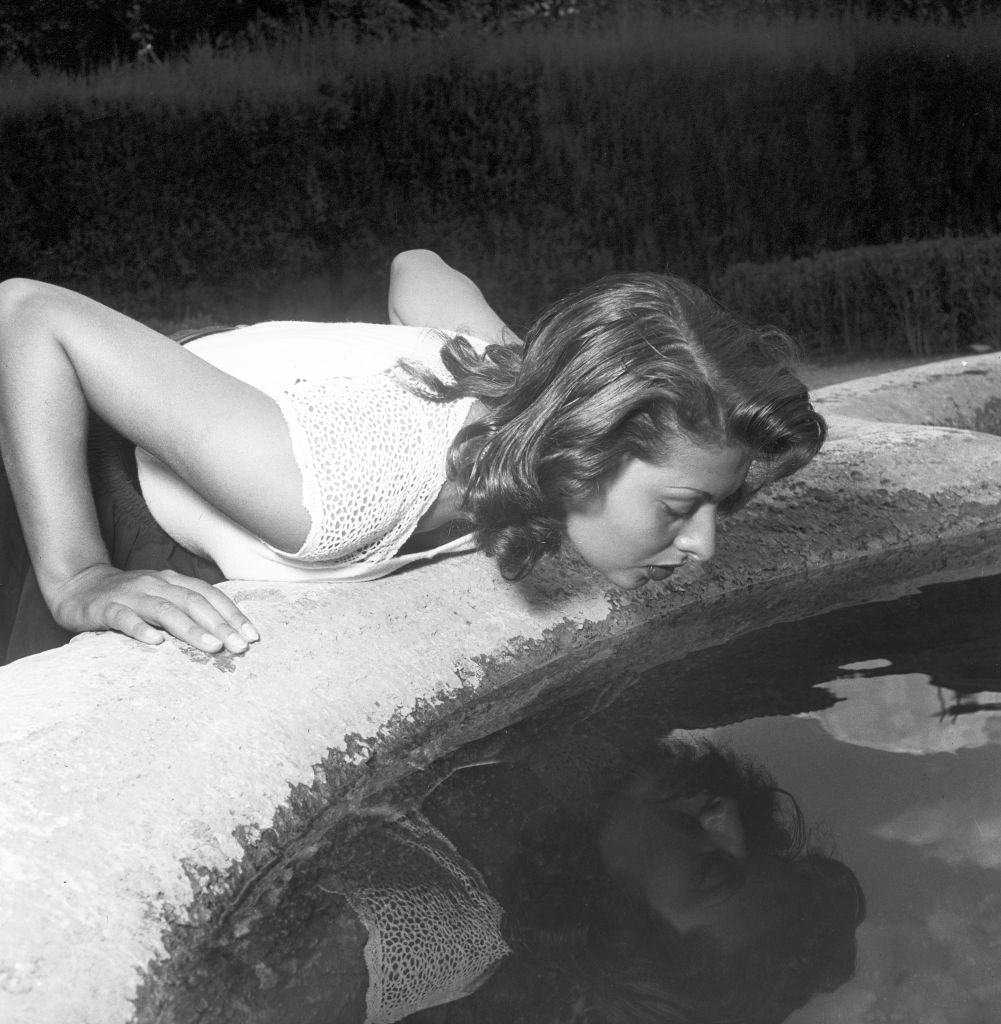
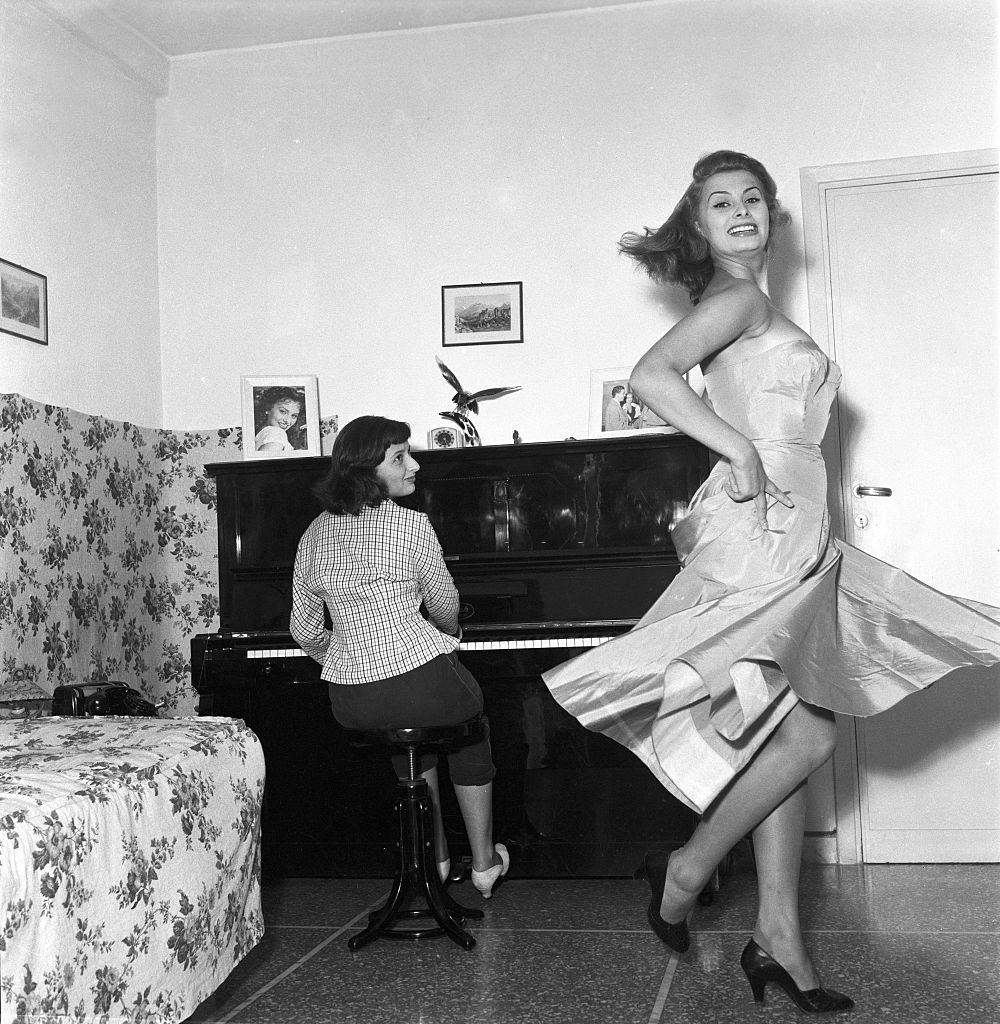
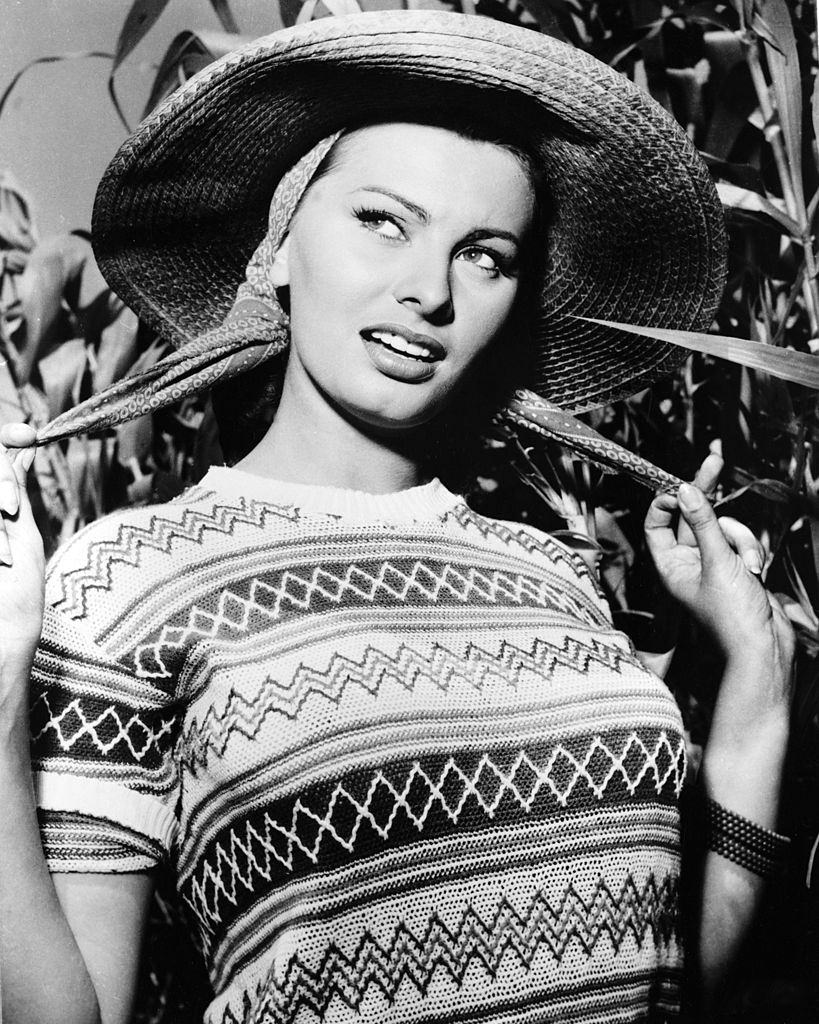
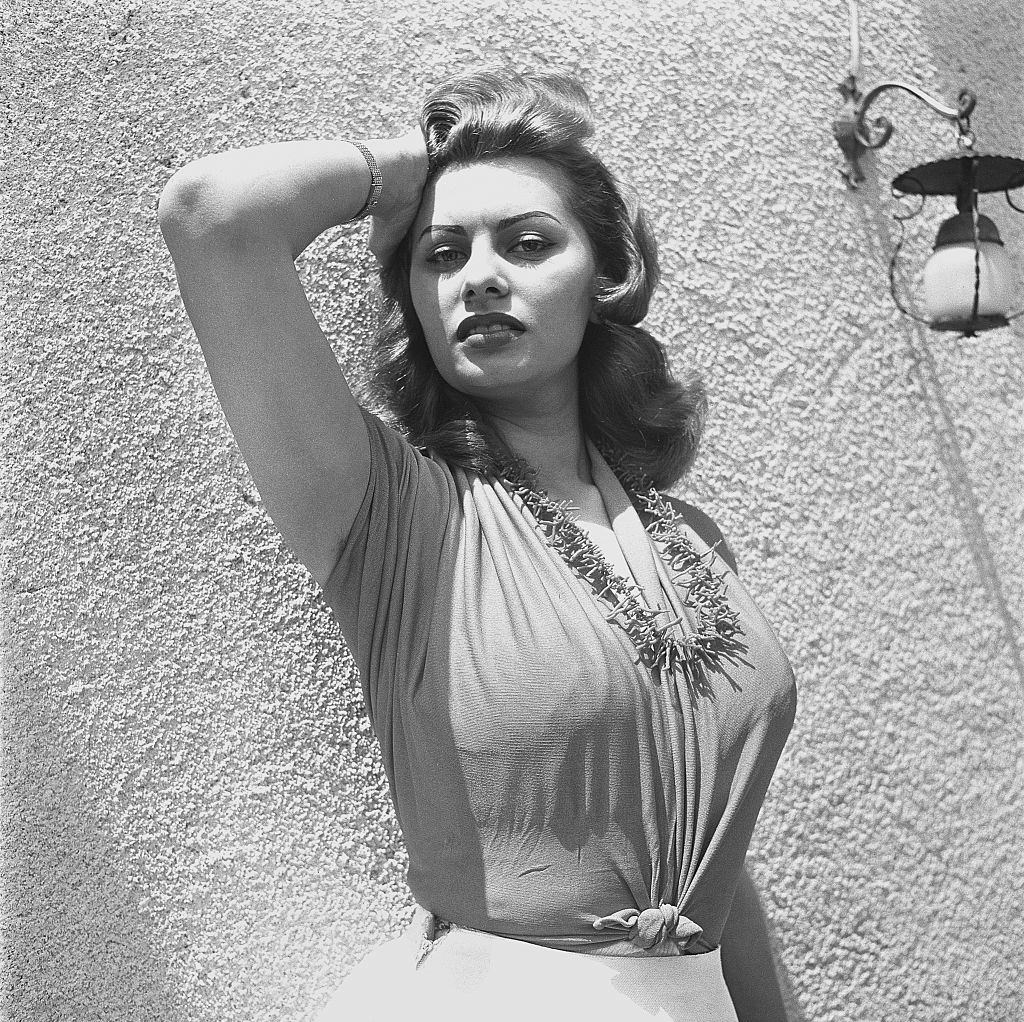
By the late 1940s, a teenage Loren was already turning heads. At just 14, she was so thin from wartime food shortages that classmates nicknamed her ‘la stuzzicadenti’ — the toothpick. But within a few years, she had grown into a young woman whose looks caught the attention of photographers and talent scouts across Italy.
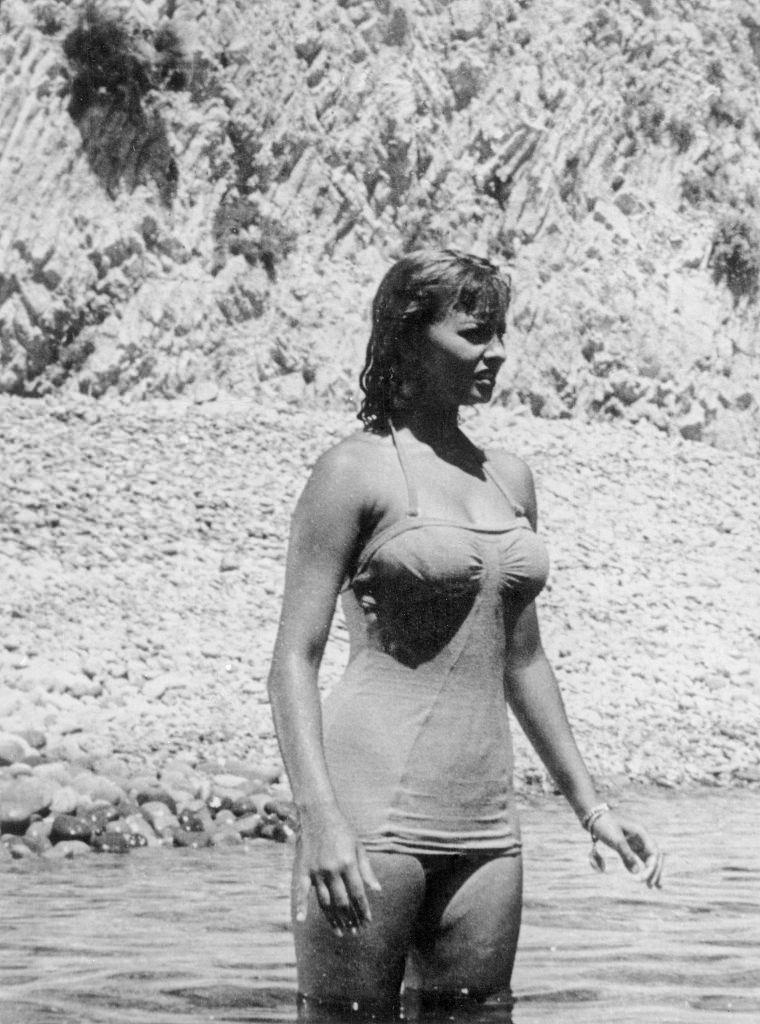
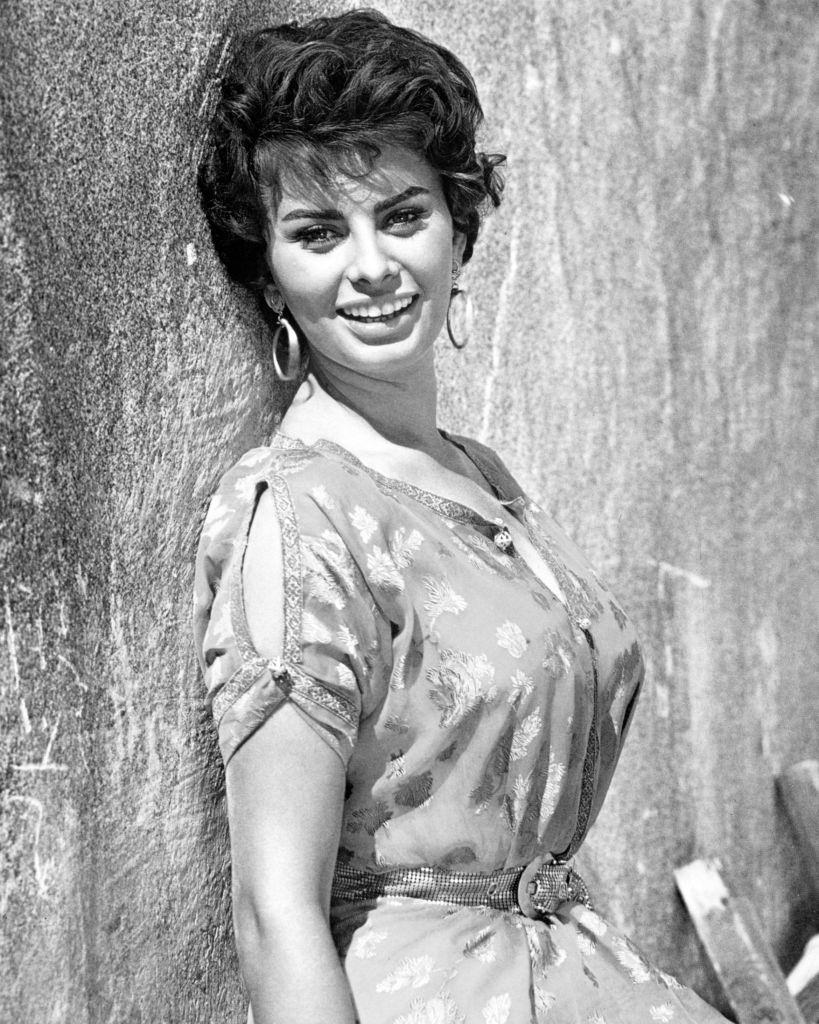
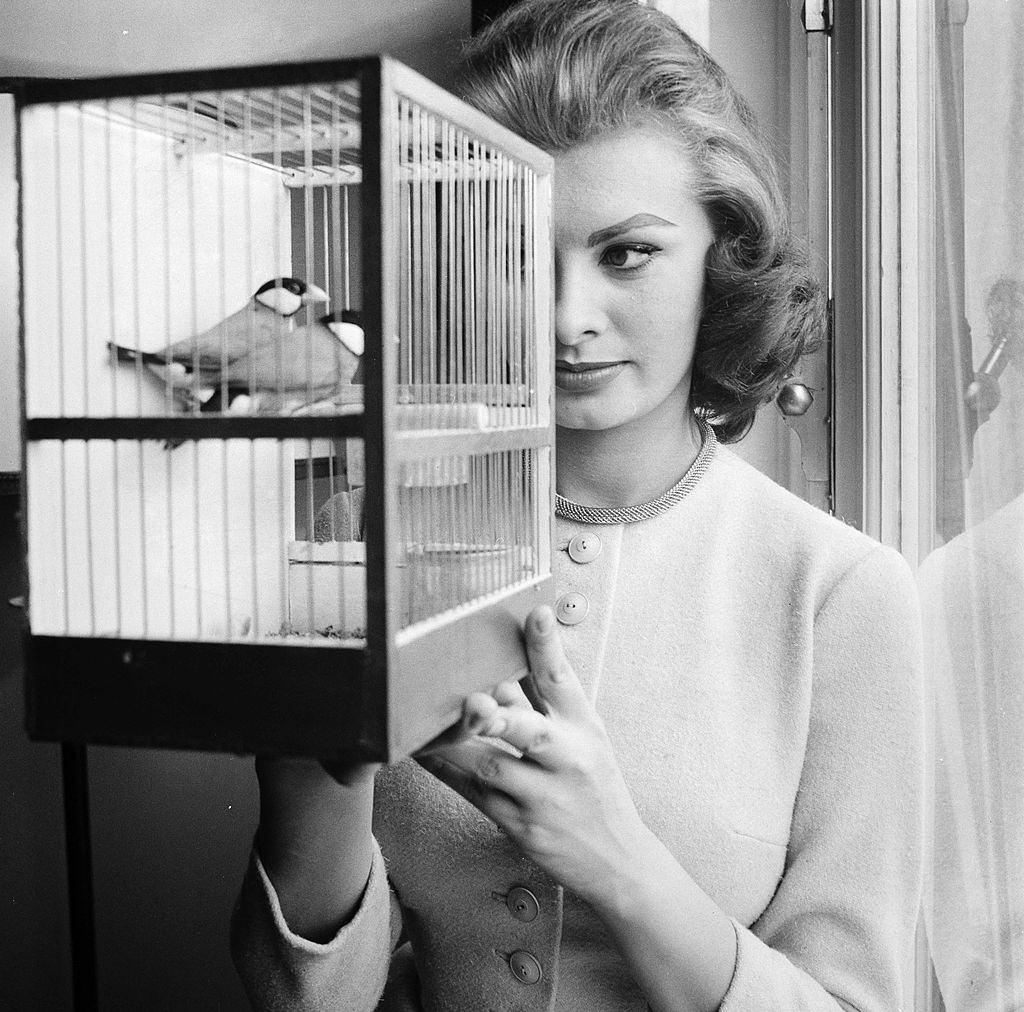
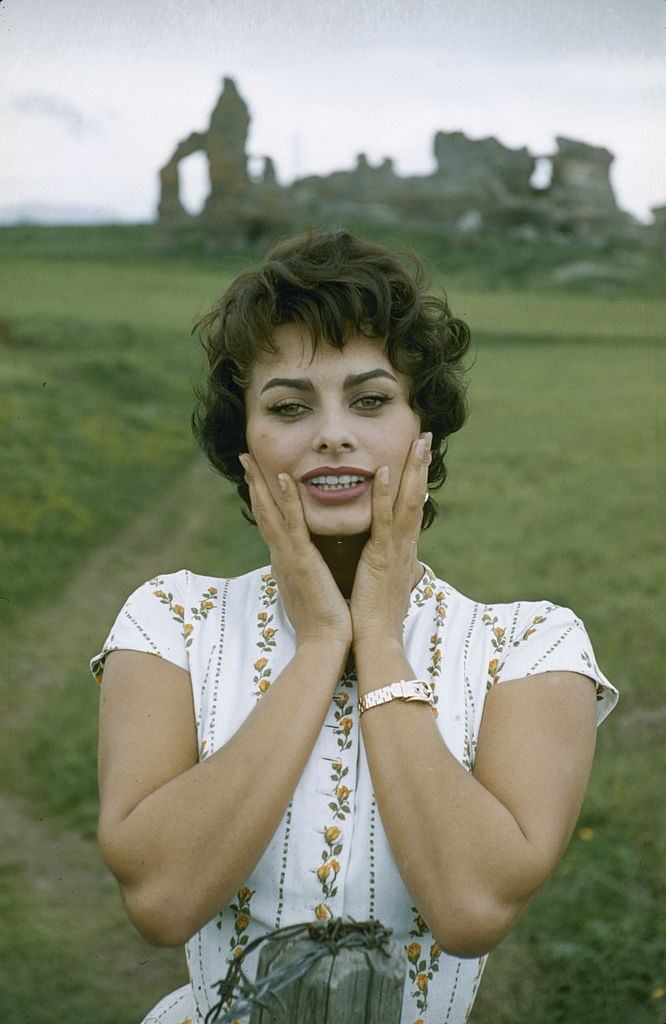
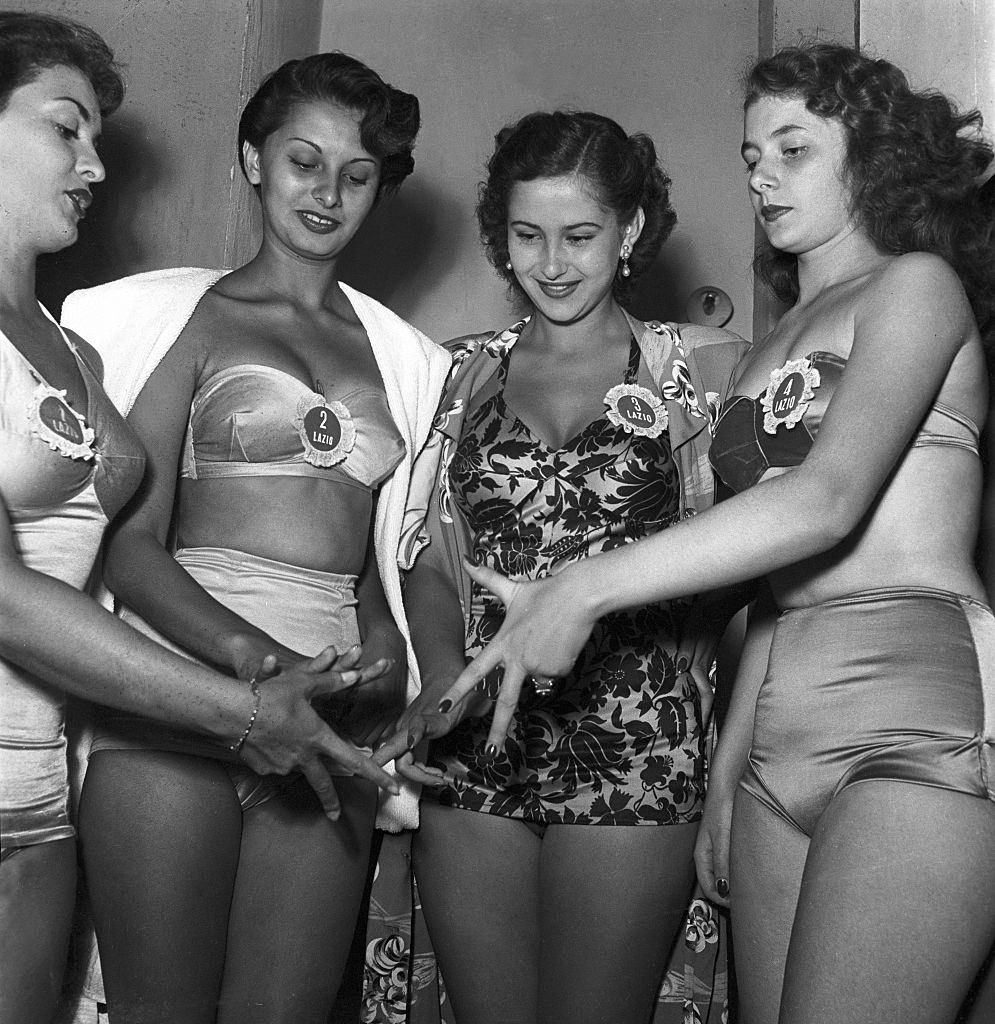
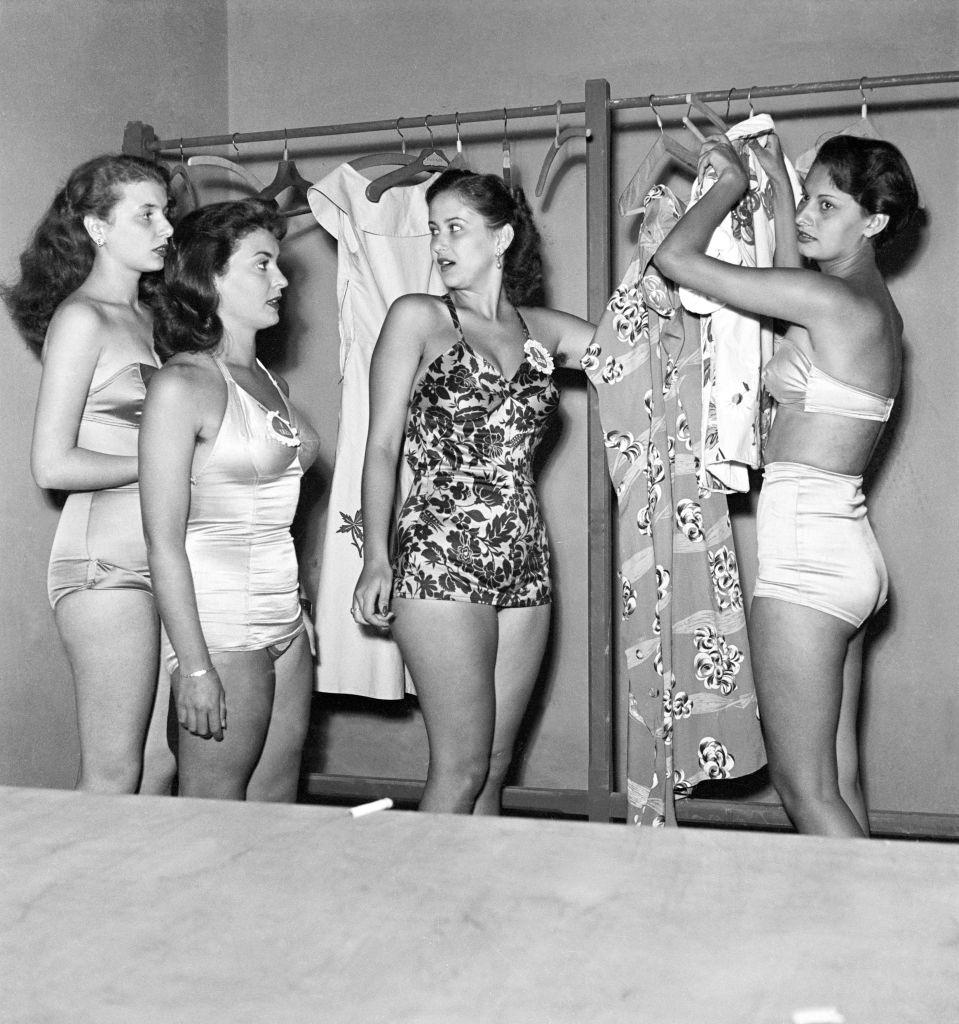
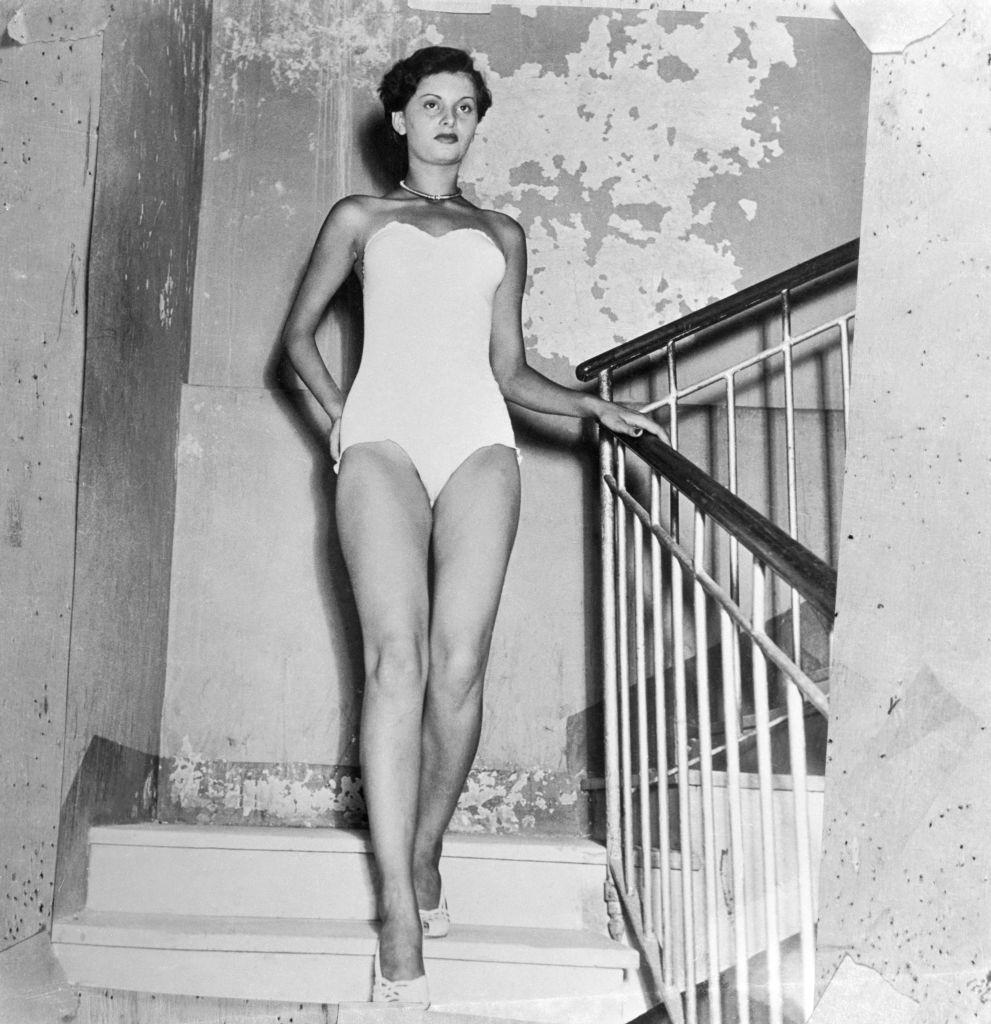
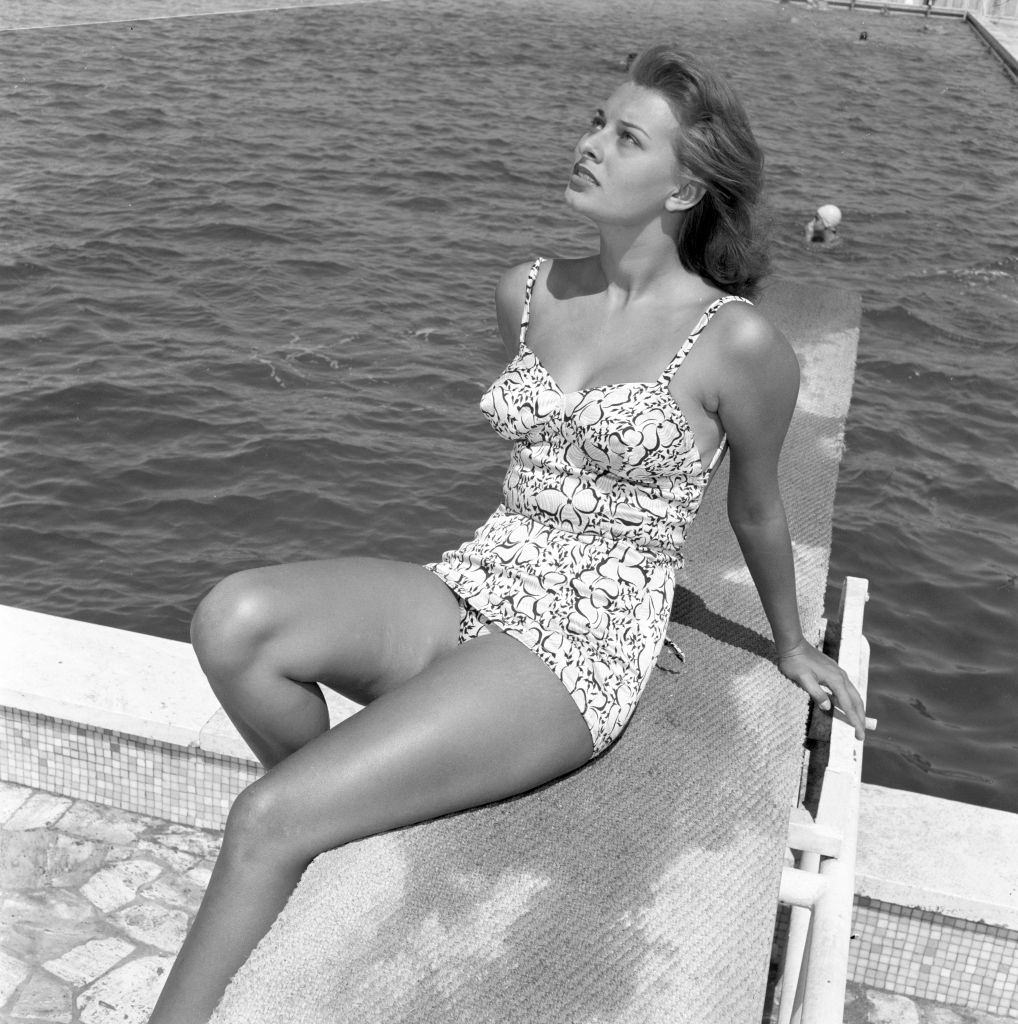
Loren entered the world of modeling at 16, competing in Italian beauty pageants and landing small modeling jobs. She participated in the Miss Italia competitions in 1950 and 1952, where her appearance drew widespread attention even though she did not win the title. These contests gave her a platform that helped launch her into the entertainment industry.
It was during this period that Loren met film producer Carlo Ponti. He was 37 years old; she was just 16. Ponti recognized her potential immediately and became her manager, guiding her early career. Their professional relationship gradually evolved into a personal one, and the two eventually married in 1962 when Ponti was 50. They remained together until his death in 2007.
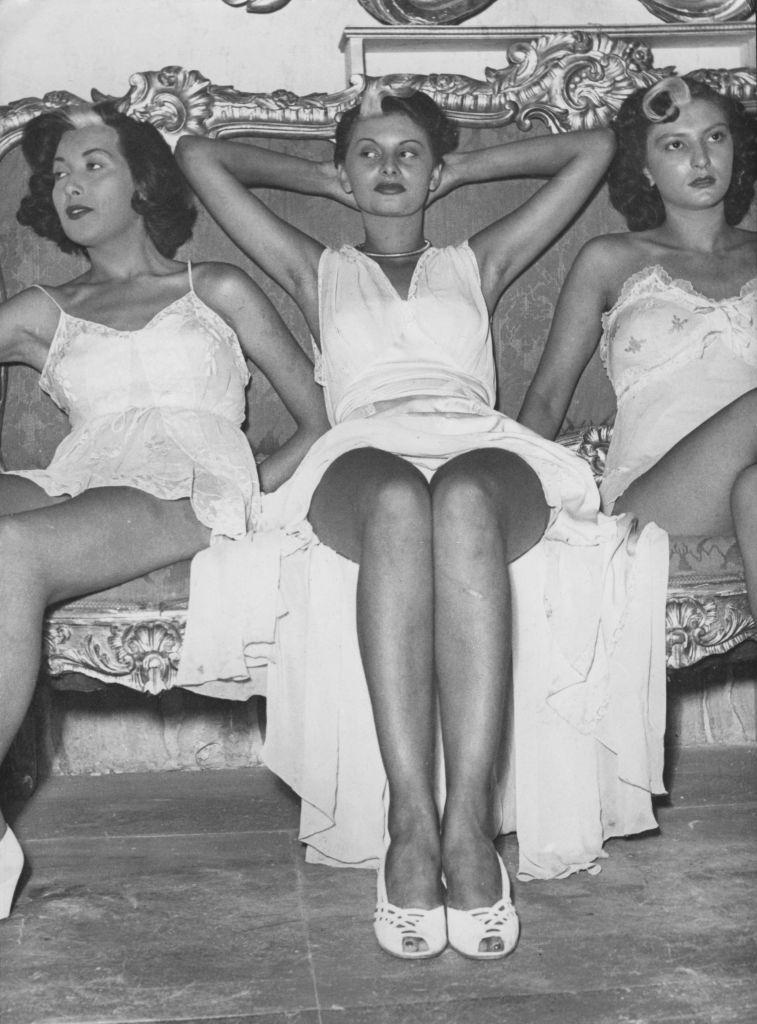
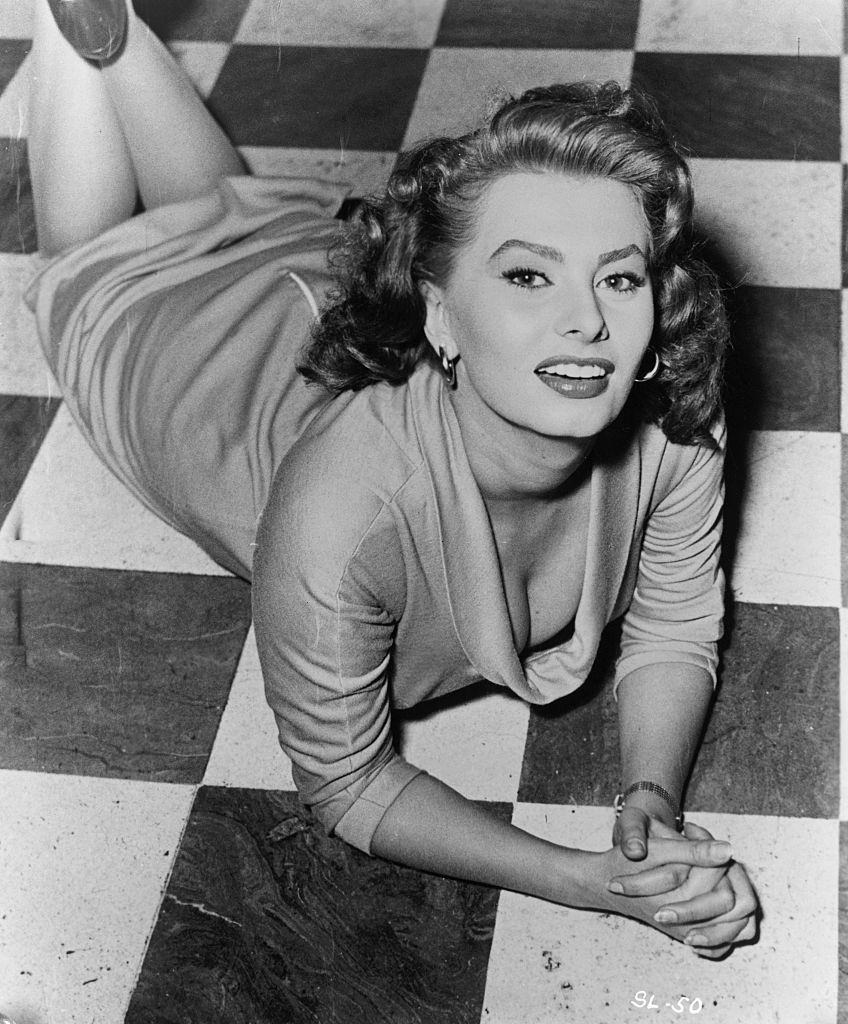
Loren entered the film industry in 1951, taking on small and uncredited roles while she built her profile. She appeared at events and film festivals, steadily growing her public presence. In 1952, she adopted the stage name ‘Loren,’ inspired by her role in the film La Favorita. The name stuck, and so did her rising star.
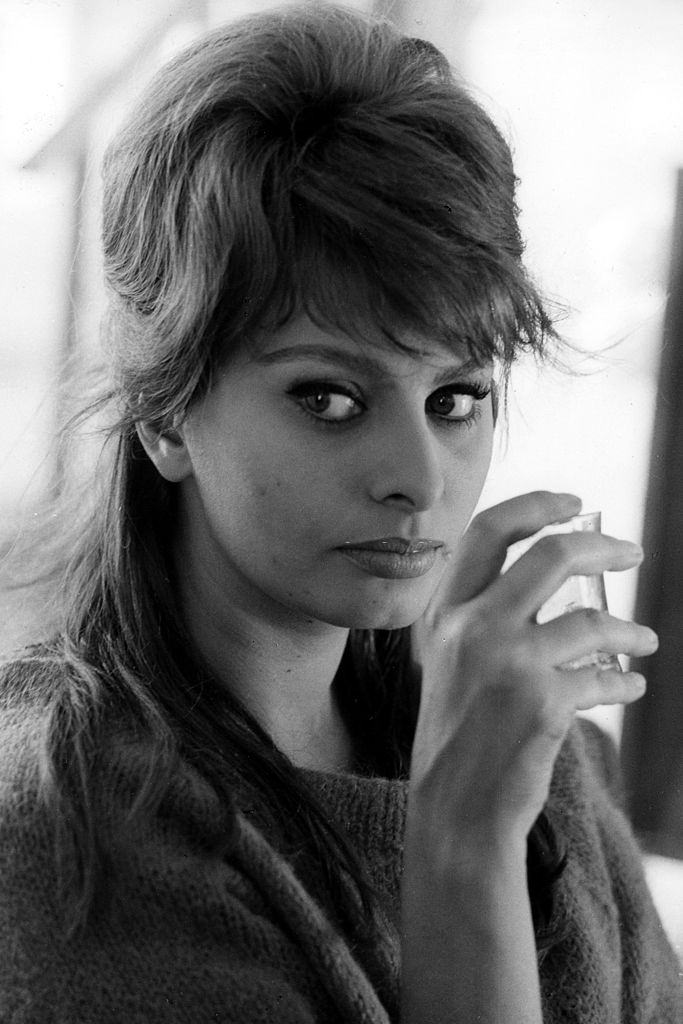
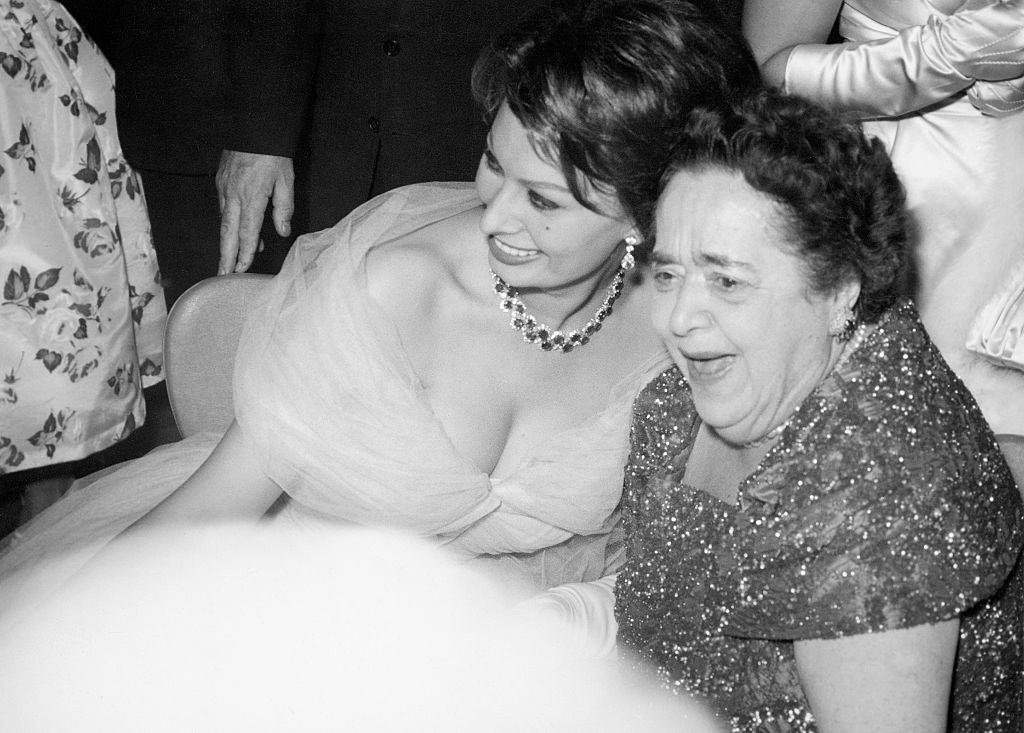
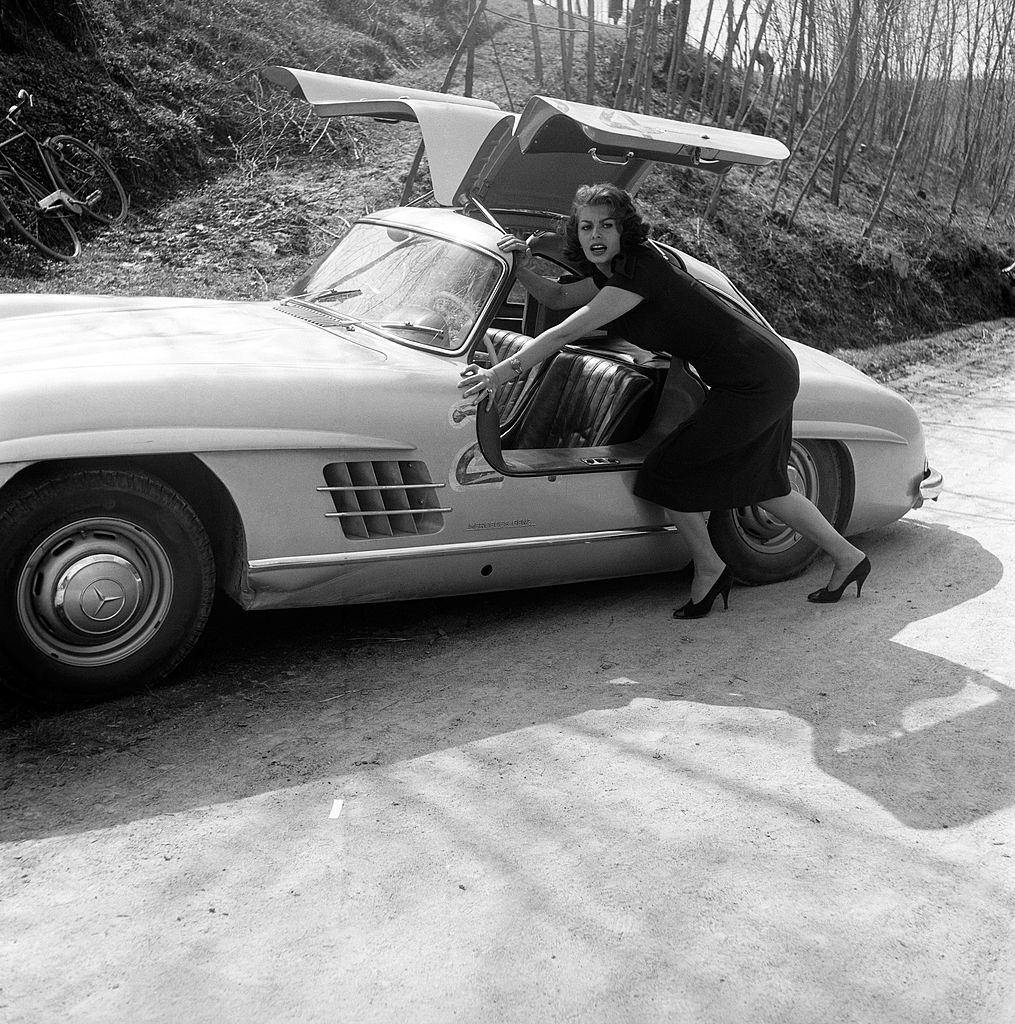
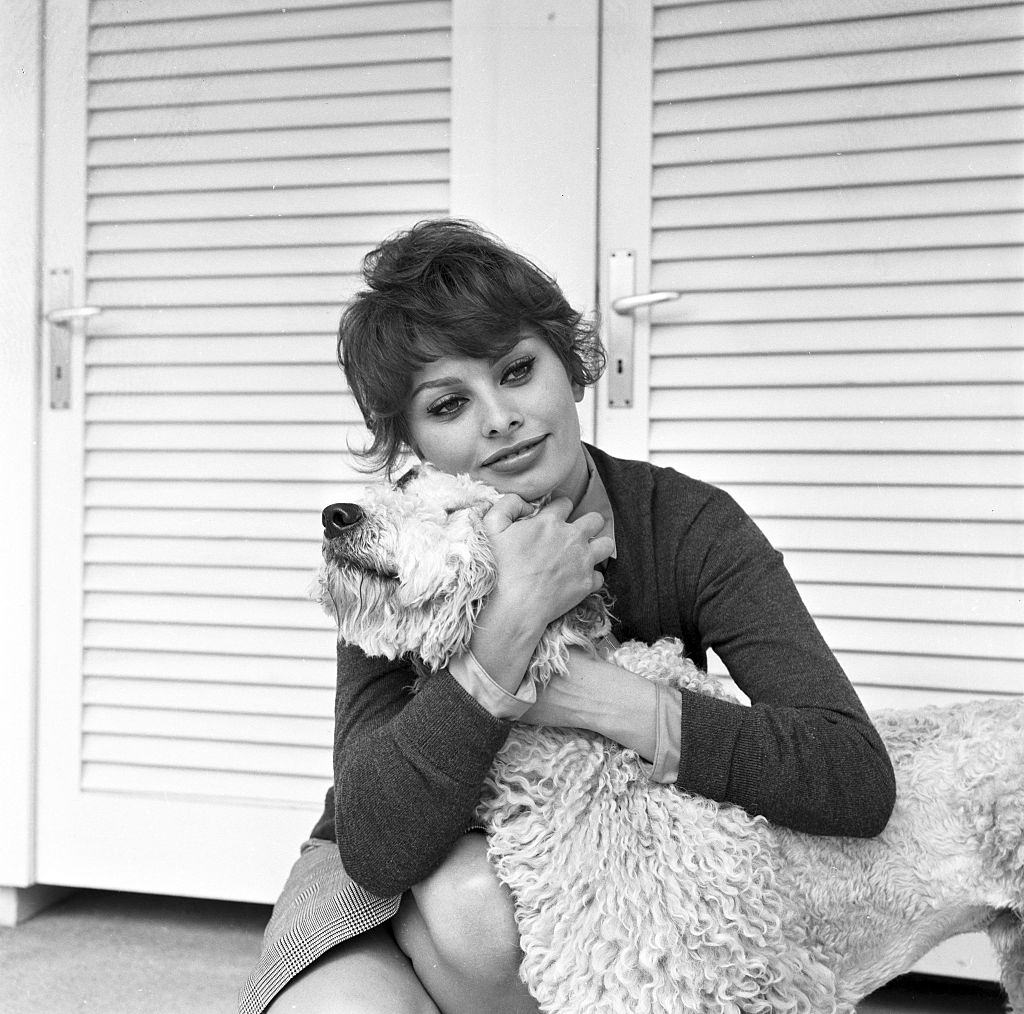
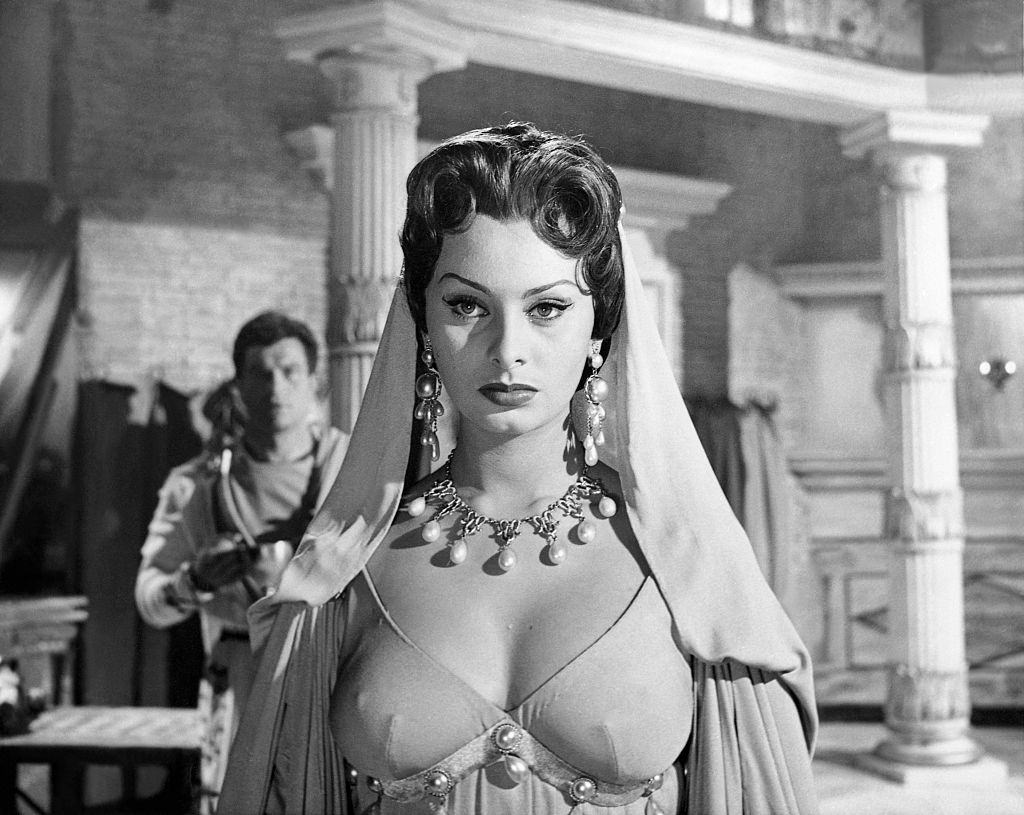
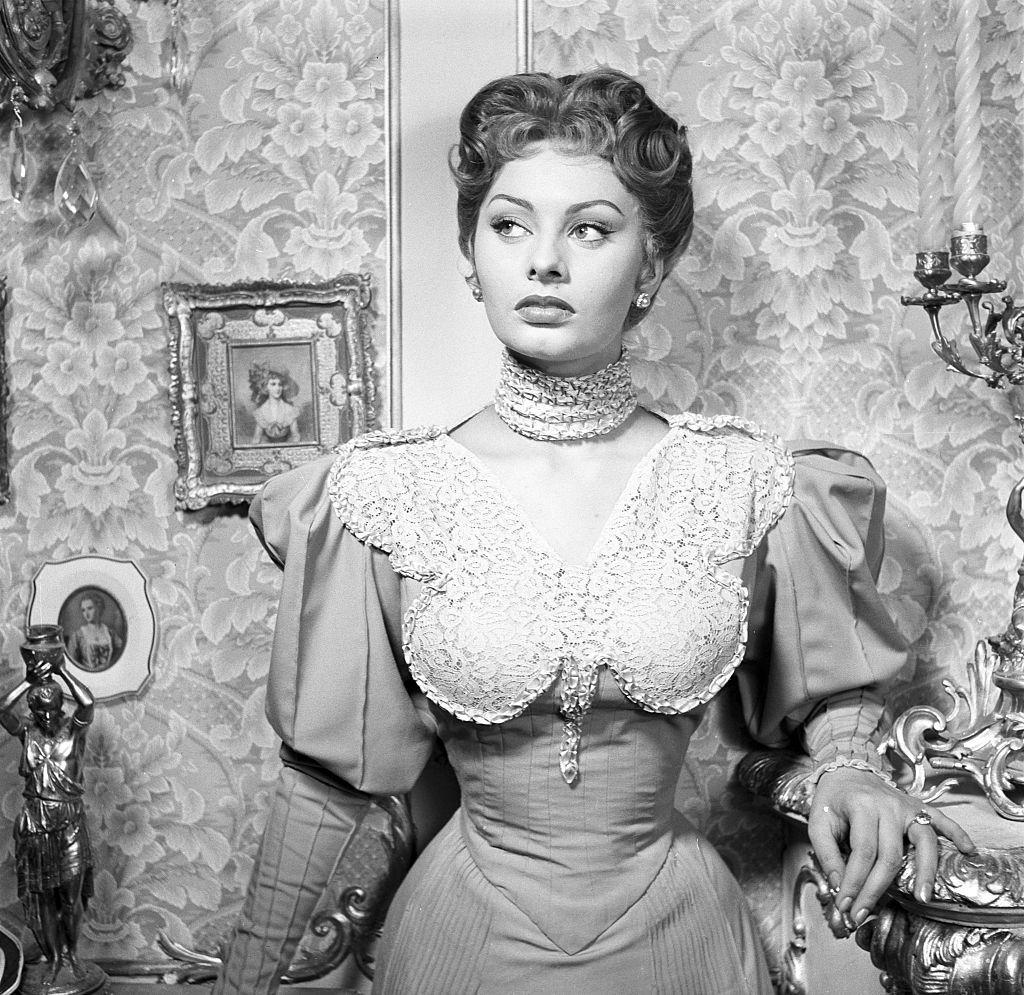
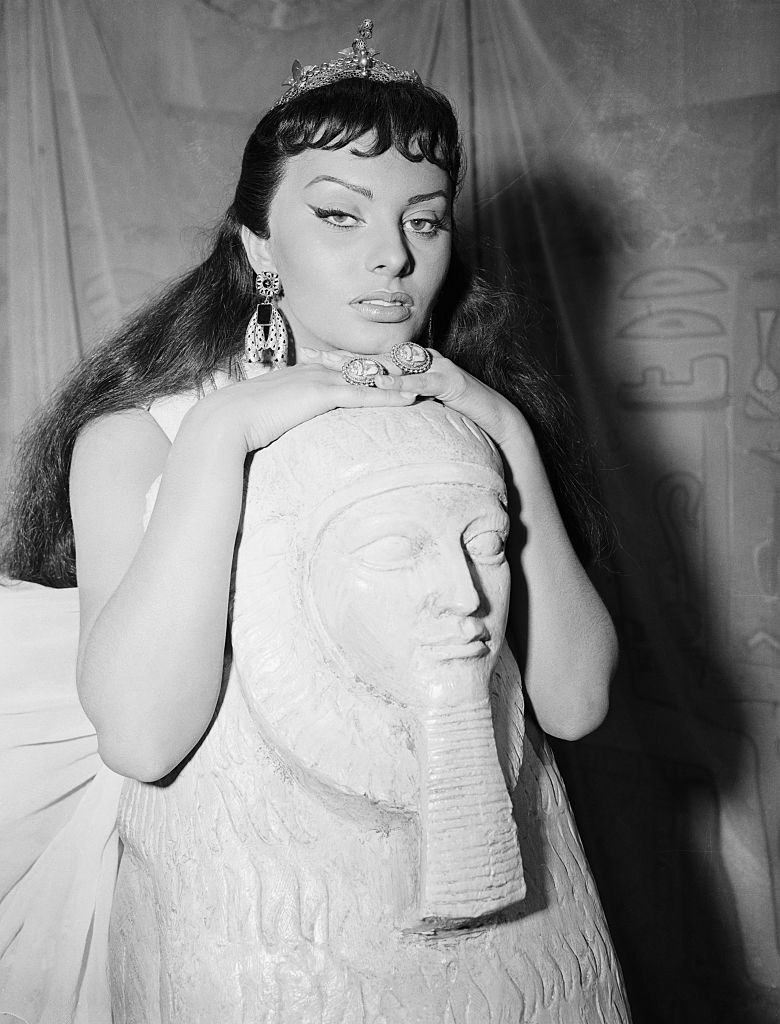
Throughout 1952 and 1953, Loren worked at a relentless pace, appearing in a string of Italian productions. These early films ranged from comedies to adventure pictures, and while many were lightweight in tone, they gave Loren the screen experience she needed. She played roles as varied as Cleopatra and a simple village girl, demonstrating early on that she was not limited to a single type.
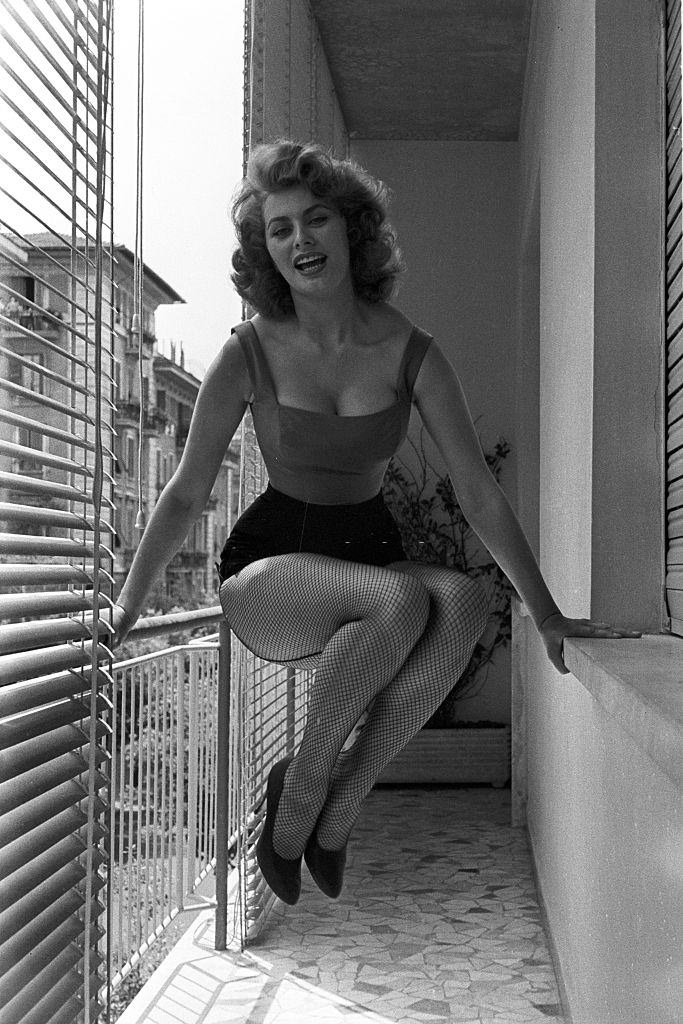
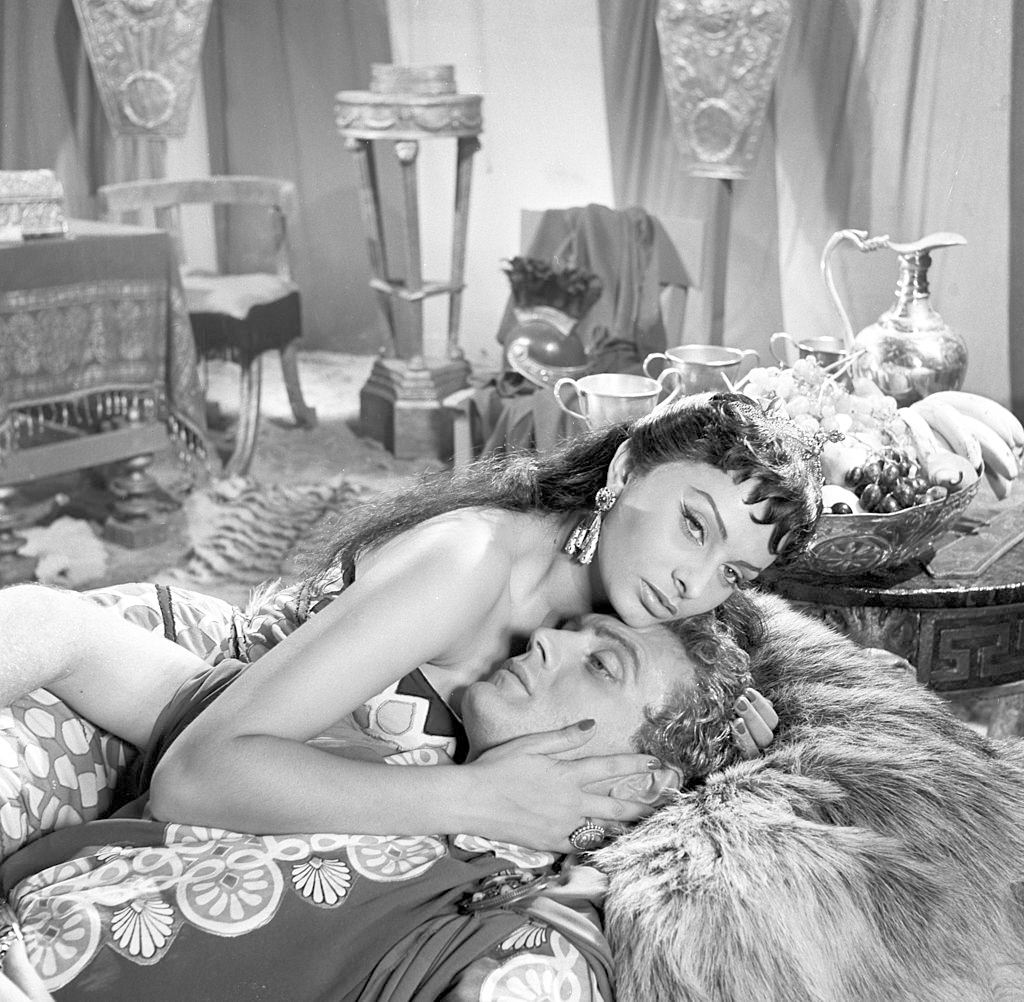
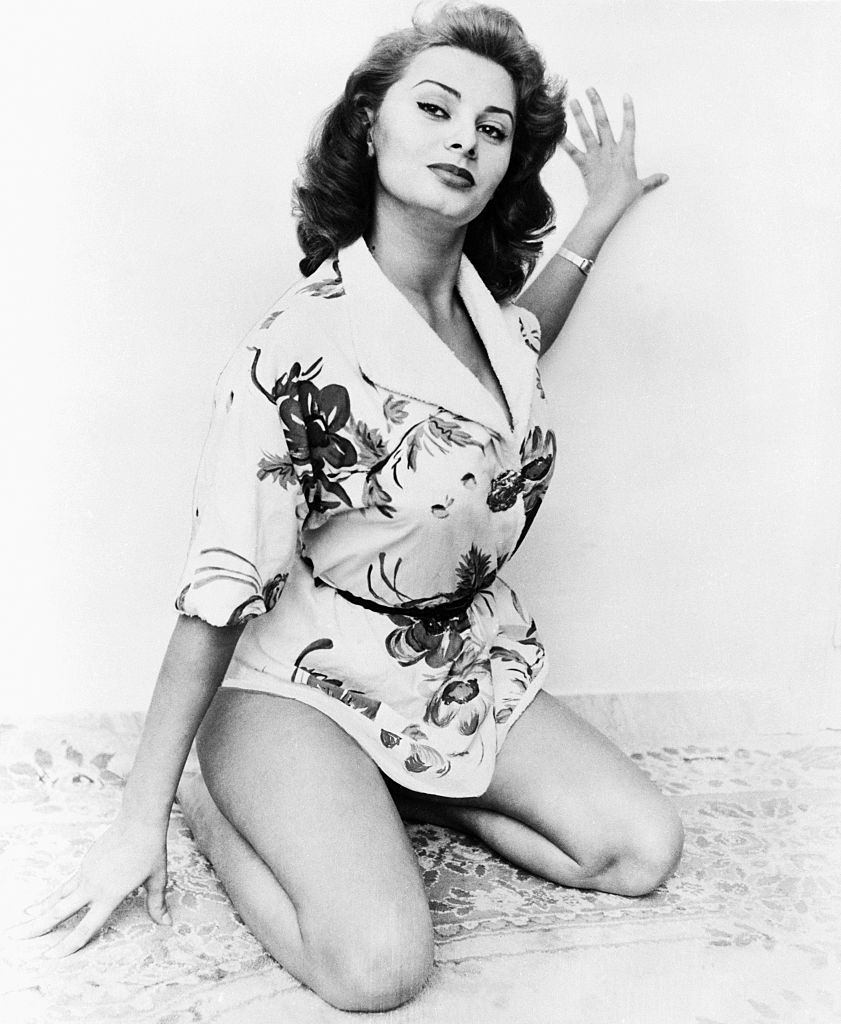
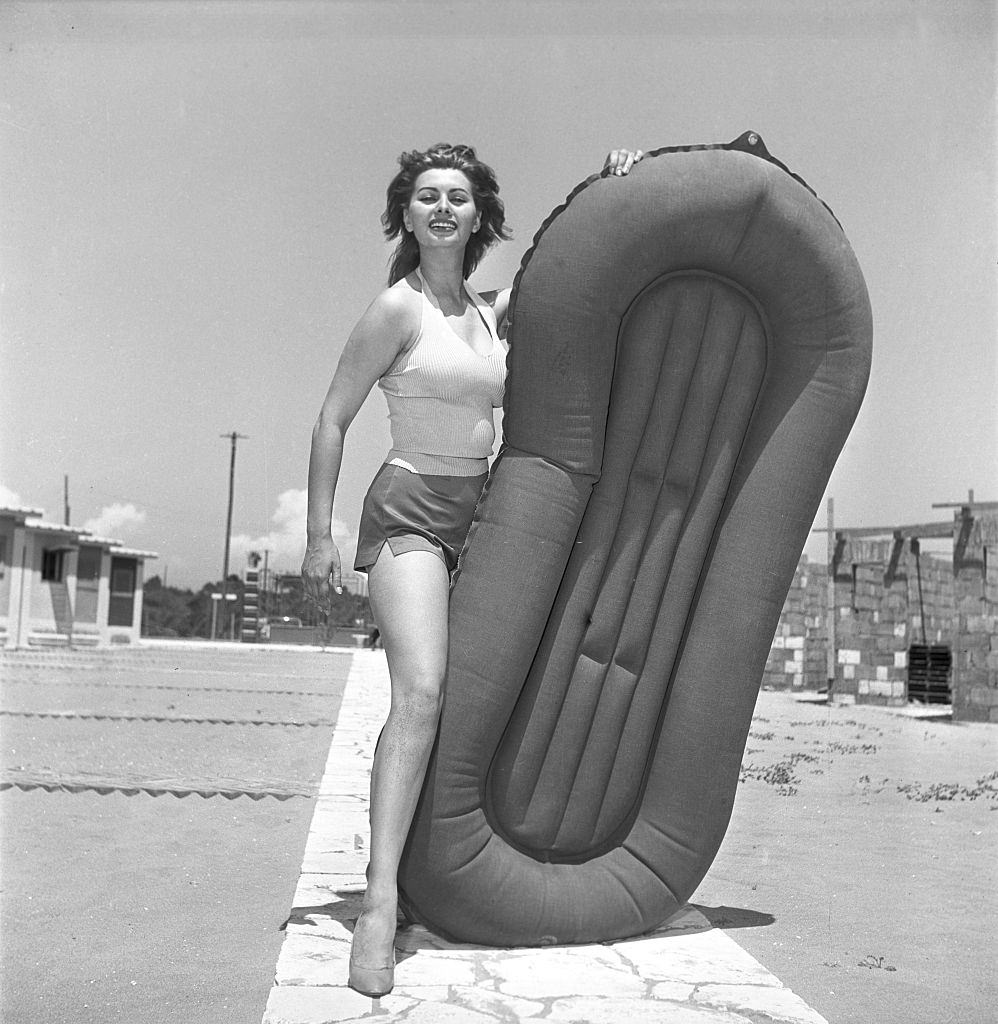
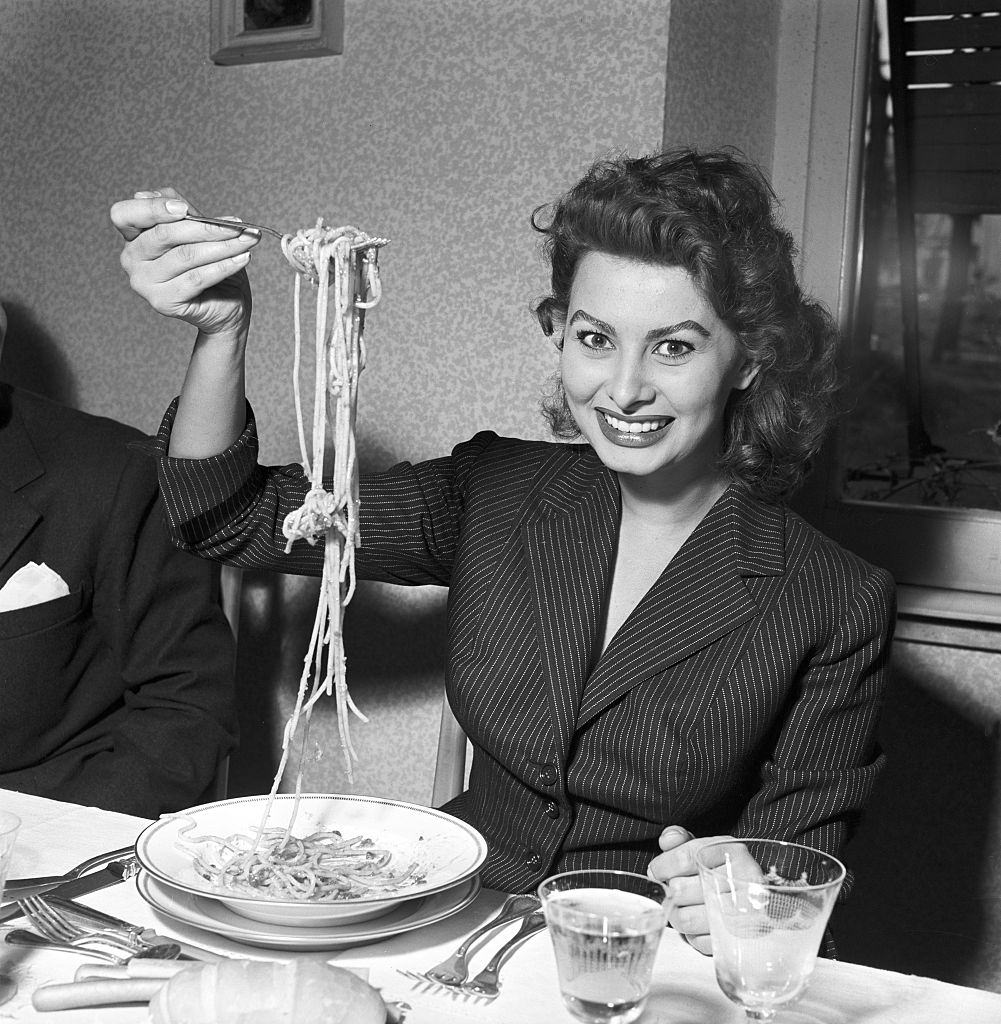
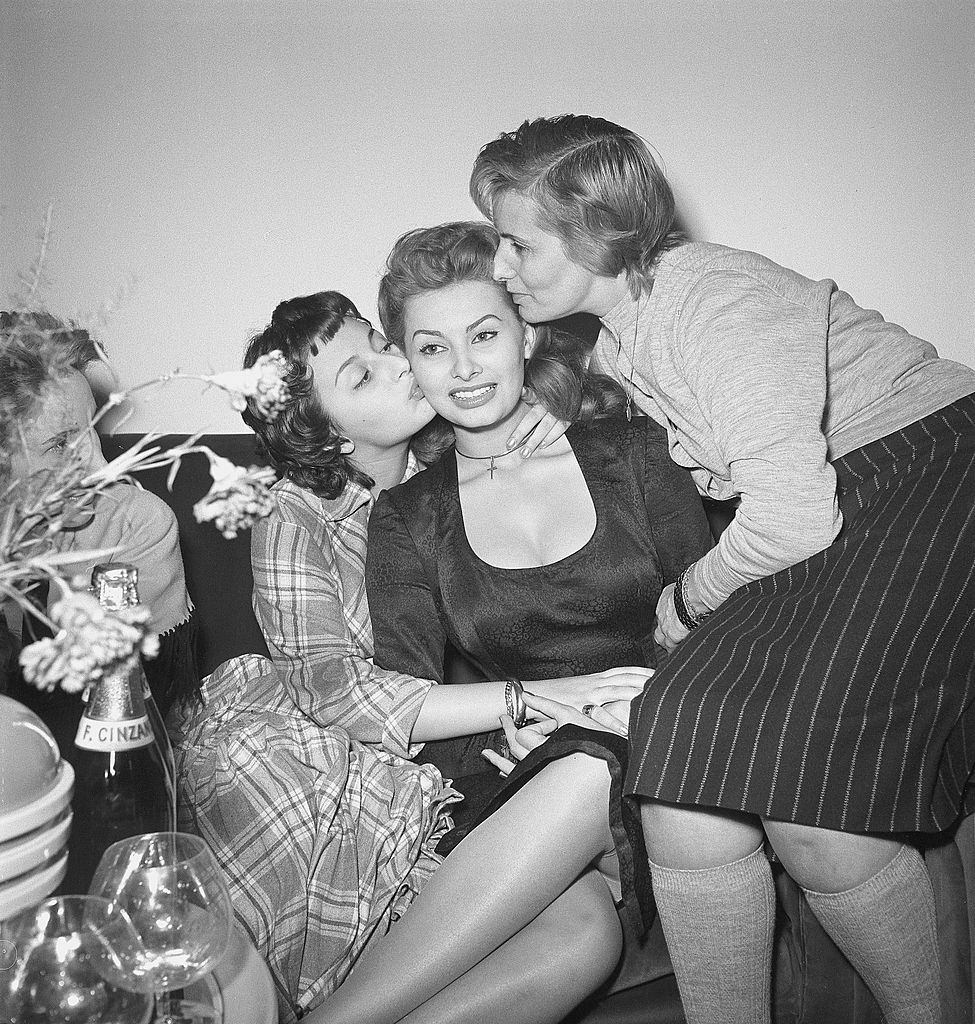
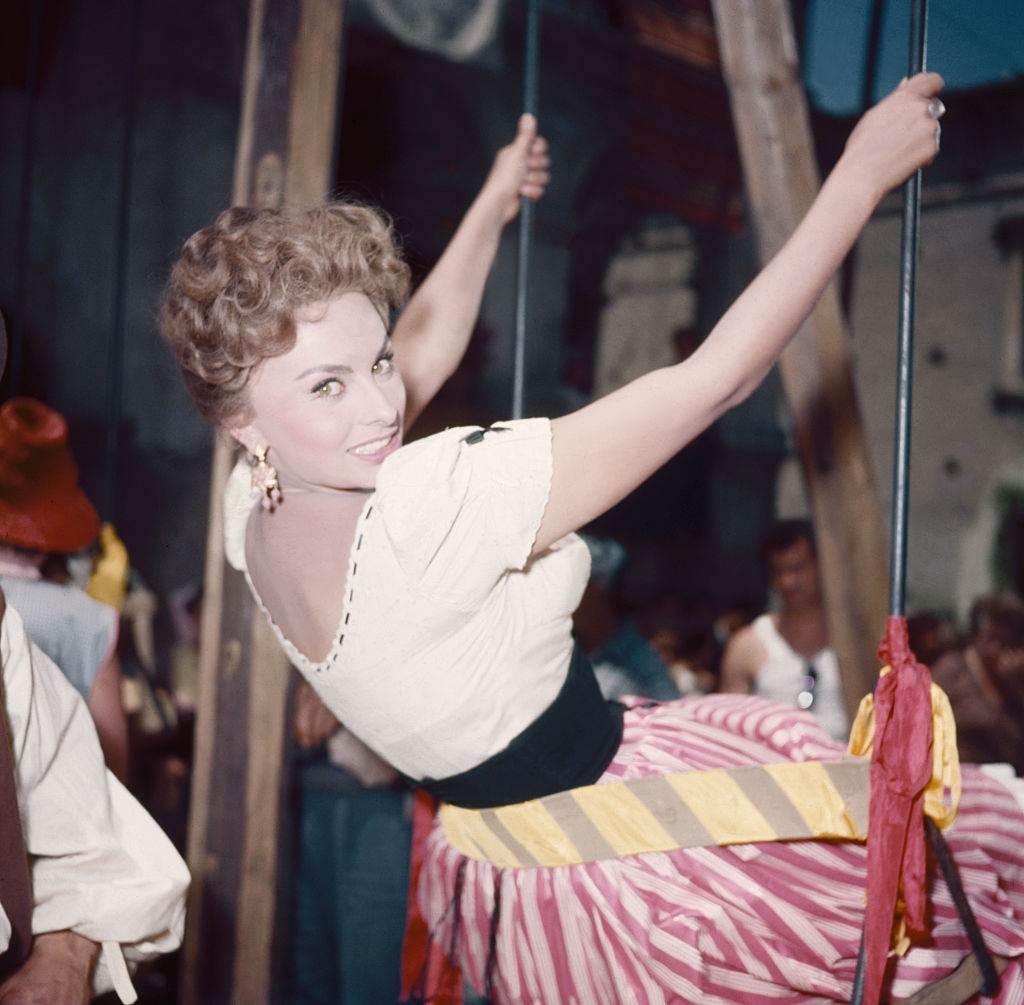
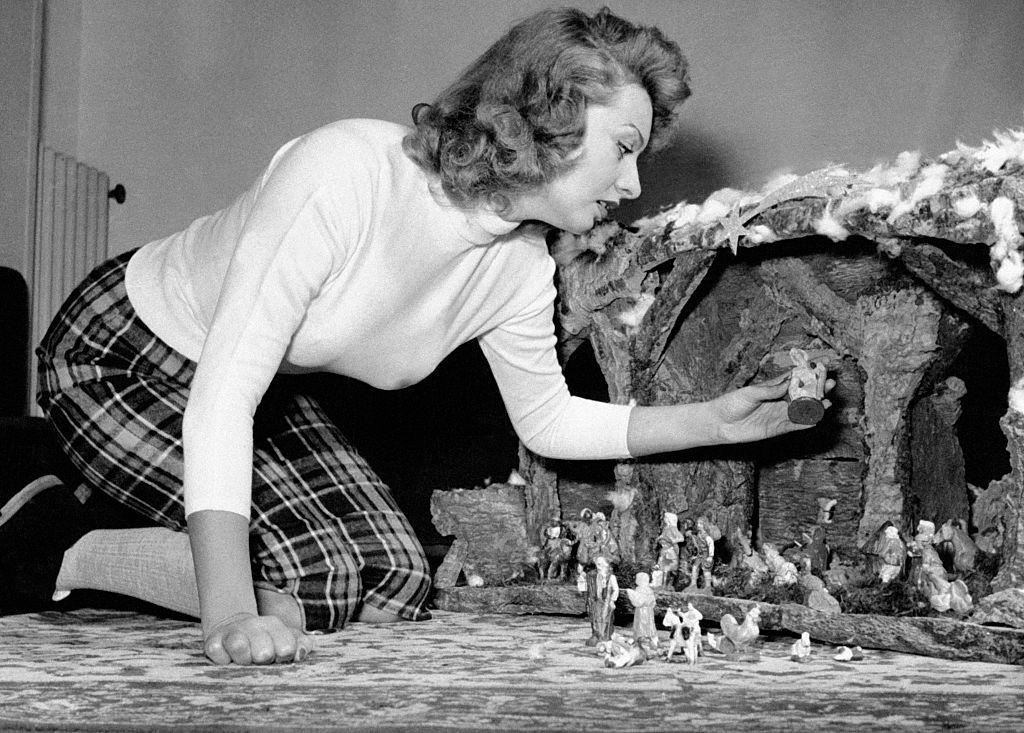
By 1953, Loren was appearing in multiple films per year. She took on a role in Africa Under the Seas, an underwater adventure picture, and also appeared in Pilgrims of Love. Off screen, she was photographed constantly — at Rome’s funfair, at beach outings in Ostia, and at holiday celebrations. The camera was drawn to her naturally, and she gave it plenty to work with.
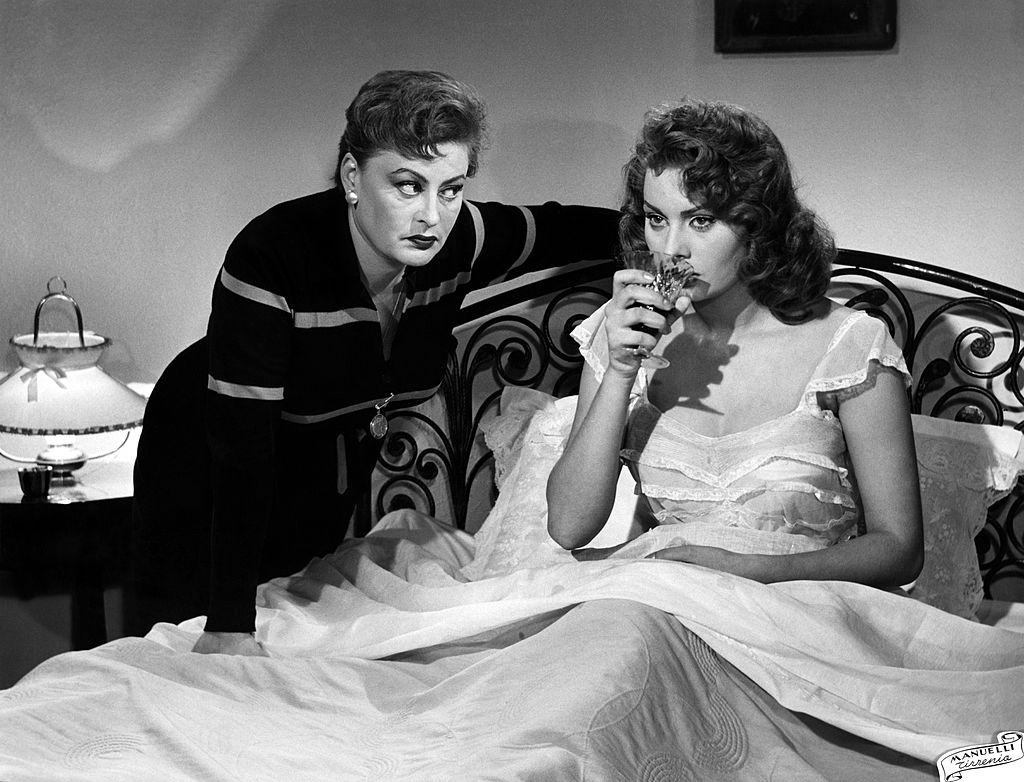
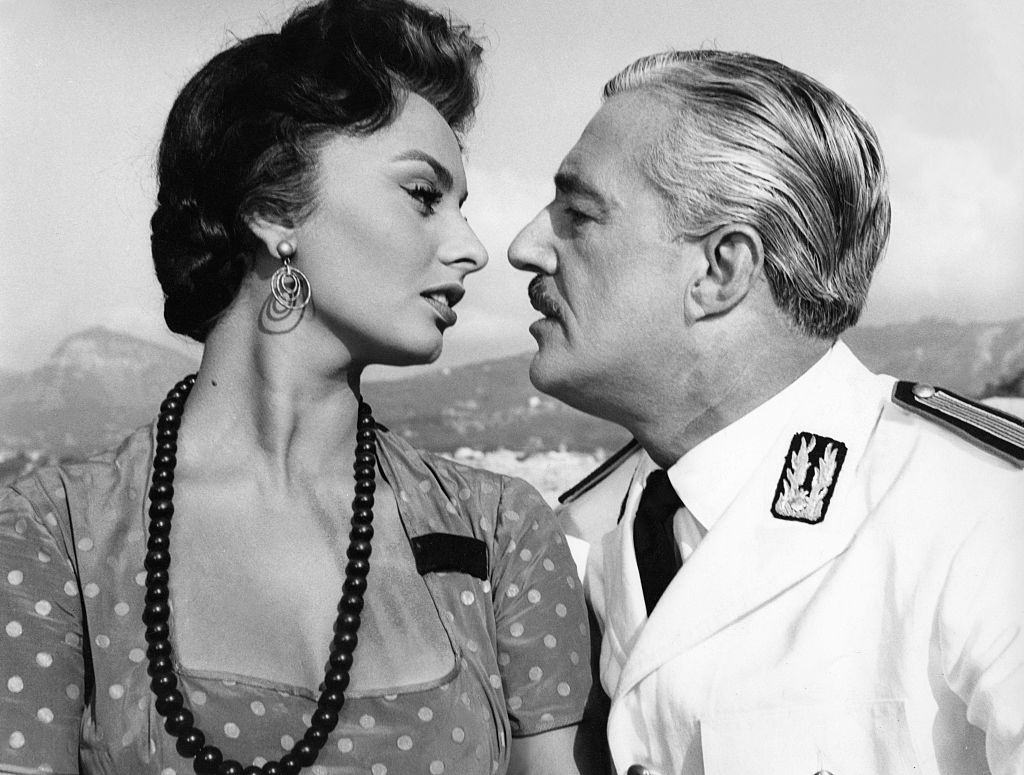
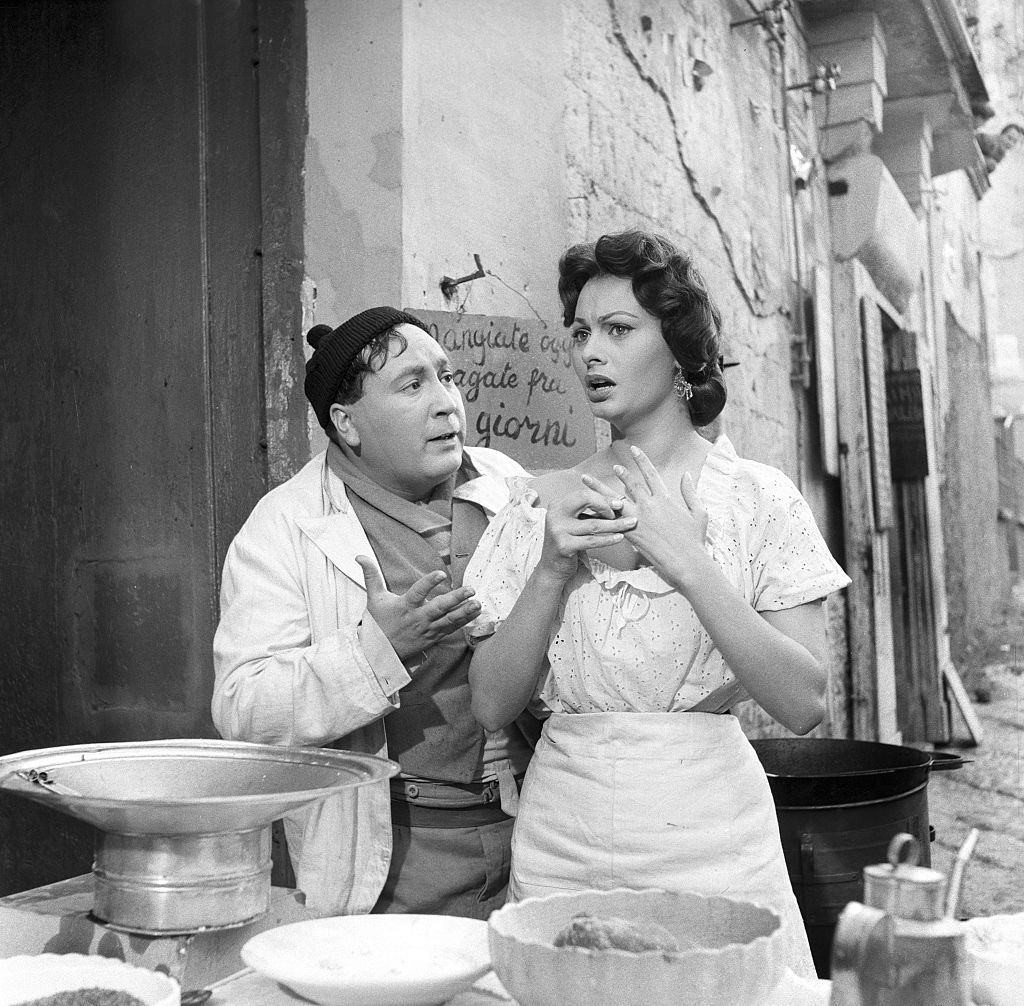
The year 1954 marked a turning point. Loren starred in The Gold of Naples, directed by Vittorio De Sica, one of Italy’s most celebrated filmmakers. The film was an anthology of Neapolitan stories, and Loren’s performance in her segment — playing a sharp-witted pizza seller — announced her as a genuine acting talent, not just a beautiful face. The film was a major success and established her as a leading name in Italian cinema.
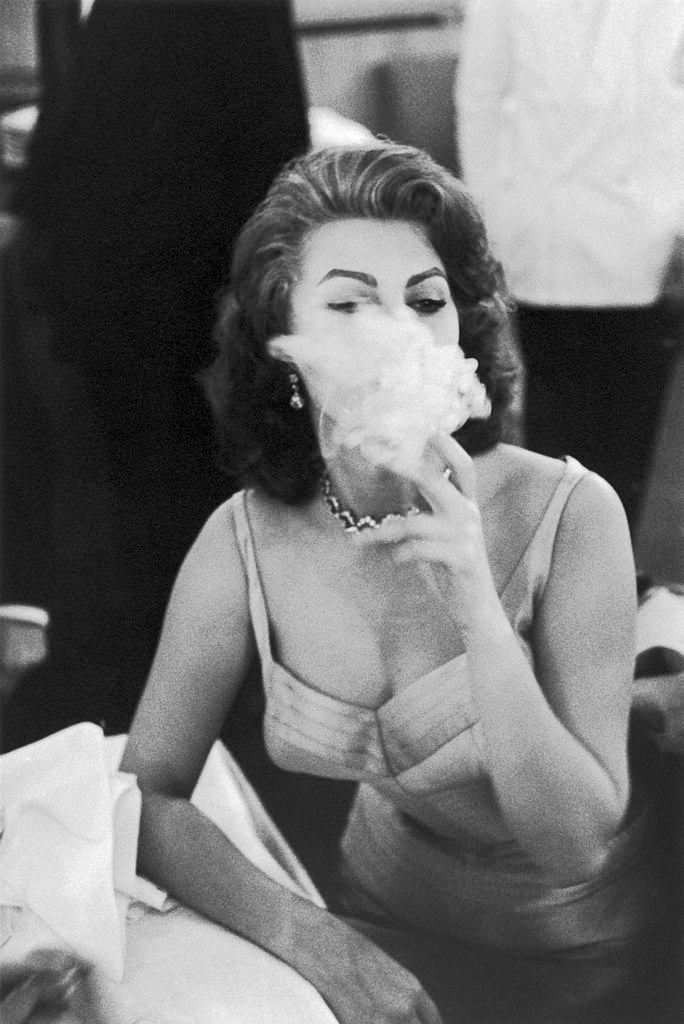
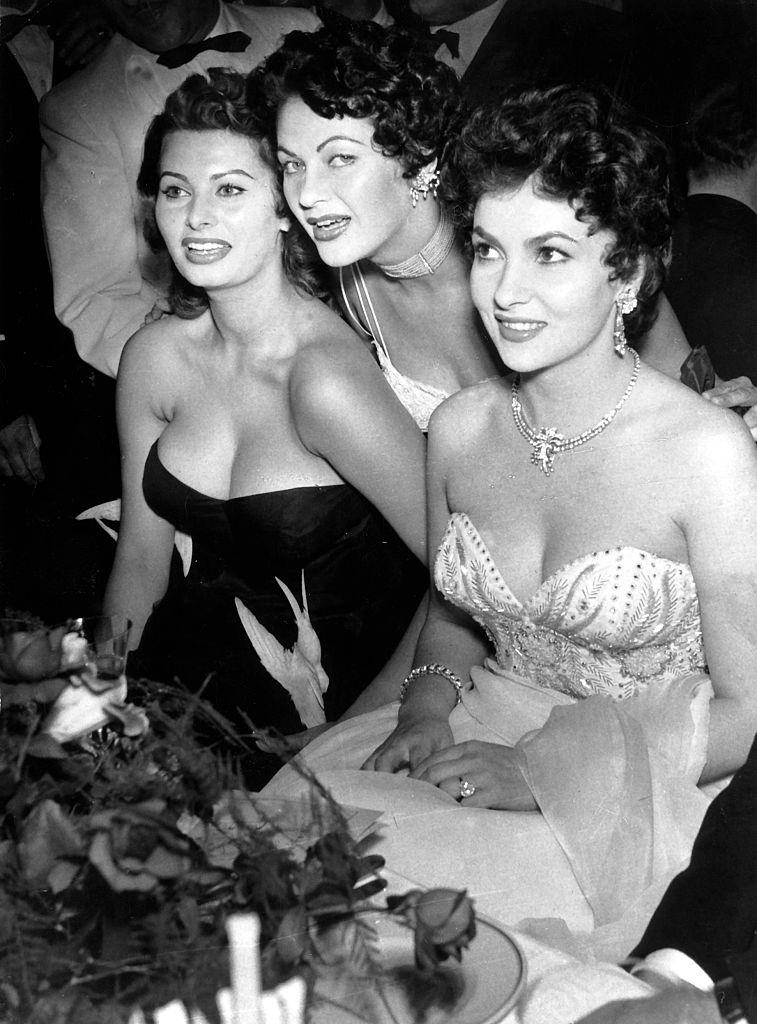
Her success in 1954 also brought her to international attention. She attended the Berlin Film Festival that year, where she was photographed alongside fellow Italian actresses Yvonne de Carlo and Gina Lollobrigida. She also traveled to London for the Italian Film Festival, making appearances at the Savoy Hotel and the Tivoli Theatre. The international film world was taking notice.
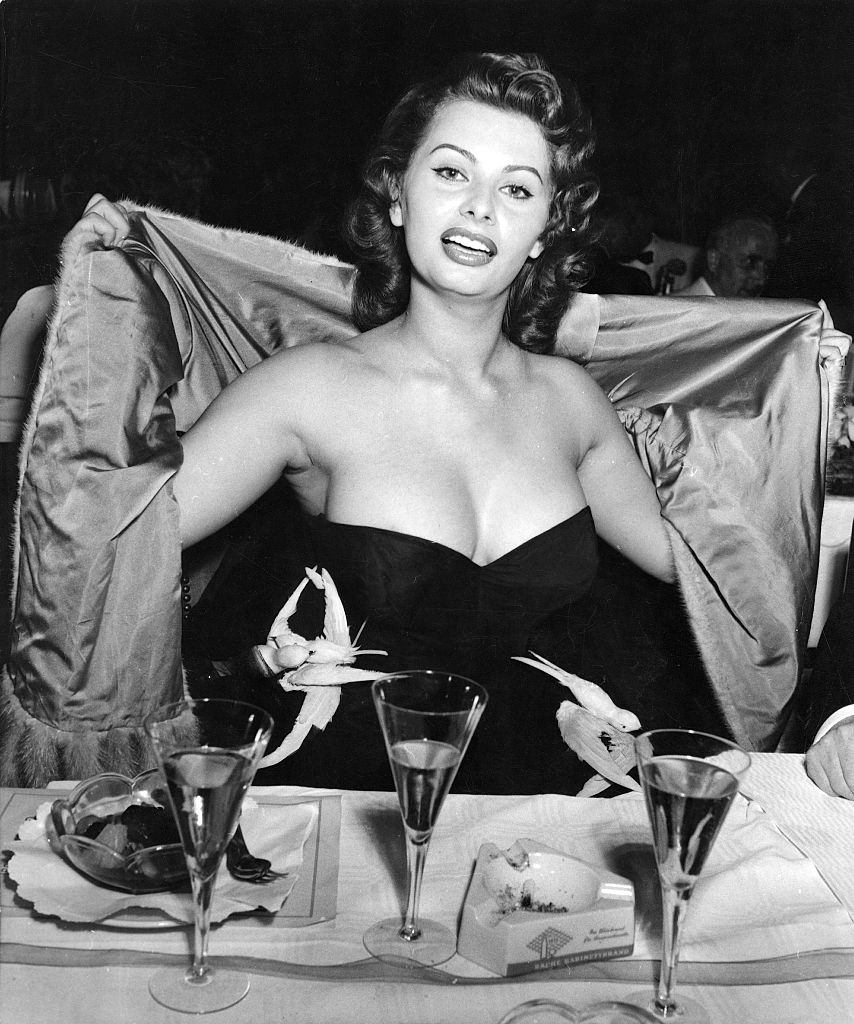
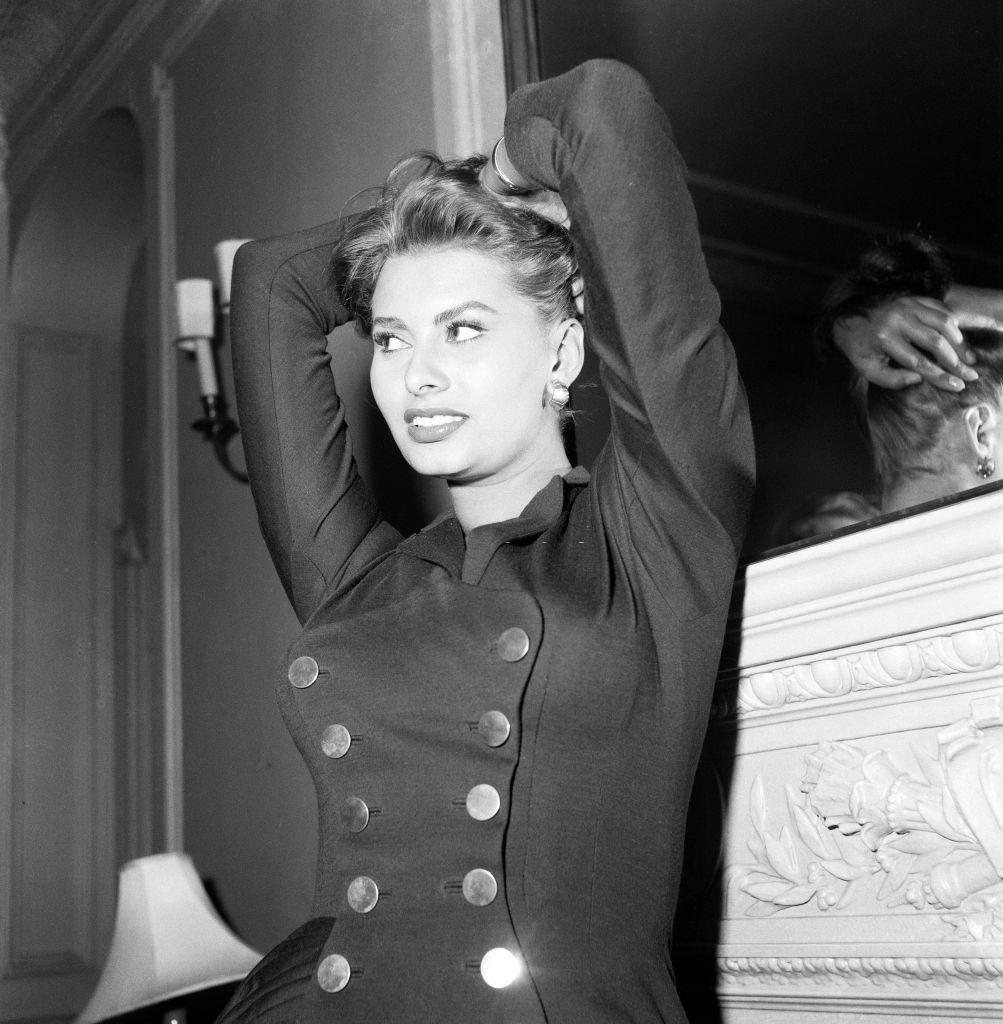
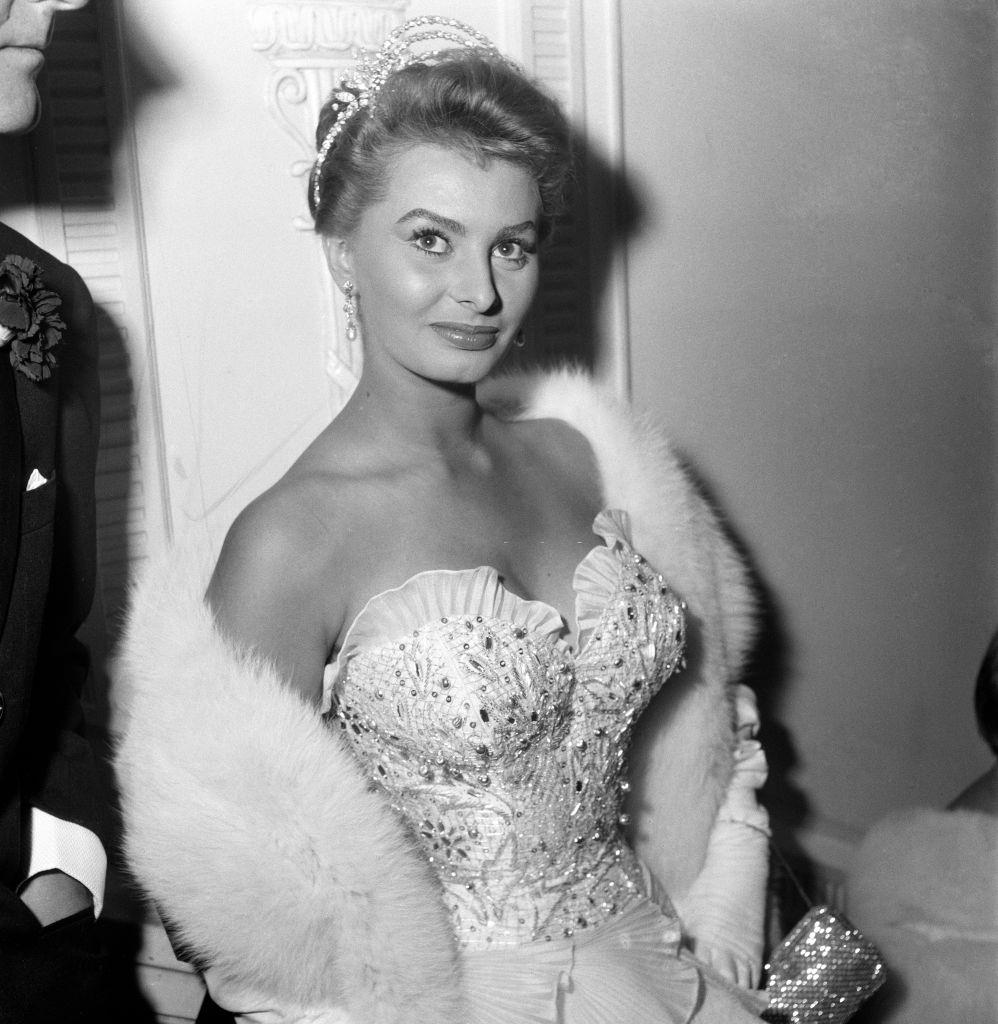
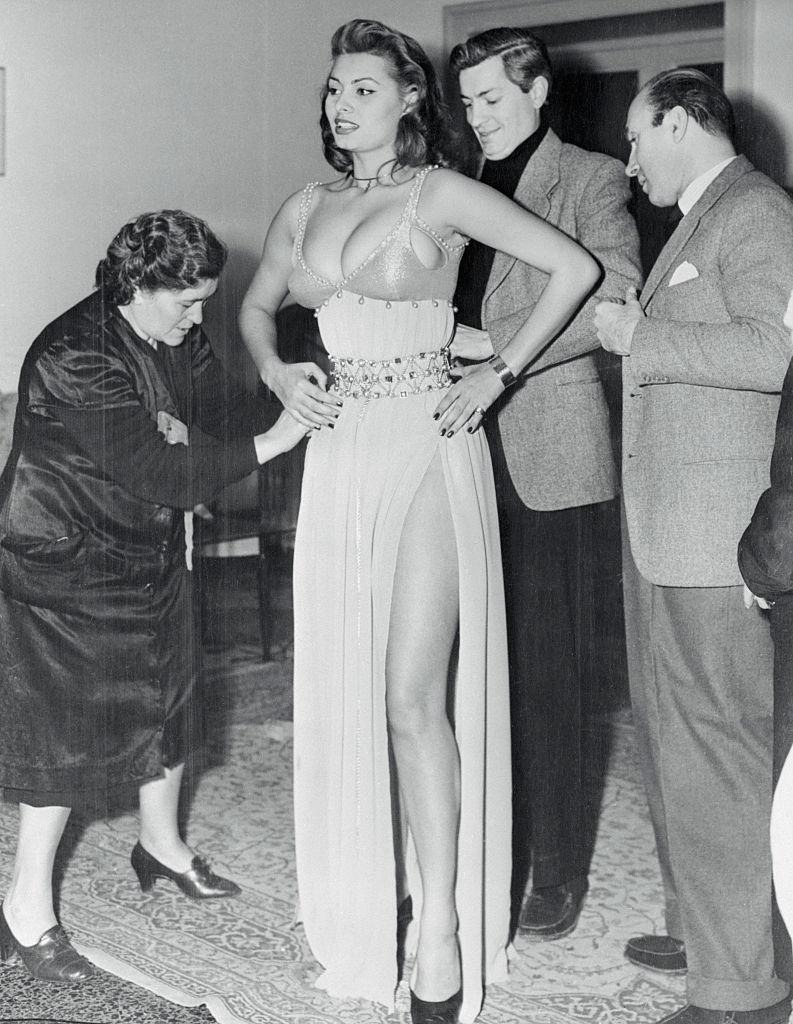
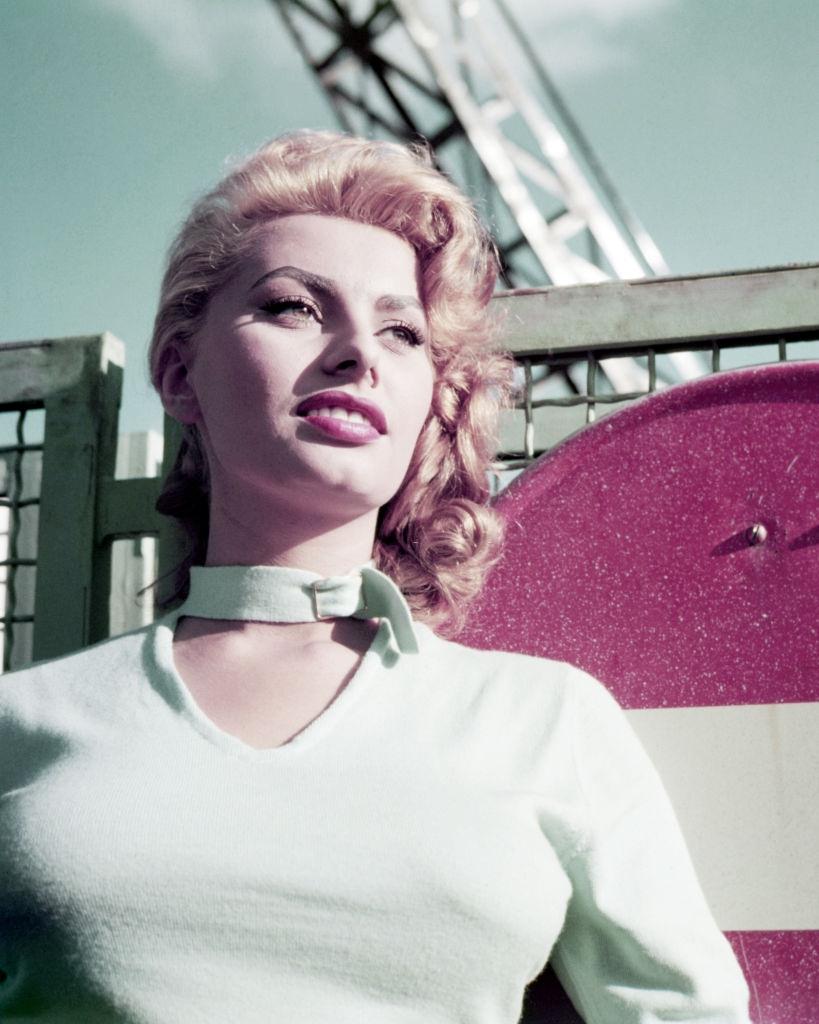
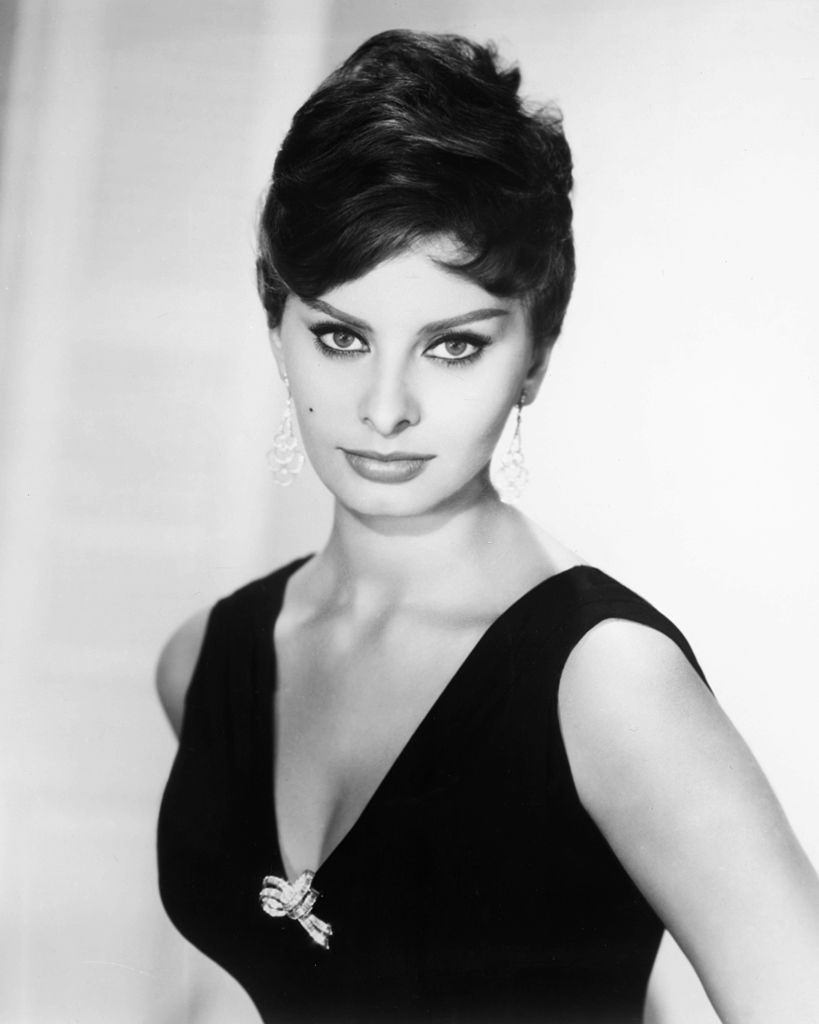
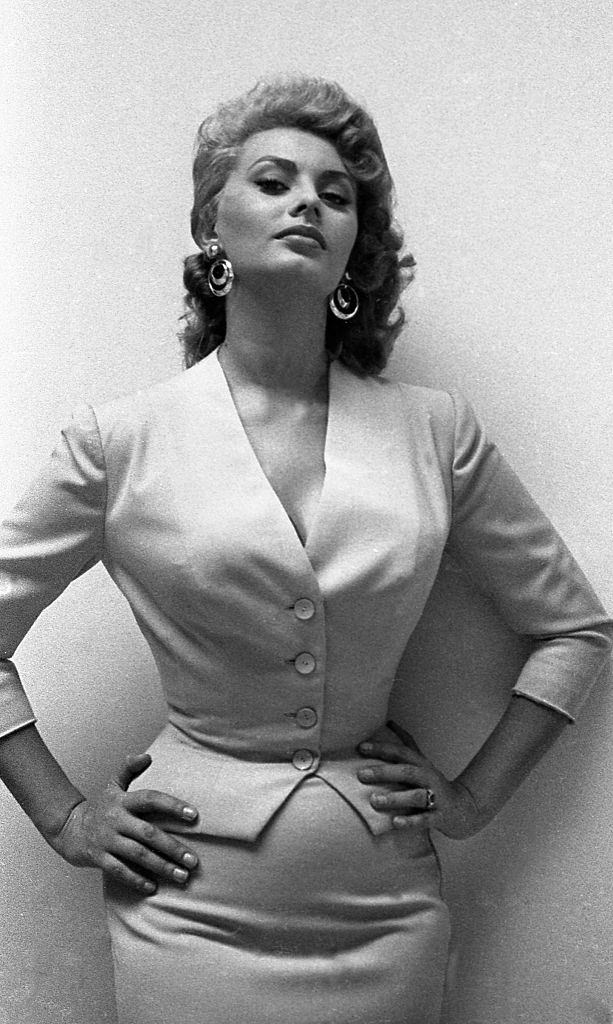
In 1955, Loren continued to work with Vittorio De Sica, appearing in The Beautiful Miller and The Sign of Venus alongside comedian Alberto Sordi. These films deepened her working relationship with De Sica, who would later direct her in some of her most celebrated work. She also attended the Cannes Film Festival in May 1955, where she was photographed widely and drew attention from the international press.
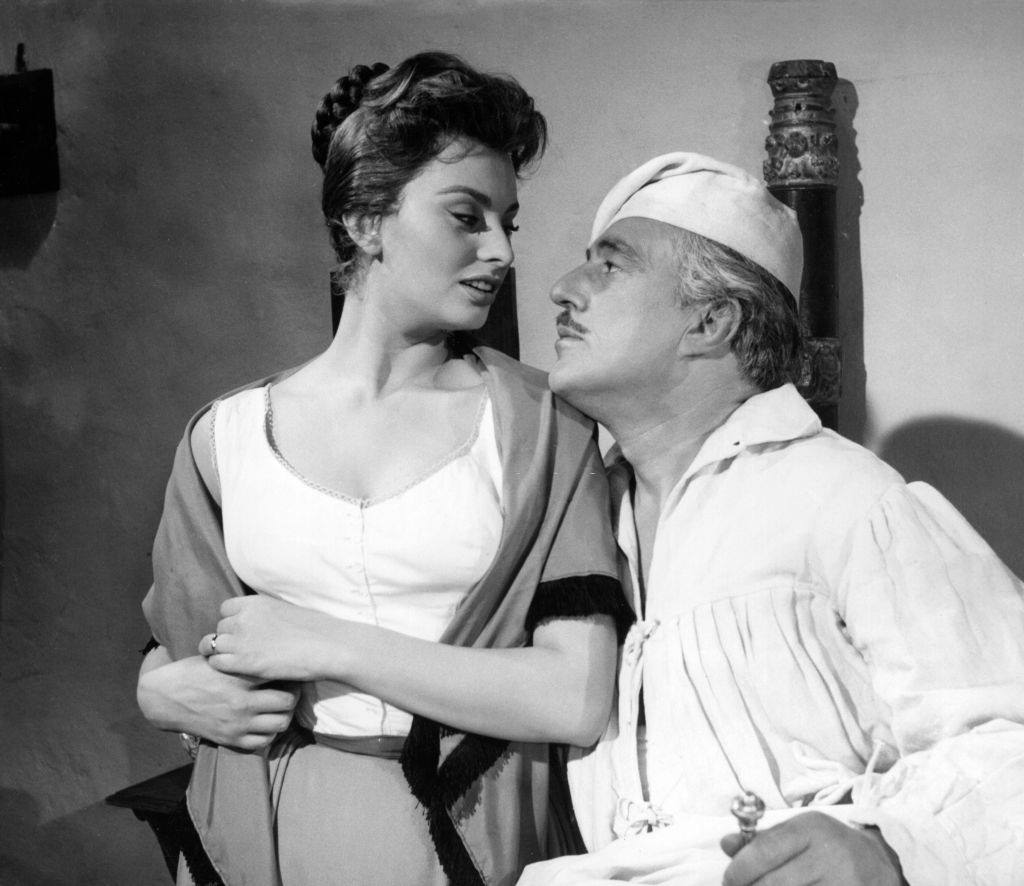
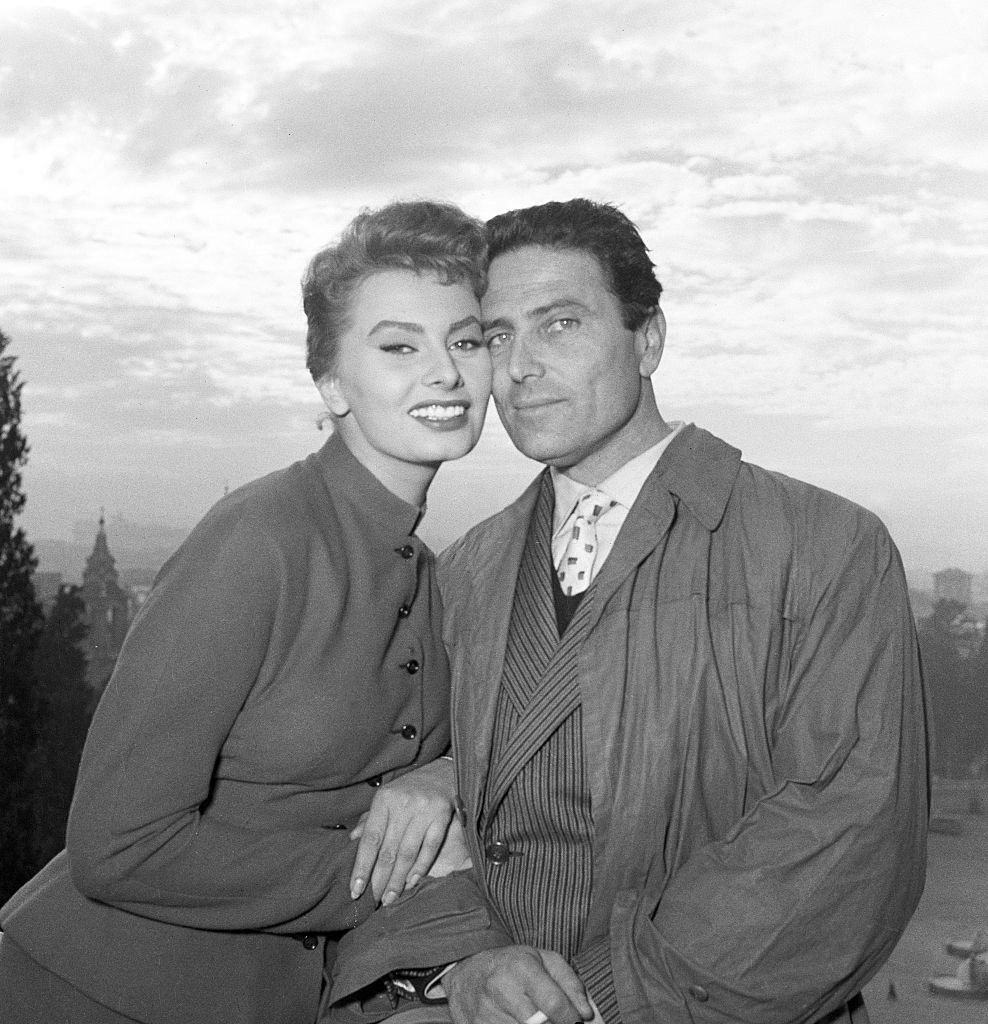
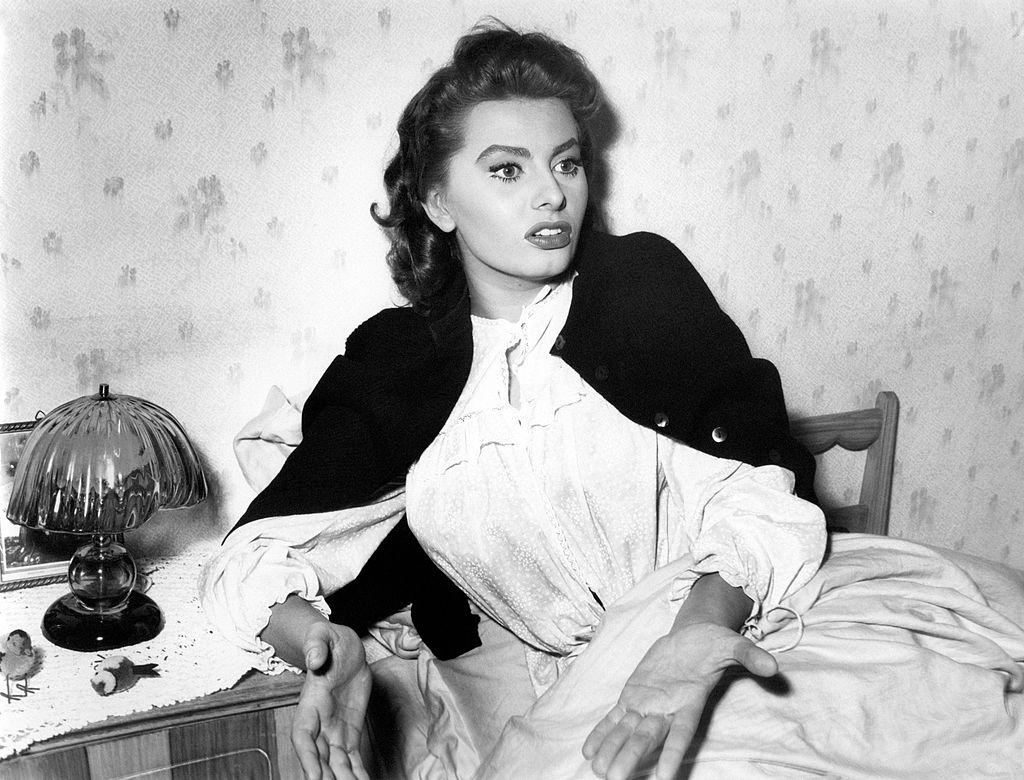

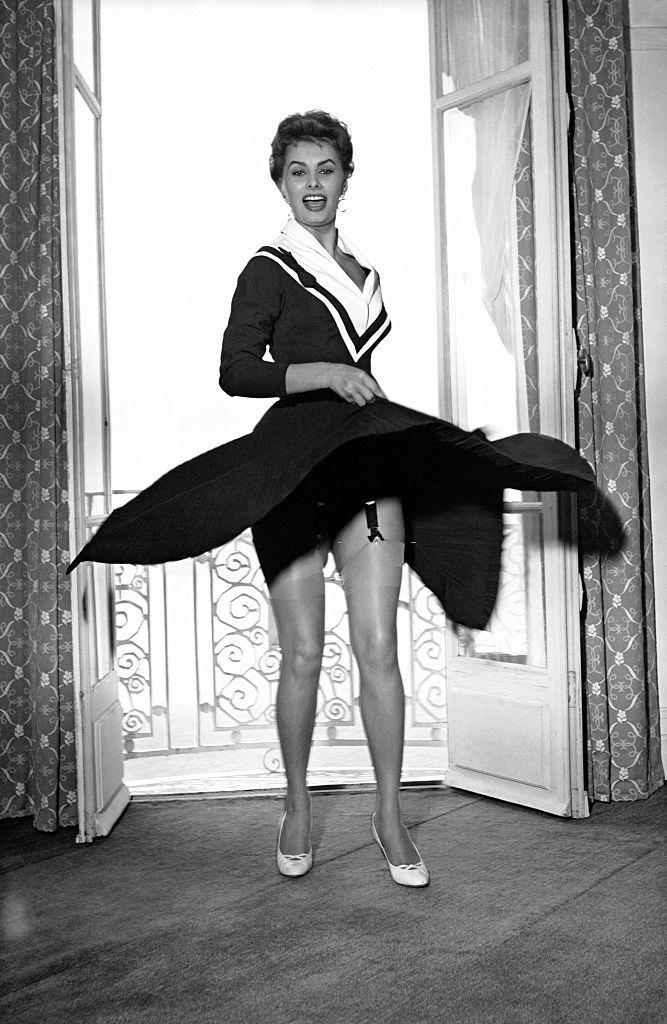
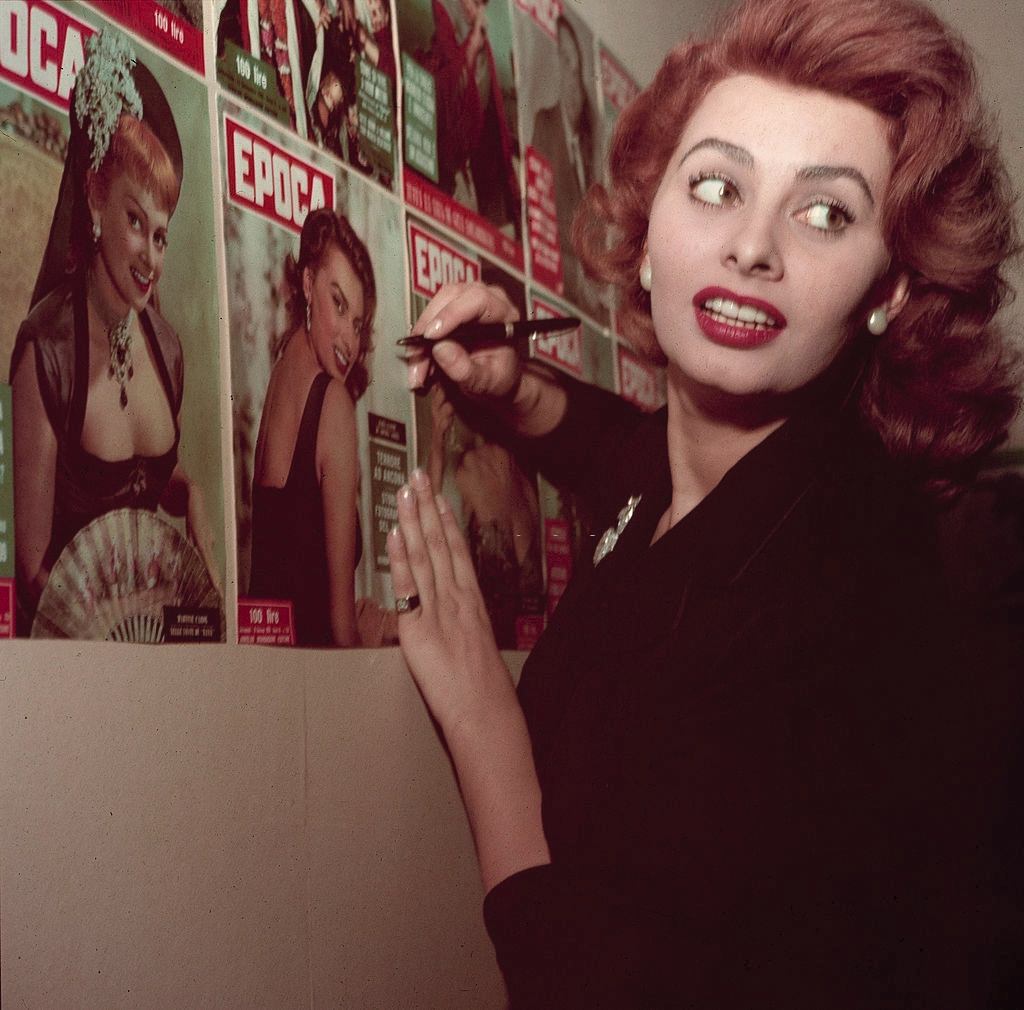
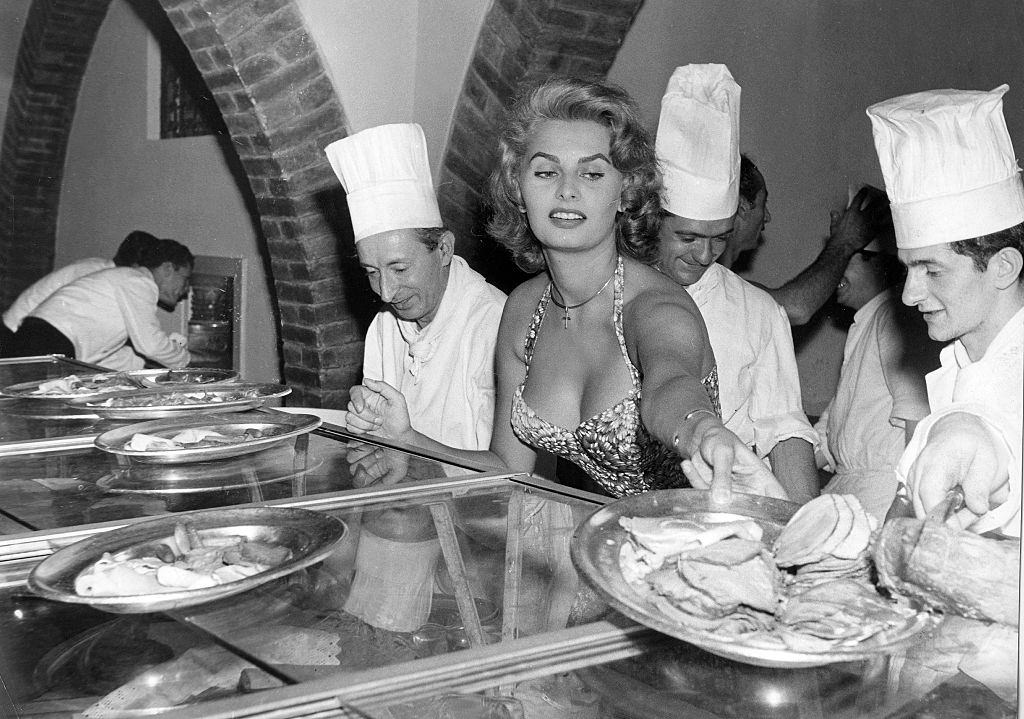
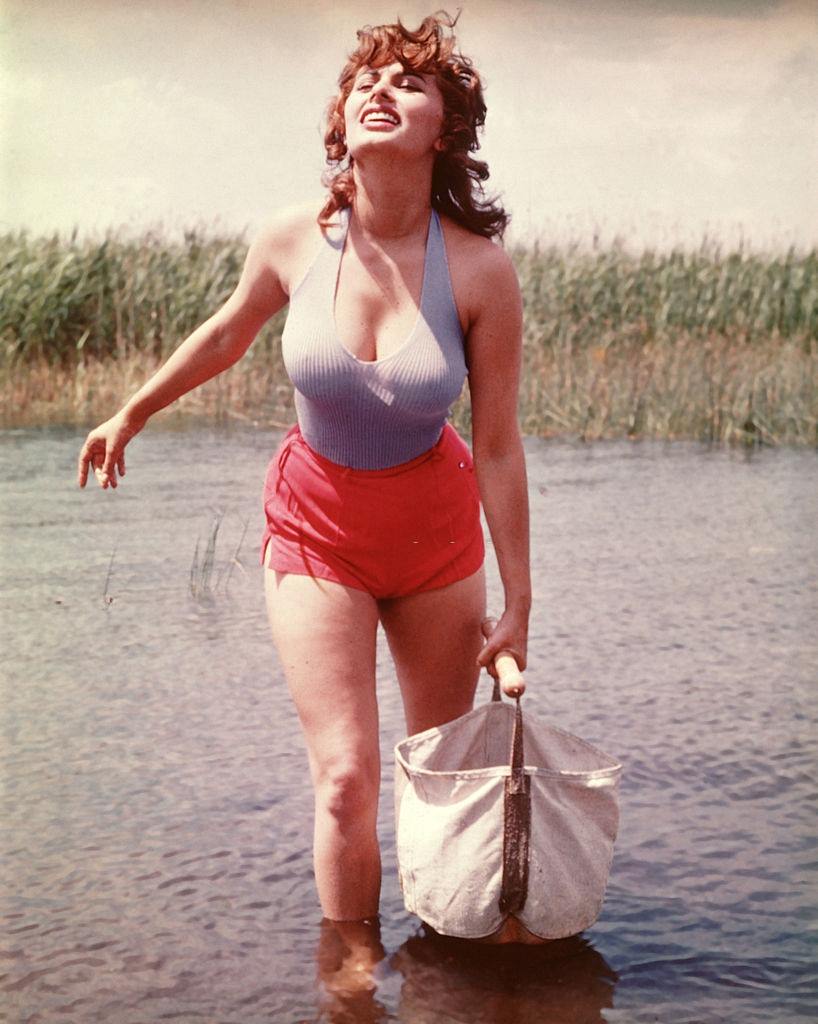
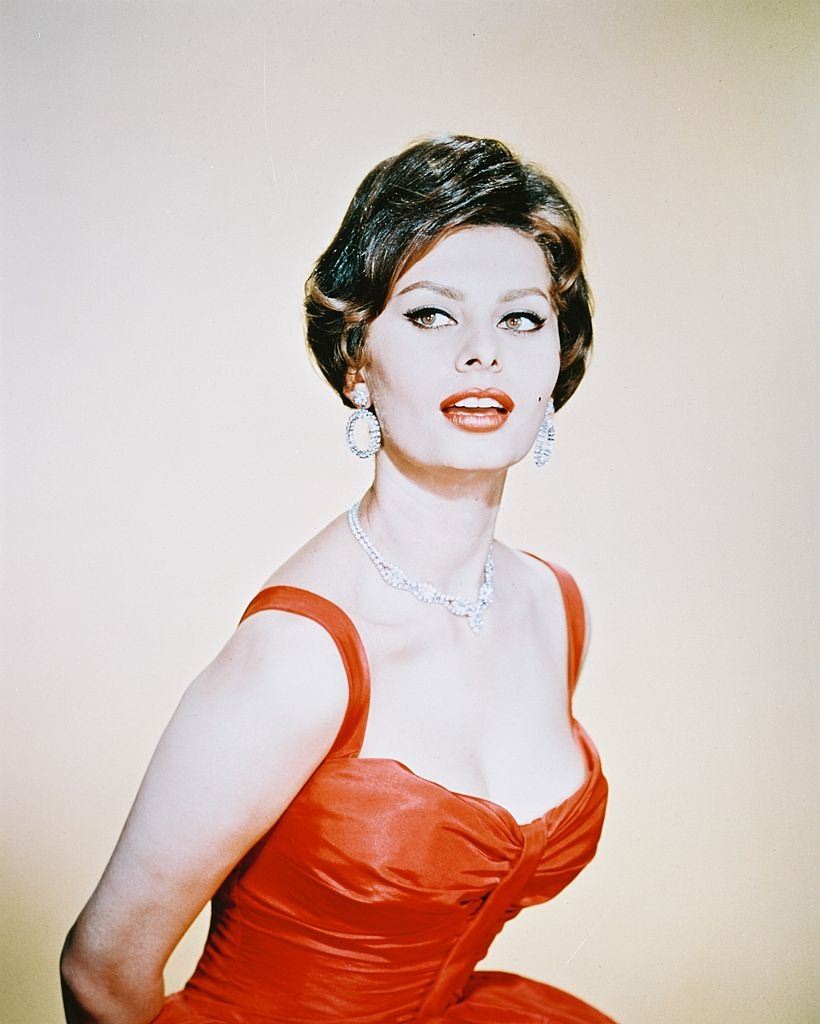
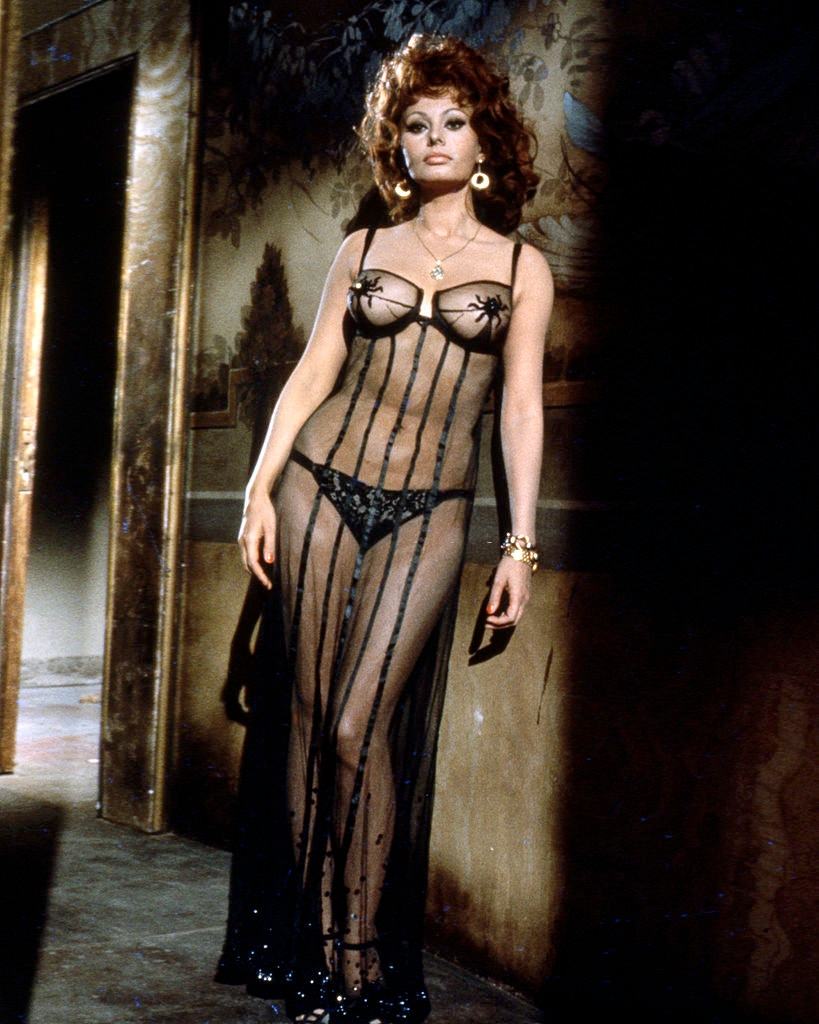
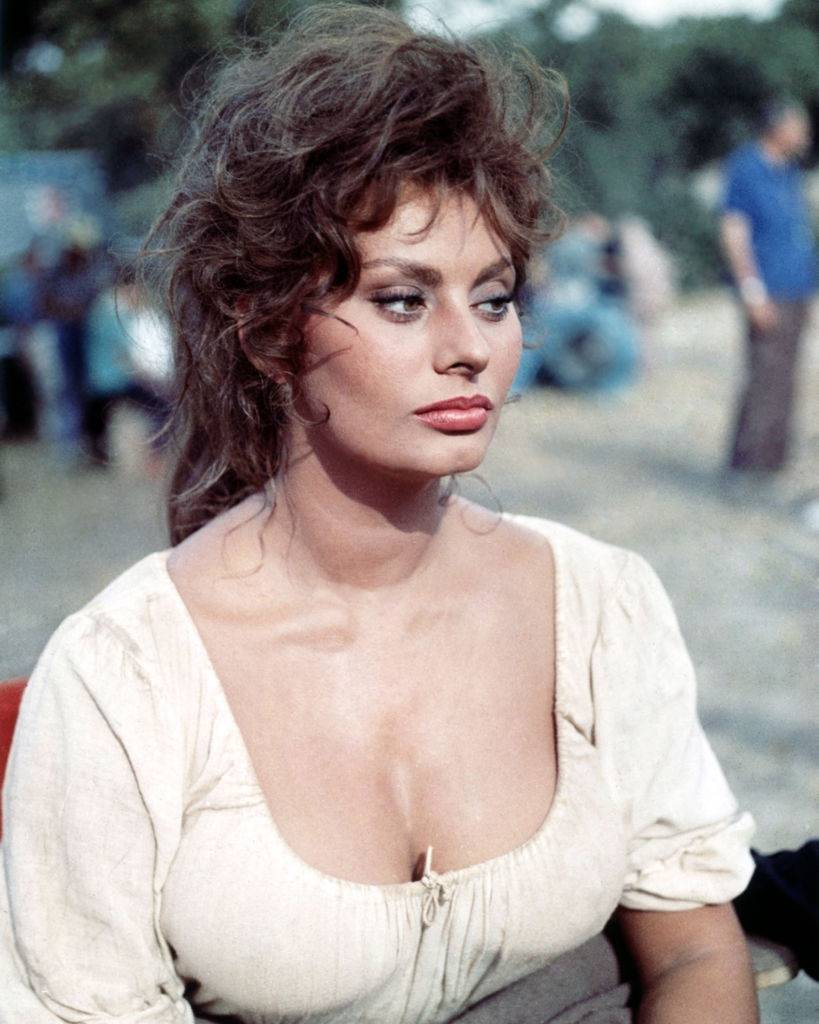
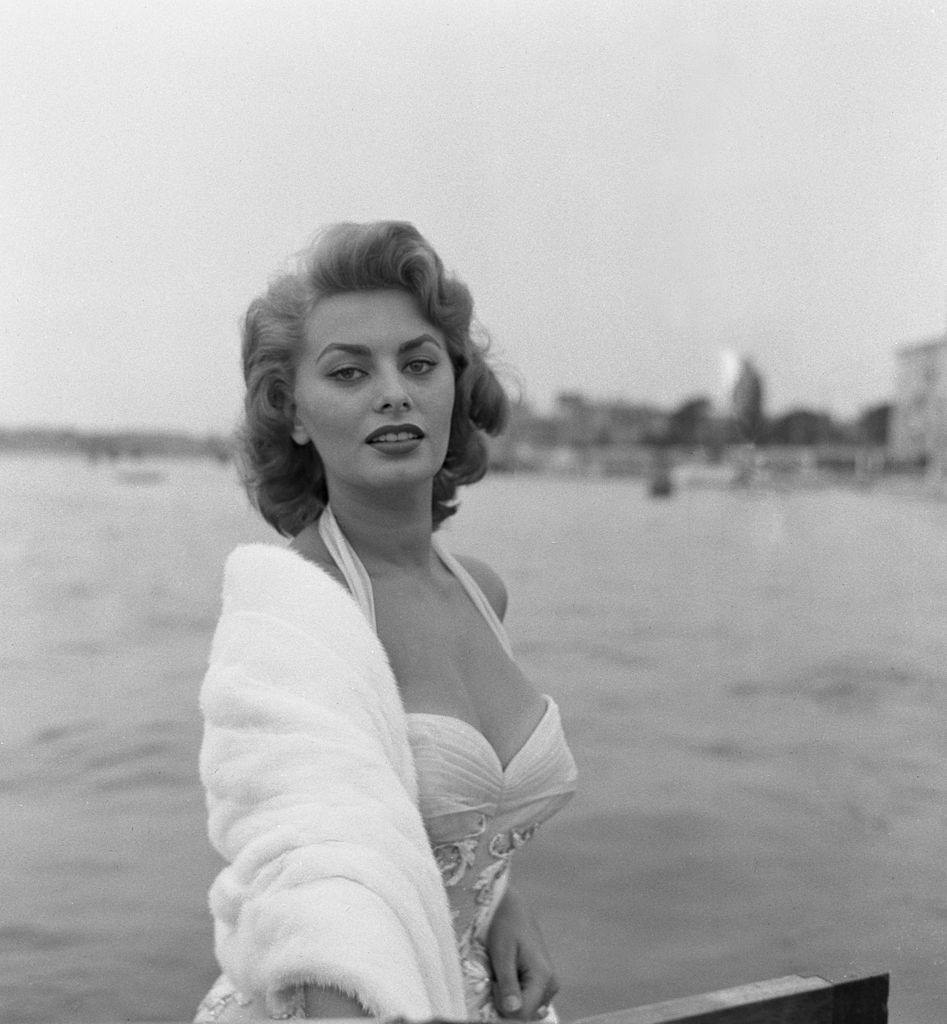
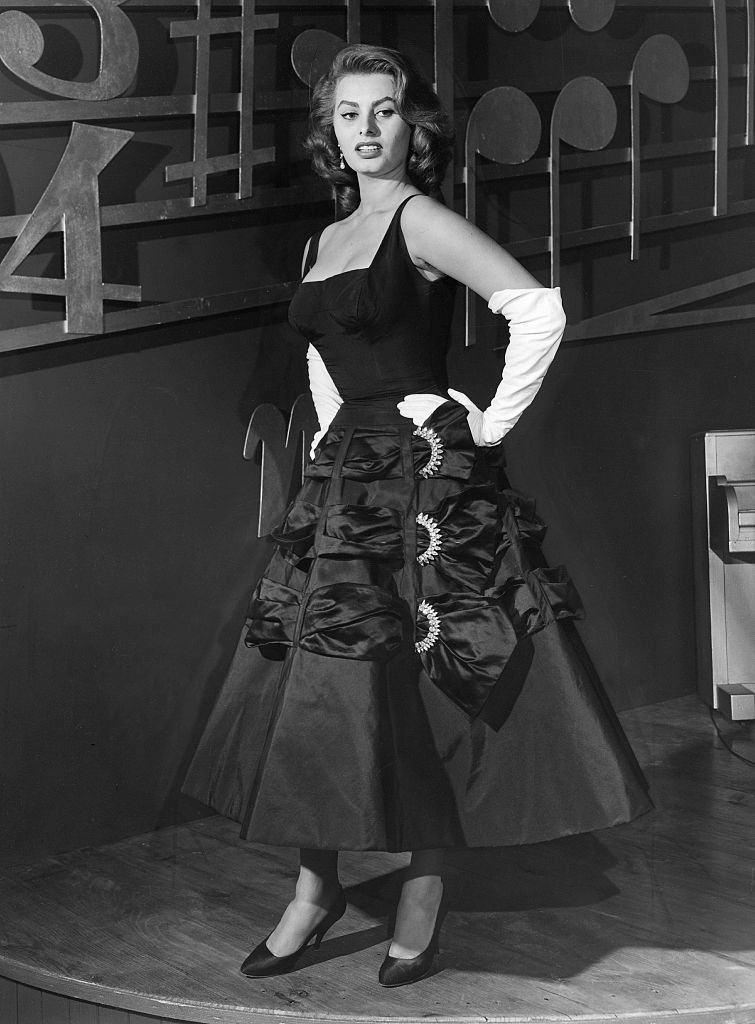
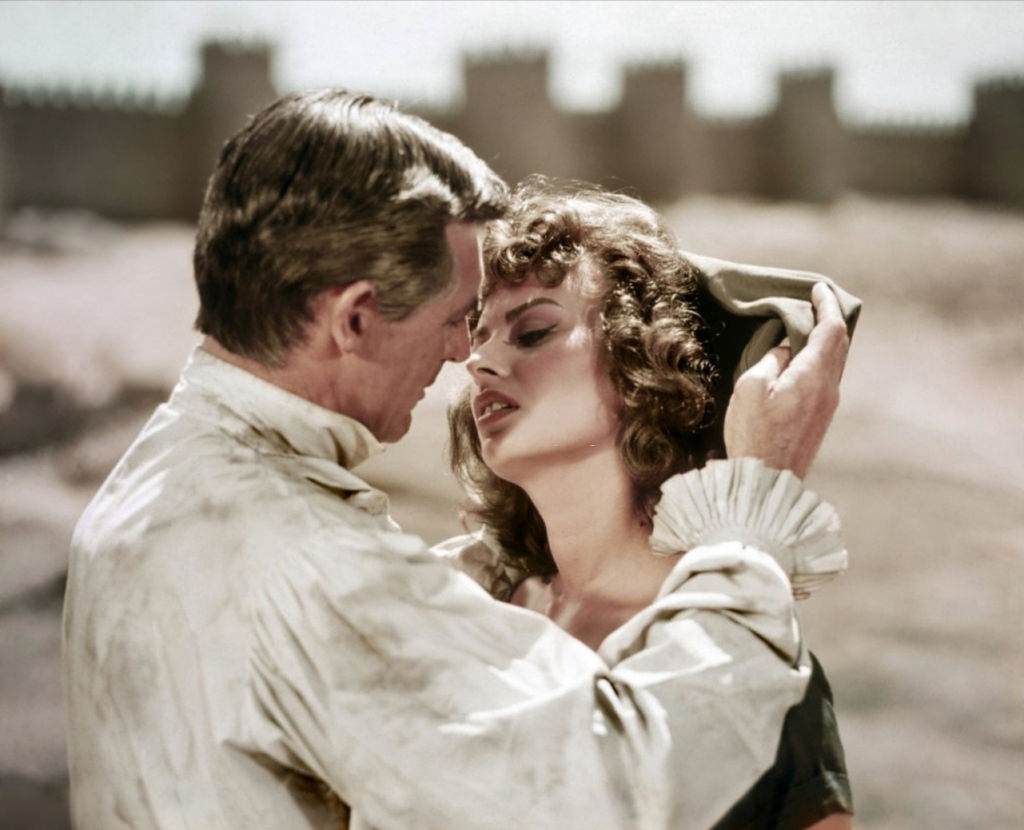
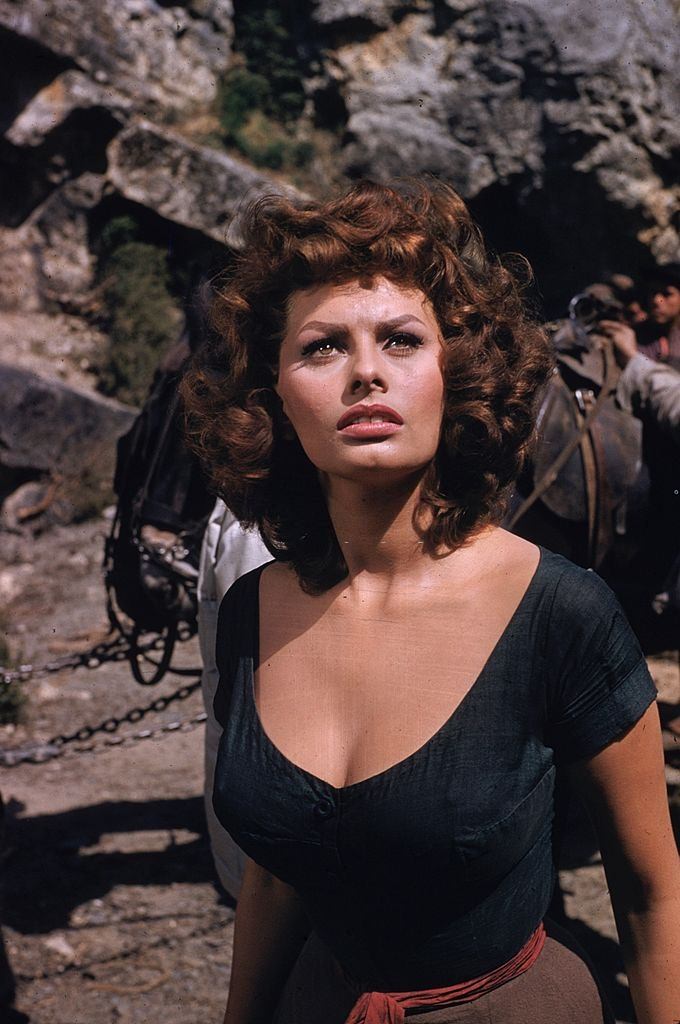
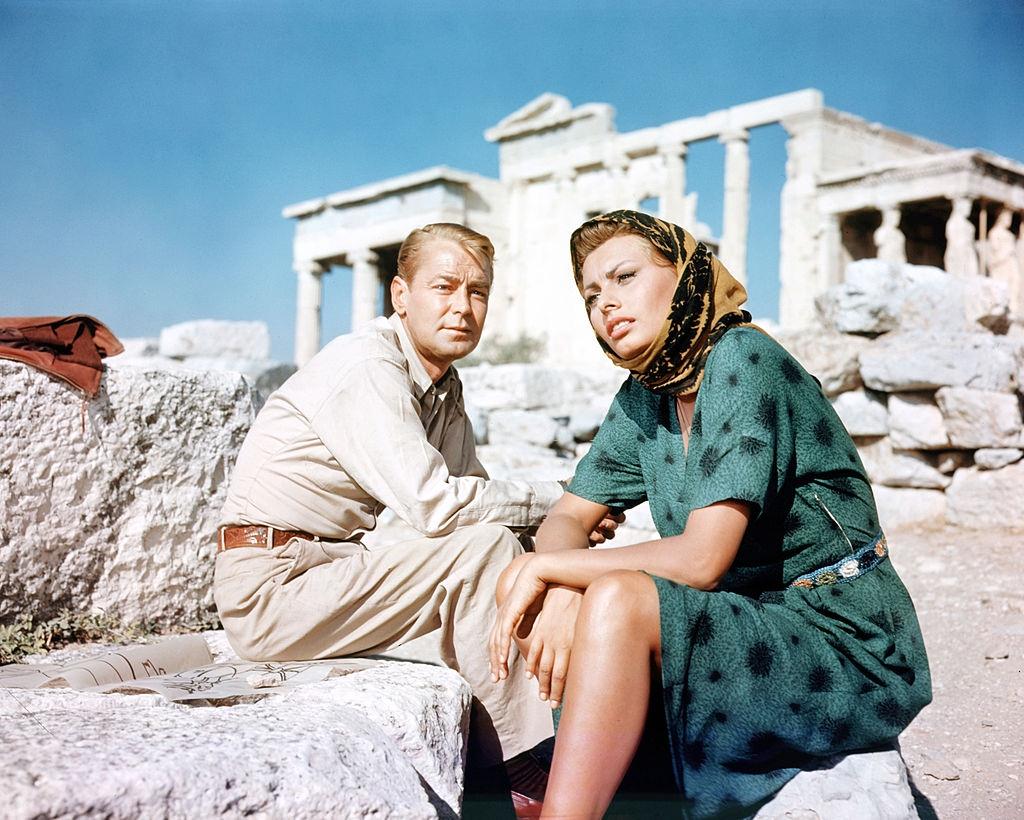
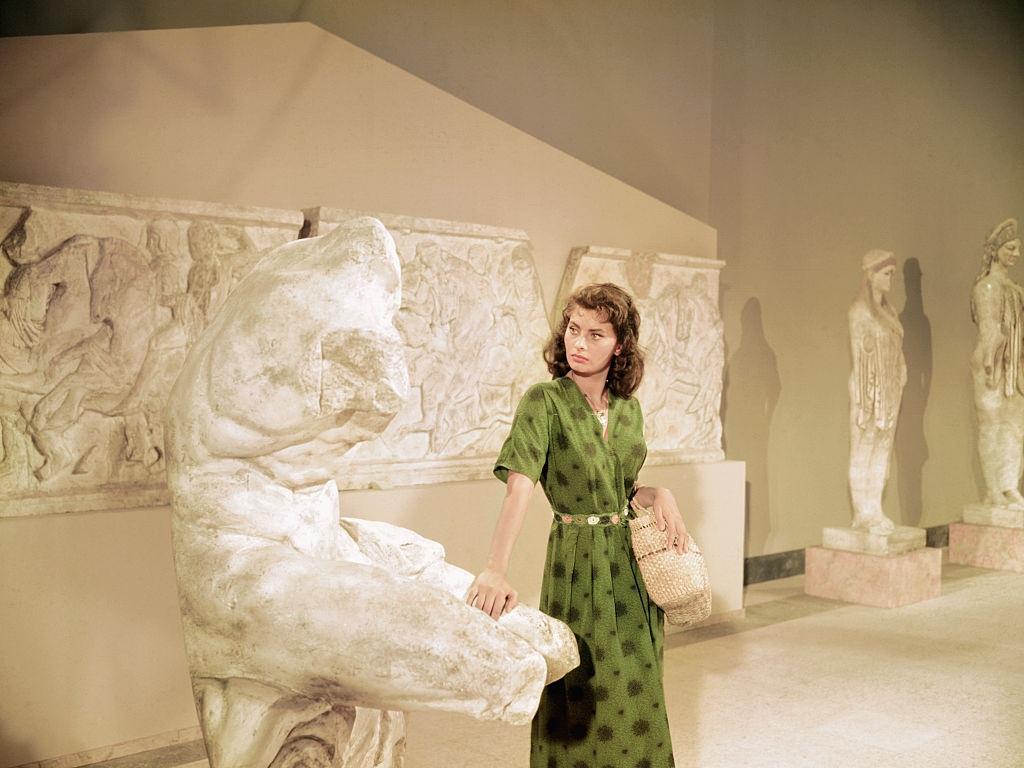
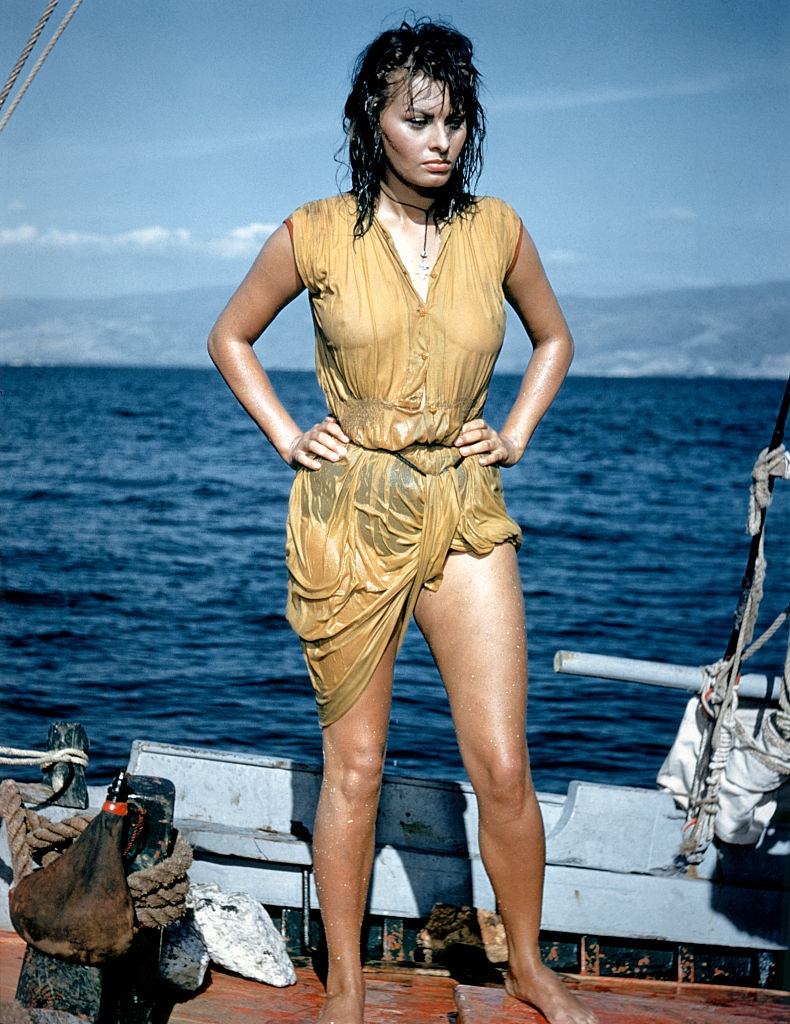
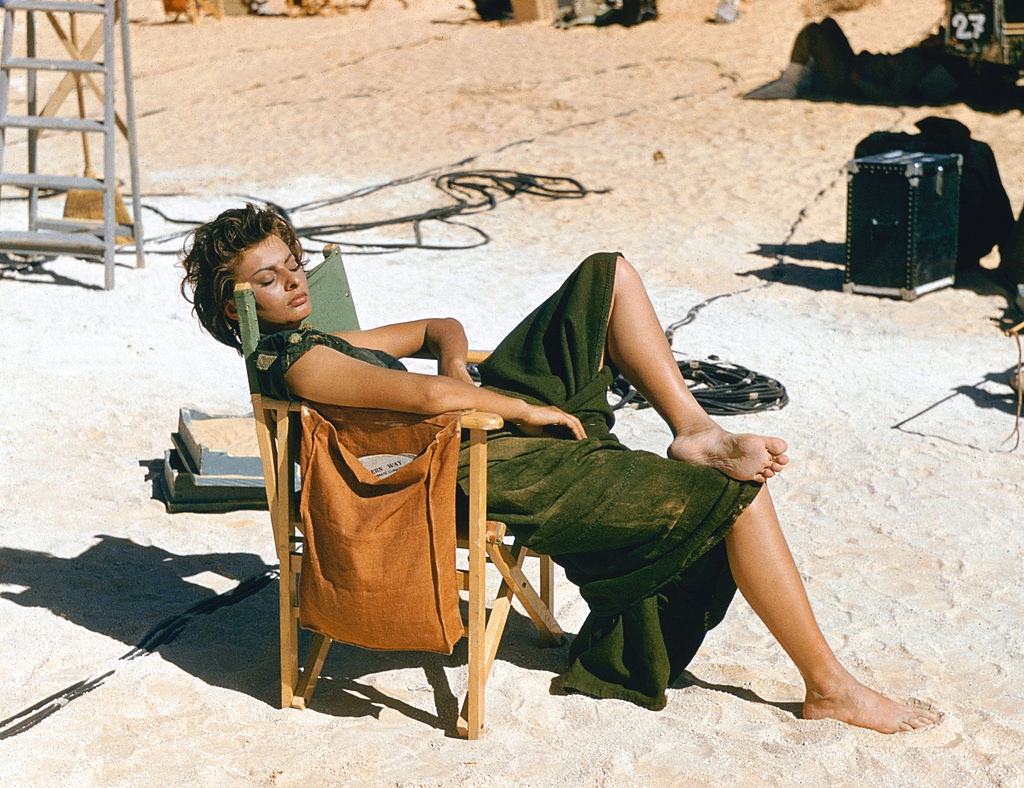
By 1956 and 1957, Loren was crossing over into Hollywood productions. Her first major American film was The Pride and the Passion in 1957, a United Artists production set during the Napoleonic Wars in Spain, where she starred alongside Cary Grant and Frank Sinatra. That same year she appeared in Boy on a Dolphin, filmed partly in Greece and partly in Italy, and in Legend of the Lost, shot in the Libyan desert. These films brought her to American audiences on a massive scale.
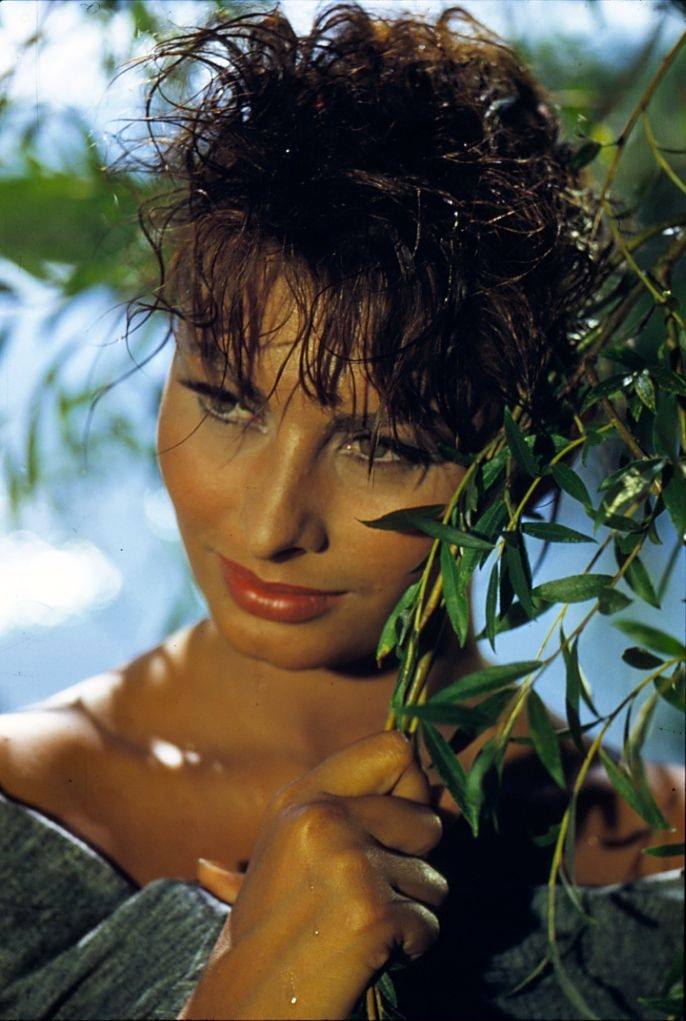
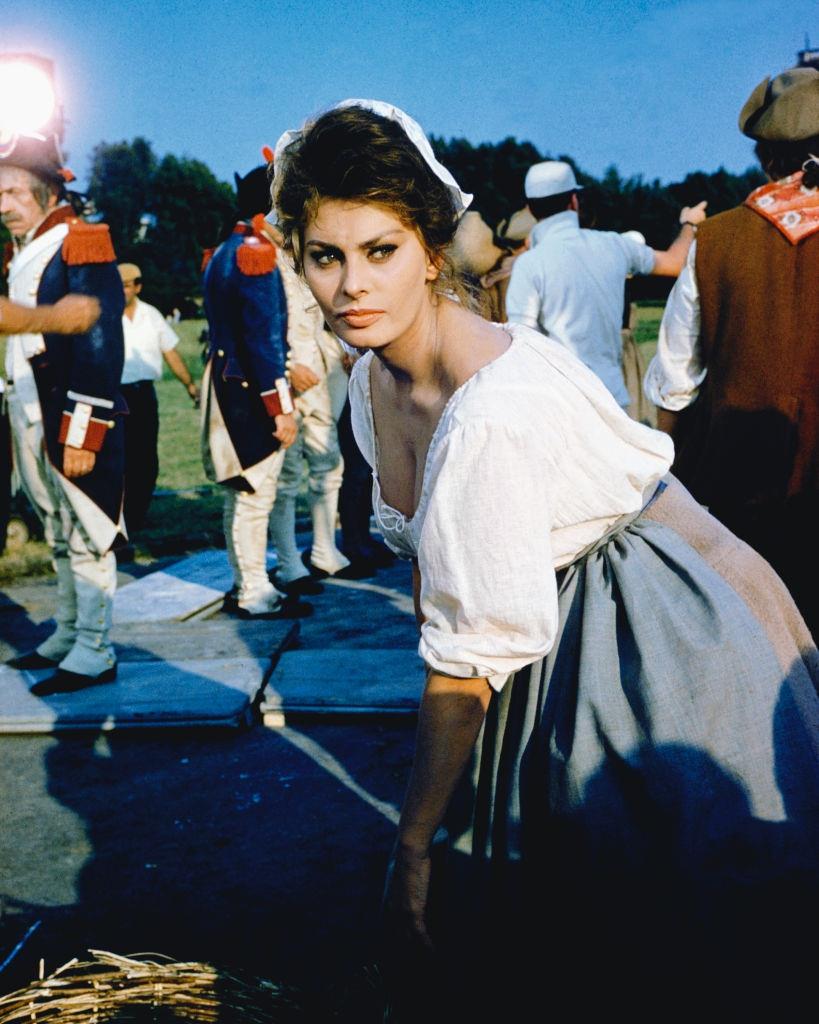
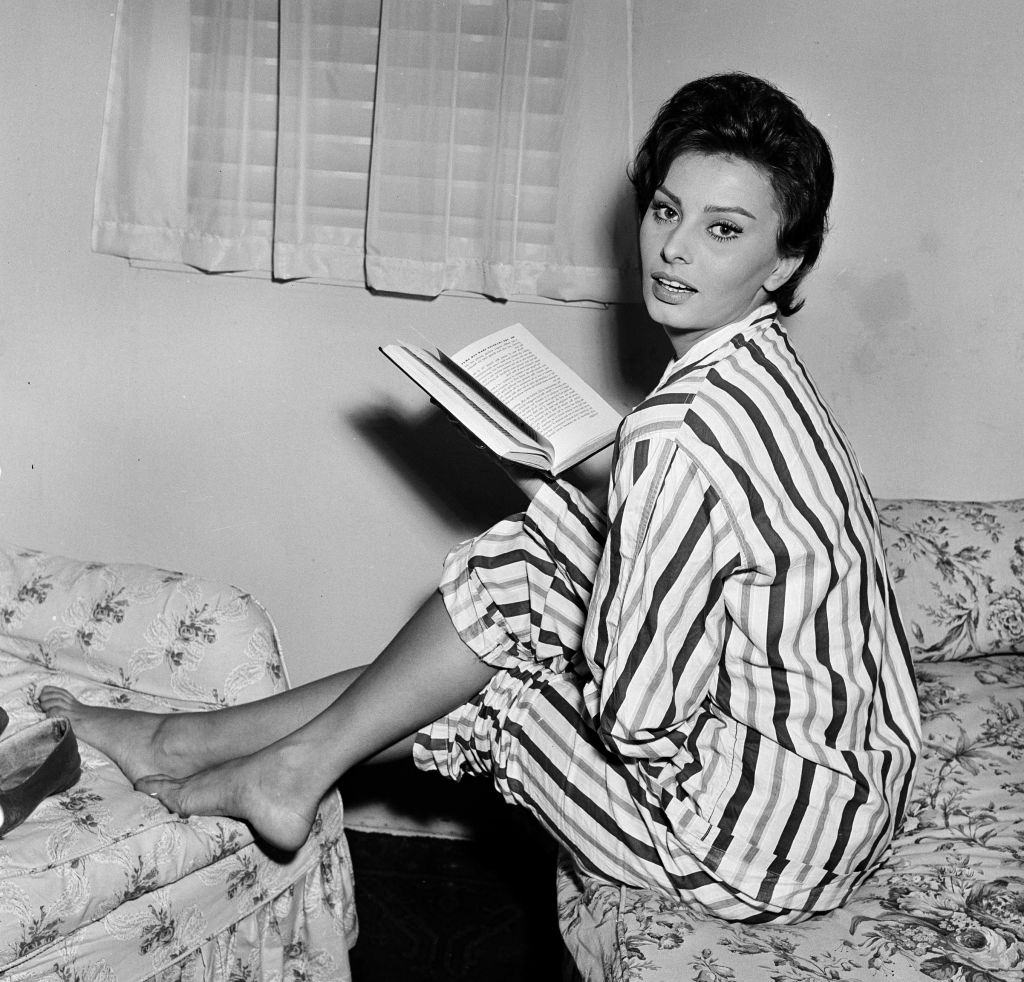
While Hollywood offered her bigger budgets and wider audiences, Loren’s most important work remained rooted in Italian cinema. In 1961, she won the Academy Award for Best Actress for her role in Two Women, a raw Italian World War II drama directed by Vittorio De Sica. She played Cesira, a mother trying to protect her daughter from the violence of war. Her performance — gritty, emotional, and deeply human — made her the first actor to win an Oscar for a non-English-language performance. People magazine later named her one of the 50 Most Beautiful People in the World in 1991, the same year she received an honorary Oscar for her body of work.
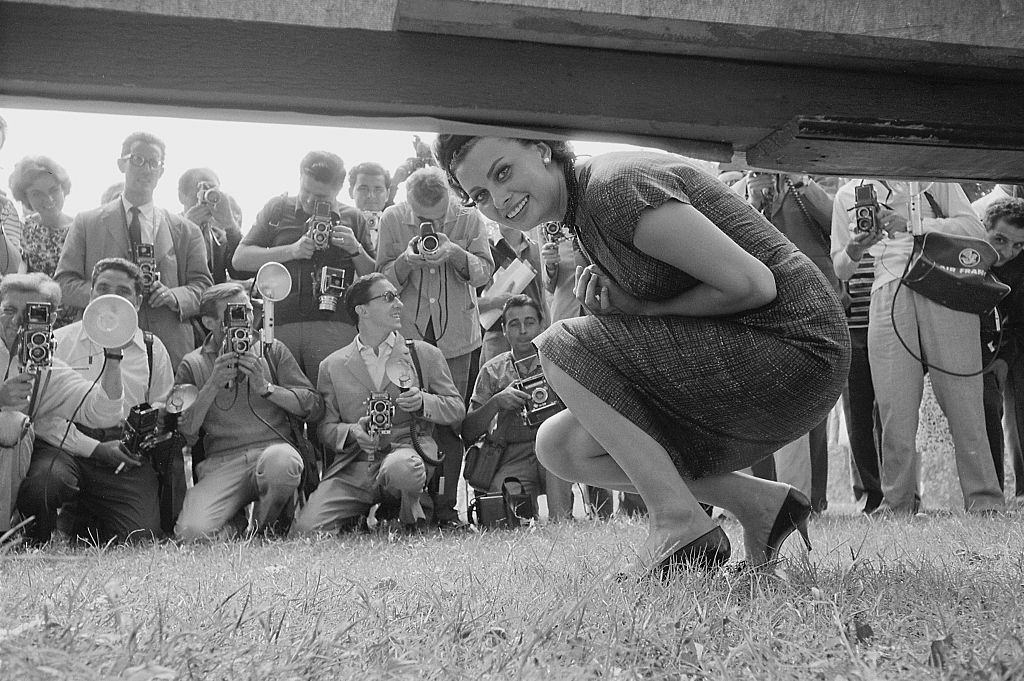
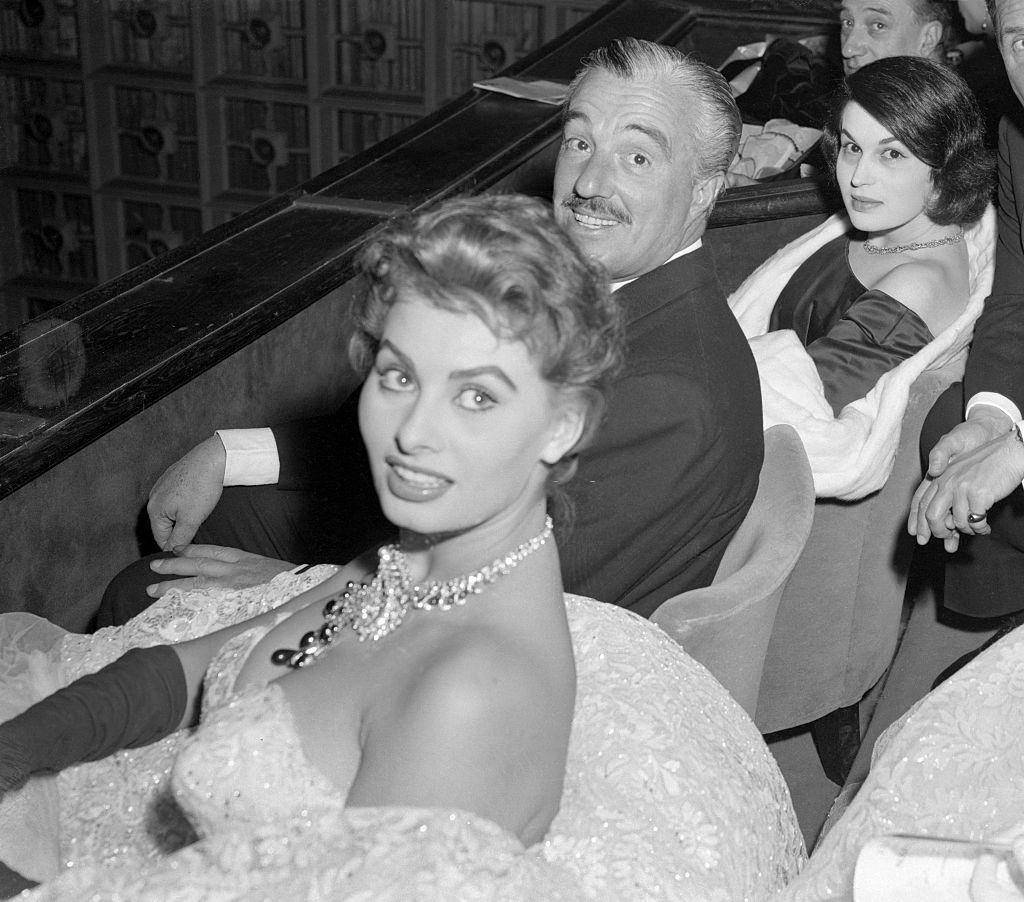
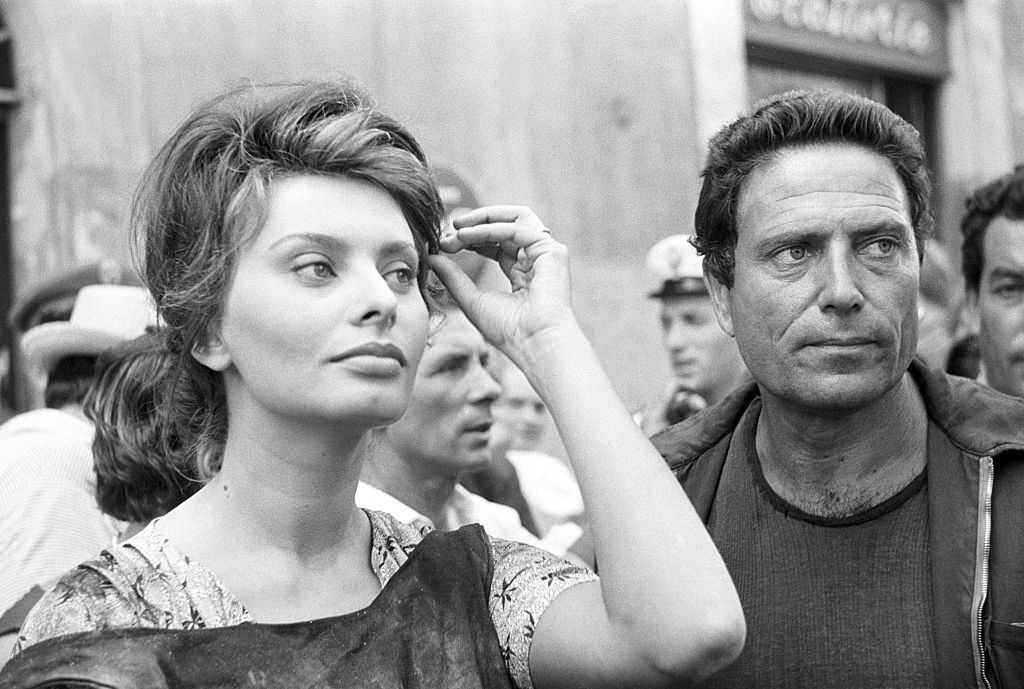
Throughout her career, Loren appeared in more than 100 films across five decades. She worked with directors and co-stars of the highest caliber, from De Sica to Cary Grant to Marcello Mastroianni. As recently as 2020, she returned to the screen in The Life Ahead, an American-Italian drama that earned widespread critical praise. She lives today in Geneva, Switzerland, with her two sons.