When Funny Girl hit theaters in 1968, it introduced movie audiences to a force they had never quite seen before. Barbra Streisand stepped into the role of real-life comedian and entertainer Fanny Brice, and the performance she delivered was unlike anything else on screen that year. She handled drama, comedy, musical numbers, and raw emotional moments all within a single film — and she did each of them convincingly. The role earned her the Academy Award for Best Actress, marking one of the most celebrated film debuts in Hollywood history.
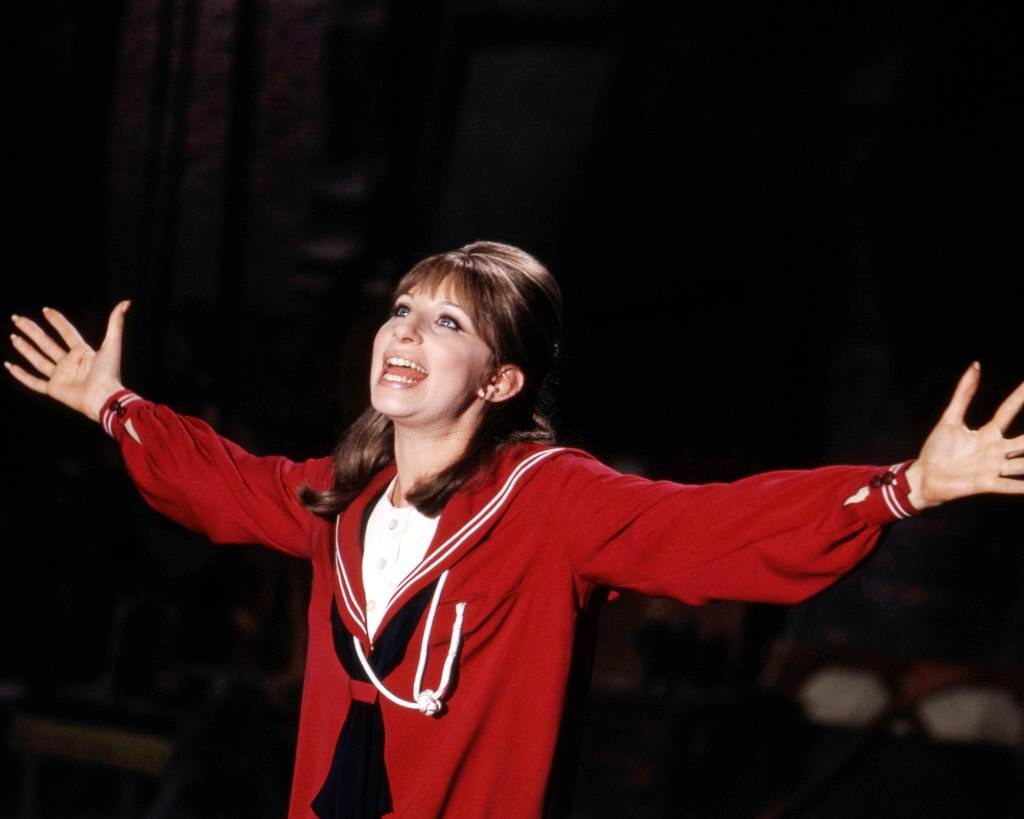
Funny Girl was directed by William Wyler and was based on the Broadway musical of the same name, which Streisand had also starred in. The film tells the story of Fanny Brice’s rise from a young girl in New York City to one of the most famous entertainers in America. Her complicated personal life, particularly her relationship with gambler Nick Arnstein, runs through the story alongside her professional success. Streisand brought every layer of that story to life on screen.
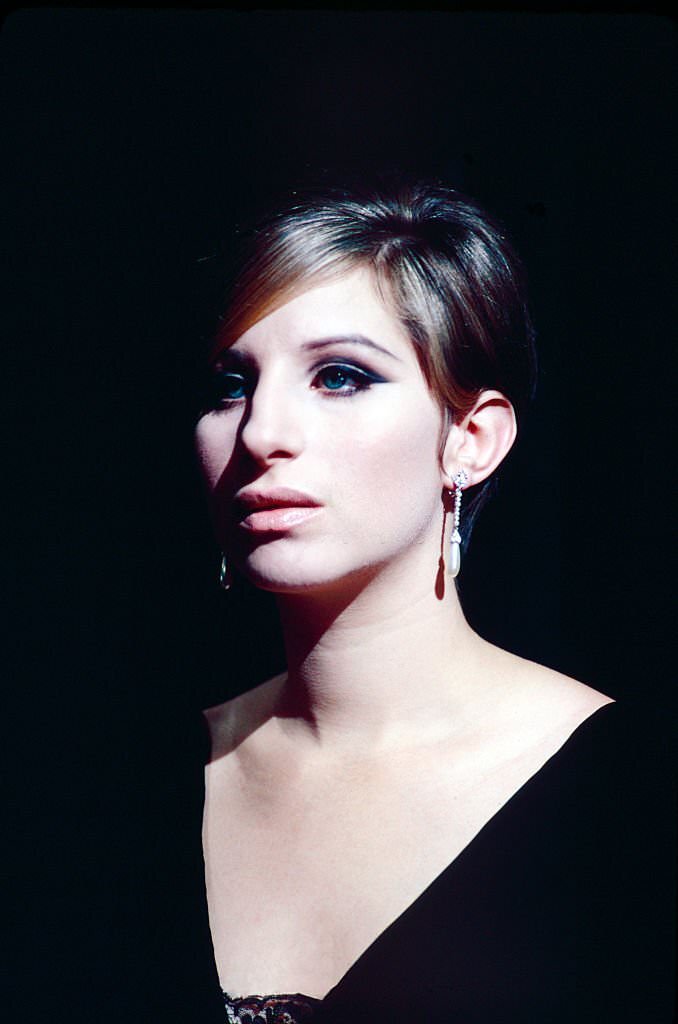
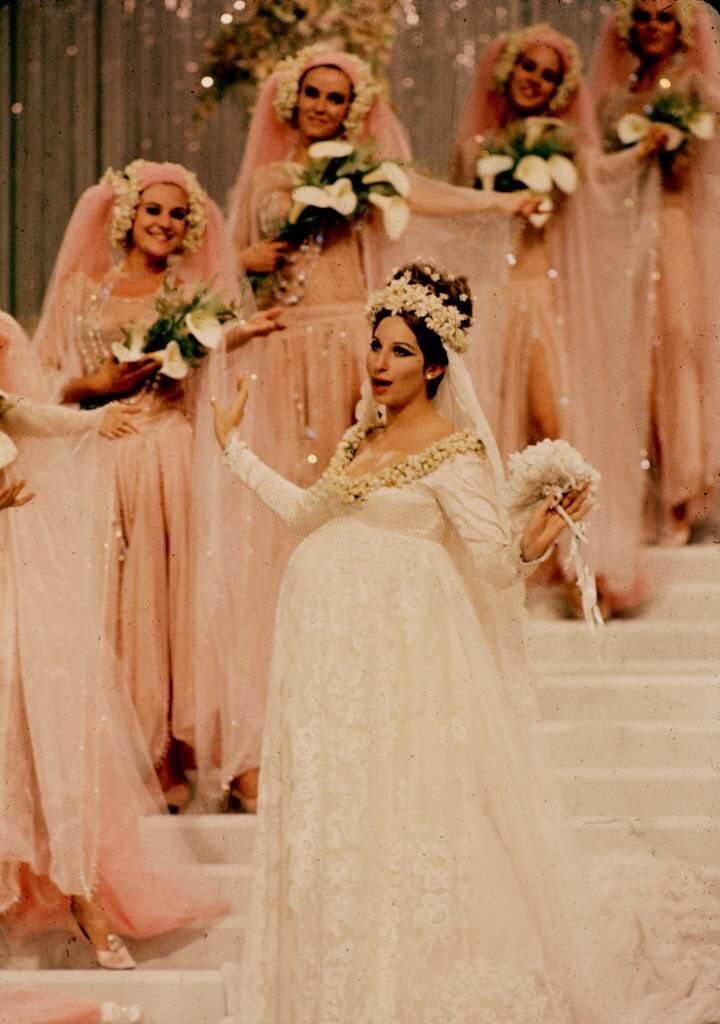
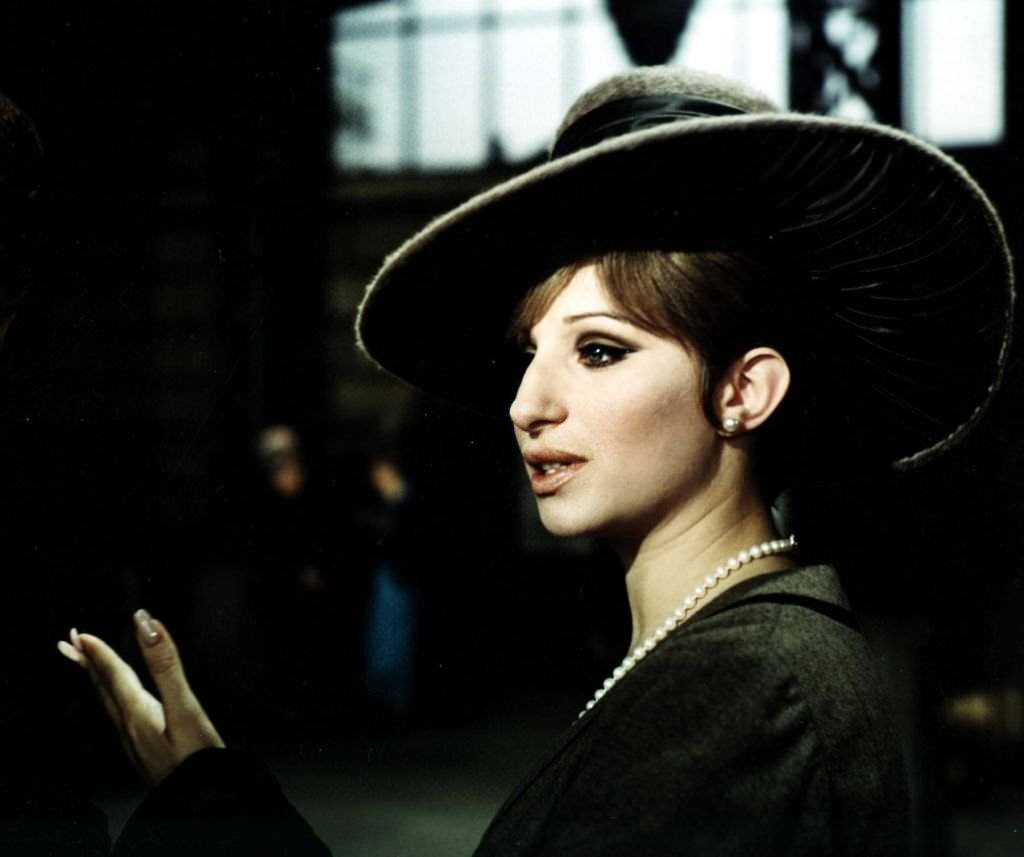
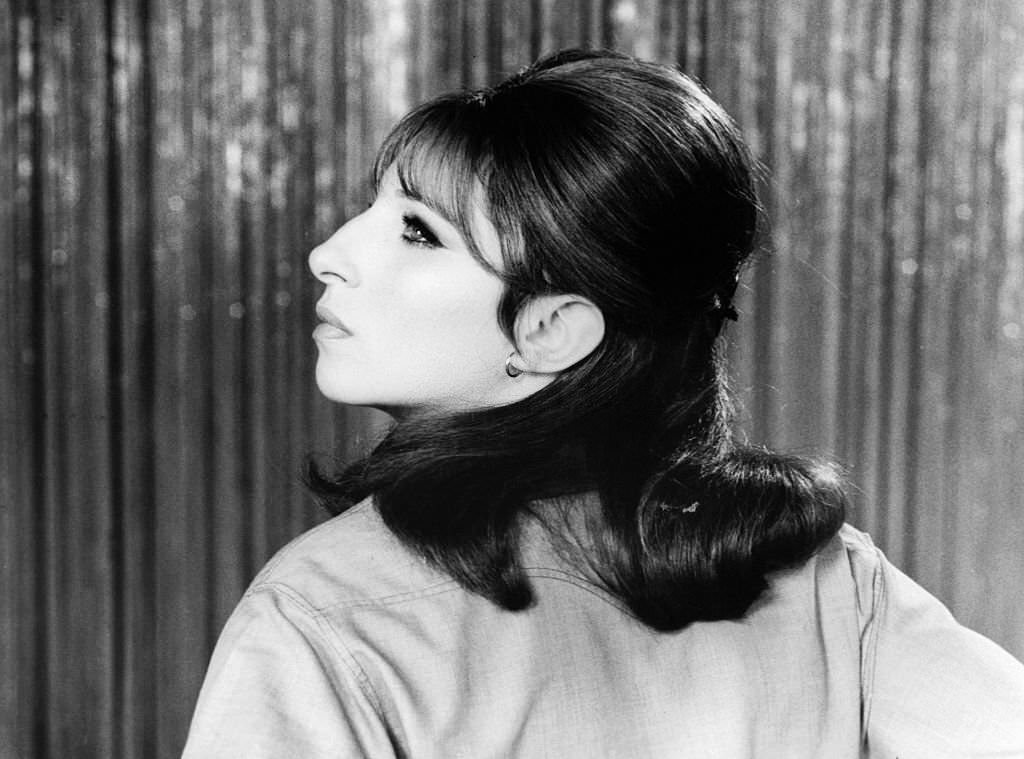
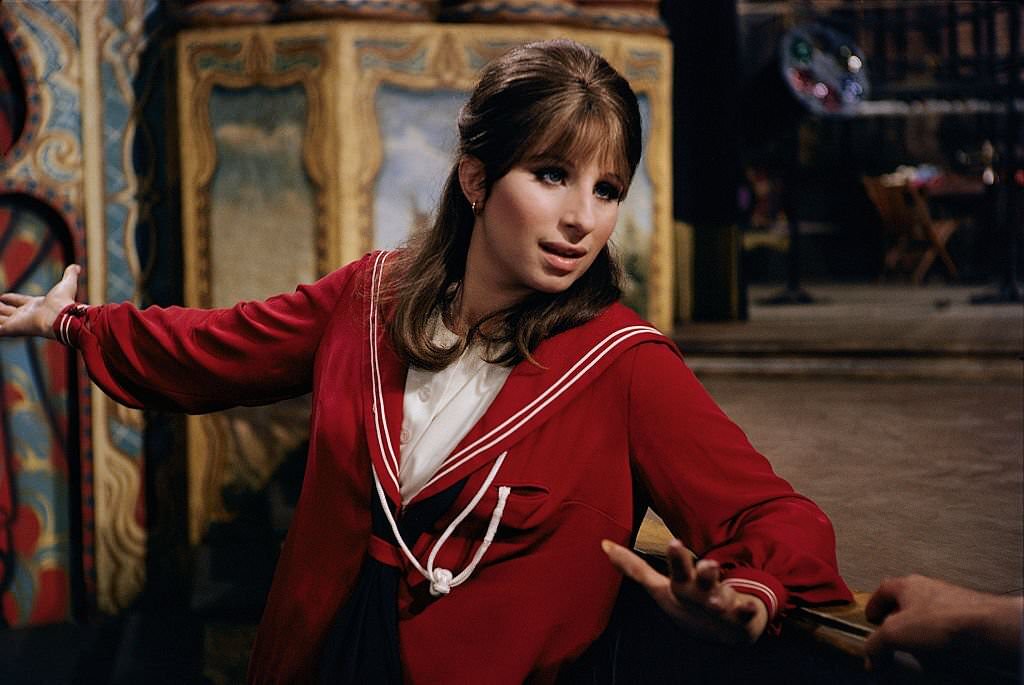
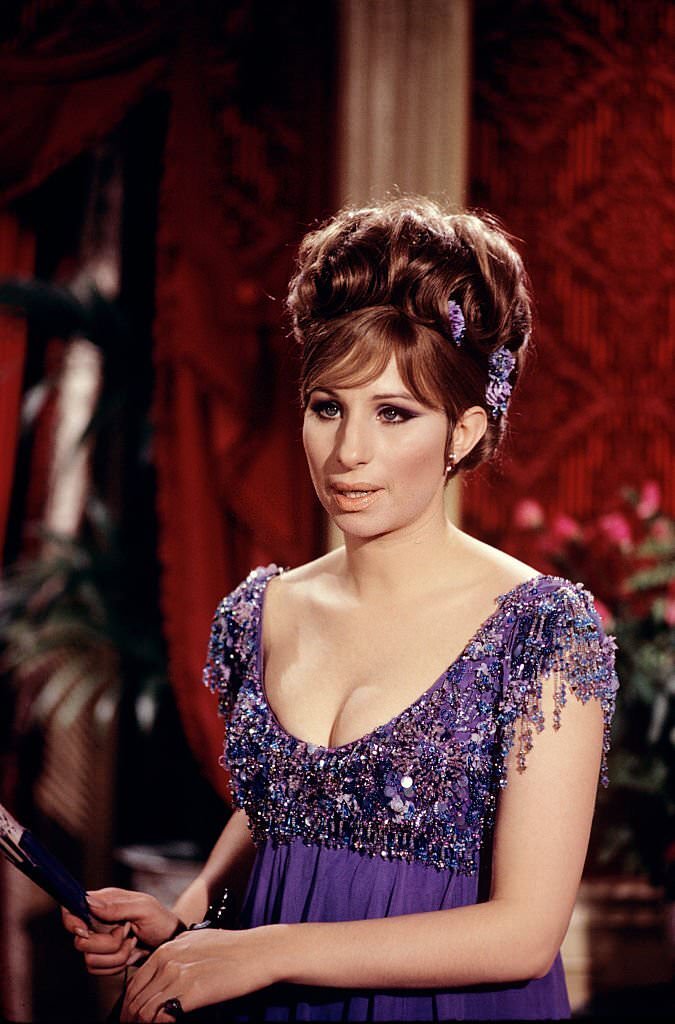
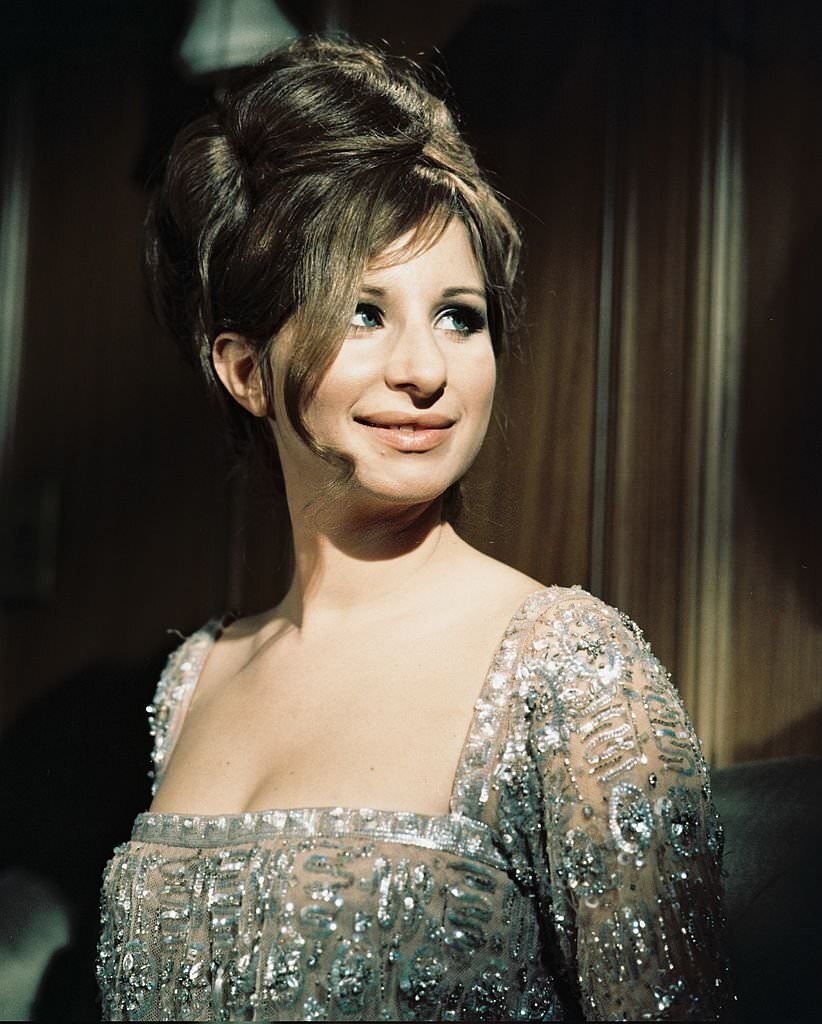
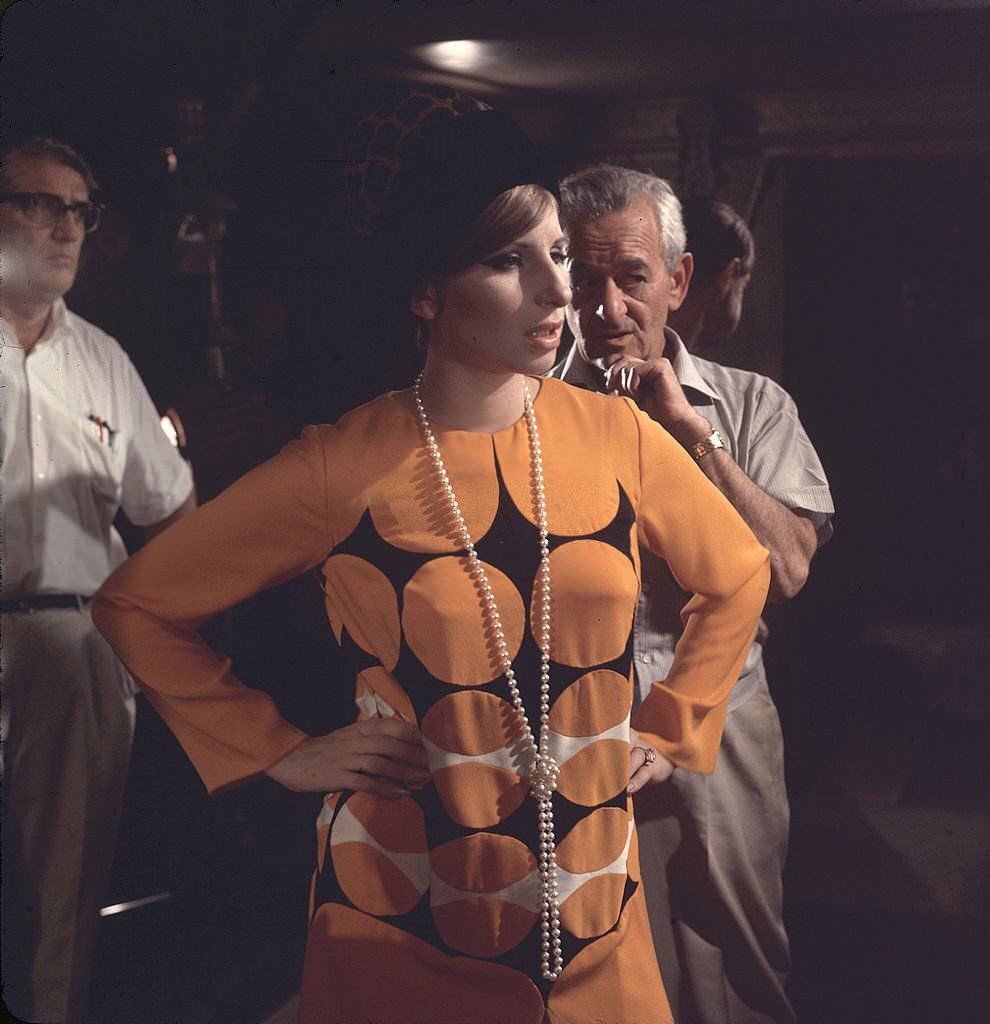
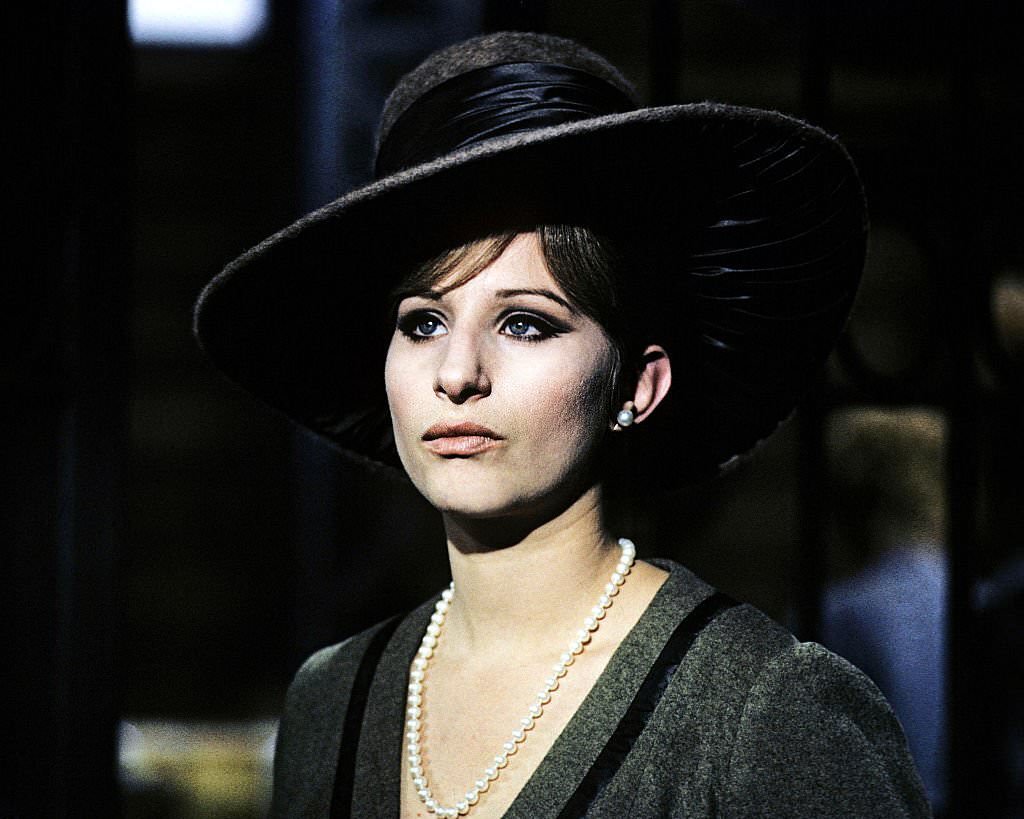
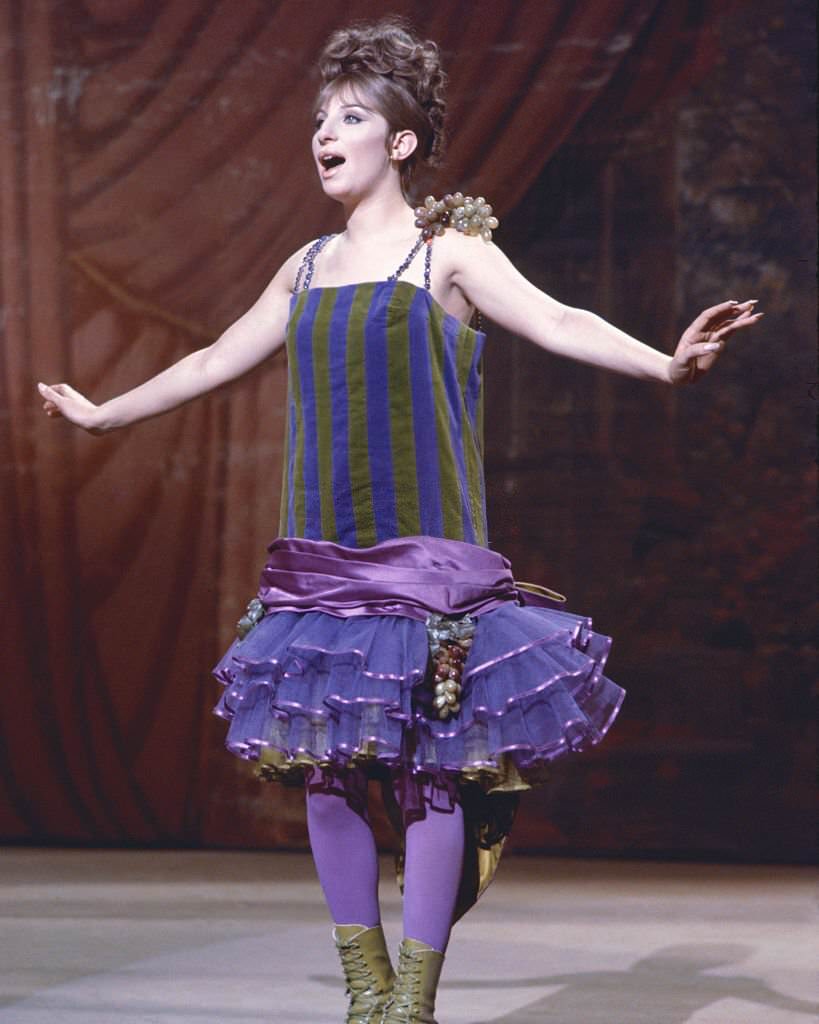
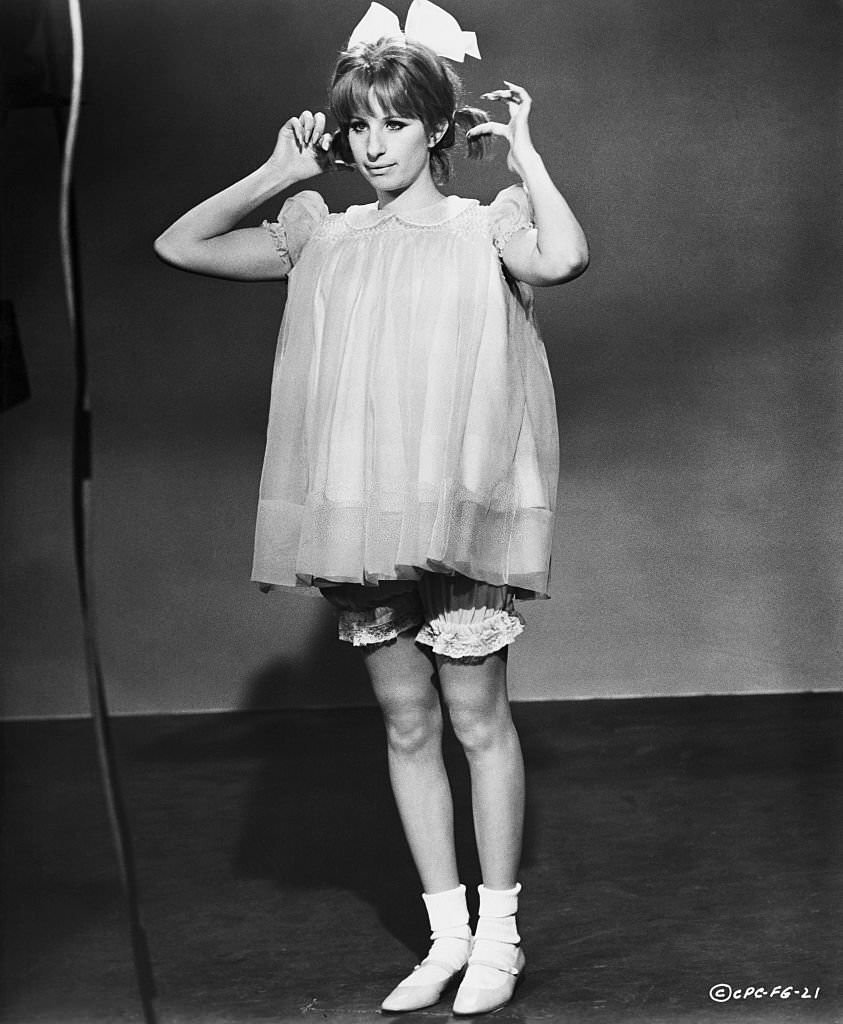
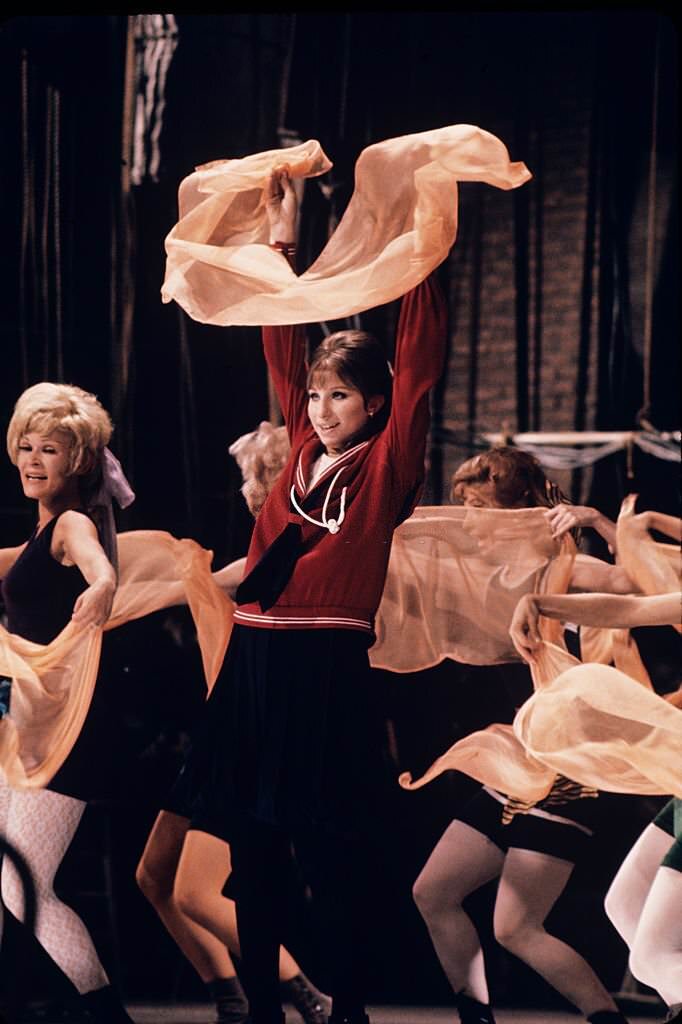
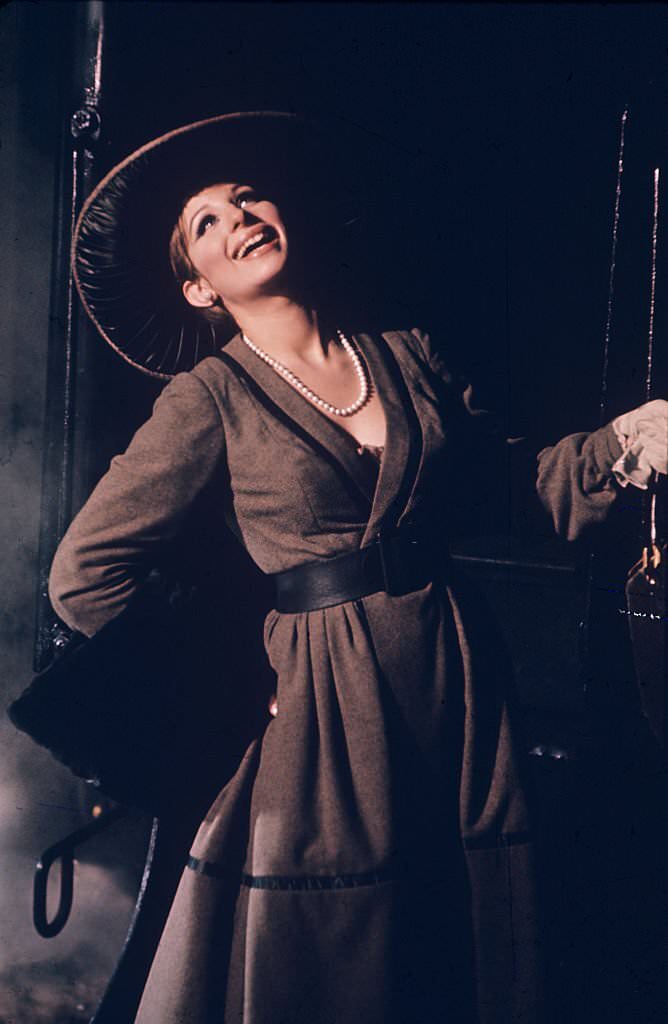
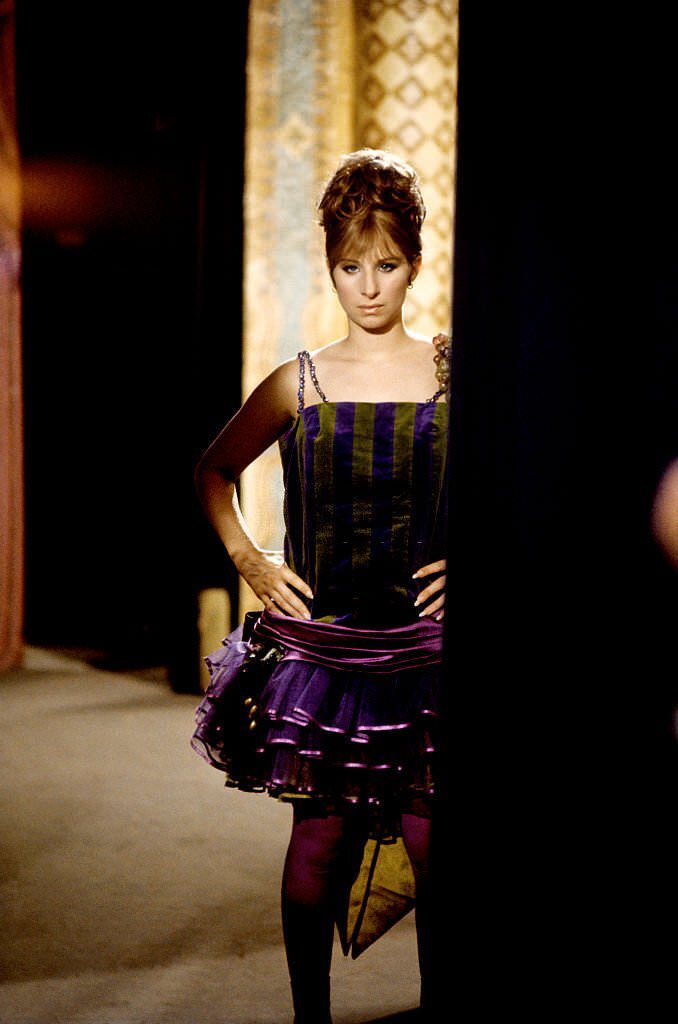
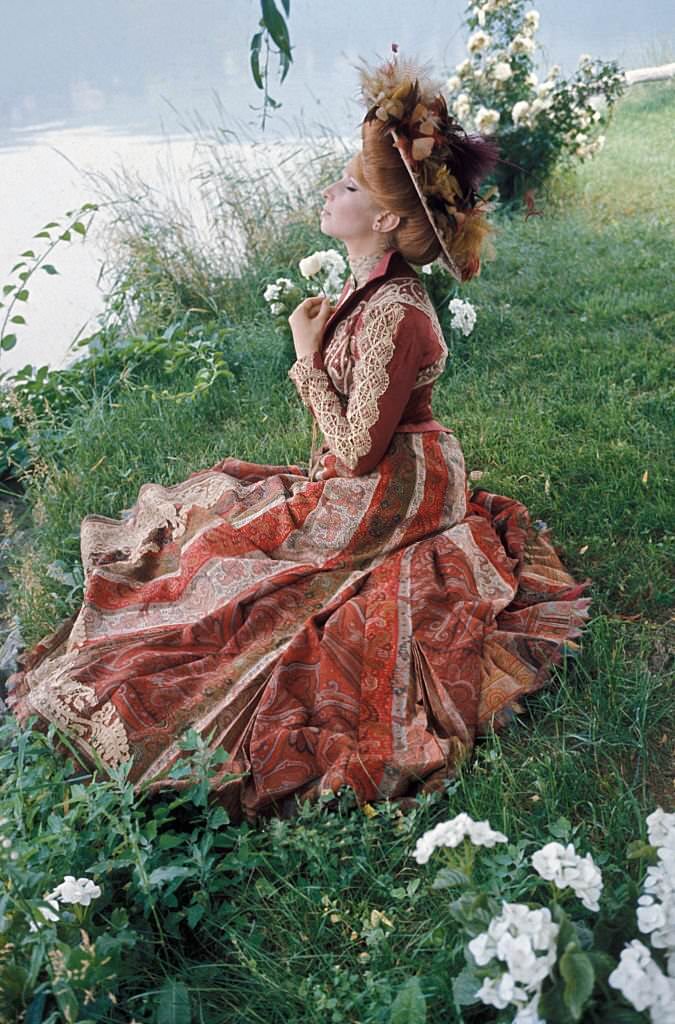
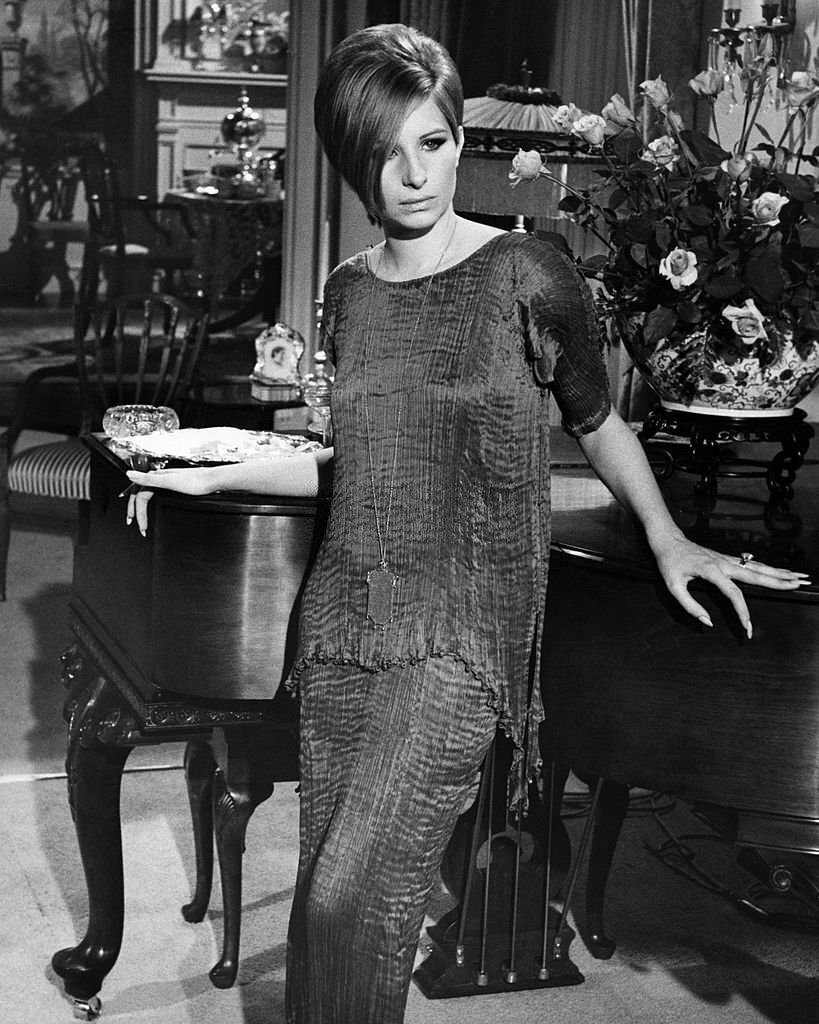
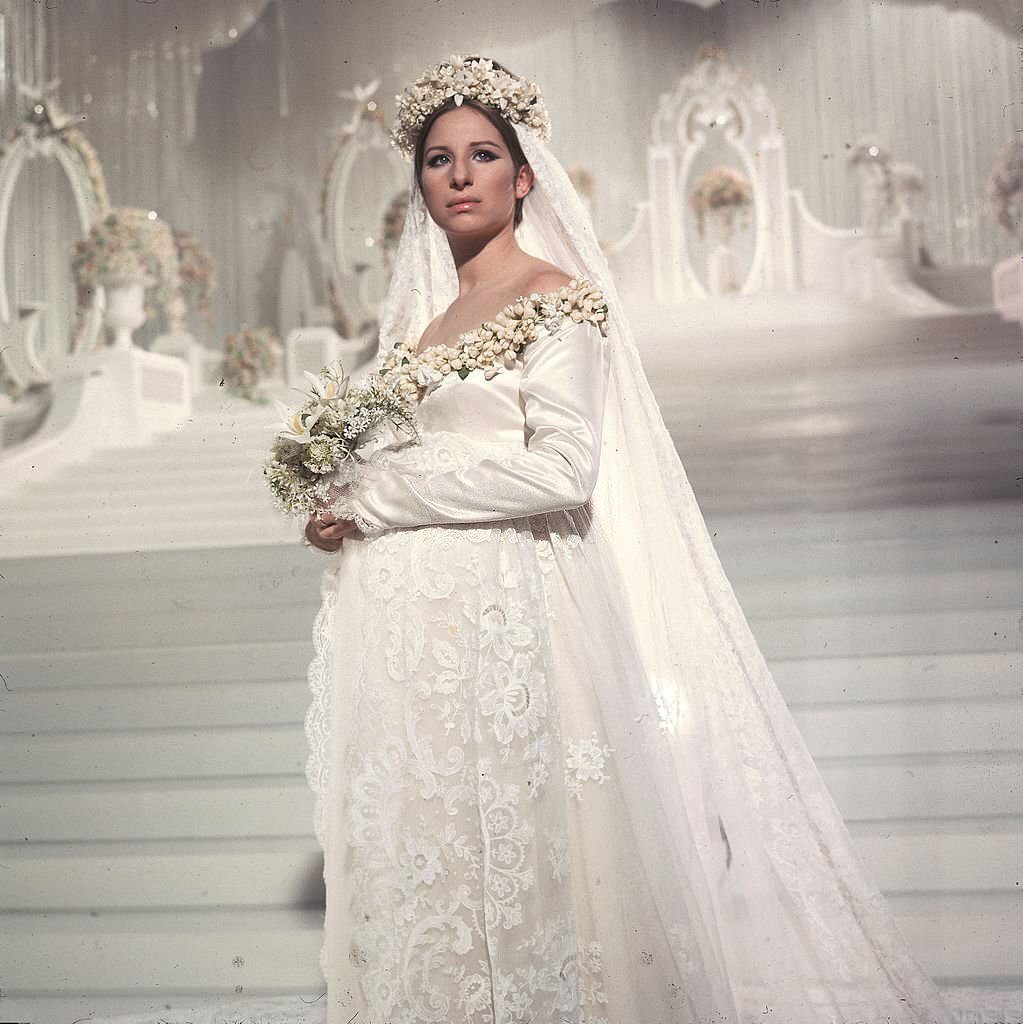
The costumes in the film were a major part of its visual appeal. Designed to reflect both the early 20th-century setting and the glittering world of the Ziegfeld Follies, the wardrobe helped transform Streisand into Fanny Brice at every stage of the character’s life. From simple street clothes in early scenes to elaborate stage costumes under the bright lights of Broadway, each outfit served the story while also making for stunning imagery.
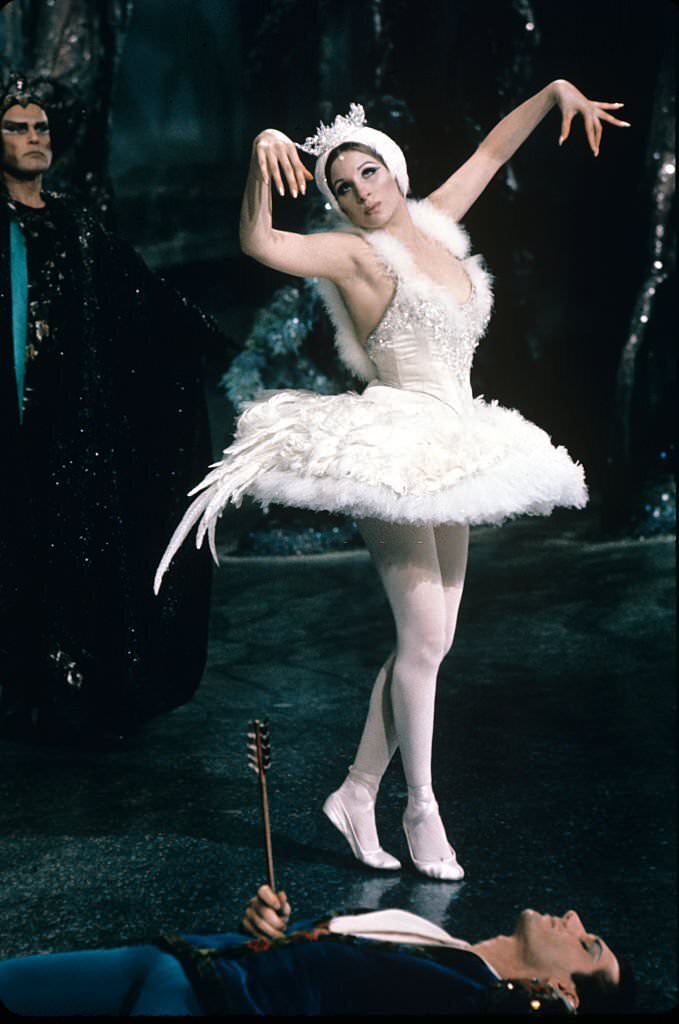
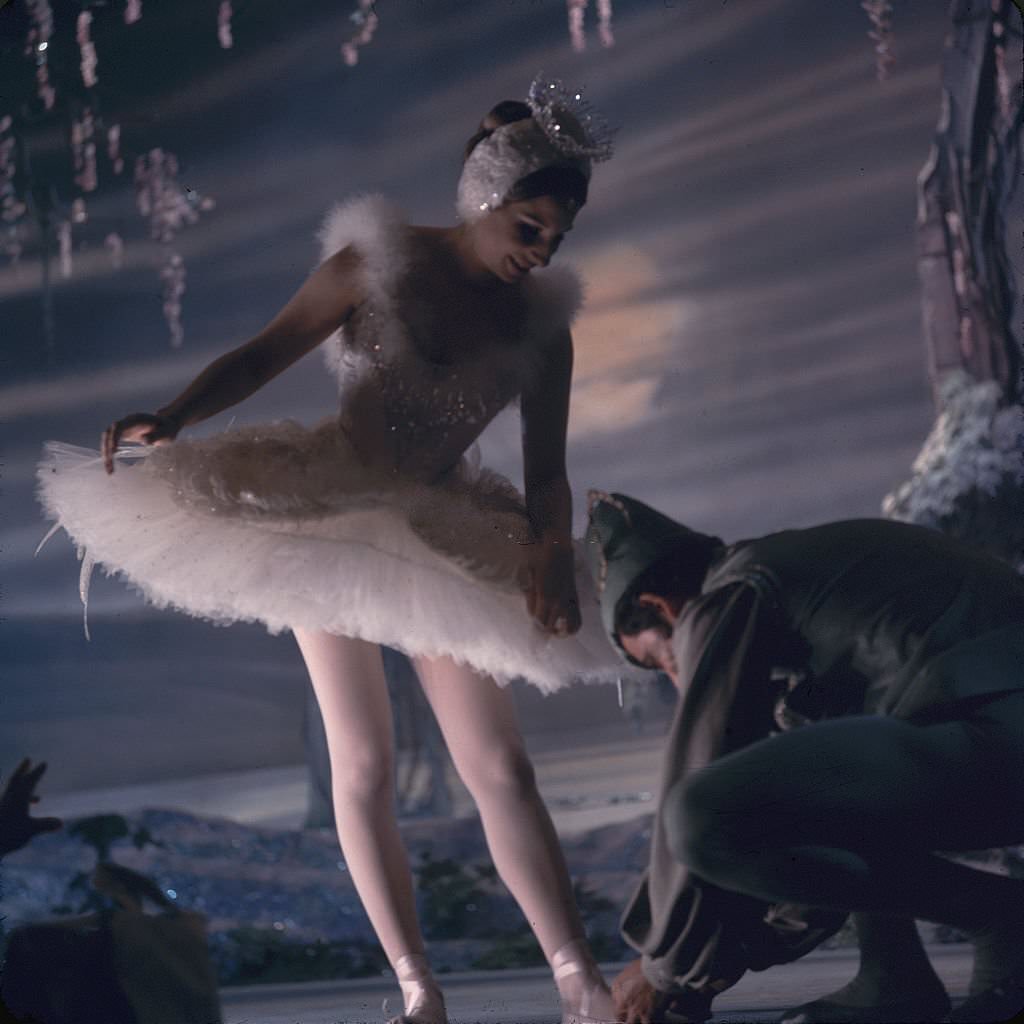
One of the film’s most memorable sequences involves Streisand performing a comic ballet parody of Swan Lake. Dressed in an exaggerated costume complete with a padded belly, she played the bit entirely straight while making the audience laugh — exactly the kind of dual-register performance that defined Fanny Brice’s real stage career. It also showcased Streisand’s ability to commit fully to physical comedy without sacrificing the emotional truth of a scene.
Director William Wyler was known for his demanding approach on set and his eye for precise, authentic performances. His collaboration with Streisand on Funny Girl pushed the production to a high standard. Wyler had directed classics like Ben-Hur and Roman Holiday, and bringing him in to helm Streisand’s film debut signaled how seriously the studio was taking the project.
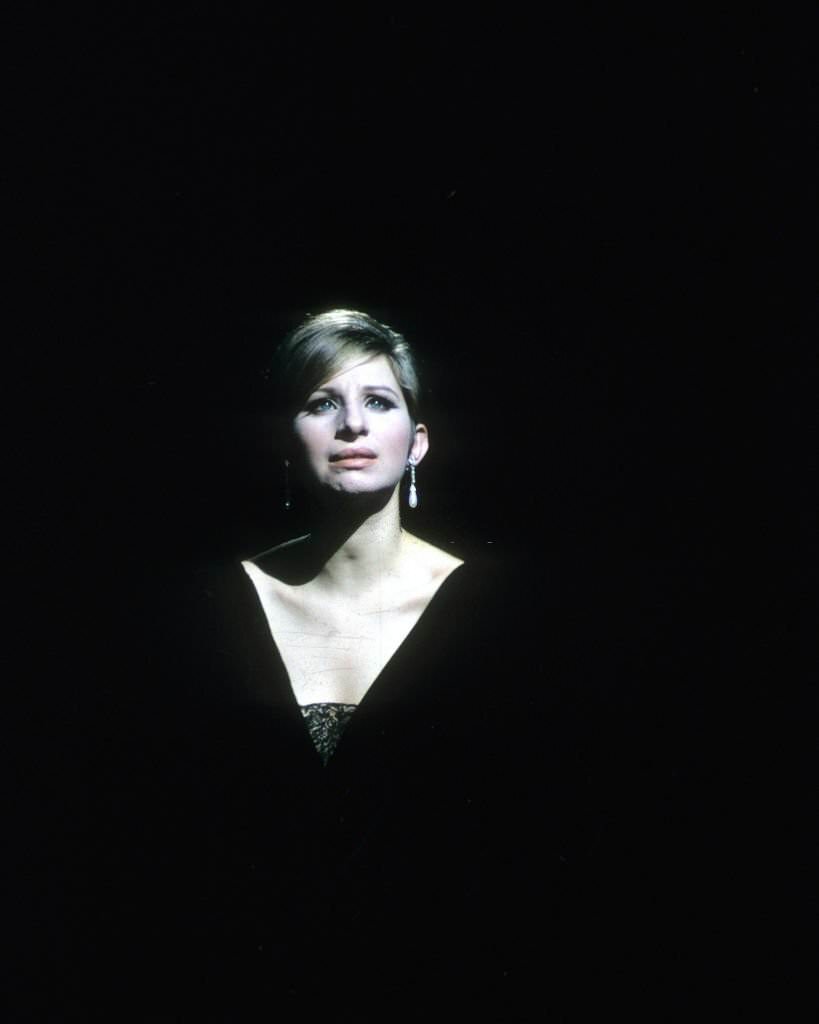
Among the film’s most powerful musical moments is Streisand’s performance of “My Man,” a song closely associated with the real Fanny Brice. Performed in a stark spotlight with minimal staging, the number strips away the spectacle of the Ziegfeld world and leaves only Streisand’s voice and emotion. It closes the film on a note that is both devastating and unforgettable.
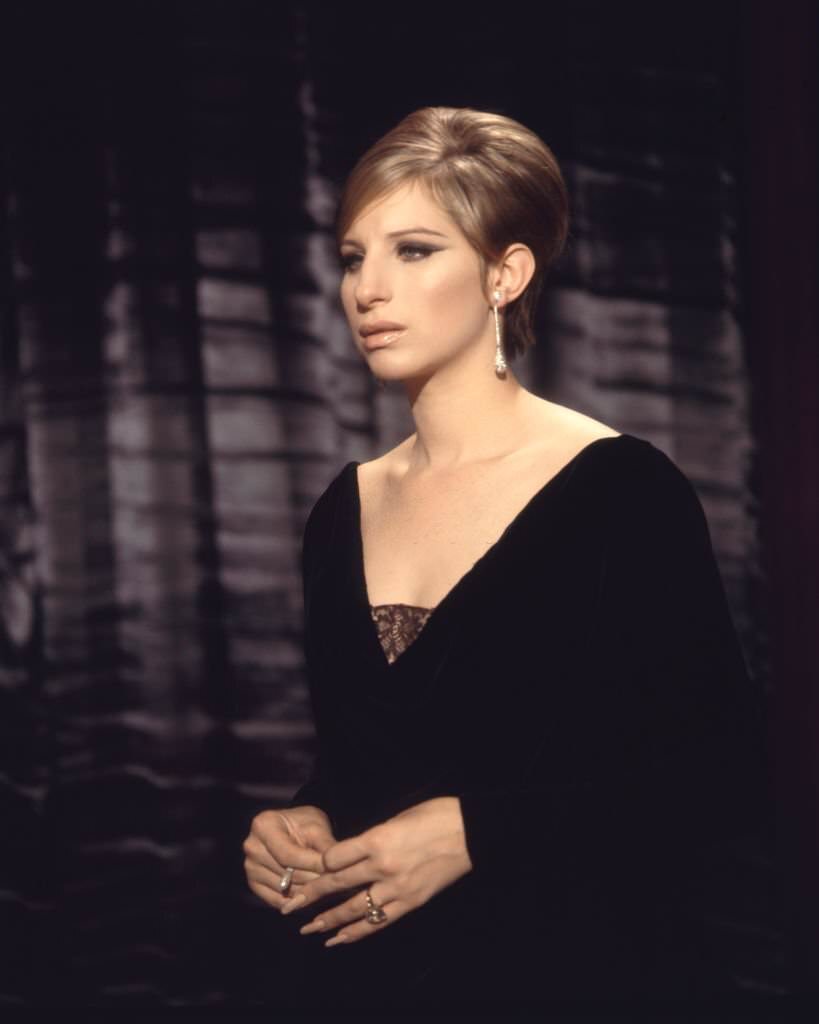
The Ziegfeld Follies setting gave the film’s costume and production design teams a wide canvas to work with. The Follies were famous for their lavish, over-the-top theatrical productions, and the film recreated that world with elaborate sets and intricate costumes. Streisand’s on-stage wardrobe in these scenes reflected the actual aesthetic of early 20th-century American theatrical spectacle.
The film earned $58.5 million at the box office, making it a major commercial success. In 2006, the American Film Institute ranked it 16th on its list of the Greatest Movie Musicals of all time. That recognition placed it alongside titles like Singin’ in the Rain, The Wizard of Oz, and West Side Story — a measure of just how much the film had endured in the decades since its release.
Fanny Brice herself was one of the most recognizable entertainers in America during the 1920s and 1930s. She was known for her comic timing, her singing, and her ability to connect with audiences across radio, stage, and film. Casting Streisand — a young performer who had already made a mark on Broadway — in this role was a deliberate choice that paid off in every scene.
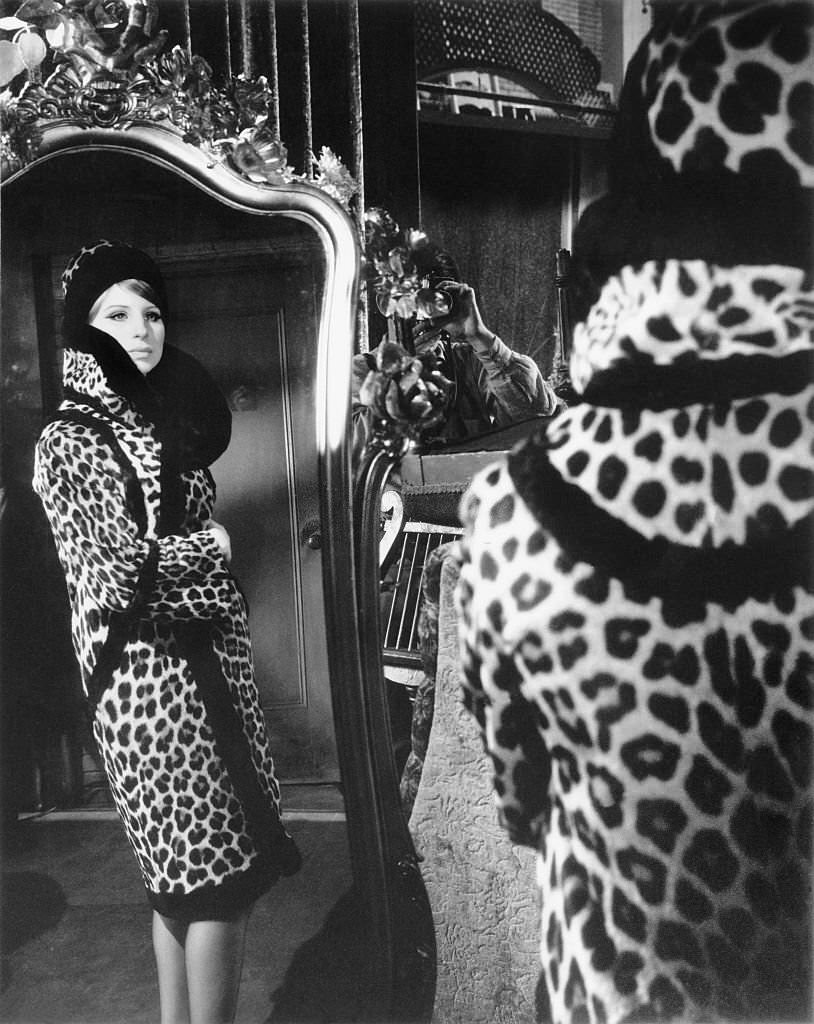
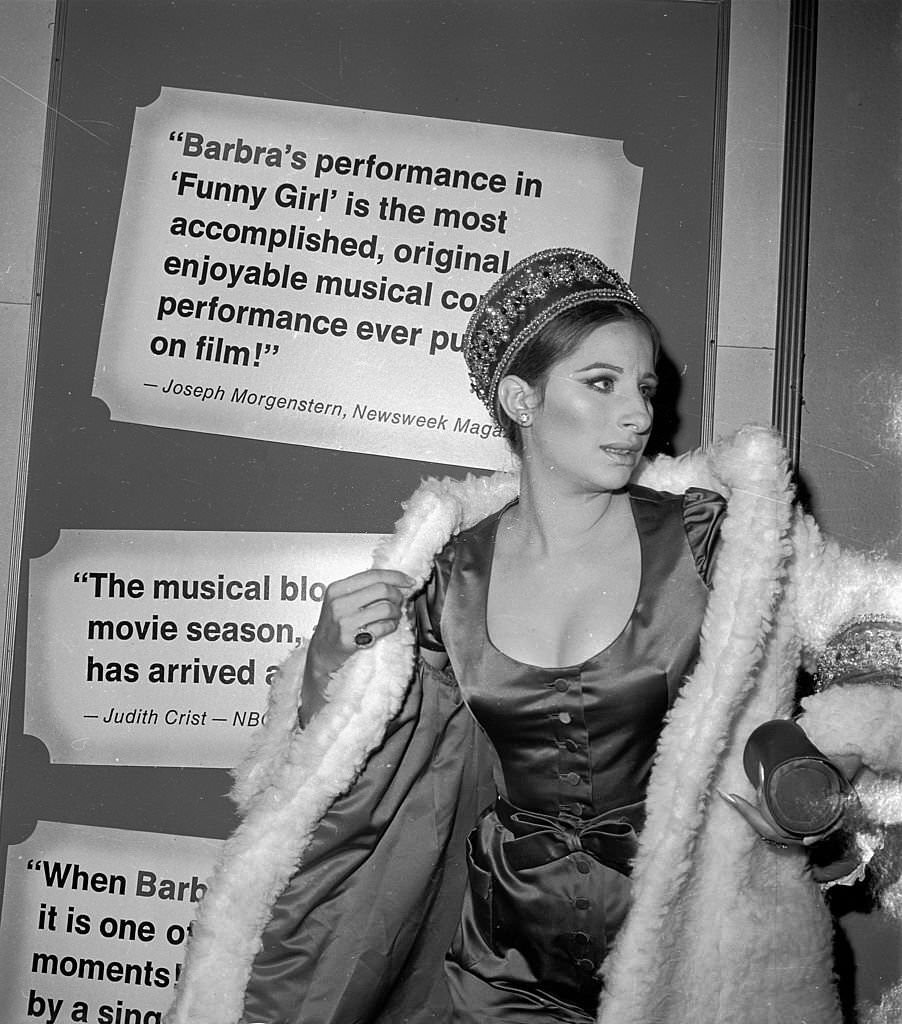
Streisand attended the film’s premiere in 1968, drawing attention not only for the film itself but for her presence as a rising star. Her look at the premiere reflected the era’s fashion while also carrying the kind of confidence that matched her on-screen persona.
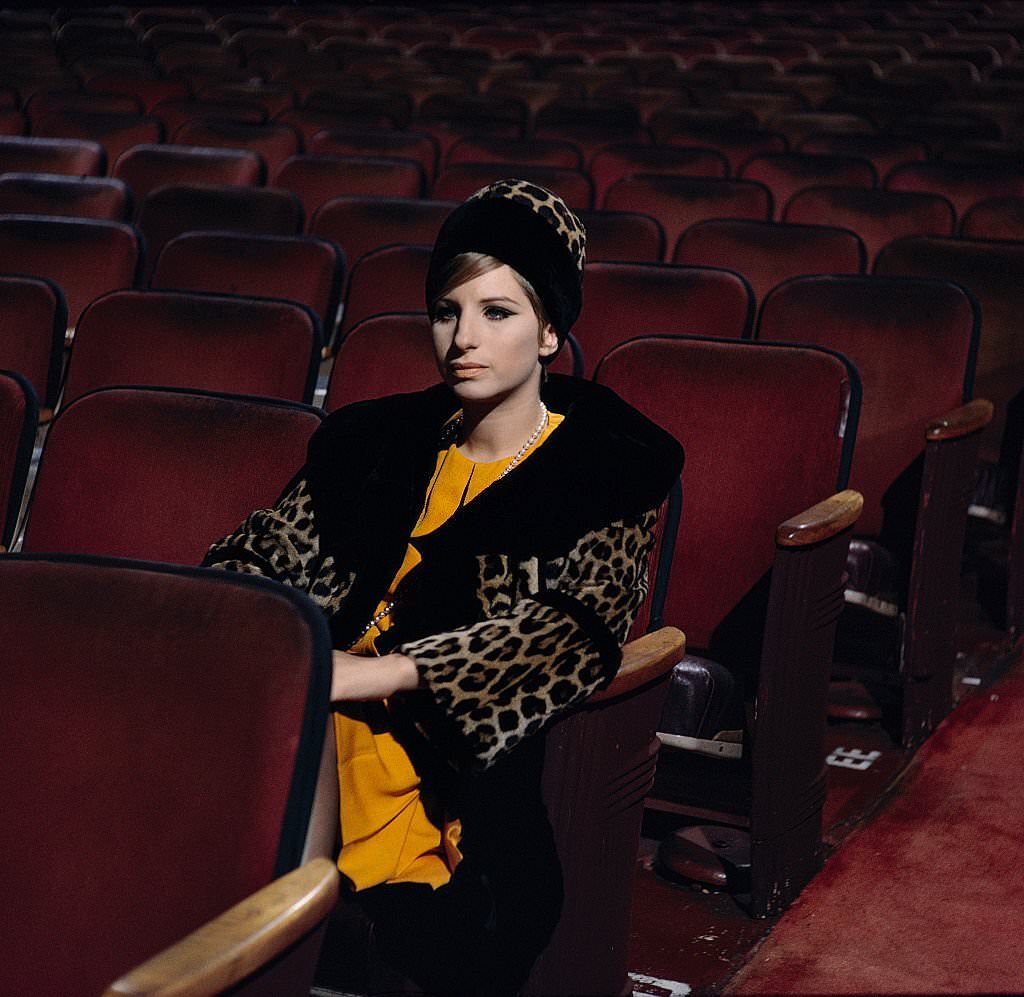
Before the film version, Funny Girl ran on Broadway, where Streisand originated the role of Fanny Brice in 1964. The stage production was a hit, and Streisand’s performance there built the foundation for what she would later bring to the screen. The theatrical version gave her years to live inside the character, and that depth shows in every frame of the film.
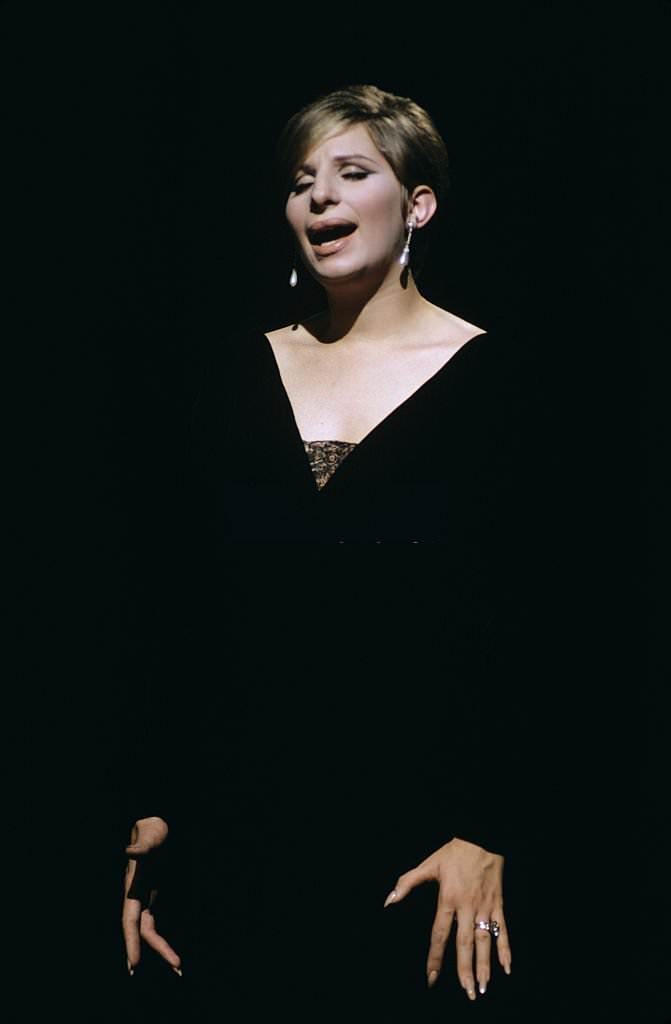
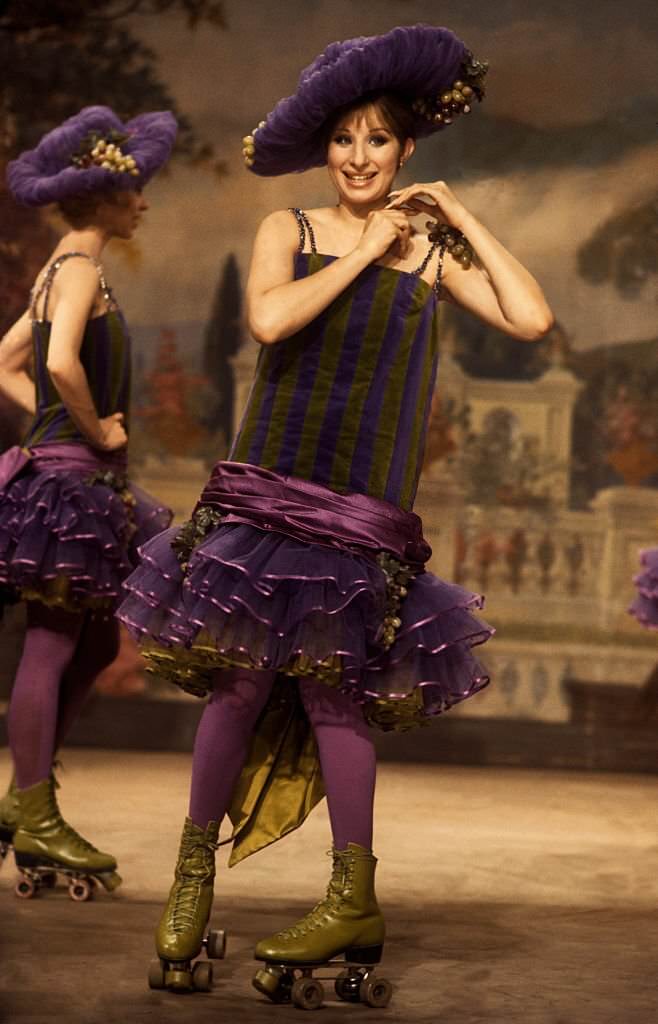
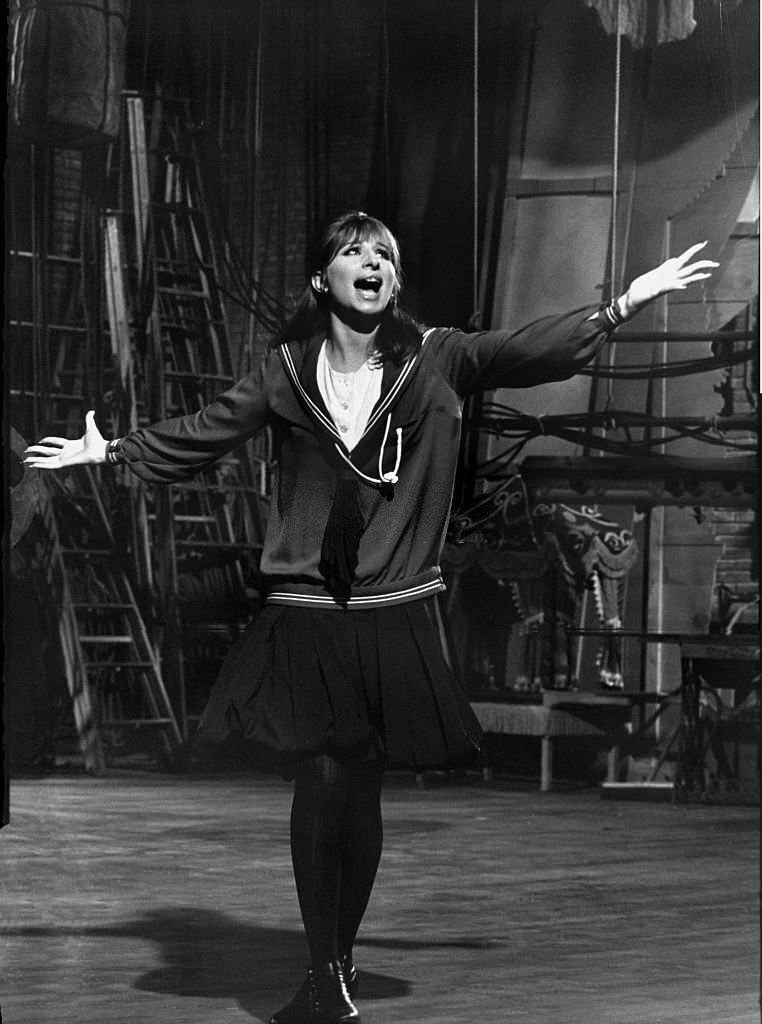
Throughout the film, Streisand’s costumes shift in style and tone to reflect where Fanny Brice is in her life. Early scenes feature modest, period-appropriate clothing that grounds the character in her working-class New York origins. As Fanny rises to fame, the wardrobe evolves — feathered headpieces, sequined gowns, and theatrical ensembles take over, each piece carefully chosen to reflect the world of early 20th-century American showbiz.
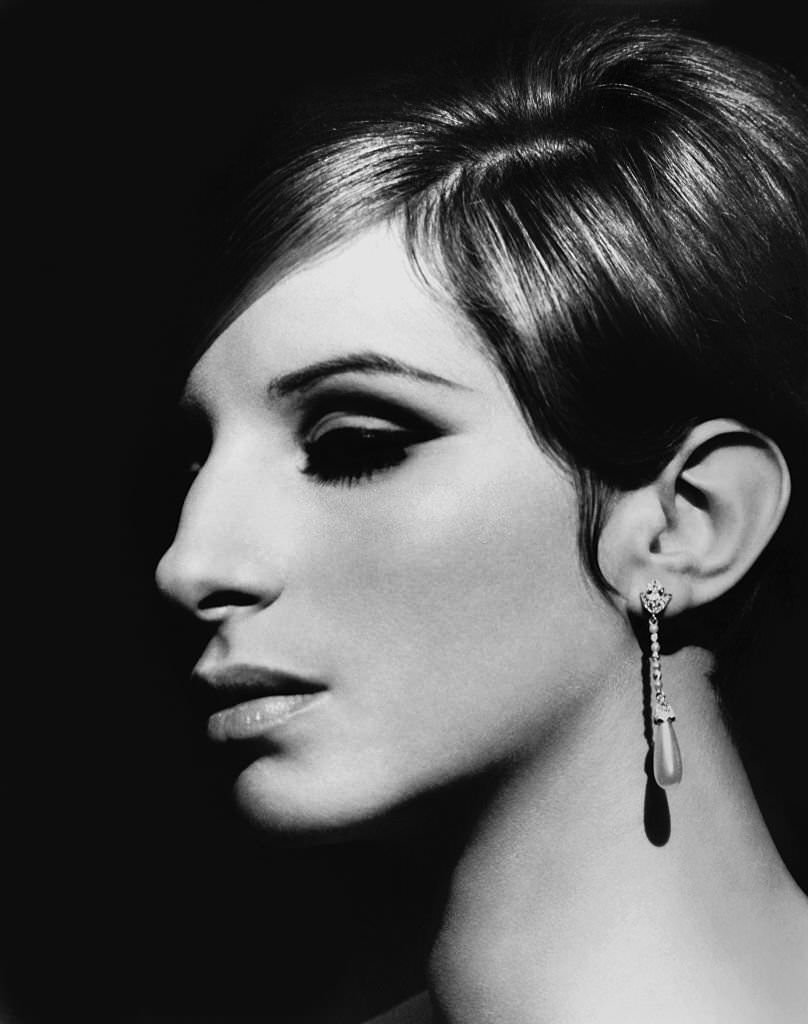
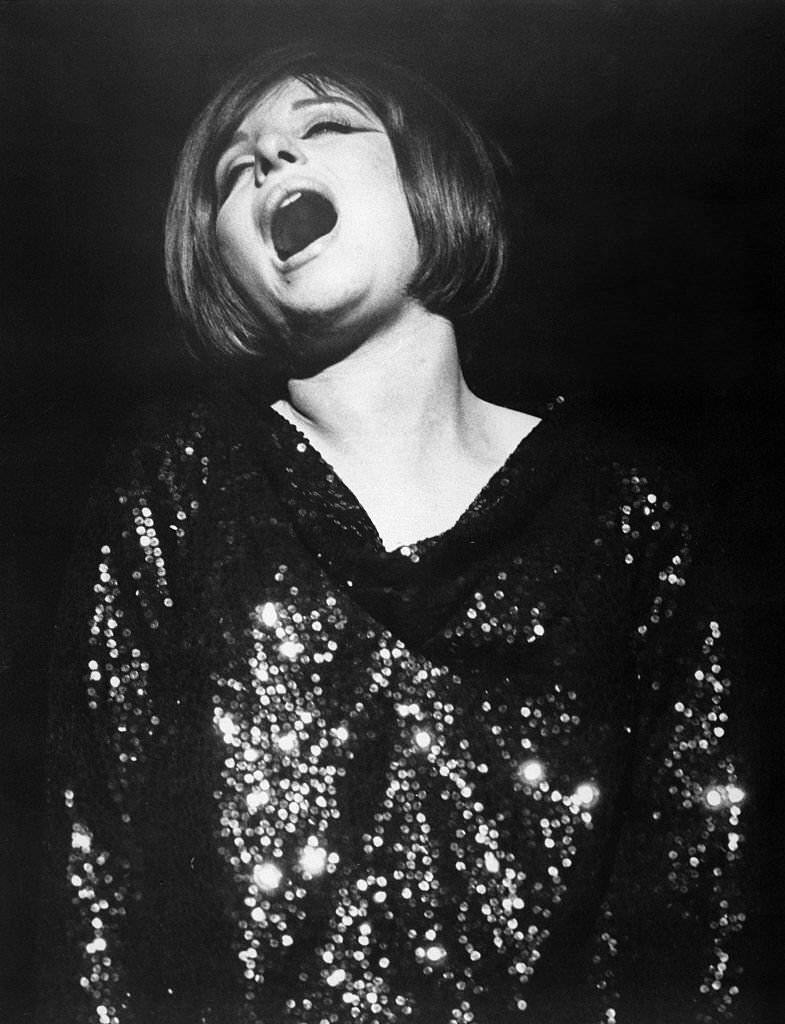
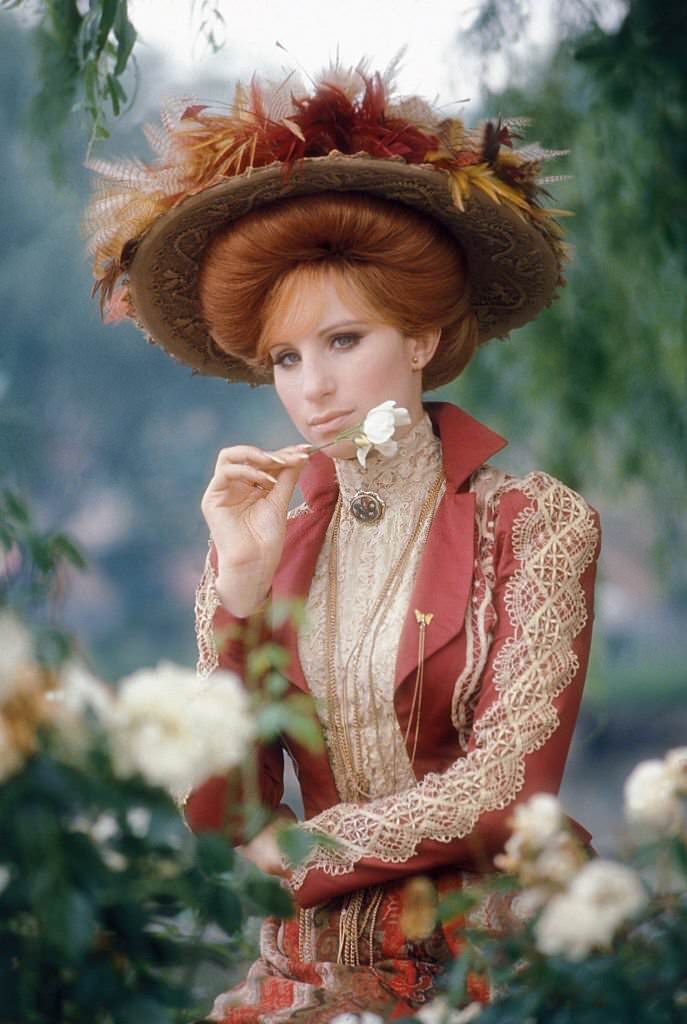
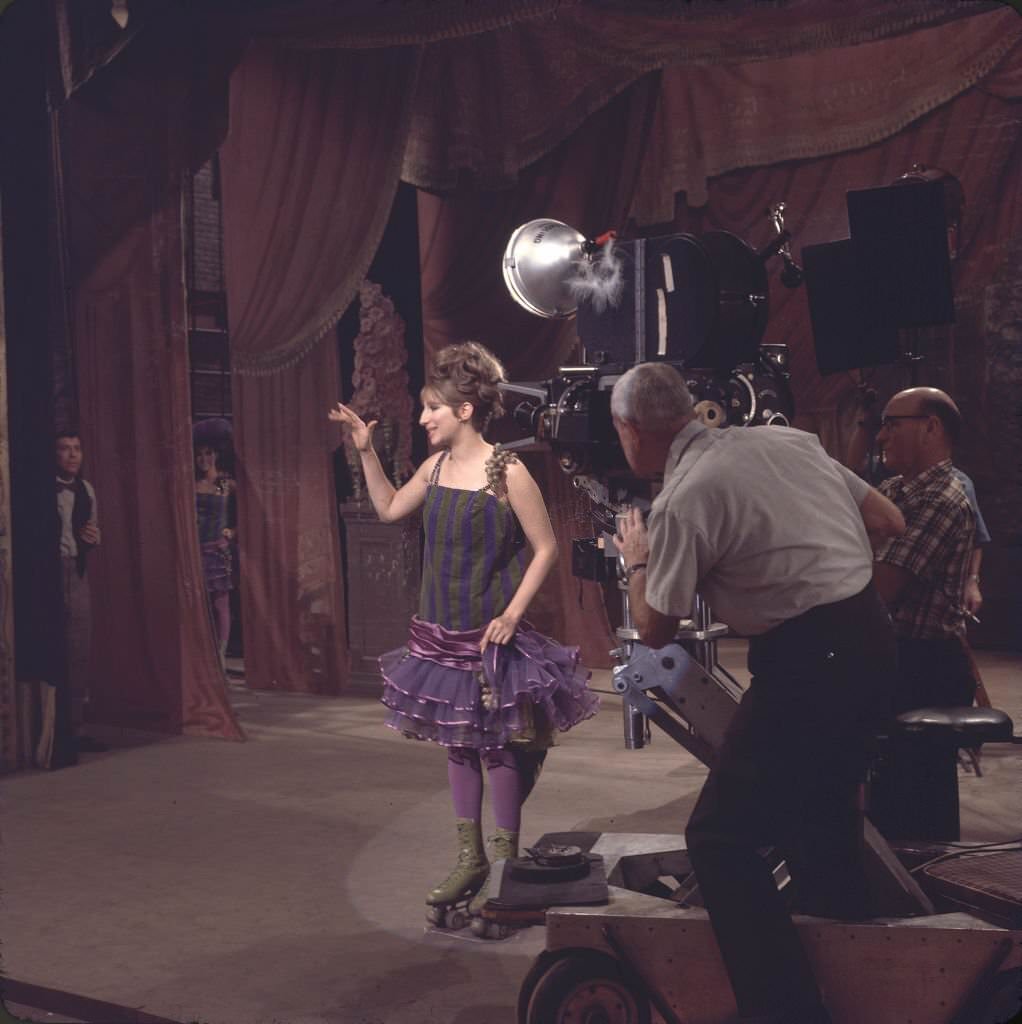
Behind-the-scenes photographs from the production capture moments between takes and give a glimpse into how the film was made. Streisand appears in full costume and makeup throughout, a reminder of how labor-intensive the production was. Scenes that look effortless on screen required hours of preparation and multiple takes under Wyler’s direction.
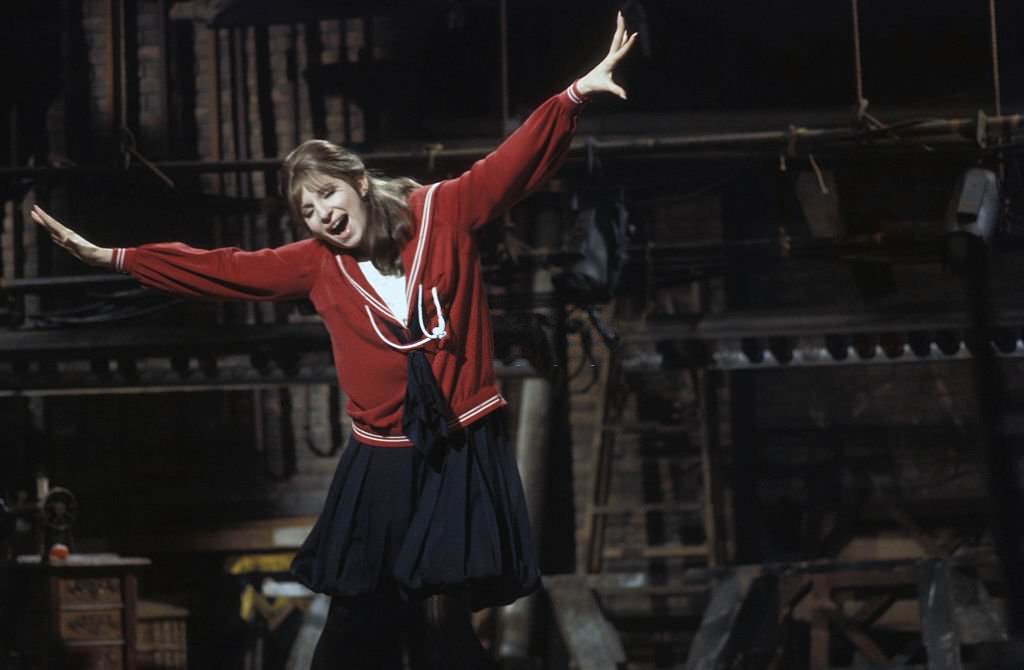
One of the film’s lighter and more visually inventive sequences features Streisand on roller skates. The rollerskating scene captures Fanny Brice’s willingness to throw herself into physical comedy, and the costume Streisand wears in the sequence fits right into the playful tone. It’s one of many moments where the film balances spectacle with character.
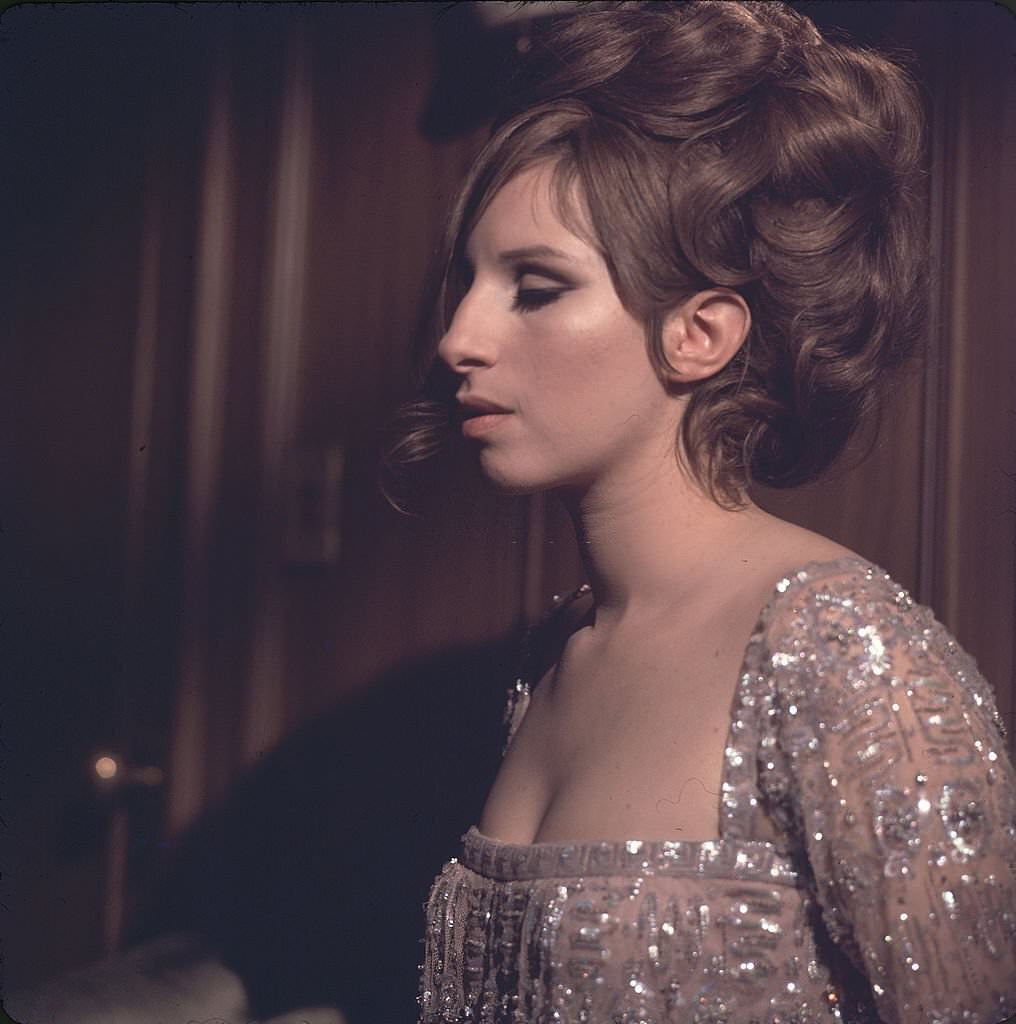
The Swan Lake parody sequence remains one of the most visually striking in the entire film. Streisand wore a costume that turned the elegance of classical ballet into pure comedy — a padded tutu that emphasized the joke while Streisand performed the number with complete sincerity. That combination of straight-faced commitment and absurd visual gags was exactly what made Fanny Brice a legend in her own time.
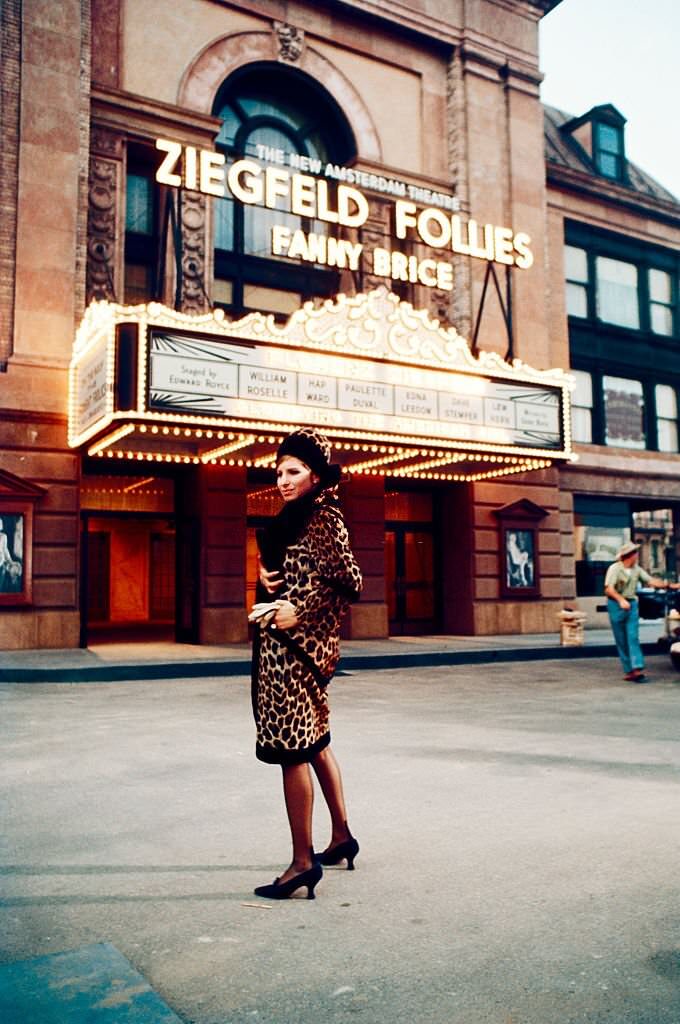
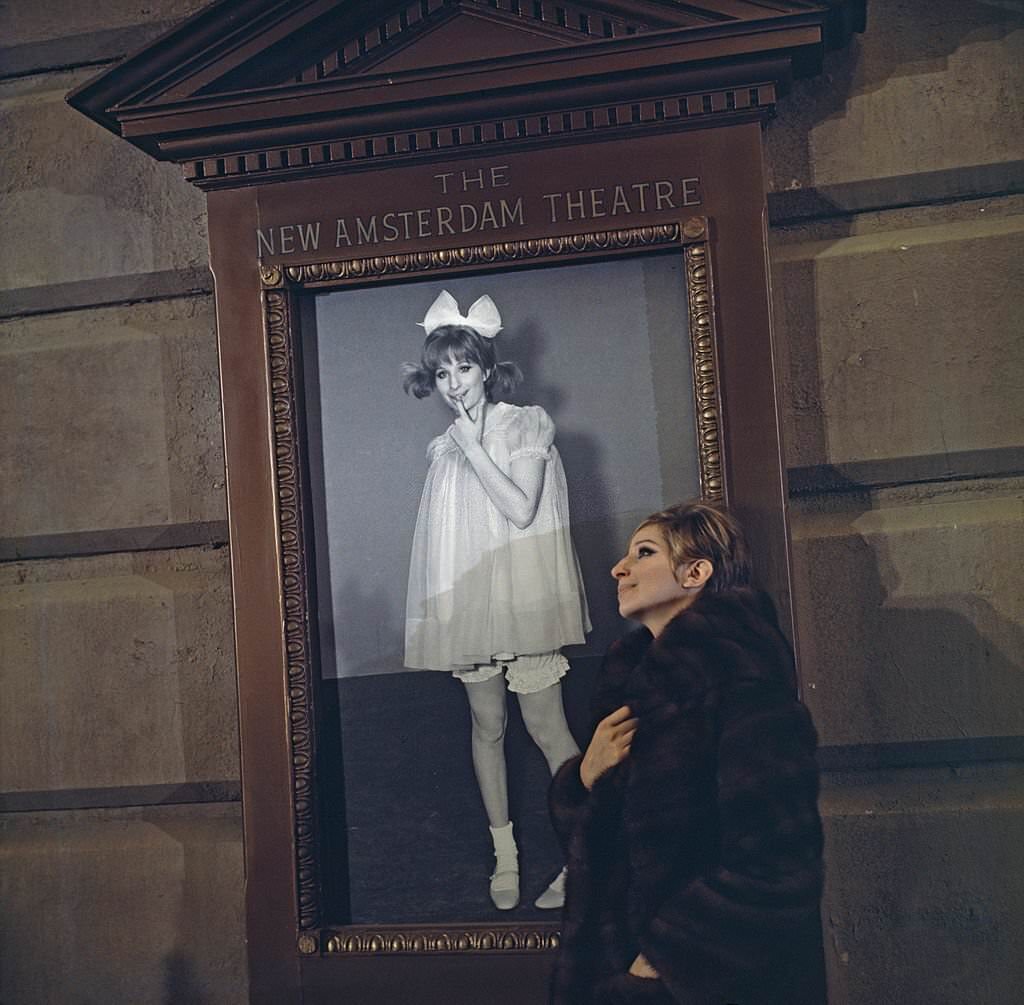
Promotional materials for the film featured Streisand prominently, with her image appearing on theater marquees and posters across the country. Her face was the selling point of the film, and the studio knew it. Photos from outside venues like the New Amsterdam Theatre show how central Streisand’s image was to the film’s entire marketing campaign.
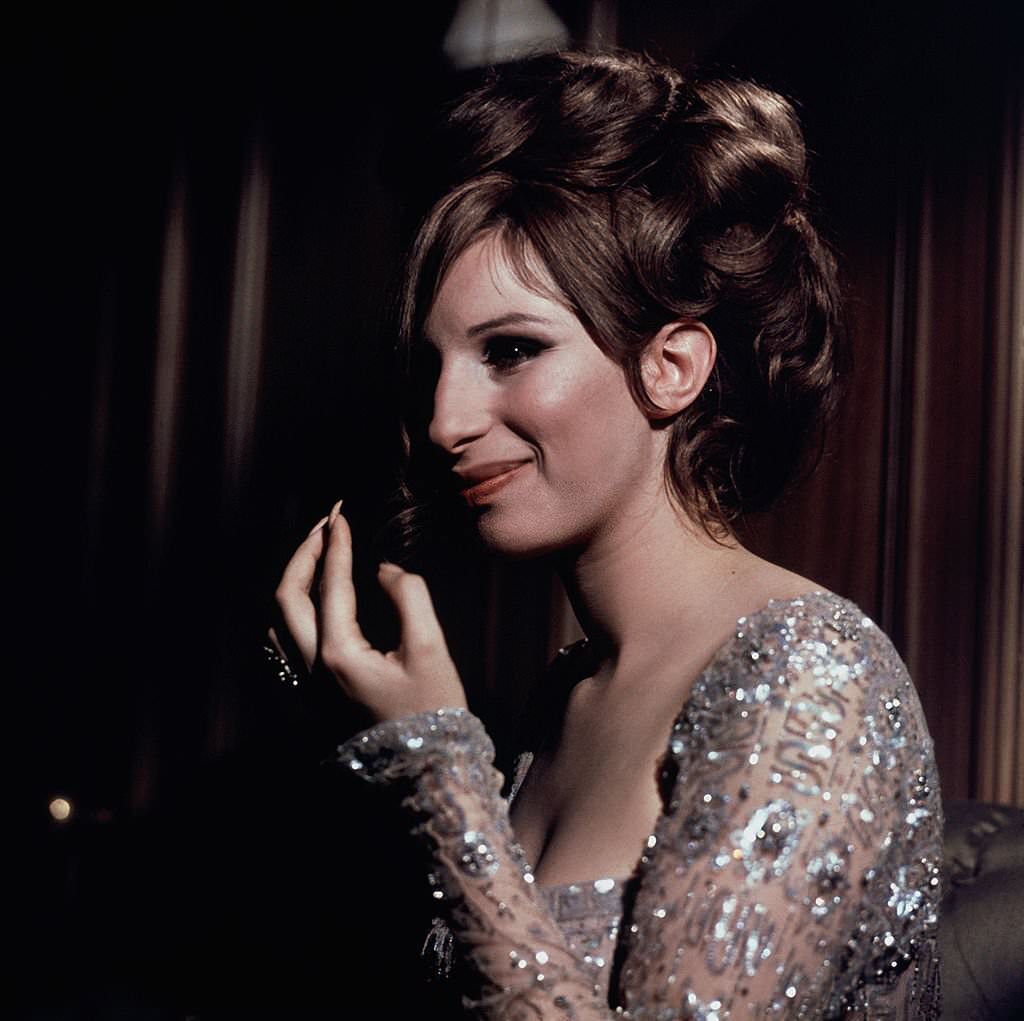
At the film’s premiere in 1968, Streisand arrived as a star. She had already won critical acclaim on Broadway and through her recording career, but the film premiere marked her full arrival as a Hollywood presence. The photographs from that night show a performer fully aware of the moment she was stepping into.
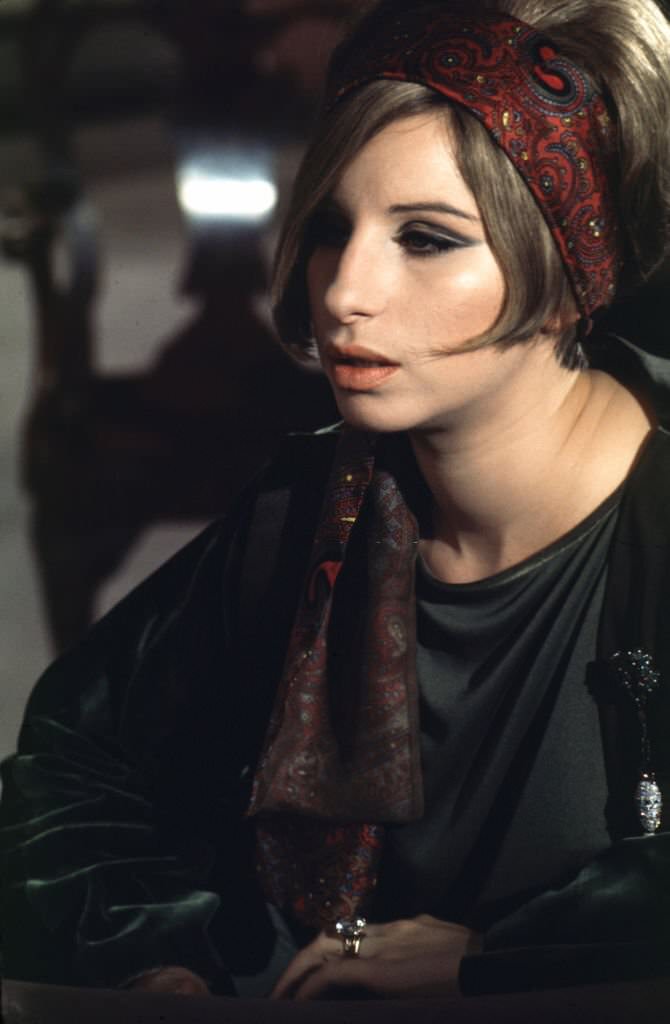
The on-set photographs of Streisand throughout the production of Funny Girl document a performer fully in command of her craft. Whether she’s mid-performance, between scenes, or working through a number, the photographs show the same level of focus and presence that comes through in the finished film. The costumes, the staging, and the performances all came together to create one of the most celebrated musical films of the decade.