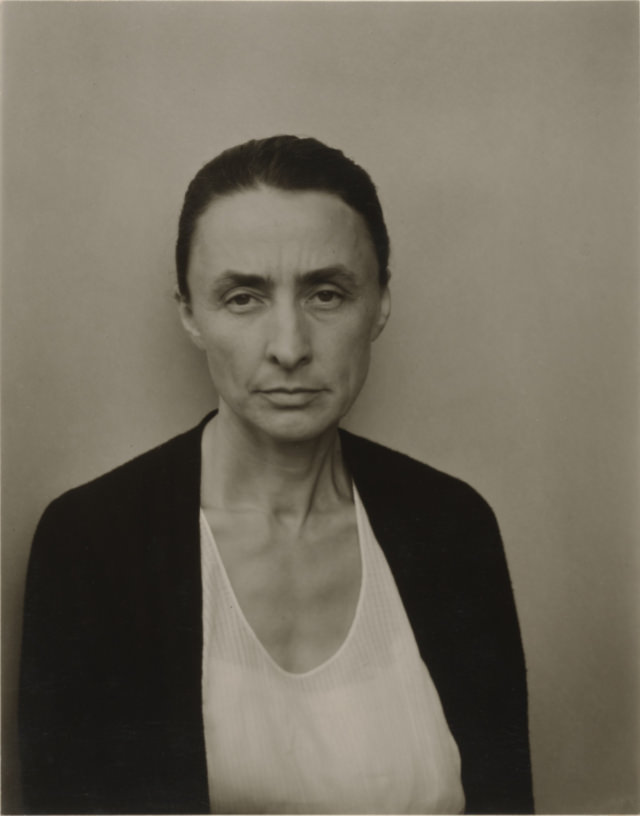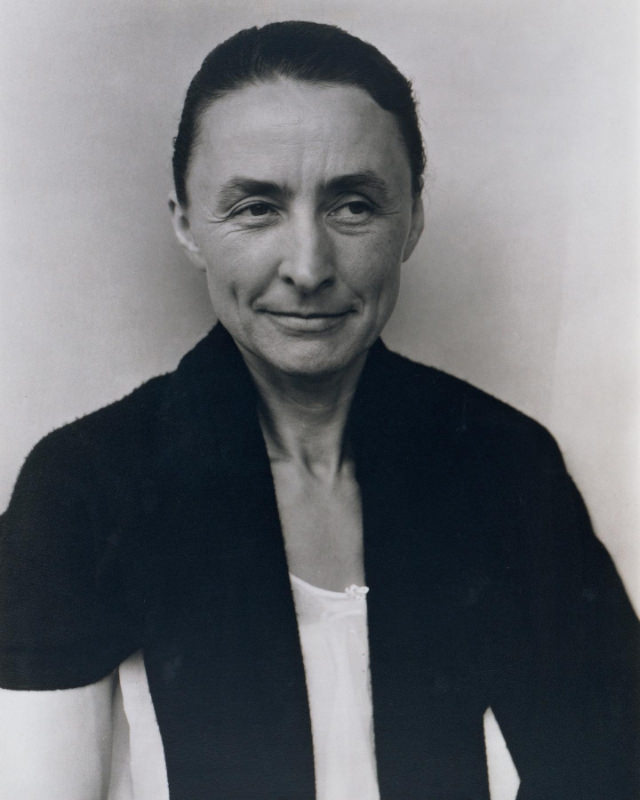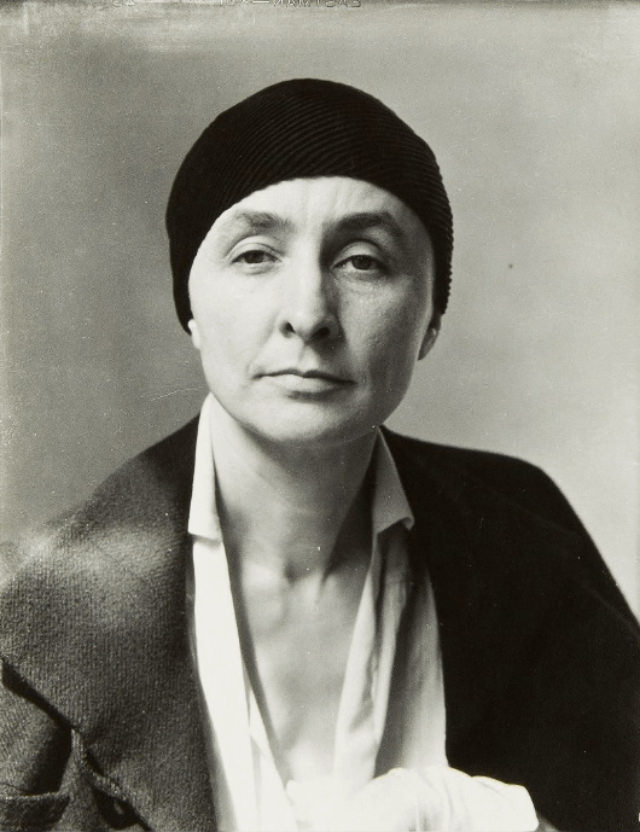

Georgia O’Keeffe was born on November 15, 1887, the second of seven children, on a farm near Sun Prairie, Wisconsin. From an early age, she showed a clear drive toward art. By the time she graduated from high school in 1905, she had already made up her mind: she was going to be a painter. She went on to study traditional painting at the Art Institute of Chicago and later at the Art Students League in New York, building a solid technical foundation.
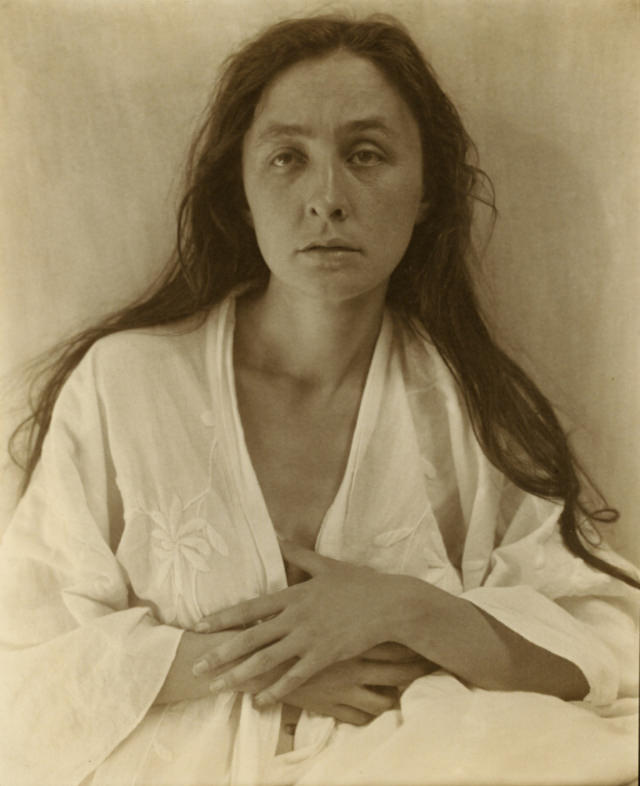
A turning point came when O’Keeffe encountered the ideas of Arthur Wesley Dow, an educator who challenged the conventional rules of Western art. Dow taught that art was about arranging elements to express an idea — not simply copying what the eye sees. This shift in thinking changed everything for O’Keeffe. While teaching art in West Texas, she began experimenting with abstraction, working through a series of charcoal drawings that aimed to capture feelings rather than objects.
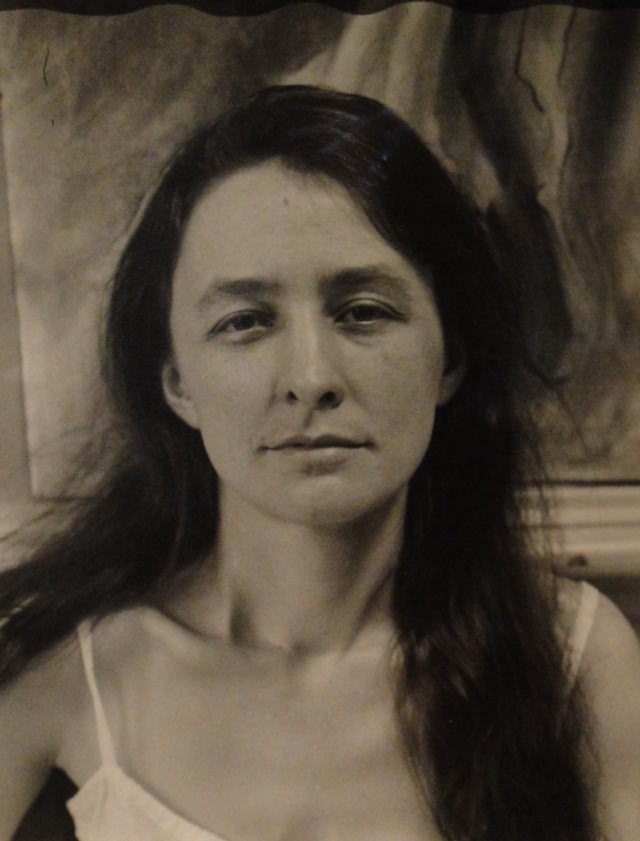
She mailed those abstract drawings to a friend in New York City, who passed them along to Alfred Stieglitz — a celebrated photographer and influential art dealer. Stieglitz was immediately struck by the work. In 1916, he became the first to exhibit her paintings publicly. The two eventually married, and Stieglitz remained a key figure in promoting her career throughout the following decades.
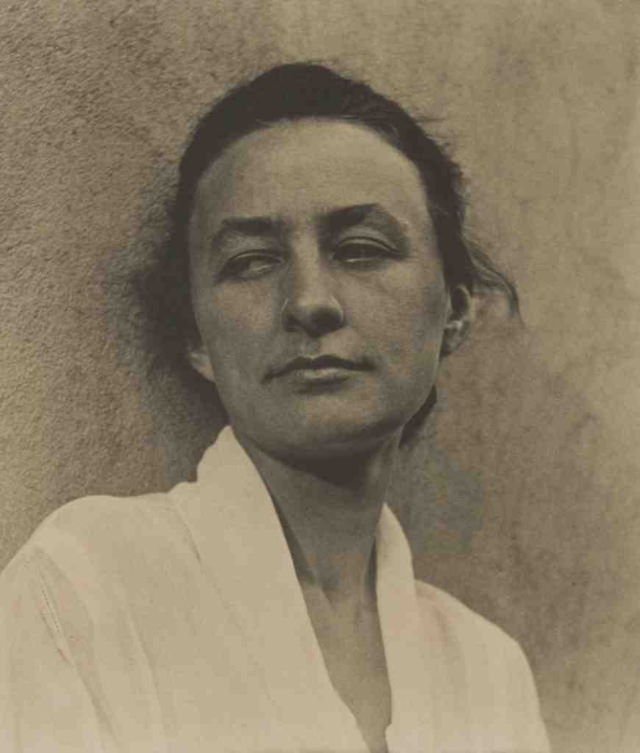
By the mid-1920s, O’Keeffe had become one of the most talked-about artists in America. Her large-scale flower paintings — magnified far beyond their natural size — forced viewers to look at something familiar in a completely new way. At the same time, she was painting New York City’s skyscrapers, treating steel and glass with the same intimacy she brought to petals and stems. Both subjects announced a bold, distinctly American modernism.
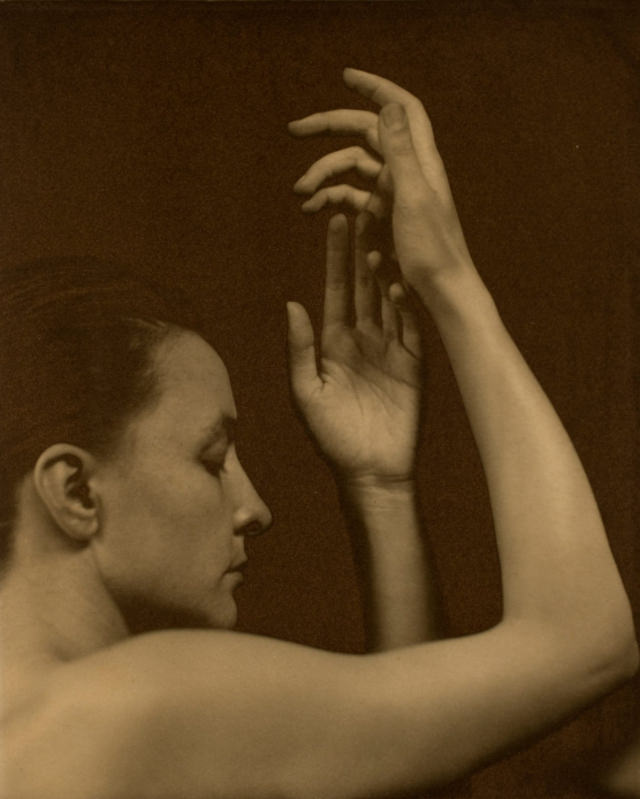
In the summer of 1929, O’Keeffe made her first trip to northern New Mexico. The desert landscape — wide, sun-bleached, and vast — hit her with immediate force. The region’s Native American and Hispanic cultures added layers of meaning that she found nowhere else. She began returning every summer, painting the red hills, adobe churches, and animal skulls she collected from the dry ground. These bones, stripped clean by the desert sun, became some of her most recognized images.
After Alfred Stieglitz died in 1946, O’Keeffe wrapped up his estate and, in 1949, moved to New Mexico permanently. She settled in Abiquiú, a small village where she had purchased an old adobe house. The landscape she had been visiting for twenty years was now her daily view. Her New Mexico paintings connected naturally with a wider American Modernist interest in regional identity and the raw character of the land.
In the 1950s, O’Keeffe began traveling internationally. She sketched and painted scenes from Peru’s mountain peaks and Japan’s Mount Fuji, always drawn to places of dramatic scale and natural power. Then, at seventy-three, she turned her attention upward — to the sky. Aerial views of clouds seen from airplane windows became a new subject, one that suited her lifelong fascination with open space and flowing form.
In 1972, macular degeneration robbed O’Keeffe of most of her central vision. That year, she completed her last unassisted oil painting. But she did not stop. She enlisted assistants to help her continue working, guiding them through pieces built on vivid memories and the visual language she had spent decades developing. In 1977, at ninety years old, she put it plainly: “I can see what I want to paint. The thing that makes you want to create is still there.”
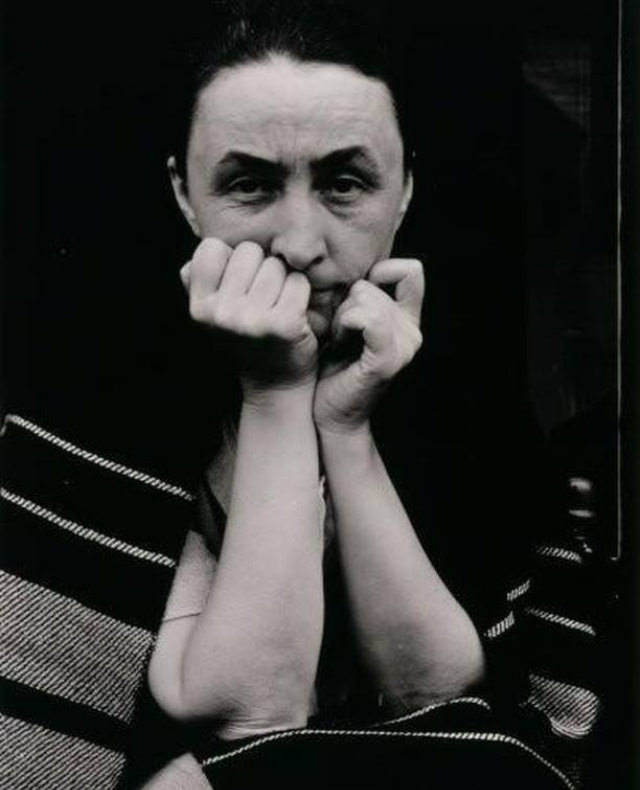
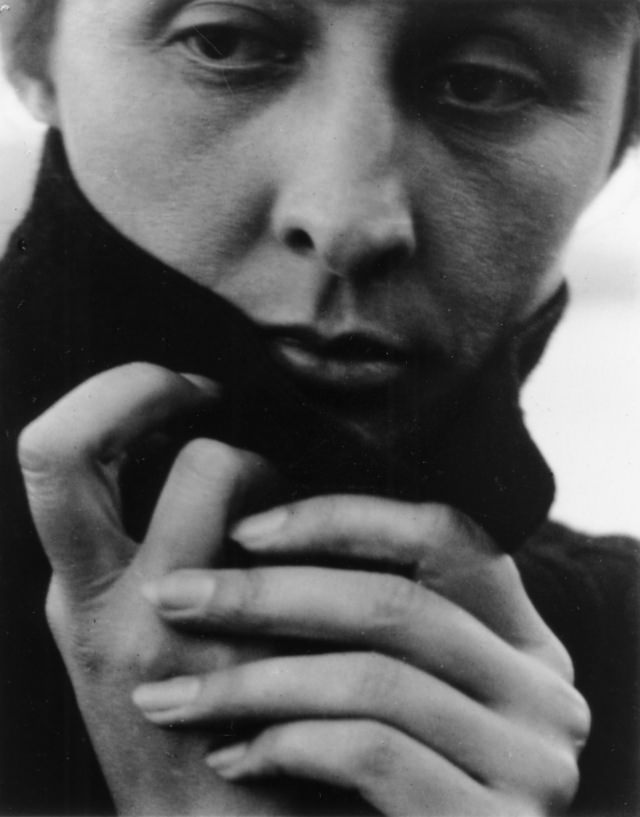
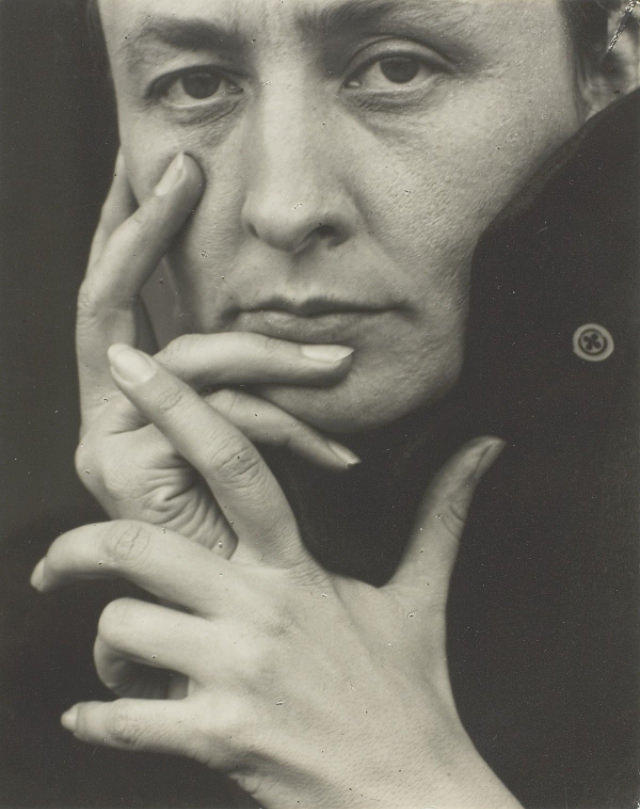
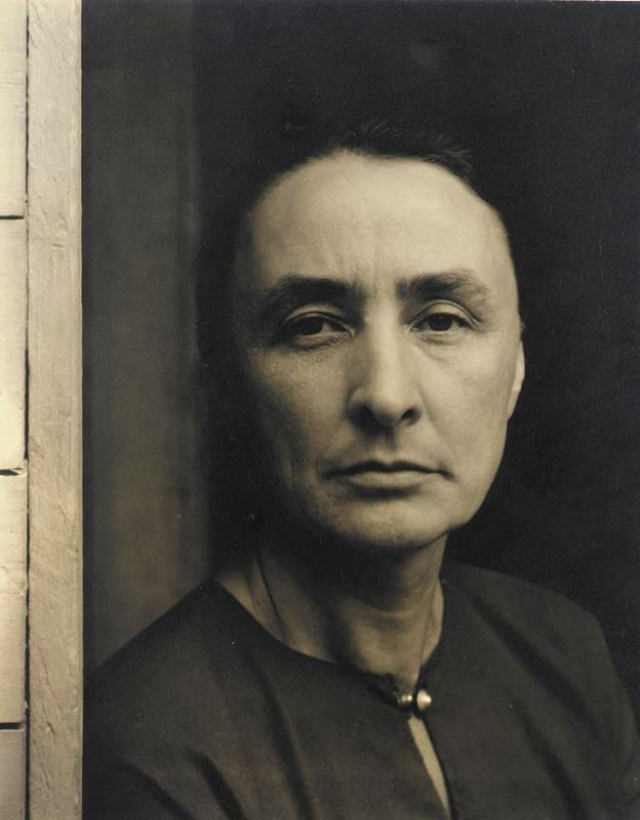
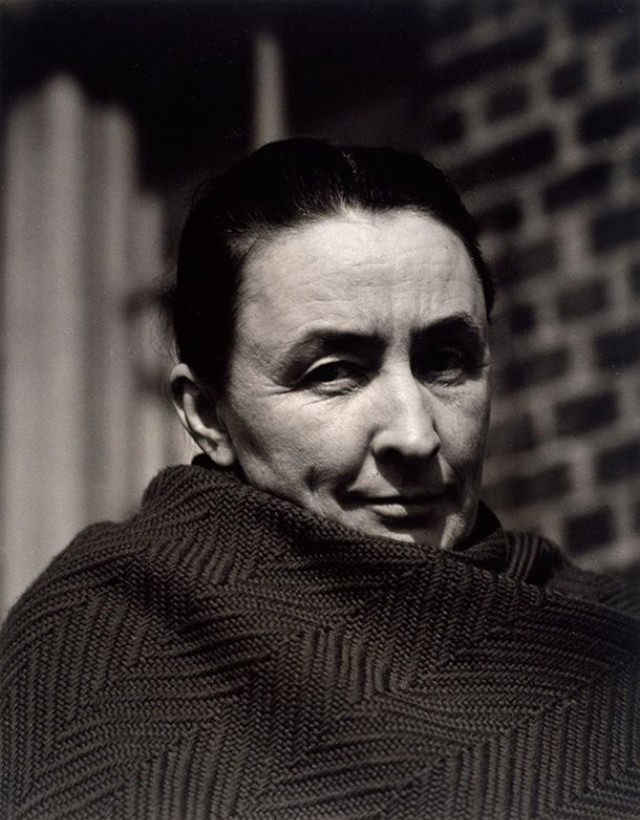
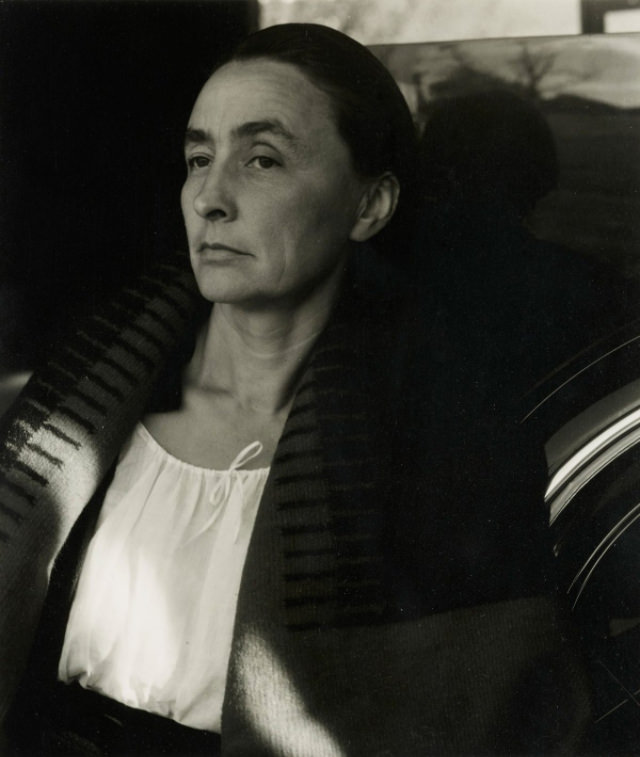
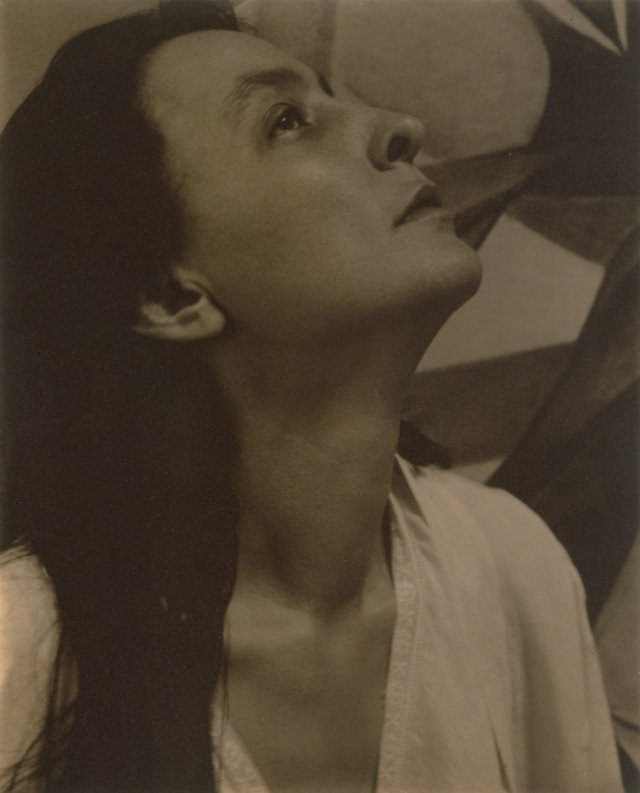
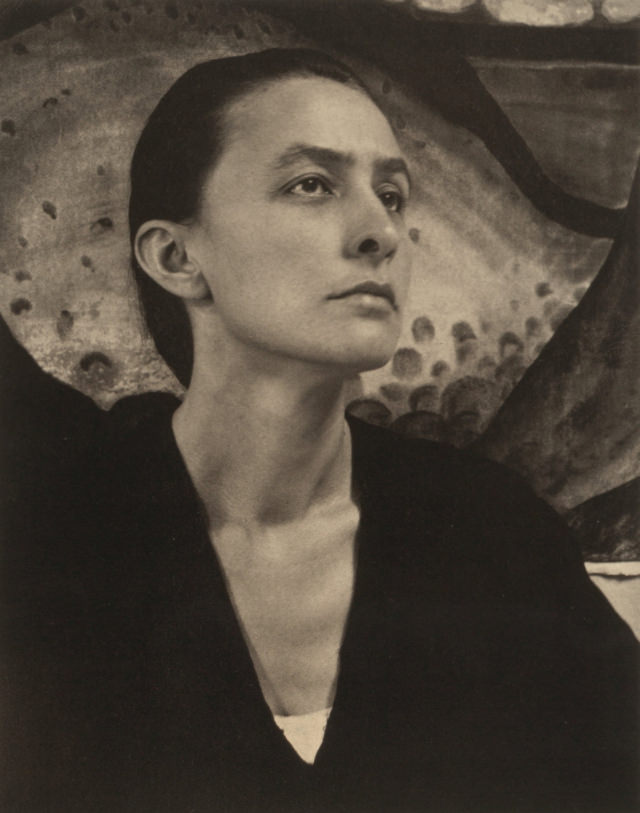
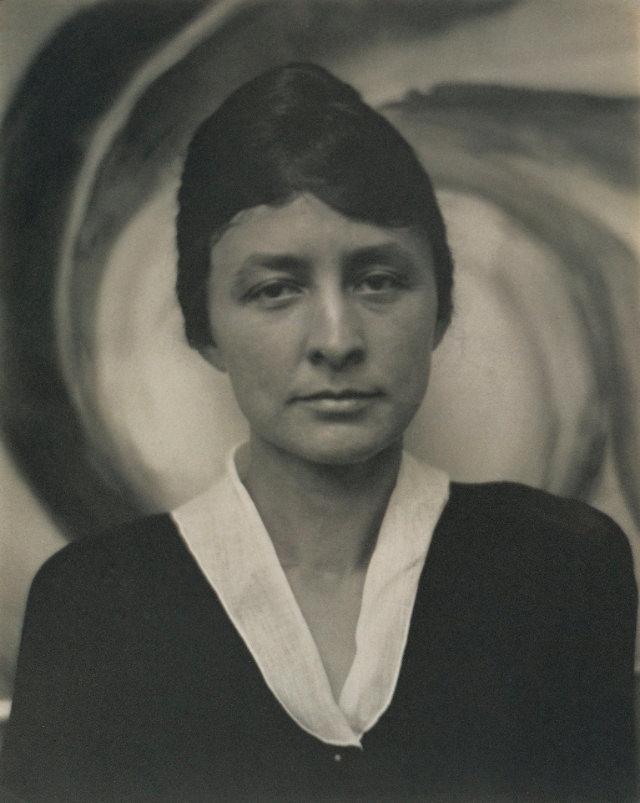
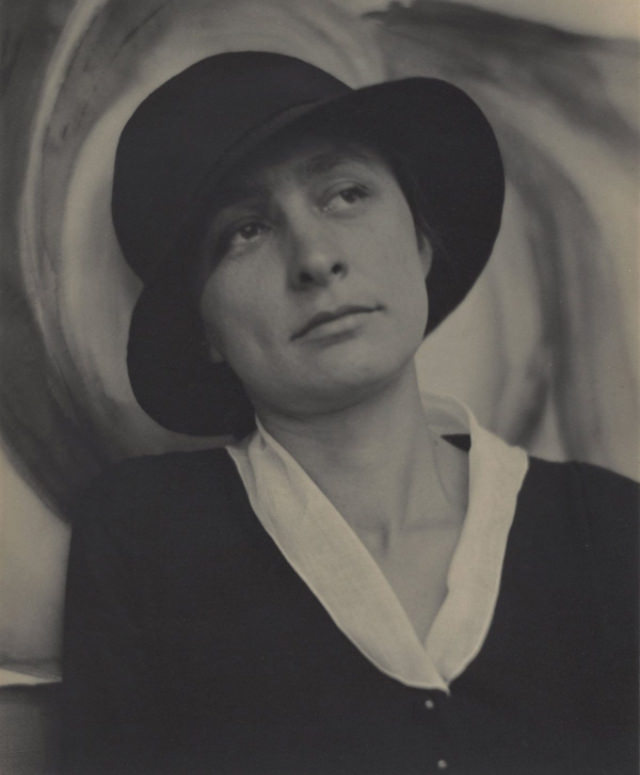
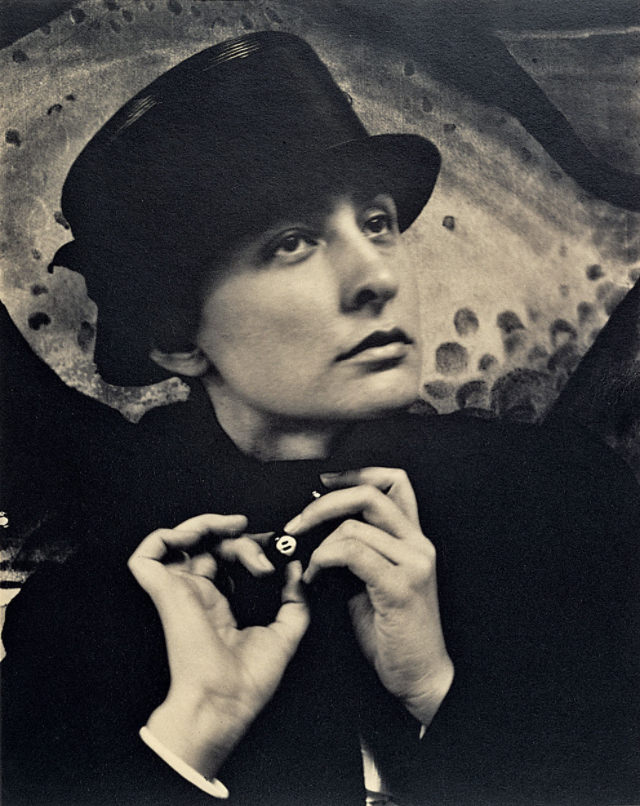
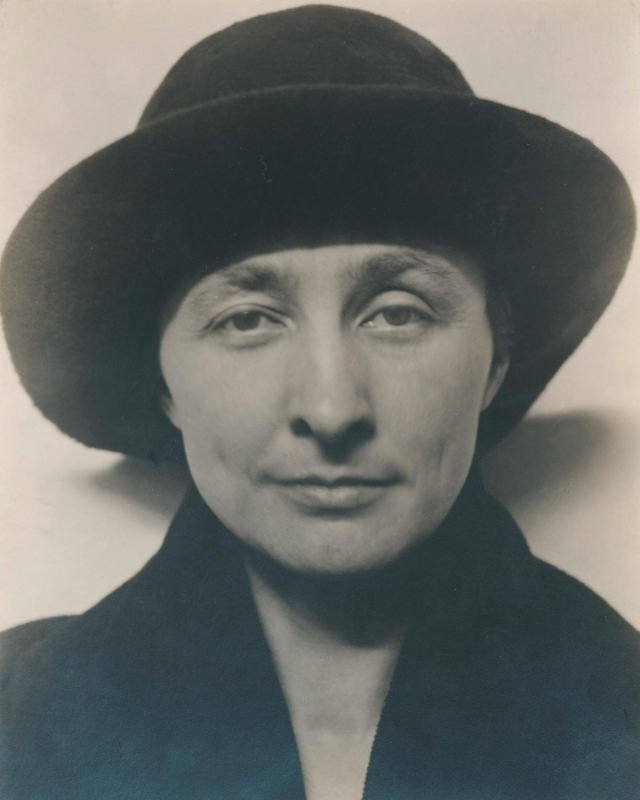
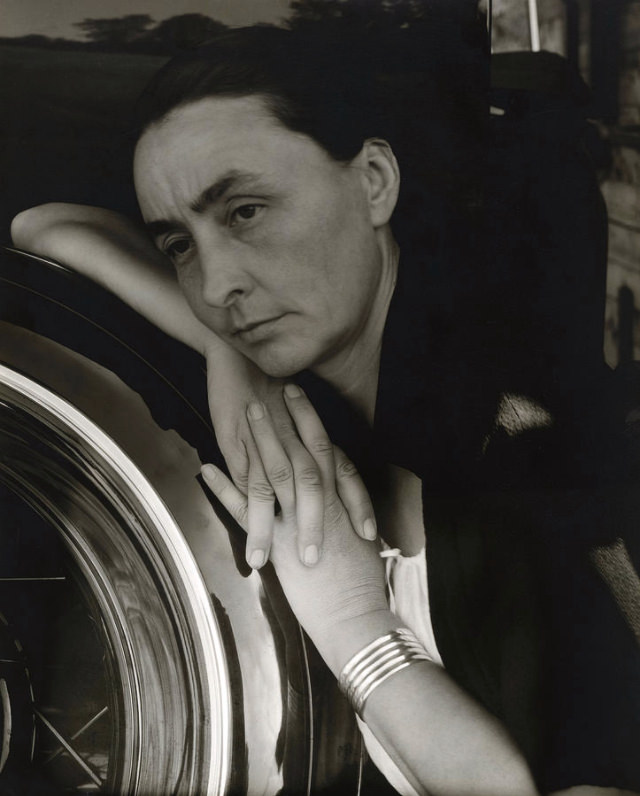
Georgia O’Keeffe died in Santa Fe on March 6, 1986, at the age of 98. She spent nearly a century making art that was entirely her own — rooted in the American landscape, shaped by her private way of seeing, and answerable to no school or trend. Below are portrait photographs taken across the span of her remarkable life.