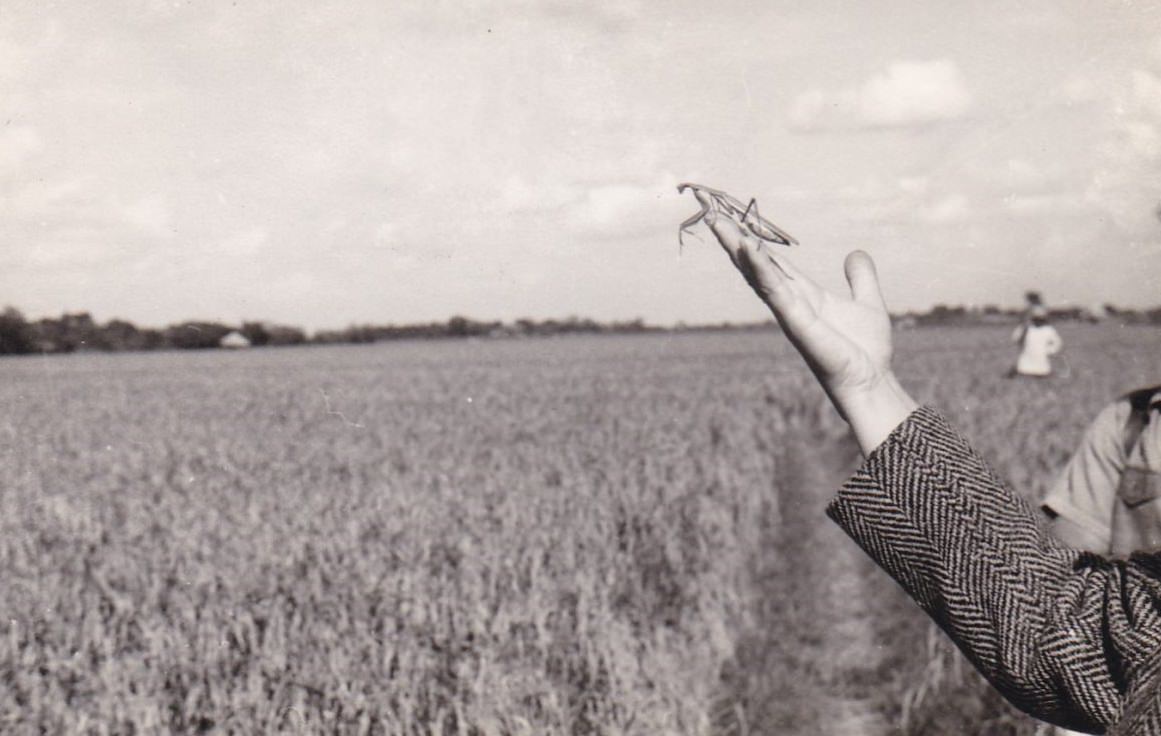
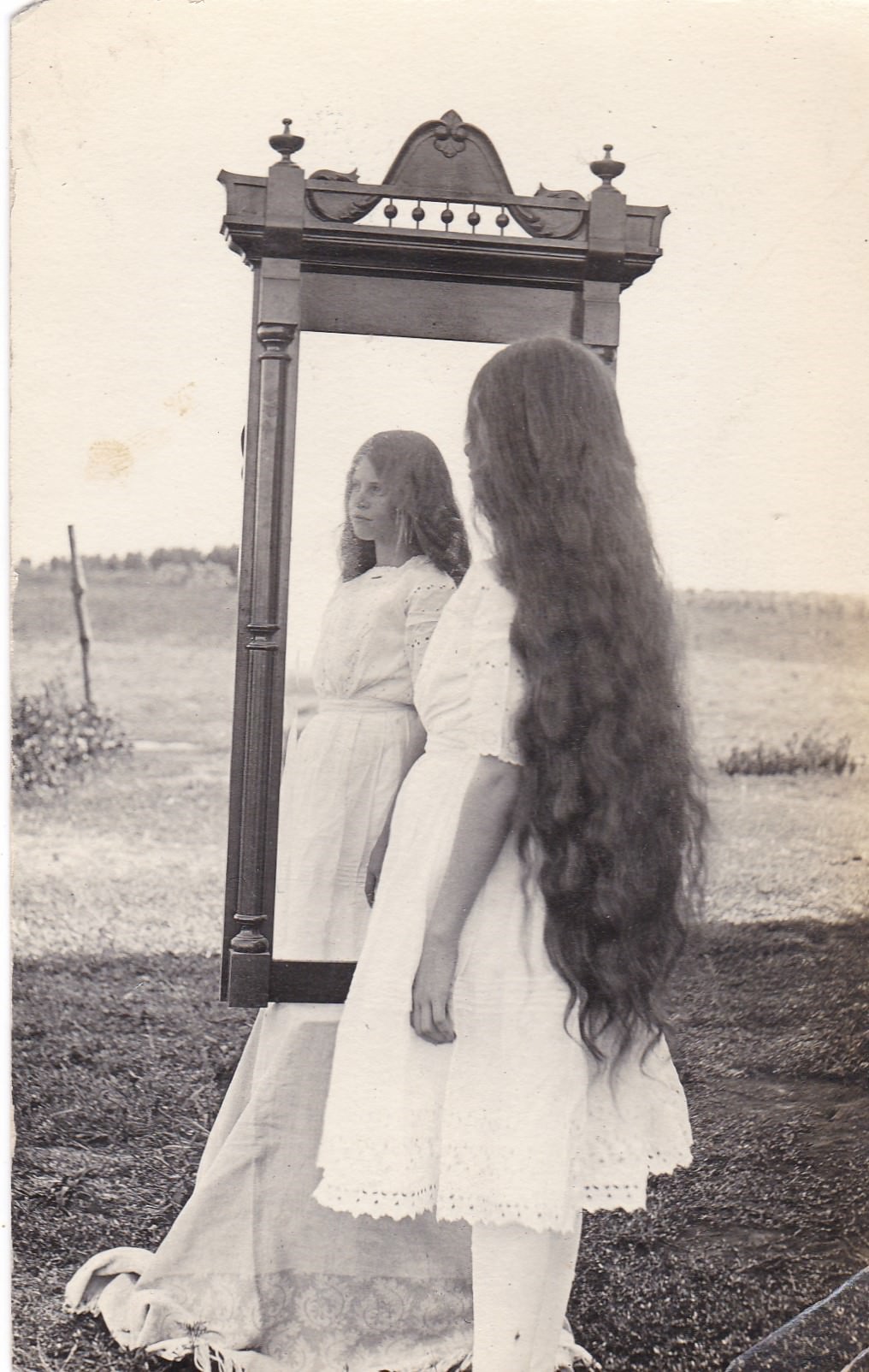
Rural America carries a powerful image: open fields, tight-knit communities, and a slower pace of life far removed from the noise of the city. But photographer Robert E. Jackson set out to challenge that image. His book, “Shadowed Lands: A Photographic Exploration of Rural Noir,” strips away the postcard version of the countryside and replaces it with something rawer and more honest.
Jackson works entirely in black and white, a deliberate choice that drains the landscape of its warmth and forces the viewer to sit with its harder edges. His photographs show dilapidated farmhouses, abandoned factories, and empty roads that stretch into nowhere. These are not places that look forgotten — they are places that feel actively left behind.
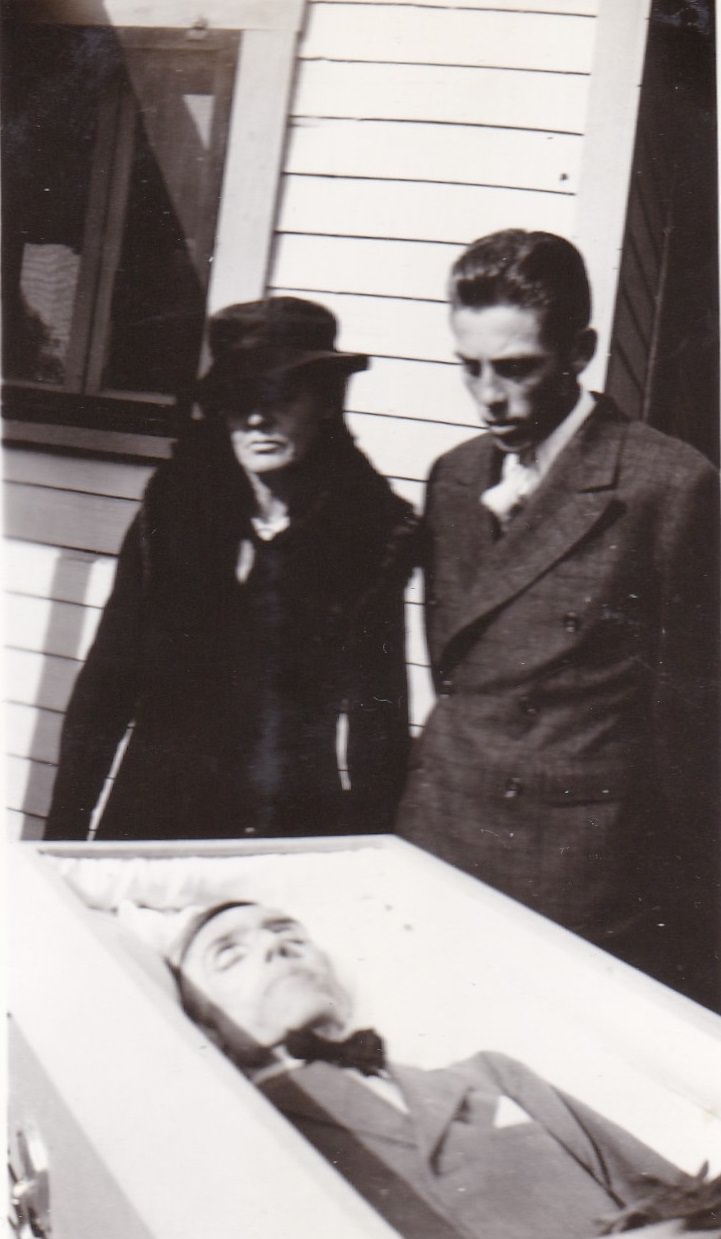
The noir tradition has long lived in cities — in rain-slicked alleys, smoky bars, and crooked precincts. Writers like Raymond Chandler and James Ellroy built entire worlds out of urban corruption and moral rot. Jackson borrows from that tradition but plants it firmly in the soil.
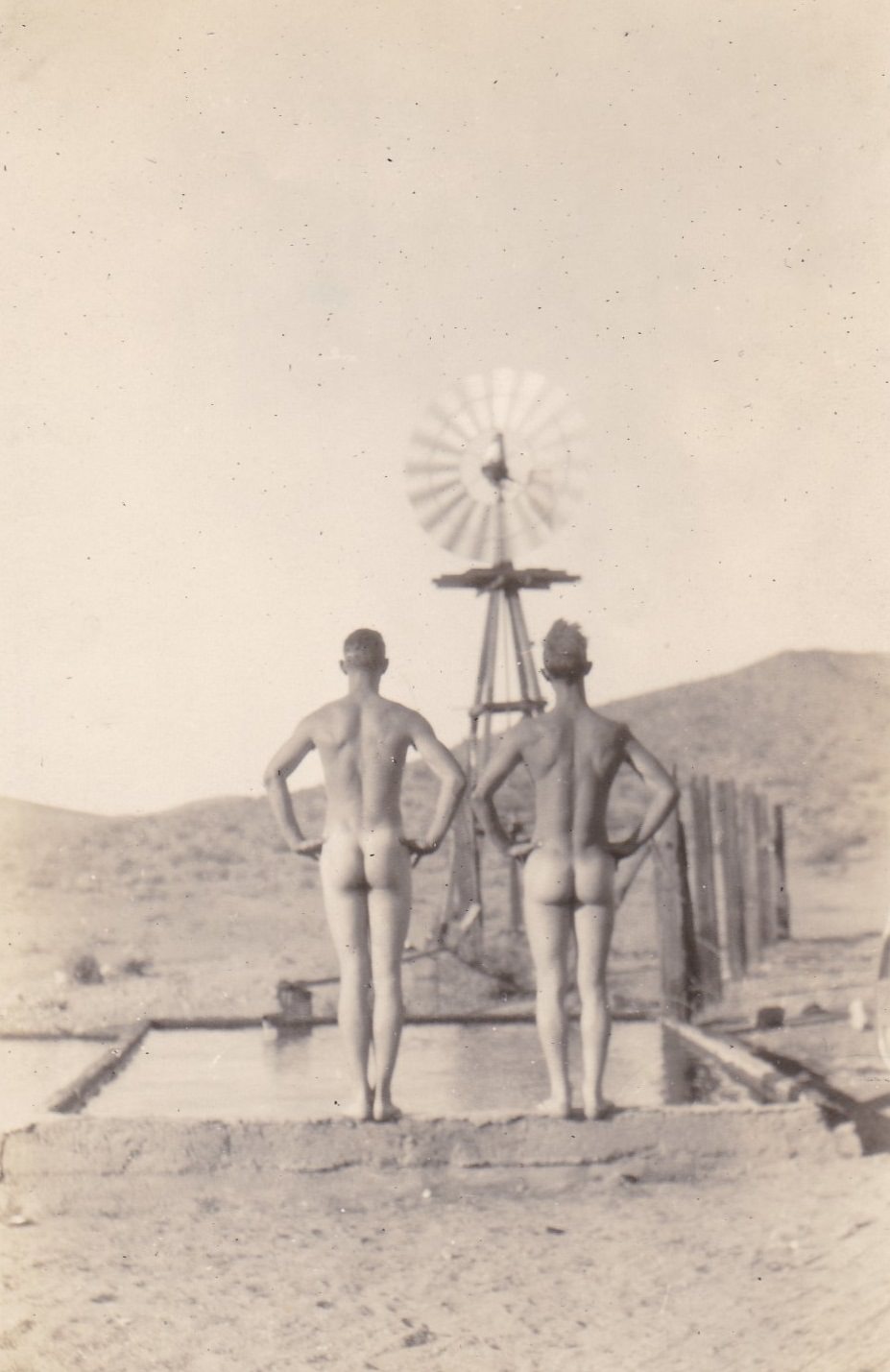
Isolation is one of the book’s most persistent themes. In the countryside, distance from neighbors and institutions means that poverty and crime can go unseen for years. Jackson doesn’t sensationalize this — he documents it. A broken porch. A shuttered general store. A field that no one has worked in a long time.
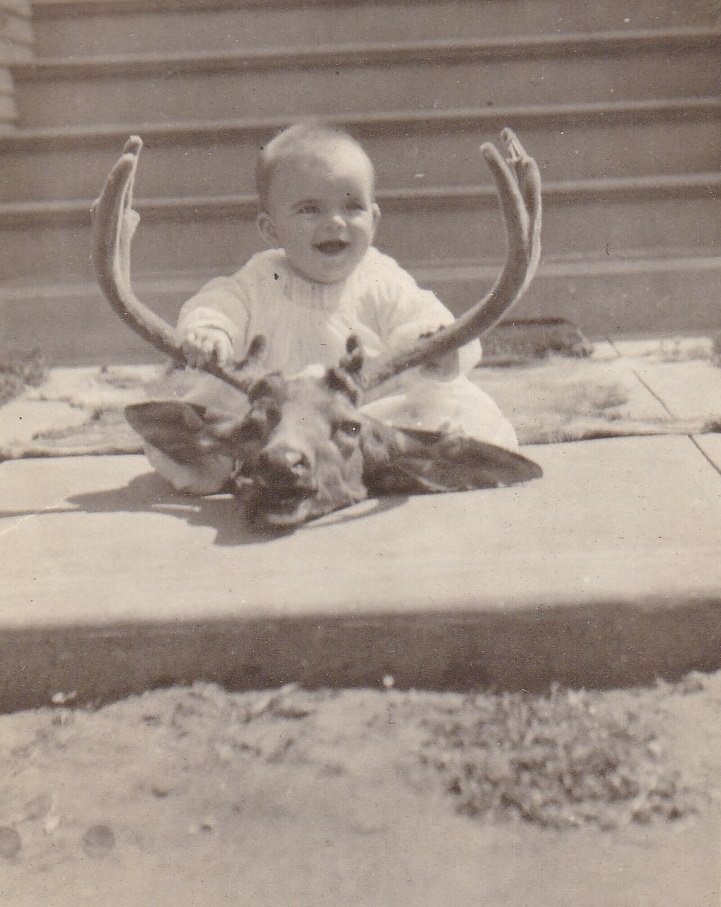
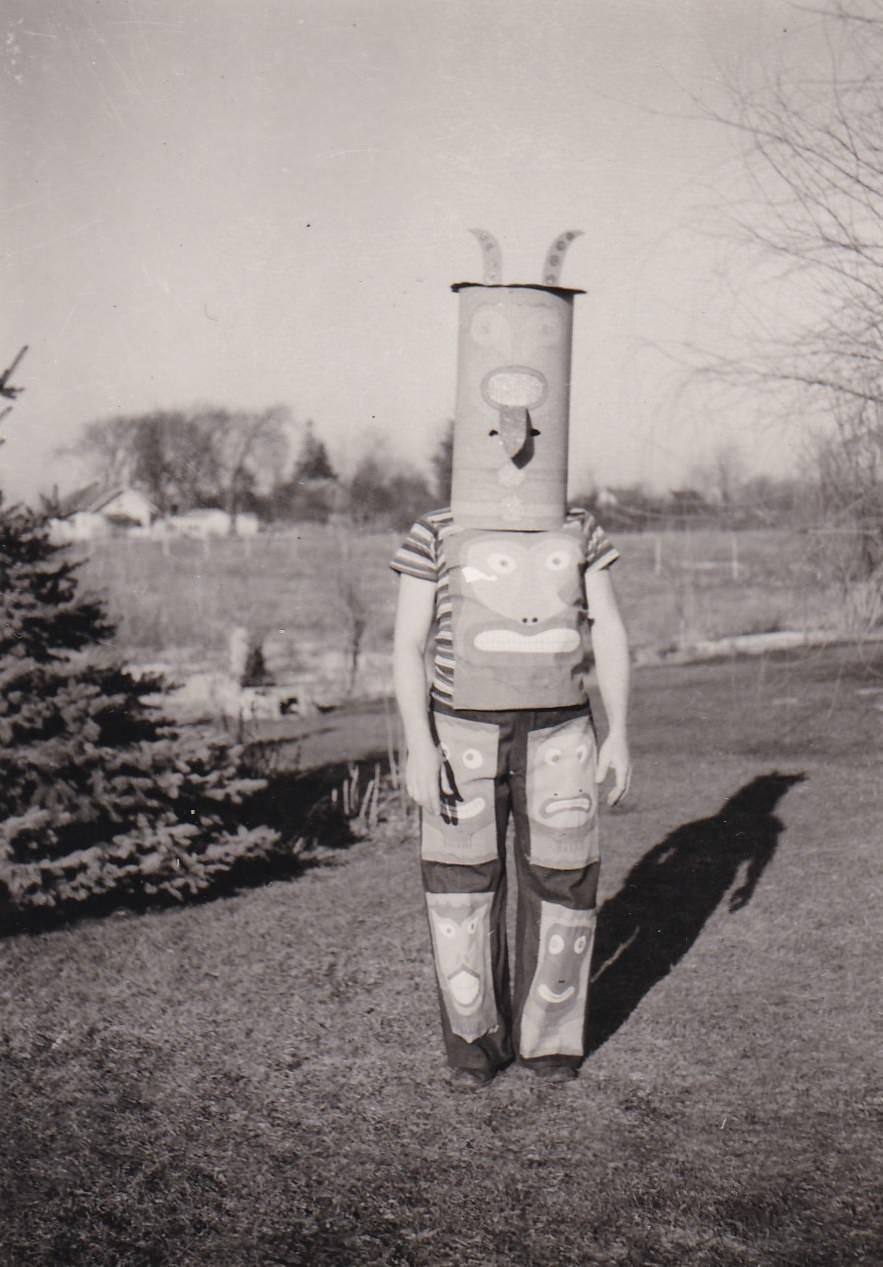
Film noir drew much of its power from shadow and light — the way darkness swallowed a room, or how a single headlamp cut through fog to reveal something unsettling. Jackson applies that same visual grammar to the rural landscape, finding tension in the ordinary.
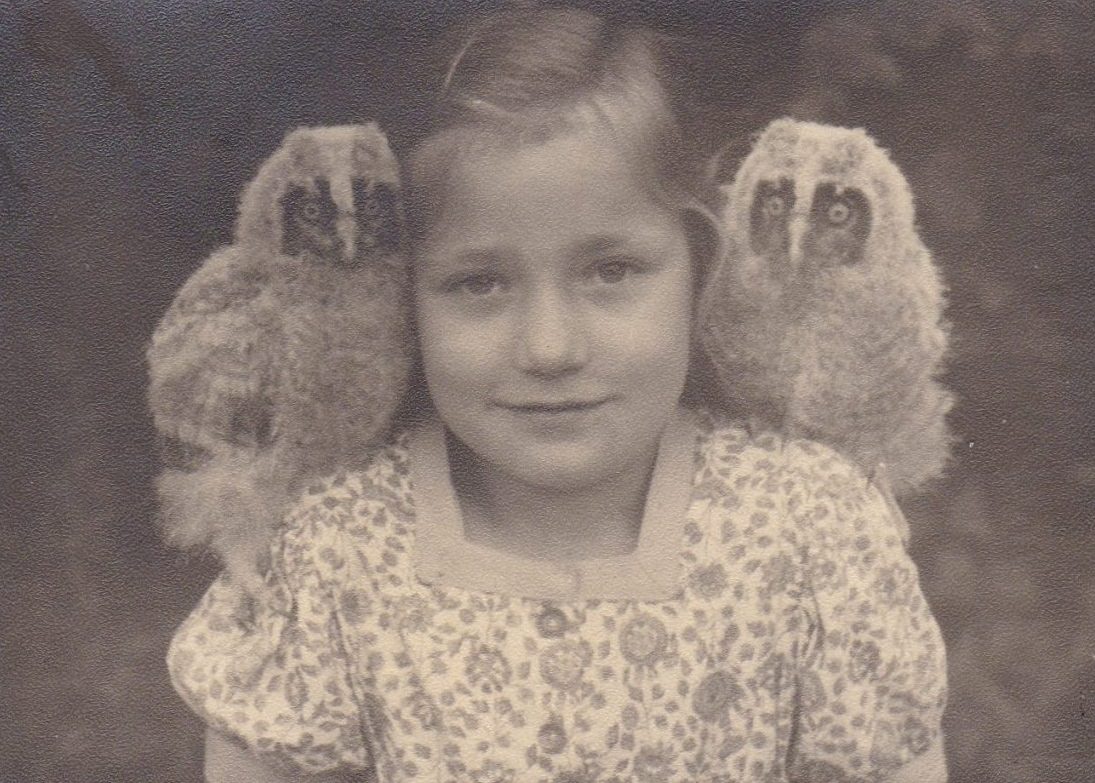
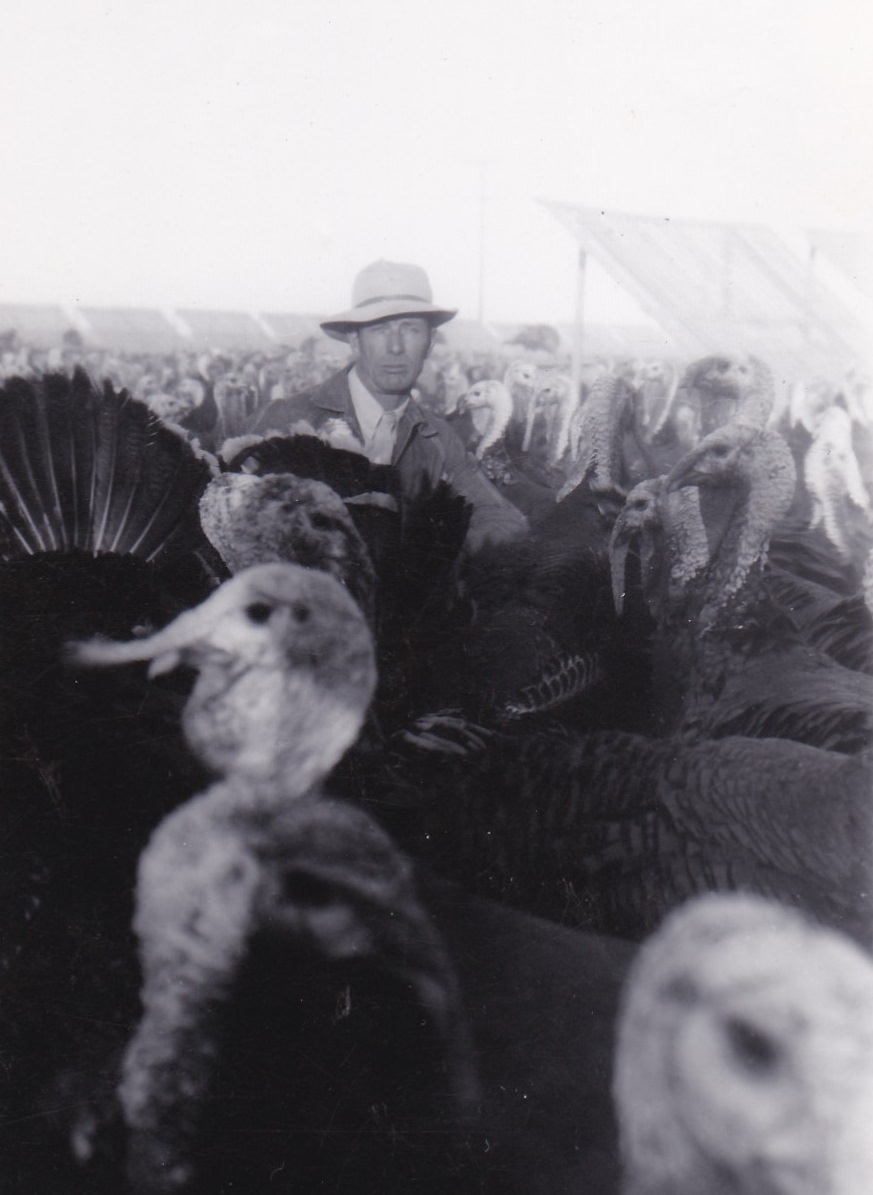
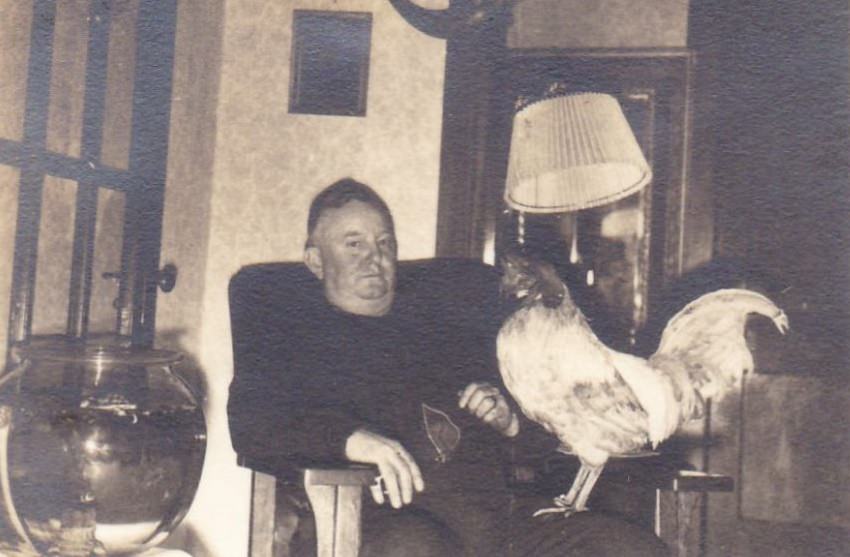
Where Jackson’s work separates itself from pure bleakness is in its portraits. Farmers, small-town law enforcement officers, and everyday residents appear throughout the book. Jackson photographs them with dignity. Their faces carry years of hard work and hard weather, but they are not reduced to symbols of despair.
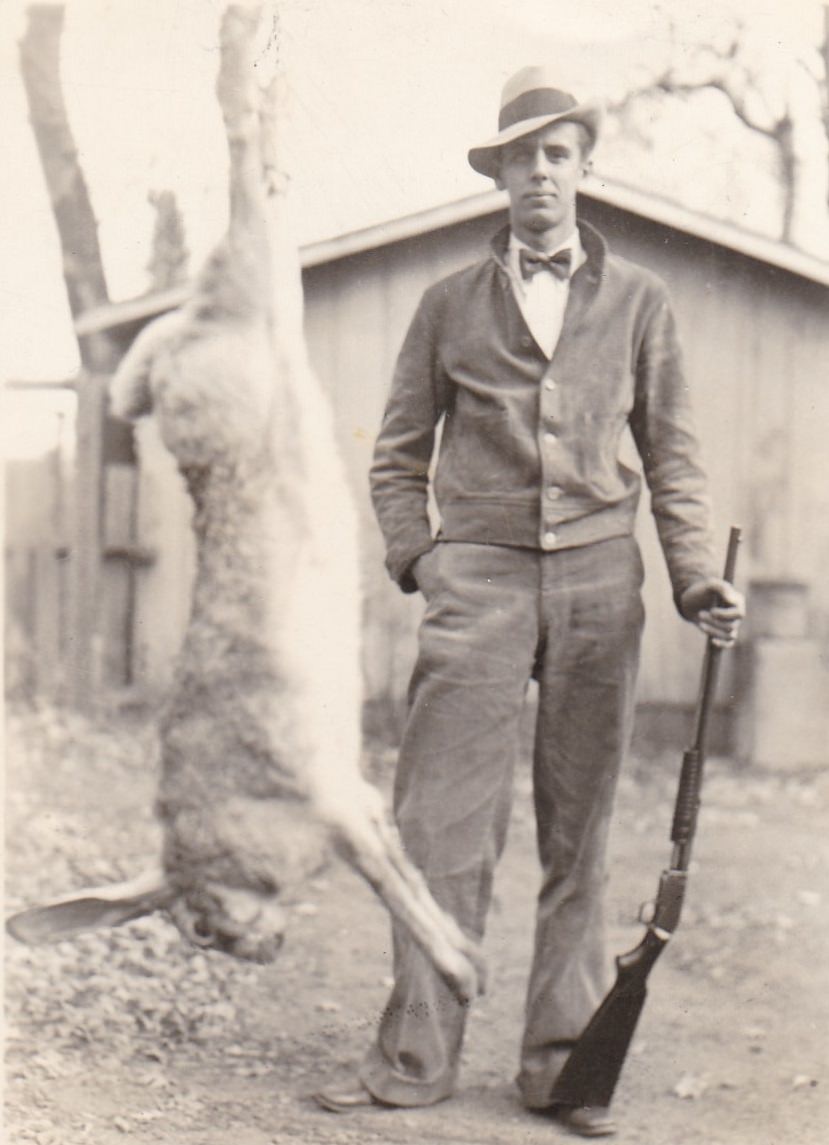
Dashiell Hammett’s detectives were defined by their ability to read people quickly and without illusion. Jackson brings a similar eye to his subjects — direct, unsentimental, and deeply attentive to what’s actually in front of the lens.
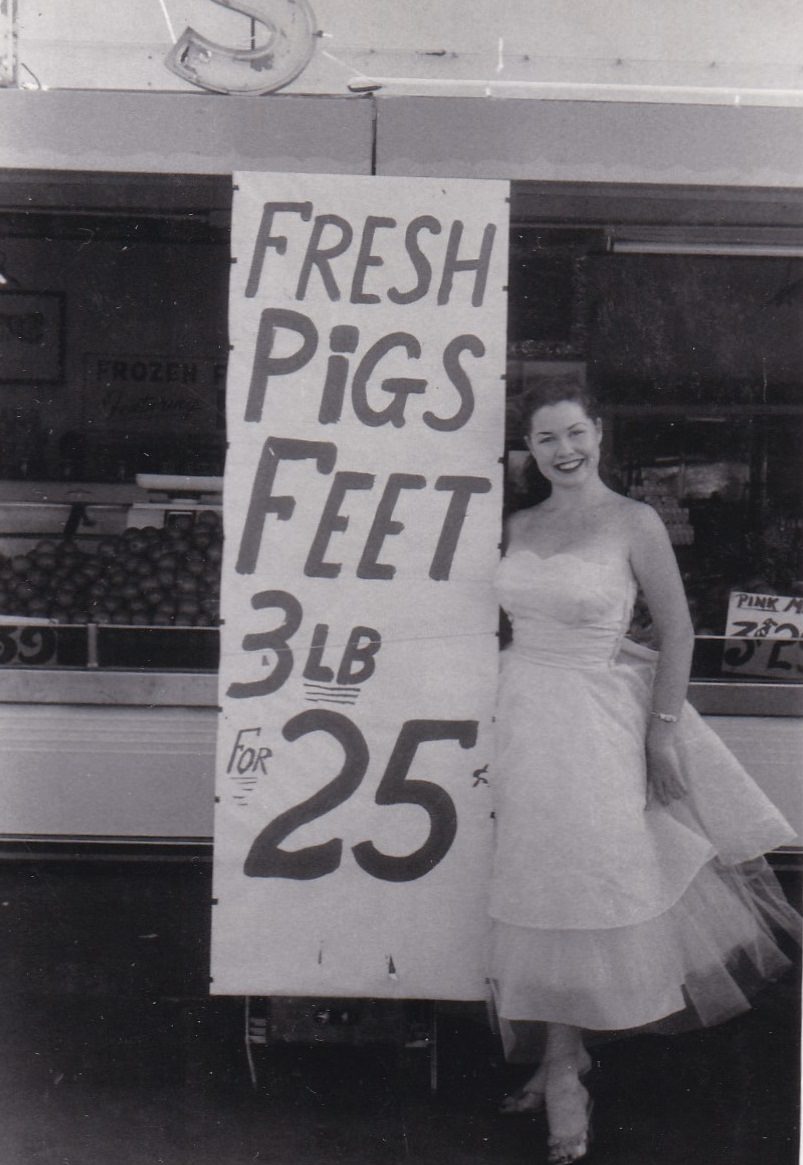
The physical environment in “Shadowed Lands” does much of the storytelling. Rusted machinery sits in overgrown yards. Windows are boarded up or broken. These details accumulate across the book’s pages, building a picture of communities that have been economically squeezed for decades.
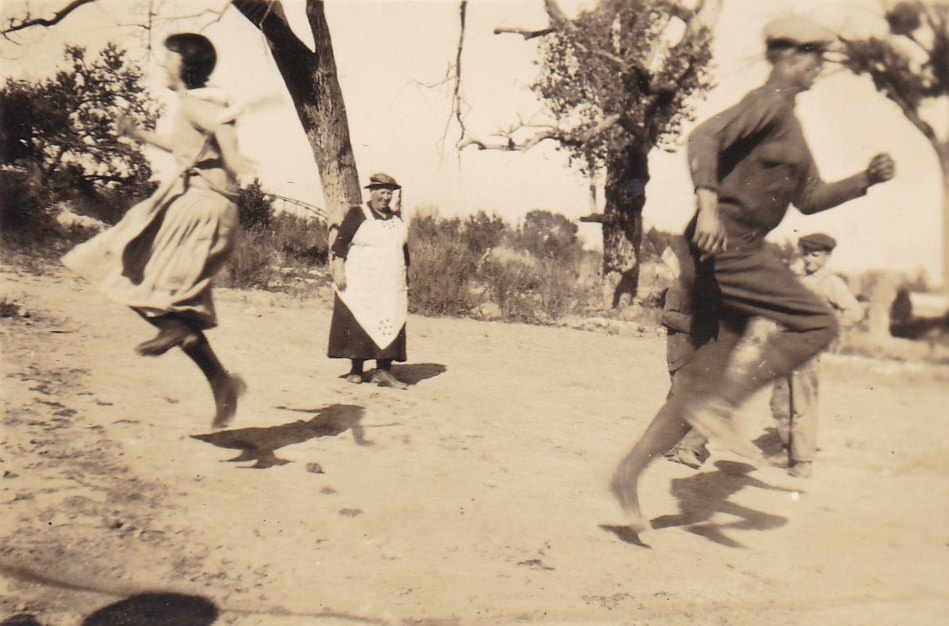
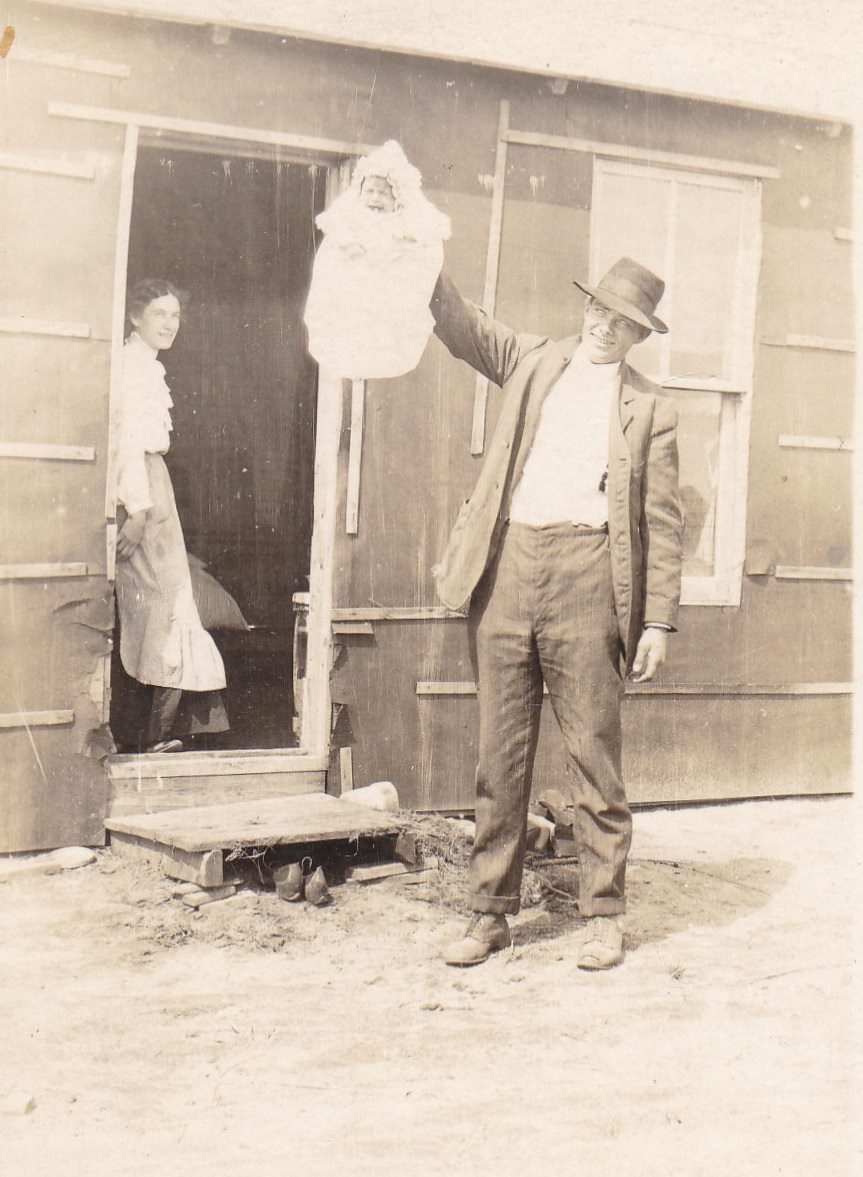
Like the best noir fiction, Jackson’s photographs deal in ambiguity. Nothing is fully explained. A lone figure on a back road, a light burning in an otherwise dark building — these images raise questions they never answer. That tension is intentional.
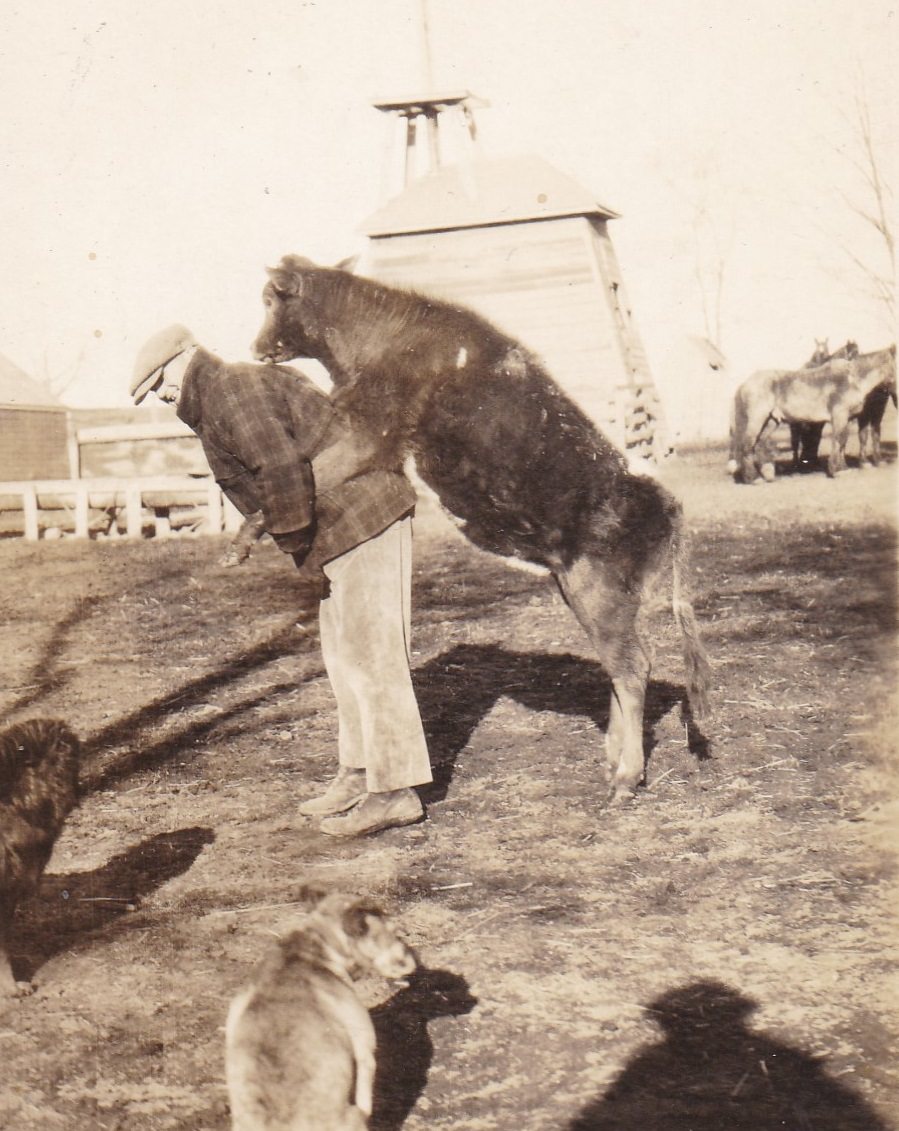
The book argues, without ever stating it outright, that the countryside is not a refuge from the social problems that define American life. Poverty, crime, and isolation do not stop at the city limits. They simply become harder to see.
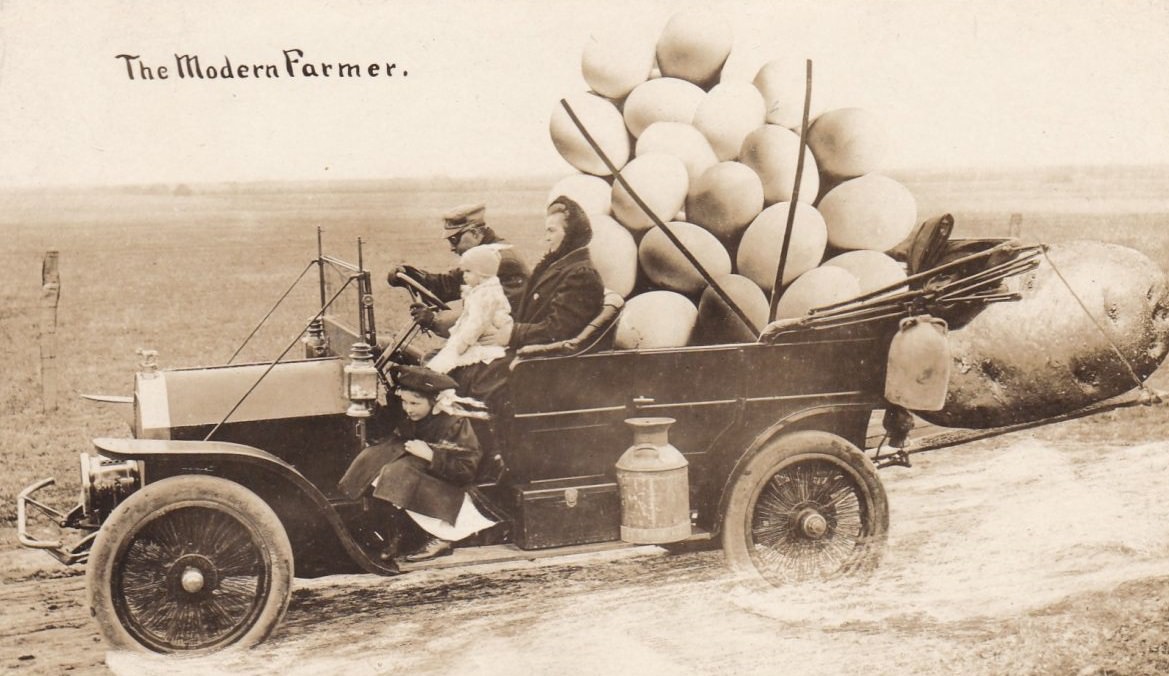
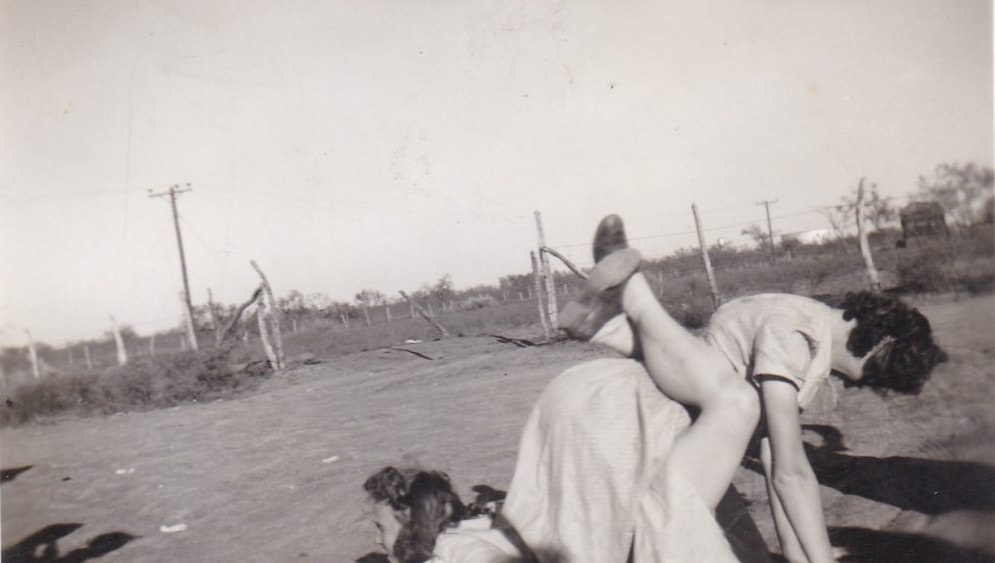
Horace McCoy and James M. Cain wrote about people trapped by circumstance, making desperate choices in a world that offered them very little. That same sense of entrapment runs through Jackson’s rural subjects — not because they are criminals, but because the systems around them have failed them quietly and completely.
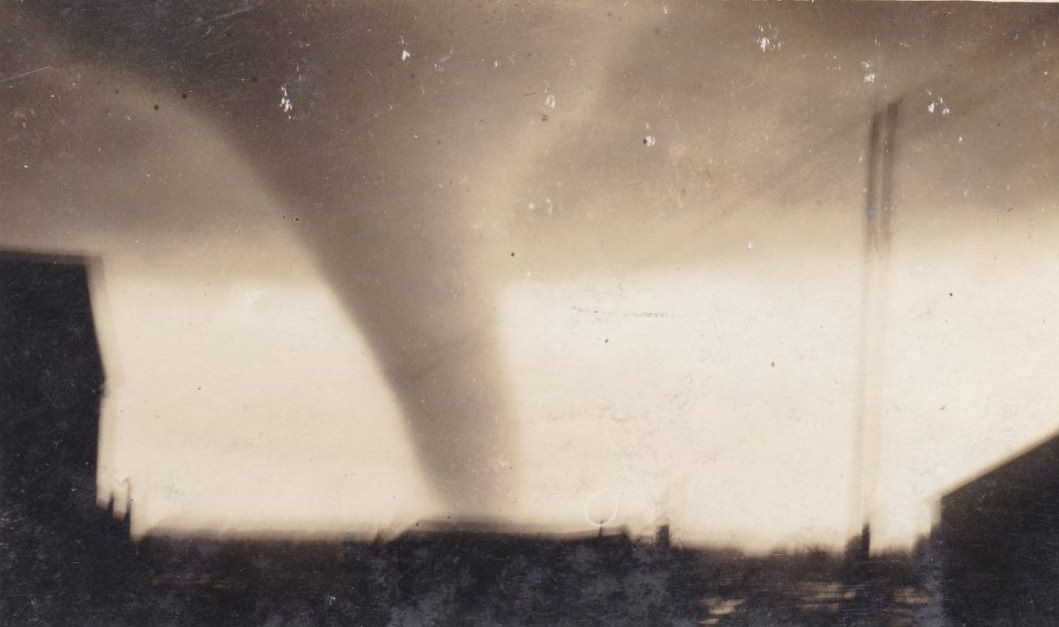
Raymond Chandler once wrote about a clarity so sharp you could see a long way — but not far enough to matter. Jackson’s photography carries that same bittersweet precision. The images are crisp and composed, yet what they reveal is a landscape full of things left unresolved.
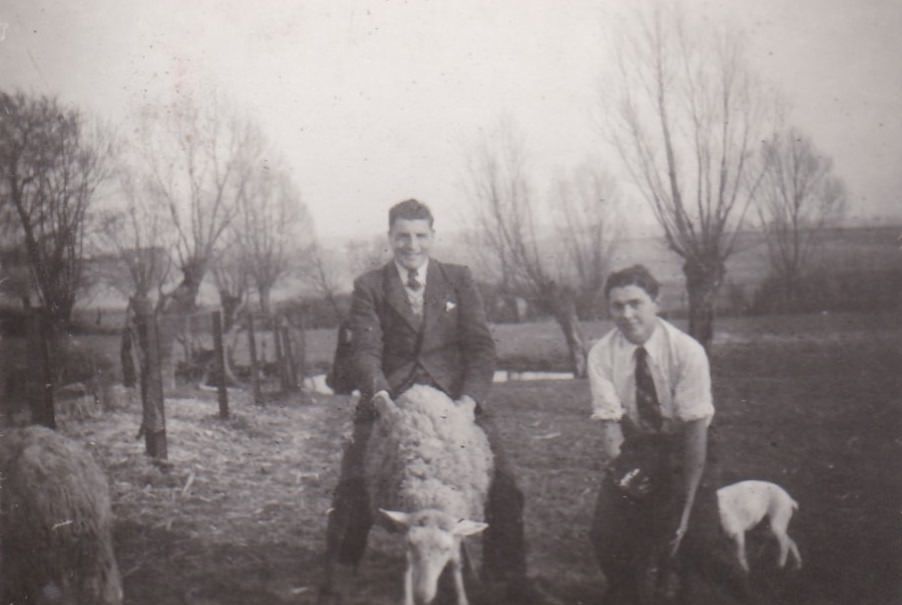
James M. Cain built his stories around the brutal gap between what people wanted and what they actually got. In “Double Indemnity,” the narrator ends up with nothing — no money, no woman, no way out. Jackson’s rural portraits often carry that same weight: lives shaped by want and narrowed by circumstance.
In “Out of the Past,” a character asks if there’s a way to win. The answer: there’s only a way to lose more slowly. That fatalism echoes through “Shadowed Lands.” The people in Jackson’s photographs are not giving up — but they are clearly playing a long, difficult game.