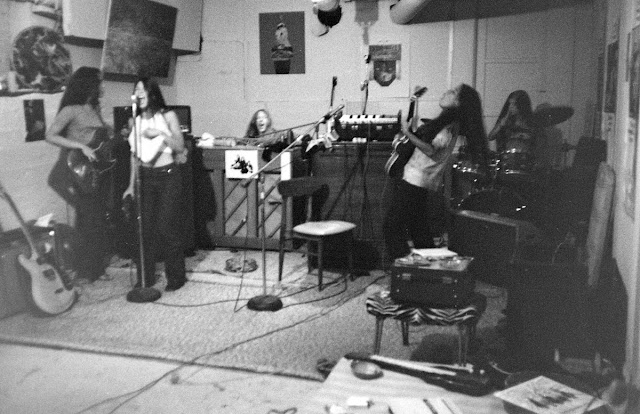
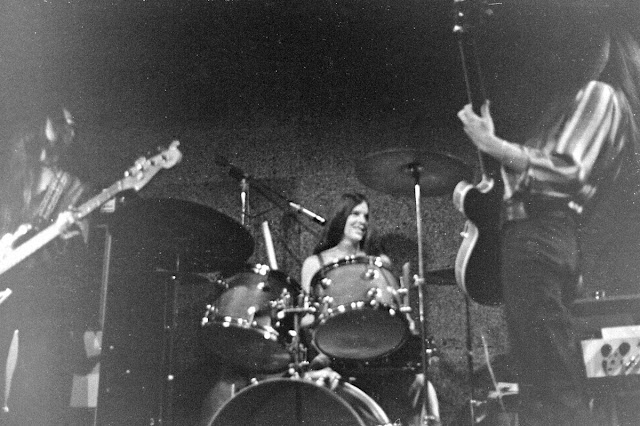
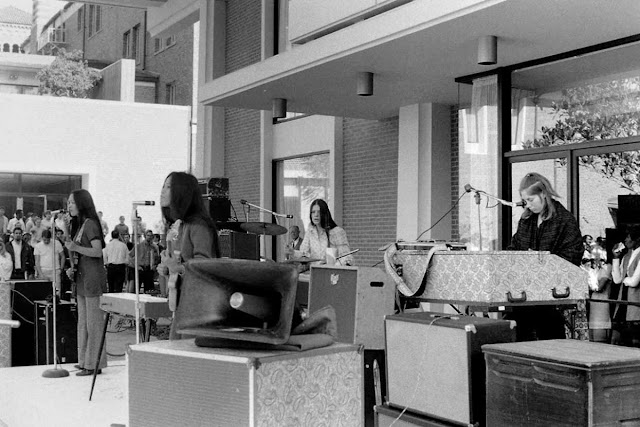
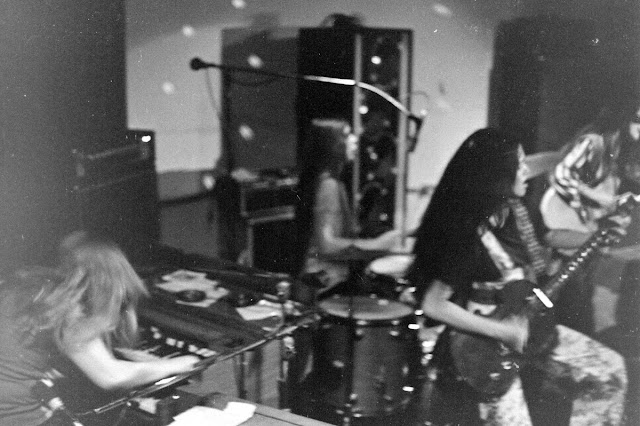
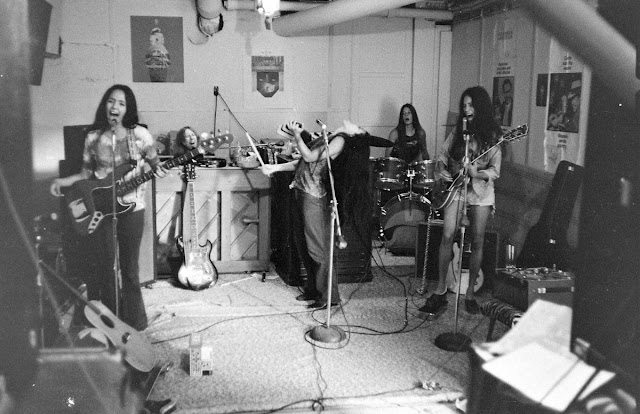
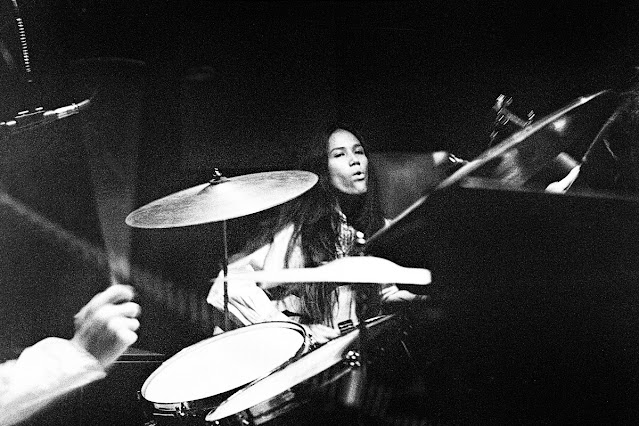
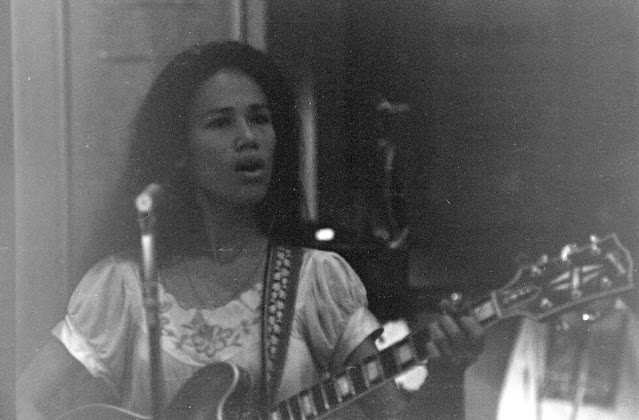
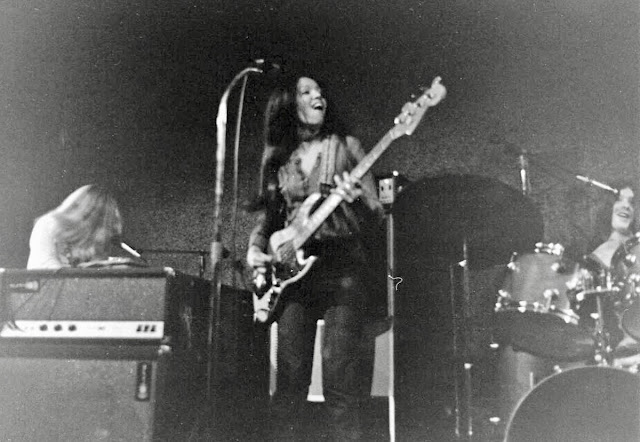
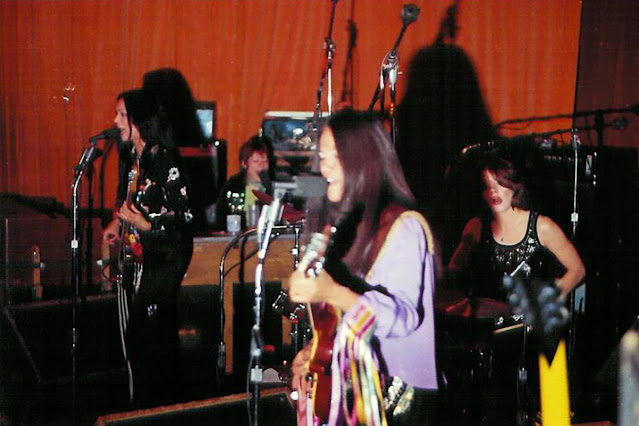
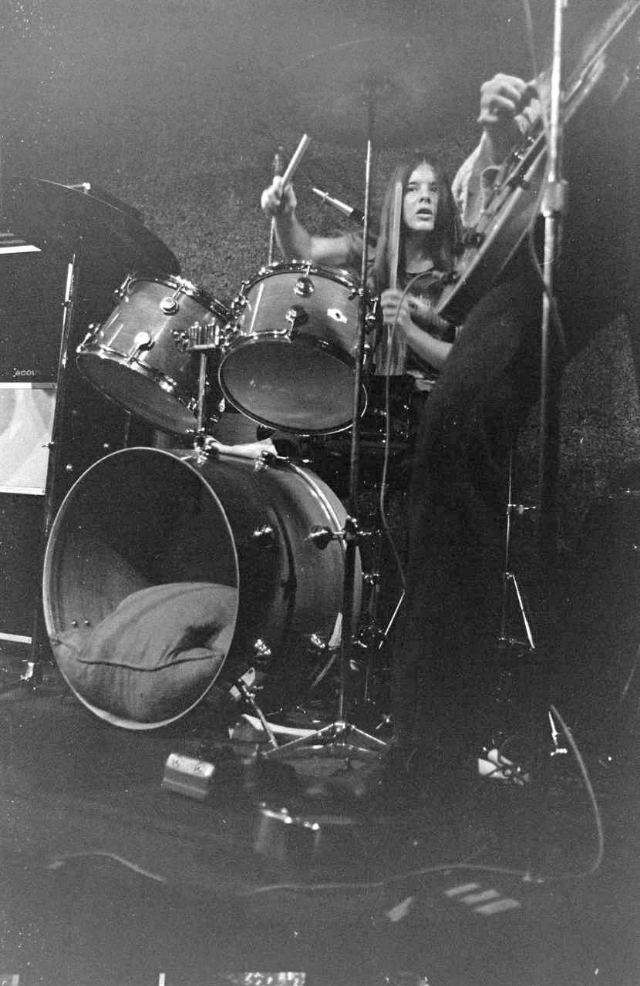
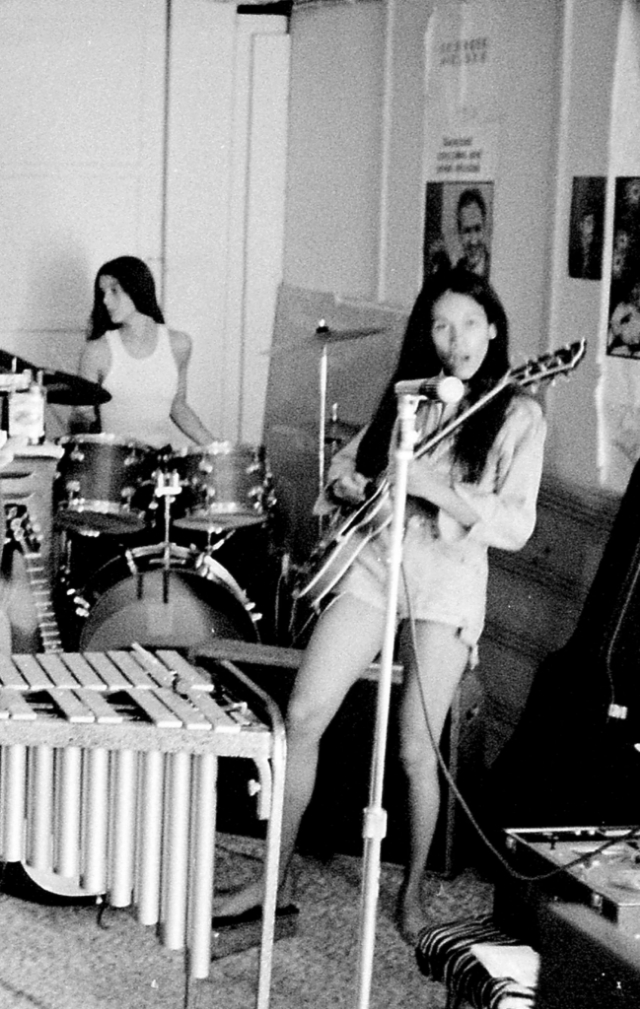
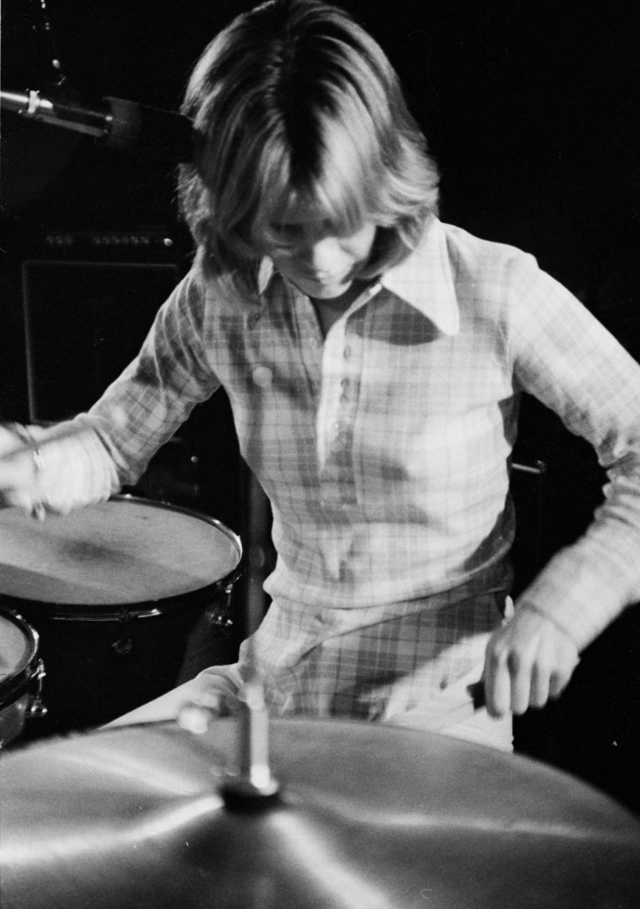
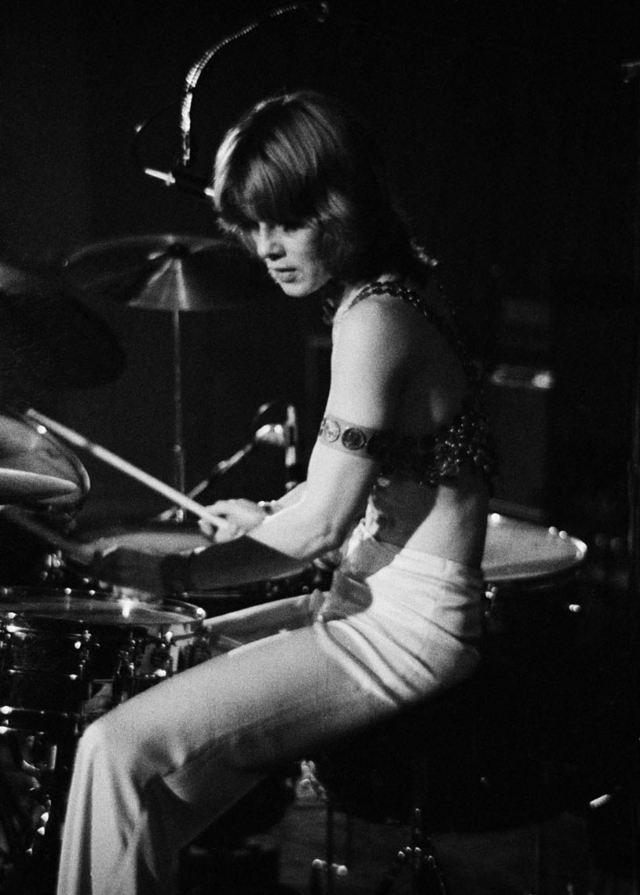
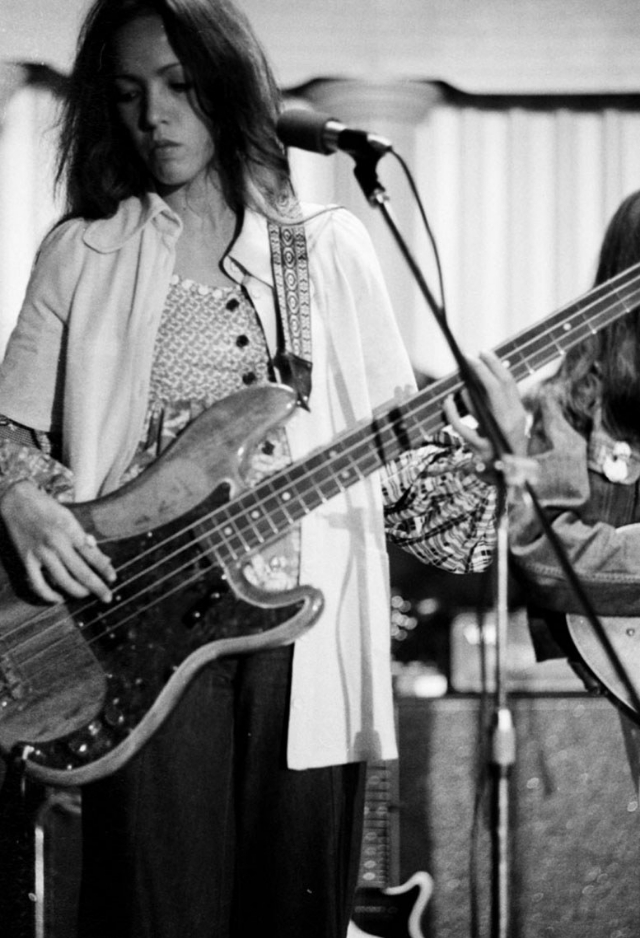
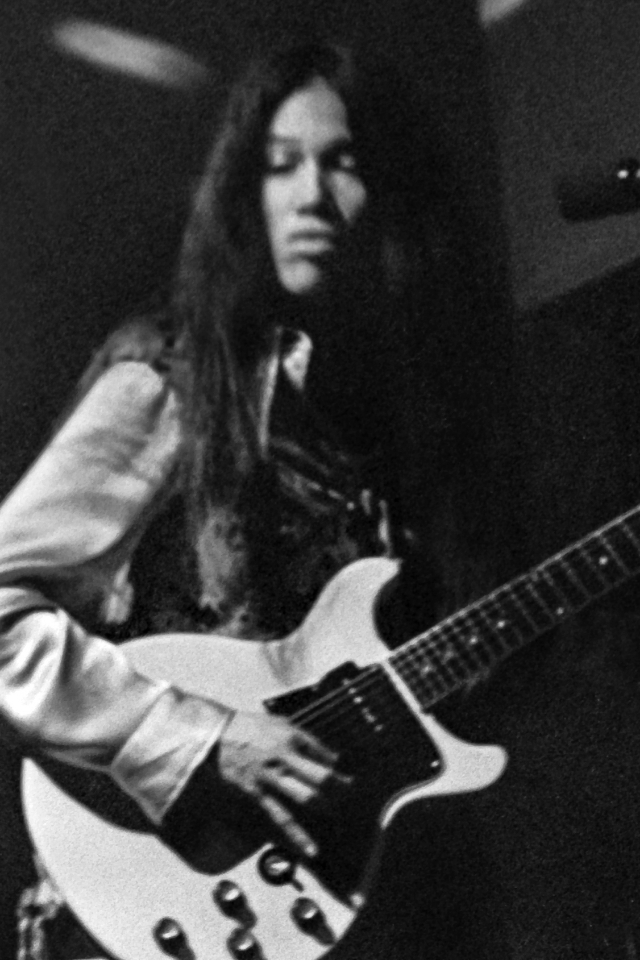
When Fanny burst onto the rock scene in the early 1970s, the music industry was almost entirely run by men. Sisters June and Jean Millington formed the band in 1969 after moving from the Philippines to California. They were soon joined by drummer Alice de Buhr and keyboardist Nickey Barclay, rounding out a four-piece lineup that started by playing small clubs.
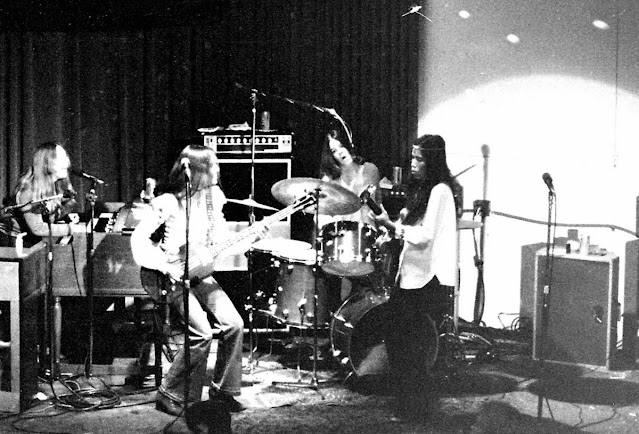
Their talent caught the attention of Reprise Records, which signed the band and released their self-titled debut album in 1970. Fanny were skilled musicians and songwriters, not a novelty act. In 1971, their single “Charity Ball” broke into the Billboard Hot 100 — a rare achievement for an all-female rock band at the time.
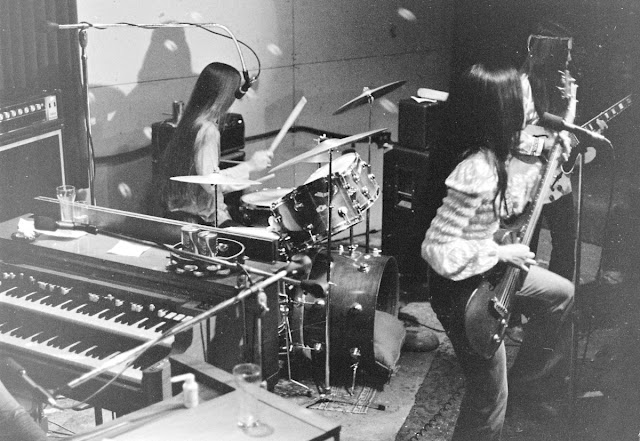
The band followed up with a string of albums that earned serious critical attention. “Fanny Hill” came out in 1972 and “Mother’s Pride” in 1973. Both records blended rock, blues, and folk in ways that felt fresh and distinct. Tracks like “Ain’t That Peculiar” and “Blind Alley” connected directly with young women listeners.
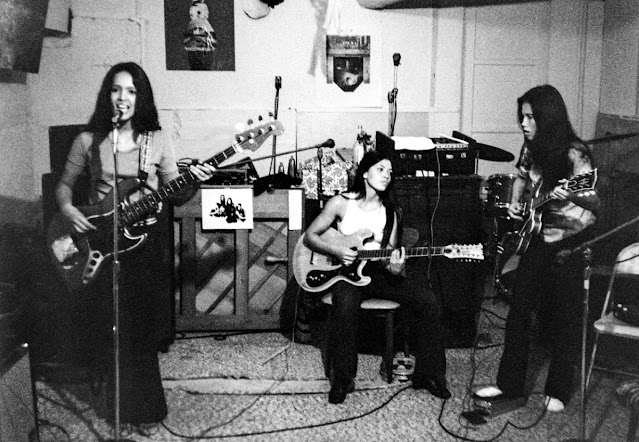
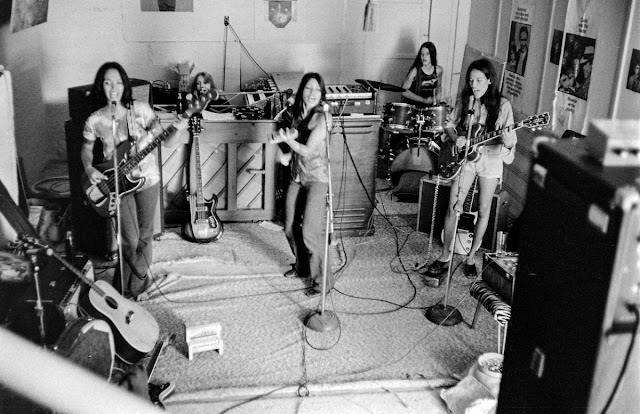
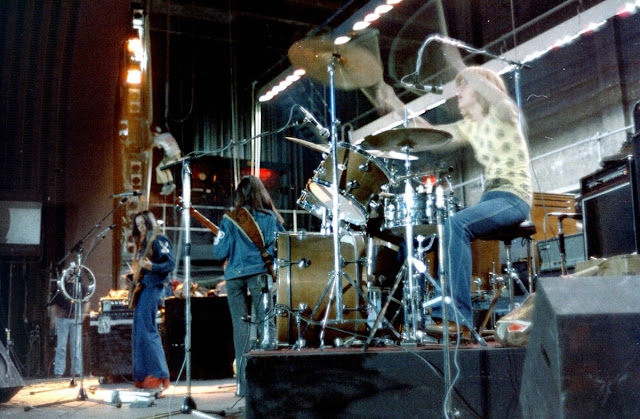
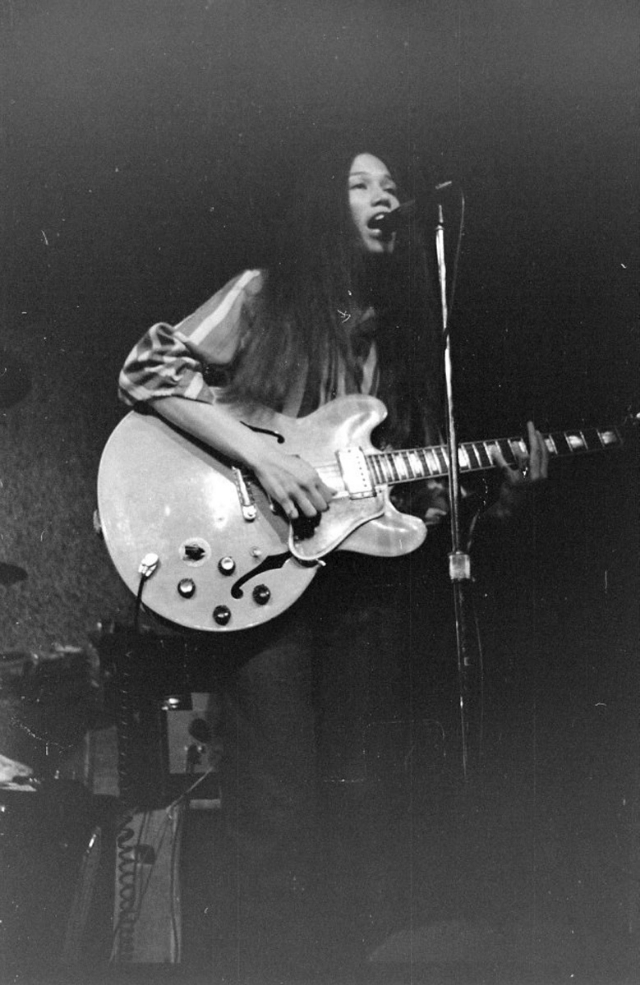
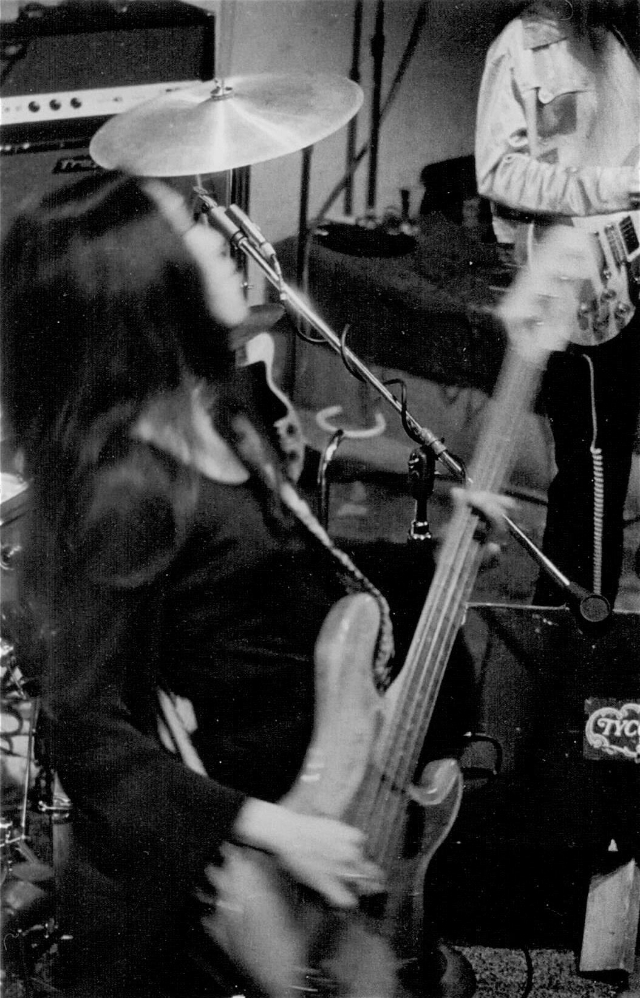
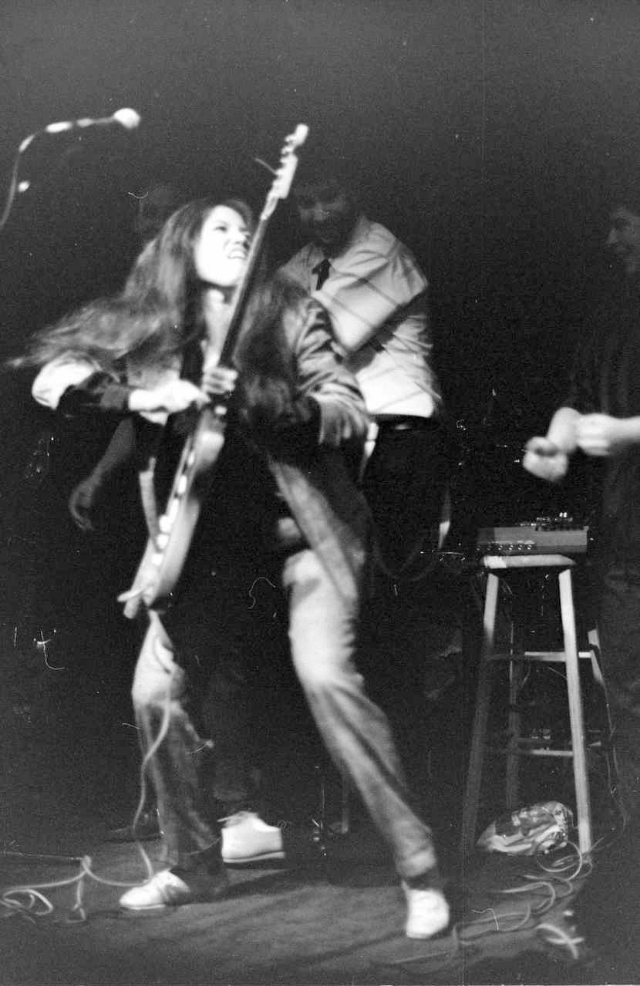
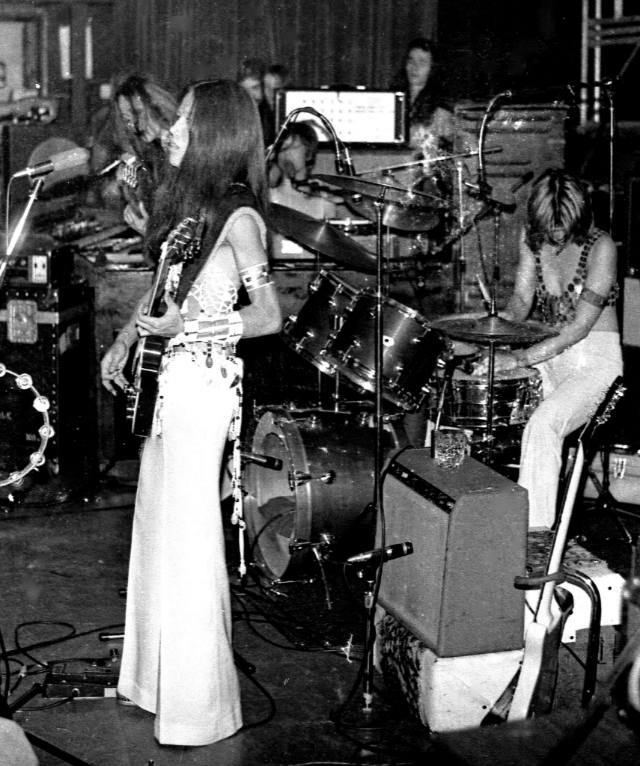
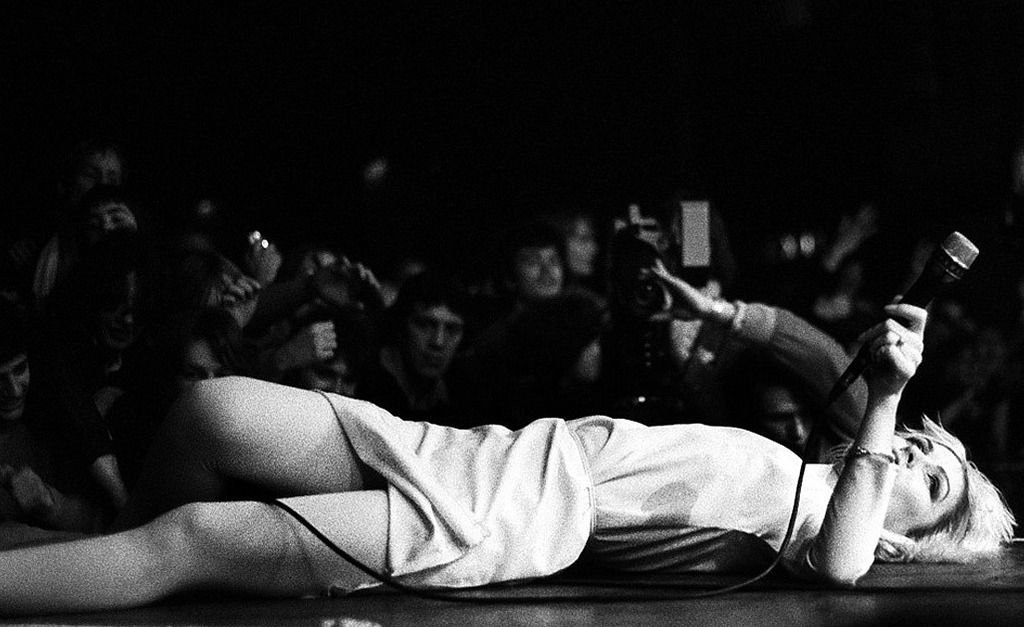
Fanny were a powerhouse on stage. They toured across the United States and Europe, sharing bills with major acts like Chicago and The Kinks. Their live shows were high-energy and tight, built on real musical skill rather than spectacle alone.
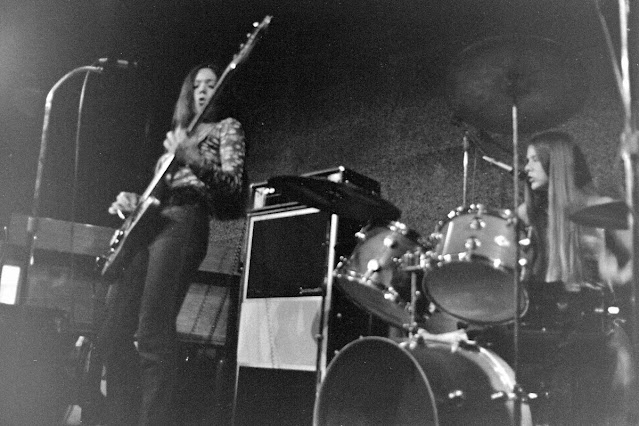
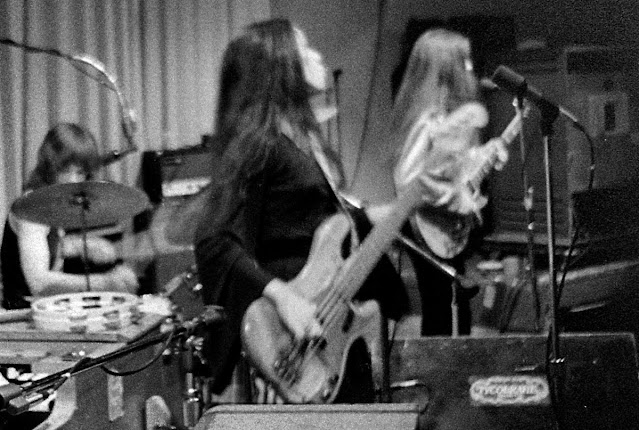
By 1974, lineup changes began to destabilize the group. June Millington left, and none of the replacements restored the original chemistry. Fanny disbanded in 1975.
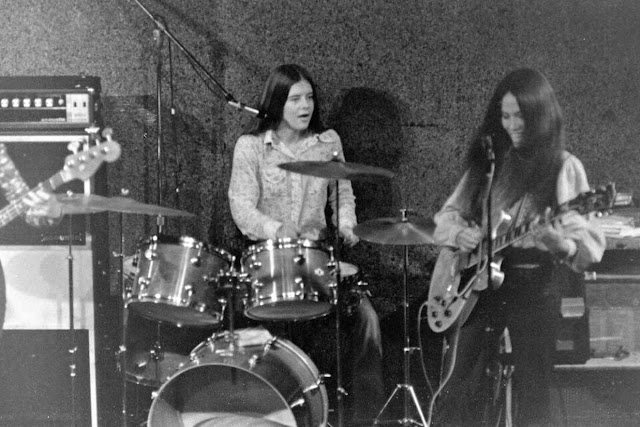
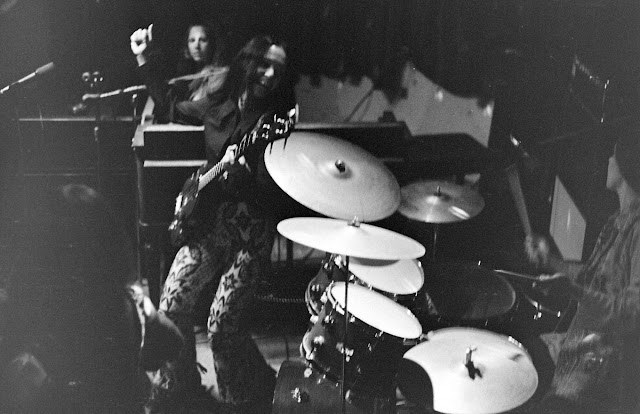
The individual members moved on to solo and other musical projects. The band reunited several times over the years for special performances, keeping their history alive for fans who remembered them.
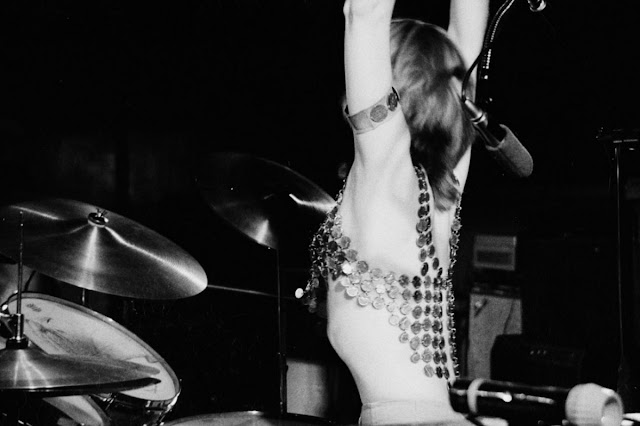
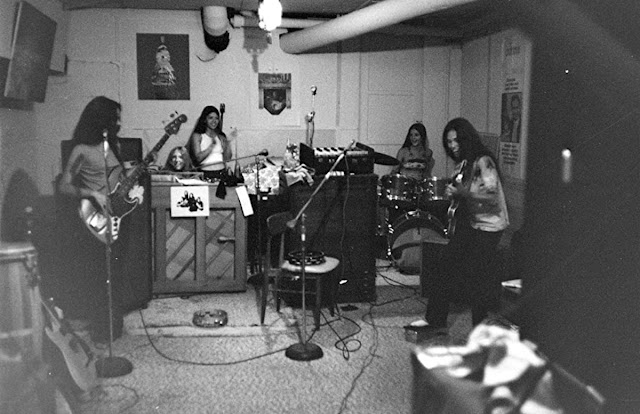
In the 21st century, interest in Fanny grew again. Retrospective albums and documentary films brought their story to new audiences. Digital streaming platforms gave younger listeners access to recordings that had been largely out of reach for decades.