In 1944, a 12-year-old girl with violet eyes and an effortless screen presence stepped onto an MGM set and filmed the role that would change her life forever. That girl was Elizabeth Taylor, and the film was National Velvet. Based on Enid Bagnold’s beloved 1935 novel of the same name, the movie tells the story of Velvet Brown, a young girl who trains her horse to compete in the Grand National race. Taylor’s performance was so convincing and so natural that audiences couldn’t look away.
Taylor had actually campaigned hard for the role. MGM producers initially felt she wasn’t tall enough for the part. She reportedly grew nearly three inches in just a few months before filming began — enough to win the role. Director Clarence Brown cast her alongside a strong ensemble, but Taylor was the undeniable center of the film.
The film also starred Anne Revere as Velvet’s warm, quietly wise mother, Mrs. Brown. National Velvet was the first of two films that would pair Taylor and Revere together on screen. Revere won the Academy Award for Best Supporting Actress for her role — one of the film’s two Oscar wins that year.
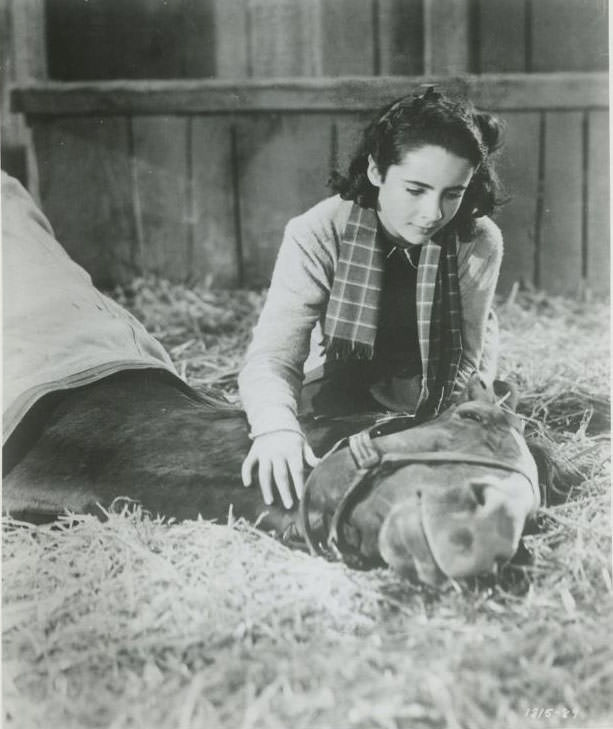
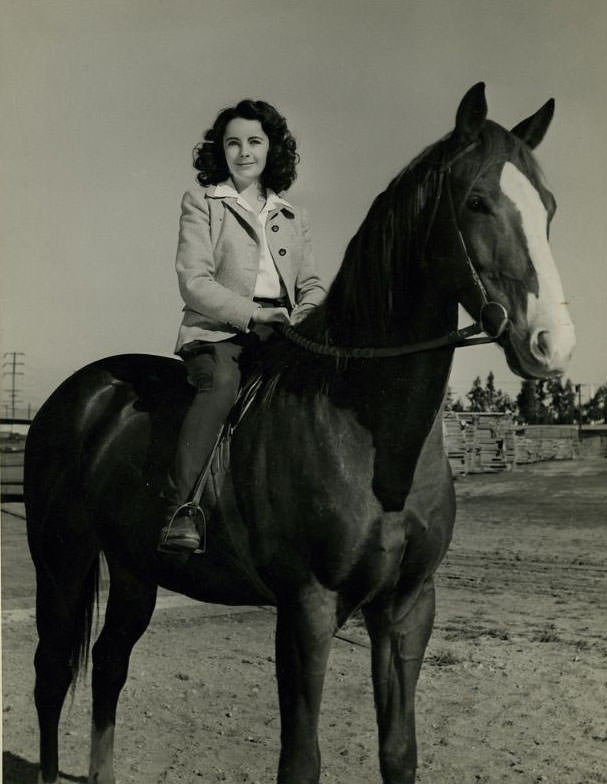
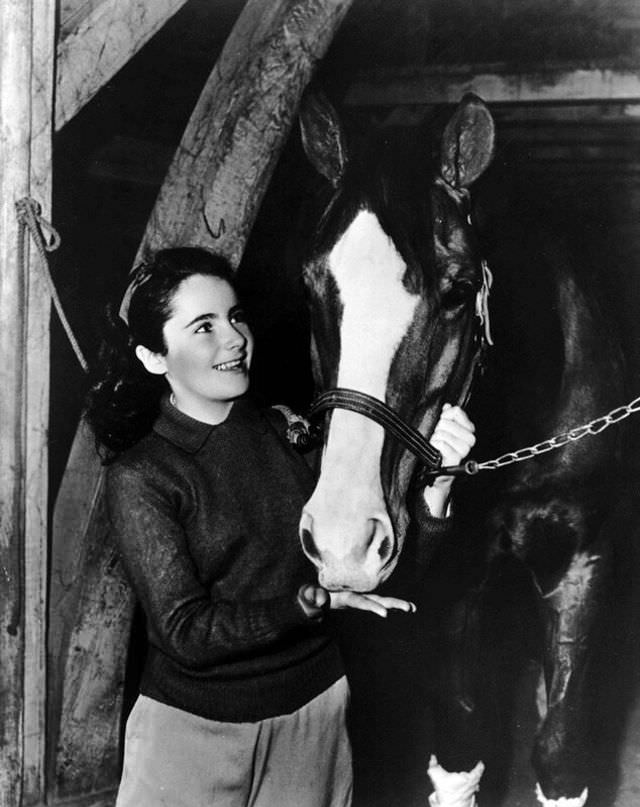
On set, Taylor worked closely with horses throughout production. She had a genuine love of riding, which showed clearly on screen. The physical demands of the role were real — there were riding sequences that required skill and confidence, not just acting ability. Taylor handled both.
The film was a major commercial and critical success upon release. Beyond its two Academy Awards, National Velvet was adapted into a one-hour radio drama that brought the story to an even wider audience. The reach of the film continued to grow over the following decades.
In the 1960s, the story was adapted again — this time as a television series that aired on NBC. The series introduced the characters of Velvet Brown and her prized horse to a new generation of viewers who had grown up watching television rather than going to the movies.
The film’s cultural staying power was formally recognized in 2003, when the Library of Congress selected National Velvet for preservation in the United States National Film Registry. To qualify, a film must be deemed “culturally, historically, or aesthetically significant.” National Velvet met all three standards.
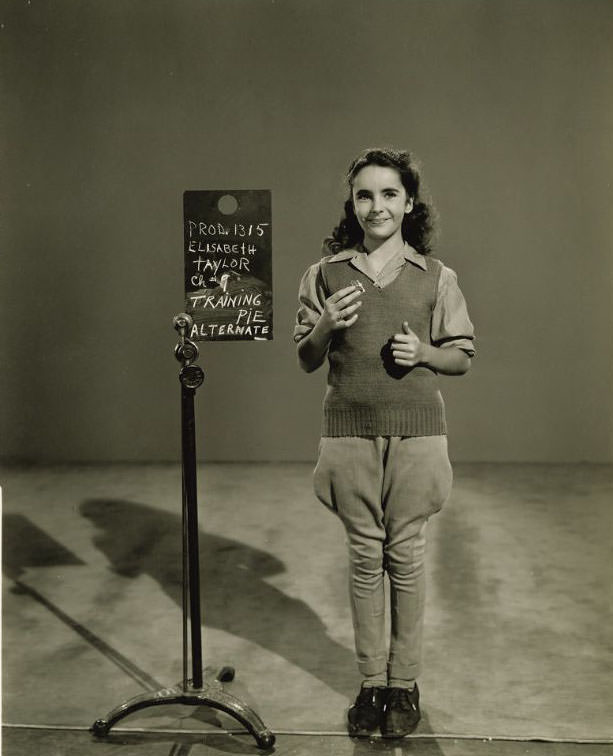
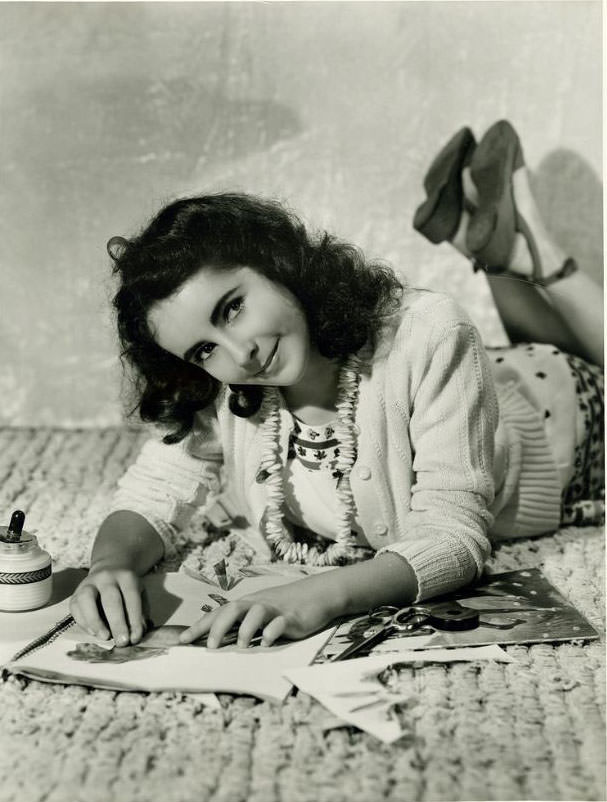
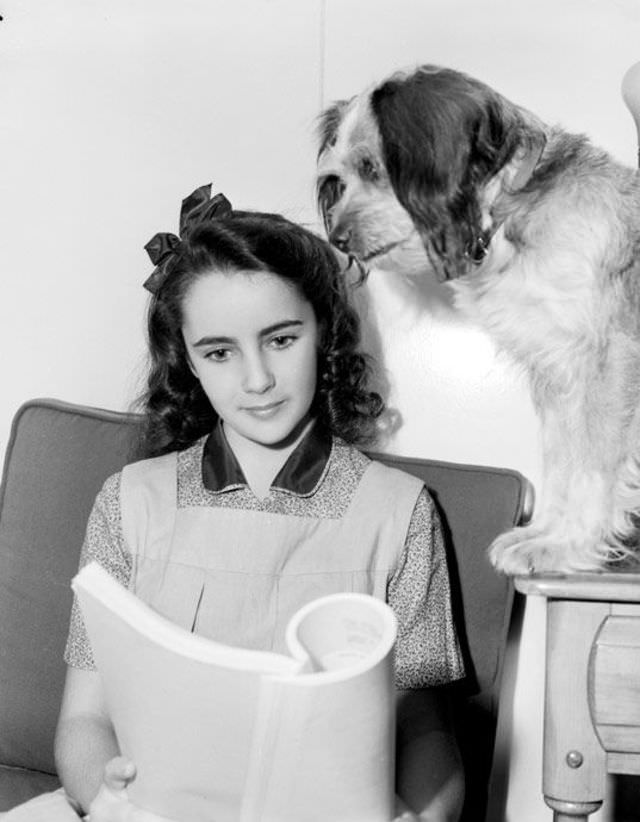
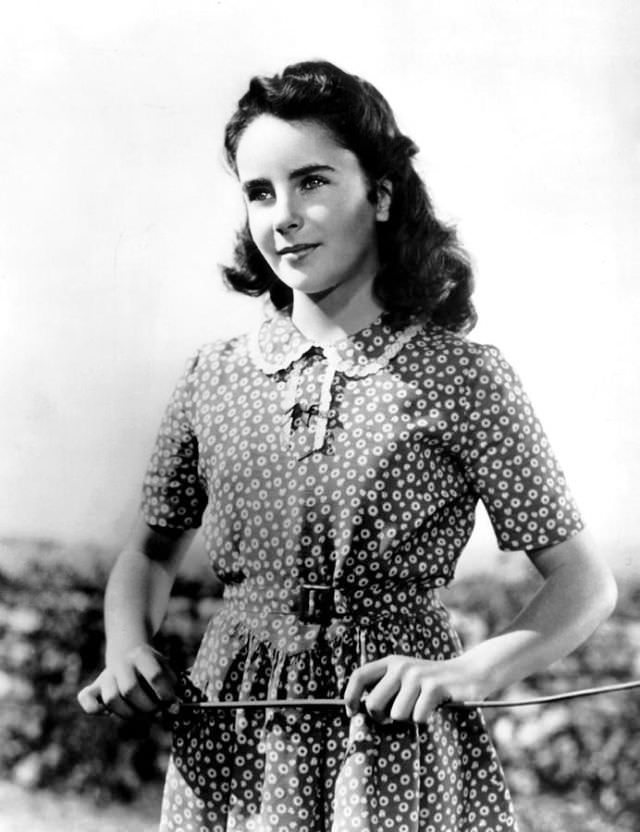
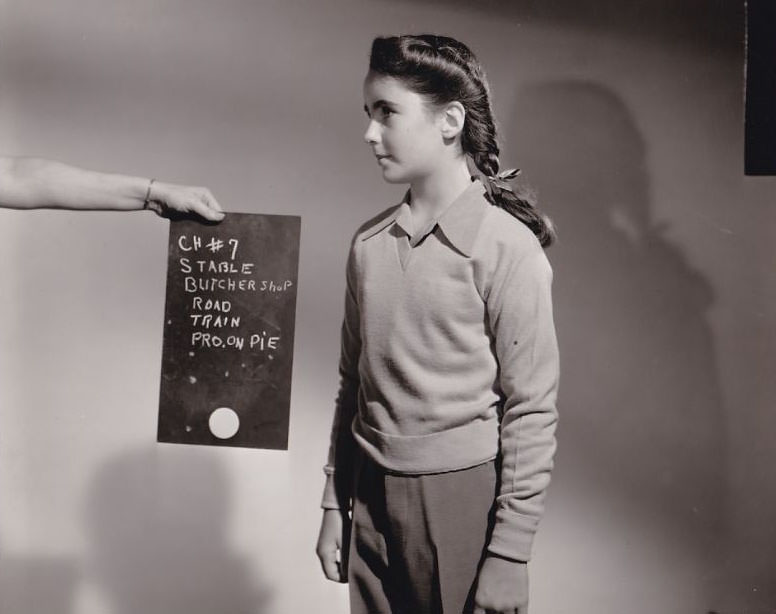
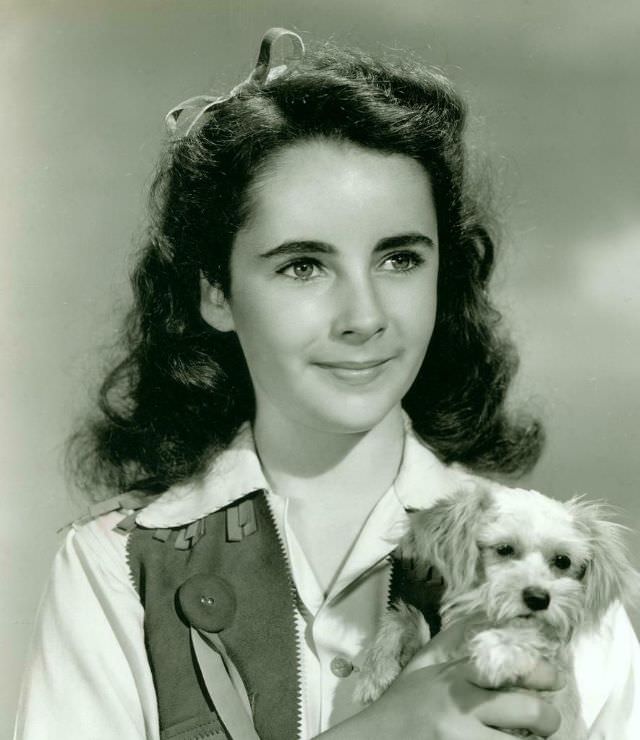
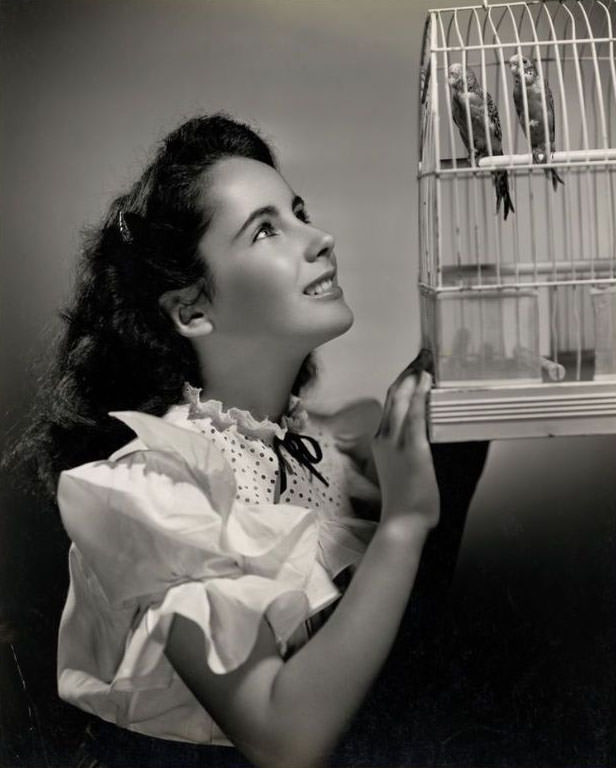
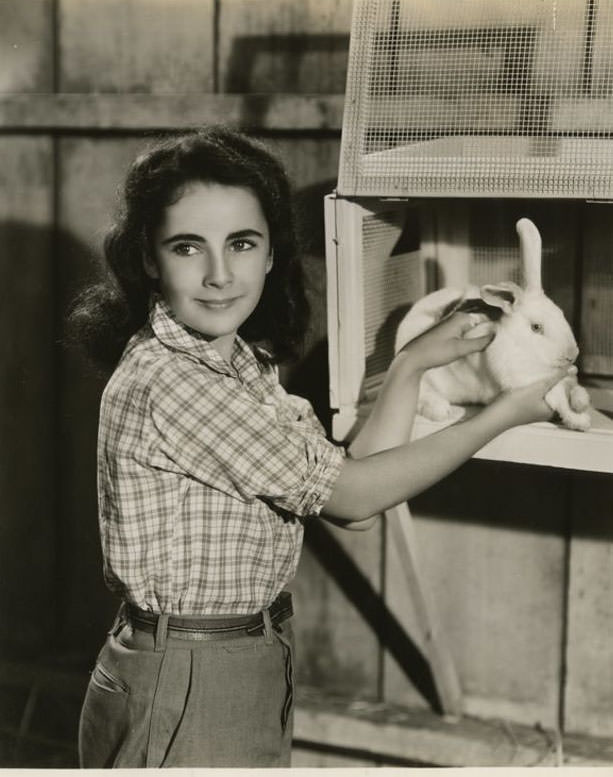
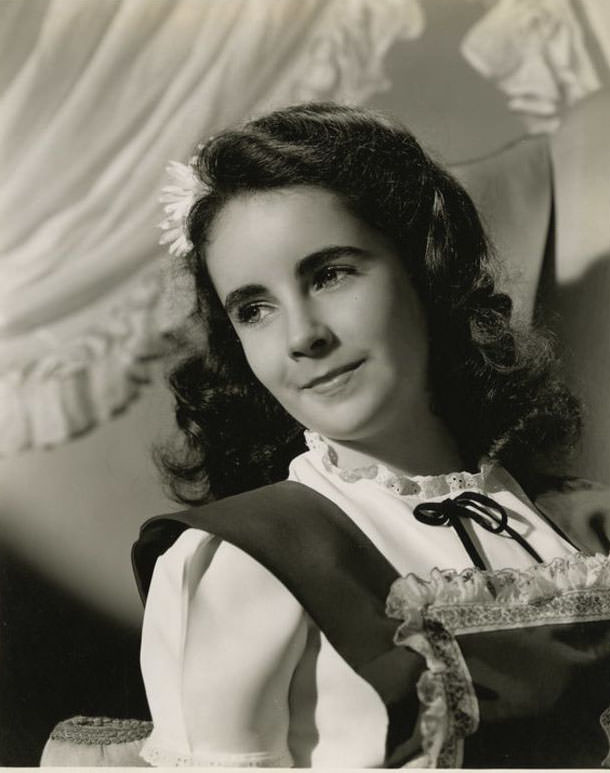
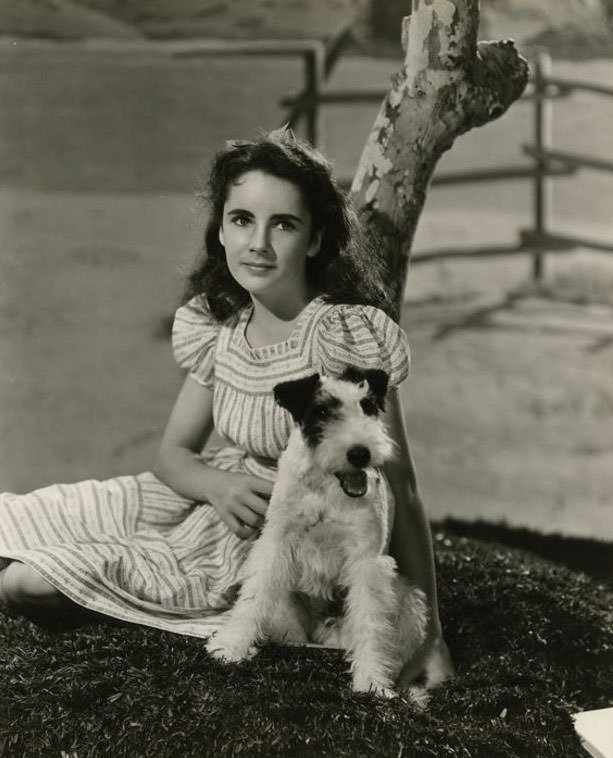
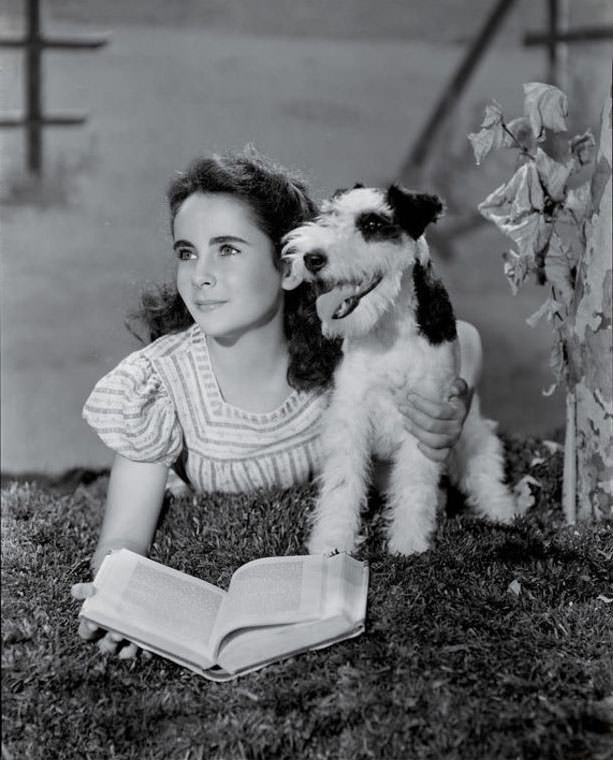
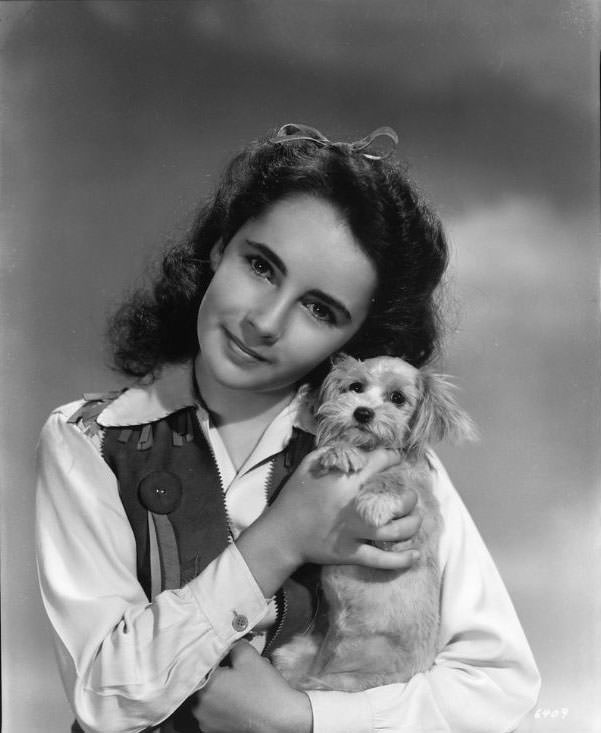
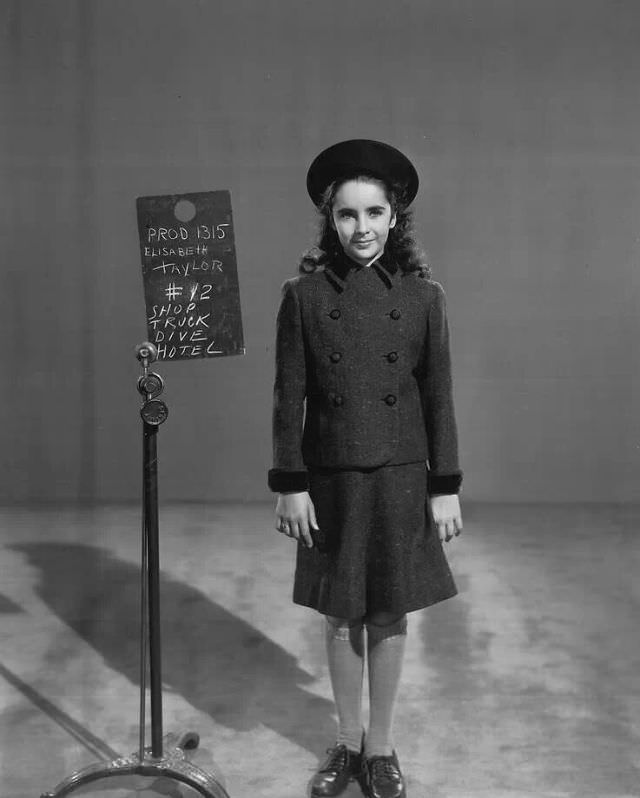
Behind the scenes, the production captured something rare — a child actor who was fully present and completely believable. Taylor wasn’t playing at emotion. She delivered it. The photographs taken on set during the 1944 filming show a young girl who looked entirely at home in front of the camera, even at 12 years old.
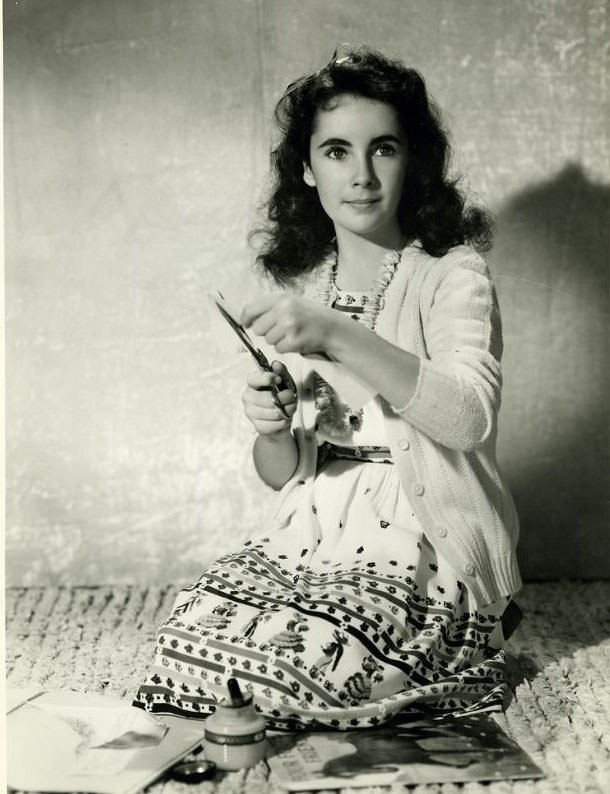
MGM knew they had something special in Taylor. The studio had signed her as a child, and National Velvet proved their investment was well placed. Her combination of striking looks, emotional depth, and fearlessness on set set her apart from other young performers of the era.
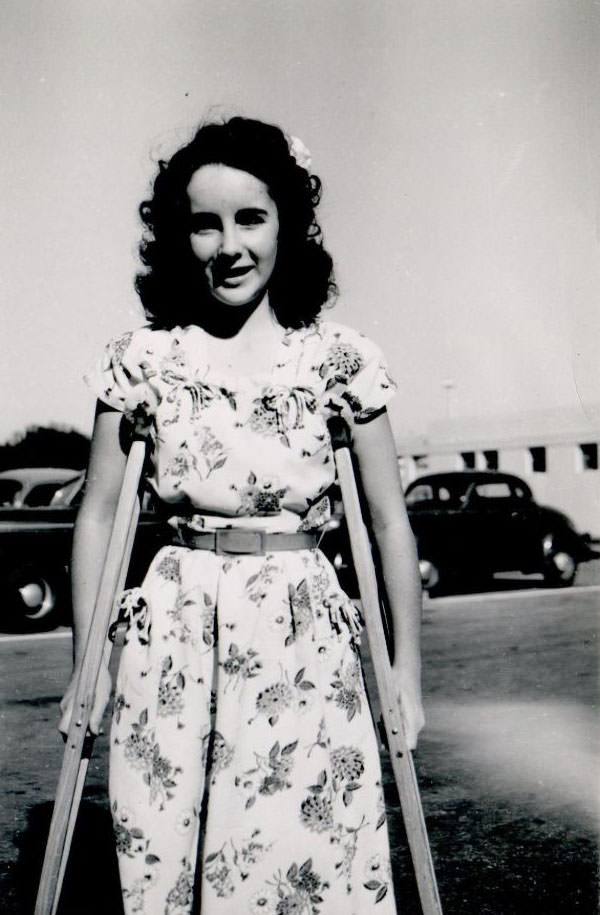
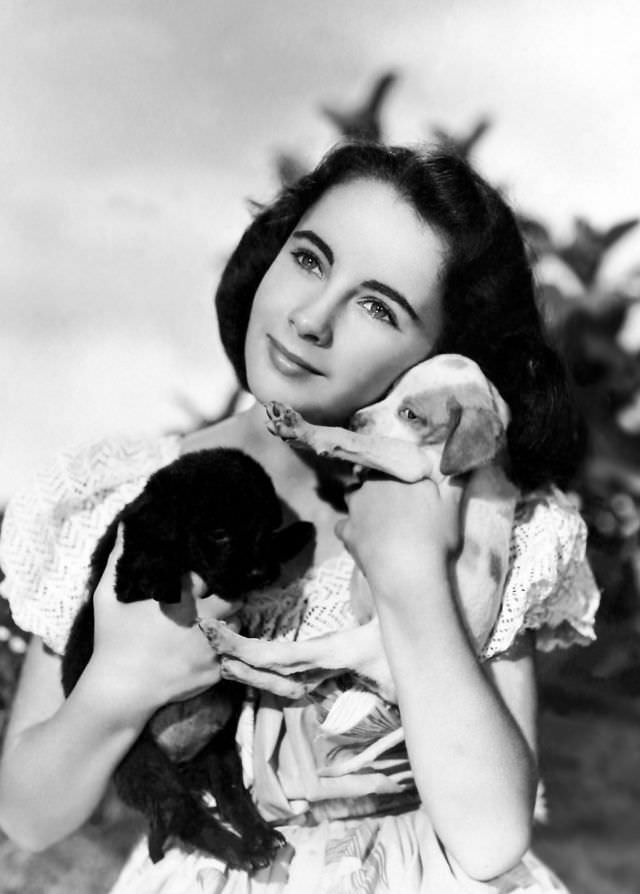
The set photos from National Velvet remain some of the most striking images of Taylor’s early life. In them, she is clearly a child — but already possessing the kind of presence that the camera finds irresistible. Candid shots from the production show her laughing, working with horses, and posing with cast members.
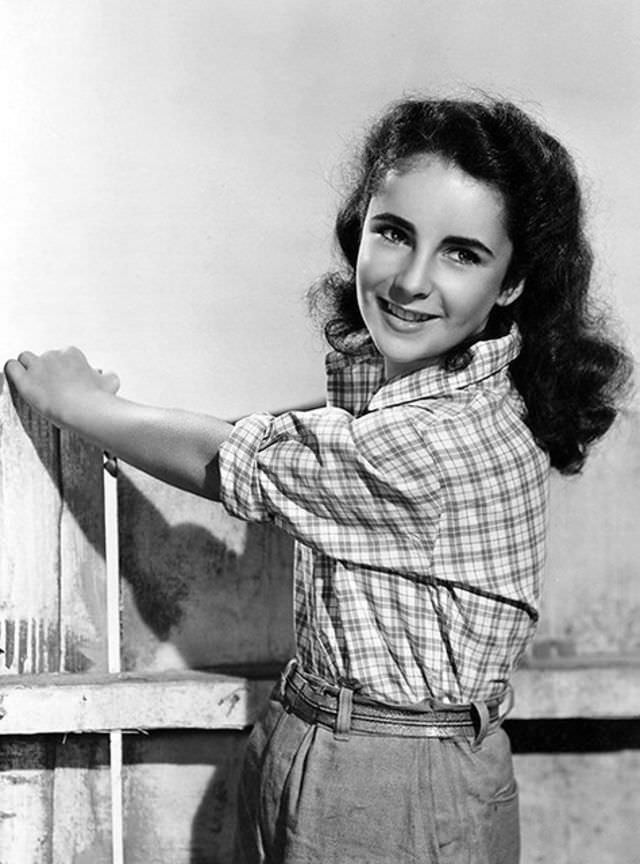
Enid Bagnold published the original novel in 1935, and the story resonated so deeply with readers that a major Hollywood adaptation followed within a decade. The novel’s themes — a young girl’s determination, her bond with an animal, and her refusal to accept limits placed on her — translated powerfully to the screen.
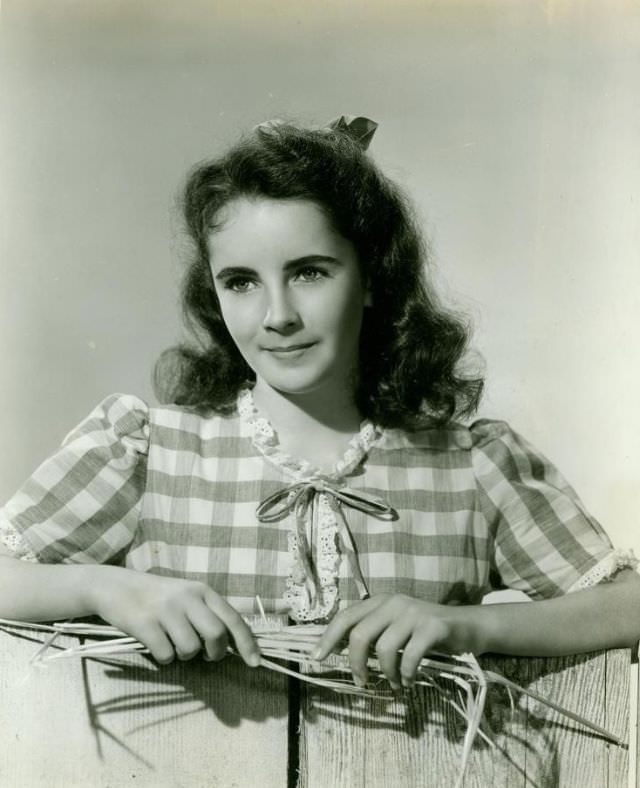
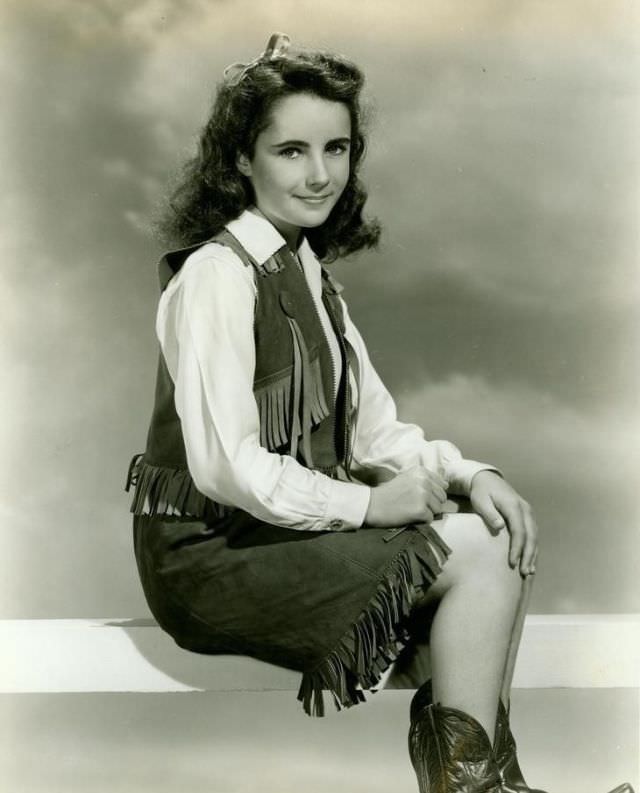
Taylor’s co-stars included Mickey Rooney, who played Mi Taylor, the drifter who helps Velvet train her horse. Rooney was already a well-known star at the time, but it was Taylor who walked away from National Velvet as the film’s most talked-about performer.
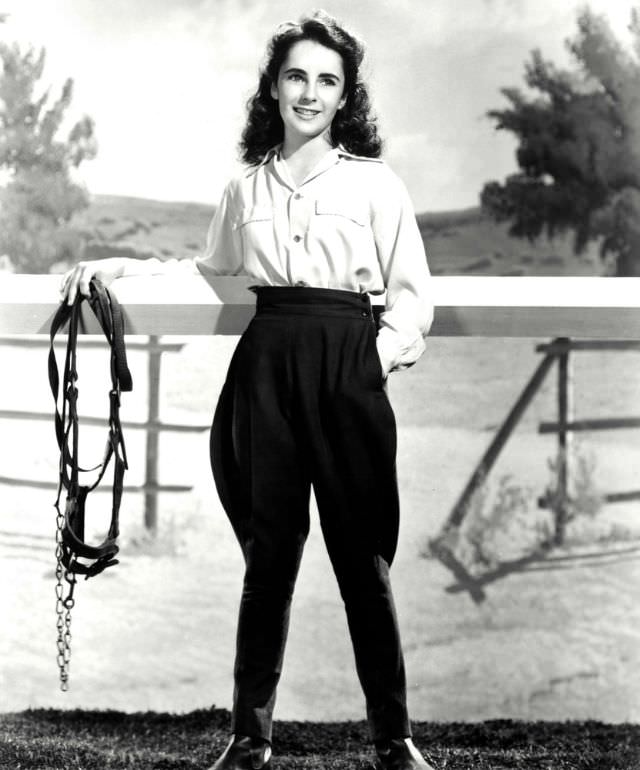
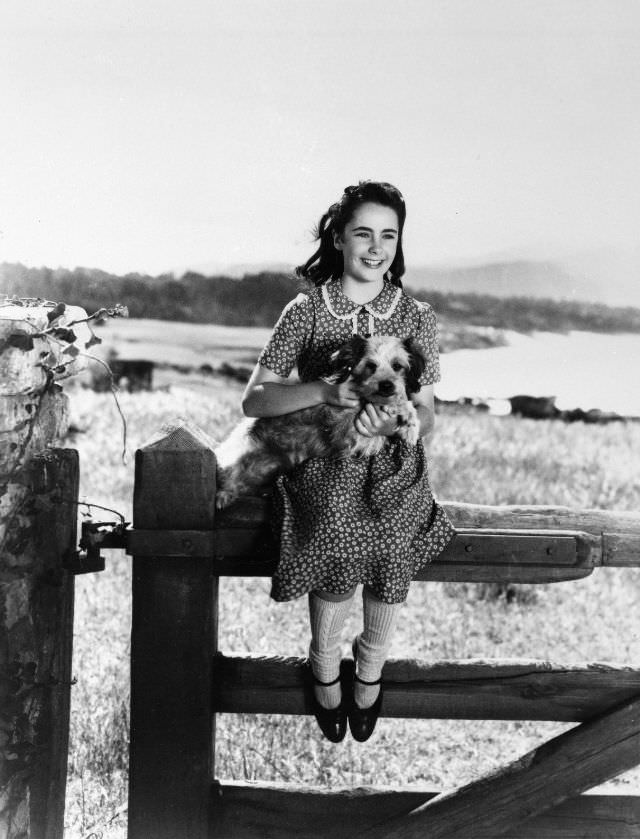
These rare behind-the-scenes photographs from the 1944 production offer a window into that moment — a snapshot of a young Elizabeth Taylor at the very beginning of one of the most celebrated careers in Hollywood history. She was 12 years old, and she was already exactly where she was meant to be.