In 1969, Brigitte Bardot stepped in front of the camera for ‘Les Femmes’, a French sex comedy co-written and directed by Jean Aurel. The film paired Bardot with actor Maurice Ronet, and the two brought a sharp, playful energy to the screen. It was one of Bardot’s final film roles before she stepped away from acting entirely just a few years later.
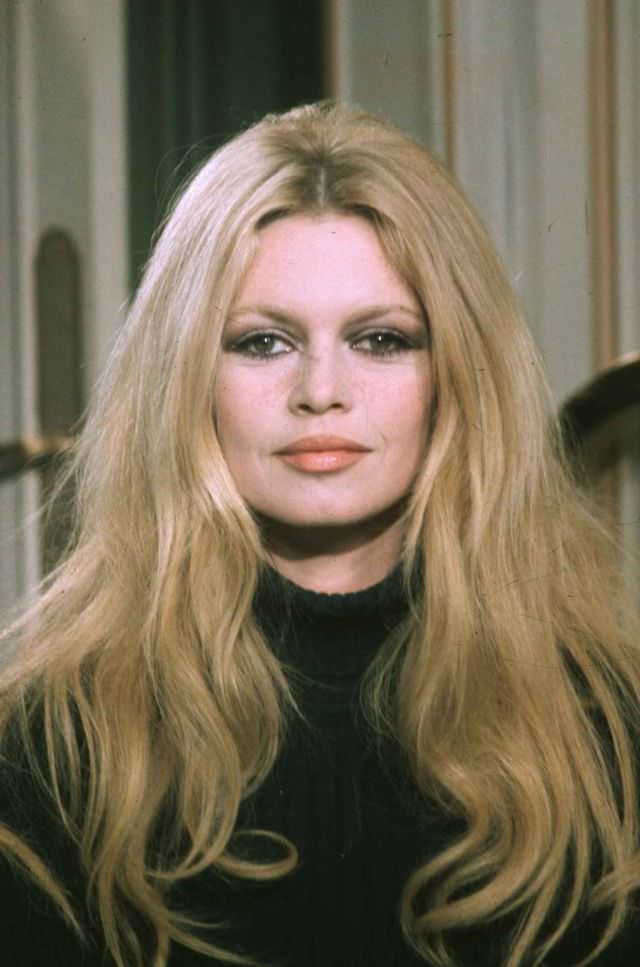
Bardot plays Clara, a beautiful young secretary who takes dictation for a novelist named Jerome, played by Ronet. Jerome is stuck in a deep creative rut, unable to write. Clara’s presence stirs something in him — not quite literary inspiration, but something close enough to get him talking. As he dictates, he shares stories from his sensual past and fantasies about the future.
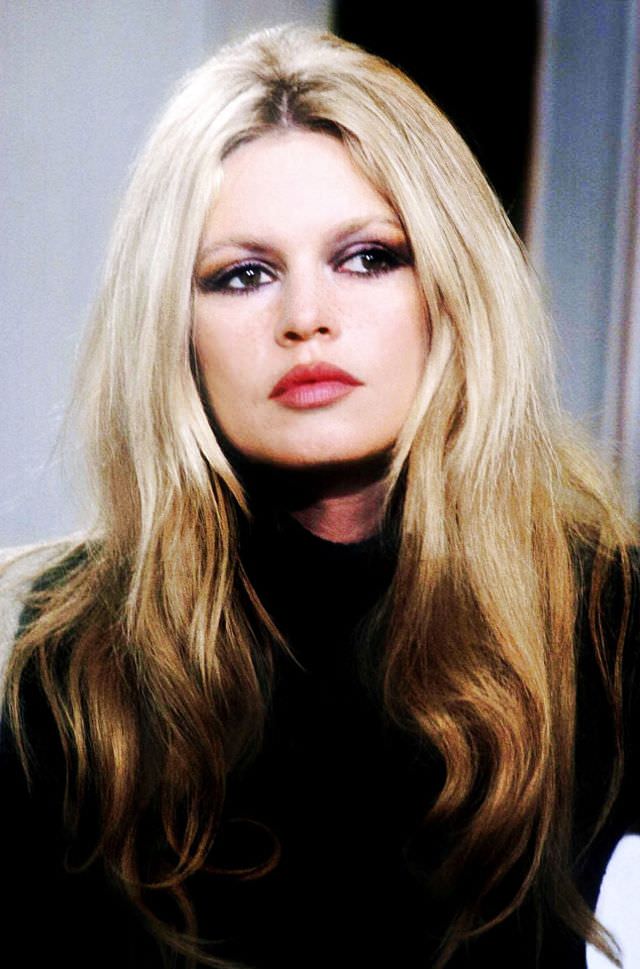
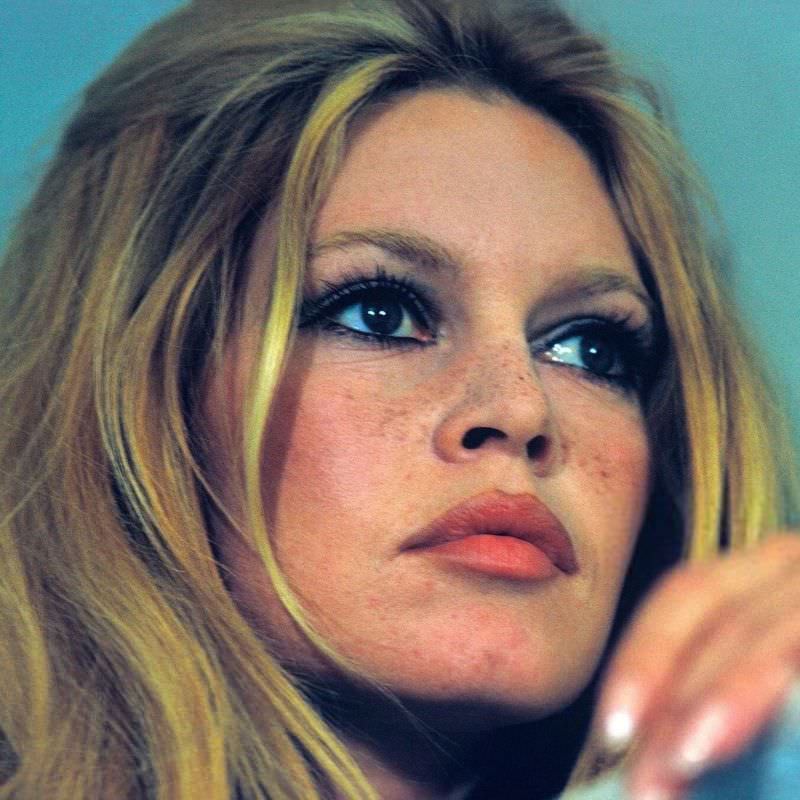
The film works on two levels at once. On the surface, it’s a witty back-and-forth between two very different personalities. Underneath that, it’s wrestling with a classic battle-of-the-sexes dynamic. Aurel chose to make his points through humor rather than direct confrontation, which kept the film from becoming preachy.
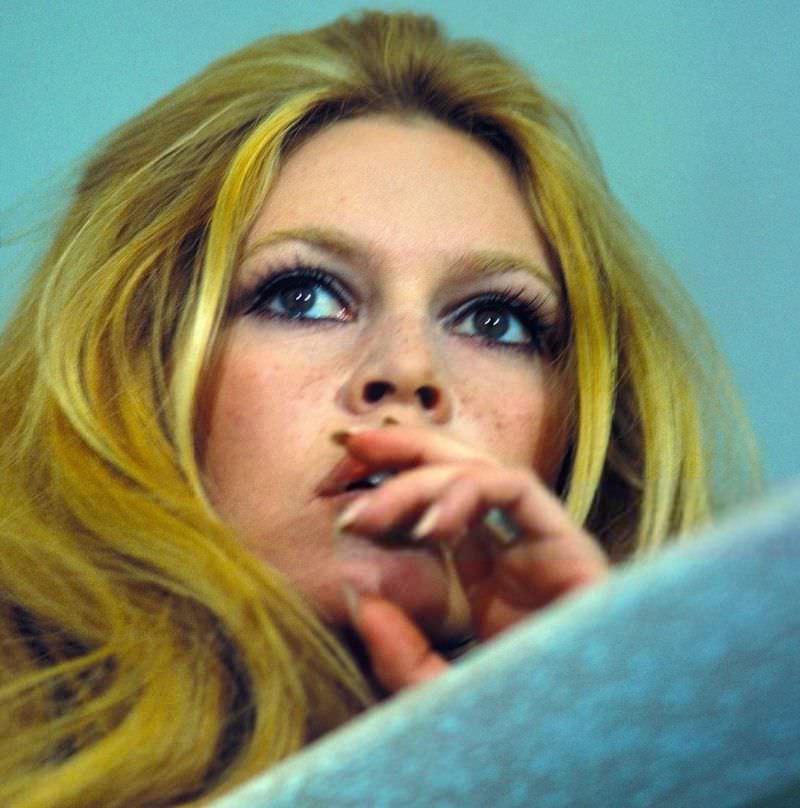
That said, the film didn’t sit well with all viewers. Jerome is written as a womanizing predator, and many female viewers of the era found that portrayal hard to swallow — even wrapped in comedy. The tension between the film’s charm and its troubling lead character was something audiences felt clearly.
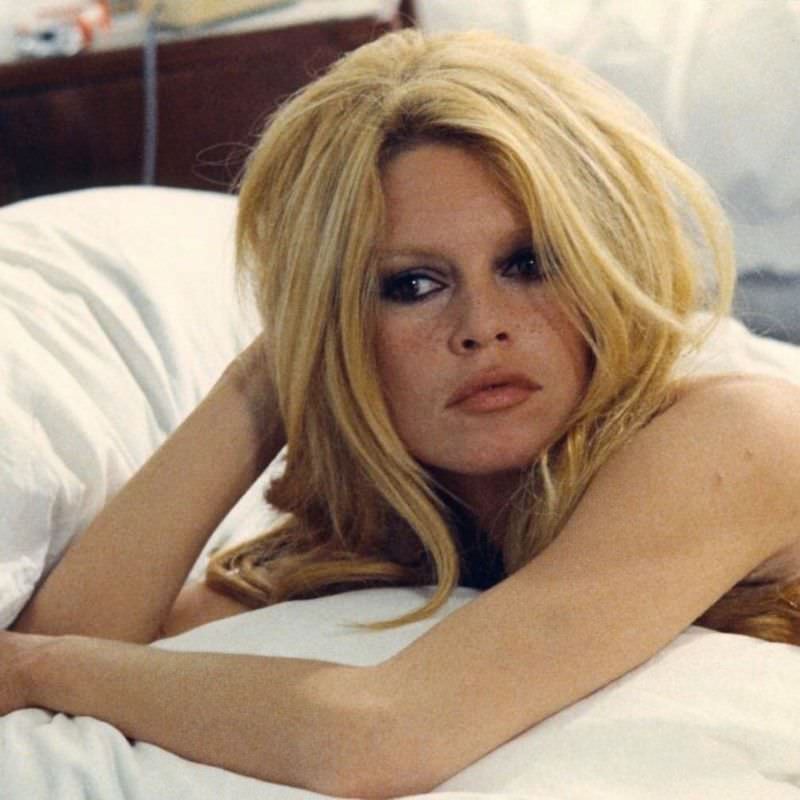
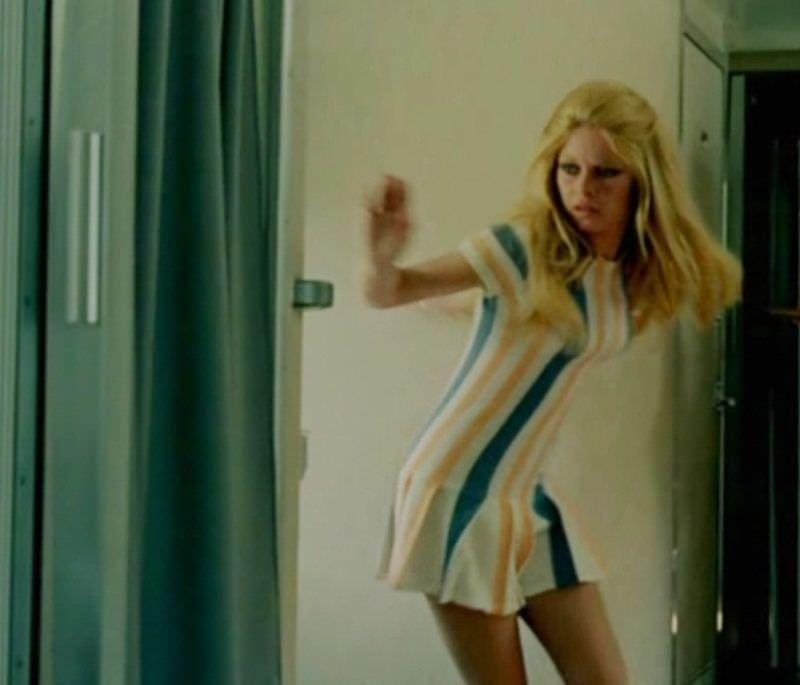
Visually, ‘Les Femmes’ moved between indoor settings and both city and countryside locations. Aurel balanced these environments well, giving the film a varied look that kept it from feeling confined. For a story so focused on dialogue and character, the location work added real texture.
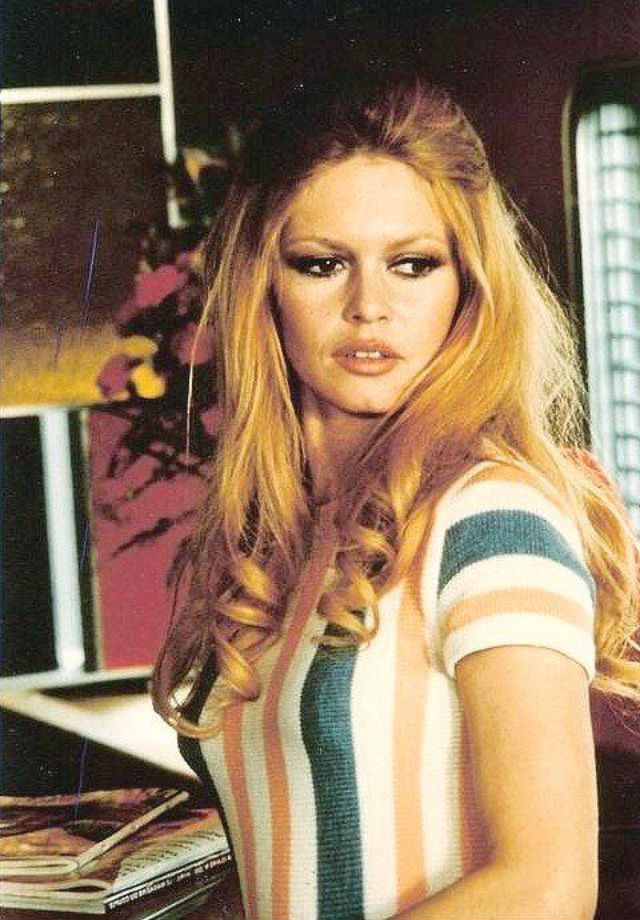
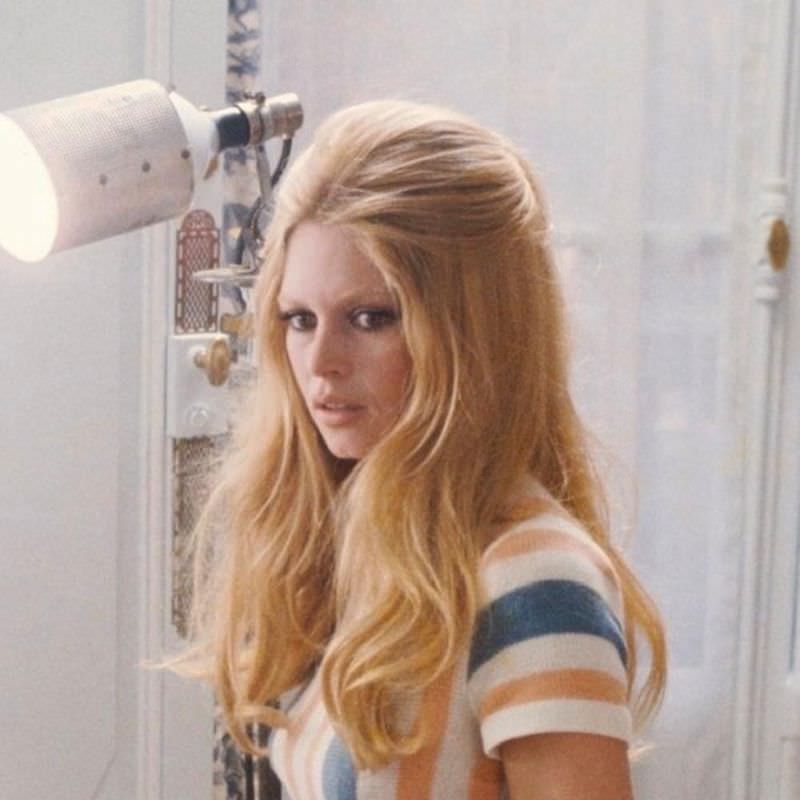
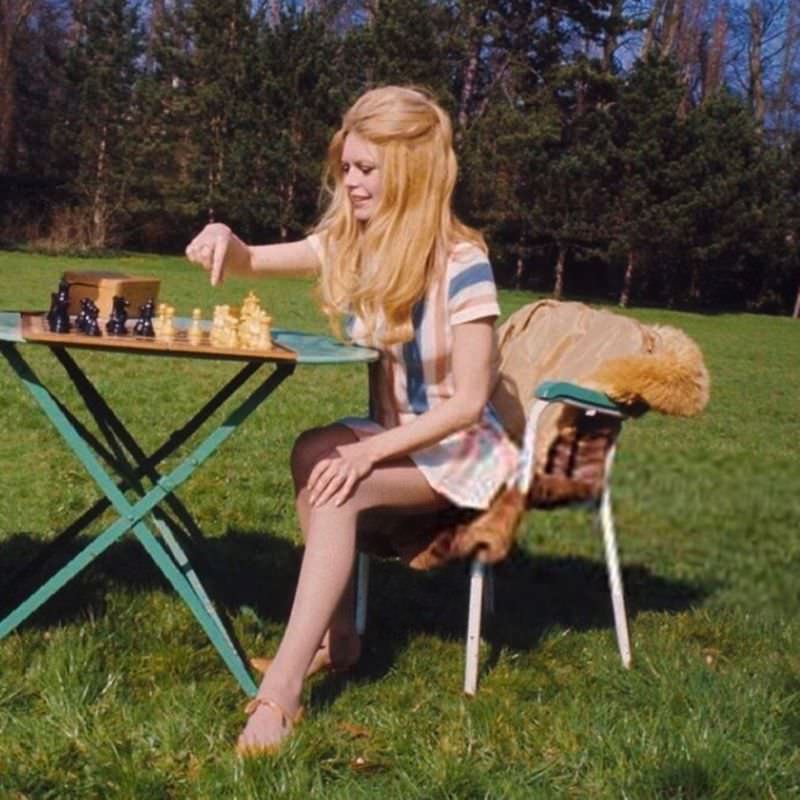
Bardot was 34 at the time of filming, and she brought full confidence to the role of Clara. By 1969, she had already established herself as one of the most recognized faces in world cinema. Her presence alone carried enormous weight on any set, and ‘Les Femmes’ was no exception.

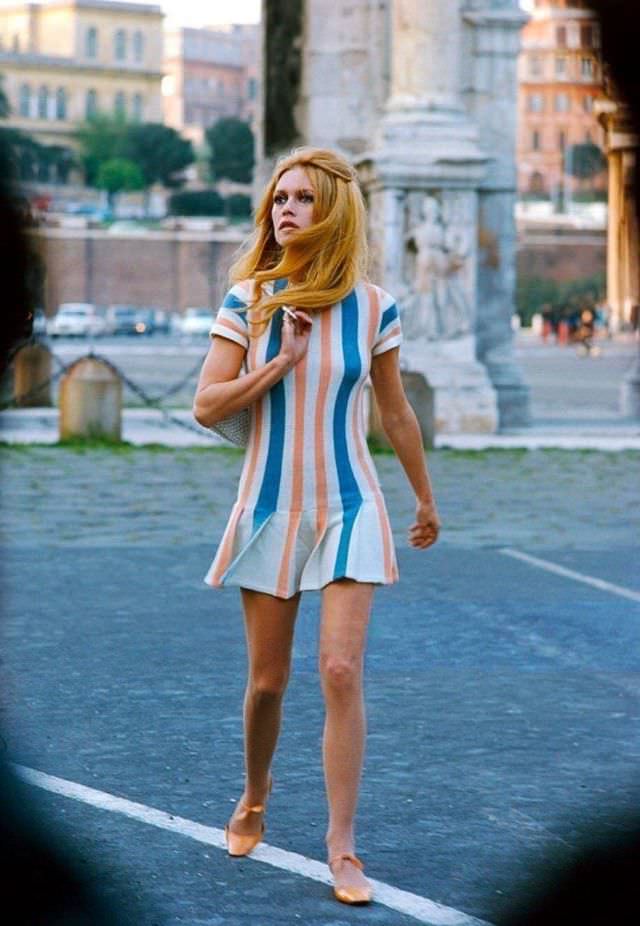
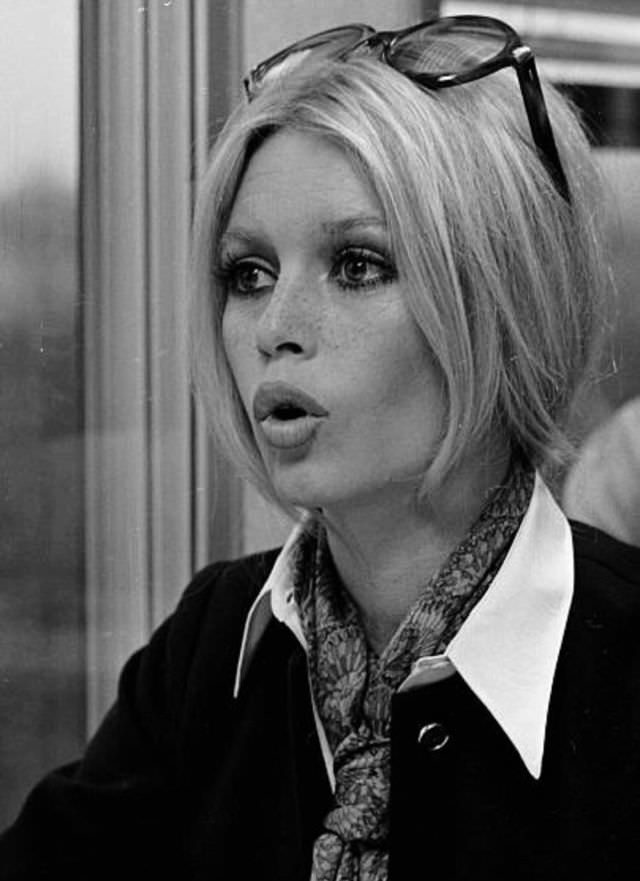
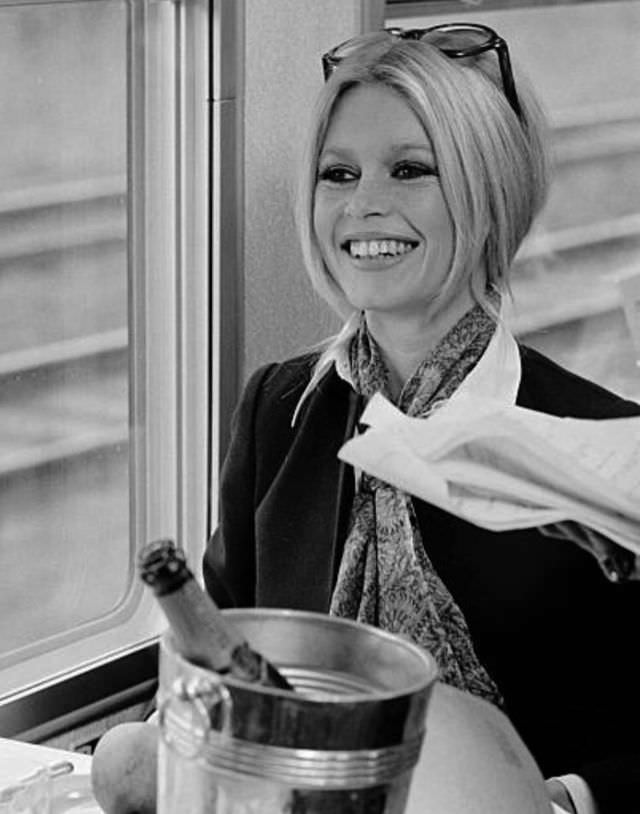
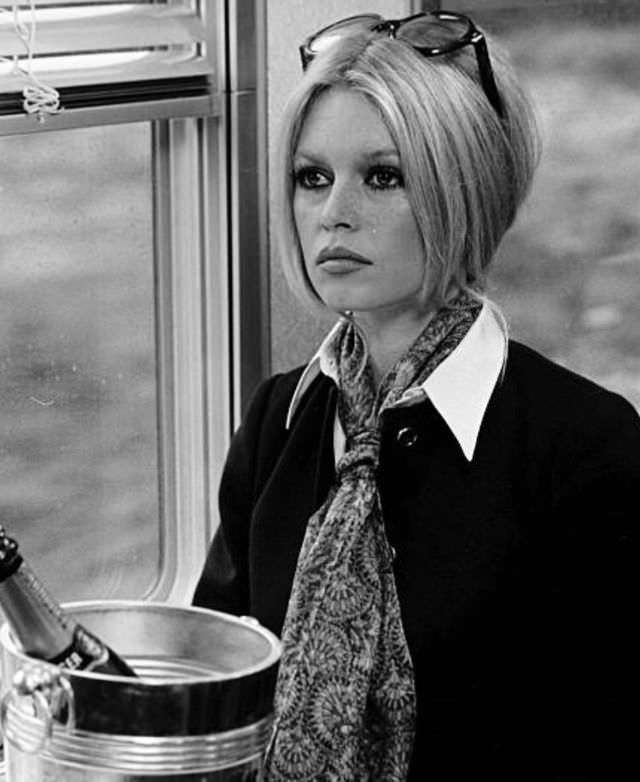
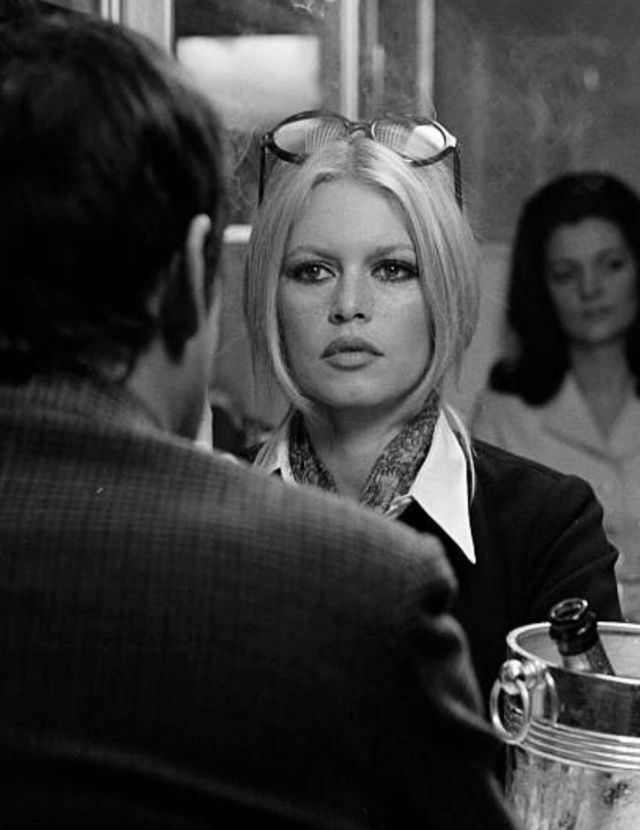
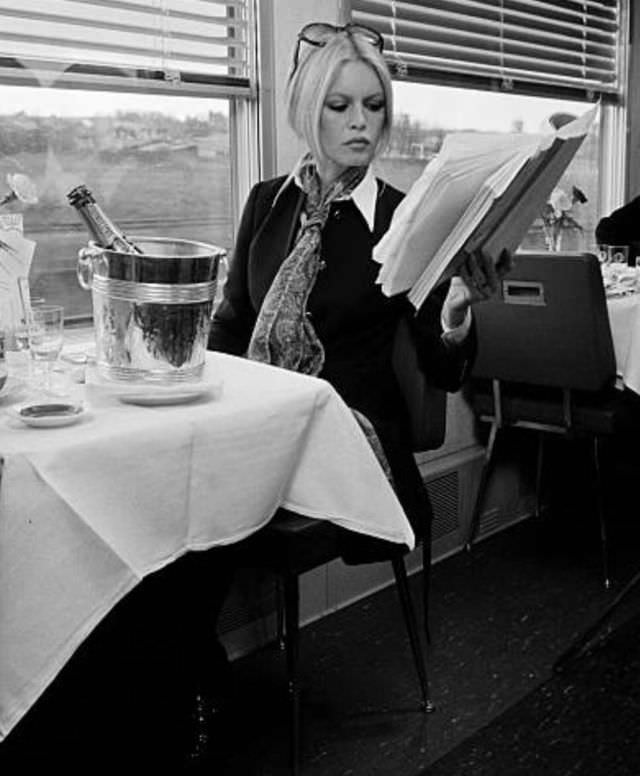
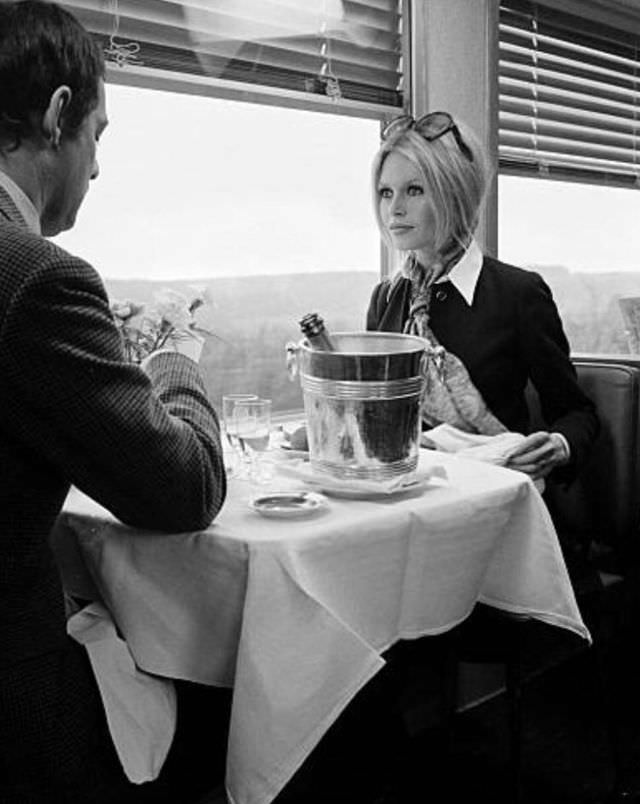
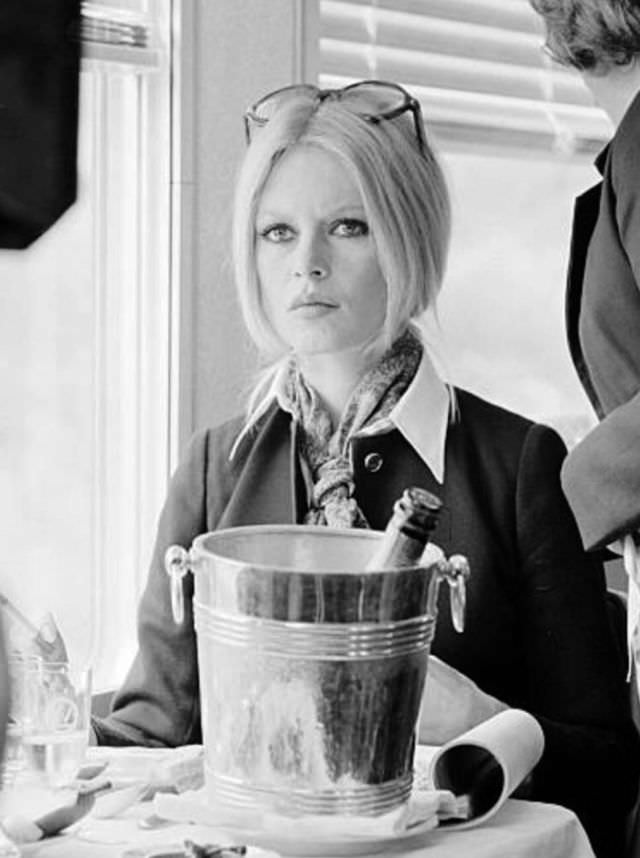
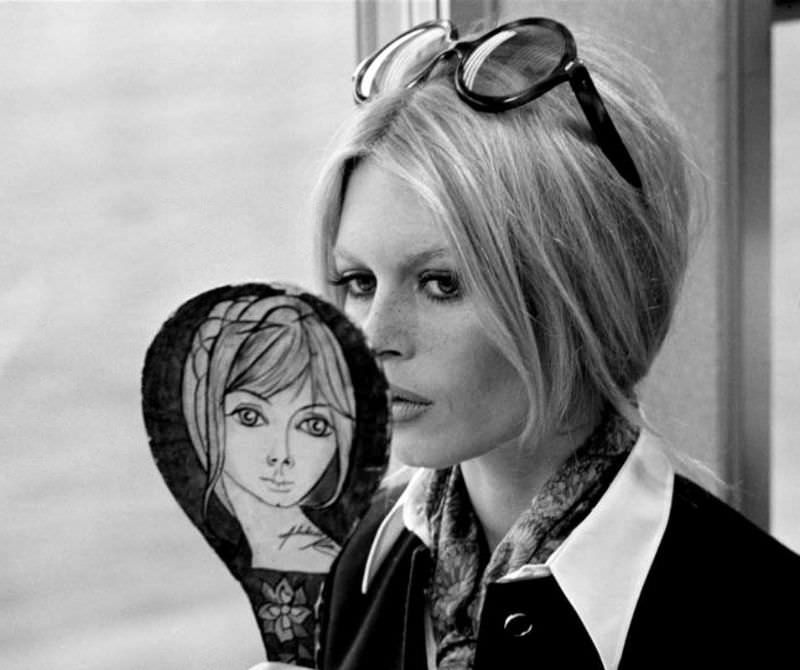
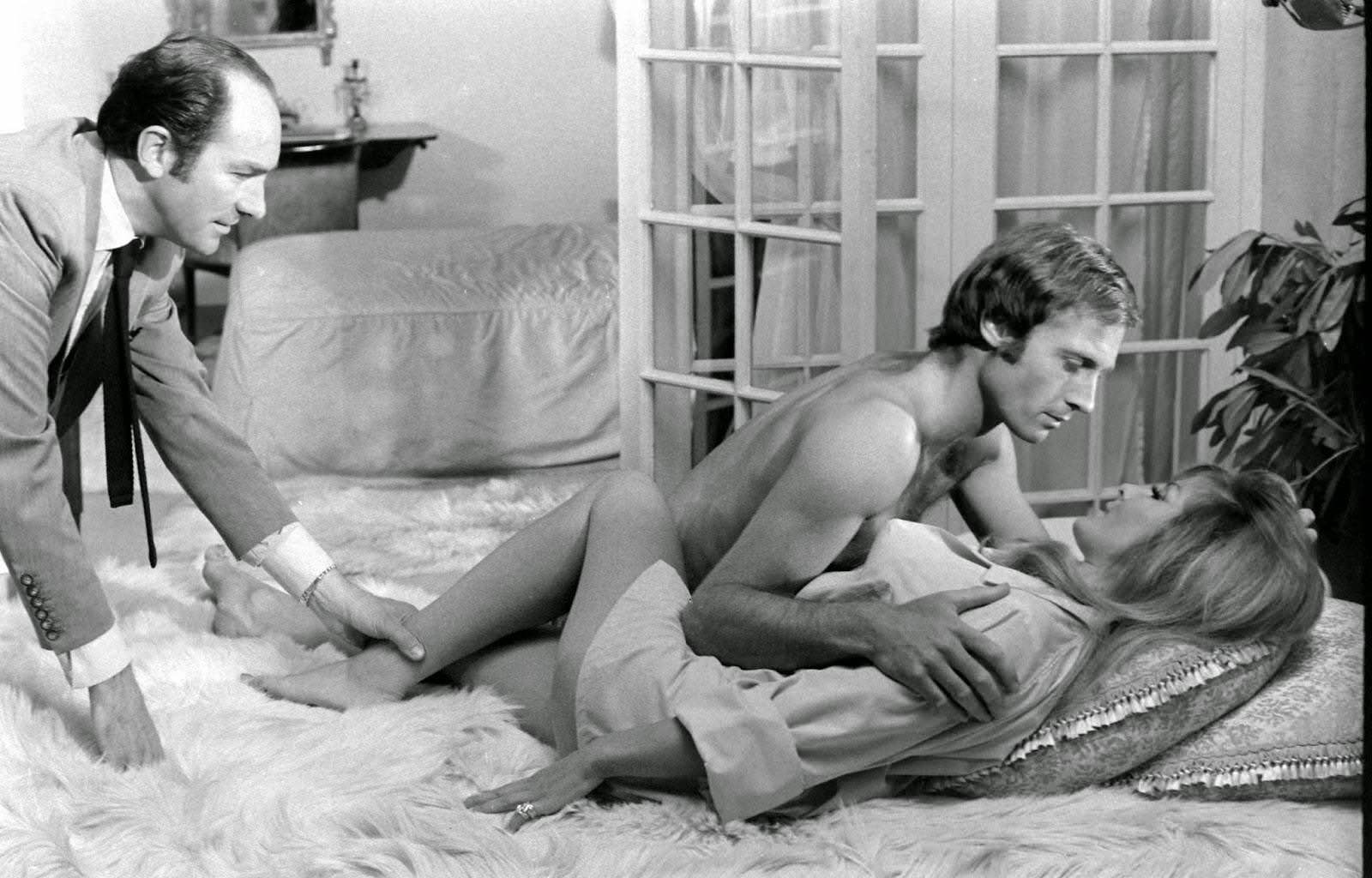
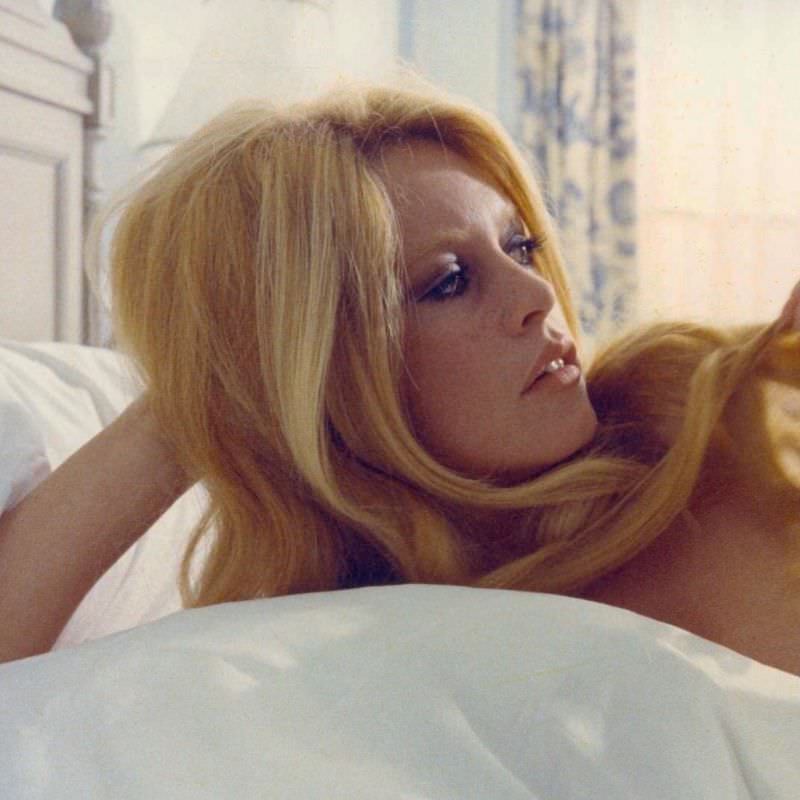
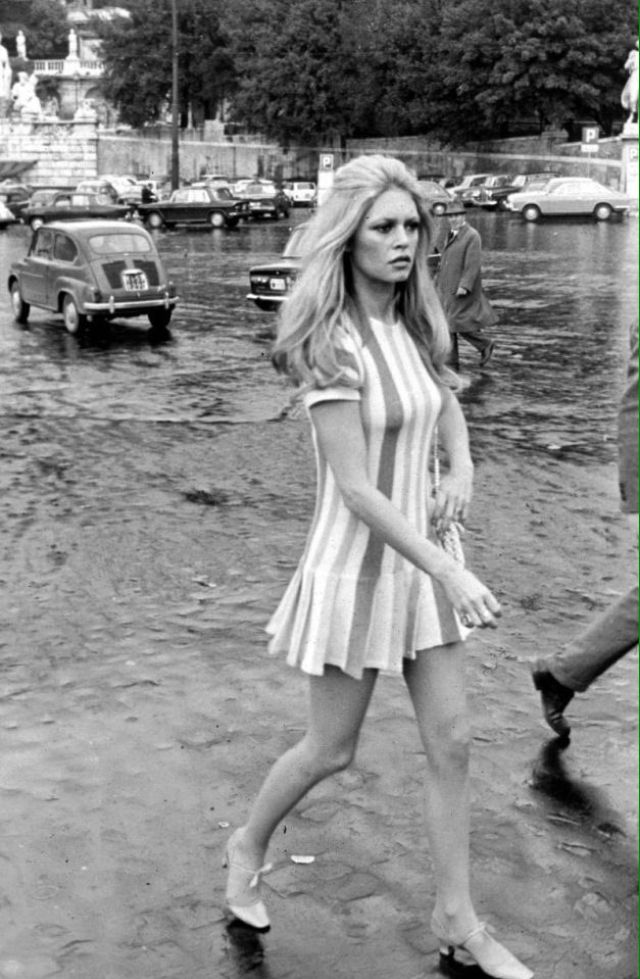
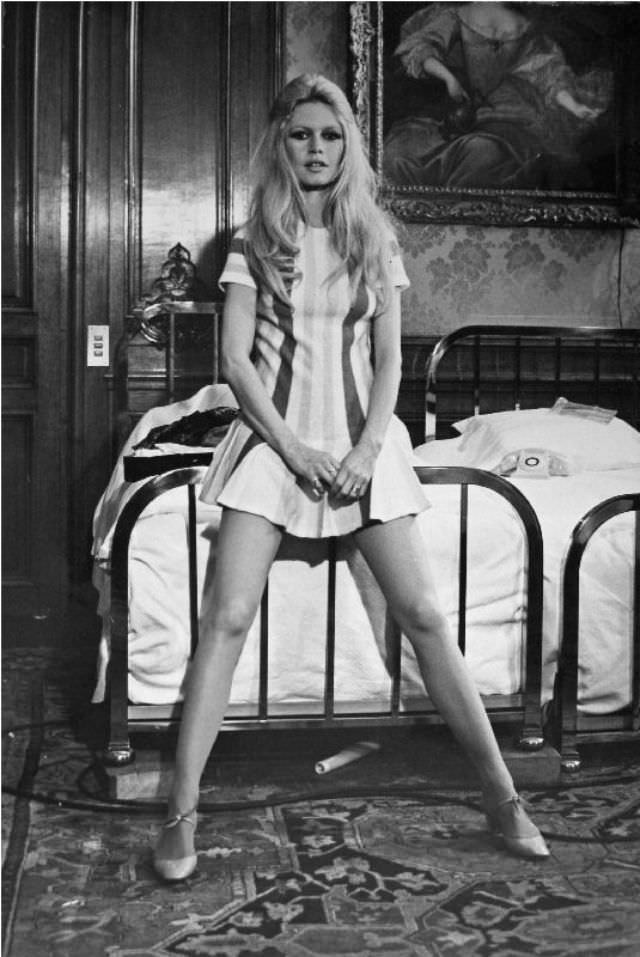
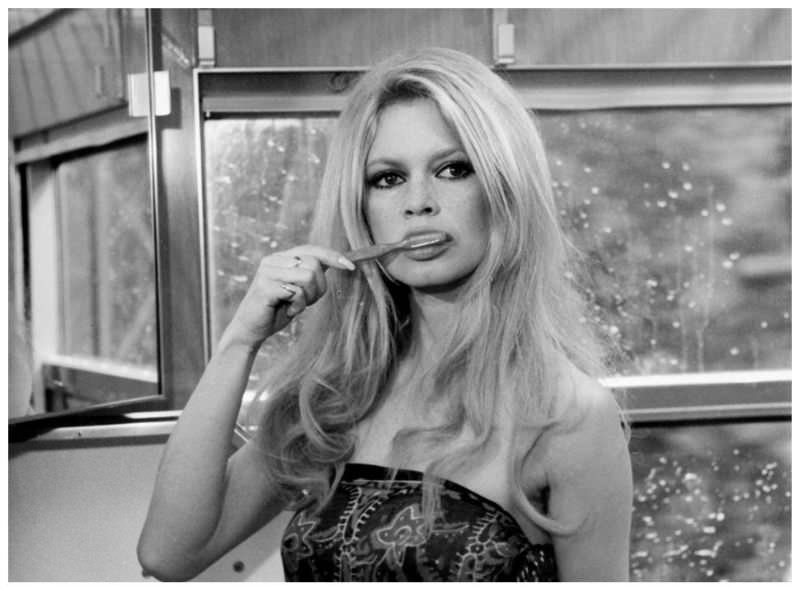
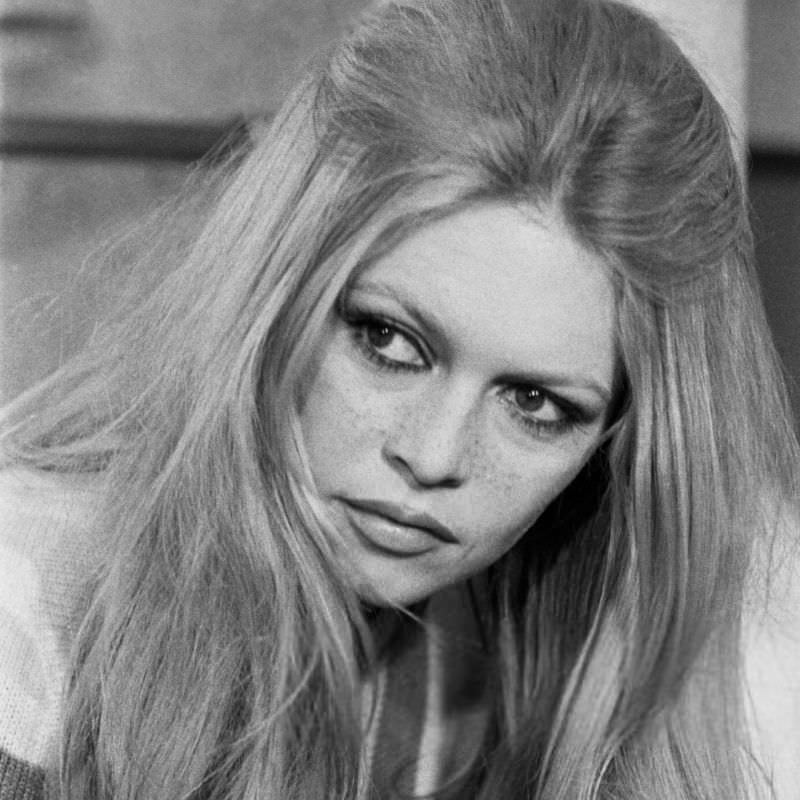
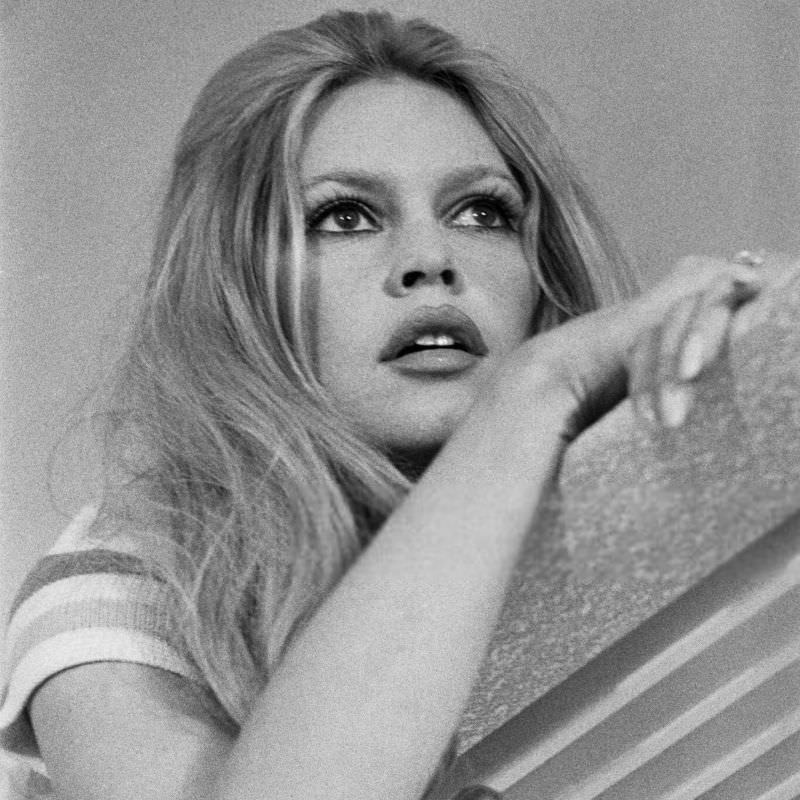
The photos from the production capture Bardot both on and off camera, showing the relaxed and candid side of a working film set. They offer a rare window into how a major French production looked in 1969 — the lighting, the costumes, and the atmosphere between takes.
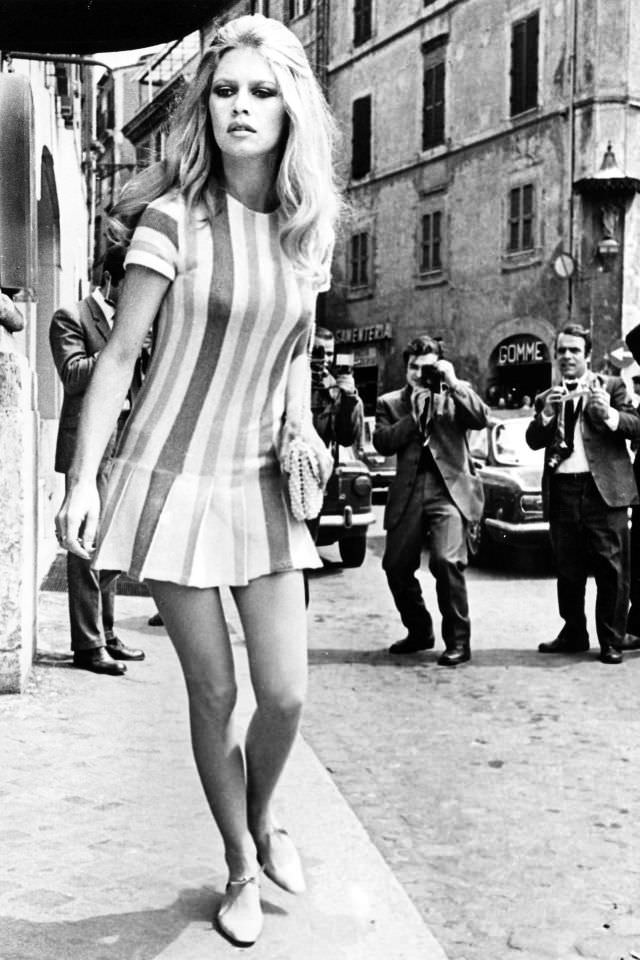
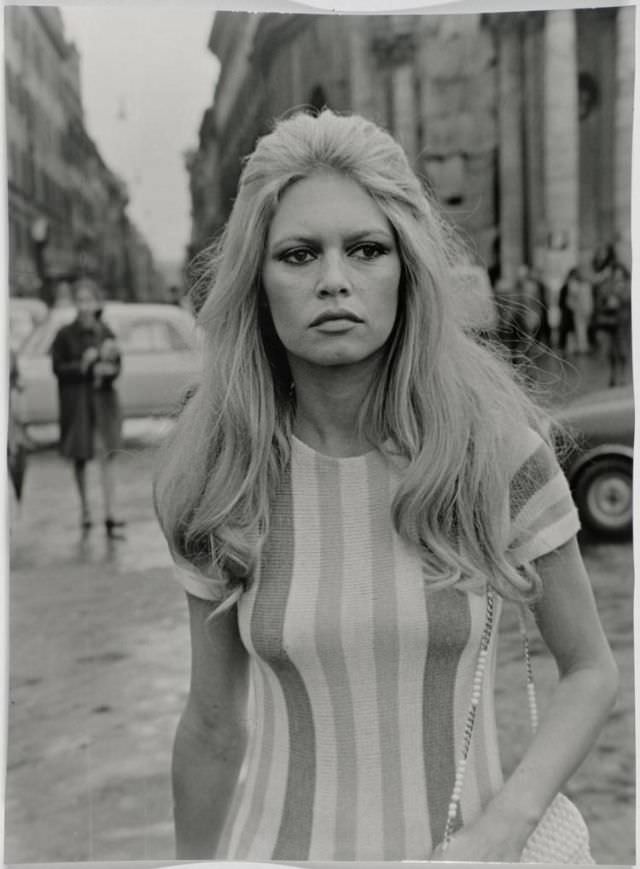
Ronet, who plays Jerome, was a well-regarded French actor known for serious dramatic roles. His casting opposite Bardot created an interesting contrast. She brought lightness and star power; he brought a darker, more brooding quality. Together they made the film’s central tension feel genuine.
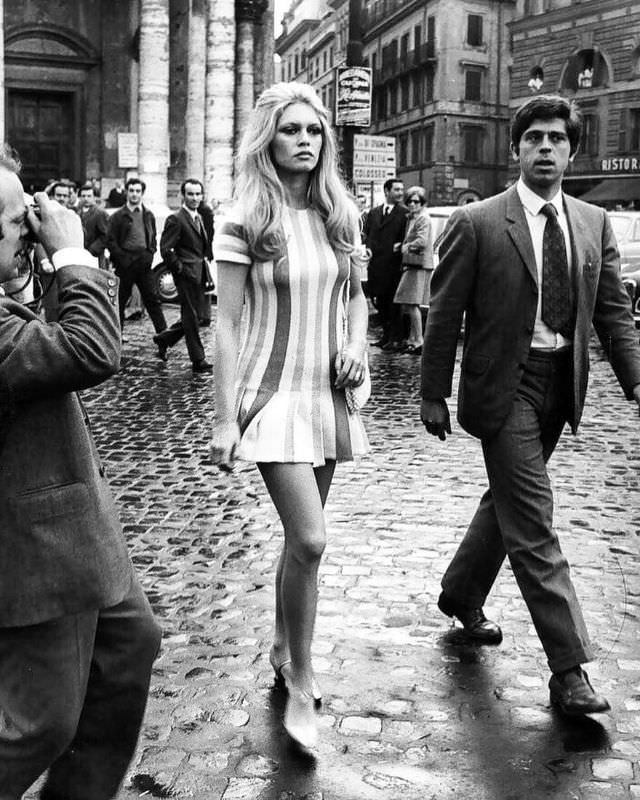
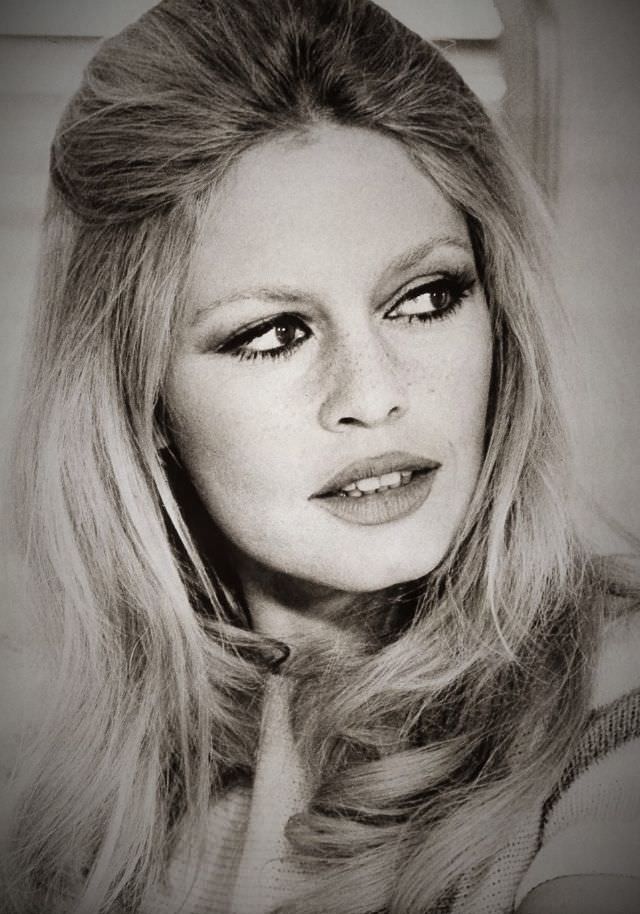
Aurel built ‘Les Femmes’ around conversations more than action. The script relied heavily on sharp, clever dialogue to carry its comedy and its critique. This made the repartee between Bardot and Ronet the engine of the entire film — and it mostly delivered.
The year 1969 was a significant one in French cinema. The aftermath of the New Wave was still being felt, and studios were producing a wide range of films — from art house experiments to mainstream comedies. ‘Les Femmes’ sat comfortably in the latter category, aiming squarely for commercial audiences.
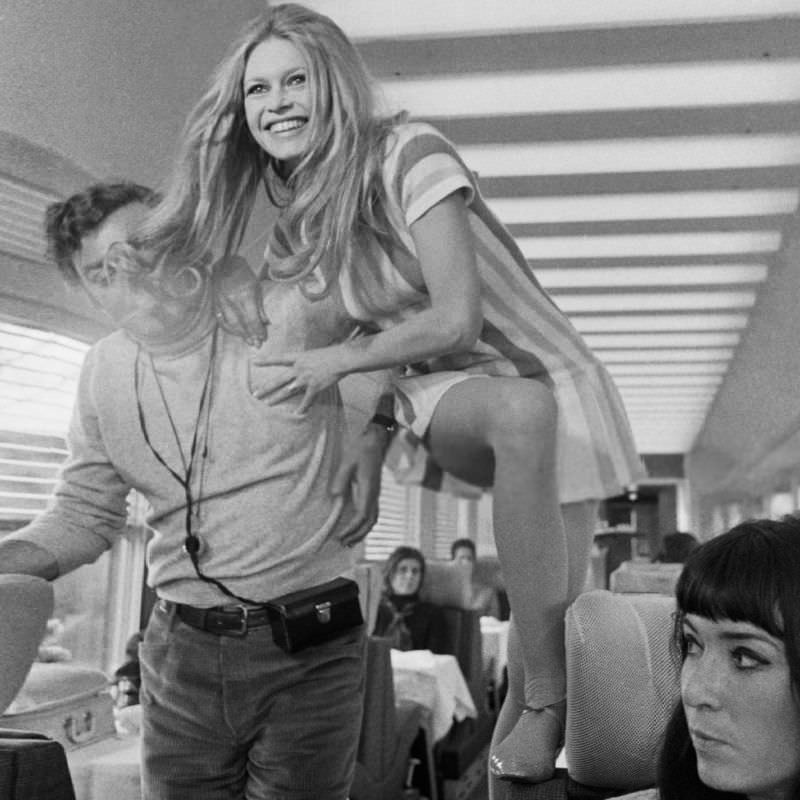
For Bardot, the role of Clara fit within the type of parts she had played throughout her career — beautiful, desired, and more perceptive than the men around her gave her credit for. Clara isn’t a passive figure in the film. She listens, she reacts, and she holds her own against Jerome’s stream of self-indulgent storytelling.
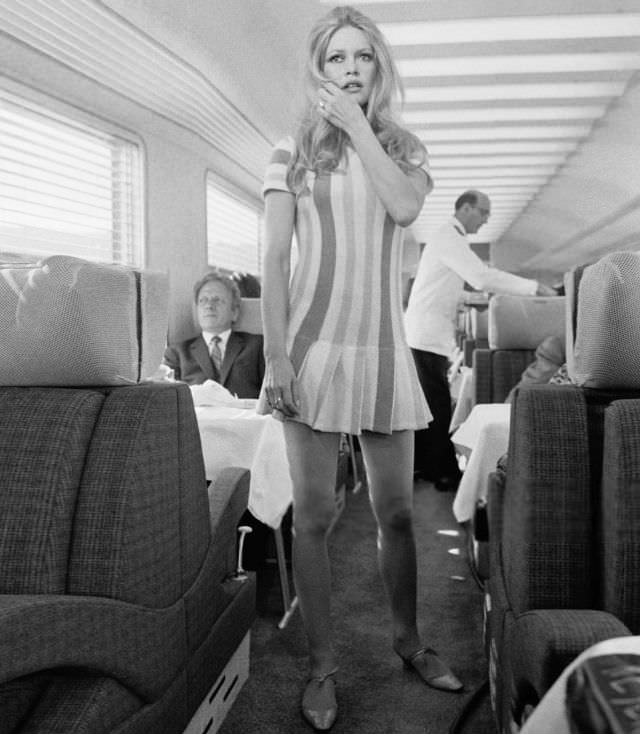
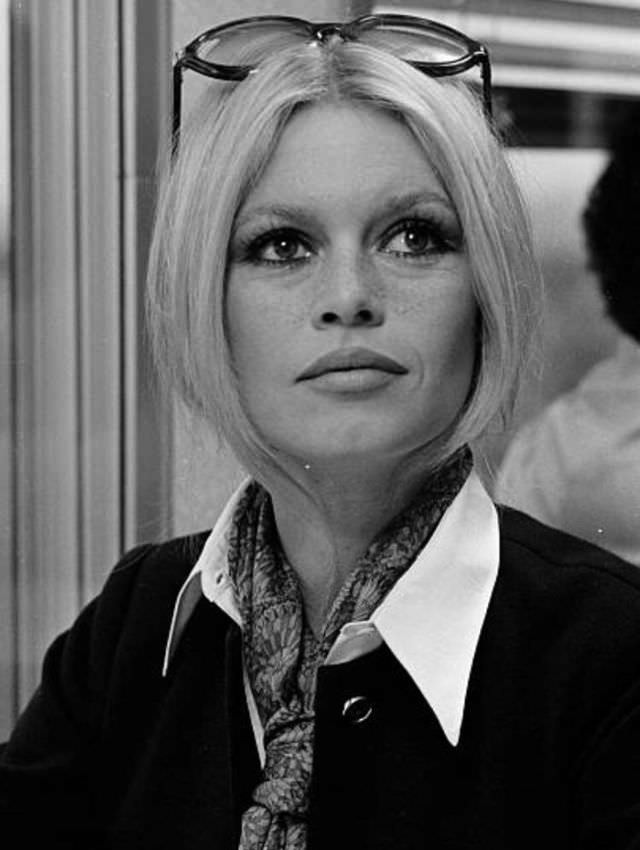
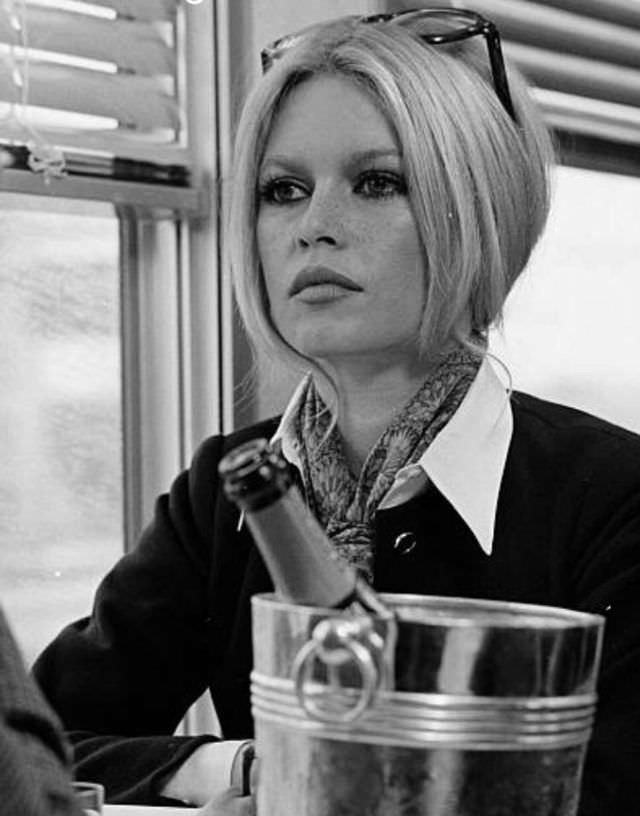
Below are more photographs from the set of ‘Les Femmes’, documenting Bardot throughout the production. They cover a range of moments — posed, candid, and everything in between — and together paint a vivid picture of where Bardot was in her career during this final chapter of her time in film.