In 1967, Audrey Hepburn took on one of the most demanding roles of her career in Wait Until Dark, a psychological thriller directed by Terence Young. The film is based on Frederick Knott’s 1966 stage play of the same name. Knott was already known for writing Dial M for Murder, so audiences and critics came in with high expectations — and the film delivered.
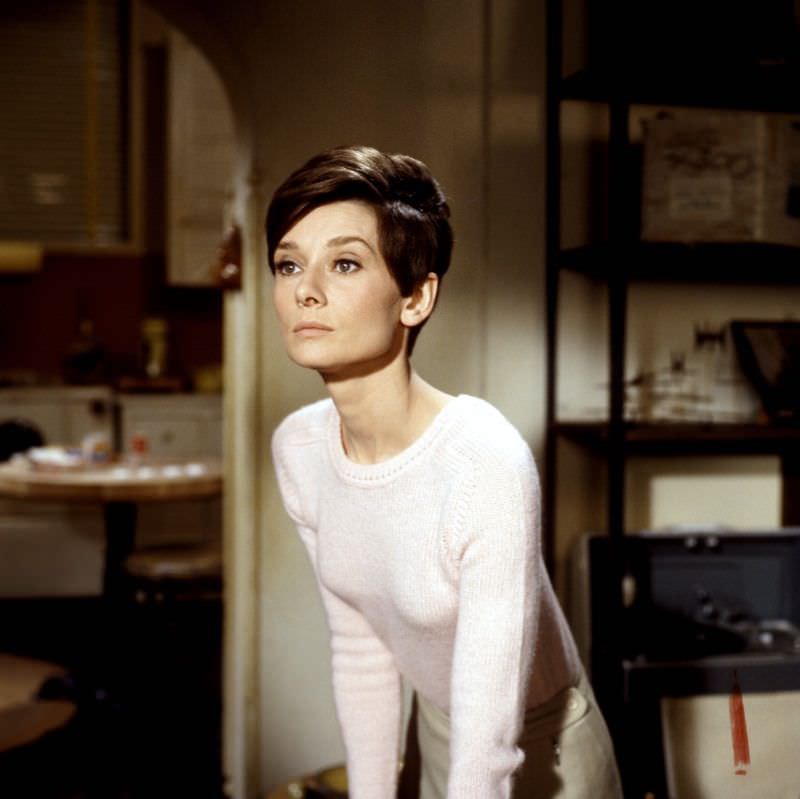
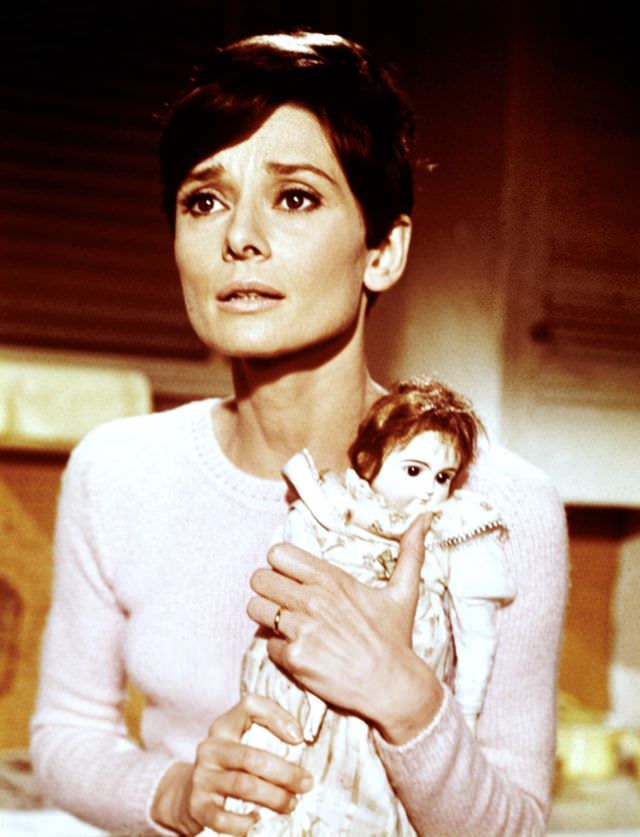
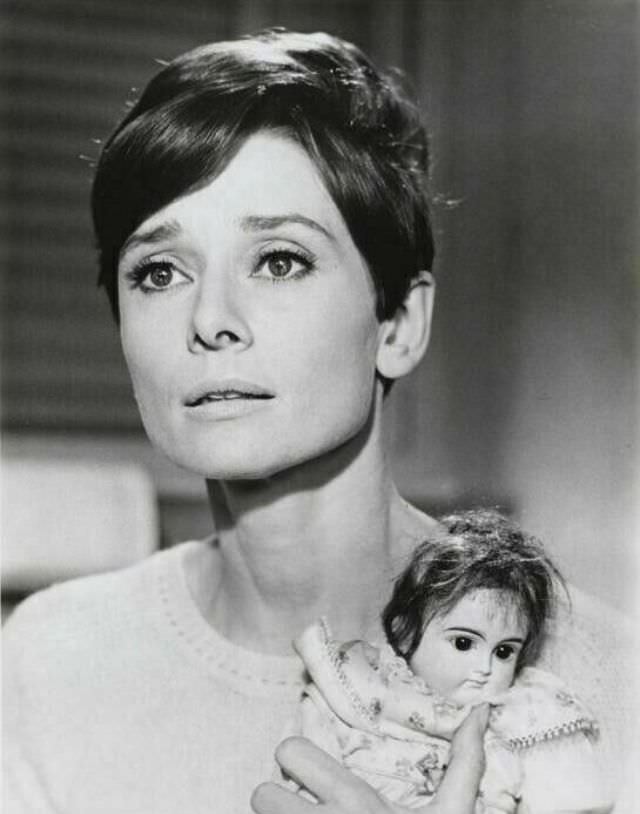
Hepburn plays Susy Hendrix, a recently blinded woman living in a Greenwich Village apartment with her husband Sam, played by Efrem Zimbalist Jr. The story kicks off when Sam unknowingly carries a heroin-stuffed doll into the country after a stranger on a plane asks him to hold it. He has no idea what’s inside, and neither does Susy.
The doll becomes the target of three dangerous criminals — Roat, Mike, and Carlino — played by Alan Arkin, Richard Crenna, and Jack Weston. Rather than break in and take the doll by force, they run an elaborate con on Susy, using her blindness against her. They feed her false stories and false identities to manipulate her into helping them find the doll without realizing what she’s doing.
Alan Arkin’s portrayal of the lead villain, Harry Roat Jr., is genuinely unsettling. He shifts between calm and explosive without warning, making every scene with him feel unpredictable. Arkin plays the role with a cold, calculated menace that stands out even against a cast of strong performers.
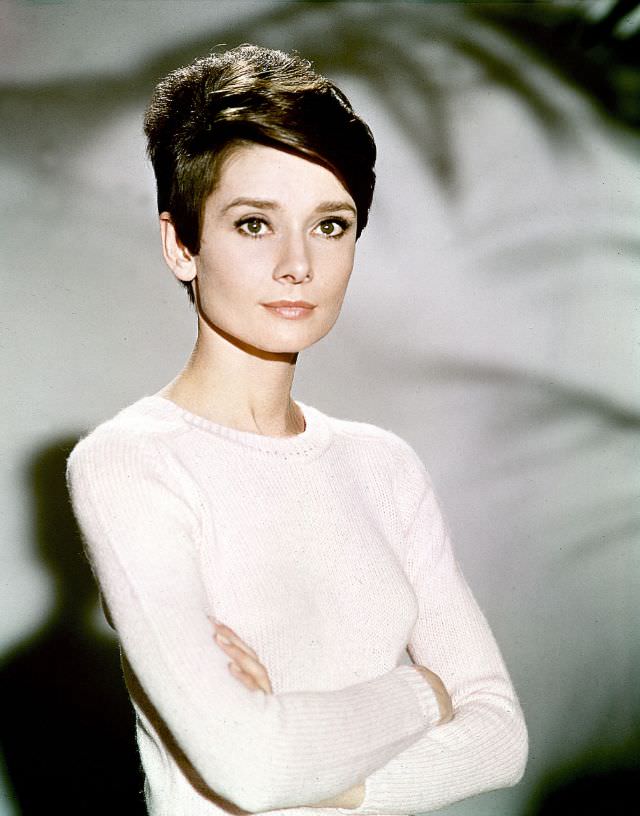
Hepburn’s performance earned her an Academy Award nomination for Best Actress. To prepare for the role, she studied with organizations that worked with blind people, learning how someone who has recently lost their sight moves through a familiar space. On screen, she never once looks like she’s acting blind — every movement feels earned and real.
Efrem Zimbalist Jr. won a Golden Globe for his supporting role as Sam Hendrix. His character is largely absent during the film’s central tension, which is exactly the point — Susy is completely alone when things turn dangerous, with no one to call for help.
Young actress Julie Herrod plays Gloria, the girl next door who becomes an unlikely ally to Susy. She’s one of the few characters in the film who is genuinely on Susy’s side, and her scenes with Hepburn add warmth to an otherwise cold and threatening story.
The film is set almost entirely within Susy’s small basement apartment. That tight, closed-in space becomes its own character. Director Terence Young uses it to build a suffocating sense of dread. There’s nowhere for Susy to run, and the audience knows it long before she does.
The final act of the film is what most people remember. Susy figures out she’s being deceived and takes control of the one advantage she has — darkness. She systematically destroys every light source in the apartment, putting herself and her attacker on equal footing. It’s a gripping sequence that holds up decades later.
Wait Until Dark was a major box office success when it was released in October 1967. It grossed over $10 million domestically, making it one of the top-earning films of that year. Critics praised it for its tightly wound script and the strength of its lead performance.
Henry Mancini composed the film’s score, adding another layer of tension to an already nerve-wracking story. Mancini had previously worked with Hepburn on Breakfast at Tiffany’s, and their collaboration here produced a soundtrack that underlines the danger without overpowering the scenes.
Jack Weston plays Carlino, one of the two criminals working under Roat. Weston brings a nervous, sweating energy to the role that contrasts sharply with Arkin’s calm coldness. The dynamic between the criminals adds a layer of unpredictability — they’re not a united front, which makes the situation even more volatile.
Richard Crenna plays Mike Talman, a criminal who poses as an old friend of Sam’s to gain Susy’s trust. Crenna plays the role with just enough warmth to make the deception convincing, which is exactly what makes his character so effective in the story.
The screenplay was adapted by Robert and Jane-Howard Carrington. They kept the story close to the original play but made adjustments that helped it work on screen. The confined setting translates well from stage to film, and the script keeps the audience’s information level carefully calibrated — you know just enough to feel dread, but not enough to feel safe.
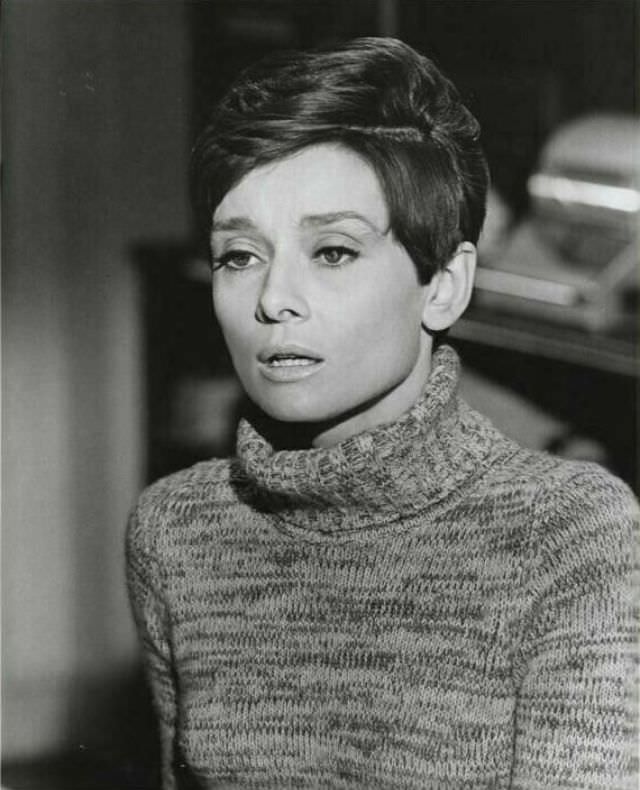
Hepburn was 38 years old during filming and had recently taken a break from acting to focus on her family. Wait Until Dark marked her return to the screen, and she came back with a performance that was sharper and more intense than much of her earlier work. The role required physical and emotional commitment at every level.
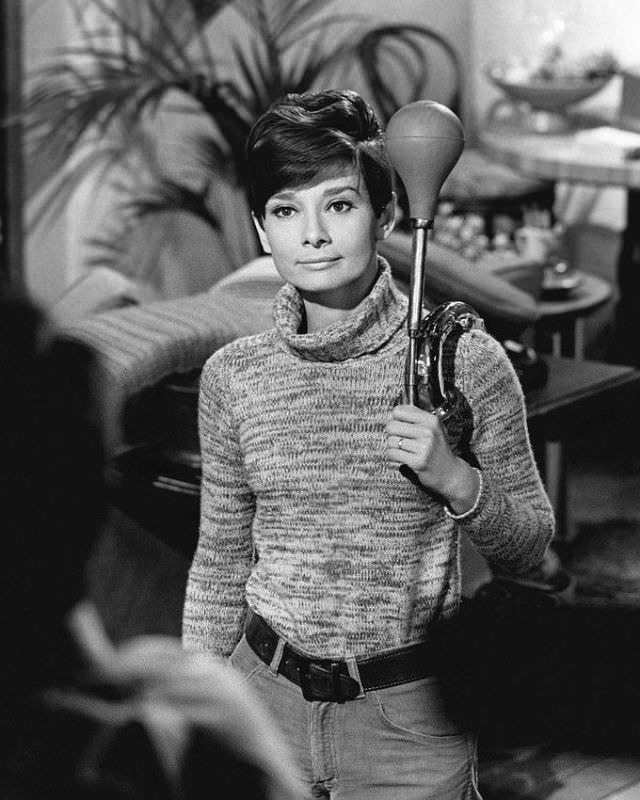
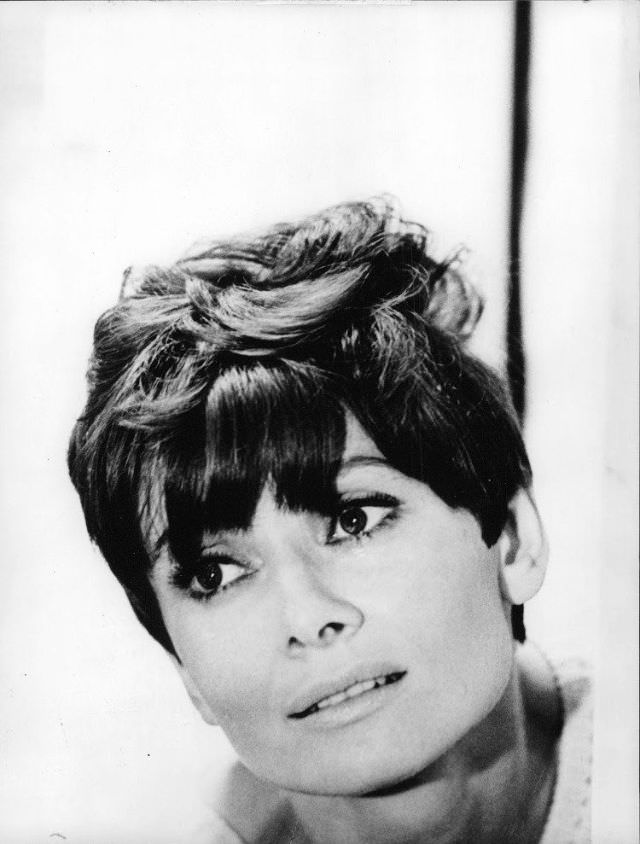
One of the most talked-about moments in the film is a sudden scare near the end that reportedly caused audiences to scream out loud in theaters. It became so well known that theater owners were asked to manage audience reactions at the door. That single moment became a piece of movie history.
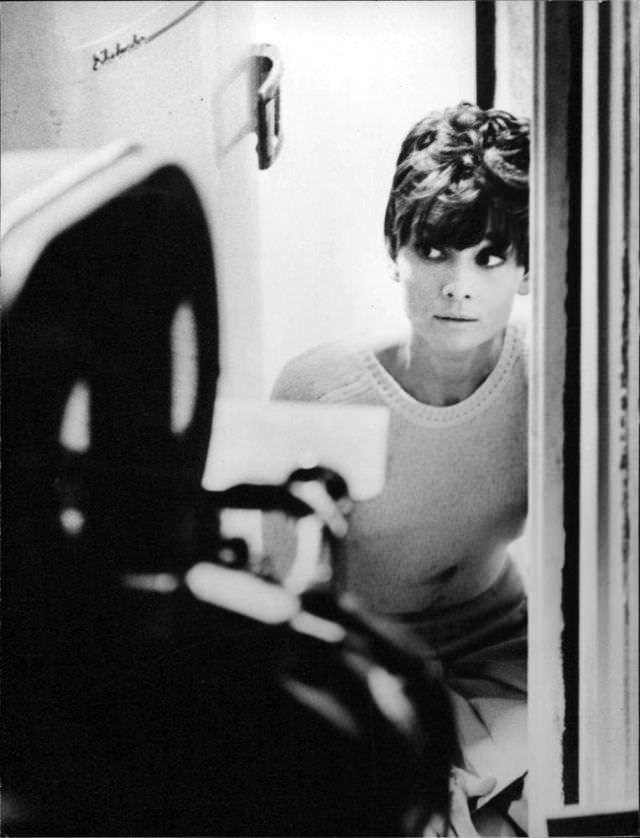
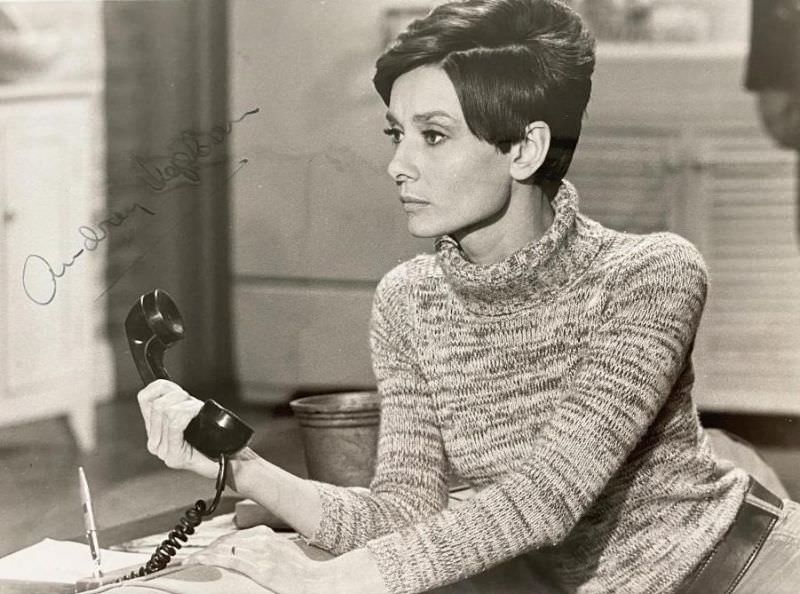
The film’s cinematography was handled by Charles Lang, who used the apartment’s layout and lighting — or lack of it — to create a visual language that matched the story’s themes. As Susy loses control of her situation, the frame gets darker. When she takes control, so does the darkness itself.
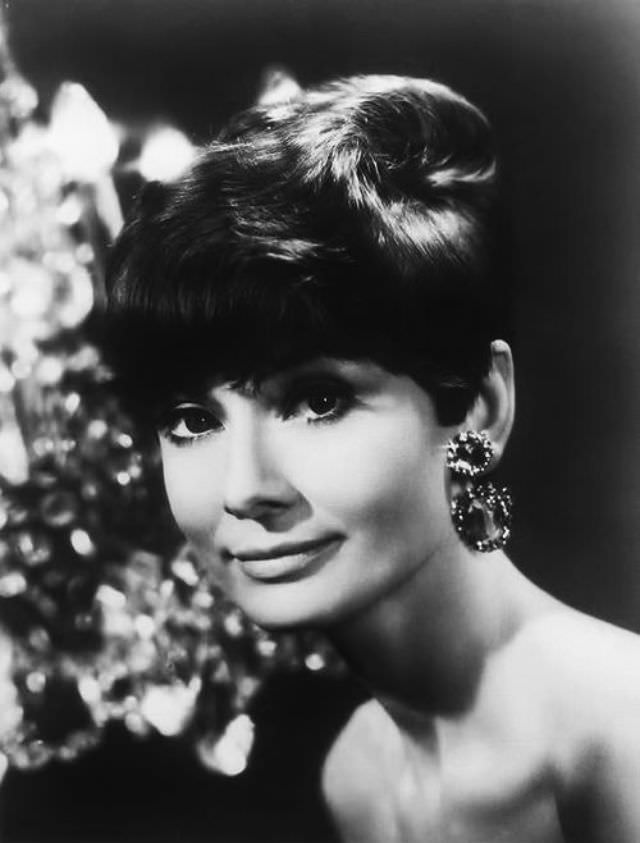
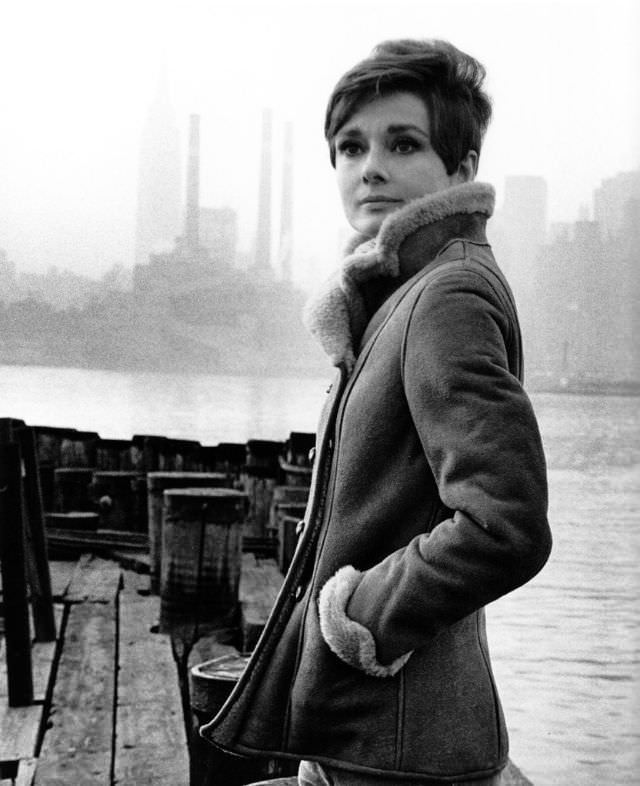
The heroin-stuffed doll at the center of the plot was not a random detail — drug smuggling via everyday objects was a real and growing concern in the late 1960s. The film tapped into anxieties that audiences of the time recognized, giving the story a grounded, realistic edge beneath its thriller surface.
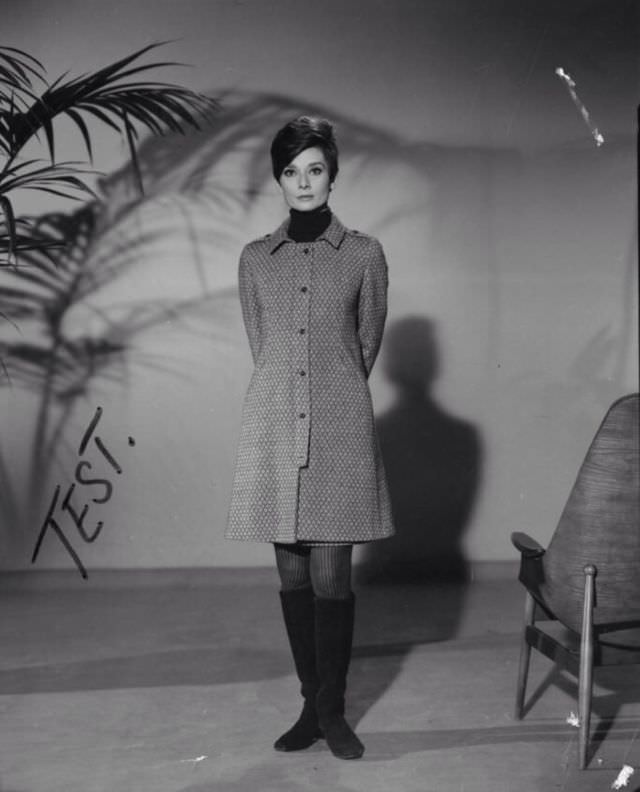
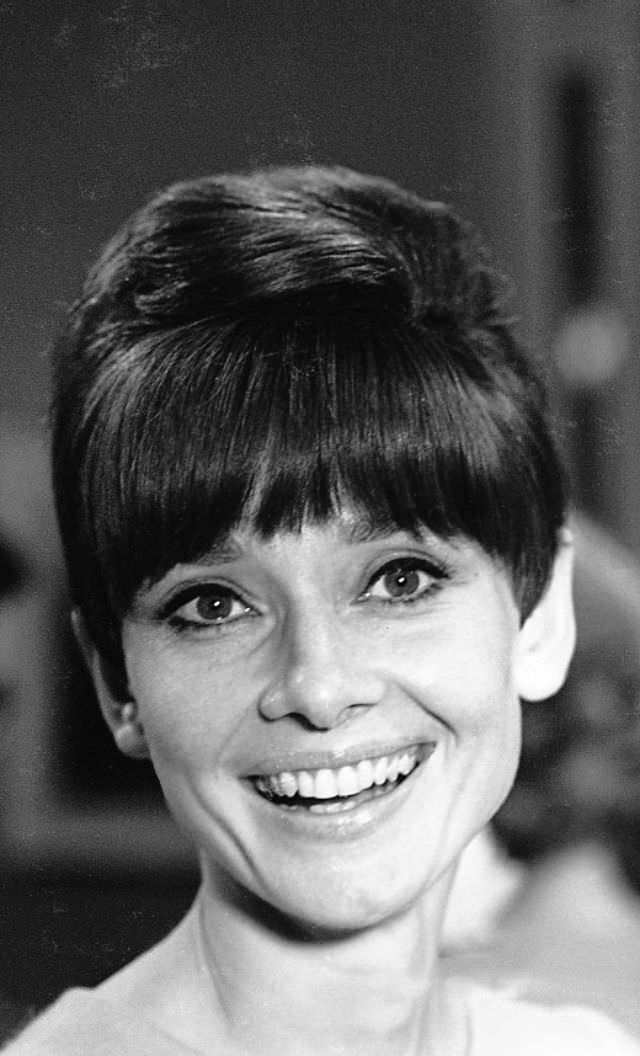
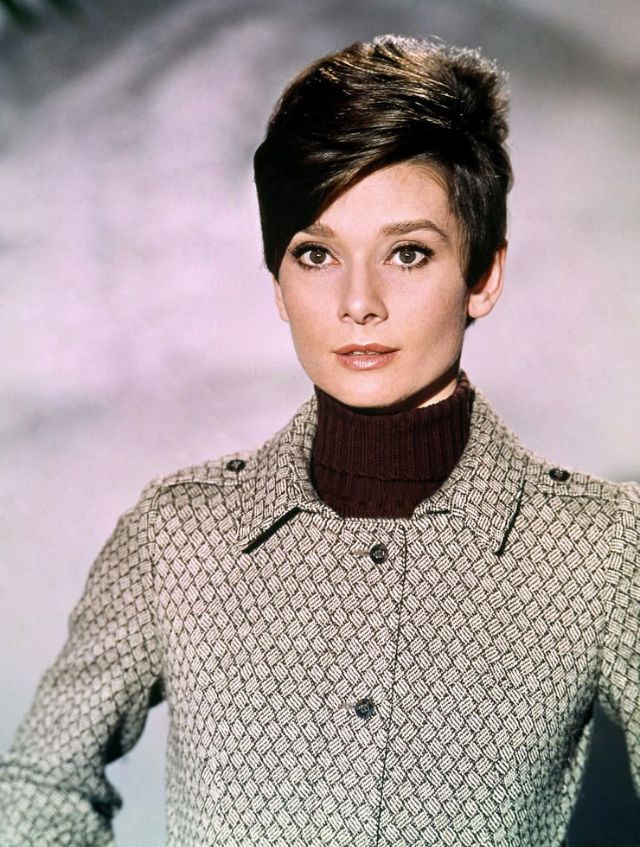
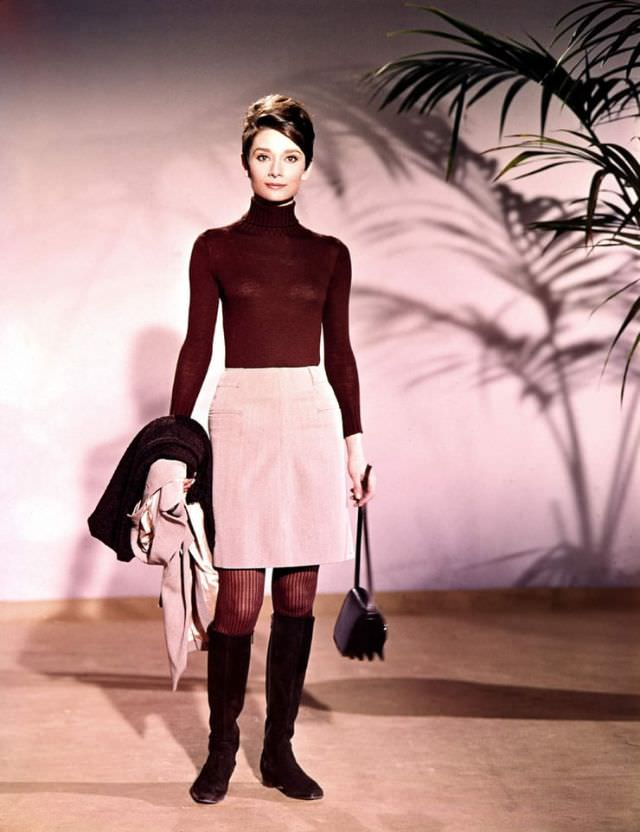
Hepburn wore simple, practical clothing throughout the film — a deliberate choice to reflect the way Susy, as a blind woman, would dress. There’s no glamour in her appearance here. It was a conscious break from the elegant, fashion-forward roles she was known for, and it served the character completely.
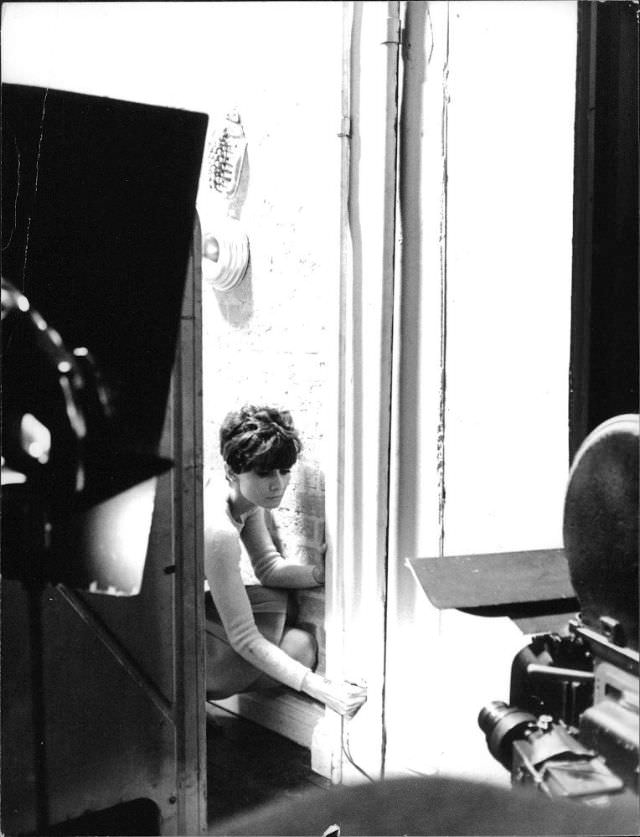
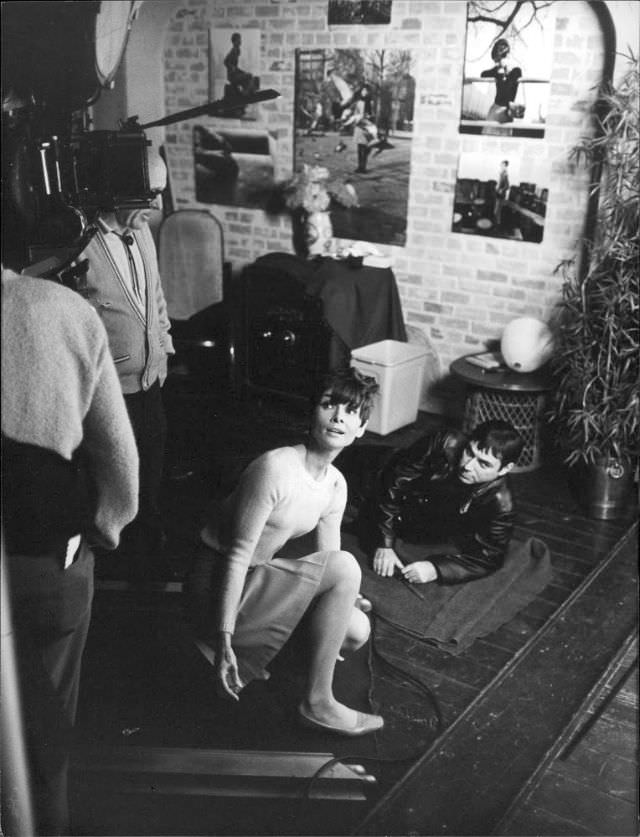
The production took place on studio sets built to match the look of a real Greenwich Village basement apartment. The crew constructed the set so that cameras could shoot from multiple angles without losing the claustrophobic feel of the space. Every inch of the set was used to maximum effect.
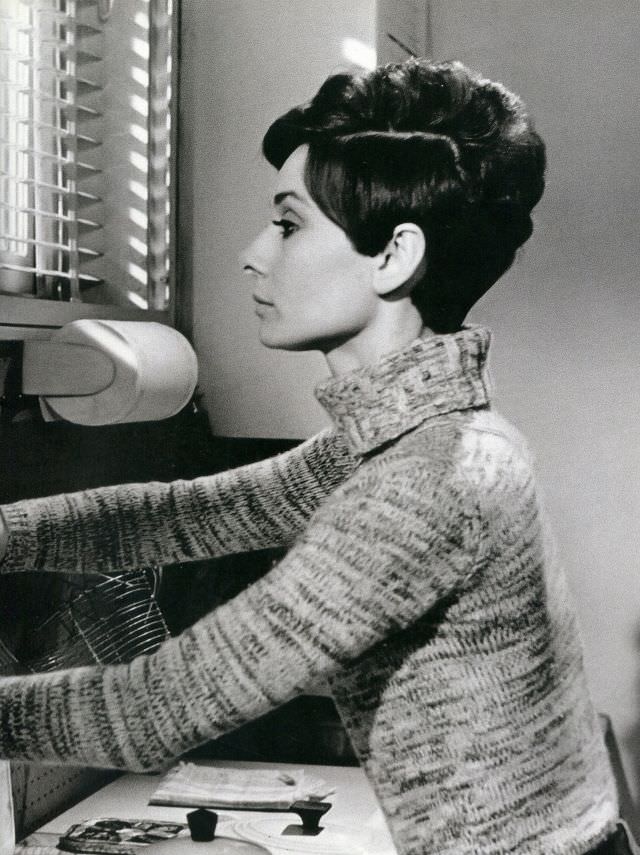
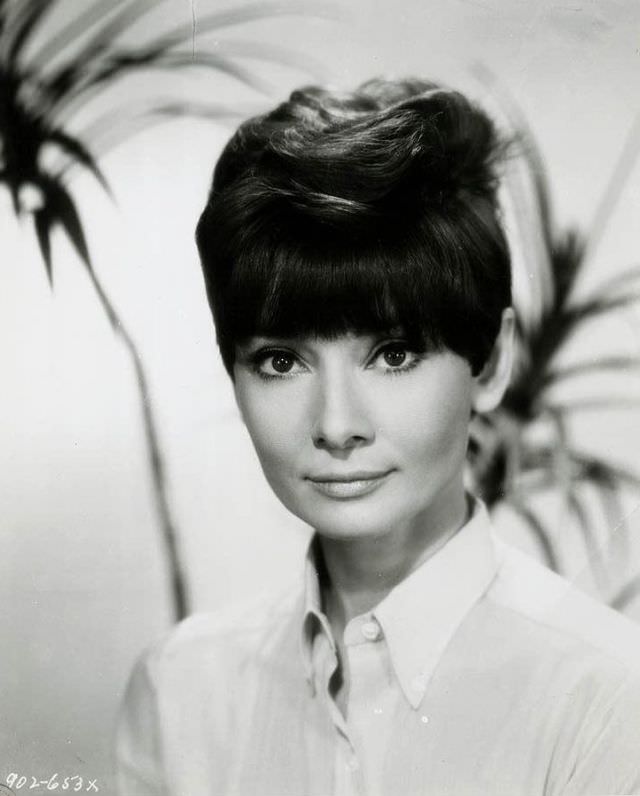
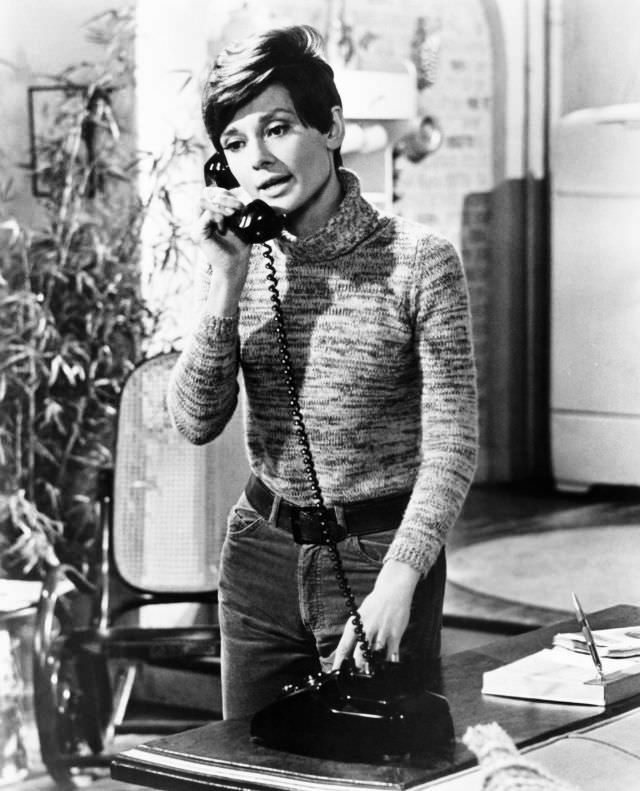
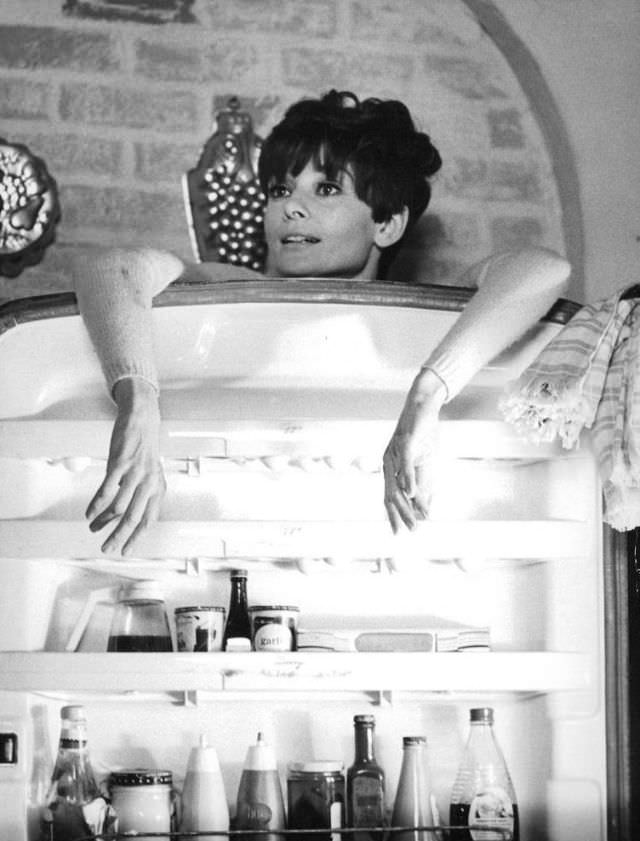
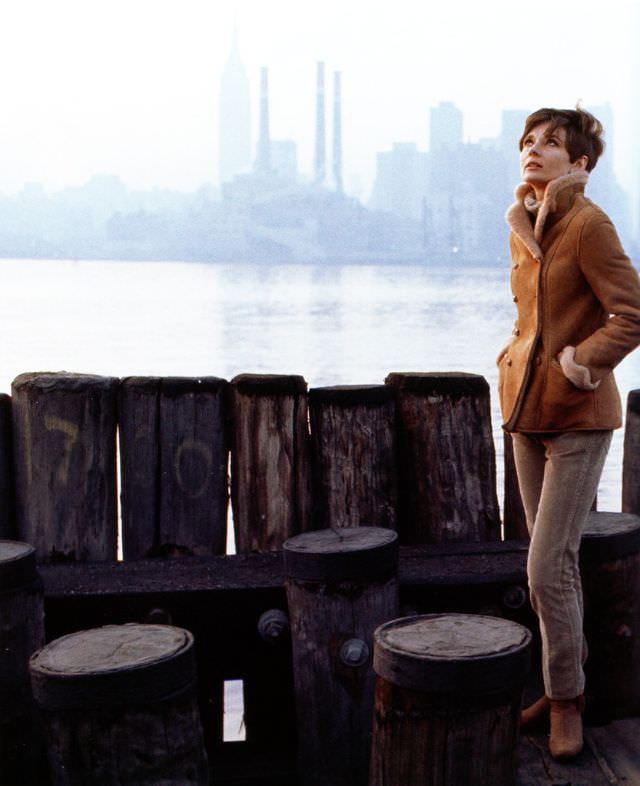
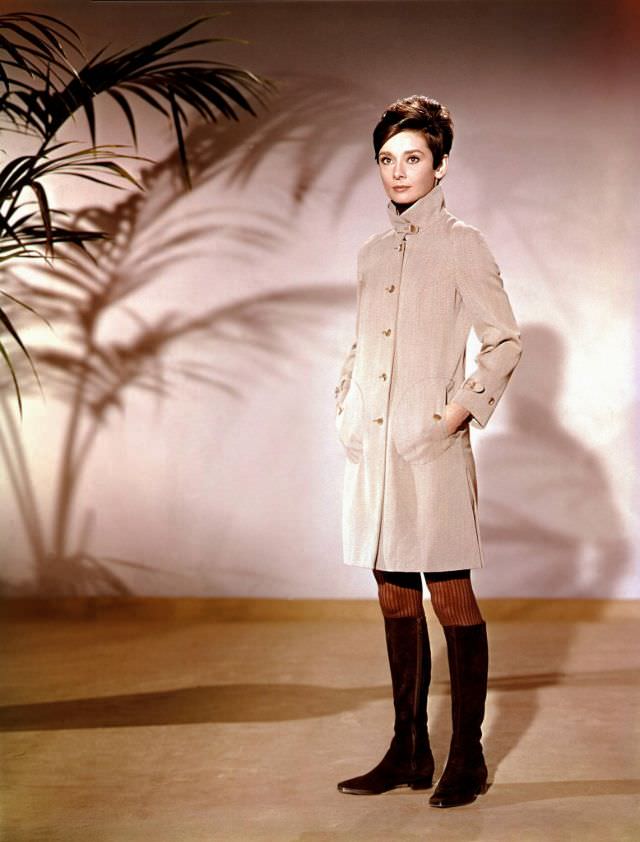
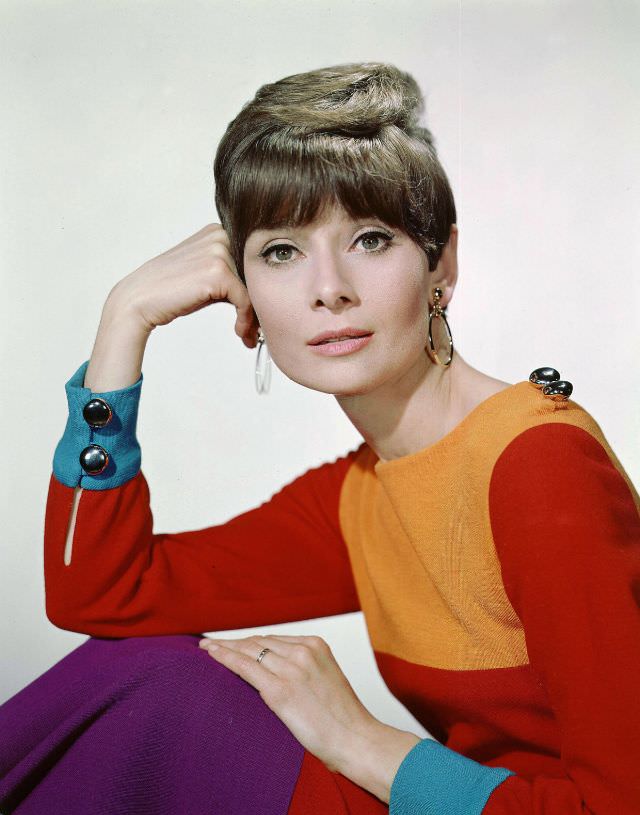
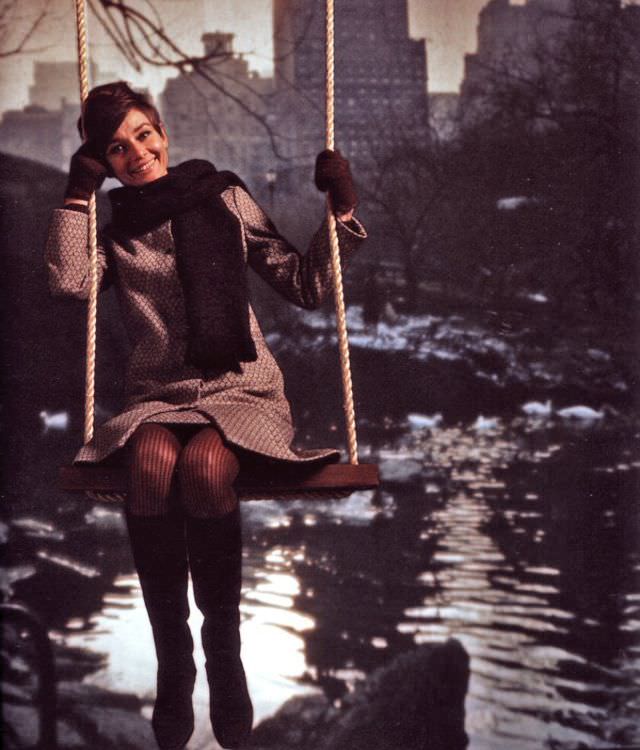
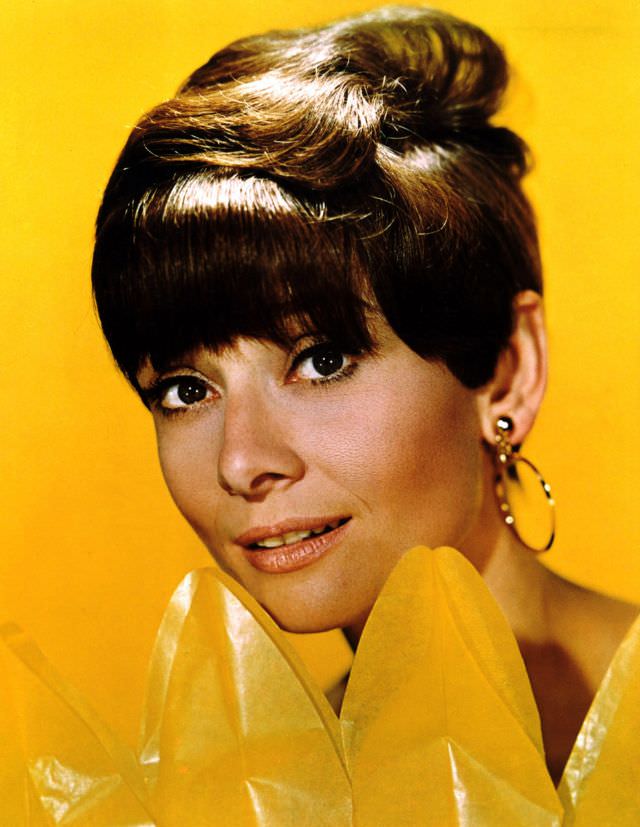
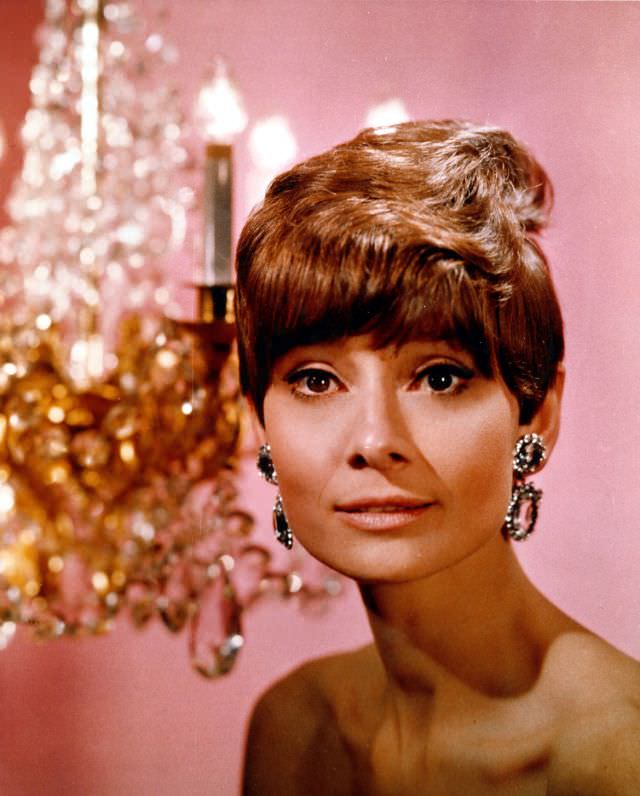
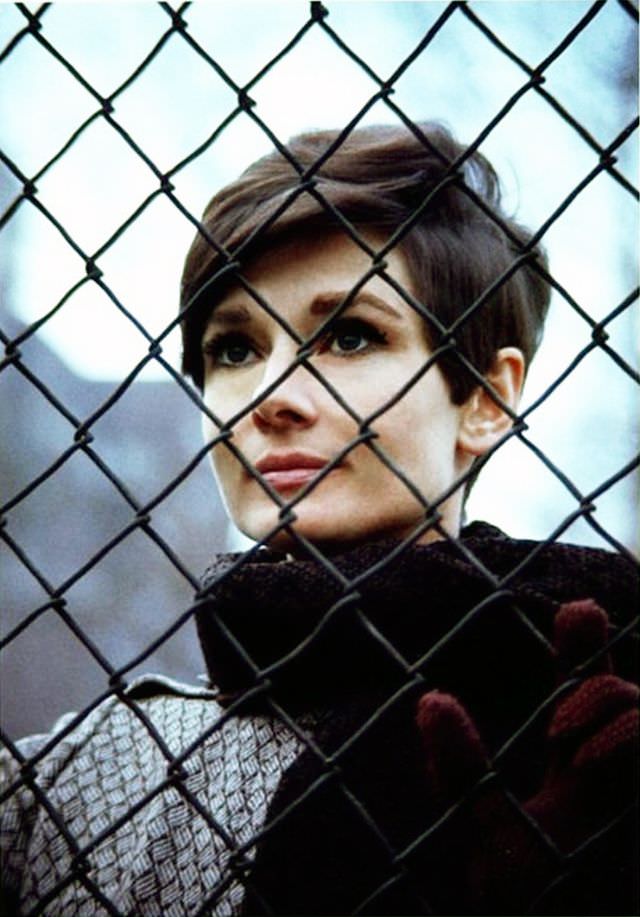
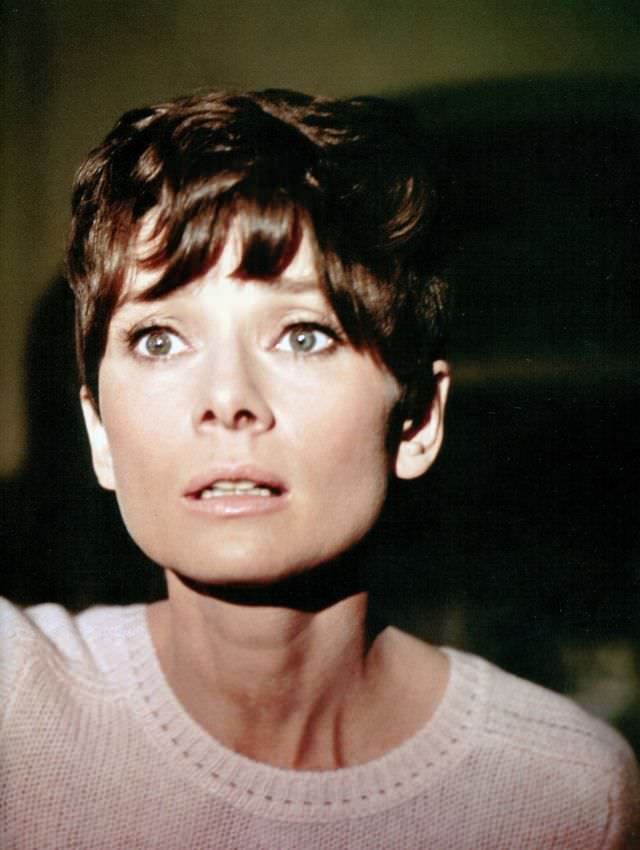
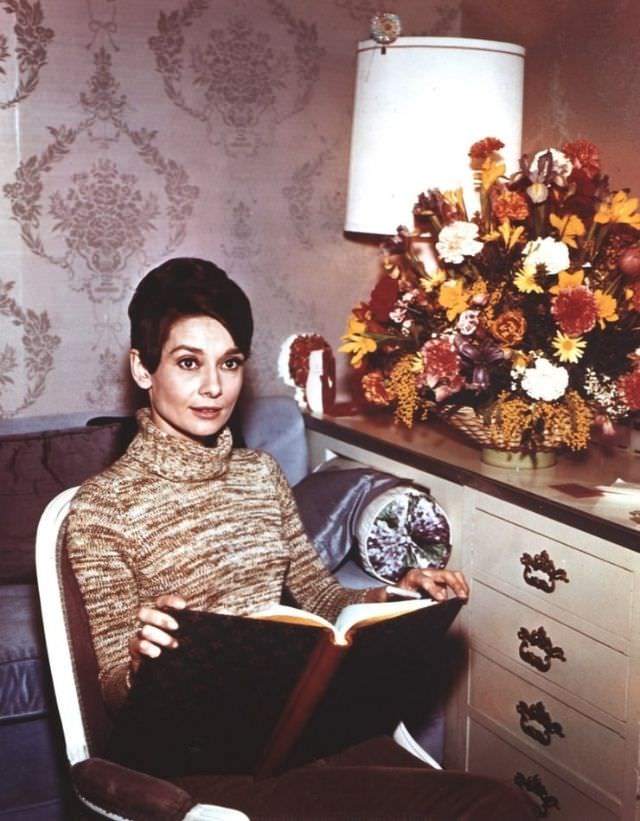
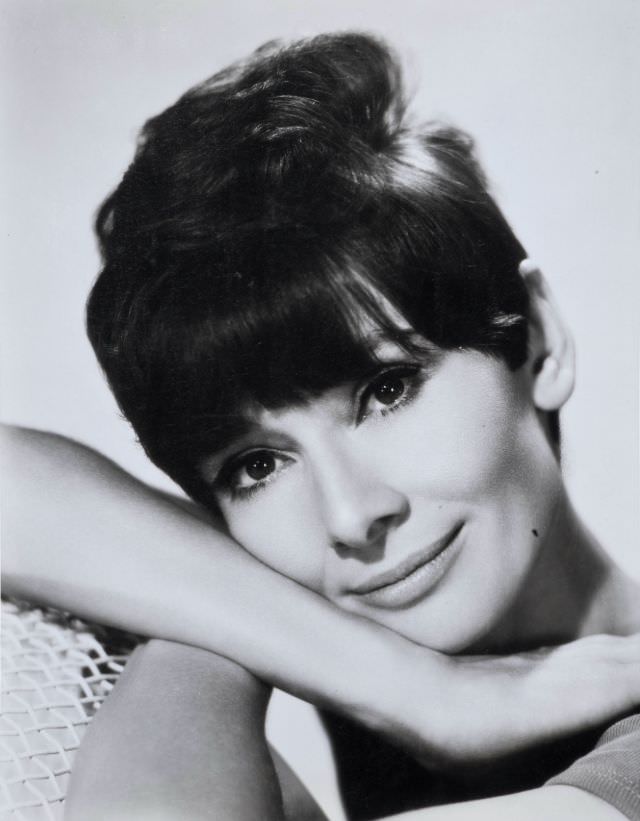
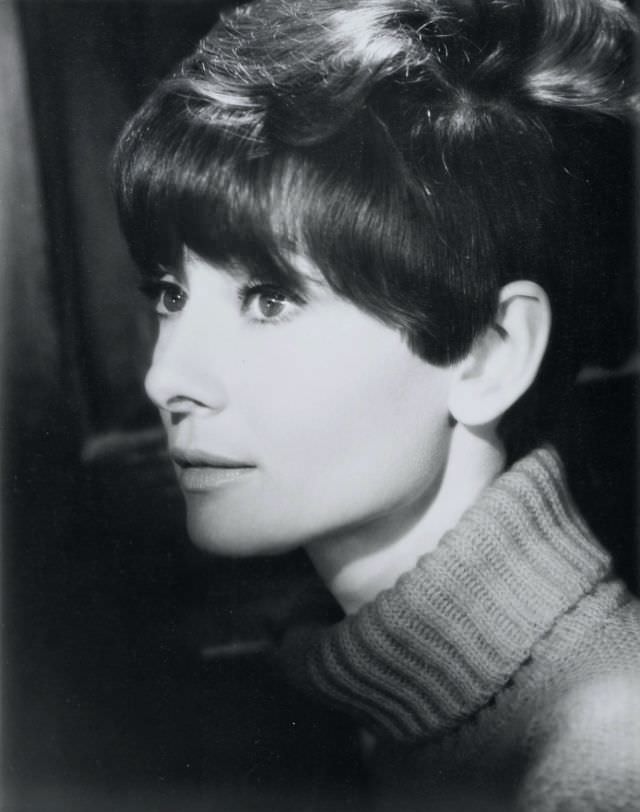
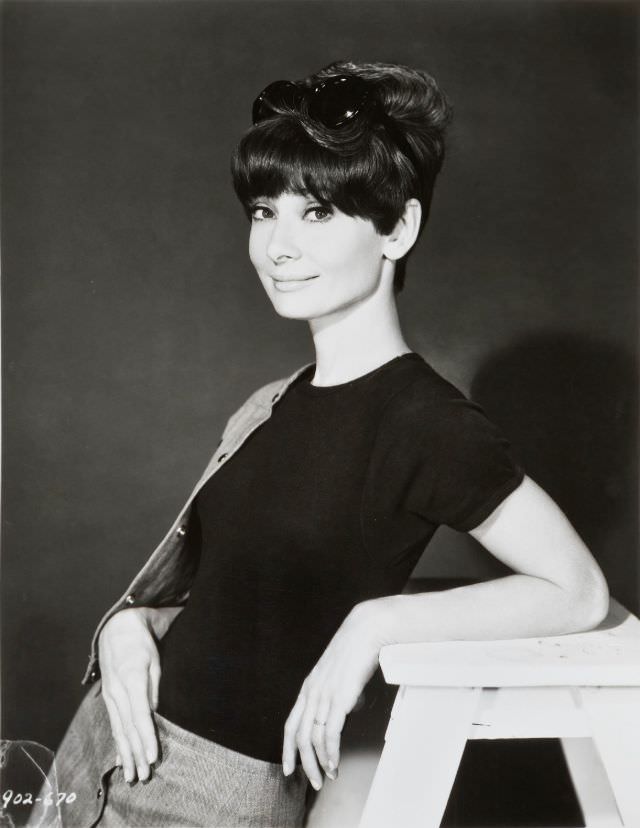
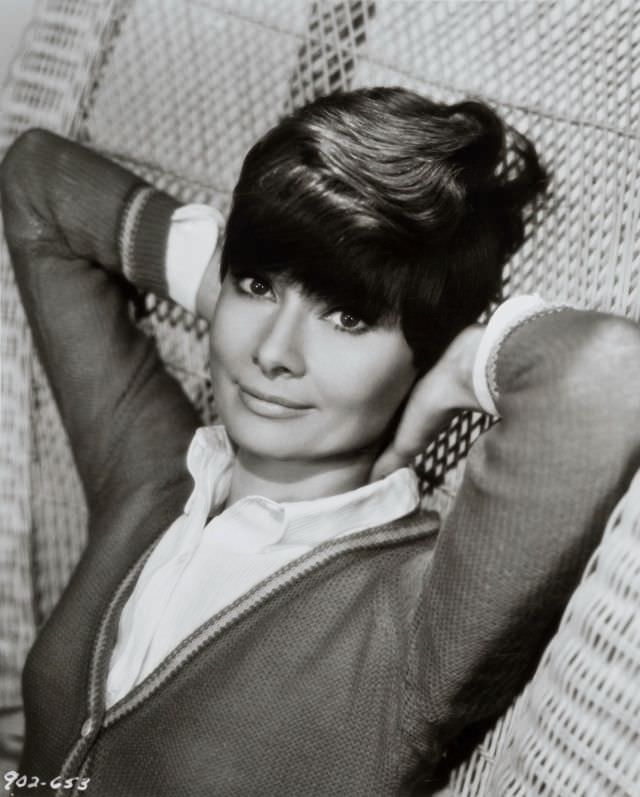
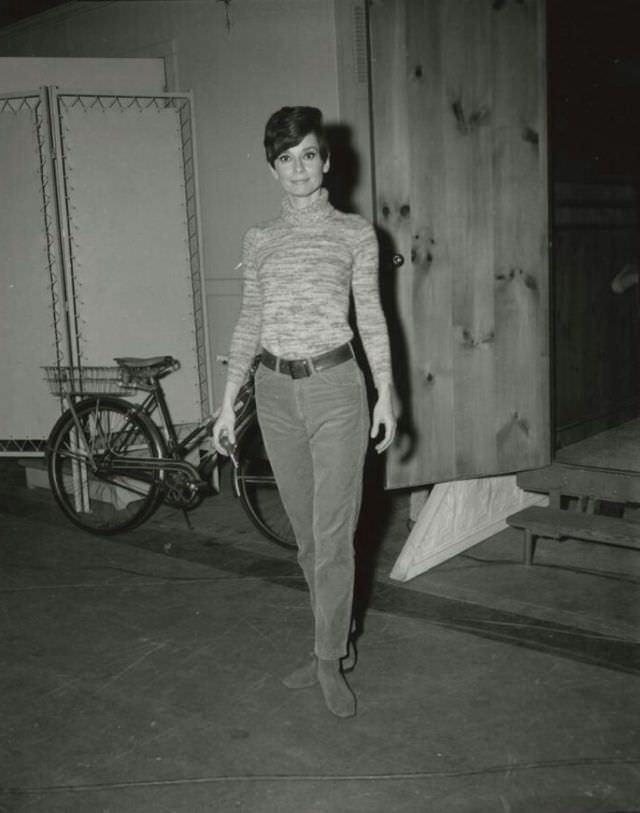
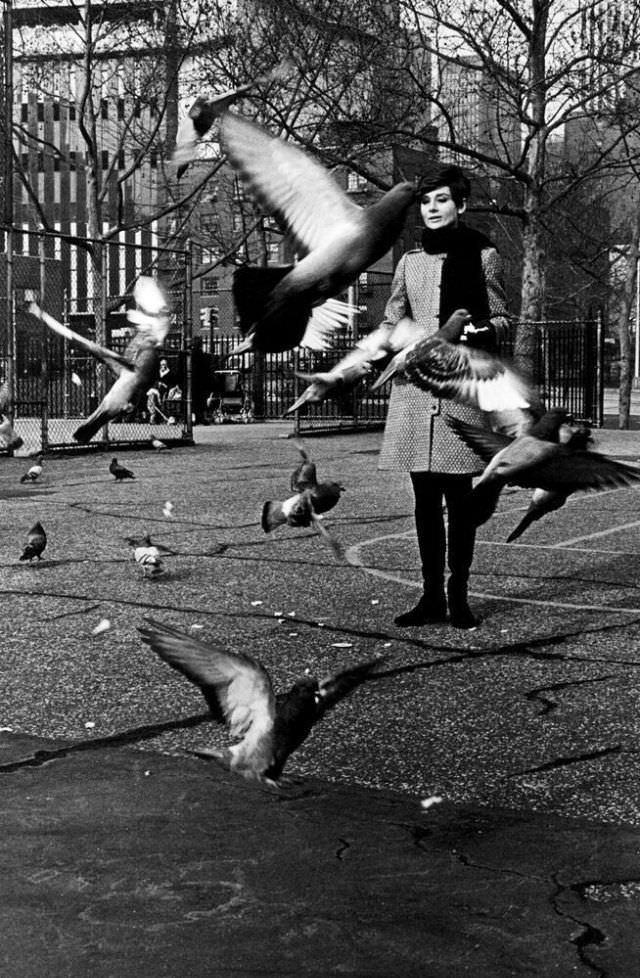
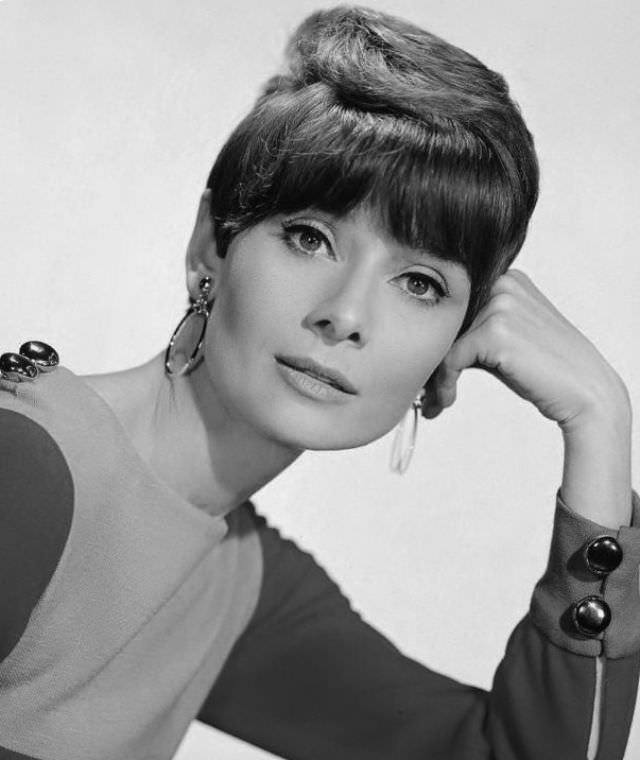
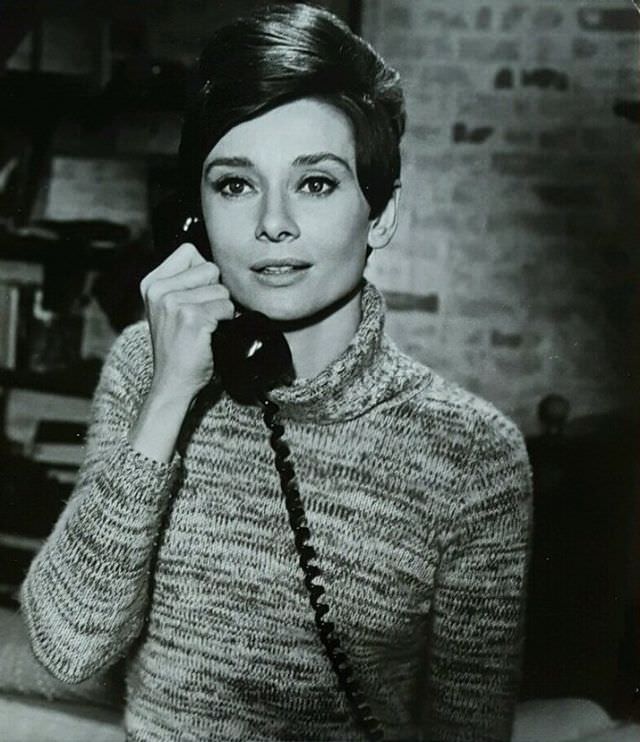
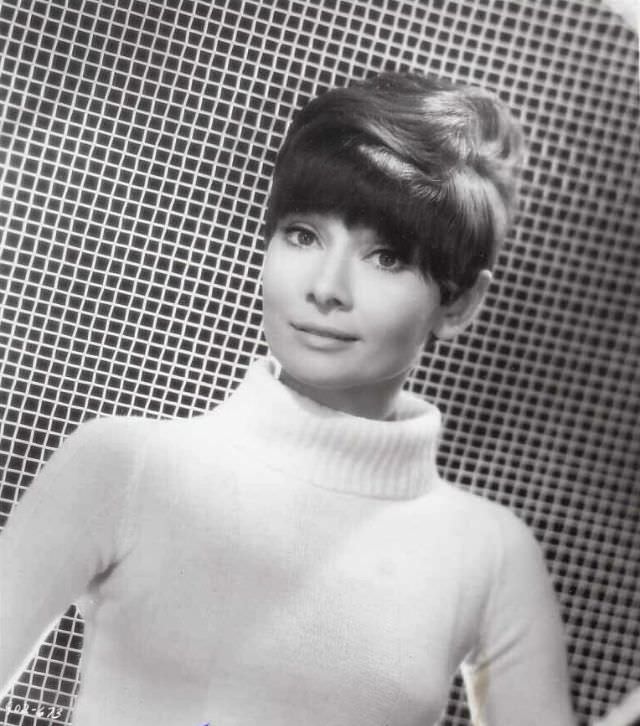
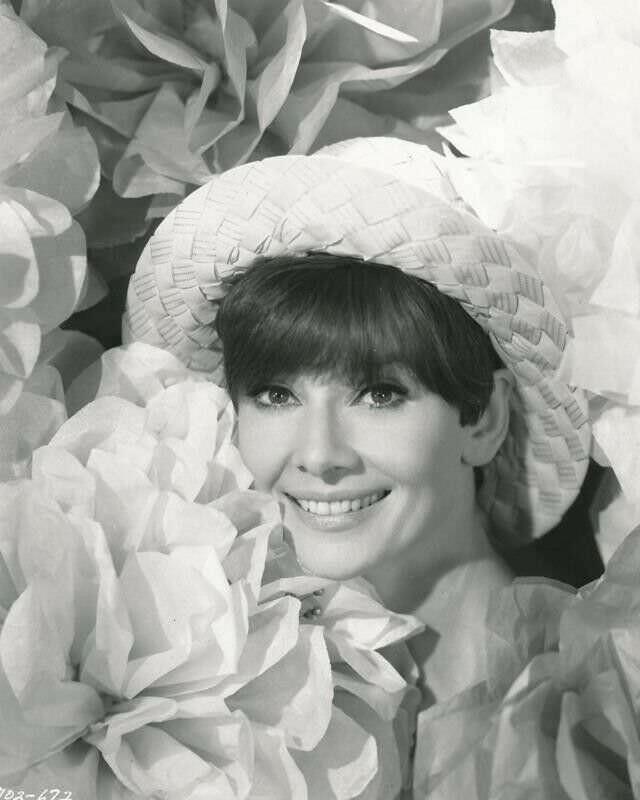
Below is a collection of fabulous photos taken of Audrey Hepburn during the filming of Wait Until Dark. They offer a rare look at one of Hollywood’s most celebrated actresses at work on one of her most physically and emotionally demanding roles.