Doreen Spooner is widely recognized as the first female photographer to work for a British national newspaper. She joined the Daily Mirror in 1962, driven by financial necessity after her marriage to an alcoholic husband left her in serious need of income. Over a career stretching from the late 1940s through the 1990s, she built a reputation as one of Britain’s most respected press photographers and became a feminist icon in a profession almost entirely dominated by men.
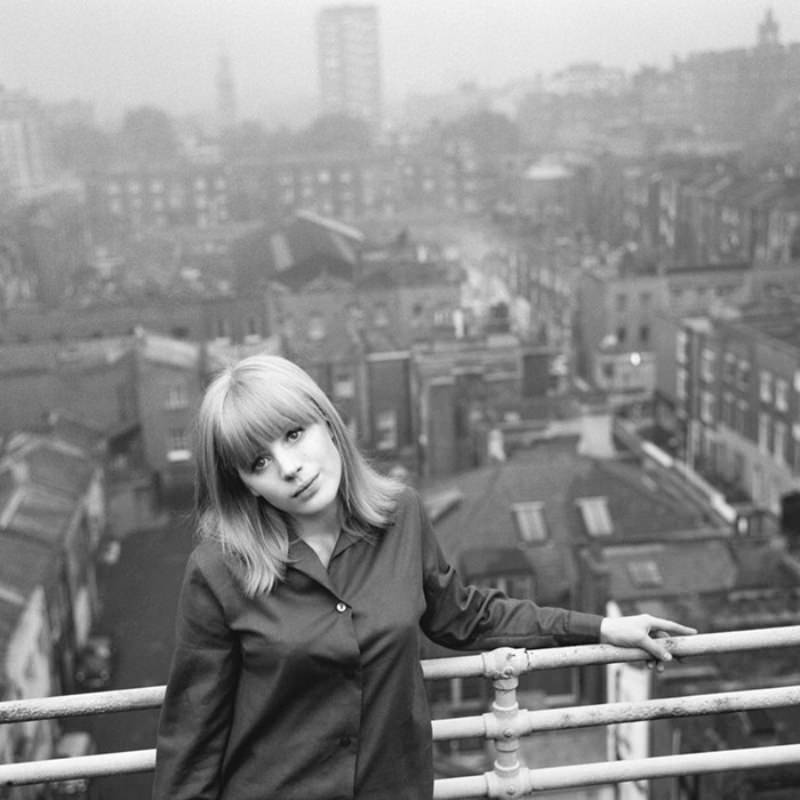
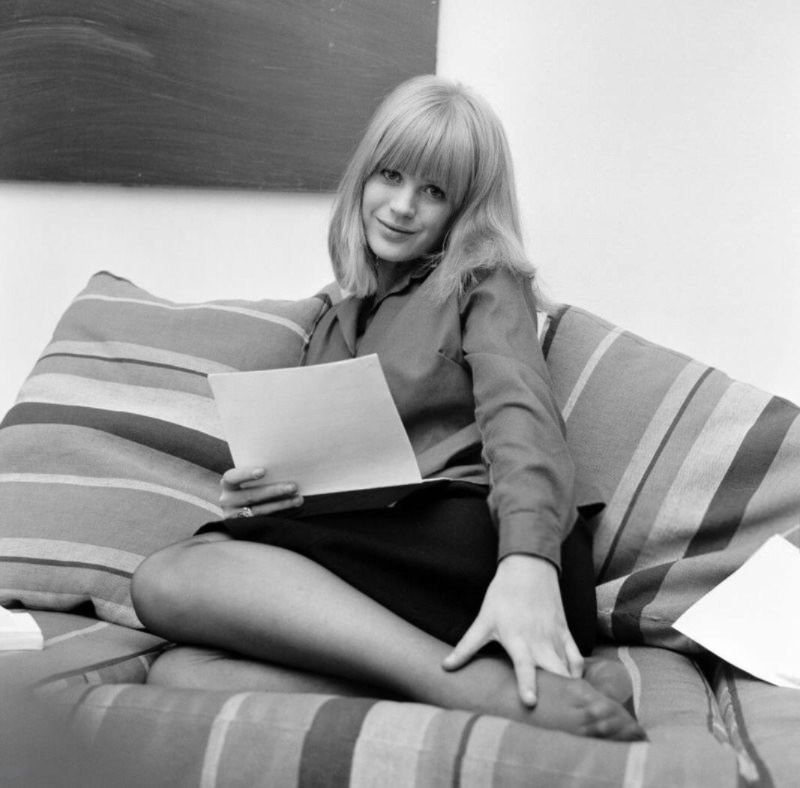
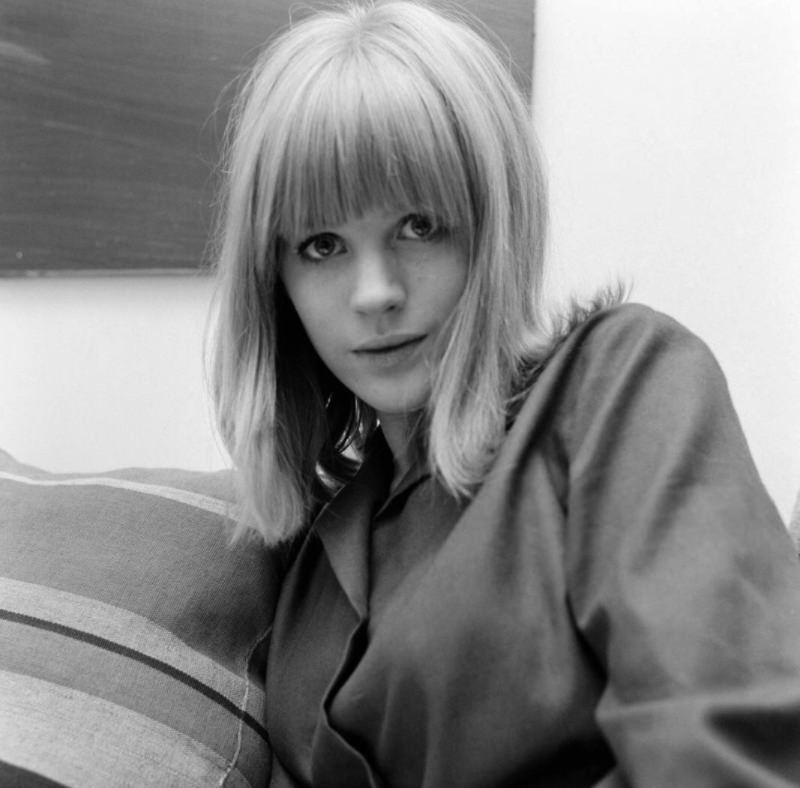
On October 31, 1964, Spooner turned her lens on a young Marianne Faithfull inside Faithfull’s London flat. Faithfull was just 18 years old at the time and had released her debut single, “As Tears Go By,” only a few months earlier in the summer of that year. The song reached number nine on the UK charts and made her an immediate presence in the British pop scene.
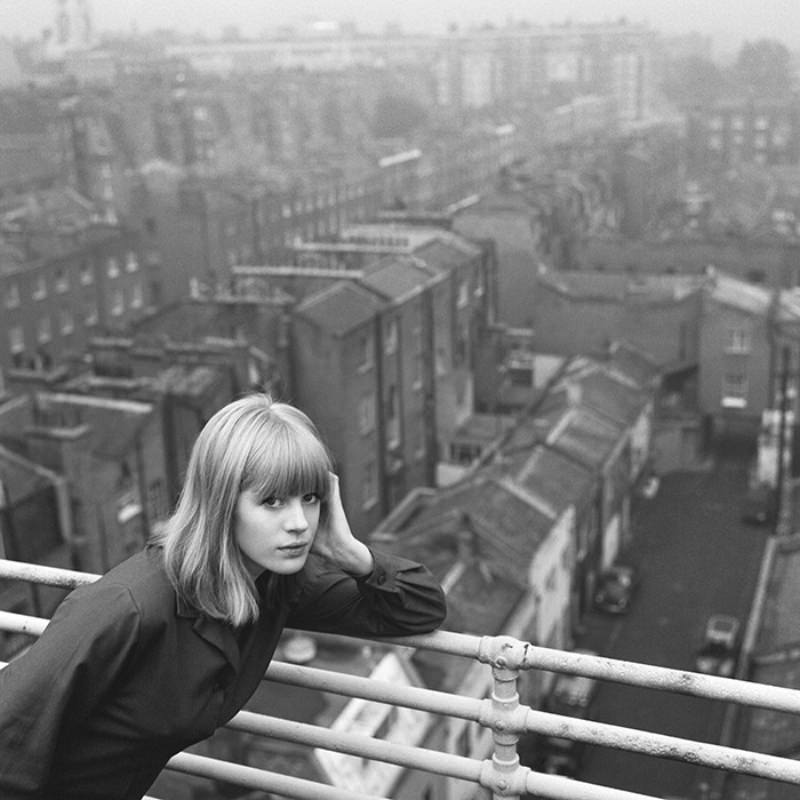
Spooner photographed Faithfull entirely in black and white, which suited both her documentary style and the intimate setting of a private home. The images capture Faithfull at a specific and fleeting moment — the very beginning of a public life, before the full weight of fame had set in. There is a naturalness to the photographs that Spooner was known for drawing out of her subjects.
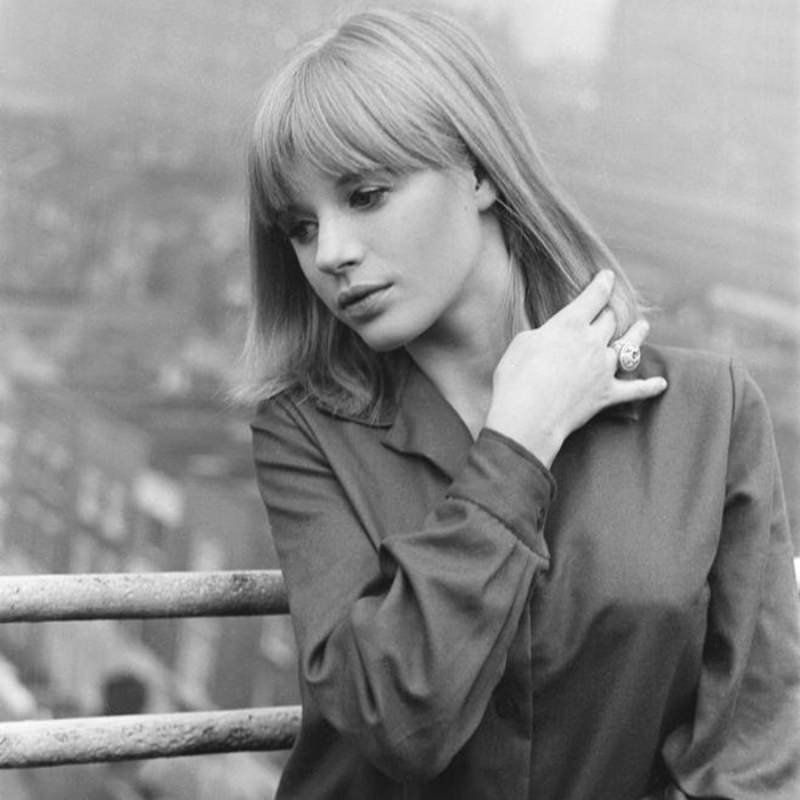
Spooner’s access to subjects like Faithfull reflected the Daily Mirror’s appetite for celebrity portraiture in 1960s Britain. London in 1964 was at the center of a cultural shift — music, fashion, and youth identity were all changing at once. Faithfull was part of that shift, connected to the Rolling Stones’ circle through her manager Andrew Loog Oldham, who had discovered her at a party earlier that year.
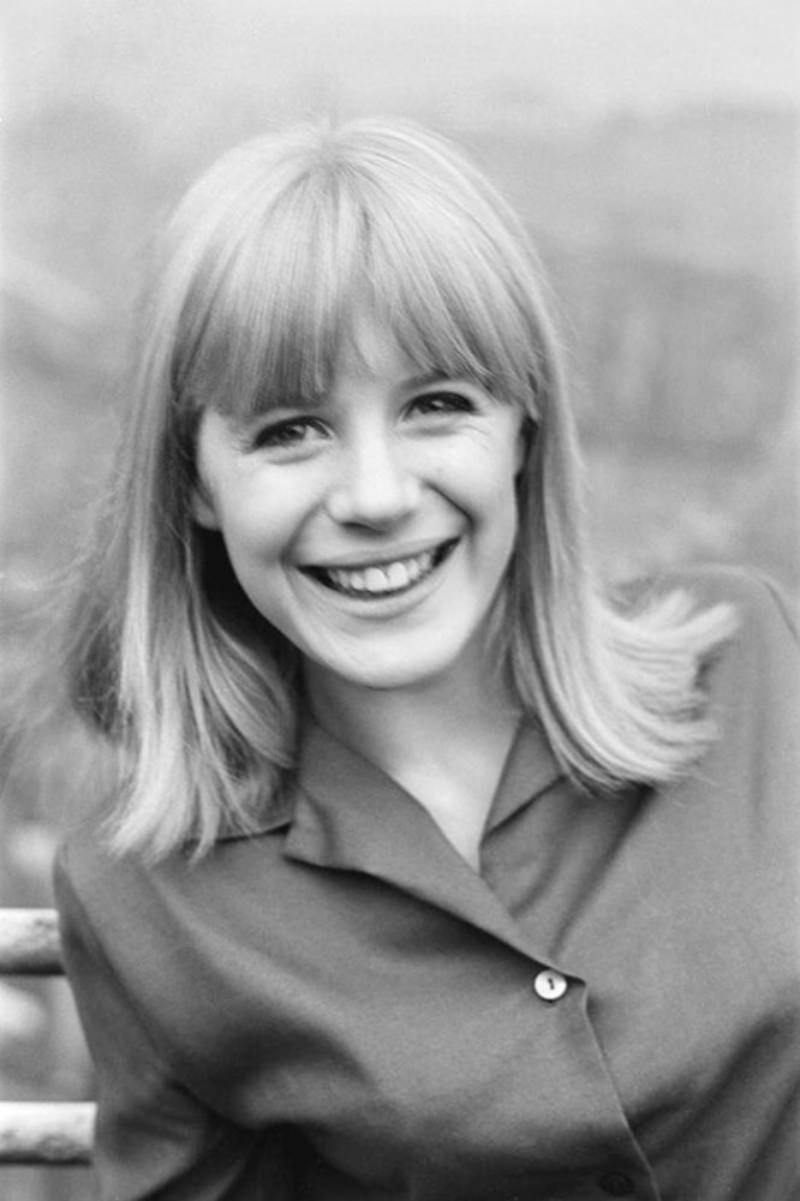
What makes Spooner’s work distinctive is the lack of artifice. She did not rely on elaborate studio setups or heavy direction. Shooting in Faithfull’s own flat gave the photographs a lived-in quality, placing the subject in a real space rather than a constructed one. The result is a set of images that feel like a genuine glimpse into a young woman’s life rather than a staged press shoot.
Spooner continued working for the Daily Mirror for decades, photographing politicians, royals, and cultural figures across some of Britain’s most eventful years. Her career proved that women could operate at the highest level of press photography, even when the industry gave them little room to do so. These photographs of Faithfull stand as a small but clear example of her skill — a sharp eye, a steady hand, and the ability to make a subject feel entirely at ease.