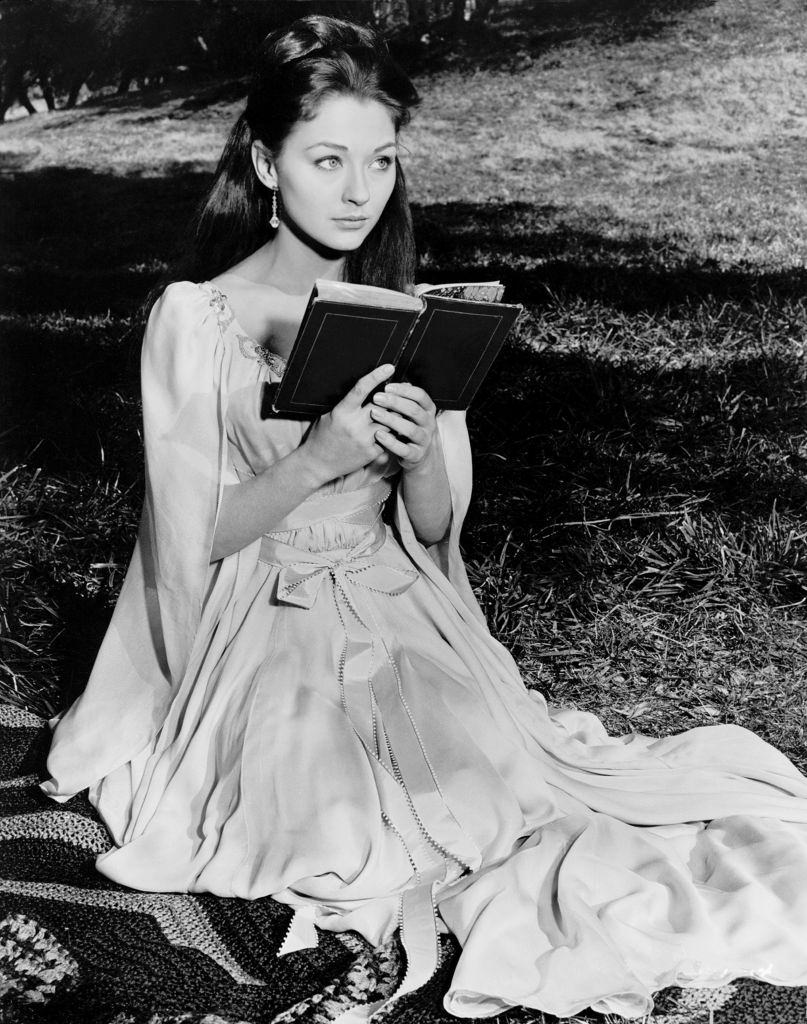
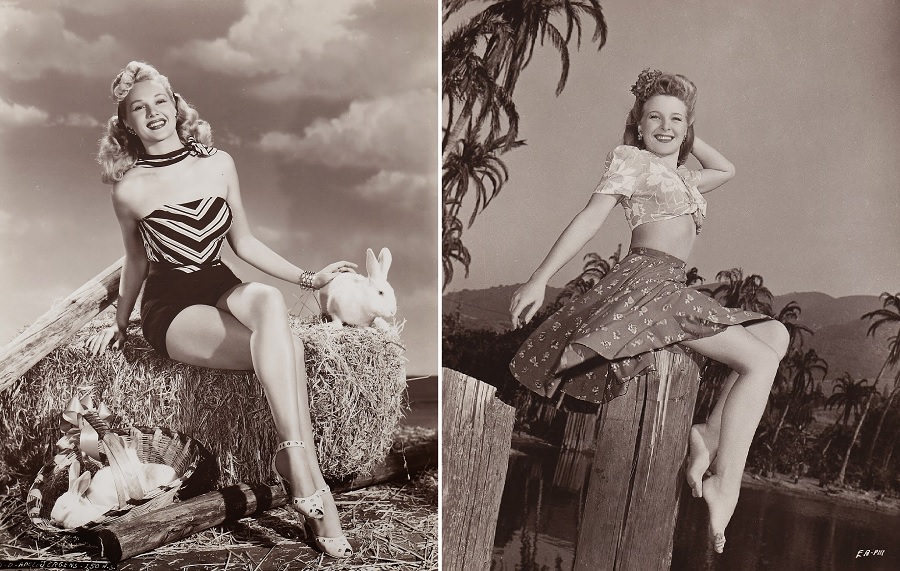
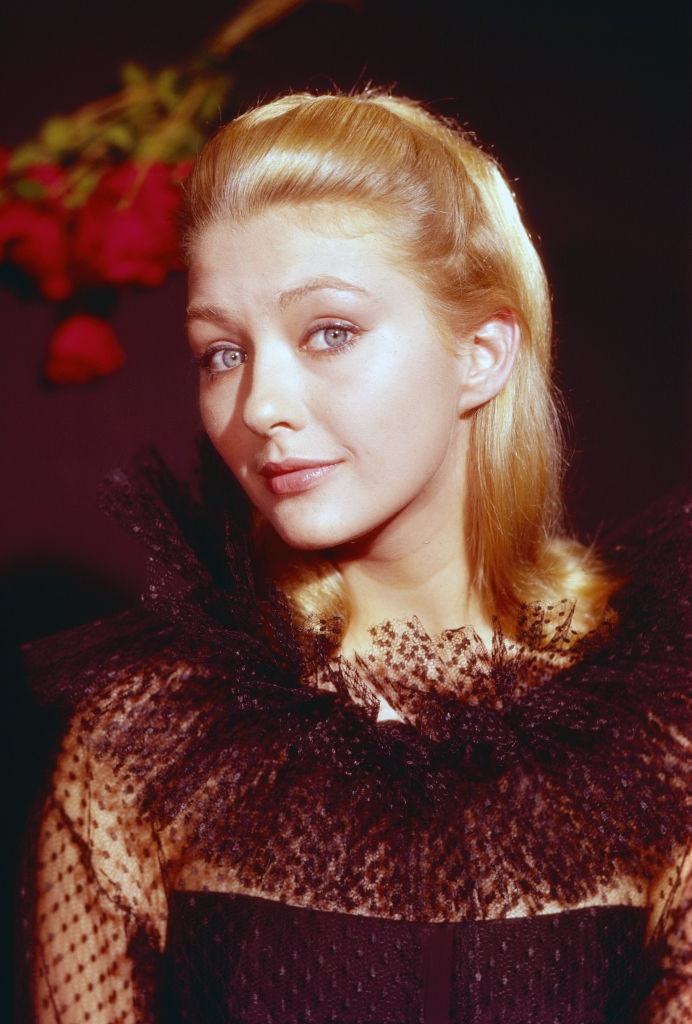
Christine Kaufmann was a German-Austrian actress whose career began before most children start school. Born in 1945, she stepped in front of a camera for the first time at just seven years old, appearing in the 1952 film ‘The White Horse Inn’. That same year, she took on a lead role in ‘Der Schweigende Engel’. These were not minor appearances — Christine was the family’s main source of income from a very young age.
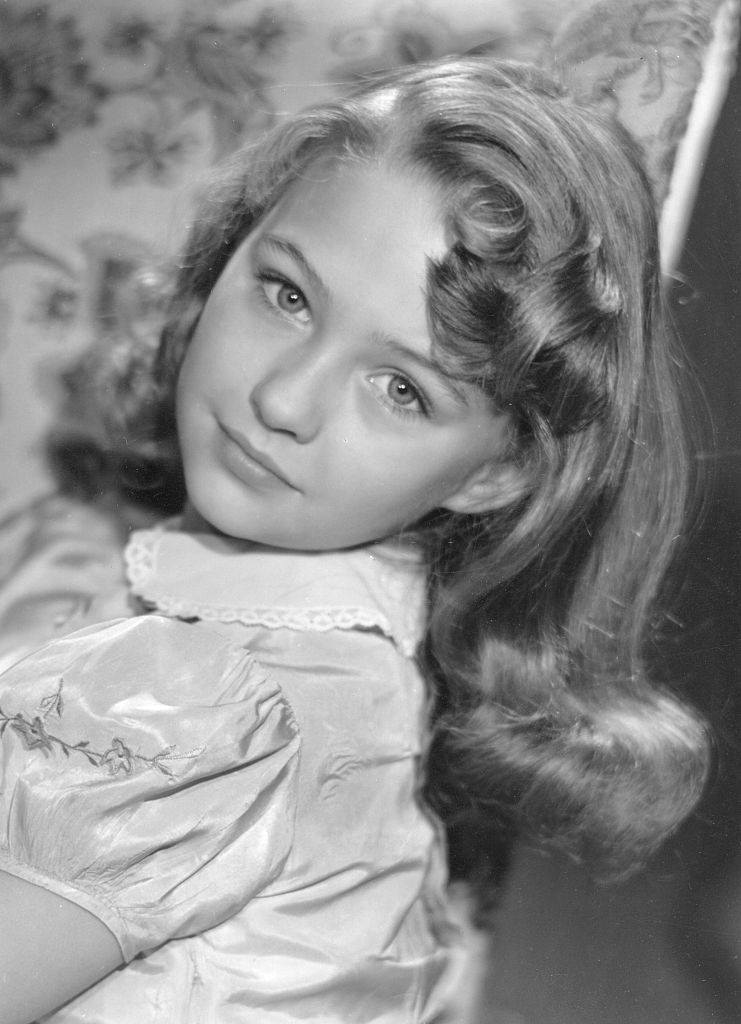
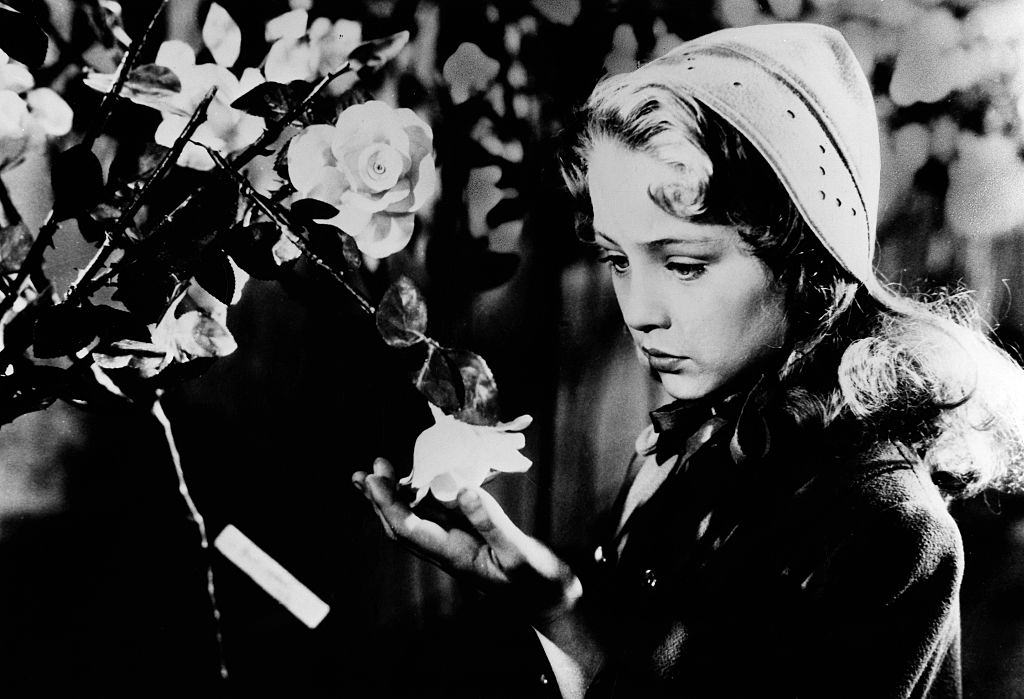
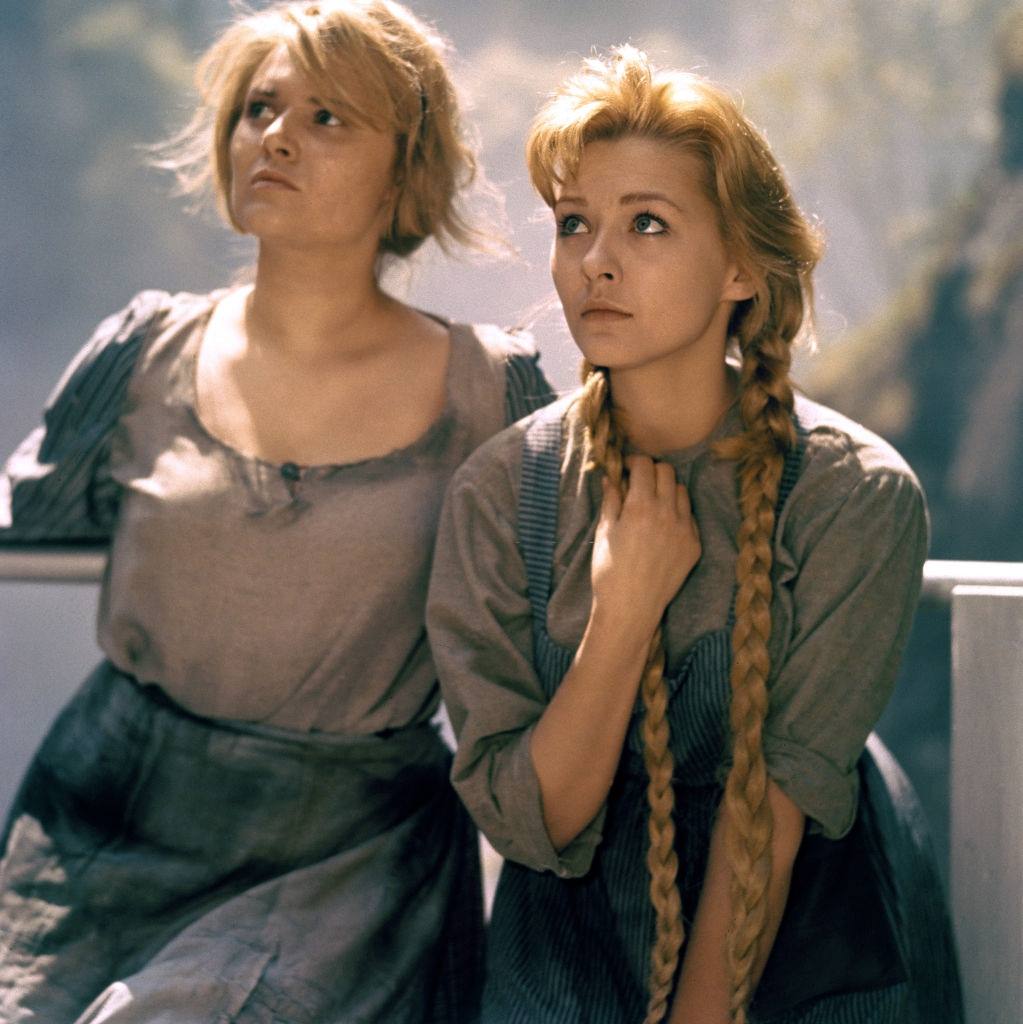
By 1954, Christine had already built a reputation as one of Europe’s most watchable young performers. That year, she played the role of Leslie in ‘Rose-Girl Resli’, a film that turned her into a genuine star across German-speaking audiences. The role showed that she was not simply a child novelty — she could carry a film.
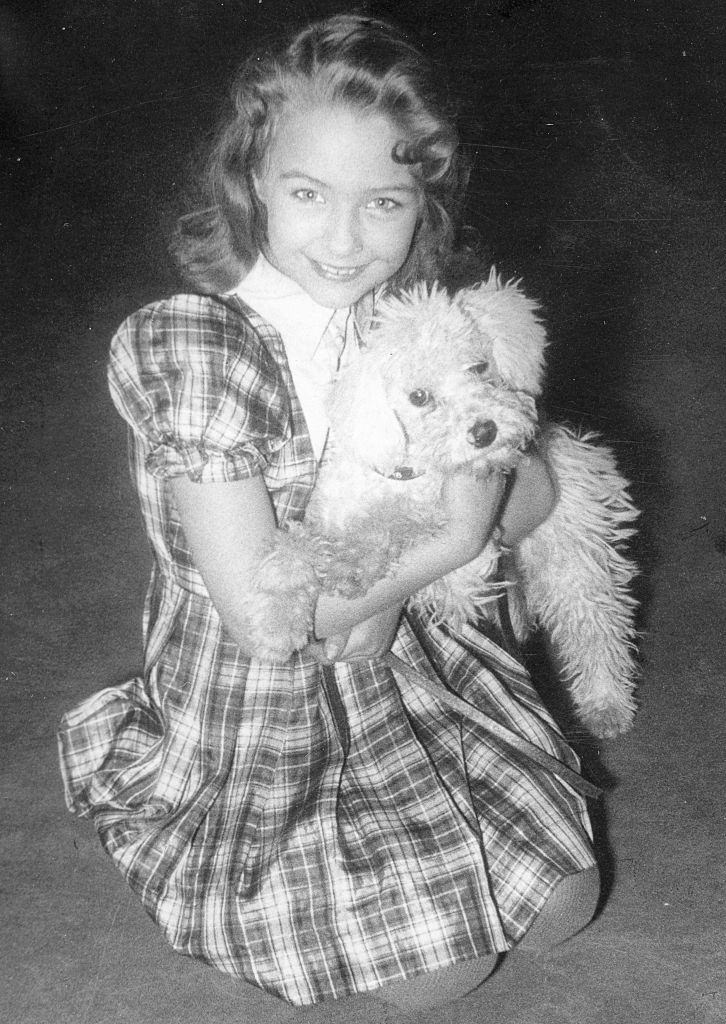
Away from the set, Christine lived a life that looked, in some ways, like any other child’s. Photos from the mid-1950s show her with pets, in playful poses, and going about ordinary days — though the reality of her schedule was anything but ordinary.
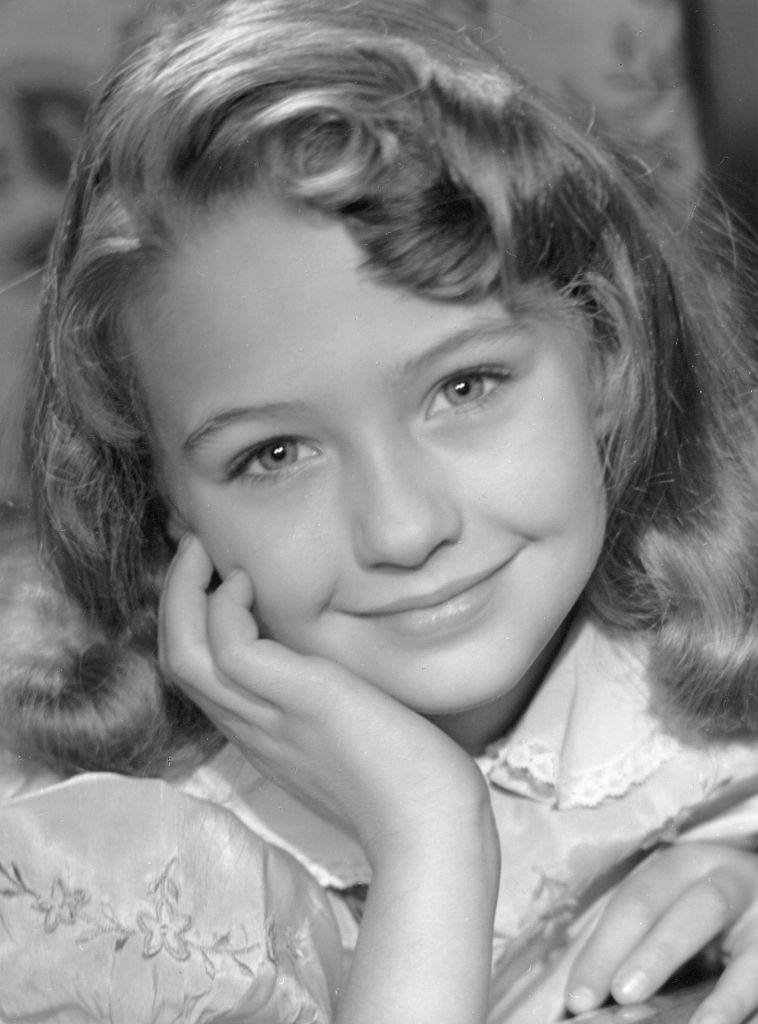
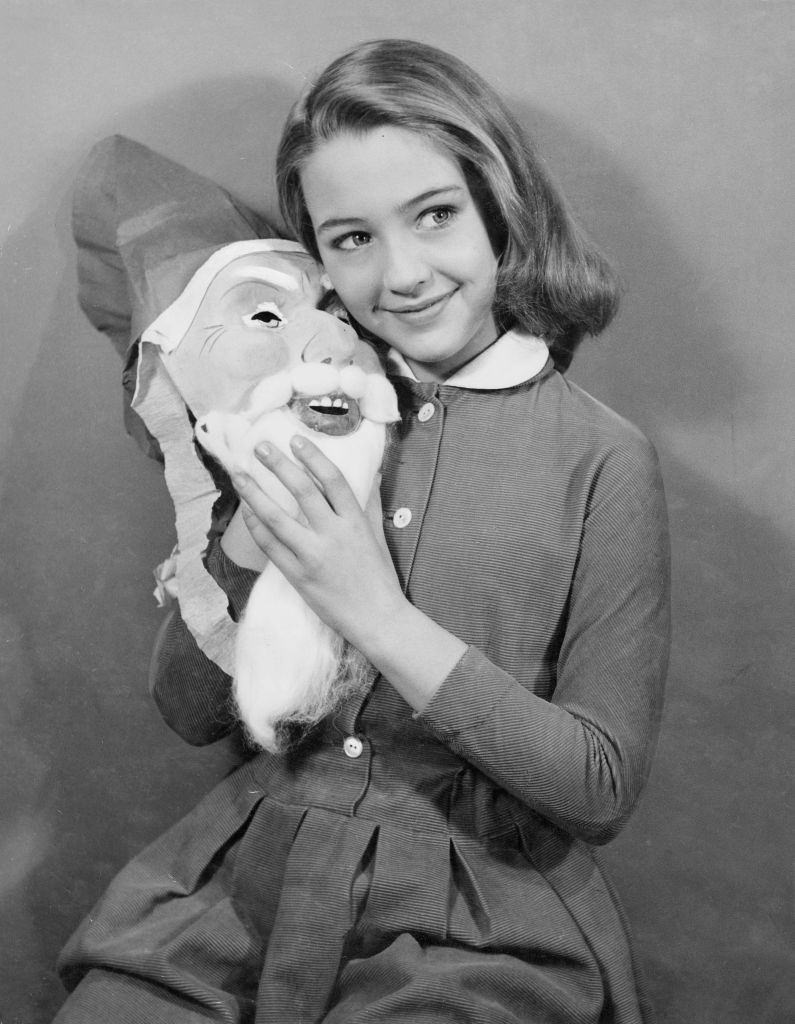
Despite never attending school, Christine became fluent in five languages: German, French, Italian, Spanish, and English. She learned them through the environments she worked in — film sets, studios, and productions spread across Europe. Before she was a teenager, she had already appeared in 18 films.
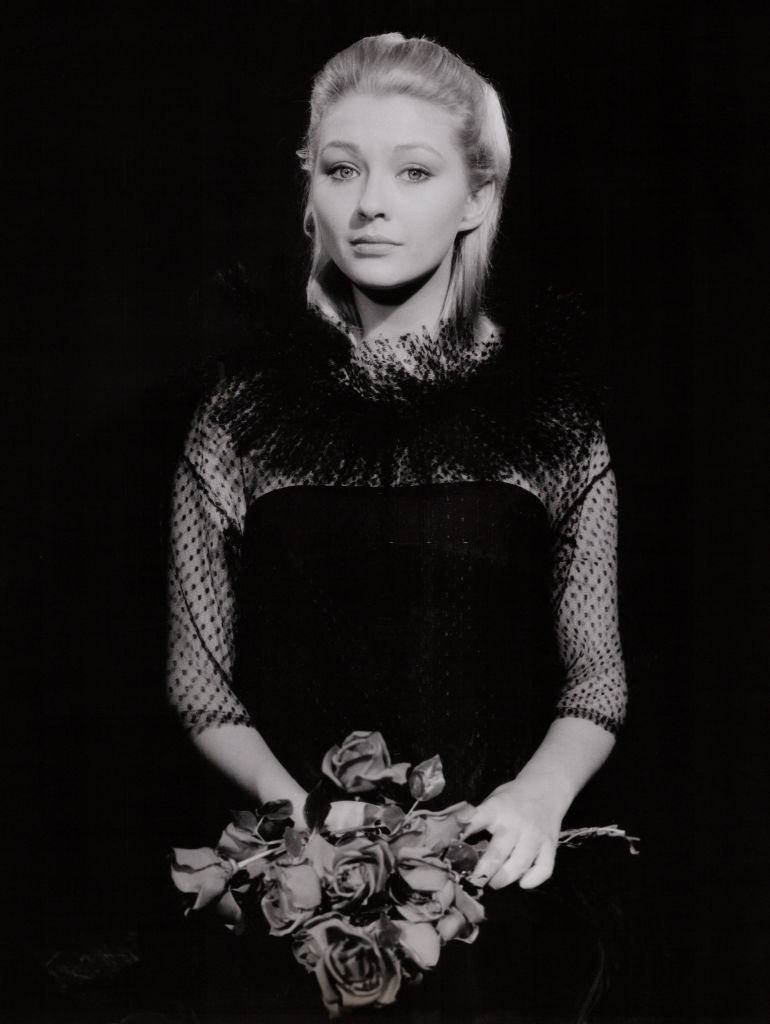
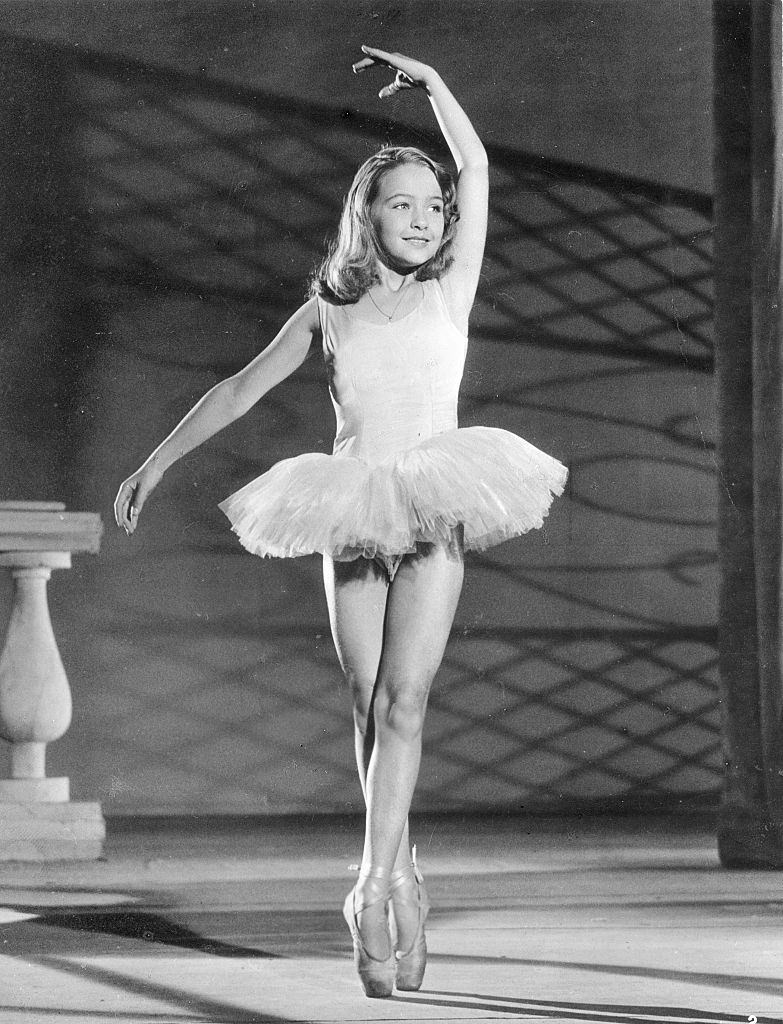
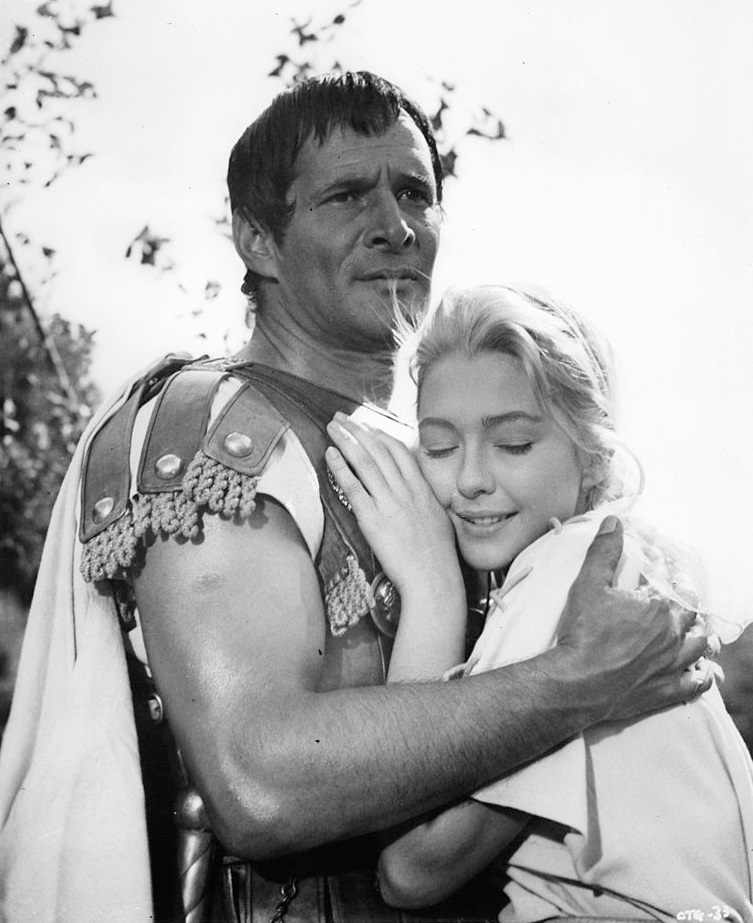
International fame arrived when Christine was cast in ‘The Last Days of Pompeii’. She was thirteen years old. The film reached audiences far beyond Europe, and her name became known worldwide. It was a remarkable moment — a young teenager holding her own in a large-scale production and earning recognition on a global stage.
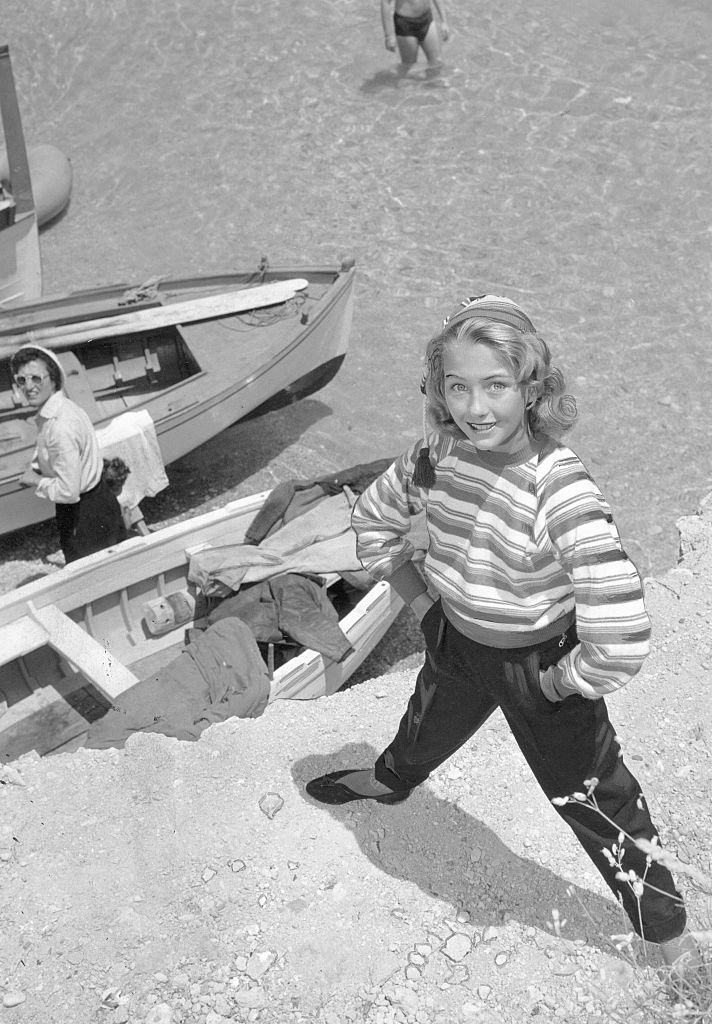
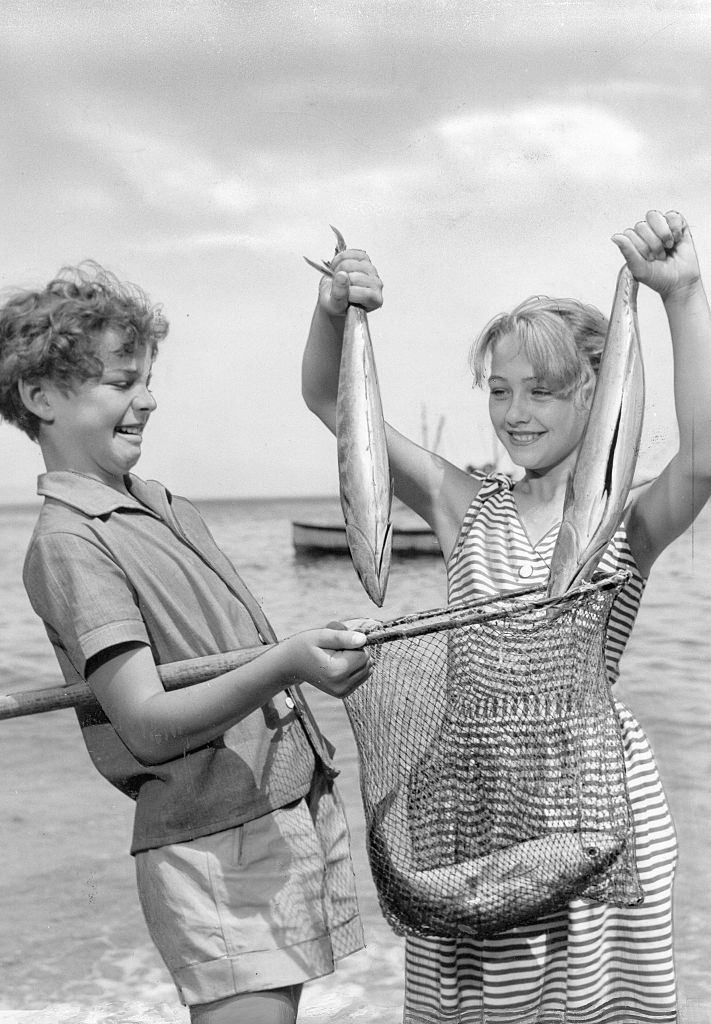
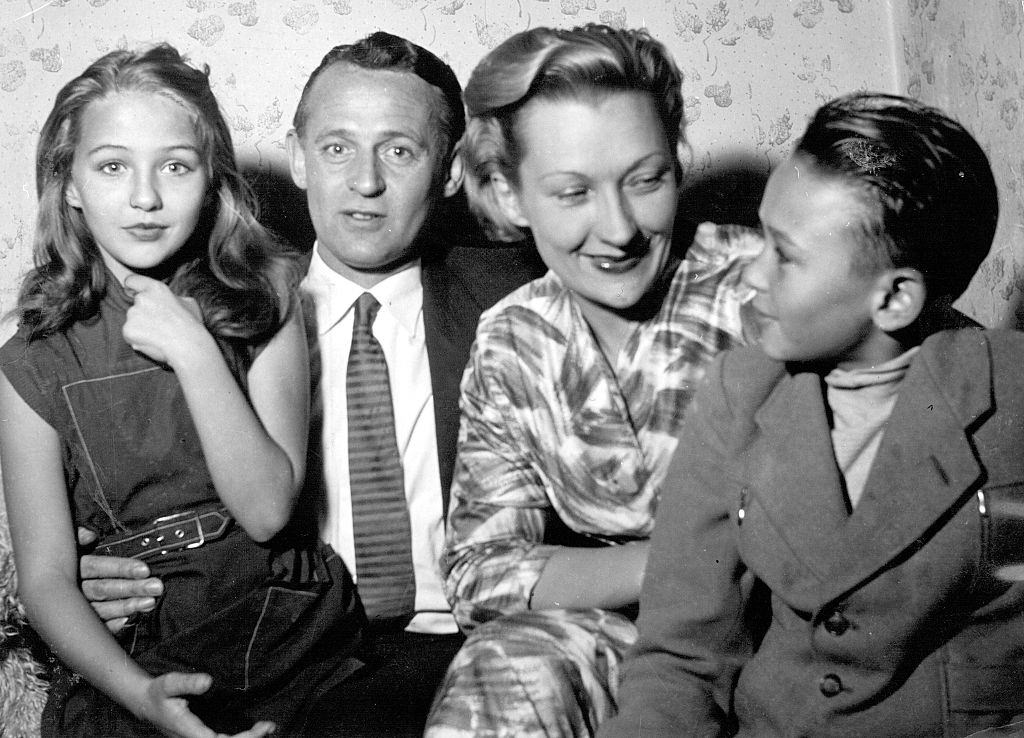
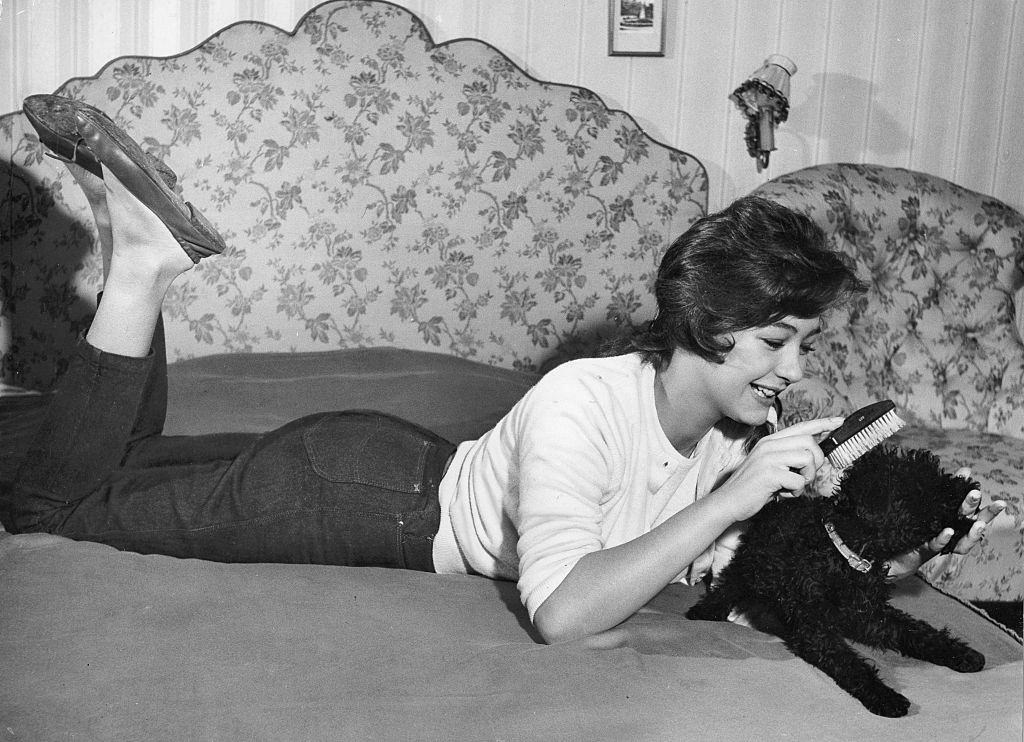
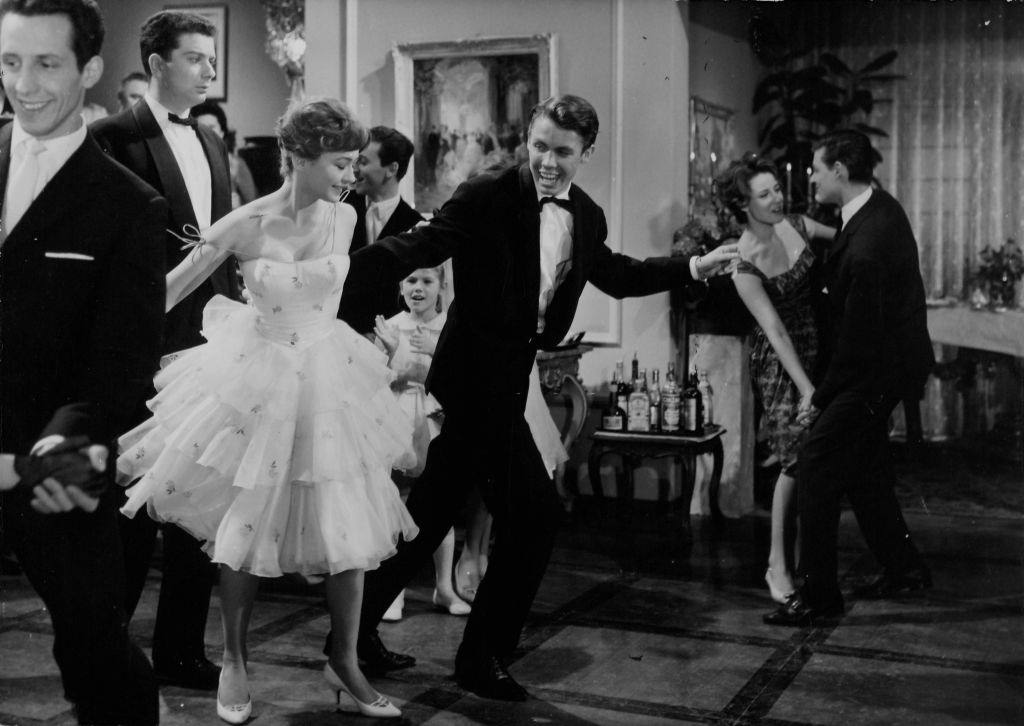
As she moved into her mid-teens, Christine’s screen presence grew more sophisticated. In 1959, she appeared alongside Peter Kraus in ‘Alle lieben Peter’, one of several popular productions from that period. She was becoming a fixture in European cinema, consistently sought after for leading roles.
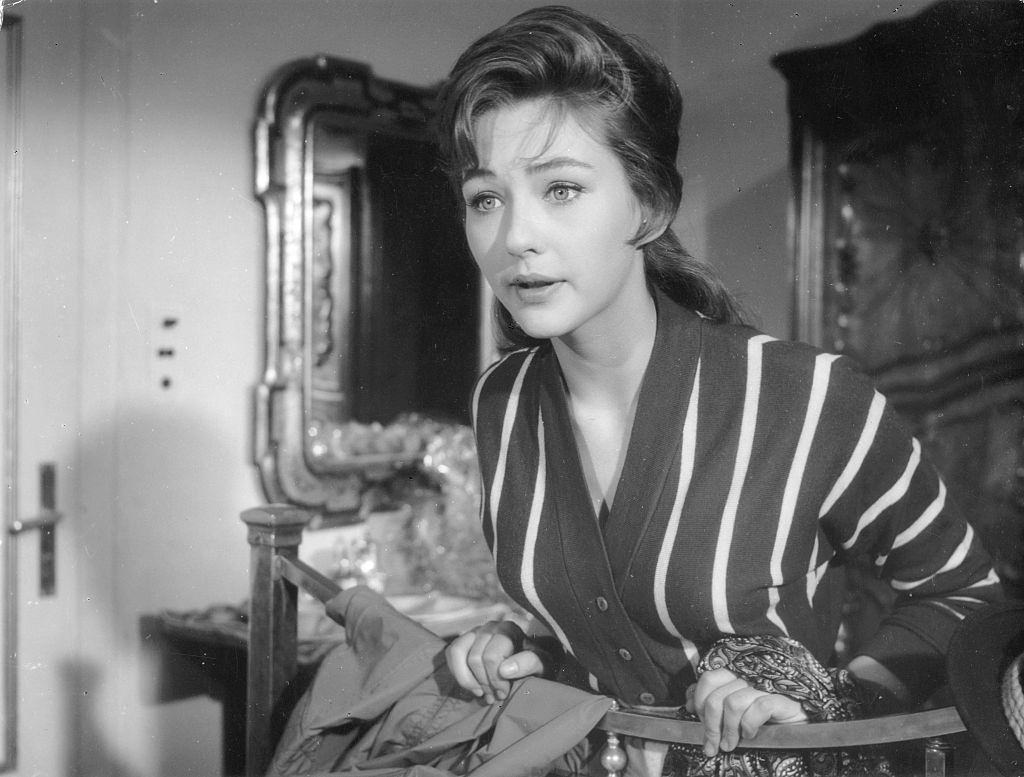
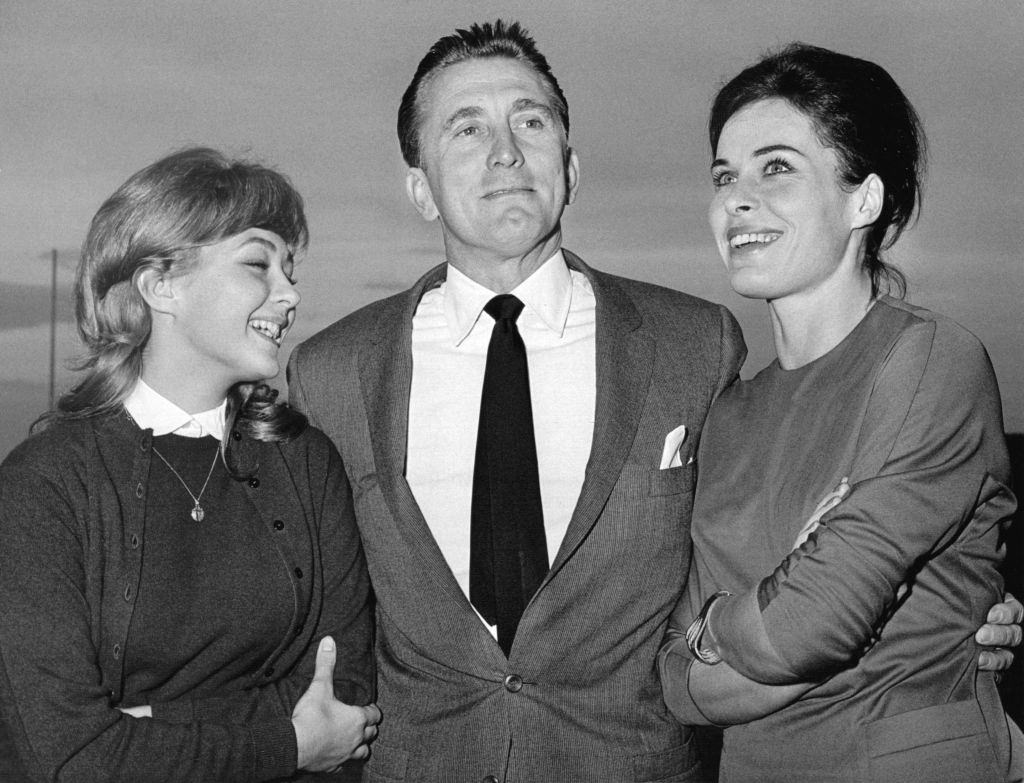
In 1961, Christine was cast as Karin Steinhof in ‘Town Without Pity’, starring opposite Kirk Douglas and Robert Blake. The film was a major commercial success, and her performance stood out. She won a Golden Globe Award for it — a significant achievement for any actress, and a remarkable one for someone still in her mid-teens.
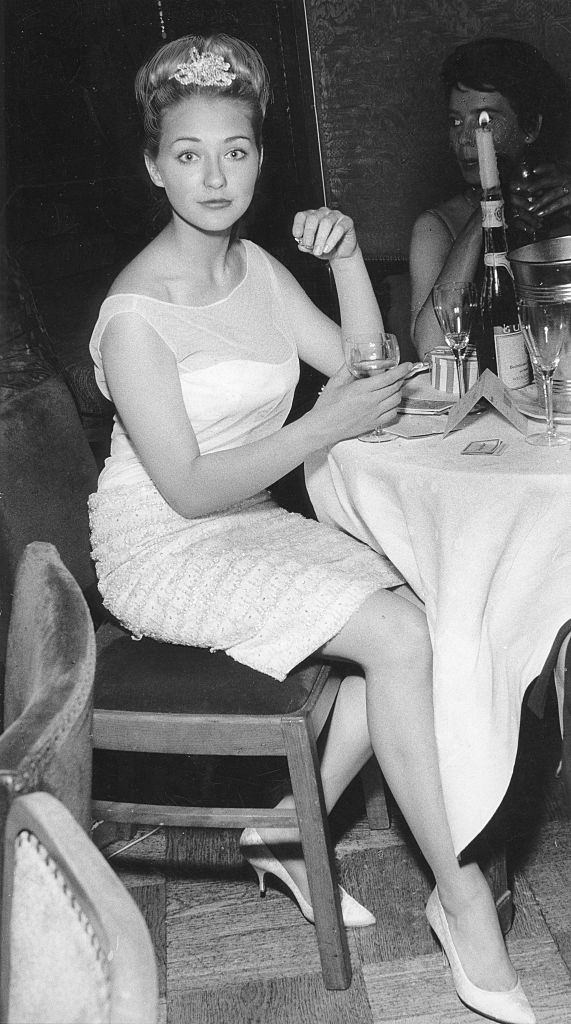
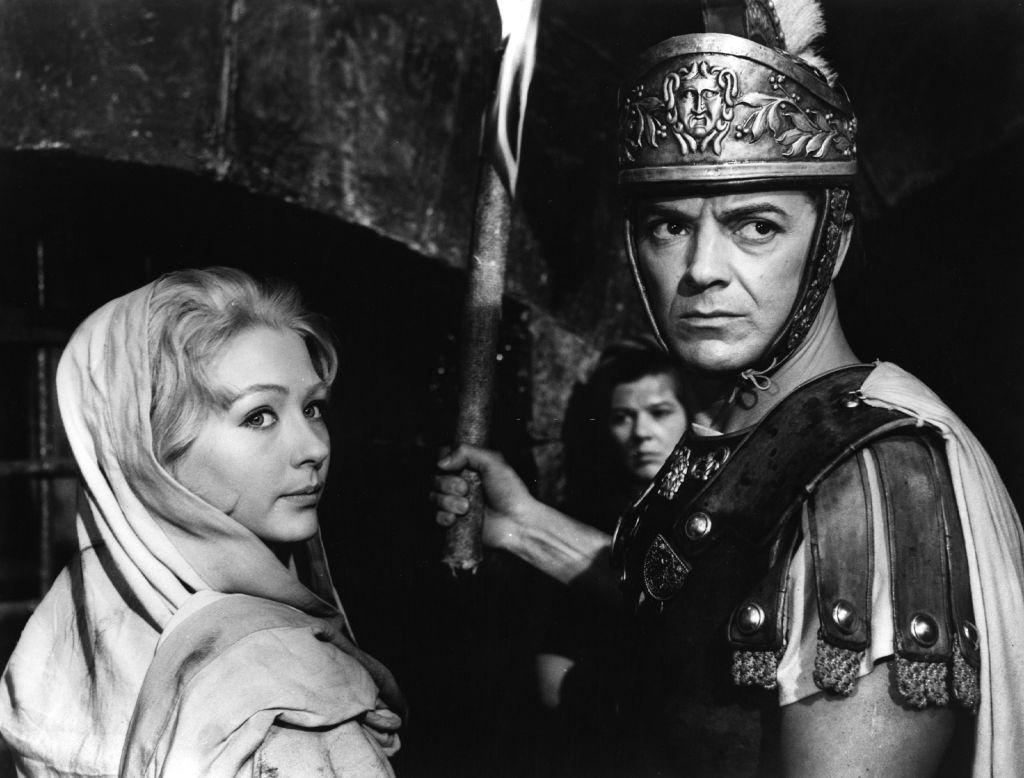
Around the same time, Christine worked with Jean-Paul Belmondo on ‘Un Nomme La Rocca’ in 1960. The film brought her into contact with some of the biggest names in European and international cinema, and she moved comfortably among them.
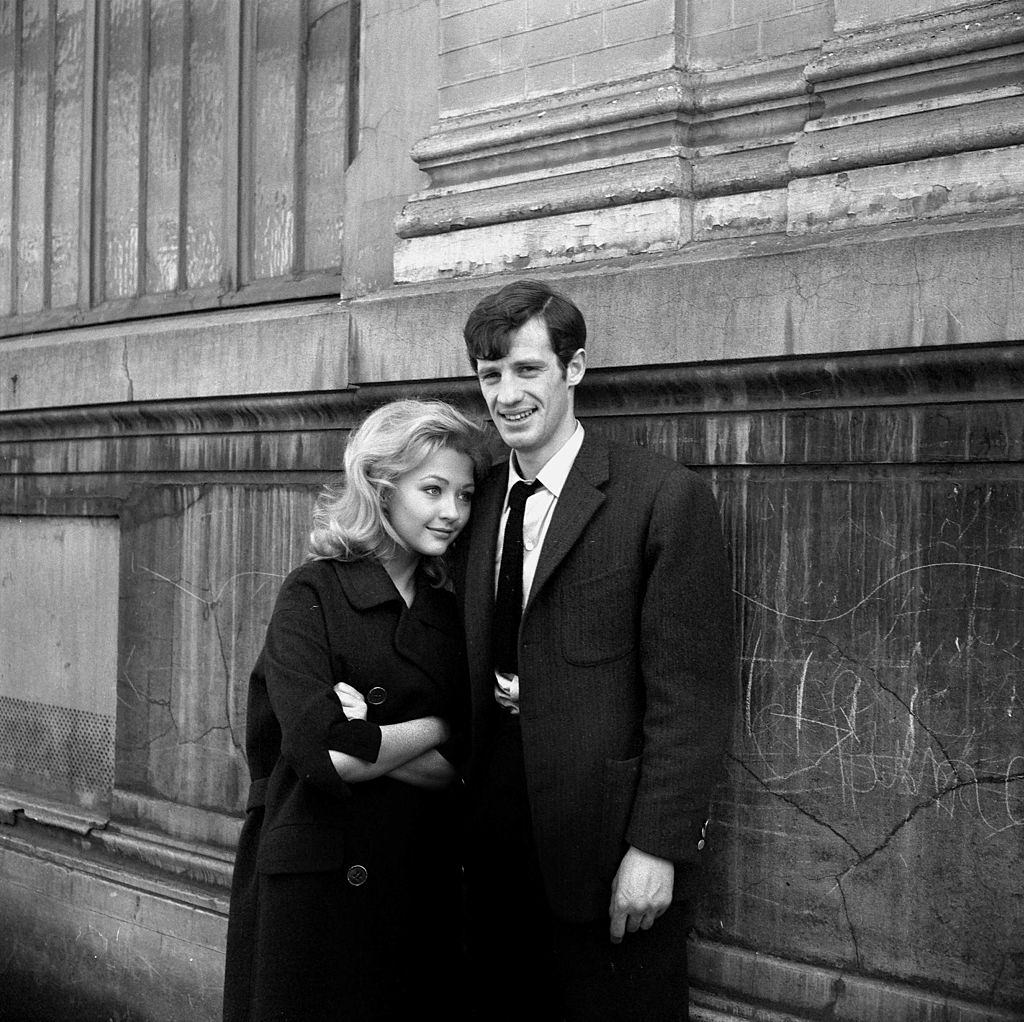
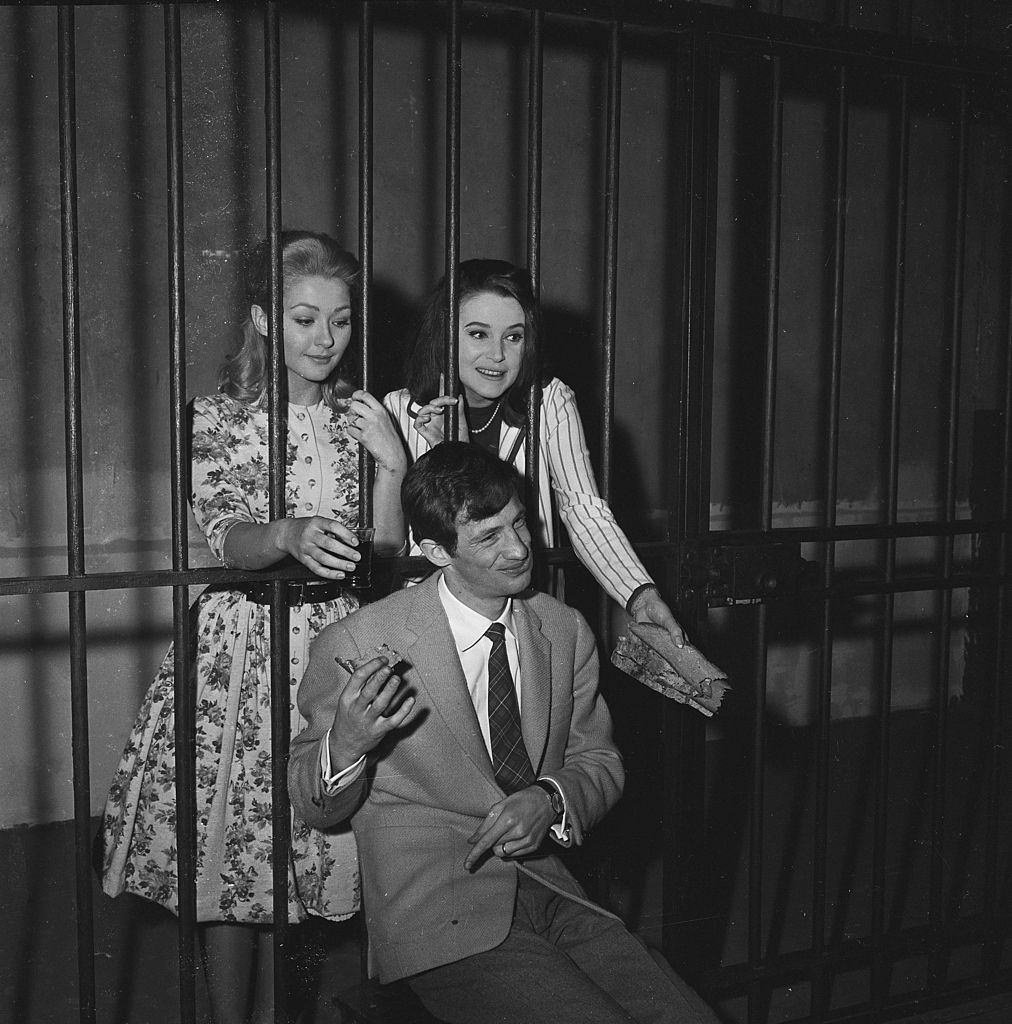
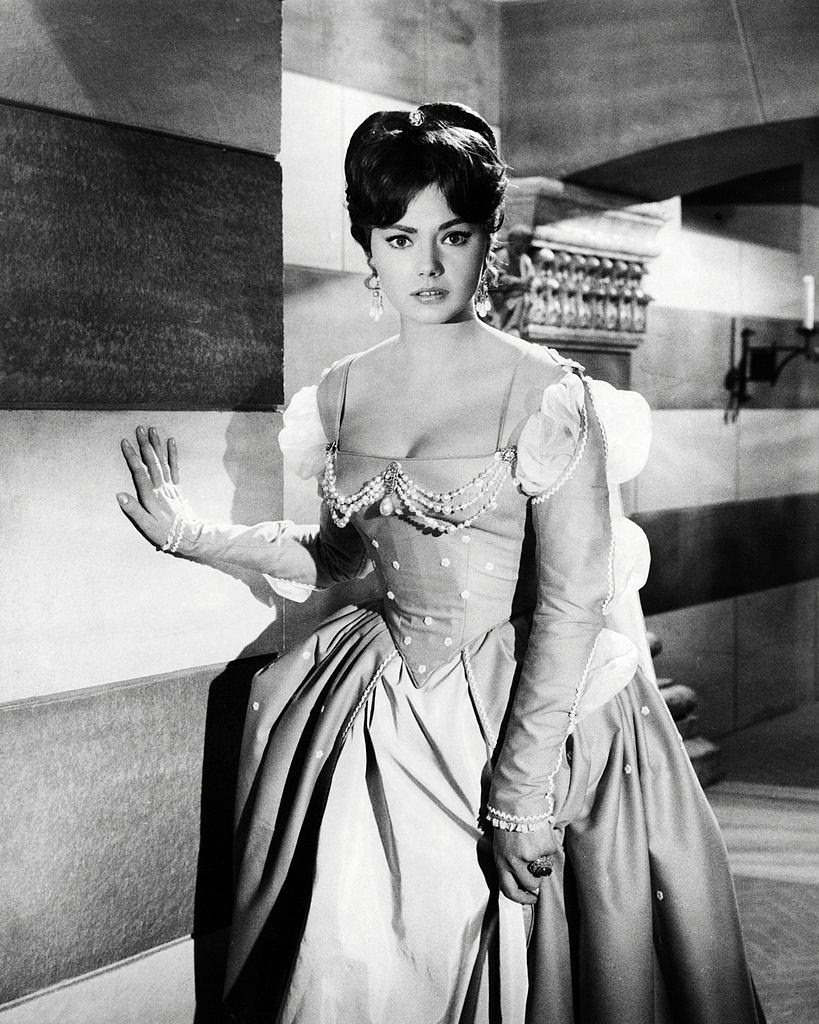
1961 was a busy year for Christine across multiple productions. She appeared in ‘Via Mala’ and continued working steadily through a string of German and international films. Photos from that year show a young woman fully settled into her professional life, polished and confident on and off the set.
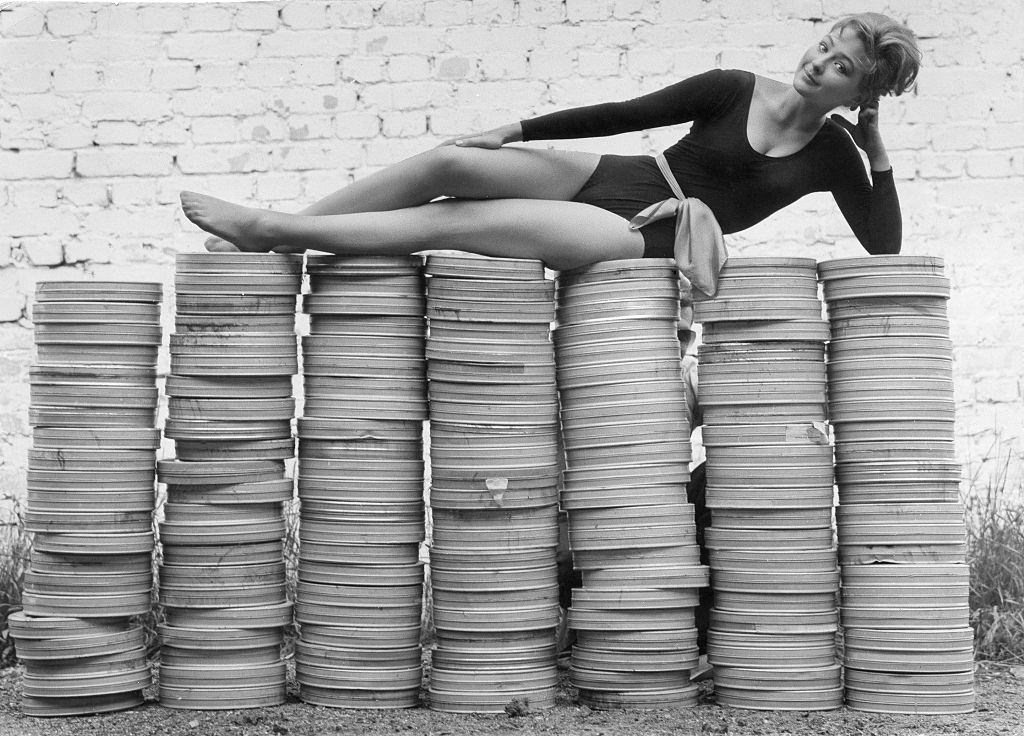
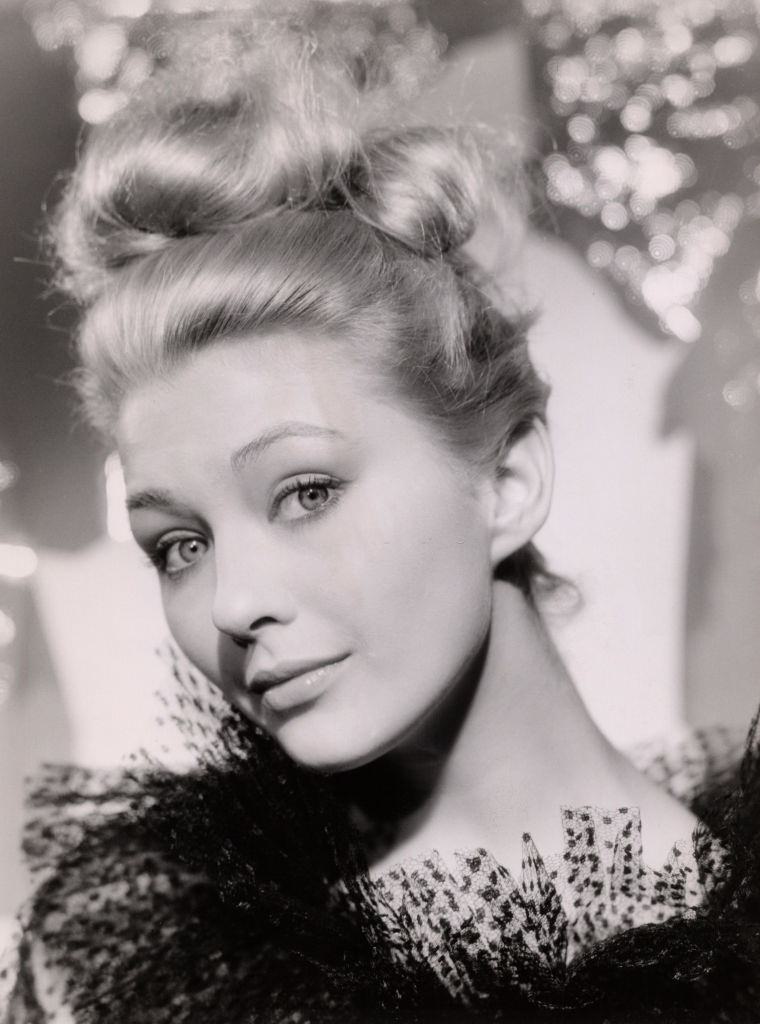
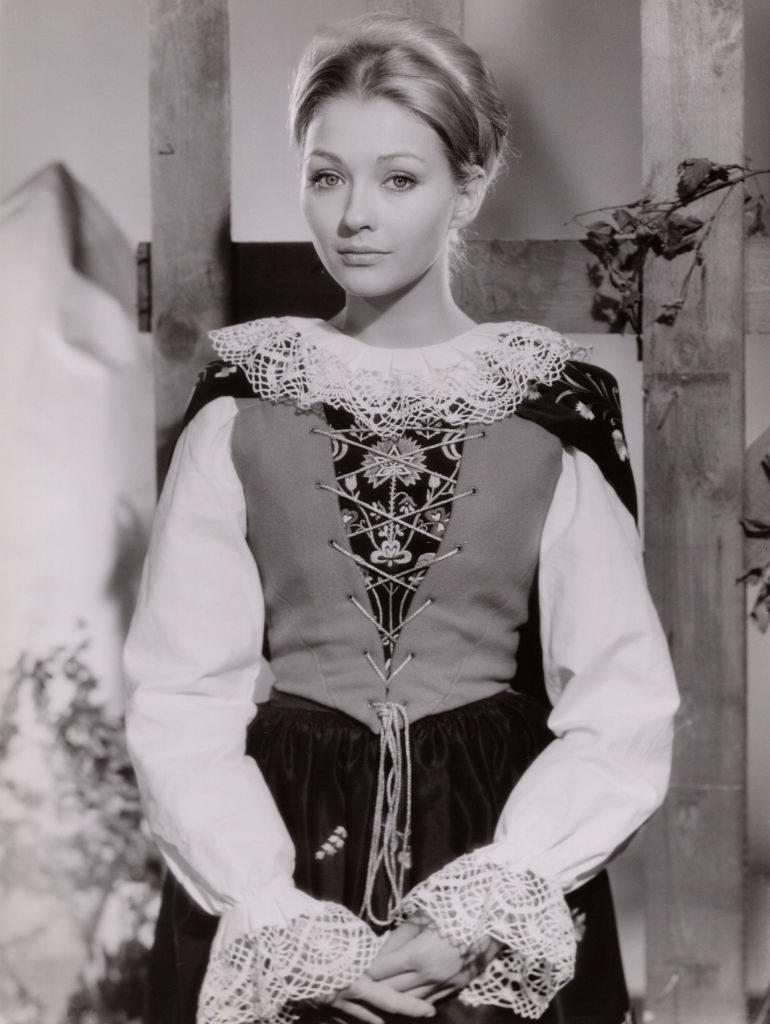
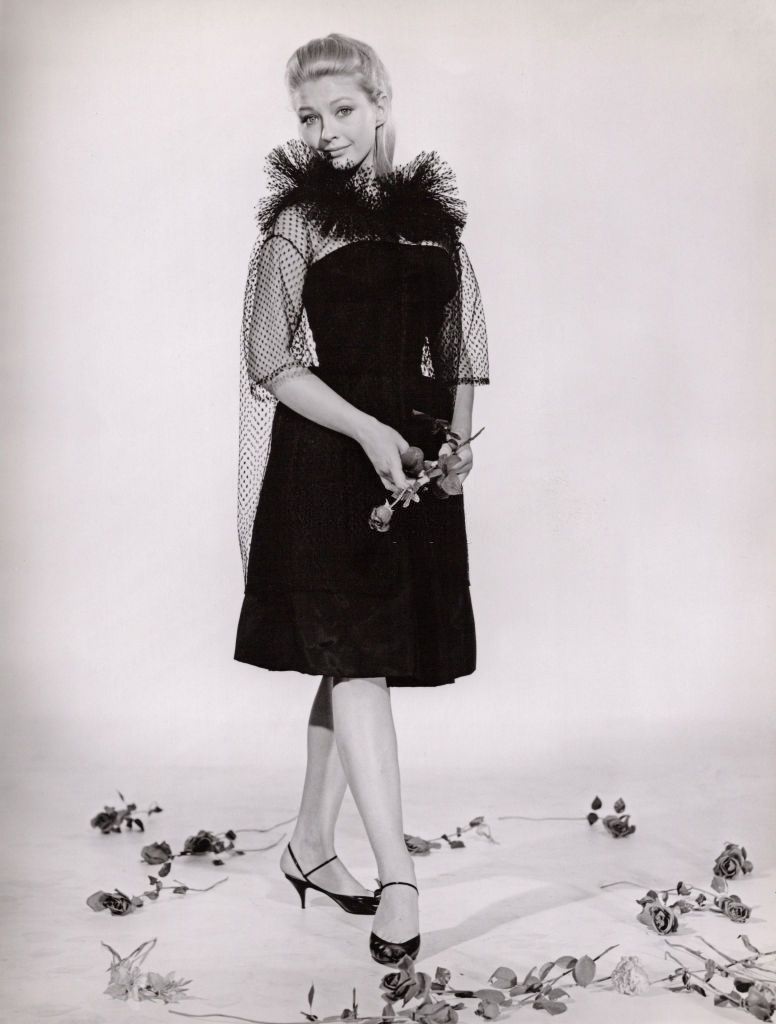
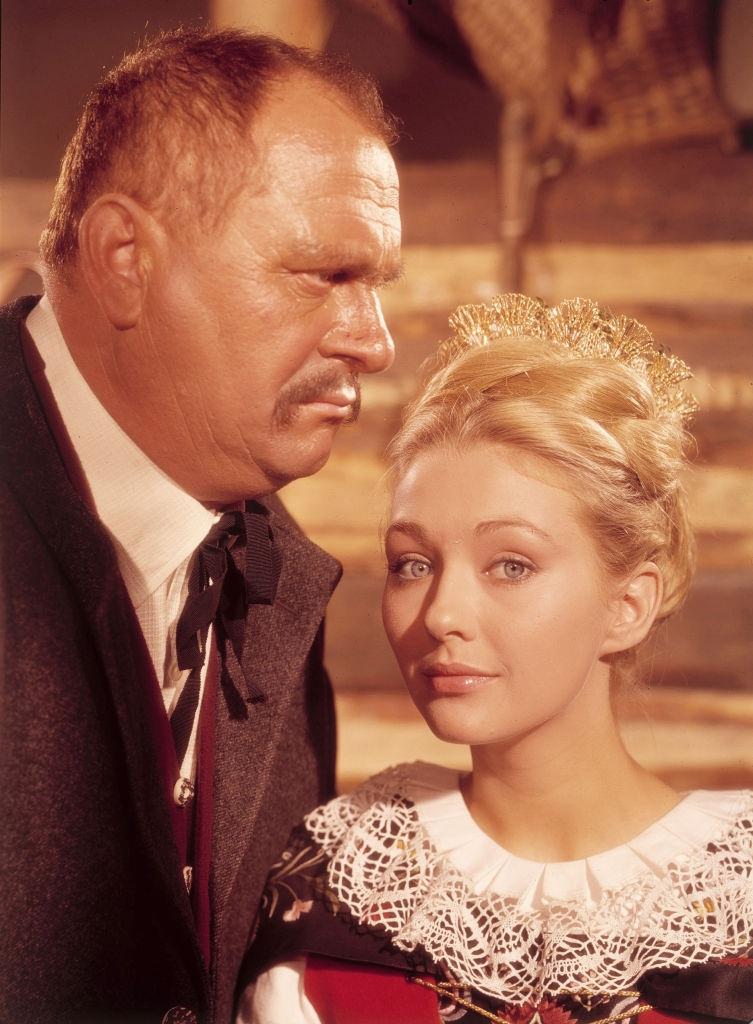
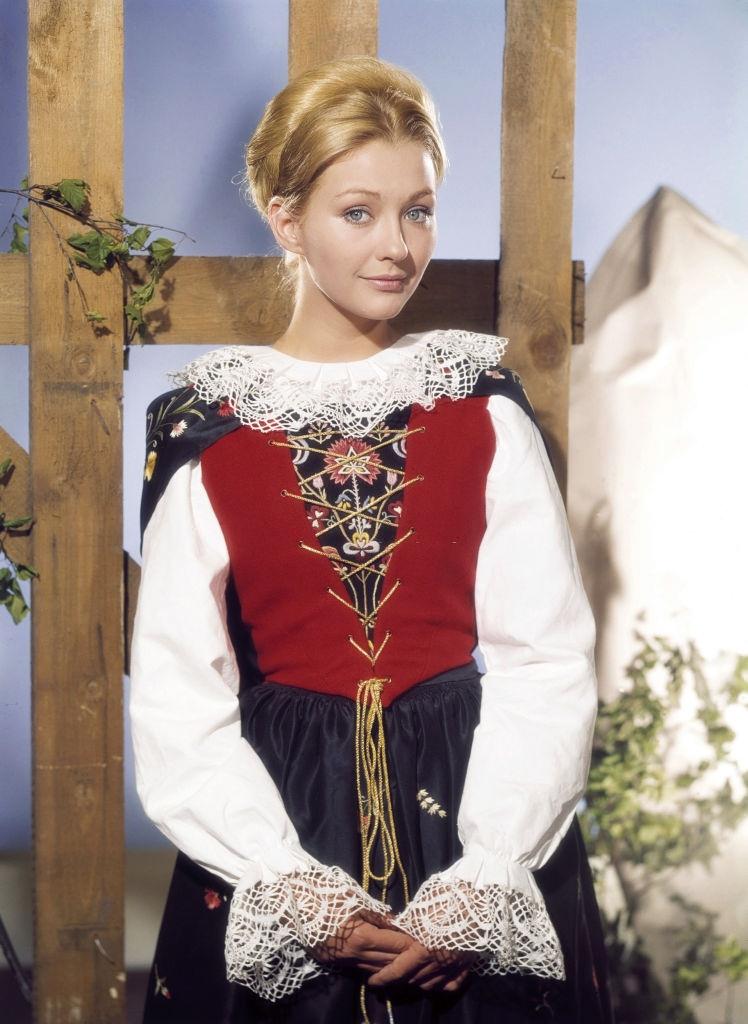
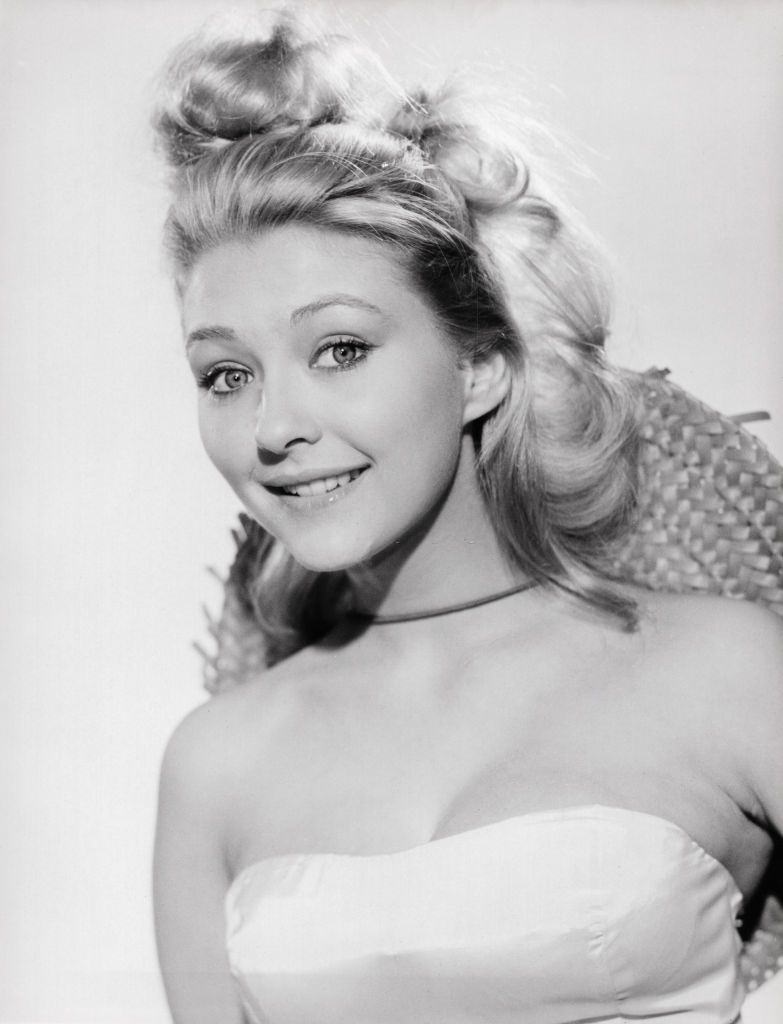
In 1962, Christine met American actor Tony Curtis while filming ‘Taras Bulba’. Curtis was 36 at the time; Christine was sixteen. Two years later, they married. The couple had a daughter, Alexandra Curtis, and their marriage lasted five years before ending in divorce. After the split, Christine took Alexandra and returned to Europe.
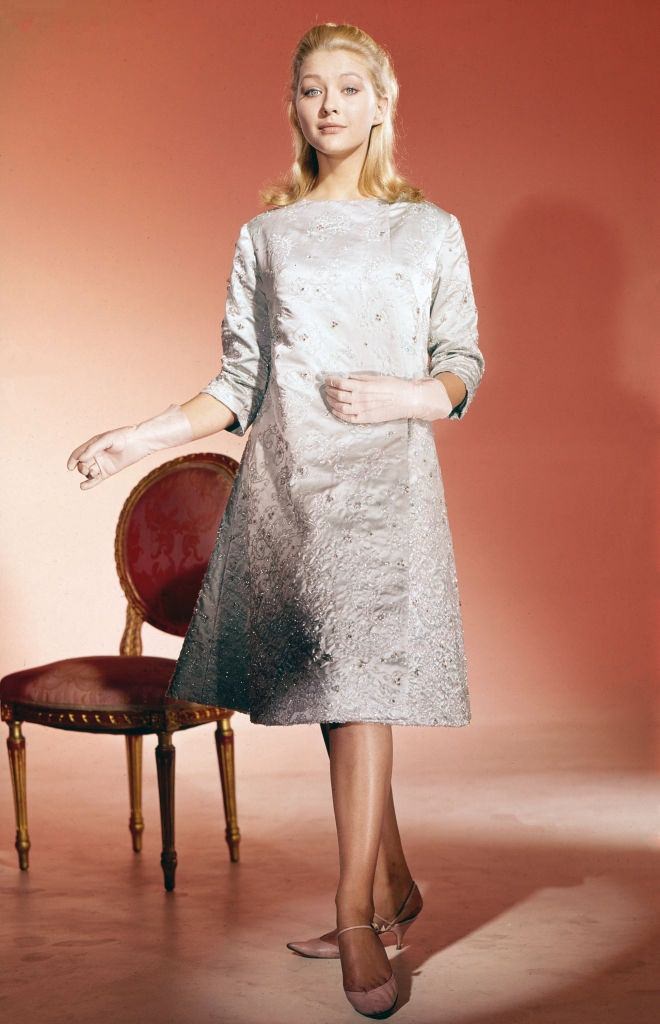
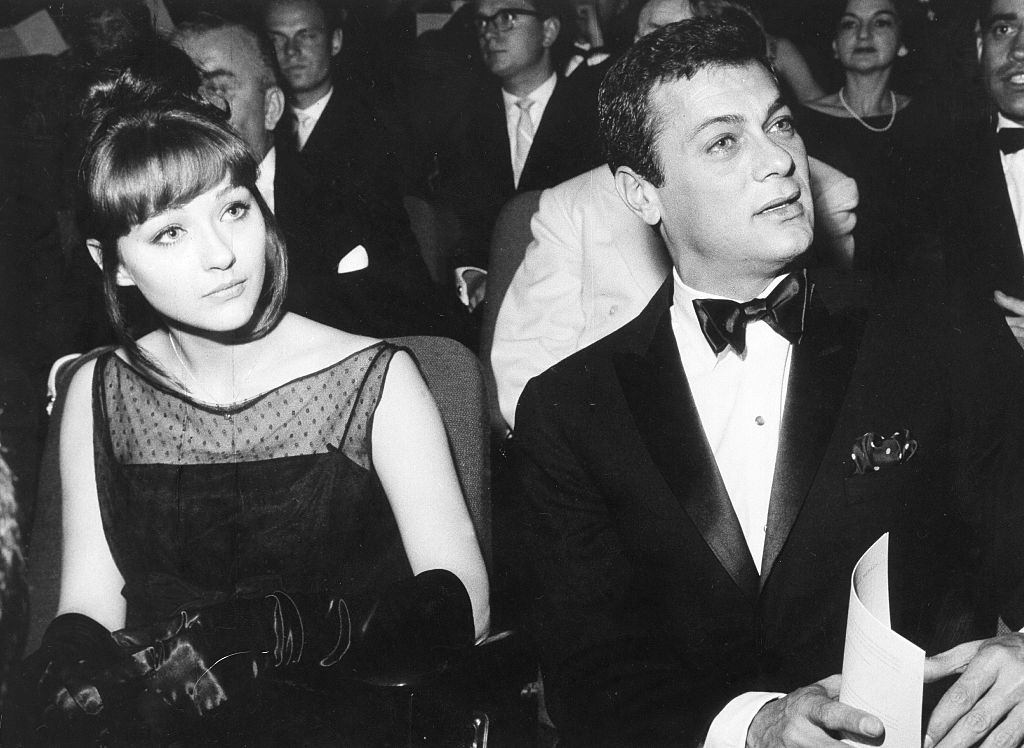
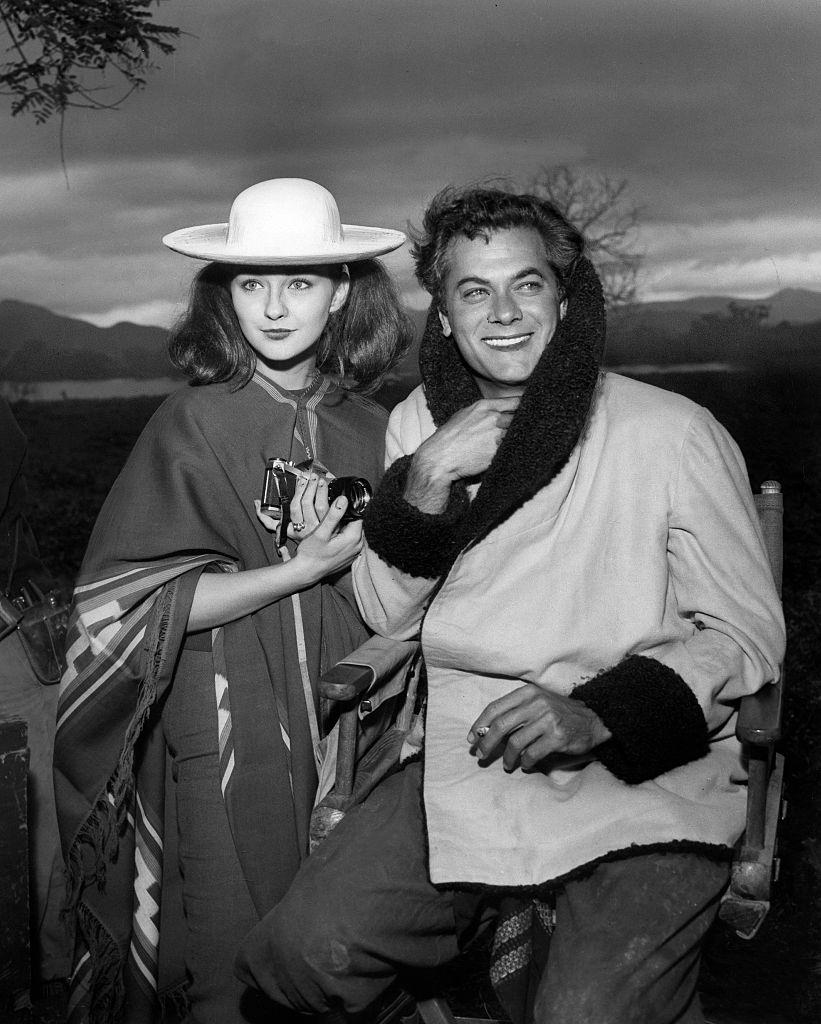
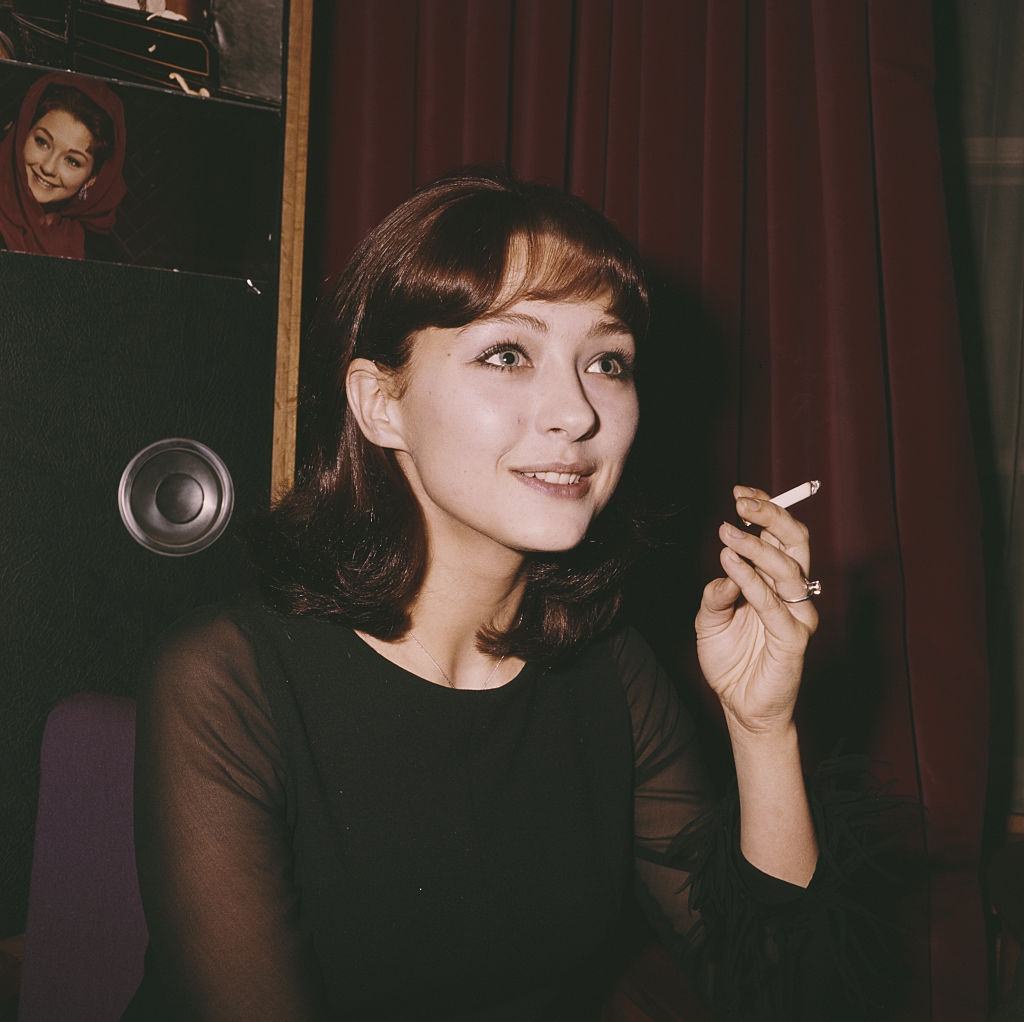
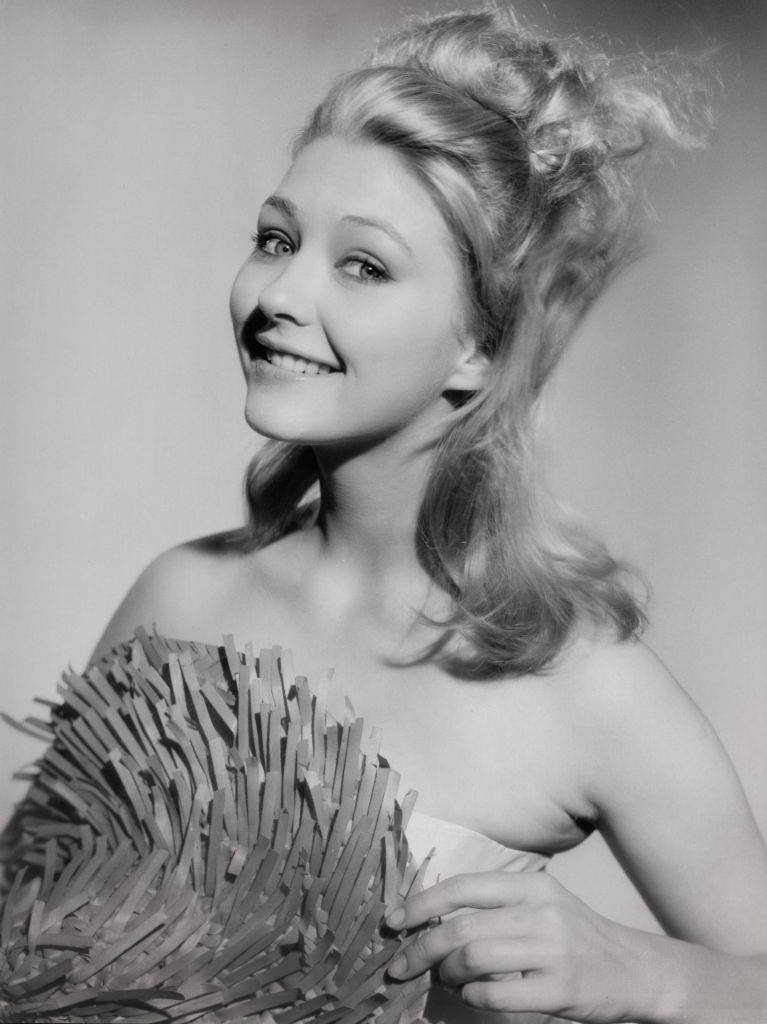
Christine’s last film was ‘Wild and Wonderful’ in 1964, in which she starred alongside Tony Curtis. It marked the end of her Hollywood period, after which she redirected her career back toward European stage and screen work.
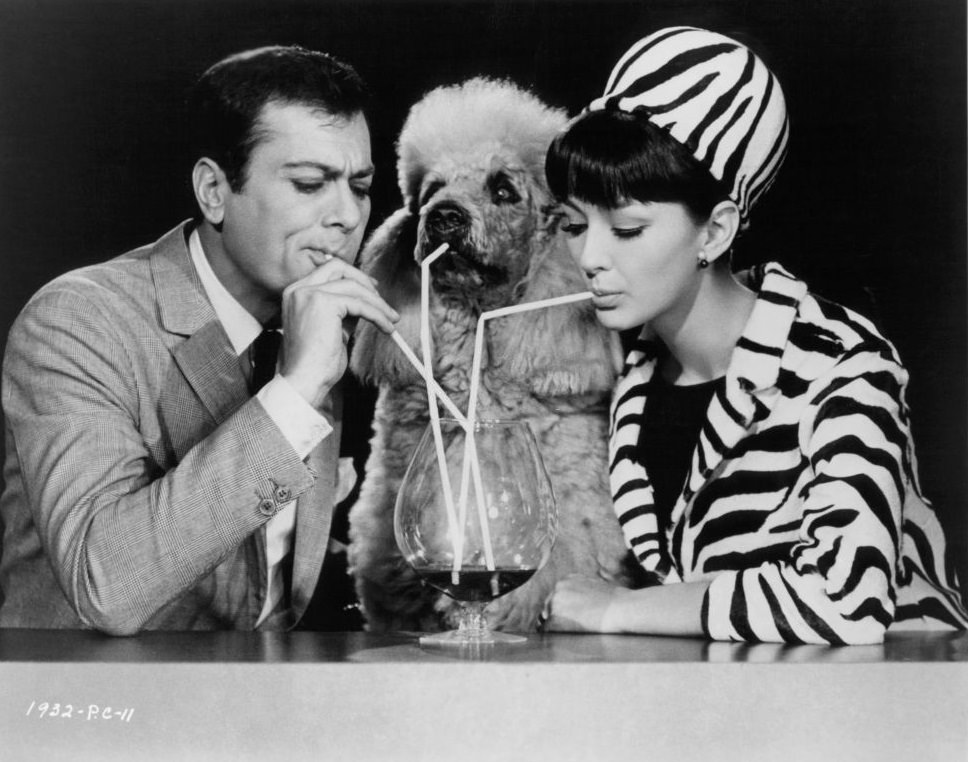
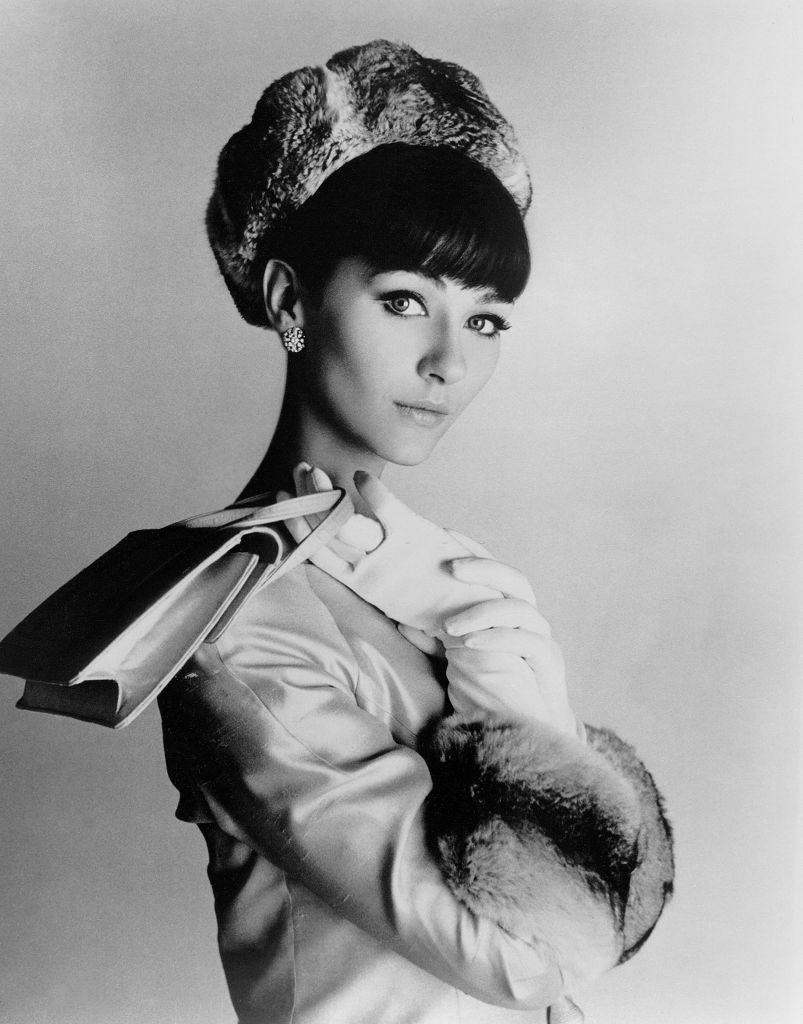
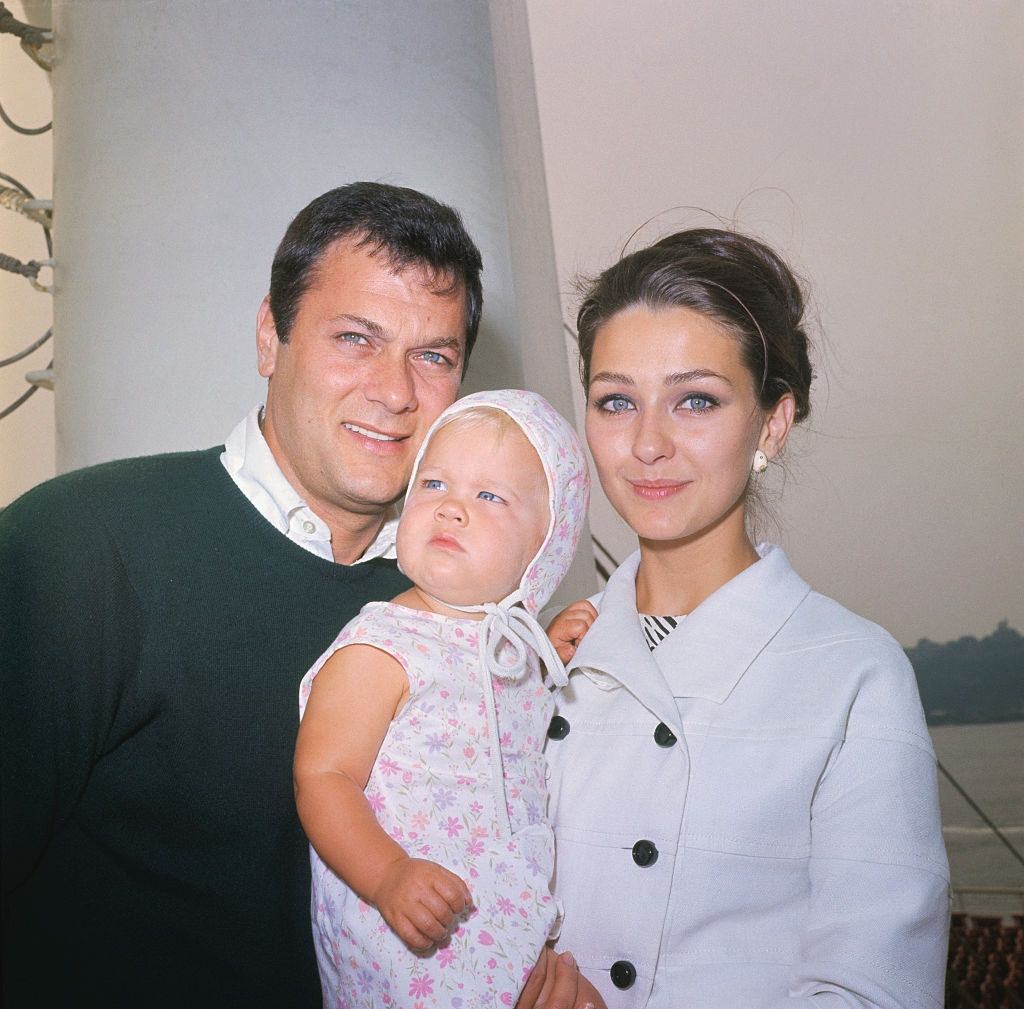
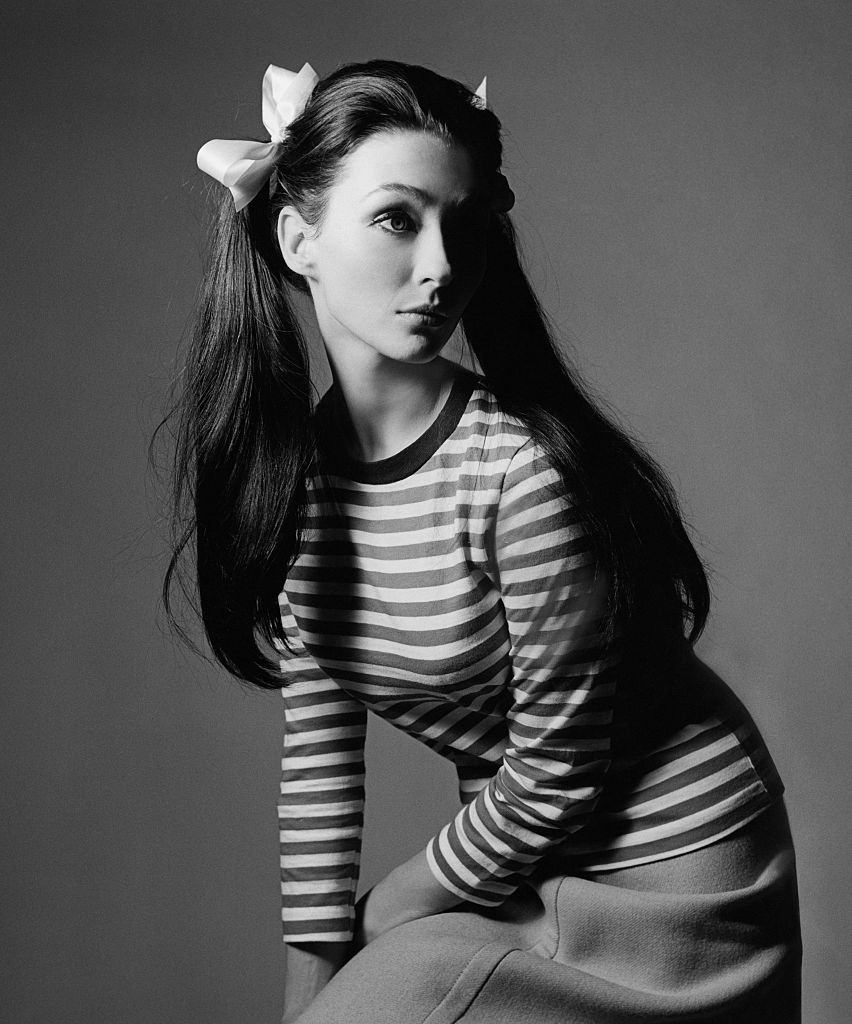
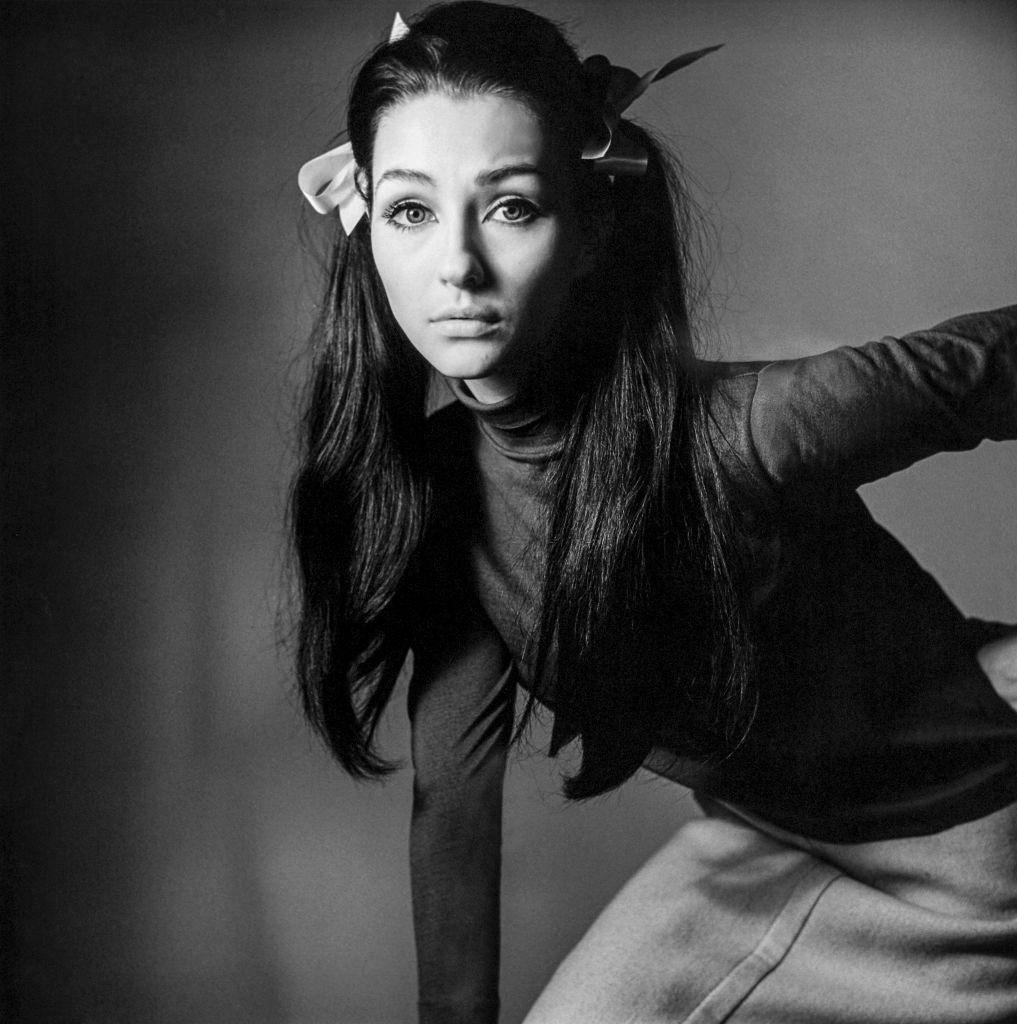
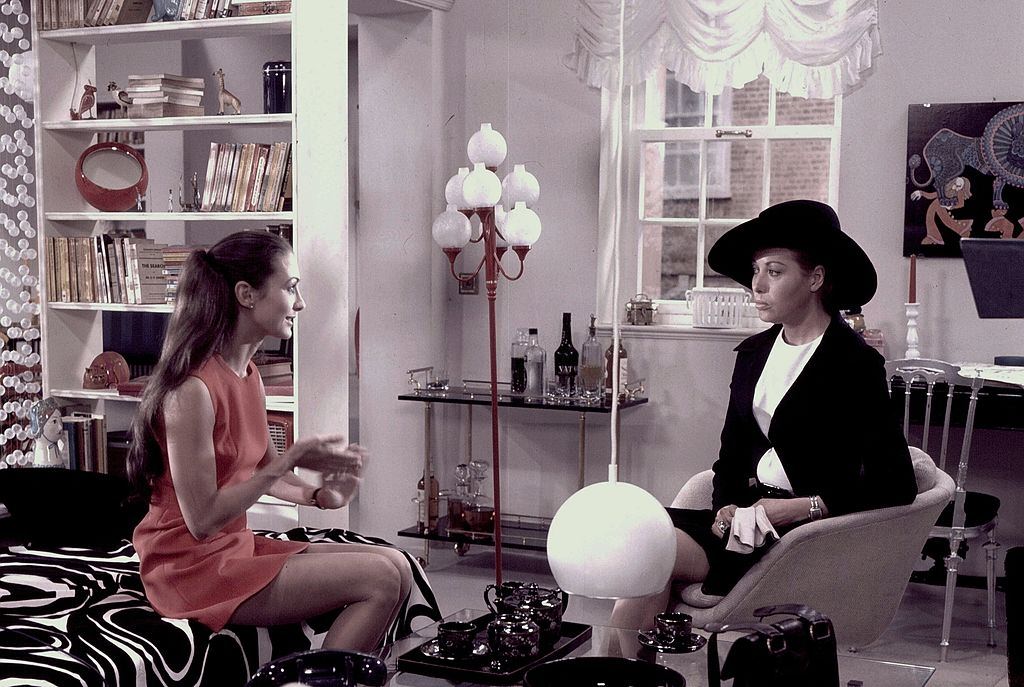
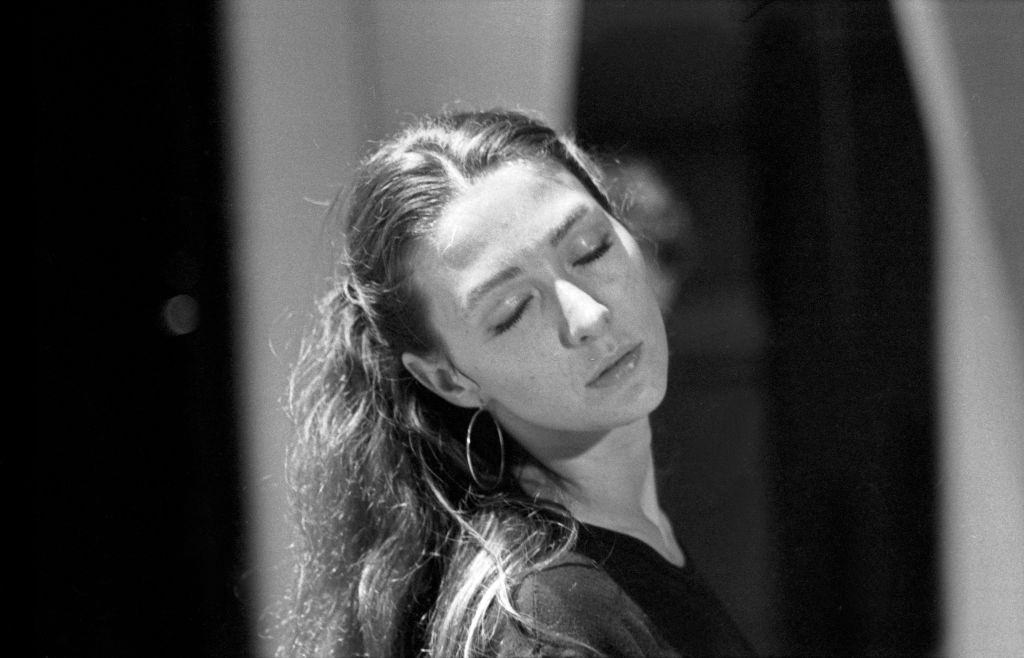
Through the late 1960s, Christine remained a visible public figure in Europe. By the 1970s, she was working steadily across theatre, television, and film — a sustained career that showed real professional range. She appeared in Hamburg theatre rehearsals, German TV productions, and continued taking film roles throughout the decade.
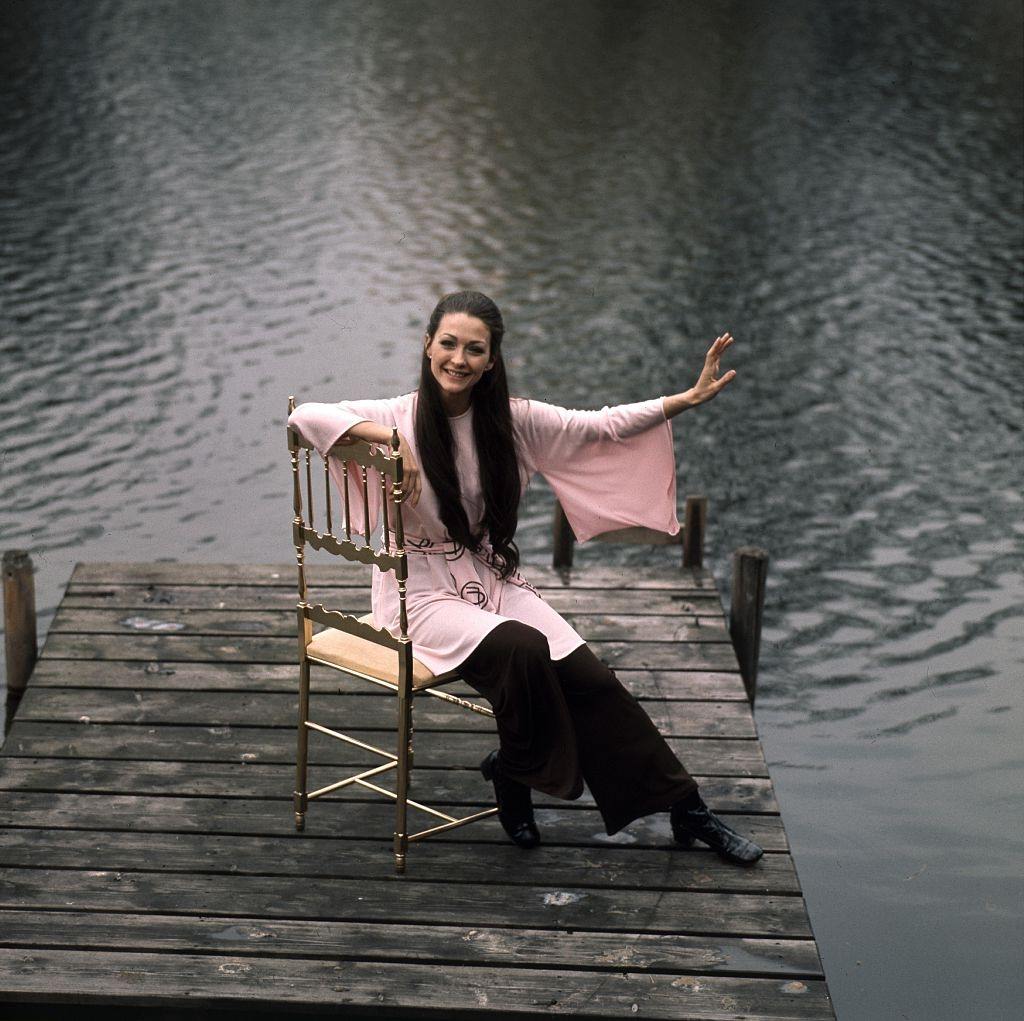
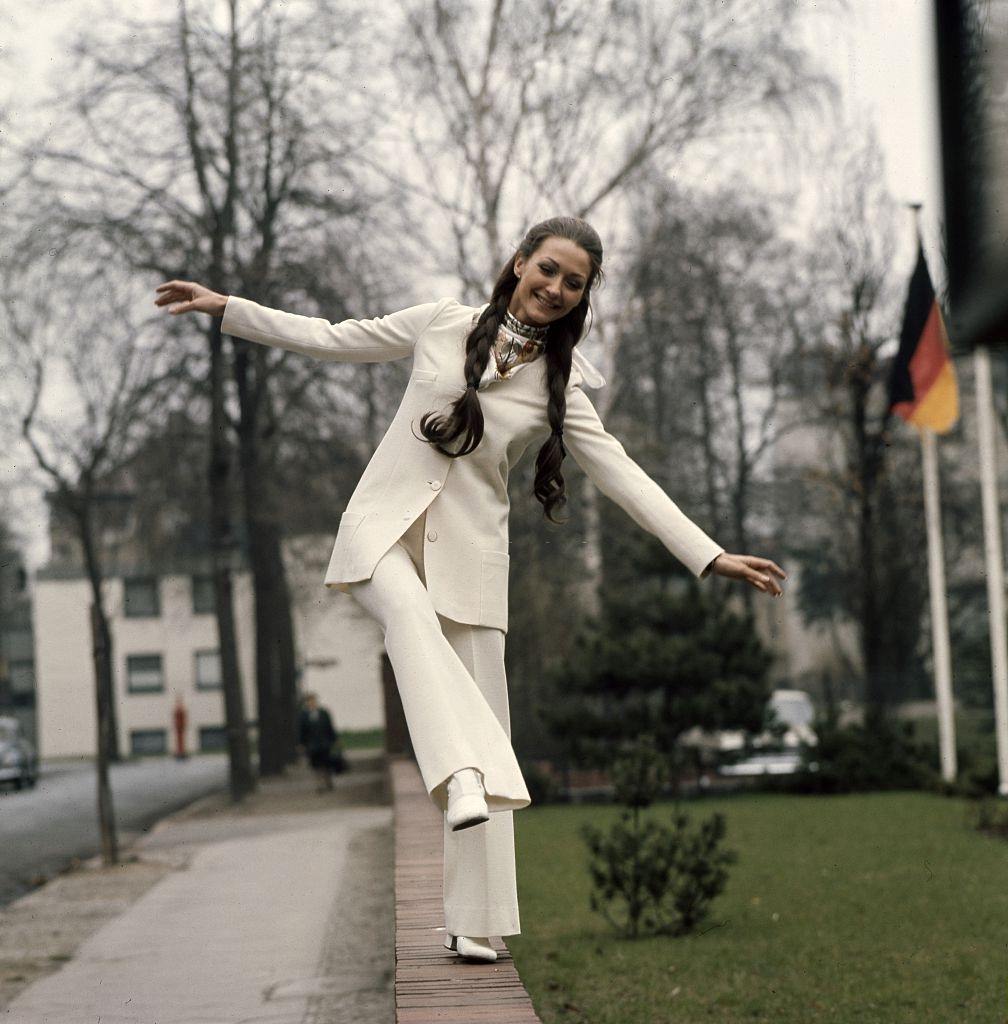
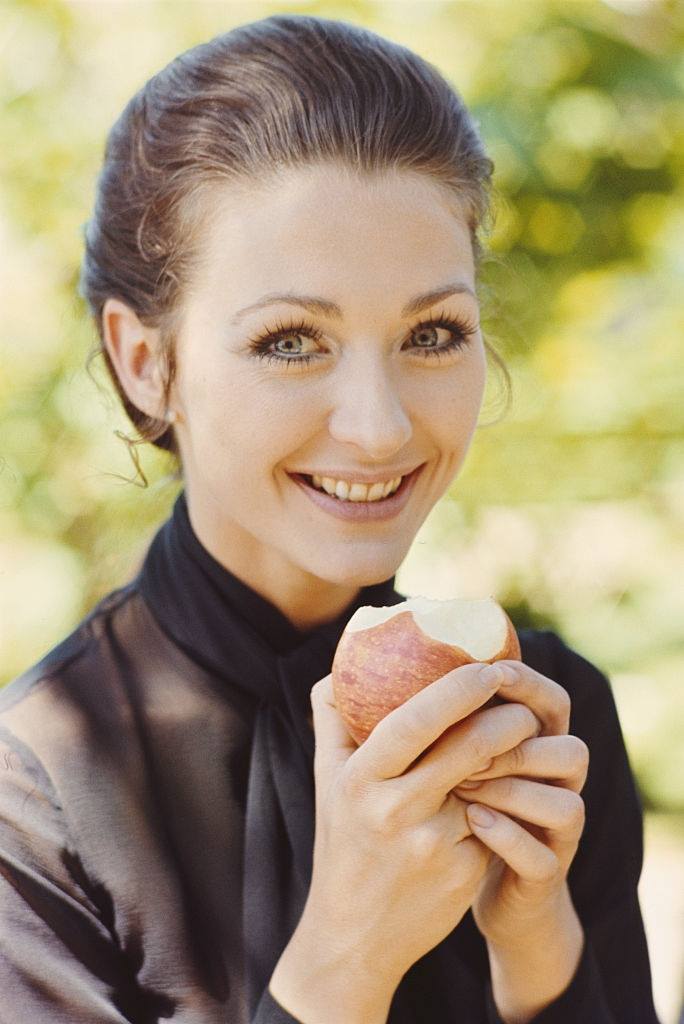
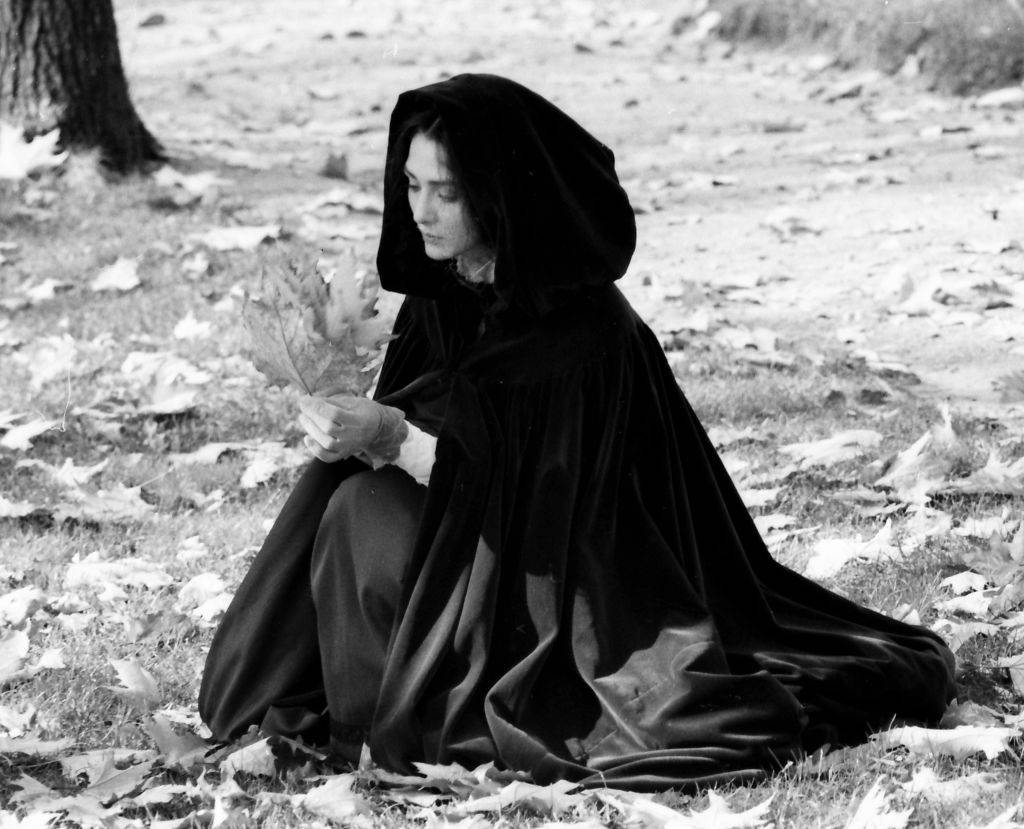
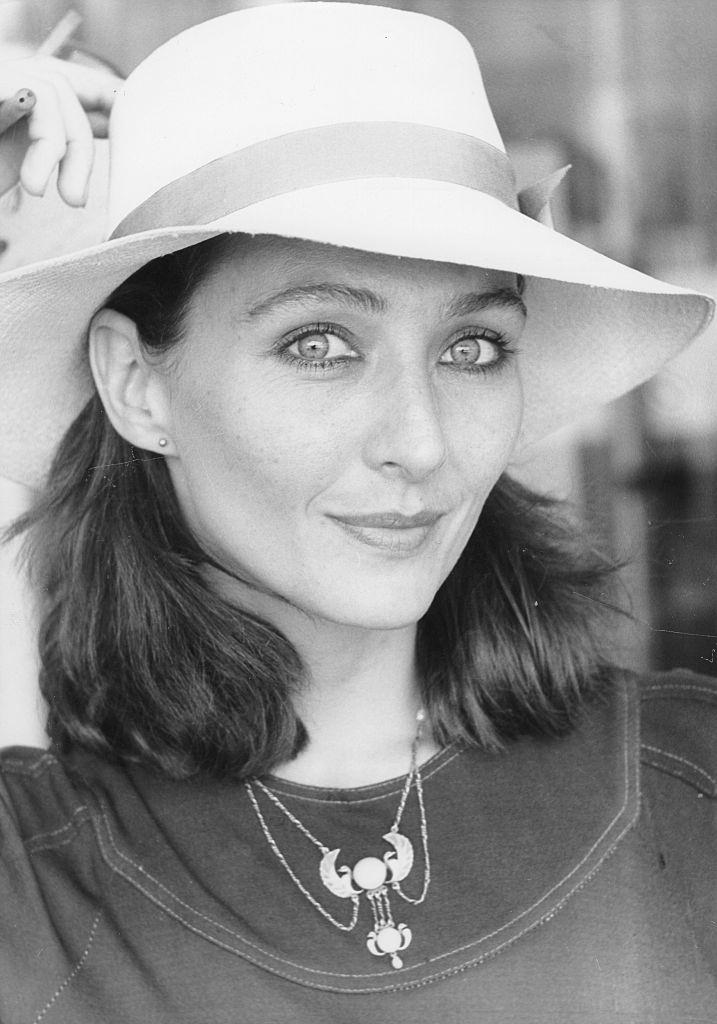
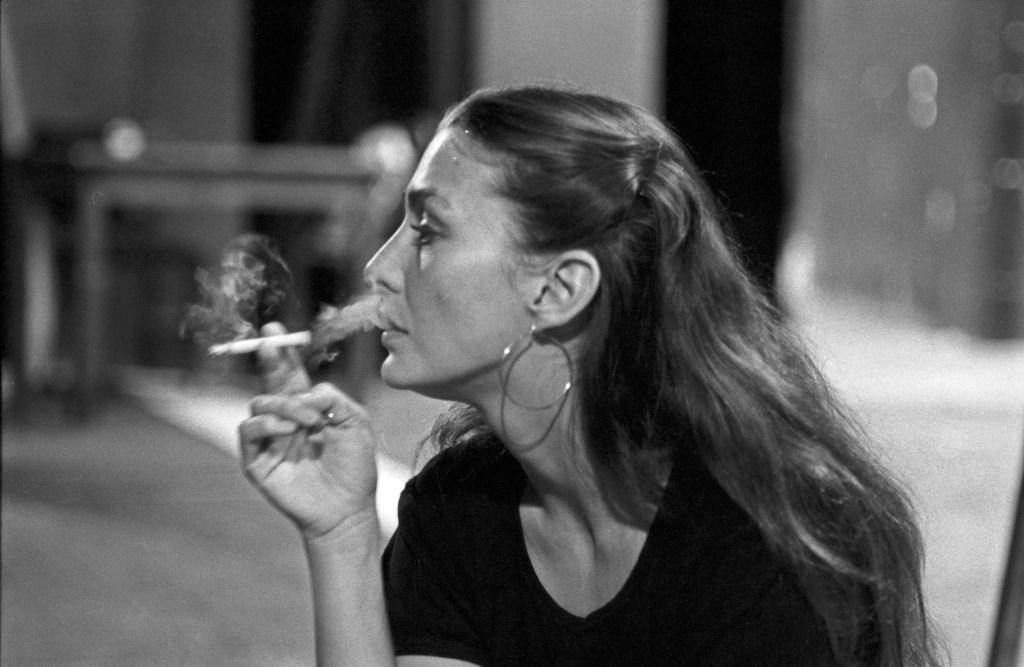
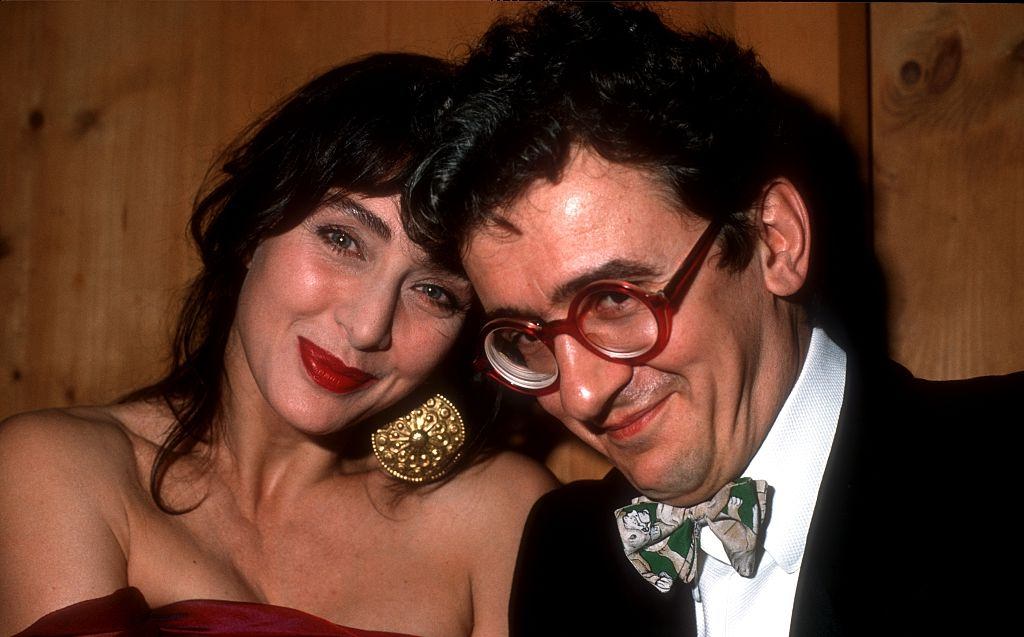
Christine married twice more after her divorce from Tony Curtis. In 1974, she wed television director Achim Lenz, though that marriage ended after two years. In 1979, she married illustrator Klaus Zey. During this period, she also launched her own cosmetics line, which became a successful business venture. She wrote several books on beauty, fame, and health, and produced two autobiographies.
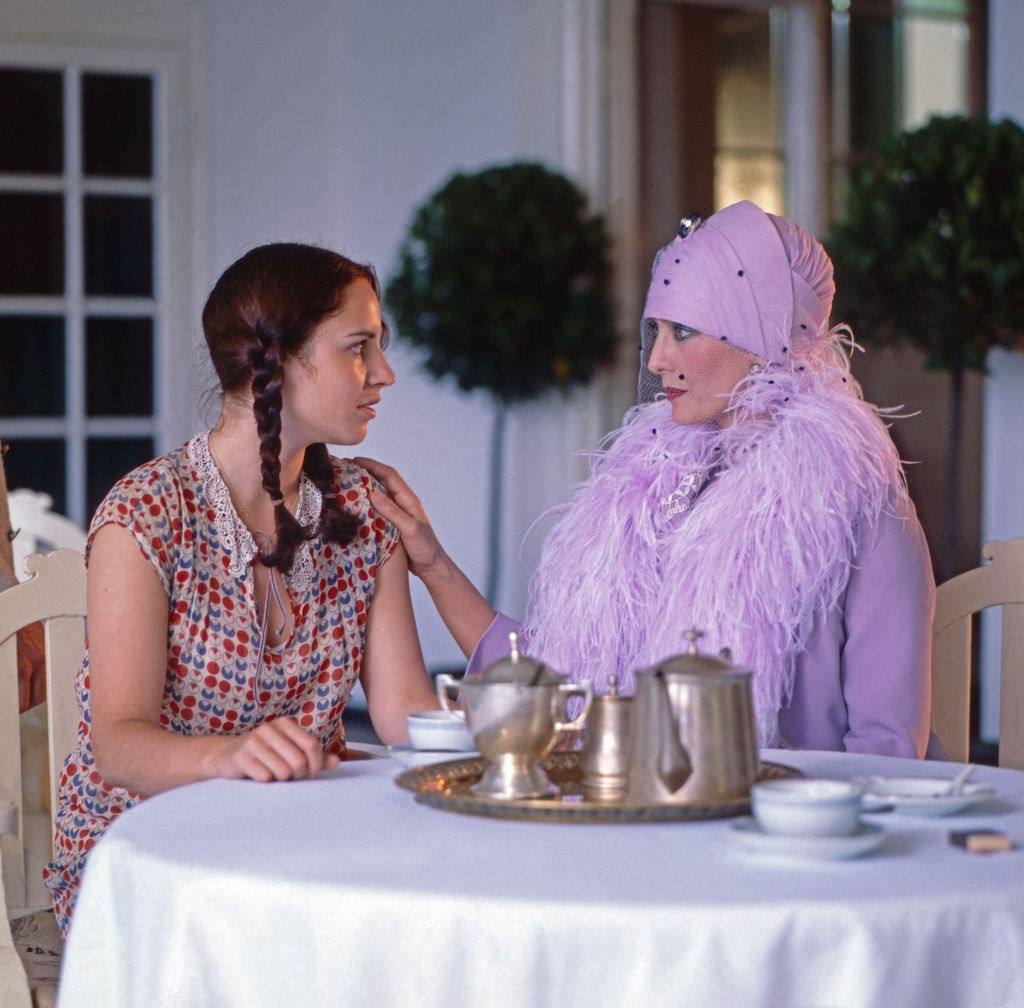
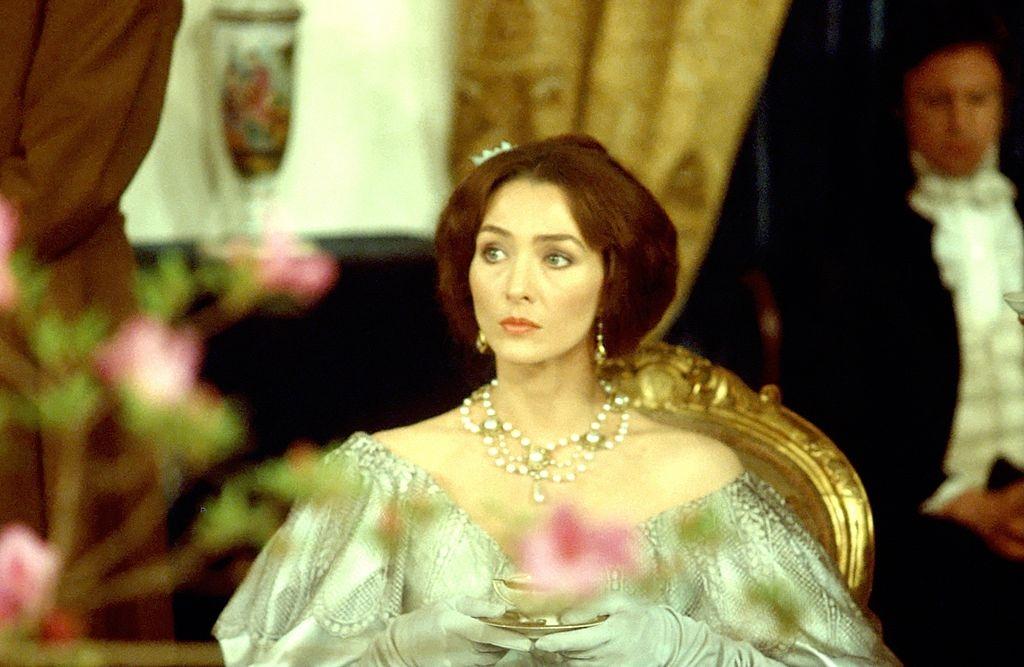
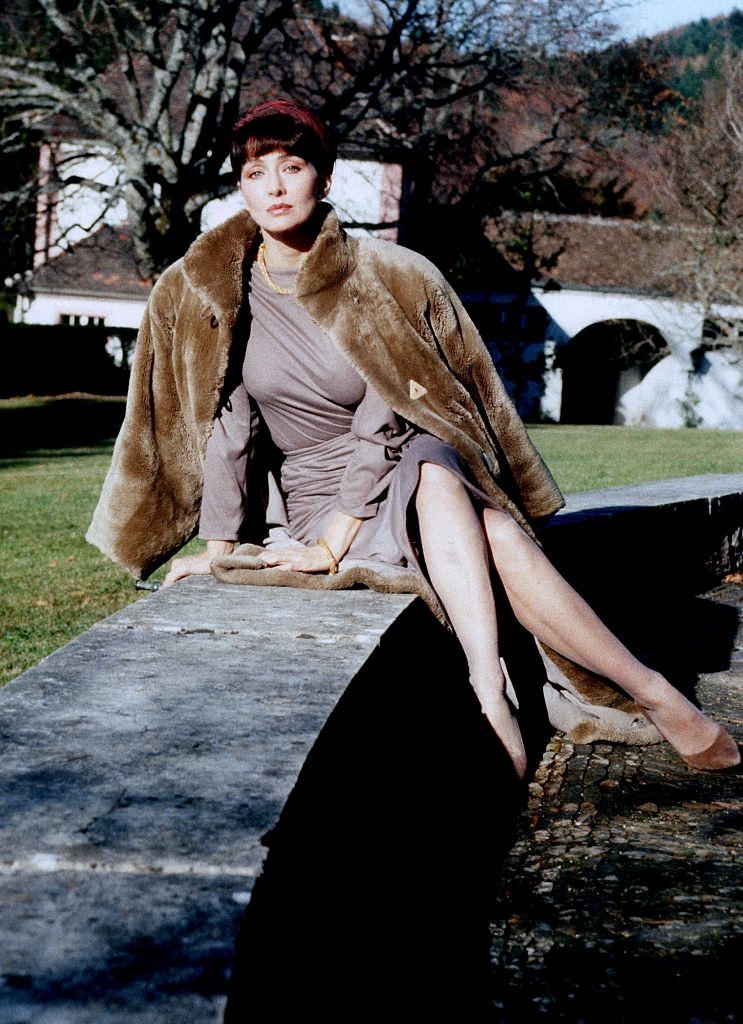
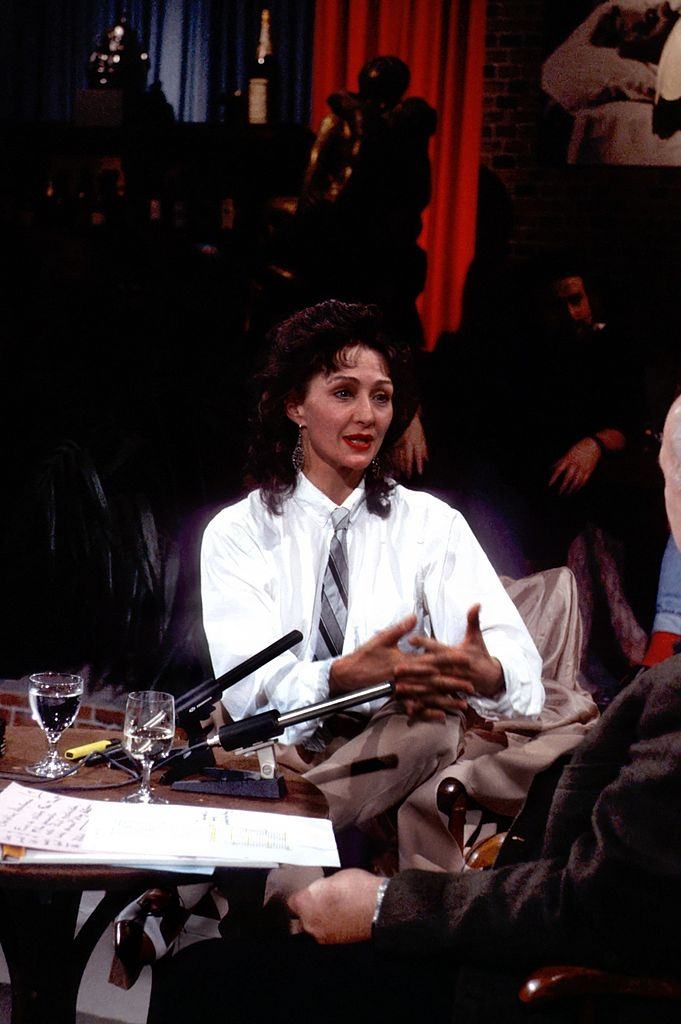
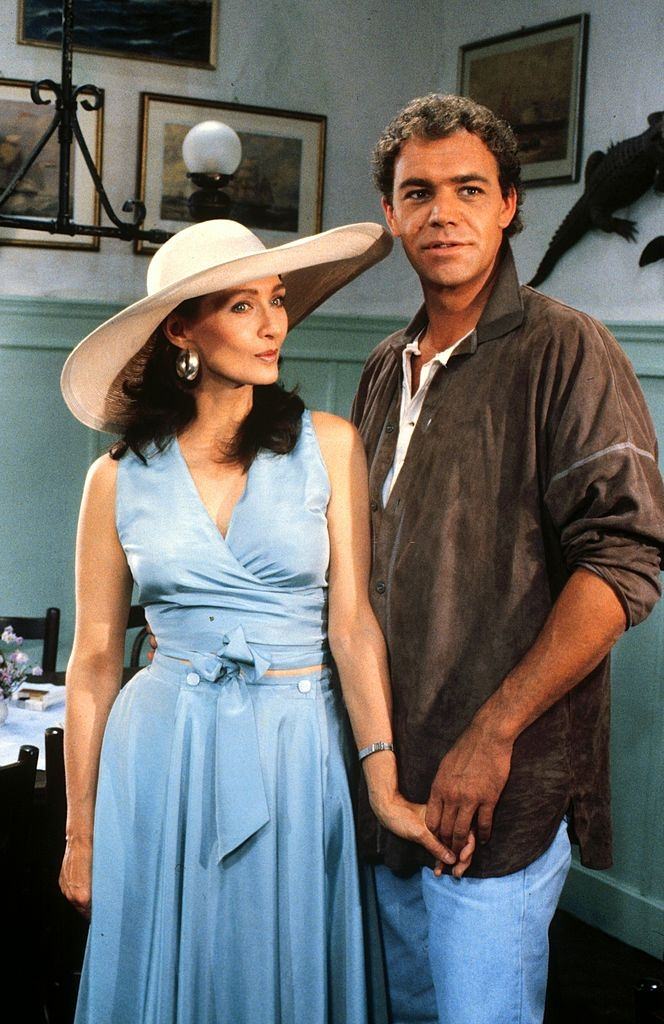
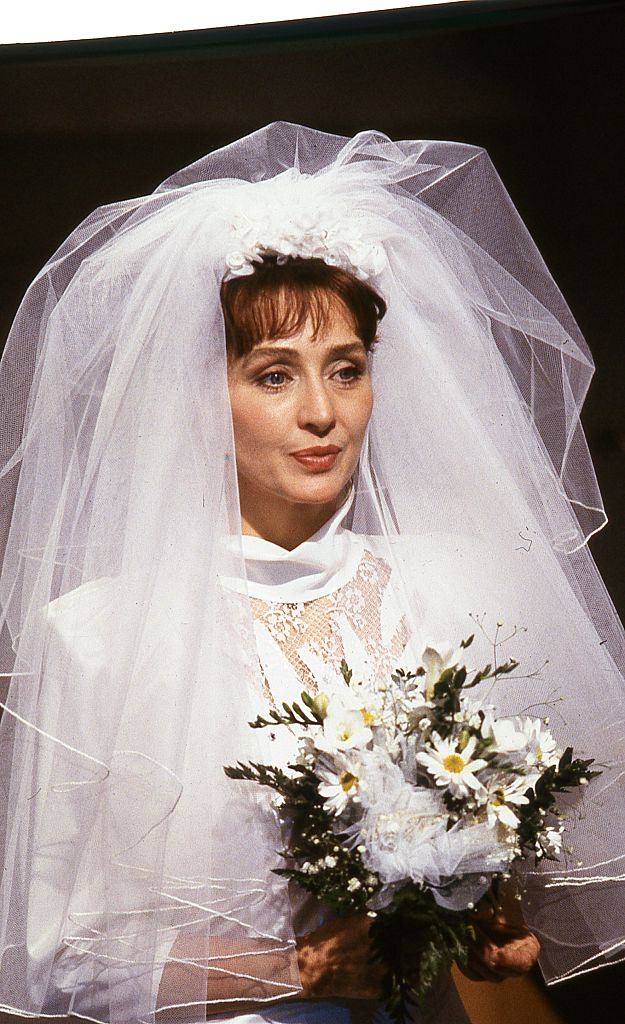
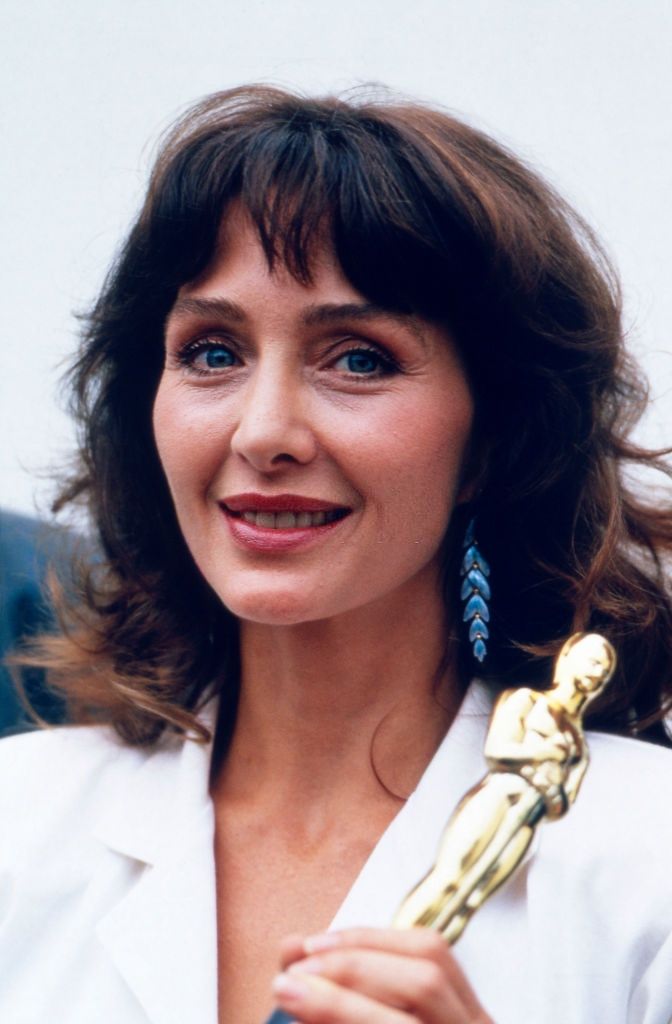
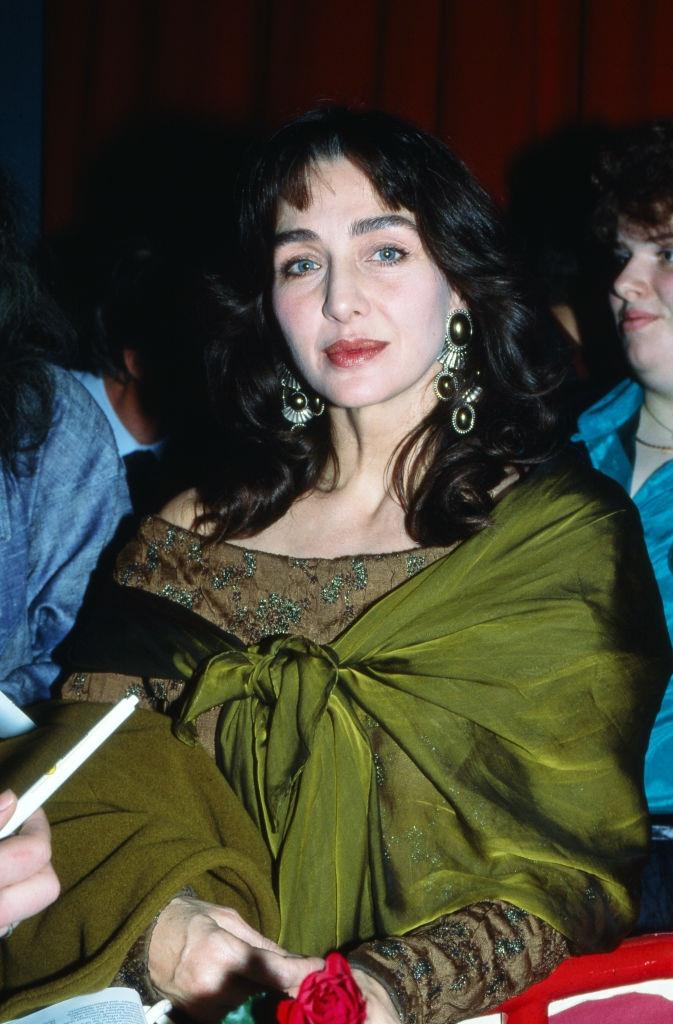
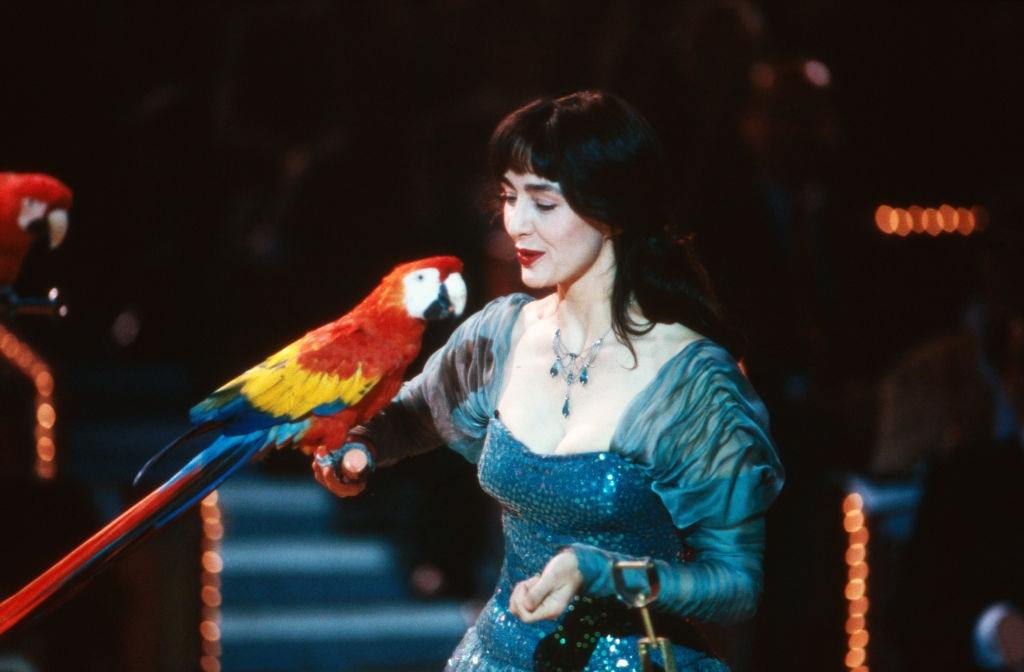
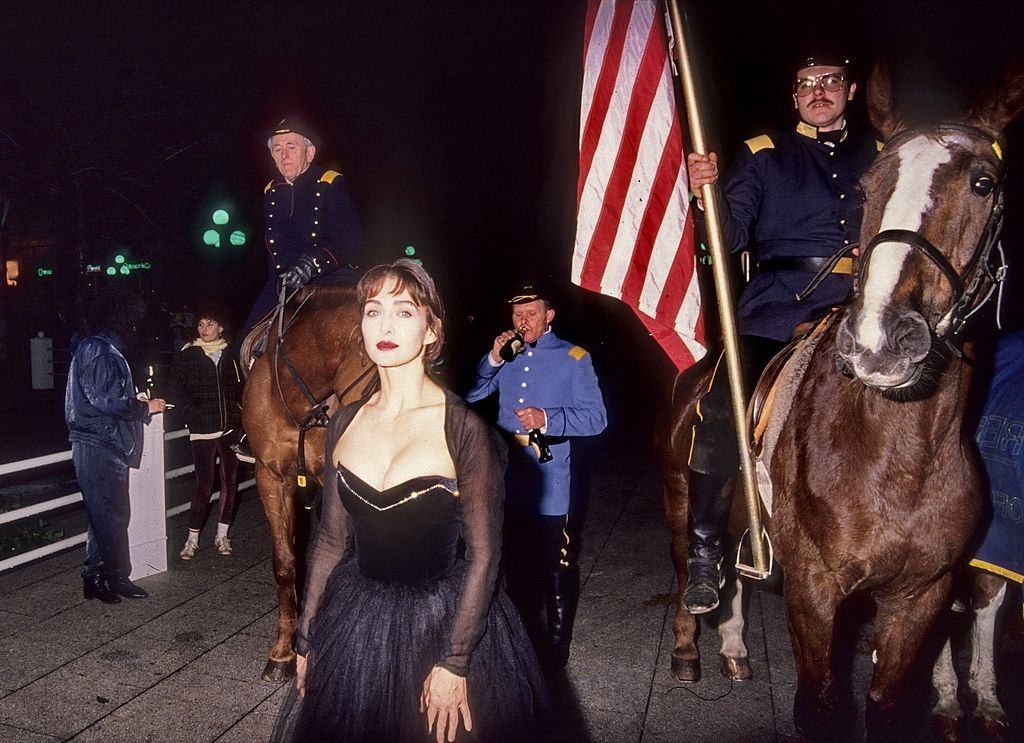
Through the 1980s and into the 1990s, Christine stayed active in German television and public life. She appeared in TV series, attended public events, and remained a recognizable face in Germany. Her work in entertainment spanned five decades in total.
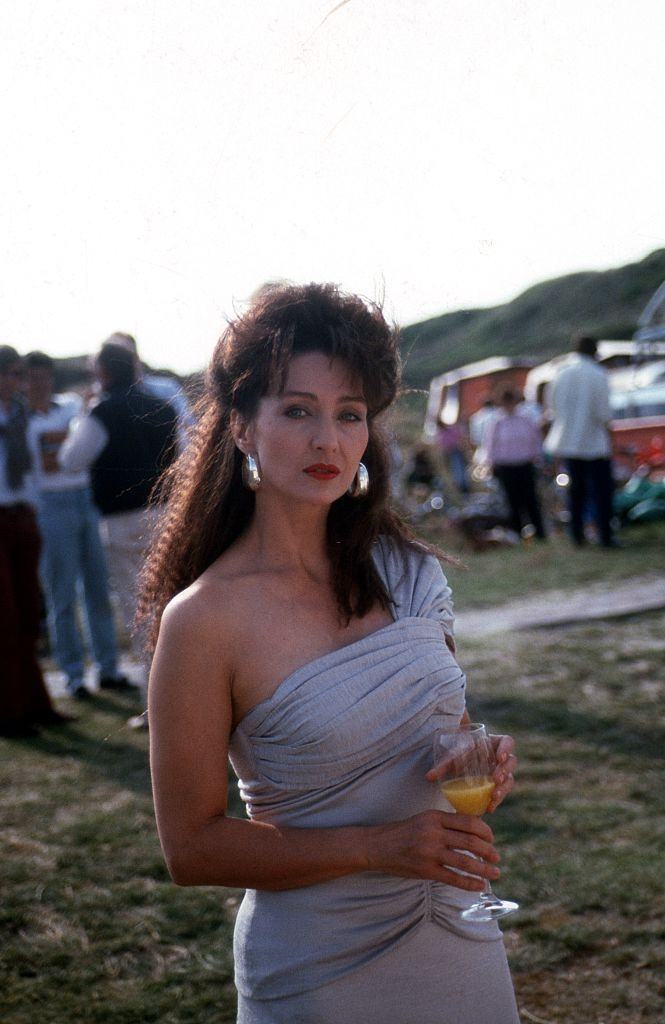
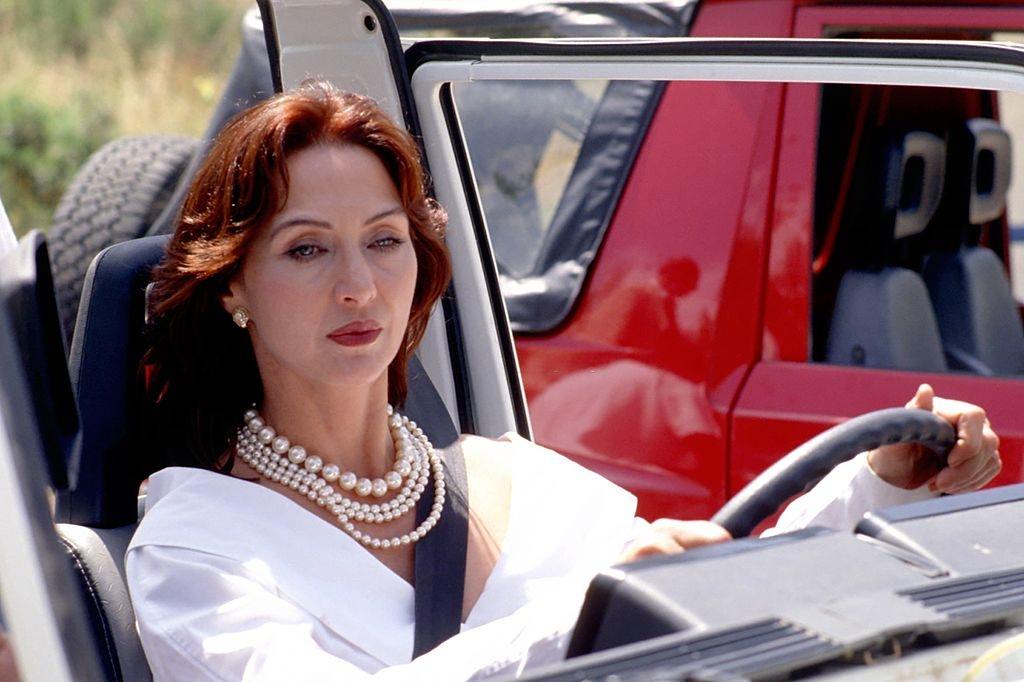
Christine Kaufmann died on 28 March 2017, in Munich. She was 72 years old. The cause of death was leukemia, a diagnosis she had received only days before she passed away.