

Anne Elizabeth Hodges was the only person who was struck by a football-sized rock from outer space. Fortunately, she survived the incident but the meteorite left a mark on her body.
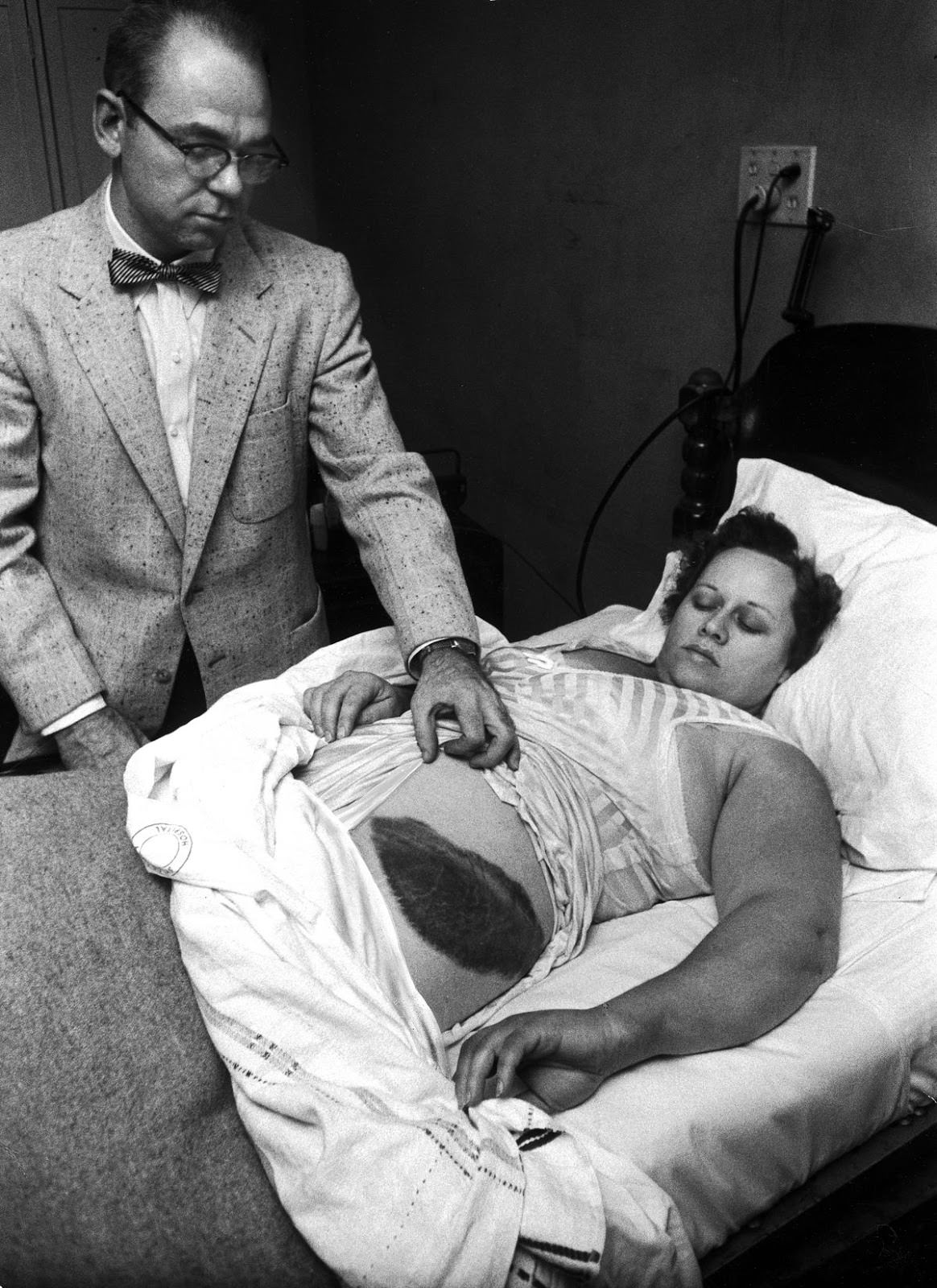
In November 1954, Ann Hodges was taking an afternoon nap in her home Sylacauga, Alabama. Suddenly a large rock came crashing the ceiling in her living room, bounced off her radio, and stuck her in the side, leaving a massive bruise. The rock came from outer space and was weighed 8.5 pounds. People around the area also witnessed a tiny fireball accompanied by tremendous explosions and a brown cloud, suddenly came from space and struck on Ann’s home. Many thought a plane had crashed, while others suspected an airstrike from the Soviets due to the Cold War paranoia. People flocked her house and her husband, Eugene Hodges returned home from work upon hearing the weird news.
A government geologist working in a nearby quarry was called to the scene and determined the object was a meteorite. Ann was shifted to the nearby hospital. The Sylacauga police chief confiscated the black rock and turned it over to the Air Force and they confirmed that it was a meteorite.
The people and Ann Hodges demanded to return the space rock. However, Ann and her husband were renters, and their landlady named Birdie Guy hired a lawyer to acquire the rock because it was fallen on her house. Guy settled out of court, giving up her claim to the meteorite in exchange for $500. Hodges donated the meteorite to the natural history museum in 1956, where it’s still on display.
Ann later suffered a nervous breakdown, and in 1964 she and Eugene separated. She died in 1972 at 52 of kidney failure at a Sylacauga nursing home. Eugene suspects the meteorite and frenzy that followed had taken its toll on Ann. He said “she never did recover,” according to the museum.
#1 The rental home where Ann Elizabeth Hodges and her husband lived when she was struck by a meteorite that fell through the ceiling, Sylacauga, Alabama.
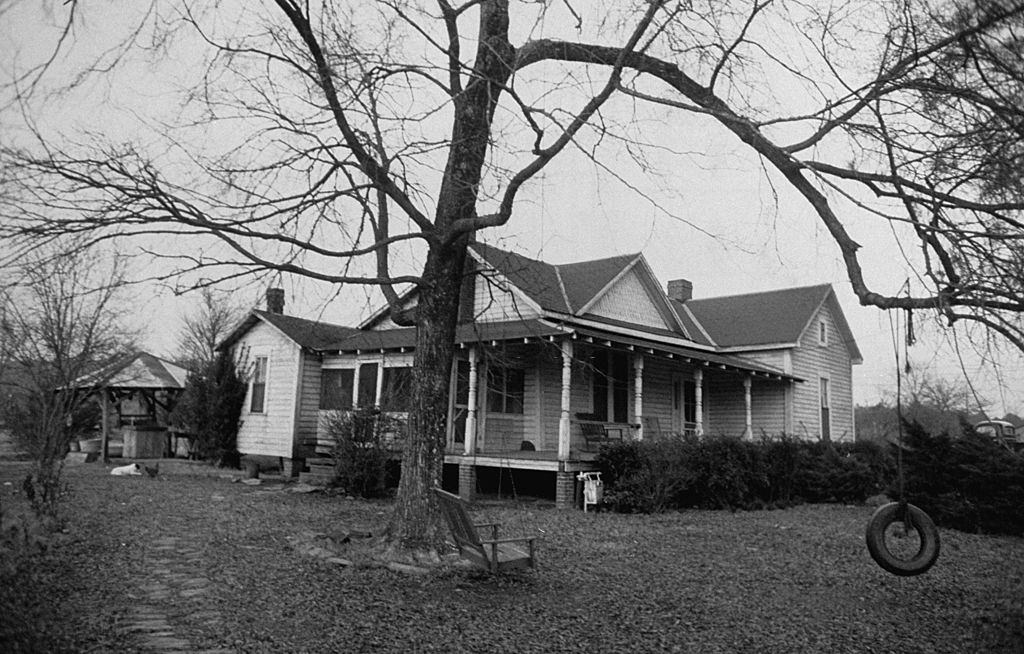
She and her husband, Eugene Hodges, were tenant in the house. And their landlady was widowed woman named Birdie Guy.
#2 A hole in the ceiling of the rental home where Ann Elizabeth Hodges and her husband lived, through which she was struck by a falling meteorite.
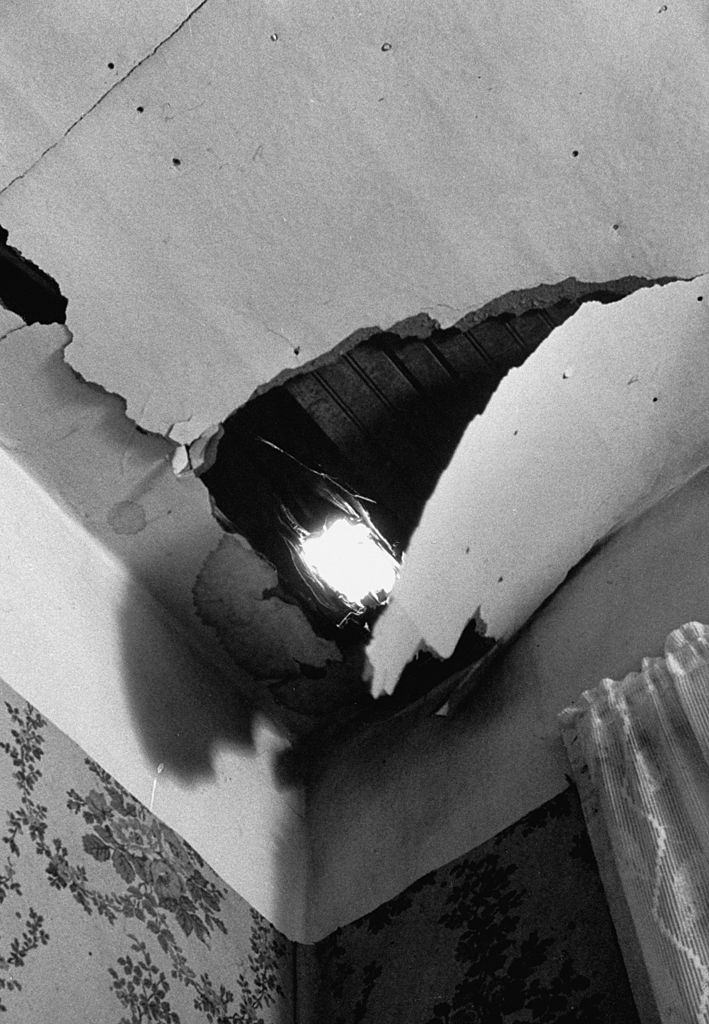
The rock crashed Ann's living room bounced off her radio and stuck her in the side. People around the area also witnessed a tiny fireball accompanied by tremendous explosions and a brown cloud.
#3 Hodges standing under the spot where the meteorite crashed through her ceiling.
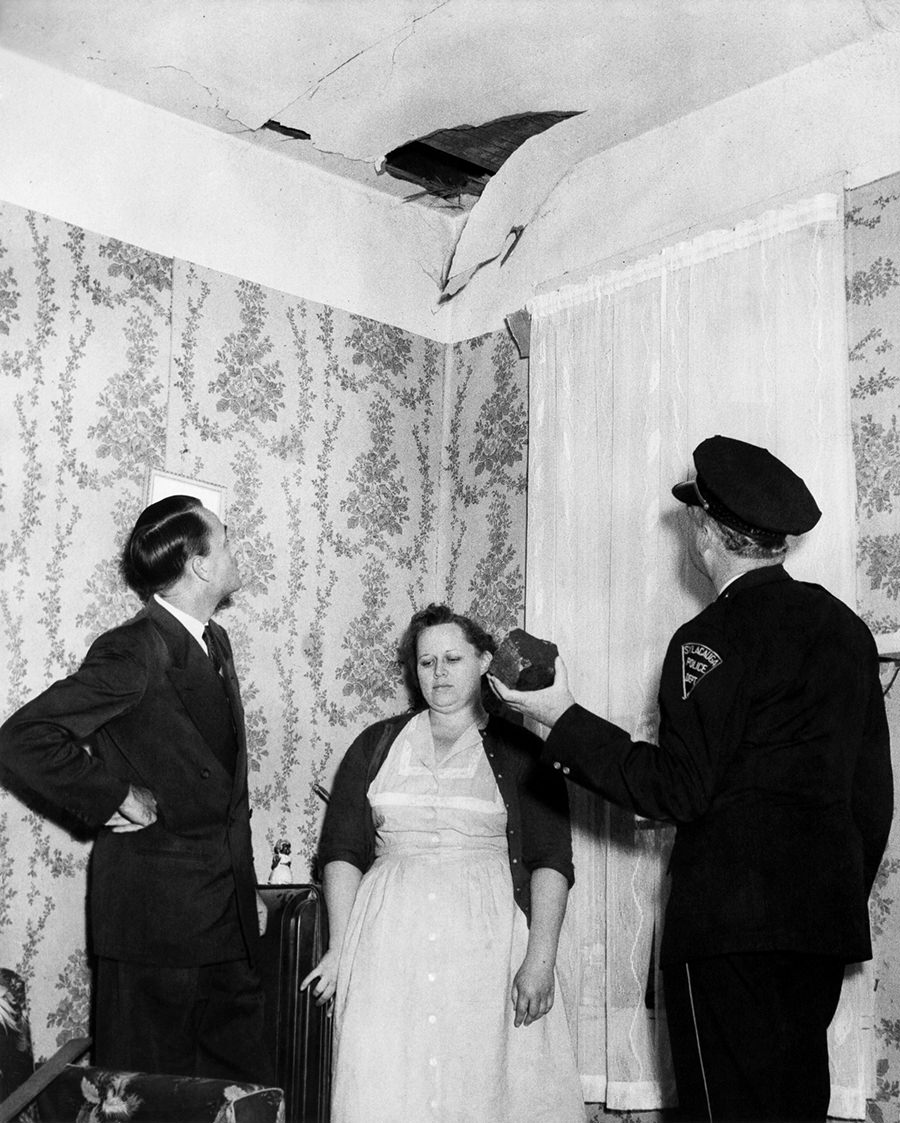
#4 Hewlett Hodges, Ann Hodges’ husband at the time she was hit by the meteorite, “studying” the infamous rock.
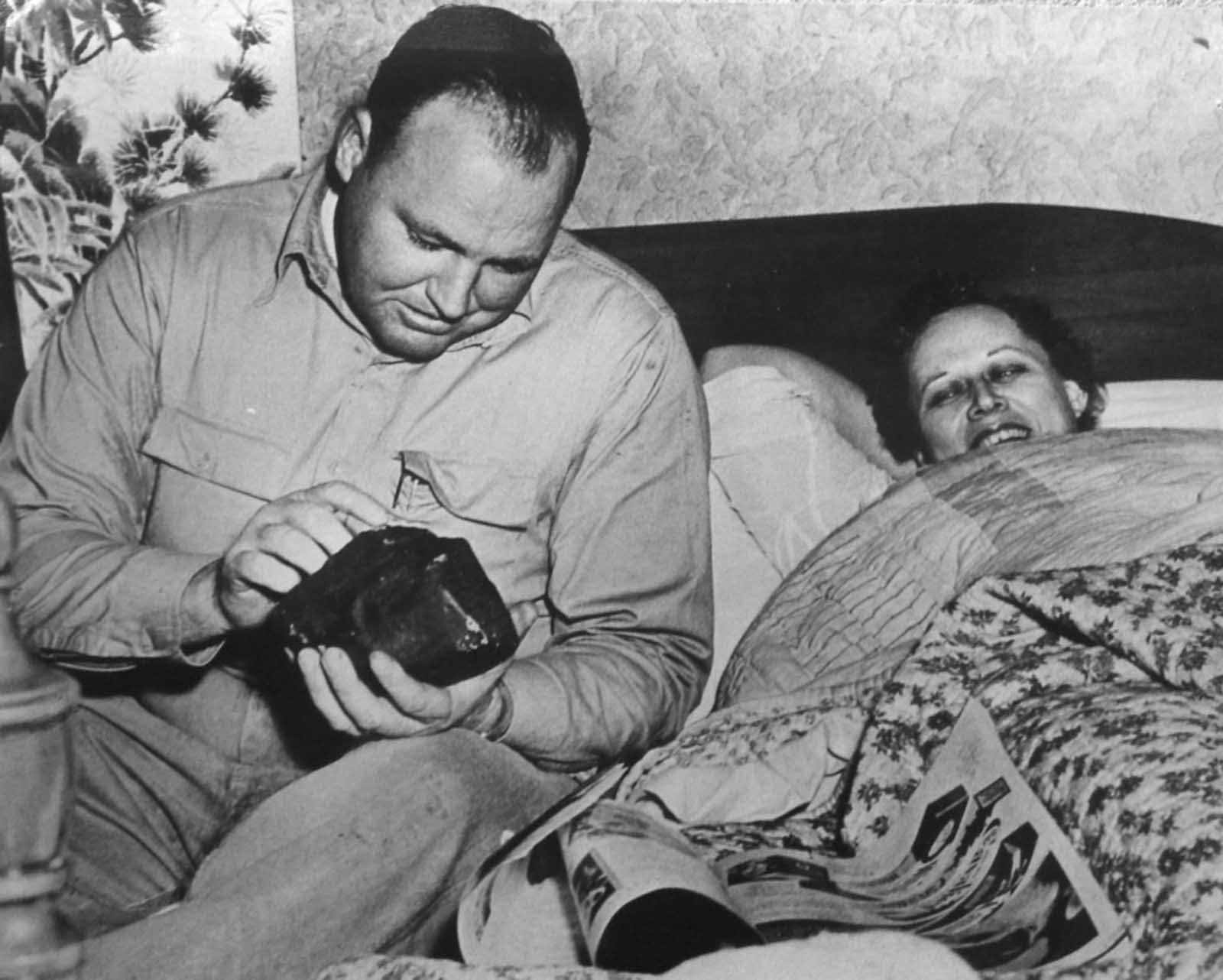
He was a utility worker, upon hearing the news, he returned home from work, he had to push gawkers off the porch to get inside.
#5 Mayor Ed Howard, as he sits and gestures during a discussion about the aftereffects of a meteorite which struck Ann Elizabeth Hodges when it fell through the roof of her home.

#6 Moody Jacobs shows a giant bruise on the side and hip of his patient, Ann Hodges, in 1954, after she was struck by a meteorite.
#7 The Air Force on December 9th formally returned to Mrs.
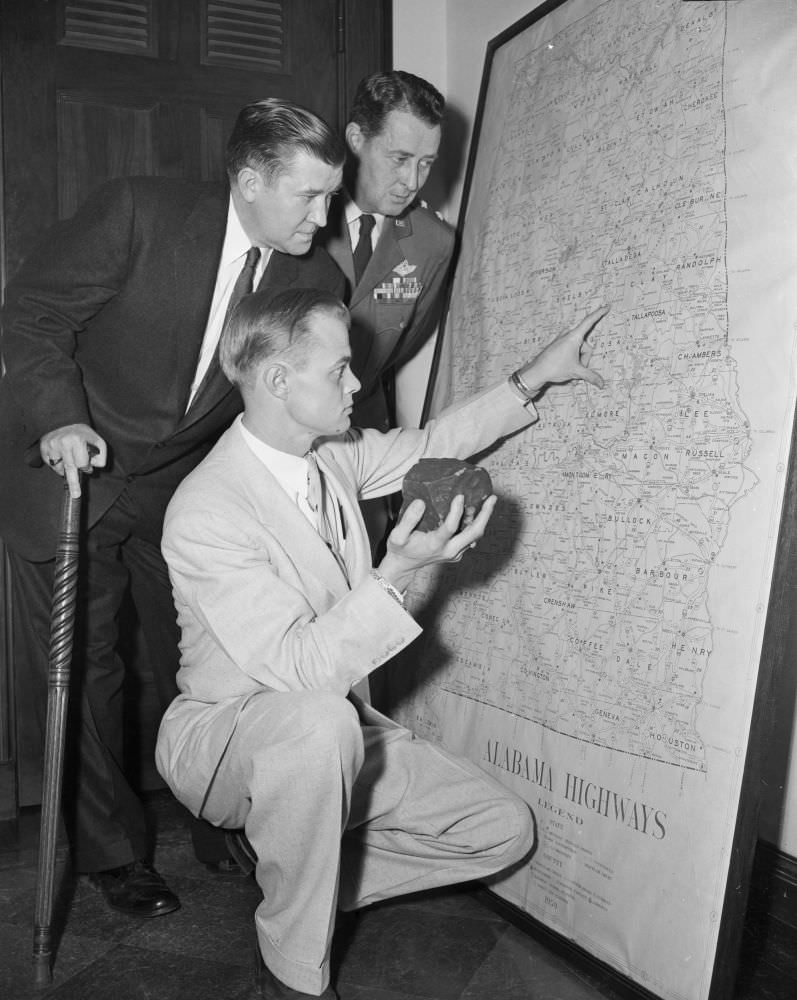
Hewlett Hodges the ten-pound meteorite which crashed into her Sylacuaga, Alabama, home on November 30th and hit her. Huel M. Love, Talladaga, Alabama, her attorney, holds the meteorite as he points to the town of Sylacauga on a map. Major General Joe W. Kelly (right) handed it over to Love in the office of Rep. Kenneth A Roberts
#8 Ann Hodges with her husband and stone.
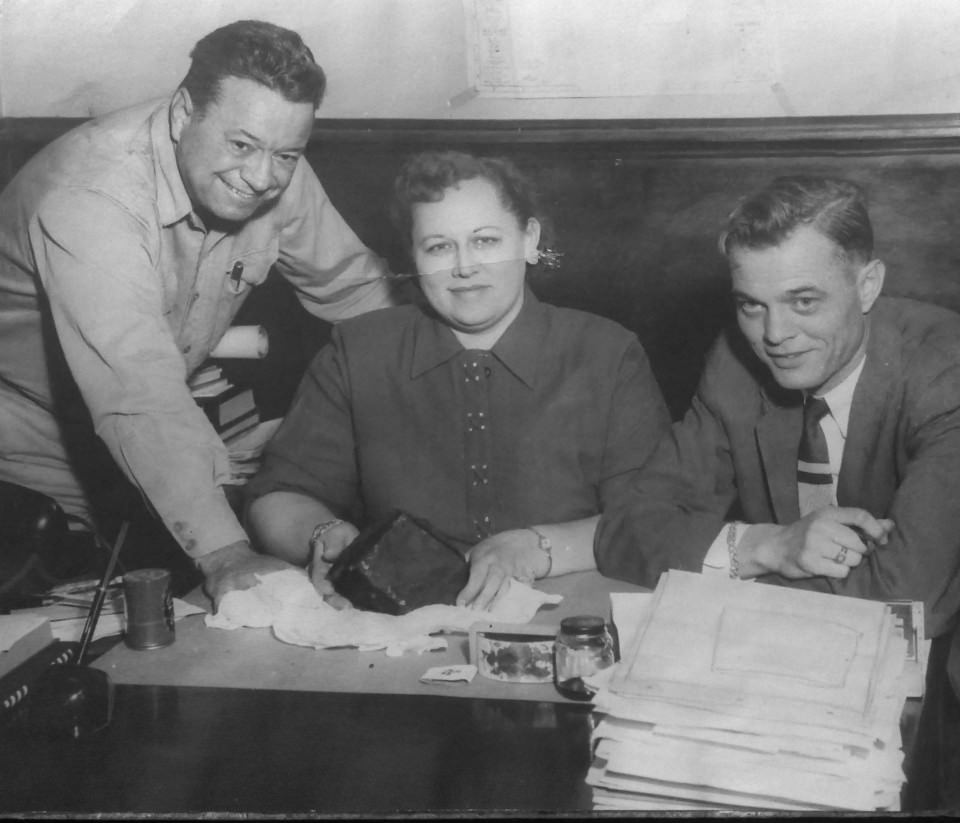
The people and Ann Hodges demanded to return the space rock. However, Ann and her husband were renters and their landlady named Birdie Guy, hired a lawyer to acquire the rock because it was fallen on her house. Guy settled out of court, giving up her claim to the meteorite in exchange for $500.
#9 The Hodges Meteorite on display at the University of Alabama’s Natural History Museum.
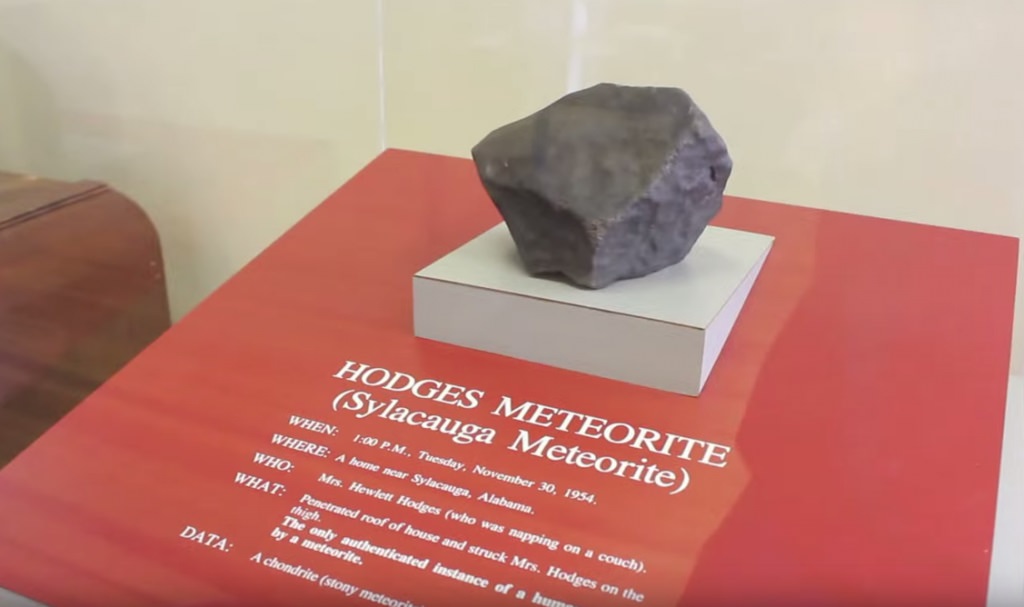
Hodges donated the meteorite to the natural history museum in 1956, where it's still on display.