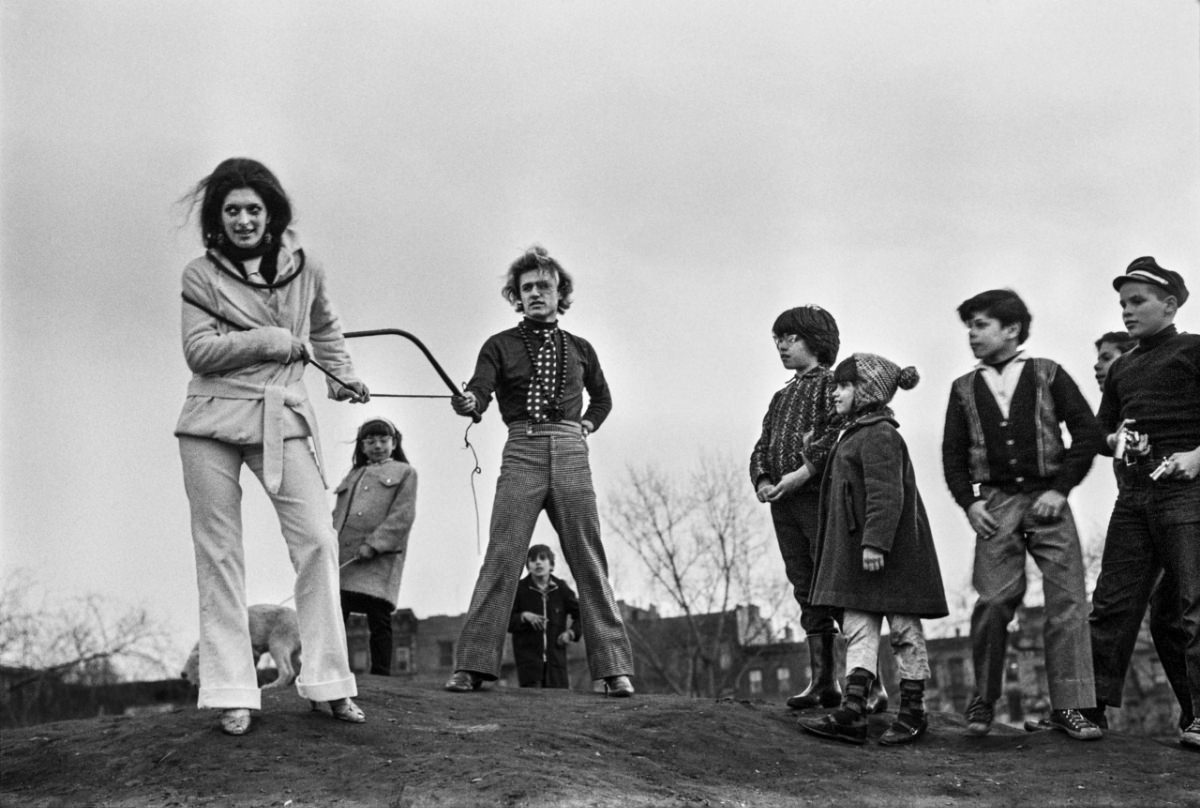
In 1966, photographer Larry Fink was hired to shoot a fashion spread for a small literary publication called the East Side Review. The assignment brought him into the orbit of one of New York City’s most talked-about figures — Andy Warhol — and the rotating cast of artists, musicians, and personalities who surrounded him at The Factory.
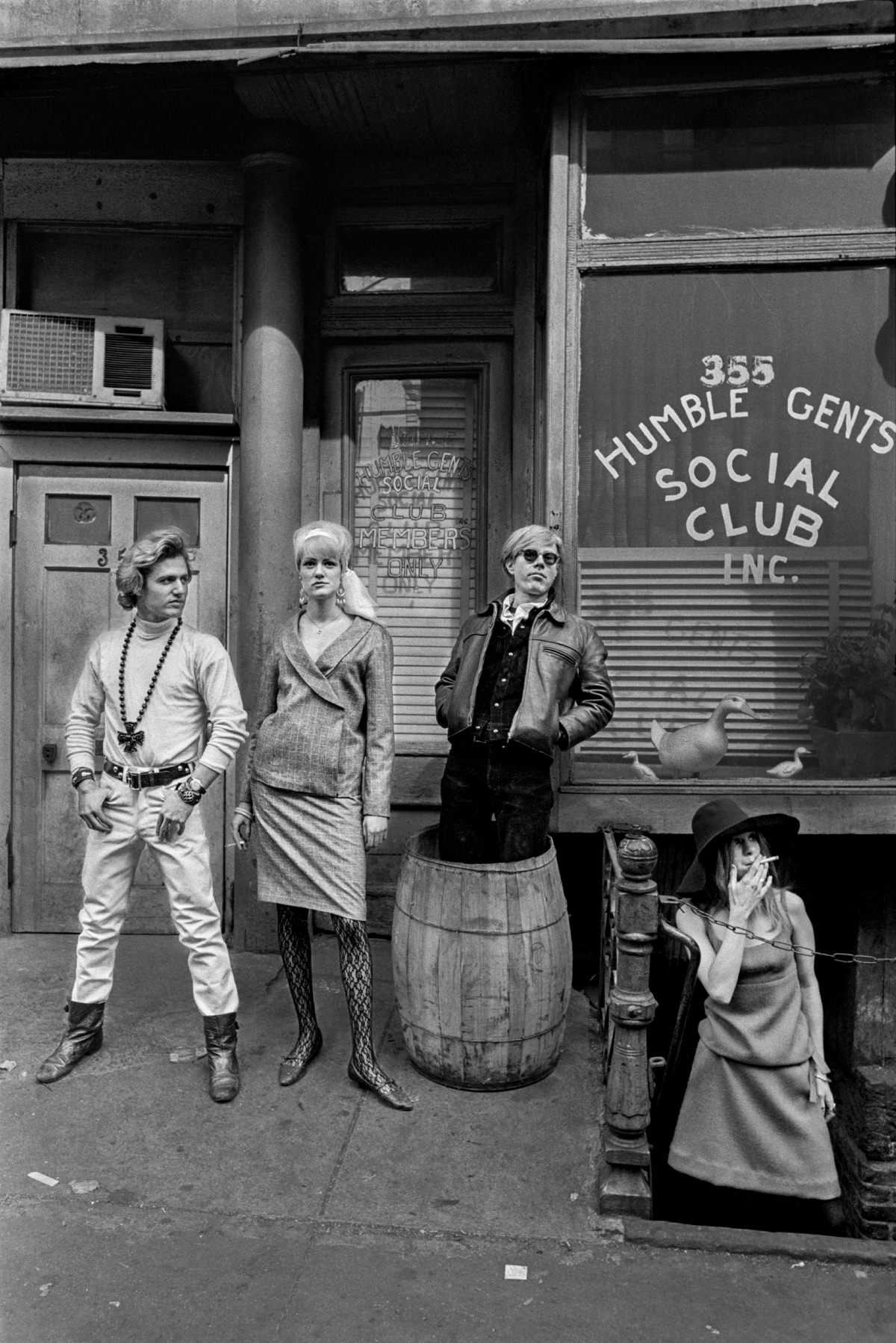
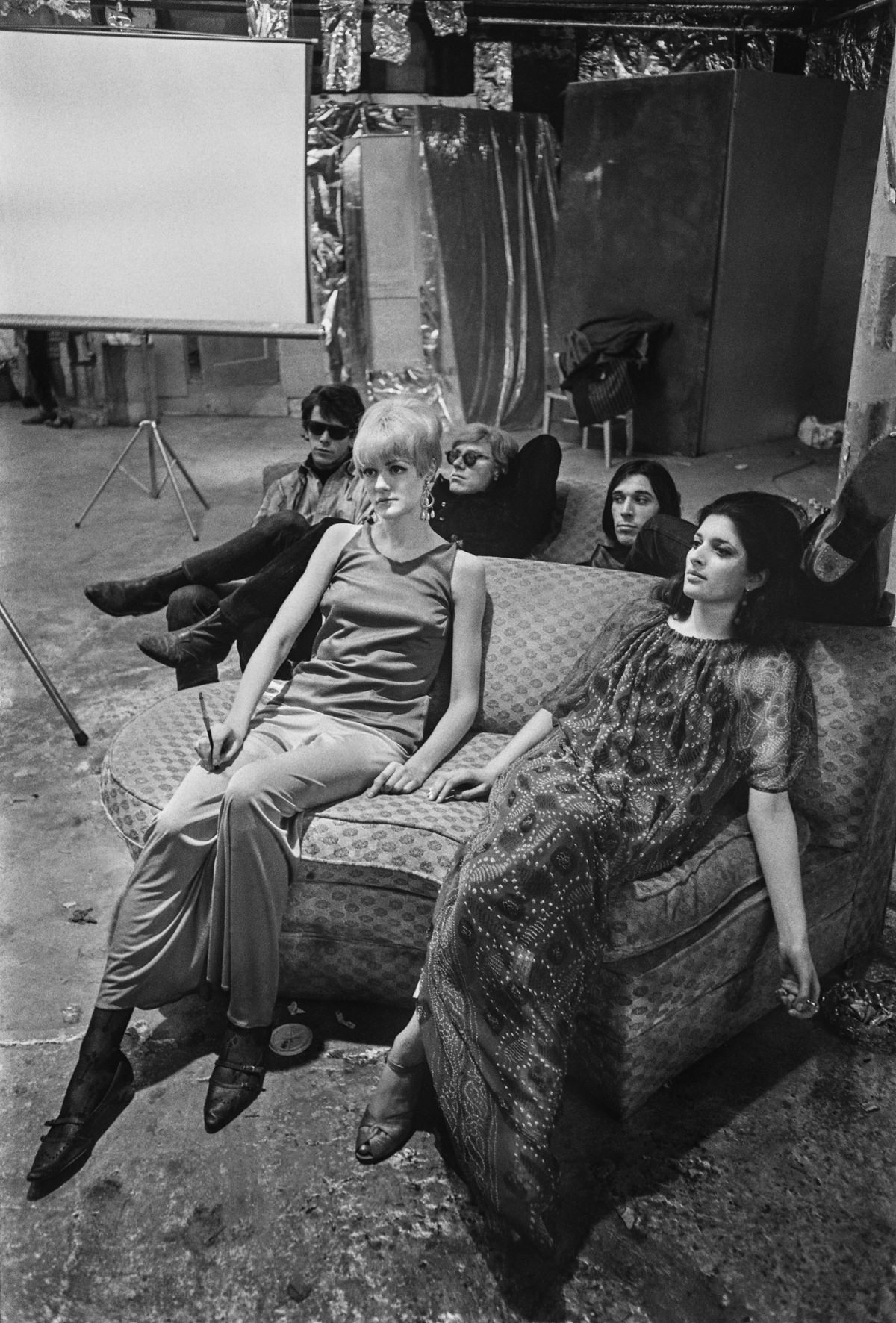
Fink spent four days with Warhol and his crew, shooting around The Factory and out on the streets of Manhattan’s Lower East Side. The people in front of his lens were a who’s-who of the mid-1960s downtown scene: Edie Sedgwick, Lou Reed, John Cale, Ingrid Superstar, and Gerard Malanga all appeared in the photographs.
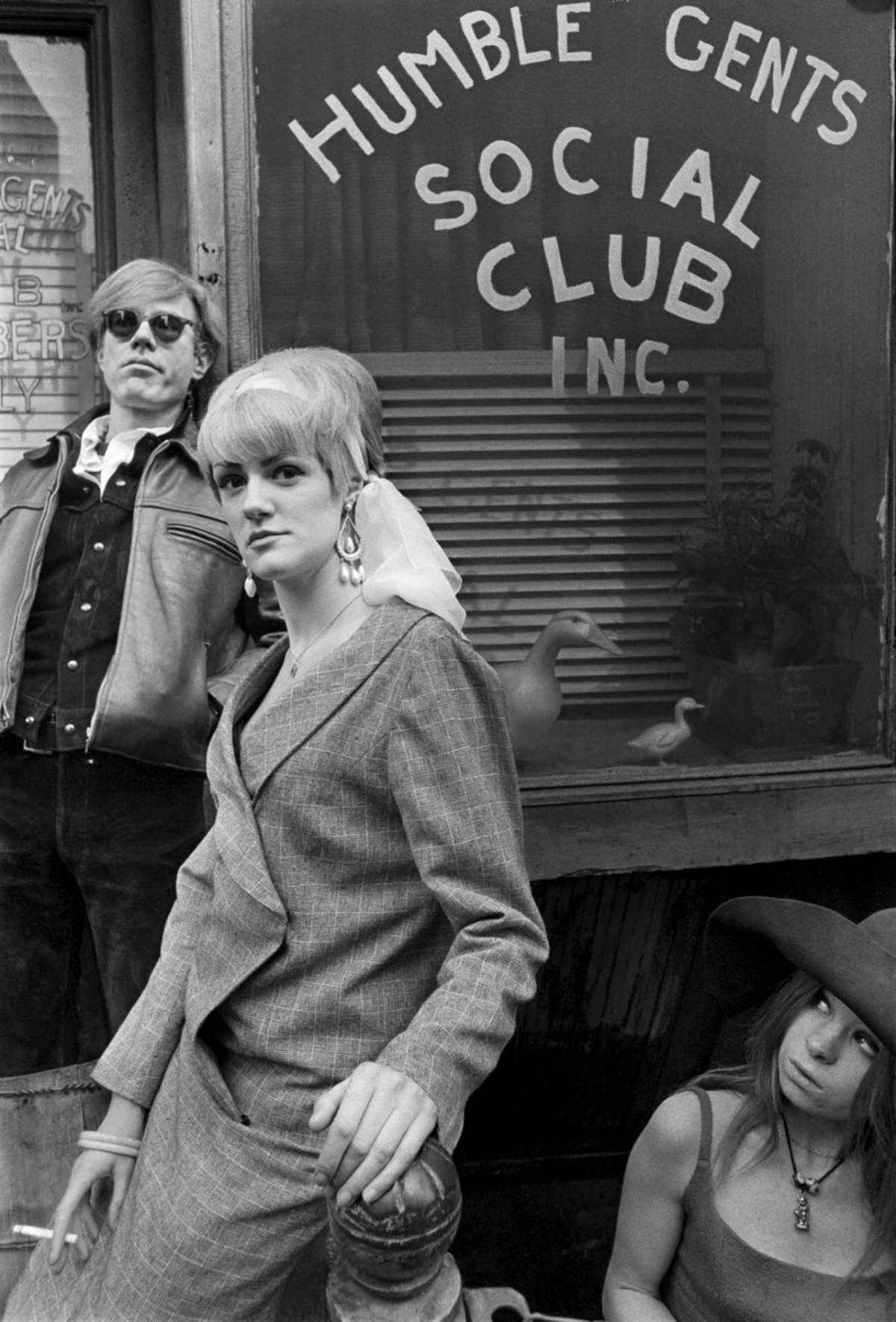
Edie Sedgwick was already one of Warhol’s most recognizable collaborators, a fixture at Factory events and in his experimental films. Lou Reed and John Cale were in the early stages of building the Velvet Underground, the band Warhol would soon produce and promote. Gerard Malanga worked closely with Warhol as his studio assistant and was deeply embedded in the Factory’s daily operations.
The East Side Review never ran the photos. The magazine folded before the issue could be published, and Fink’s negatives were packed away into his archive along with the rest of his work.
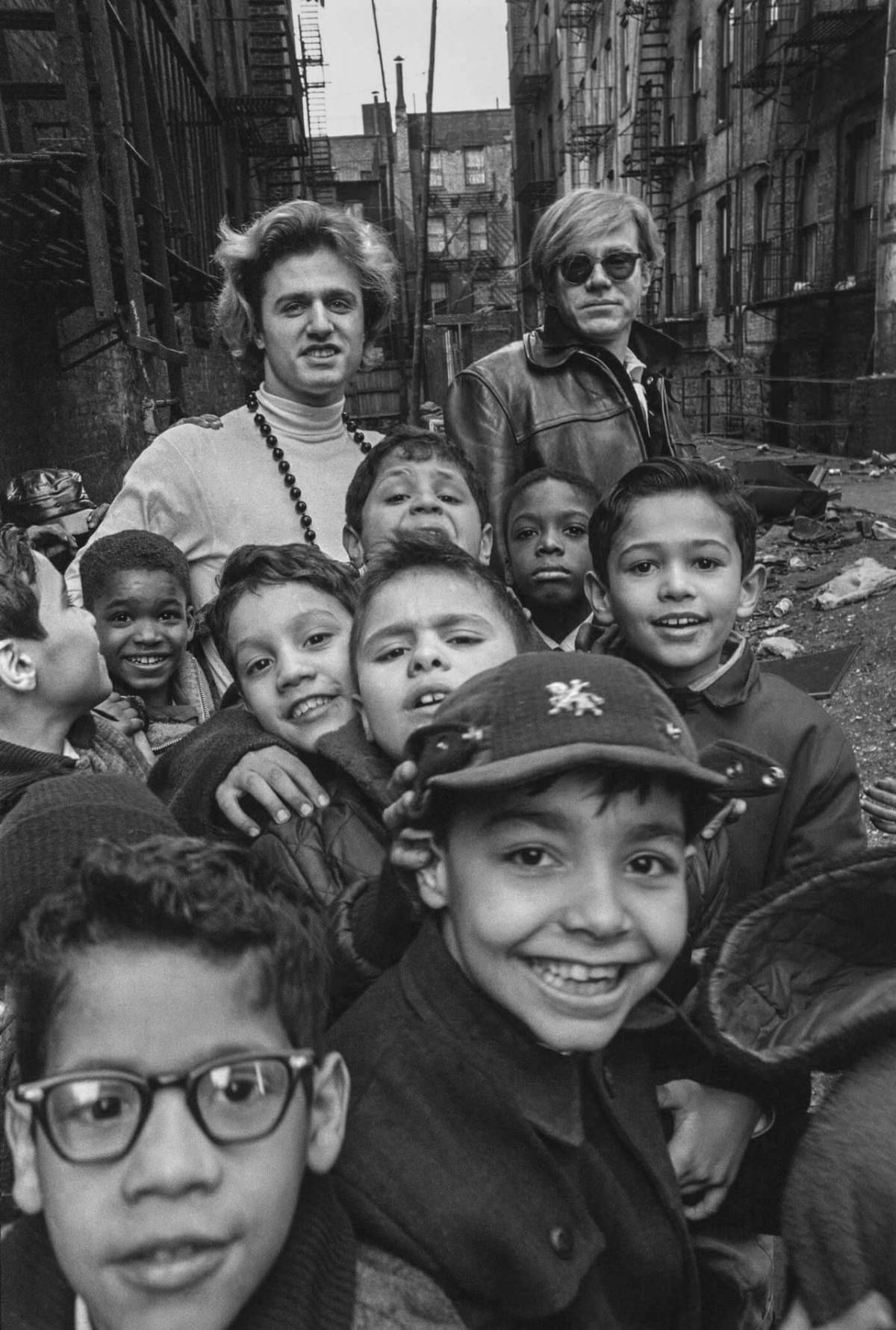
There they stayed for nearly five decades. Fink himself forgot the photographs existed. It wasn’t until 2015 that he rediscovered them while going through his archive, bringing a lost slice of 1966 New York back into the light.
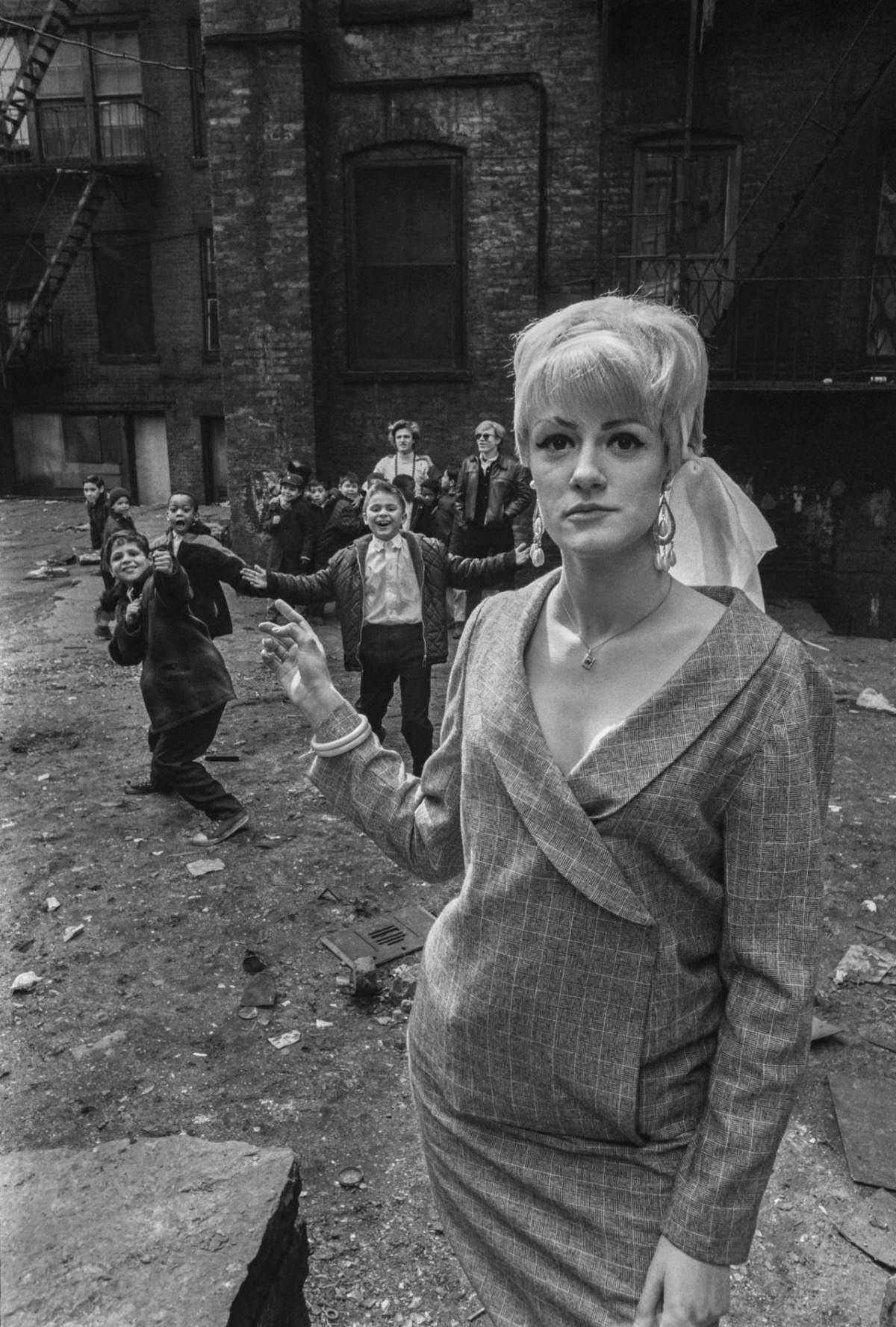
Fink described the experience of those four days as ironic and fun-filled. He noted that Warhol seemed to be everywhere and nowhere at once — present in the room, but completely detached from the political tensions running through New York City at the time. While 1966 was a year of intense social unrest across the country, Warhol moved through it as though none of it registered.
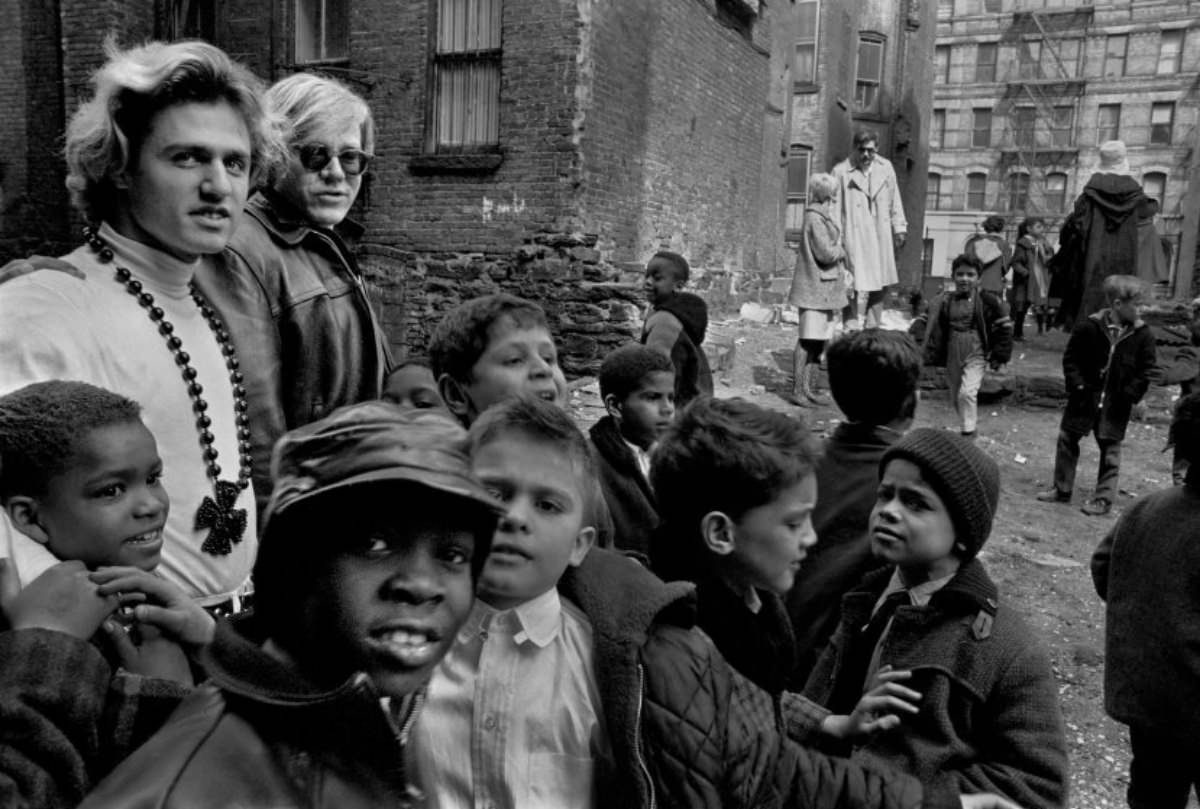
That quality — a kind of deliberate blankness — was a defining feature of Warhol’s public persona. He rarely made direct political statements. His art engaged with consumer culture and celebrity, not protest. To Fink, spending time with him was a lark, an almost surreal stretch of days in one of the most creatively charged environments in the city.
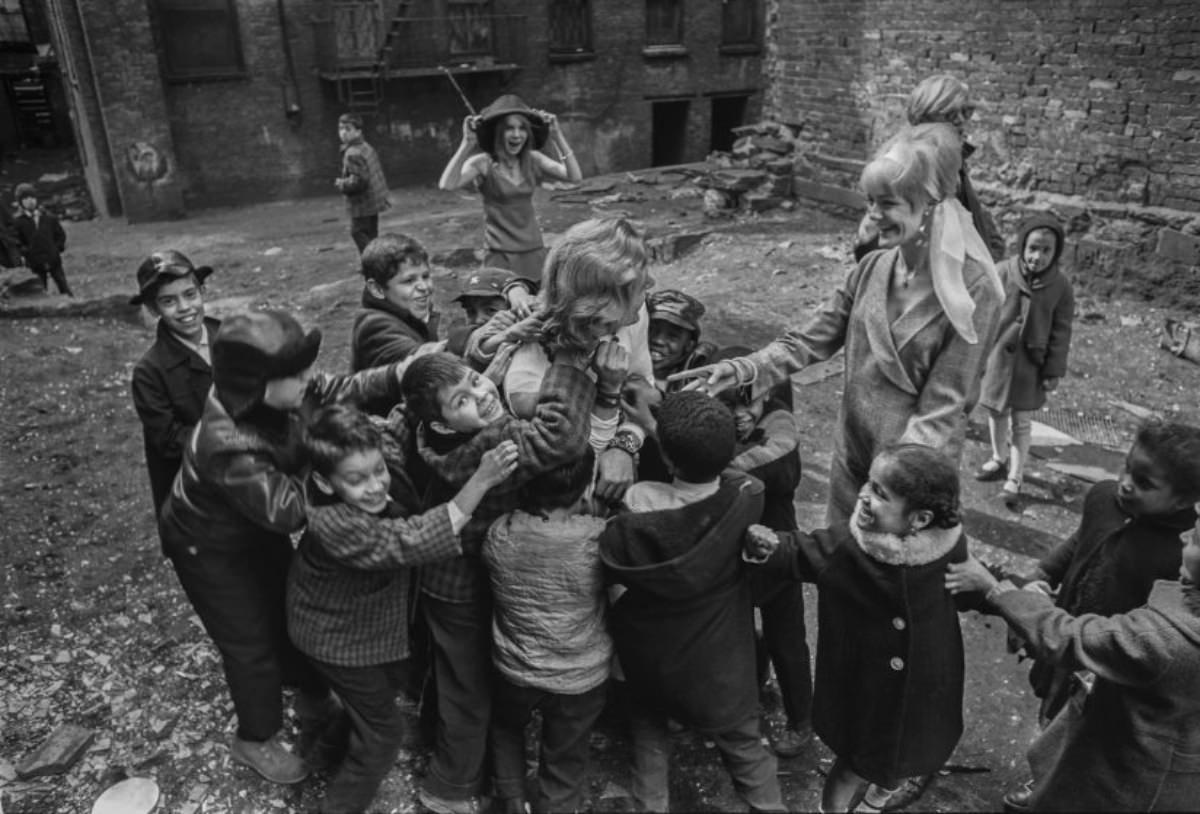
The Factory itself, located on East 47th Street at the time, was silver-foil-covered walls and all, a working studio and a social hub. Warhol used it to produce silkscreens, shoot films, and host an endless stream of artists, socialites, and outsiders. Fink’s access during those four days placed him inside that world at a particularly vivid moment.
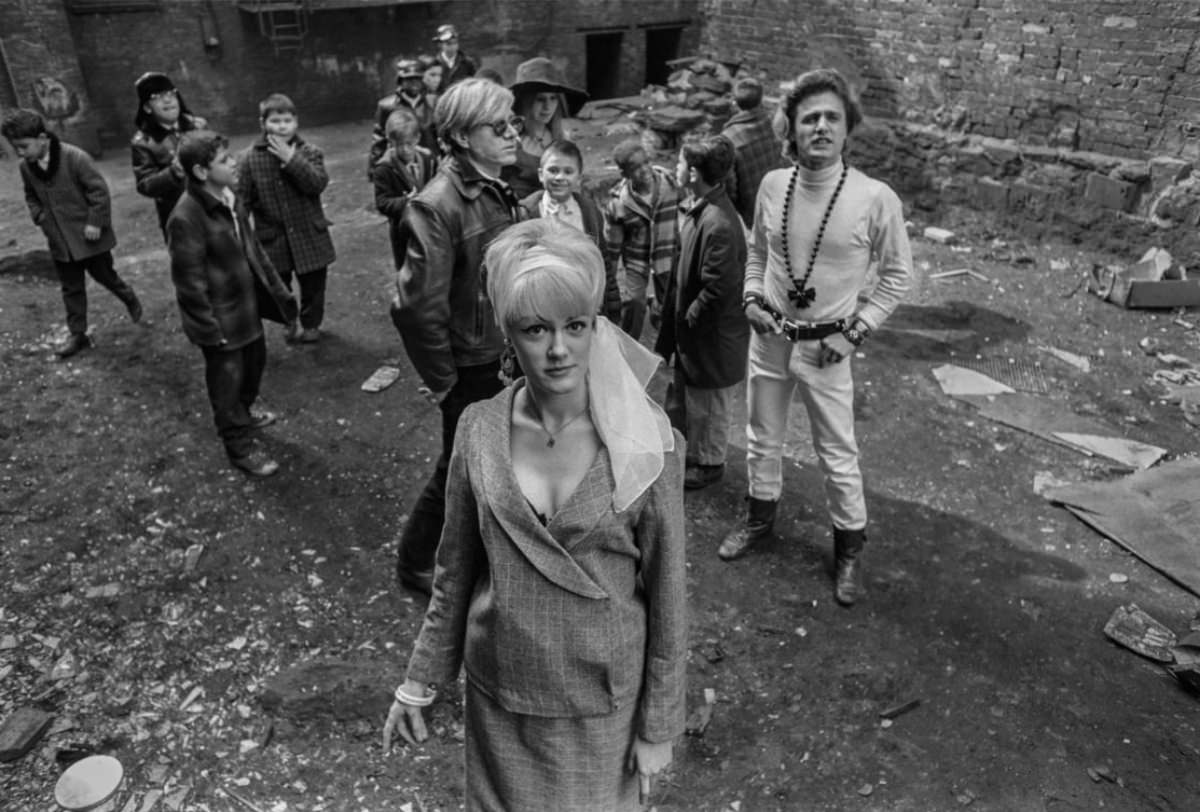
The photos Fink took were not editorial commentary. They were fashion images for a literary magazine that never made it to print. That context — commercial, unpublished, then forgotten — is part of what makes their rediscovery so unusual. They were never meant to be historical documents, yet that is exactly what they became.
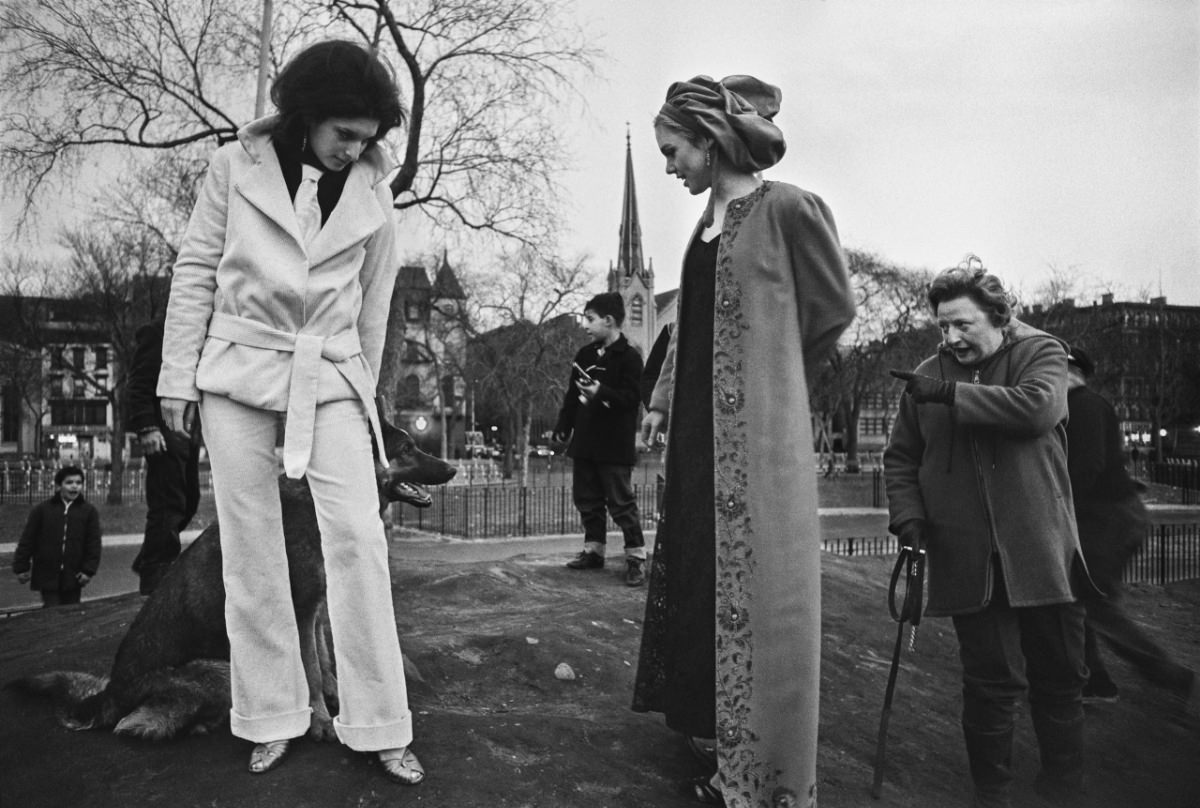
What Fink captured in 1966 was a specific group of people at a specific moment — before the Velvet Underground released their debut album, before Sedgwick’s well-documented personal struggles deepened, before the Factory moved locations. The images are a time stamp on a scene that was already moving fast.