In 1980, two of the most recognizable figures of the 20th century came face to face. Andy Warhol, the New York-based artist behind some of the most famous works in pop art history, met Pope John Paul II. The two men could hardly have come from more different worlds, yet their meeting became one of the more talked-about cultural moments of that era.
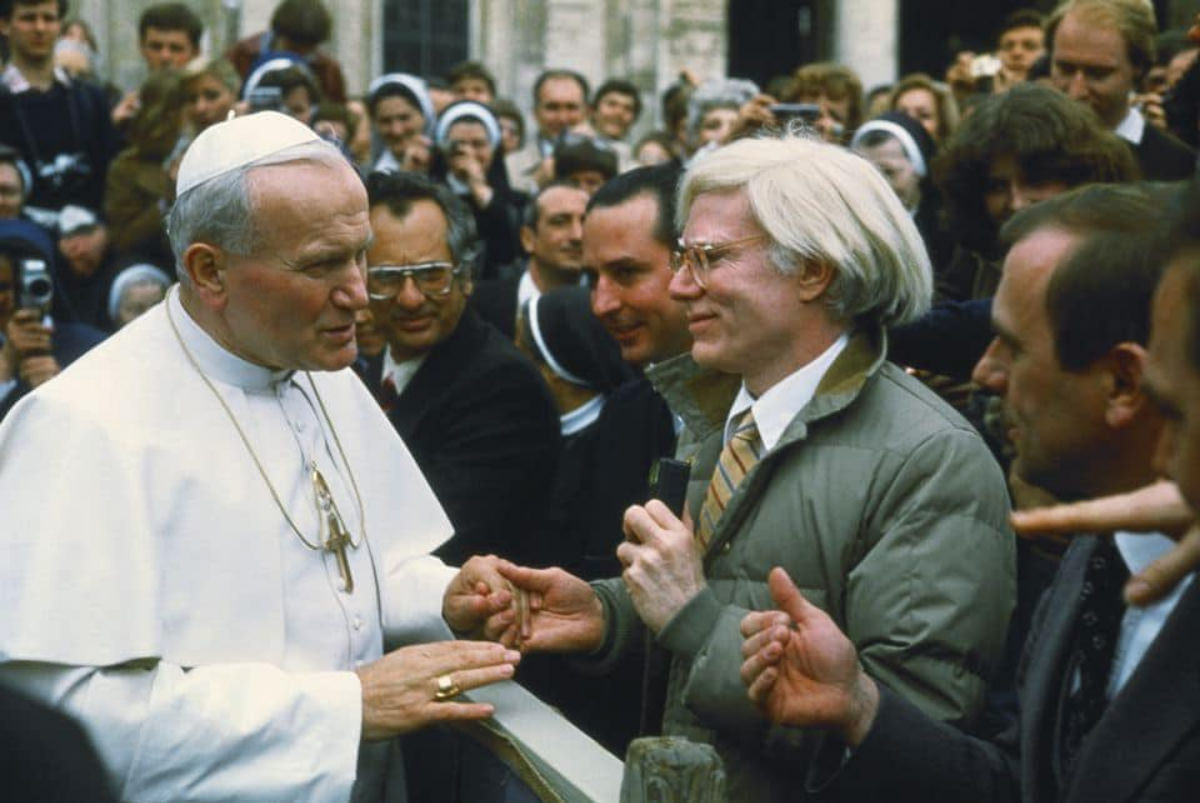
Warhol was no stranger to fame or to the powerful. By 1980, he had spent decades at the center of American art and celebrity culture. His silkscreen portraits of Marilyn Monroe, Mao Zedong, and Campbell’s Soup cans had made him a household name. His studio, The Factory, was a revolving door of artists, musicians, actors, and socialites. Yet a meeting with the Pope was something even Warhol’s packed social calendar rarely matched.
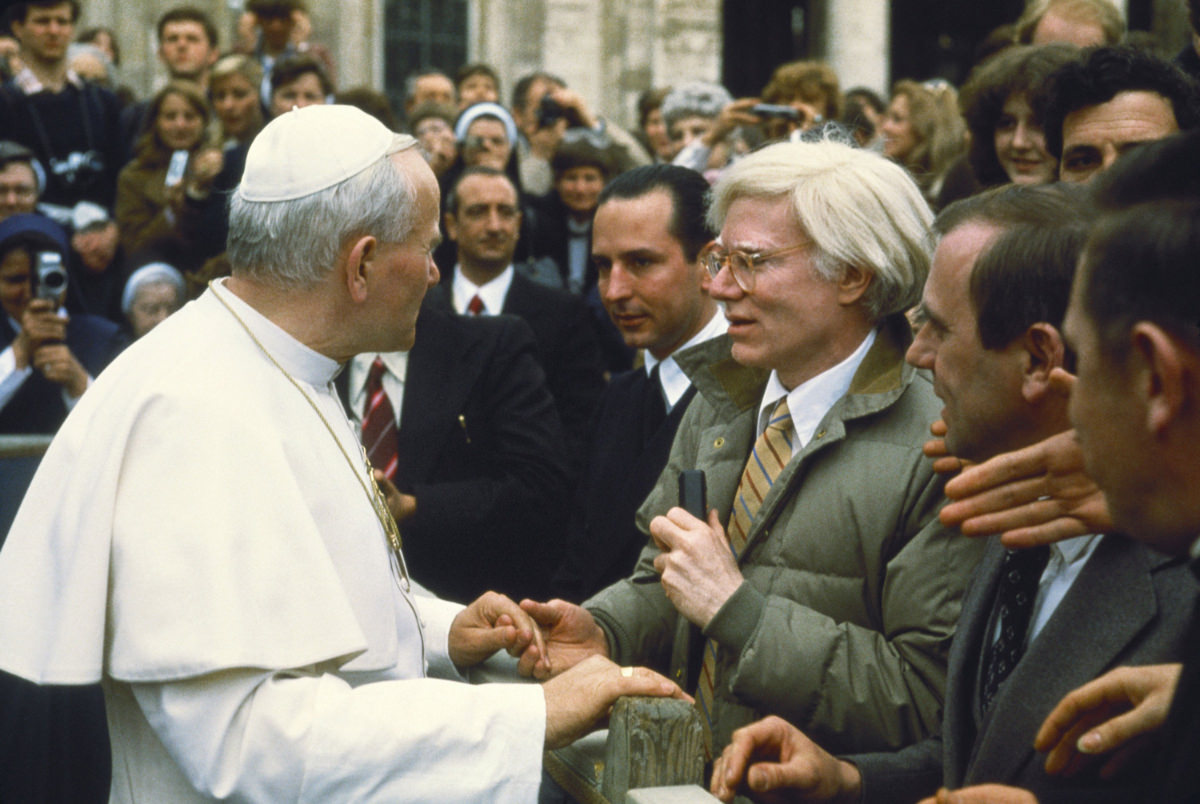
Pope John Paul II, who had taken office in 1978 as the first non-Italian pope in over 450 years, was known for his outreach to people across different cultures and backgrounds. Born Karol Wojtyła in Poland, he brought an energetic and widely traveled approach to the papacy. He made a point of engaging with public figures and ordinary people alike during his many international visits. His willingness to step outside the traditional boundaries of the Vatican made encounters like this one possible.
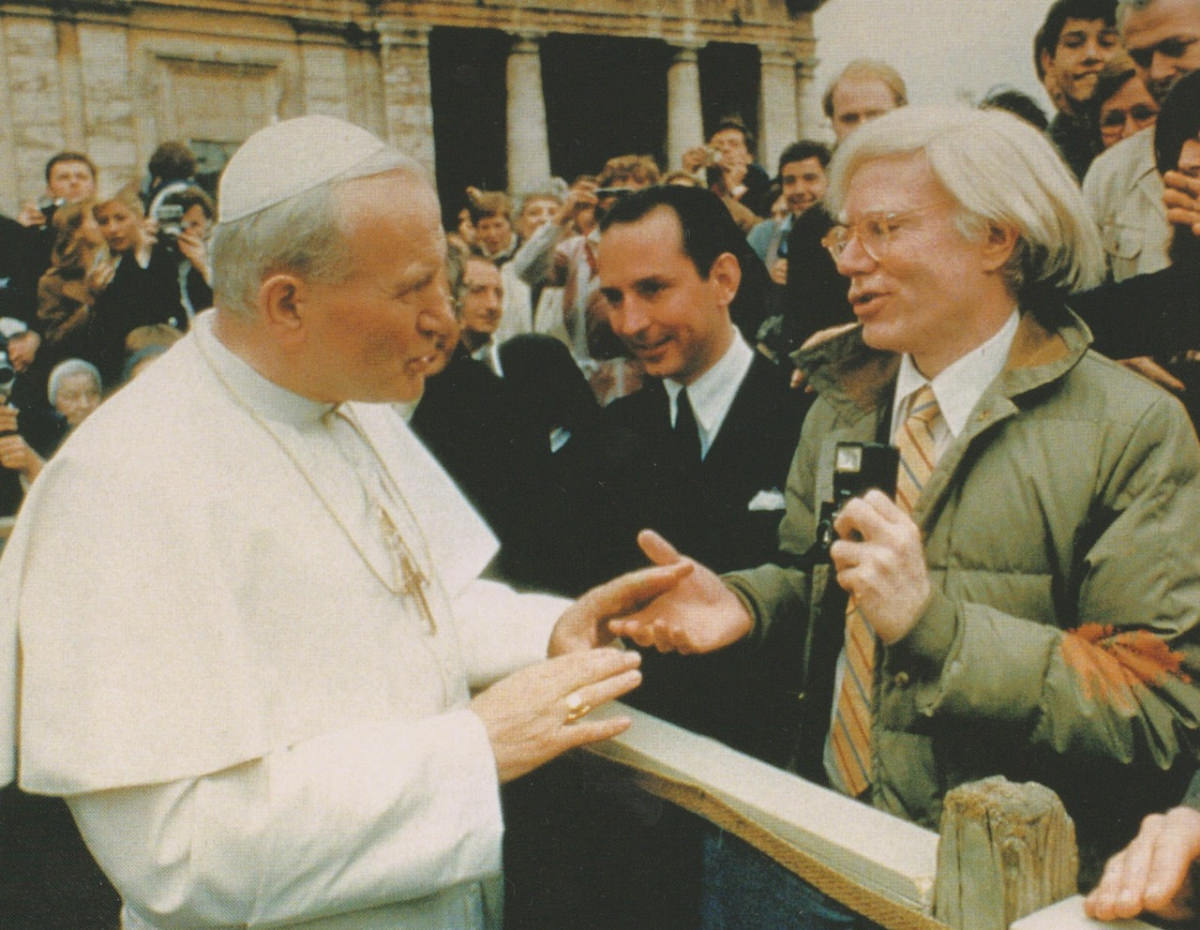
Warhol was raised Catholic and attended church throughout his adult life, a fact that often surprised people given the provocative nature of much of his work. He regularly volunteered at homeless shelters run by the Catholic Church in New York City, usually without publicity. His faith was quiet but genuine, and it shaped parts of his life that the public rarely saw. Meeting the Pope, then, carried personal weight for Warhol beyond just the cultural spectacle of the event.
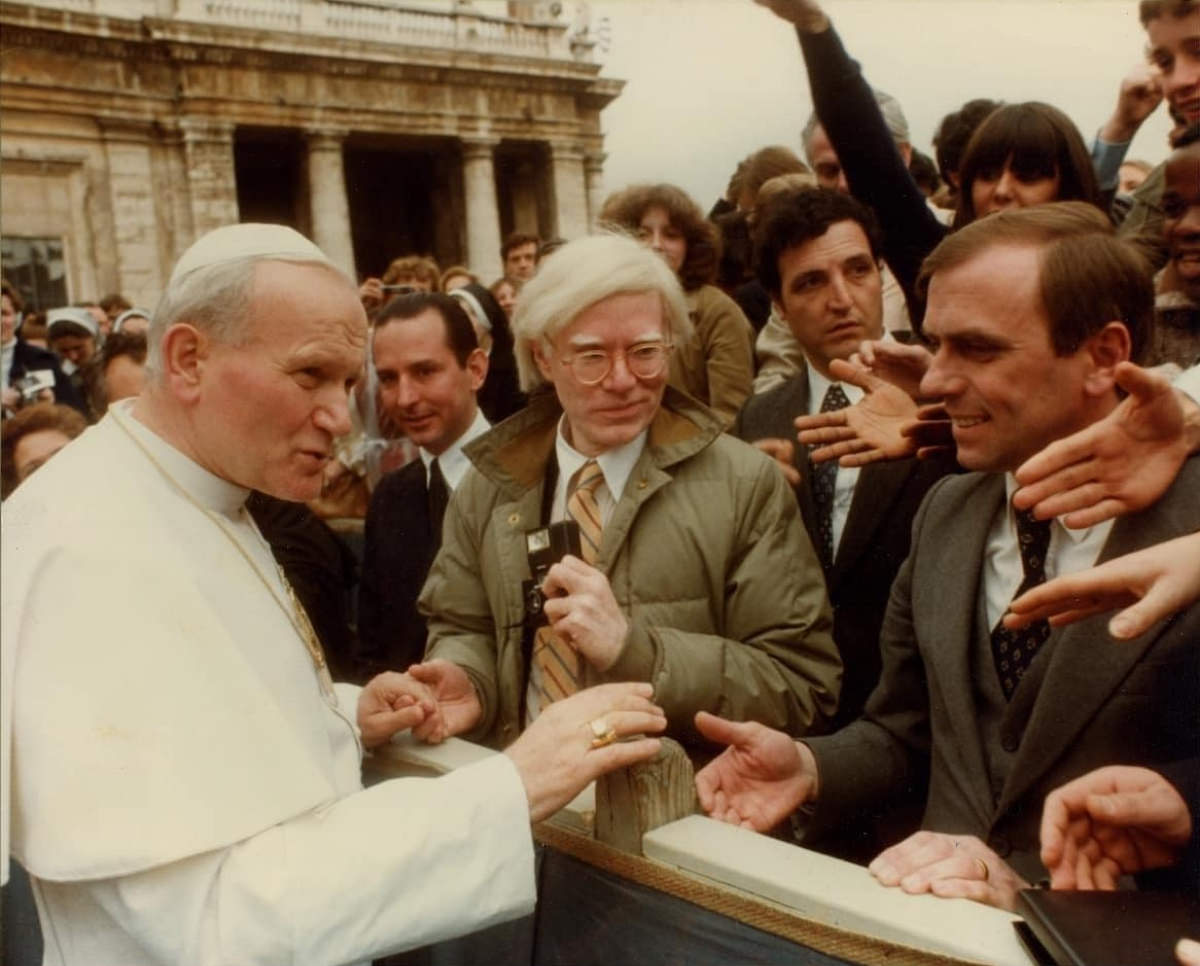
The 1980 meeting was documented and stands as a rare recorded moment where a leading figure of the contemporary art world and the leader of the Roman Catholic Church occupied the same space. Art historians and cultural scholars have pointed to it as a snapshot of how two very different institutions — the avant-garde art world and the Catholic Church — briefly intersected through the personalities of their most visible figures. For Warhol, a man who spent his career blurring the line between high culture and everyday life, shaking hands with the Pope fit neatly into a life defined by unexpected connections.