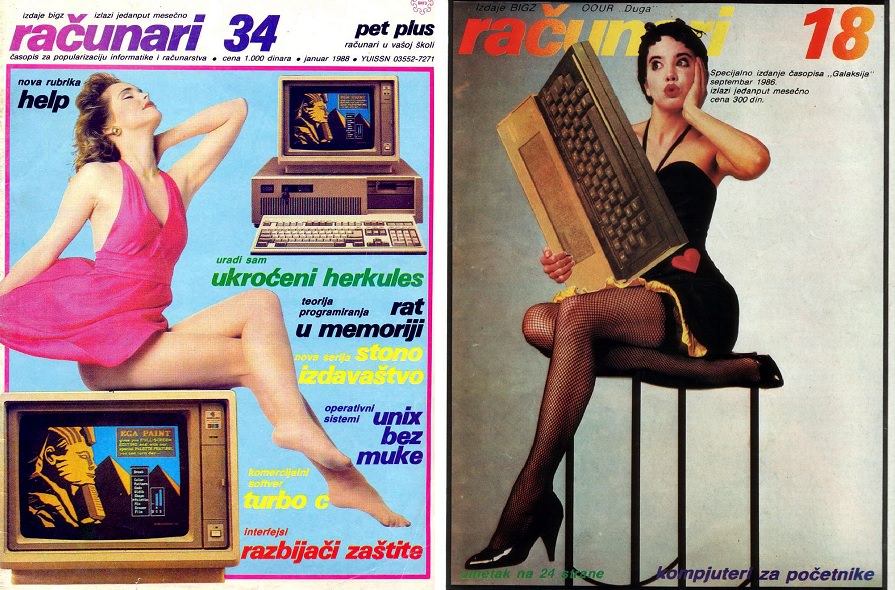
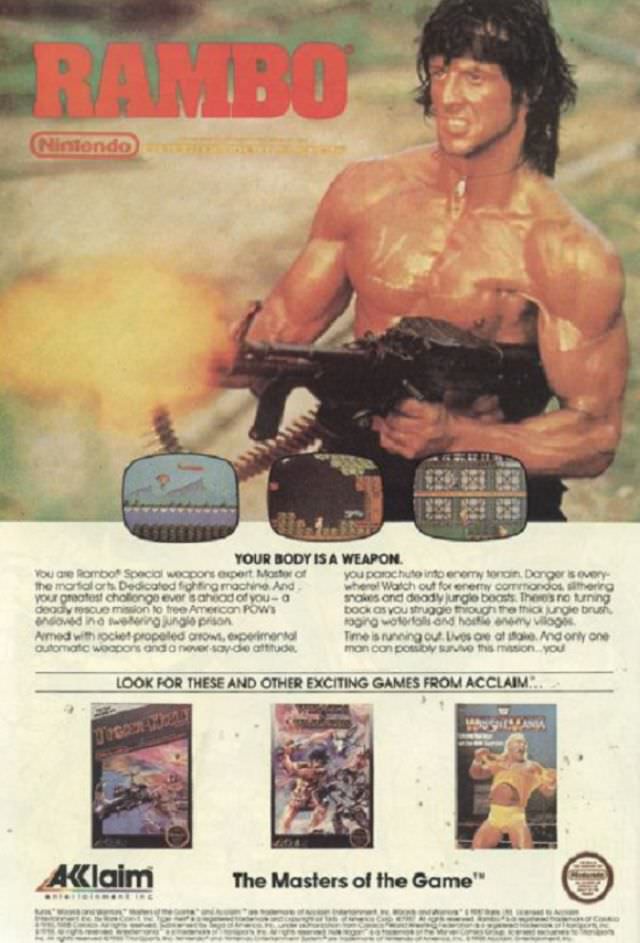
Video game advertising in the 1980s and 1990s was its own art form. The ads were loud, colorful, and packed with personality. They didn’t just sell a product — they sold a feeling. Flipping through a gaming magazine from that era meant running into pages that practically jumped out at you, full of neon colors, oversized fonts, and larger-than-life characters promising the adventure of a lifetime.
The visual style of these ads was deeply tied to the culture of the time. The 1980s were defined by bold, flashy design everywhere — fashion, music, TV. Video game ads fit right in. Bright colors dominated. Characters were drawn in an exaggerated, stylized way that made even simple games look epic. The goal was to grab a kid’s attention in seconds, and the designs delivered.
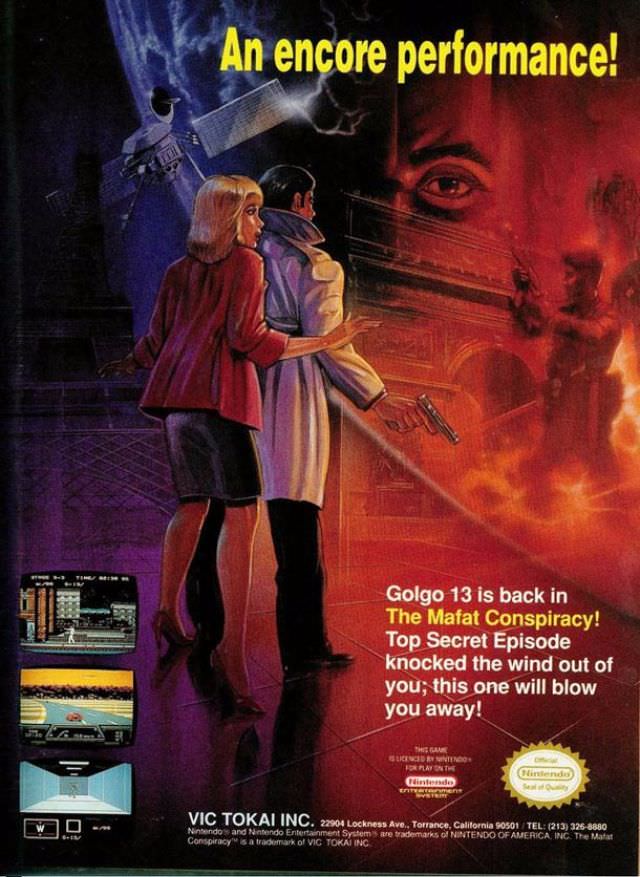
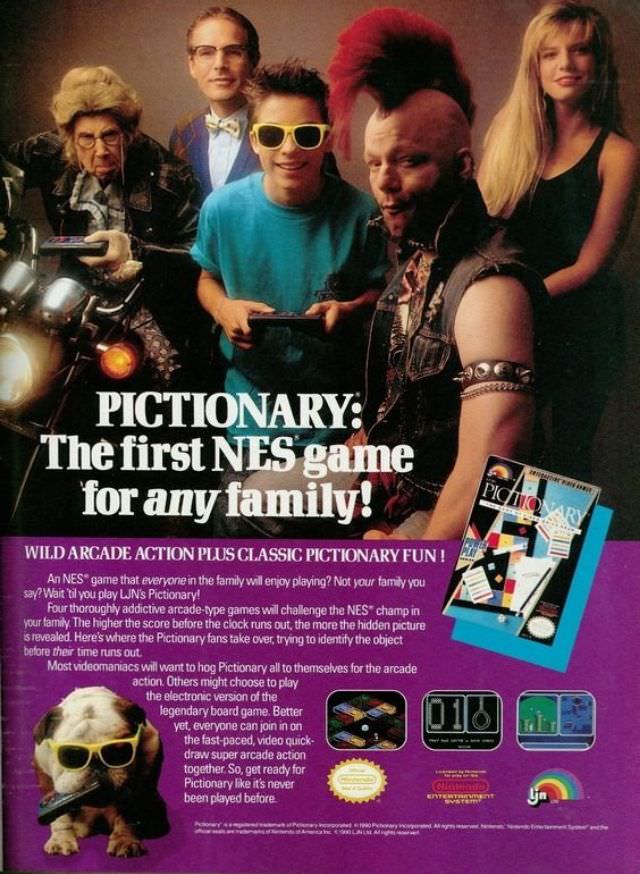
Nintendo was the biggest name in the room. By the mid-1980s, the Nintendo Entertainment System had revived a home console market that had nearly collapsed. Nintendo’s ads leaned into fun and family appeal. Mario, Link from Zelda, and other iconic characters appeared front and center. The tone was always upbeat and welcoming, aimed at kids and parents alike.
Nintendo’s marketing made gaming feel safe and fun for the whole household. Ads regularly showed families gathered around the TV, controllers in hand, all smiling. It was a deliberate strategy to reassure parents while getting kids excited. The copy was simple, the art was bright, and the message was always the same: this is pure fun.
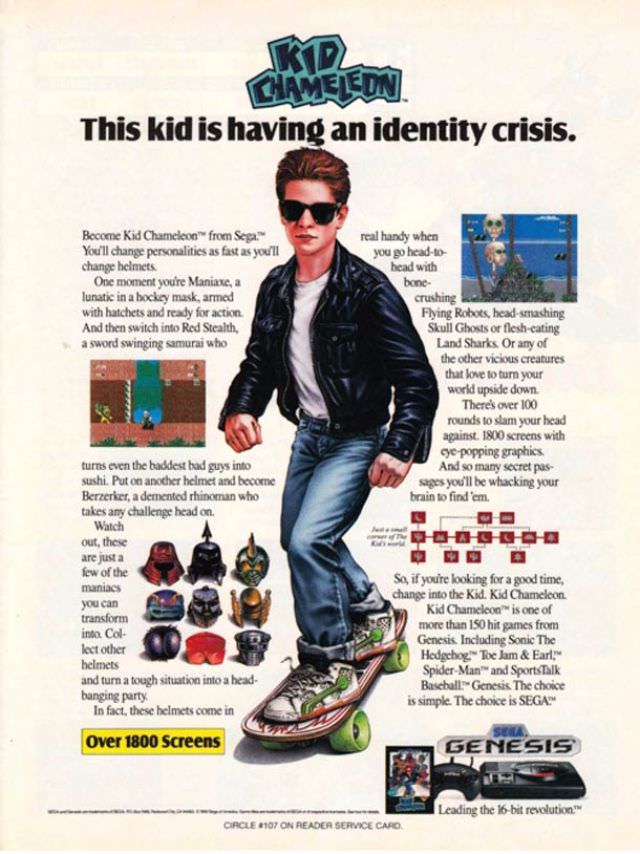
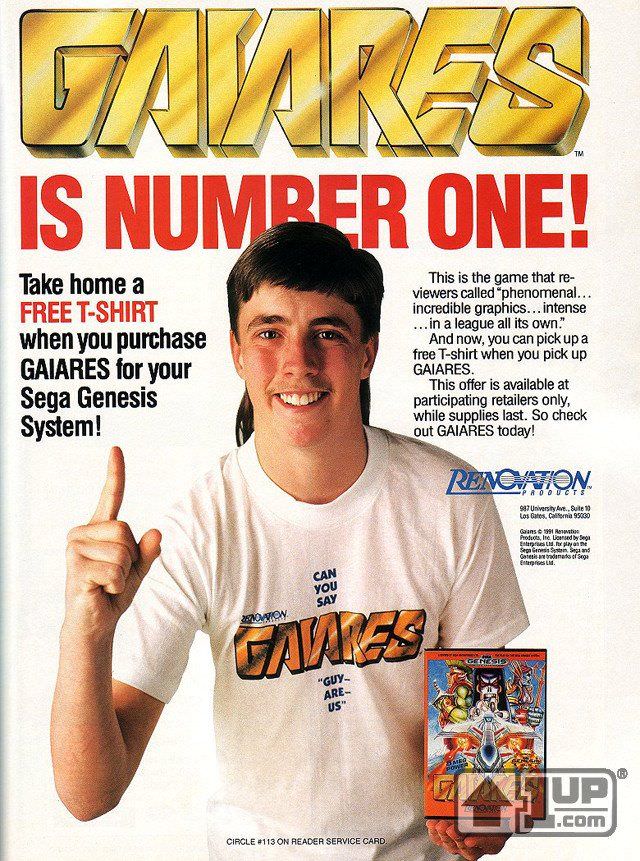
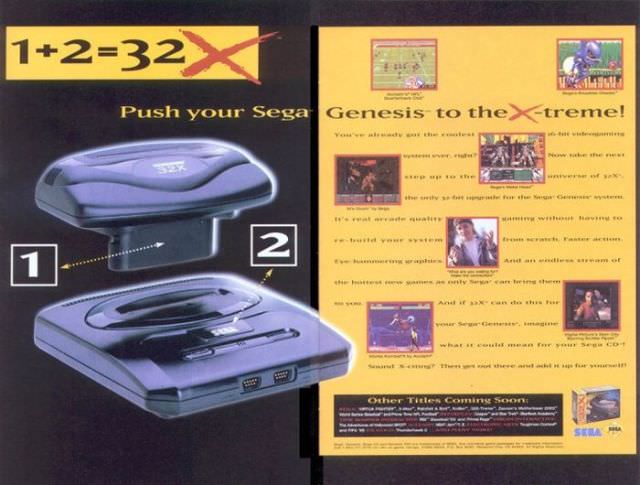
Sega took a completely different approach. When the Sega Genesis launched in North America in 1989, the company made it clear they weren’t trying to be Nintendo. Their ads were edgier, faster, and aimed squarely at teenagers and young adults. The famous slogan — “Genesis does what Nintendon’t” — was a direct challenge. It was aggressive marketing, and it worked.
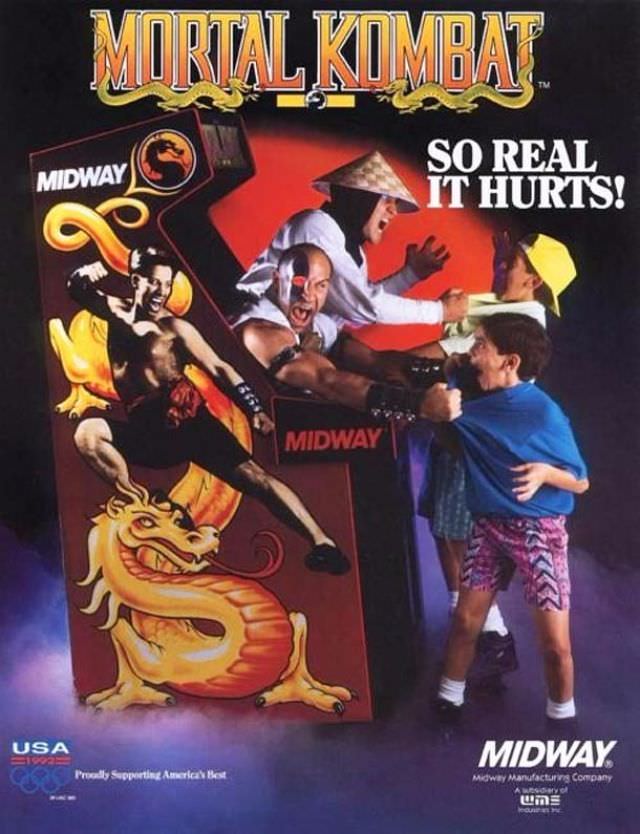
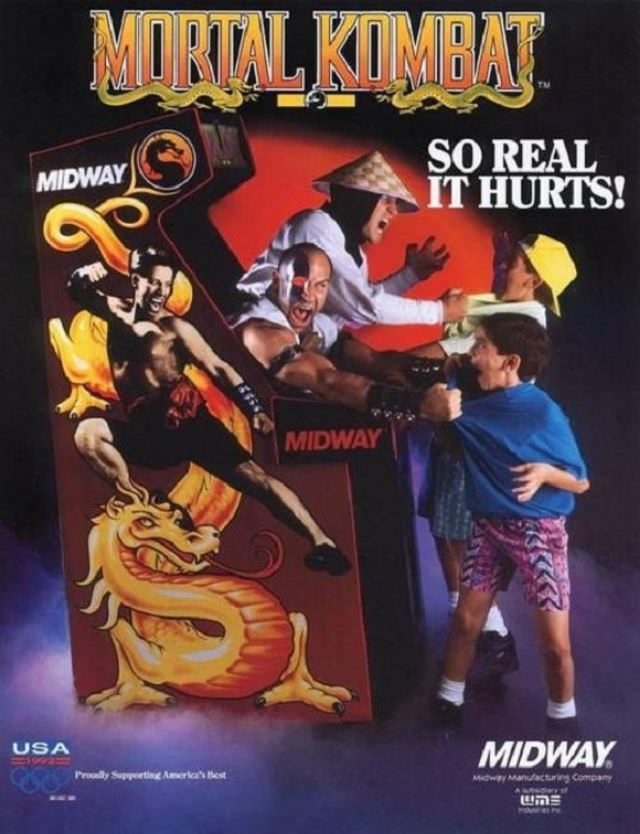
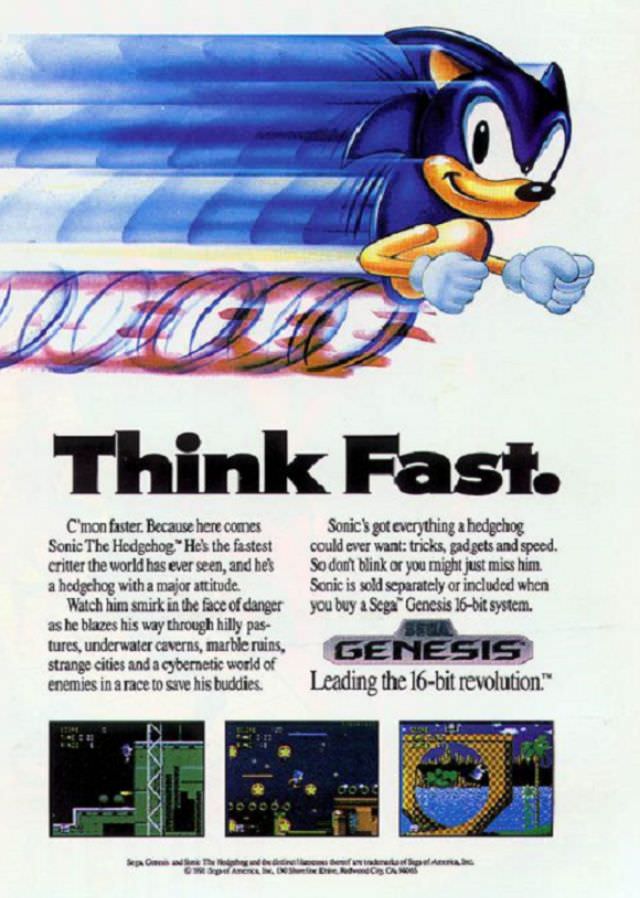
Sega pushed the idea that their console was more powerful and offered more mature games. Titles like Mortal Kombat, which featured blood and fatalities on the Genesis that Nintendo’s version lacked, became a centerpiece of this argument. Their ads had attitude. Sonic the Hedgehog was marketed as cool and fast, a sharp contrast to Nintendo’s friendlier mascot.
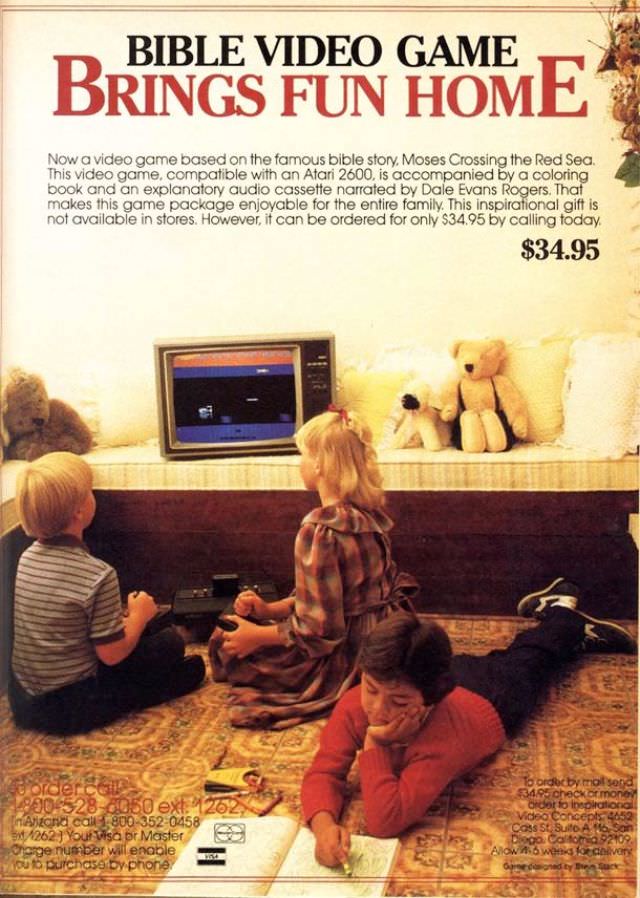
Atari occupied a unique space in this era. The company had dominated the early home console market in the late 1970s and early 1980s, but by the mid-80s it had lost ground. Atari’s ads during this period often leaned on nostalgia, reminding buyers of classics like Asteroids and Missile Command. They also promoted their newer hardware, though with less cultural impact than before.
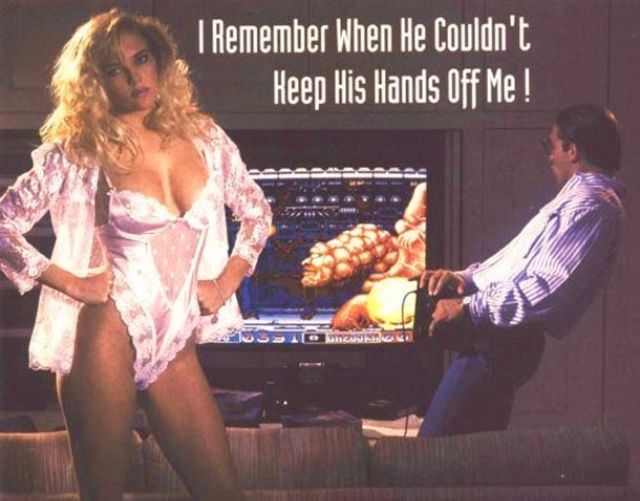
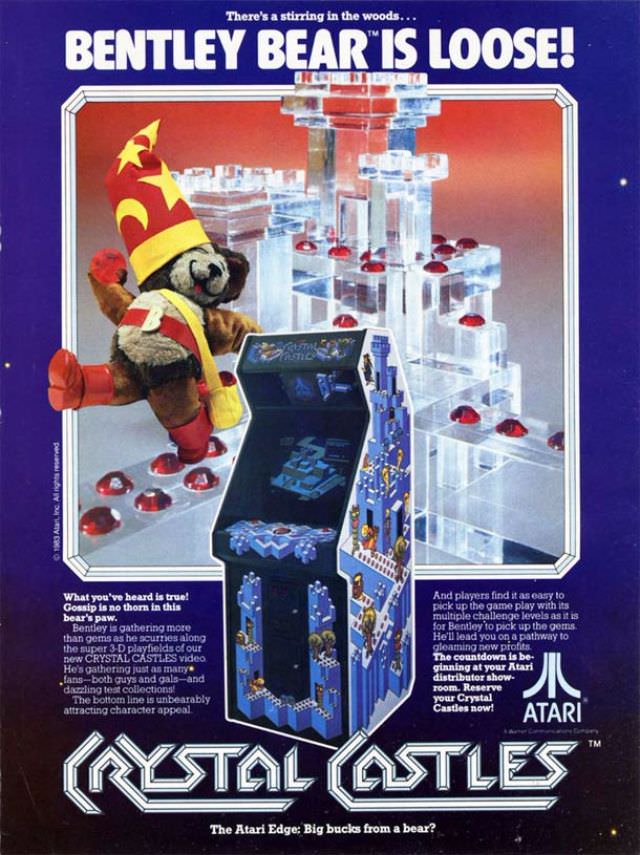
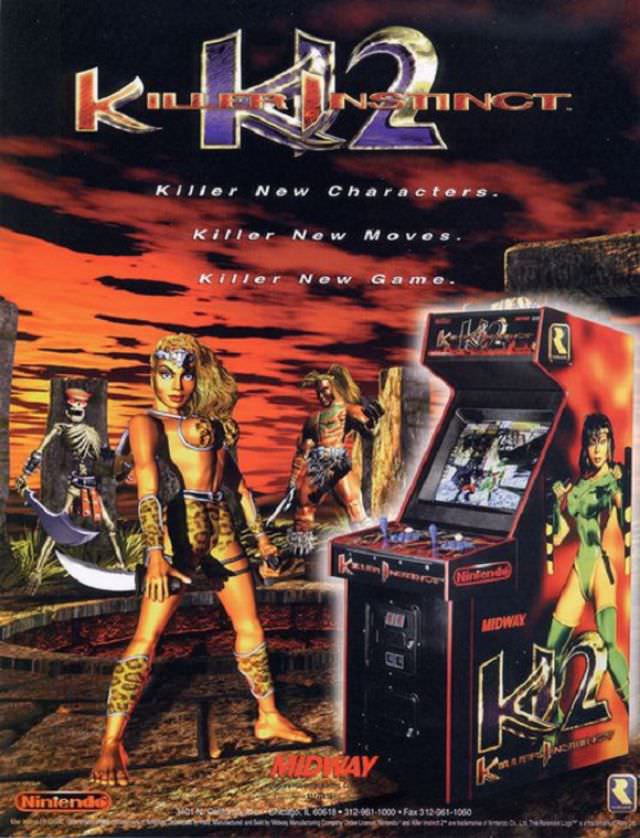
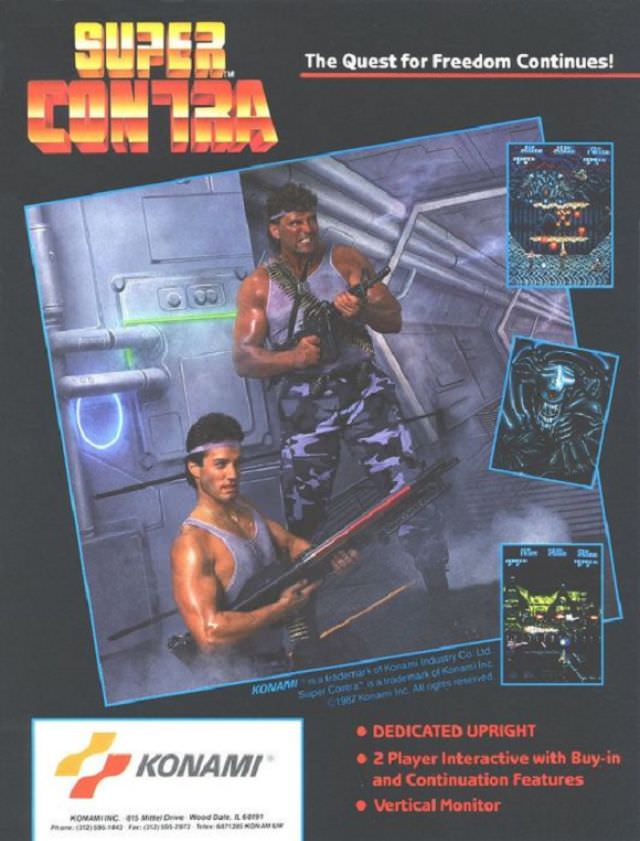
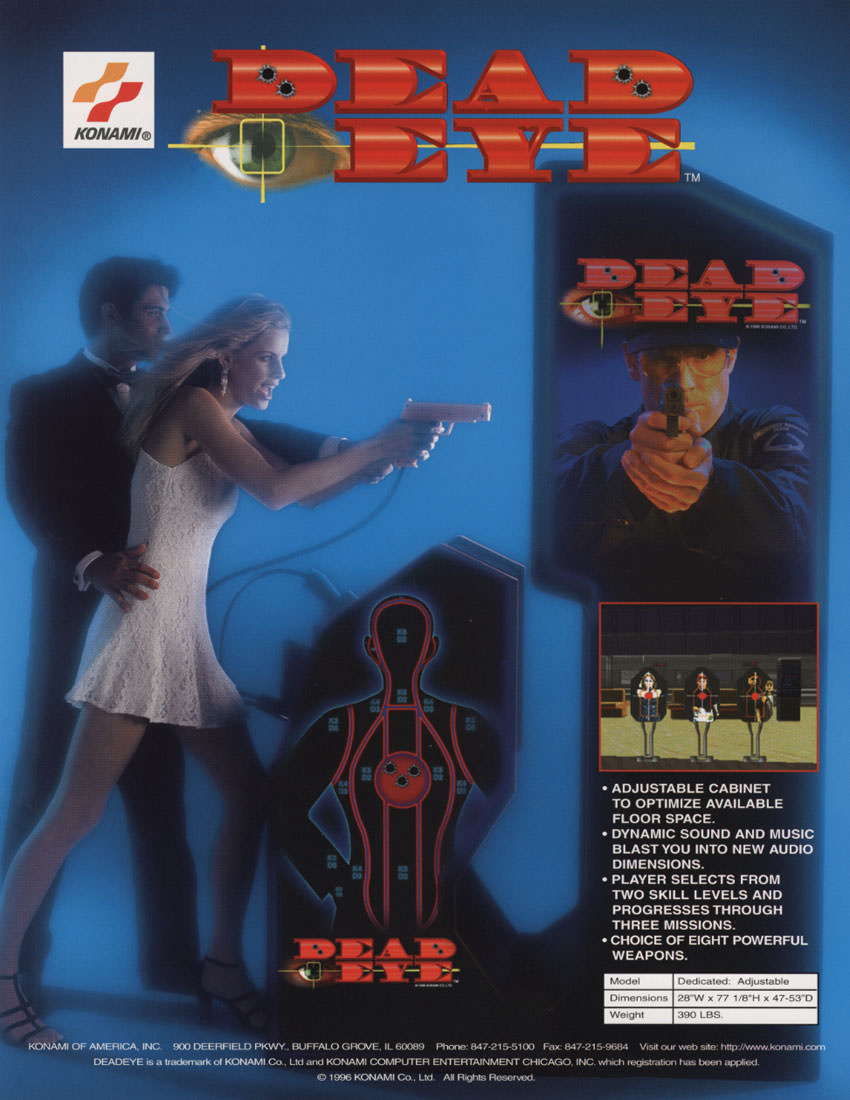
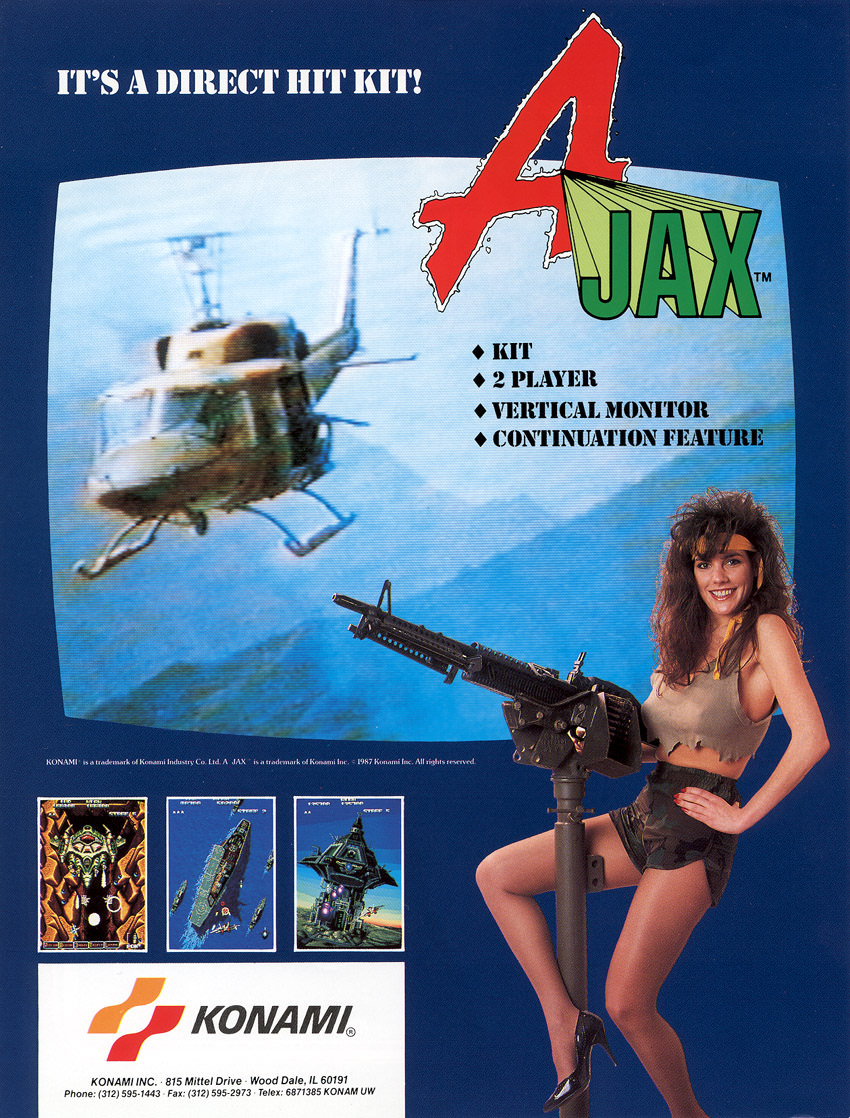
Arcade games were also a major part of this advertising landscape. Before home consoles became powerful enough to match arcade hardware, the arcade was where you went for the best gaming experience. Ads for arcade machines appeared in trade magazines and hobby publications, targeting arcade operators as much as regular players.
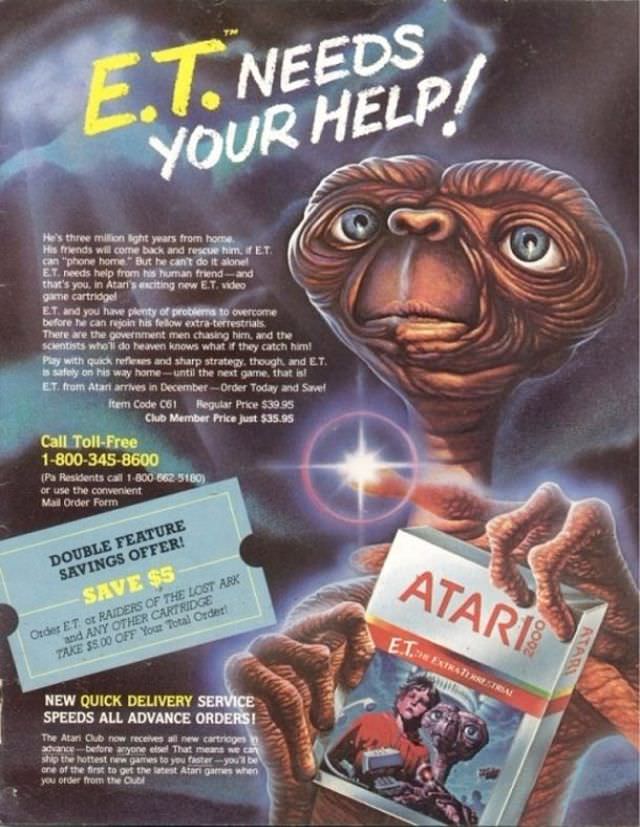
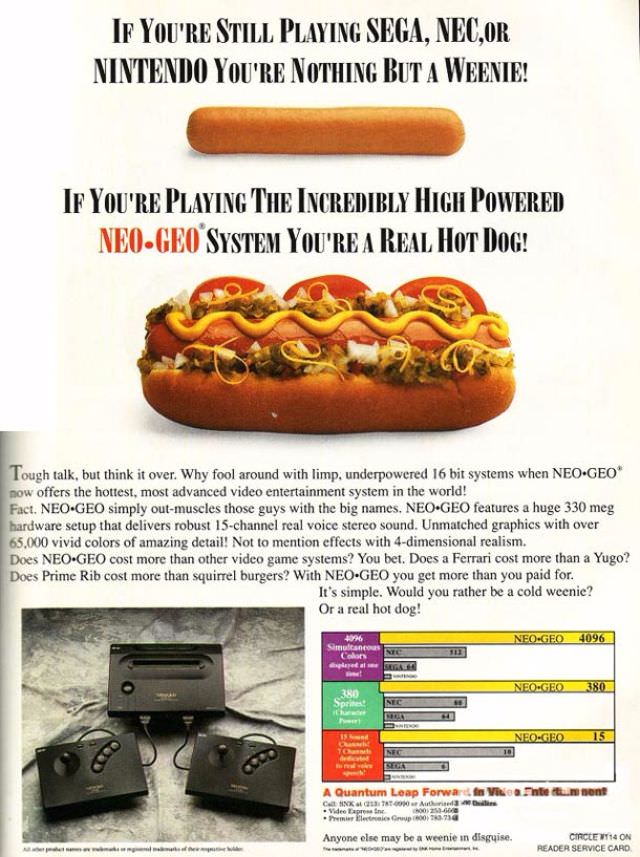
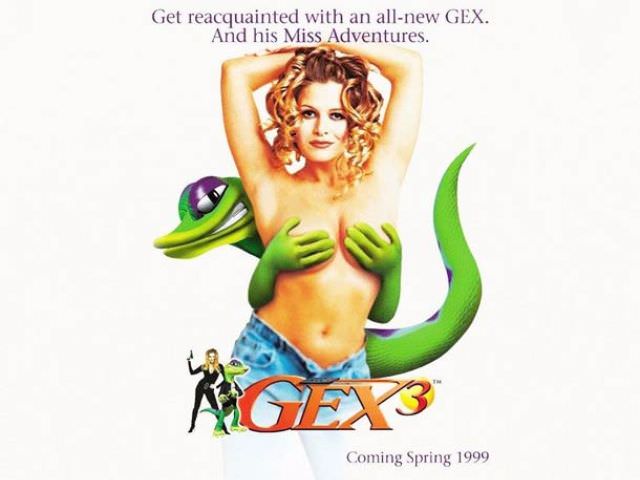
The Super Nintendo Entertainment System arrived in North America in 1991, and Nintendo’s advertising shifted to match. The SNES was more powerful than its predecessor, and the ads highlighted that. Graphics and sound quality became selling points. Titles like Super Mario World and The Legend of Zelda: A Link to the Past were shown off with detailed, colorful artwork.

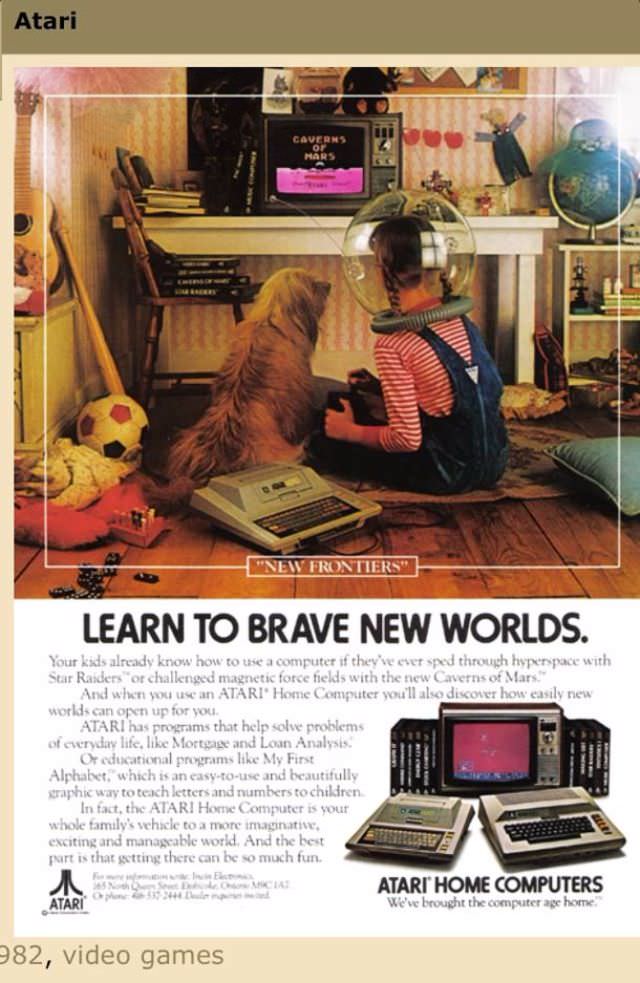
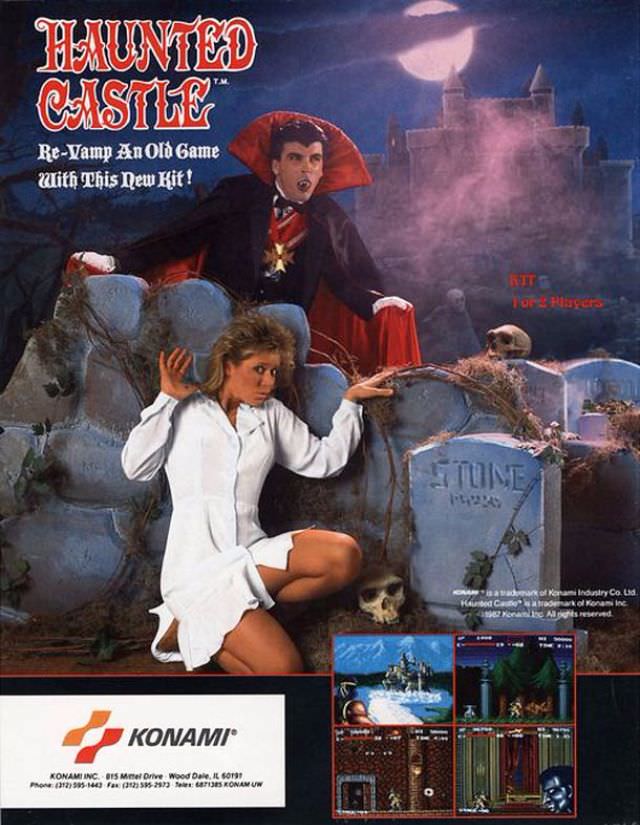
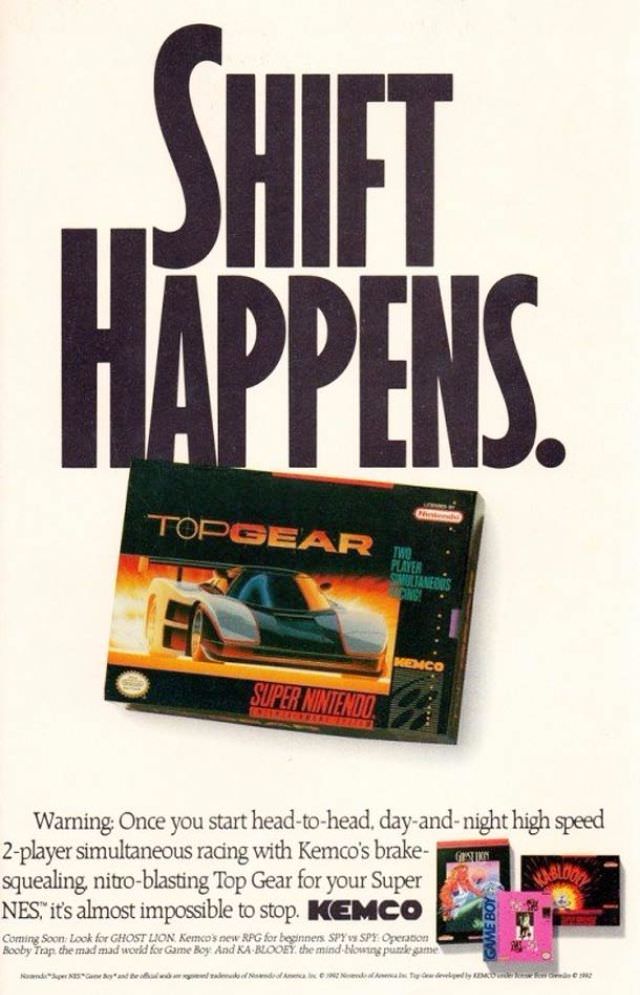
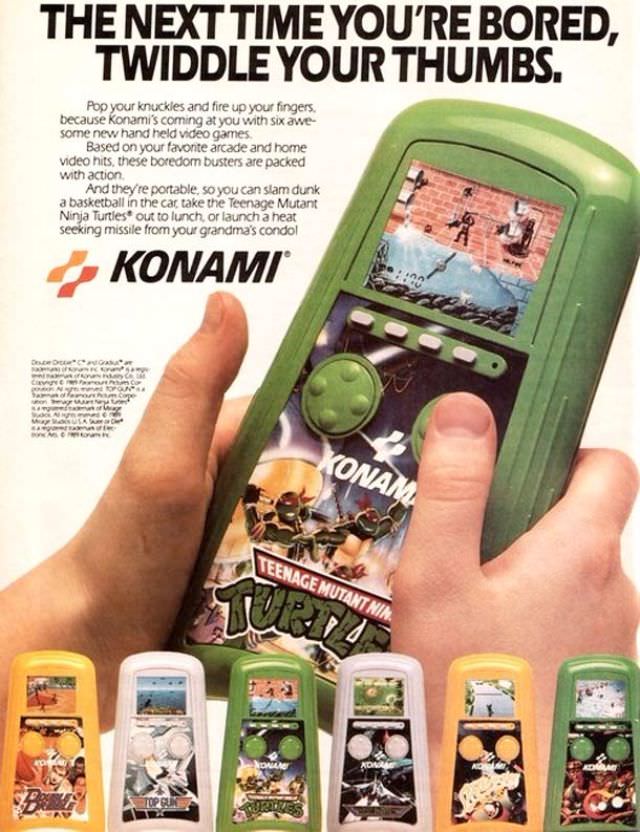
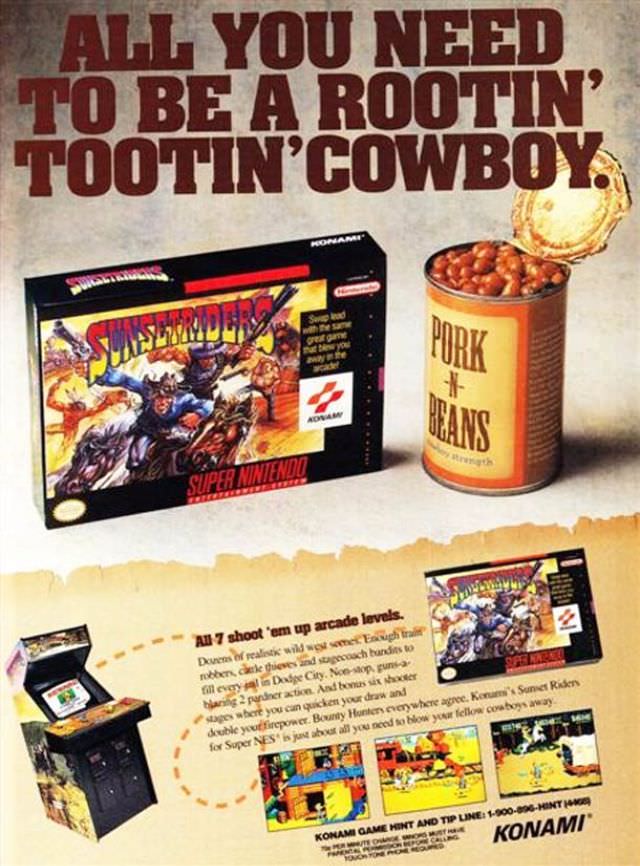
Smaller third-party game developers also ran ads, though with tighter budgets. Companies like Konami, Capcom, and Activision placed ads in gaming magazines like Nintendo Power, GamePro, and Electronic Gaming Monthly. These publications were the primary way players learned about new releases. A full-page ad in one of these magazines guaranteed serious attention from the target audience.
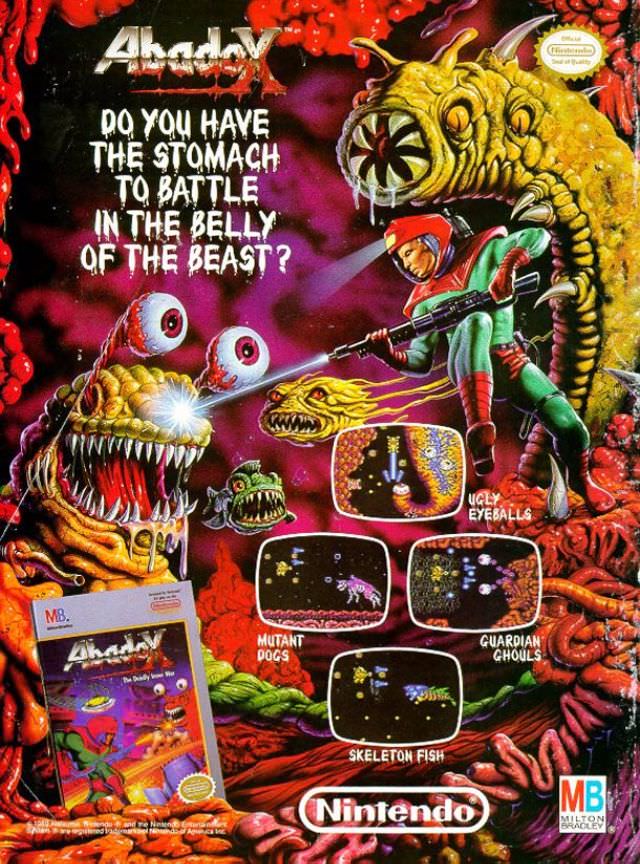
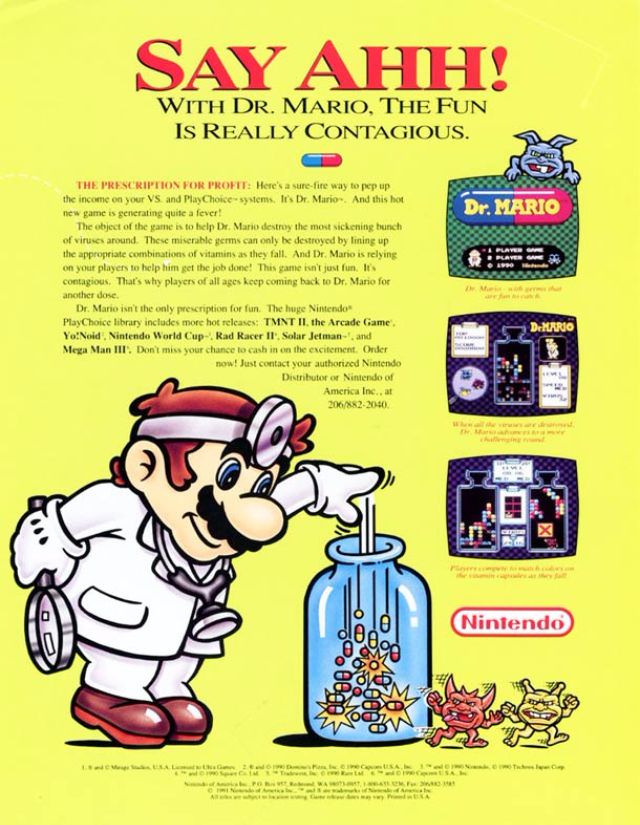
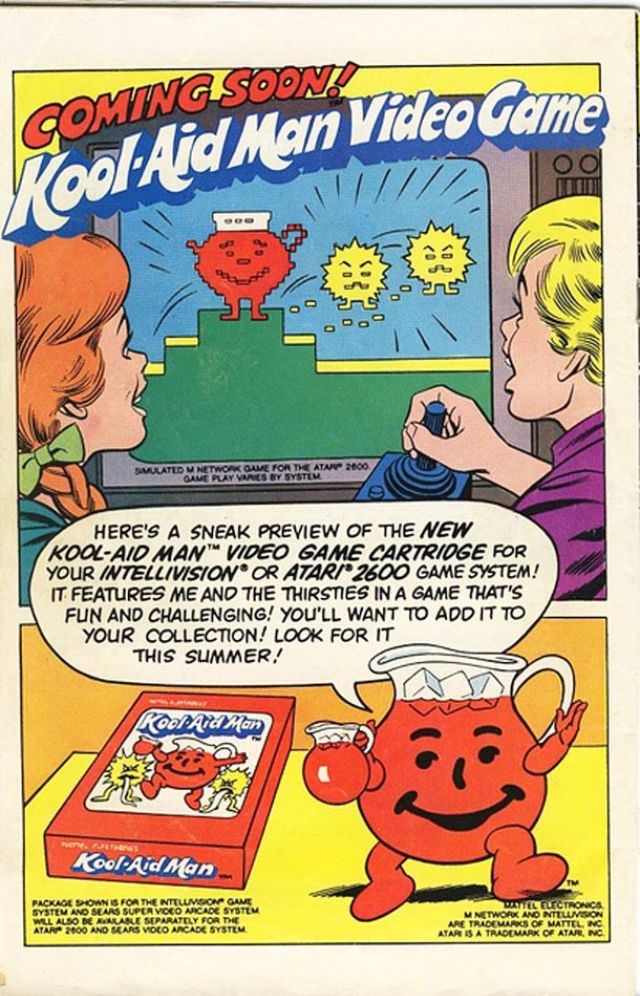
The written copy in these ads was just as important as the visuals. Taglines were short, punchy, and memorable. Promises of “hours of non-stop action” or “the most realistic graphics ever” were everywhere. Hyperbole was the standard. Every game was described as revolutionary, groundbreaking, or the best yet — and readers knew it, but the excitement was contagious anyway.
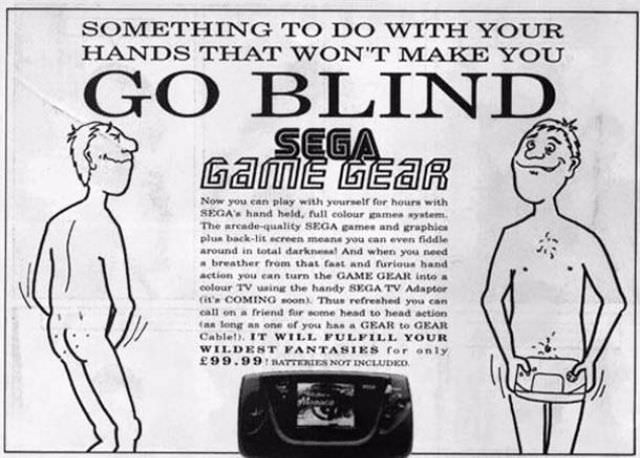
By the early 1990s, television commercials became increasingly important for game advertising. Nintendo and Sega both ran high-energy TV spots with fast cuts, dramatic music, and kids reacting with wide-eyed excitement. These commercials targeted Saturday morning cartoon blocks and after-school programming — exactly where their audience was.
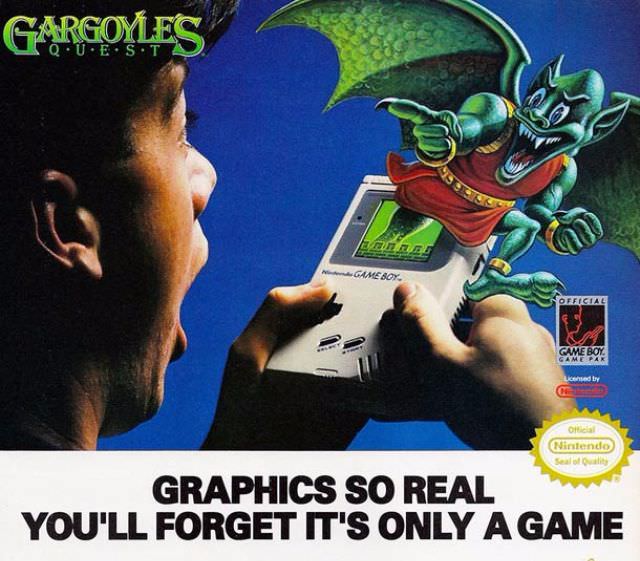
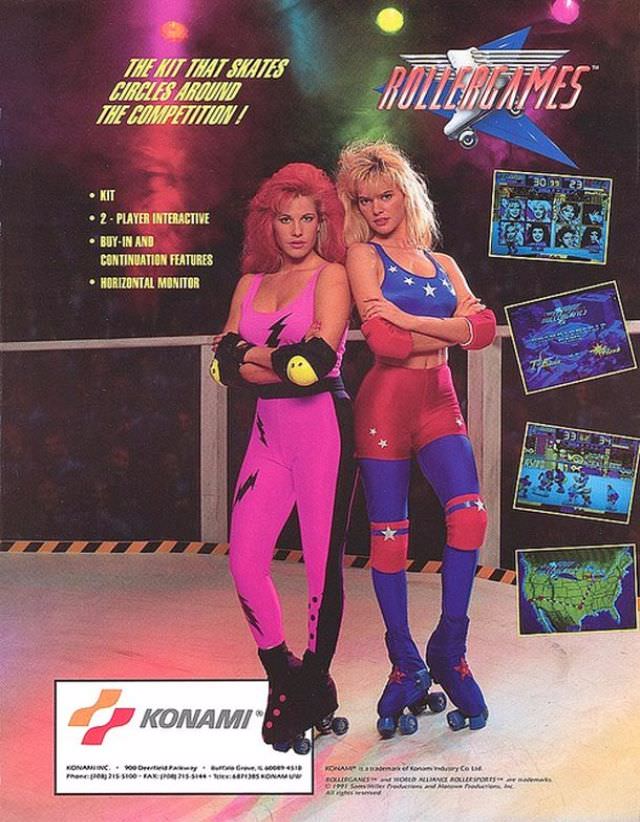
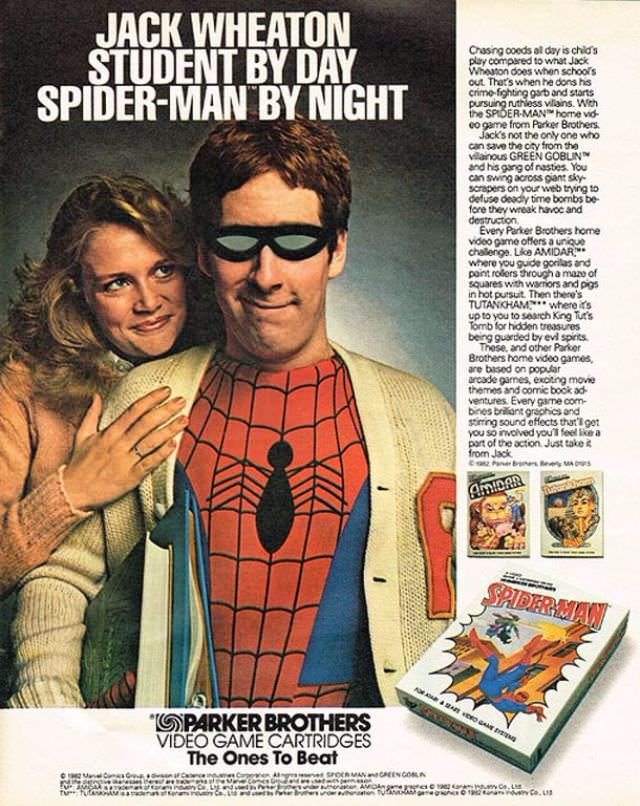
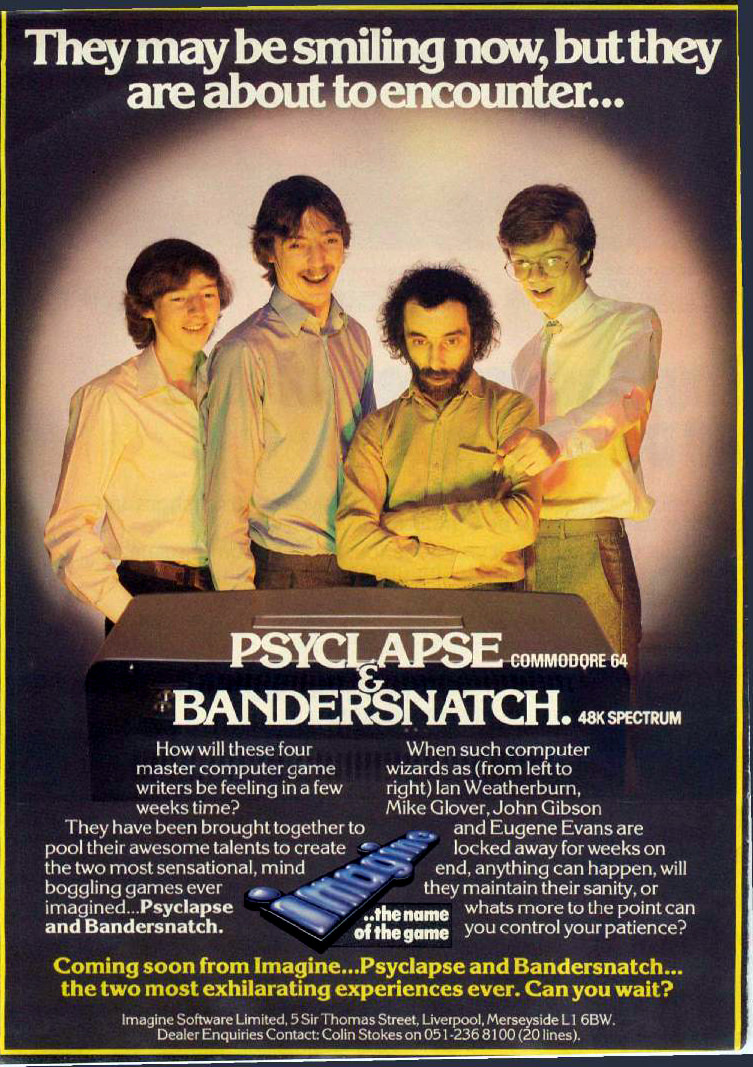
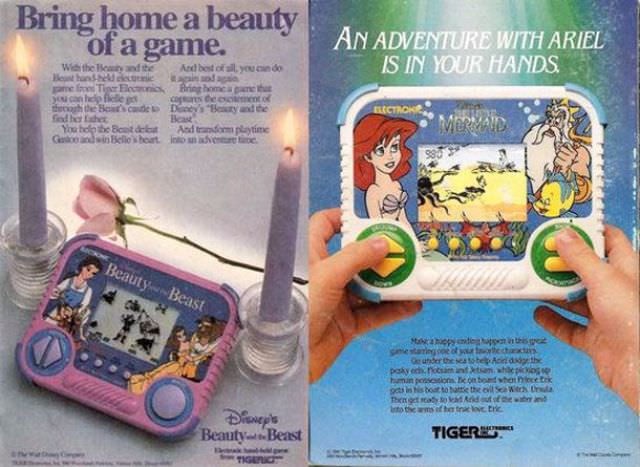
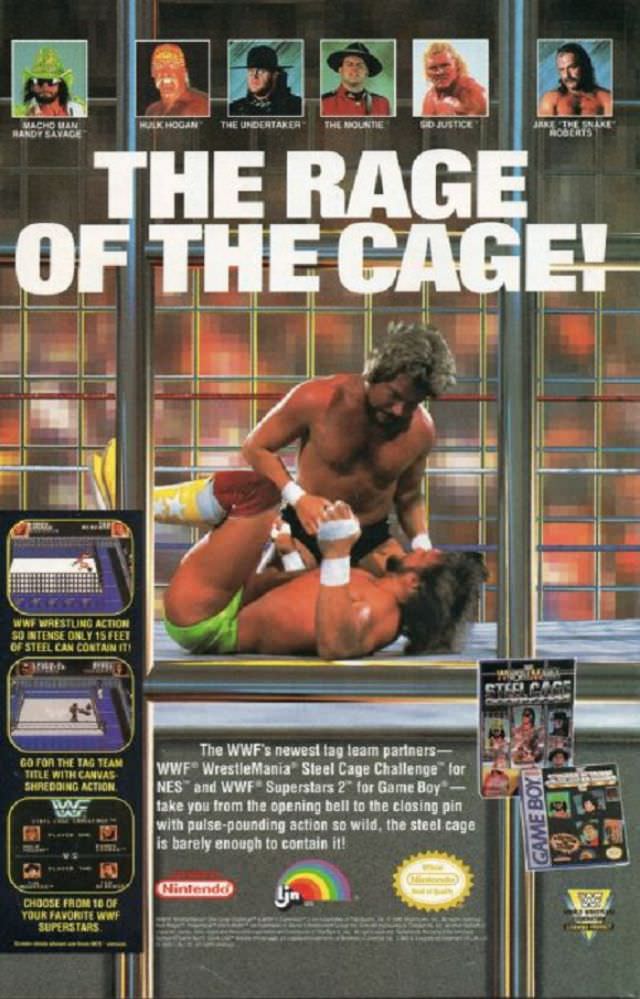
Print advertising remained essential through the entire decade. Magazine ads allowed for more detail than a 30-second TV spot. Developers could include screenshots, lists of features, and storyline descriptions alongside striking artwork. Some ads ran across two full pages, creating a spread that was impossible to flip past without stopping.
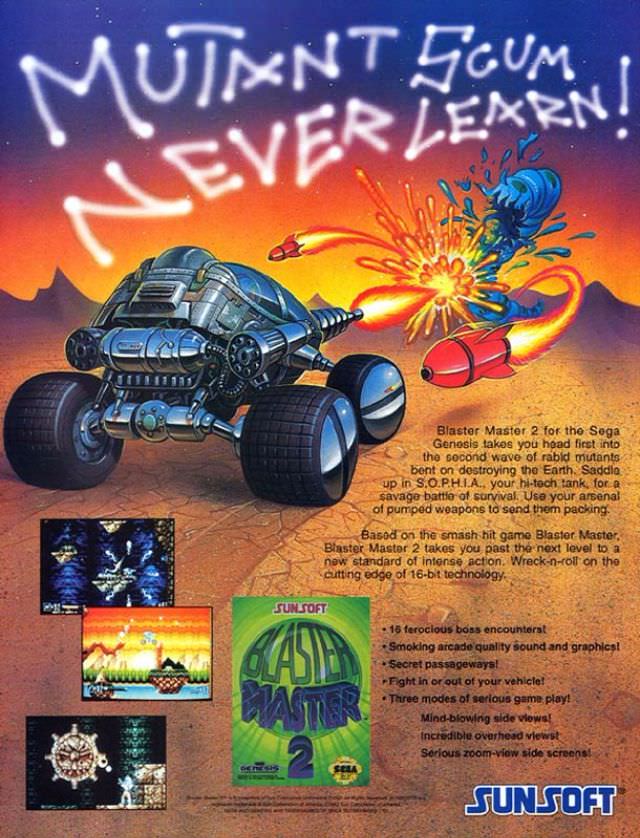
Fantasy and science fiction themes dominated game art. Swords, spaceships, dragons, and robots filled the pages of gaming magazines month after month. The illustrated style gave artists freedom to depict things that the actual game hardware couldn’t render on screen. A game’s box art and ad artwork often looked dramatically better than the in-game graphics — and that was completely accepted.
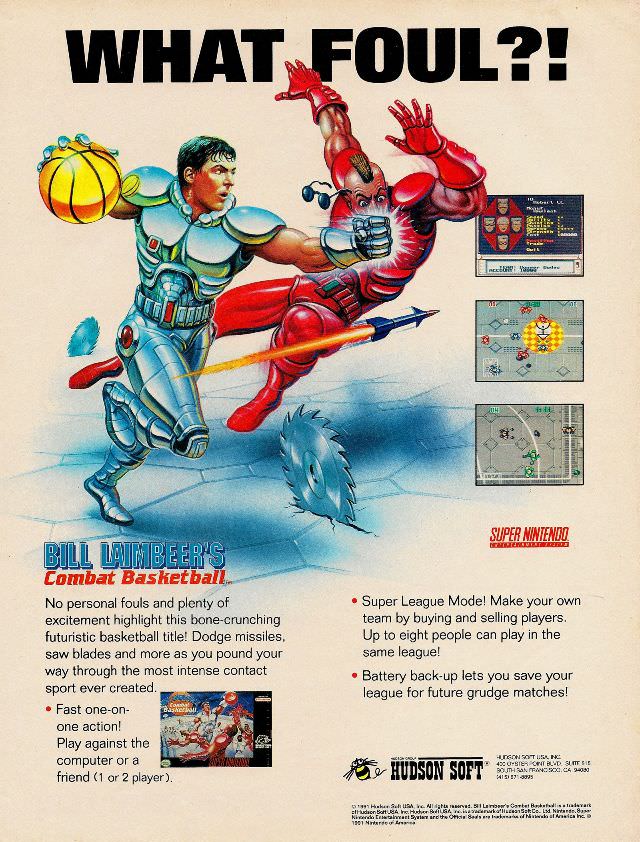
Sports games carved out their own advertising niche. Titles from EA Sports, which launched its brand in 1991, used real athlete endorsements and real team licenses to sell authenticity. These ads had a different look — more photographic, more grounded — compared to the fantasy-heavy designs of action and RPG game ads.
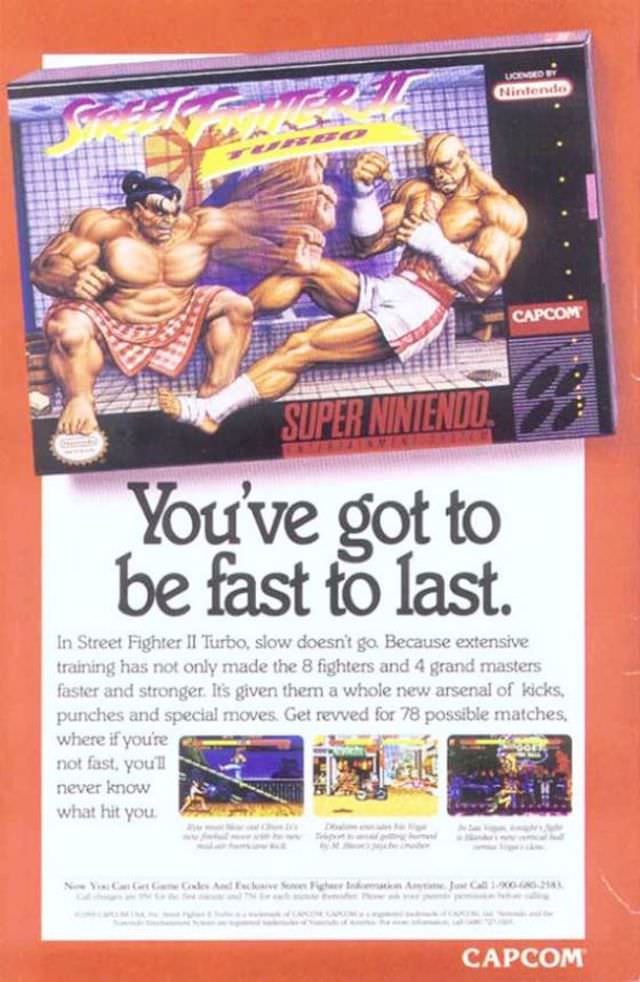
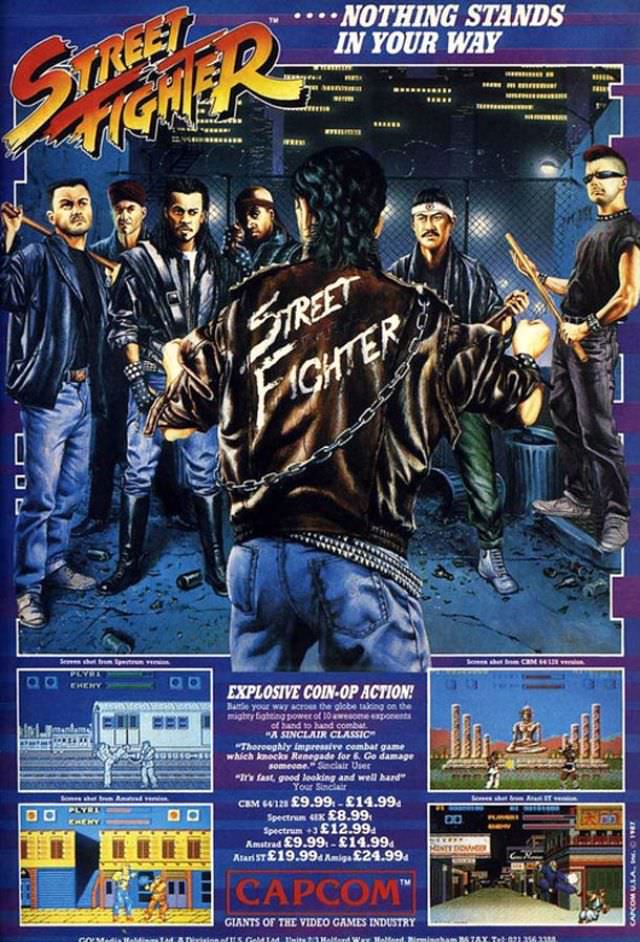
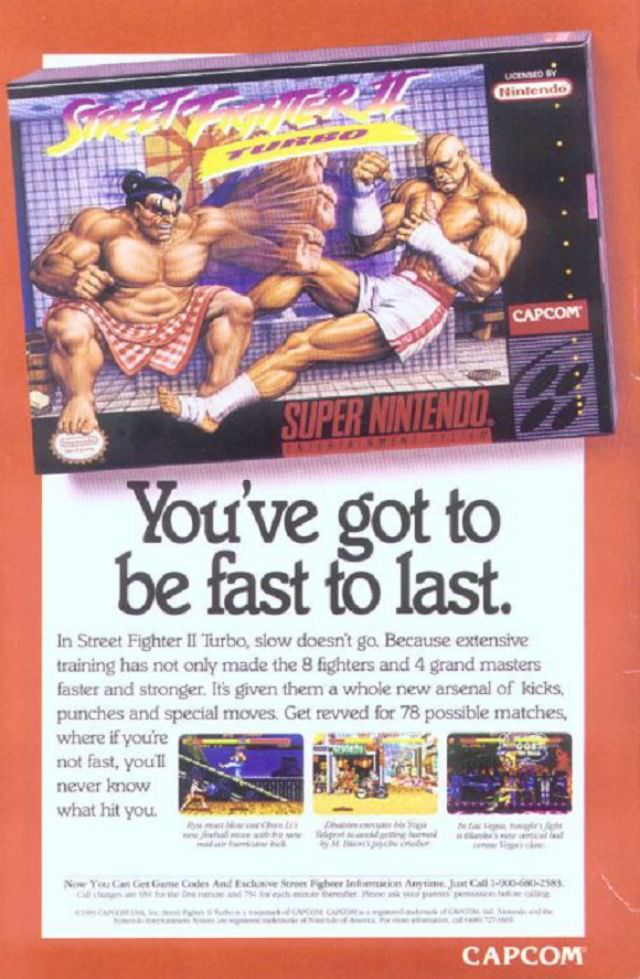
Fighting games became a massive advertising category in the early 1990s. Street Fighter II hit arcades in 1991 and home consoles shortly after, sparking a wave of competitors. Mortal Kombat’s controversial gore kept it in the news and drew enormous attention to its ads. Publishers leaned into the controversy, using it as free publicity.
Holiday advertising was a critical battleground. The period between Thanksgiving and Christmas was when most consoles and games were sold. Companies spent heavily on ads in the final months of the year, flooding magazines, TV, and catalogs with their best titles. Toy catalogs from Sears and JCPenney featured gaming sections that kids would circle obsessively.
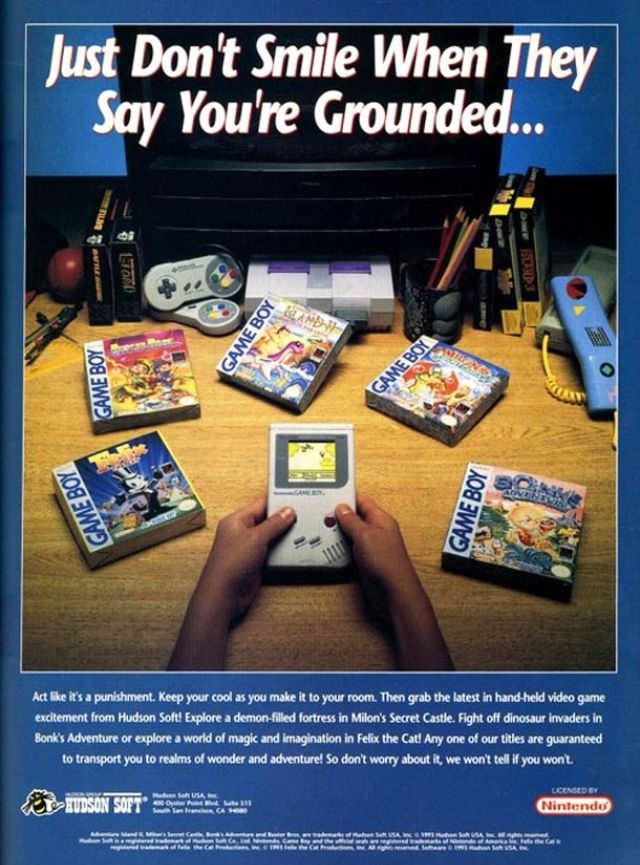
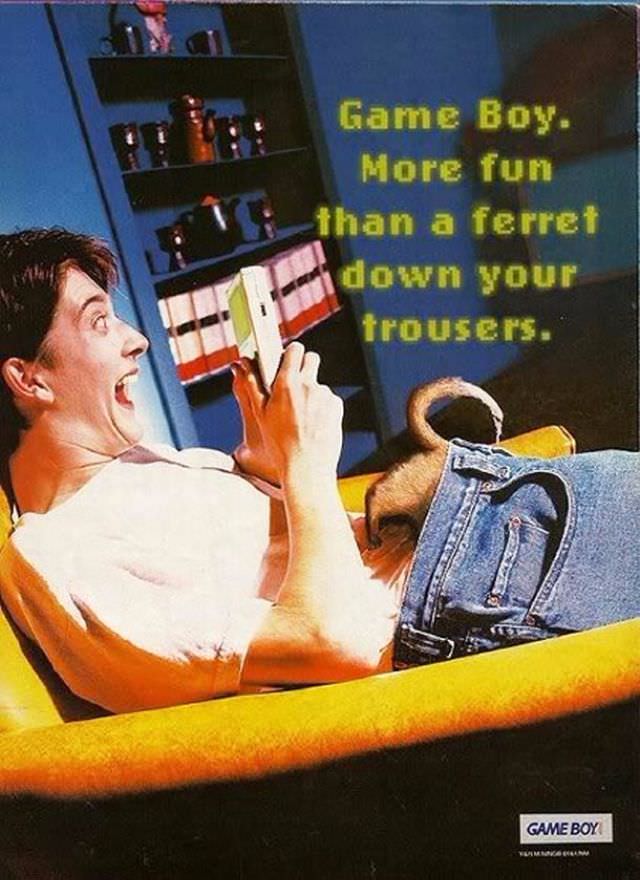
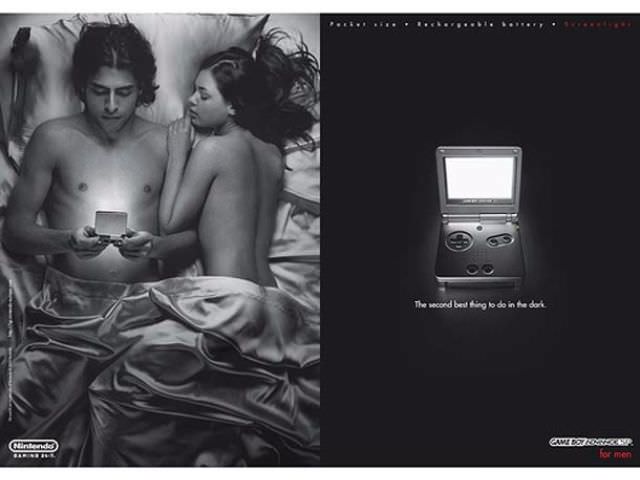
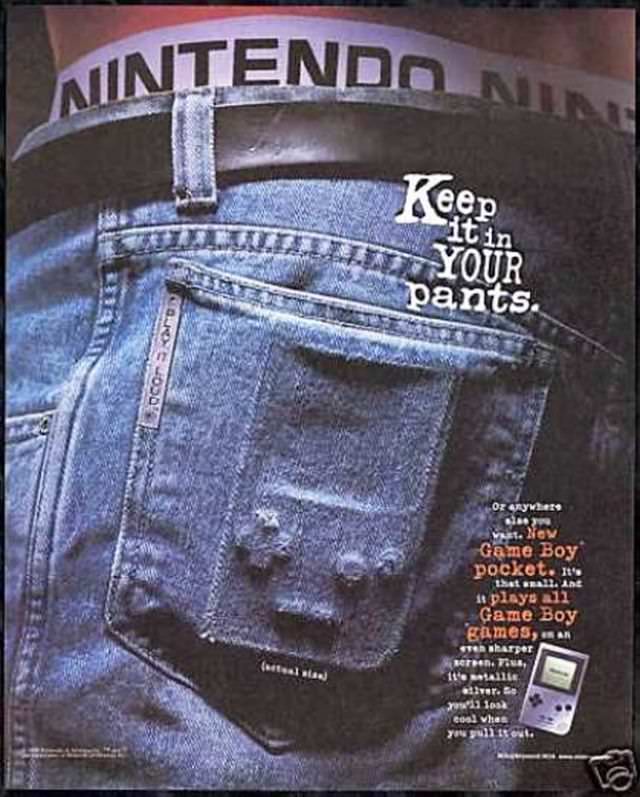
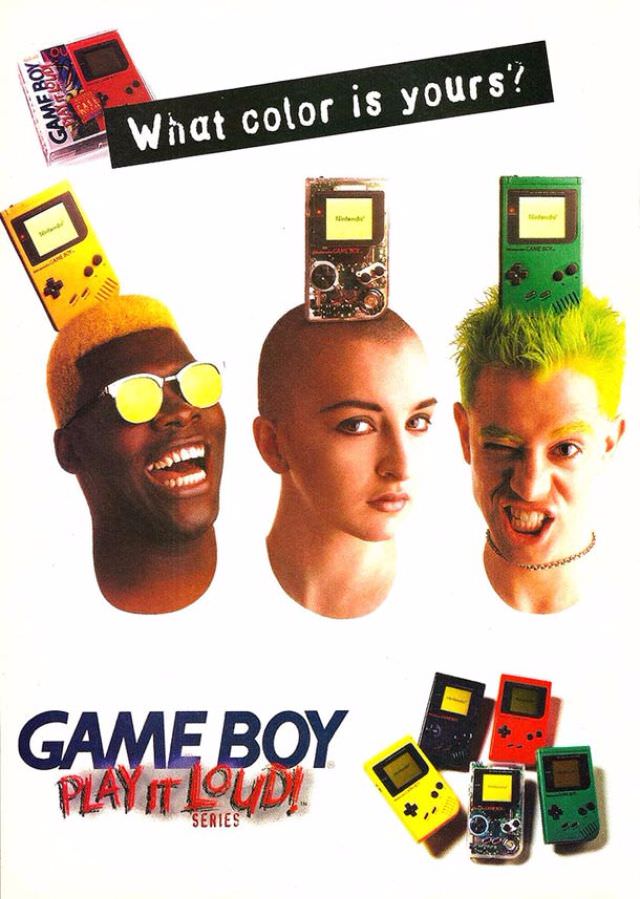
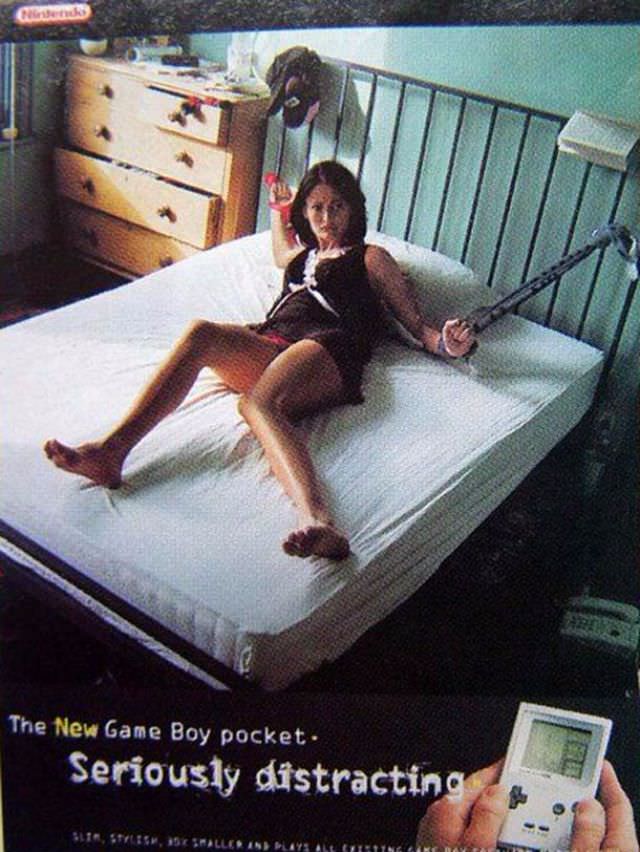
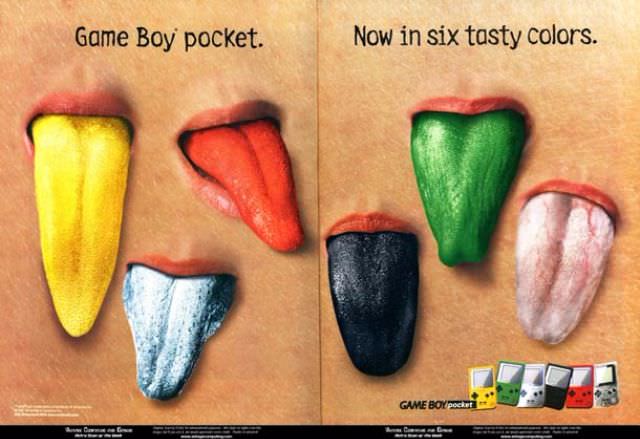
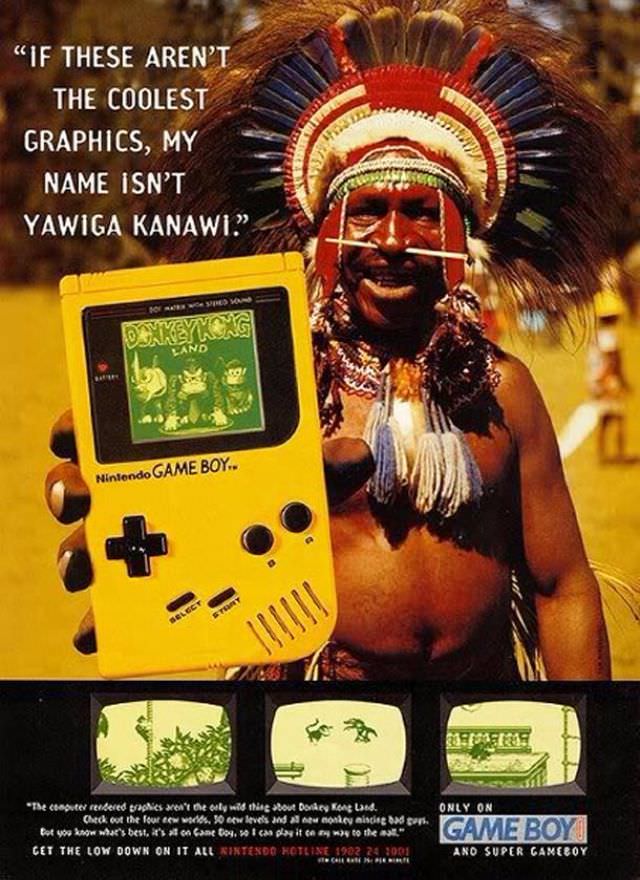
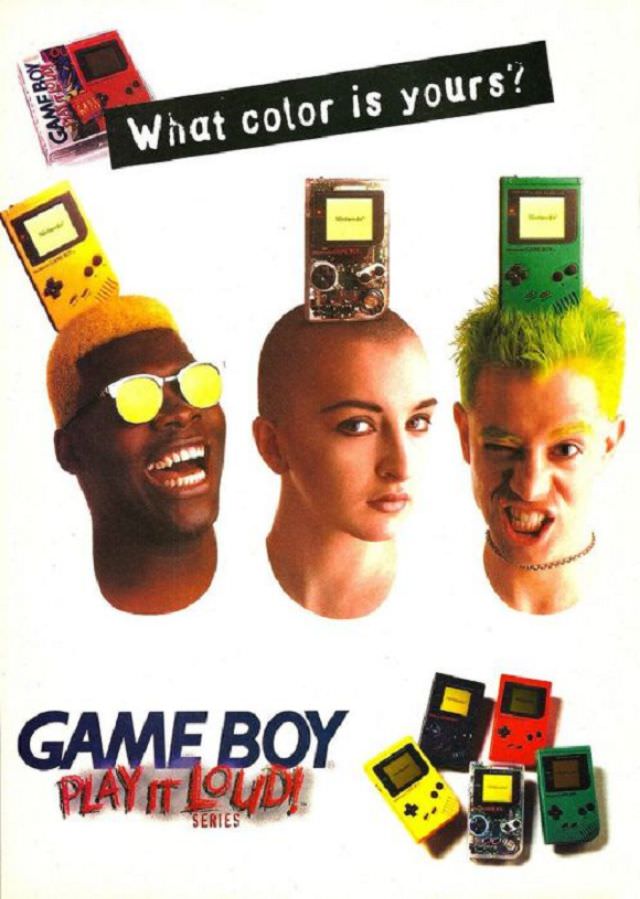
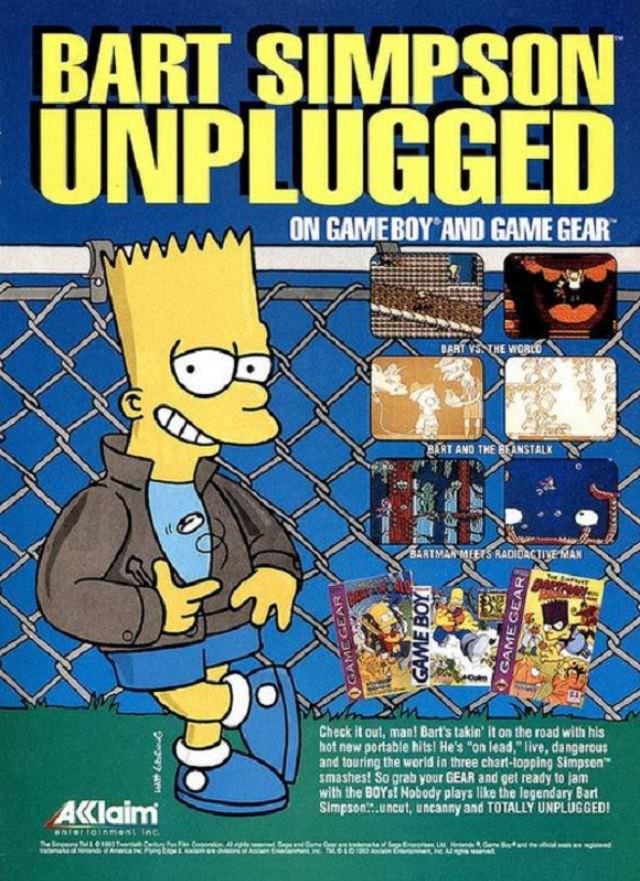
The Game Boy, released in 1989, brought its own wave of advertising. Nintendo marketed it as gaming you could take anywhere — on trips, in the car, at school. Ads showed kids playing on the bus or in the back seat of a car. The portability angle was new, and Nintendo hammered it constantly.
Role-playing games, particularly from Japanese developers, required a different advertising strategy. Games like Final Fantasy and Dragon Quest had complex stories and long play times — things that needed more explanation than most action games. Their ads often included detailed artwork of characters and worlds, and some ran lengthy descriptive text to hook serious players.
By the mid-1990s, the next generation of consoles was arriving. The Sega Saturn and Sony PlayStation launched in 1994 and 1995 respectively. Advertising shifted to emphasize 3D graphics as the new frontier. Ads for PlayStation titles in particular leaned heavily on a darker, more cinematic visual style — a sharp departure from the bright, cartoonish look of earlier ads.
Nintendo’s answer was the Nintendo 64, released in North America in 1996. Its launch title, Super Mario 64, was advertised as a revolution in gaming — the first major 3D platformer from Nintendo. The ads reflected the shift, using rendered 3D imagery instead of the hand-drawn illustrations that had defined the NES and SNES eras.
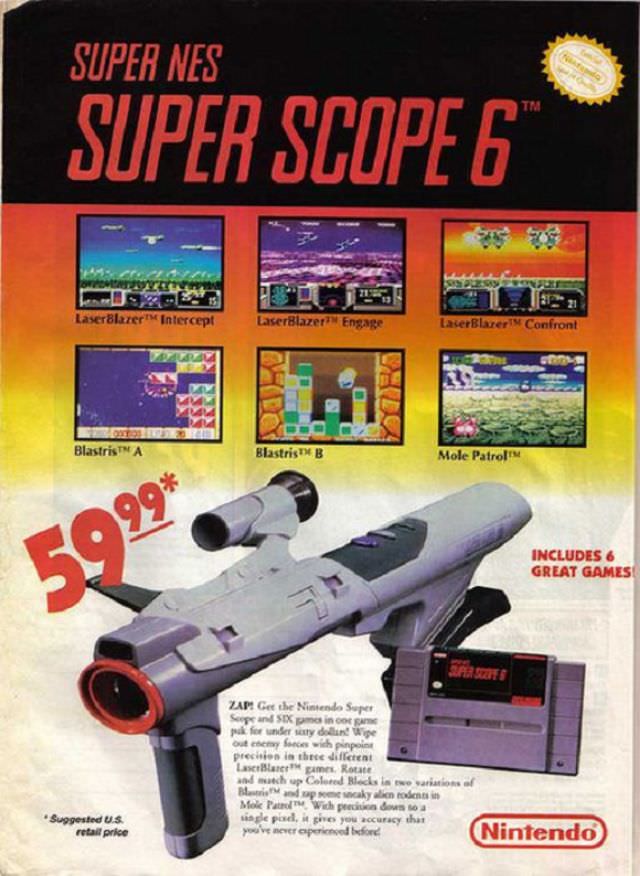
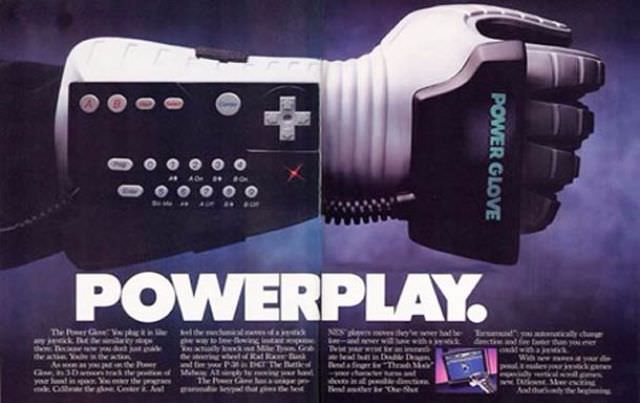
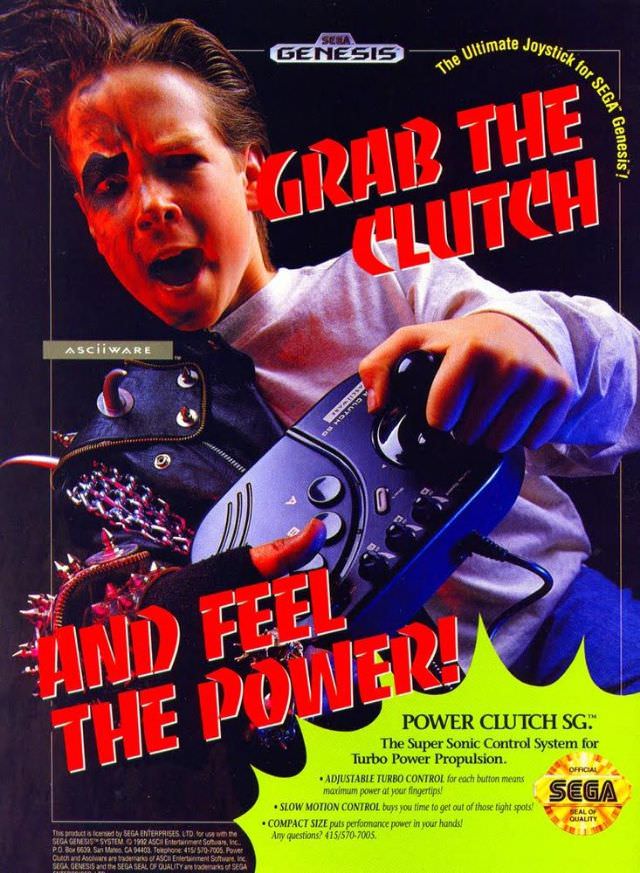
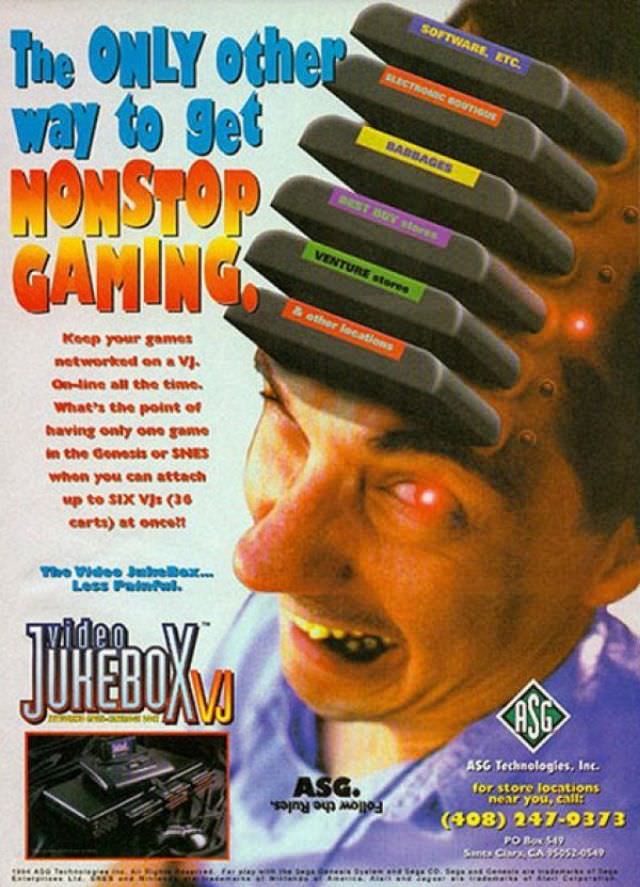
Peripherals and accessories also got their own advertising push. Light guns, joysticks, memory cards, and game link cables all appeared in magazine spreads. Some accessories, like the NES Power Pad and the Super Scope, received major marketing campaigns of their own, with ads showing groups of kids using them together.
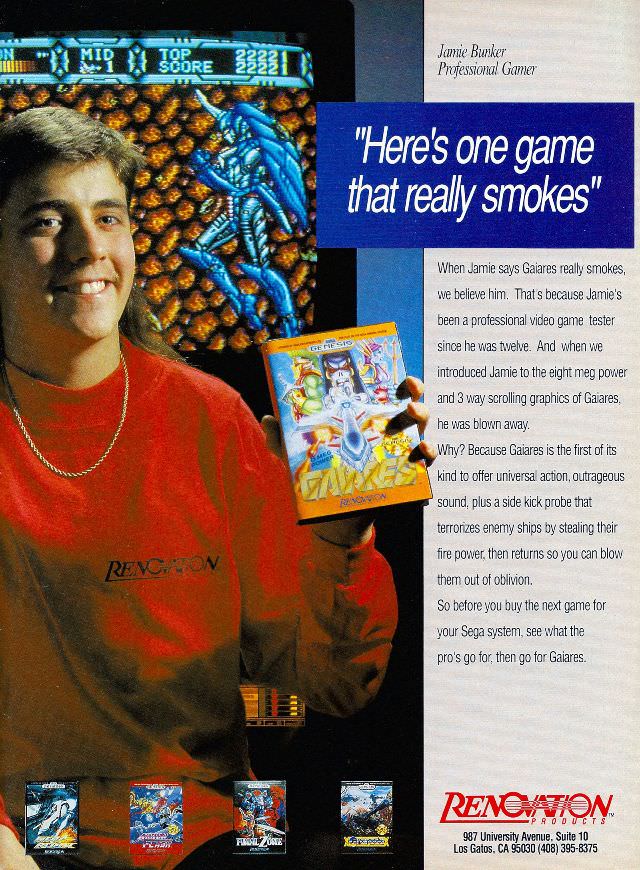
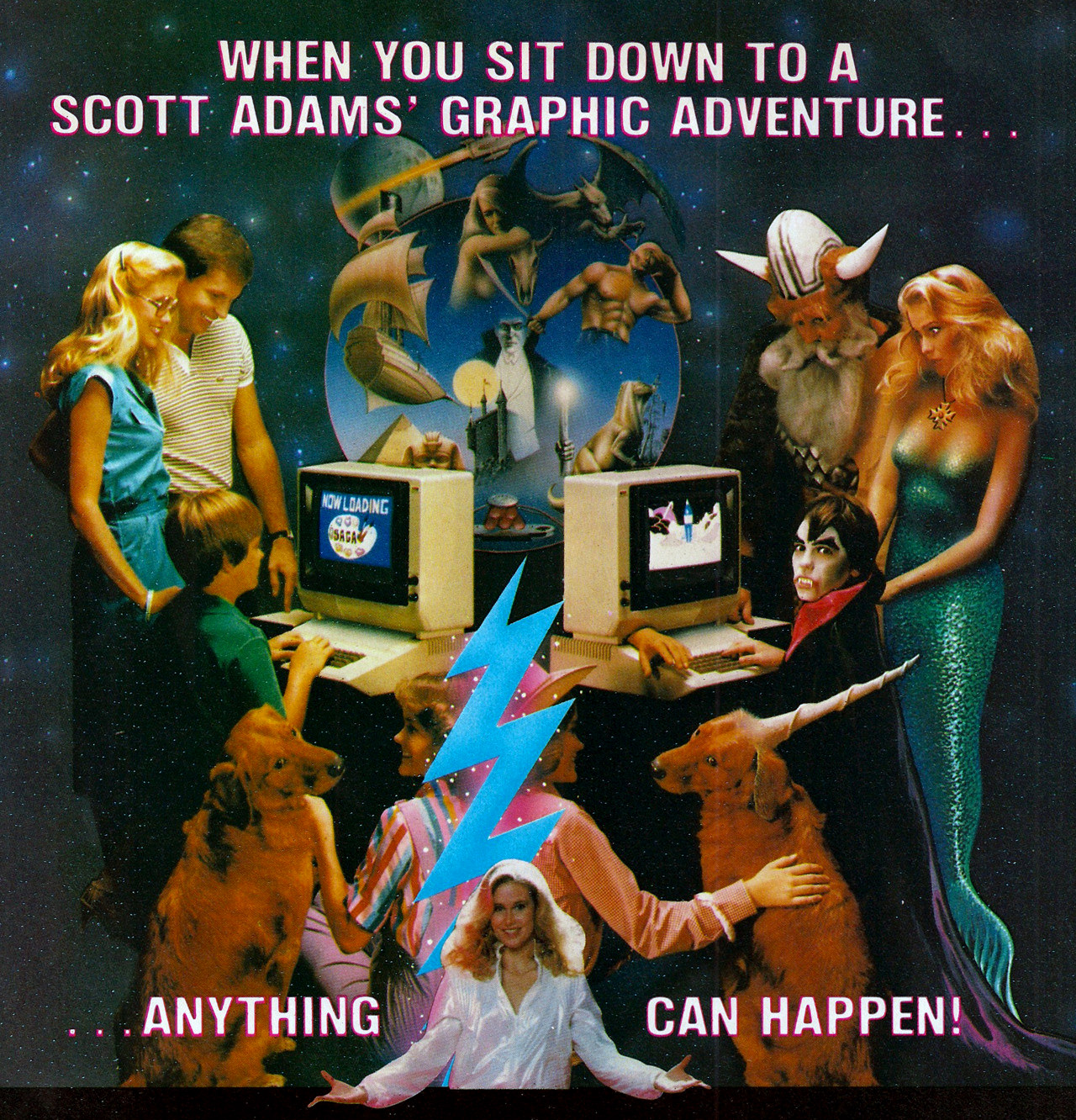
Gaming magazines themselves played a dual role. They covered games as news and reviewed them critically, while also running ads for those same games. Publishers had strong financial relationships with these magazines, and the line between editorial coverage and advertising was sometimes thin. A highly anticipated game would often get a feature article and a full-page ad in the same issue.
The competitive rivalry between Nintendo and Sega defined much of the advertising landscape throughout the early 1990s. Each company’s marketing regularly took direct shots at the other. Sega’s ads mocked Nintendo’s hardware limitations. Nintendo’s response was usually to let its game library speak for itself. The console wars played out as much in magazine pages as on store shelves.
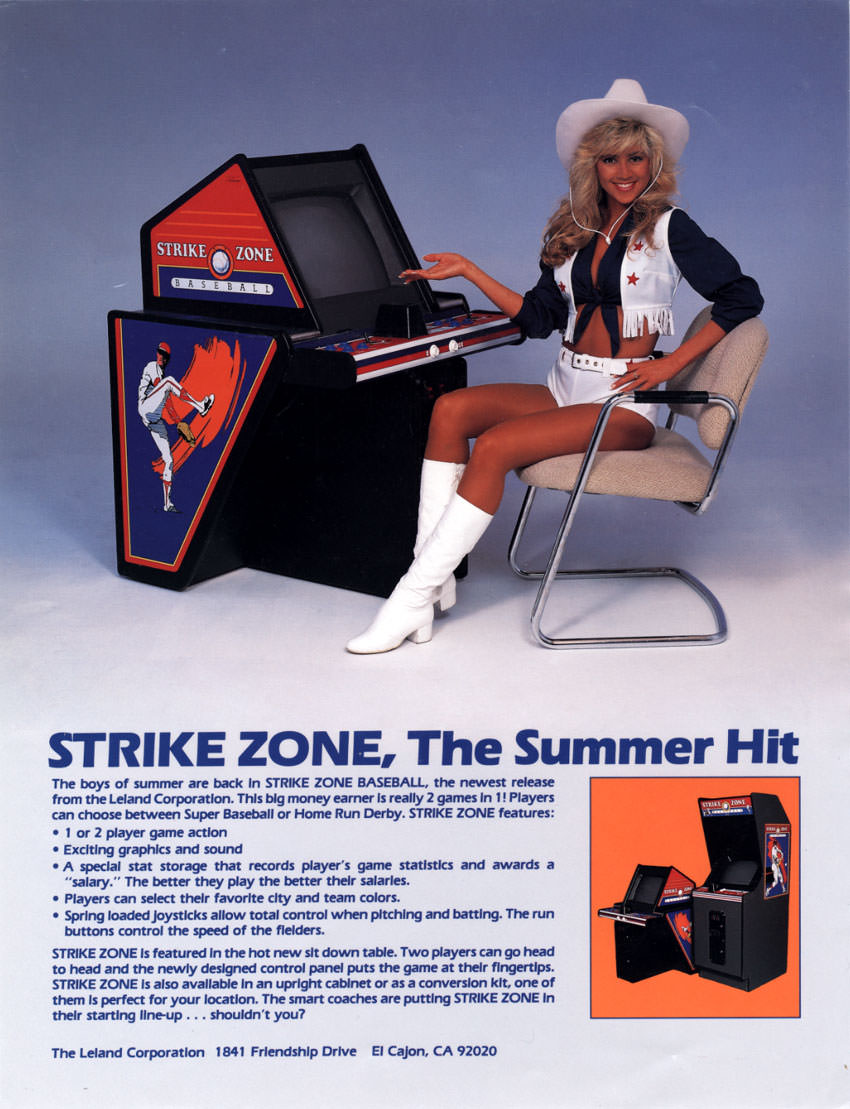
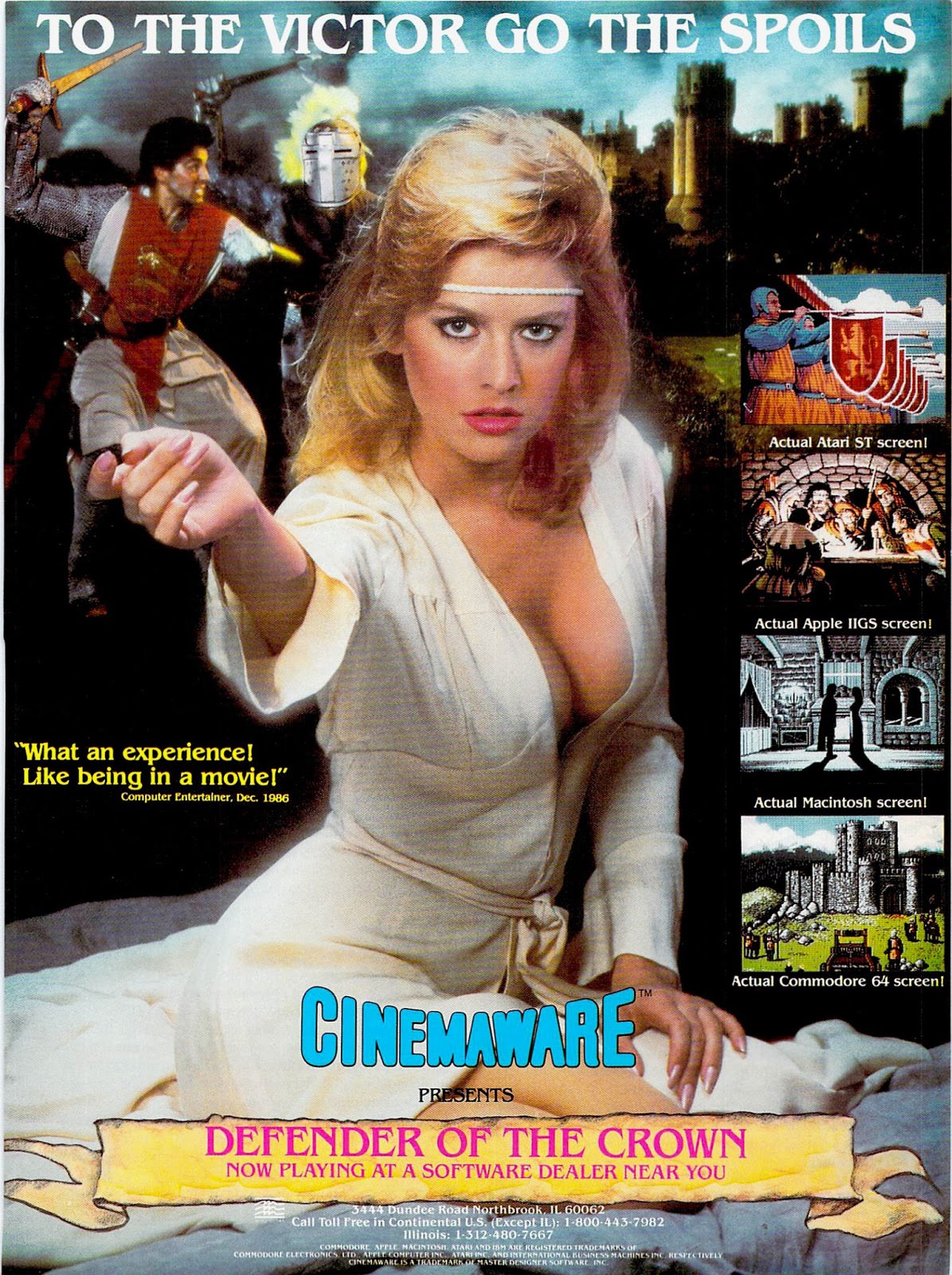
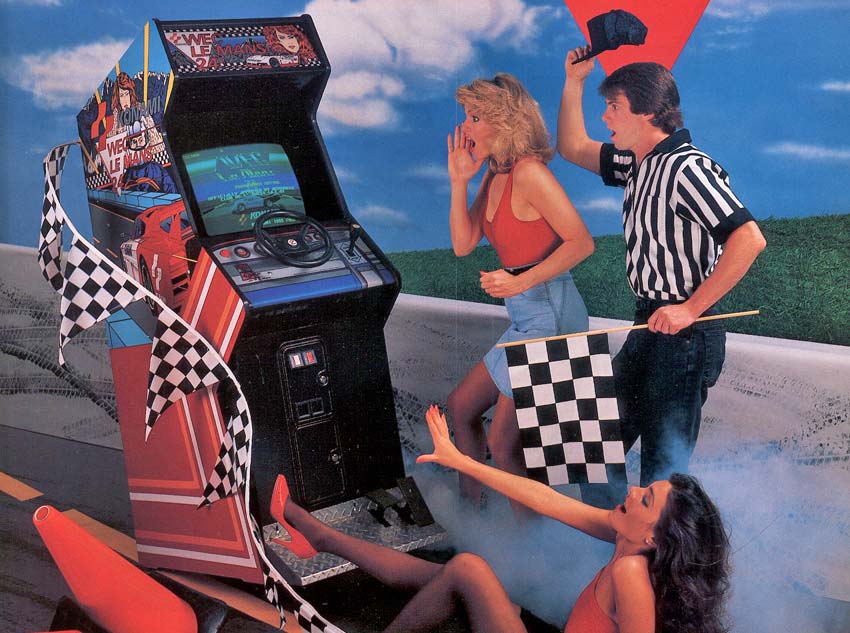
Every ad from this era tells you something real about that moment in gaming history — which platform was winning, which genre was hot, what kids were being told they needed. Taken together, these ads form a detailed record of how the industry grew from a novelty into one of the most dominant entertainment businesses in the world.