
Ali MacGraw became one of the most recognizable faces of the 1970s despite having one of the shortest careers in Hollywood. People magazine named her one of the 50 Most Beautiful People in the World, and GQ included her in their “25 Sexiest Women in Film Ever” list. But her path to stardom was anything but direct. She never set out to be an actress — and for a long stretch of her life, she wasn’t one at all.
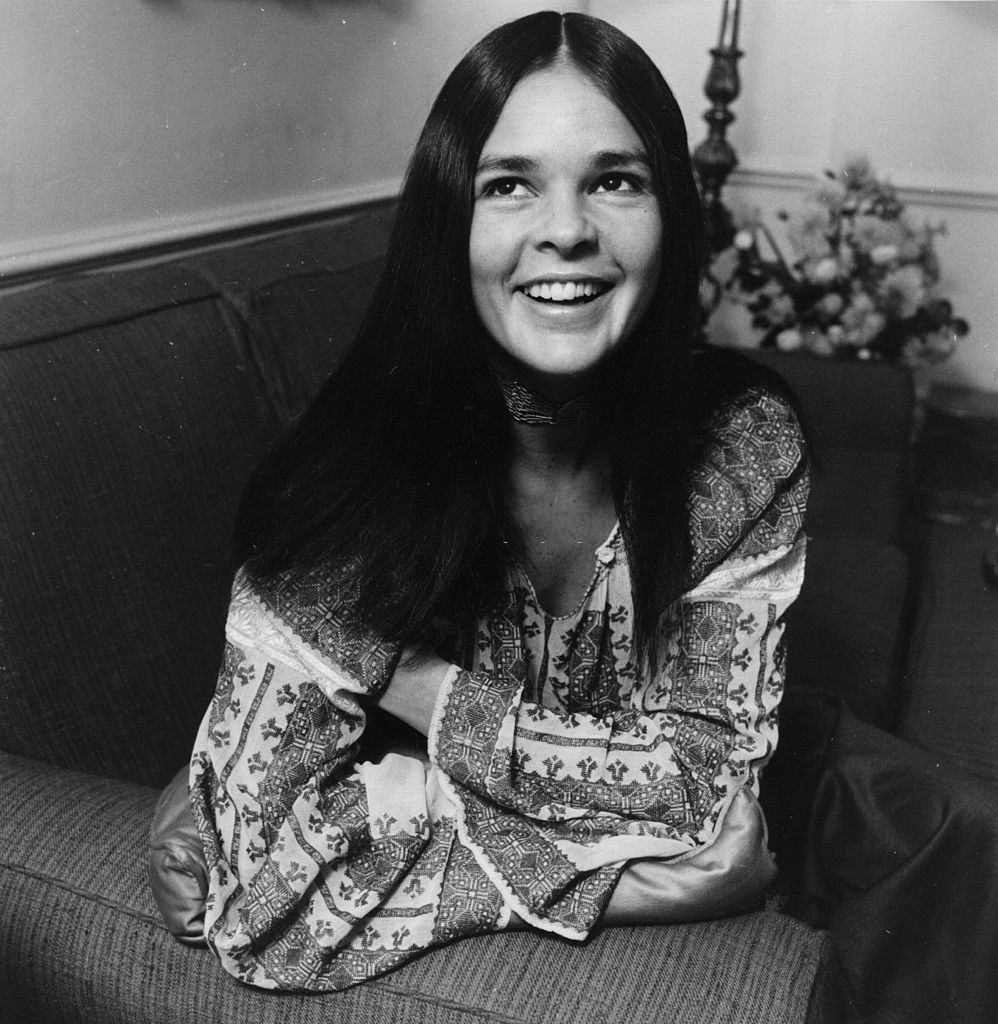
MacGraw grew up with a strong interest in the arts but started her professional life far from the camera. After college, she married her sweetheart Robin Hoen, but that marriage lasted only a year and a half. She then landed a job as a photographic assistant to Diana Vreeland, the powerful fashion editor at Harper’s Bazaar. MacGraw worked under Vreeland for six years, absorbing the world of high fashion from the inside.
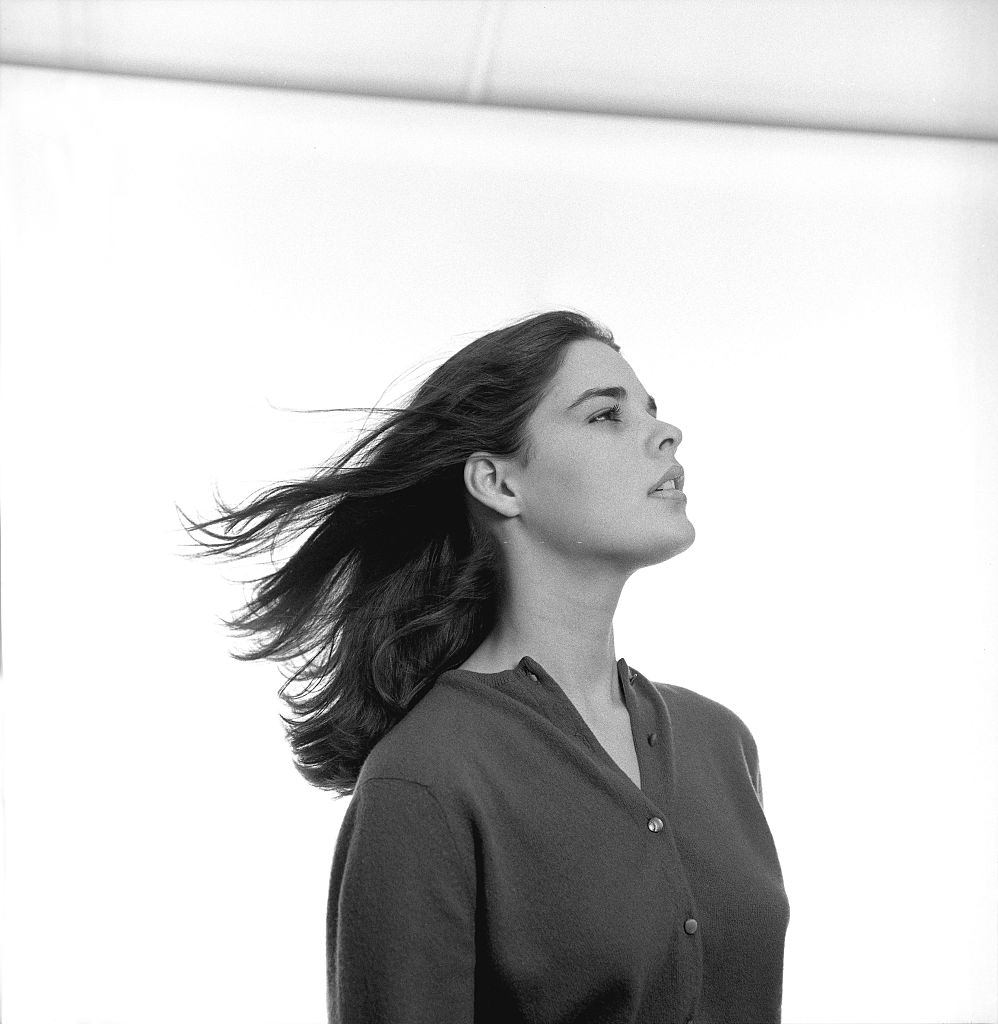
Her time at Harper’s Bazaar gave her a natural ease in front of the camera. She transitioned into fashion modeling, and her look — dark hair, strong features, and an effortlessly cool style — made her a natural fit for editorial spreads. Her early modeling work appeared in publications like Glamour and Vogue, and she brought the same confident energy to every shoot.
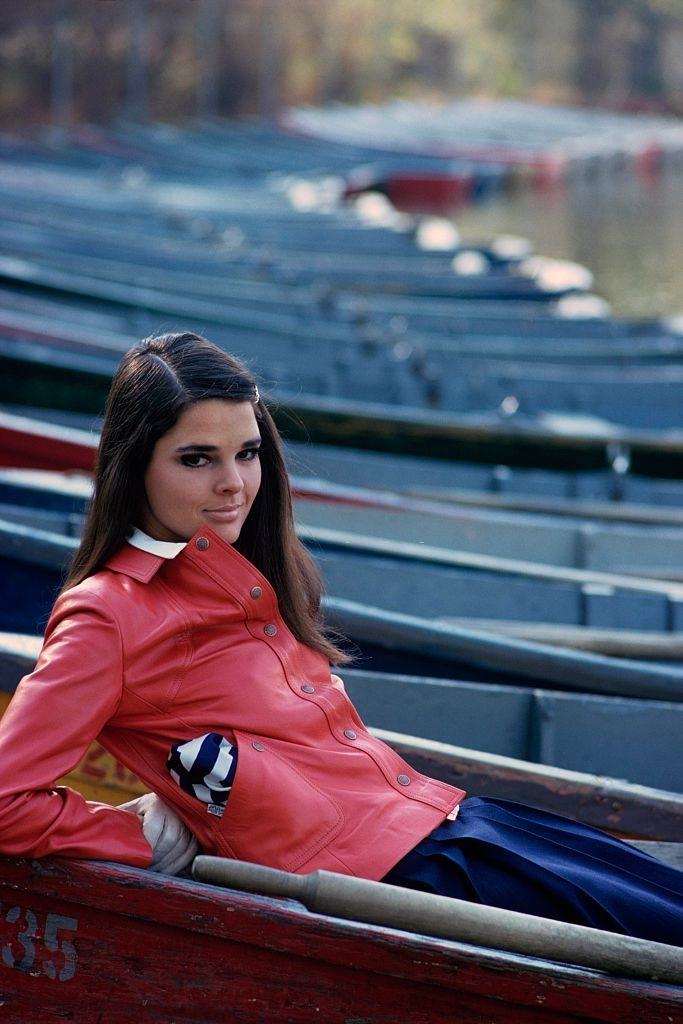
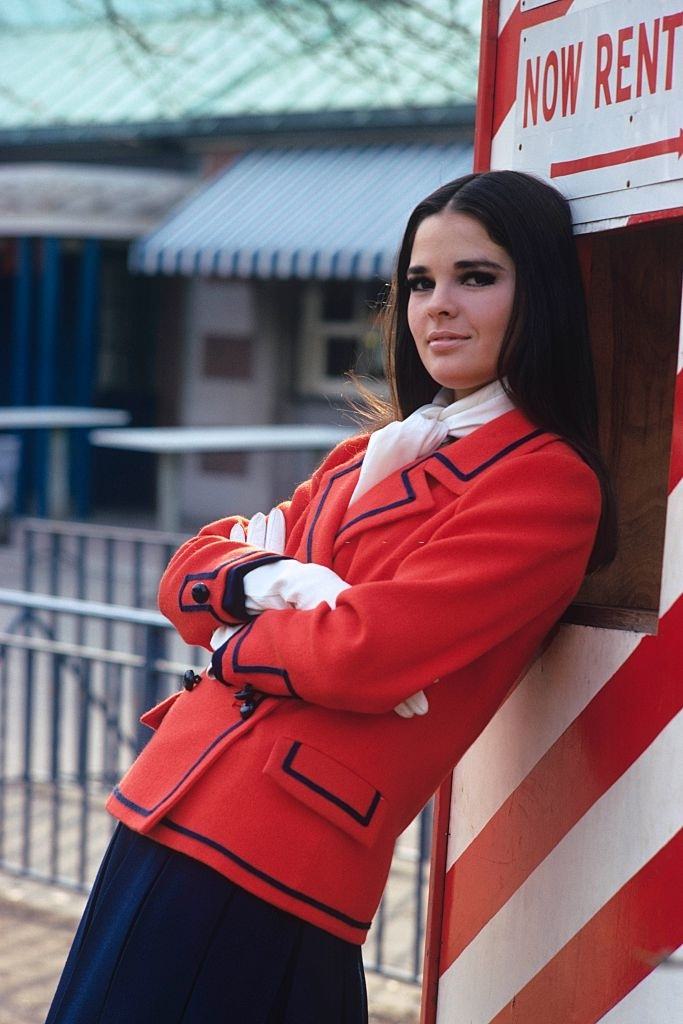
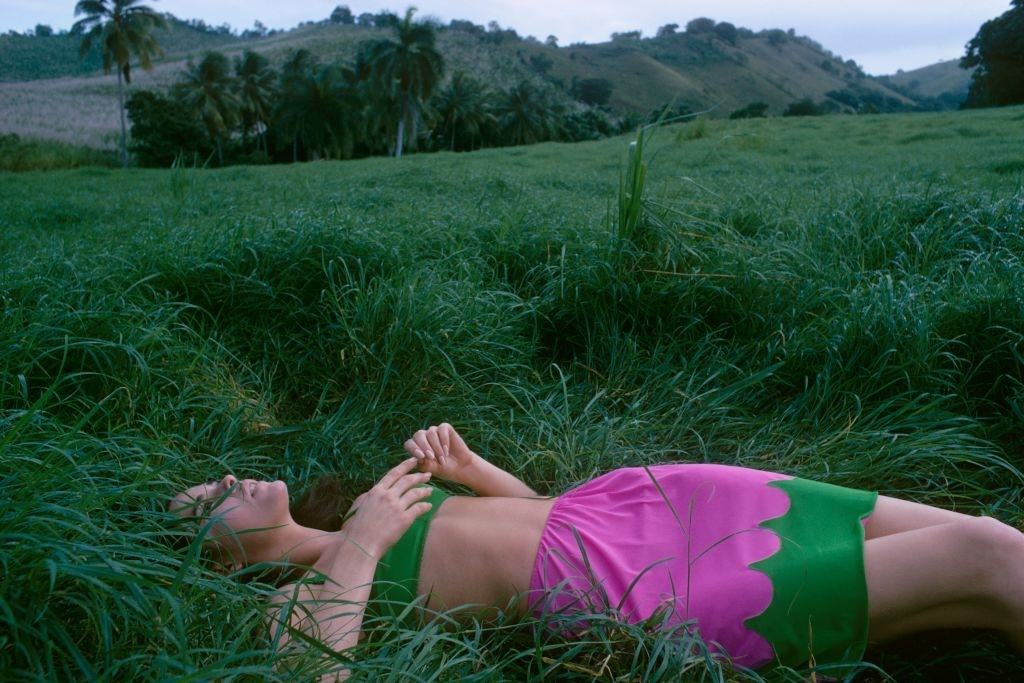
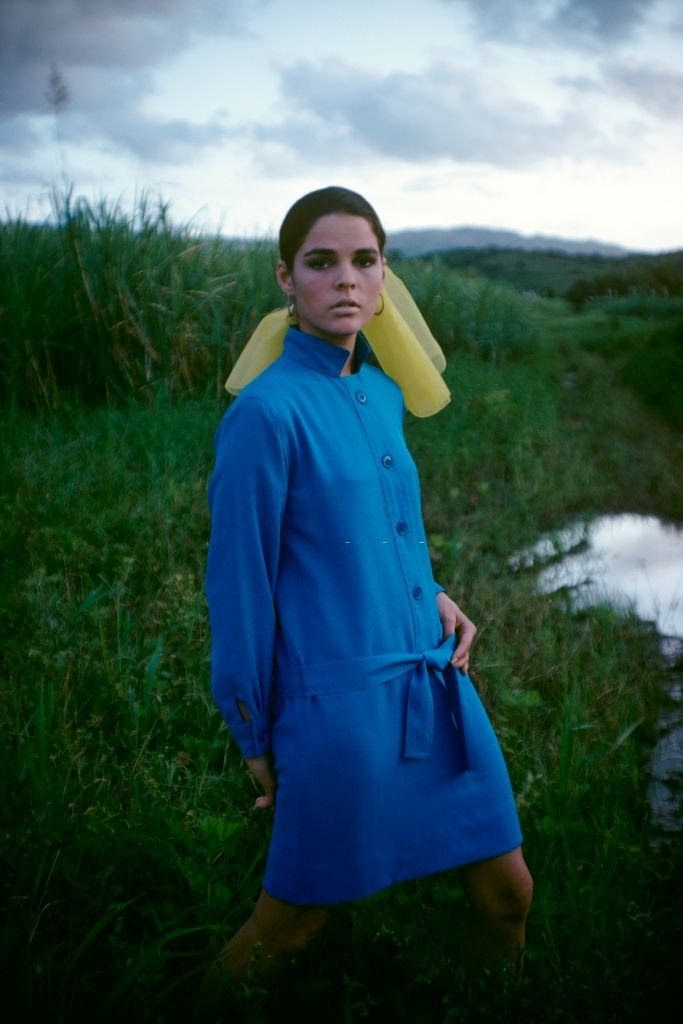
By 1967 and 1968, MacGraw was appearing regularly in fashion shoots, modeling everything from belted shirtdresses in open fields to sleek zippered jersey suits in studio settings. Her versatility as a model was clear — she worked equally well in casual outdoor environments and polished editorial contexts.
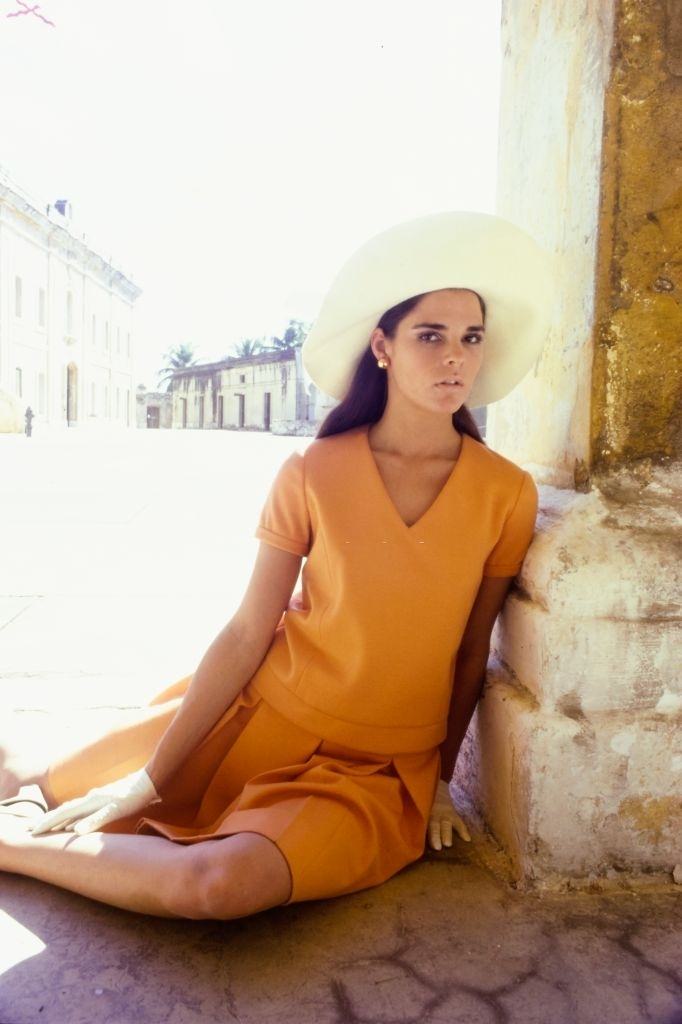
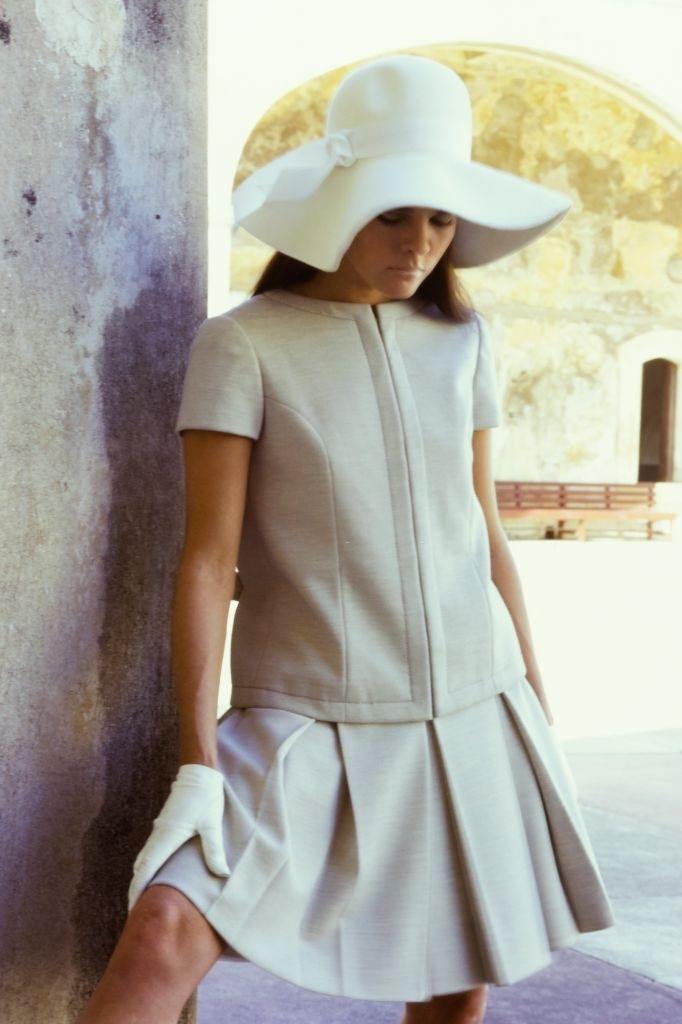
MacGraw’s modeling career brought her aboard sailboats and into sun-drenched locations for campaigns that defined late-1960s American style. She appeared alongside other prominent models of the era, including Cheryl Tiegs, in shoots that captured the breezy, optimistic fashion mood of the time.
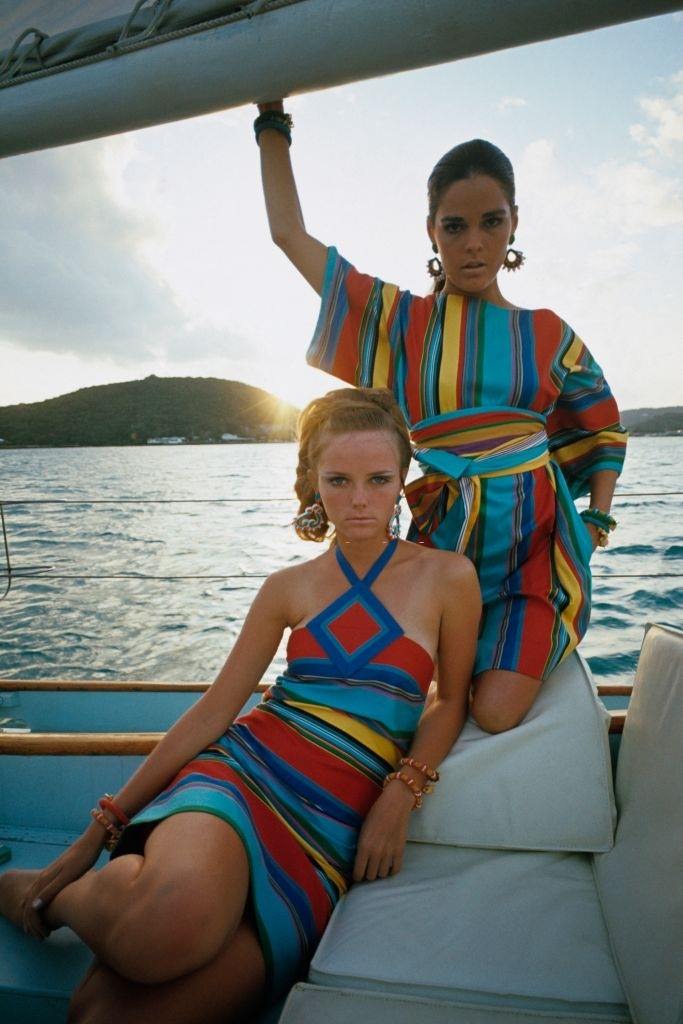
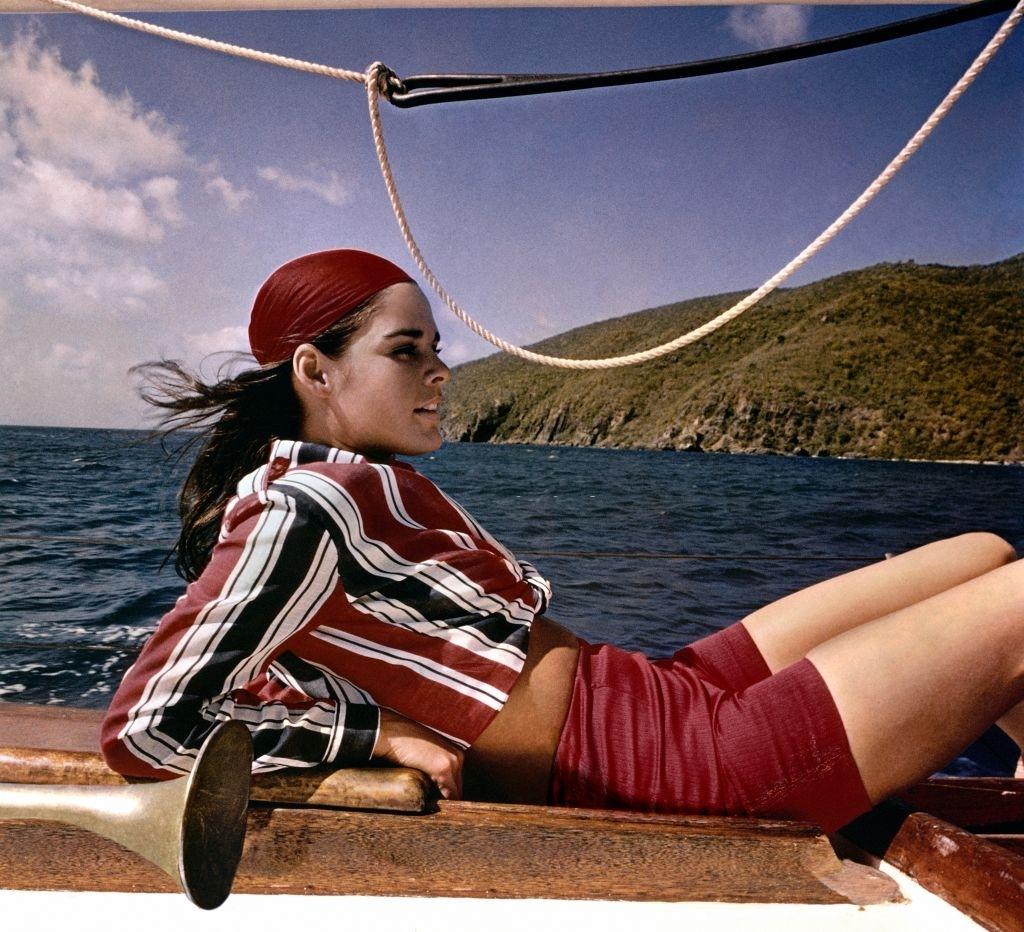
Her modeling career eventually caught the attention of an agent who urged her to try acting. She began appearing in TV commercials, including one for Chanel No. 5, before making her screen debut in the 1968 film A Lovely Way to Die. The small role was just a starting point. Her next film, Goodbye, Columbus, earned her a Golden Globe Award for Most Promising Newcomer — Female, announcing her arrival as a serious screen talent.
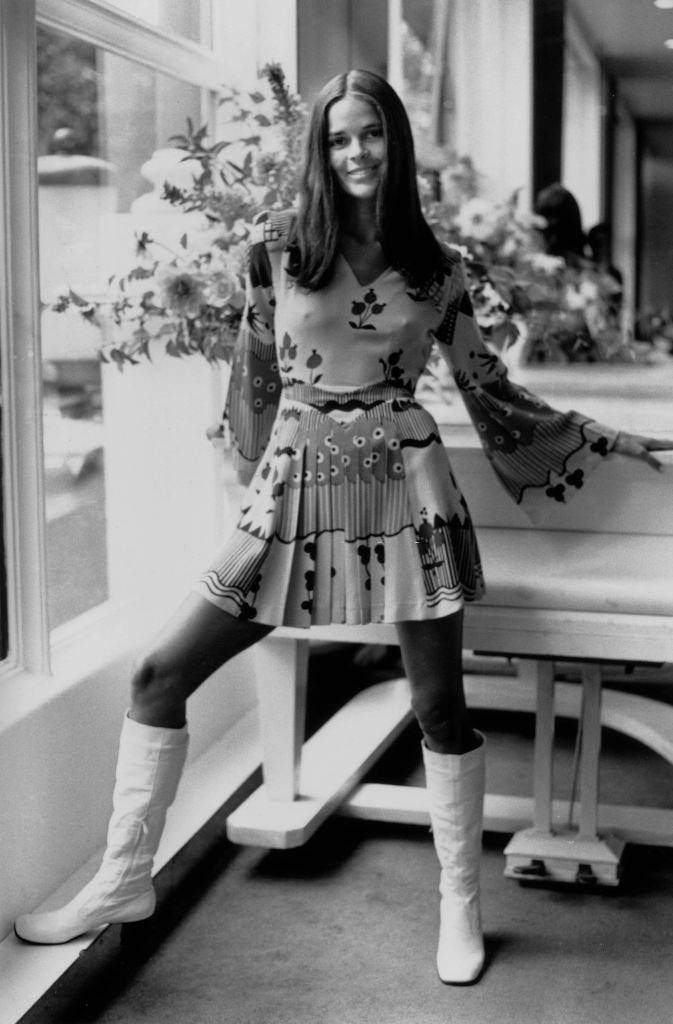
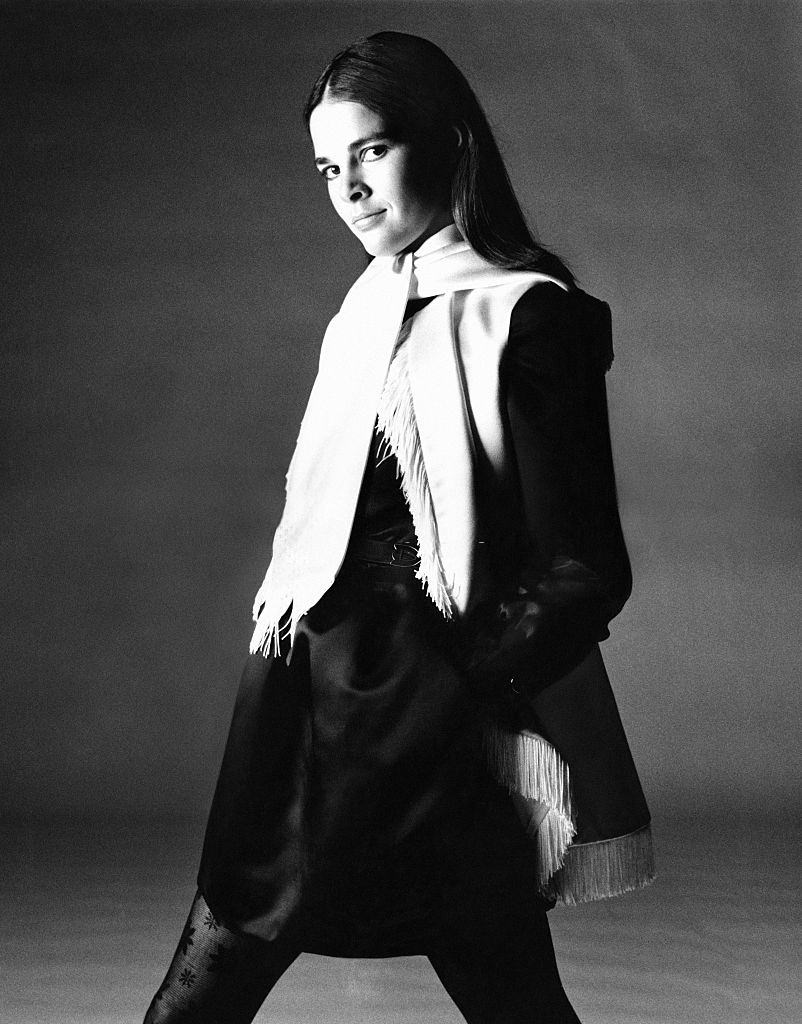
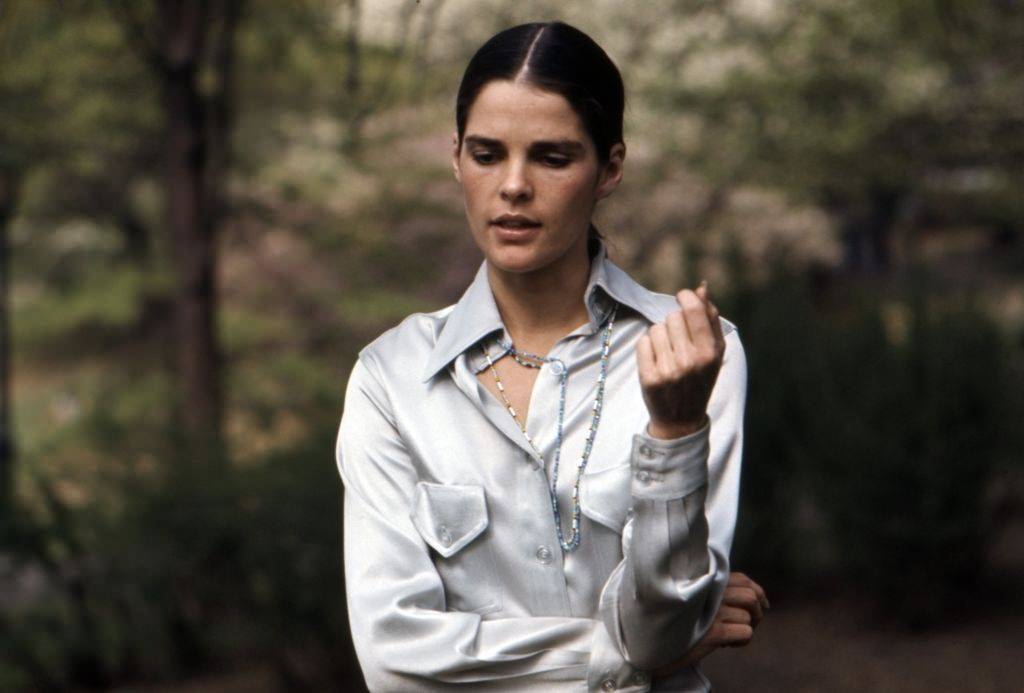
In 1969, MacGraw married film producer Robert Evans. That same year, she began filming Love Story opposite Ryan O’Neal. Released in 1970, the film was a massive commercial and cultural hit. MacGraw played Jenny, a working-class girl who falls in love with a wealthy Harvard student. The role made her a household name and earned her a second Golden Globe Award, as well as an Academy Award nomination for Best Actress.
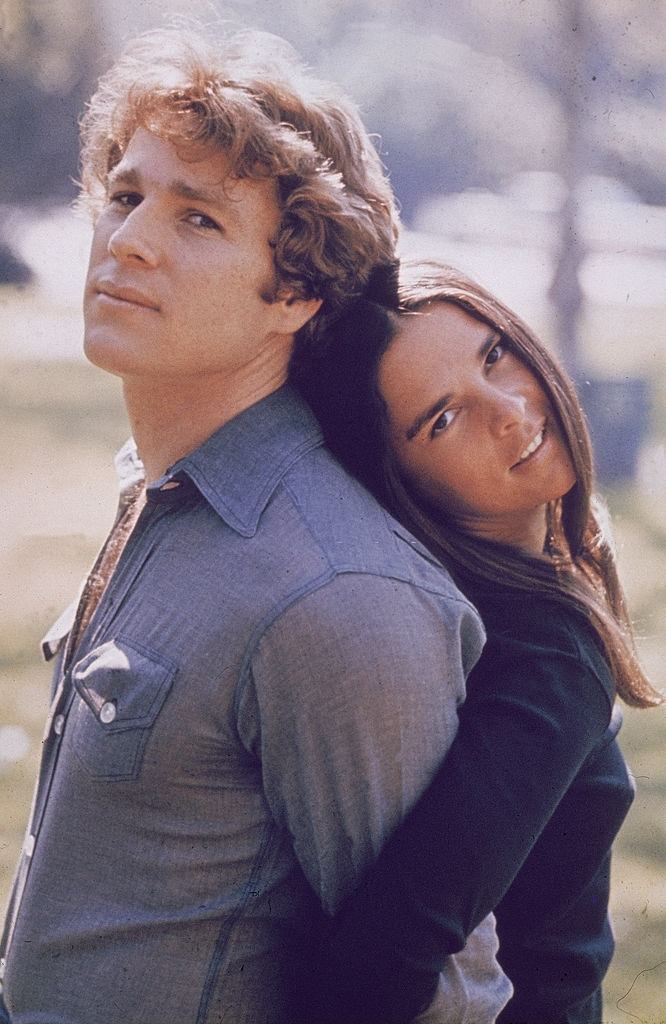
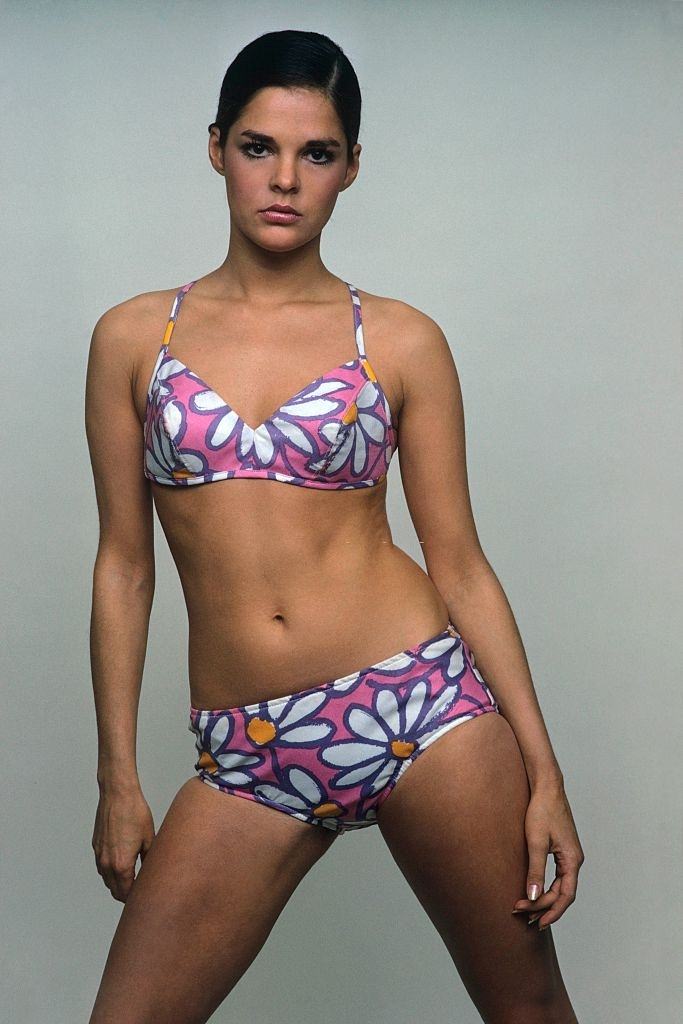
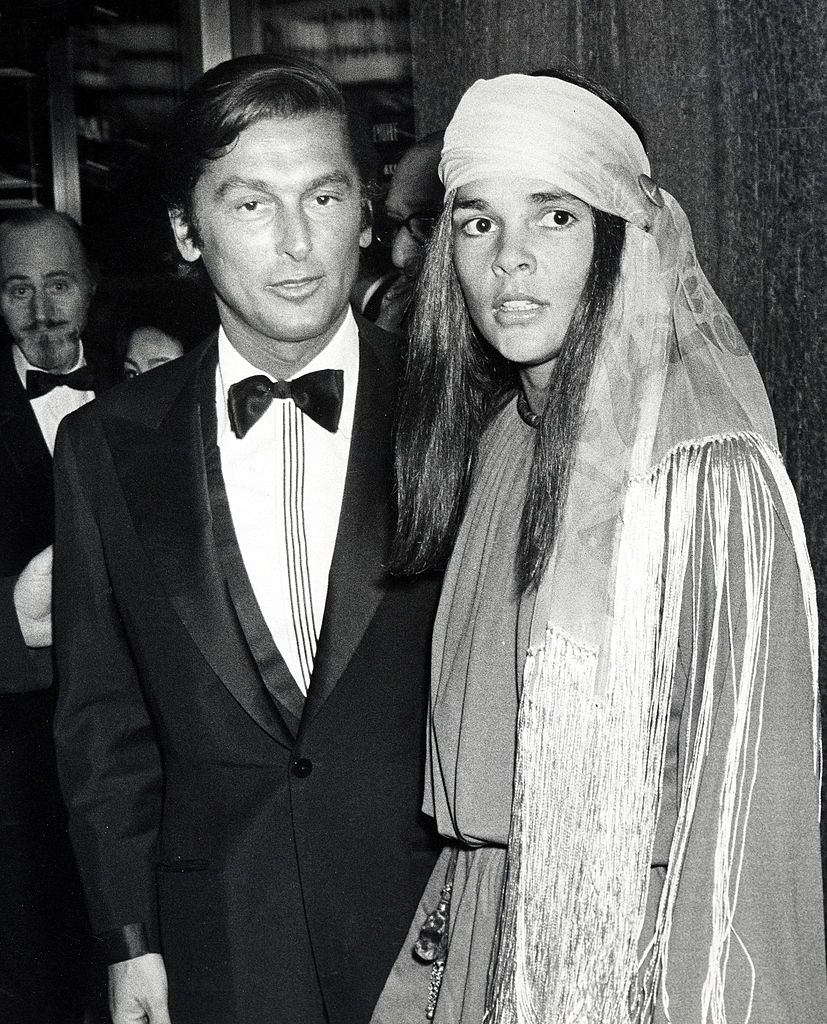
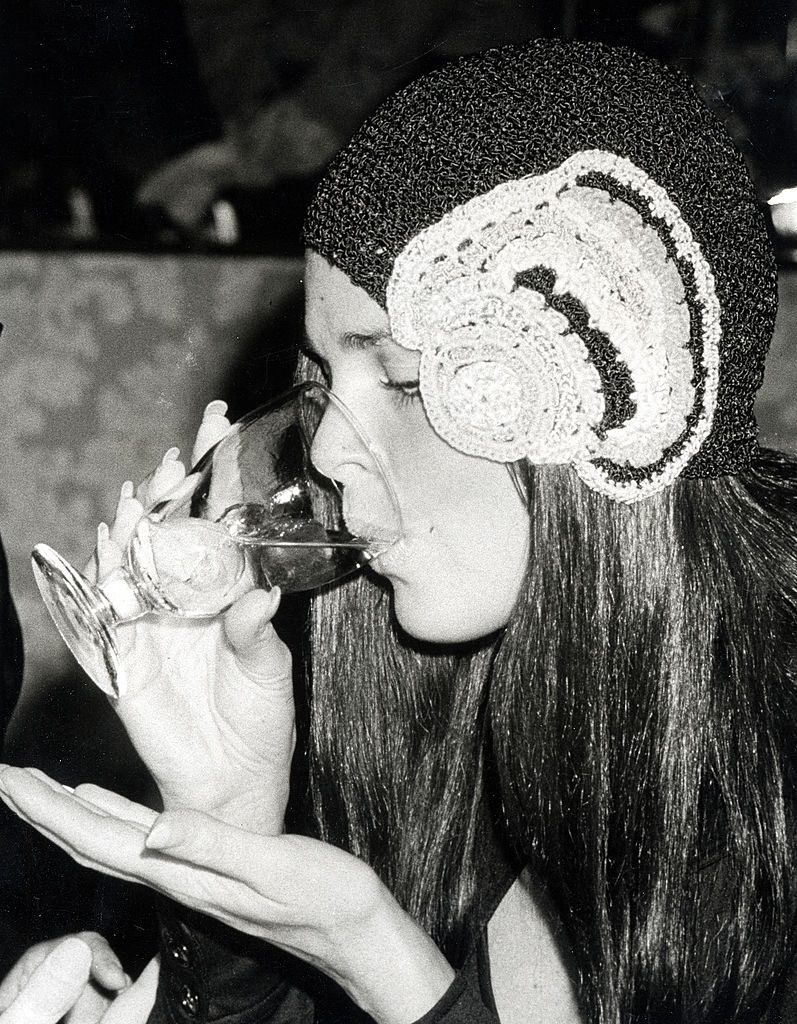
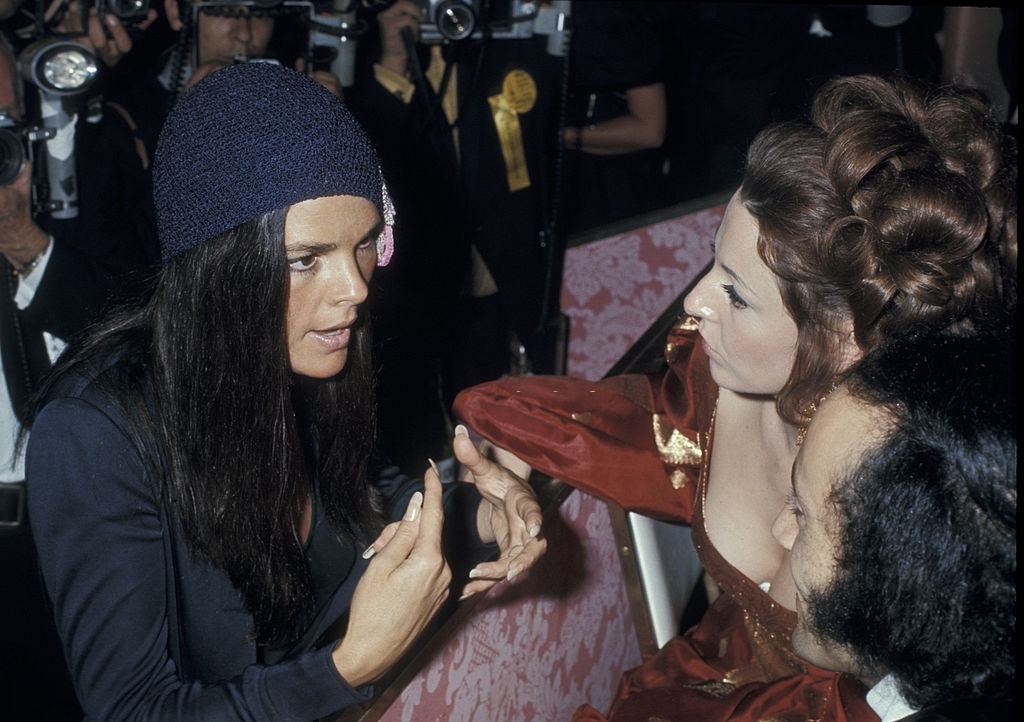
By 1970, MacGraw was everywhere. Her face appeared in magazines, at premieres, and in the cultural conversation around American cinema. She and Evans were one of Hollywood’s most prominent couples, and she moved through the industry’s social circles with ease — appearing at major events alongside stars like Dyan Cannon and Natalie Wood.
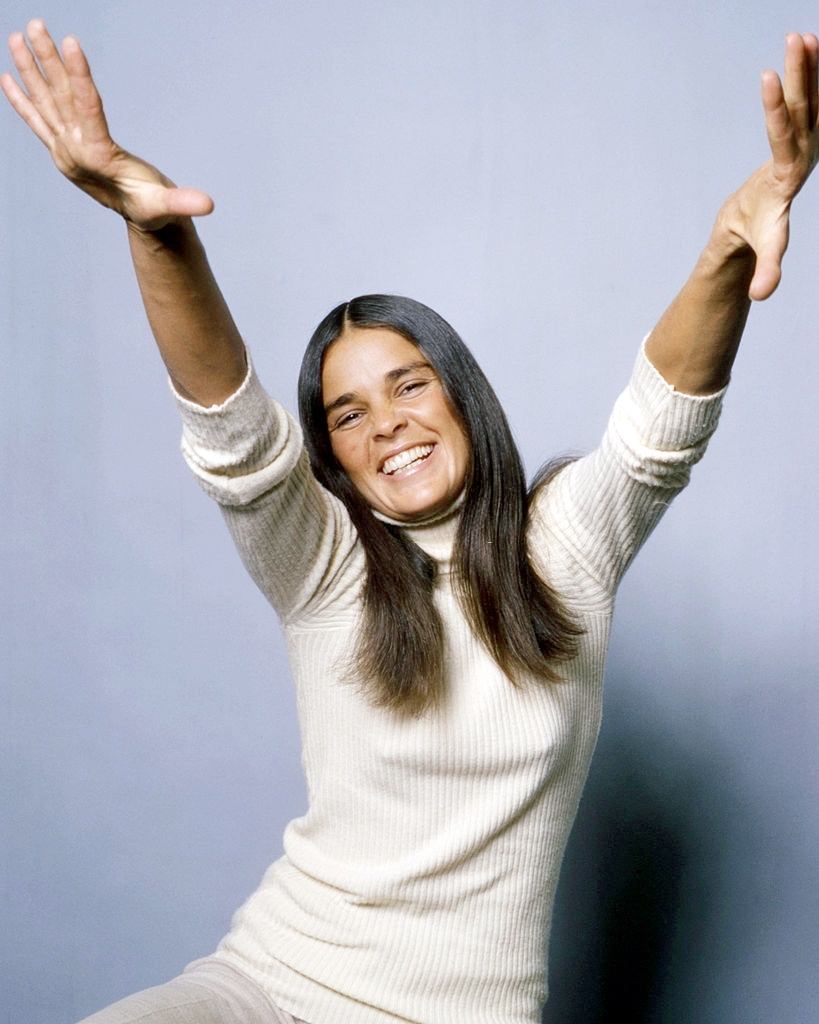
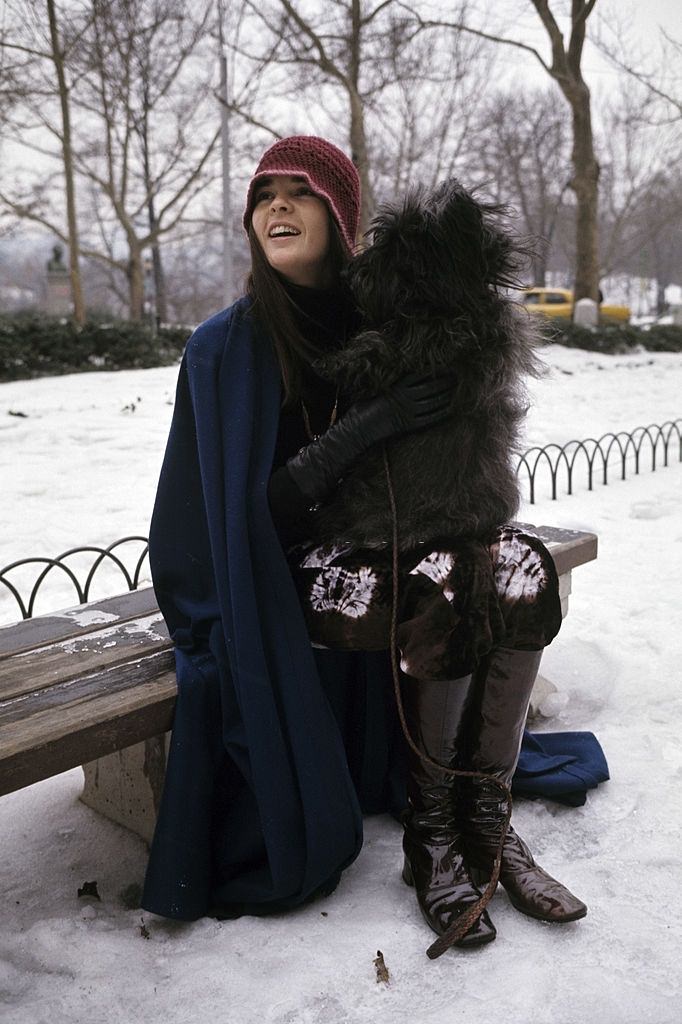
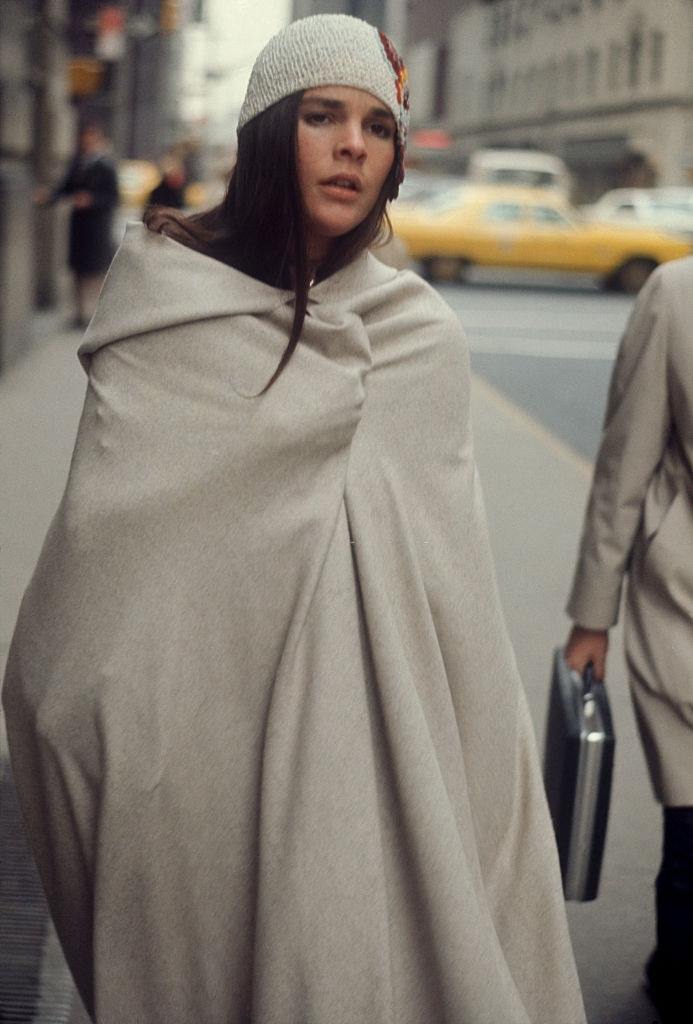
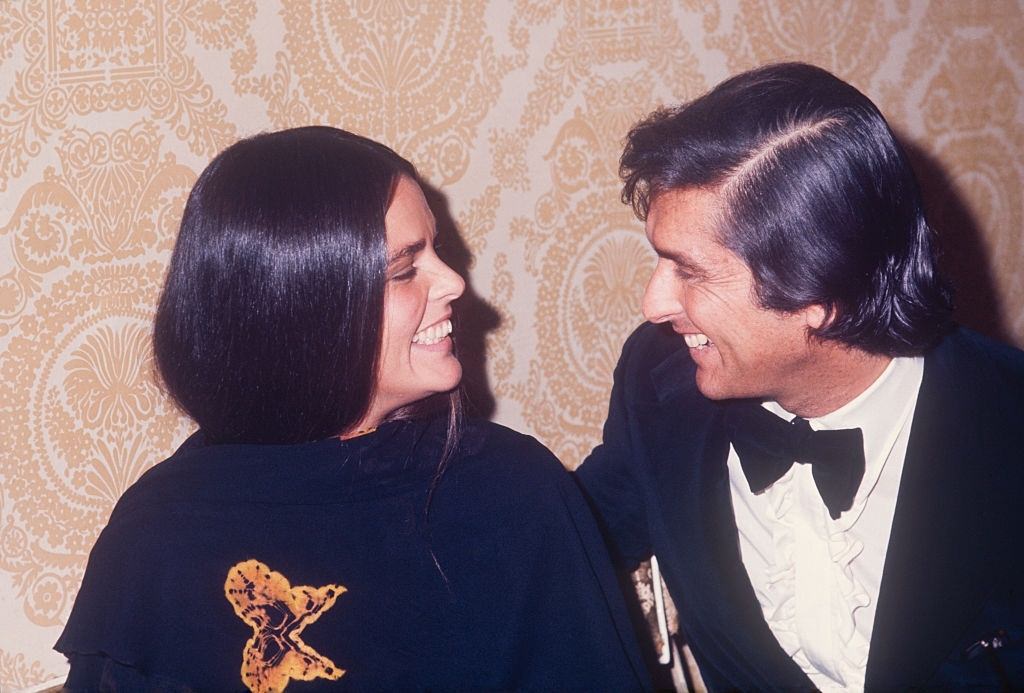
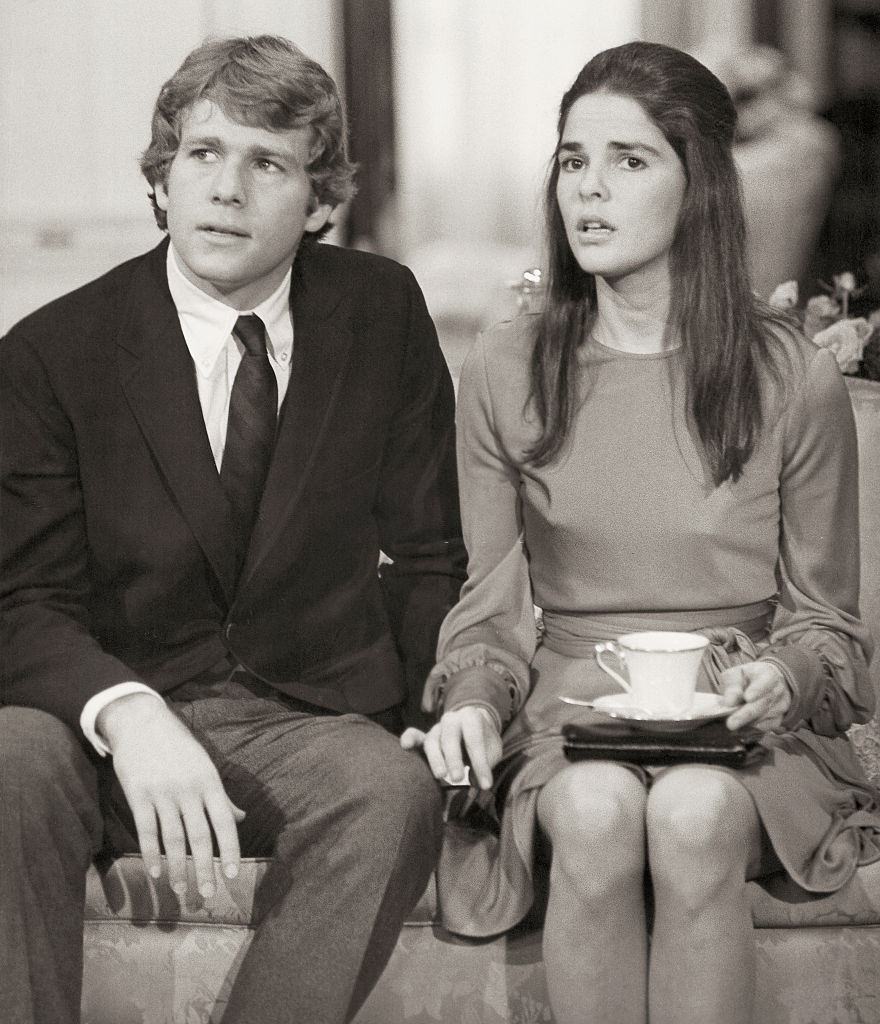
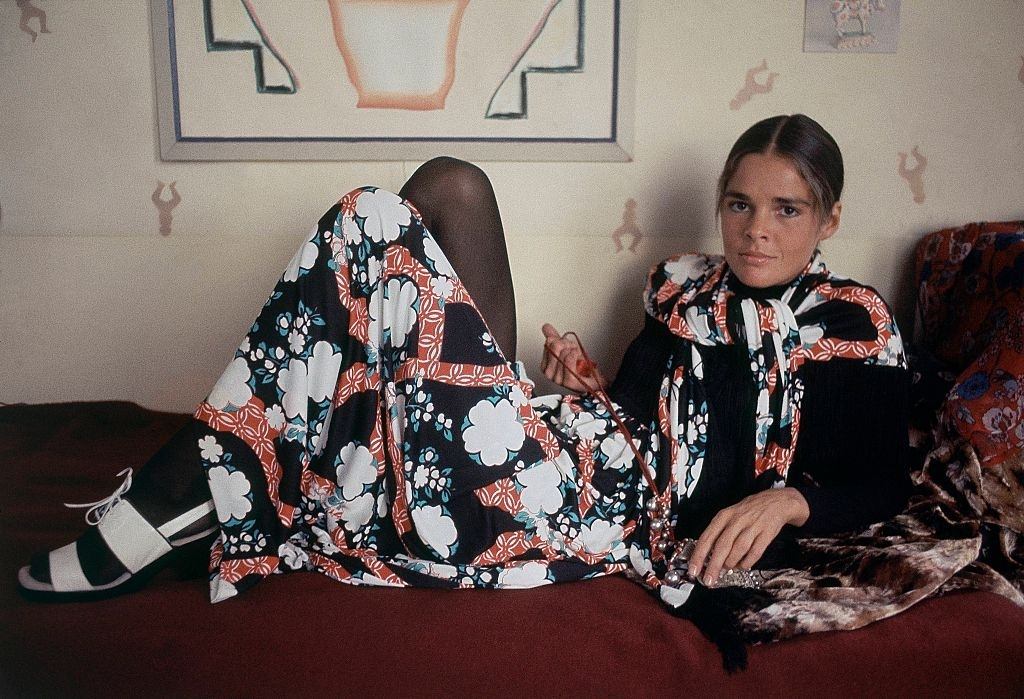
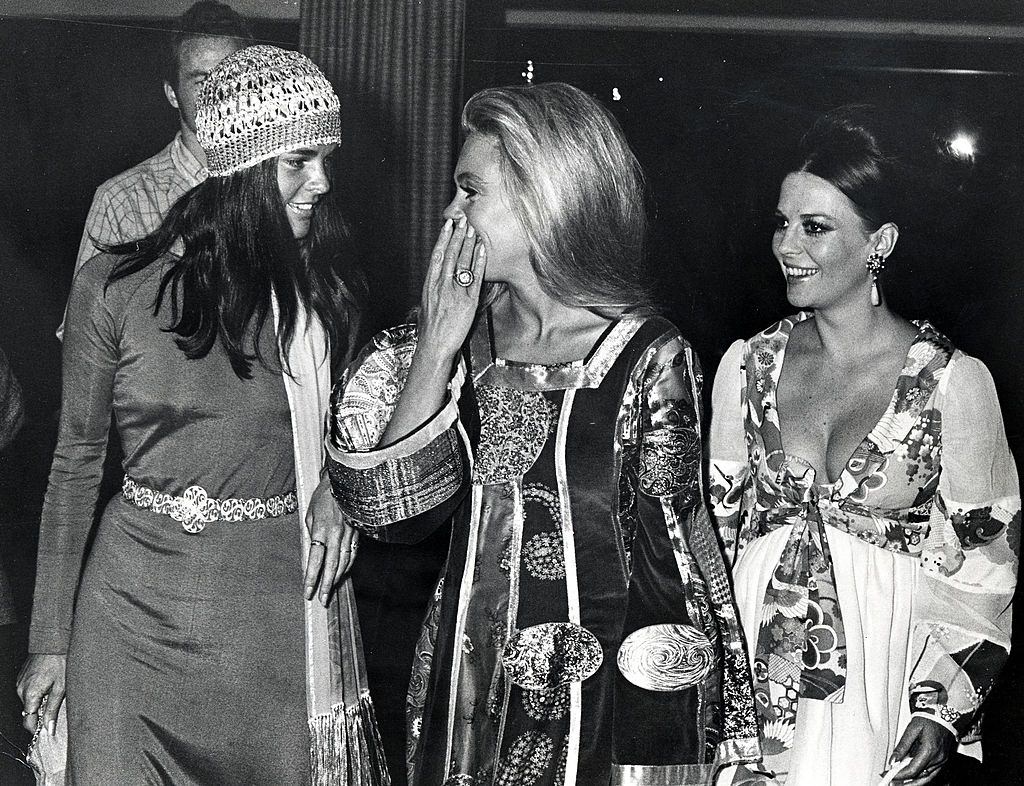
MacGraw attended the 43rd Annual Academy Awards in 1971, where Love Story had generated significant Oscar buzz. She and Evans were photographed together frequently that year, presenting the image of a golden Hollywood couple. Behind the scenes, however, the marriage was beginning to fracture.
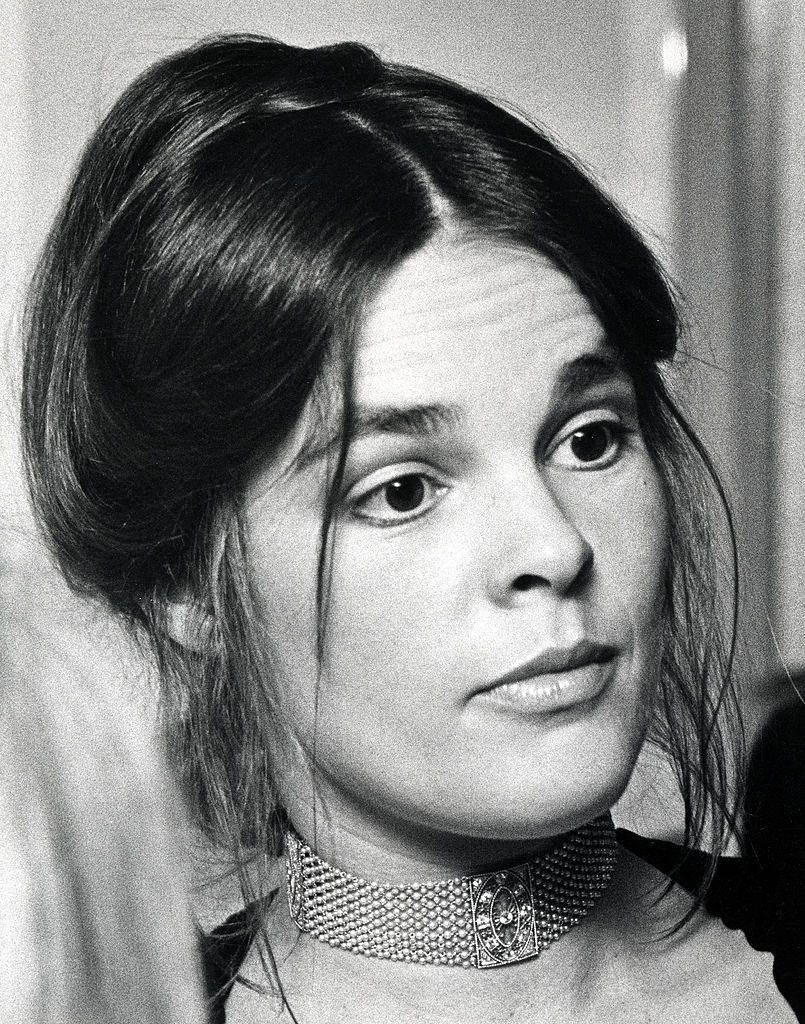
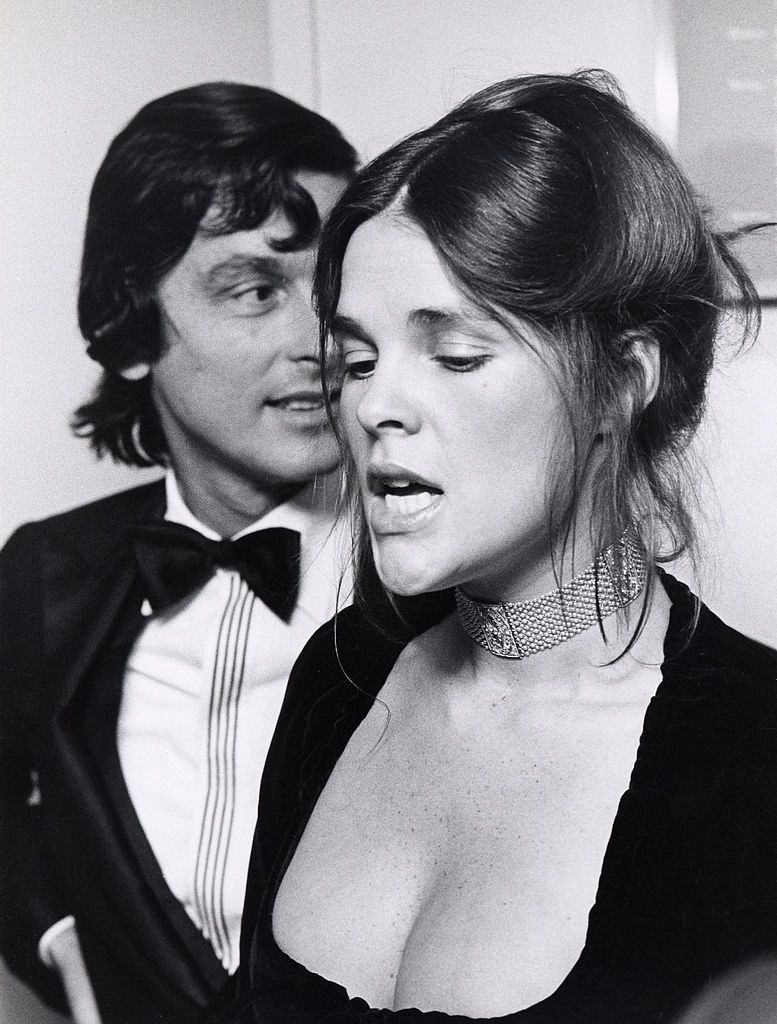
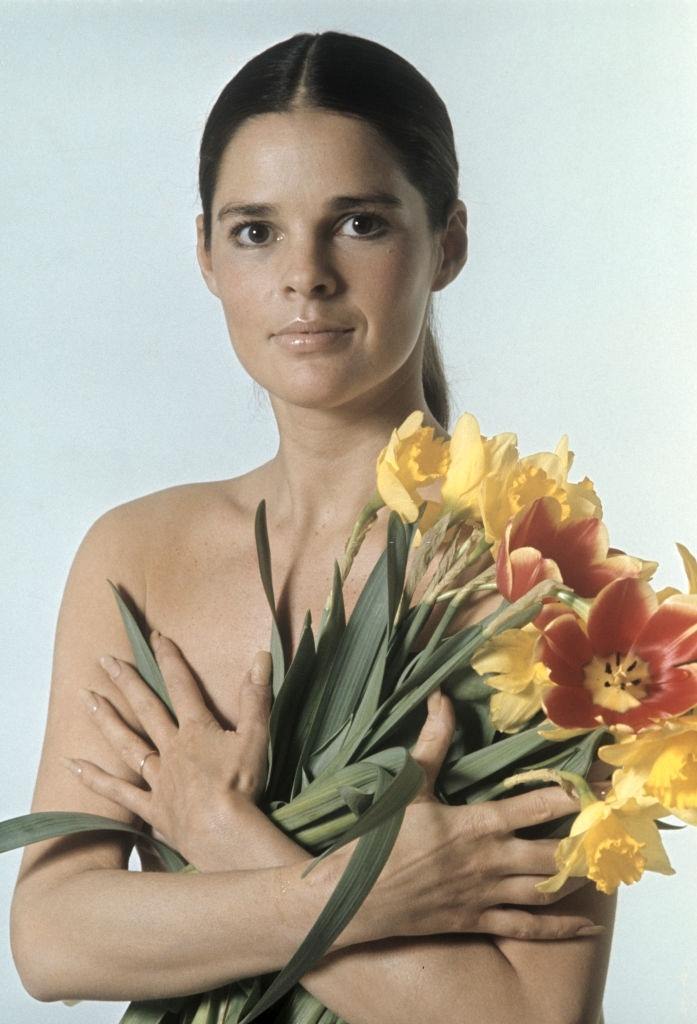
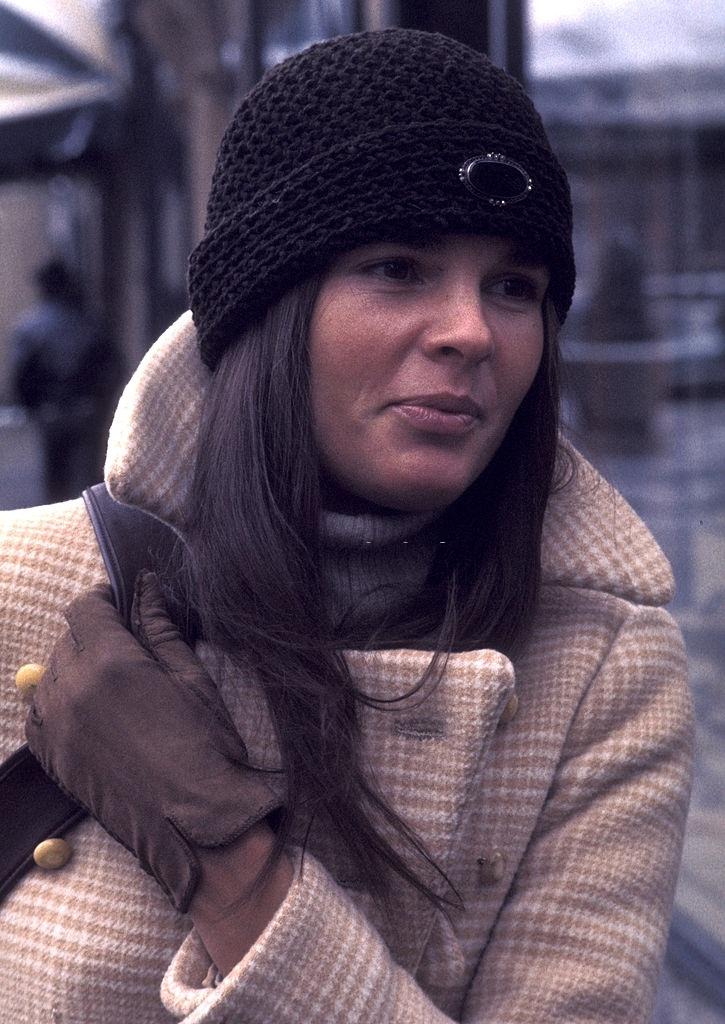
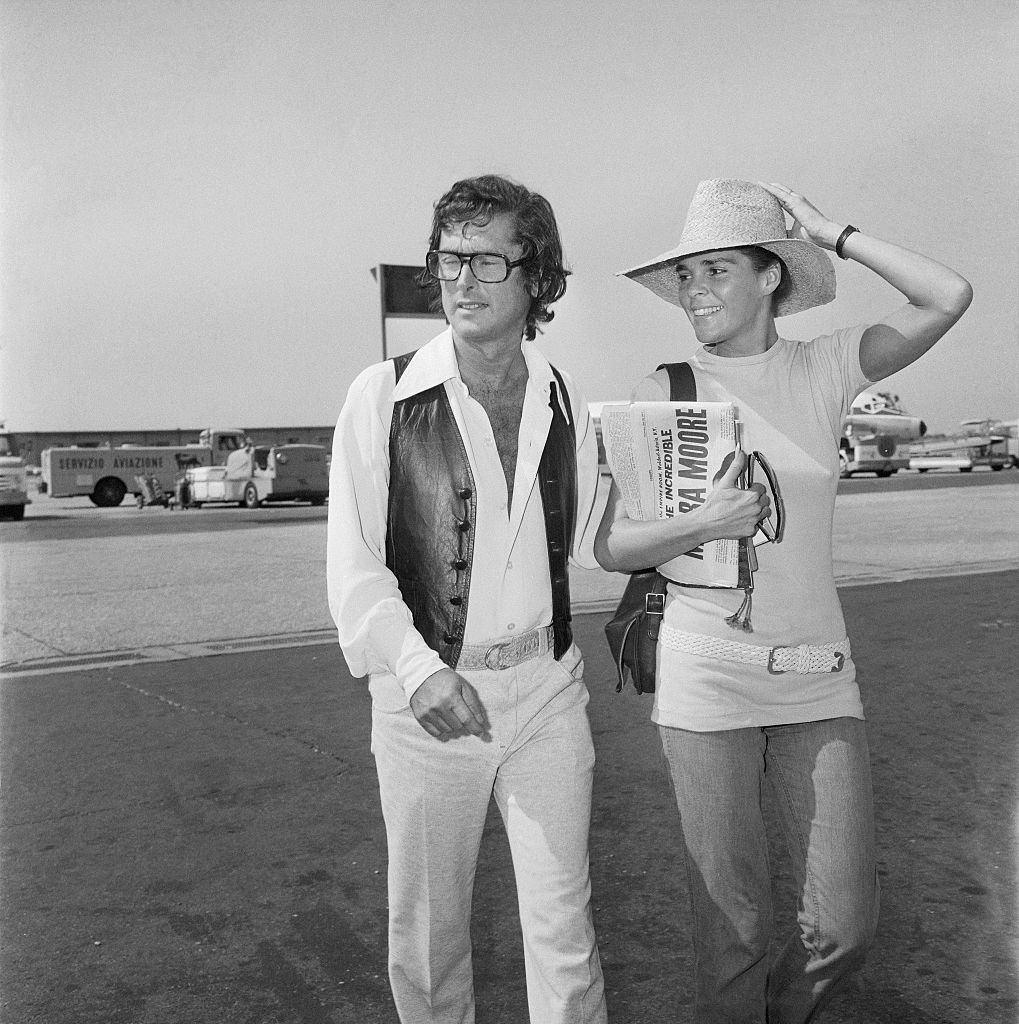
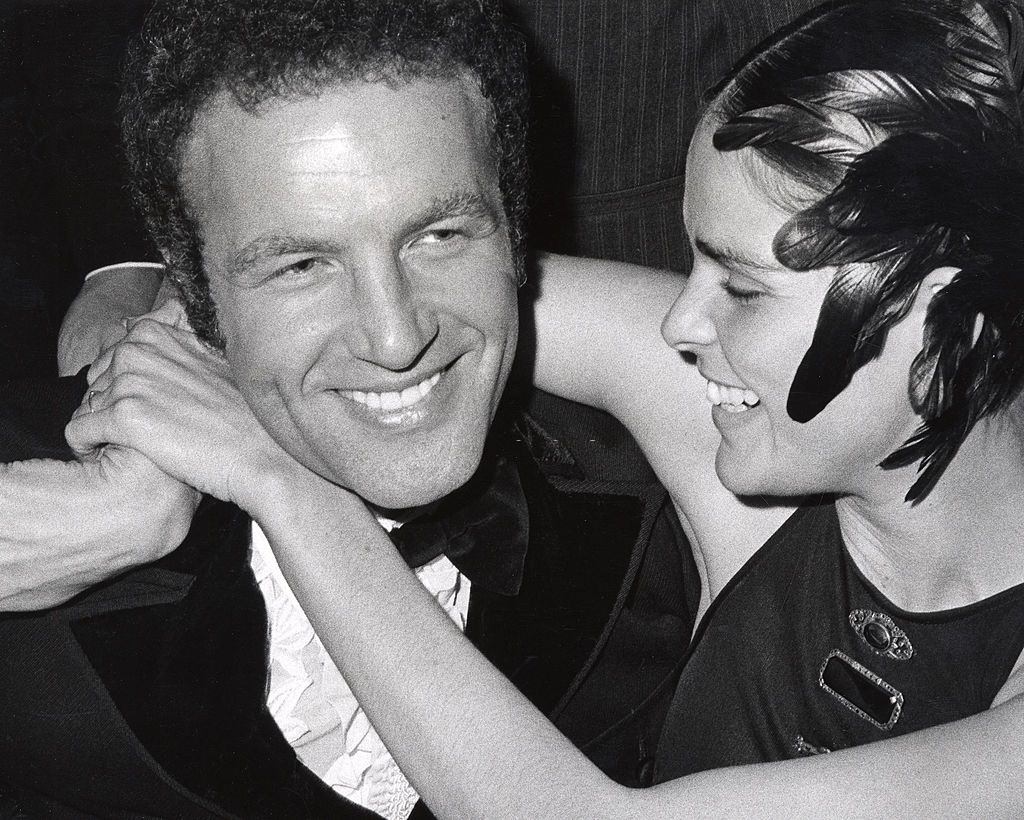
In 1972, MacGraw went to Texas to film The Getaway alongside Steve McQueen. During production, the two began a relationship that became public knowledge. Her marriage to Evans ended after three years. MacGraw and McQueen married in 1973. To support his career and focus on their relationship, she stepped back from acting — a decision that effectively paused her momentum at the height of her fame. She also attended high-profile Hollywood events during this period, including the New York premiere of The Godfather with actor James Caan.
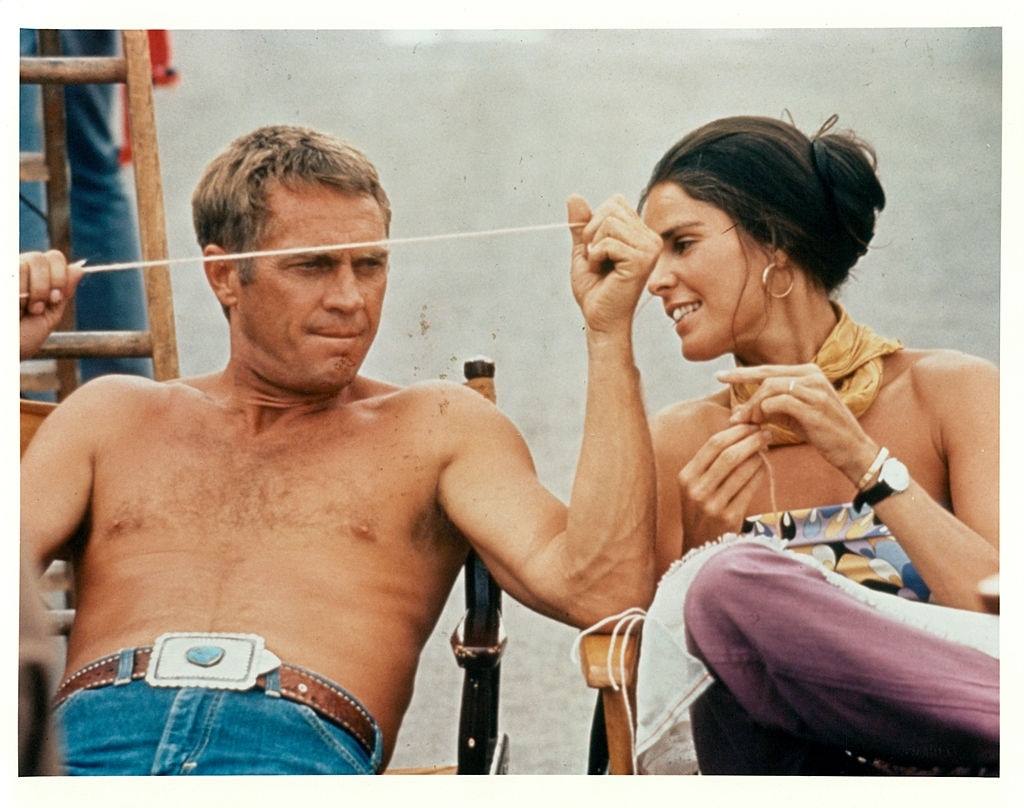
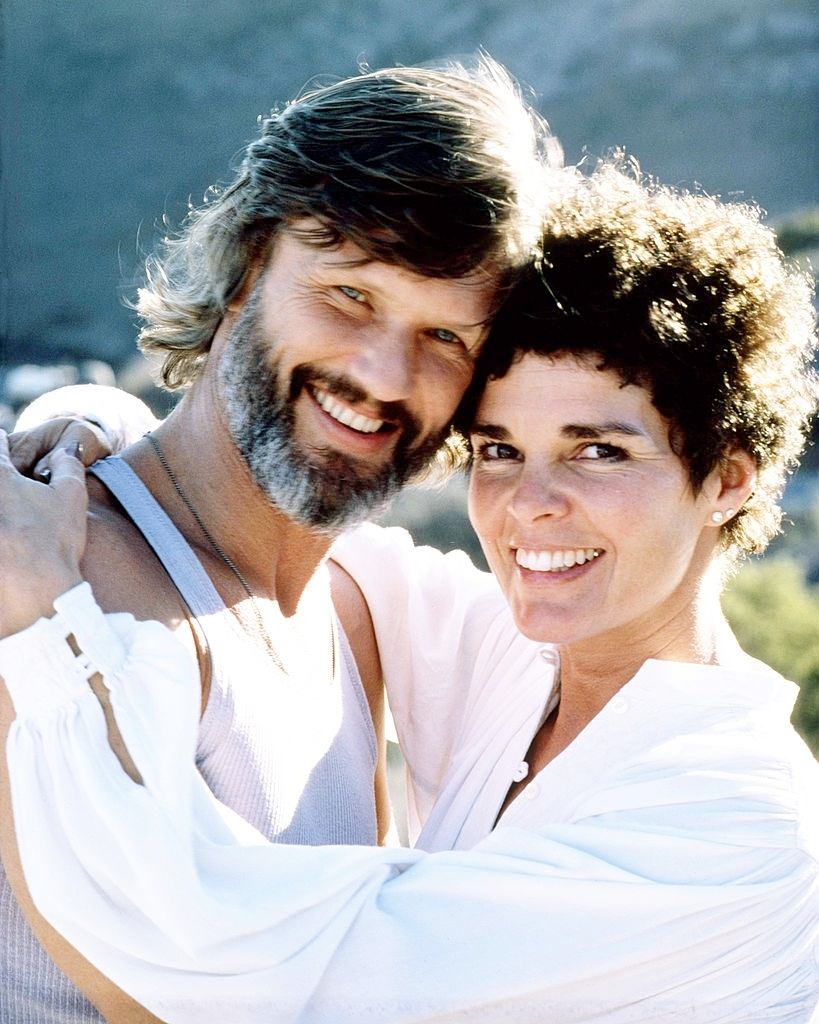
MacGraw and McQueen divorced in 1978 after five years of marriage. That same year, she returned to acting after a six-year absence. Her return included the film Just Tell Me What You Want (1980) and the television miniseries The Winds of War (1983), based on Herman Wouk’s bestselling novel. The miniseries was a major production and brought her back to a wide audience.
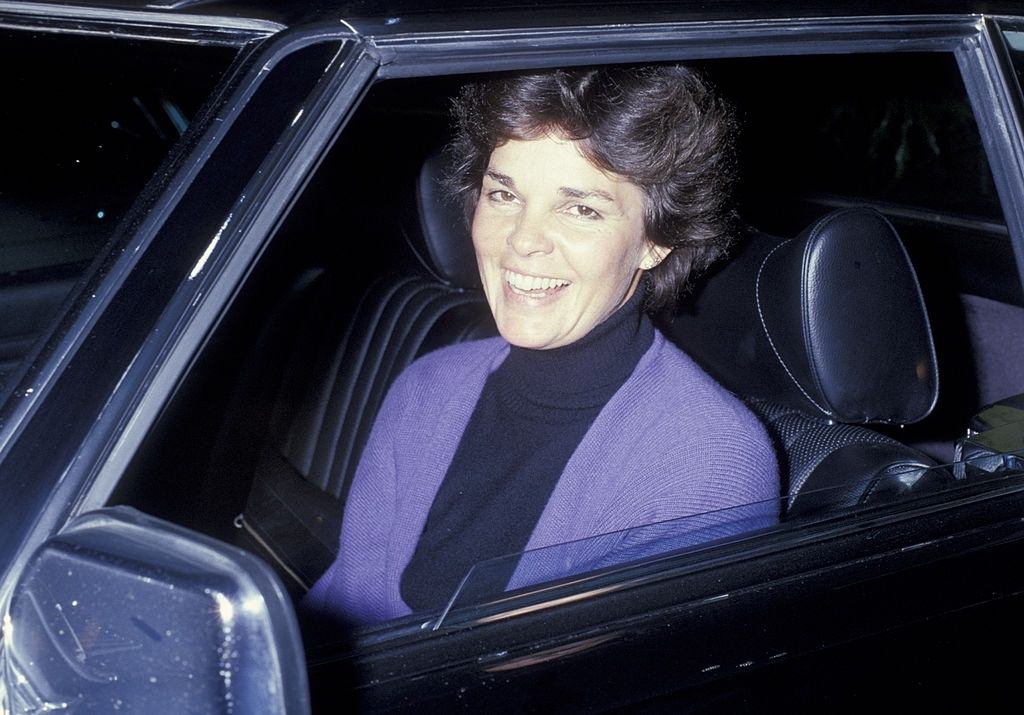
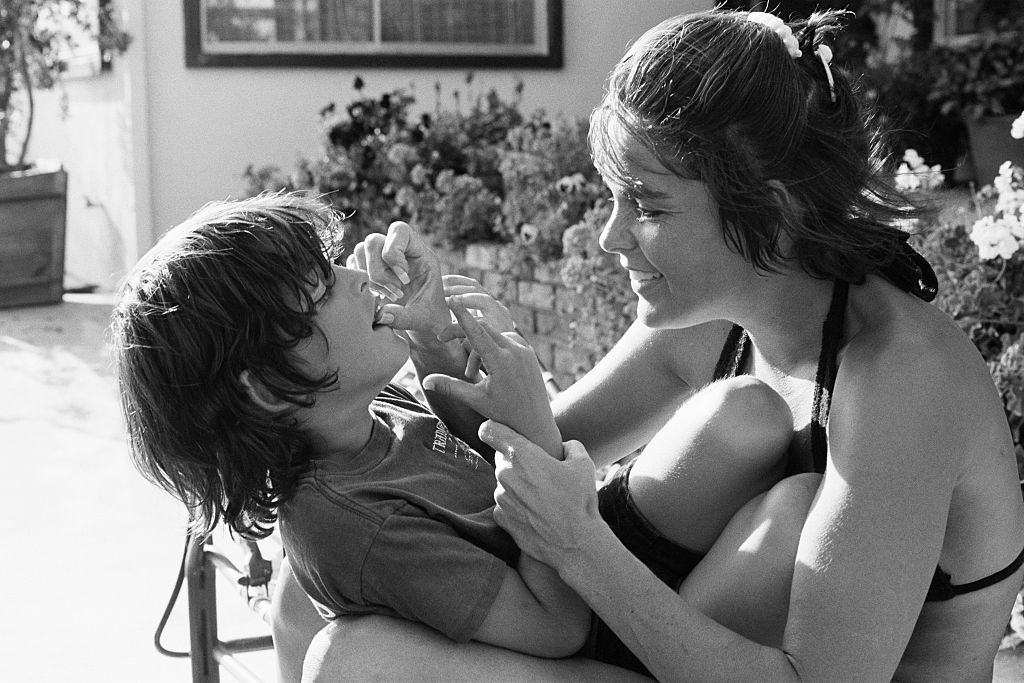
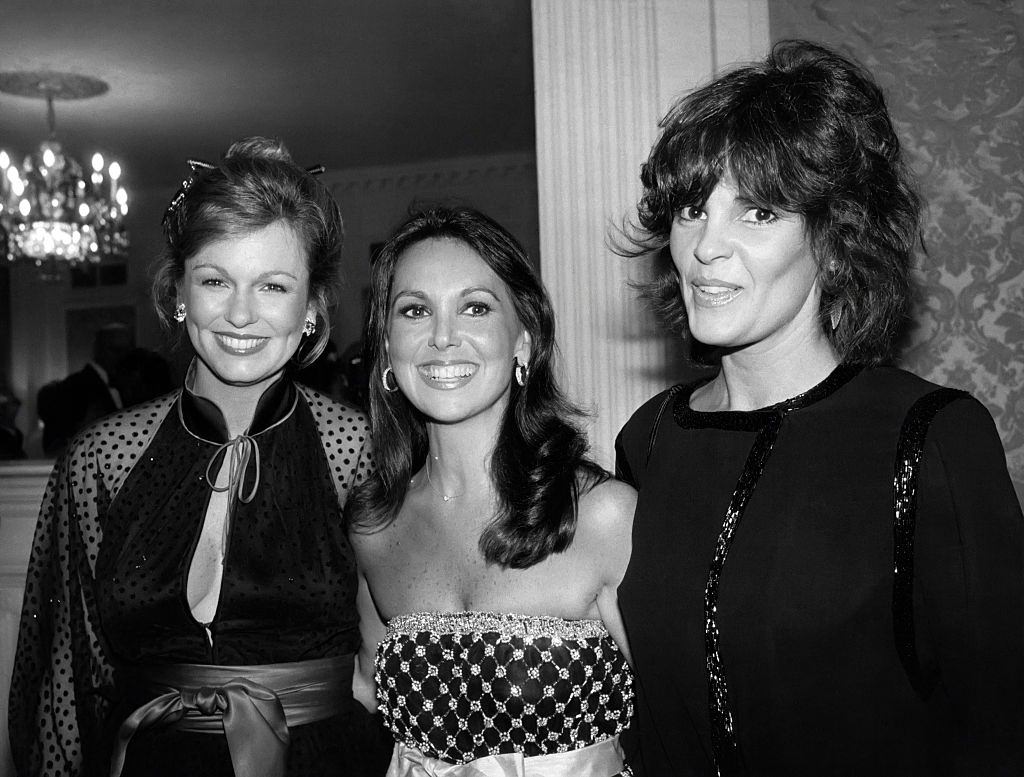
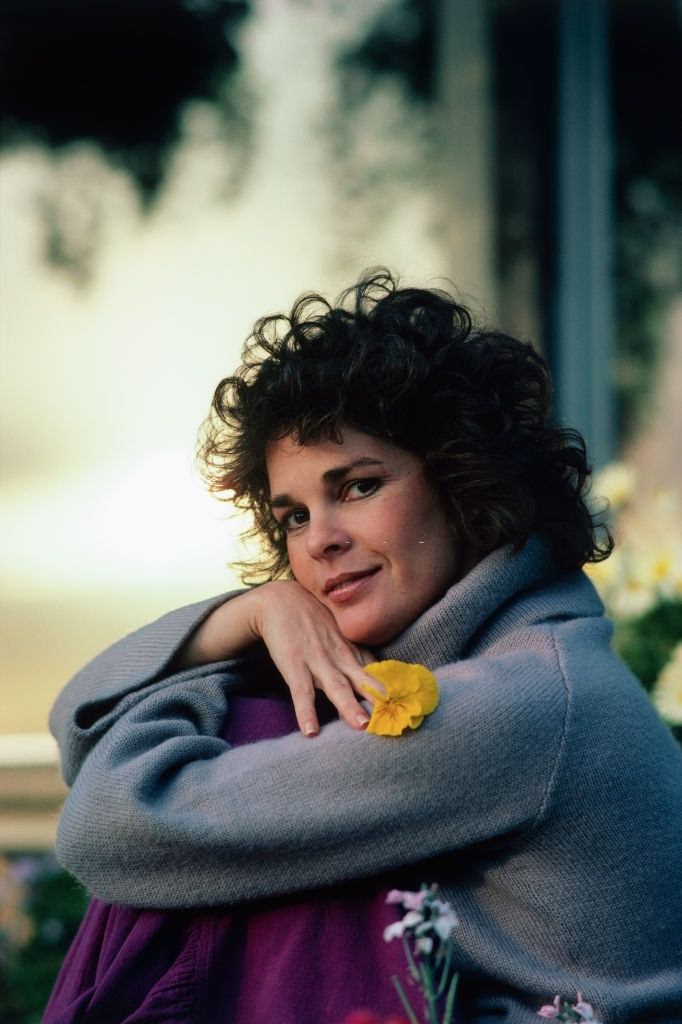
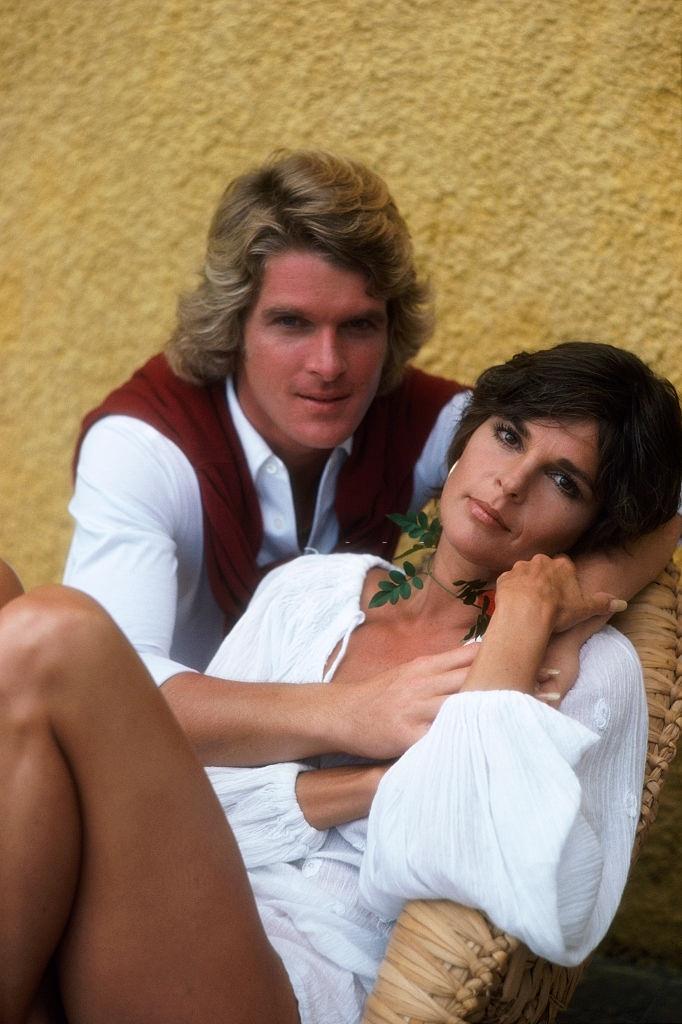
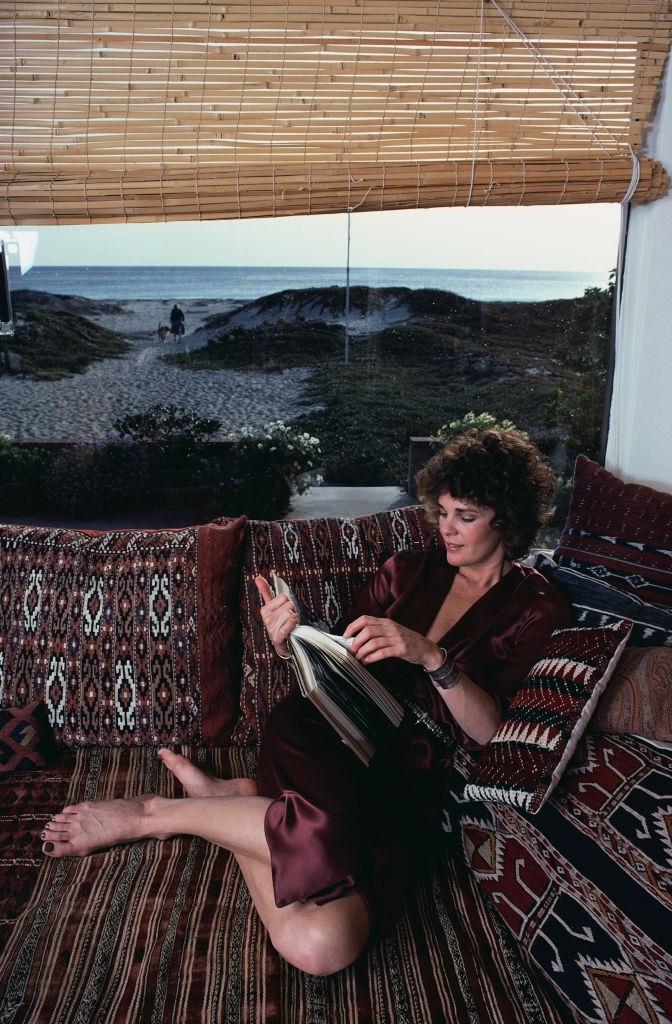
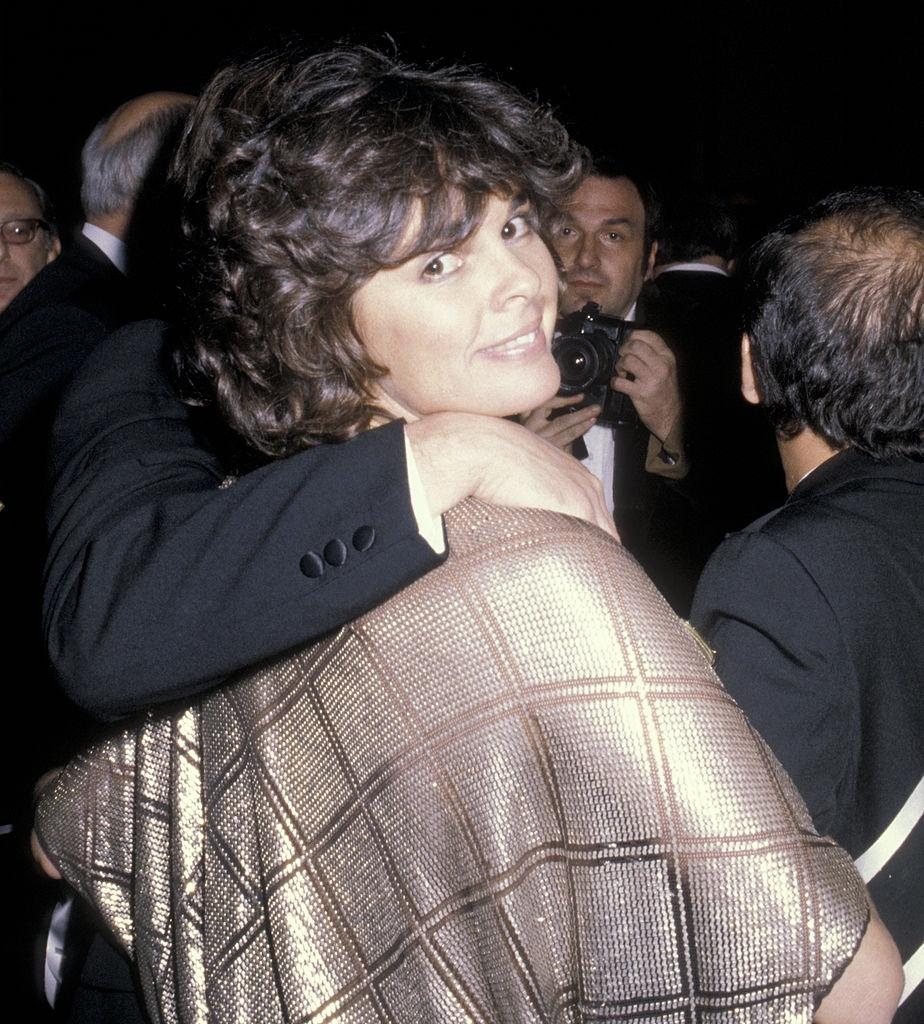
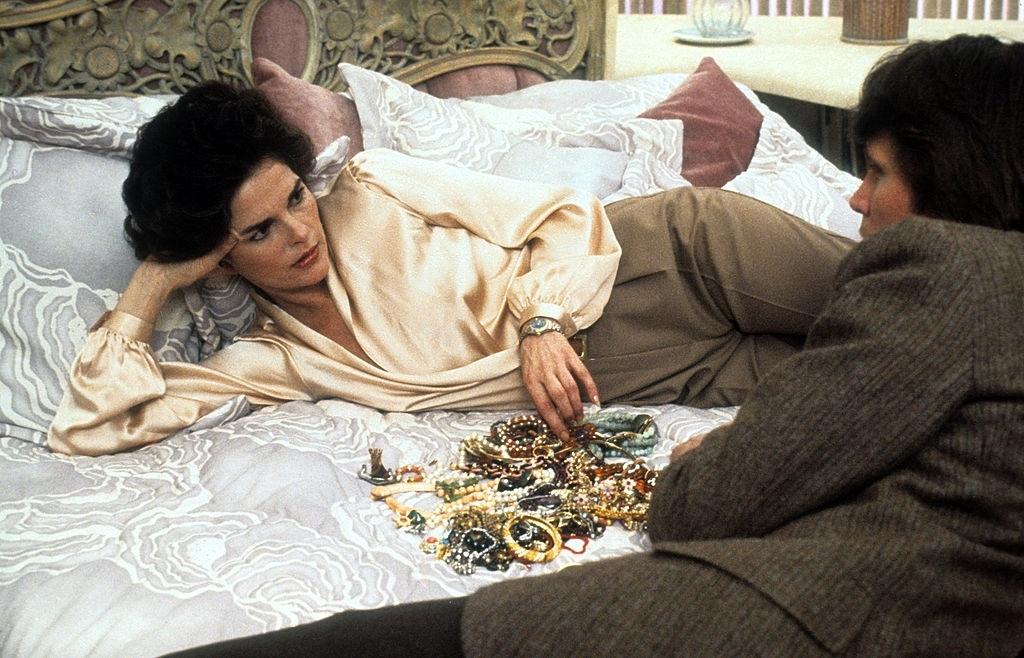
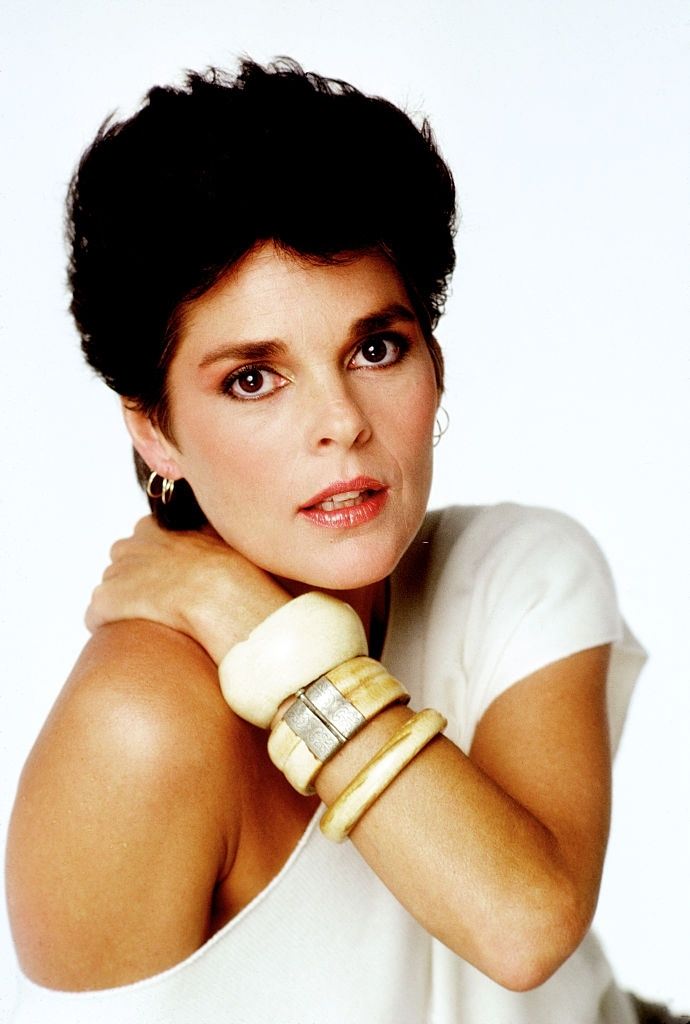
During the early 1980s, MacGraw continued to work steadily in television and film. She worked on the set of The Winds of War alongside actors including David Dukes, and appeared at various industry events and fashion shoots throughout the decade. Her style remained sharp and distinctive, whether on set or at public appearances.
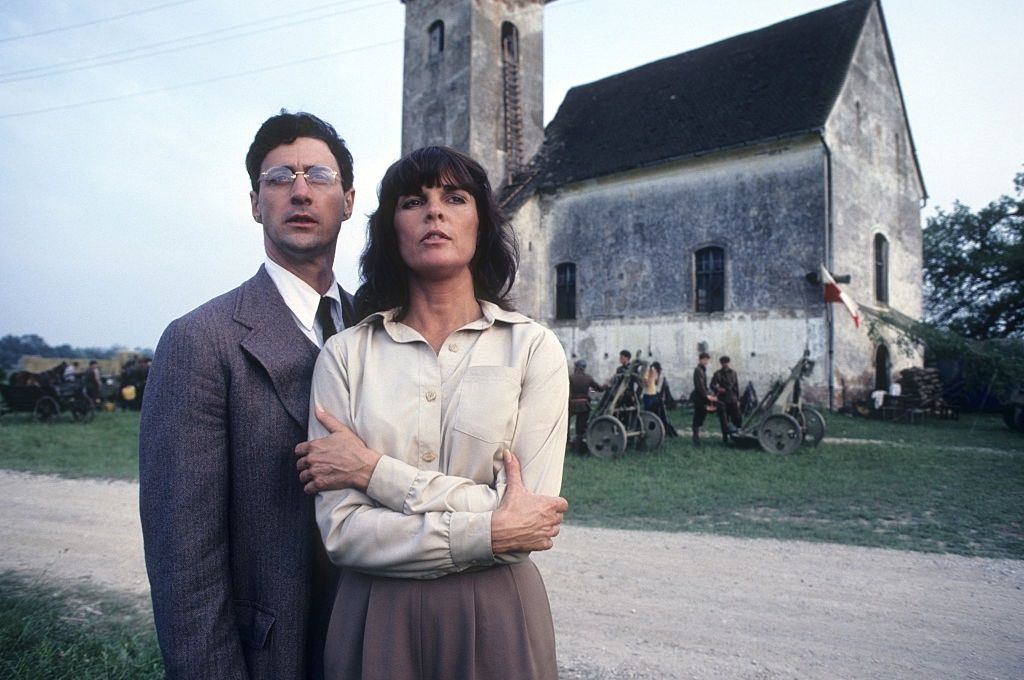
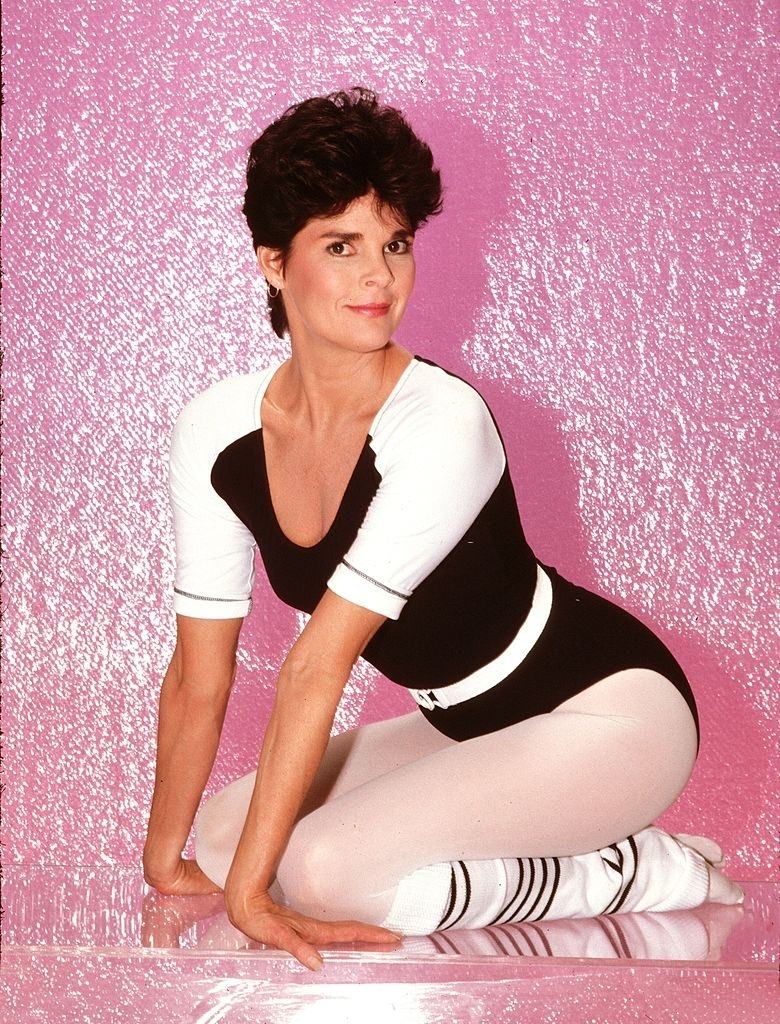
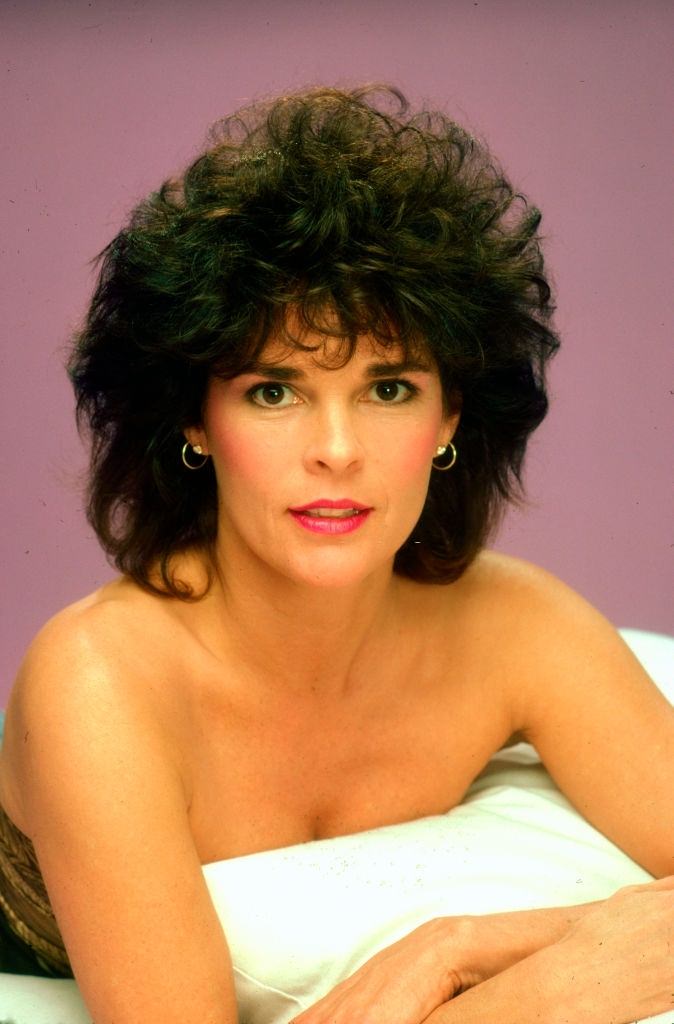
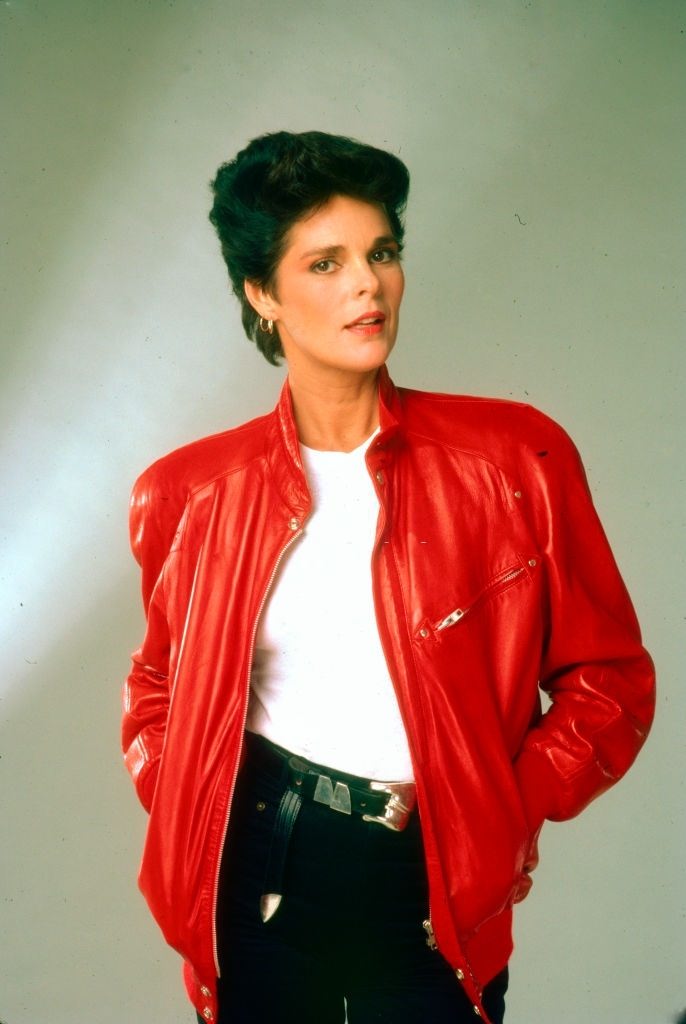
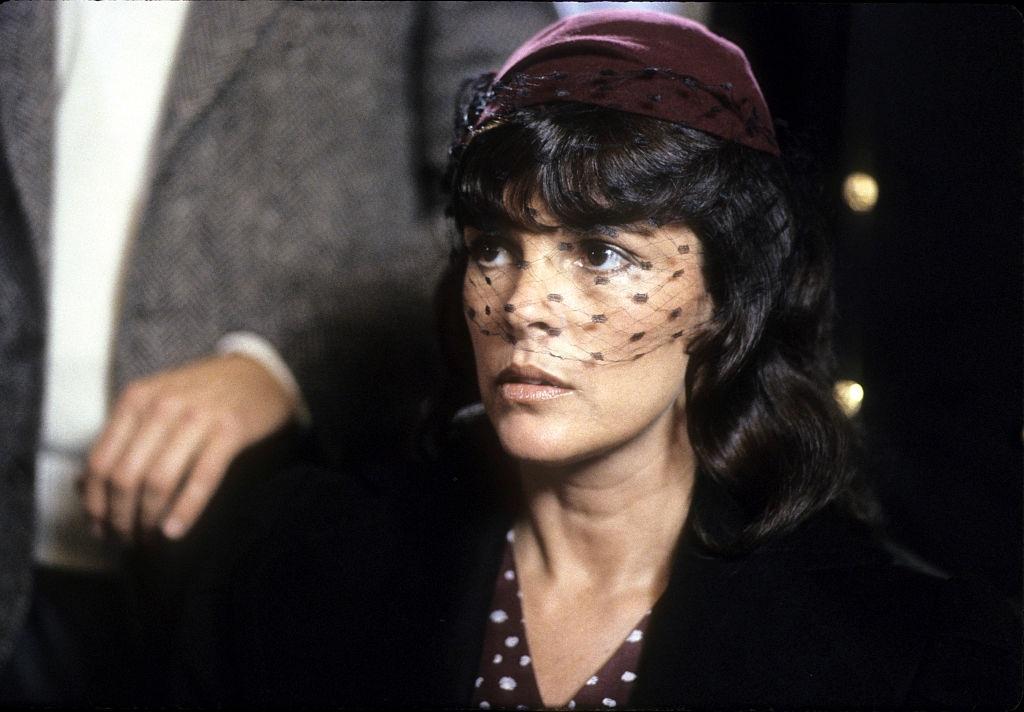
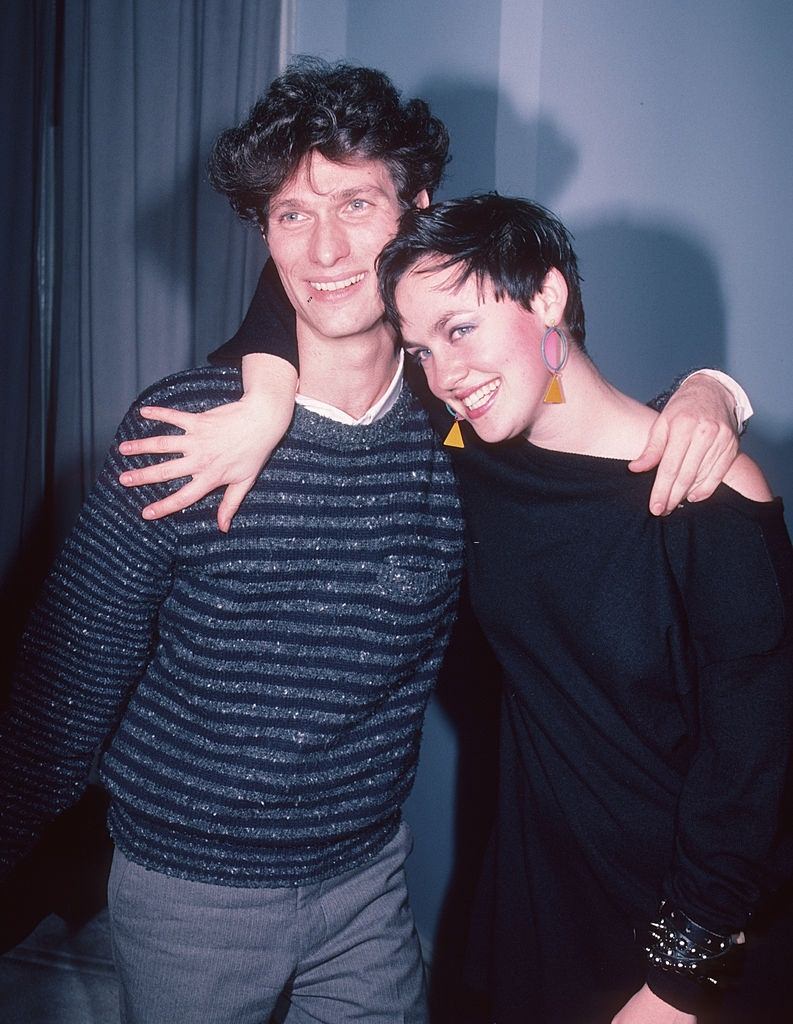
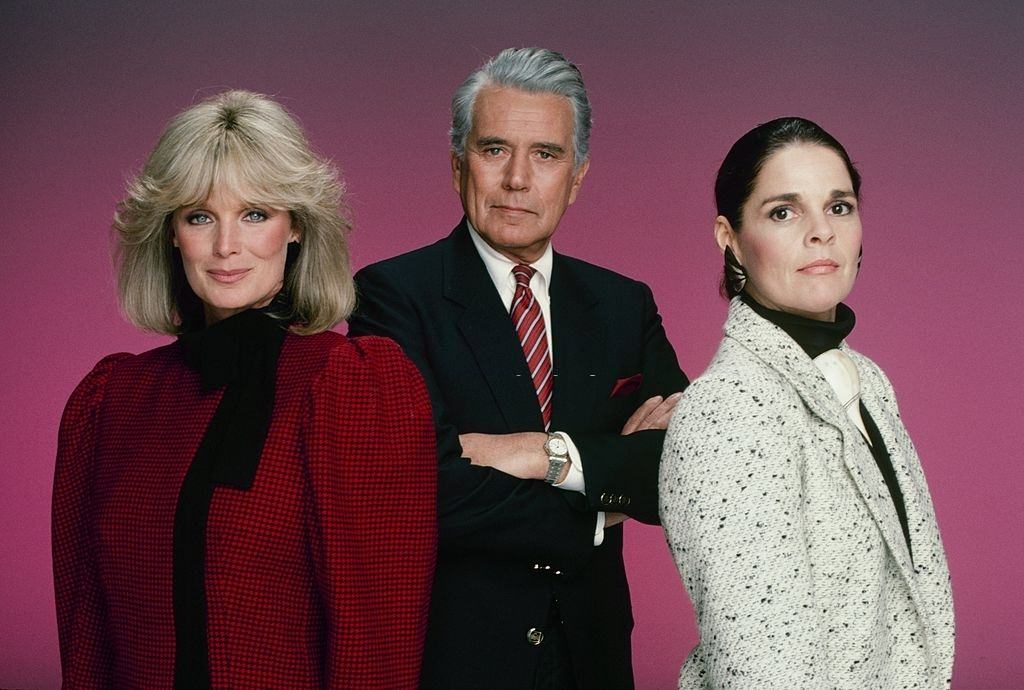
MacGraw wound down her acting career through the late 1980s and into the 1990s. She turned her focus toward yoga, becoming a dedicated practitioner. In 1994, she released a home video called Yoga Mind and Body, which became a bestseller. Vanity Fair noted in June 2007 that MacGraw was one of the key figures responsible for bringing yoga into mainstream American culture. She also wrote an autobiography titled Moving Pictures and launched a clothing line called ali4ibu.
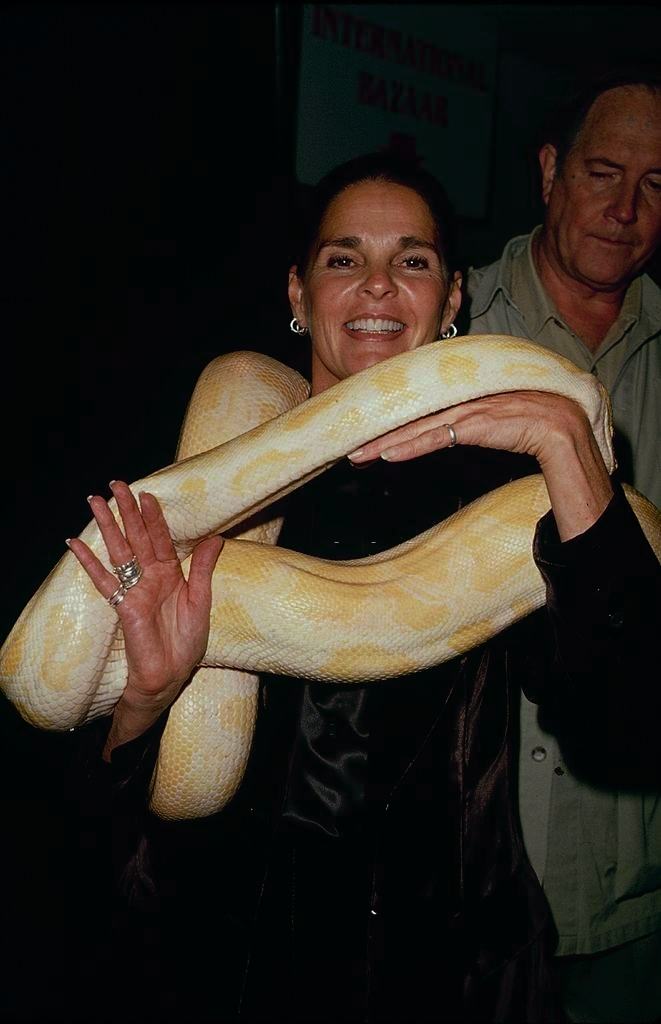
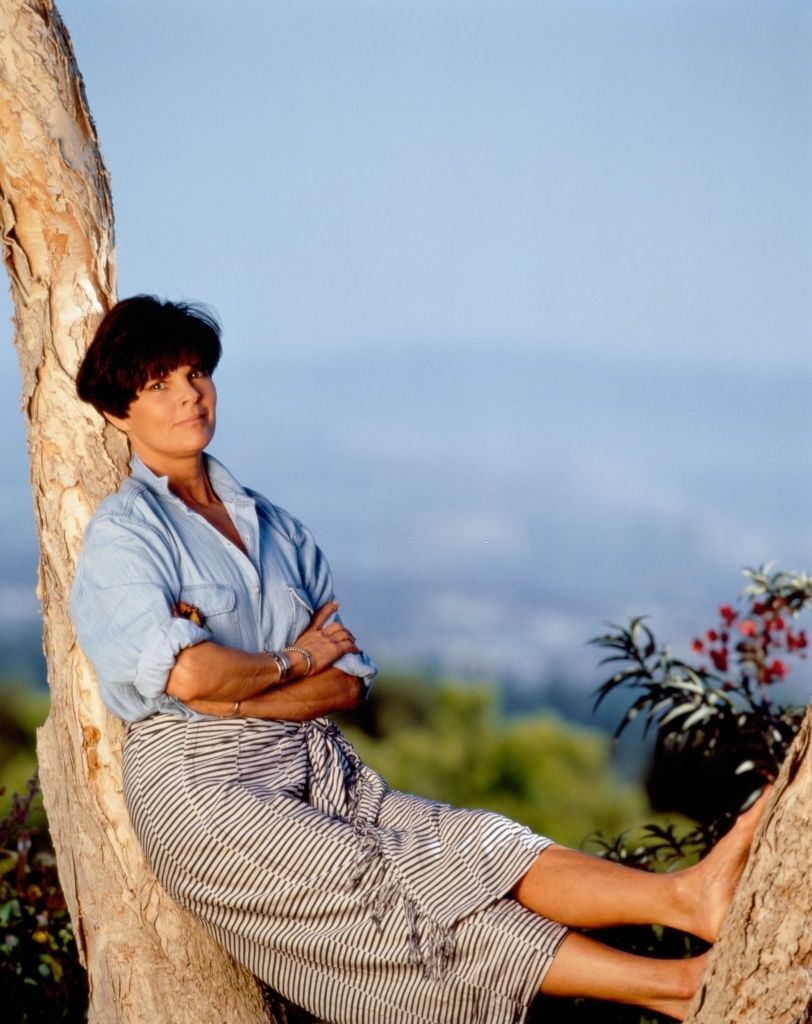
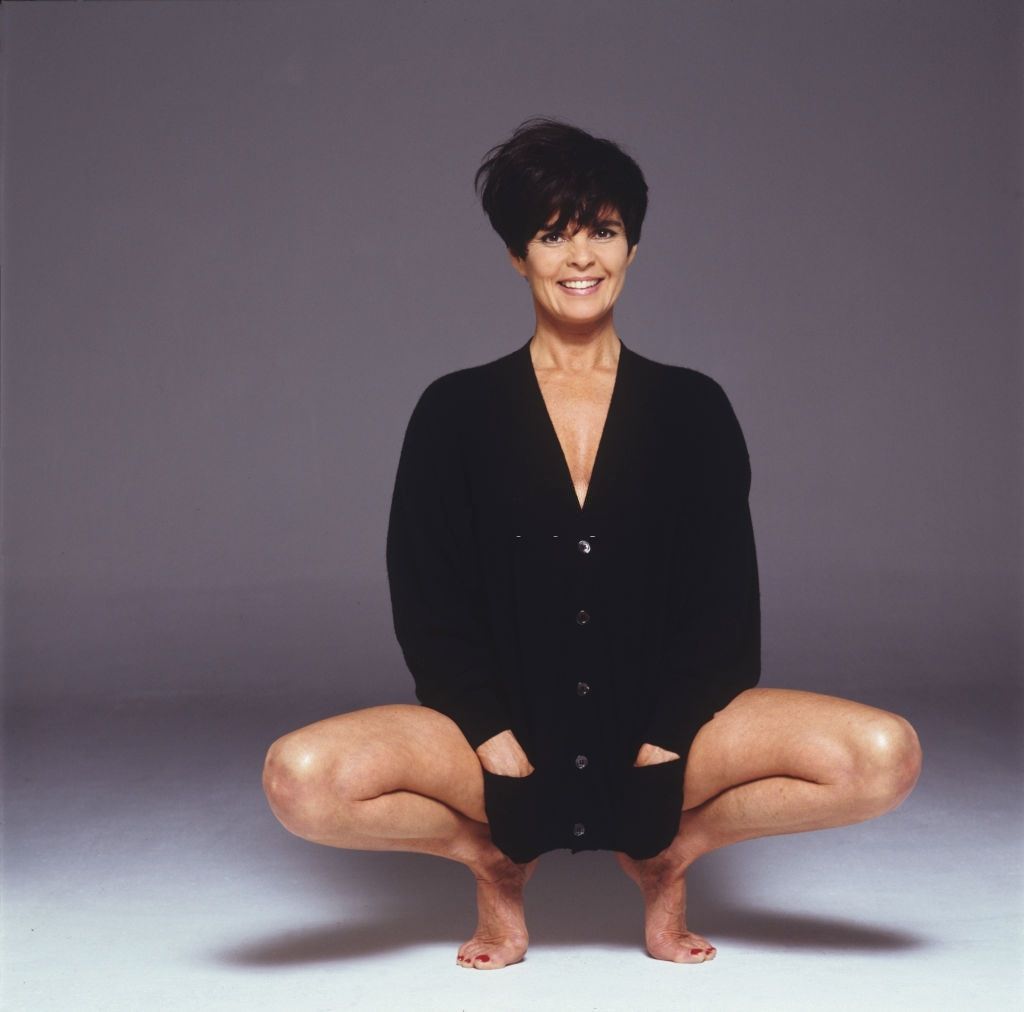
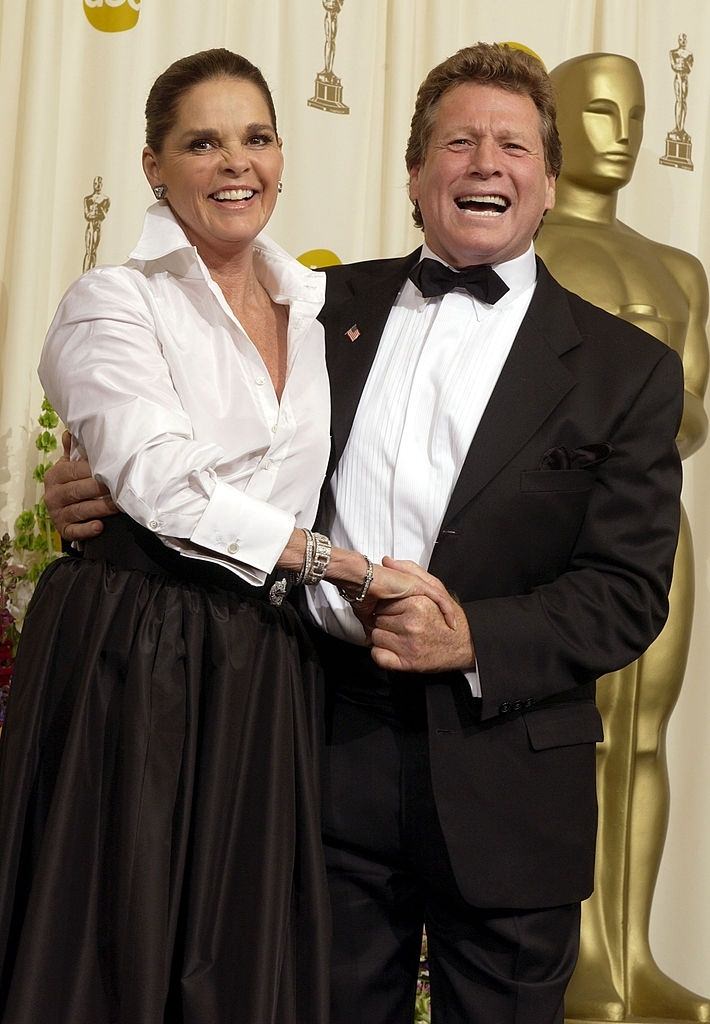
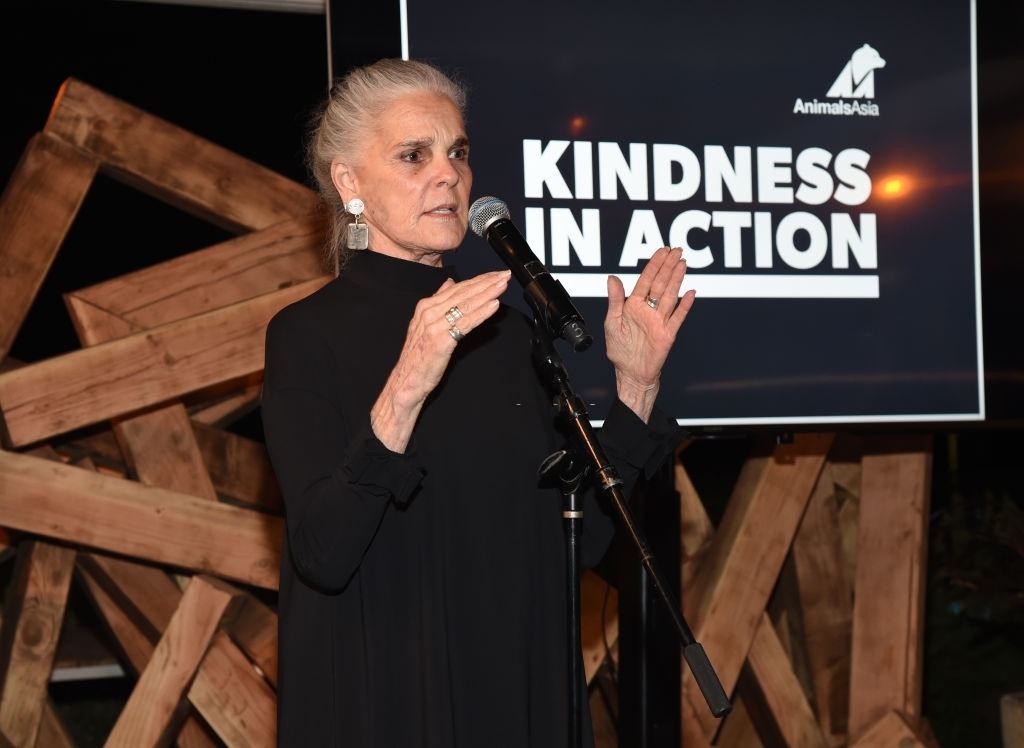
In 2002, MacGraw appeared at the 74th Annual Academy Awards alongside her Love Story co-star Ryan O’Neal — a reunion that reminded audiences of just how significant their on-screen pairing had been three decades earlier. MacGraw has stated clearly that she has no interest in returning to film or stage acting. Instead, she serves as a keynote speaker for the Hermitage Artist Retreat’s Muse Luncheon and works as an animal rights activist, a cause she has championed with the same commitment she once brought to her work on screen.
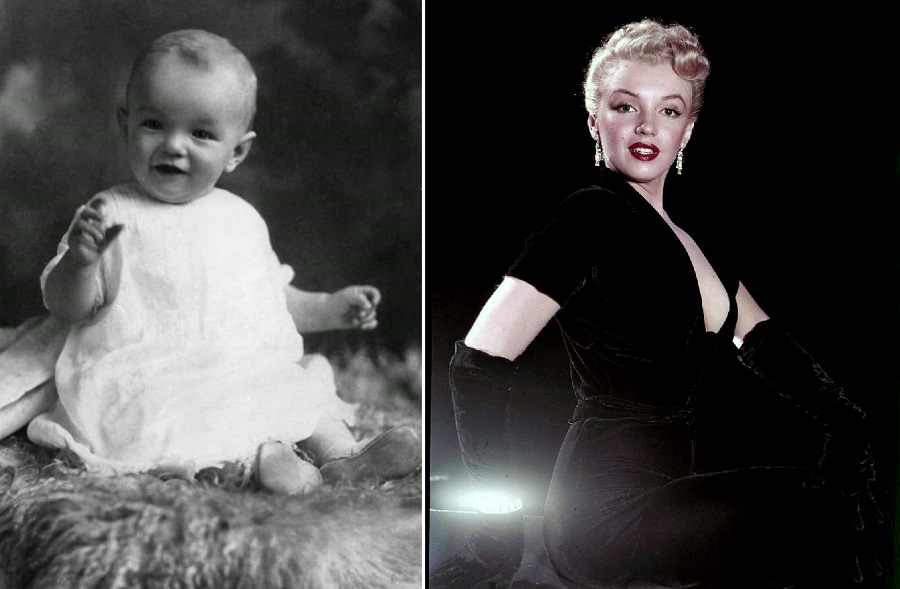
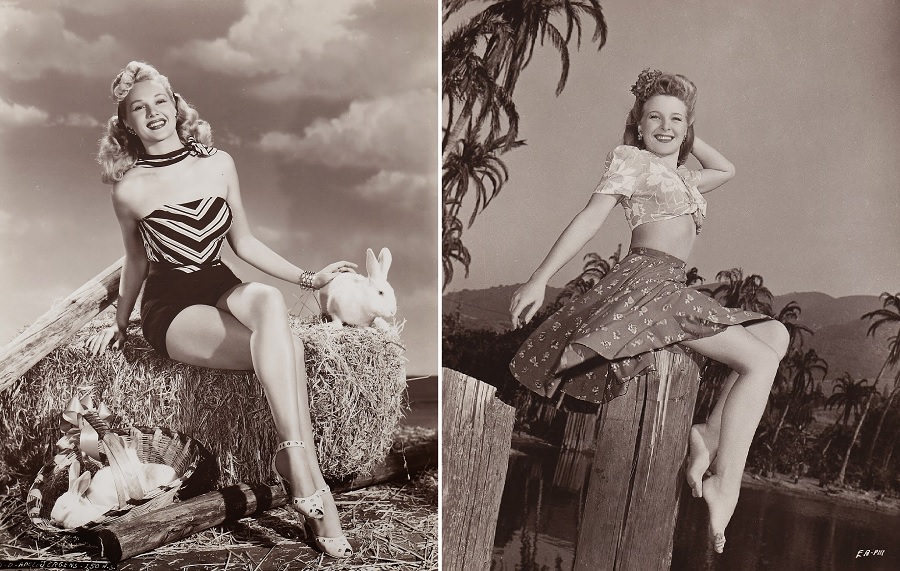

#46 doesn’t have Ali MacGraw in the photo! and #54 isn’t James Caan, it’s Kris Kristofferson