Long before foldable phones or flat-pack furniture became part of everyday life, a German engineer named Engelbert Zaschka was already thinking far ahead. In 1929, he built what is recognized as the world’s first folding car — a three-wheeled vehicle that could be broken down and packed away in under five minutes.
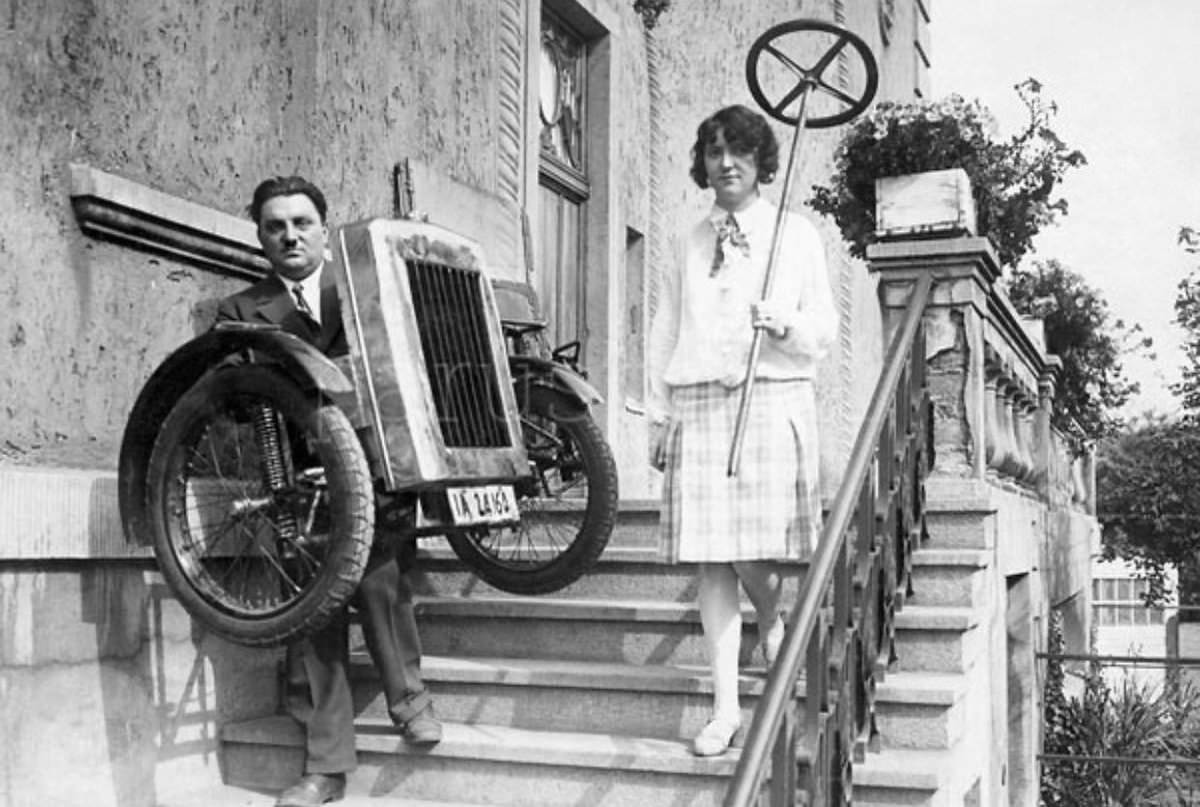
The Zaschka Folding Three-Wheeler was a serious piece of engineering for its time. The car was driven by a chain-connected rear wheel, similar in principle to a bicycle drivetrain. Despite its compact and collapsible design, it was no slouch — it could reach speeds of 25 to 30 miles per hour on the road.
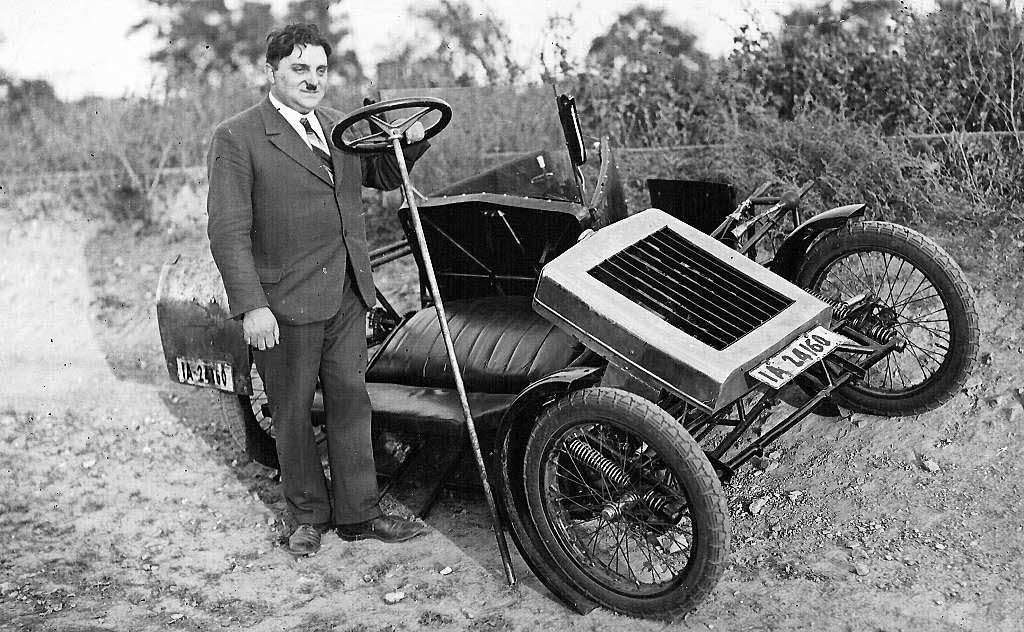
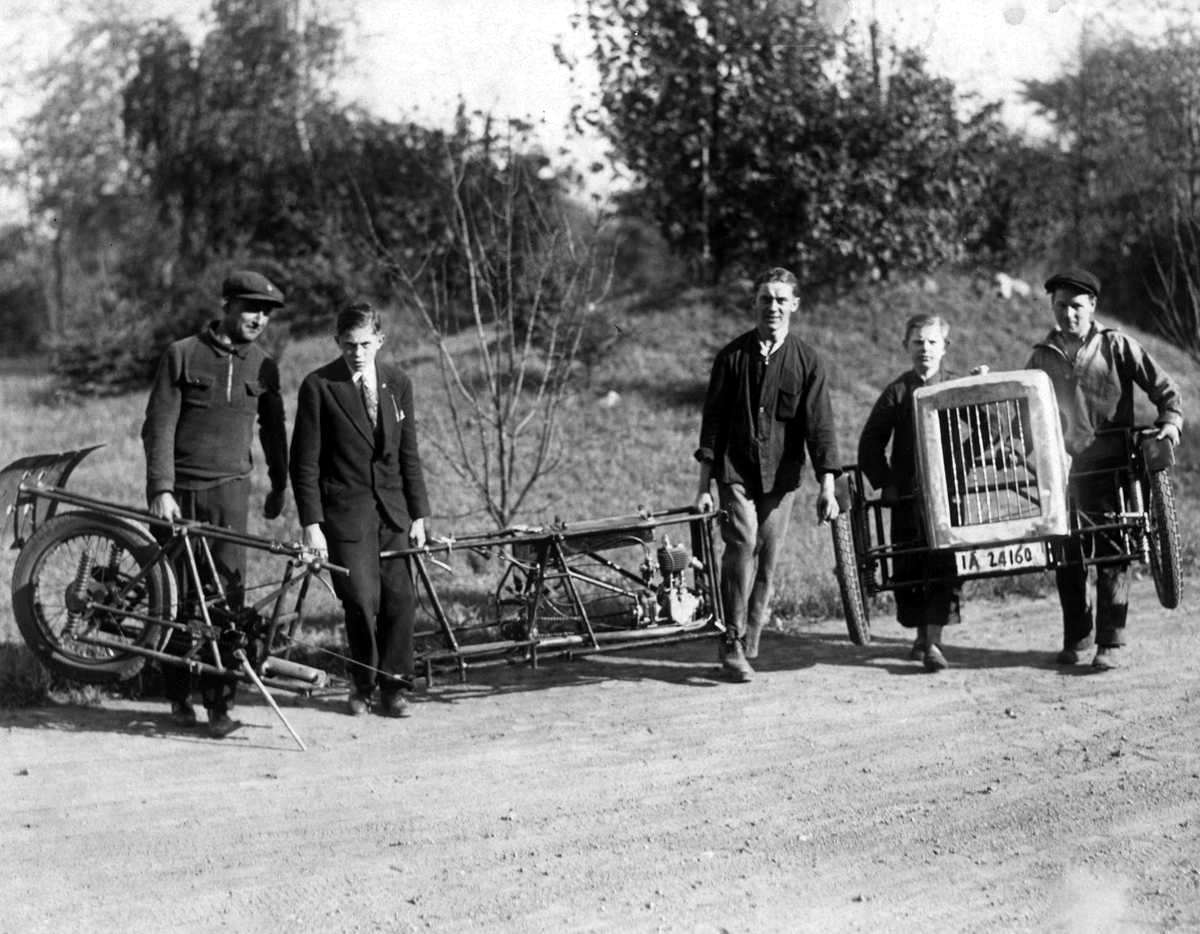
What made the Zaschka truly remarkable was how it came apart. The vehicle separated into three main sections, allowing it to be disassembled quickly without any complex tools or mechanical expertise. Each section was designed to be manageable in size once detached from the others.
This kind of portability had a clear practical purpose. In the 1920s, urban parking was already becoming a challenge in growing European cities. A car that could be knocked down into pieces and stored in a small space — or even carried indoors — offered a solution that no other vehicle at the time could match.
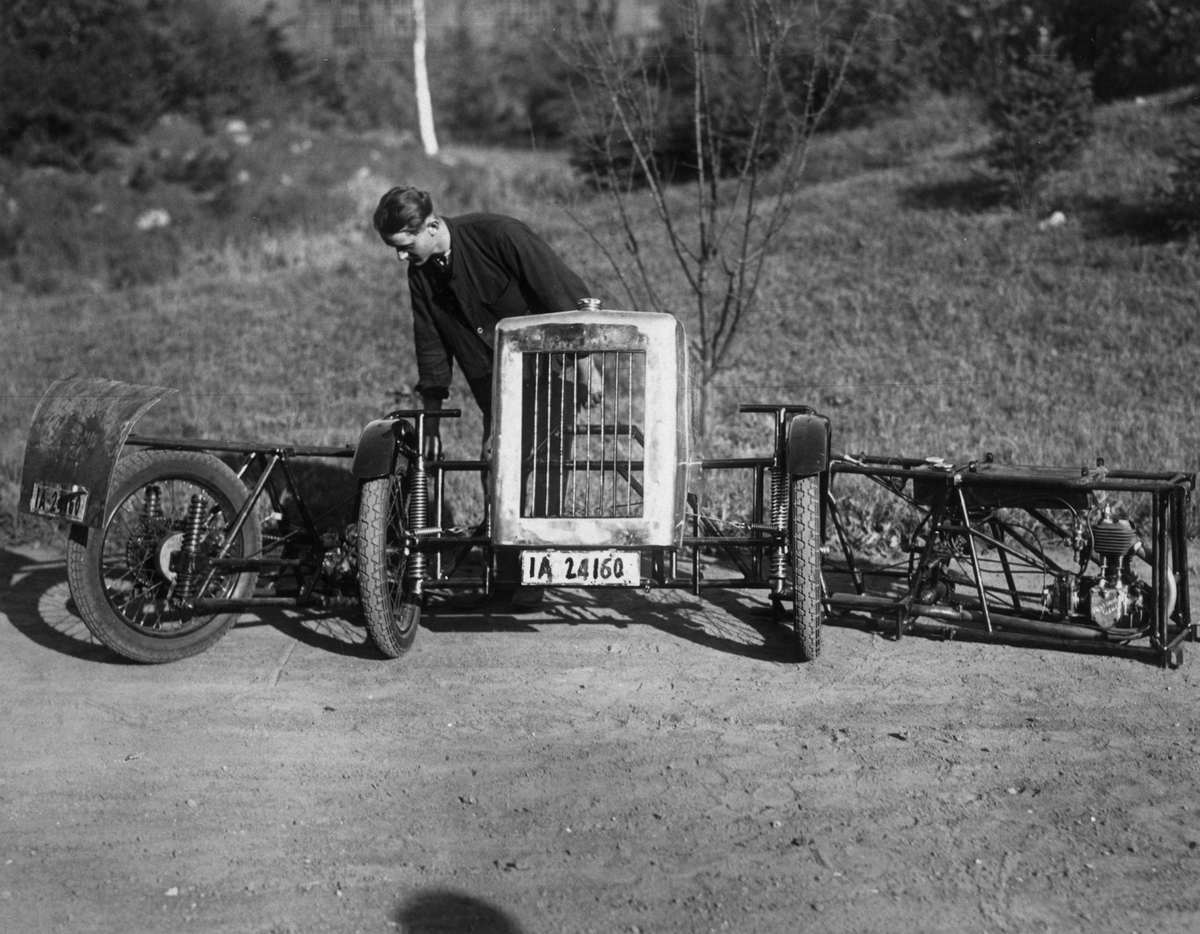
Zaschka’s three-wheeler was not a rough prototype thrown together in haste. The disassembly process took just five minutes, which points to a carefully thought-out system of connections between each section. Every joint and fastening point had to work reliably both on the road and during takedown.
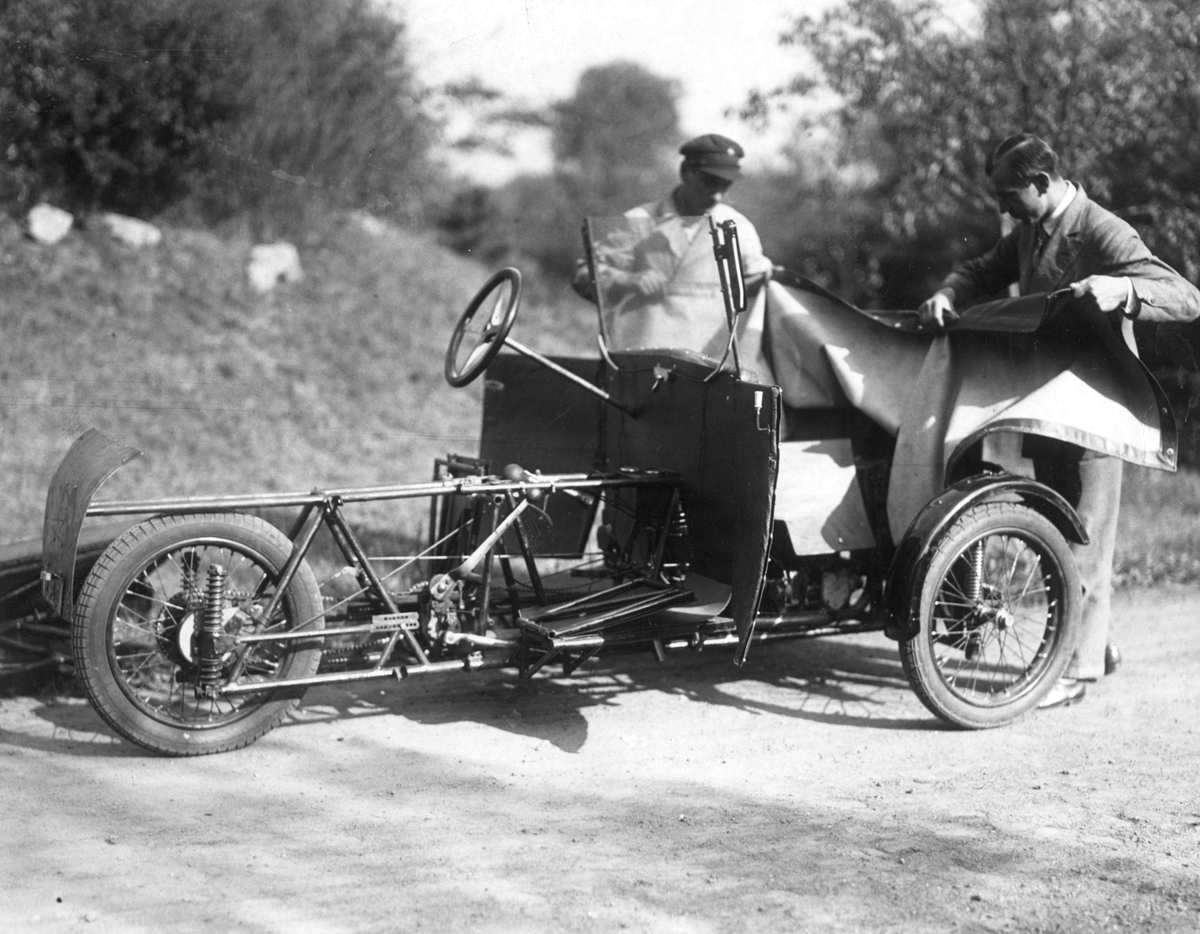
The three-wheel layout itself was a common choice for lightweight vehicles of that era. It reduced weight and mechanical complexity compared to a four-wheeled design, which aligned perfectly with Zaschka’s goal of building something portable and simple to manage.
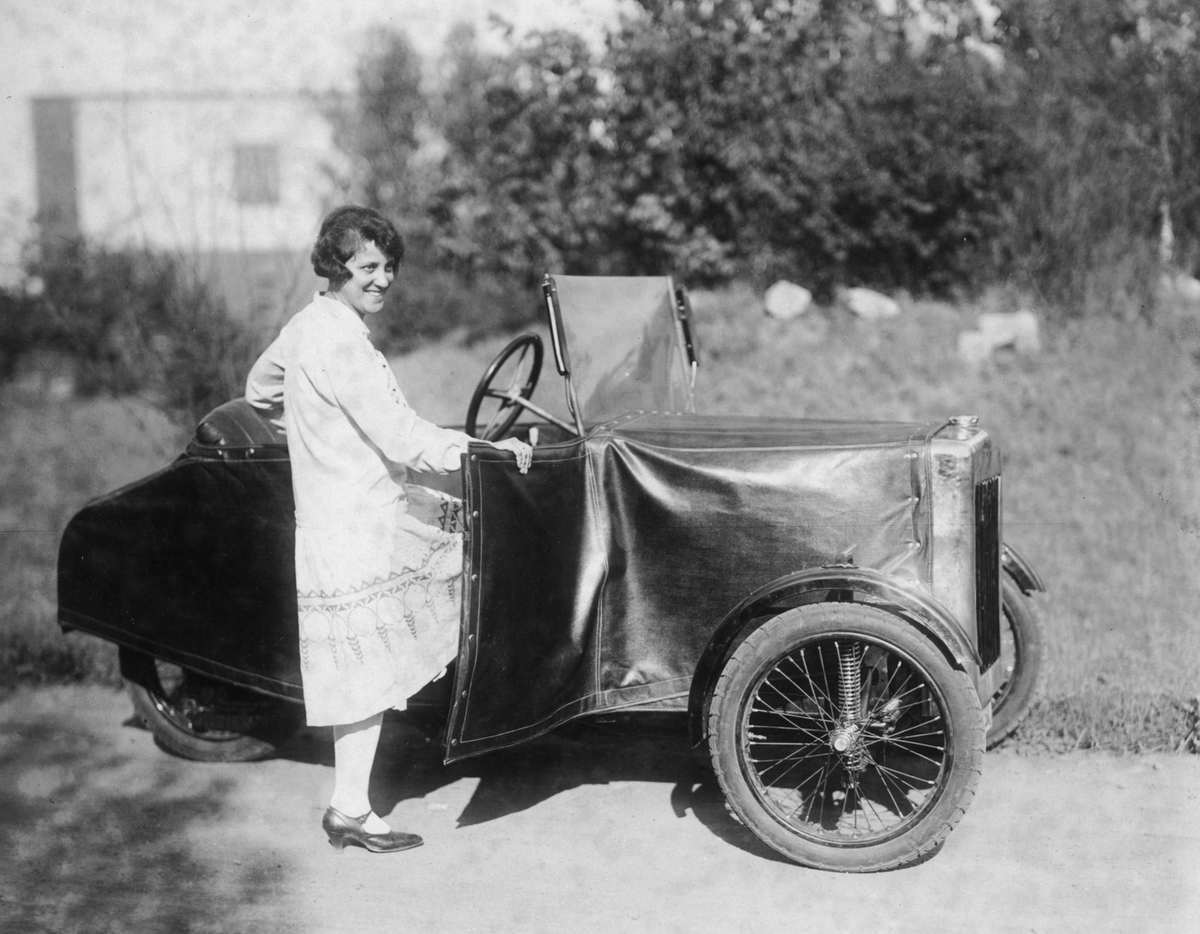
Zaschka completed this project at a time when the global auto industry was still young. Mass-produced cars were only becoming widely available in the 1920s, yet here was an engineer already pushing into territory the mainstream market wouldn’t seriously revisit for decades.
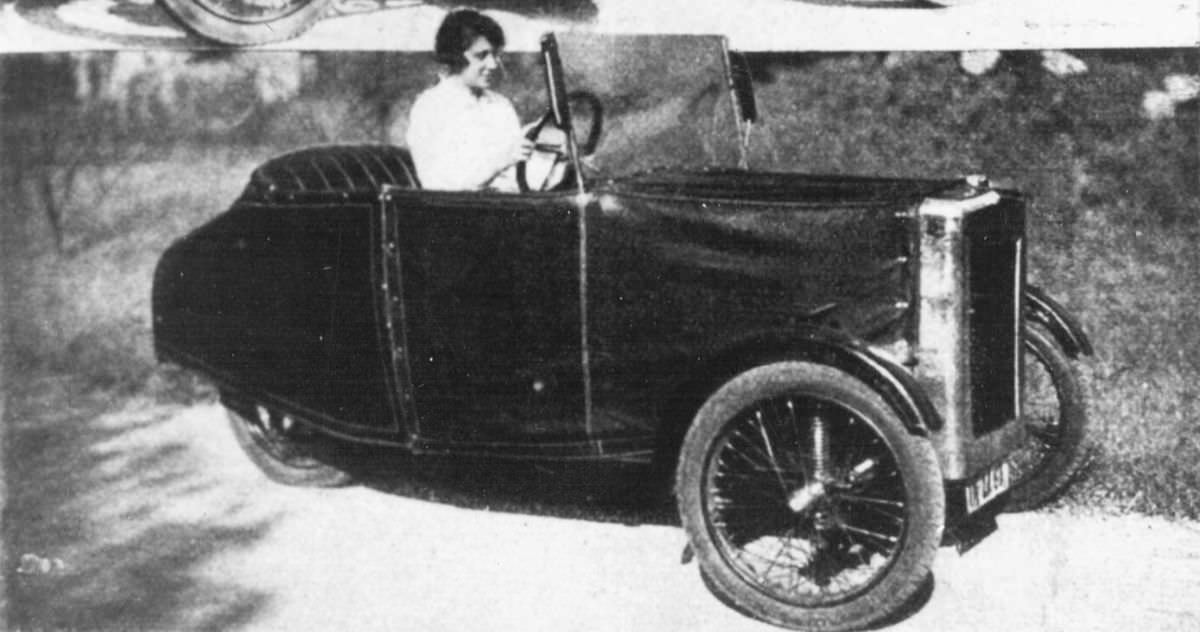
The chain-driven rear wheel gave the vehicle a direct and mechanically simple powertrain. This kept the overall weight down and reduced the number of components that needed to be disconnected when folding the car into its three sections.
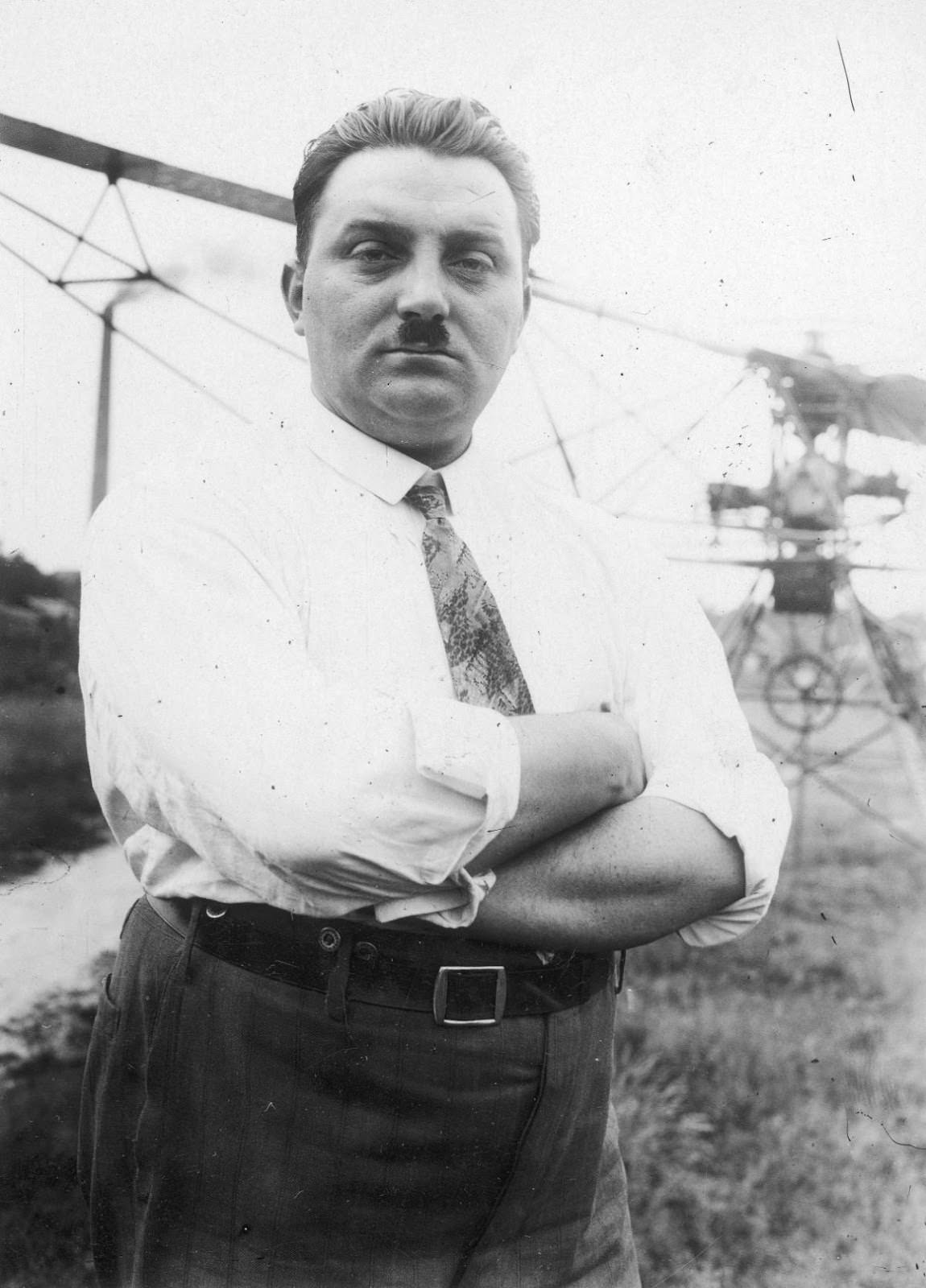
Today, engineers and automakers are still working to bring foldable and ultra-compact vehicles to public roads at scale. The Zaschka three-wheeler, built nearly a century ago in 1929, stands as proof that the idea was never far-fetched — just ahead of its time.