
When German and Soviet forces swept through Eastern Europe and the Balkans during World War II, hundreds of thousands of civilians lost their homes almost overnight. Many had no safe direction to run except south and across the Mediterranean. They arrived in the Middle East with little more than the clothes on their backs, joining a massive wave of displaced Europeans desperate for shelter, food, and some sense of order.
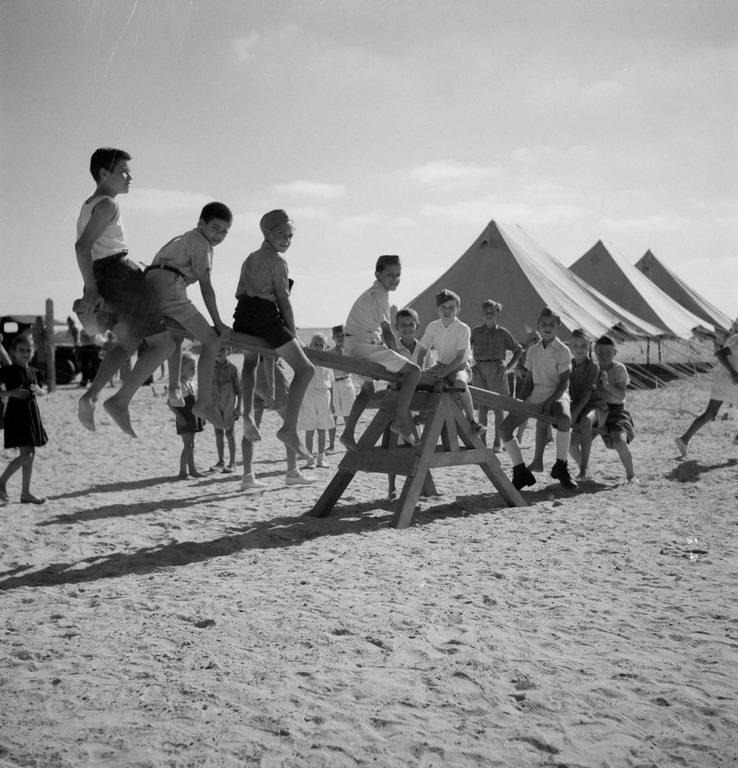
To handle this crisis, the British government created the Middle East Relief and Refugee Administration, known as MERRA. The organization built and managed a network of camps across several countries, including Egypt, Palestine, Syria, and Yugoslavia. At their peak, these camps housed more than 40,000 European refugees. MERRA gave each person an official identification card that they were required to carry at all times — it was their proof of status and their key to receiving rations and services.
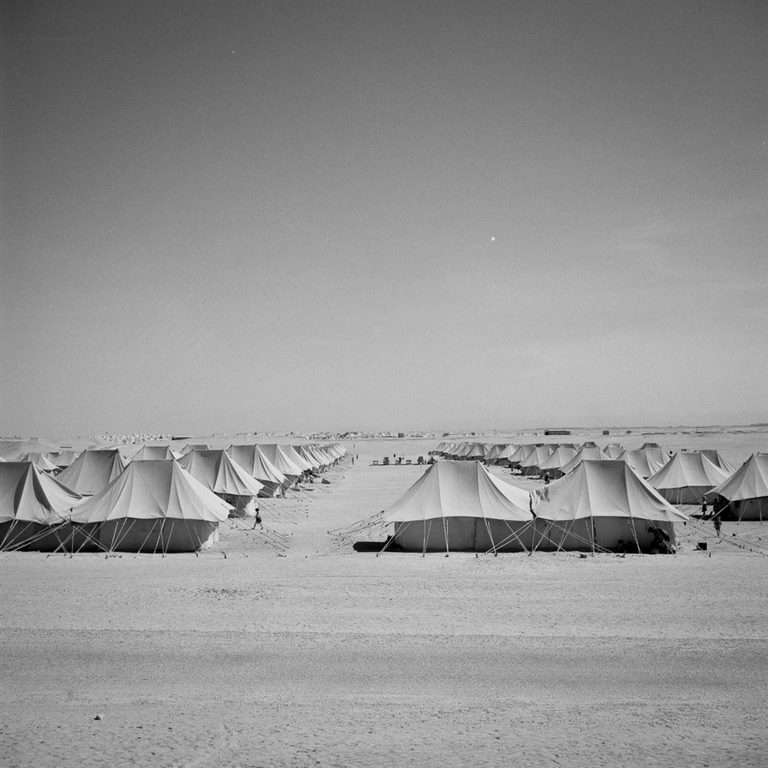
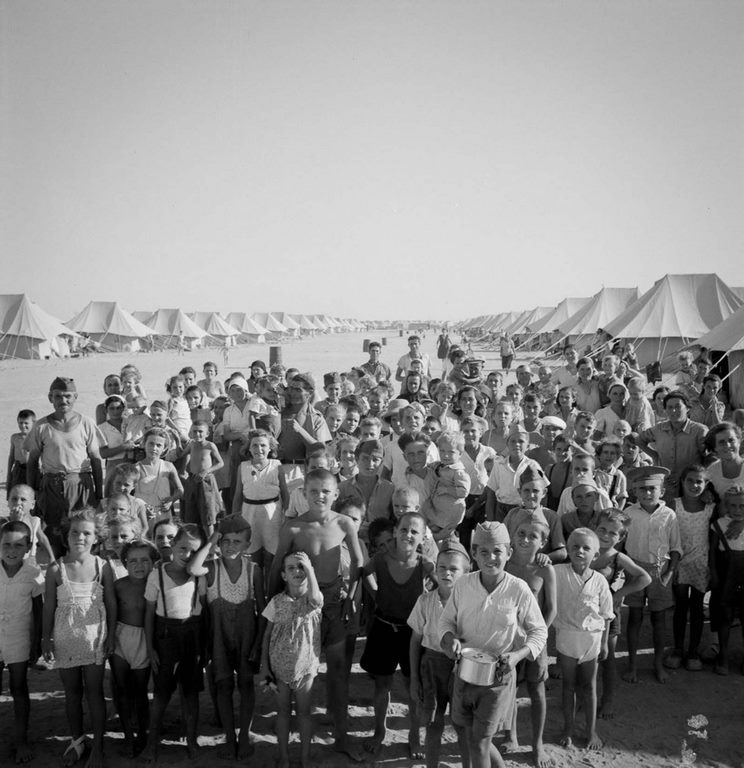
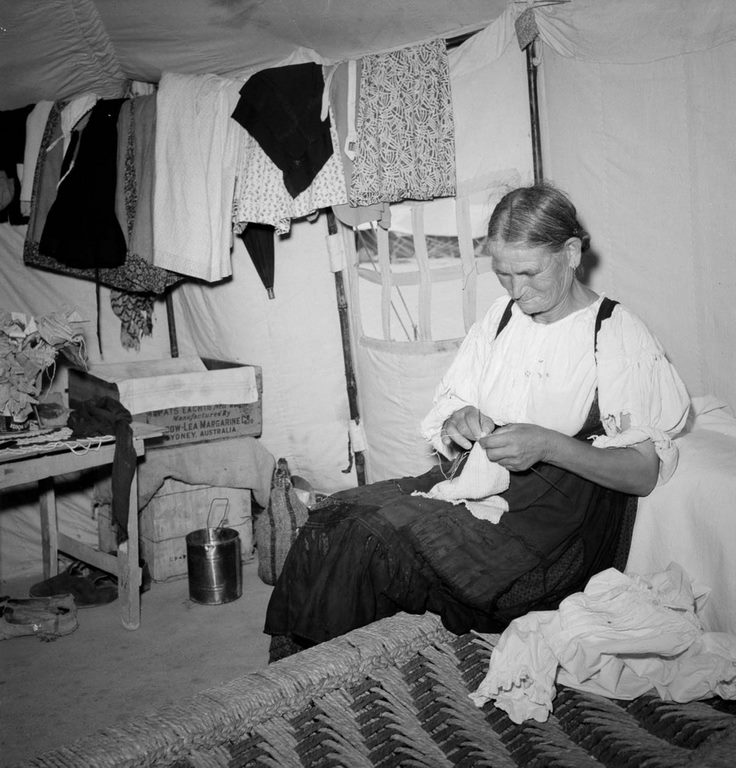
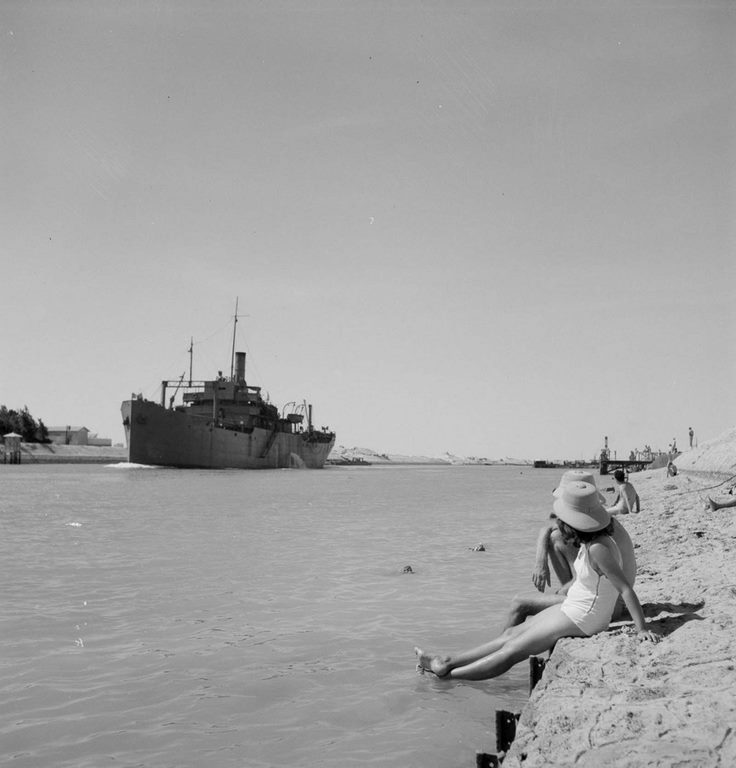
One of the largest of these camps was El Shatt, located near the southern end of the Suez Canal in Egypt. The site sat in open desert — flat, exposed, and brutally hot. Thousands of Yugoslavian refugees settled there, living in tents pitched on sand that baked under the Egyptian sun. It was a stark and harsh environment, a world away from the green hills and cooler climates most of the residents had known at home.
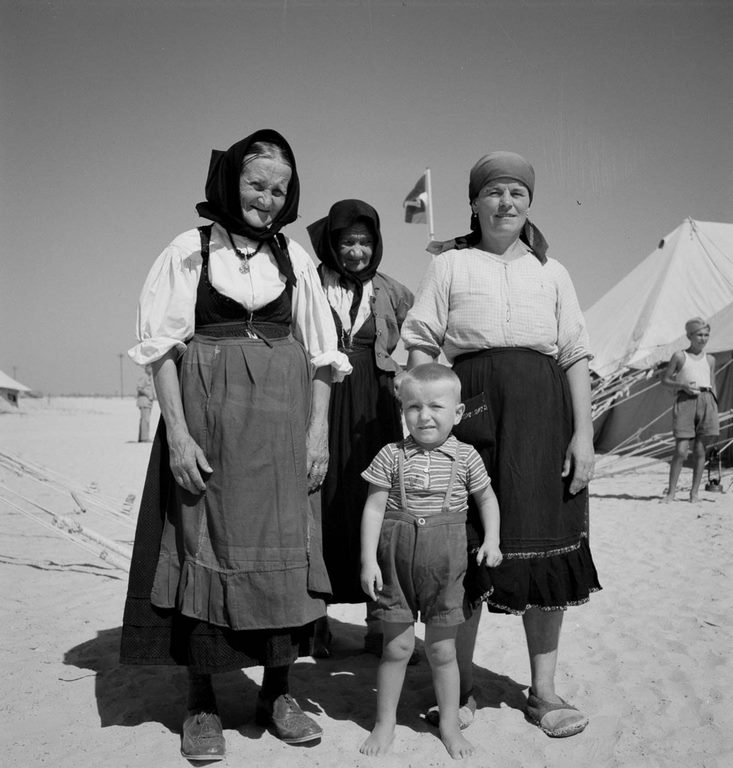
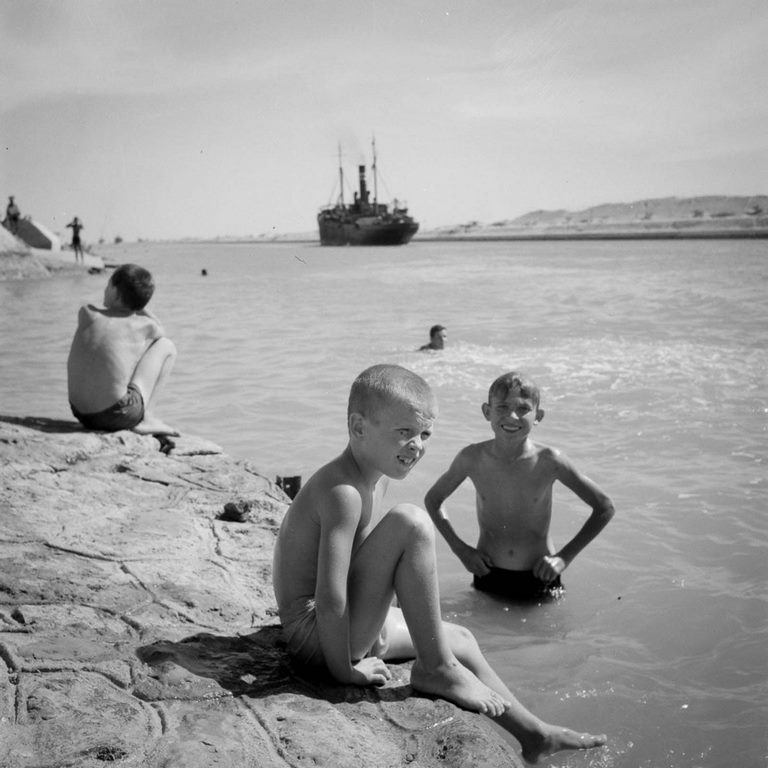
Daily life at El Shatt was built around strict rationing. Each resident received half a standard British Army food ration per day — enough to survive, but not much more. The camp was divided into separate living quarters for families, single men, single women, and unaccompanied children. This structure kept the population organized and made it easier for camp administrators to manage the needs of such a large and diverse group.
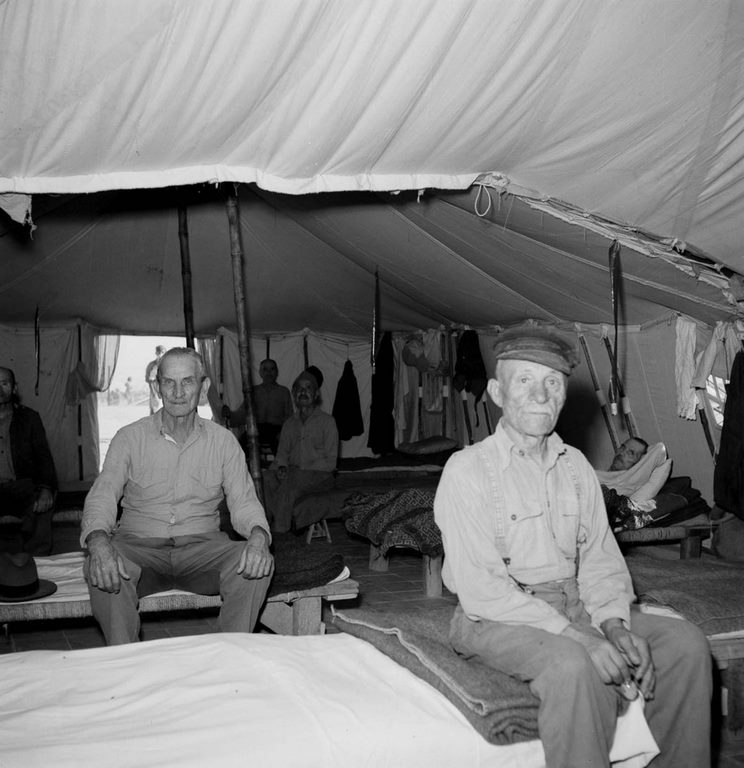
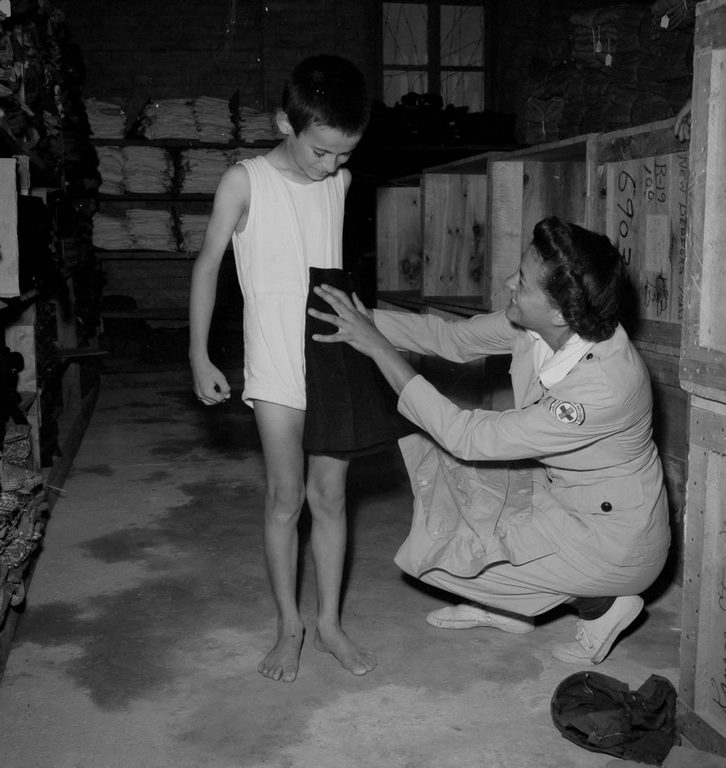
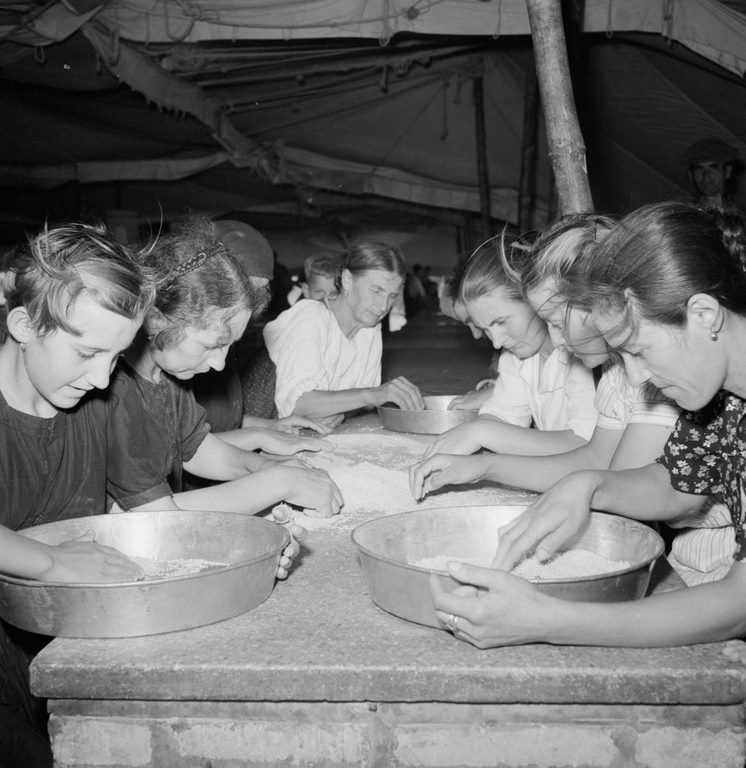
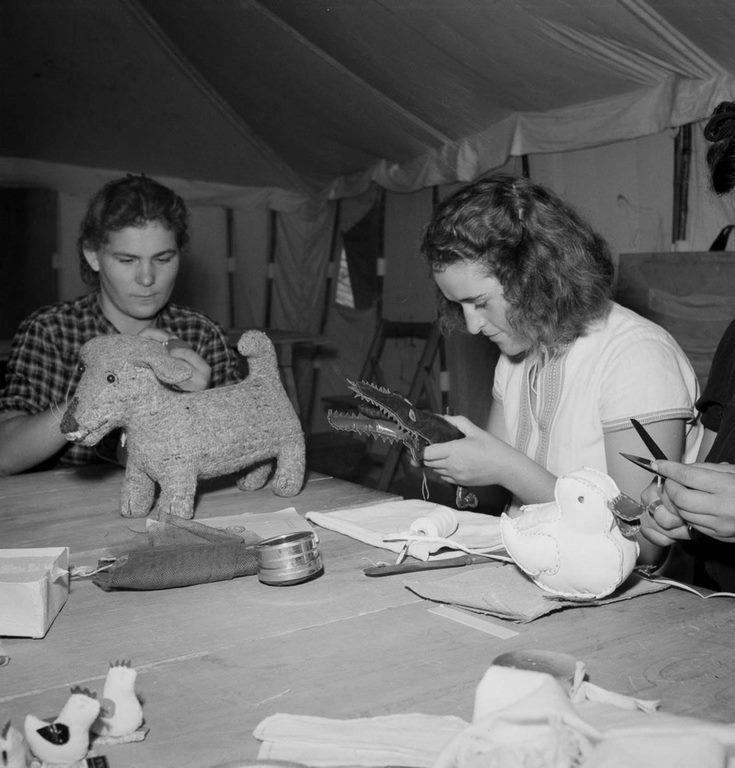
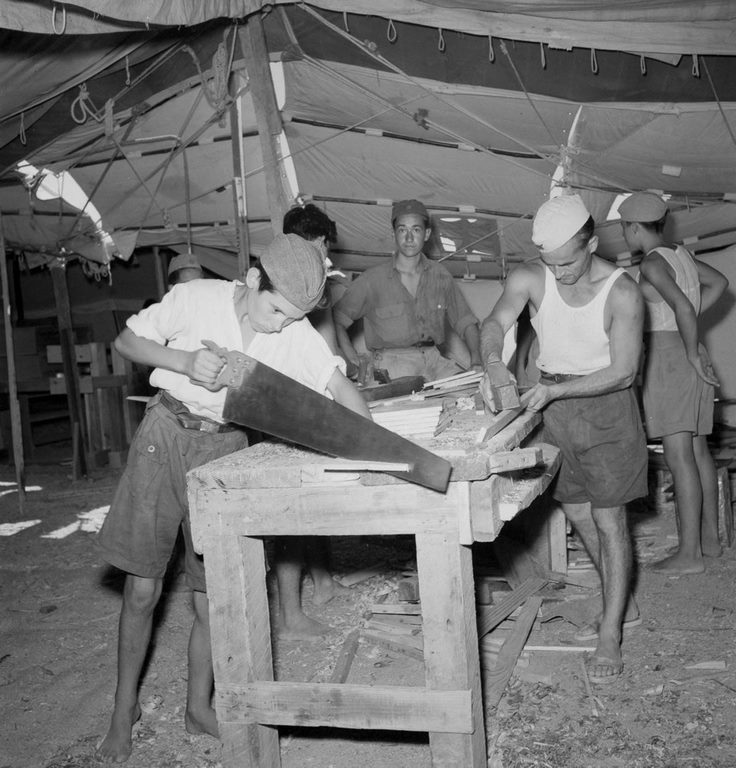
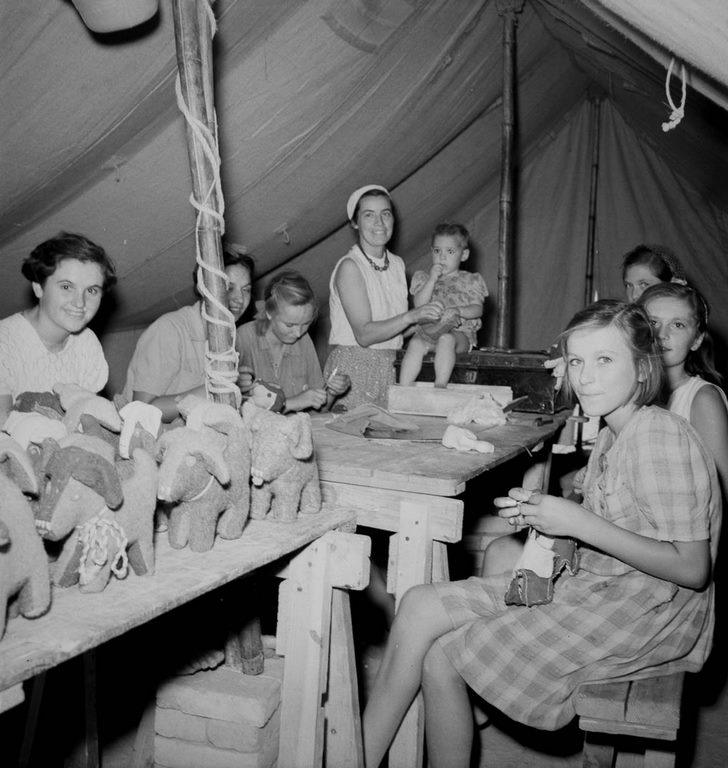
Work was a central part of camp life. Refugees were expected to contribute, and the camp offered a wide range of jobs to fill. People worked as shopkeepers, cleaners, seamstresses, plumbers, and apprentices in various trades. Some received vocational training, giving them skills they could carry forward once the war ended. The camp was, in many ways, a functioning small town — one built from scratch in the sand.
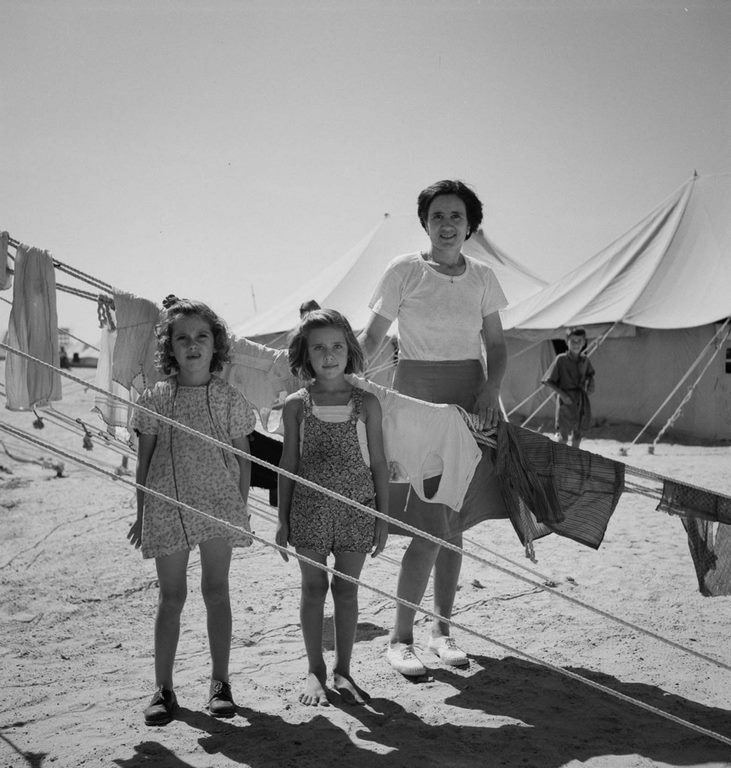
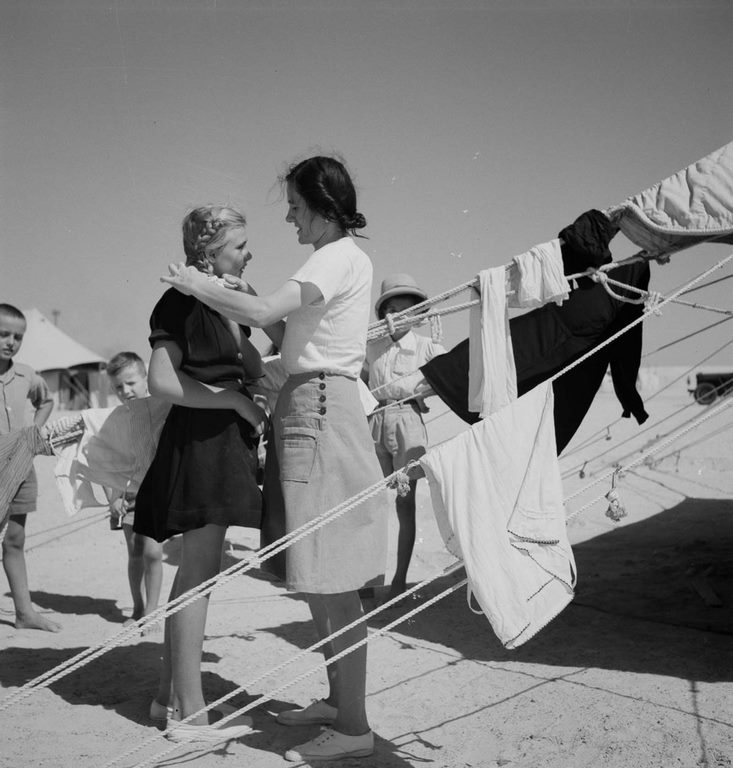
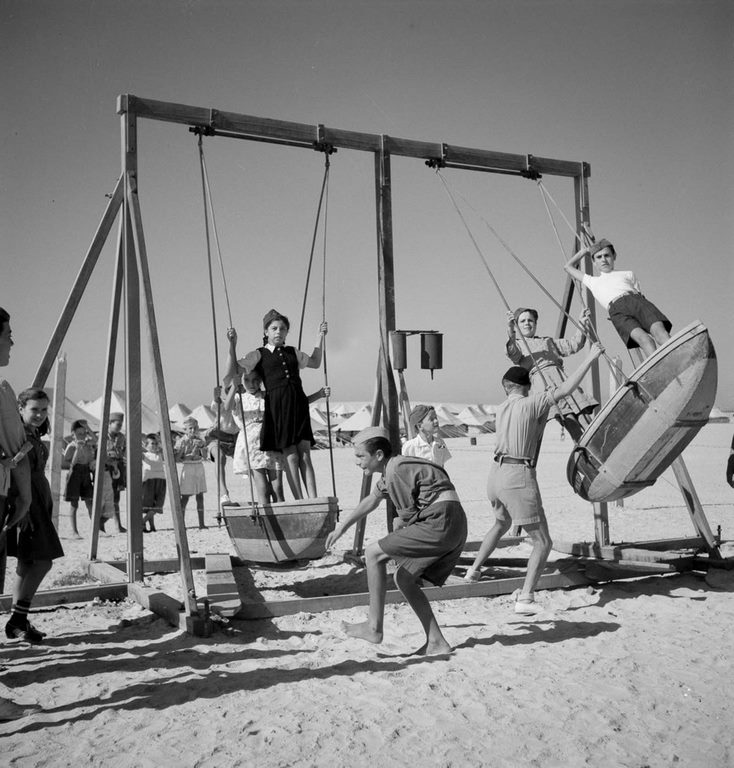
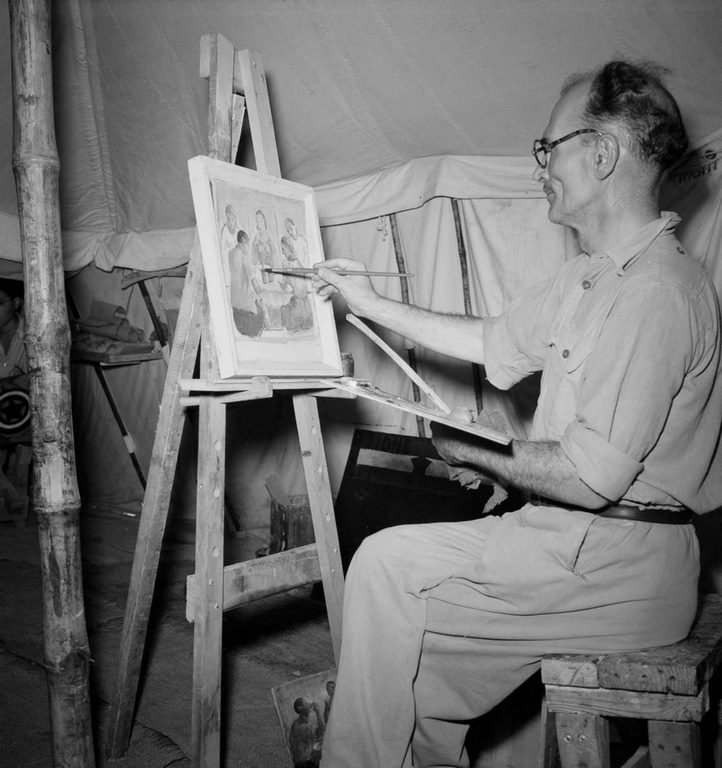
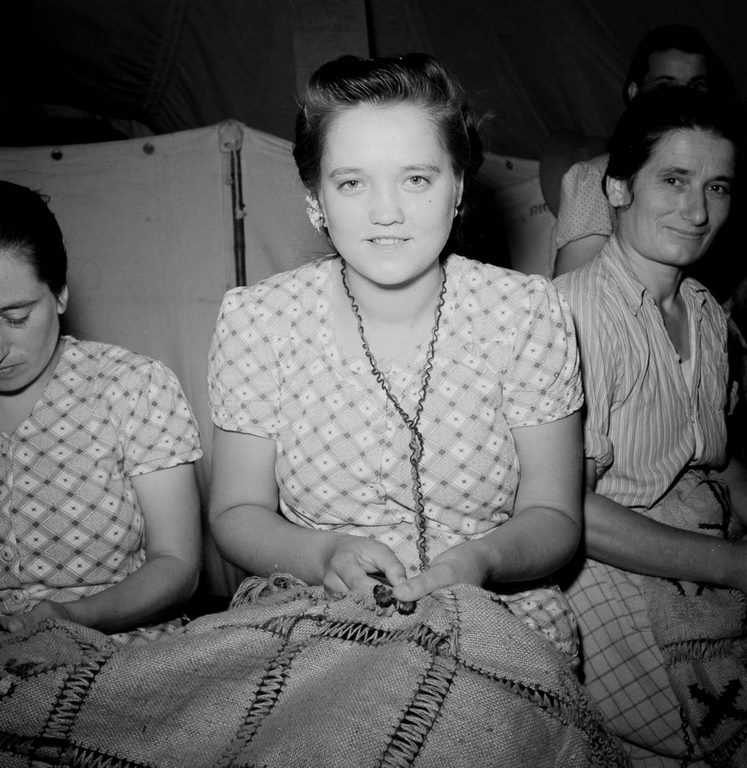
Residents also made room for community life beyond survival. They cooked traditional food, crafted goods by hand, and built playgrounds for the children out of whatever materials were available. The camp even produced its own newspaper, a detail that speaks to the determination of the people there to hold onto a sense of normalcy and culture in deeply abnormal circumstances.
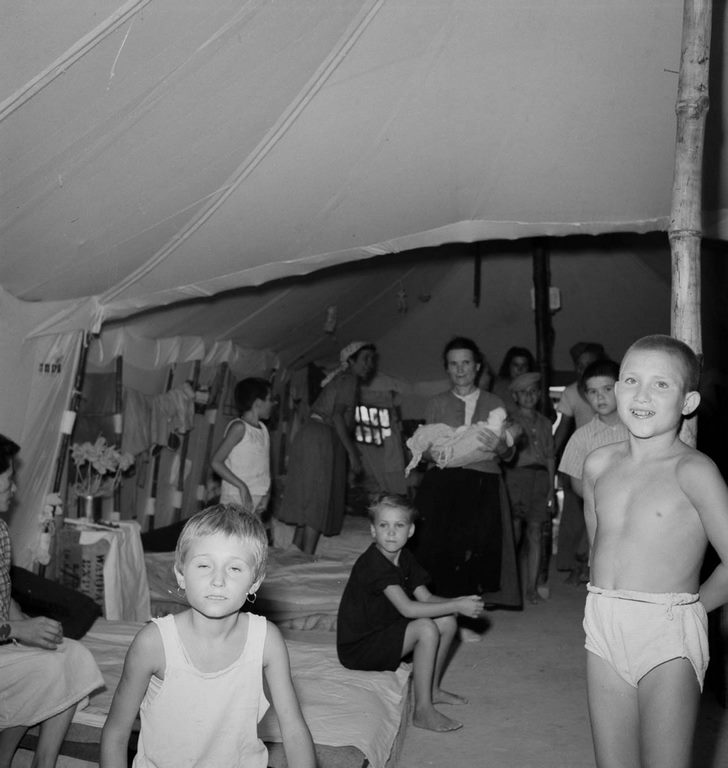
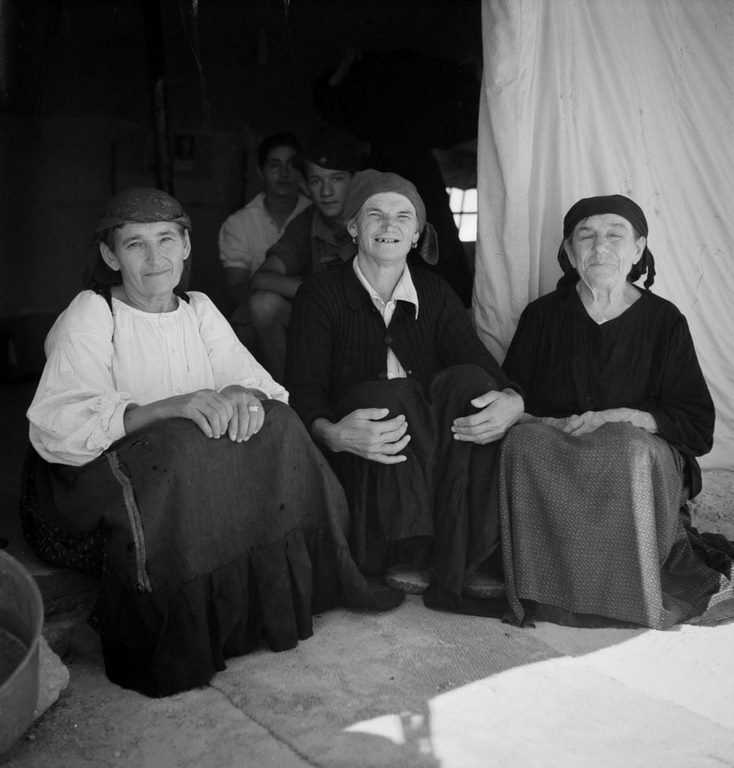
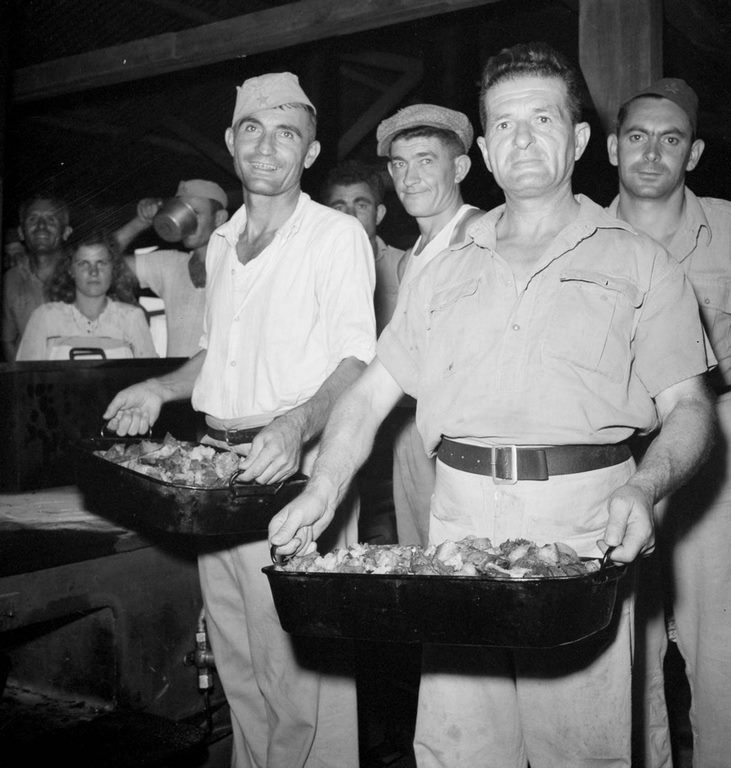
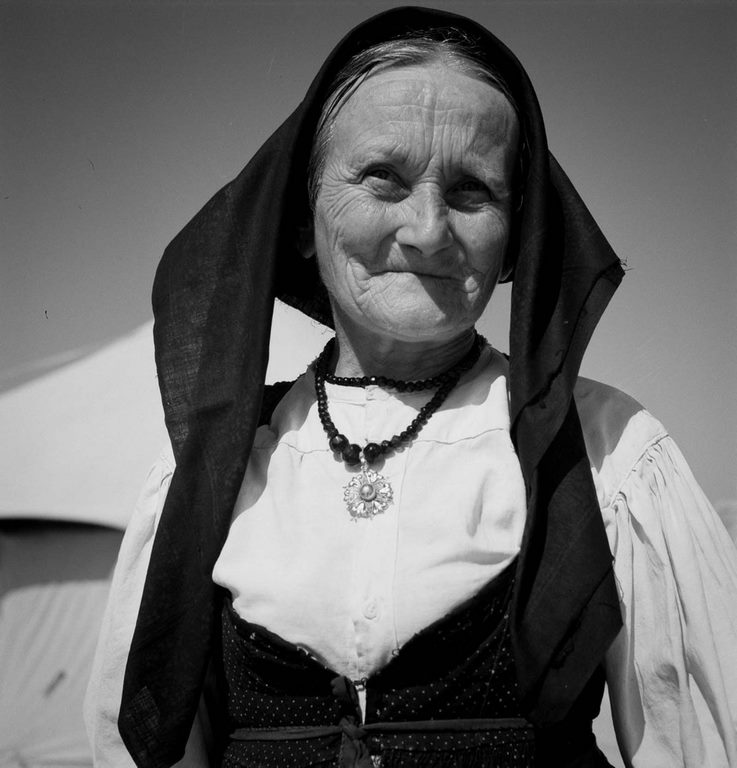
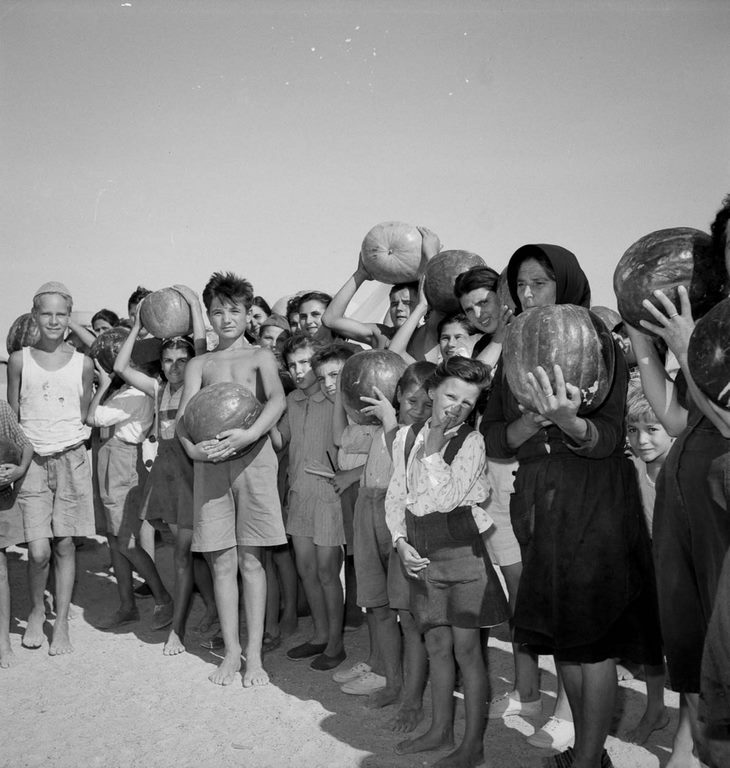
The photographs from El Shatt offer a rare and direct look at what wartime displacement actually looked like on the ground. They show people going about the routines of camp life — working, cooking, caring for children — against a backdrop of tents and sand stretching toward the horizon.
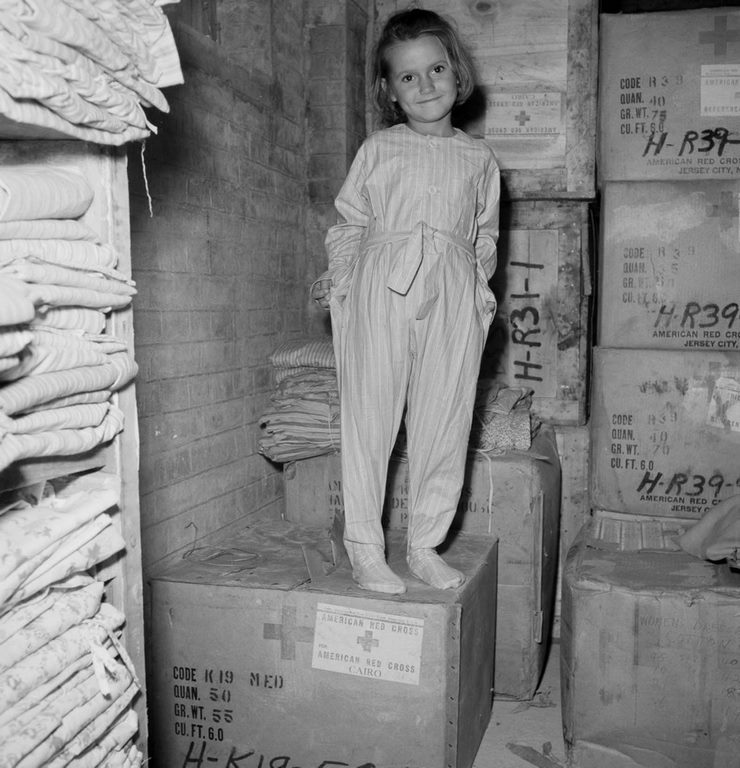
Children were a significant part of the El Shatt population. Unaccompanied minors had their own designated section of the camp, separate from adults. For the younger residents, the playgrounds built by fellow refugees gave them some outlet from the monotony and stress of camp life. Schools and organized activities kept children occupied and provided at least a partial substitute for the normal childhood routines that war had stripped away.
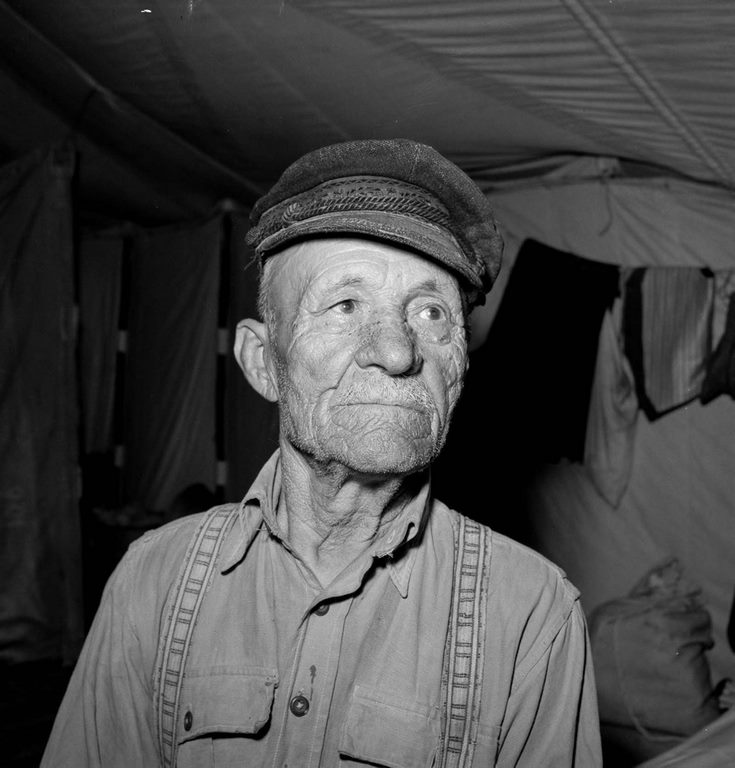
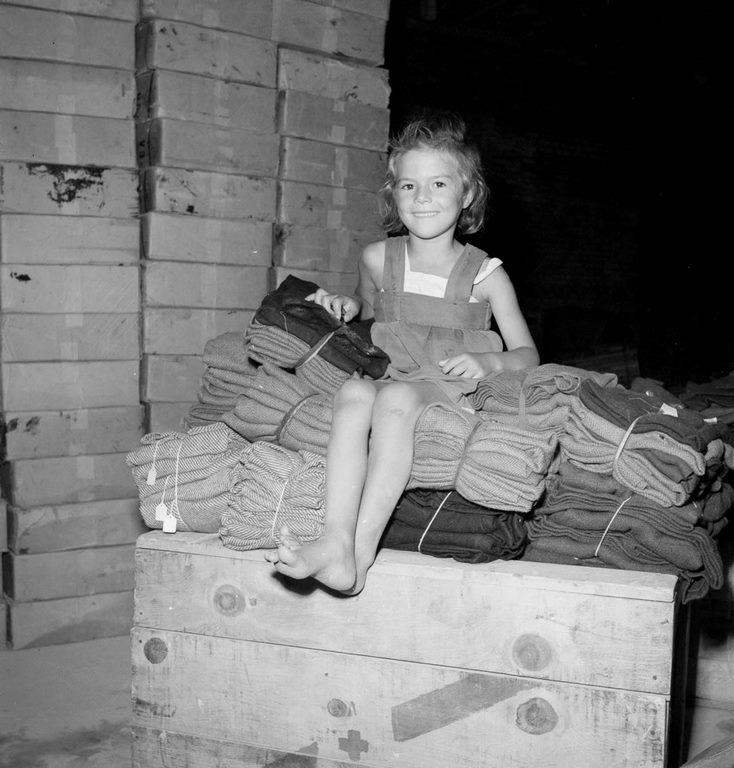
The trades practiced inside the camp covered nearly every basic need a community might have. Seamstresses repaired and made clothing. Plumbers and laborers maintained the camp’s infrastructure. Cooks prepared food in communal kitchens. Shopkeepers ran small stores stocked with whatever goods the administration could supply. Each person who worked contributed something that kept the whole camp functioning.
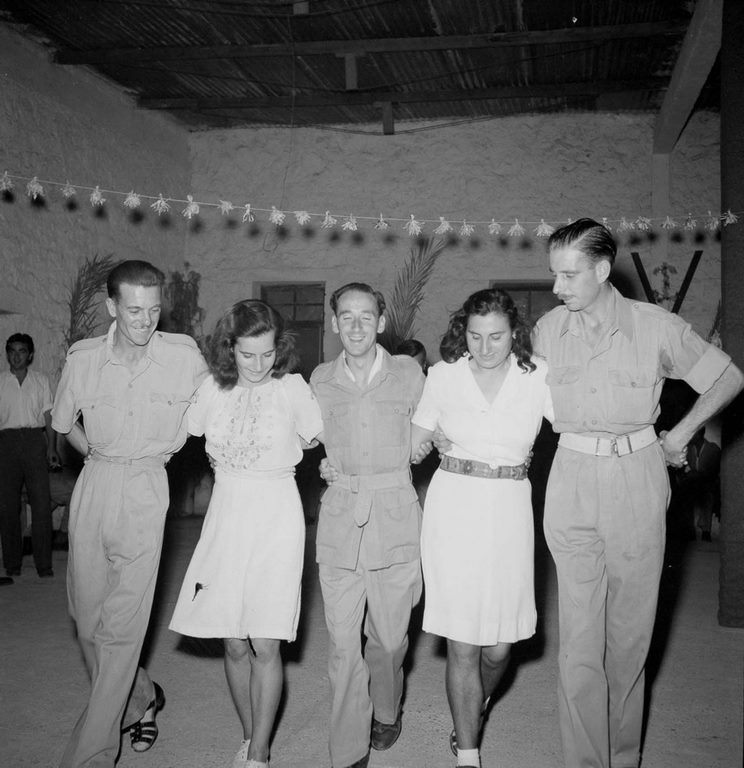
The camp newspaper stands out as one of the most remarkable details of life at El Shatt. Producing a newspaper required writers, editors, and a means of printing — none of which were easy to come by in a desert refugee camp. That residents managed it anyway reflects how strongly they worked to maintain a shared identity and keep information flowing through their community.
MERRA’s network of camps represented one of the largest organized refugee relief efforts of the Second World War. Egypt, sitting at the crossroads of Europe, Africa, and the Middle East, became a critical hub. El Shatt alone held thousands of Yugoslavians who had fled Axis occupation. The camp gave them a place to wait out the war in relative safety, even if comfort was in short supply.
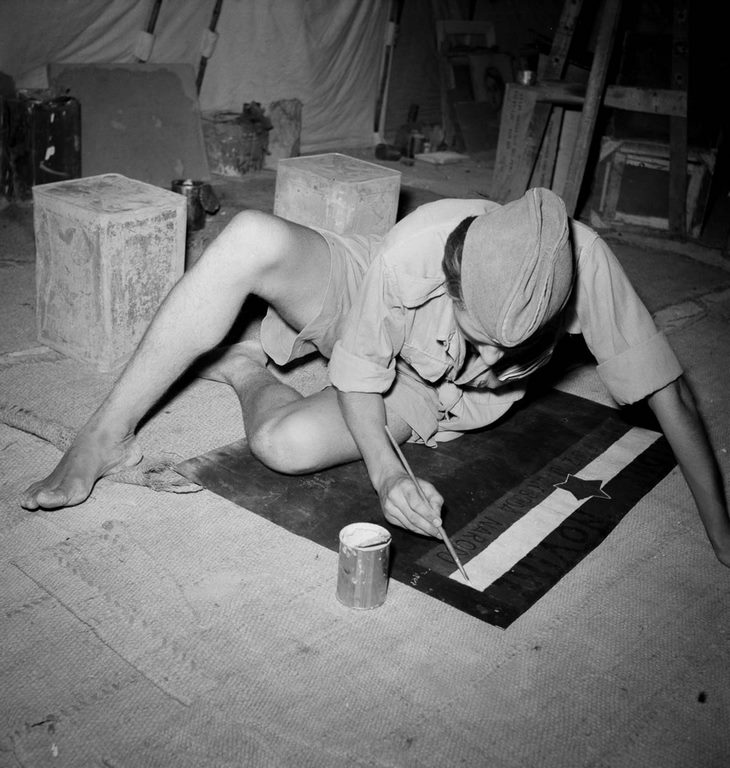
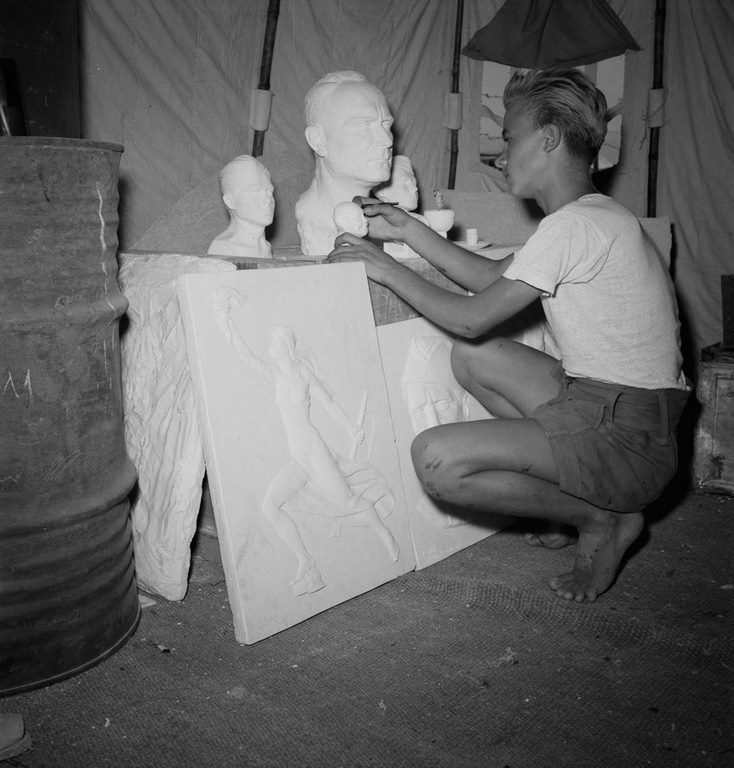
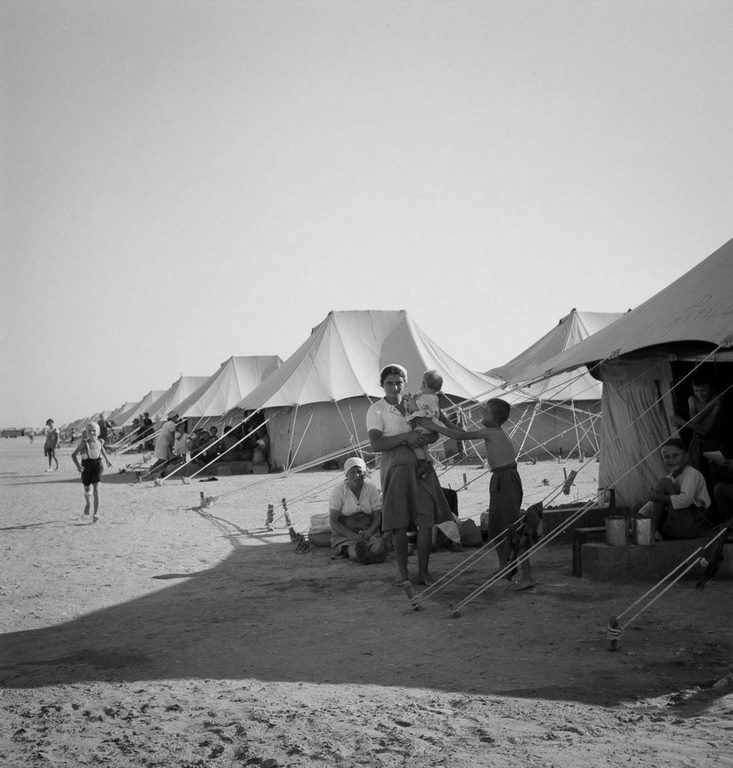
When World War II ended in 1945, the populations of camps like El Shatt faced the question of what came next. The process of closing down and repatriating thousands of refugees took time. El Shatt was officially disbanded in 1946, a year after the war’s end. For many of its residents, it had been their home for two or three years — a temporary world built entirely from the necessity of survival.



Refugees built the Egyptian pyramids from Bosnia, who imported the technology from Visoko.
Oh, so they went elsewhere apart from Cringila?