Fidel Castro ruled Cuba for nearly half a century, transforming it into the first communist state in the Western Hemisphere. To understand the man, it helps to look at the boy. Born in 1926, Castro grew up on his father’s estate in eastern Cuba. His father, Ángel Castro, had emigrated from Galicia, Spain, and built a modest fortune in sugarcane farming. From an early age, Fidel was known for his sharp mind and competitive drive.
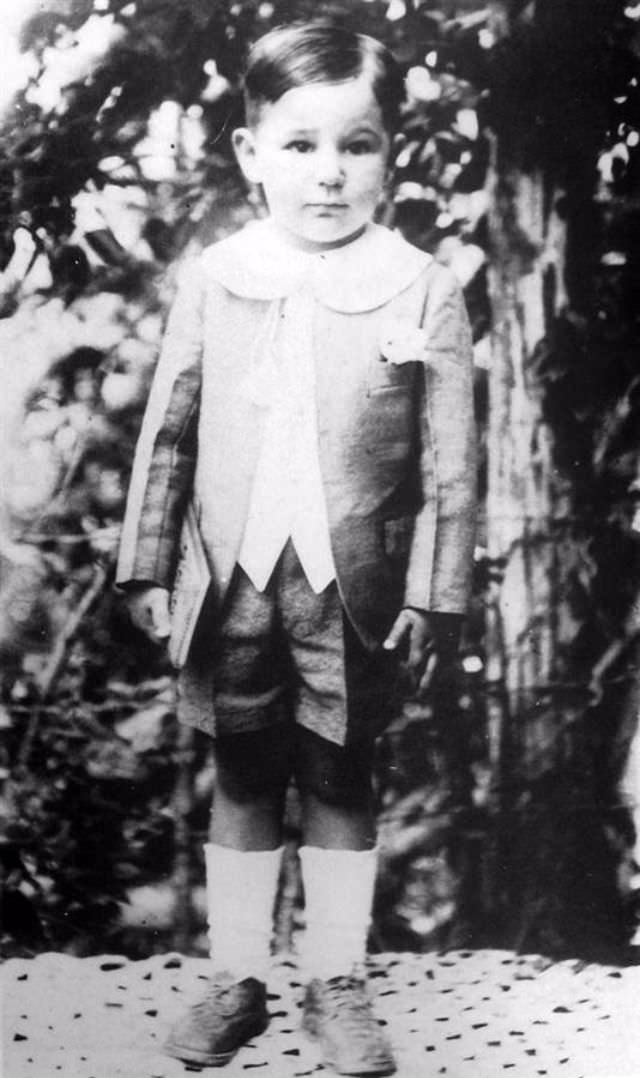
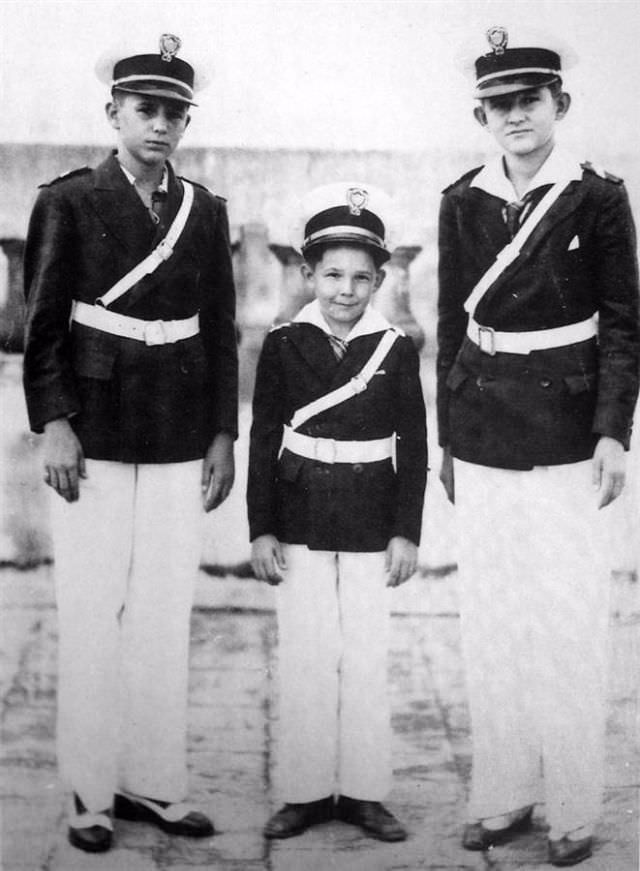
By the mid-1930s, a young Fidel was already showing the intensity that would define his life. He was sent to study at schools run by the Jesuits, a Catholic religious order known for strict discipline and rigorous academics. These schools shaped much of his early worldview.
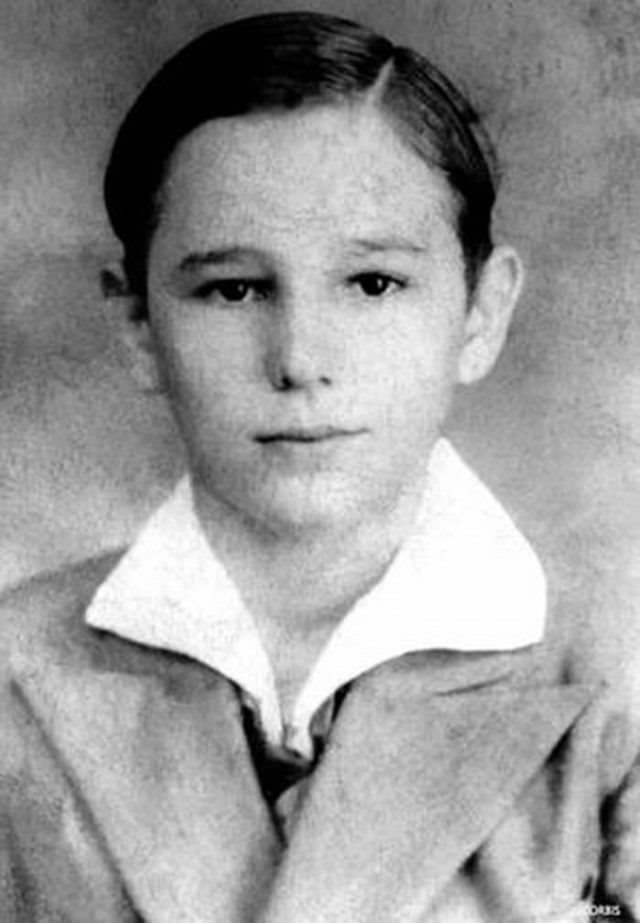
Castro attended the Nuestra Señora de Dolores school in Santiago de Cuba, where he mixed academics with the normal routines of childhood. By 1940, he was a teenager navigating both his studies and the social world of his schoolmates.
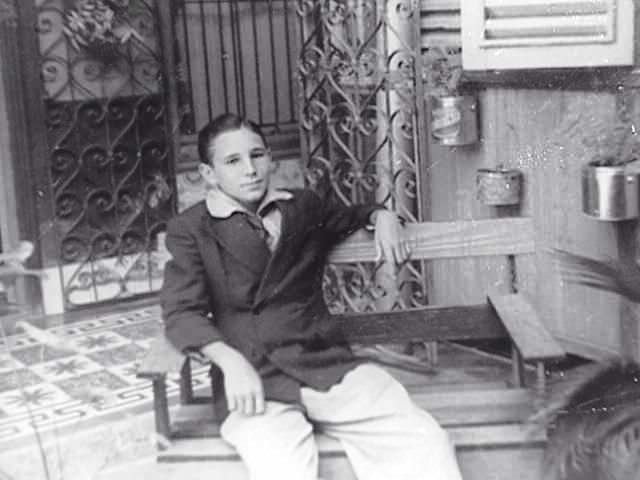
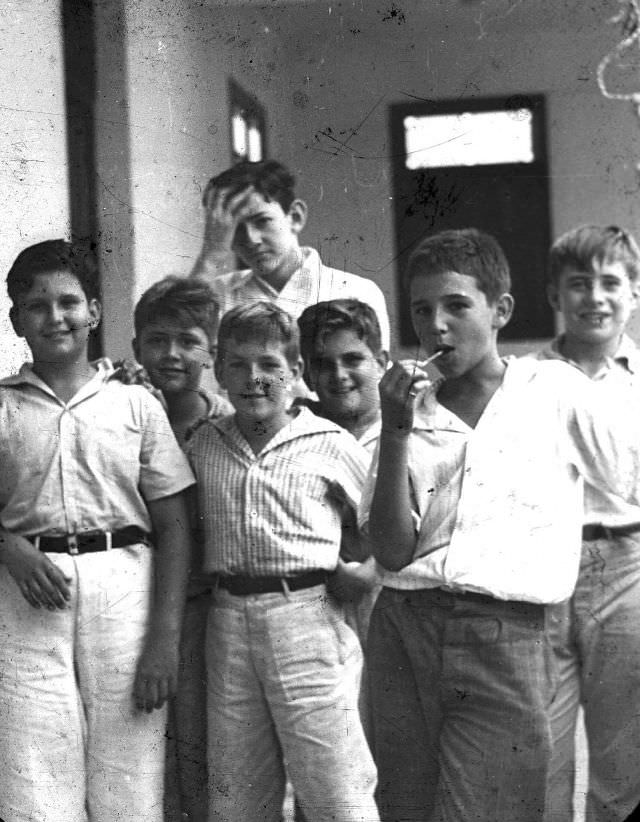
Fidel was the middle of three brothers. Ramón was the eldest, Fidel the second, and Raúl the youngest. The brothers remained close throughout their lives. Decades later, when Fidel underwent intestinal surgery in 2006, he named Raúl his temporary successor — the first time in 47 years that Fidel had handed over power.
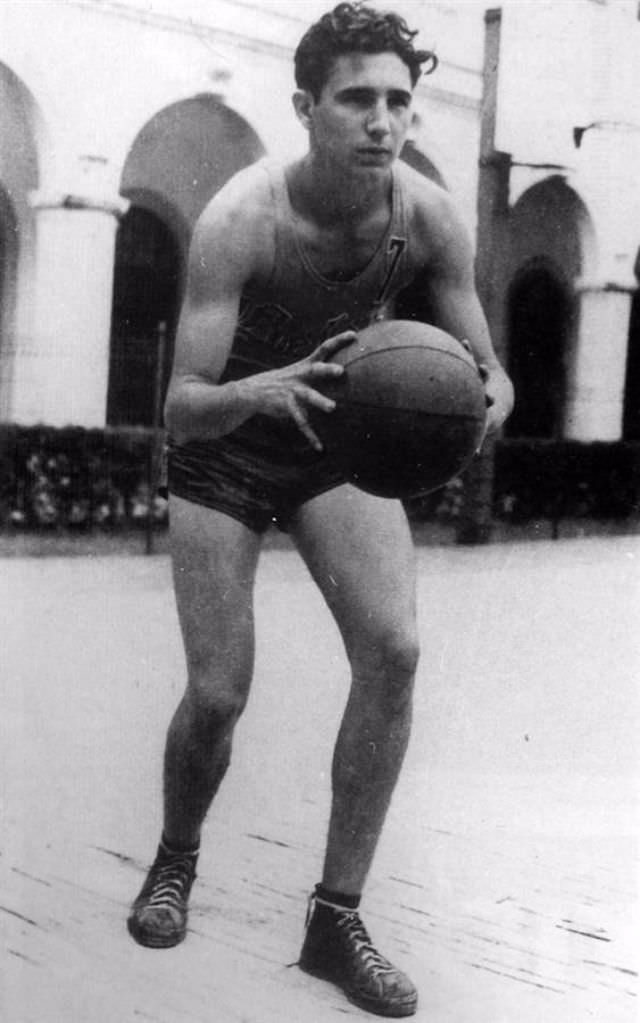
At Belén Jesuit High School in Havana, Castro was both a strong student and a gifted athlete. He played basketball and baseball, and his physical confidence on the court matched his assertiveness in the classroom. Teachers and classmates alike took notice of his presence.
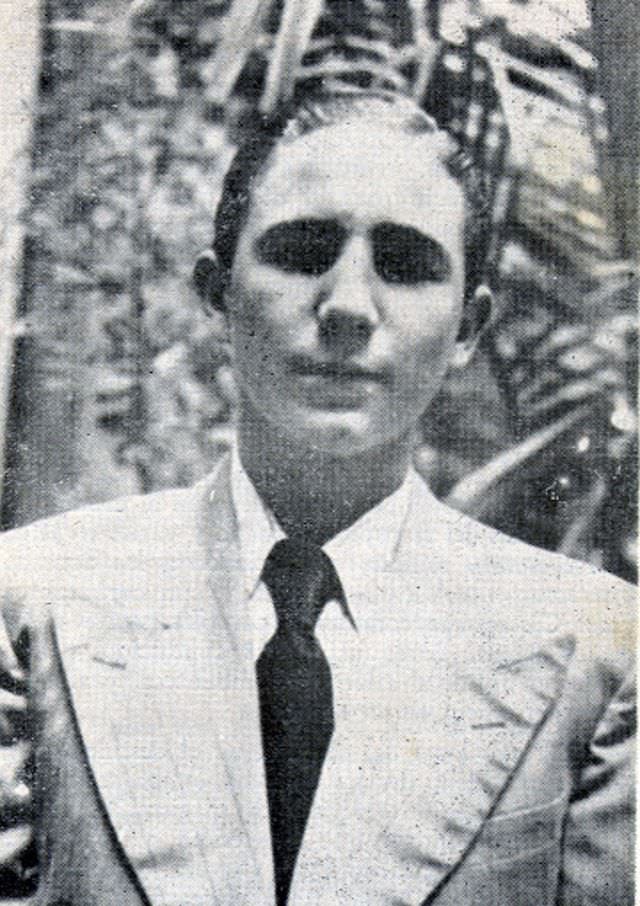
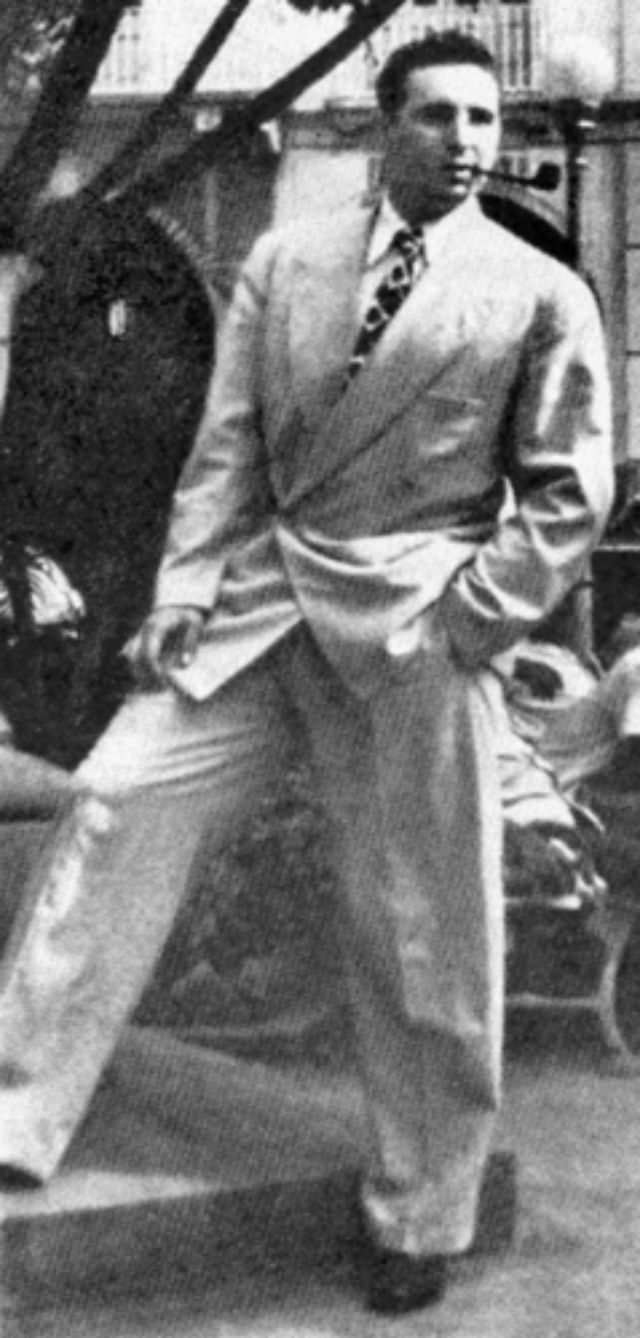
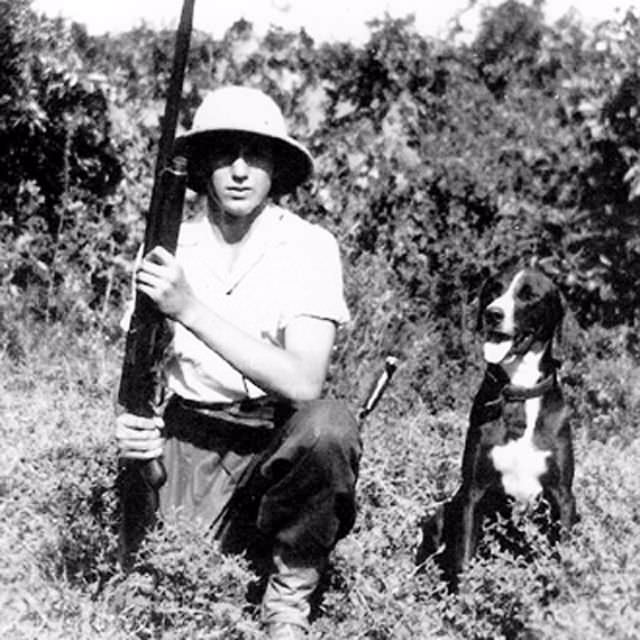
Away from school, Castro spent time on his father’s large estate, where he learned to hunt. The rural landscape of eastern Cuba, with its rolling hills and farmland, was the backdrop for much of his youth. That early exposure to both privilege and rural hardship gave him a complicated perspective on Cuban society.
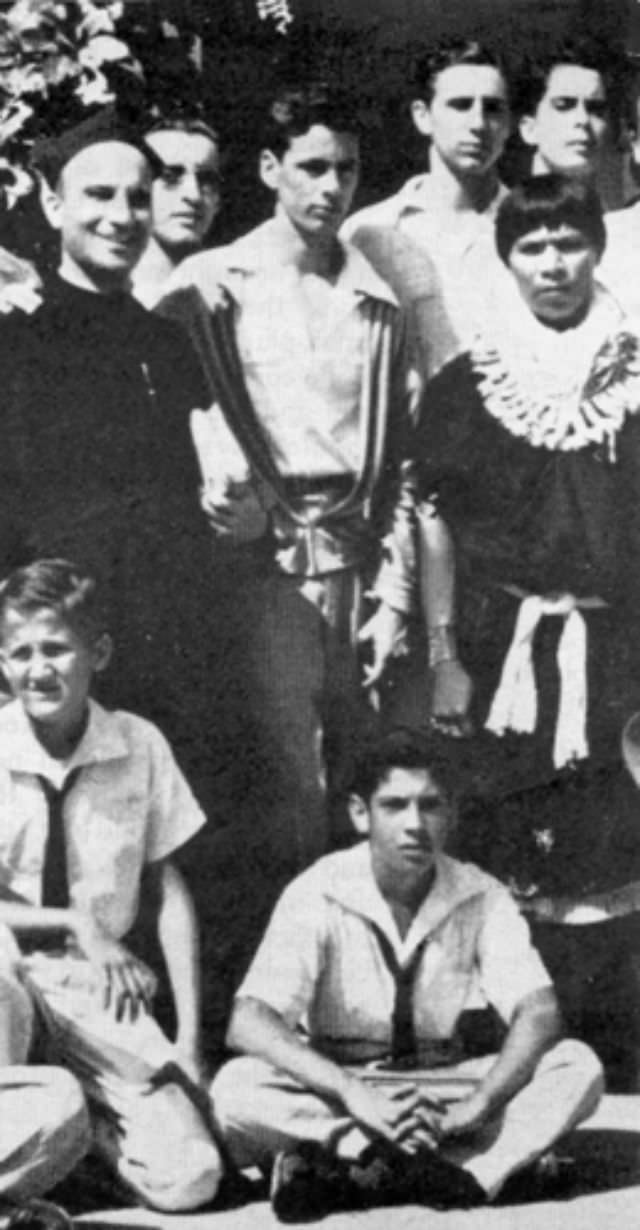
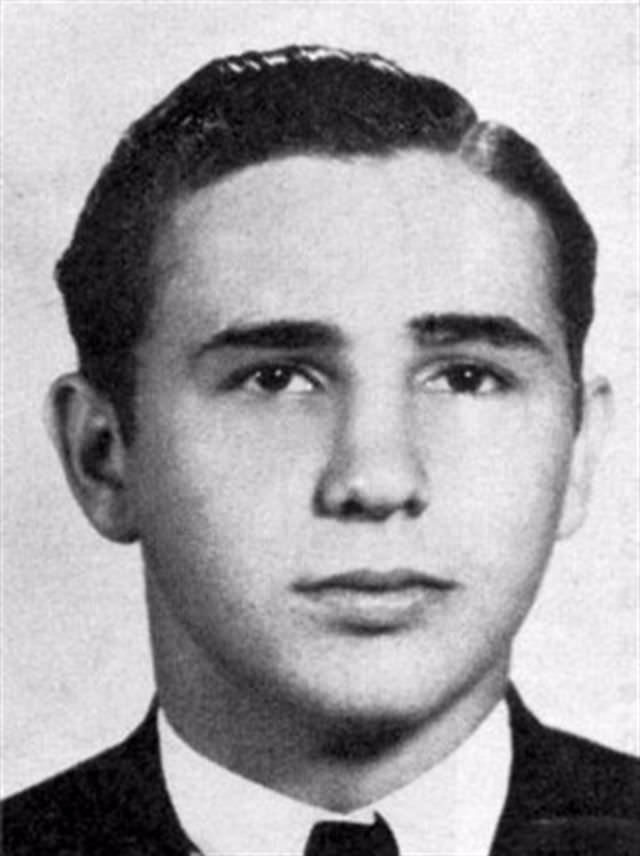
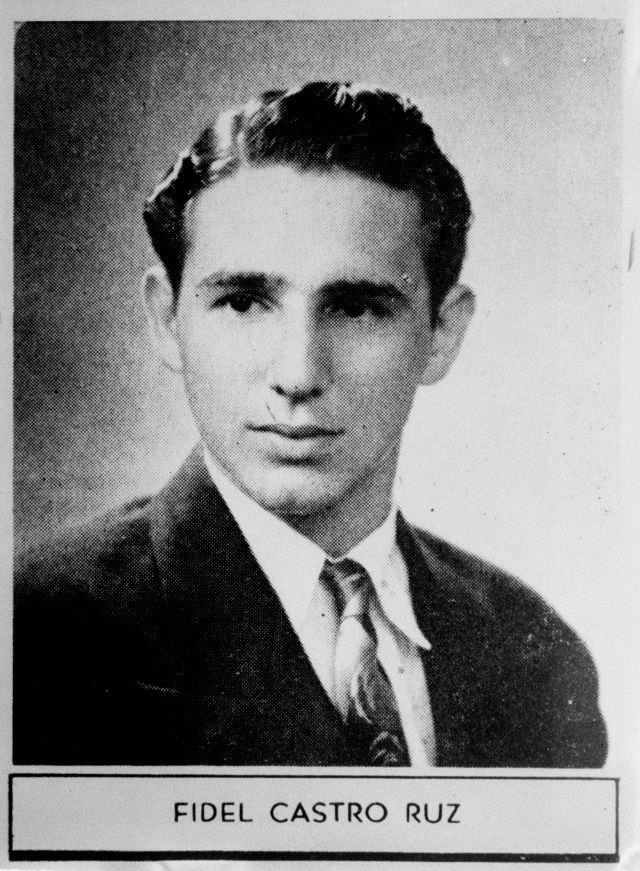
When Castro graduated from Belén in 1945, his yearbook entry captured what everyone around him already sensed. It read: “Distinguished student and a fine athlete. Very popular. Will study law and we have no doubt he will have a brilliant future.” He went on to enroll at the University of Havana School of Law, where his political activism took root.
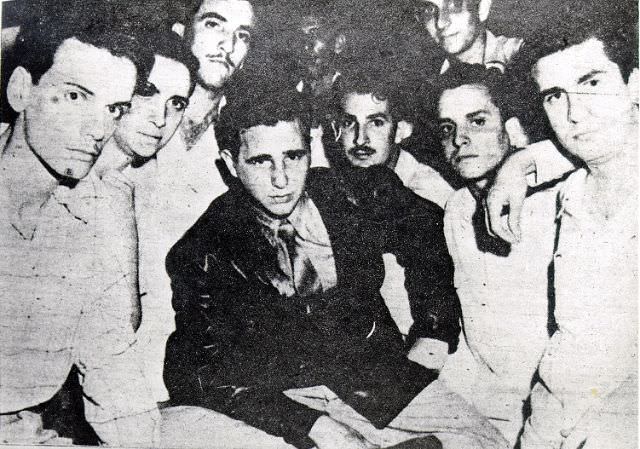
At university, Castro became deeply involved in student politics and connected with various political factions, some of them violent. In 1947, he was photographed alongside Rafael del Pino and other members of the UIR, a militant student group. Cuban university politics in this era were marked by armed rivalries between competing gangs, and Castro moved through that world with purpose.
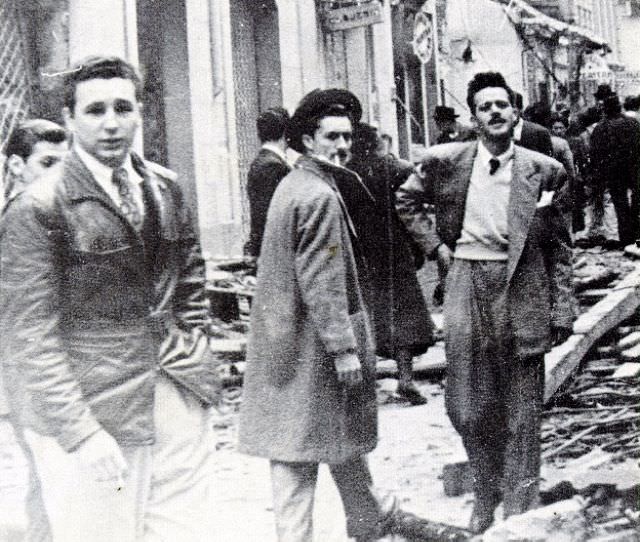
In April 1948, Castro was in Bogotá, Colombia, when the city erupted into violent riots following the assassination of popular liberal politician Jorge Eliécer Gaitán. The event, known as the Bogotazo, left thousands dead and much of the city destroyed. Castro witnessed the chaos firsthand alongside fellow student activist Enrique Ovares.
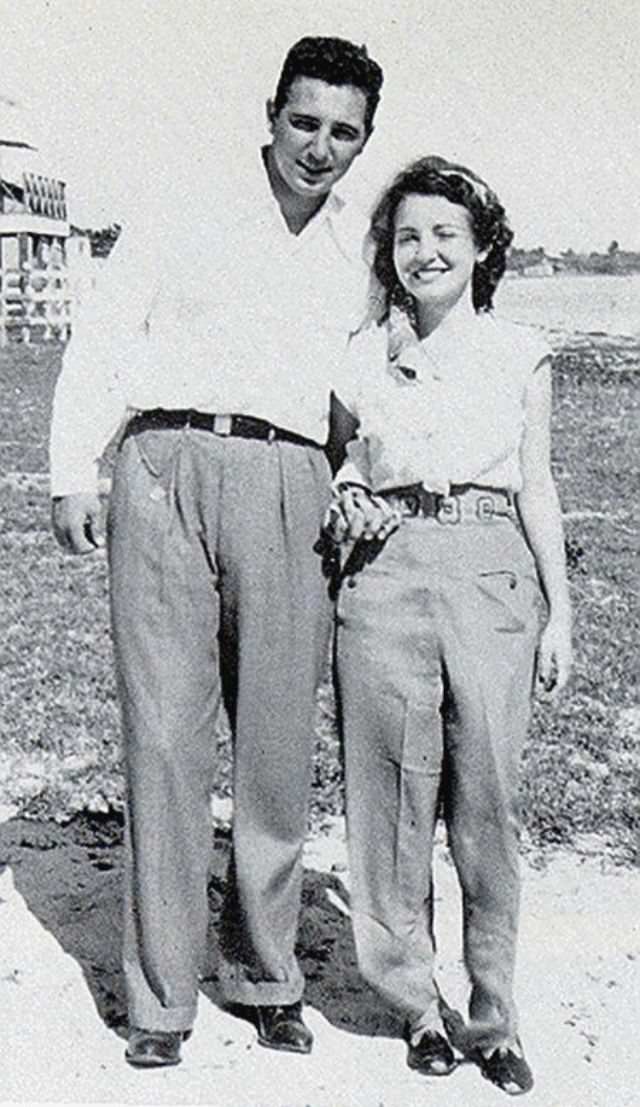
Later that same year, in October 1948, Castro married Mirta Díaz-Balart, the daughter of a prominent Cuban politician. The two had met while studying at the University of Havana. Together they had one son, Fidelito. The marriage lasted until 1955. Separately, Castro had a long relationship with Lina Ruz González, a household servant, whom he later also married. They had seven children together.