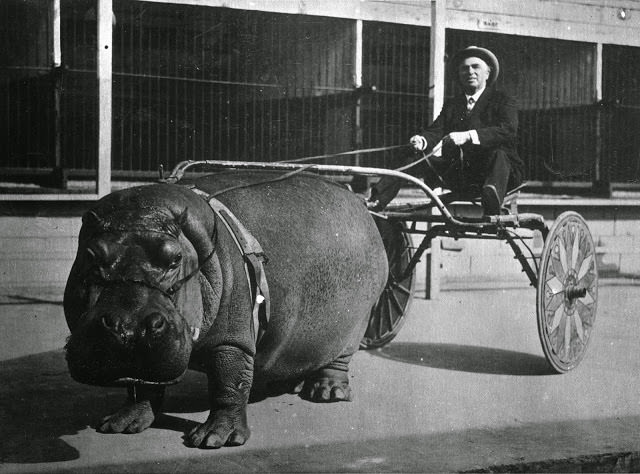
History books tend to show the past as serious and stiff. But old photographs tell a different story. Flip through enough of them and you’ll find inventors wearing ridiculous gadgets, animals doing the unexpected, and world leaders pulling pranks. These images don’t just entertain — they prove that human nature hasn’t changed much at all. The past was weird, and people loved it.
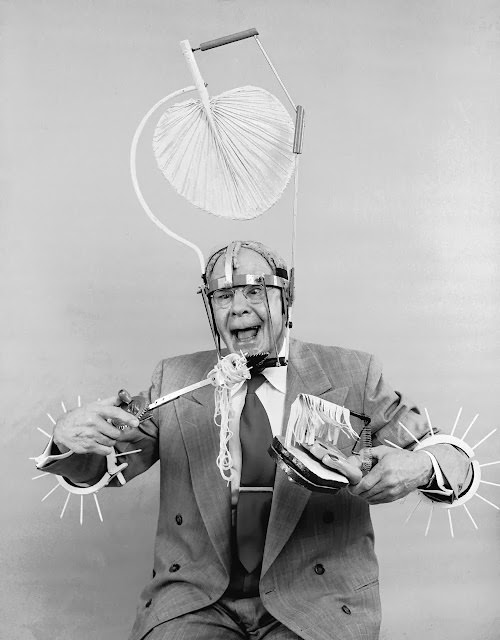
Take inventors, for example. In 1955, Russell E. Oakes posed proudly in a collection of his own problem-solving contraptions, including body spikes and a wind-up mechanical spaghetti eater. It sounds absurd, but Oakes was dead serious about his work.
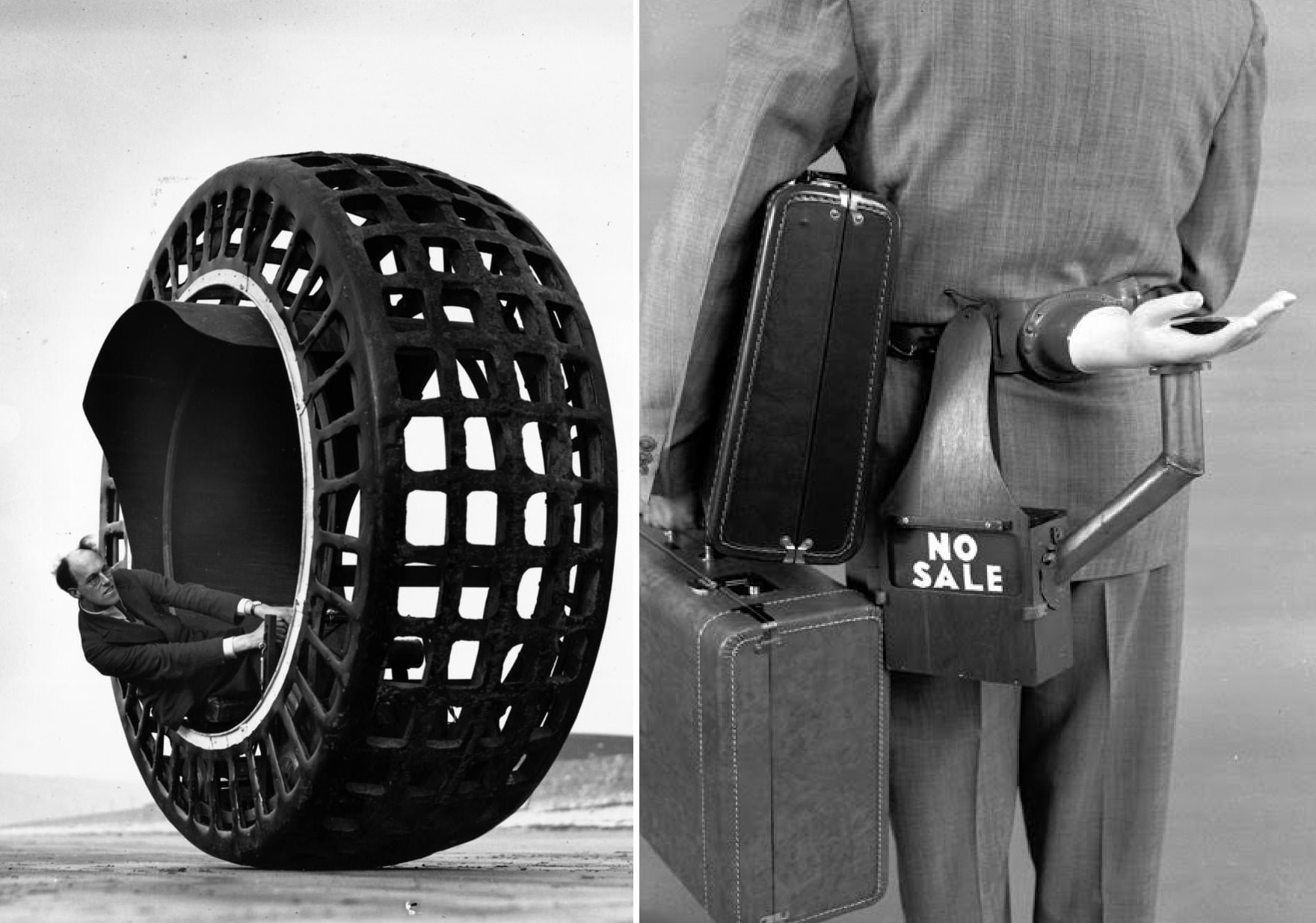
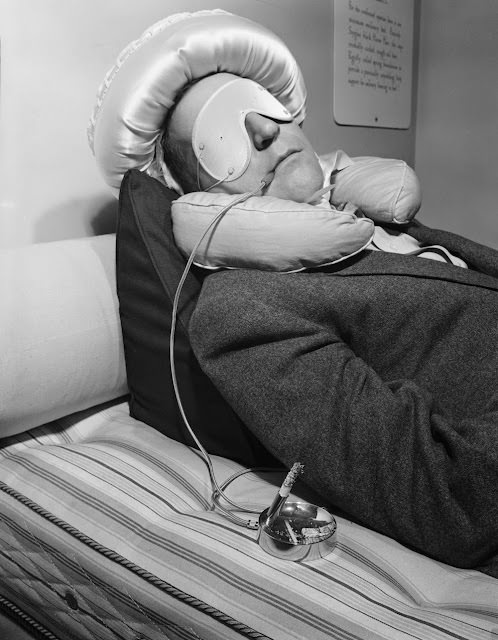
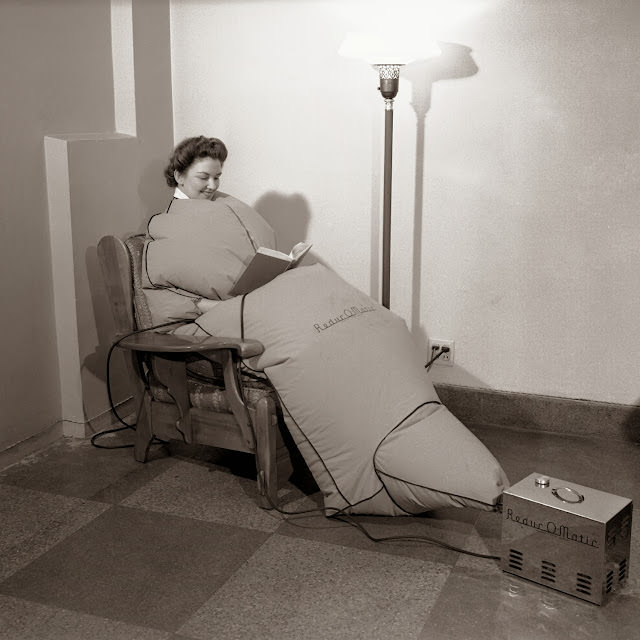
Gadgets weren’t just for the workshop. In 1950, TV personality Garry Moore used a special smoking device designed to stop lit cigarettes from burning holes in bed sheets. That same spirit of quirky problem-solving shows up in a 1942 photo of Gail King demonstrating a portable personal sweat box — a rubber shortage wartime workaround.
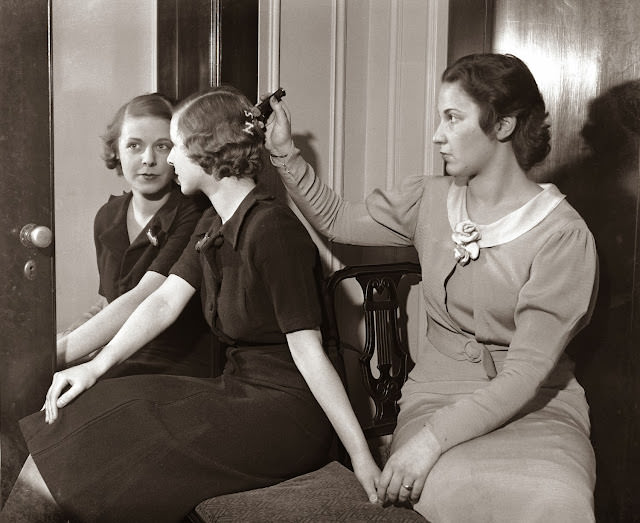
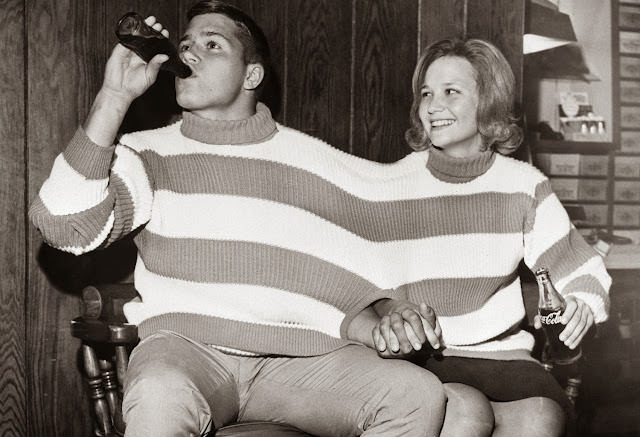
Fashion had its own strange chapters. In 1933, women used a special gadget to press their initials directly into their hair as a trend. In 1963, Tommy Harper and Chica Gray modeled the “Tweter” — a single oversized turtleneck sweater built for two people to wear at once.
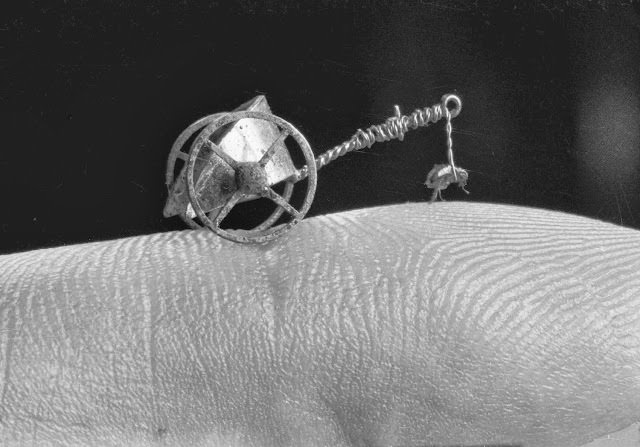
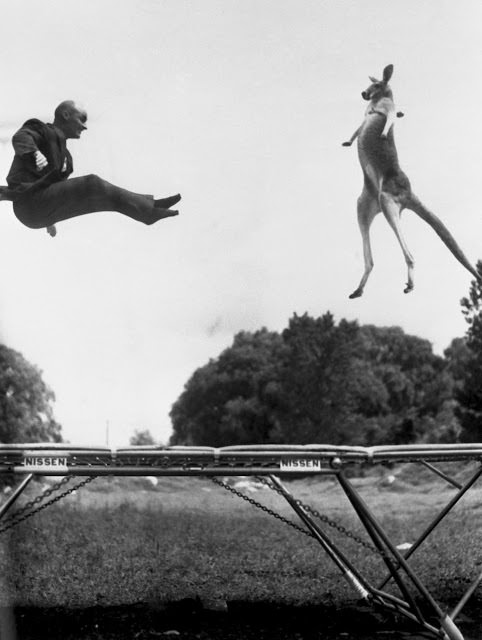
Animals appear throughout these strange snapshots in roles you’d never expect. In 1951, a flea named Rudolph was photographed pulling a tiny metal merry-go-round. In 1960, trampoline inventor George Nissen jumped alongside a kangaroo named Victoria to prove his equipment could handle any jumper.
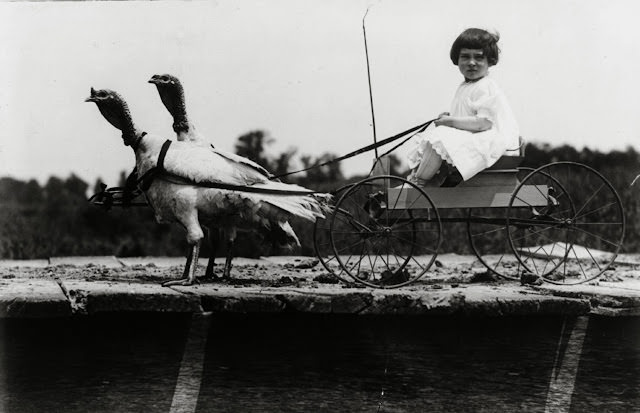
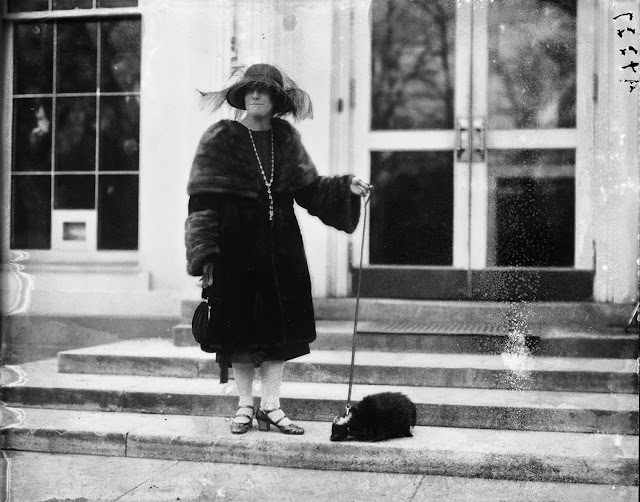
In 1909, a young girl sat in a cart pulled by two turkeys. A 1922 photo shows a woman visiting the White House with her pet skunk. These weren’t staged for comedy — they were simply life as people lived it.
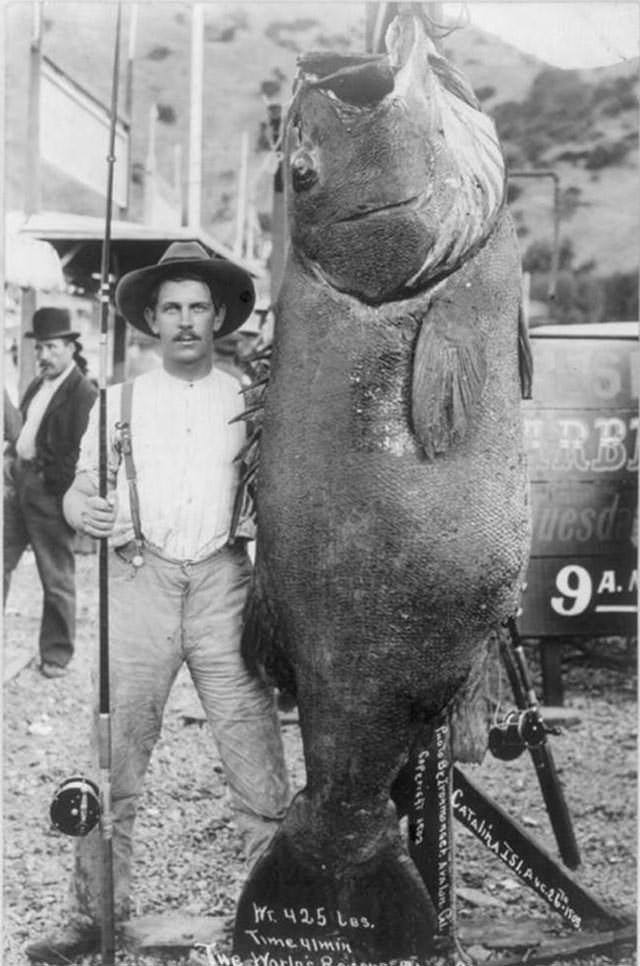
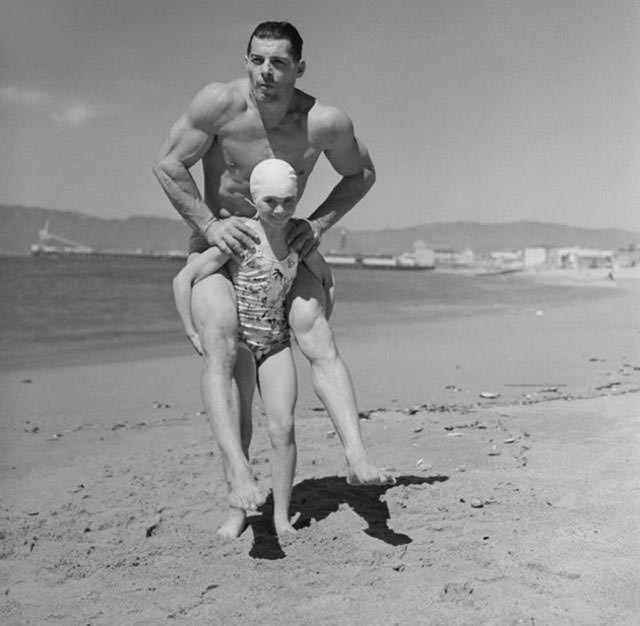
Some photos capture feats of strength and endurance. In 1940, Patricia O’Keefe carried a 200-pound man on her back for a photo, demonstrating remarkable physical power. In 1903, Edward Llewellen stood beside his catch — a 425-pound black sea bass — the largest ever recorded at the time.

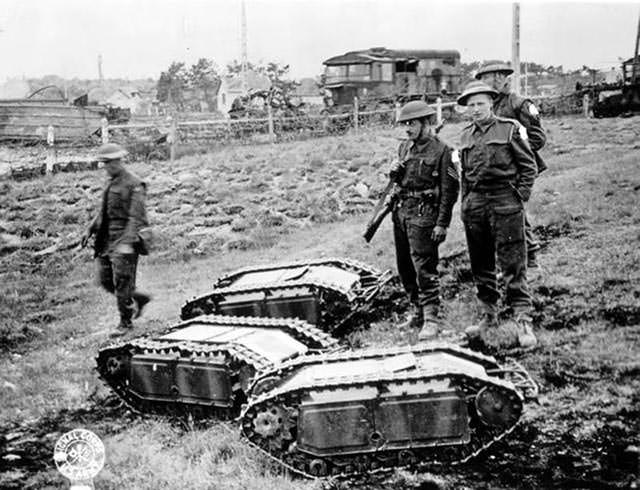
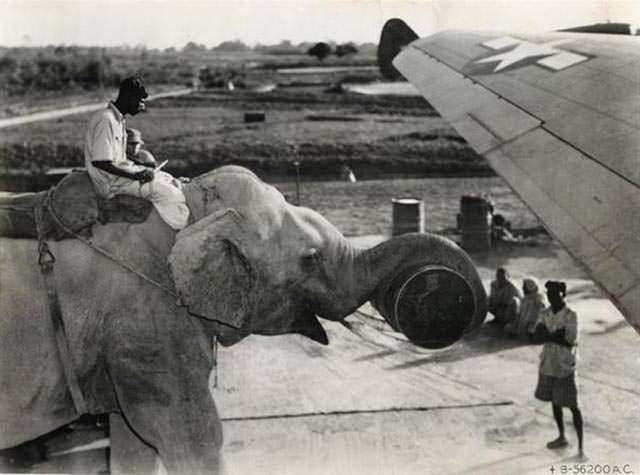
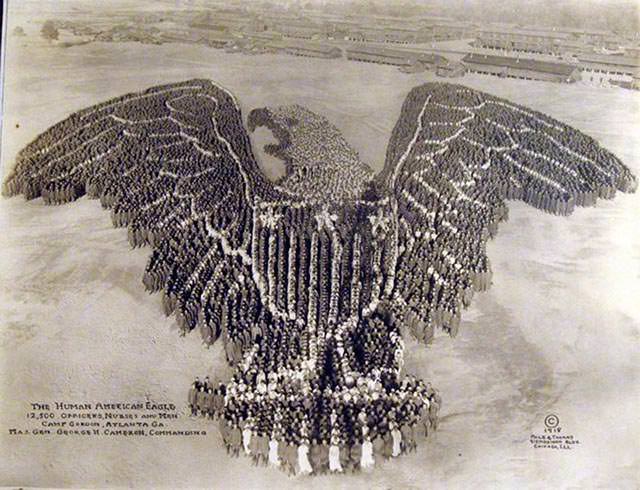
Military photos deliver their own share of the unexpected. During World War II, British soldiers posed with captured German Goliath remote-controlled tank busters. American troops in 1945 used a working elephant to load supplies onto a plane. Back home at Camp Gordon in 1918, hundreds of soldiers arranged themselves into the shape of a giant eagle for an aerial photograph.
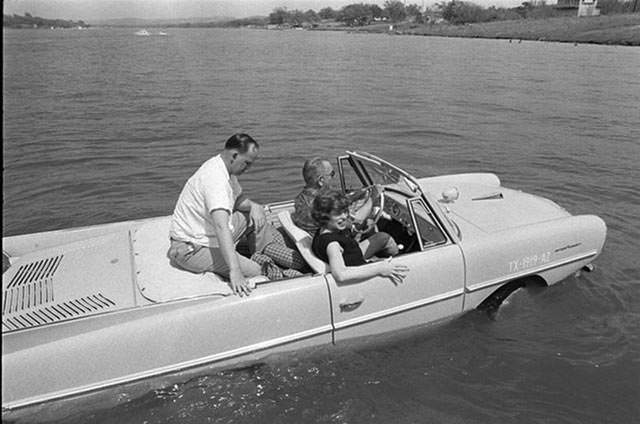
Presidents weren’t above a good prank either. In 1965, Lyndon B. Johnson took guests for a ride in what appeared to be a regular car — then drove it straight into a lake, revealing it was fully amphibious. The screams from his passengers were reportedly very real.
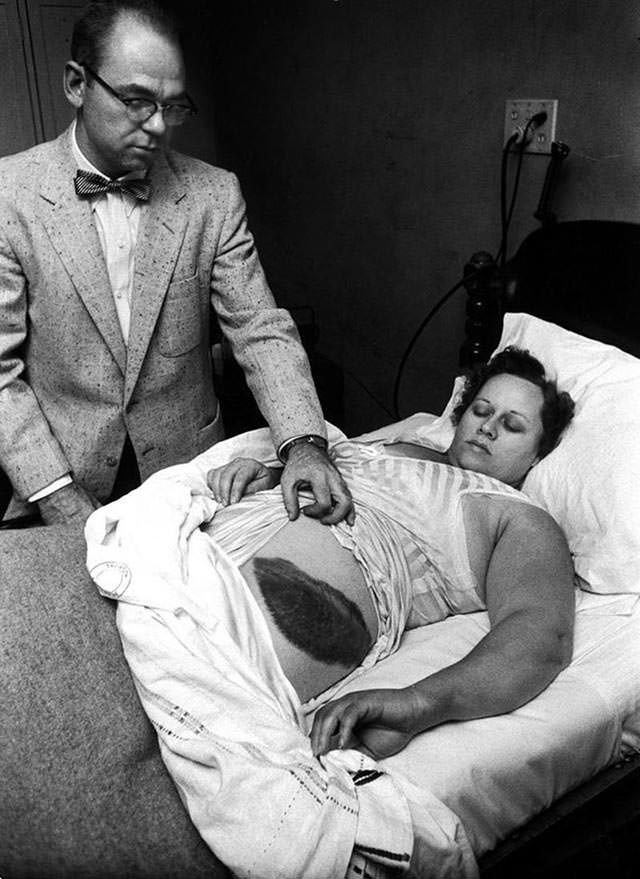
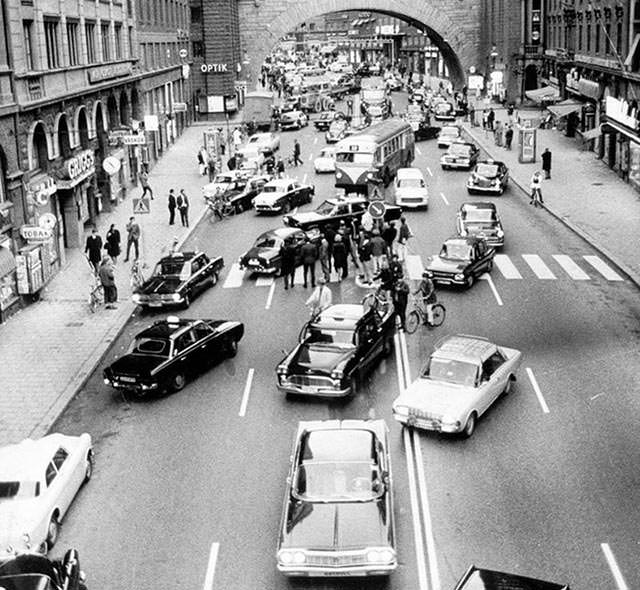
Some photos highlight moments of remarkable coincidence or record-breaking achievement. In 1954, Ann Hodges became the only documented person in history to be struck by a meteorite and survive. Sweden’s overnight switch from left-hand to right-hand traffic in 1967 produced gridlock photos that look almost impossible to believe.
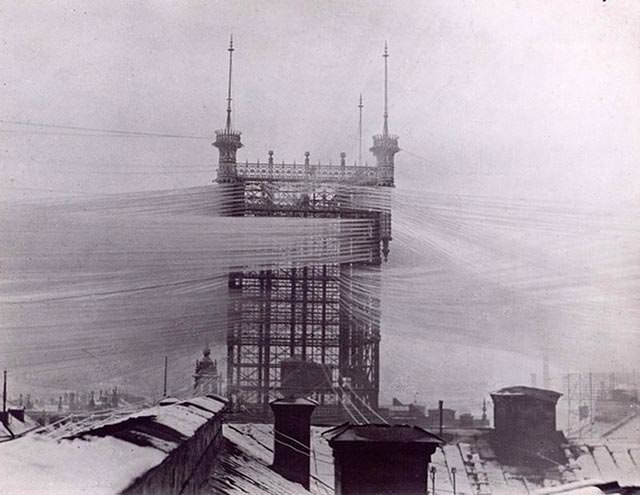
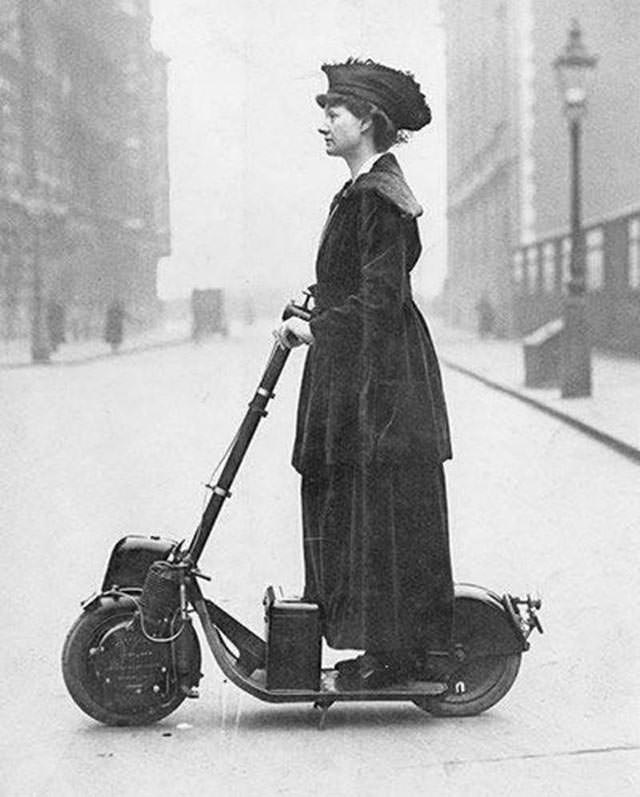
Technology also looked very different a century ago. Stockholm’s Telefontornet tower, photographed in 1890, connected roughly 5,000 telephone lines through a single chaotic hub of wires stretching in every direction. In 1916, a woman cruised through the streets on an early electric scooter — decades before they became common.
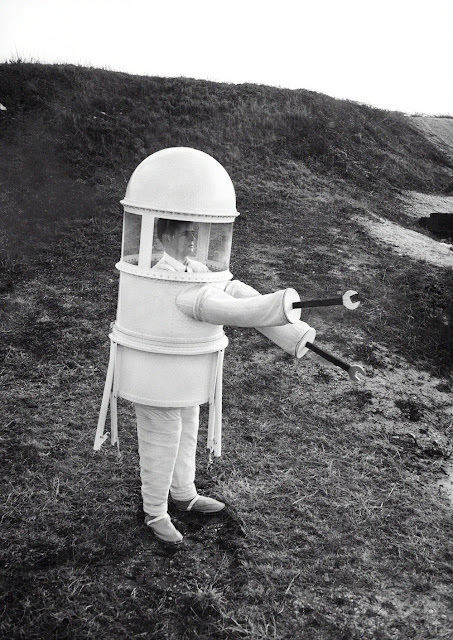
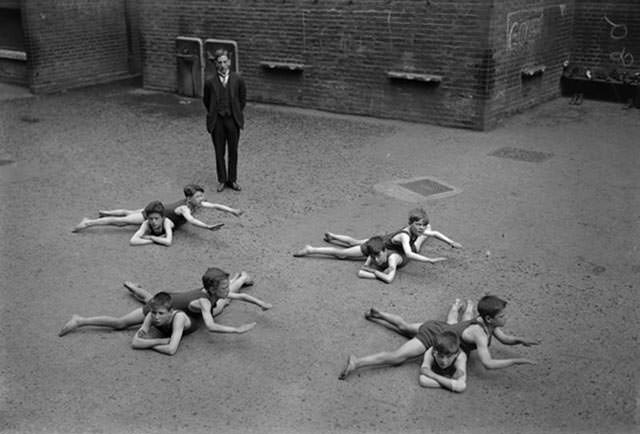
In 1960, Republic Aviation Corporation unveiled a full space suit designed specifically for walking across an airless lunar surface — nine years before the Apollo 11 moon landing. Meanwhile, in 1922, children practiced swimming strokes on dry land, lying across chairs in a gymnasium with no water in sight.
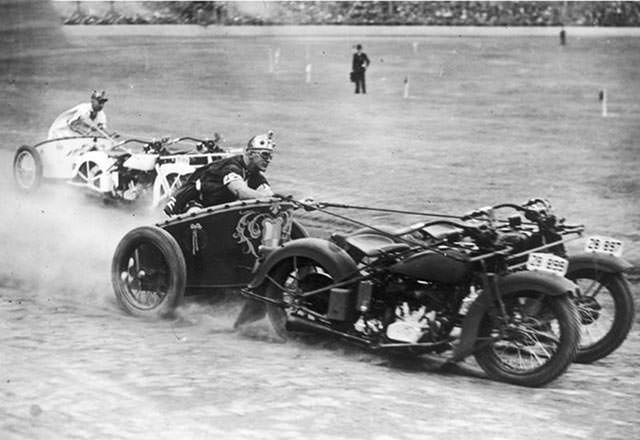
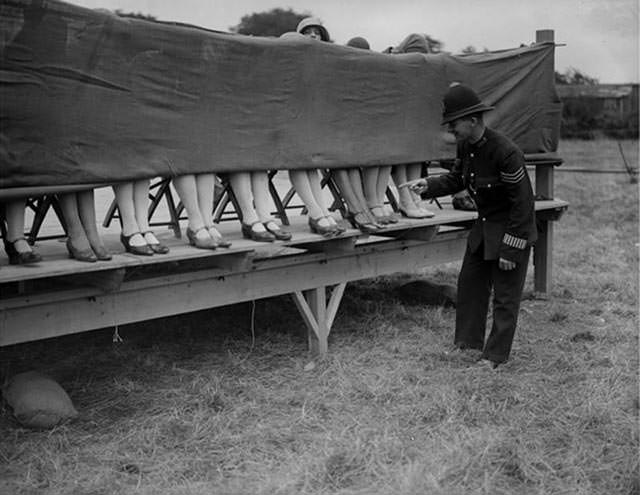
Other snapshots simply defy easy explanation. In 1936, New South Wales police officers rigged their motorcycles into racing chariots for what appears to be a friendly competition. In 1930, a London police officer served as official judge of an ankle beauty contest. Life between major historical events was full of this kind of spontaneous, unscripted strangeness.
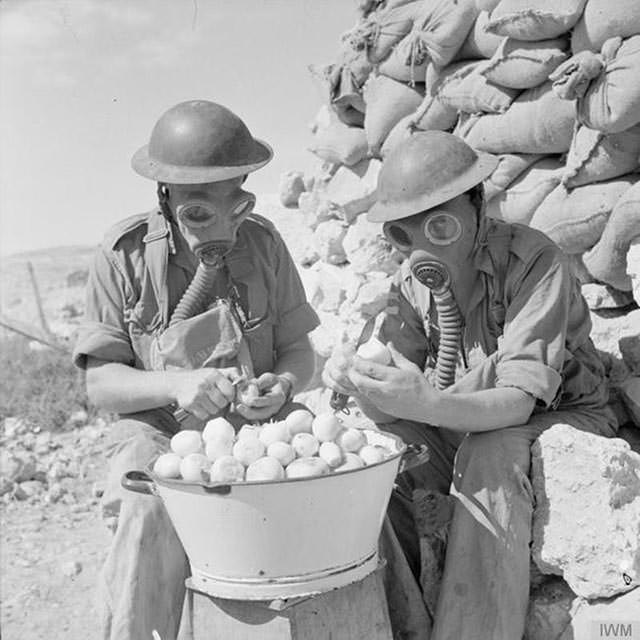
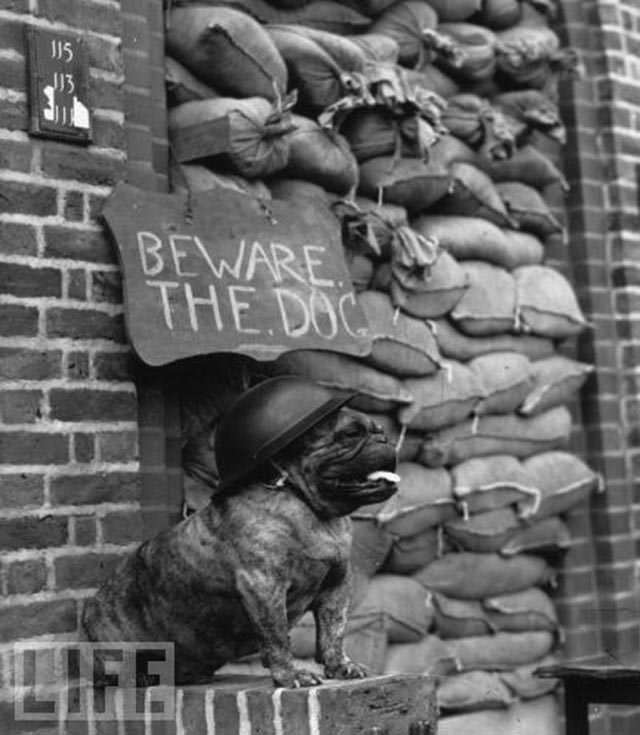
Wartime ingenuity produced some of the most memorable images. In 1941, soldiers peeled onions while wearing full military gas masks to avoid tearing up. During the London Blitz, a British bulldog sat guard in front of a barricaded home — a photo that became a symbol of stubborn resistance.
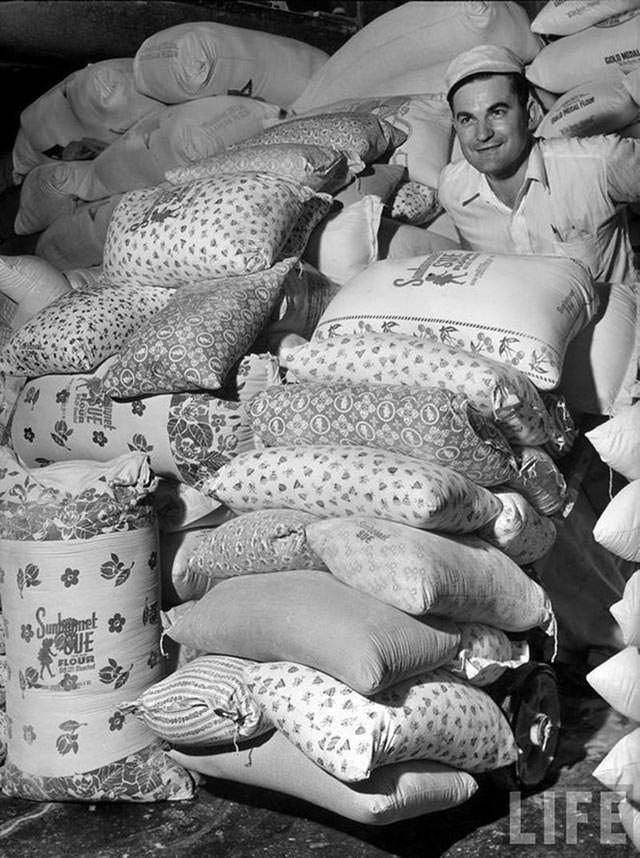
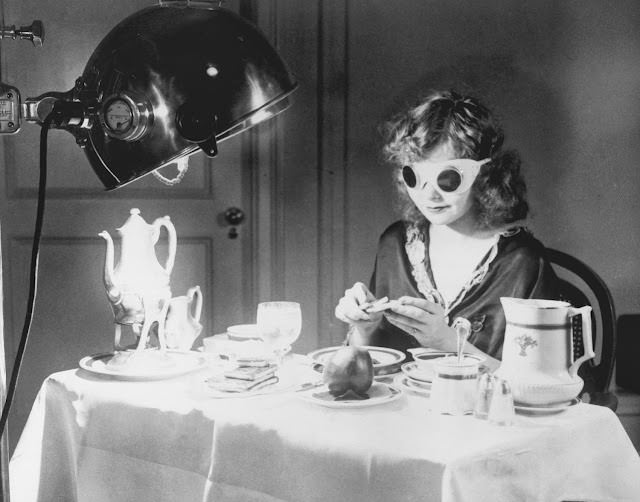
Some industries found creative solutions to very specific problems. In 1939, flour mills began printing their sacks with floral fabric patterns so that women could repurpose the cloth for clothing during lean times. In 1925, office workers sat under quartz lamps to absorb artificial Vitamin A during the winter months — a practice sold as a health necessity.
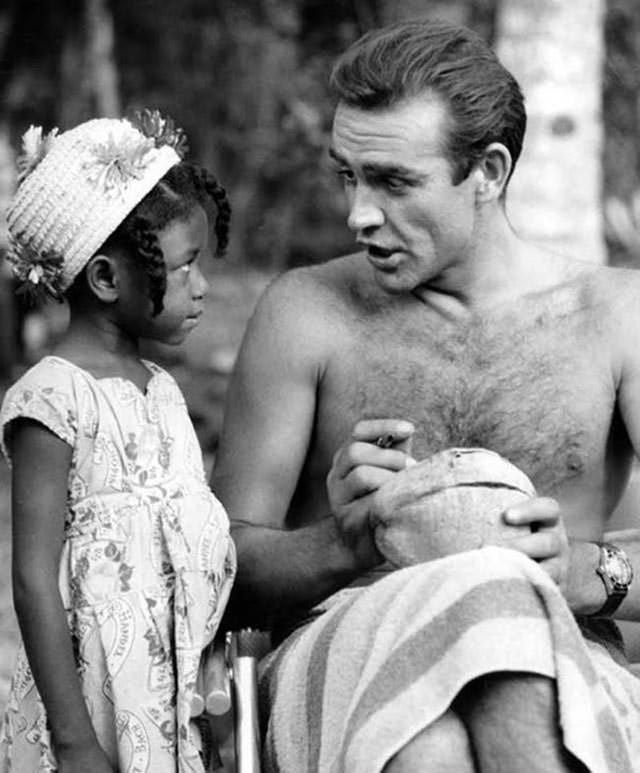
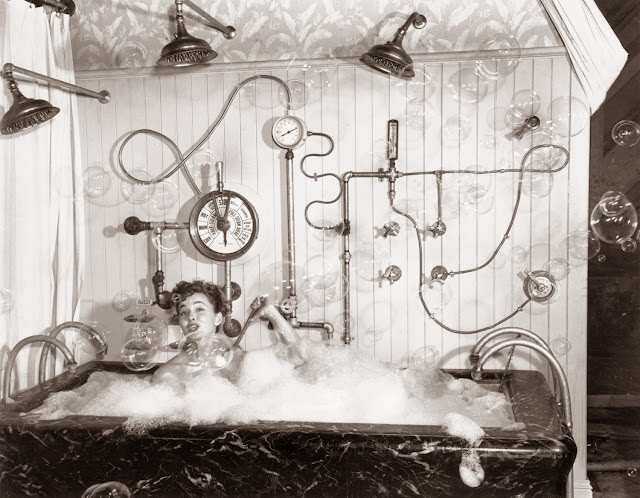
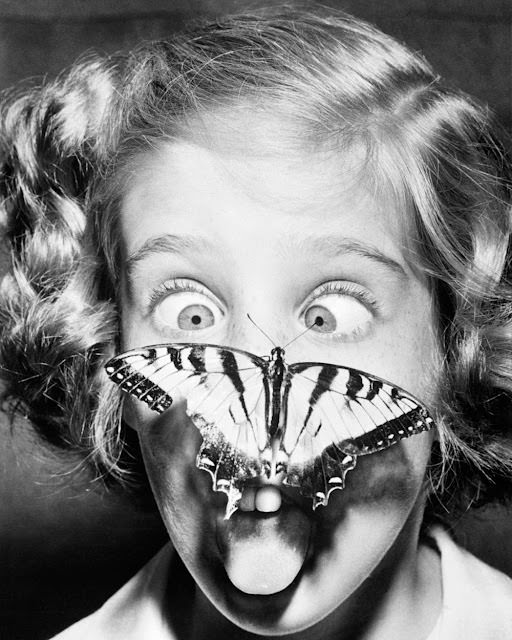
Celebrities appear in their own unexpected moments. In 1962, a young Sean Connery signed a coconut for a fan in Jamaica. In 1949, actress Ann Blyth posed in a bubble bath surrounded by an assortment of gadgets. In 1960, a butterfly landed squarely on Susan Bermann’s nose for a photo that looks too perfectly timed to be real.
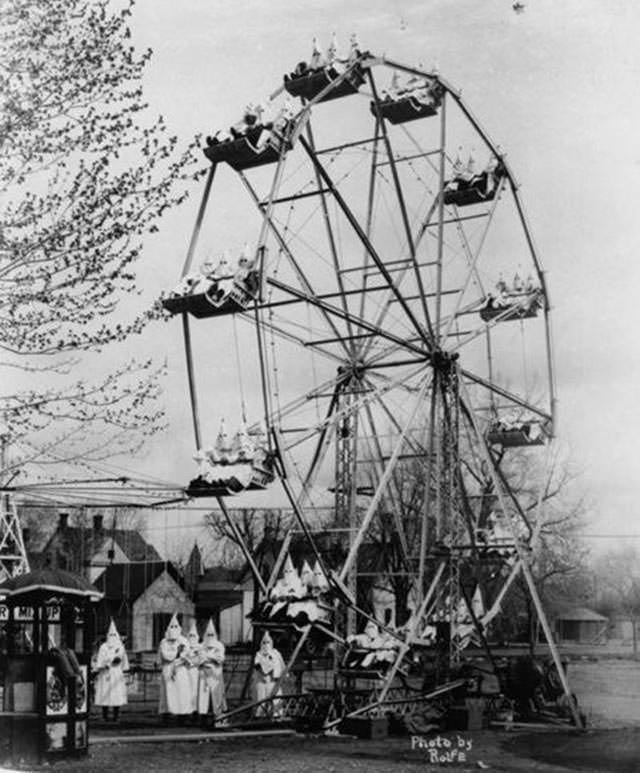
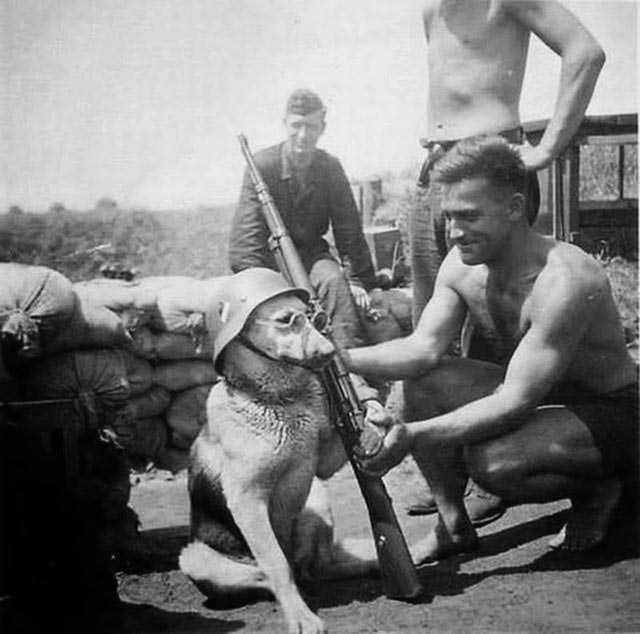
Some photos carry a darker weight. A 1925 image shows Ku Klux Klan members at a public carnival in Canon City — hoods and all — a chilling reminder of how openly that organization operated during that era. A 1940 photo of a German soldier carefully posing his dog for a portrait stands in quiet contrast to the war raging around him.
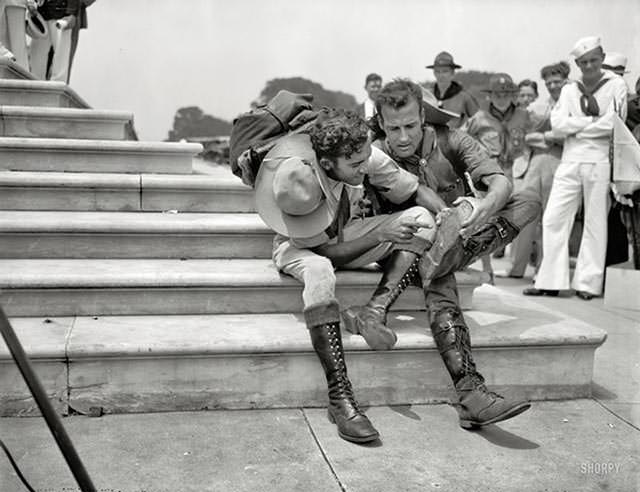
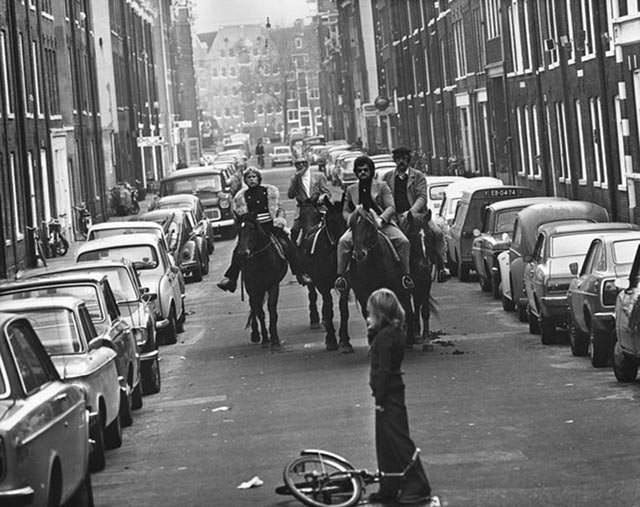
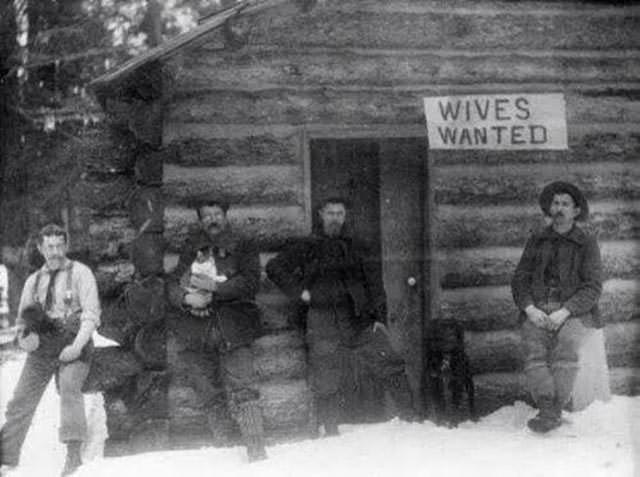
Then there are the purely joyful ones. In 1920, exhausted Boy Scouts posed for a photo after completing an 8,000-mile hike to the first World Jamboree. In 1973, Amsterdam residents on a motor-less day took to the streets on horseback — cars banned, horses welcomed. In 1901, a group of Montana woodsmen held up a sign advertising for wives, posing with total confidence in the snow.
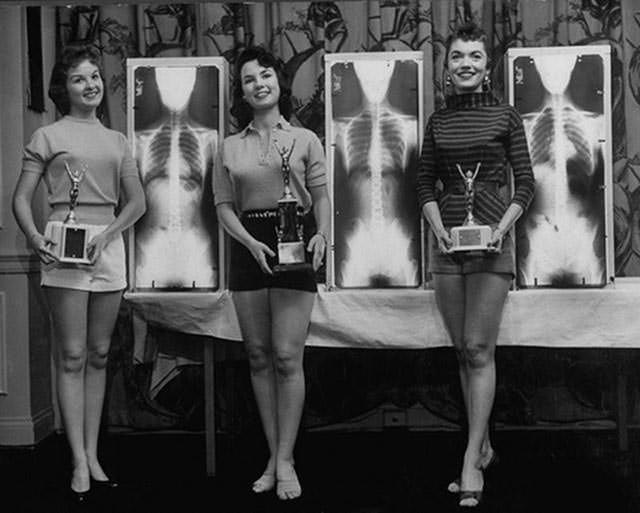
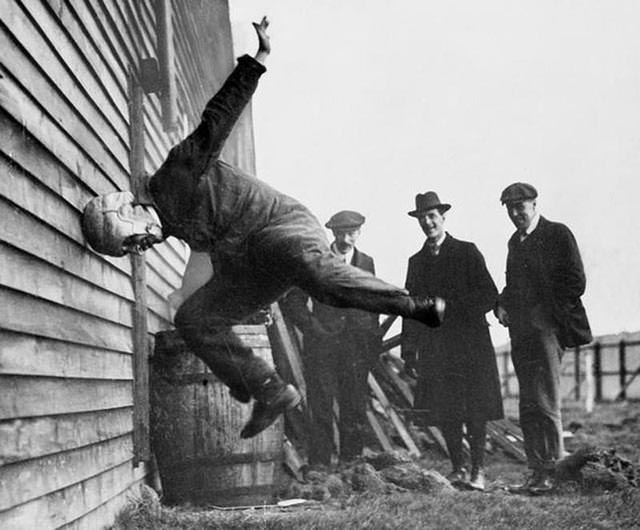
A 1956 chiropractor convention held a Miss Perfect Posture contest, with winners photographed balancing books on their heads. That same year’s photo of a 1912 football helmet prototype being tested shows a head-shaped contraption that looks more like a torture device than protective gear. These moments remind us that even routine professional life had room for the bizarre.
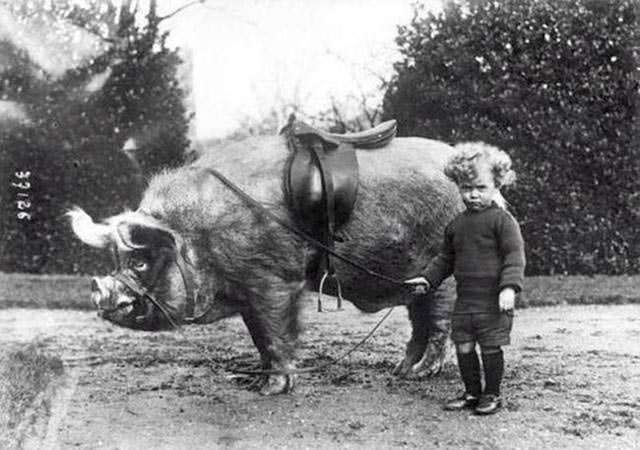
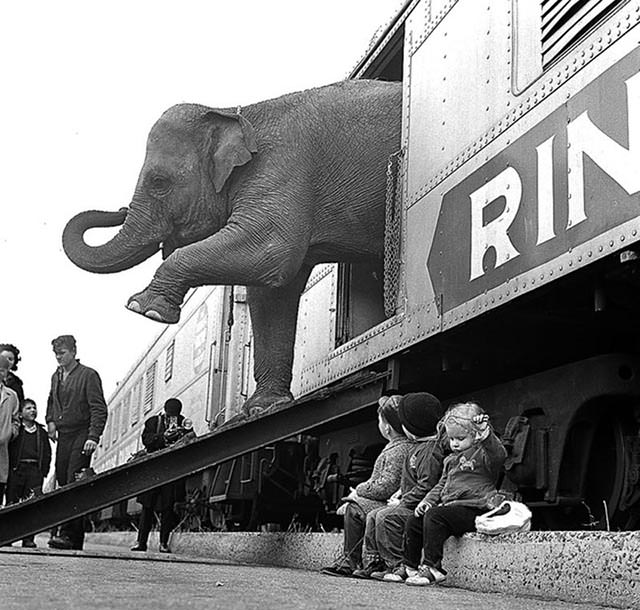
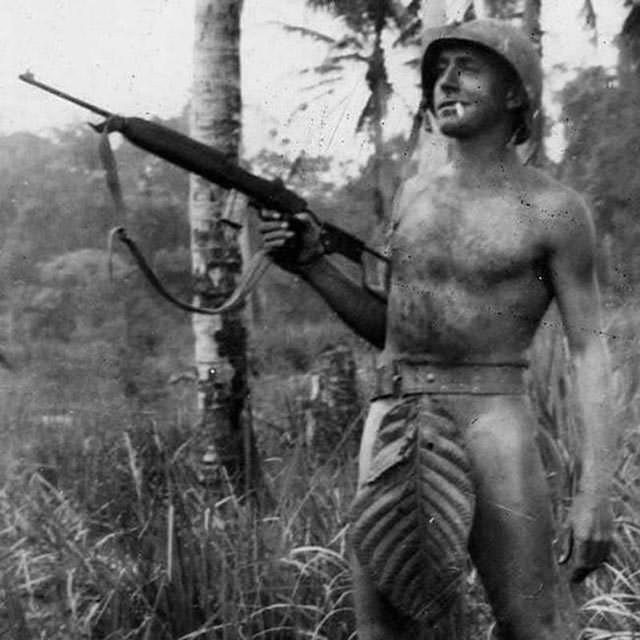
A 1930s boy stands casually beside his boar — which he apparently rode like a pony. A 1963 photo catches a full-grown circus elephant squeezing out of a train car door. And in the 1940s, a US Marine posed in the Pacific Islands with the kind of relaxed confidence that made for one of the era’s most memorable portraits.
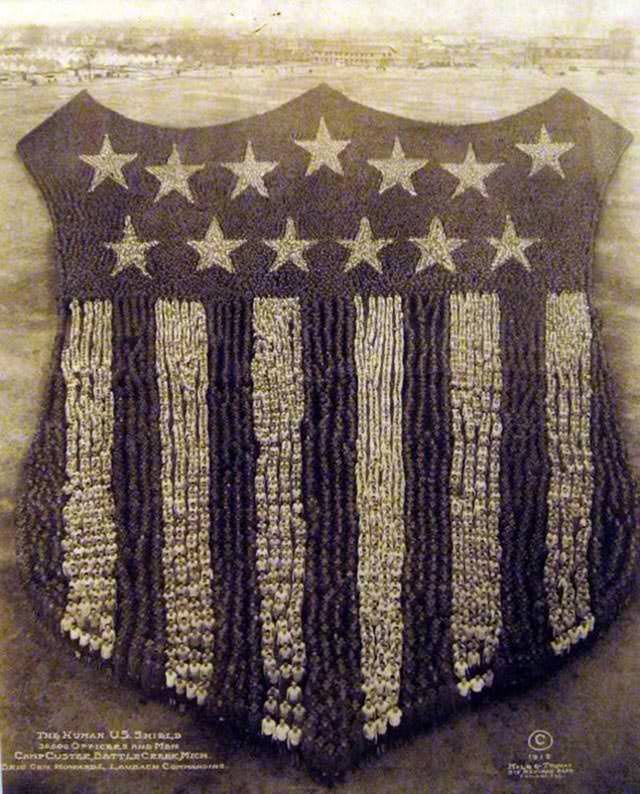
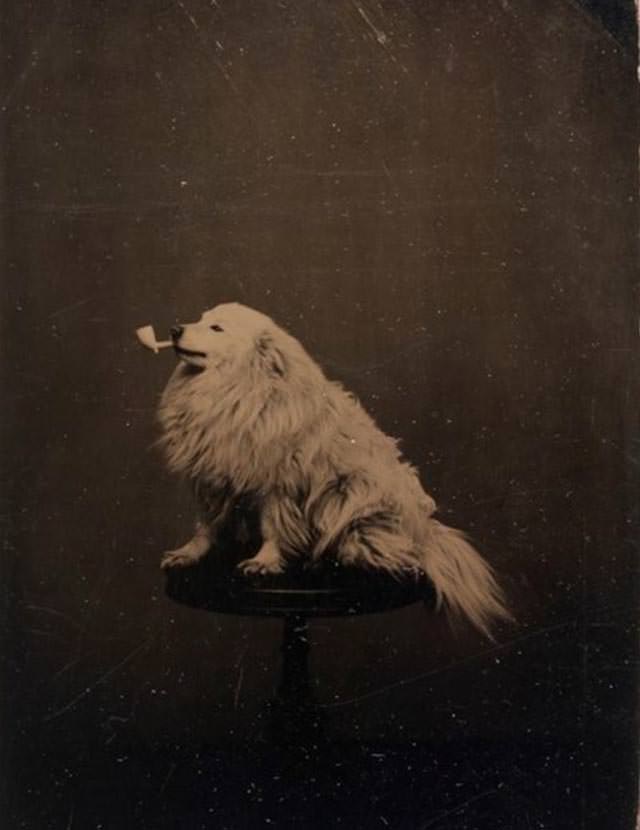
In 1918, 30,000 men from Camp Custer broke a record — captured in a sweeping aerial photograph that showed the sheer scale of American military mobilization. And in 1875, a dog sat for a formal portrait with a pipe, with the same solemn dignity as any Victorian gentleman.
Patricia O’Keefe appeared twice in the same 1940 photo session — first holding a 200-pound man on her back, then giving him a full piggyback ride. Whether it was a strength demonstration or just showing off, the camera caught it all.
In 1910, teachers celebrated spring break in a photo that looks no different from how any group of colleagues would today. That timelessness — the laughter, the goofing off, the sheer human need to have fun — runs through all of these images. The clothes change. The gadgets change. The impulse behind them never does.