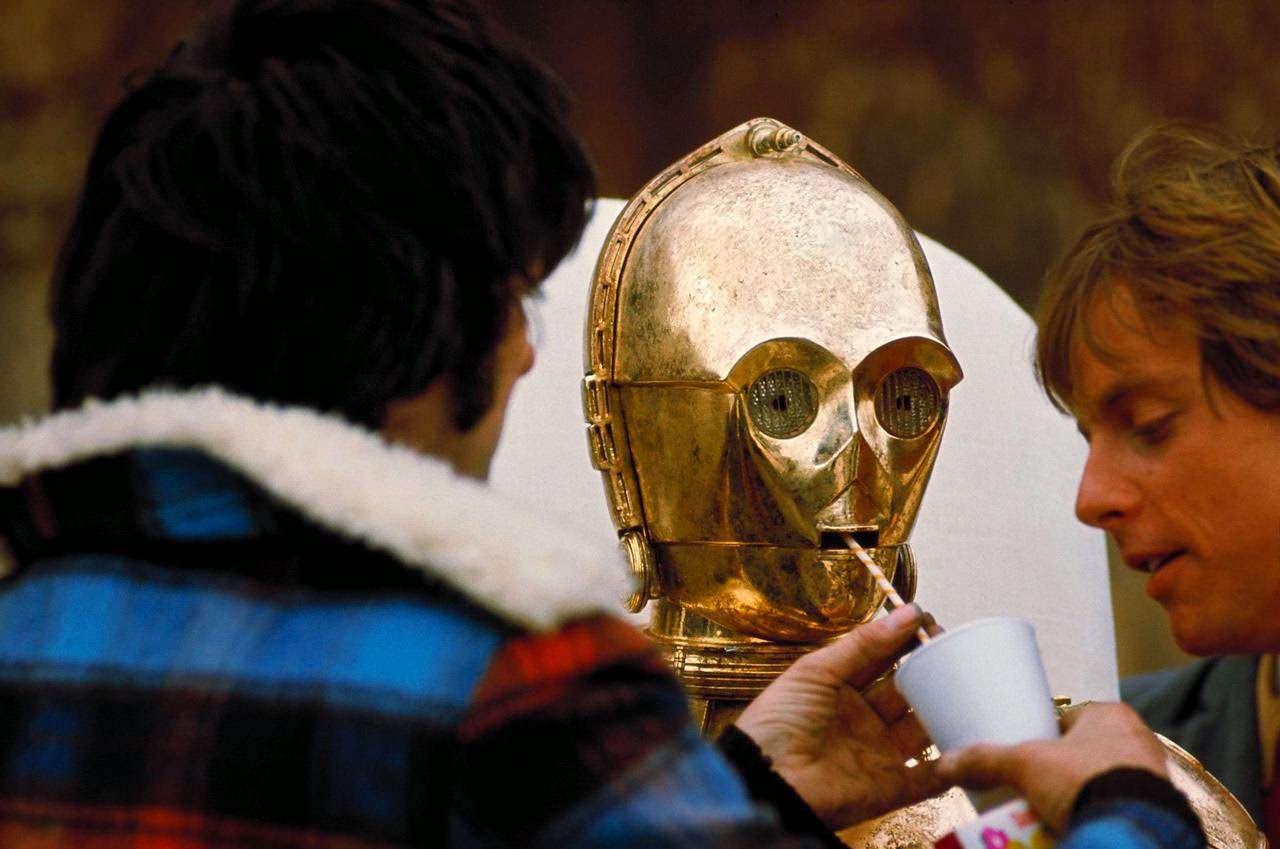
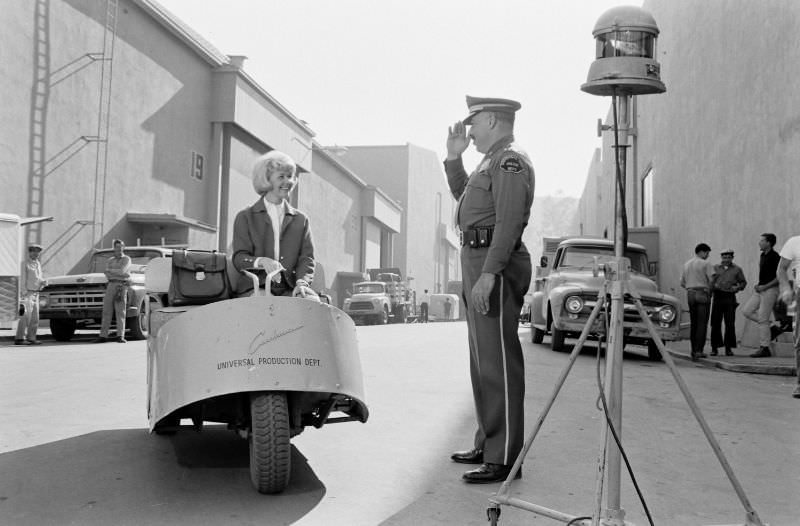
Founded in 1912, Universal Studios holds the title of the oldest surviving film studio in the United States. By 1963, it was a full-scale city unto itself — a sprawling lot in Hollywood where dozens of productions ran at once, stars crossed paths with extras, and prop men hauled everything from rubber rocks to stuffed lions between sets. That year, LIFE magazine photographer John Dominis was granted rare access to the lot, and the images he captured offer one of the most detailed looks at a working studio in the golden age of Hollywood.
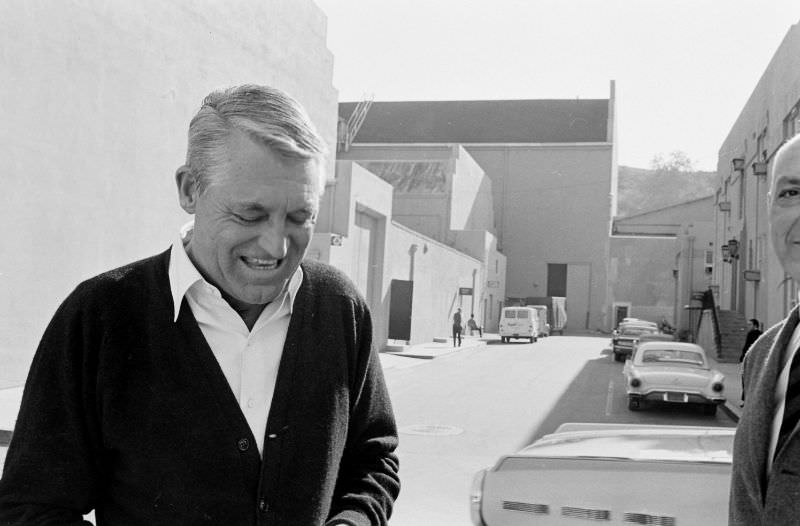
Stars like Cary Grant moved through the lot as part of their everyday working life. There was nothing glamorous about the logistics of it — the lot was a place of labor as much as performance. Crew members, makeup artists, directors, and actors all shared the same streets and commissaries.
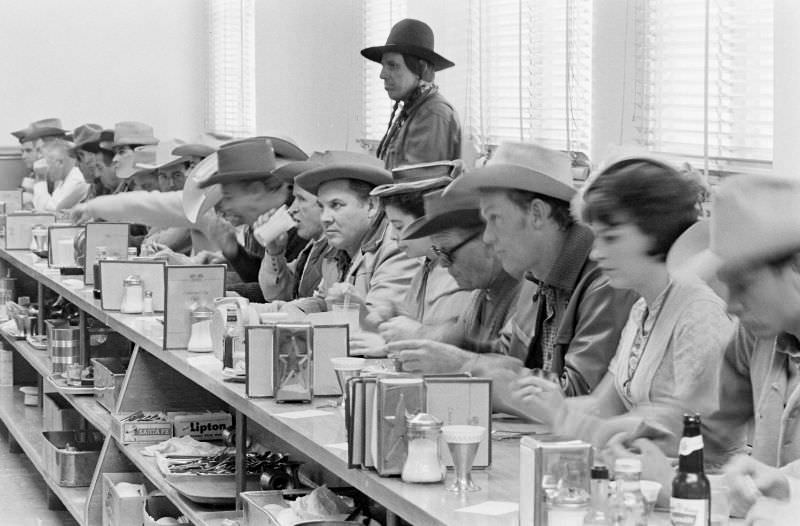
At lunchtime, the commissary became one of the most revealing corners of the lot. Western TV productions were shooting constantly at Universal in 1963, and the lunch crowd reflected it.
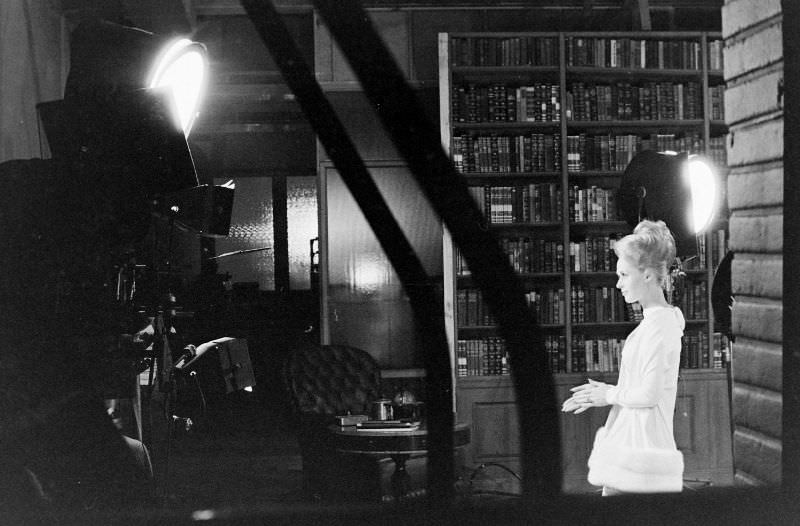
While extras waited for their scenes, other parts of the lot were focused on preparing the next generation of stars. Alfred Hitchcock was deep in pre-production on Marnie, and screen tests were underway to find the right lead.
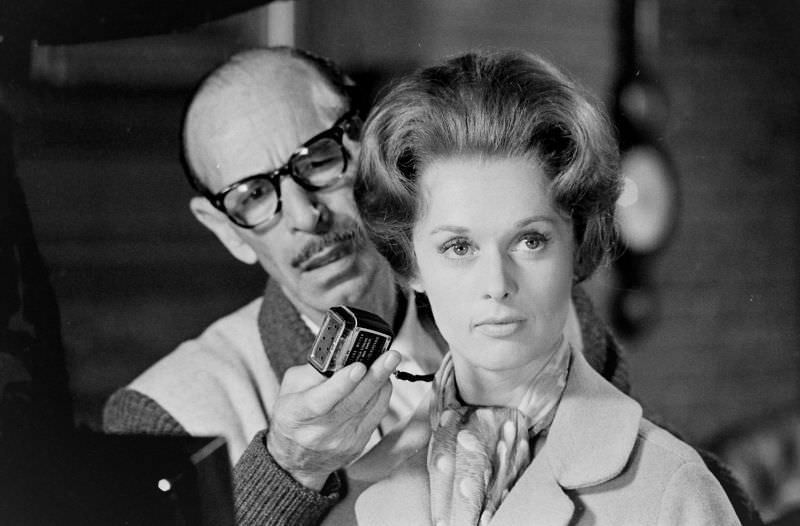
Tippi Hedren’s screen test for Marnie took place at Universal that year. Behind the camera, technical departments were just as busy. In the makeup department, detailed preparation work went far beyond simple cosmetics.
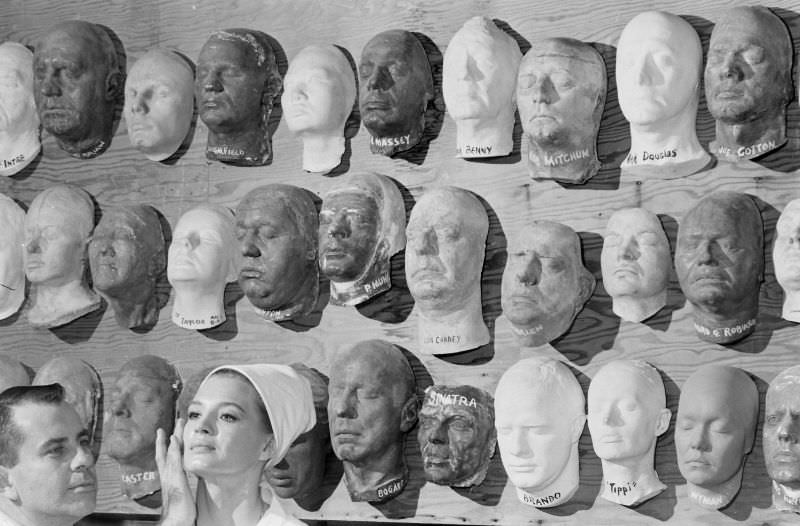
Makeup department head Bud Westmore was one of the most respected craftsmen in Hollywood. Creating plaster face molds was a standard process used to build custom prosthetics and masks for actors. The technique required precision and time — two things the Universal lot had built its entire operation around.
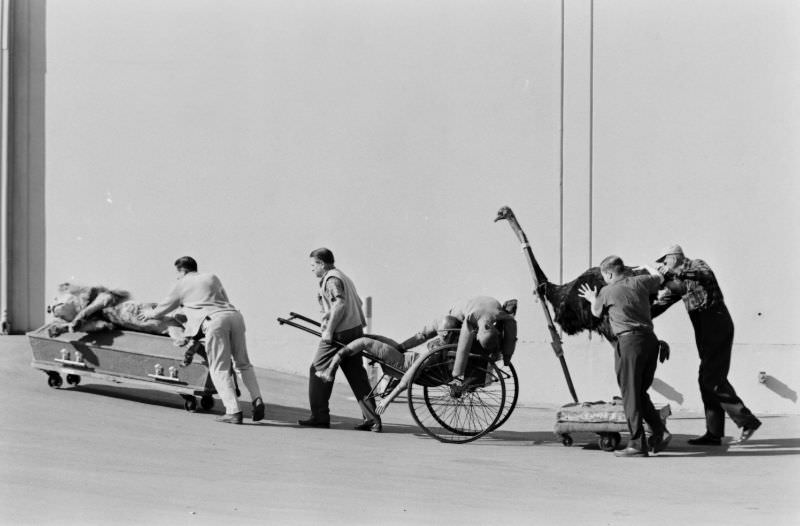
Between sound stages, the streets of the lot stayed in constant motion. Prop men were the backbone of daily operations, moving equipment, set pieces, and oddities from one corner of the lot to another.
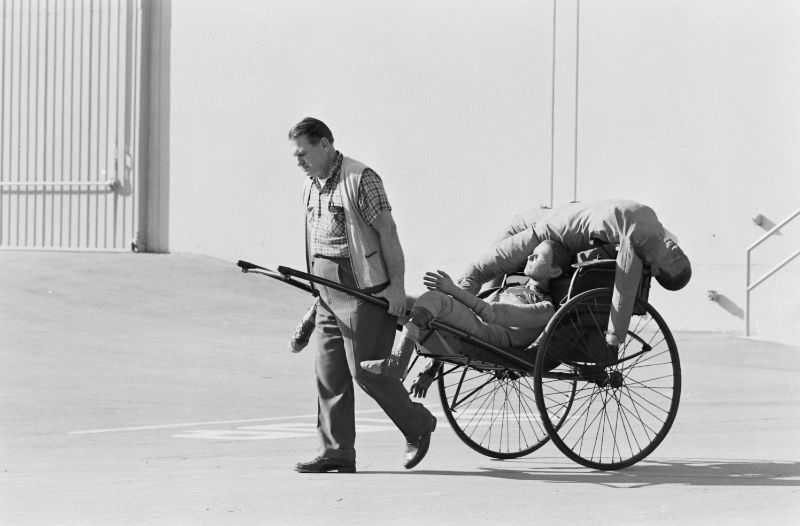
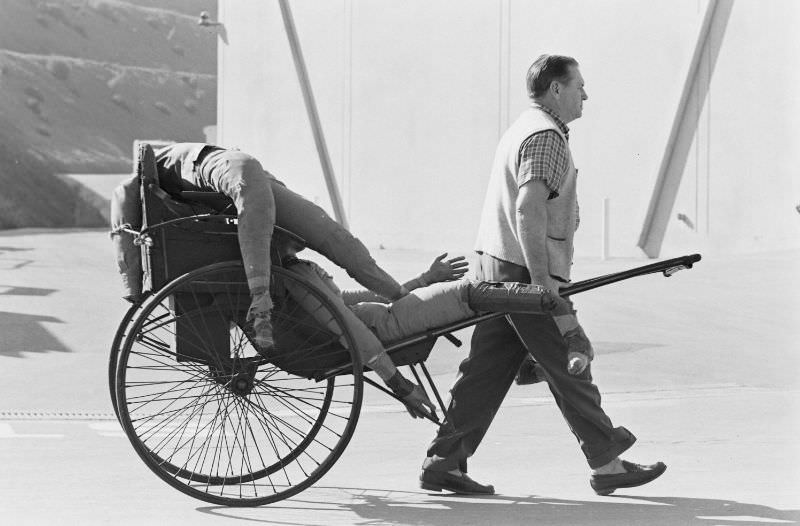
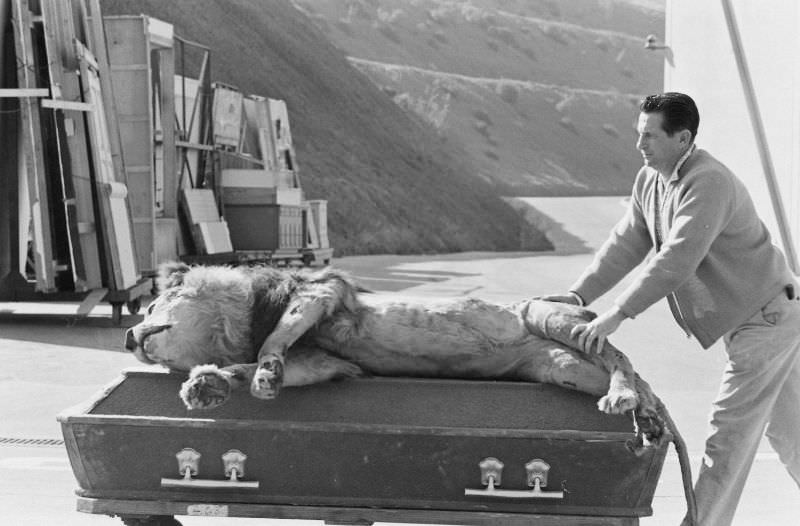
Among the more unusual sights Dominis photographed was a prop man transporting a full-sized stuffed lion across the lot. On a studio backlot, that qualified as an ordinary Tuesday.
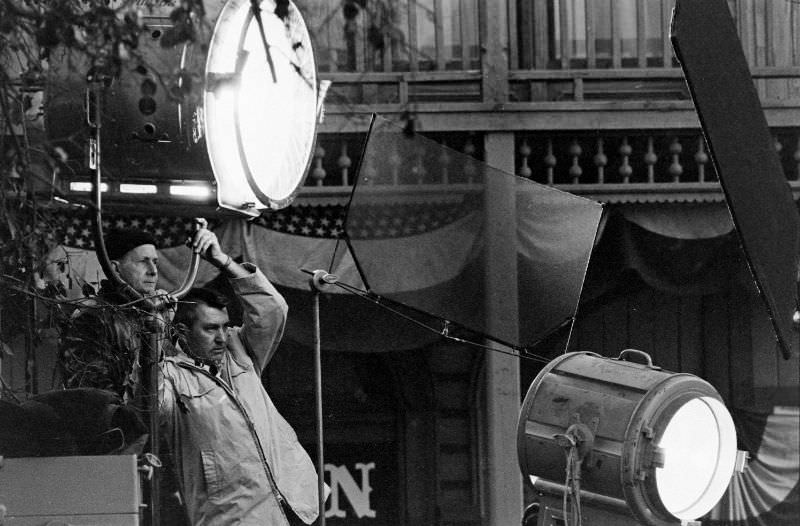
Construction and maintenance crews kept the lot’s many standing sets in shape. Backlot sets had to be built, repainted, aged, or torn down depending on what was in production — and the cycle rarely stopped.
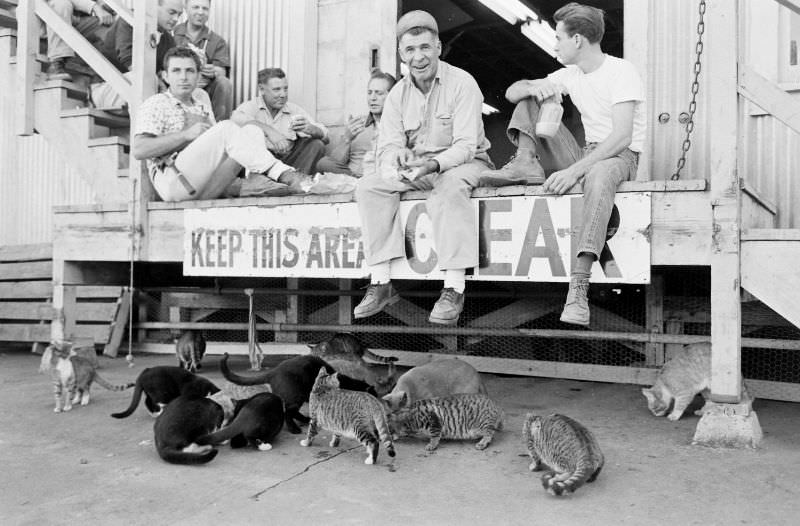
Life on the lot extended to its resident animals as well. A population of cats had taken up permanent residence at Universal, gathering daily near food sources around the property.

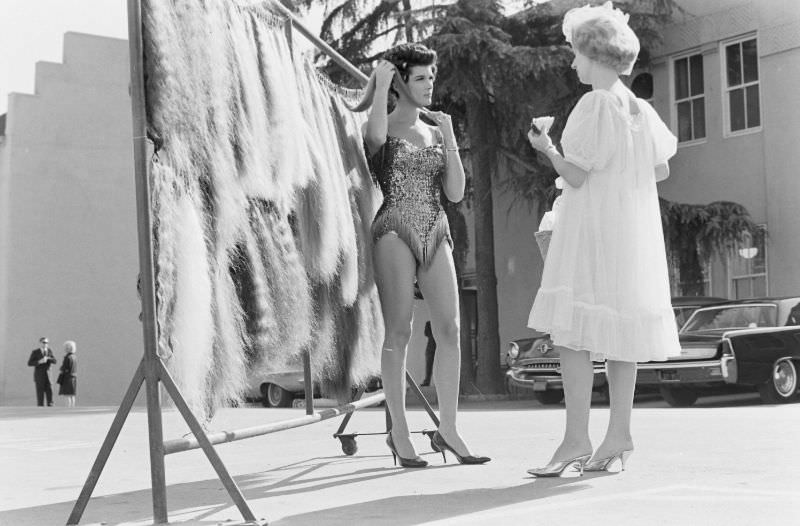
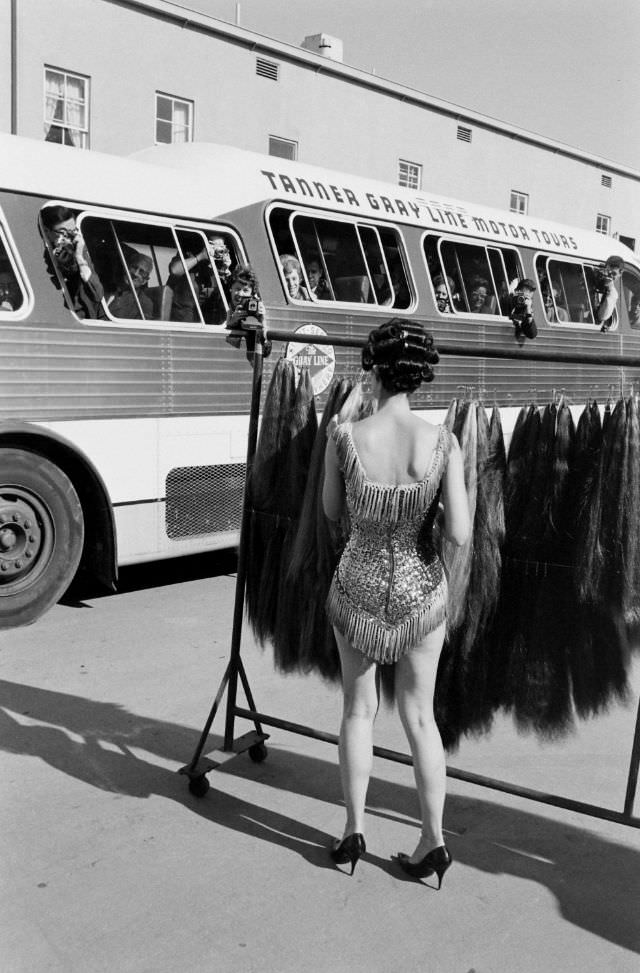
Dominis captured the lot at all hours and from every angle — busy intersections between sound stages, quiet back streets, and the outdoor sets that doubled as towns, jungles, and war zones depending on the production.
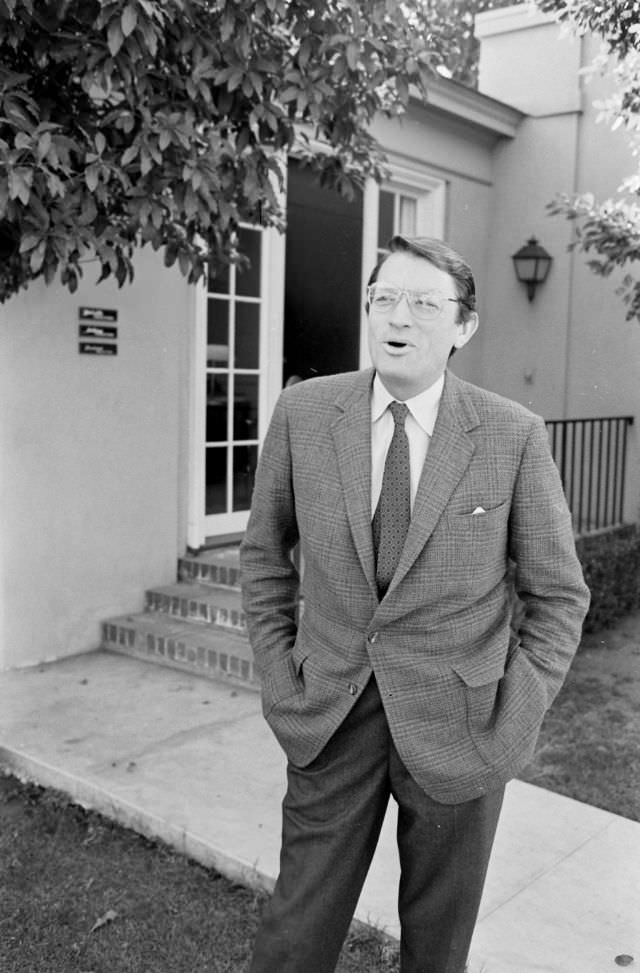
Gregory Peck was among the major stars Dominis encountered during his time on the lot. In 1963, Peck was at the height of his career, fresh off his Academy Award win for To Kill a Mockingbird earlier that year.
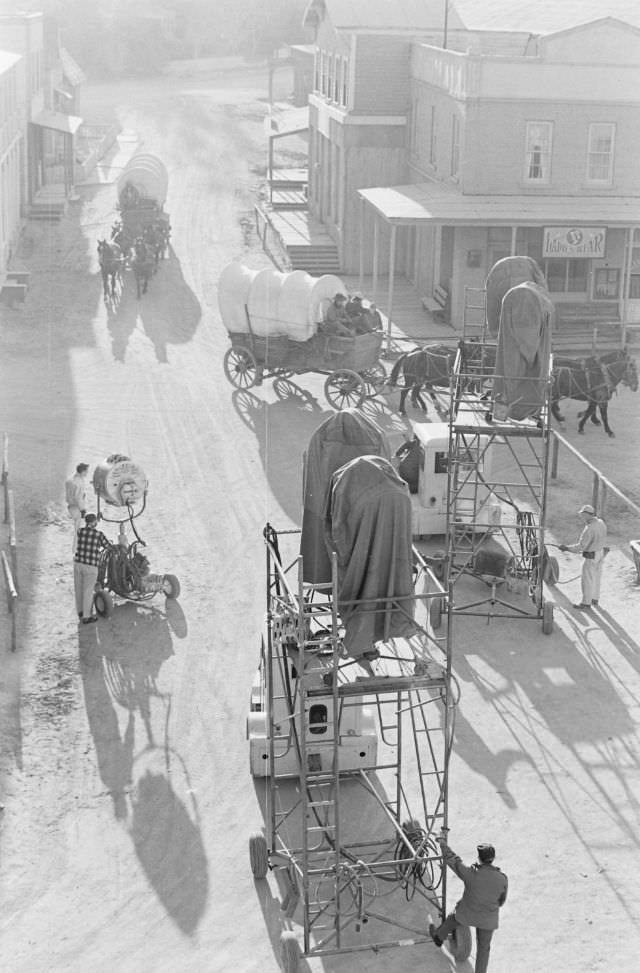
Western productions required large-scale outdoor filming, and the backlot’s standing frontier sets made Universal a top destination for television and film Westerns throughout the early 1960s.
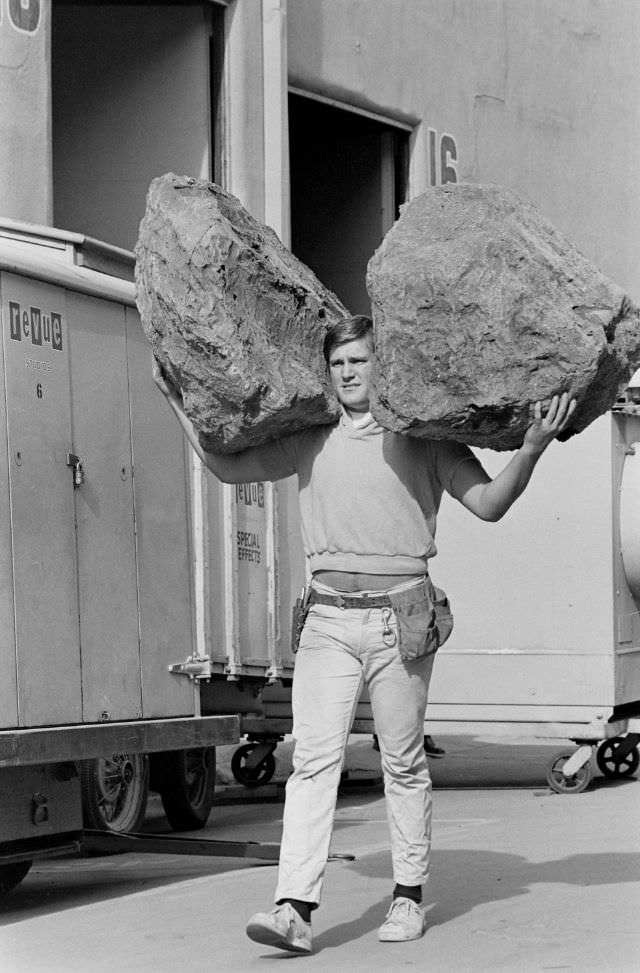
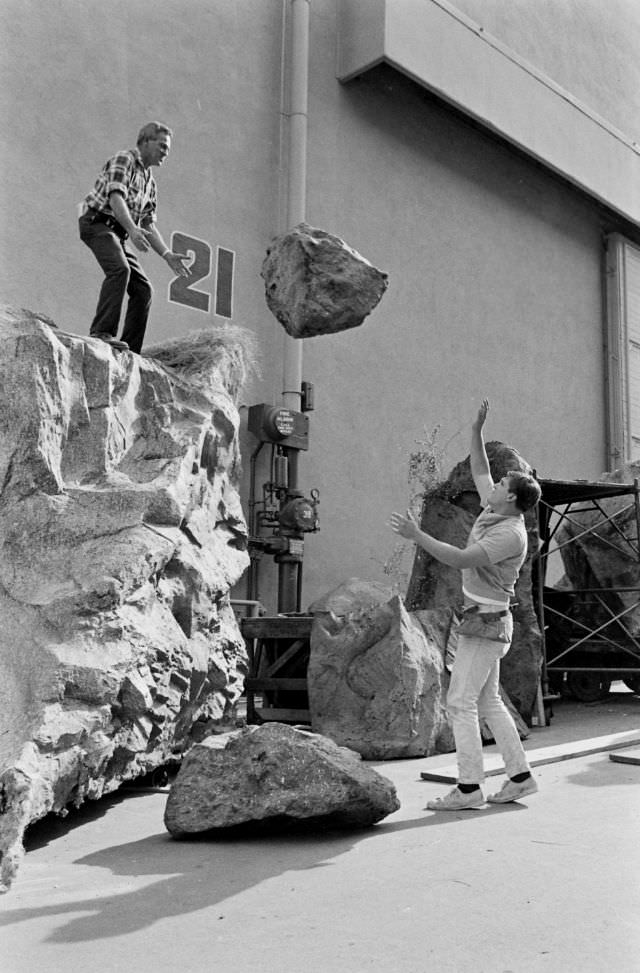
The prop department’s inventory was staggering. Rubber rocks were a staple — lightweight enough to throw, realistic enough to film. Prop men carried them by the armful across the lot daily.
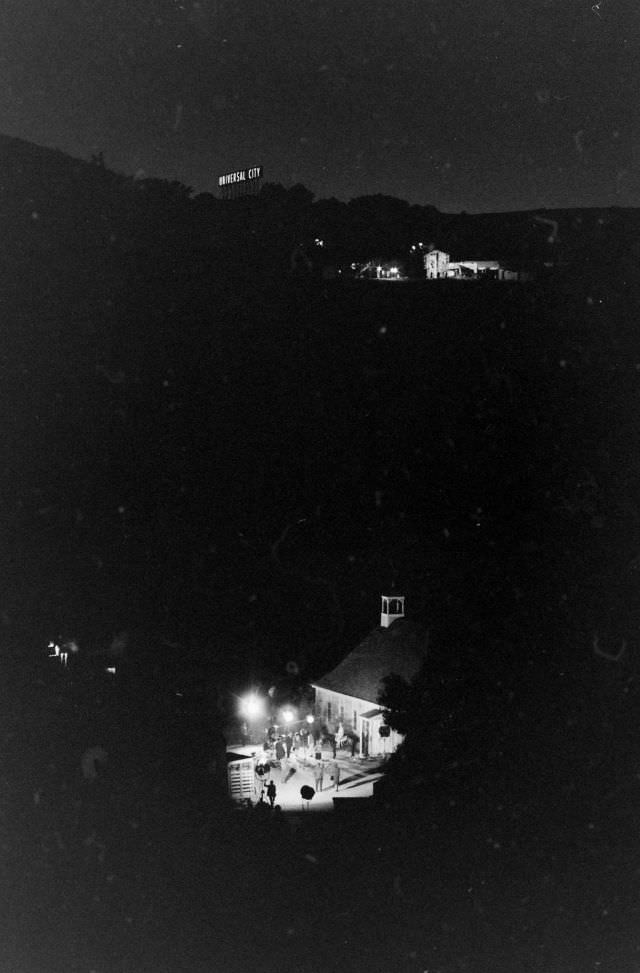
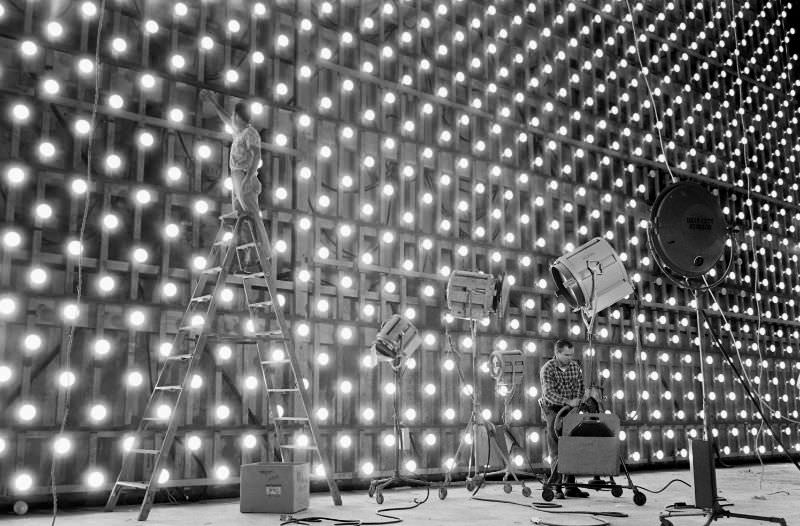
After dark, the lot took on a different character entirely. Exterior lighting illuminated the streets and building facades, and night shoots kept portions of the property active well past midnight.