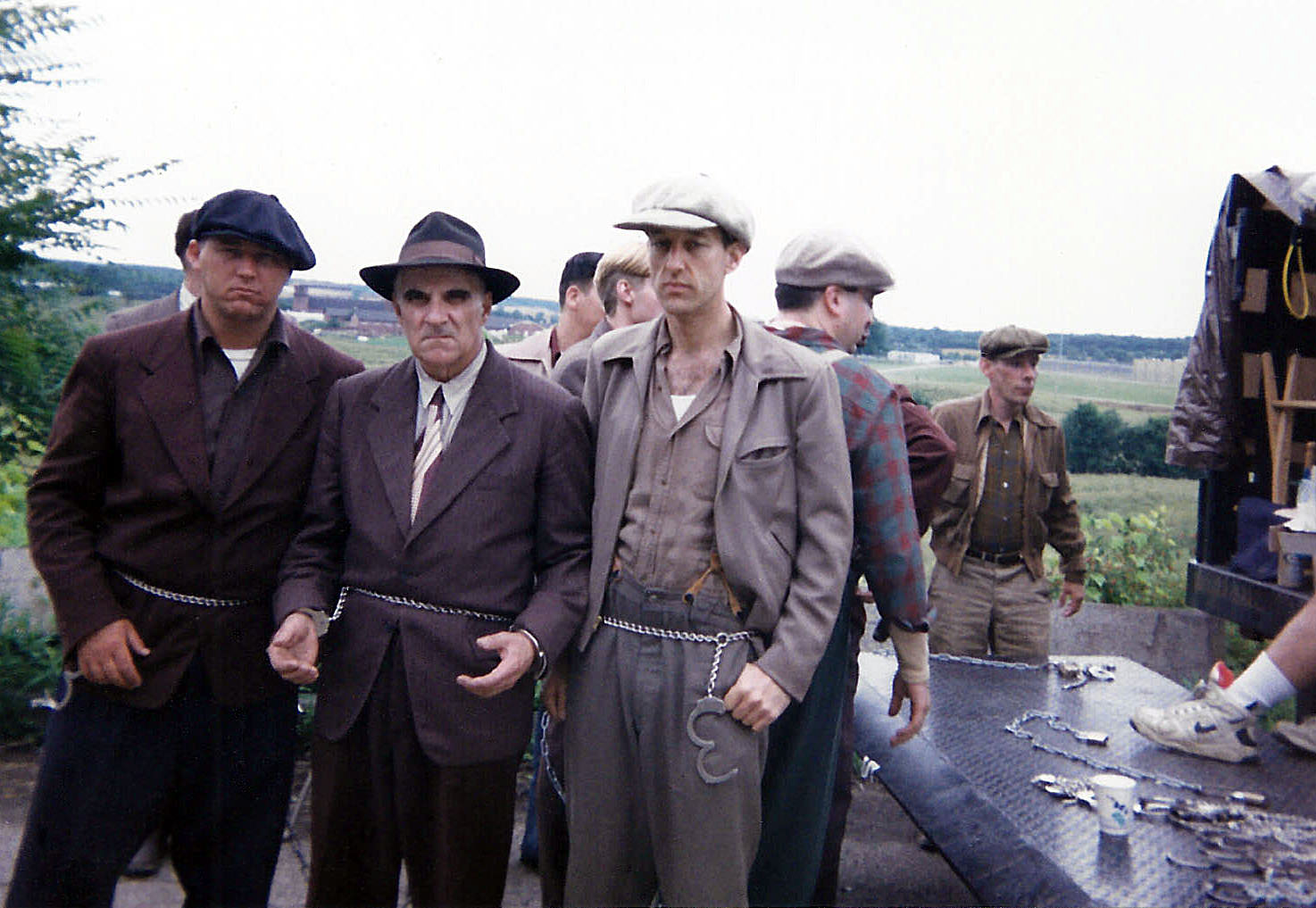
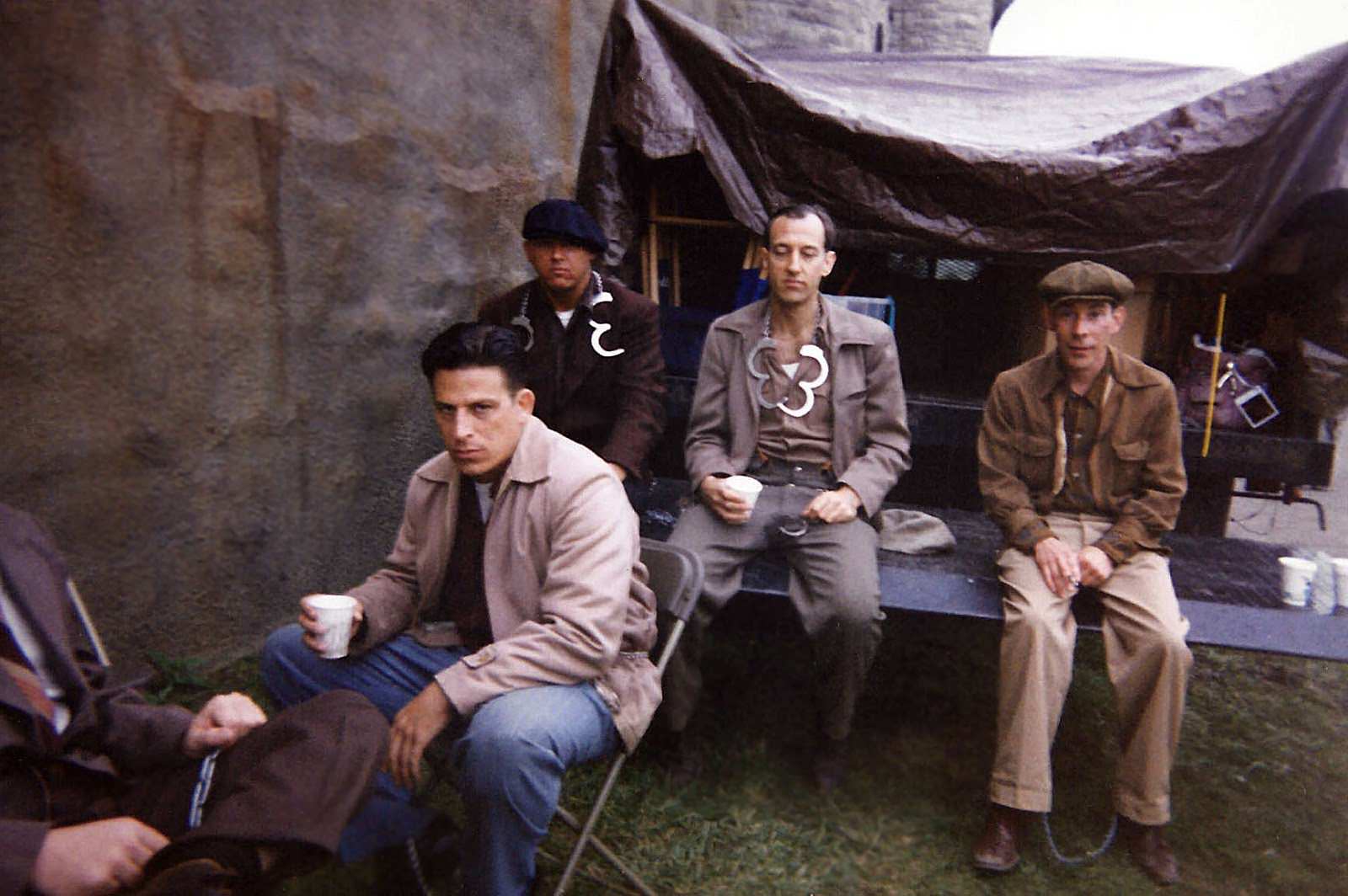
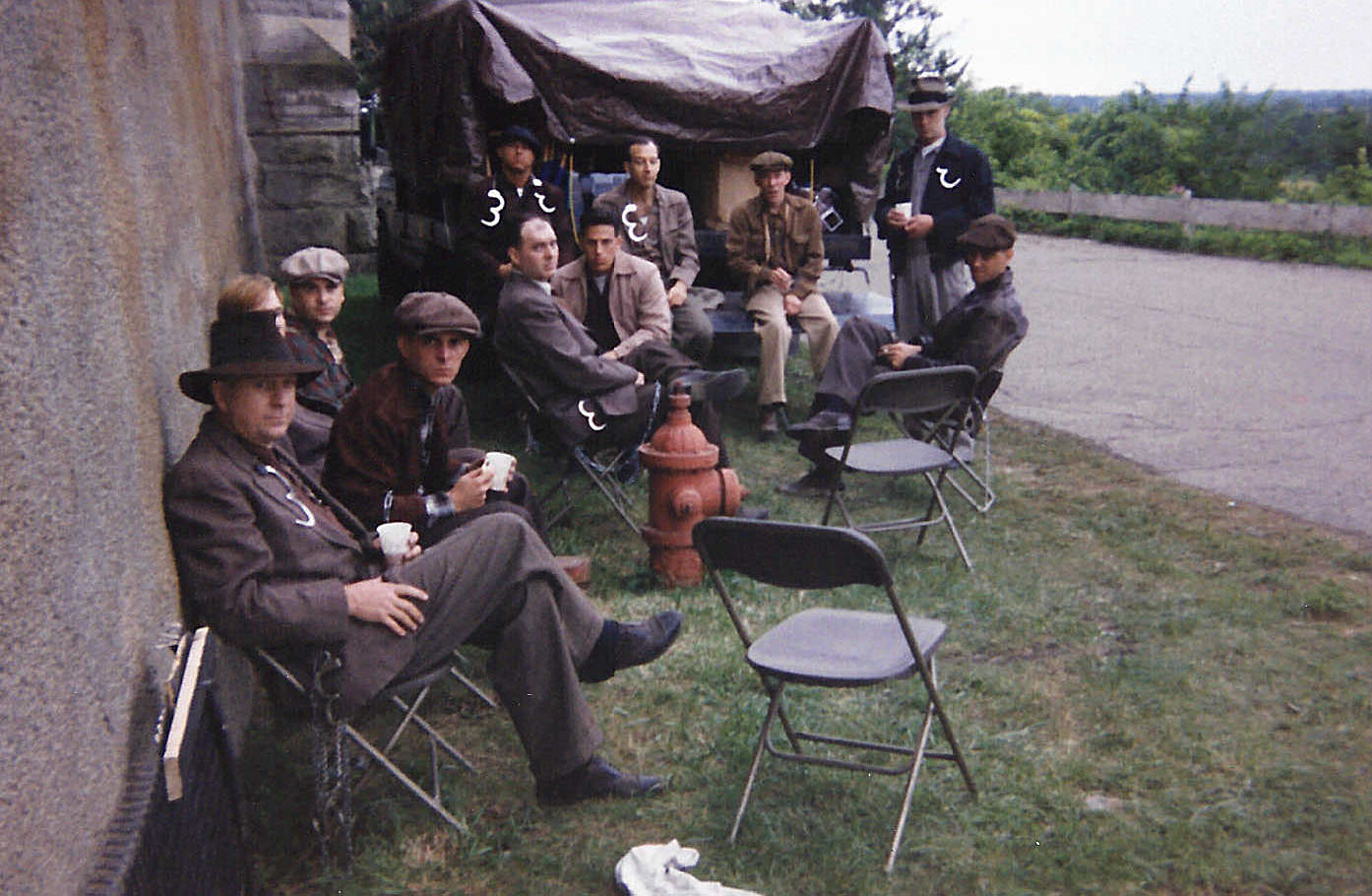
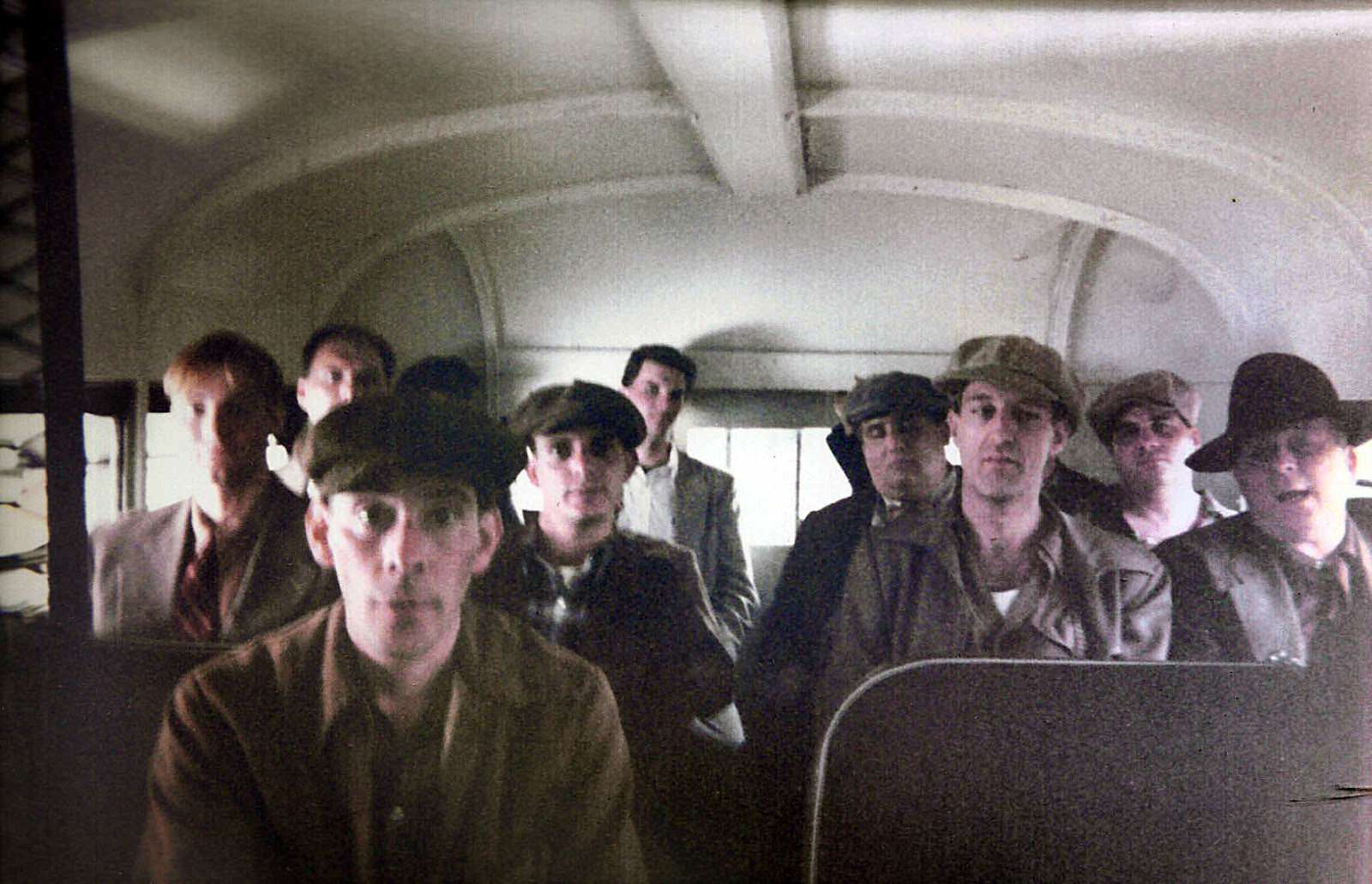
The Shawshank Redemption, released in 1994 by Columbia Pictures, is one of the most celebrated films ever made. Written and directed by Frank Darabont, the story is based on Stephen King’s novella “Rita Hayworth and Shawshank Redemption.” Darabont bought the rights to King’s story back in 1987, but the project sat untouched for five years before he finally wrote the screenplay — completing it in just eight weeks. The result was a film about survival, friendship, and quiet resilience inside the walls of a fictional Maine prison.

Despite the quality of the final product, the film was a box office disappointment when it first opened. Audiences largely passed it by during its theatrical run. It wasn’t until the film hit home video and later cable television that viewers began to discover it in large numbers. Word of mouth spread steadily, and what had been a commercial flop quietly transformed into a cultural phenomenon. Today it sits at the top of IMDb’s all-time ratings list, a position it has held for years.

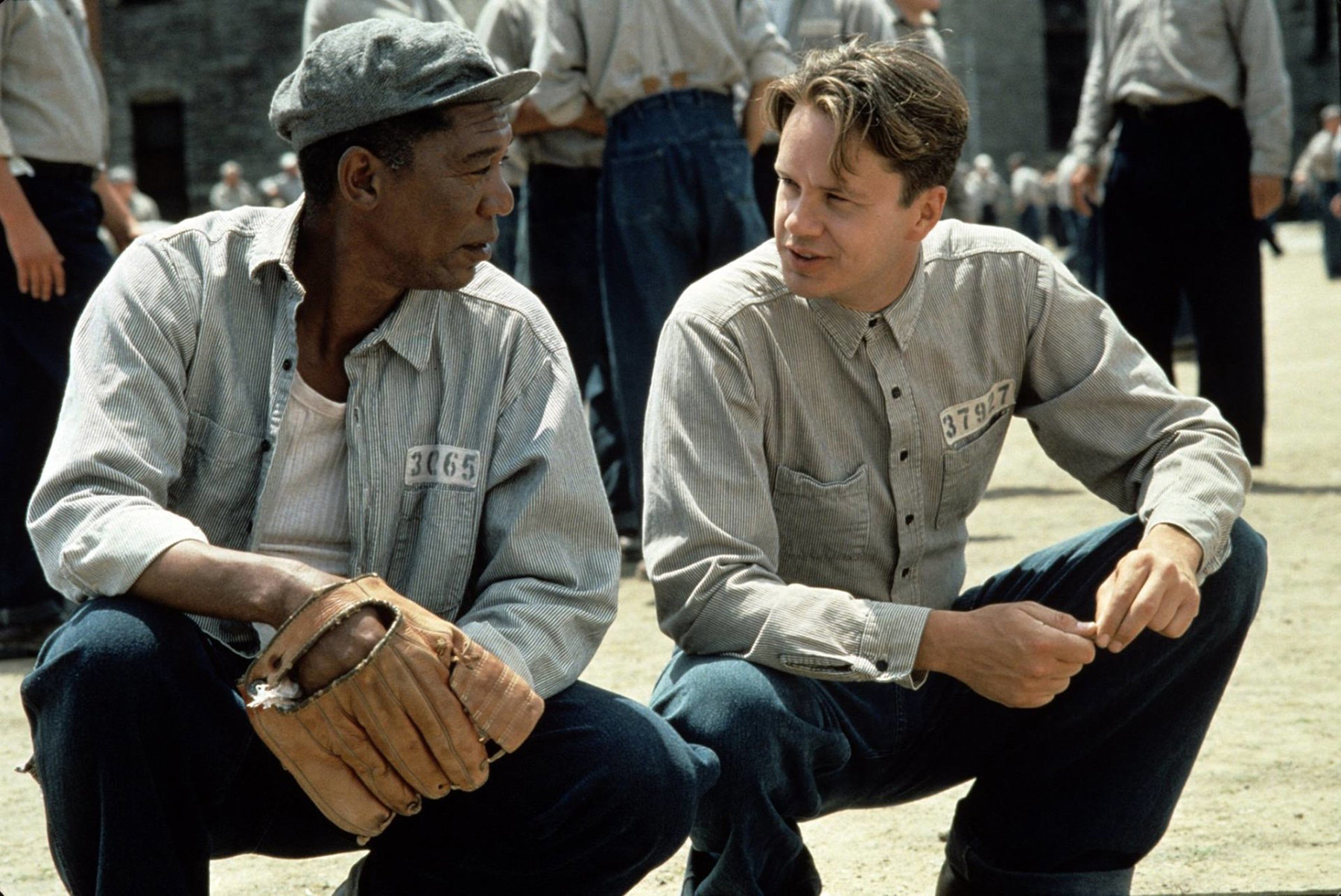
The film stars Tim Robbins as Andy Dufresne, a banker wrongly convicted of murder, and Morgan Freeman as Ellis Boyd “Red” Redding, the prison’s resourceful fixer. Their on-screen chemistry is central to everything the film achieves. Behind the camera, cinematographer Roger Deakins worked closely with Darabont to build the visual language of Shawshank State Penitentiary — a world of cold stone, dim light, and carefully chosen shadows.

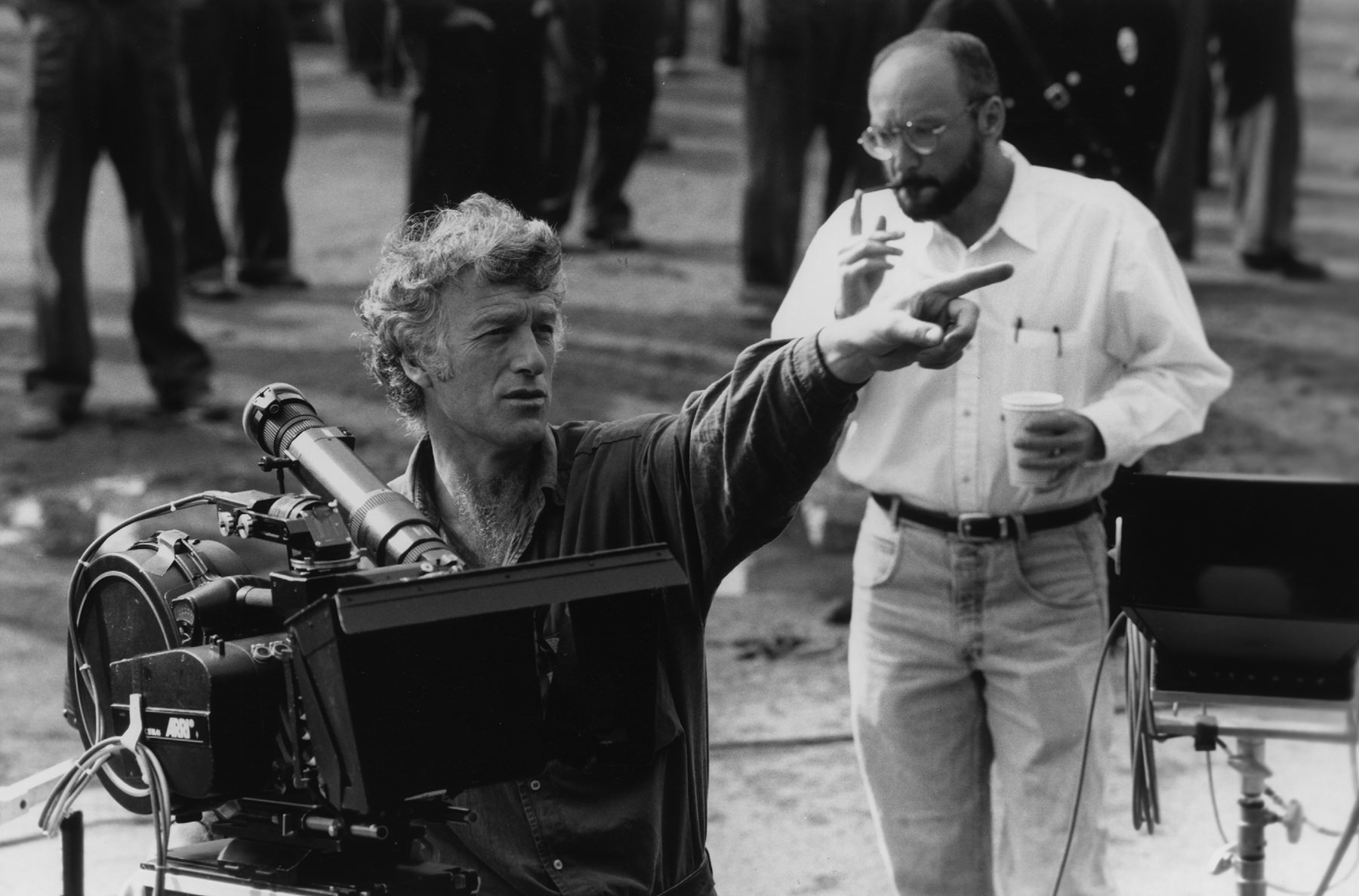
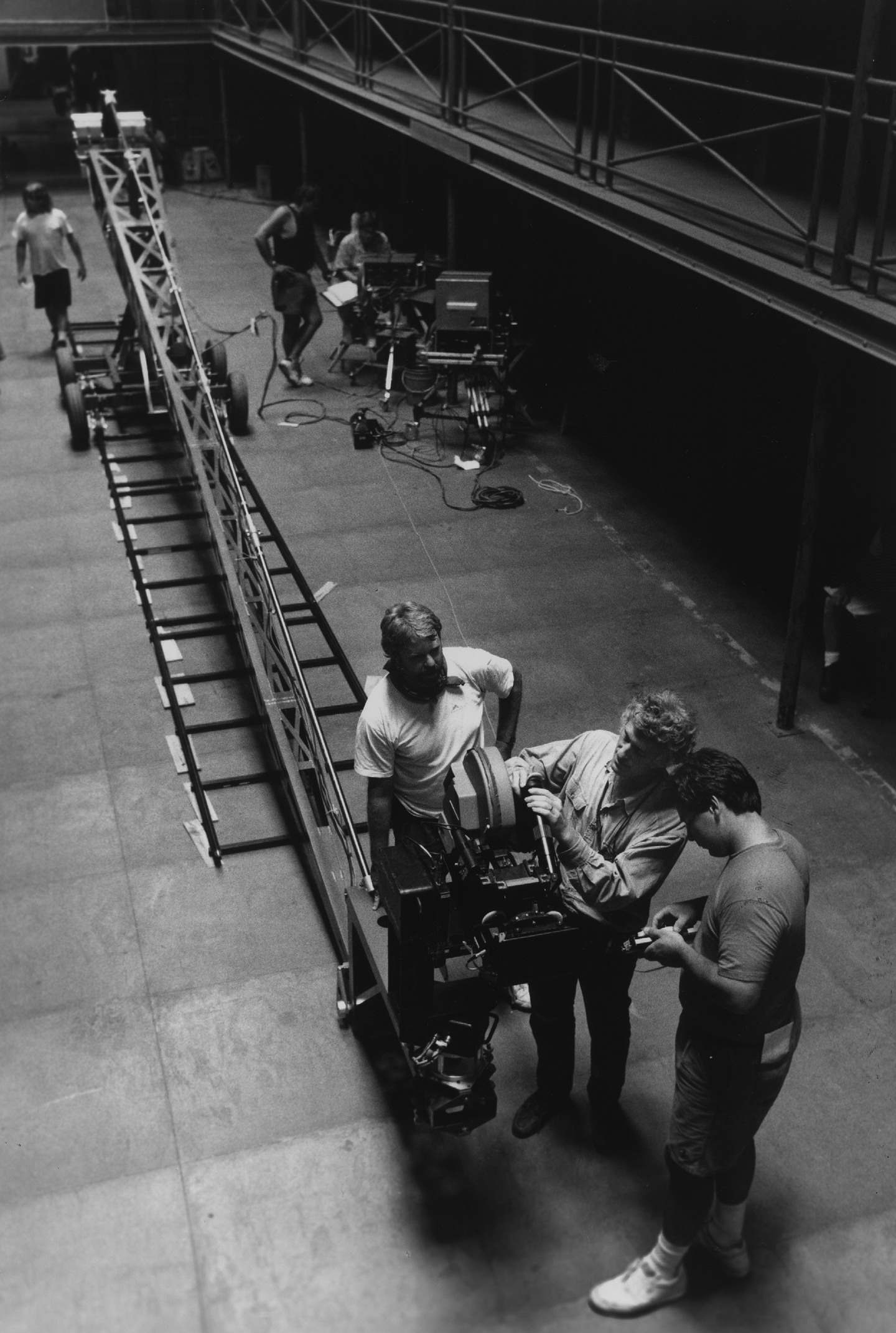
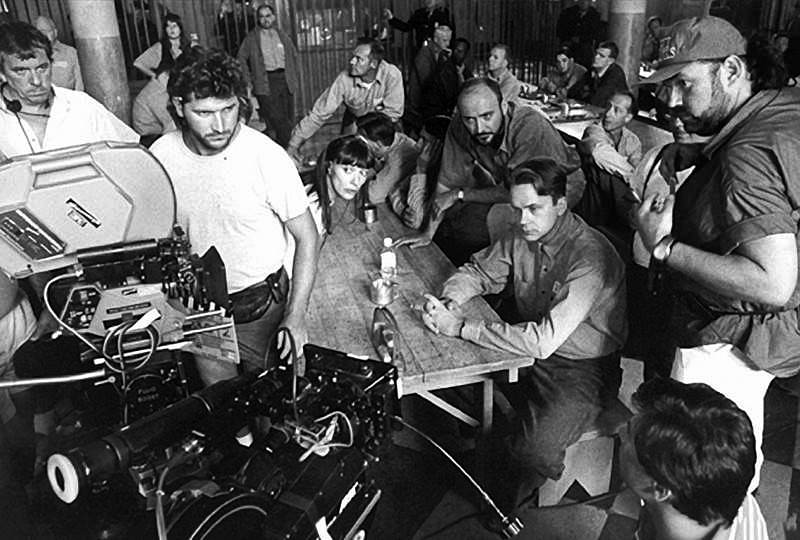
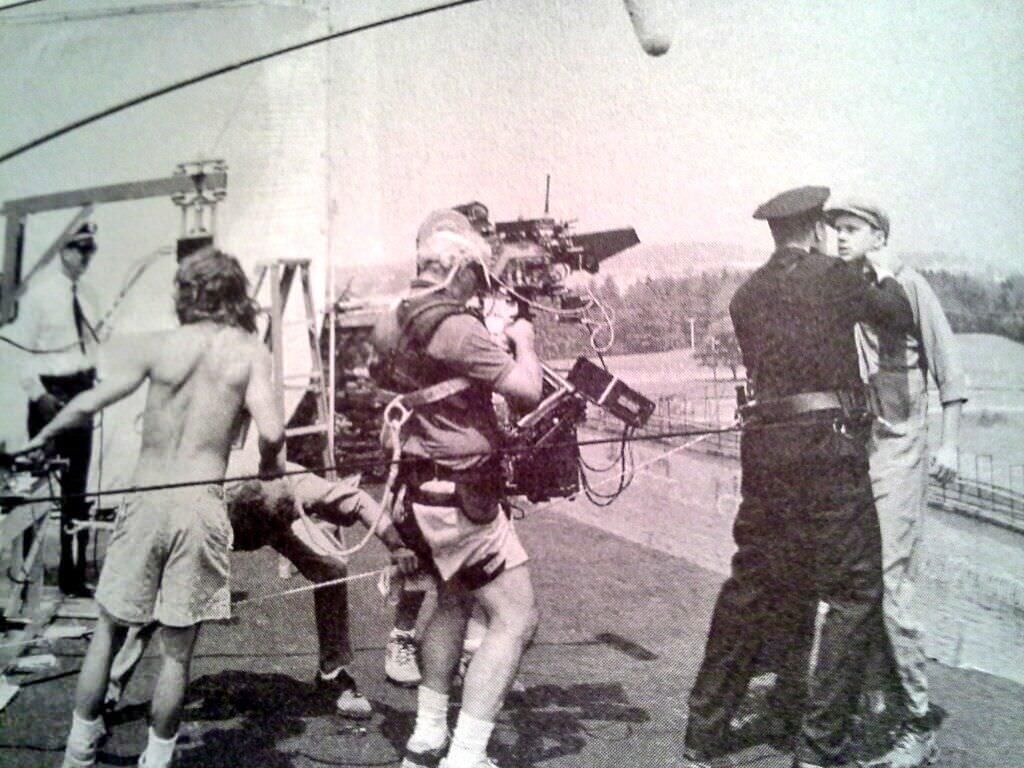
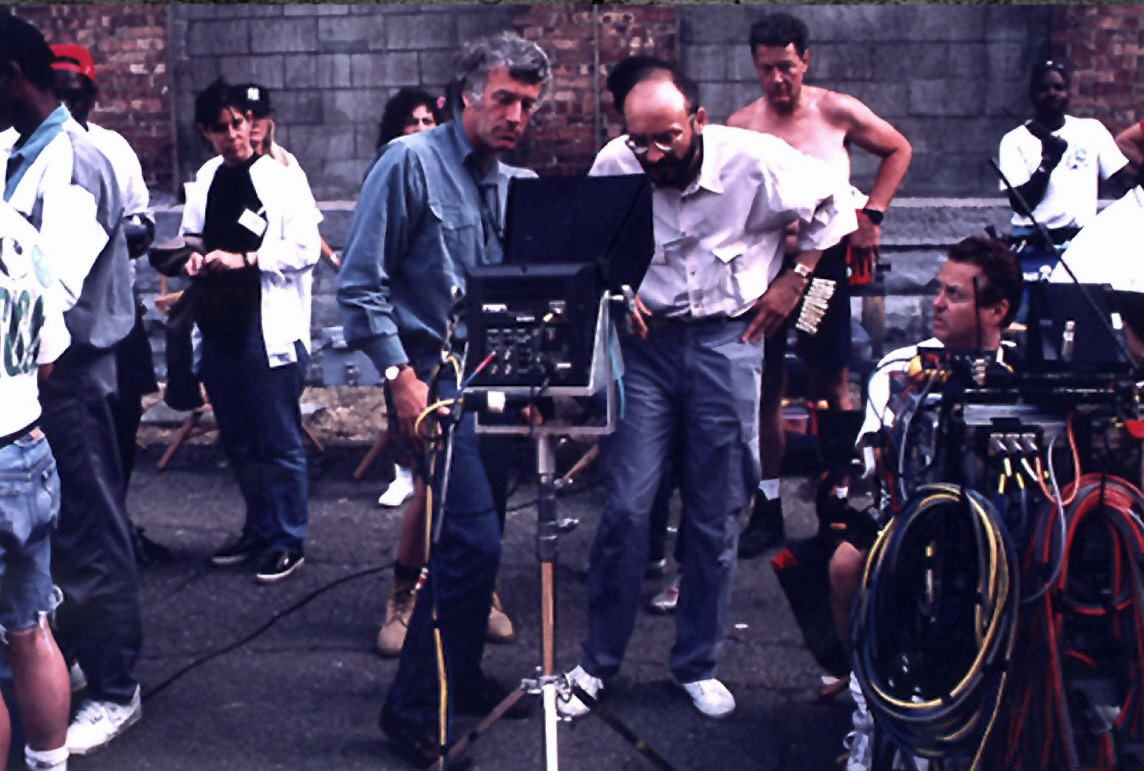
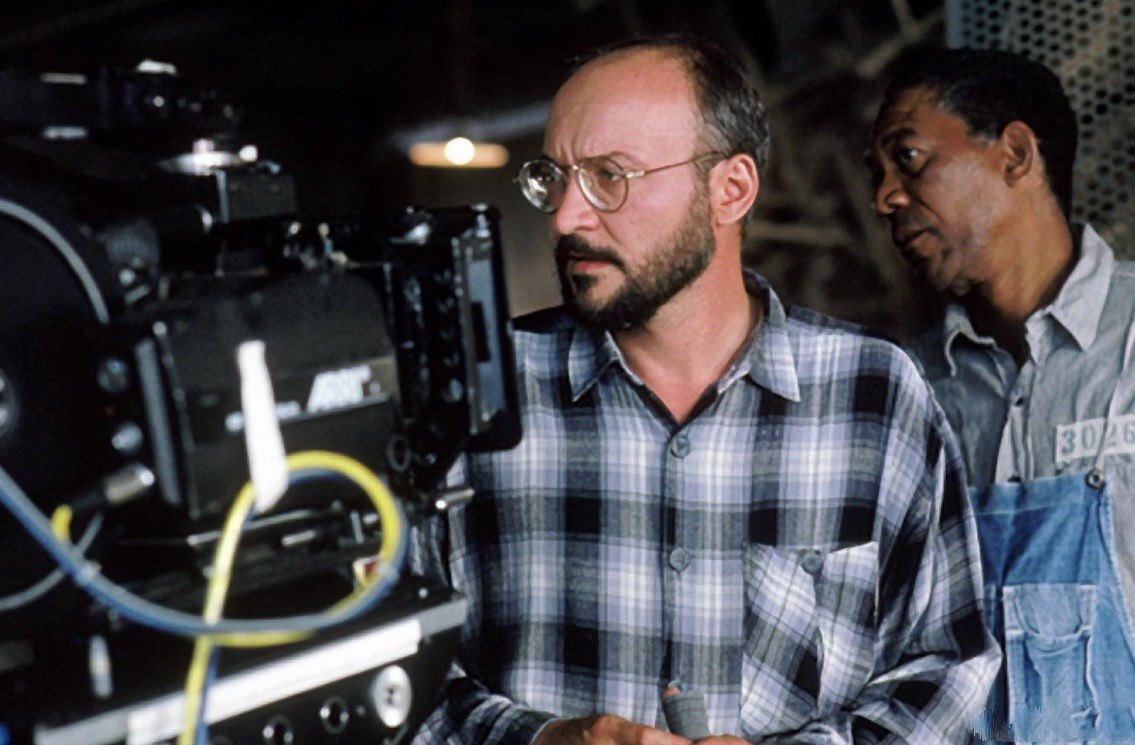
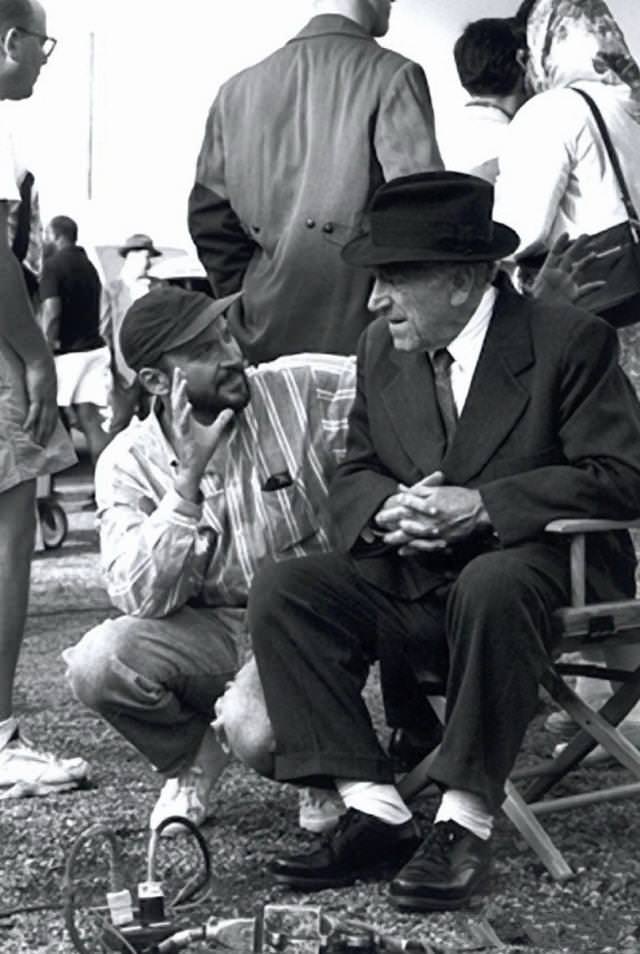
Deakins and Darabont spent considerable time planning every shot, both on location and on purpose-built sets. The cell block interiors were constructed to allow for precise camera movements, including crane shots that gave the prison a towering, oppressive scale. Planning these setups required long conversations between the director and his cinematographer, often happening right on set between takes.

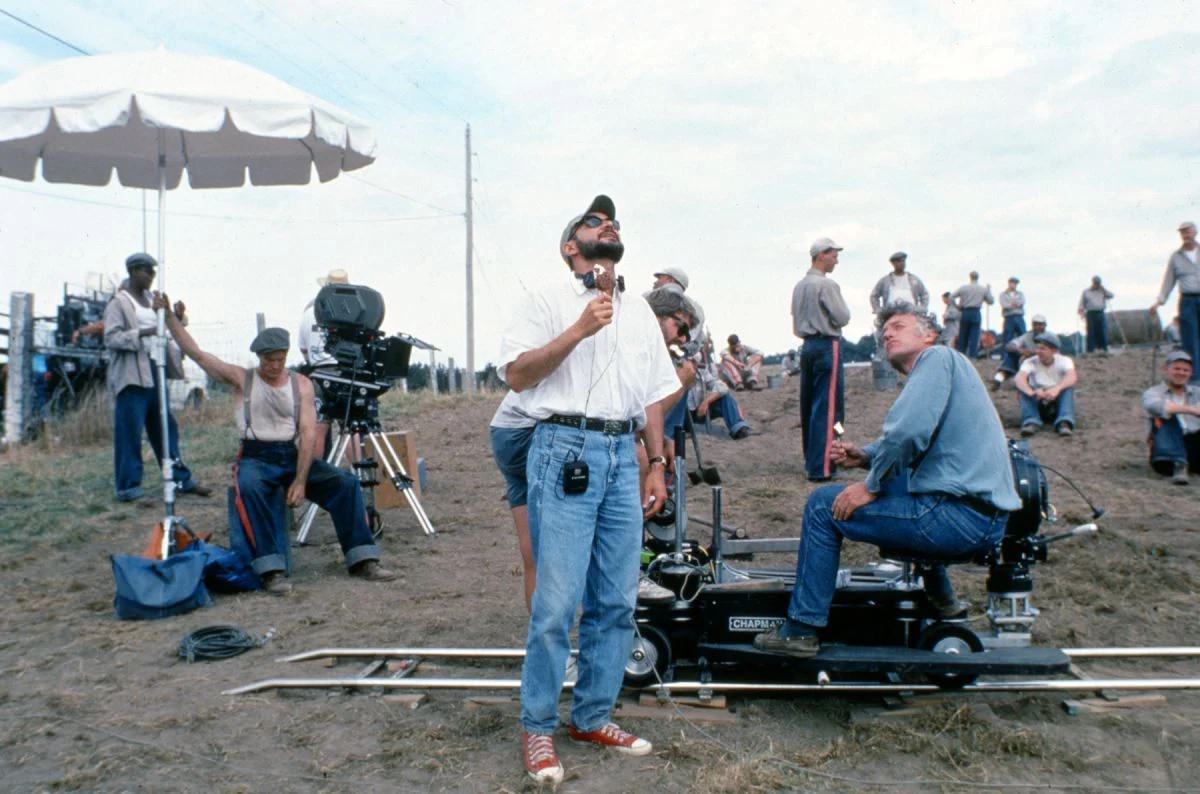
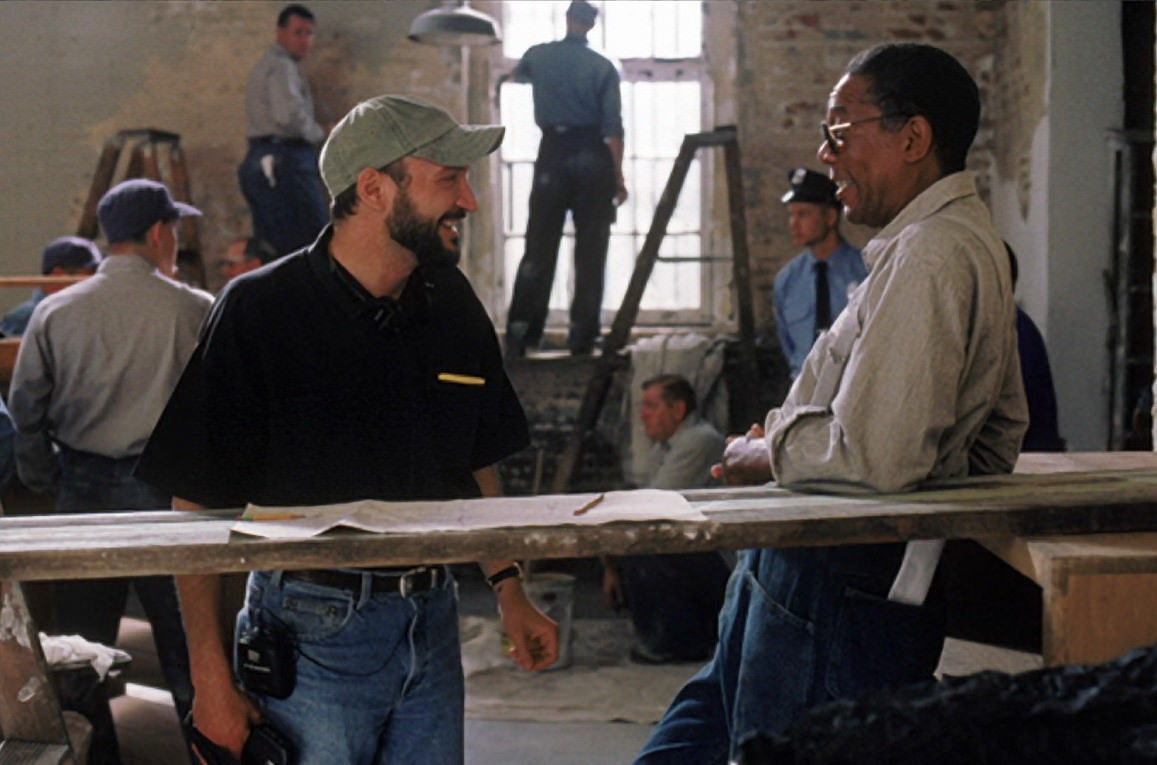
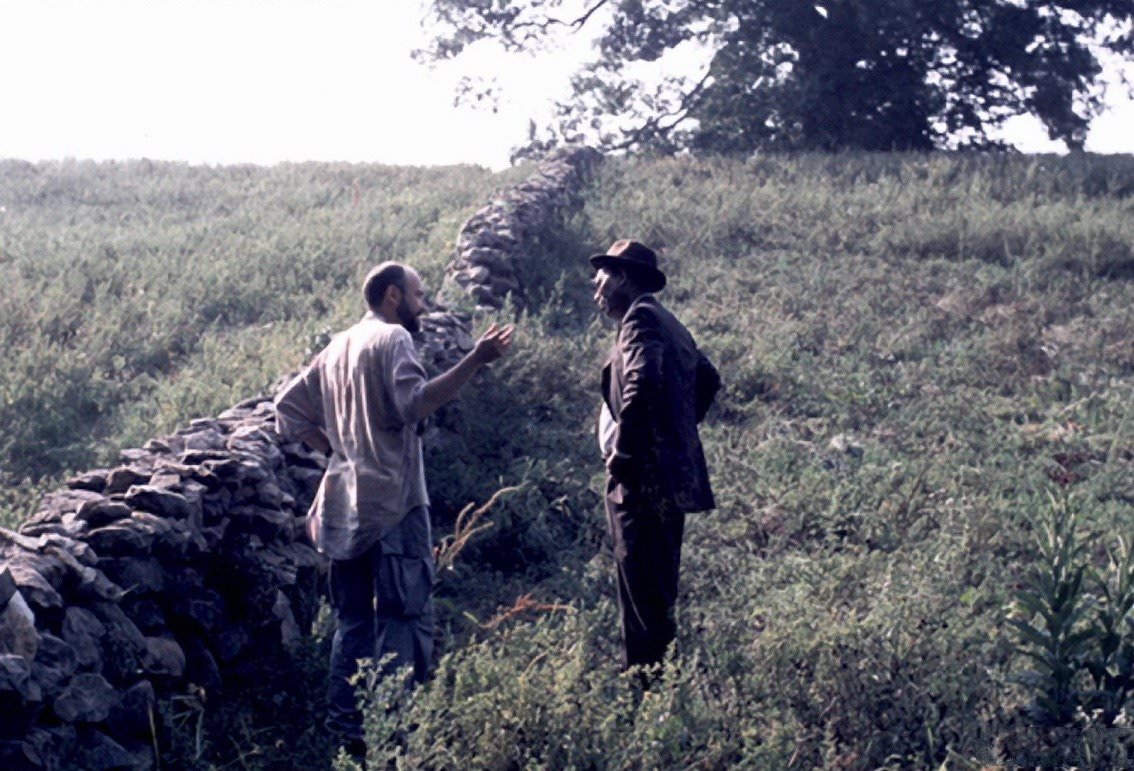
Filming on location came with its own set of challenges, particularly managing natural light. Outdoor scenes required the crew to work within narrow windows of usable daylight, which meant constant planning and quick decisions. Even during short breaks, Darabont and Deakins stayed focused on what the light was doing and how much time they had left to shoot.

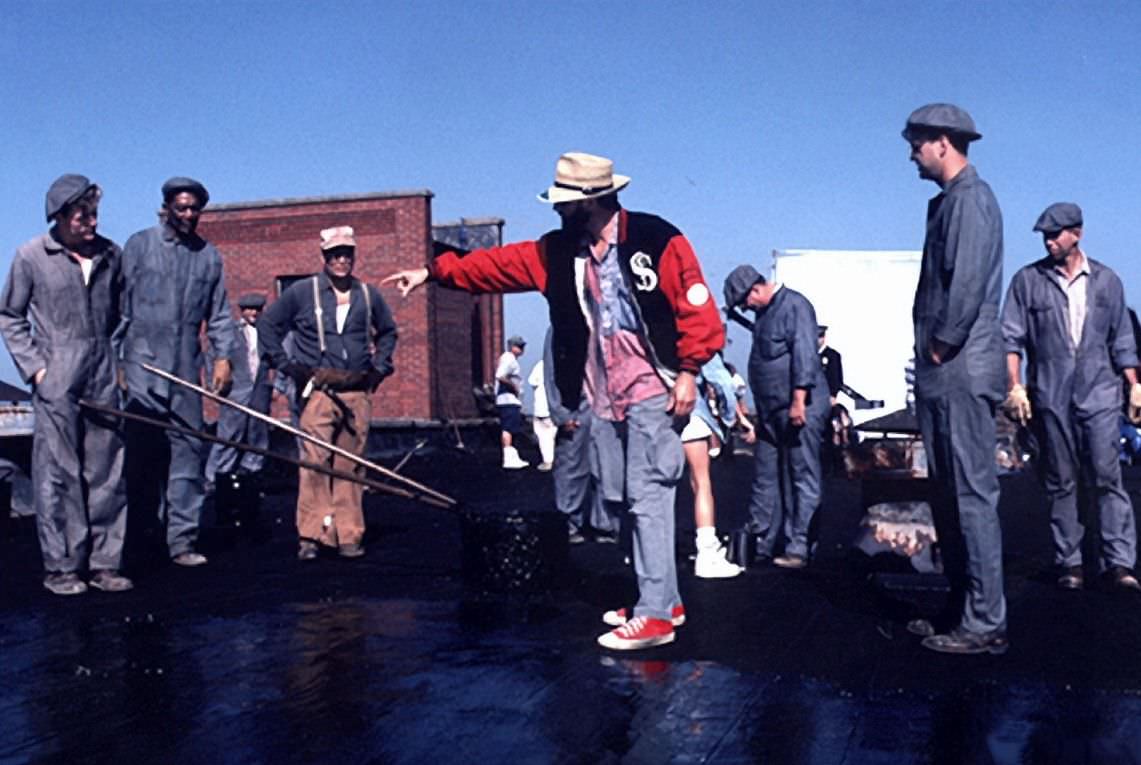
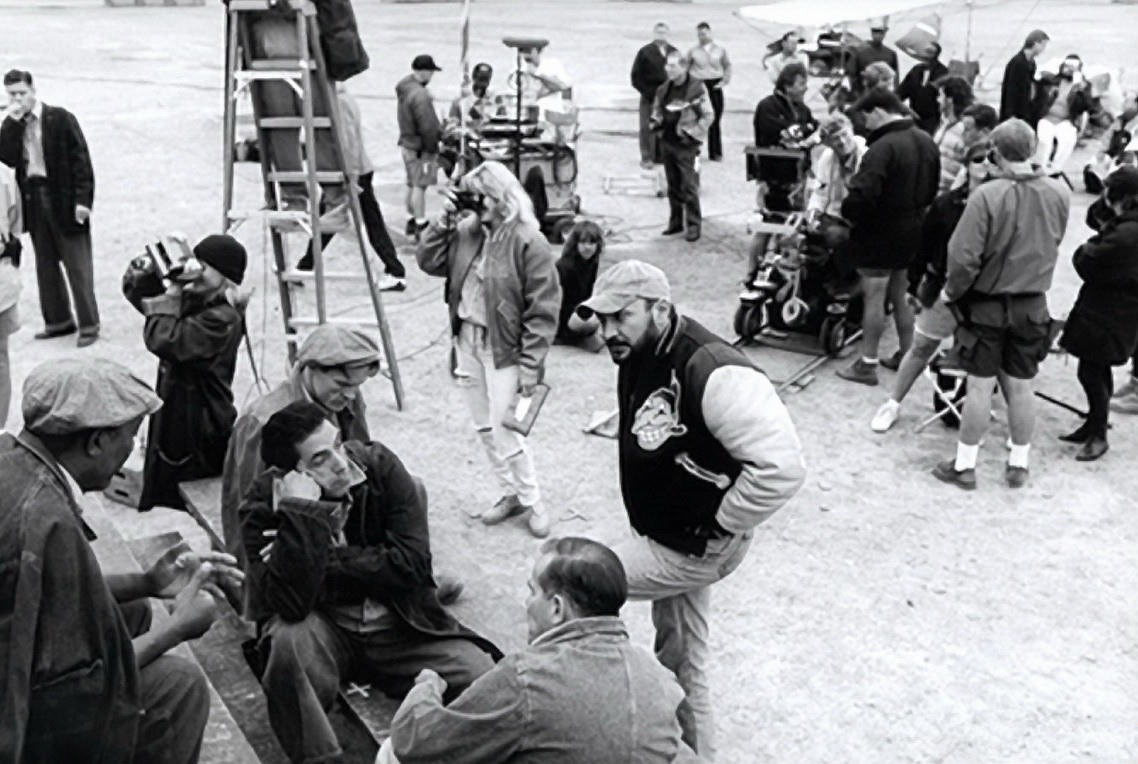
One of the film’s most memorable sequences takes place on the rooftop of the prison, where Andy negotiates with a guard to get cold beers for his fellow inmates. Darabont carefully blocked out every movement in this scene, working through the staging with his cast and crew before filming began. The rooftop offered one of the film’s rare moments of open sky and something close to freedom.

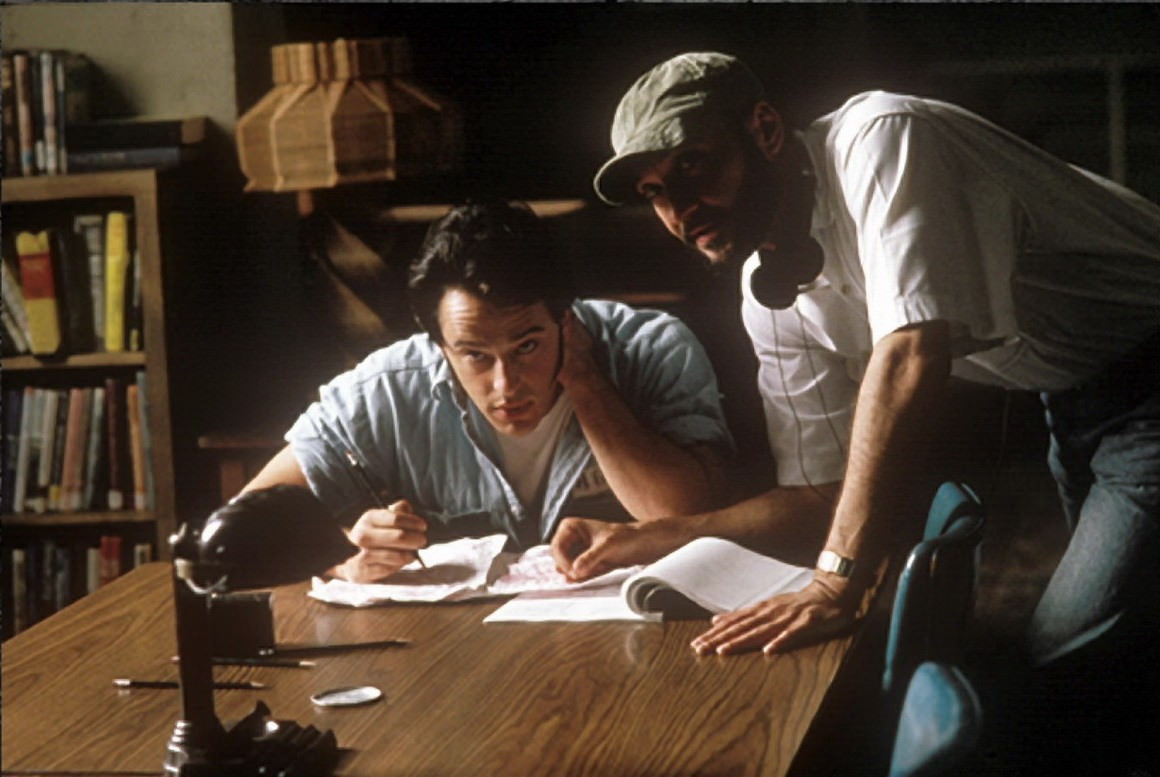
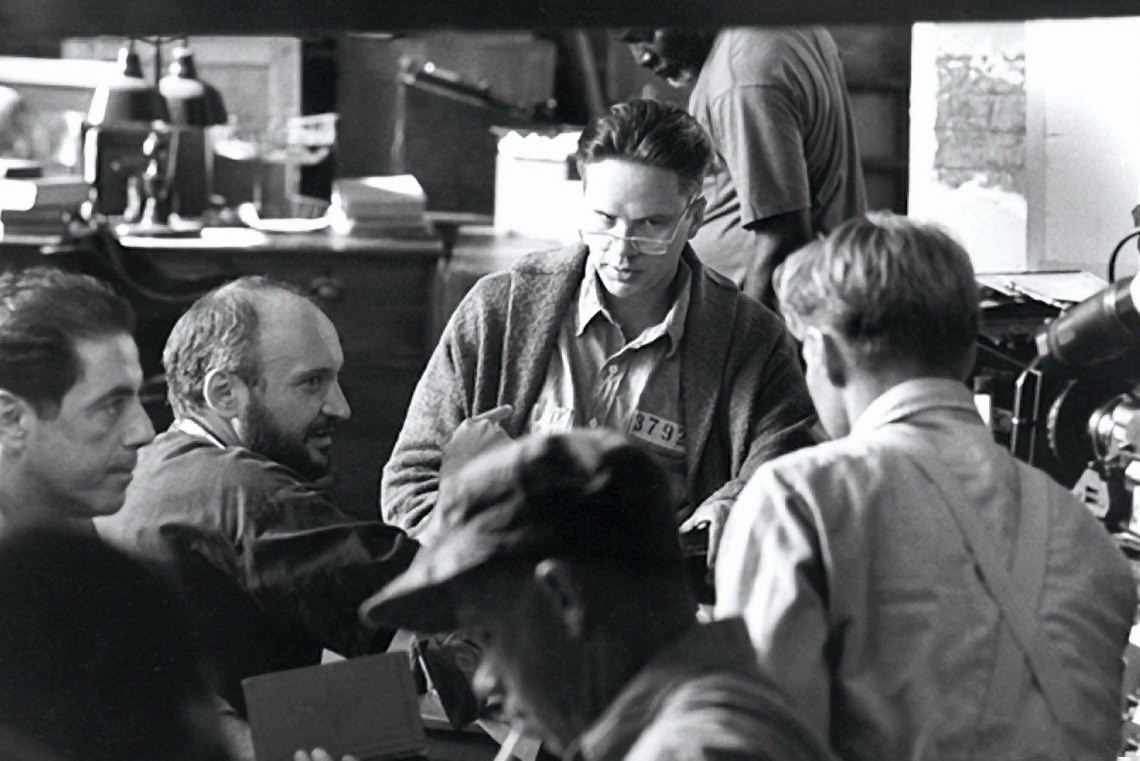
Tim Robbins brought a quiet intensity to the role of Andy Dufresne that made the character’s inner strength believable without ever being showy. Between takes, Robbins prepared himself to reset and find that stillness again. His performance required him to carry enormous emotional weight while showing very little of it on the surface — a difficult balance to maintain across a full day of shooting.

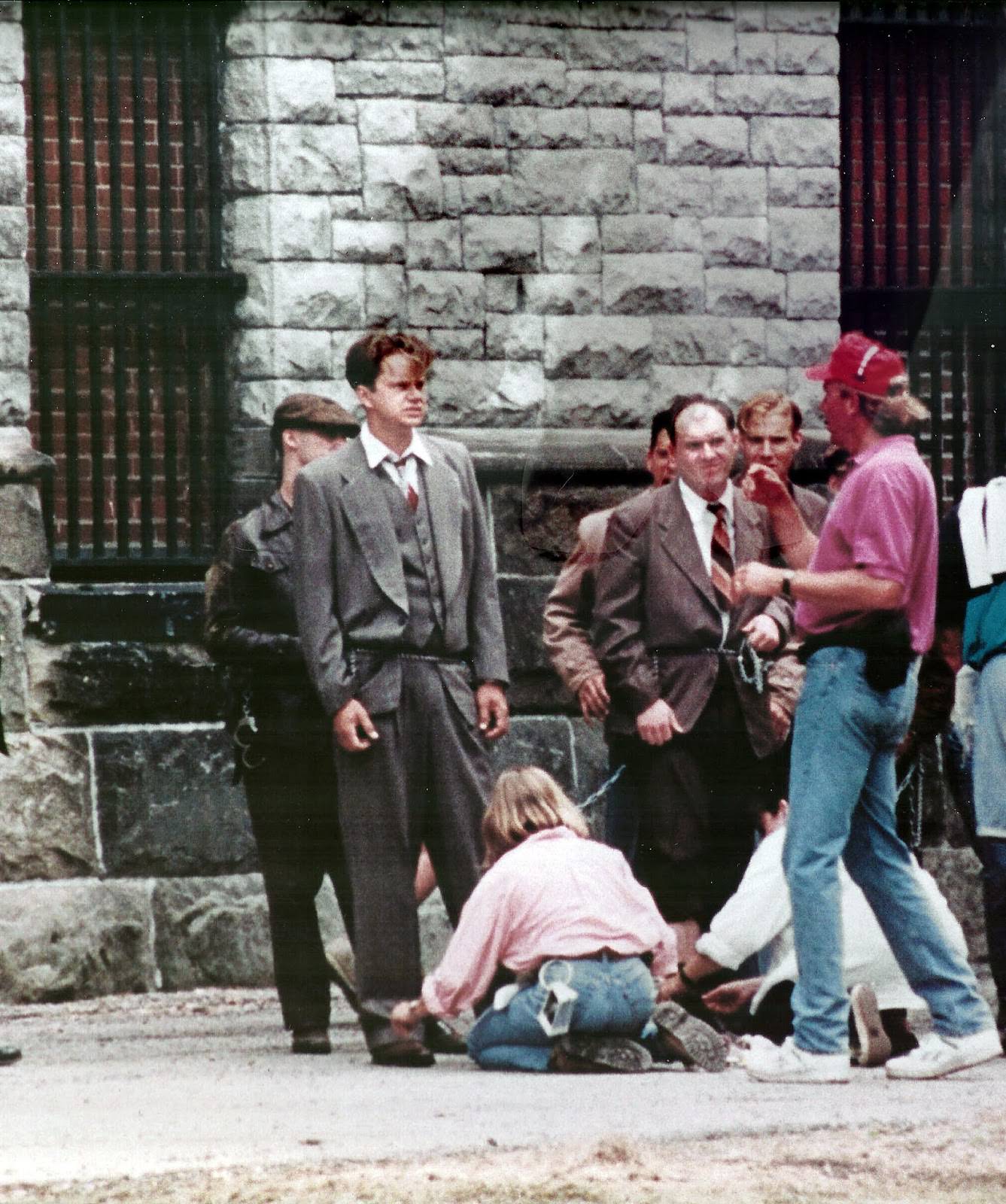
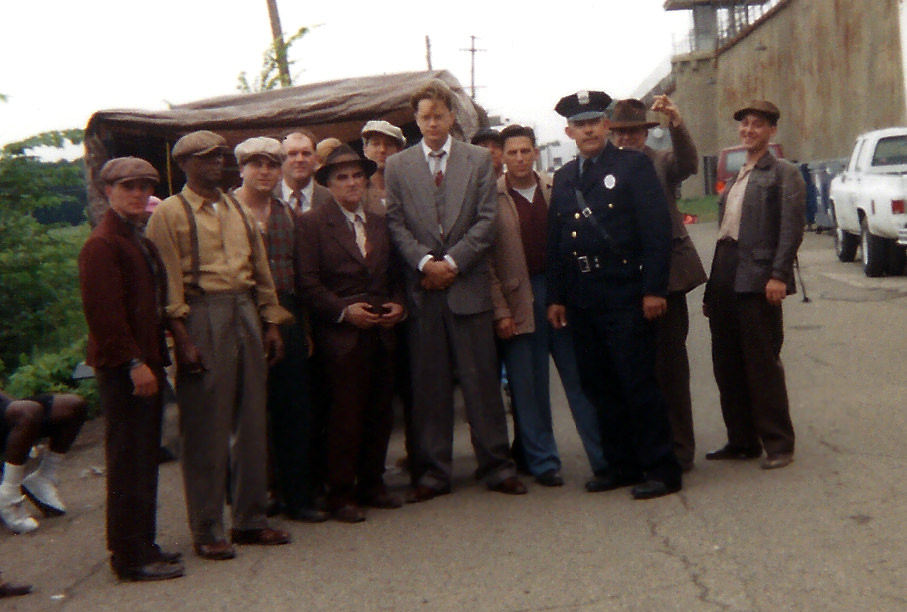
The rooftop tarring scene required the cast to actually work under the sun, spreading tar across a roof in period-accurate conditions. It was physically demanding work, but it gave the scene an authenticity that showed on screen. The warmth and camaraderie captured in that sequence came in part from the shared experience of the actors actually doing the labor together.

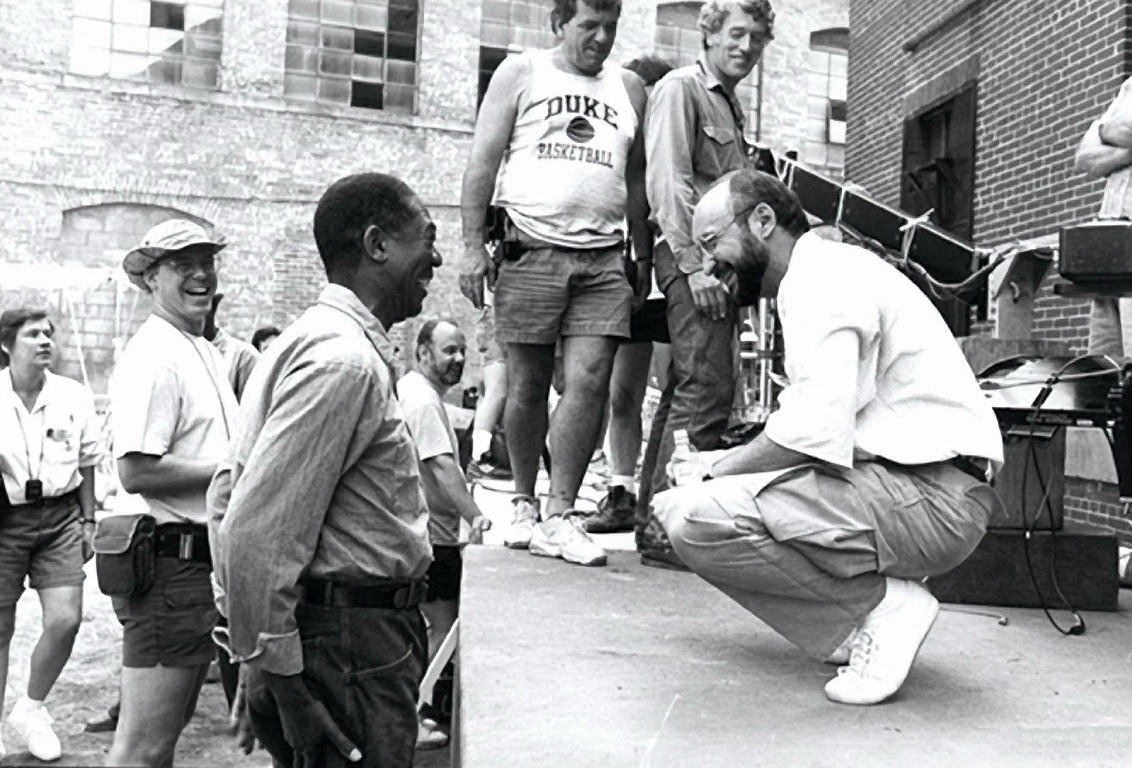
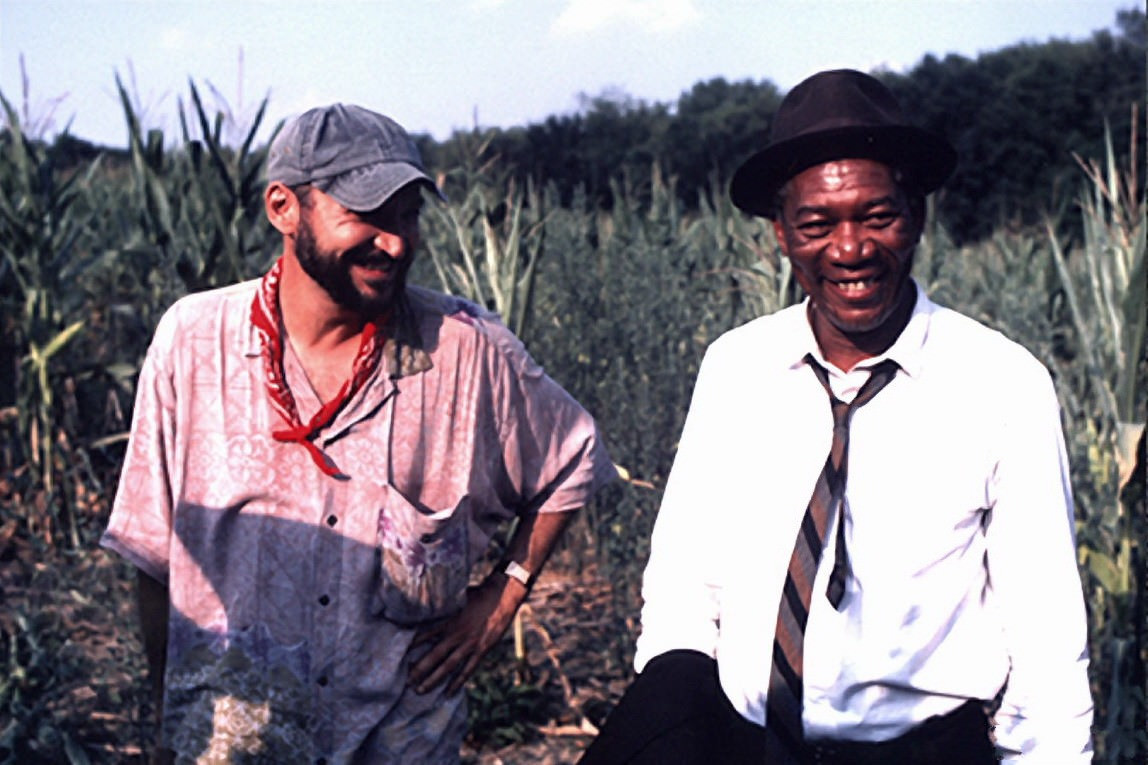
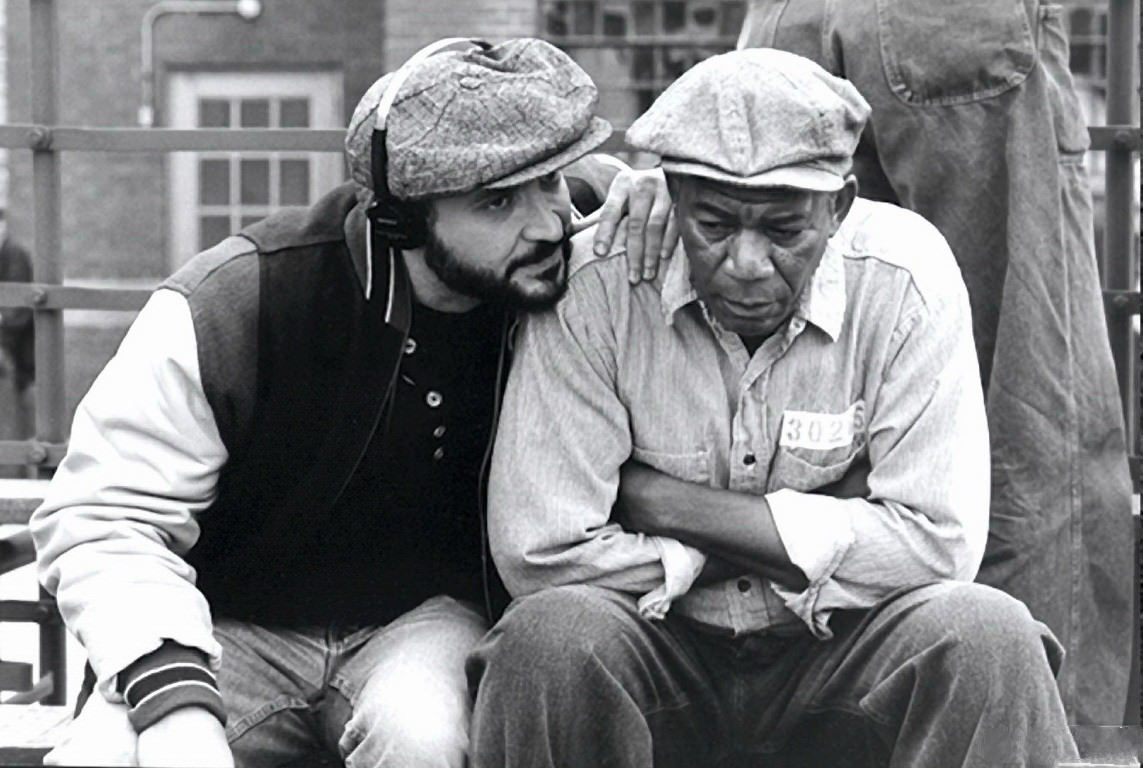
Morgan Freeman’s portrayal of Red became the emotional anchor of the entire film. His narration guides the audience through the story, and his performance on set reflected the calm authority that Red carries throughout the film. Freeman’s presence between takes was steady and unhurried, much like the character he played.

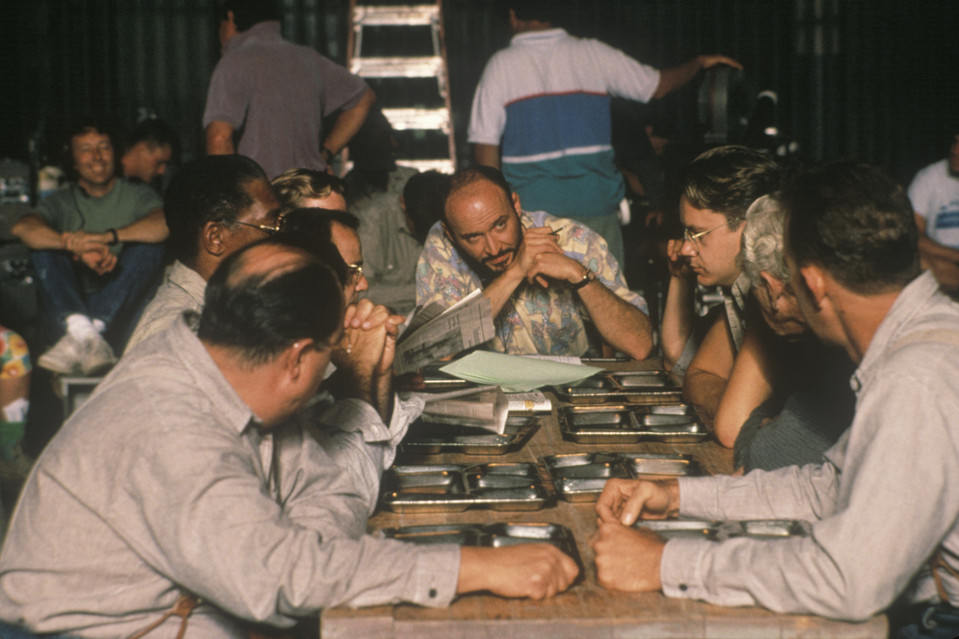
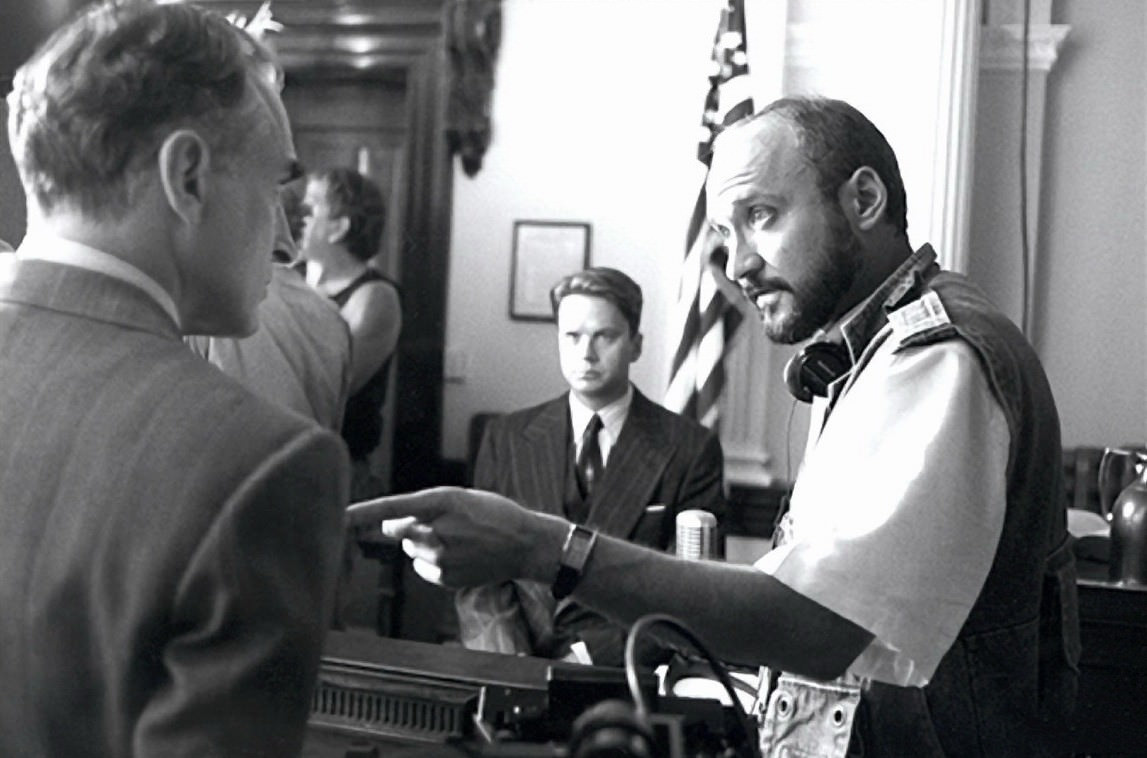
Pre-scene discussions were a regular part of the production’s rhythm. Darabont worked closely with his actors to make sure every scene had clear intention before the camera rolled. These conversations shaped not just the performances, but the pacing and tone of each moment in the film.

The working relationship between Darabont and Deakins was one of the defining creative partnerships of the production. Deakins, already recognized as one of the finest cinematographers working in Hollywood, brought a precise and thoughtful eye to every frame. Together, they made visual choices that still hold up more than thirty years later.

Darabont maintained a collaborative atmosphere throughout the shoot. His approach with actors like Freeman was conversational rather than directive. He trusted his cast, and that trust showed in the naturalistic performances the film delivered. Freeman and Darabont’s on-set dynamic mirrored the warmth of the story they were telling.


Lots of great photos!
Some guy is looking into a big camera. It’s simply incredible!
A movie of this quality, depth and effort will never be made again. A film of this quality, depth and action will never be made again. The 80s/90s/early 2000s were the golden age of film
Deakins lookin like a model for Marine Layer as always
Geez, I’m literally the exact same age as Frank Darabont was in these pictures, and while I’m not even a tiny fraction as talented and successful, I certainly don’t look 20 years older.
Darabont looks like a younger David Fincher in some photos and Kubrick in other ones!