The Orton family didn’t just perform in the circus — the circus was their entire world. For five generations, they lived on the road, trained from childhood, and built one of the most recognizable names in American circus history. These photos, taken mostly between 1953 and 1955 by Vern Orton, offer a rare, firsthand look at that life.
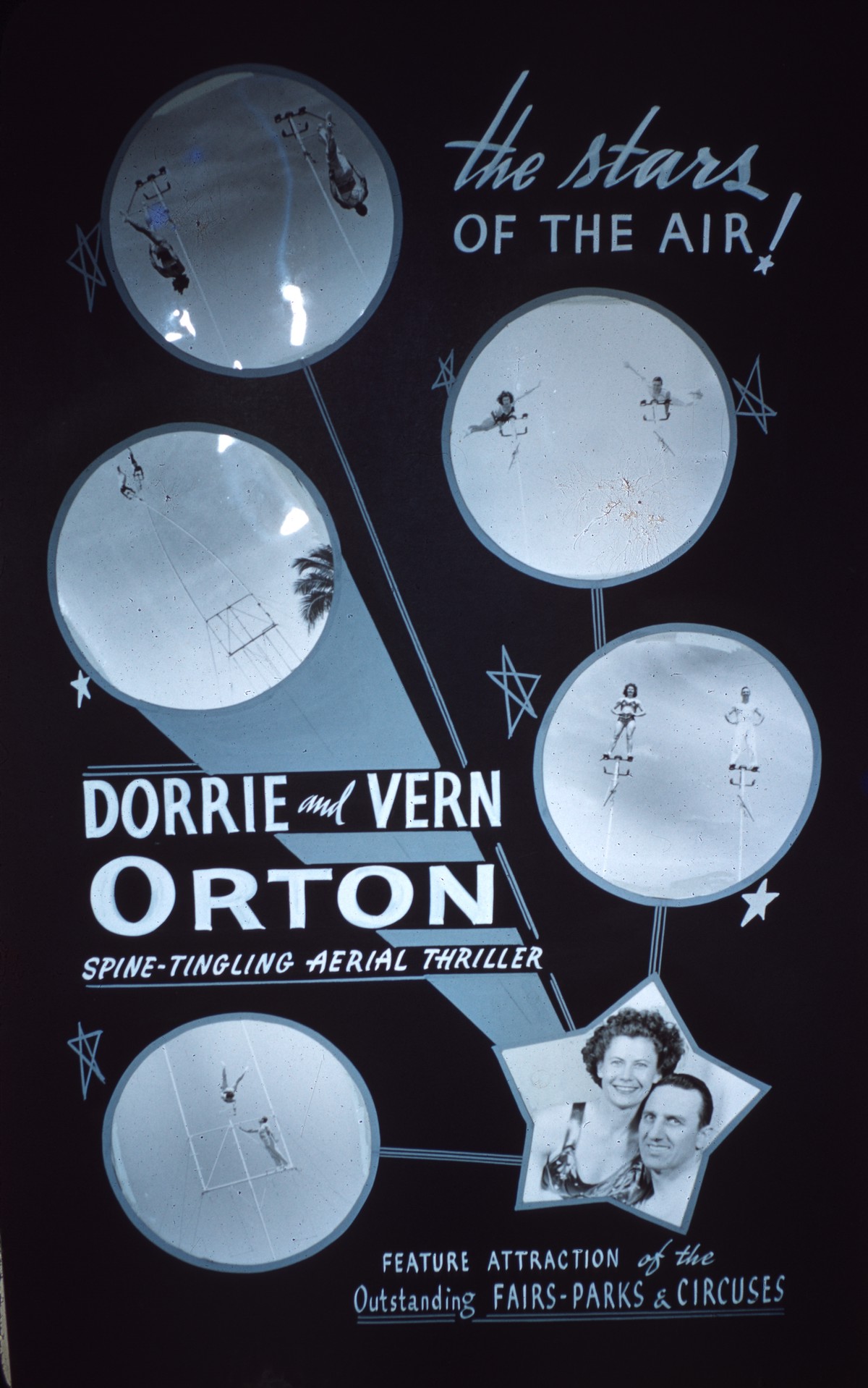
The story begins in 1850, when Hiram Orton founded the Orton Circus in Texas. He had seven children, and he trained every one of them to perform. Acrobatics, trapeze, animal handling — whatever the show needed, an Orton could do it. That tradition was passed down through each generation. By the time Vern and Dorrie Orton were working the circuit in the 1950s, the family had been in the business for over a century.
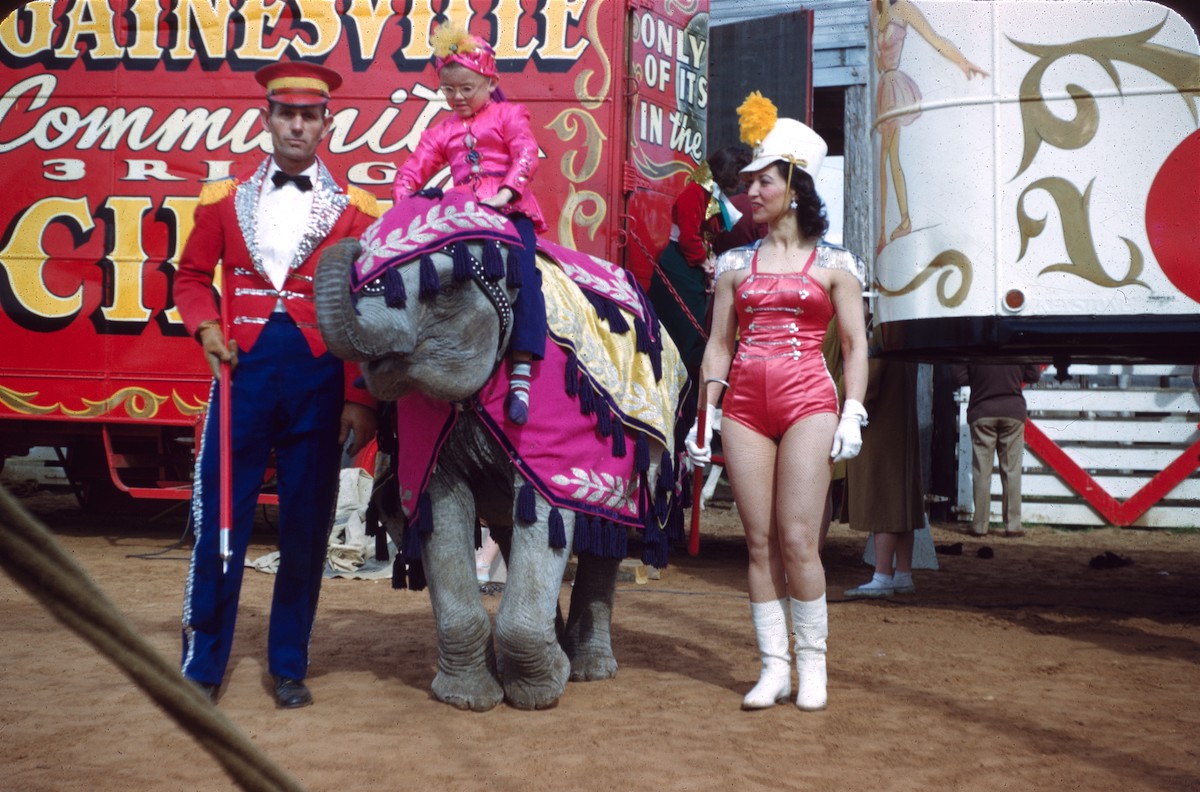
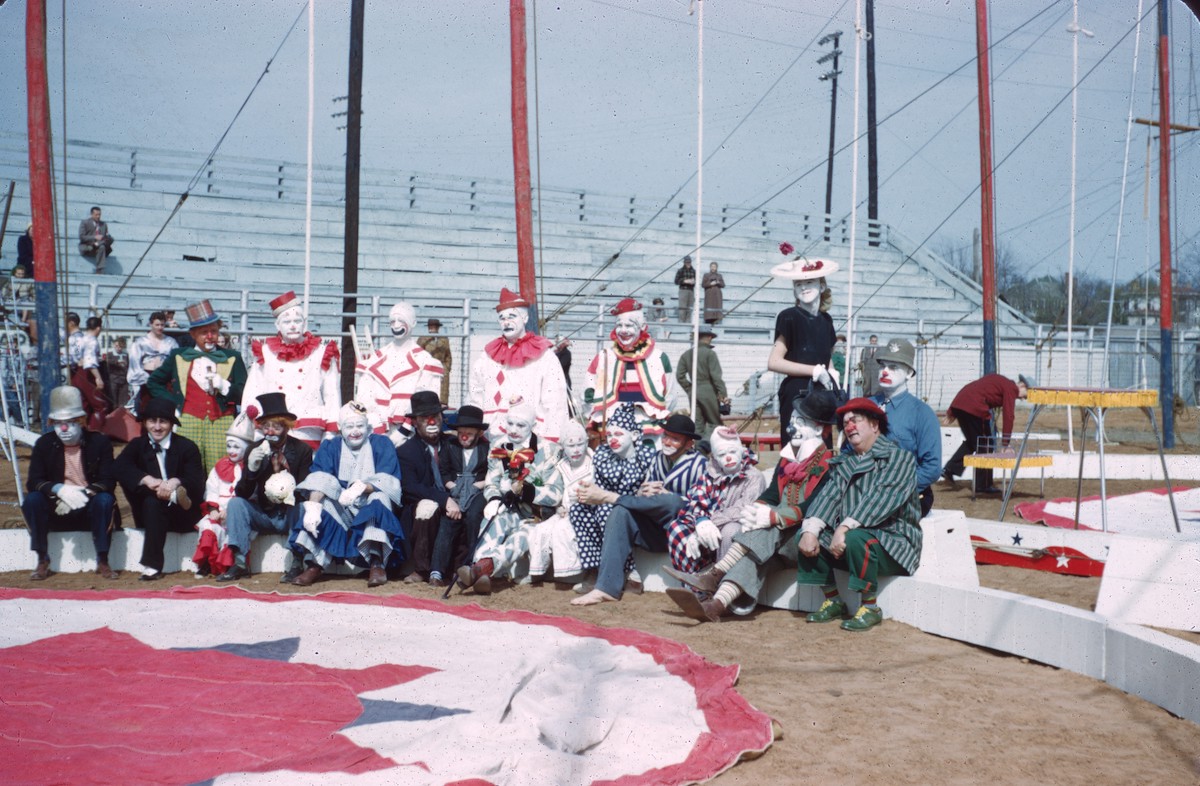
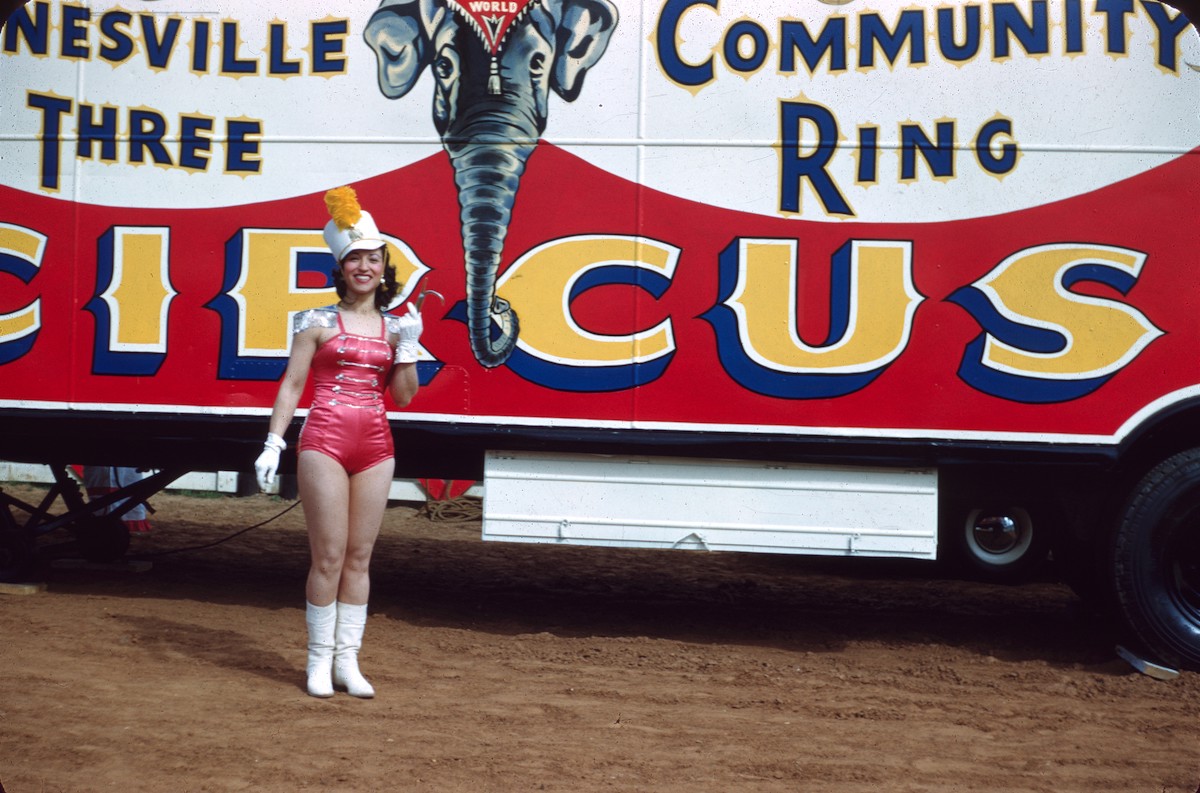
The Gainesville Circus in Texas was a home base of sorts for the Ortons. Several of these photos were shot there, showing the energy and spectacle that defined a mid-century American circus. Big tents, bright costumes, and crowds gathered to watch performers push the limits of what a human body could do.
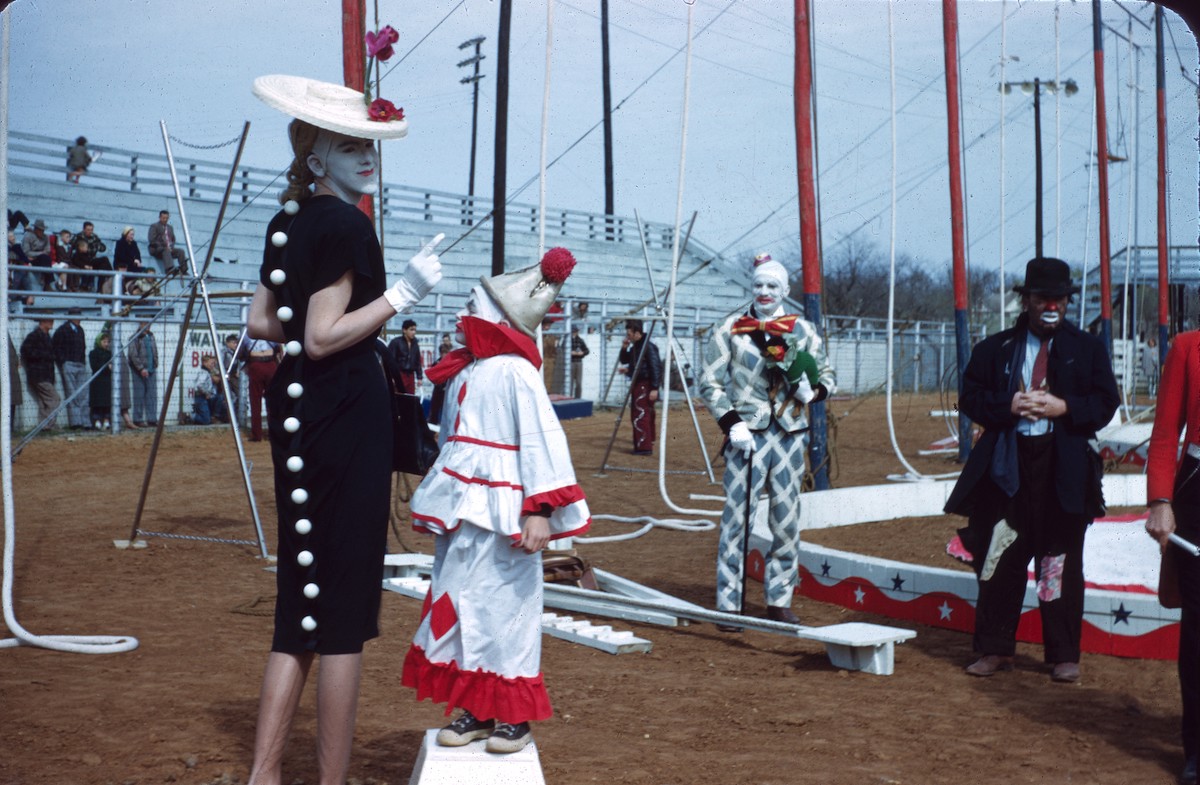
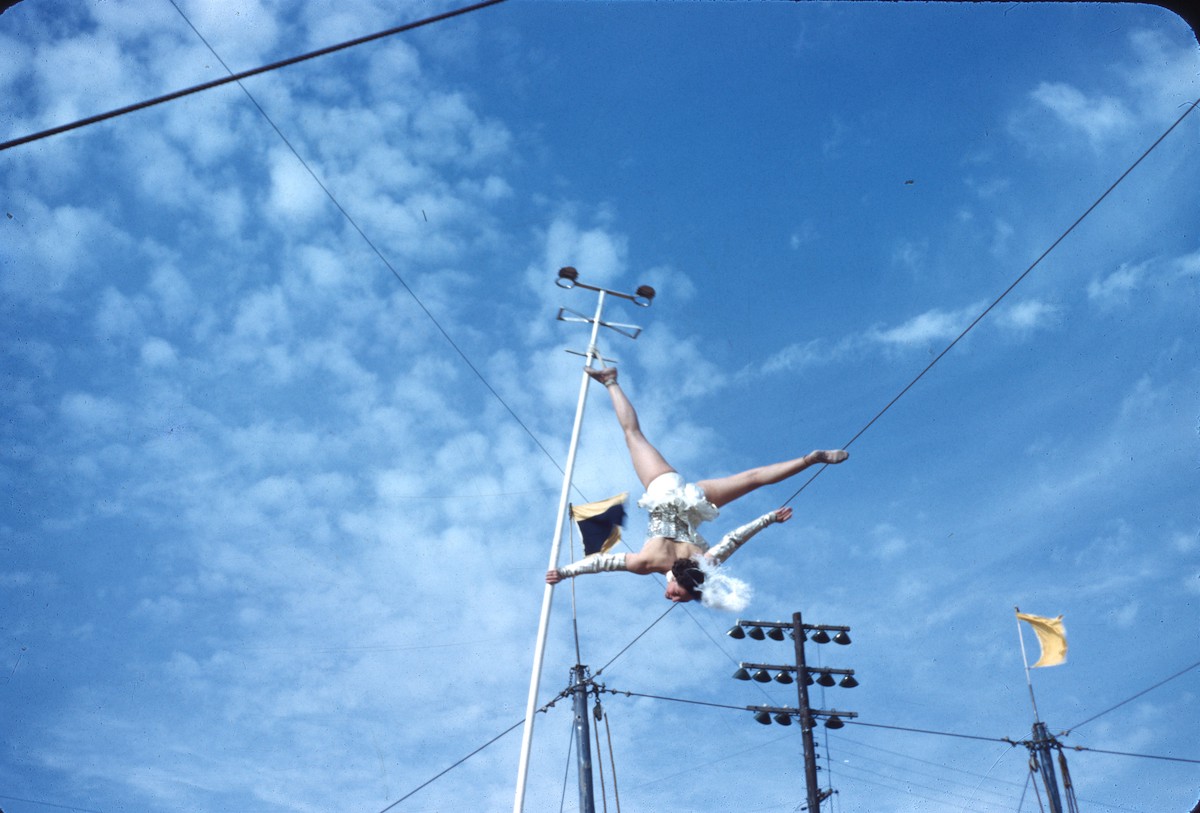
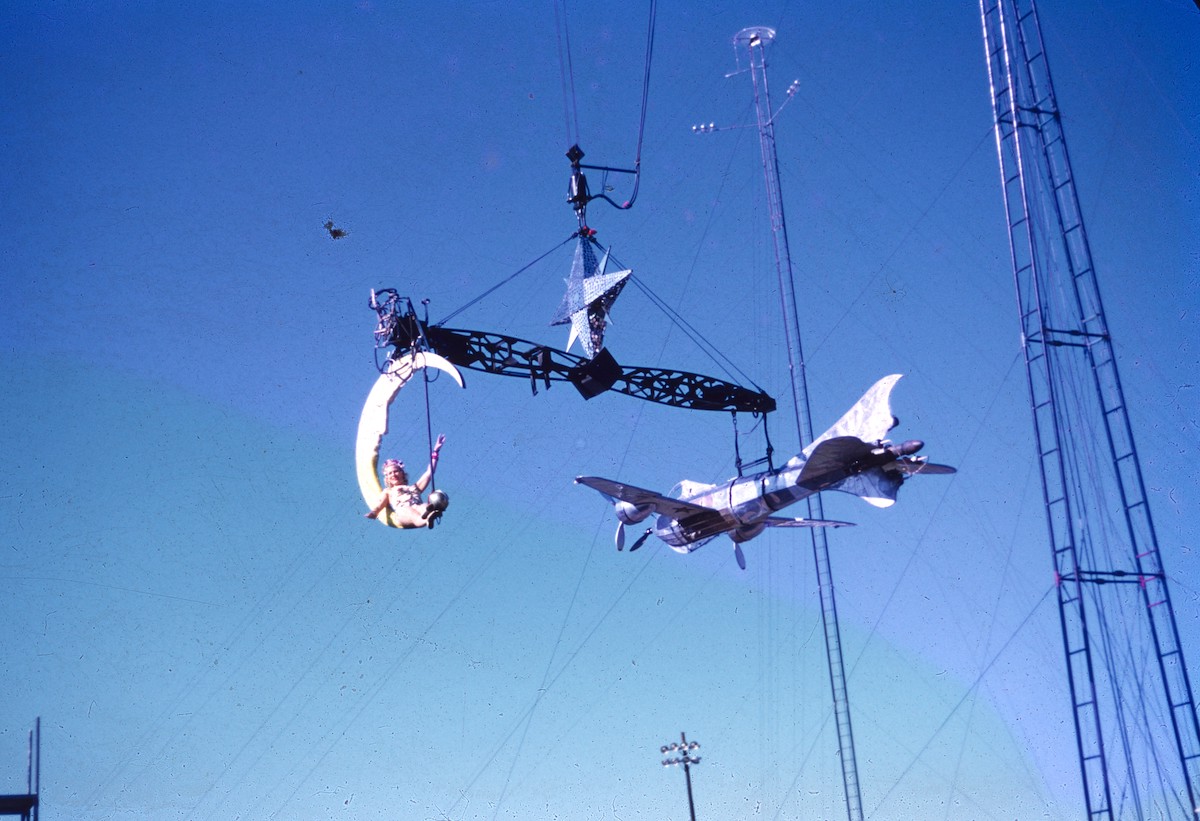
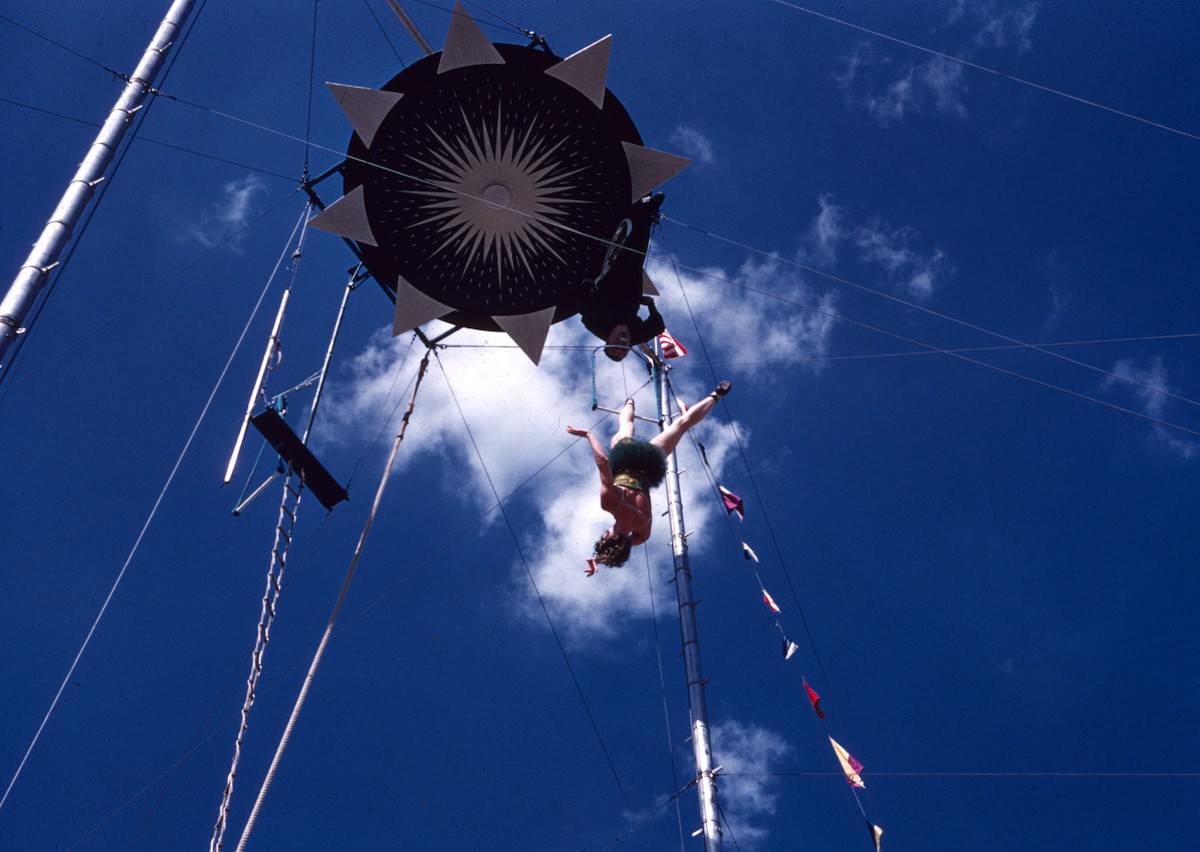
Before they became known as The Sensational Ortons, Vern and Dorrie performed as the Aerial Ortons — a trapeze act that worked 90 feet off the ground on double perches. That height is roughly equivalent to a nine-story building. There was no margin for error at that altitude, and yet they performed those routines night after night, often traveling to the next town before the sun came up.
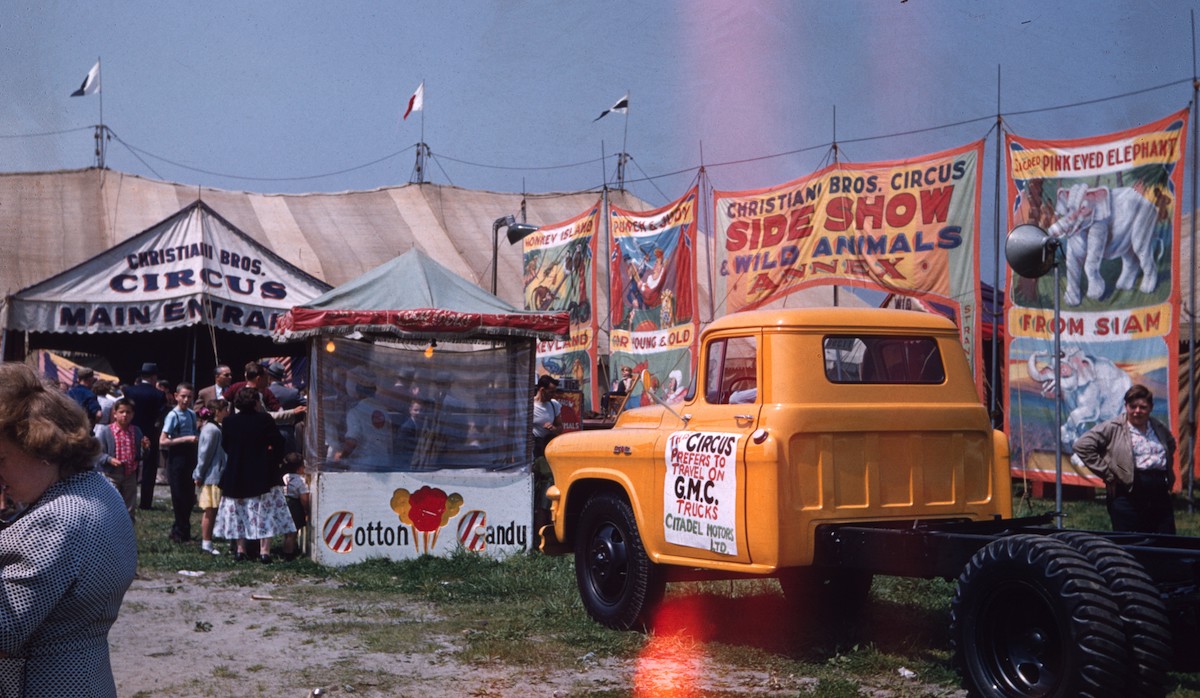
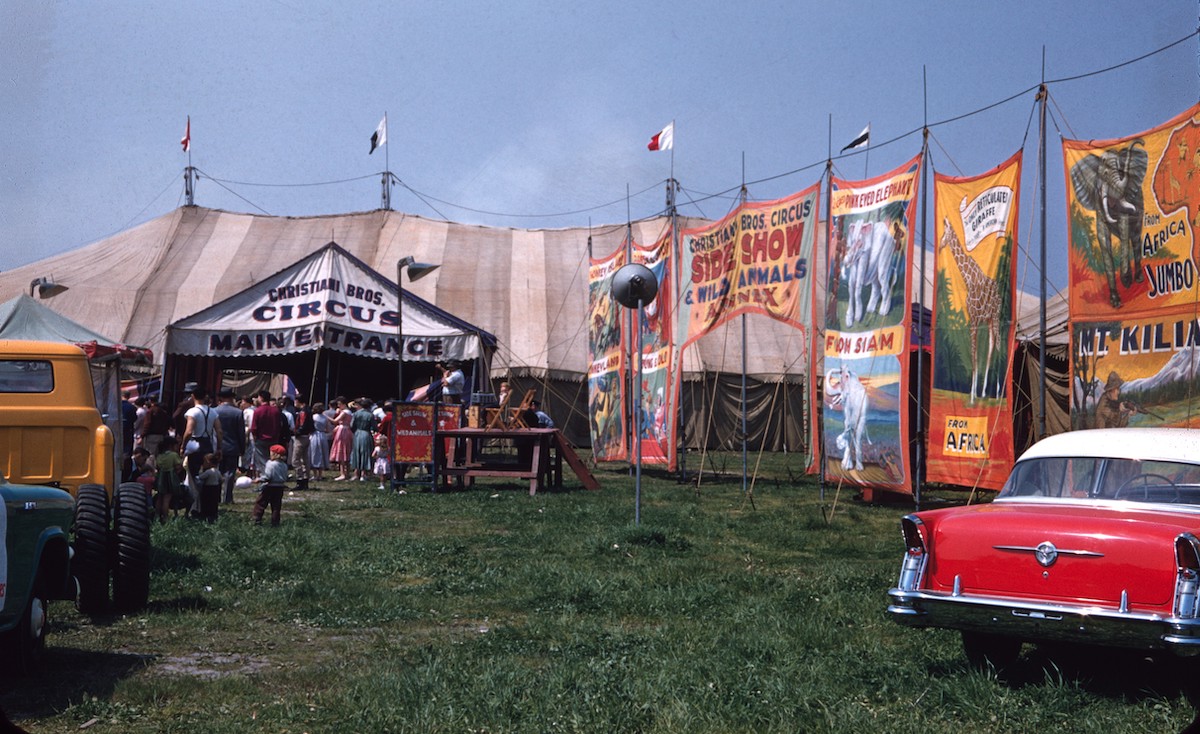
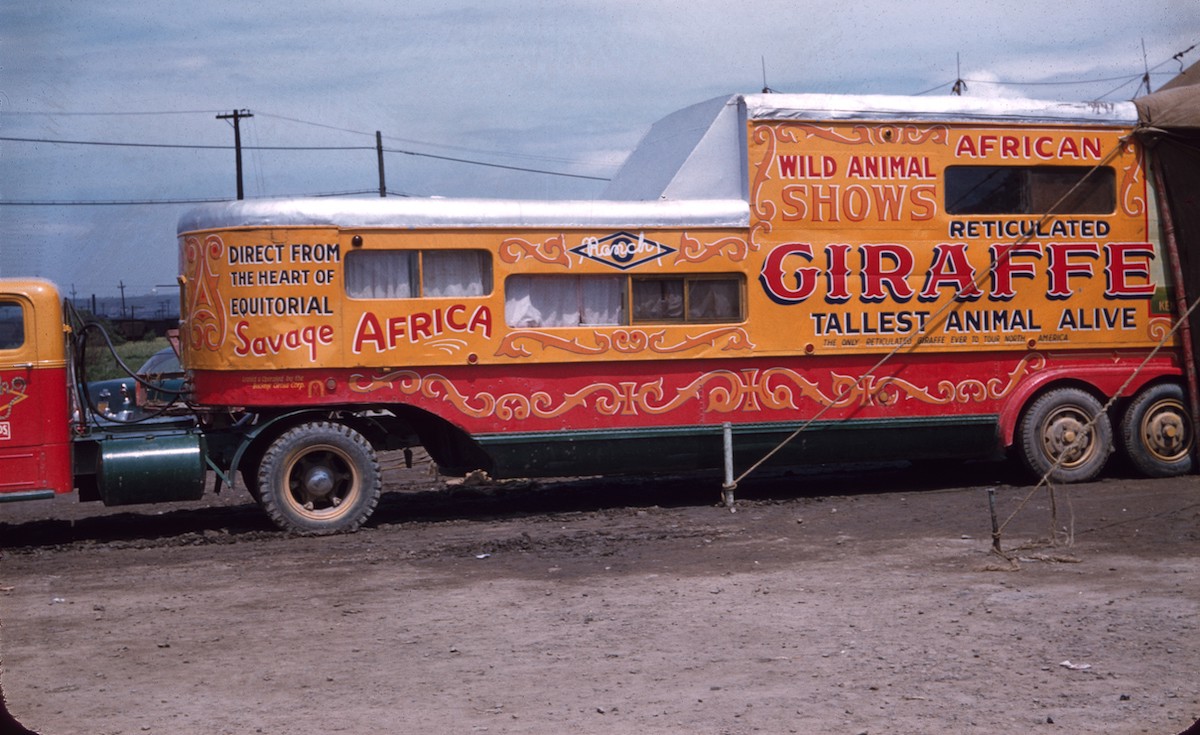
The Ortons performed across many different shows during this period. One regular stop was the Teddy Snowcrop engagement in 1954, where Vern captured these two shots. The circus world of the 1950s was made up of dozens of touring shows large and small, and performers like the Ortons moved between them depending on the season and the contract.
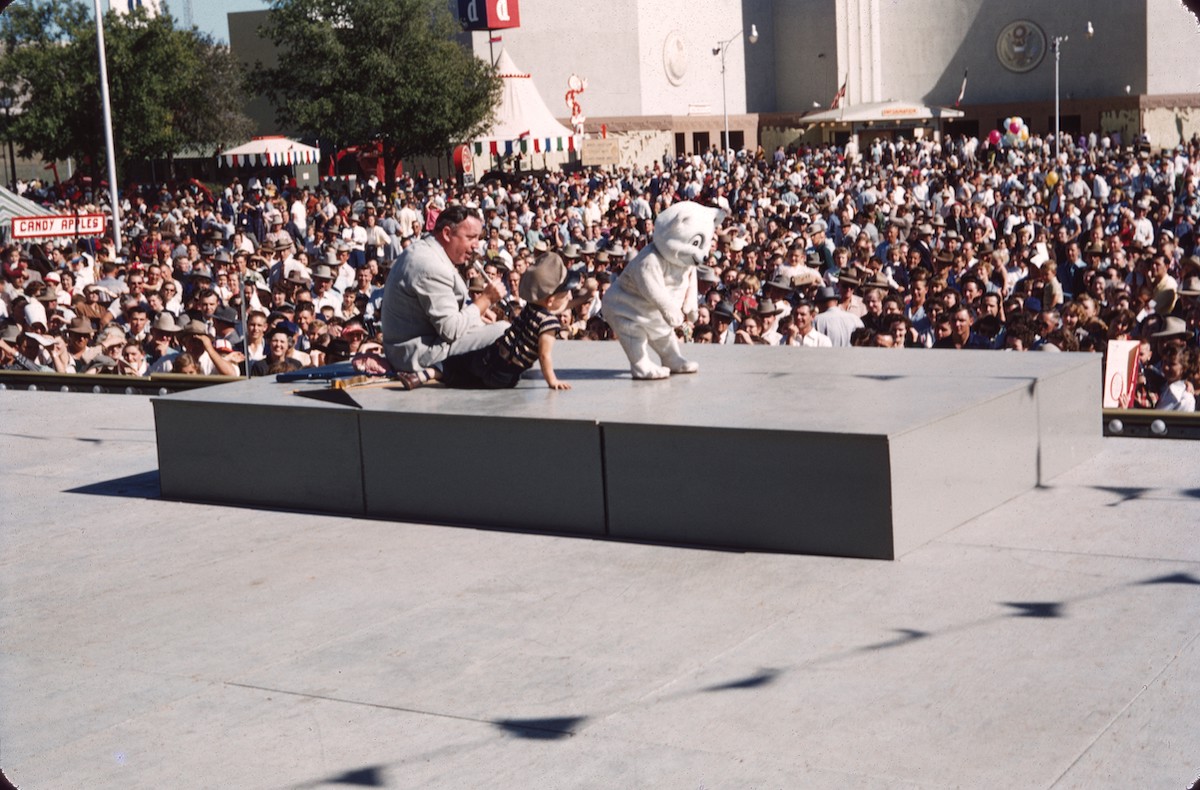
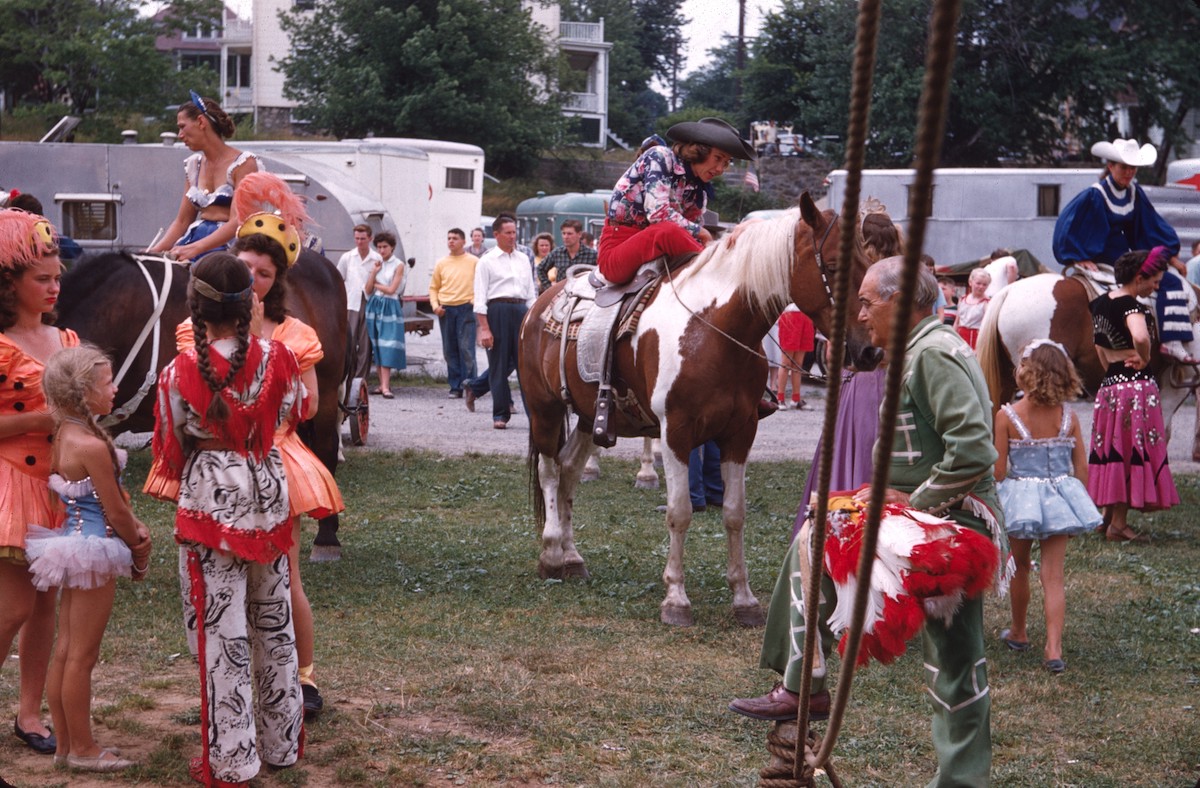
The Bill Lynch Shows were another major touring circuit the Ortons were part of. Based in Canada, the Bill Lynch Shows traveled extensively through North America, and being on its roster in 1956 placed the Ortons among some of the top acts working the continent at that time.
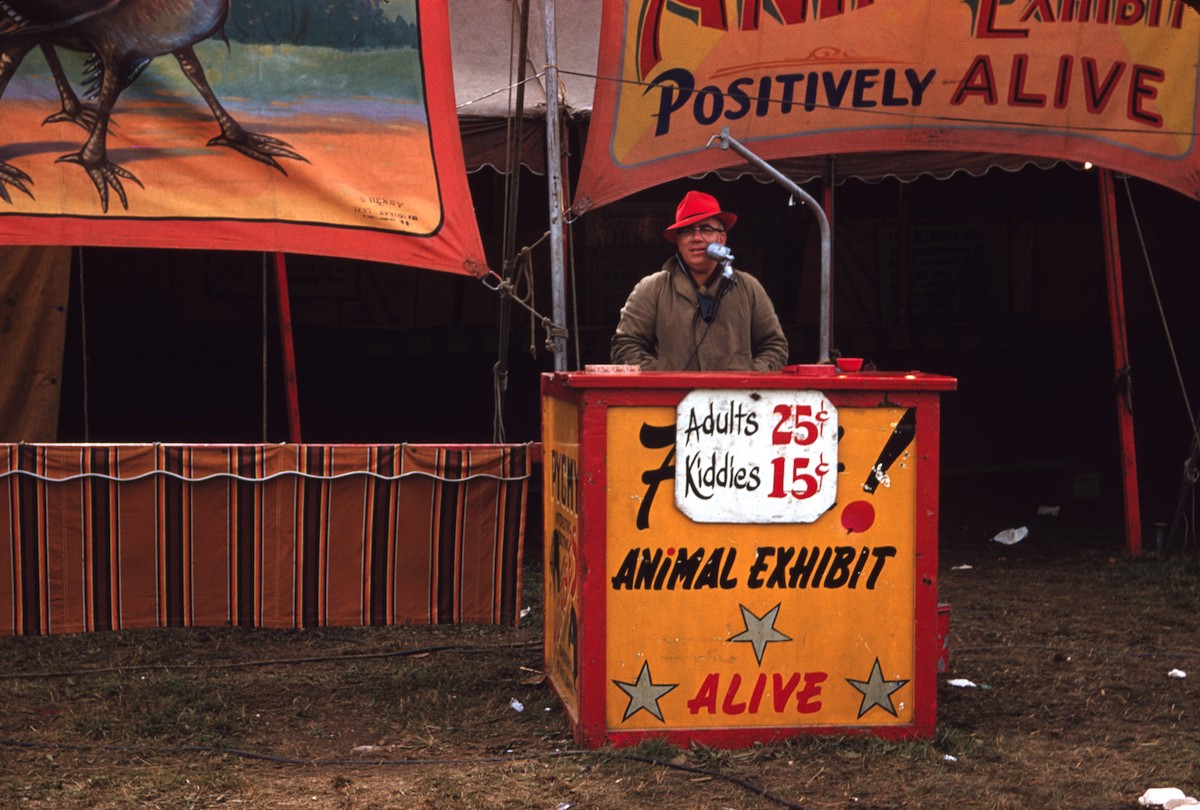
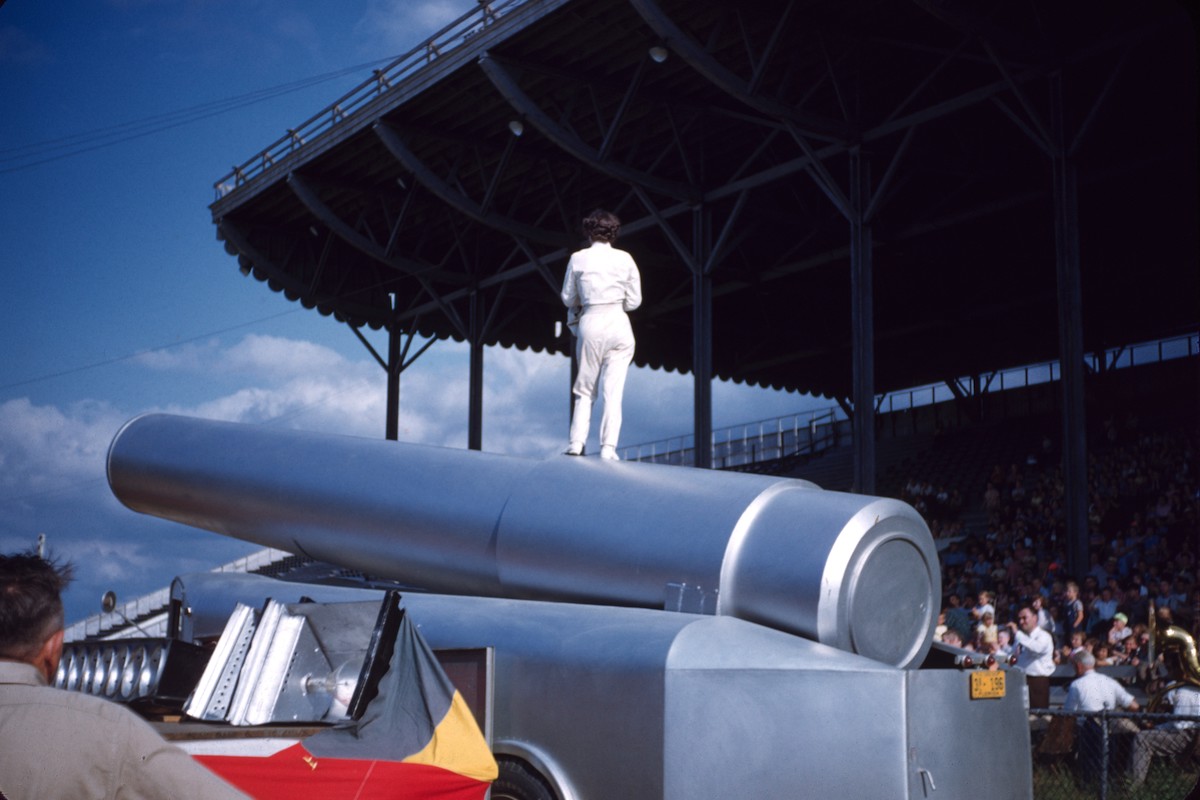
Idlewild Park in 1954 was another venue that drew circus acts of all kinds. Parks and fairgrounds were as common a setting for these performers as the big tops themselves. The Ortons played wherever the audience was.
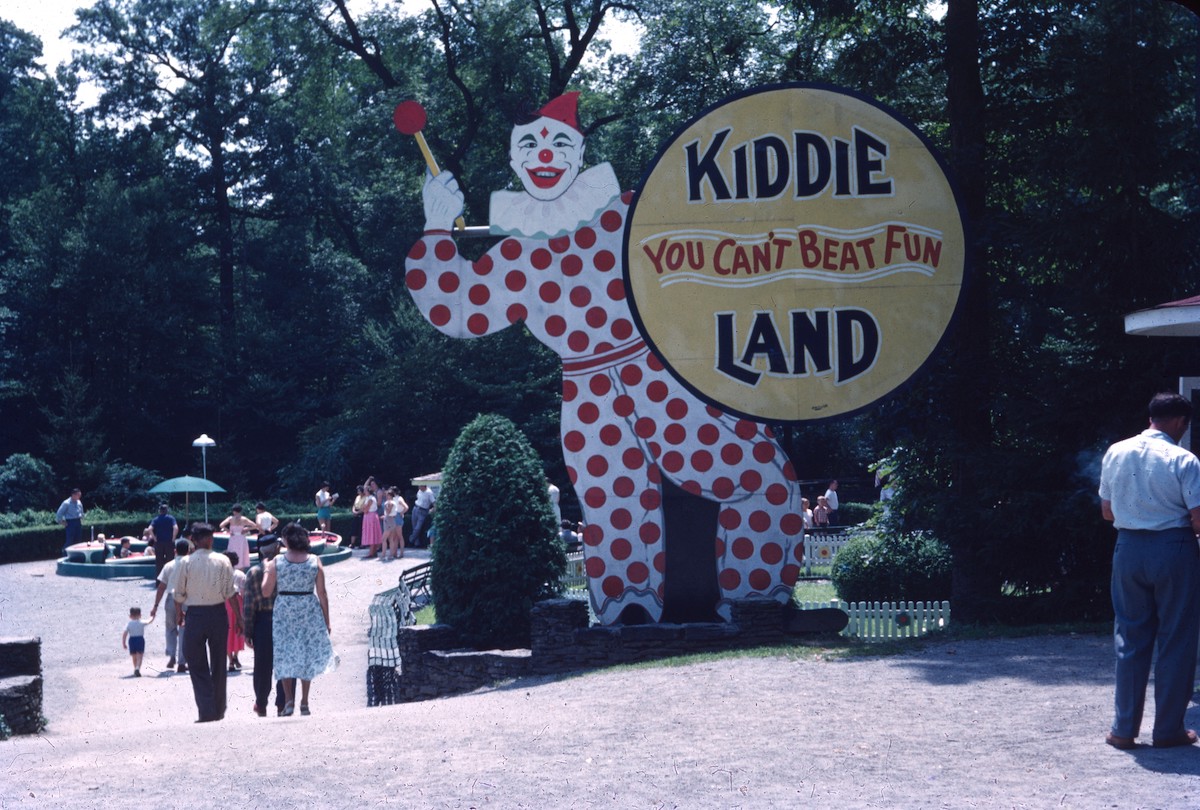
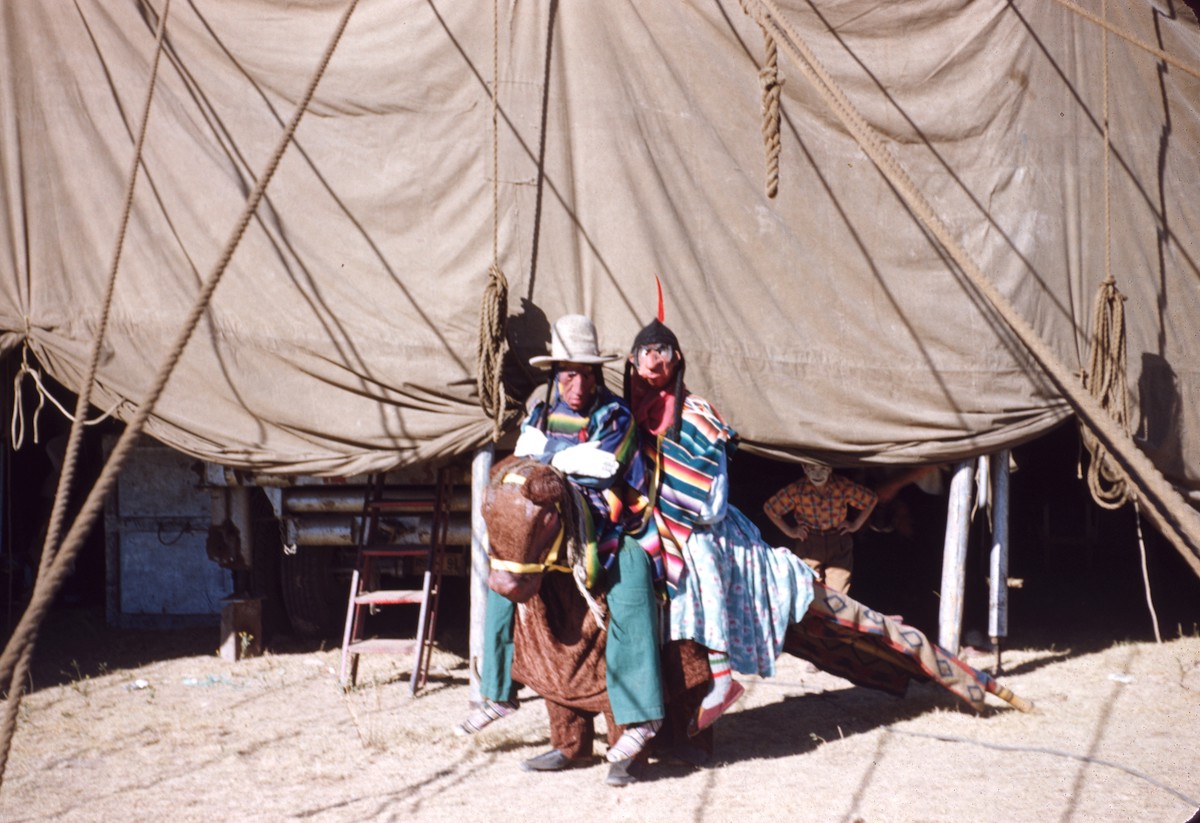
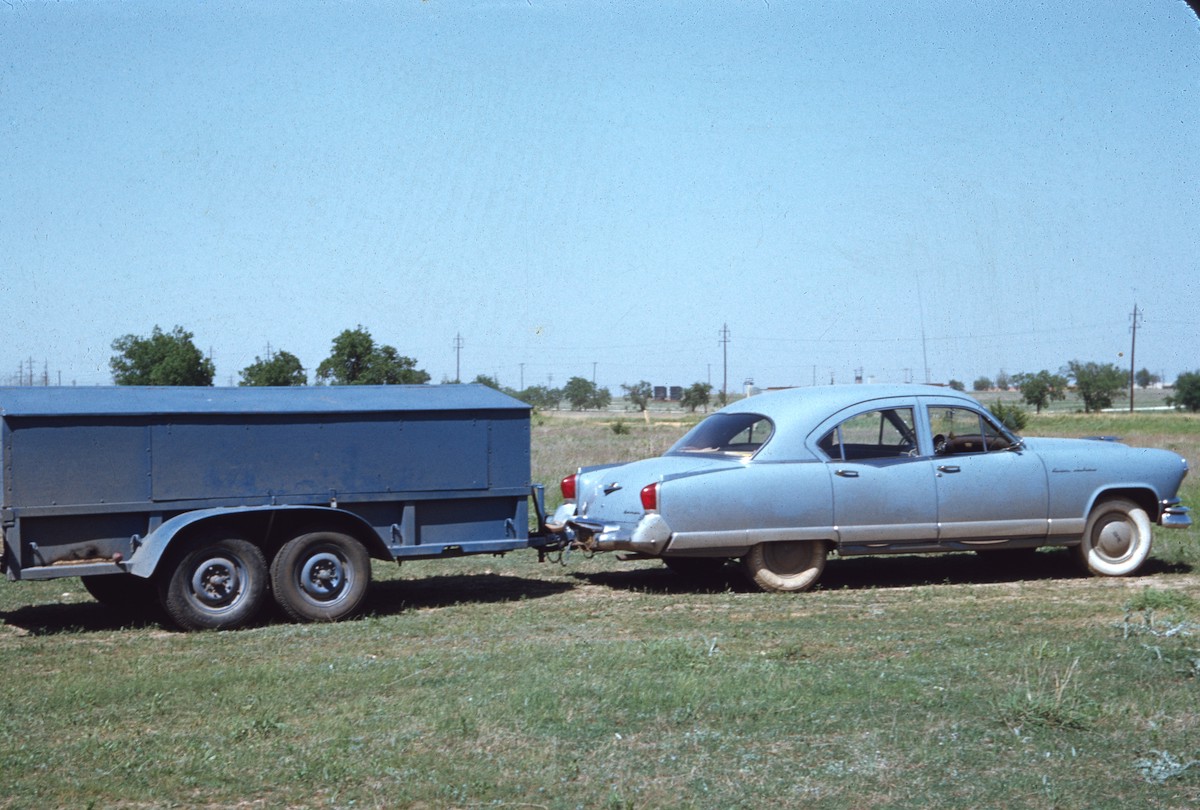
Moving a trapeze act from city to city was no small operation. The rigging alone — the poles, cables, platforms, and rigging hardware needed for a 90-foot aerial act — required its own dedicated hauling setup. This photo from Dallas in 1954 shows exactly how that was done.
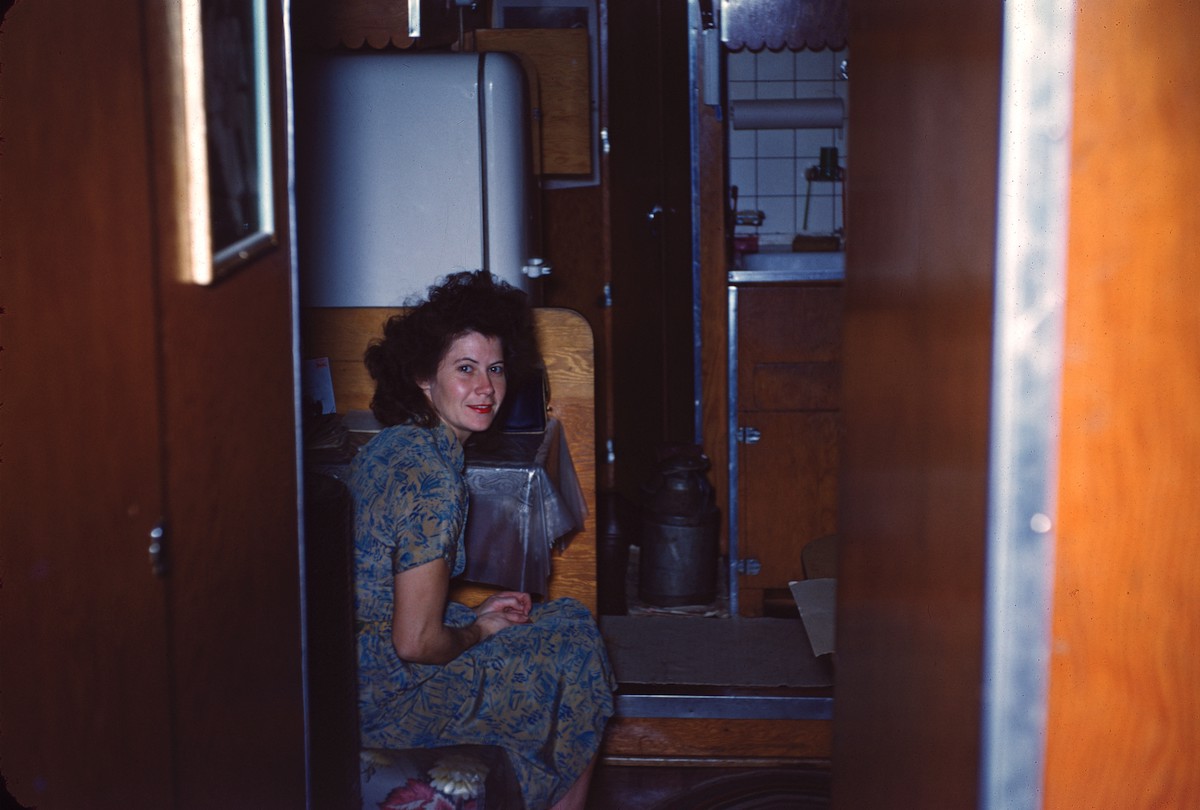
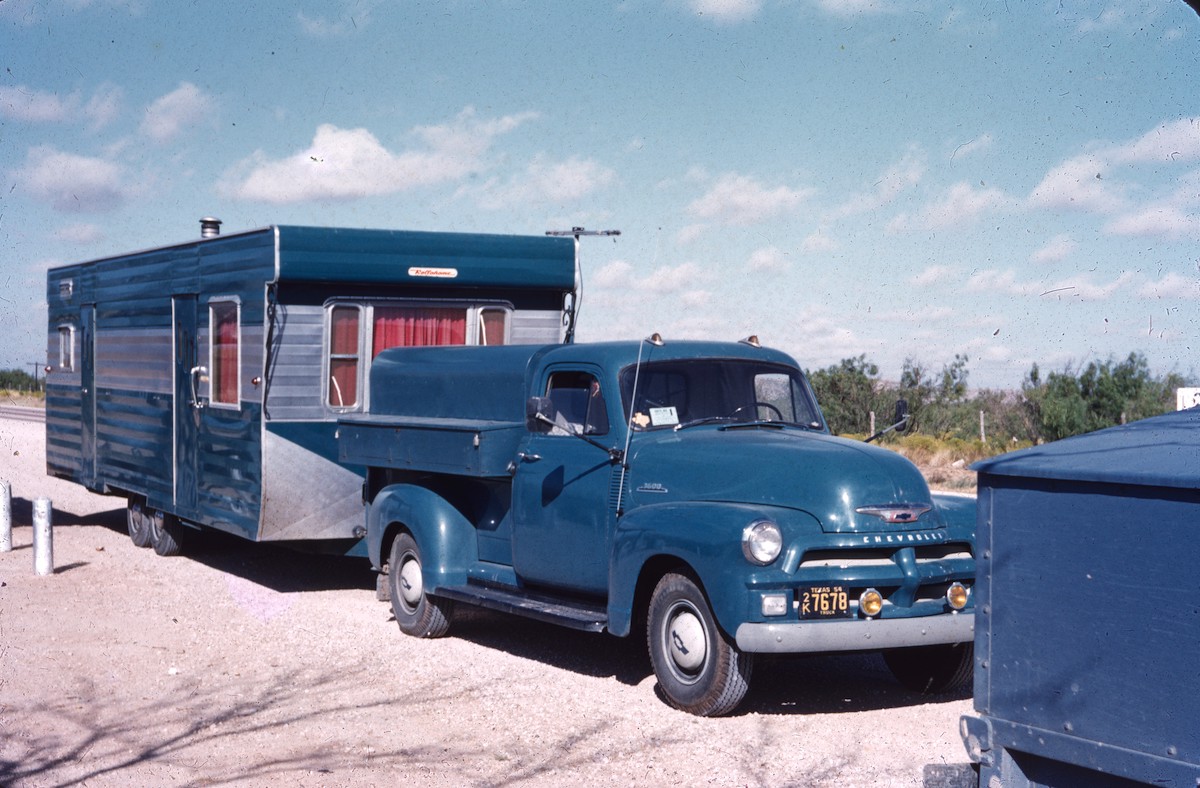
Life between performances happened in close quarters. Trailers were home, and everything the Ortons owned traveled with them. Dorrie Orton is photographed inside the trailer in Dallas in 1951, a snapshot of the domestic reality behind the glamour of the circus.
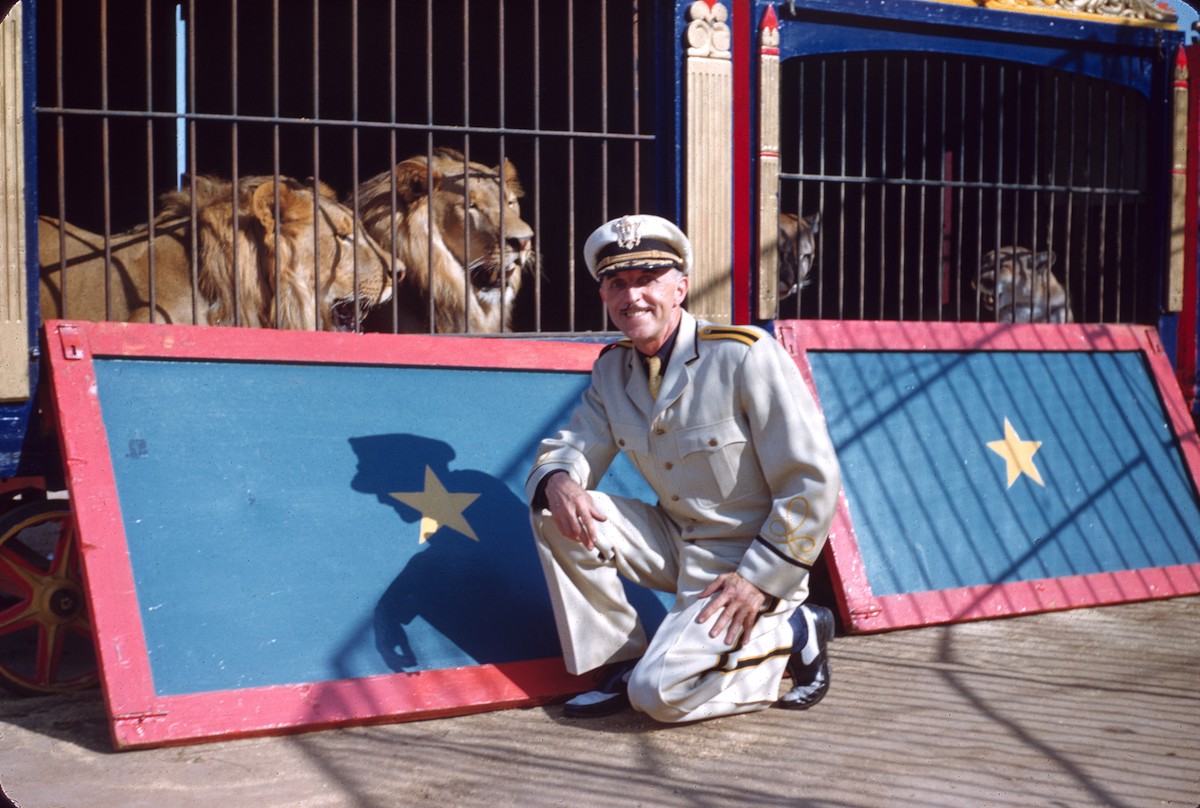
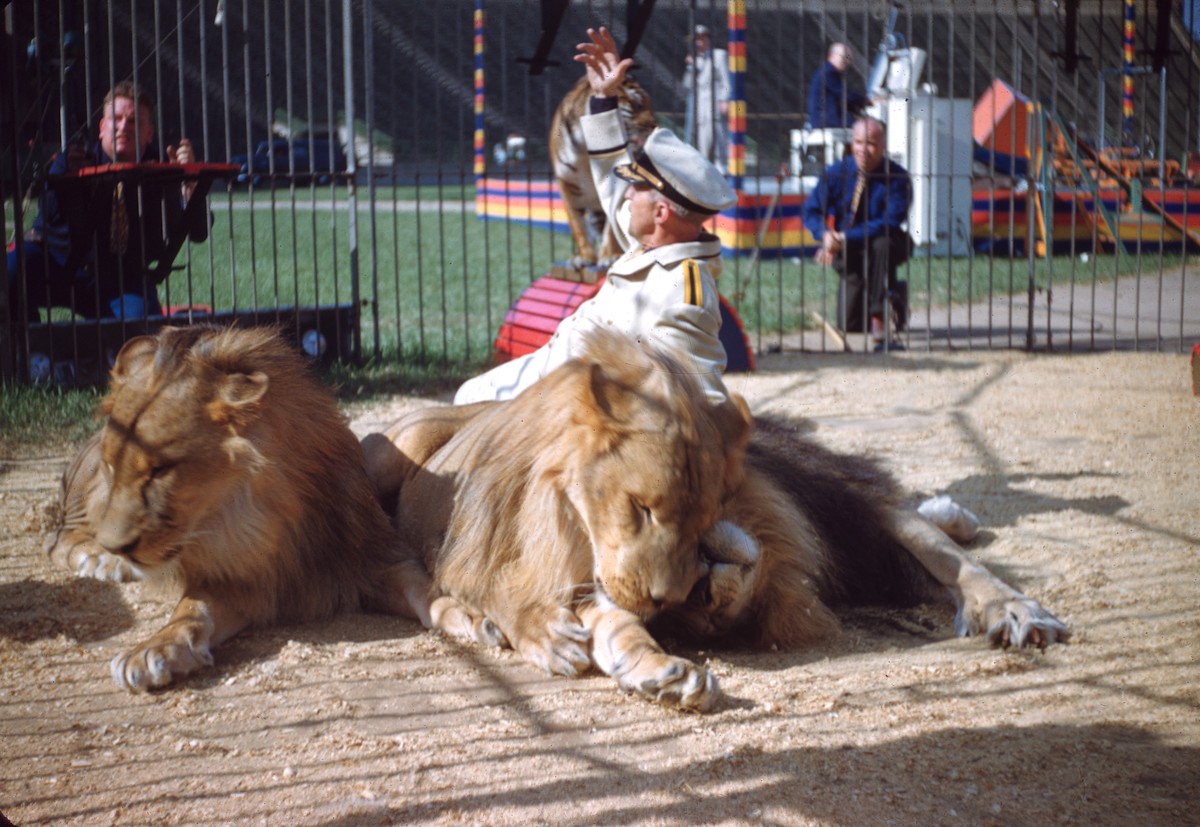
The circus also meant being around some extraordinary animal acts. Professor George Keller ran one of the more notable animal shows of the era. His 1954 engagement is documented in two photographs taken by Vern, showing the kind of wild animal performances that were a staple of American circus entertainment during this period.
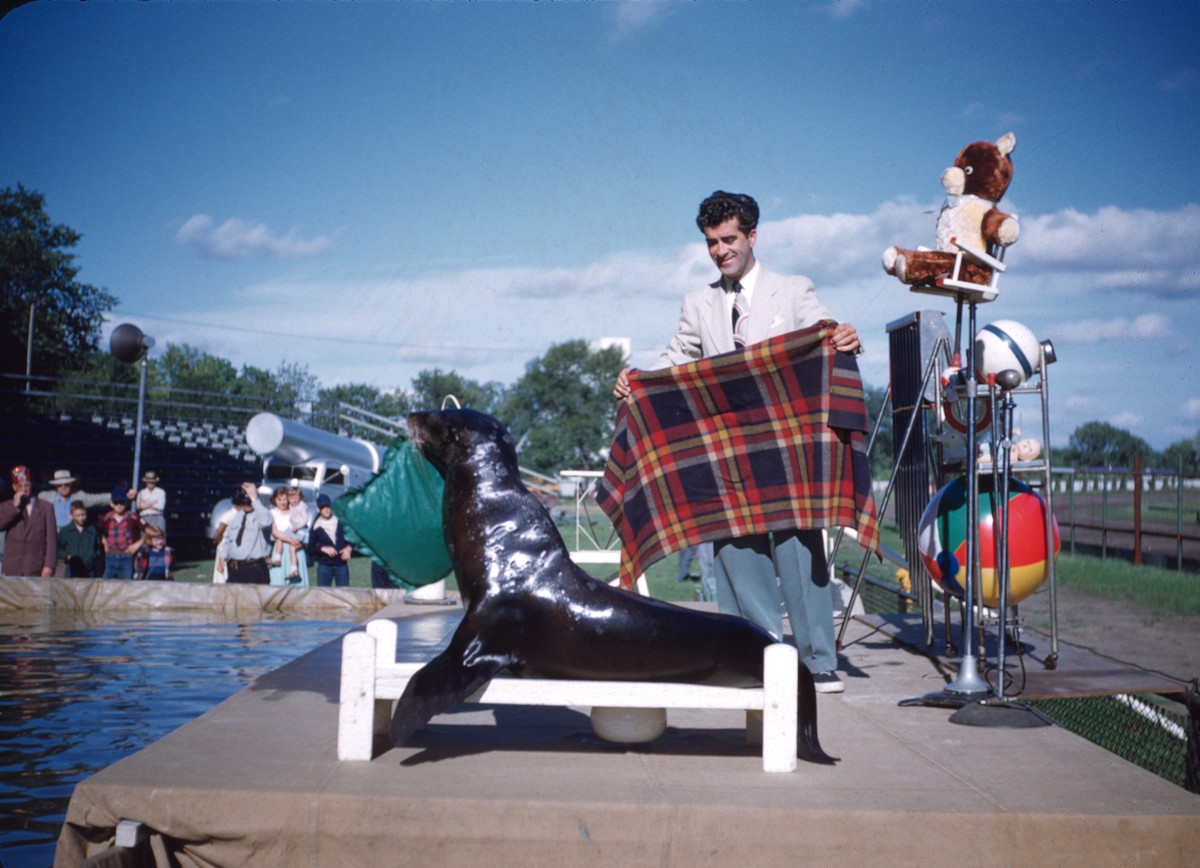
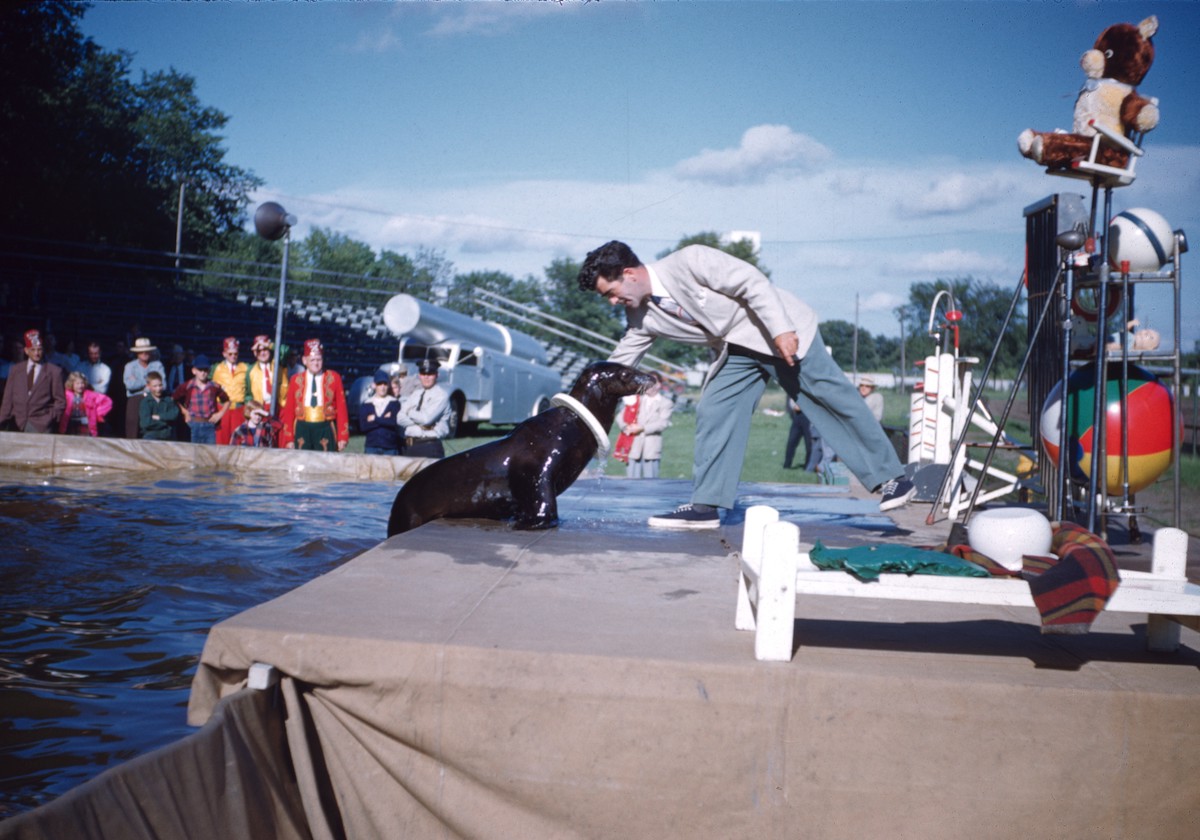
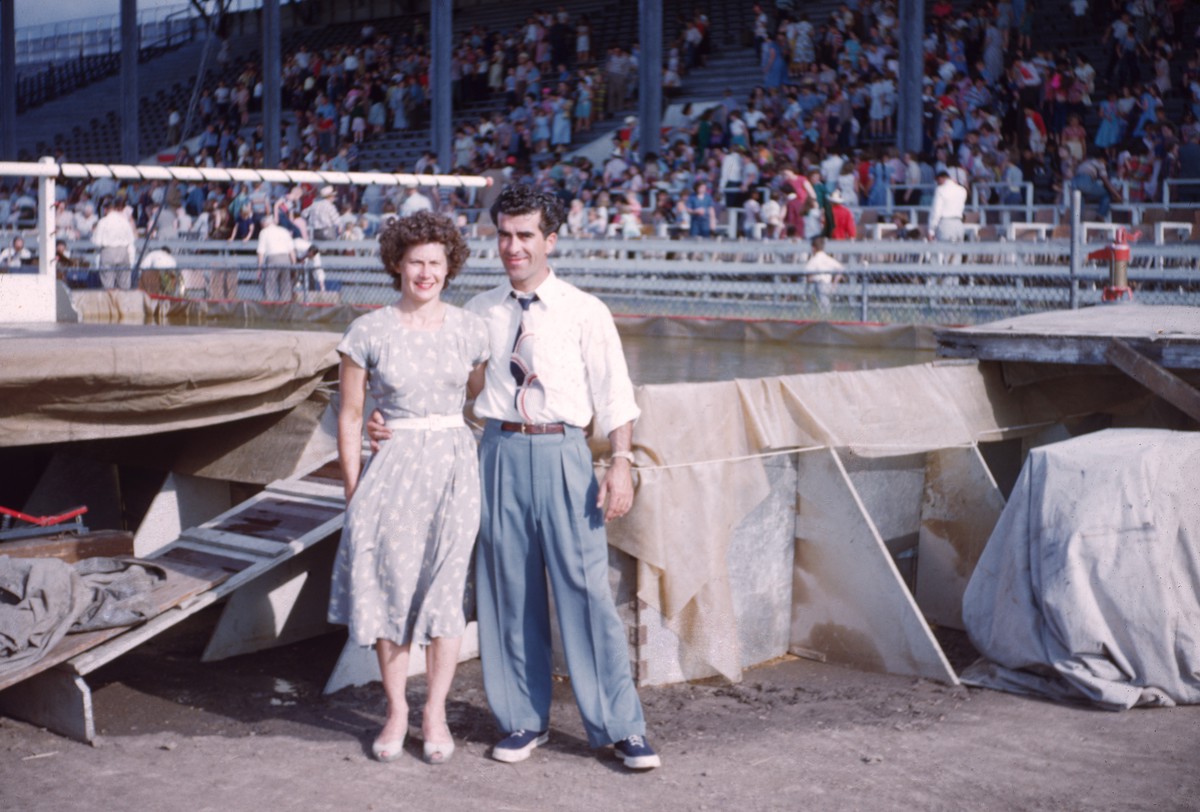
Not all the acts involved high-wire danger or roaring big cats. Sharkey the Seal and his handler Billy Roe brought a lighter energy to the show floor. Two photos from 1954 capture Sharkey in action, and a third shows Dorrie Orton alongside Billy Roe — a reminder of how tight-knit the circus community was. Performers knew each other, traveled near each other, and often looked out for each other.
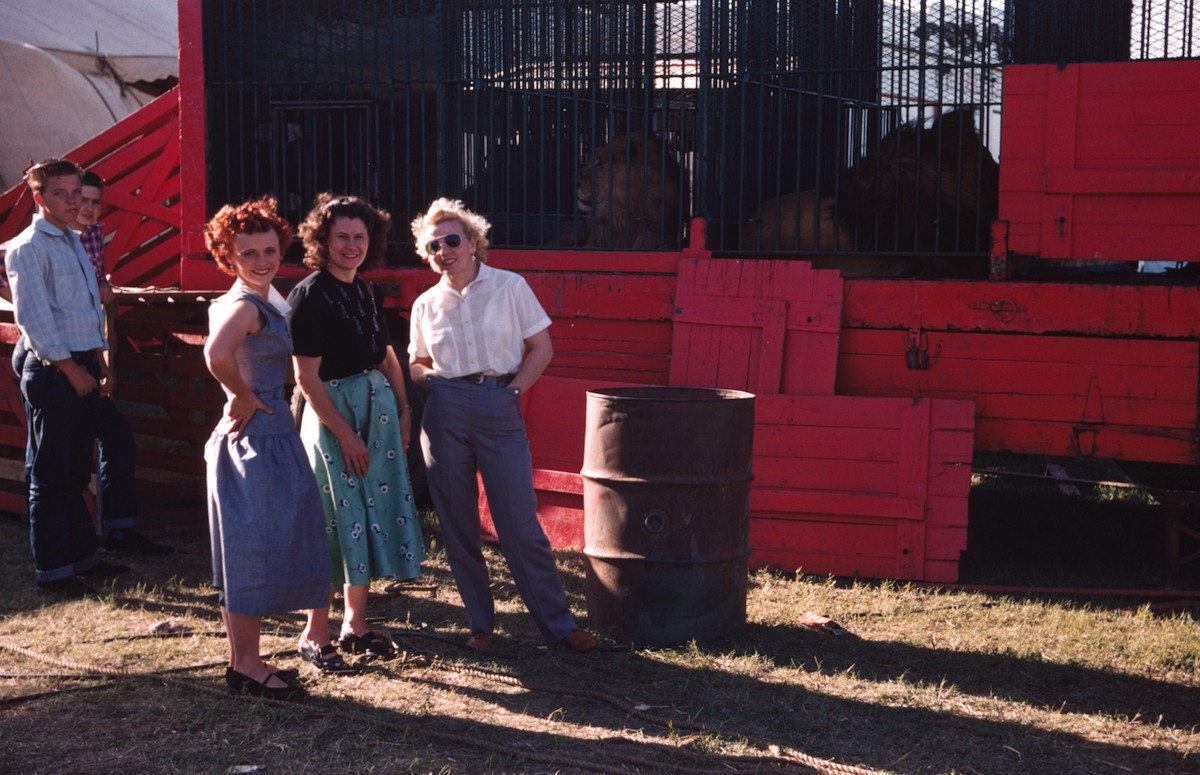
The Police Circus in Union City, New Jersey, in 1954 featured a performer named Adia — captured here in what appears to be a candid moment from the show grounds. Police circuses were charity-style events organized by local law enforcement, and they drew top talent from the touring circuit.
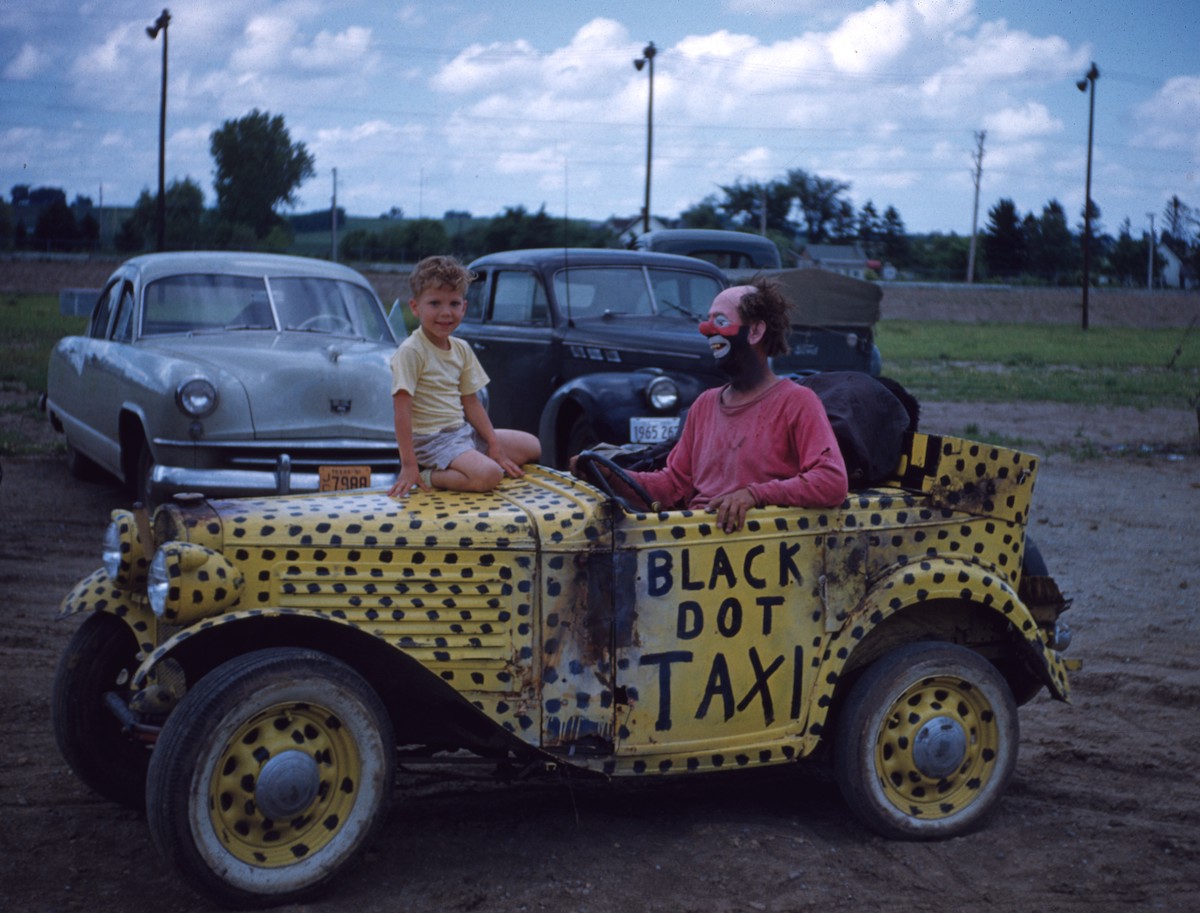
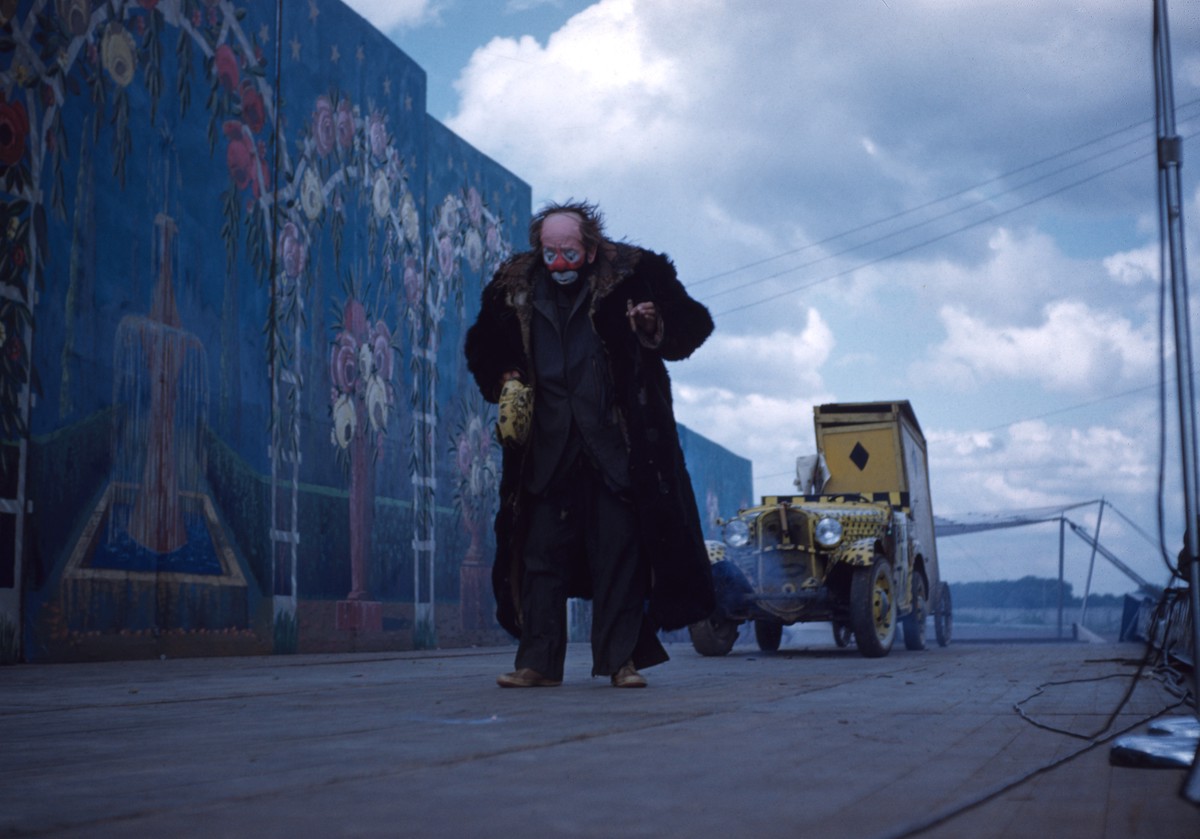
Clowns were as central to circus culture as any acrobat or animal trainer. Slivvers the Clown appears in two photos from 1954, full costume and all. Clowning was a skilled trade — timing, physical comedy, and crowd reading were all part of the craft — and a performer like Slivvers was a professional in every sense of the word.
The Ortons crossed paths with a wide range of acts during their years on the road. Les Hildalys, The Sky Kings — Bill and Doug — and The Simru Duo, known as “Peaches and Simmie,” were all part of the same traveling world. The Simru Duo was photographed in Endicott, New York, in 1954.
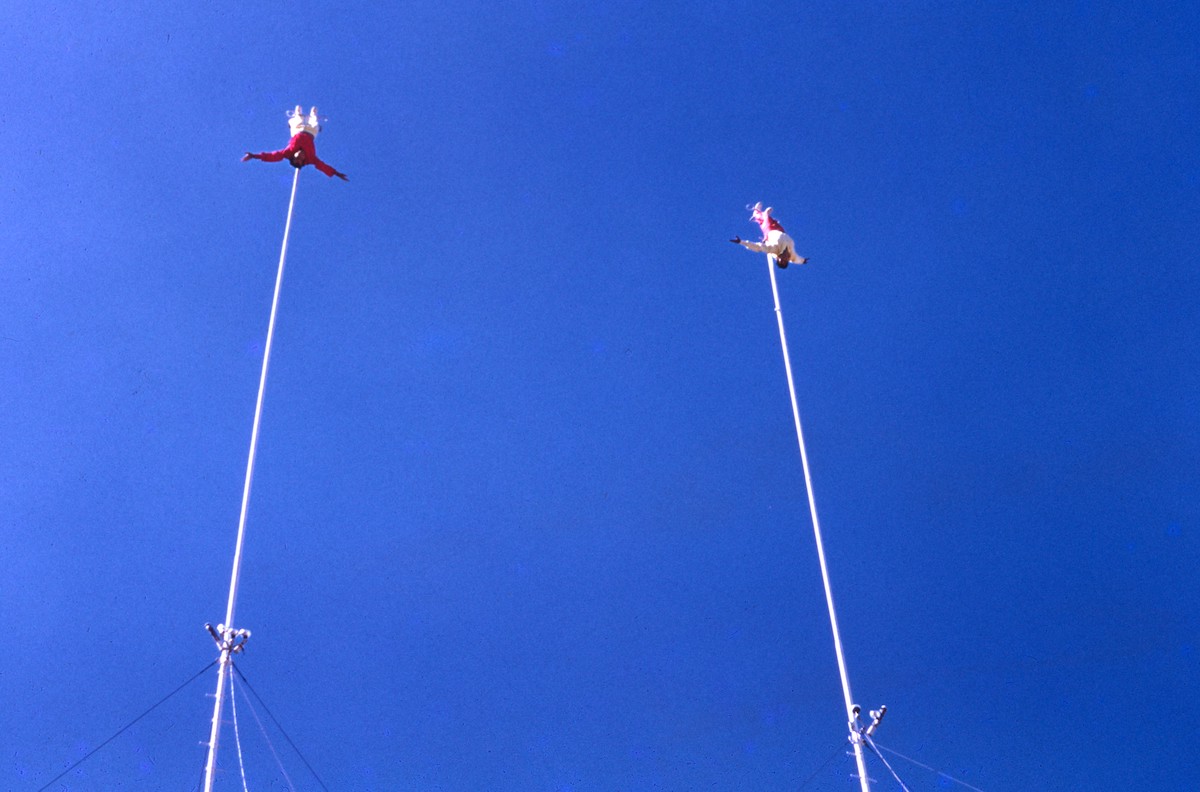
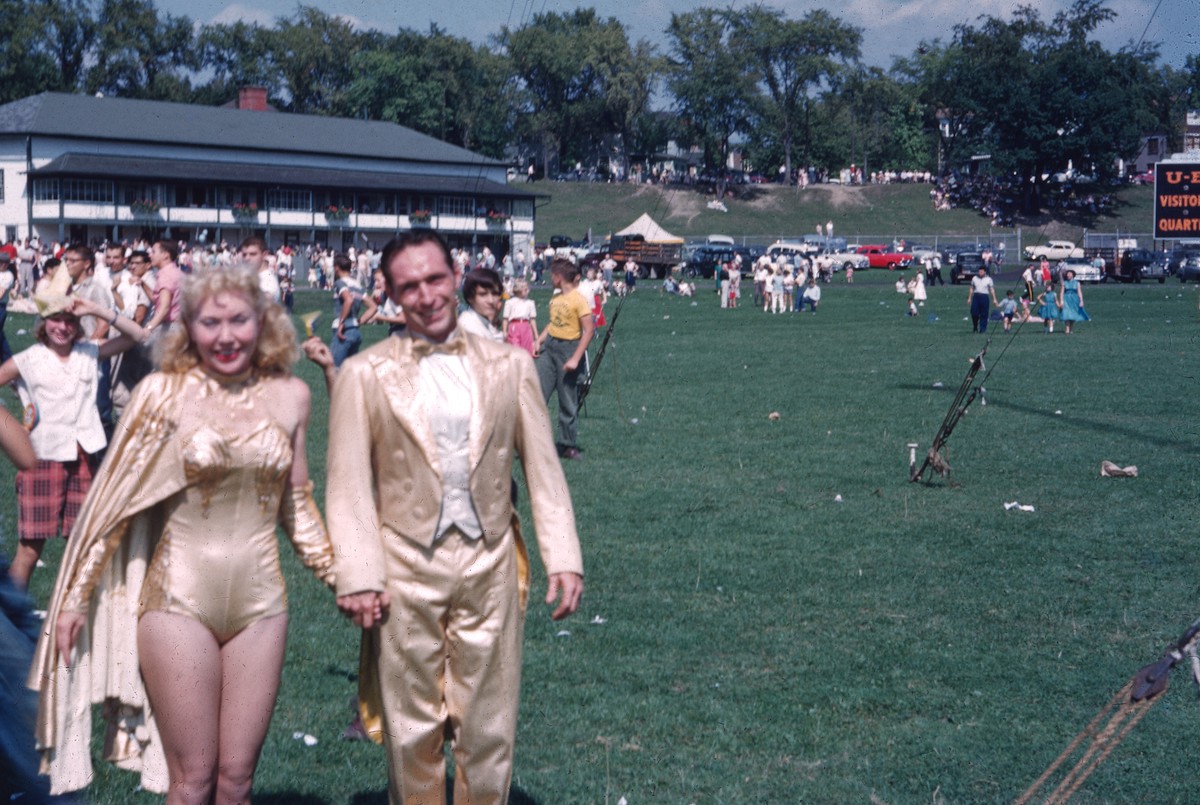
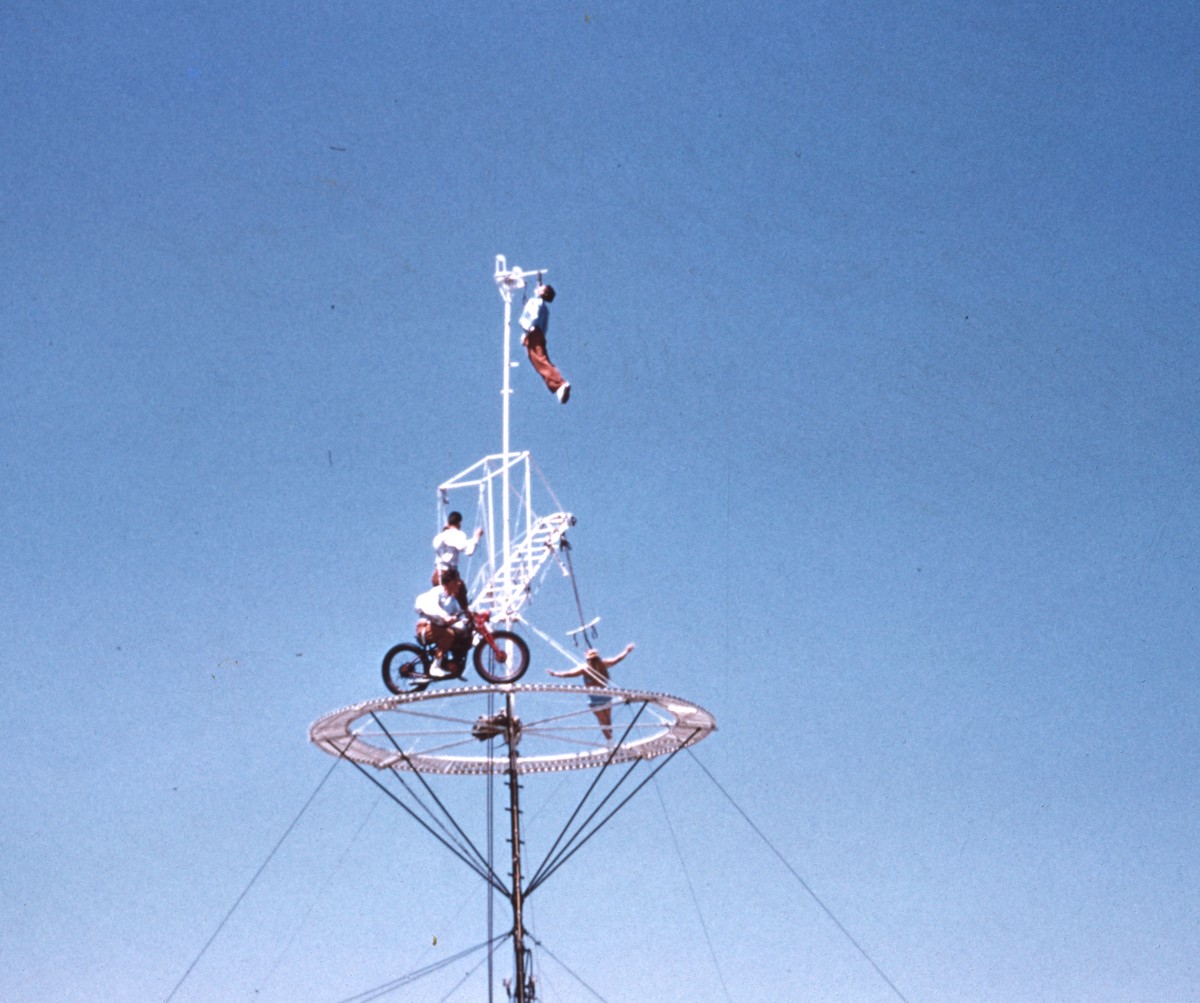
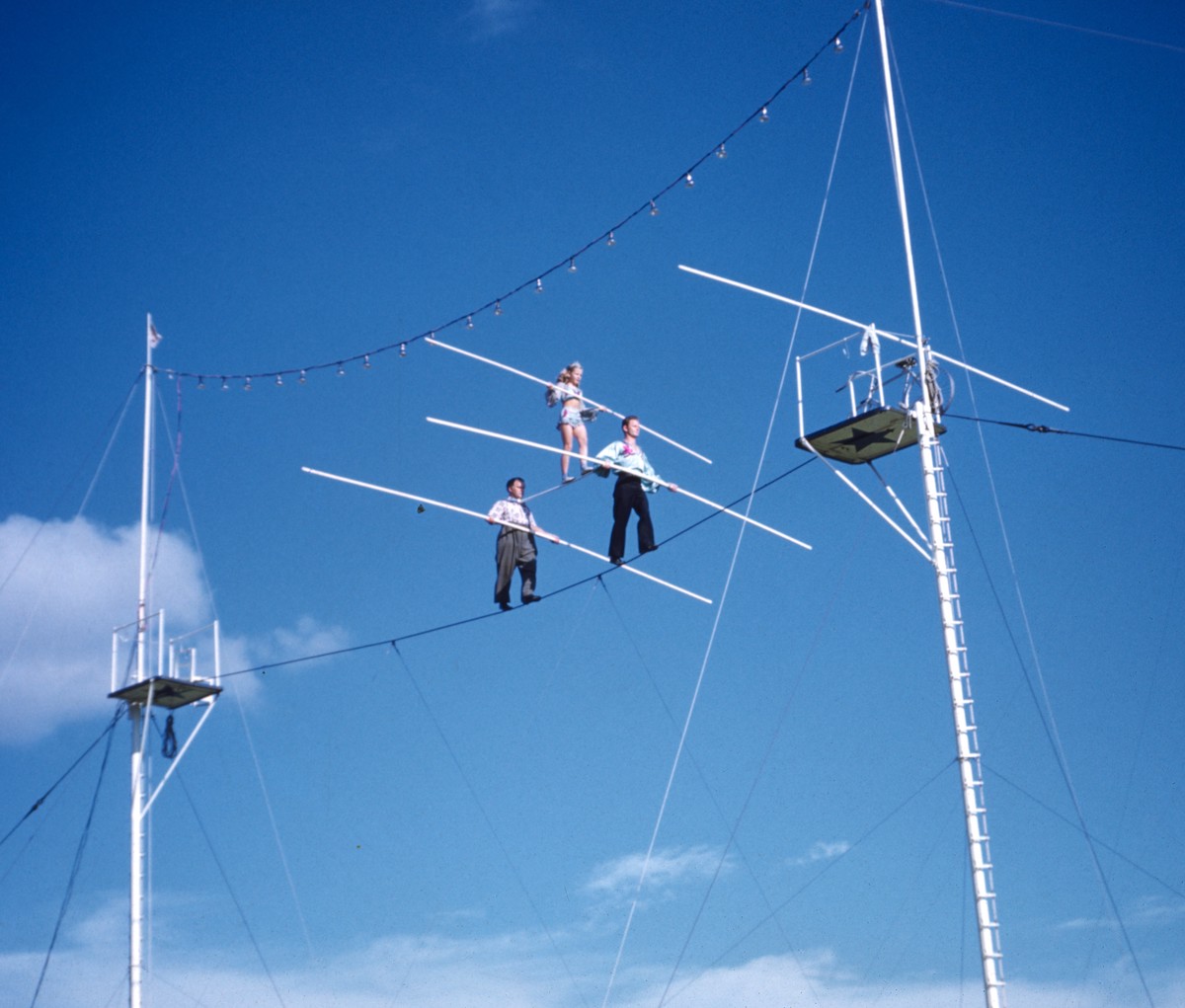
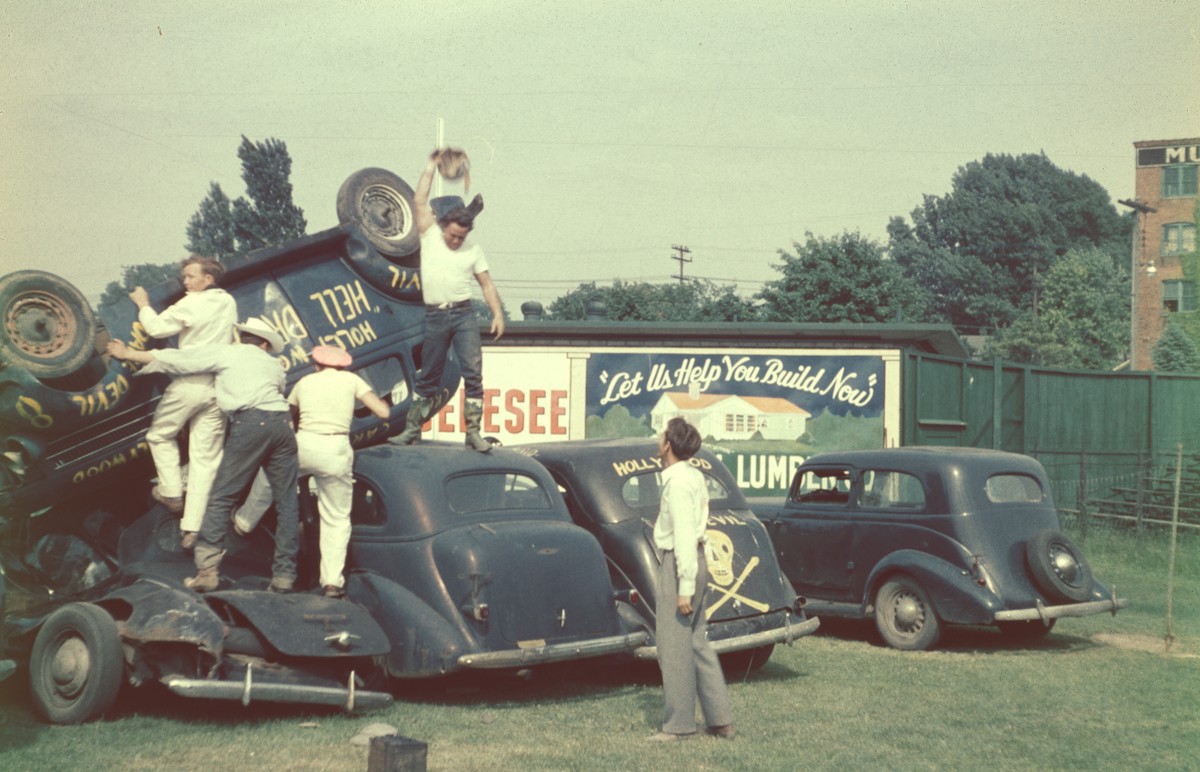
The Hollywood Hell Drivers added a different kind of thrill to the circus atmosphere — automotive daredevilry that drew crowds just as effectively as any high-wire act. Stunt driving shows were a popular sideshow attraction throughout the 1950s, and groups like this traveled the same circuits as the Ortons.
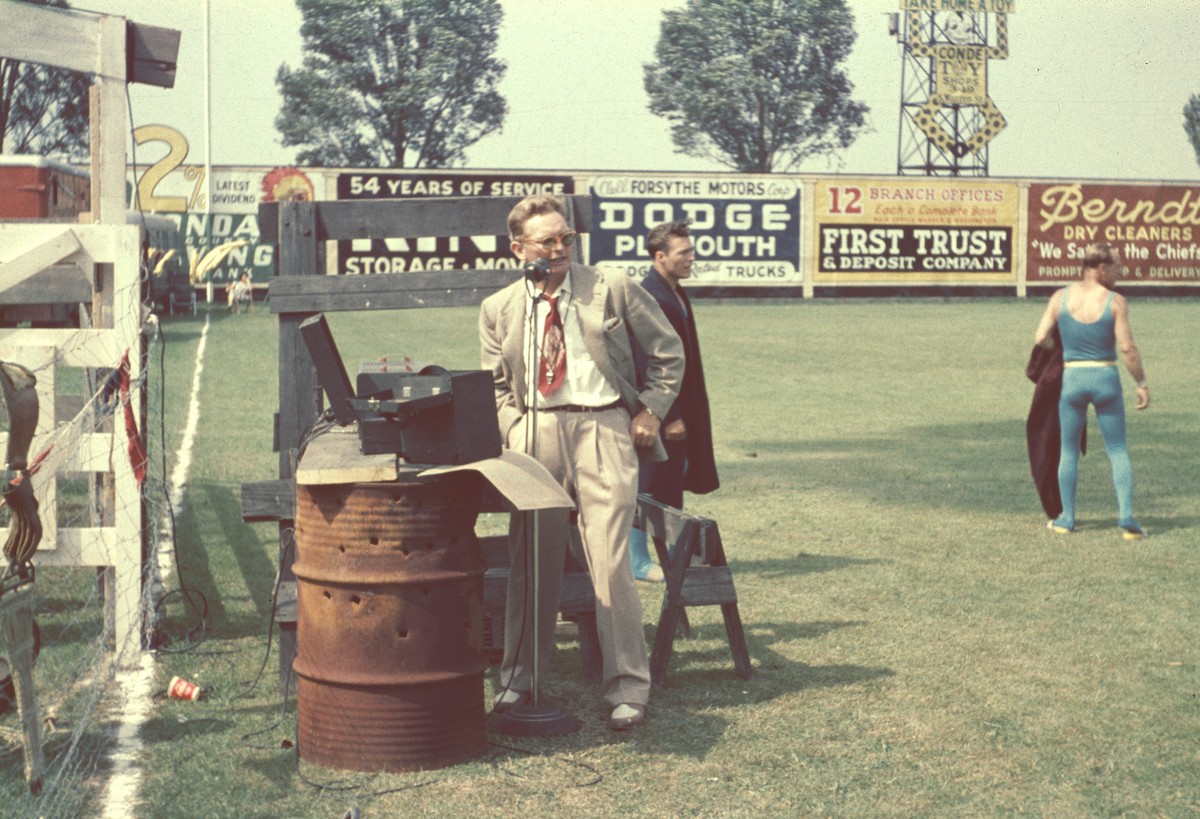
The Milos were another act in the Ortons’ orbit in 1954. Dorrie Orton also appears in a photo alongside Teddy and Dickey that same year, giving a sense of the family’s constant social and professional connections throughout the touring season.
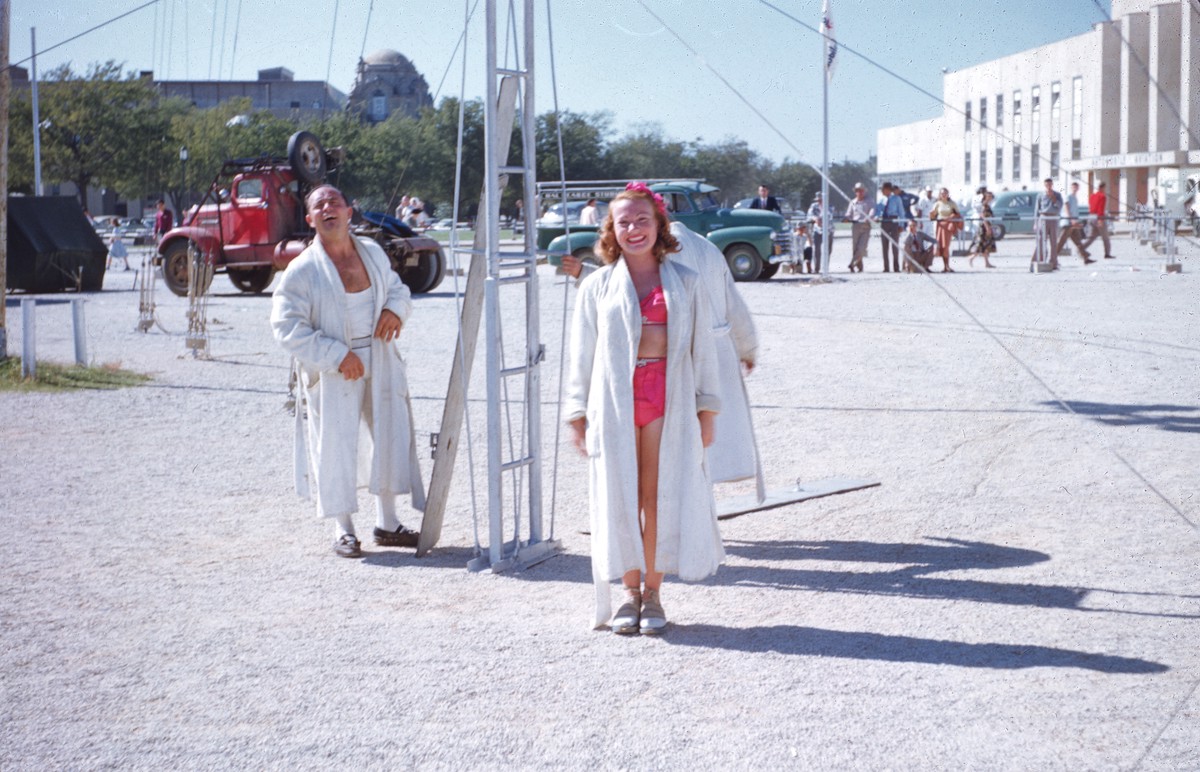
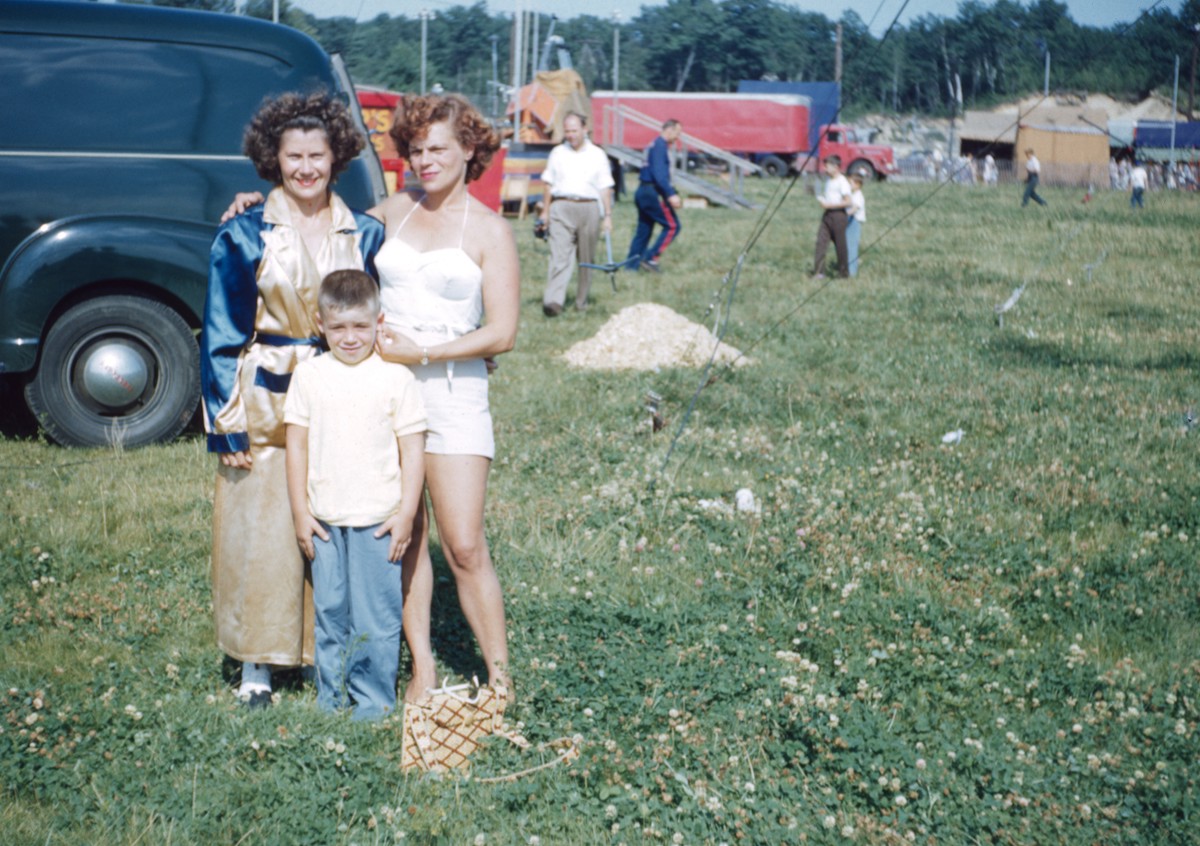
Ford Orton, photographed in 1956, represents the continuation of the family tradition. The name Orton had been synonymous with circus performance for over a hundred years by this point, and each new generation carried that forward on stages and under big tops across two continents.
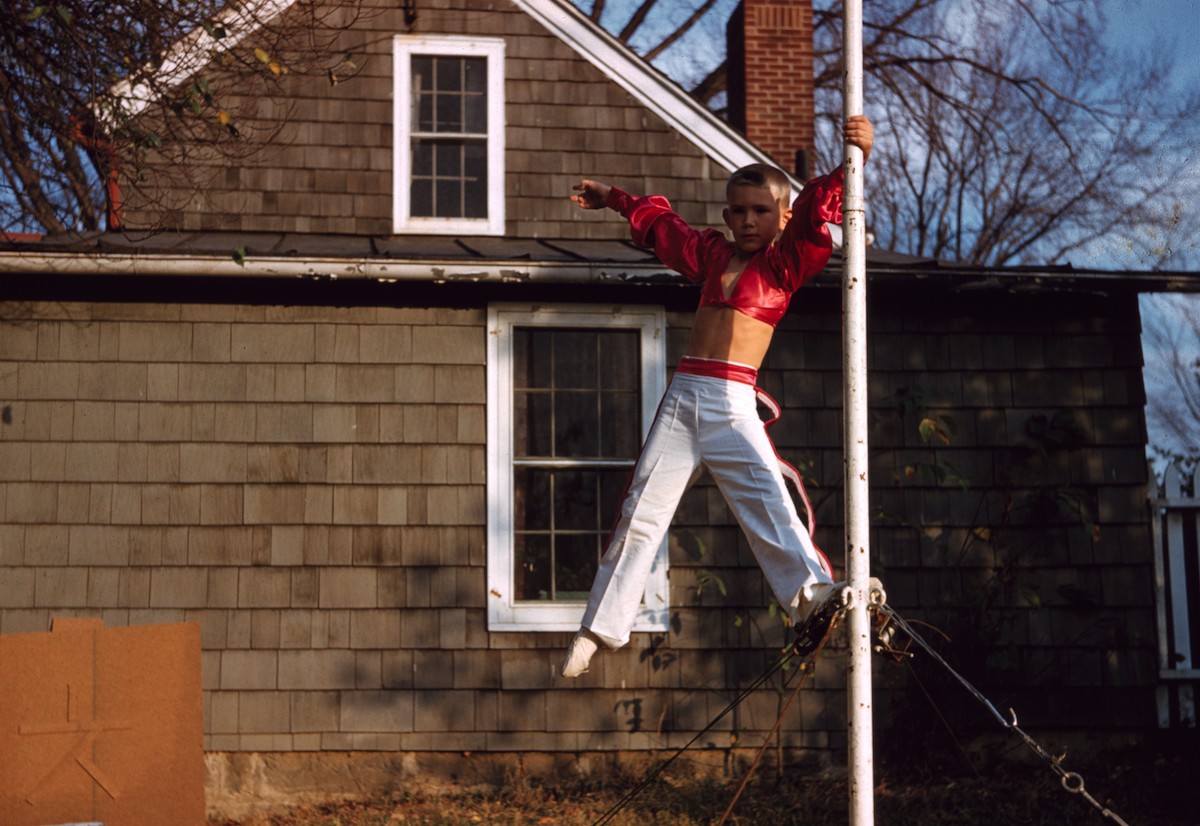
Behind the scenes — what circus performers called “the back yard” — was where the real life of the show happened. Props were repaired, costumes were adjusted, and performers warmed up or wound down. The Lamberti and Condors are photographed in that space in 1954, alongside Adrian and Charlie, and The Dormans.
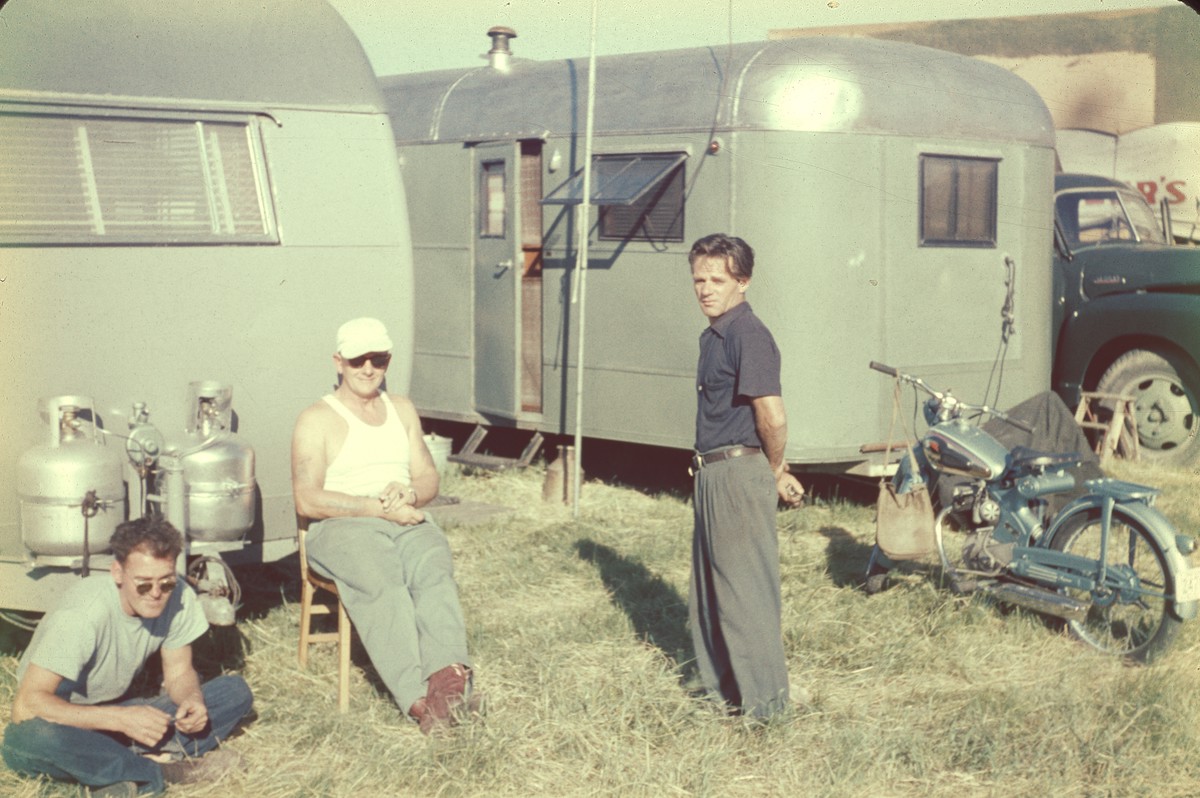
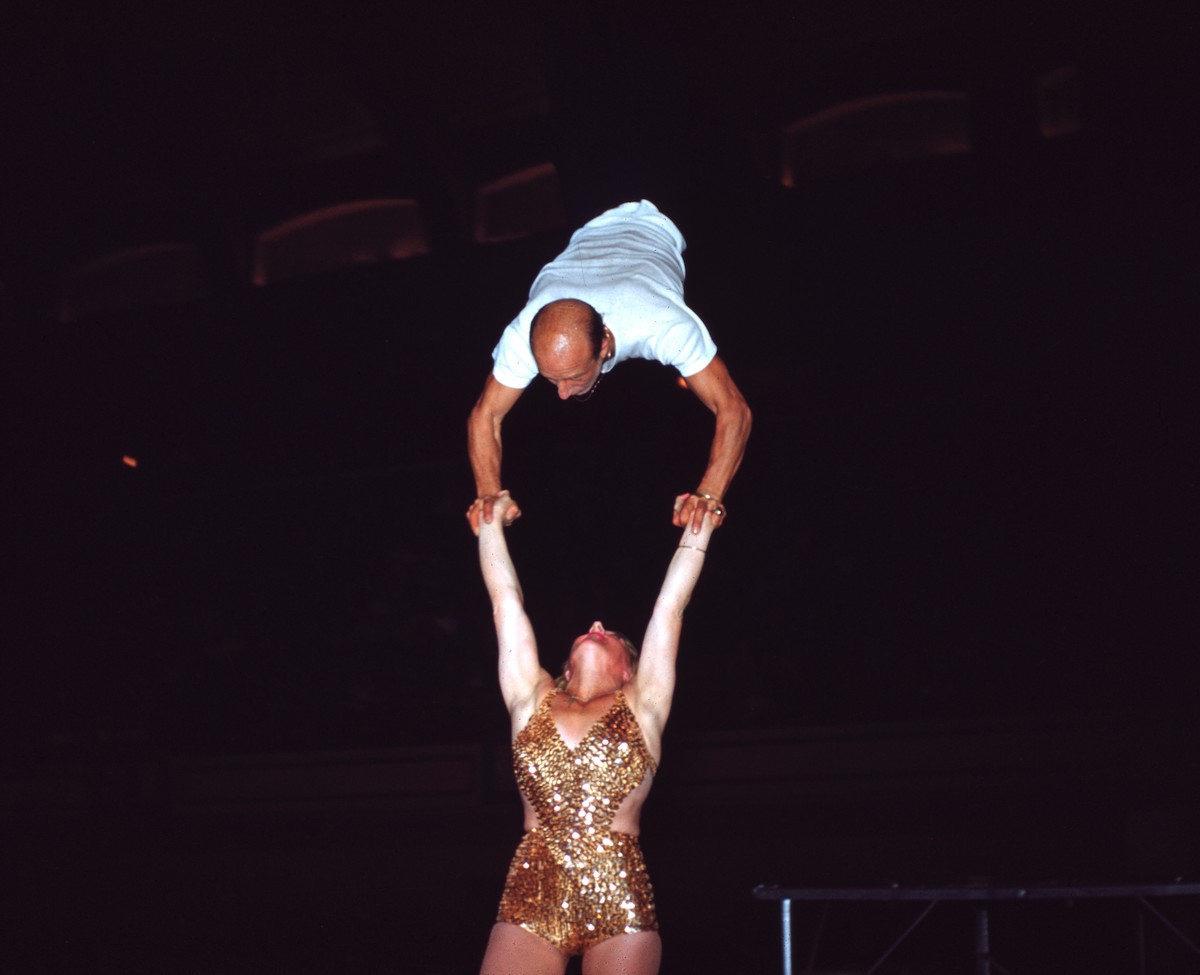
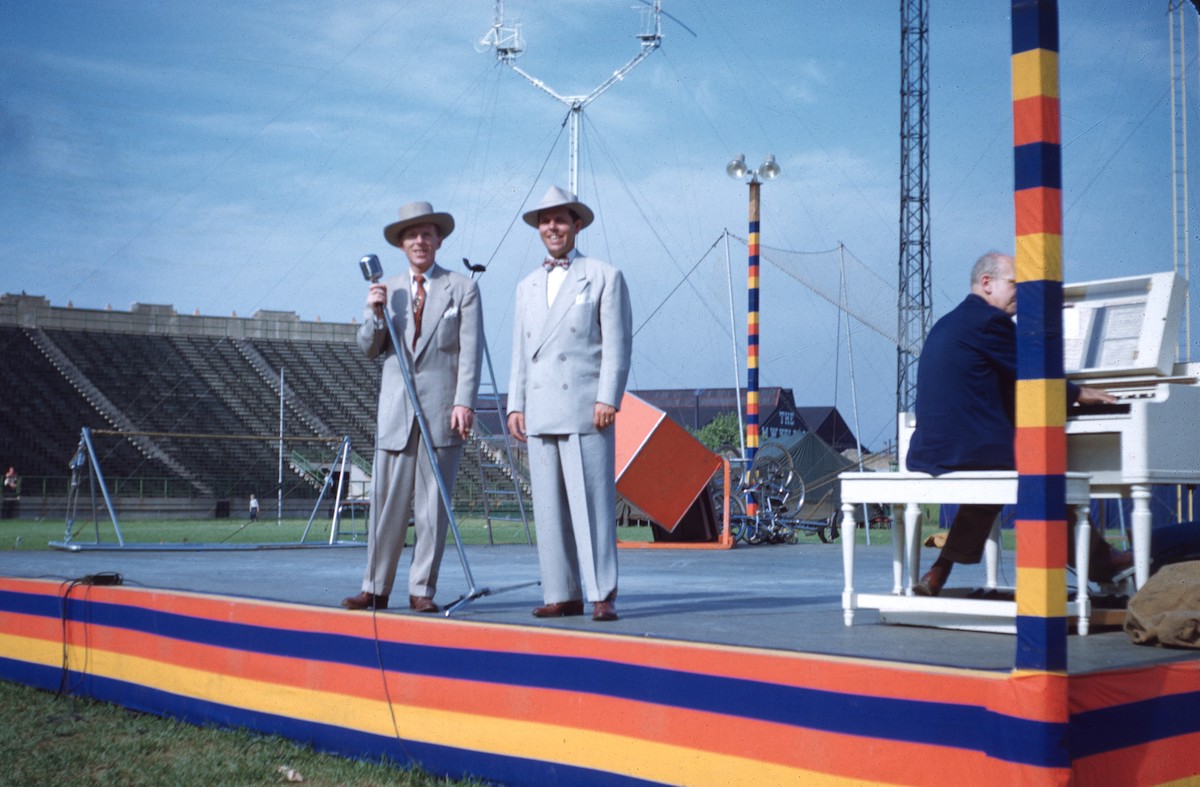
The Kelly-Miller Circus was one of the most well-known touring circuses in America during the mid-20th century. In 1954, Dorrie Orton was photographed there with Shirley and Gracie — three women who were clearly comfortable in the world of the big top.
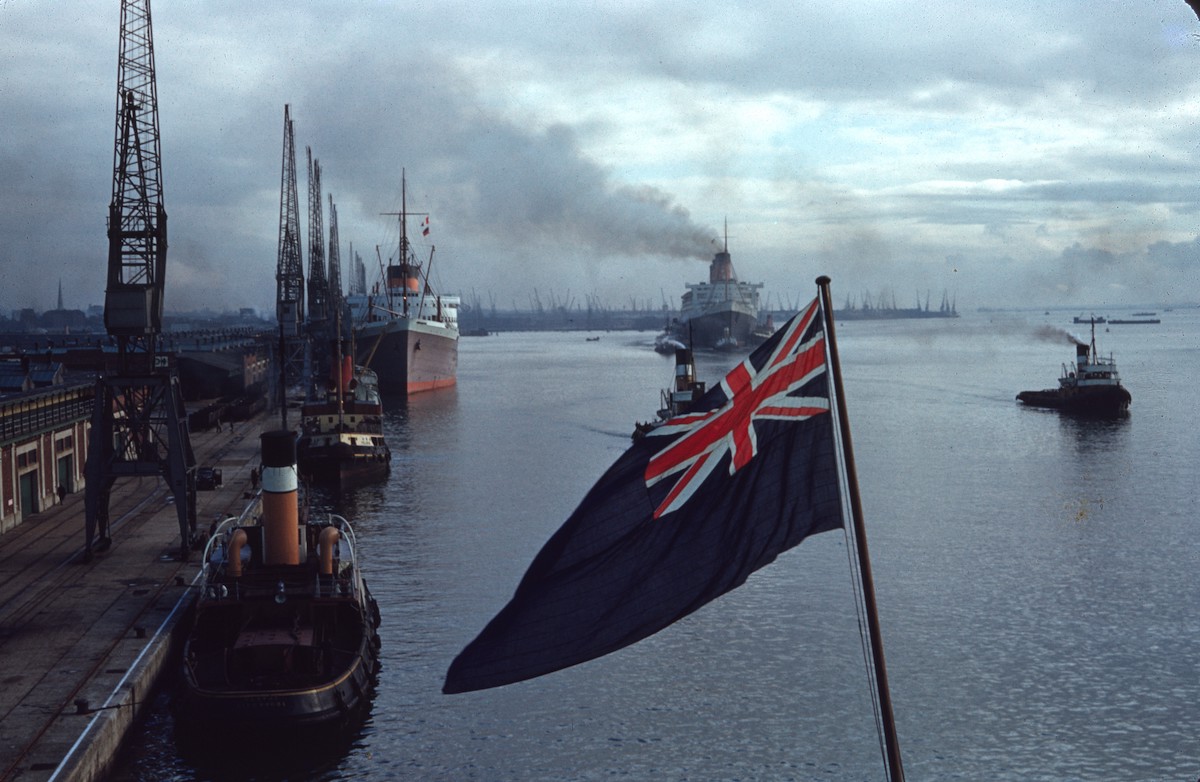
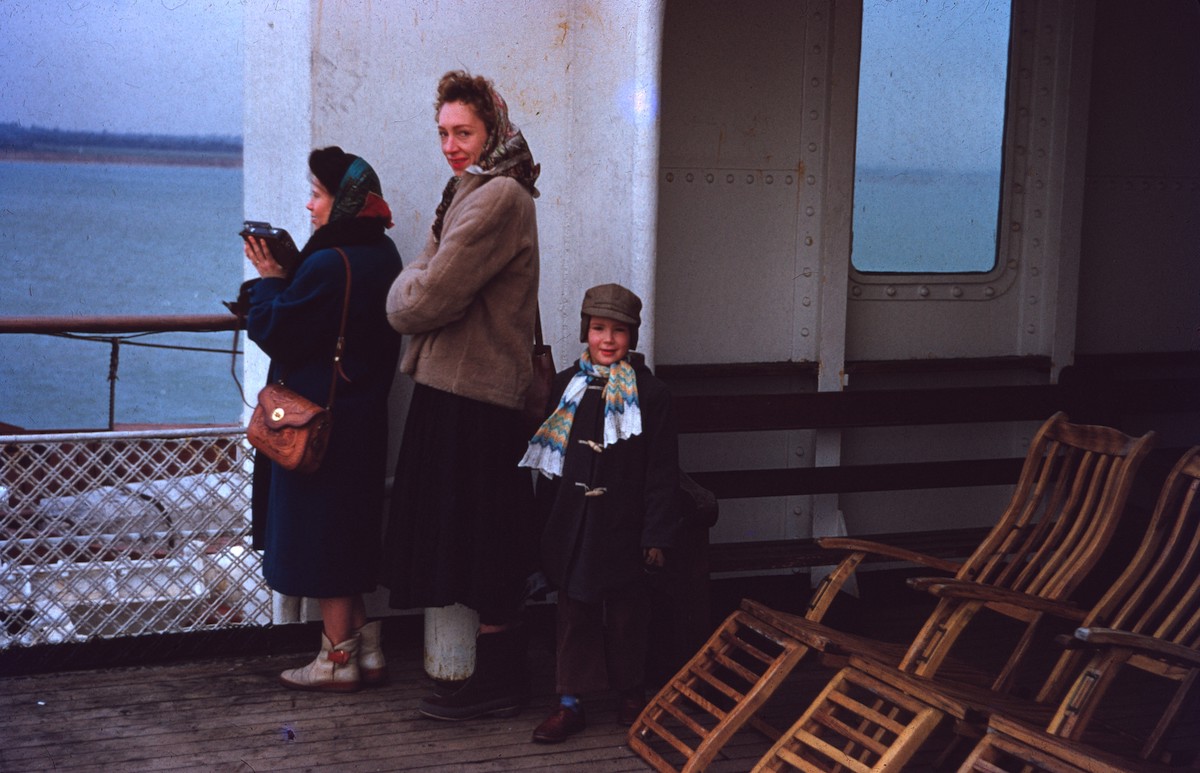
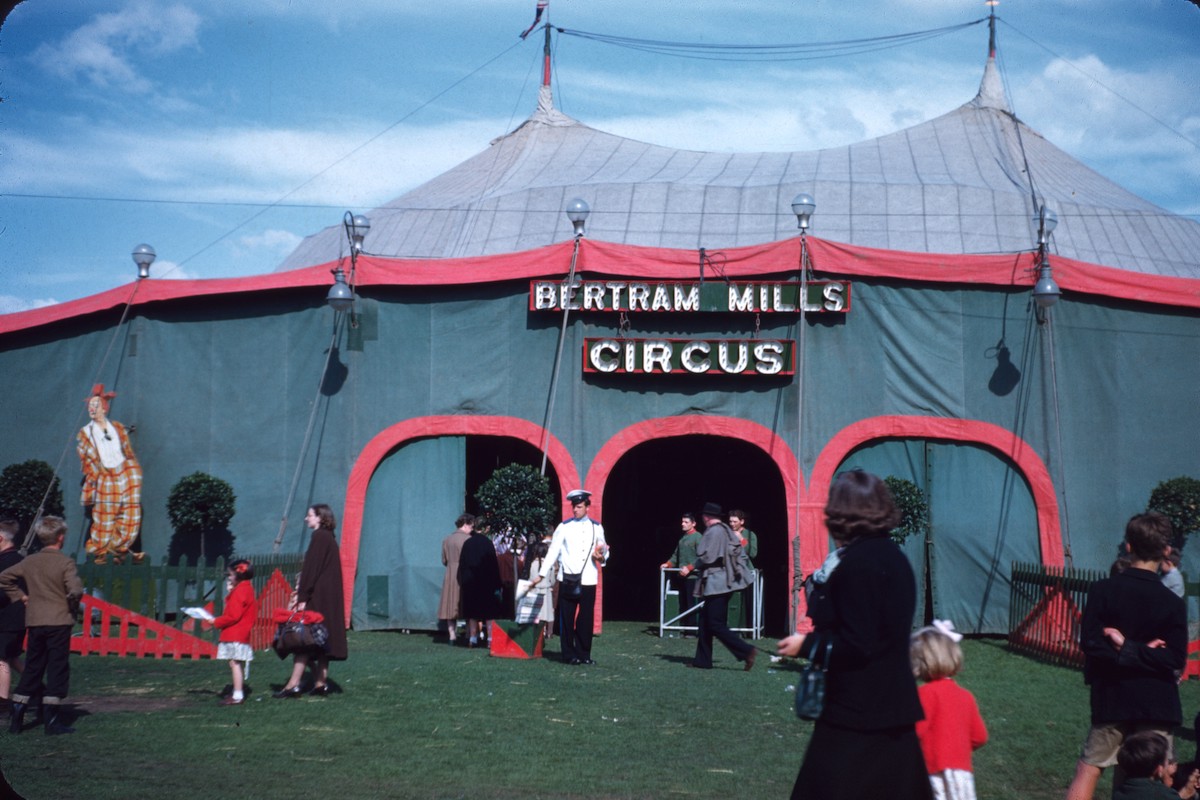
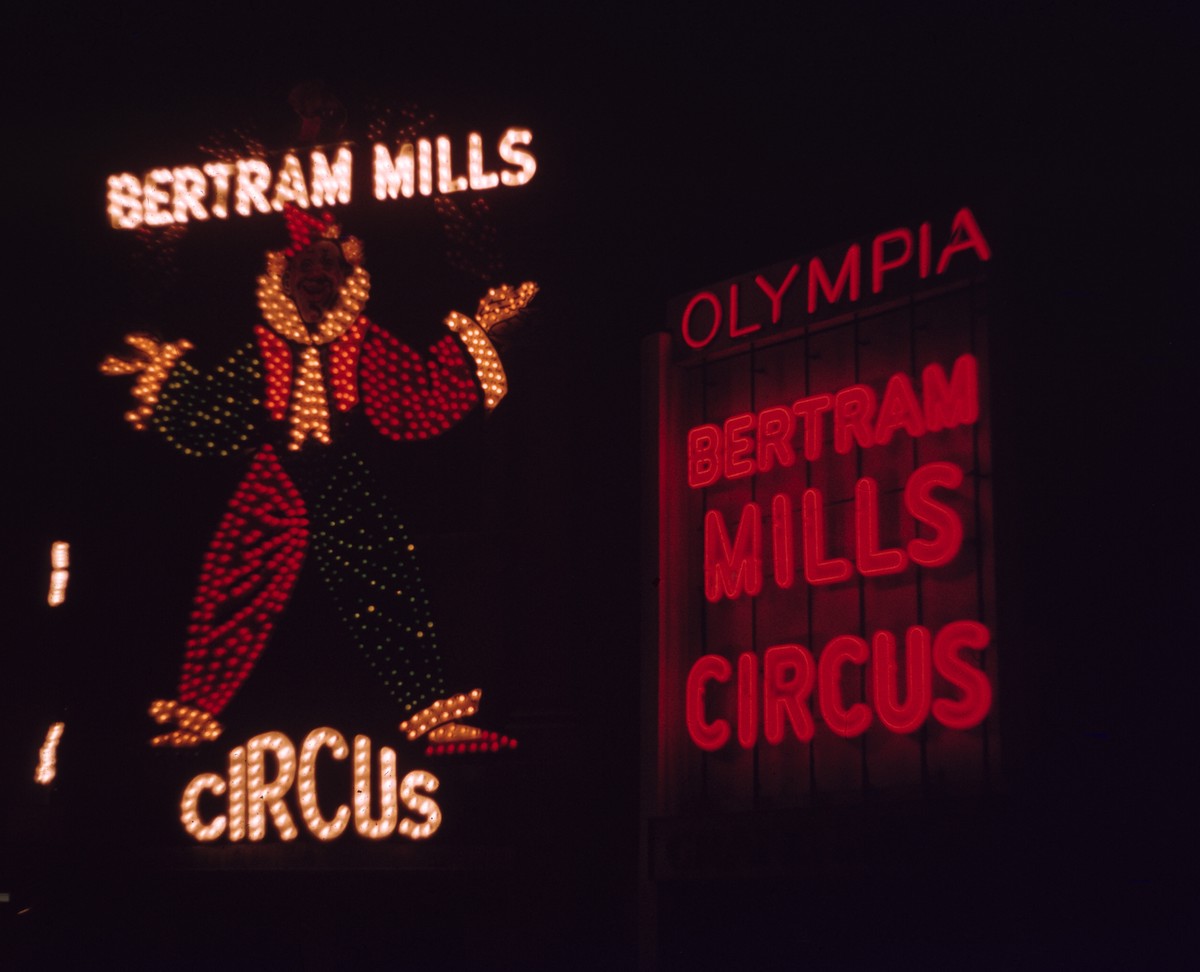
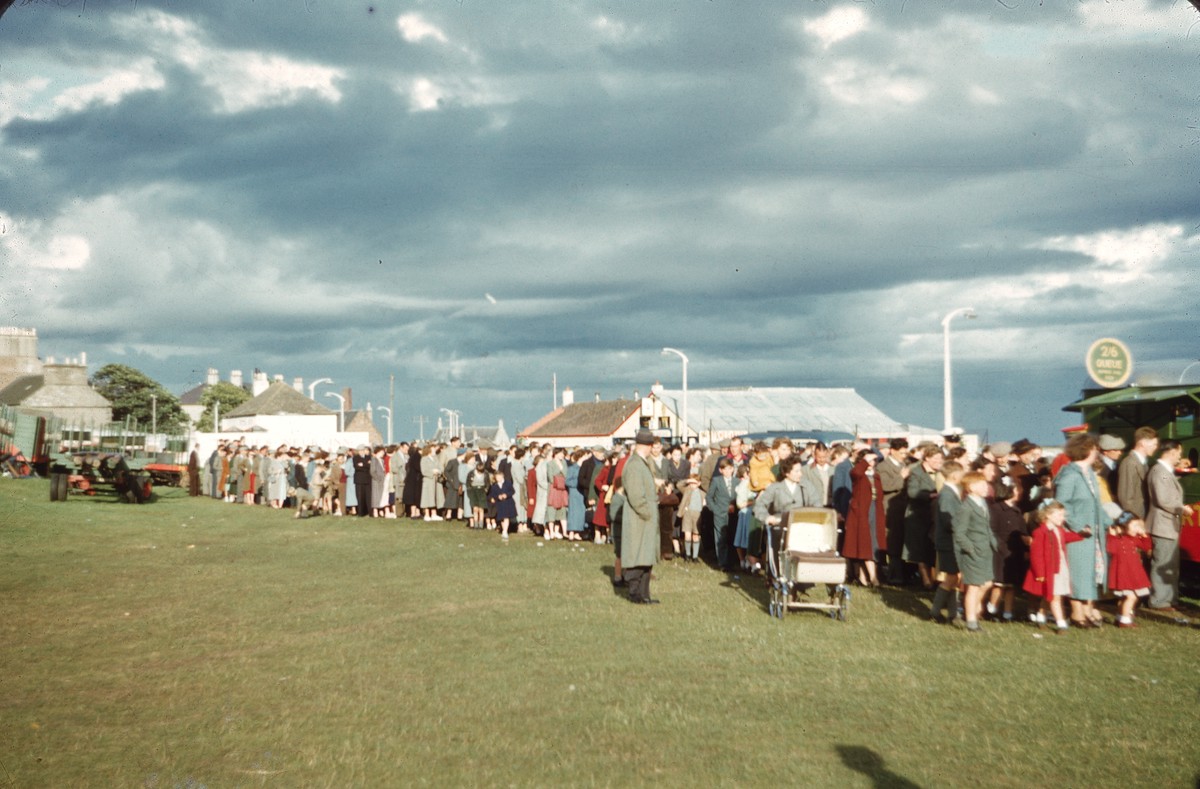
The Ortons also performed extensively in the United Kingdom and continental Europe. Their travels took them to Southampton and Lancaster in England in the early 1950s, and eventually to London’s Olympia venue in 1955 — one of the most prestigious indoor performance spaces in the country. The Bertram Mills Circus, photographed in Cambridge in 1953, was among the most celebrated British circuses of the era, and appearing there placed the Ortons at the top of the European circus world.
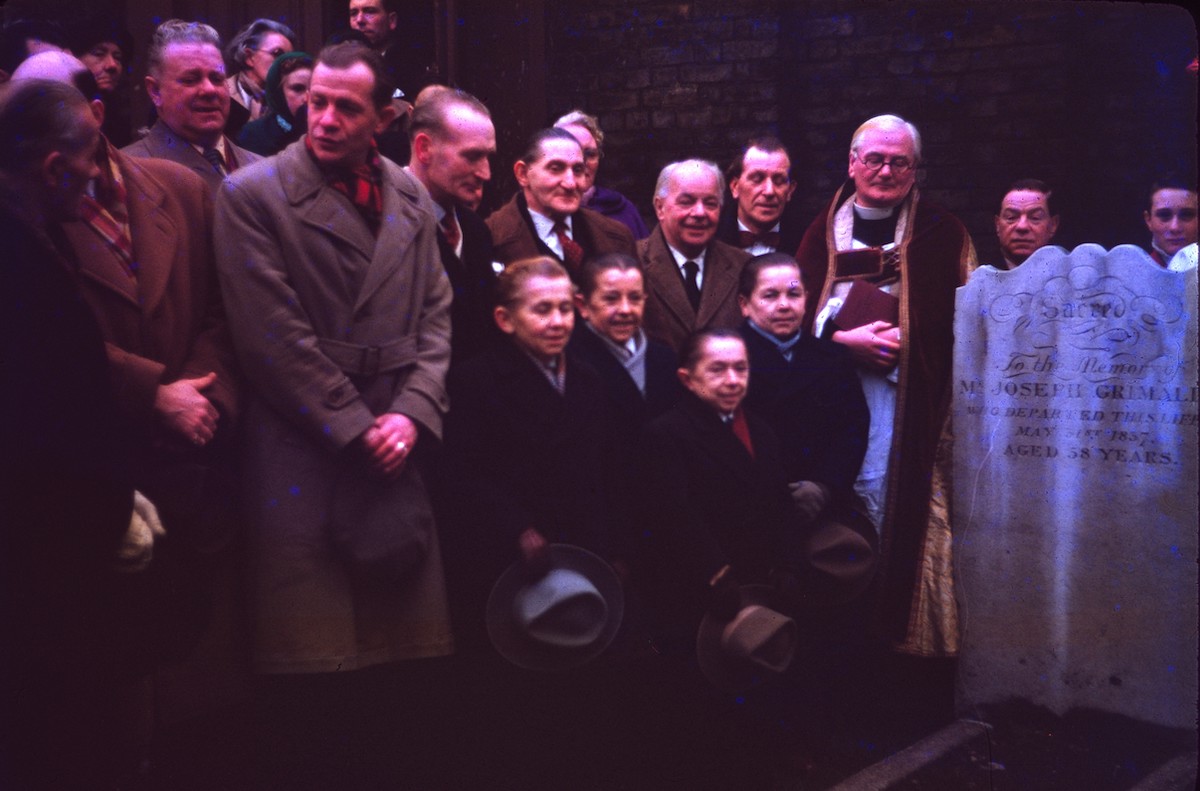
While in London, the Ortons attended a graveside service at Grimaldi’s grave in 1950. Joseph Grimaldi is considered the father of modern clowning, and circus performers from around the world have long gathered to honor his memory. The fact that the Ortons were there speaks to how deeply embedded they were in the broader circus tradition — not just as performers, but as part of a global community with a shared history.
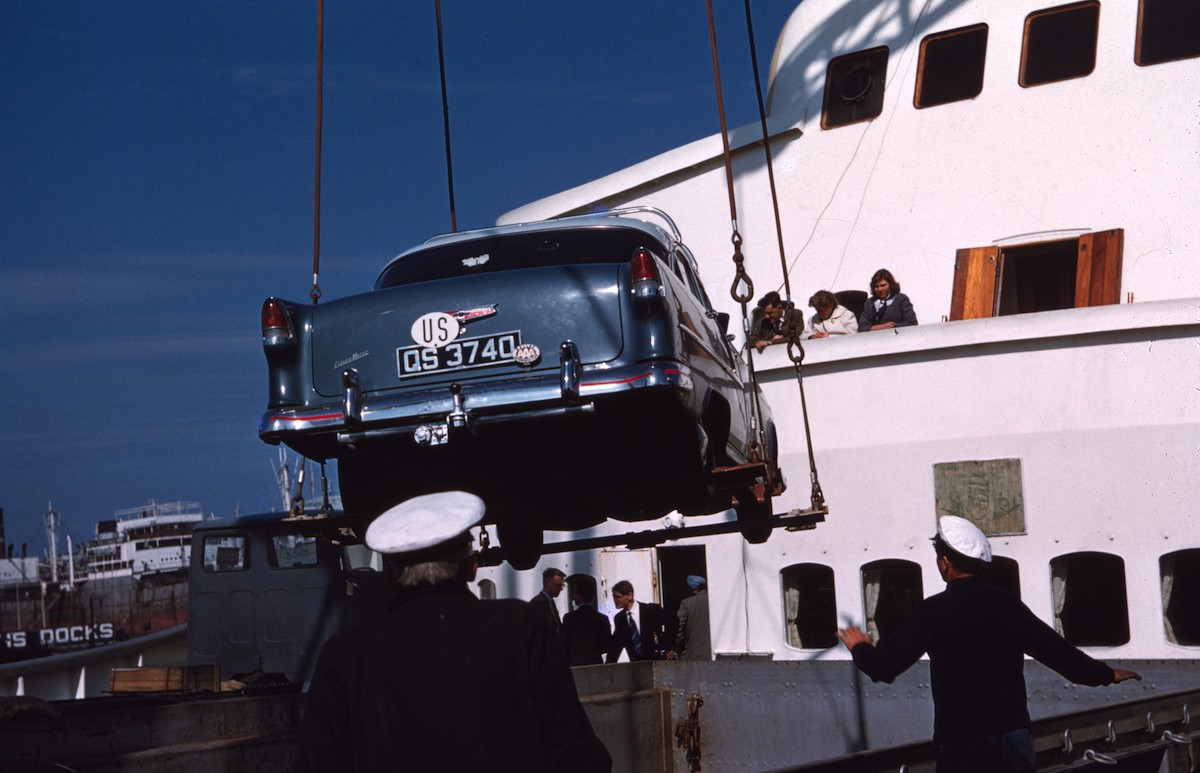
The European tour continued to Scandinavia. A 1955 photo documents the loading of a car at Newcastle, bound for Oslo — a logistical snapshot of what it took to move an aerial act across international borders. The Ortons were not just performers; they were their own roadies, riggers, and logistics team.