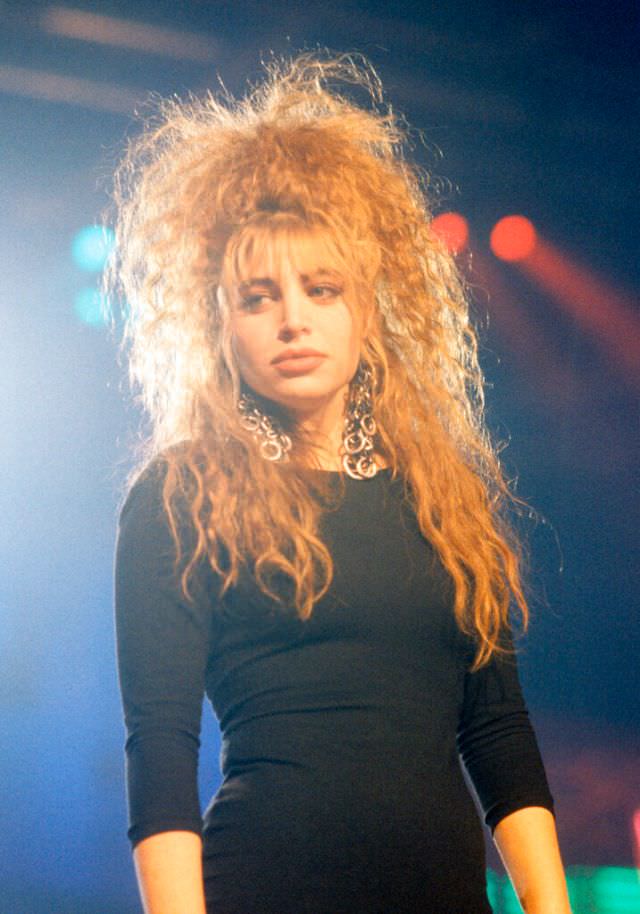
Born Leslie Wunderman, Taylor Dayne arrived on the music scene in the late 1980s with a voice that stopped people in their tracks. She signed with Arista Records and wasted no time making her mark. Within months of her debut, her name was everywhere — on radio stations, in record stores, and on the lips of fans across the country.
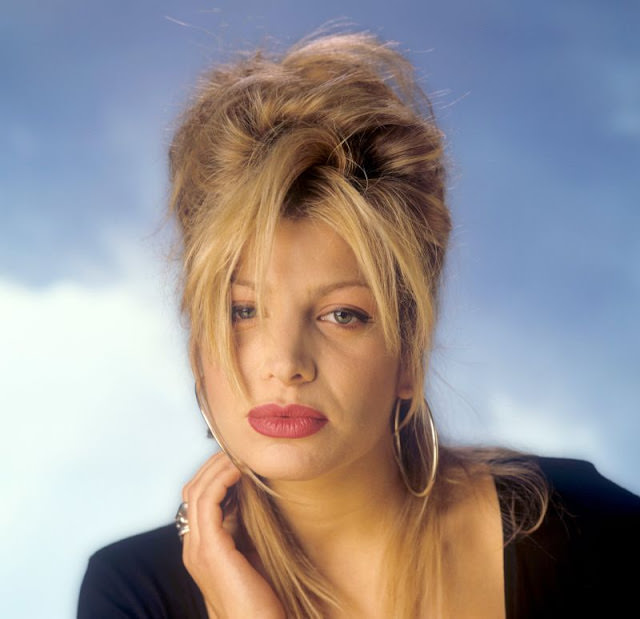
Her 1987 debut single, “Tell It to My Heart,” was the spark that started everything. The song fused pop and dance music in a way that felt completely fresh for the era. Its driving beat and powerful chorus shot up the charts in multiple countries and earned Dayne a Grammy nomination right out of the gate.
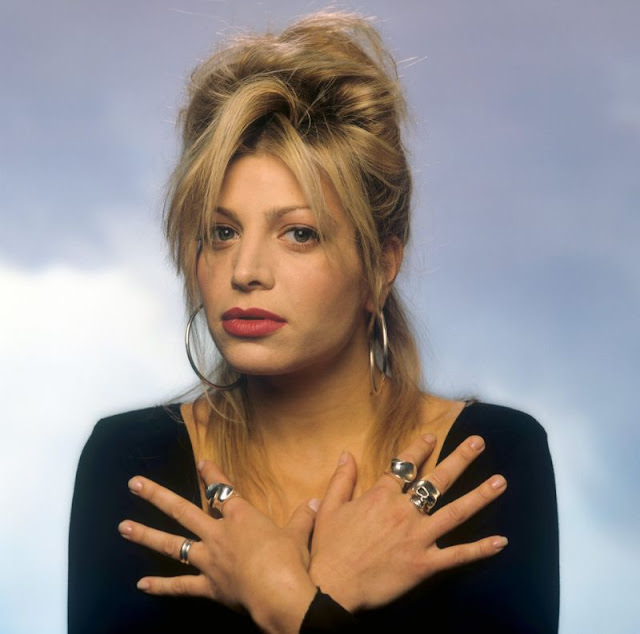
What set Dayne apart from many of her peers was her vocal range. She moved between pop, dance, and R&B without missing a beat. Ballads like “I’ll Always Love You” showed a softer, more intimate side, while dance tracks kept her a fixture in clubs and on the radio at the same time.
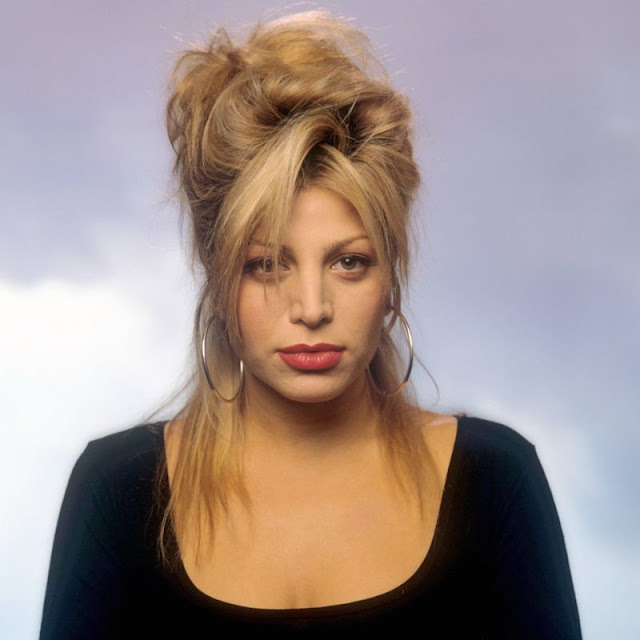
“Love Will Lead You Back” proved she had staying power. The song climbed to number one on the Billboard Hot 100 in 1990, cementing her status as more than just a one-hit wonder. By that point, she had stacked up multiple Top 10 hits and sold millions of albums worldwide.
Dayne worked closely with some of the most respected figures in the music business. Producer Ric Wake shaped much of her sound, while songwriter Diane Warren contributed some of her biggest ballads. Music executive Clive Davis also played a key role in guiding her career during this period.
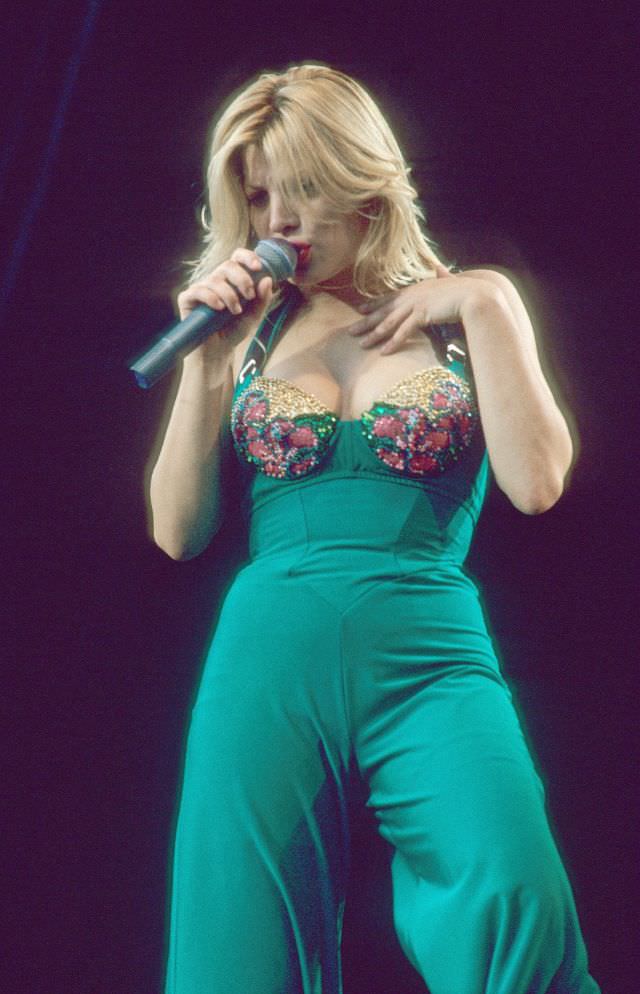
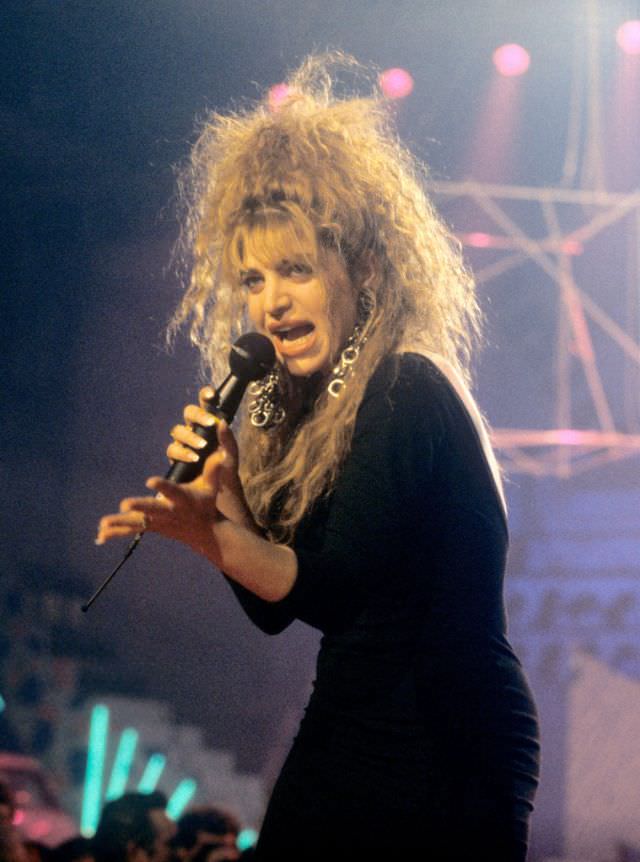
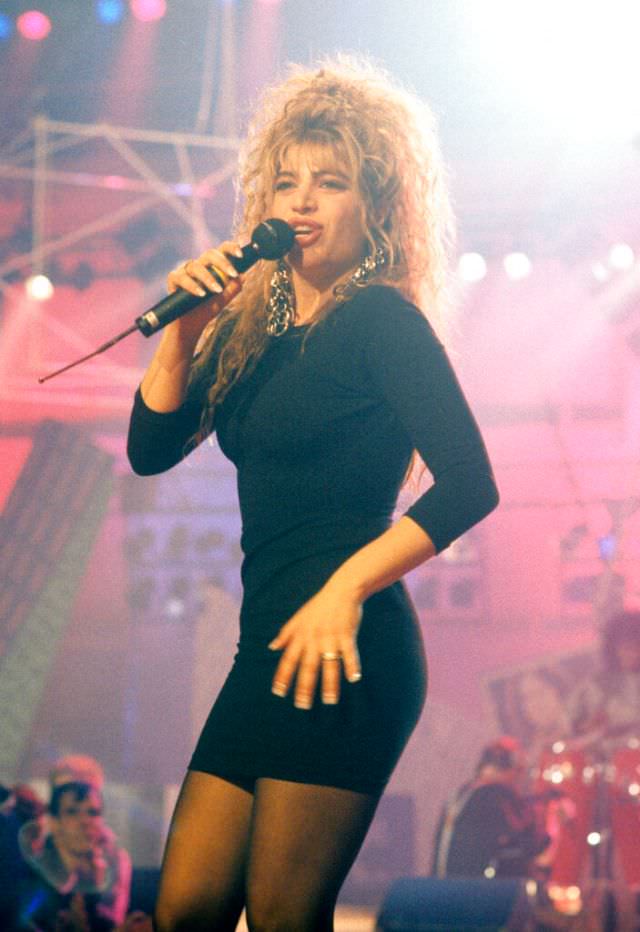
Her live shows were a major part of her appeal. Concerts sold out regularly, both in the United States and abroad. Audiences showed up for an experience that was high-energy from start to finish — tight production, a commanding stage presence, and a voice that needed no studio tricks to impress.
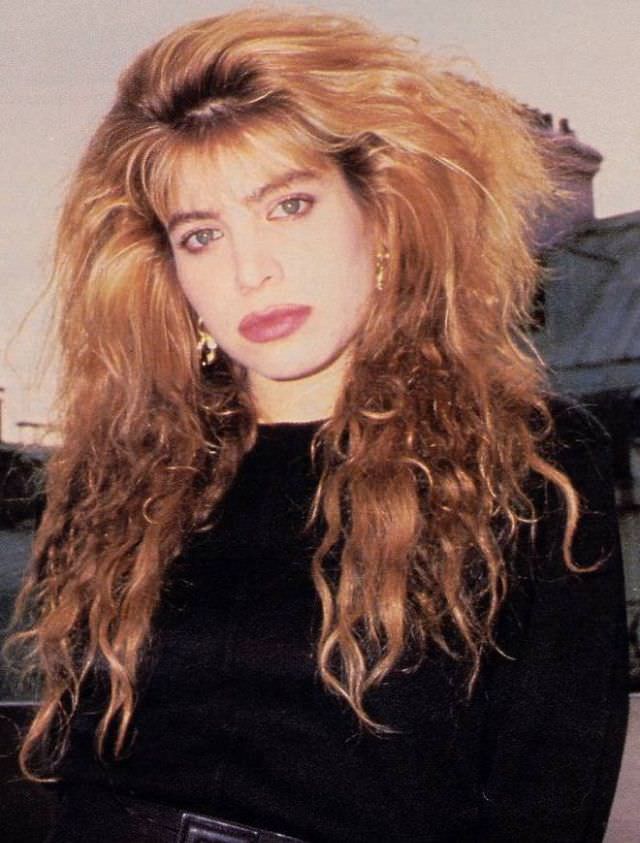
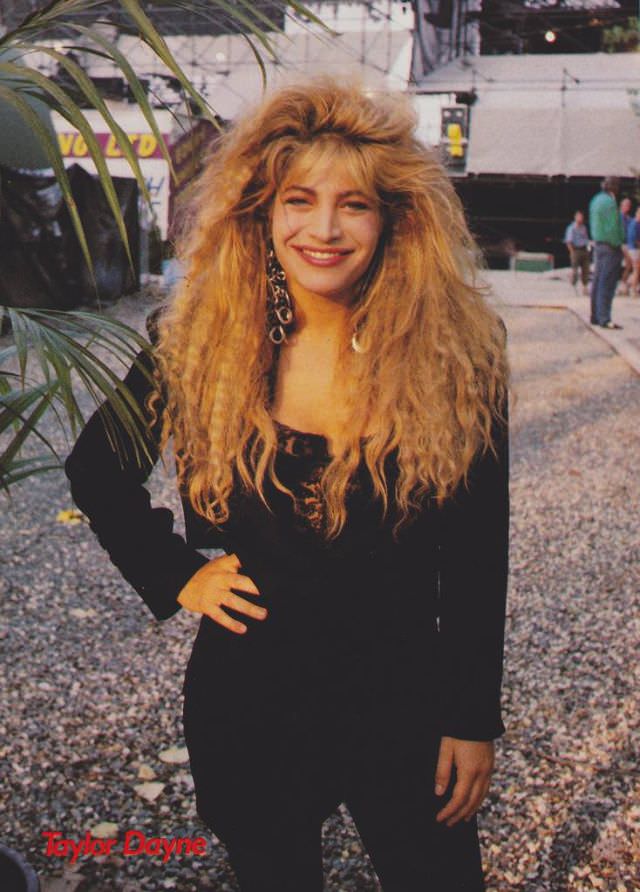
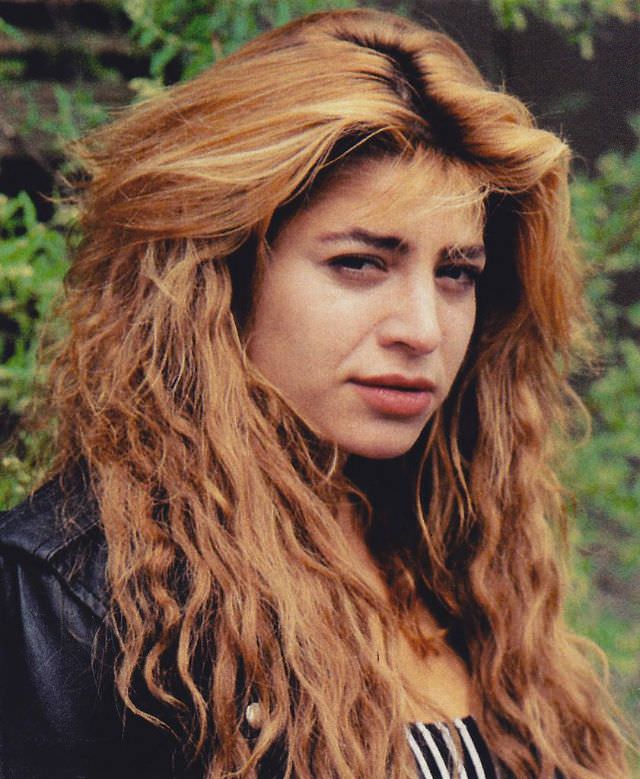
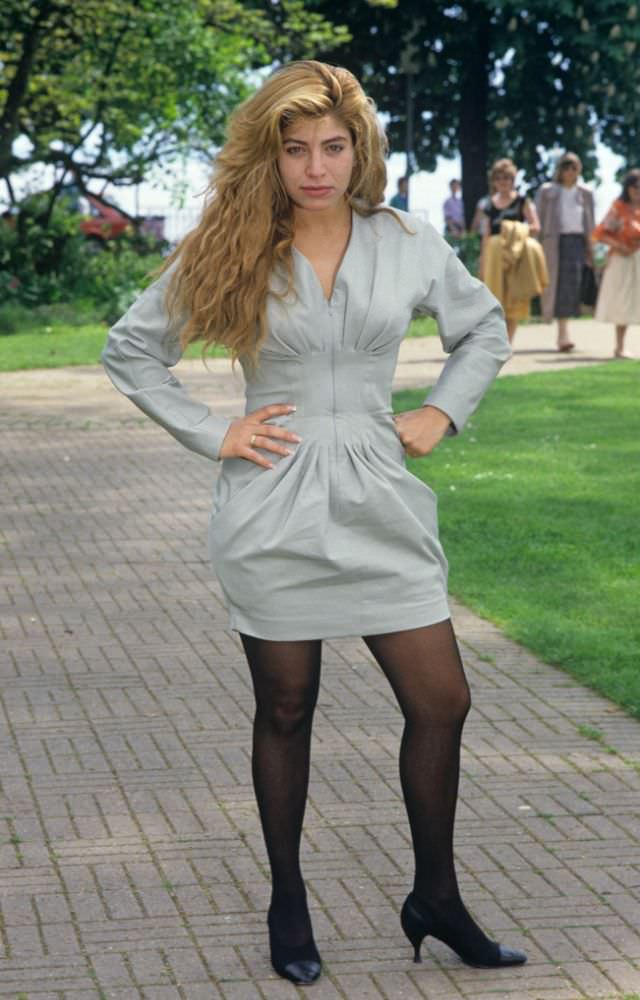
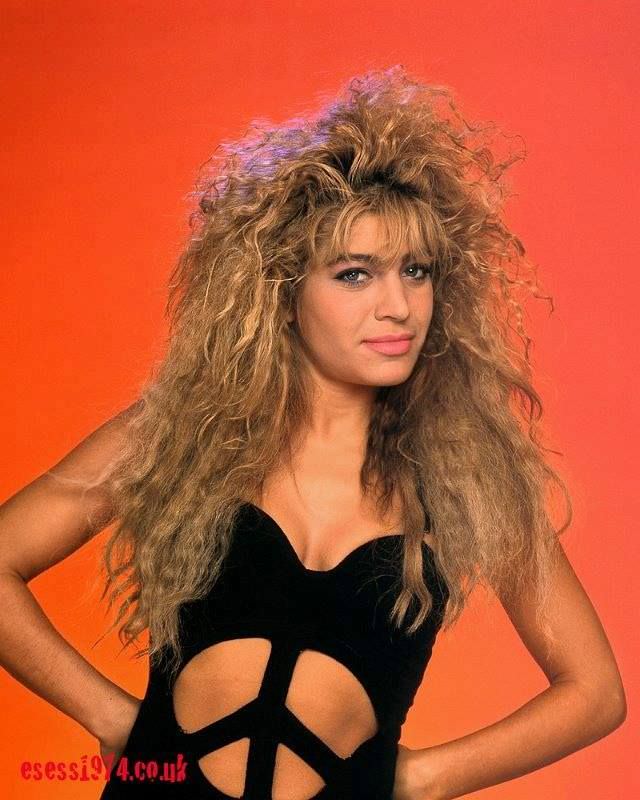
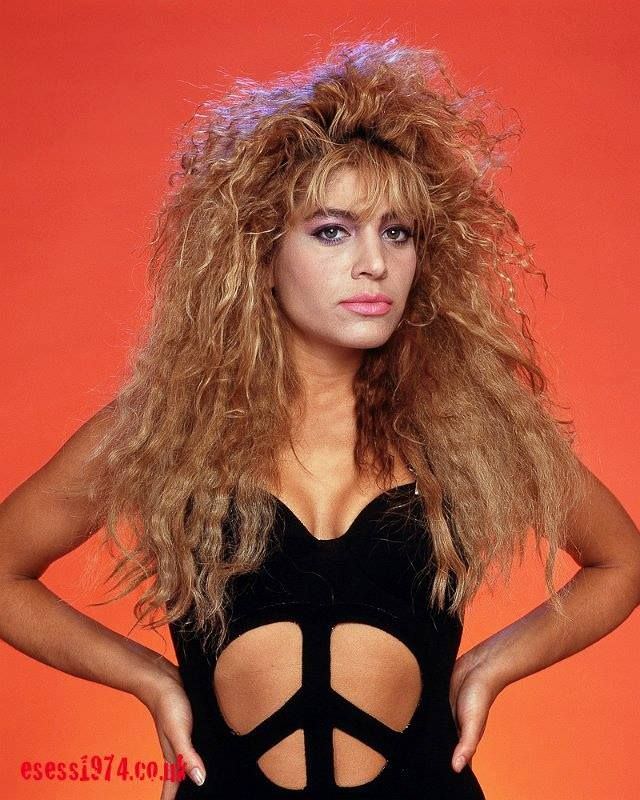
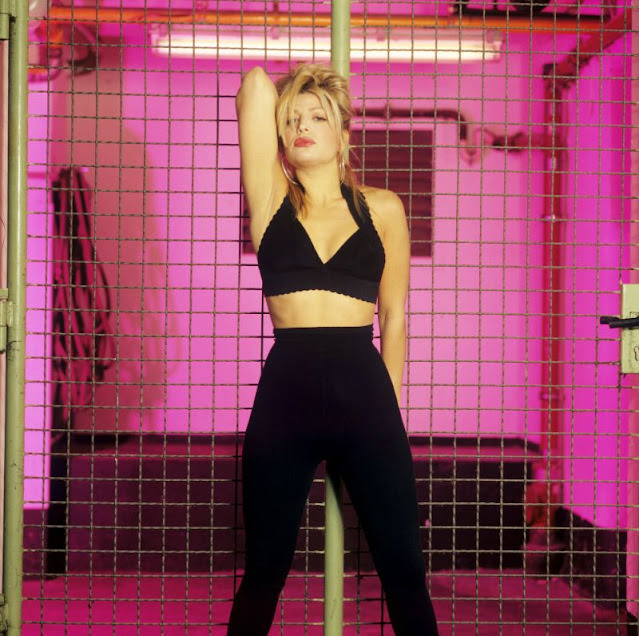
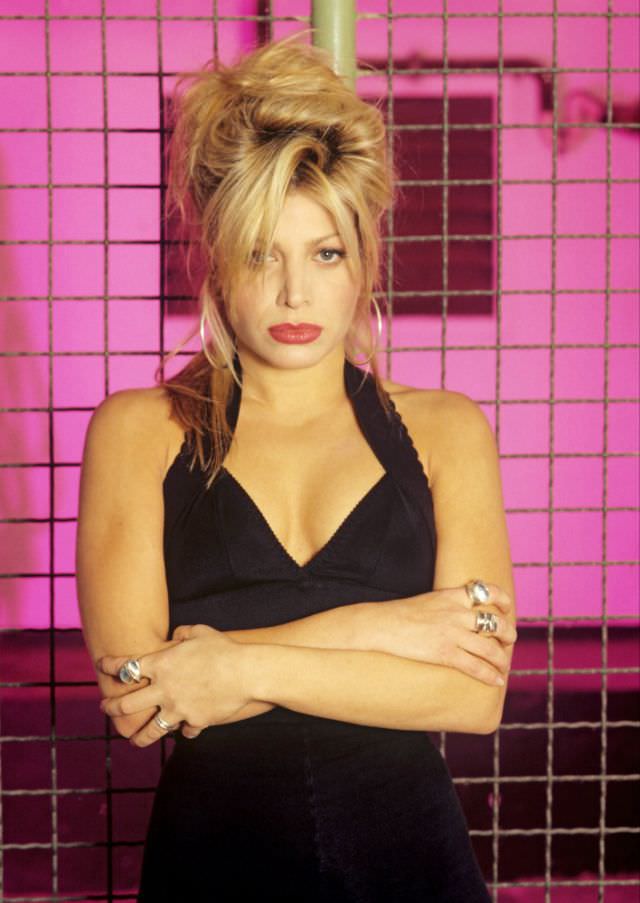
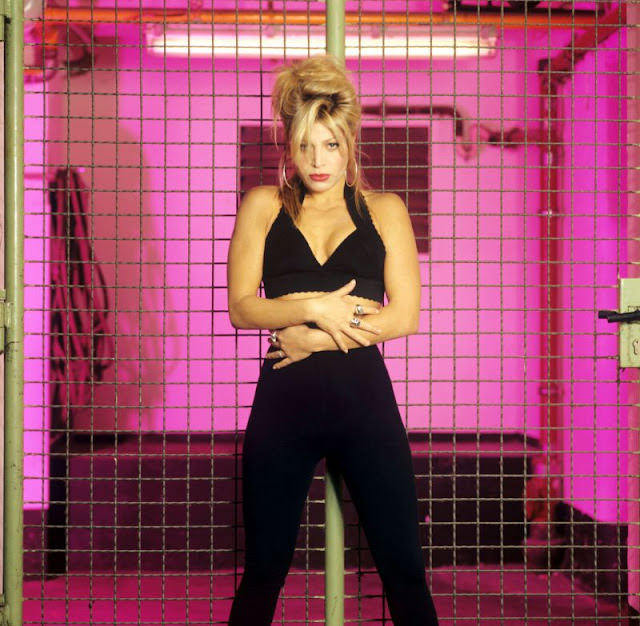
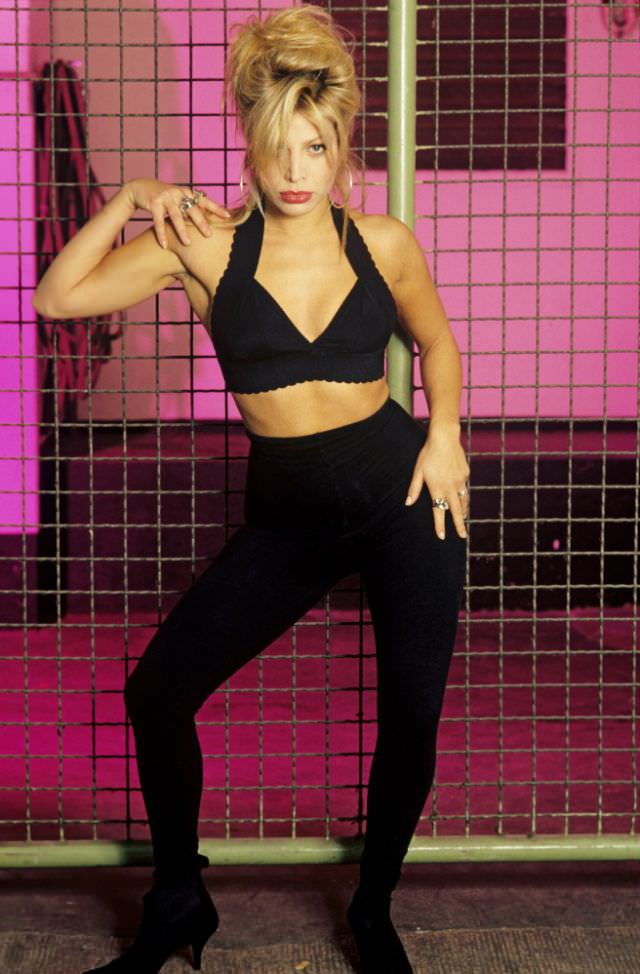
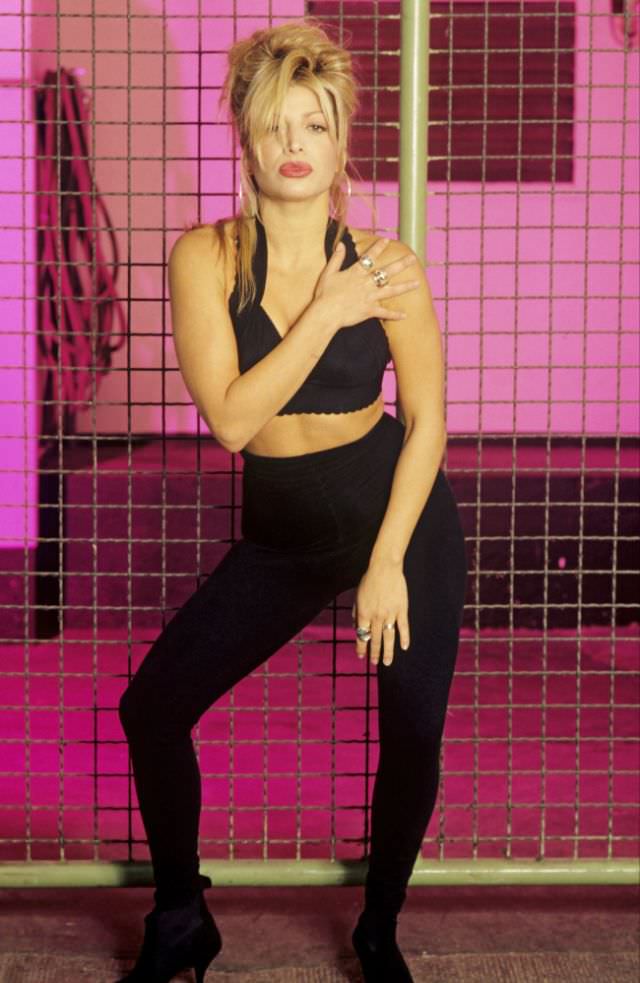
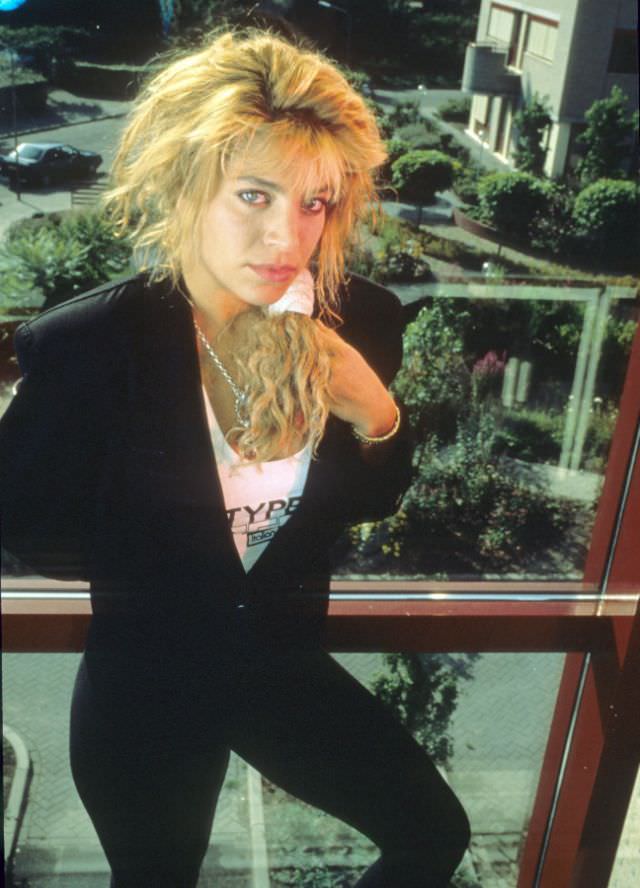
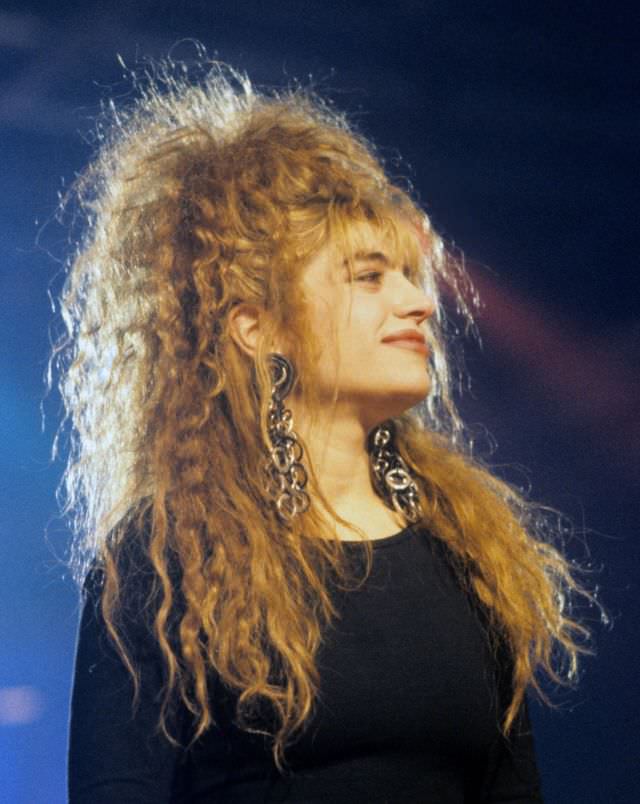
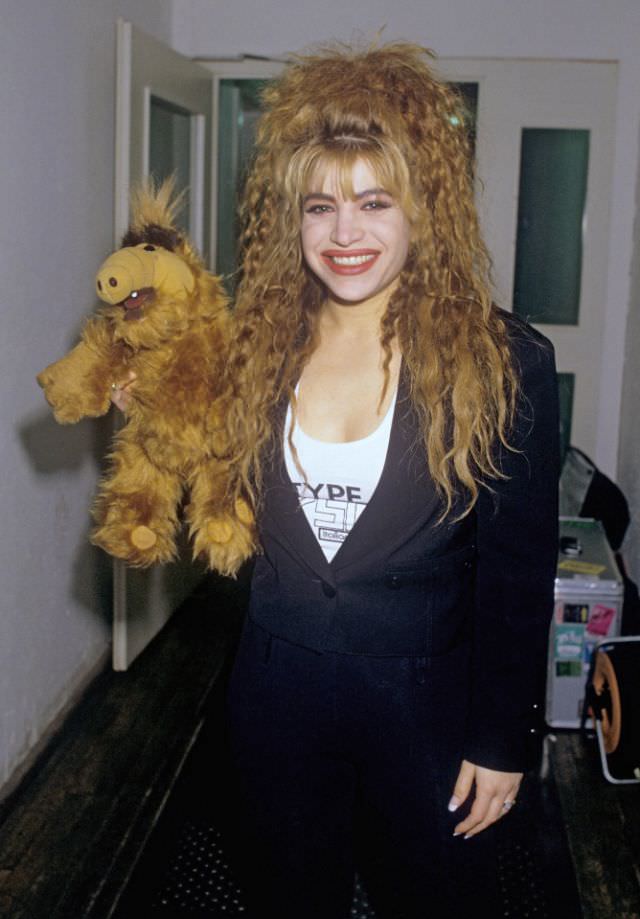
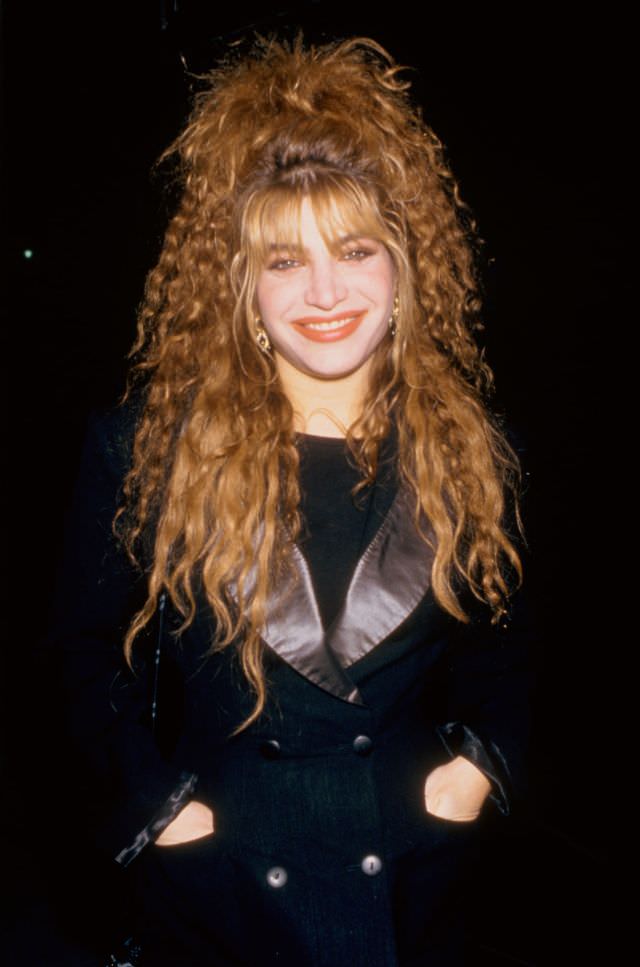
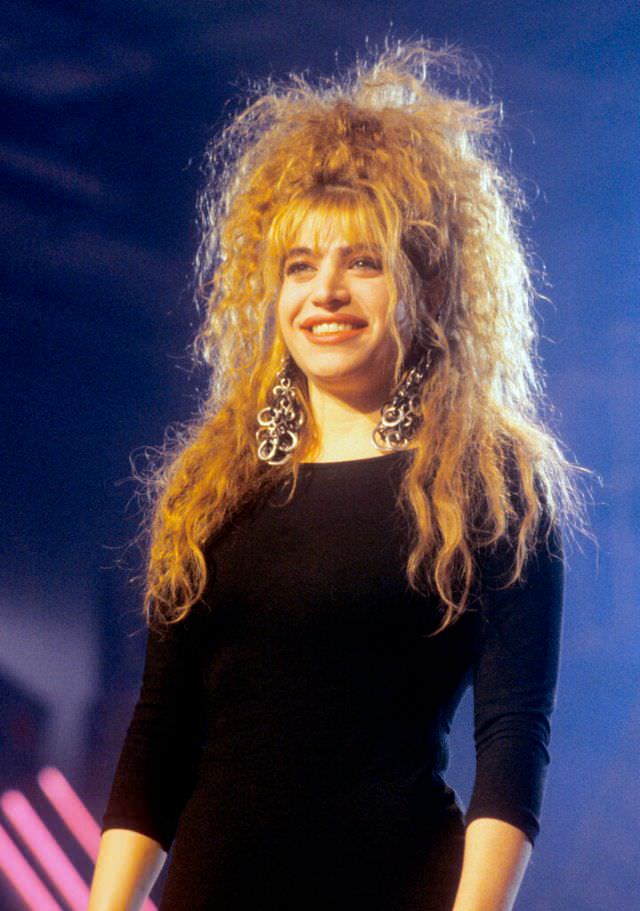
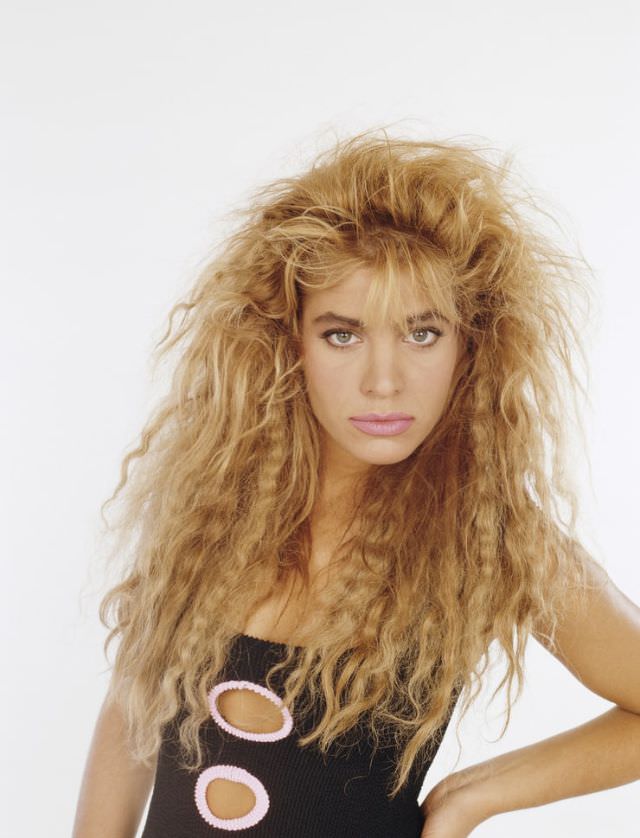
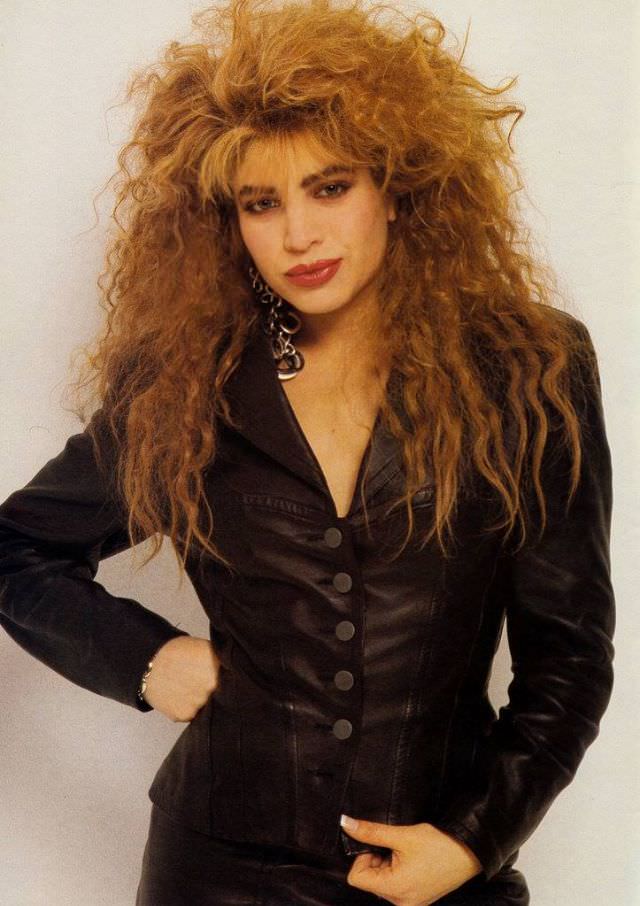
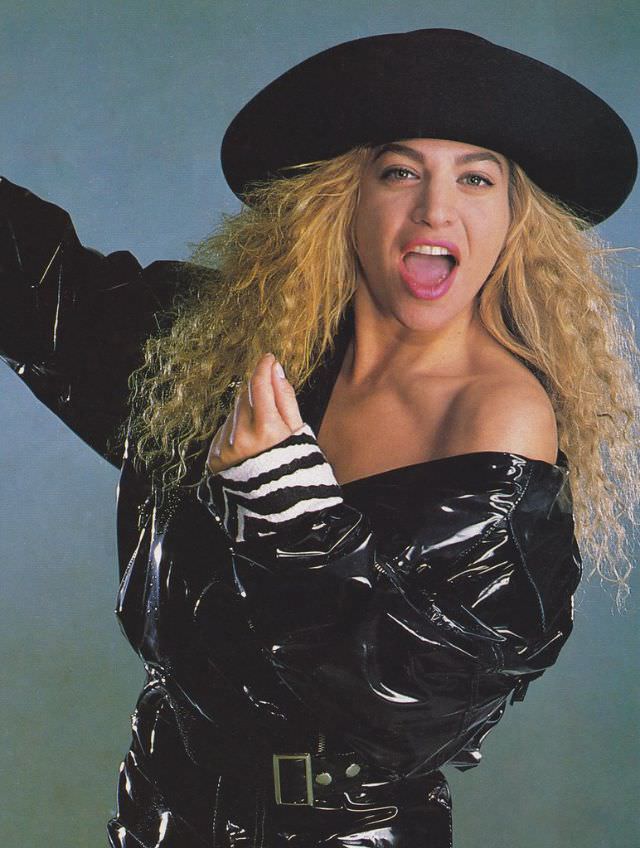
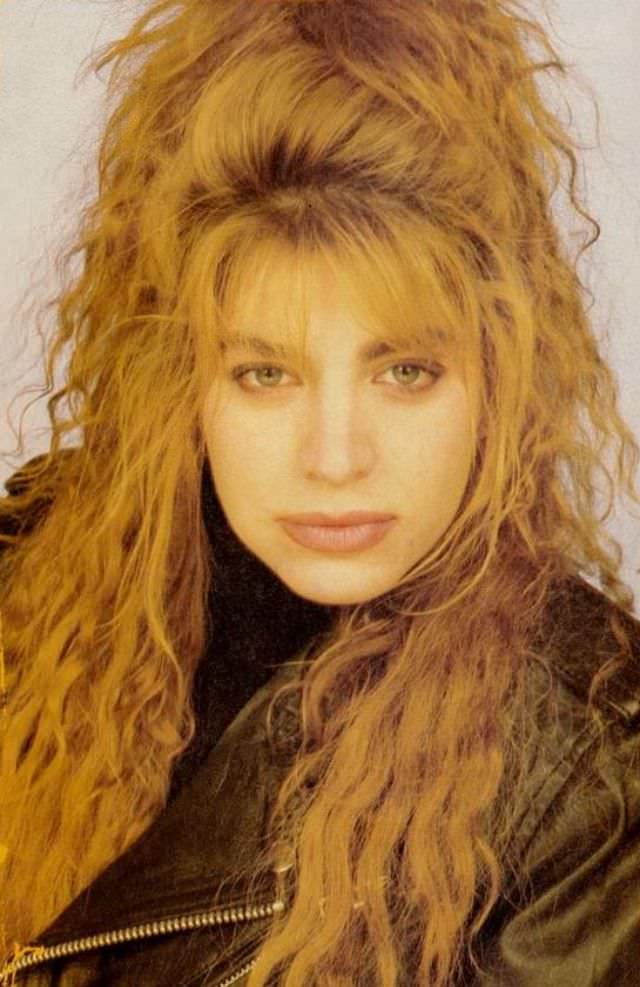
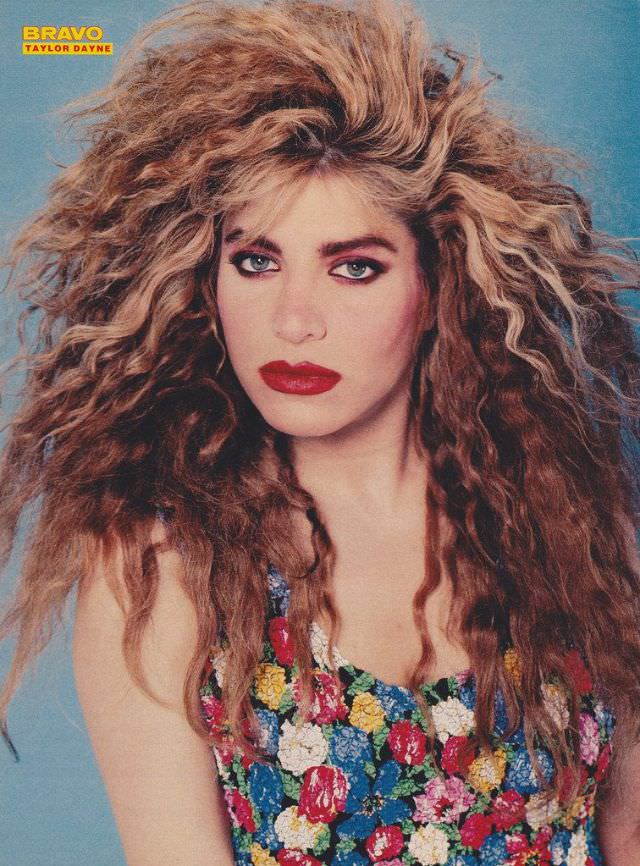
Dayne’s look was just as recognizable as her music. Big hair, bold colors, and statement pieces defined her style — a look that was very much of its time but executed with confidence. Magazines featured her regularly, covering not just her music but her fashion choices, which resonated strongly with young women in the late 1980s.
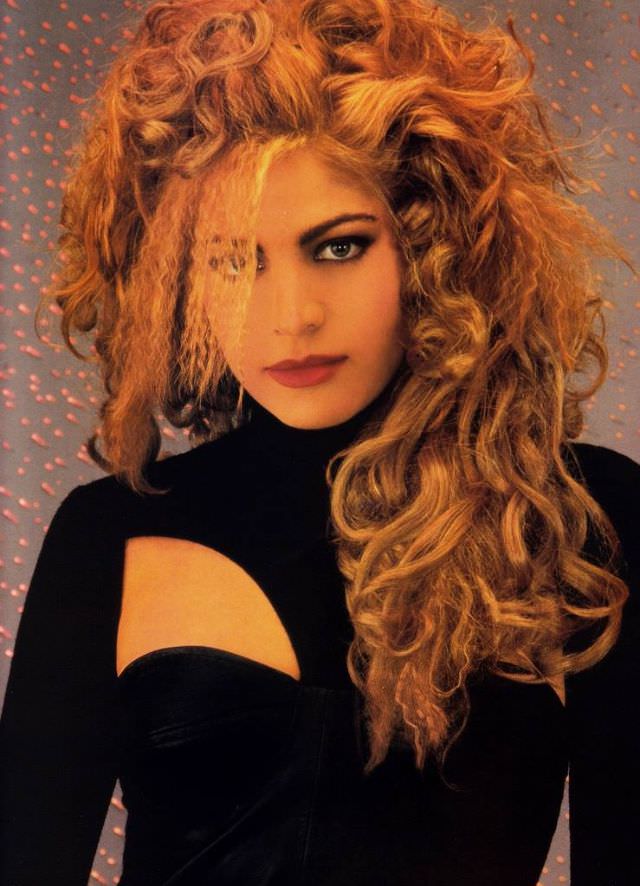
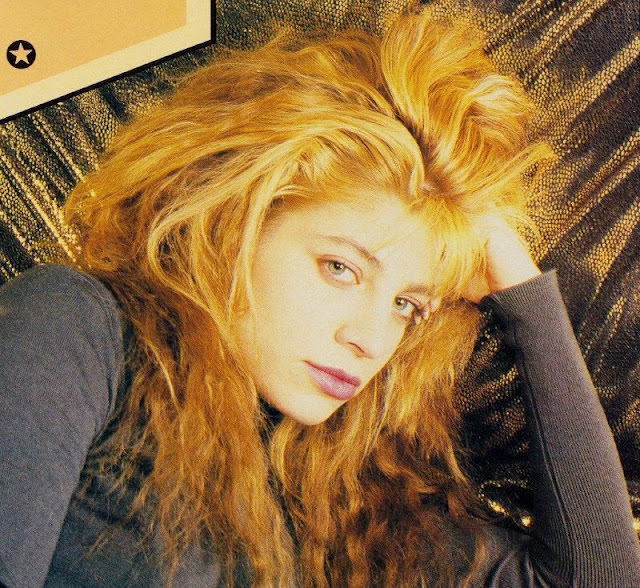
She became a style reference point for the era. Her fearless approach to self-expression — through both fashion and music — made her more than just a pop star. She was a personality, someone fans connected with on a level that went beyond a catchy chorus.
Beyond music, Dayne made appearances in television and film throughout this period. These roles were mostly brief, but they kept her visible across different entertainment spaces and showed audiences she was comfortable in front of a camera in more ways than one.
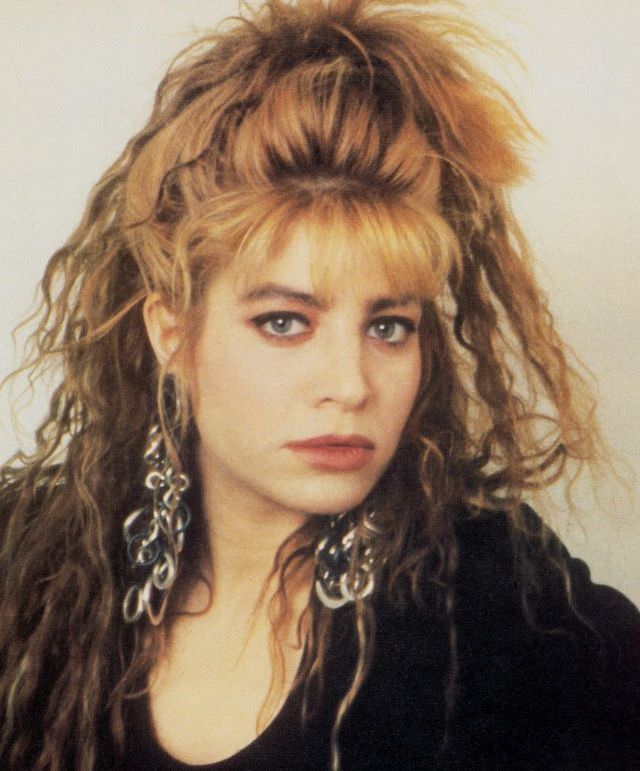
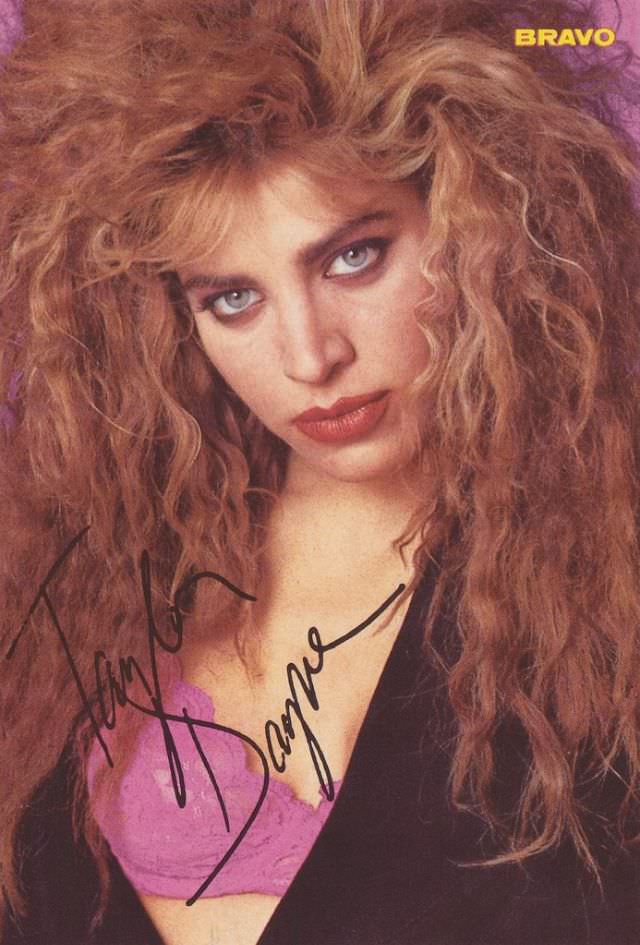
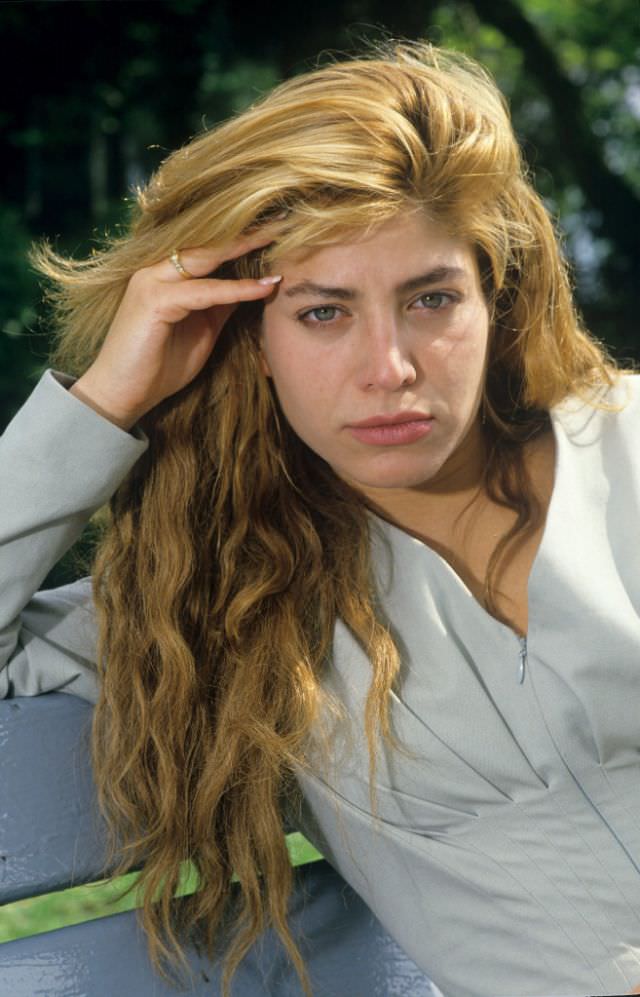
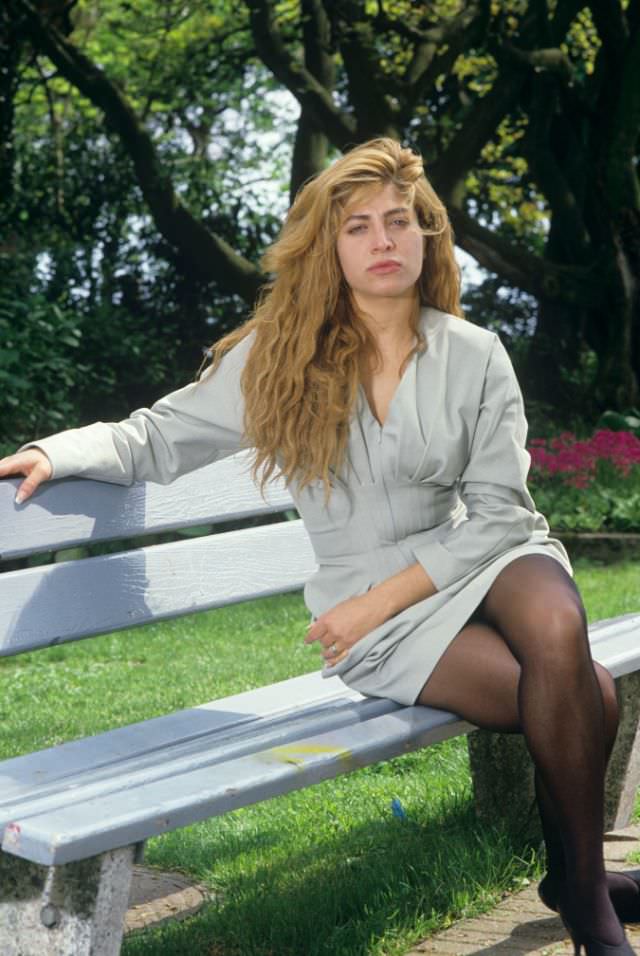
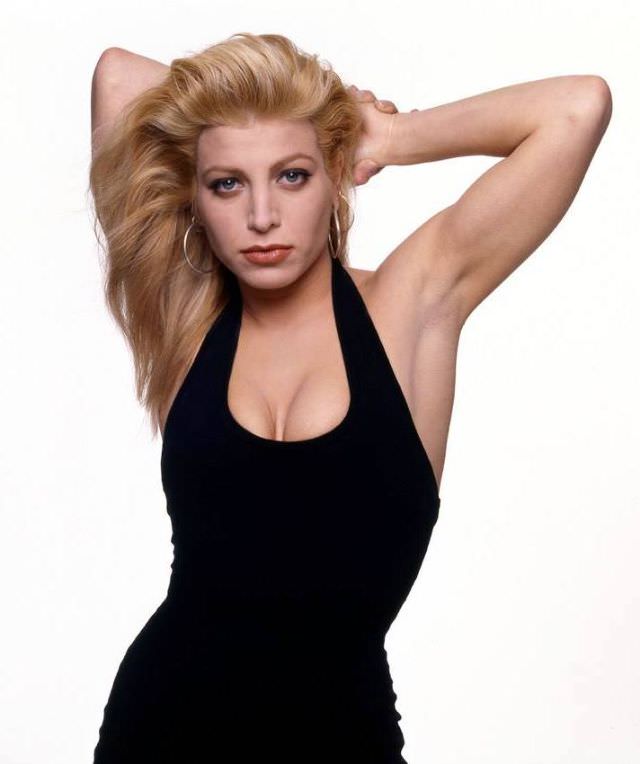
The photos from this era capture a performer at full force. Whether in a studio shoot, a live performance shot, or a candid backstage moment, Dayne always brought a presence that the camera responded to. The images collected here span the peak years of her career and offer a vivid look at who she was during that time.