The Ford Taunus is one of the most recognizable cars of postwar Europe. Built by Ford Germany and named after the Taunus mountain range, it first appeared in 1939. But it was the 1950s that defined it. Through that decade, the Taunus evolved from a modest family car into a symbol of modern German automotive design. These vintage photos capture that transformation, shot across cities, alpine roads, and quiet neighborhoods throughout West Germany and beyond.
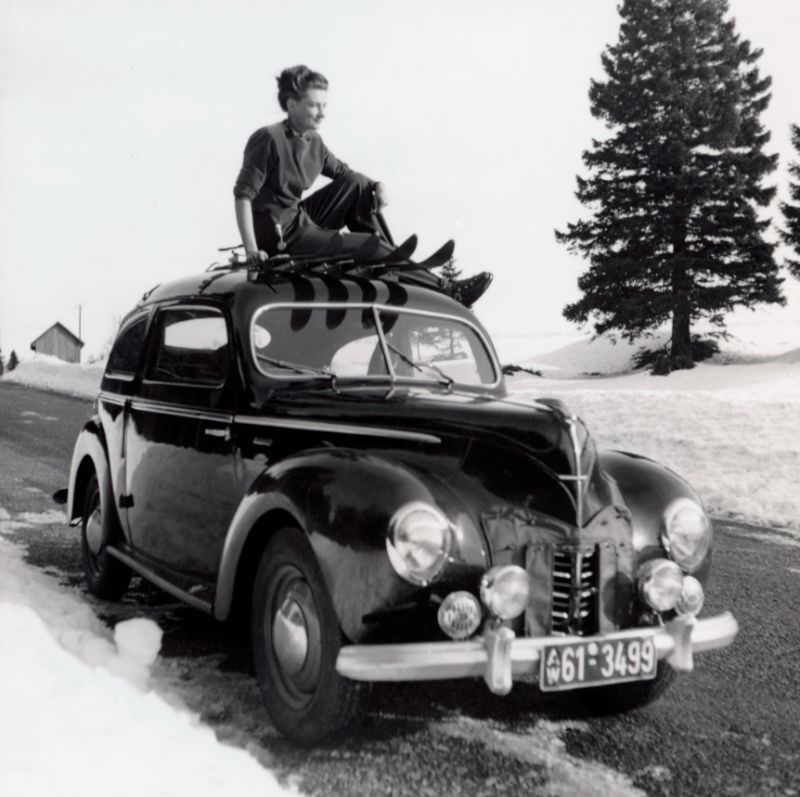
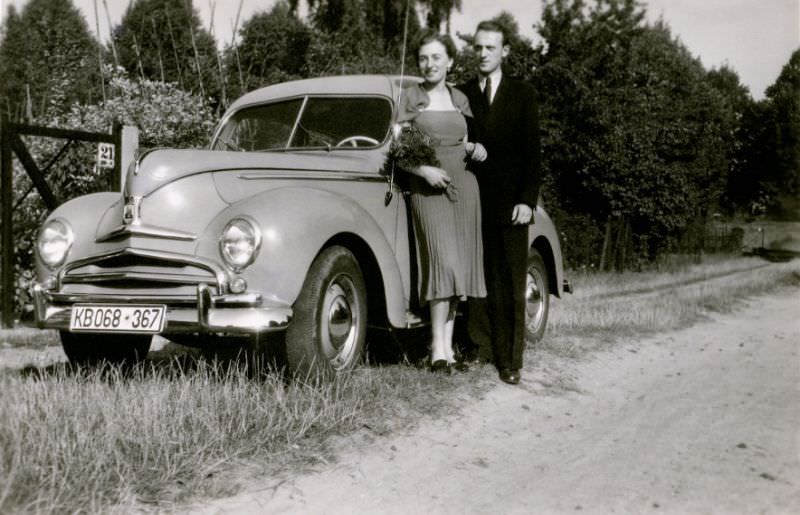
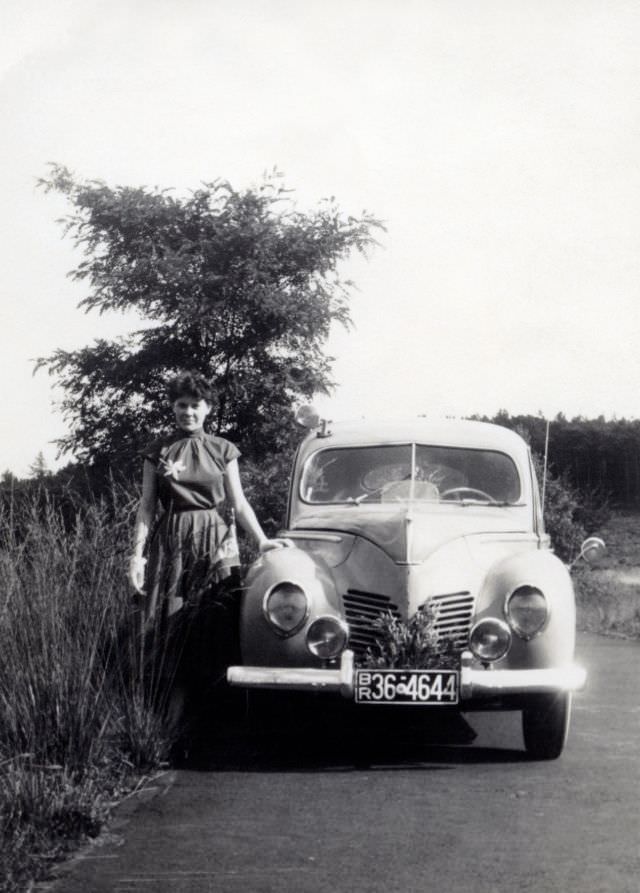
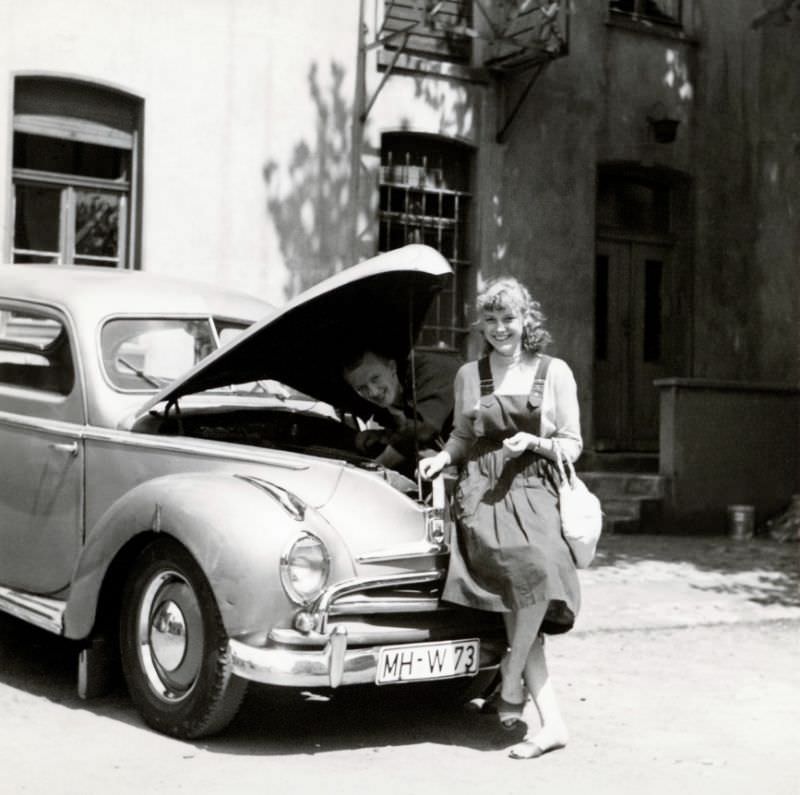
At the dawn of the decade, the Taunus was already a familiar presence on German roads. The early 1950 models carried forward the prewar body style — rounded, upright, and built for durability rather than flair. Germany was still rebuilding after the war, and the Taunus offered something dependable and attainable for families getting back on their feet.
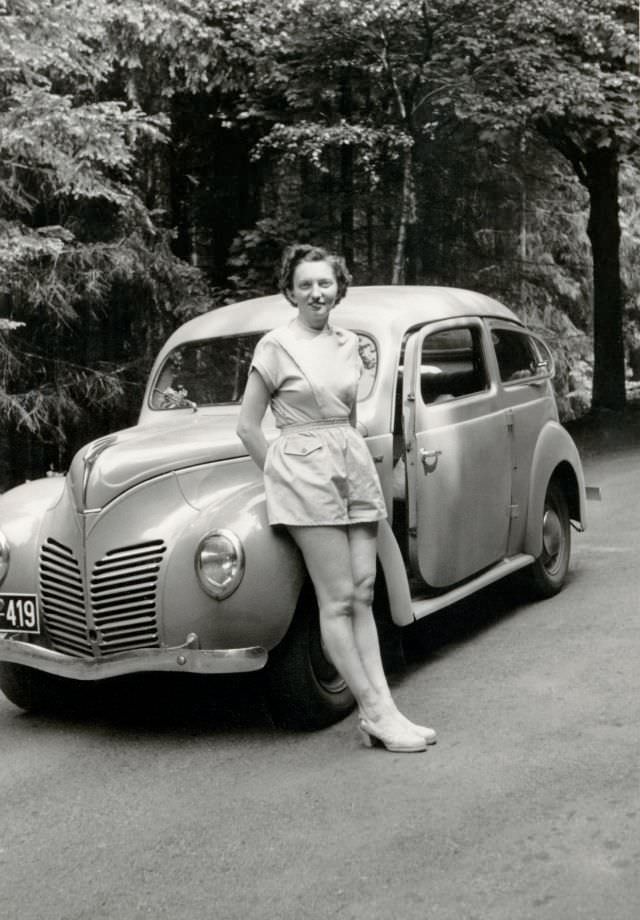
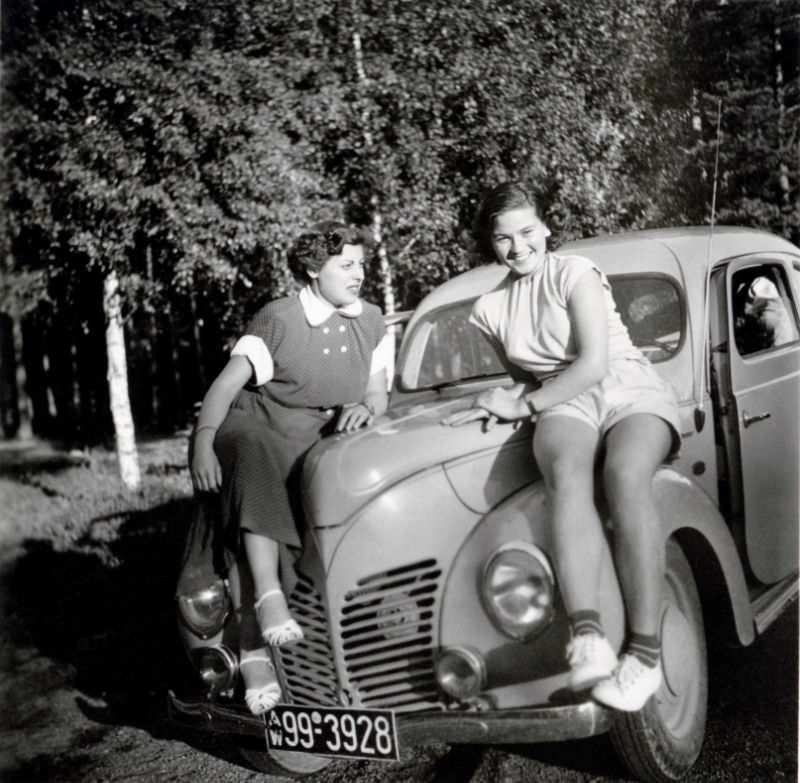
Trim levels like the de Luxe and the Spezial gave buyers options. The de Luxe came with additional chrome detailing and interior upgrades, while the Spezial sat between the base model and the de Luxe in terms of equipment. These distinctions mattered to buyers who wanted a bit more style without the top price tag.
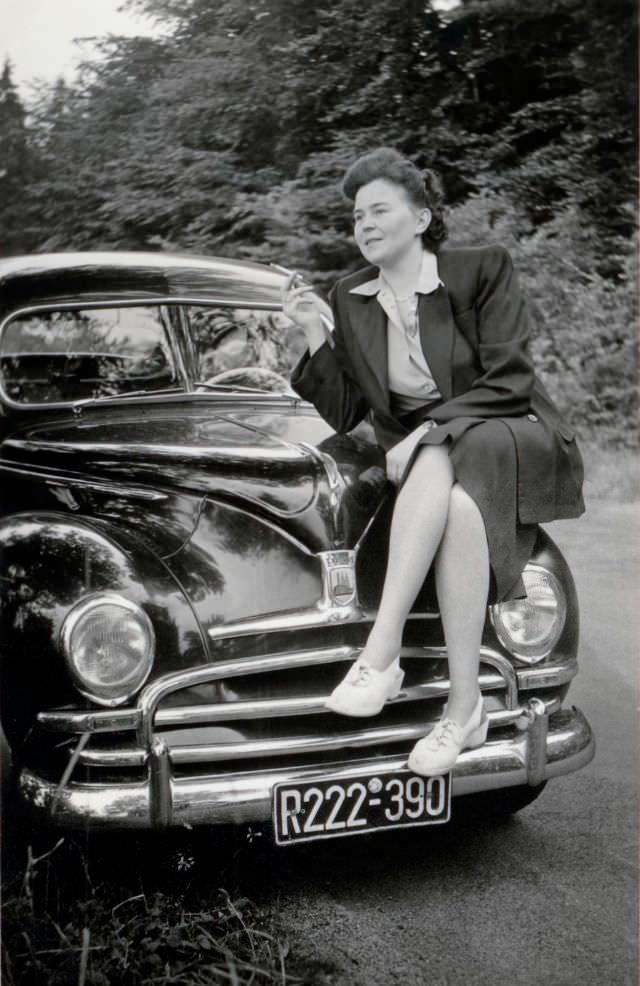
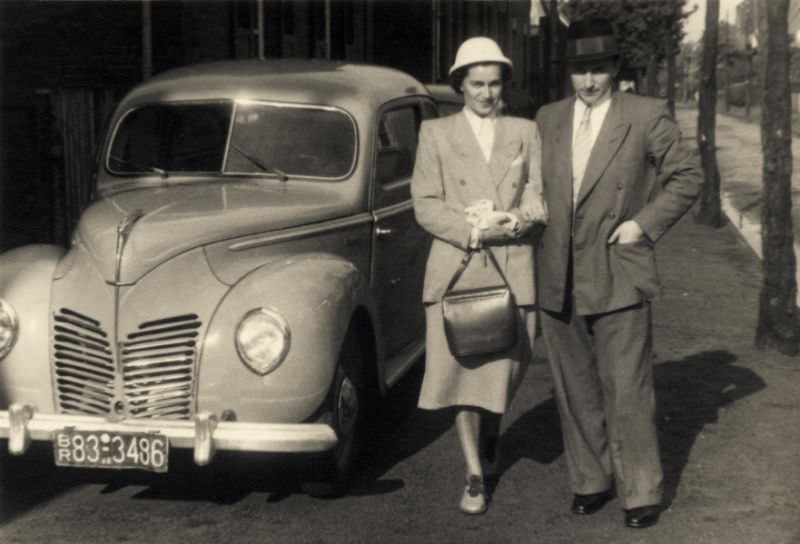
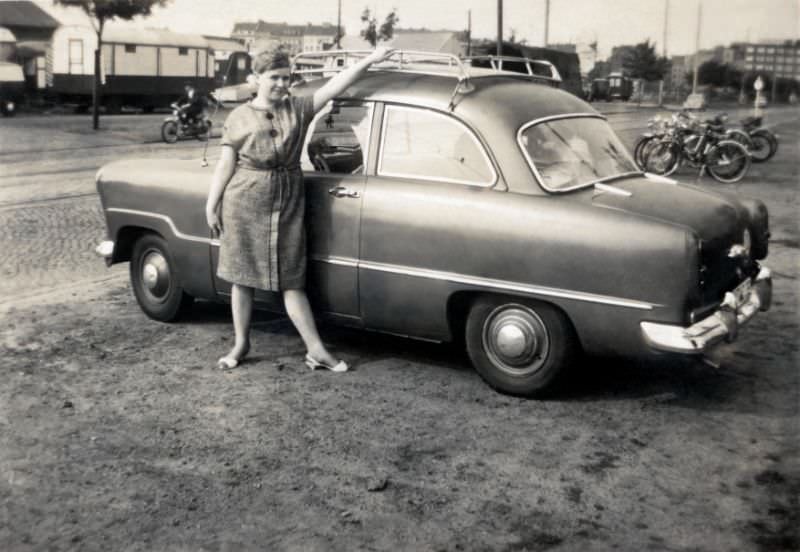
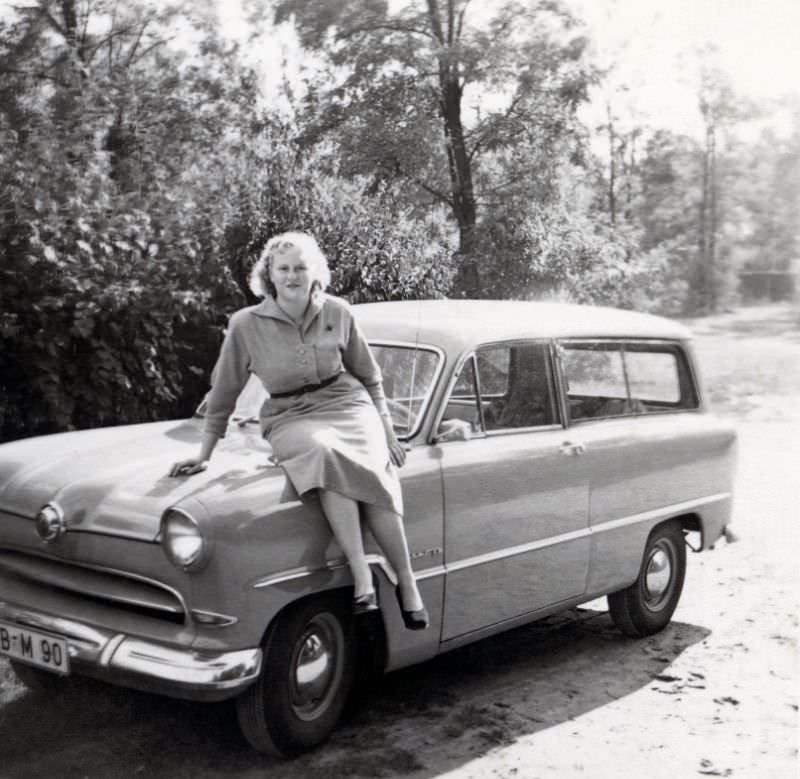
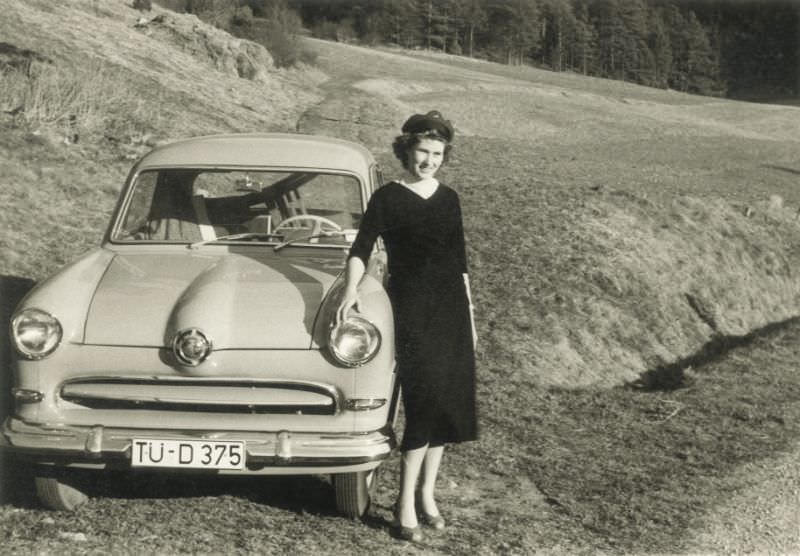
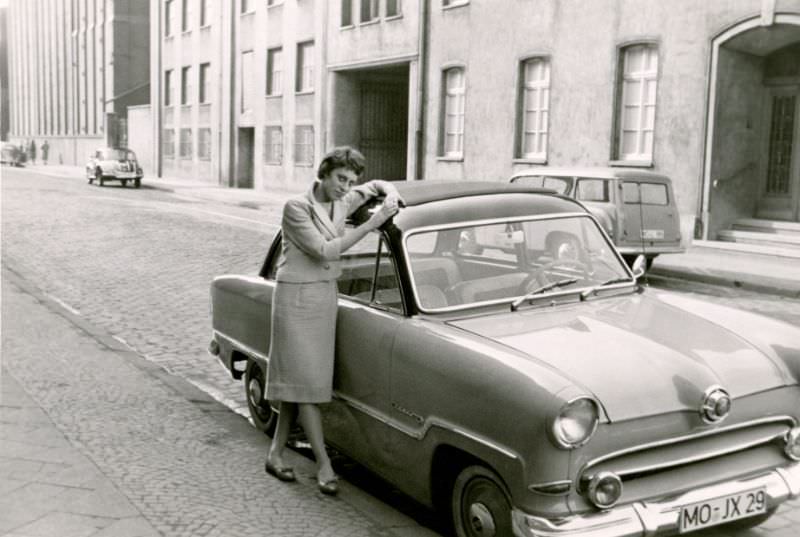
1952 marked a turning point. Ford Germany launched the Taunus 12M — a completely new car. Its most significant feature was the ponton body, also called the envelope body. This design fully merged the fenders into the body panels, doing away with the separate, bulging fenders of older cars. It was a first for Ford in Europe. Ford marketed the 12M as the “World Car,” designed to be sold across global markets with minimal changes. The Spezial variants were photographed across German cities that same year, showing how quickly the new model spread.
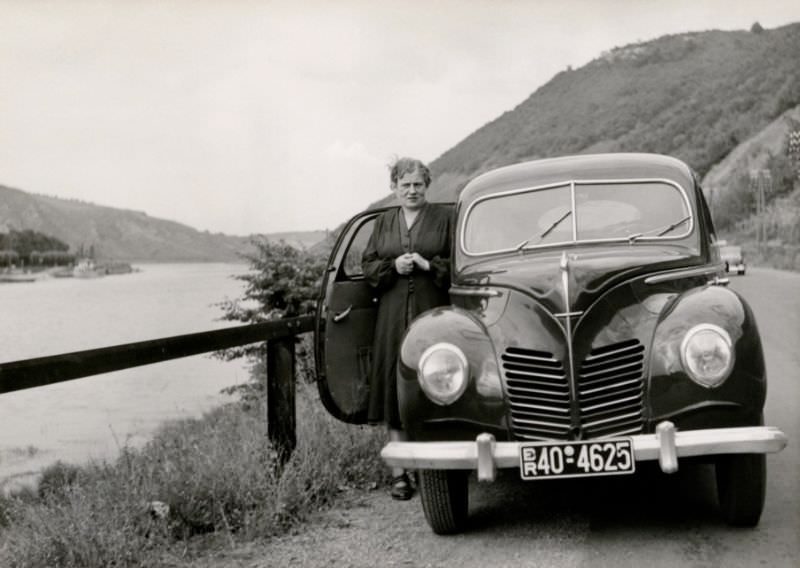
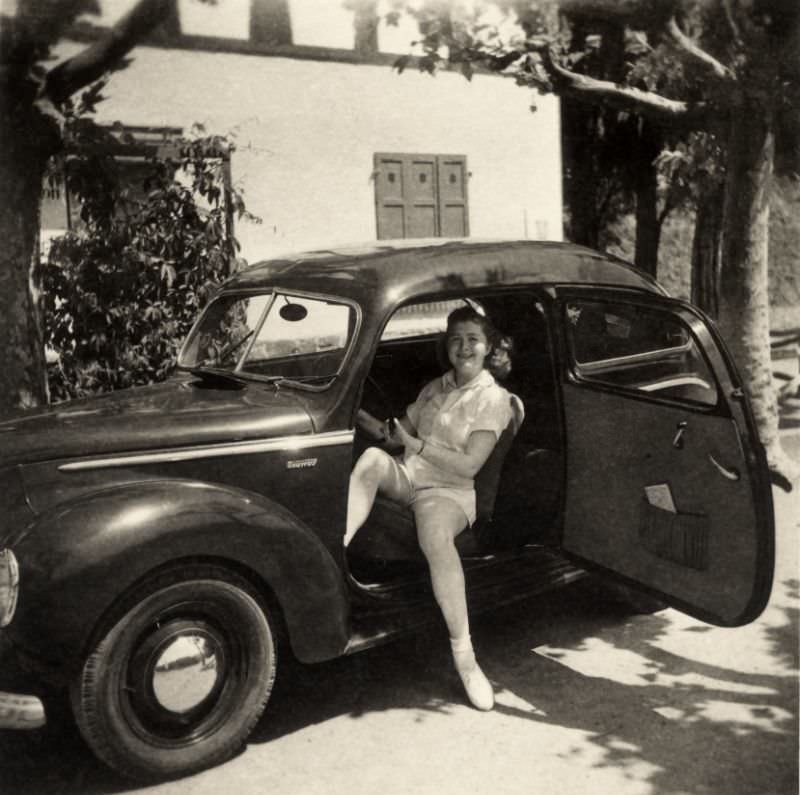
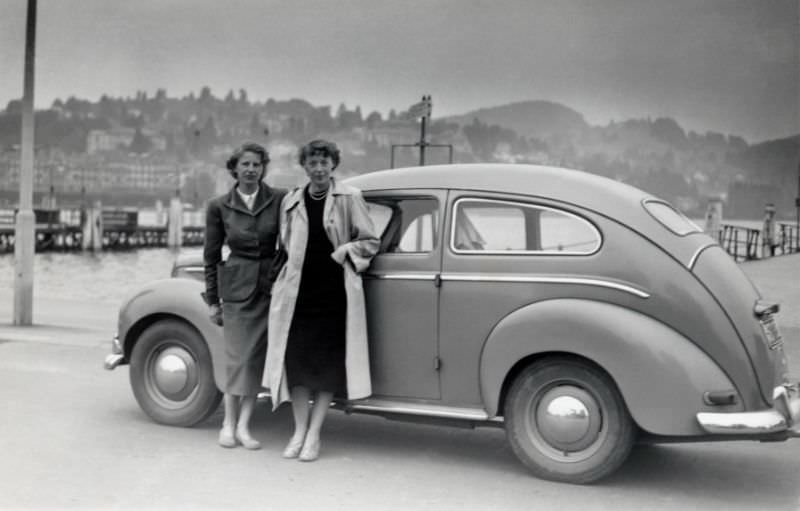
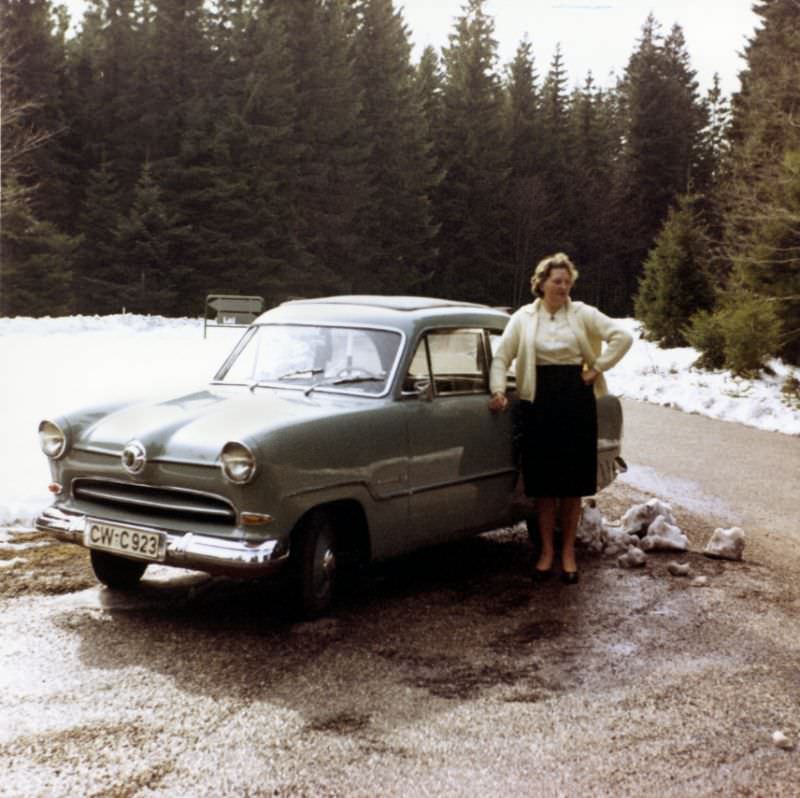
The 12M quickly found its audience. By 1953 and 1954, it appeared in cities like Offenbach, Traunstein, and West Berlin’s Neukölln district. Families used it for summer trips and daily errands alike. Its spacious interior and large trunk made it genuinely practical, not just affordable.
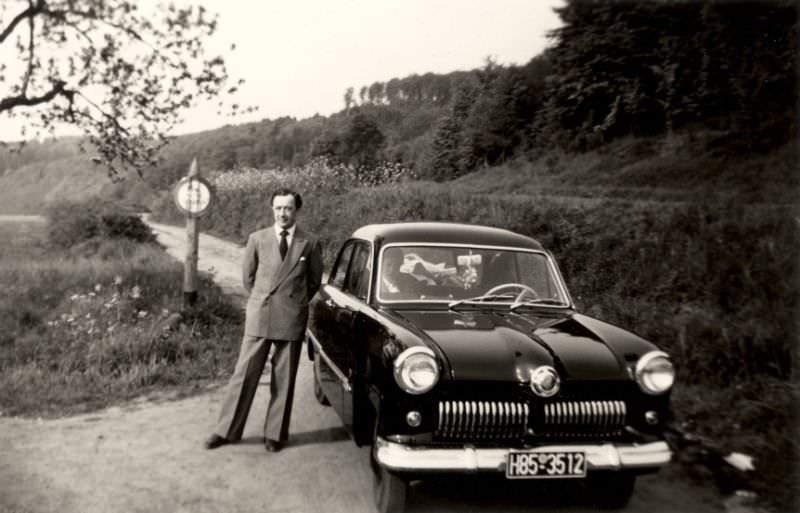
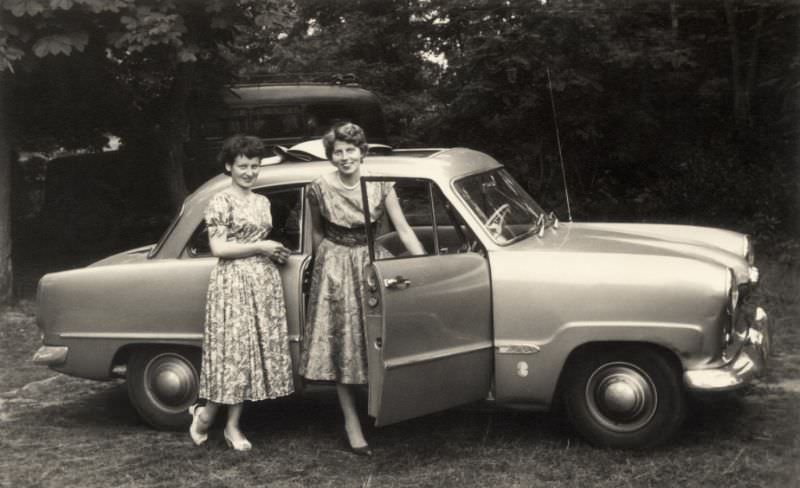
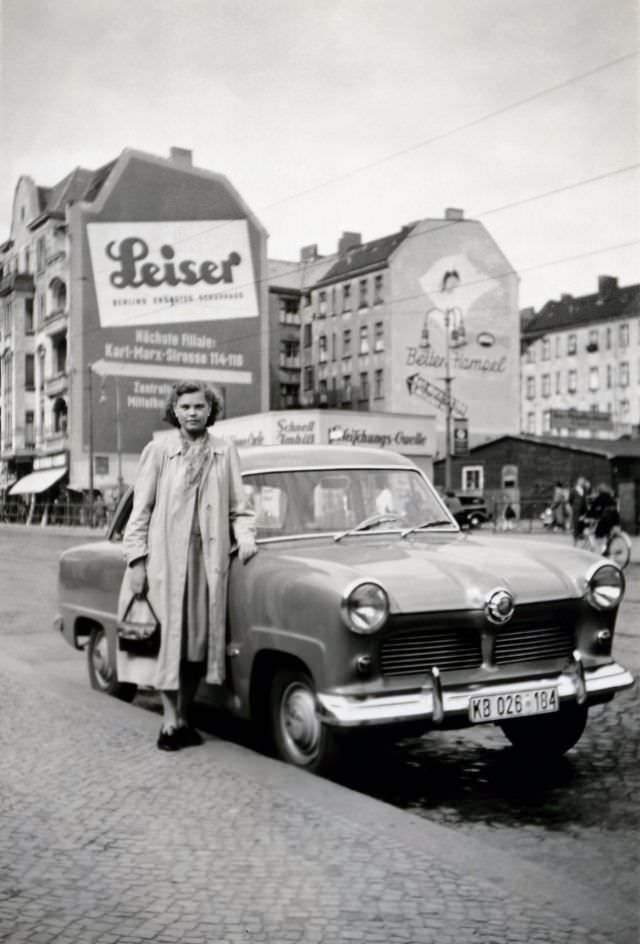
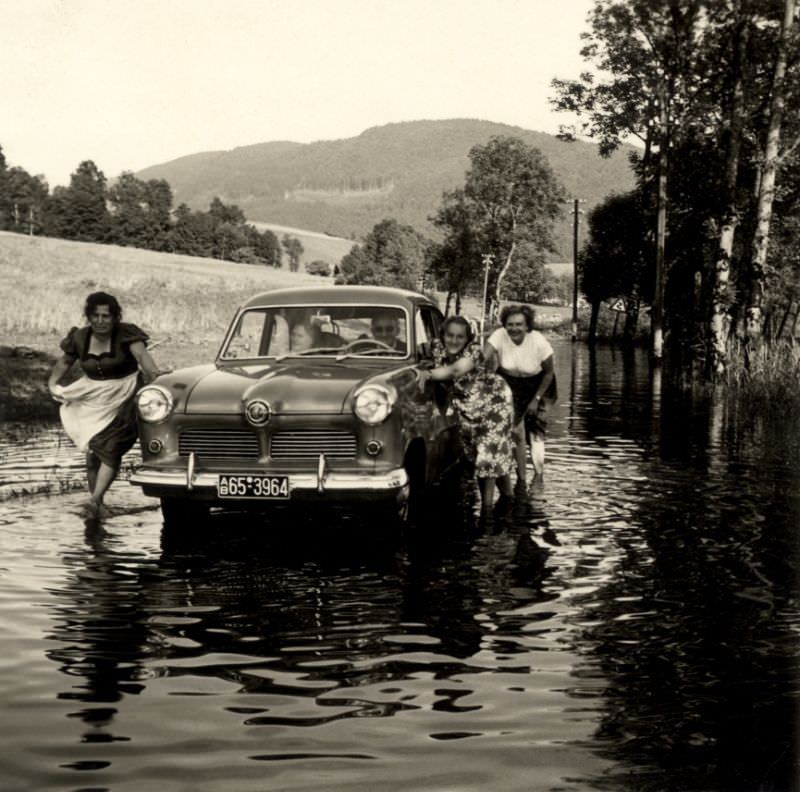
Ford introduced the Taunus 15M in 1955. It carried a more powerful engine and a revised exterior. Compared to the 12M, the 15M was easy to spot: it had a larger chrome grille, a broader rear window, and more elaborate tail lights. The two models coexisted on the road, often photographed side by side in street scenes from Vienna to Bremen.
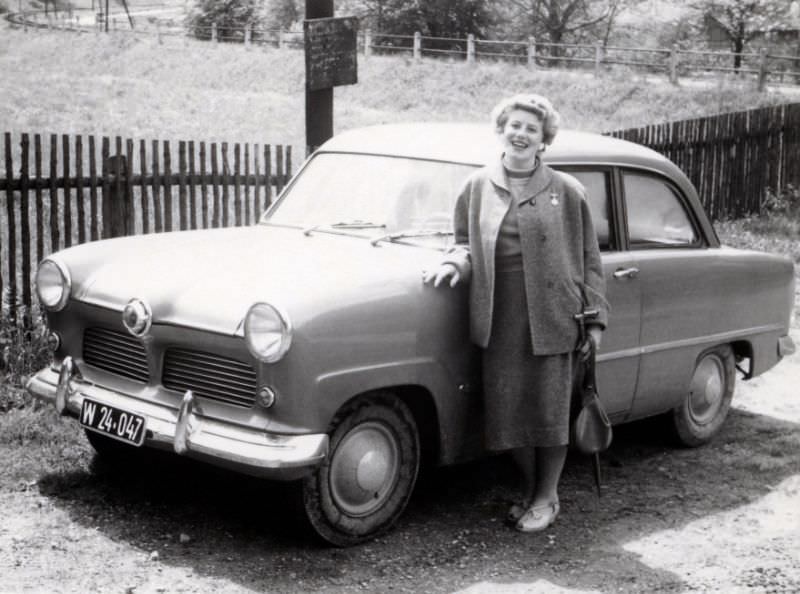
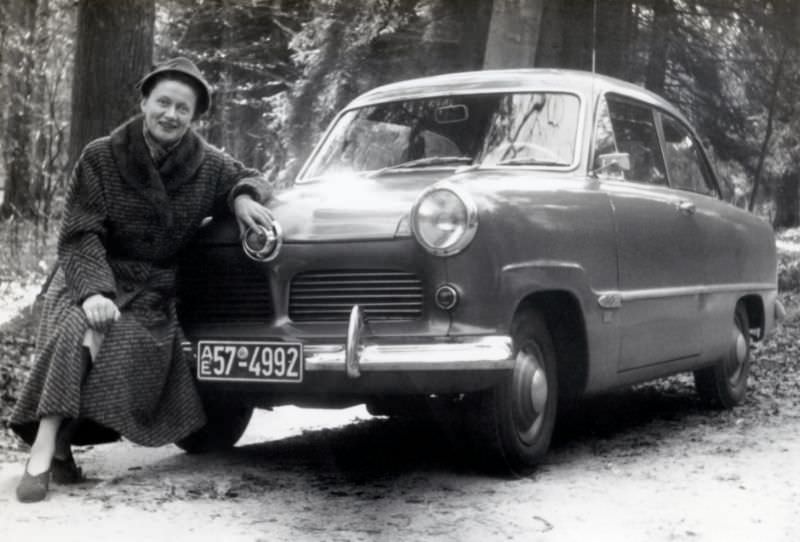
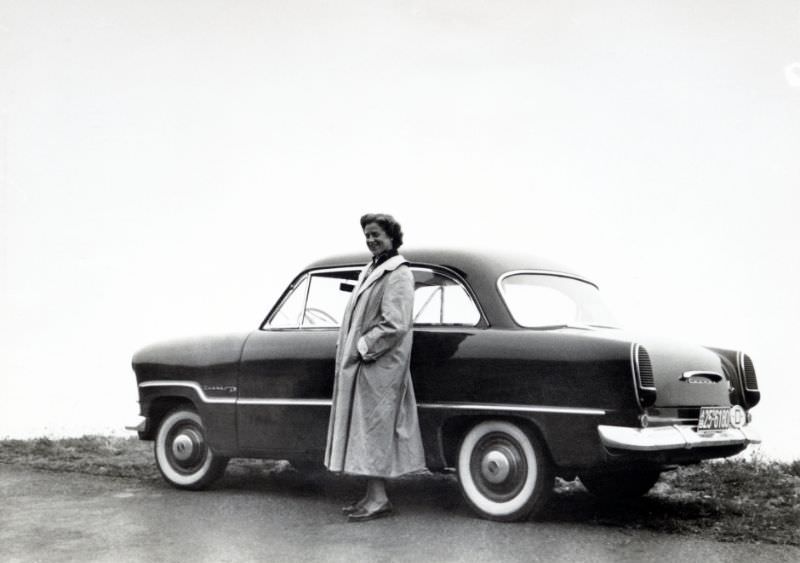
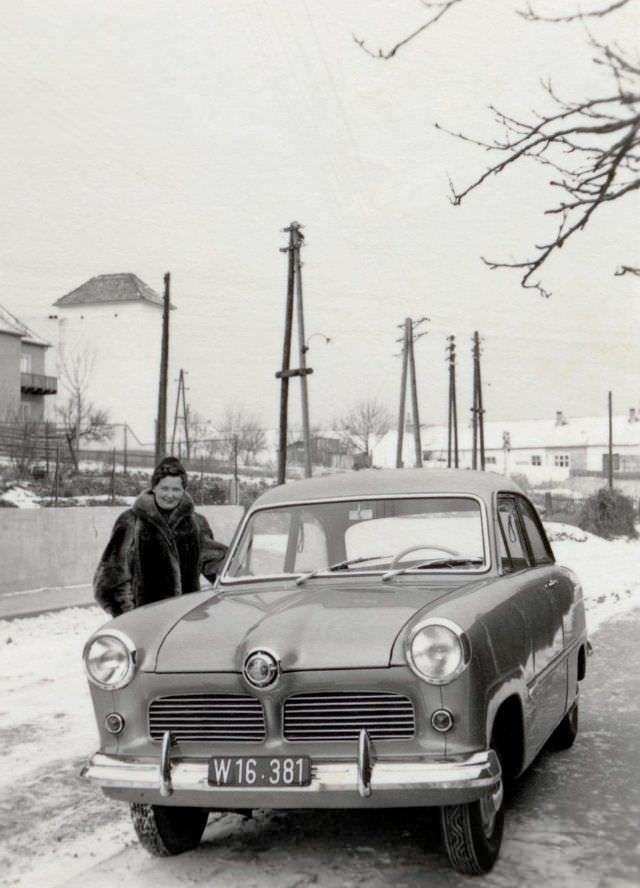
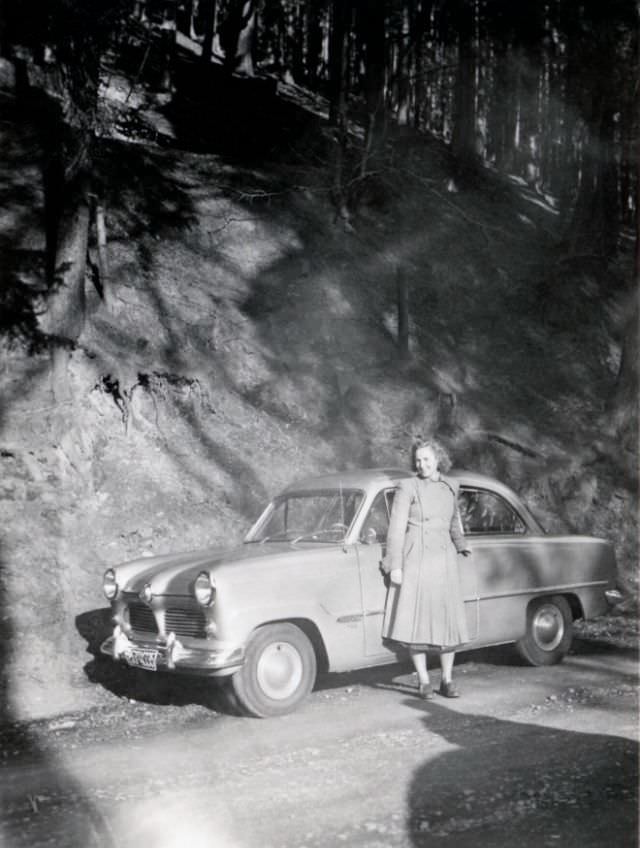
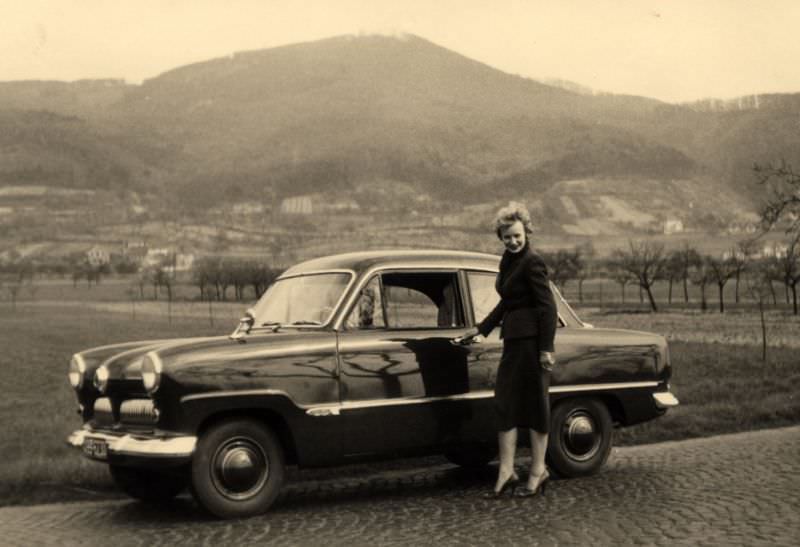
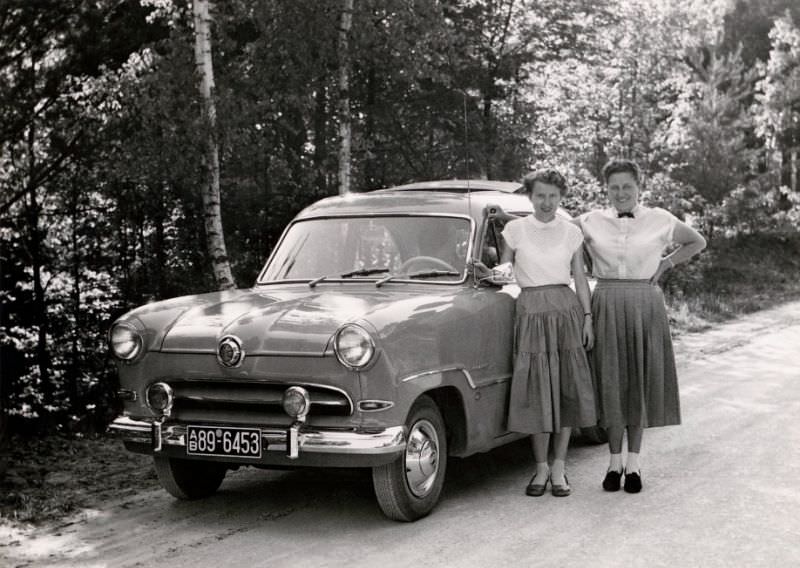
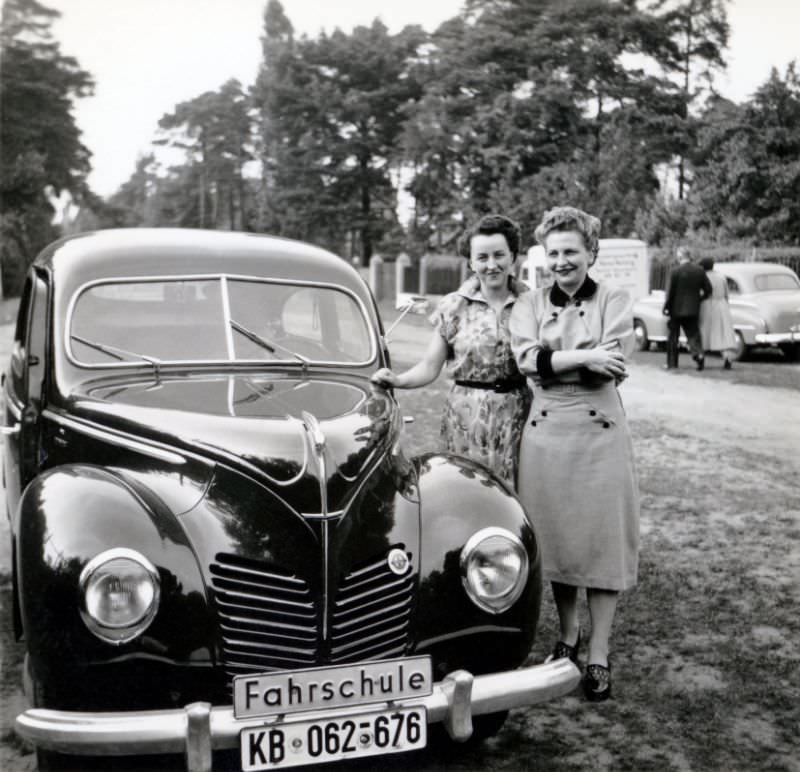
By 1956, the 15M had expanded into a Kombi wagon variant, giving families even more cargo space. The Kombi was photographed in West Berlin that summer, looking every bit the practical hauler. Across Bonn, Stuttgart, Kiel, and Selb, the 15M de Luxe and standard versions showed up in photos that capture everyday German life mid-decade.
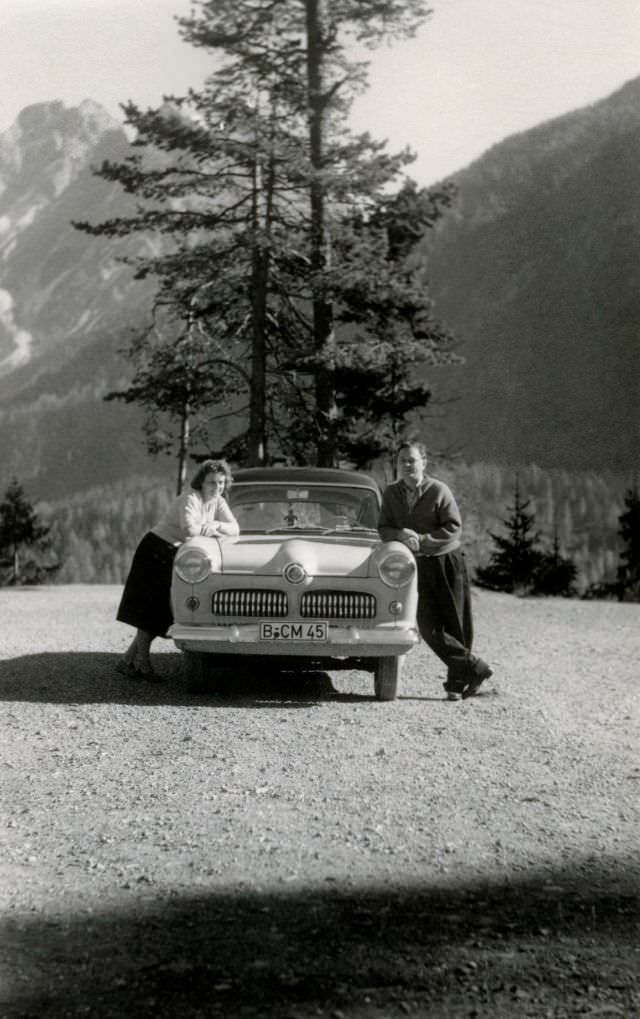
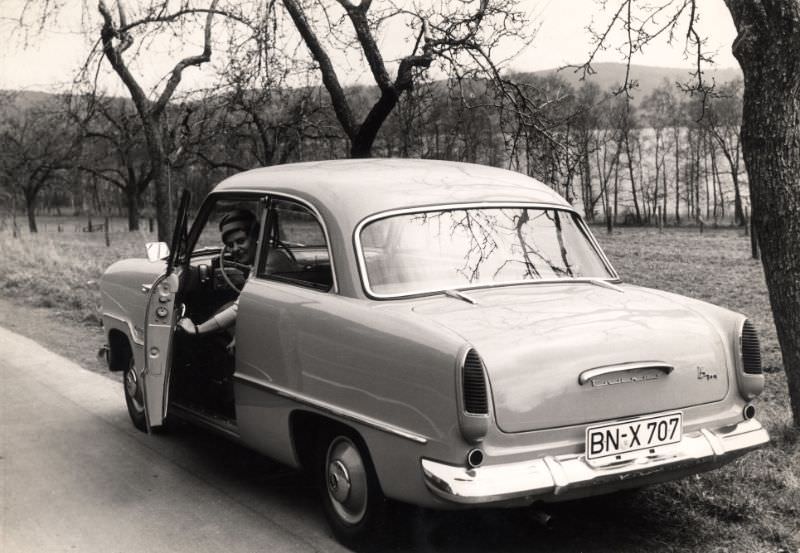
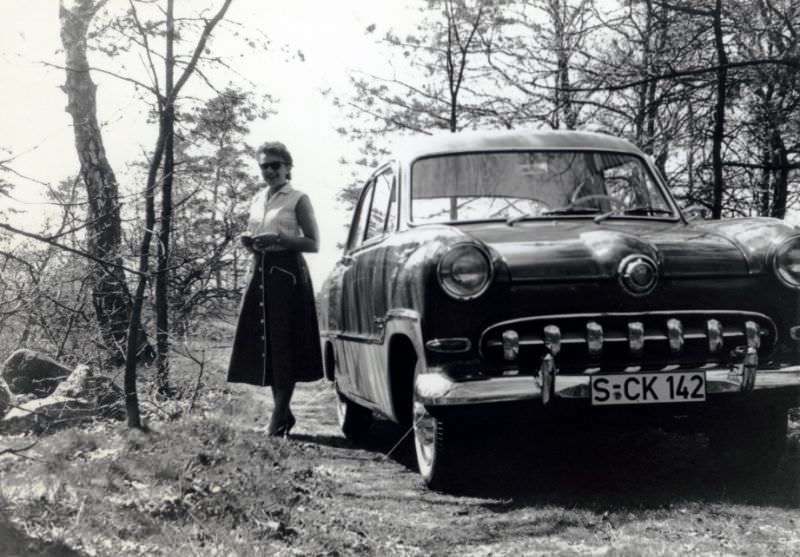
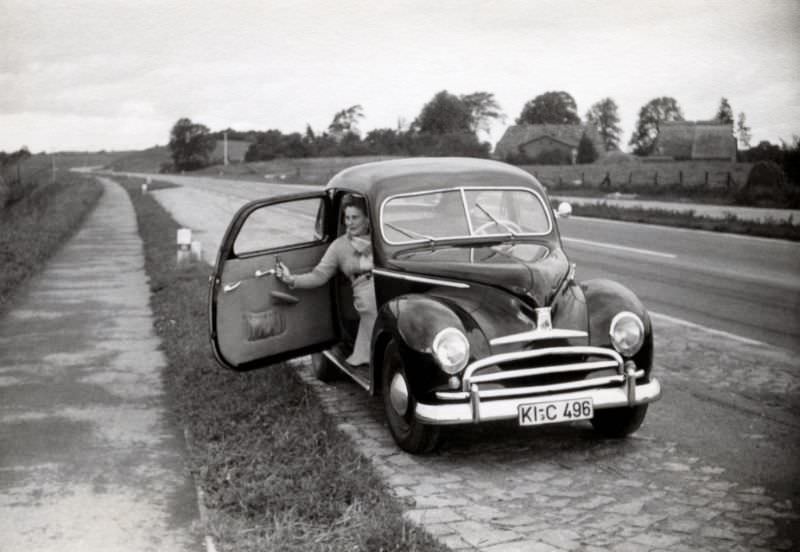

The 12M continued into 1957, turning up even on mountain passes. One photo shows it on the Sella Pass in the Italian Alps — proof that owners trusted it well beyond city streets. That same year, Ford launched the car that would define the Taunus name for a generation.
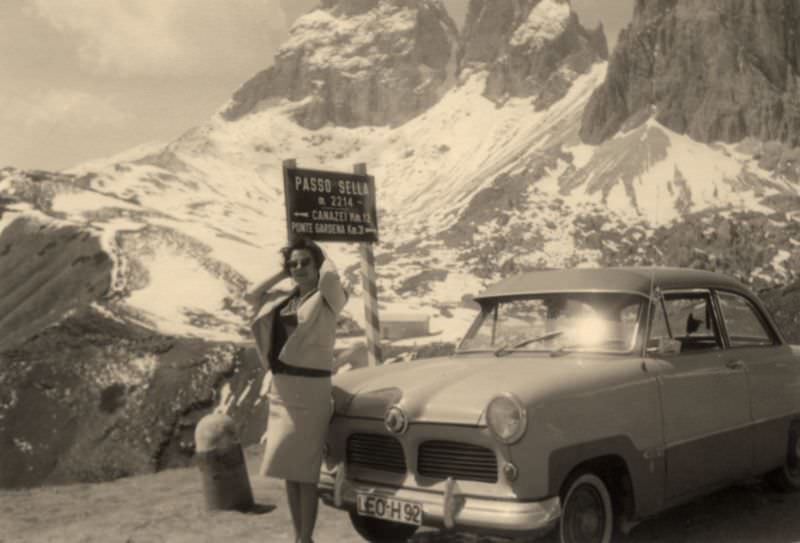
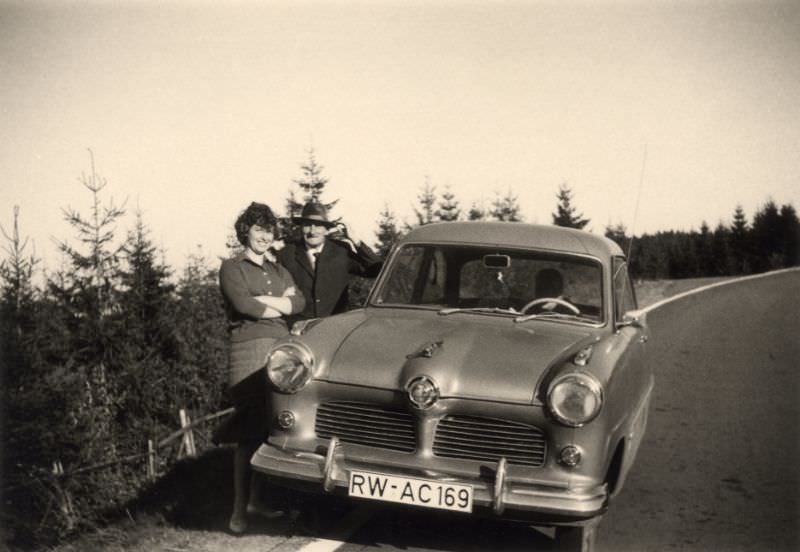
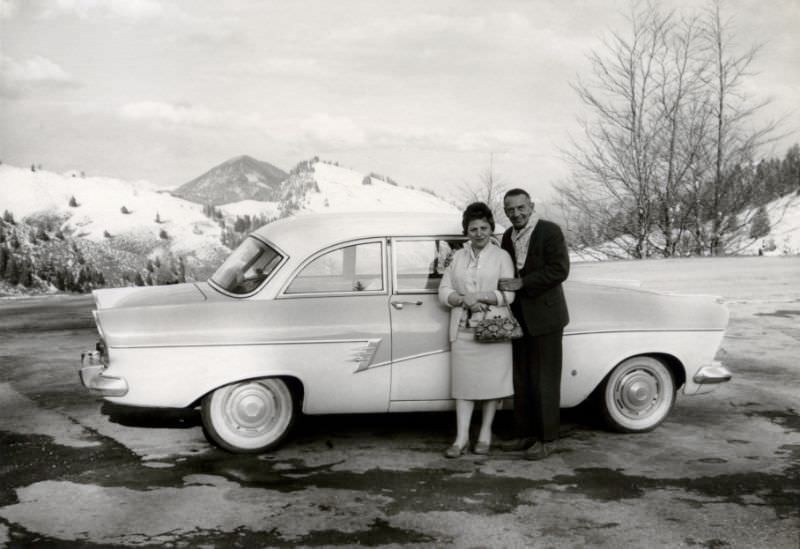
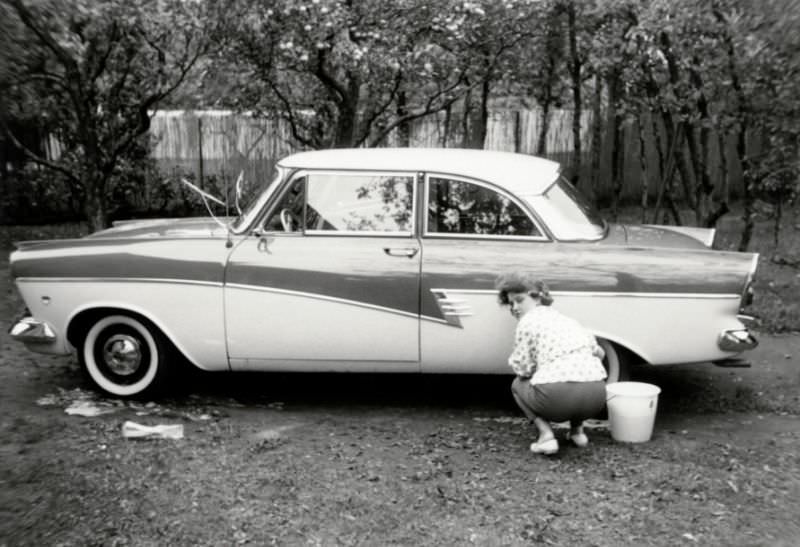
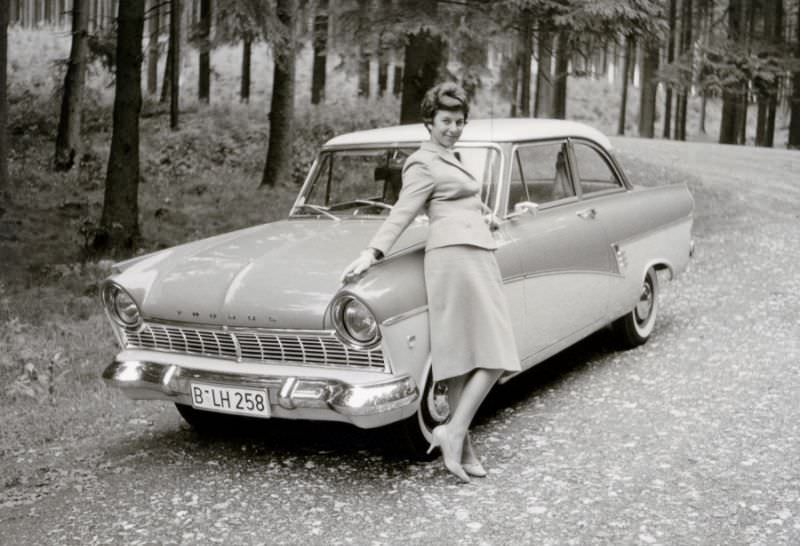
The Ford Taunus 17M arrived in 1957, styled by designer Uwe Bahnsen. Its smooth, rounded body earned it the nickname “Badewanne” — German for bathtub. The shape was deliberately streamlined, with flowing curves that set it apart from anything else on the road. The 17M de Luxe in particular, photographed on alpine roads, in West Berlin forests, and even being washed in a family driveway, captures how the car wove itself into daily life.
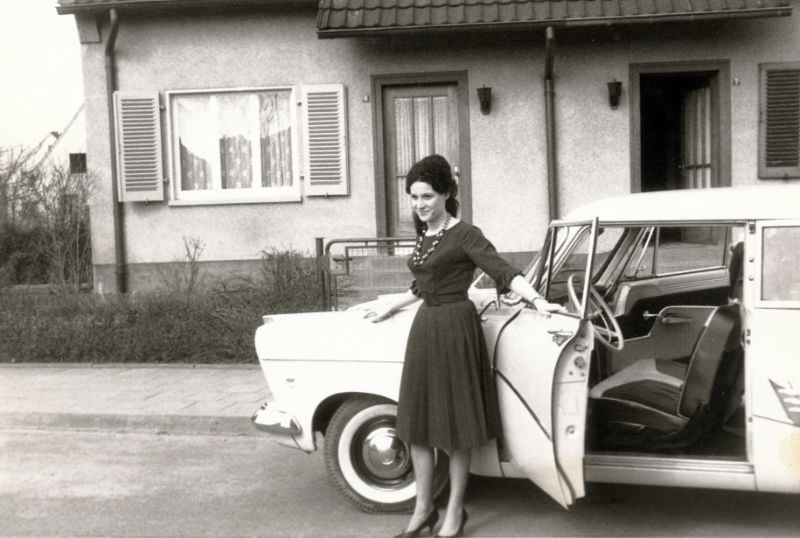
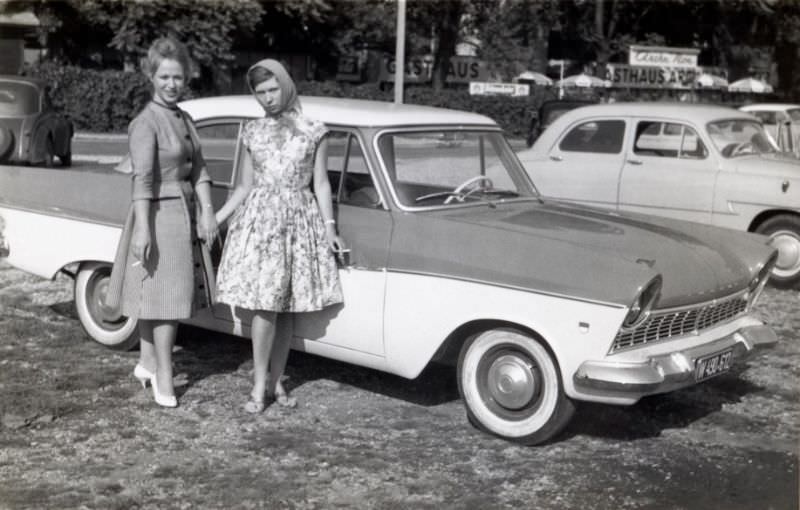
As the decade closed, the 12M was still going strong. A 1959 photo shows one fitted with a roof rack — loaded up and ready for the road, as practical as ever. The Taunus line had grown from a single model into a full range that covered families at every budget. Throughout the 1950s, these cars appeared not just on German roads but in Austria, Italy, and across Western Europe, making the Taunus one of the most widely seen cars of its era.