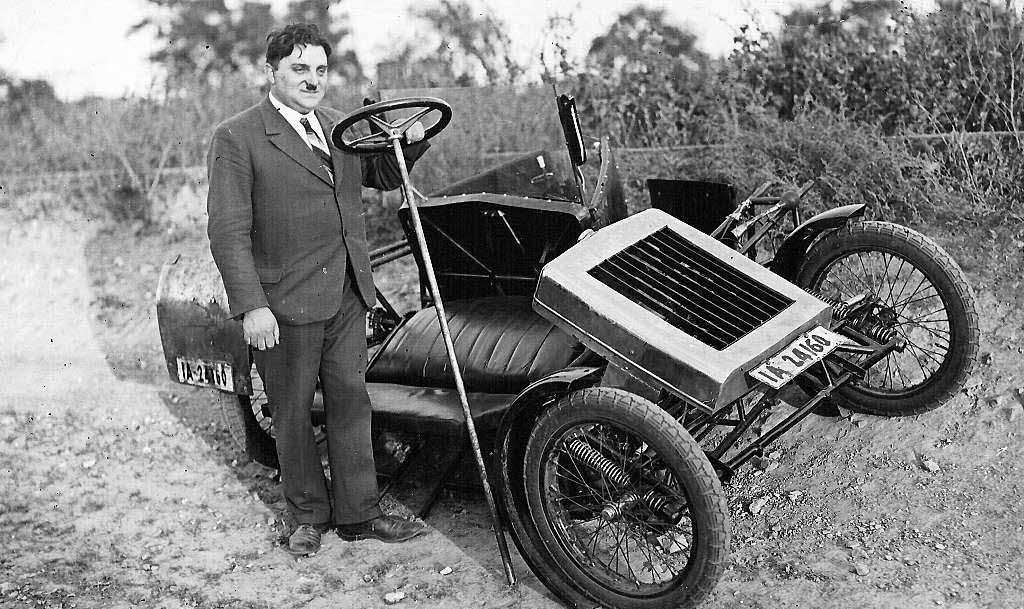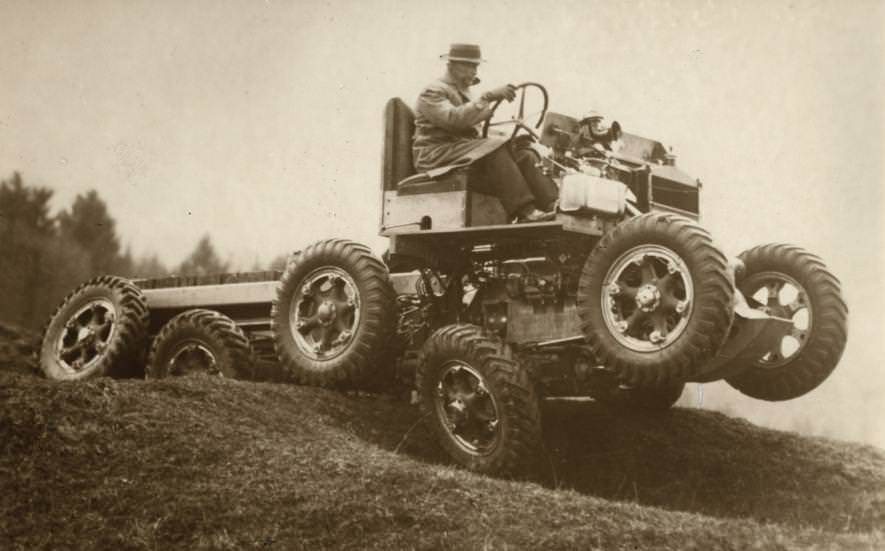
Peugeot’s roots go back to 1810, when the family business made coffee mills and bicycles. By 1889, the company had built its first car — the Serpollet-Peugeot, a steam-powered three-wheeler. That single vehicle marked the start of one of the longest-running names in automotive history. Within decades, Peugeot had grown from a small workshop operation into a brand recognized across Europe and beyond. These early years produced some remarkable machines, and the photos that survived tell a vivid story of how people lived with their cars in a very different era.
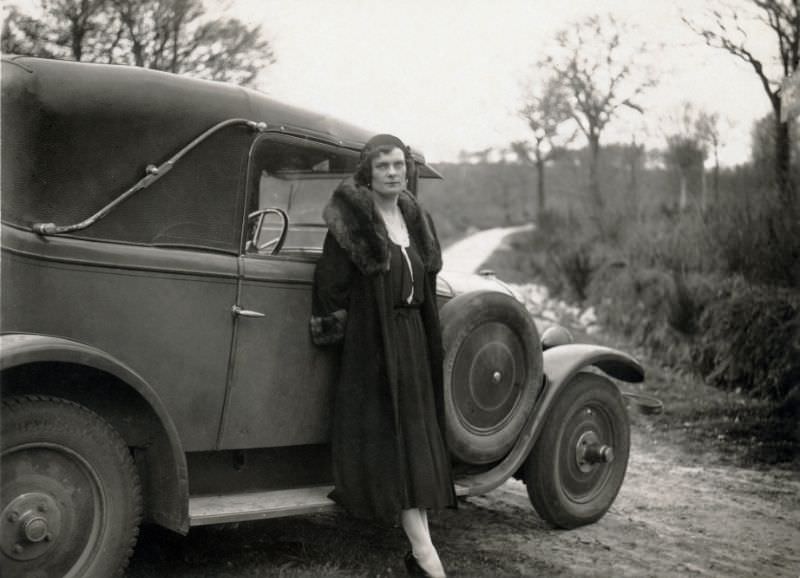
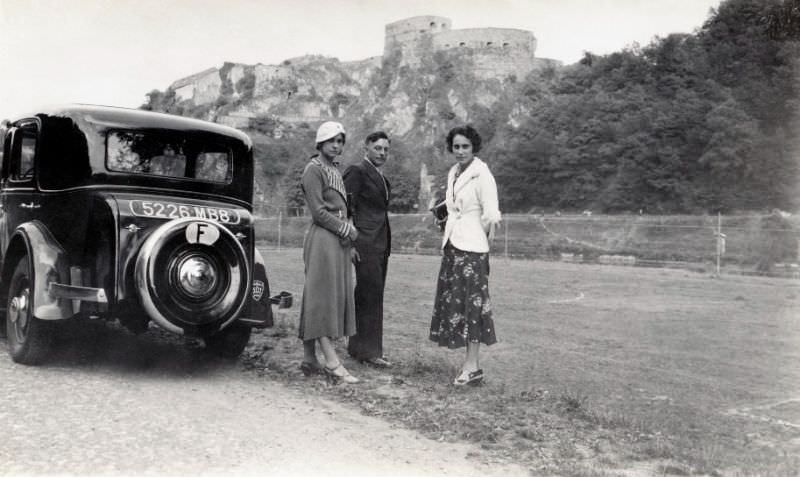
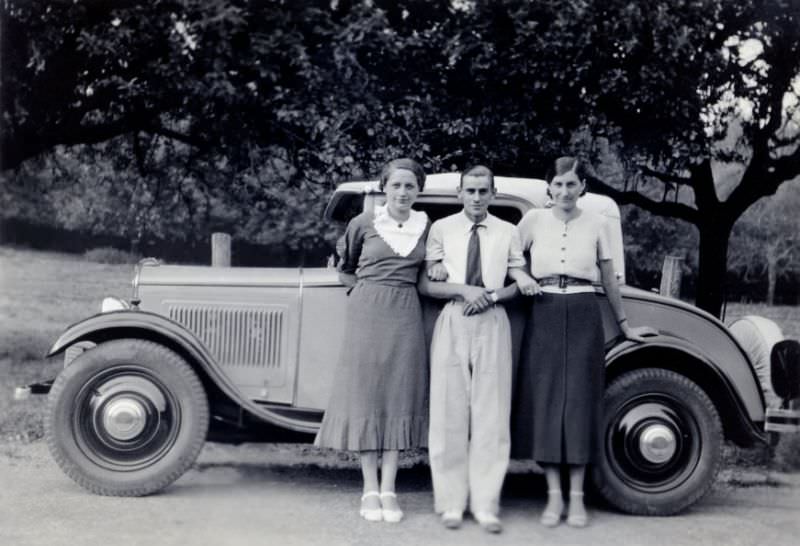
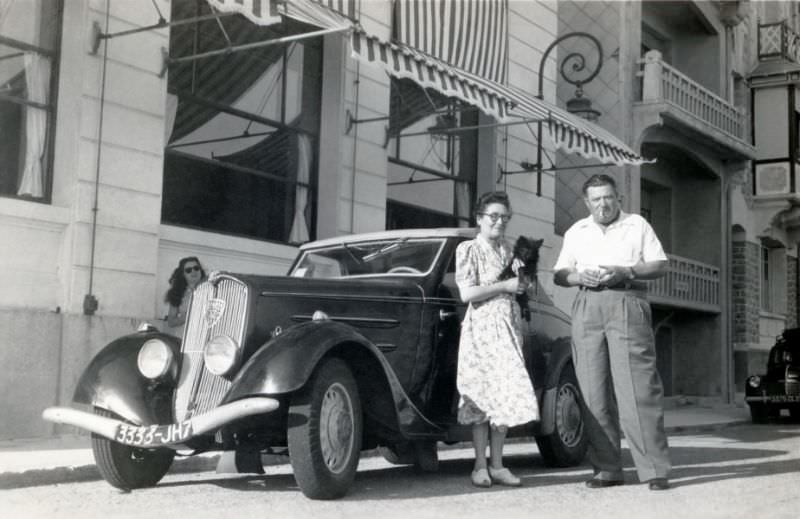
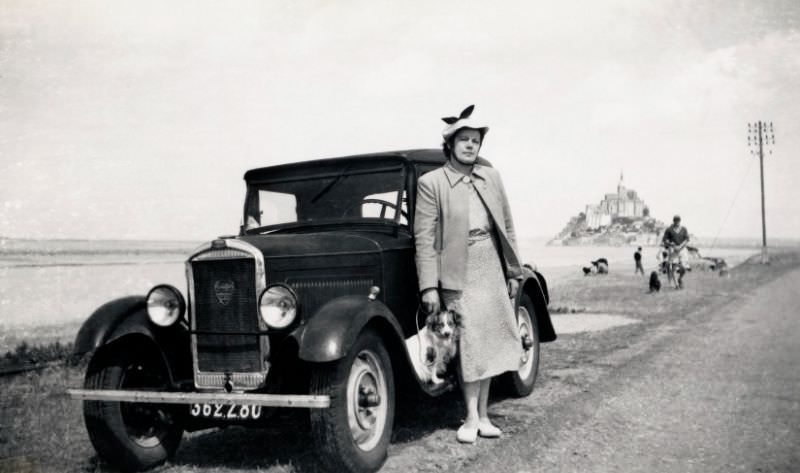
Through the late 1920s and into the 1930s, Peugeot released a steady stream of models that reached drivers across France and well into the wider world. The 201, launched in 1929, became one of the brand’s most popular cars of the period — affordable, reliable, and built for real roads. The 301 and 601 followed, offering more refinement and wider body styles. These weren’t just city cars. Photos from the time show them parked on cobbled streets, gravel roads, rural countryside, and seaside promenades — driven by families, tourists, and everyday people across Europe and North Africa.
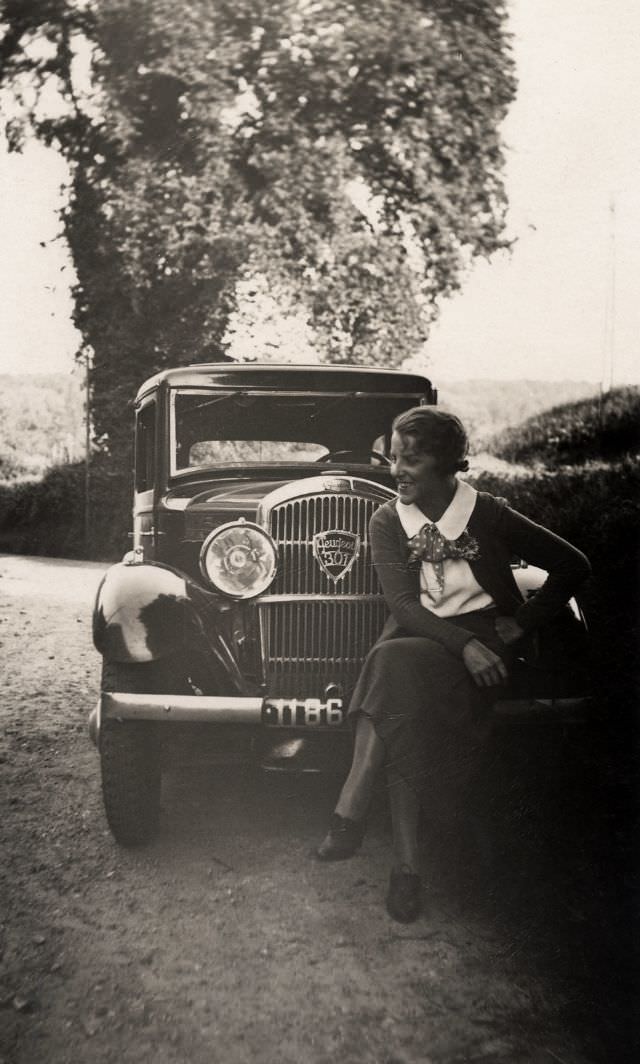
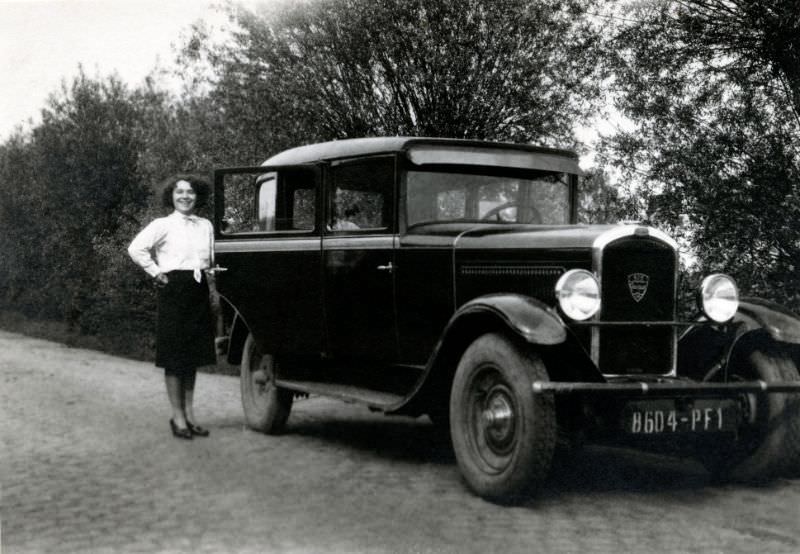
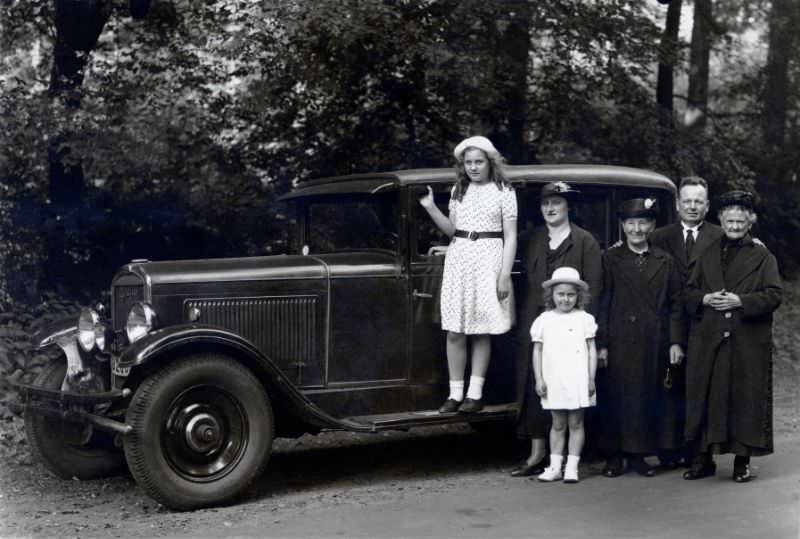
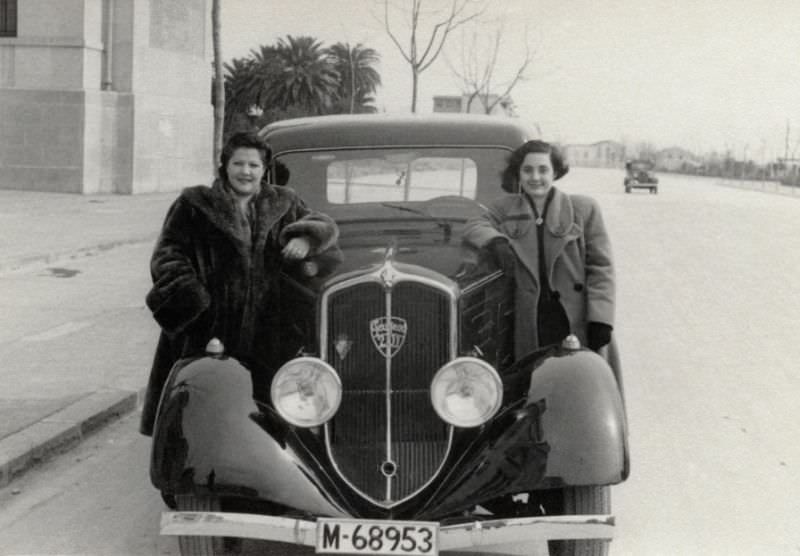
The 12 CV Six was among Peugeot’s more refined offerings at the turn of the decade, photographed on cobbled Rhône roads and Belgian countryside alike. The 201, meanwhile, turned up everywhere — from the fields of Nord to the outskirts of Madrid. It was the kind of car that crossed borders with ease, which says a great deal about how well Peugeot had built its reputation across Europe by the early 1930s.
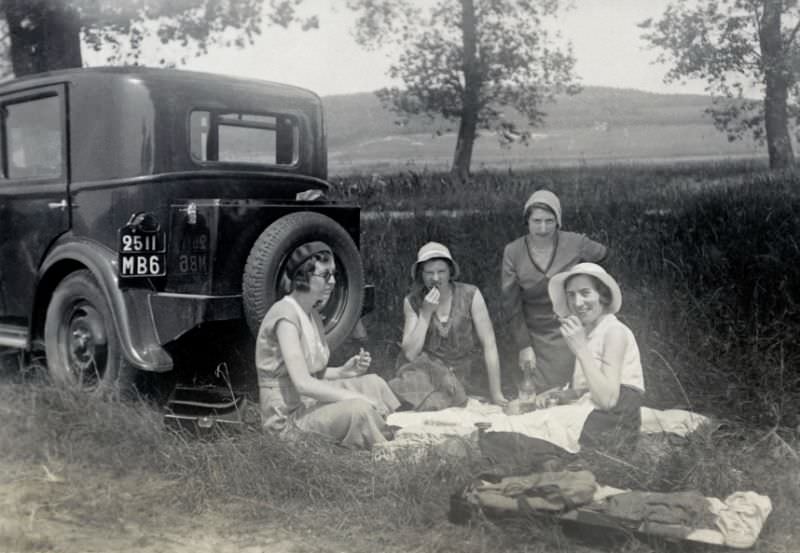
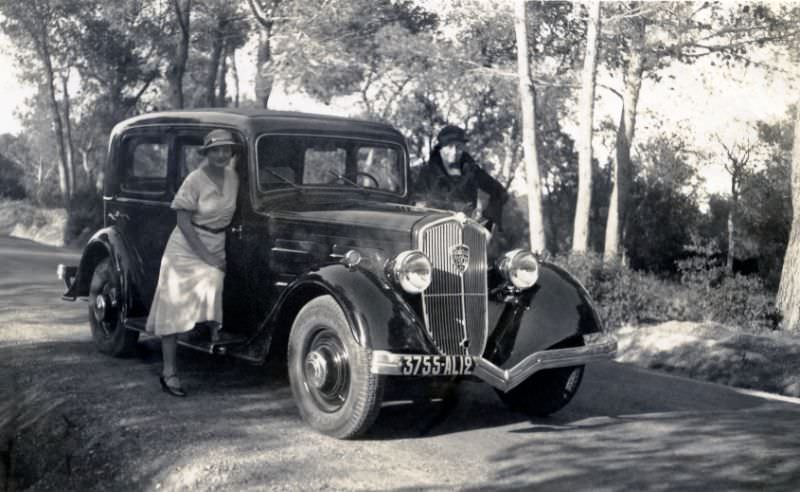
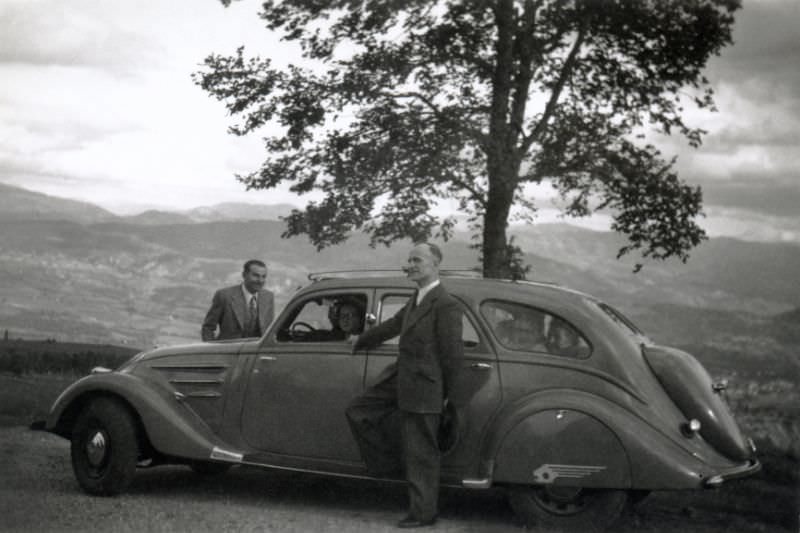
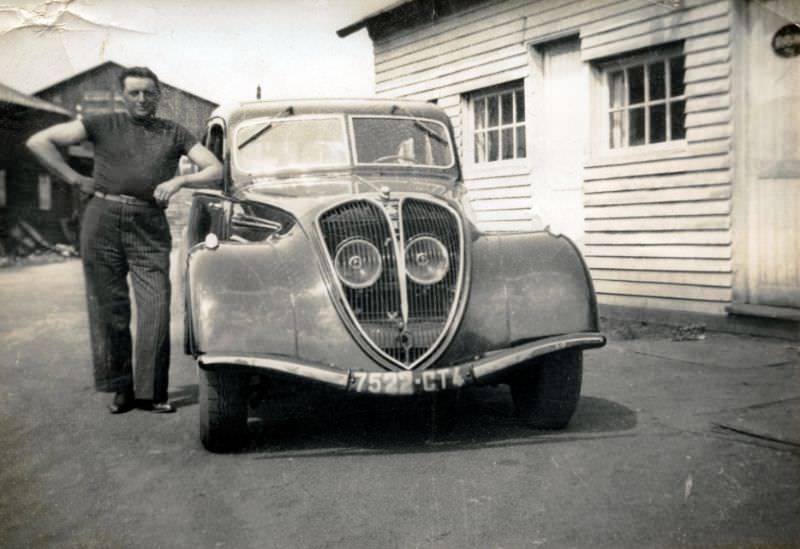
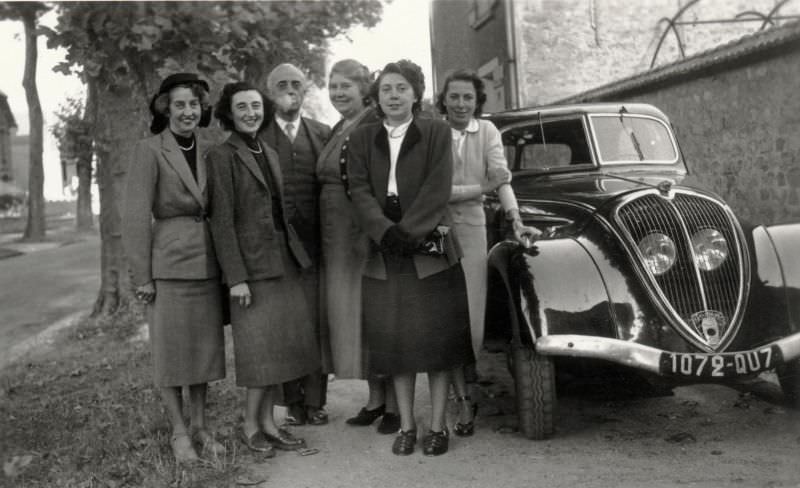
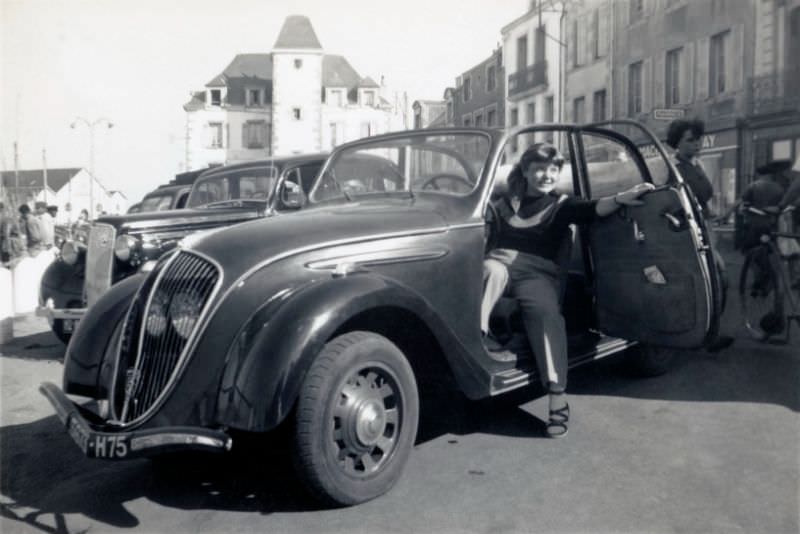
In 1934, Peugeot introduced one of its most significant designs: the 402. It was a true pioneer in aerodynamic styling, with a streamlined body and sleek lines that stood apart from virtually every other car on the road at the time. The 402 wasn’t just a styling exercise — its shape was guided by real engineering thinking about how a car moves through air. It became one of the most photographed Peugeots of the 1930s, appearing in images taken across France, Italy, and even in the mountain resorts of Sestrière.
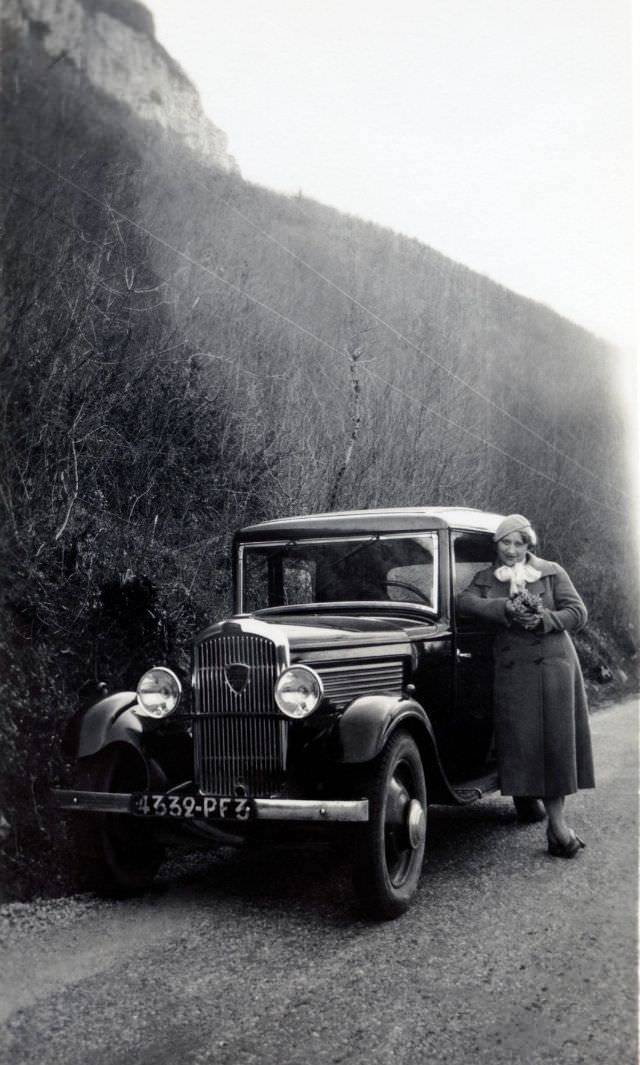
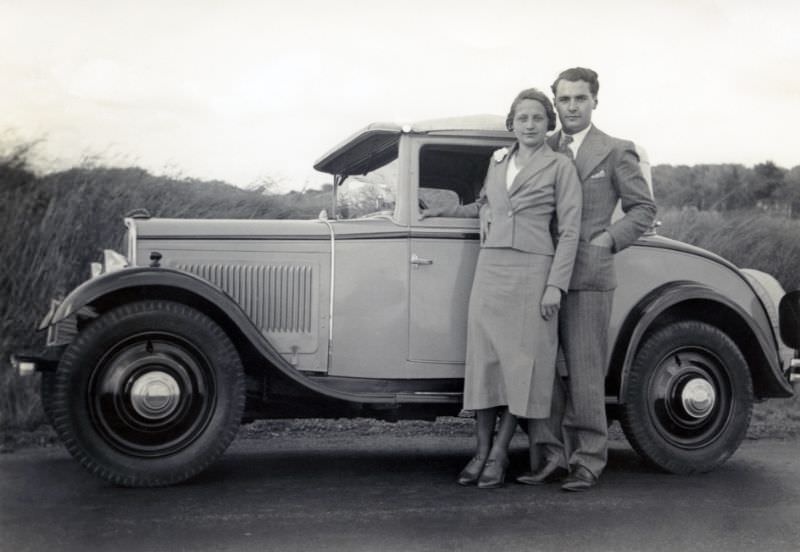
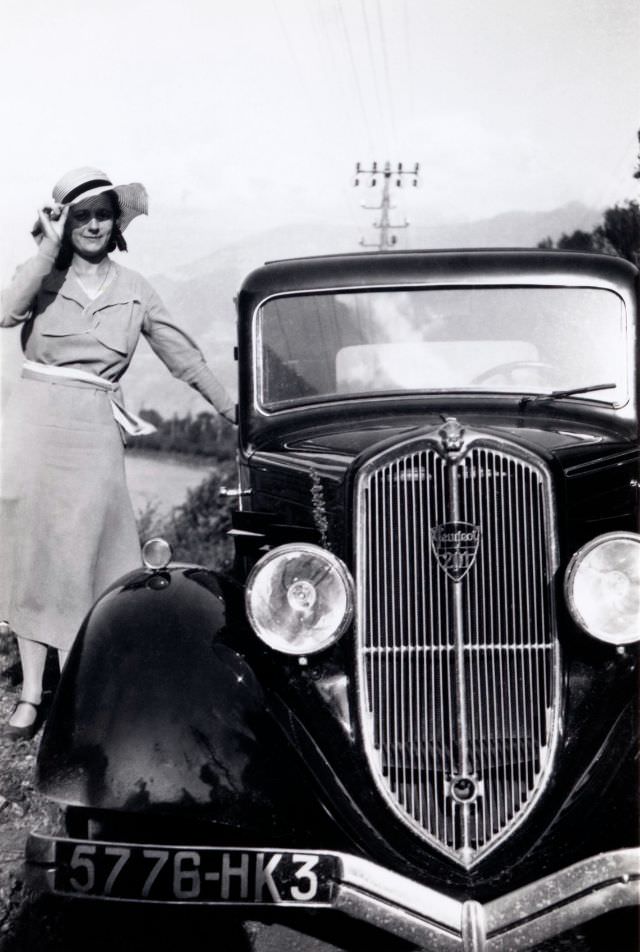
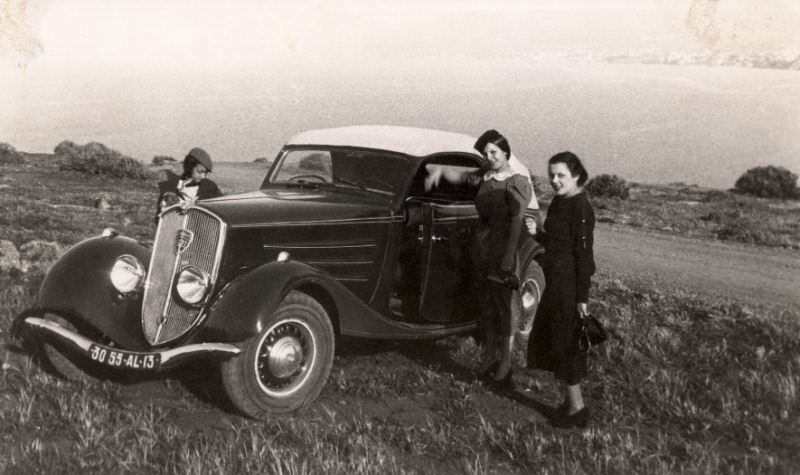
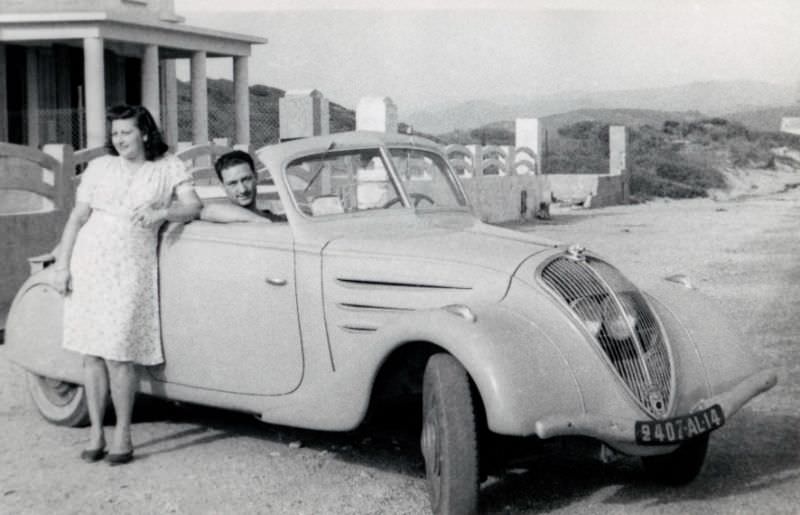
The 601 Cabriolet was Peugeot’s most luxurious model of the era — a long, elegant car aimed at wealthier buyers. One photograph shows it in formerly French Algeria in 1936, a reminder of just how far Peugeot’s reach extended during the colonial period. The 402, by contrast, was aimed at a broader market, and its appearances in photos from this period span rural French villages, alpine Italian towns, and Normandy country roads.
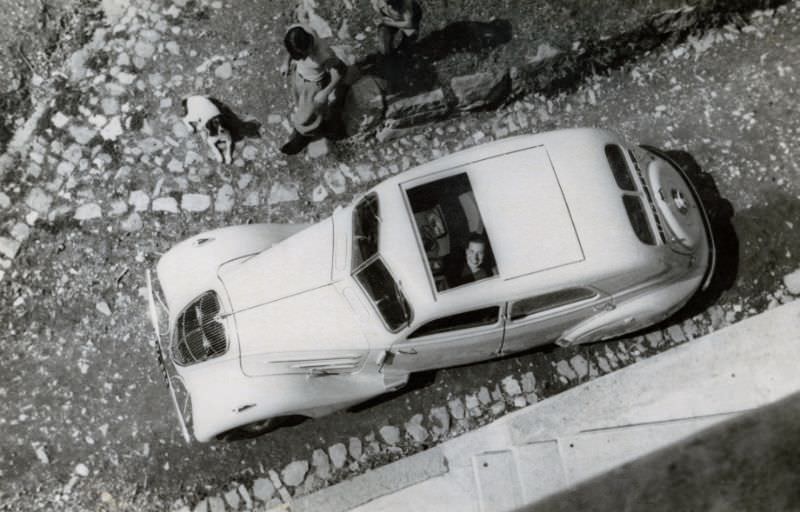
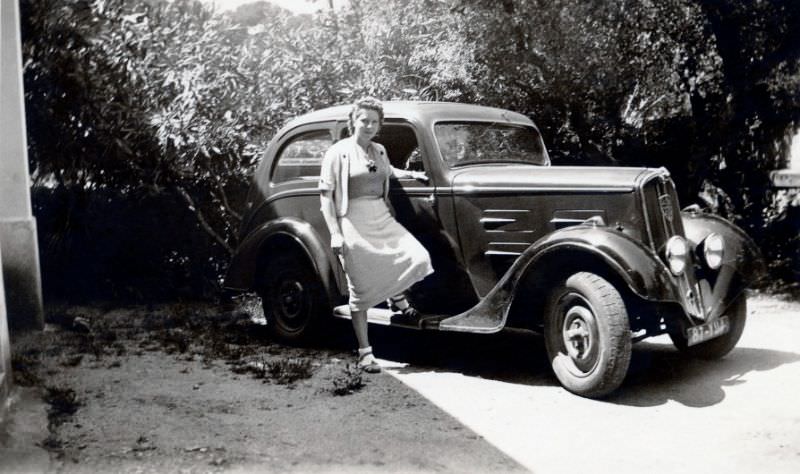
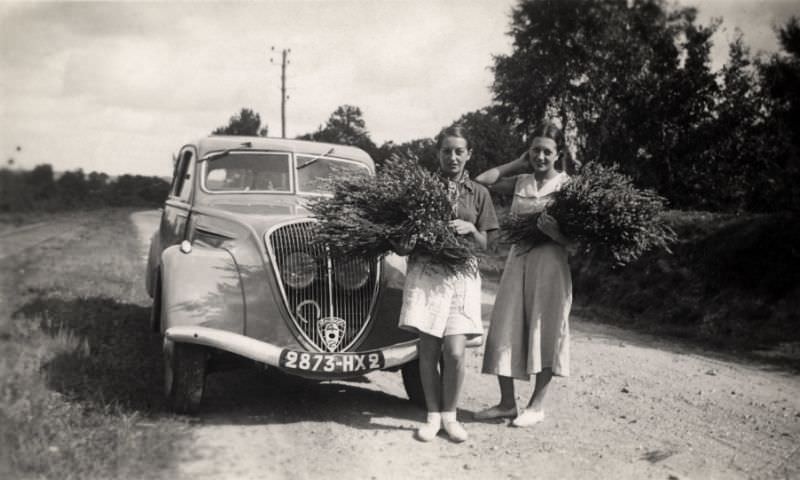
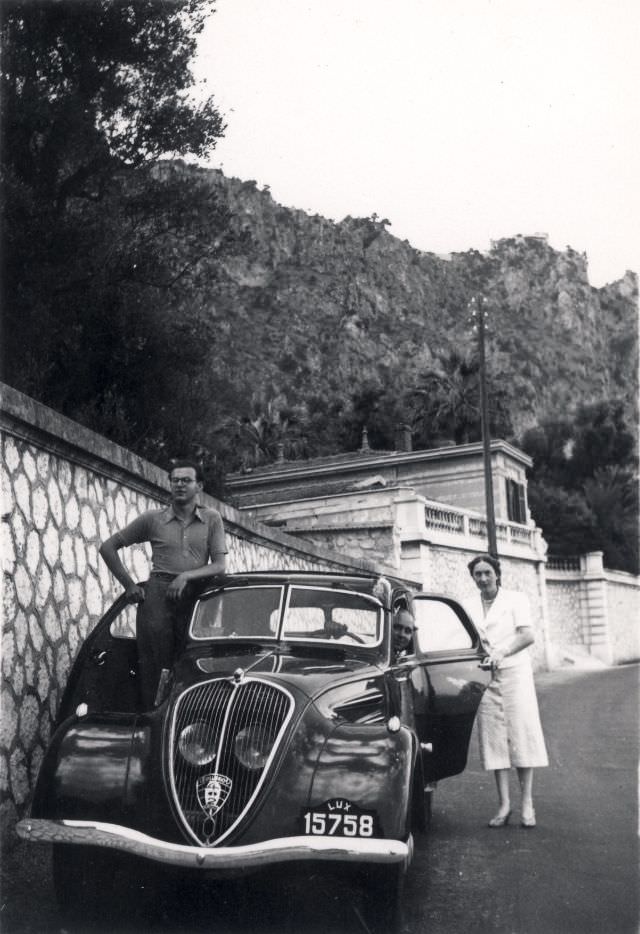
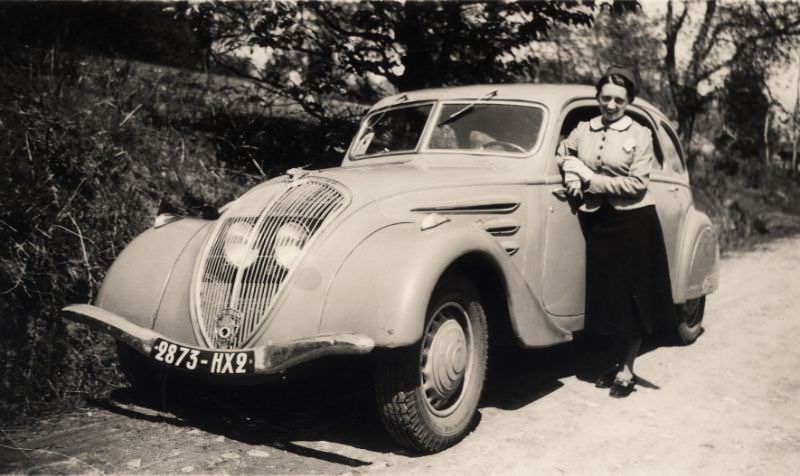
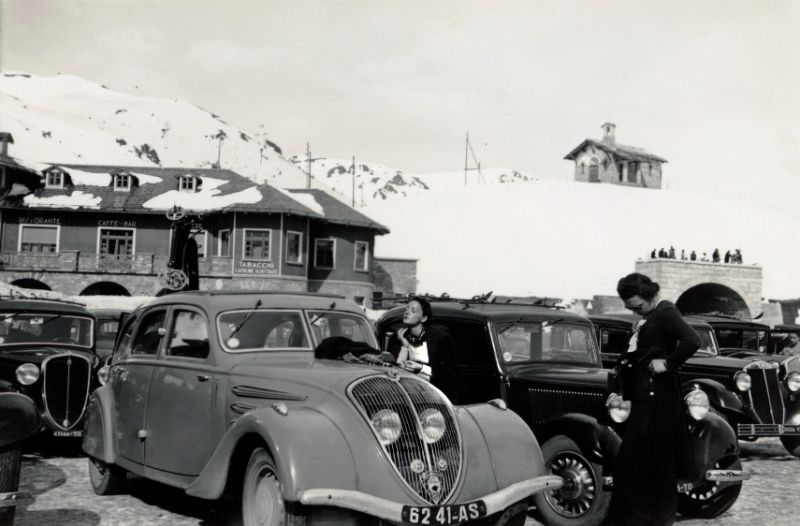
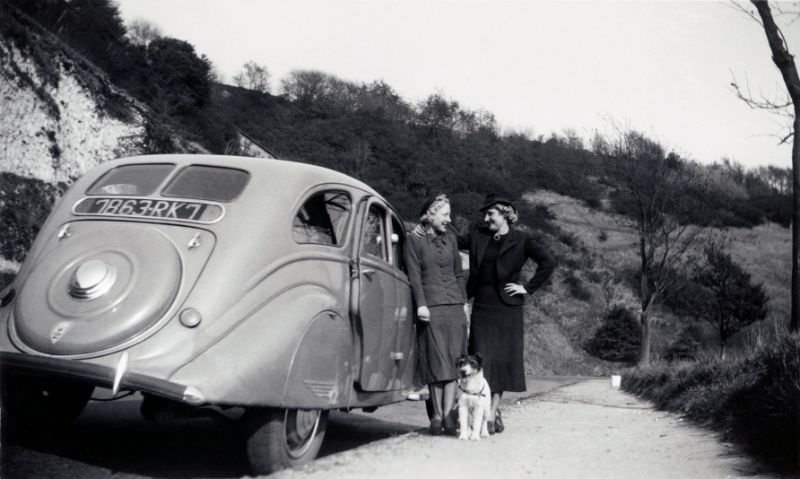
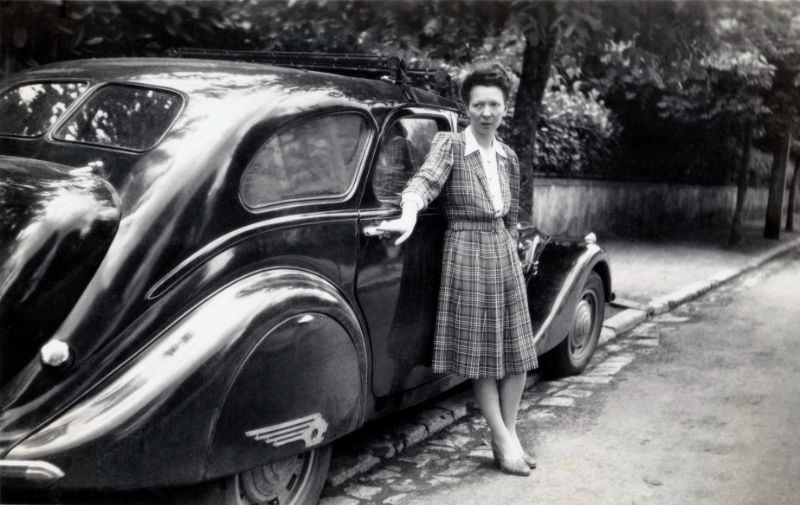
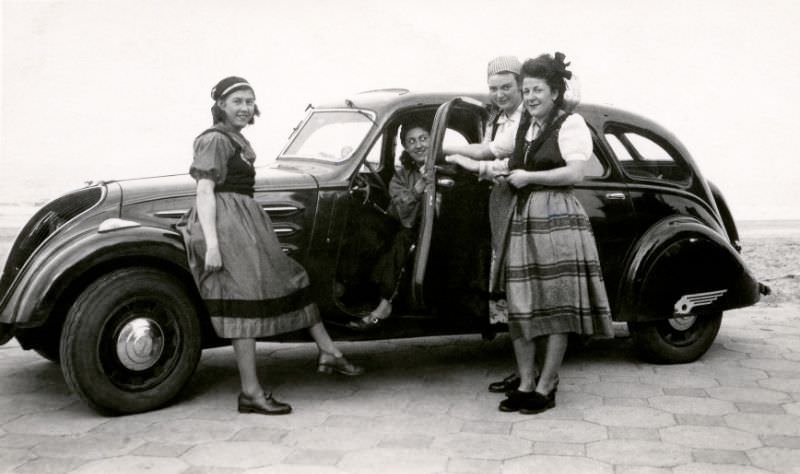
The 402 continued to appear in photos well into the 1940s and even early 1950s. A 1943 photograph shows a Peugeot 201 on the outskirts of Madrid — one of the more striking reminders that these cars kept running through the years of World War II. Postwar images show the 402 and the newer 402 B on French coastal roads and open countryside, their pre-war styling still turning heads in the late 1940s.
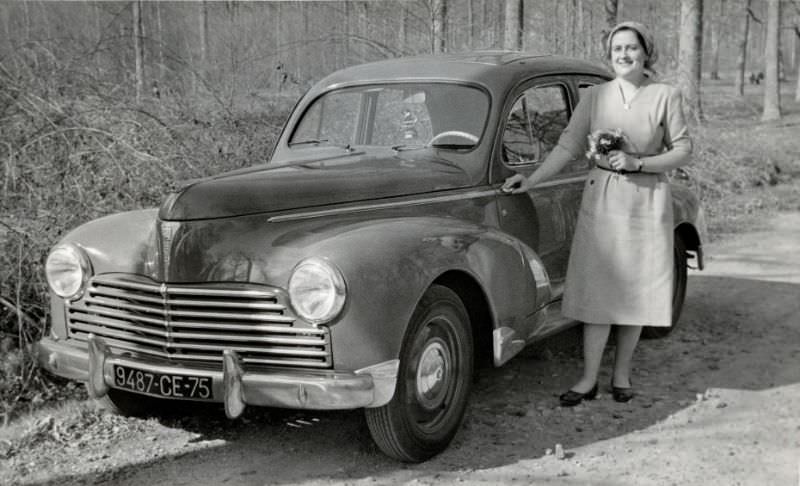
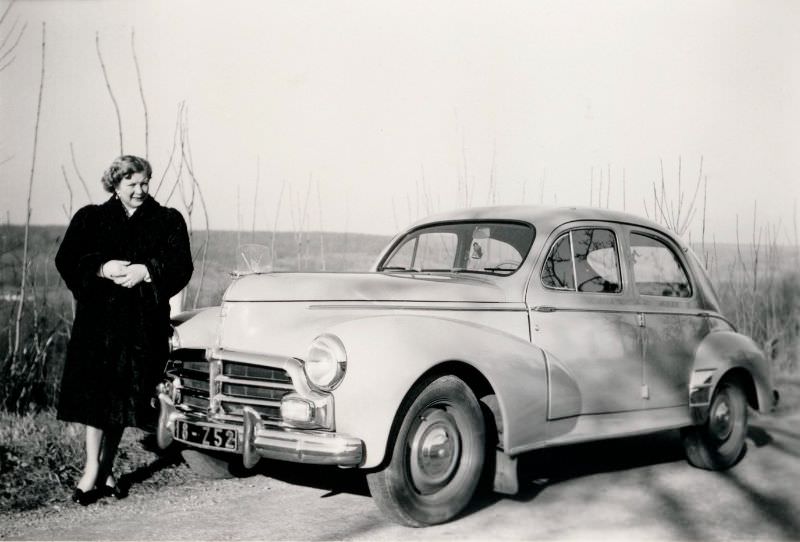
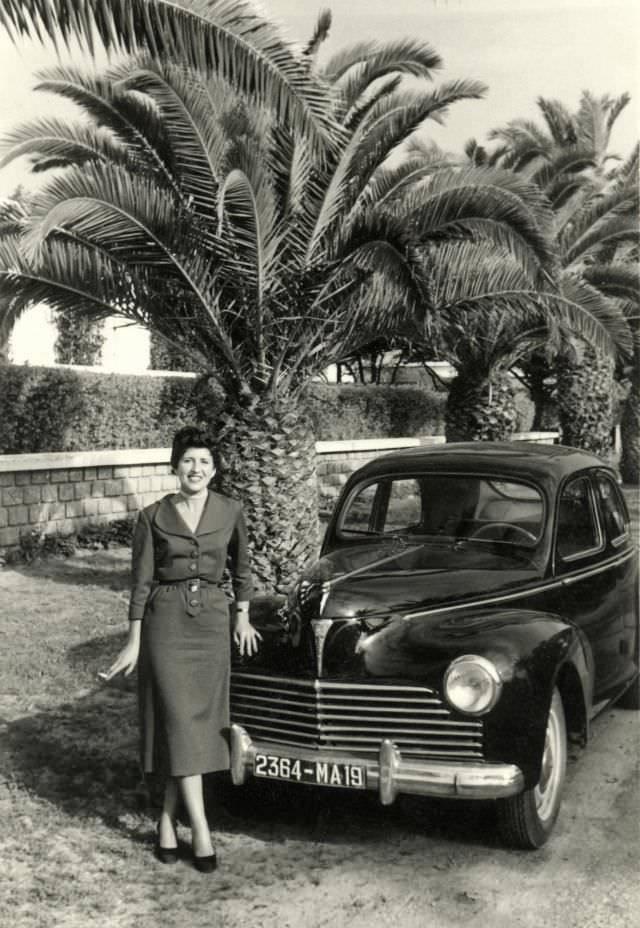
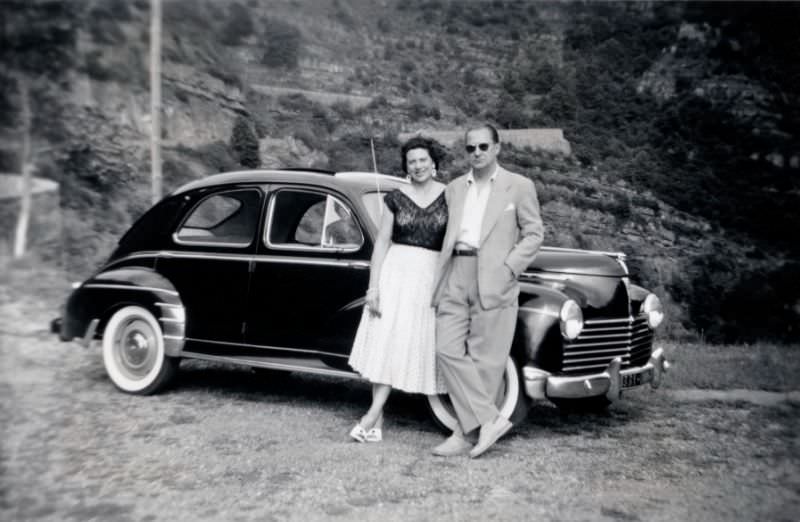
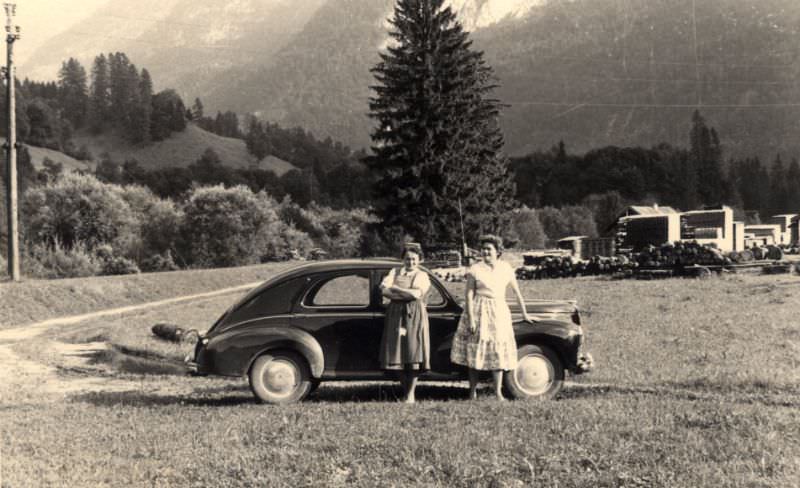
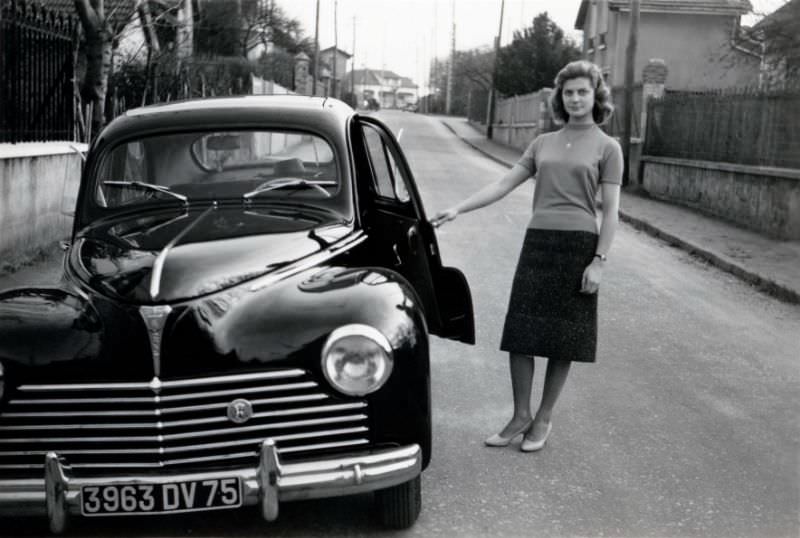
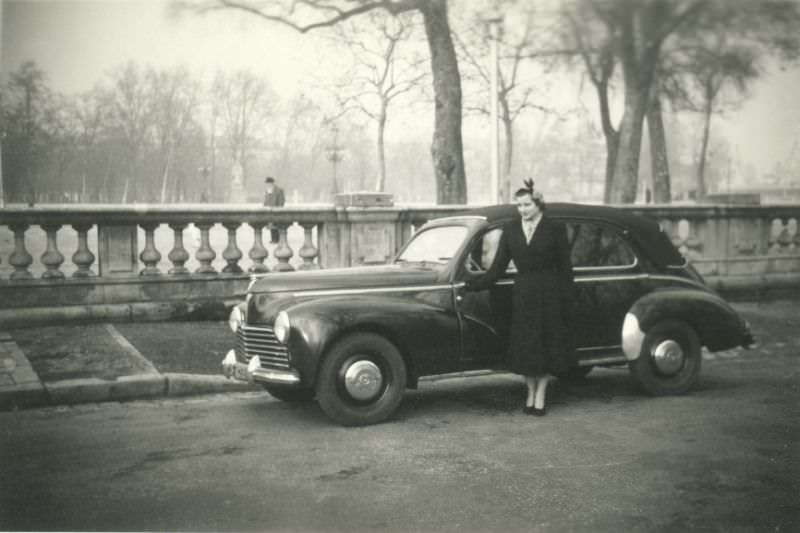
By 1950, Peugeot had introduced the 203 — a fully modern postwar design with a unibody construction and an overhead-valve engine. It replaced the older models almost entirely and quickly became the face of Peugeot through the first half of the decade. Photos of the 203 stretch from Bordeaux to Morocco to Austria, showing how confidently the model travelled. The 203 also appeared in convertible and sedan configurations, giving buyers real choice at a time when options were still limited in postwar France.
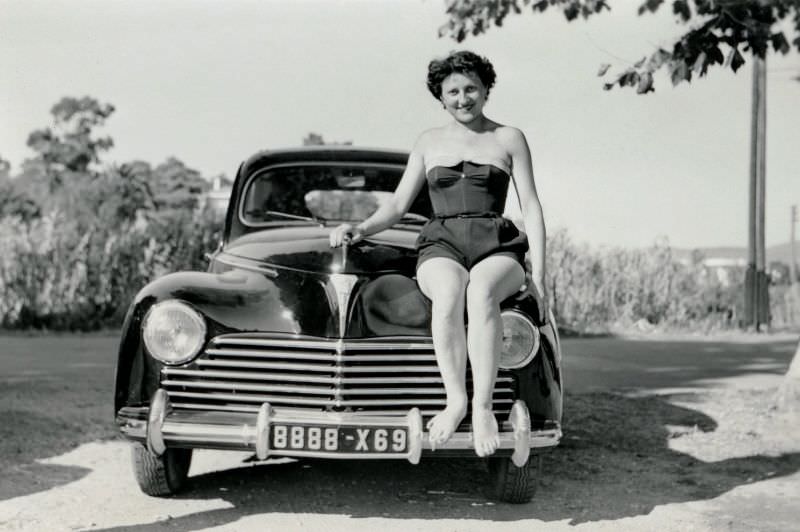
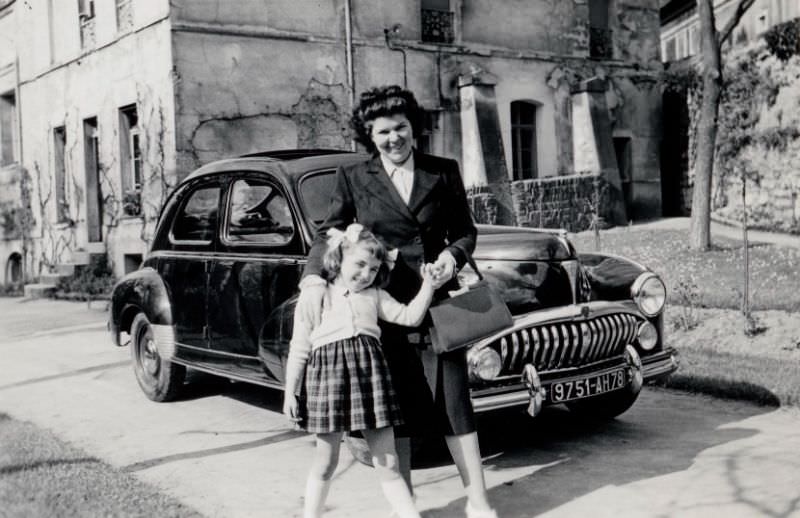
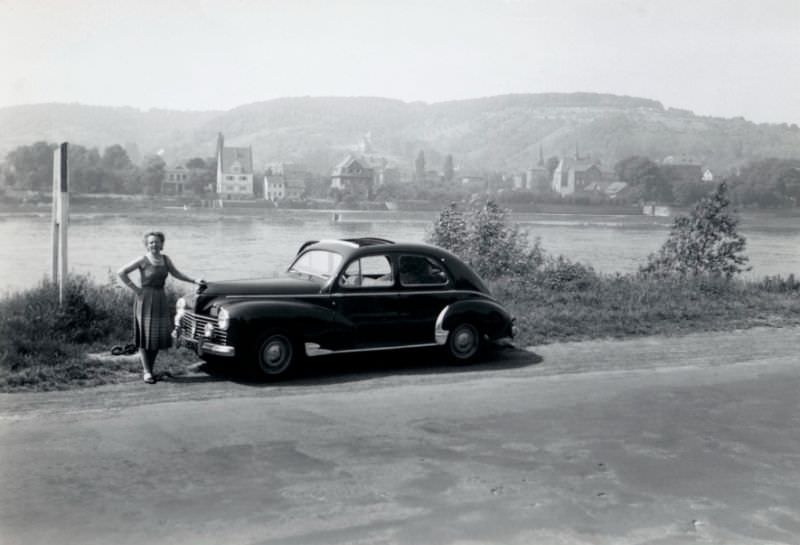
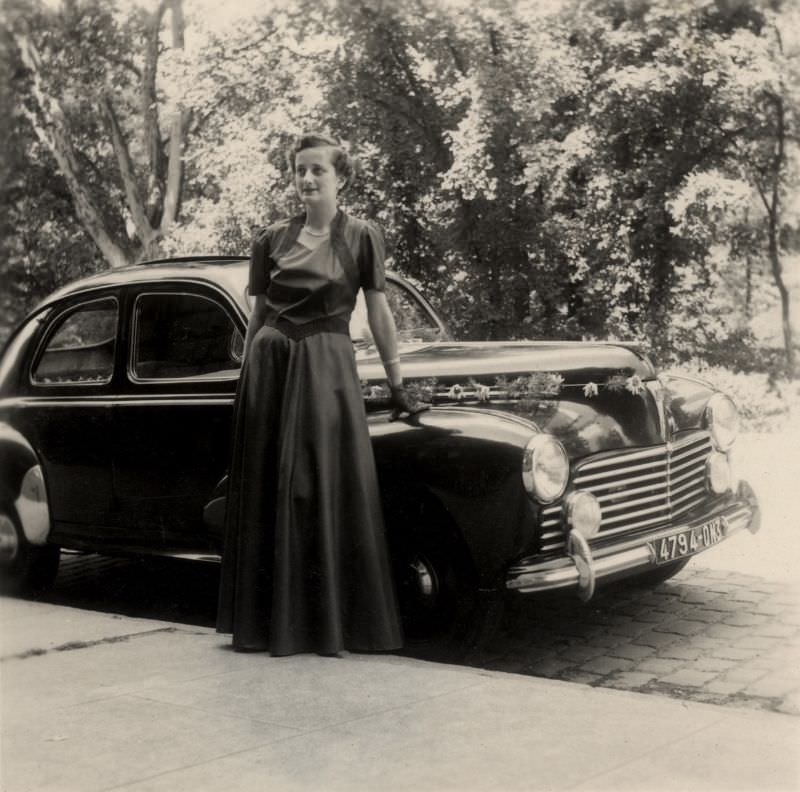
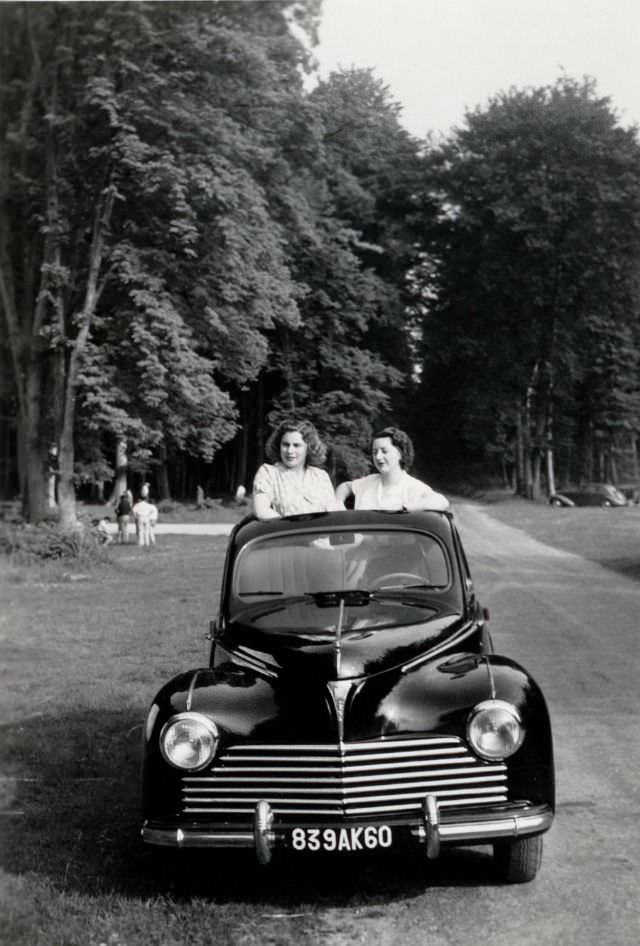
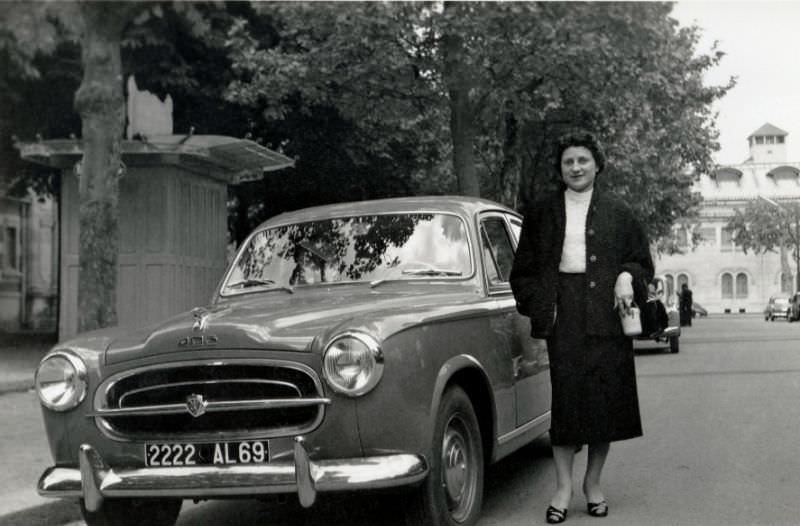
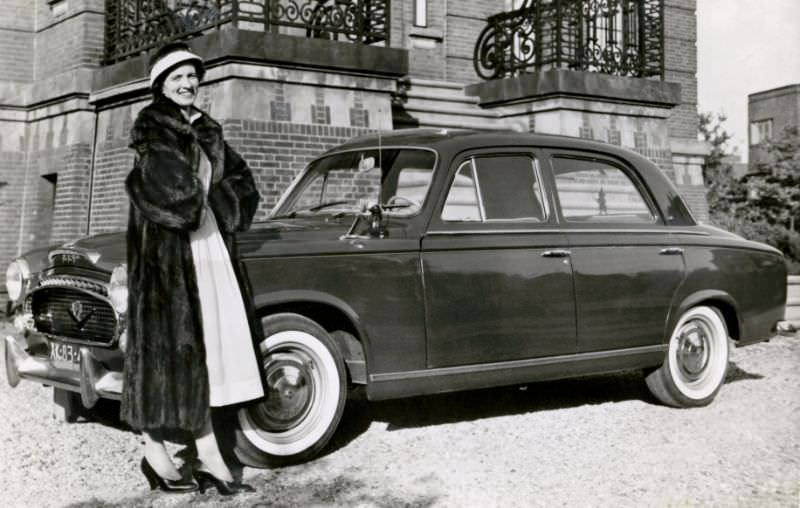
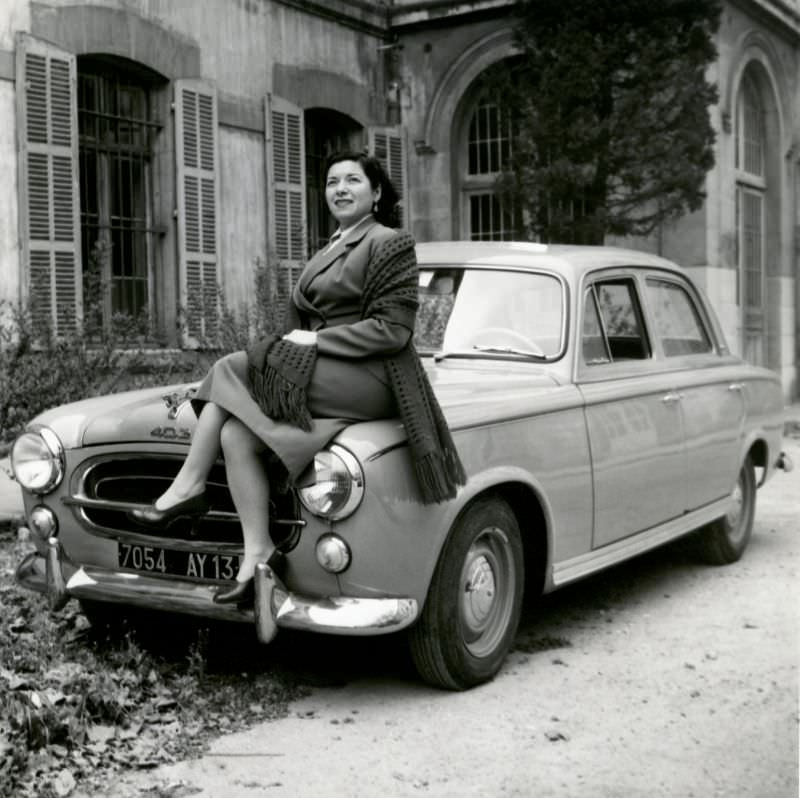
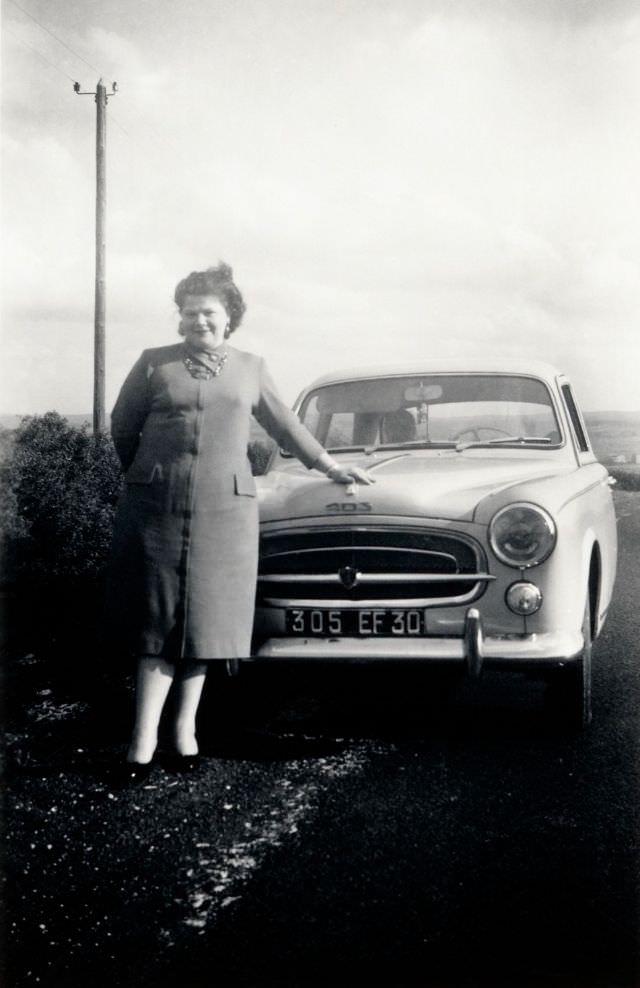
Peugeot introduced radial tires in the 1950s, a development that significantly improved road handling and tire life. The 203 benefited directly from these advancements. By mid-decade, the 403 had arrived — a longer, more refined car styled by Pininfarina. Photos from 1955 and 1956 show the 403 parked in front of brick mansions and stately homes, while the 203 continued its run in countryside locations from Haute-Marne to Morocco and Austria. The two models overlapped for several years, and both drew a loyal following.