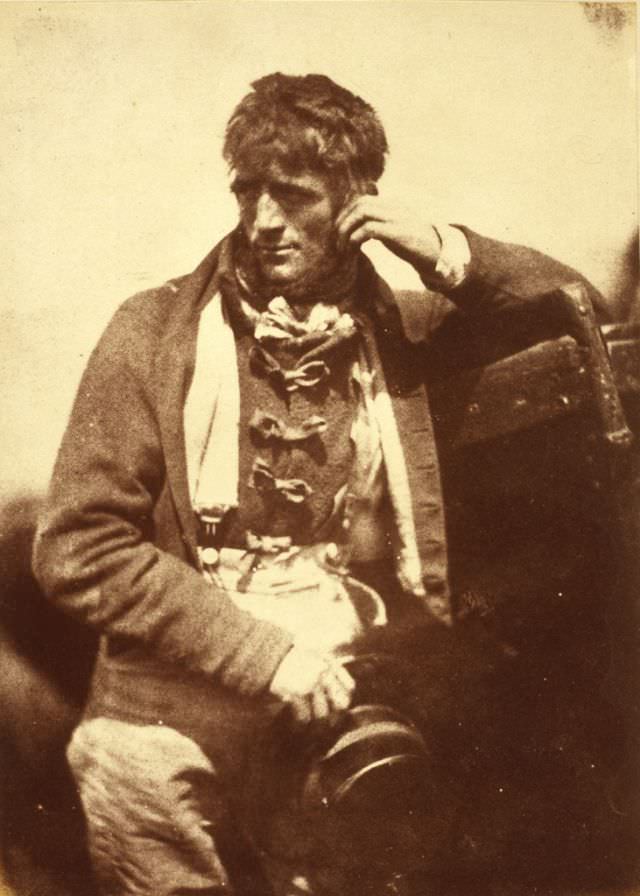
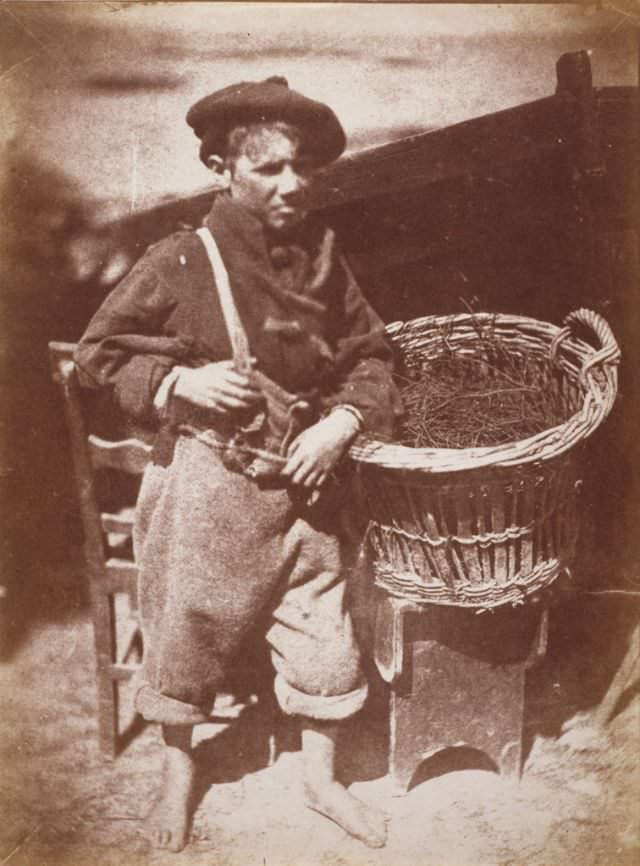
In 1843, two men met in Edinburgh and began one of the most remarkable partnerships in the early history of photography. David Octavius Hill, a trained painter, and Robert Adamson, a young photographer, joined forces to document the faces of Scottish life using a process that was still new to the world. What they produced in less than four years stands today as some of the earliest and most compelling photographic portraits ever made.
The technique they used was called the calotype process, developed by English inventor William Henry Fox Talbot. Unlike the daguerreotype — which produced a single, unrepeatable image on a metal plate — the calotype used paper coated with silver iodide. This allowed multiple prints to be made from one negative. It was a significant advantage, and Hill and Adamson used it to build a body of work that captured dozens of distinct Scottish personalities, from fishermen and soldiers to preachers and painters.
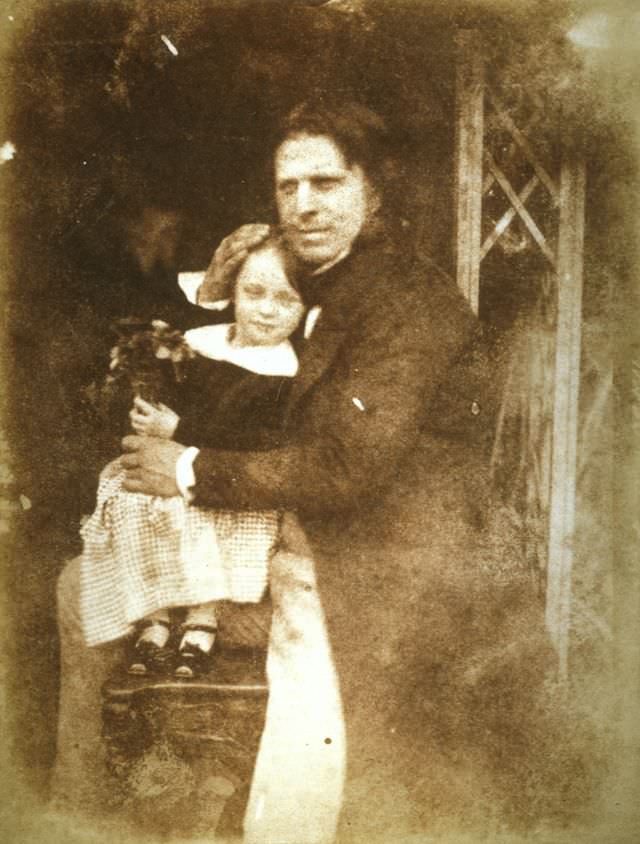
Hill originally approached photography as a tool to assist his painting. He wanted to record faces quickly and accurately so he could reference them for a large group portrait he was commissioned to paint. But once he began working with Adamson and the calotype process, the creative possibilities became impossible to ignore. Photography stopped being a tool and became the work itself.
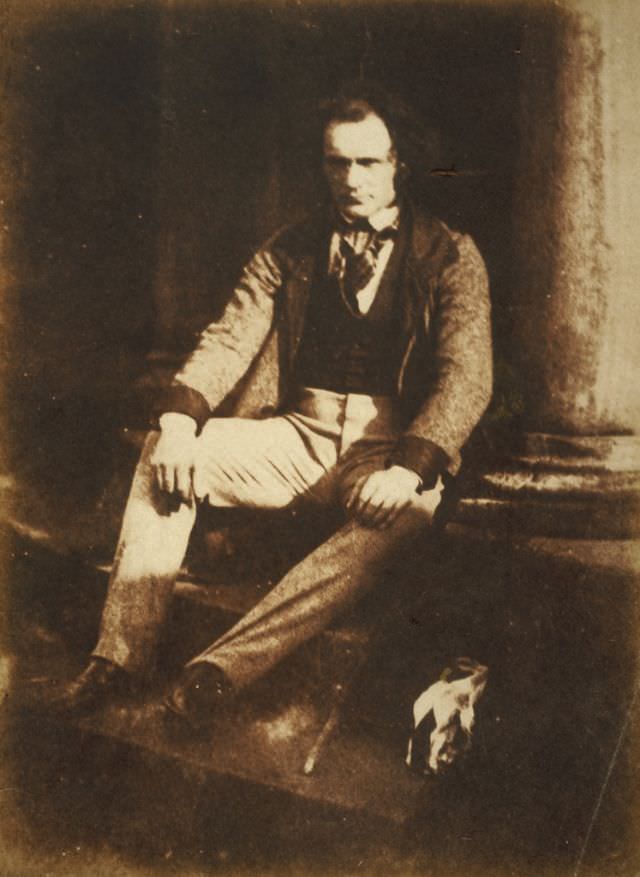
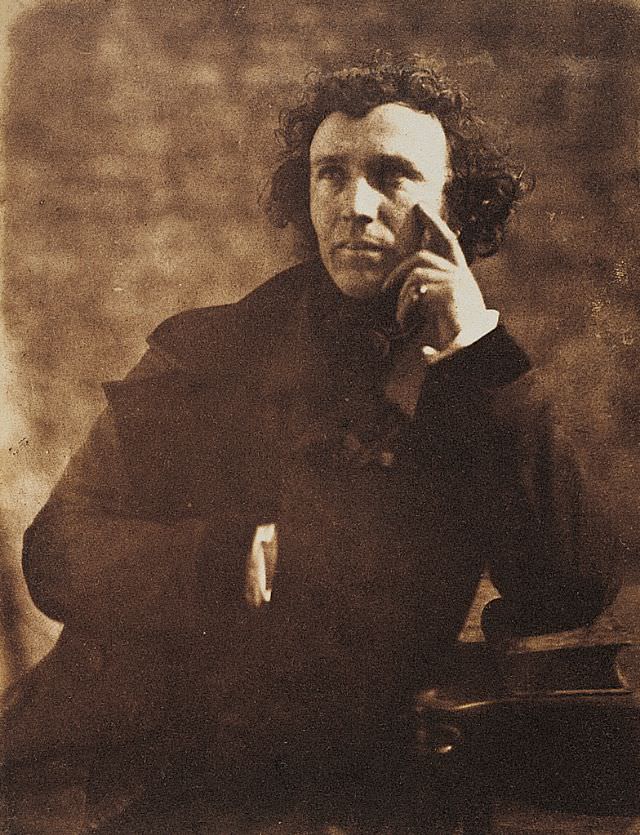
Their studio, based in Edinburgh’s Rock House on Calton Hill, became a gathering point for the city’s artists, clergymen, scientists, and intellectuals. Hill and Adamson photographed them with a directness and warmth that was rare for the era. Early photography typically required subjects to sit very still for long exposures, often producing stiff, formal results. Hill and Adamson found ways to make their subjects look natural, even relaxed.
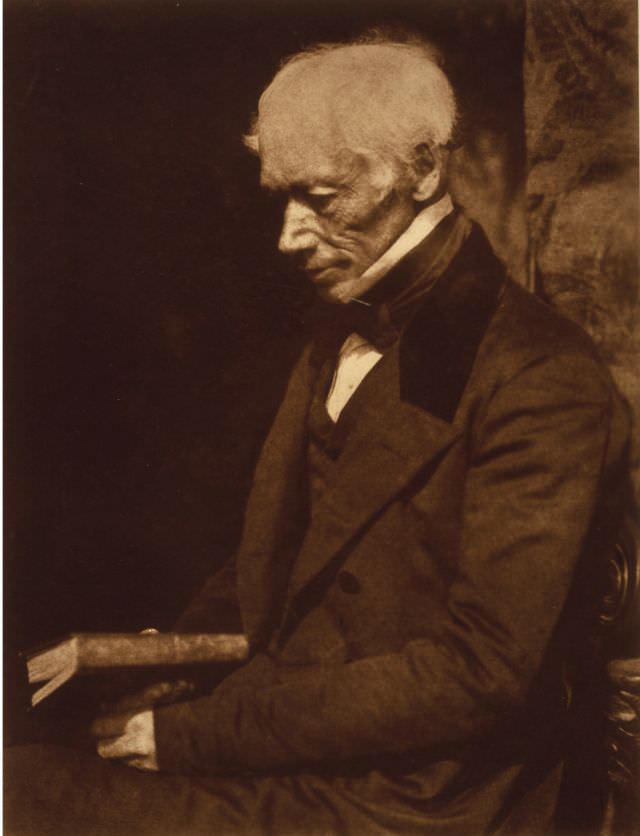
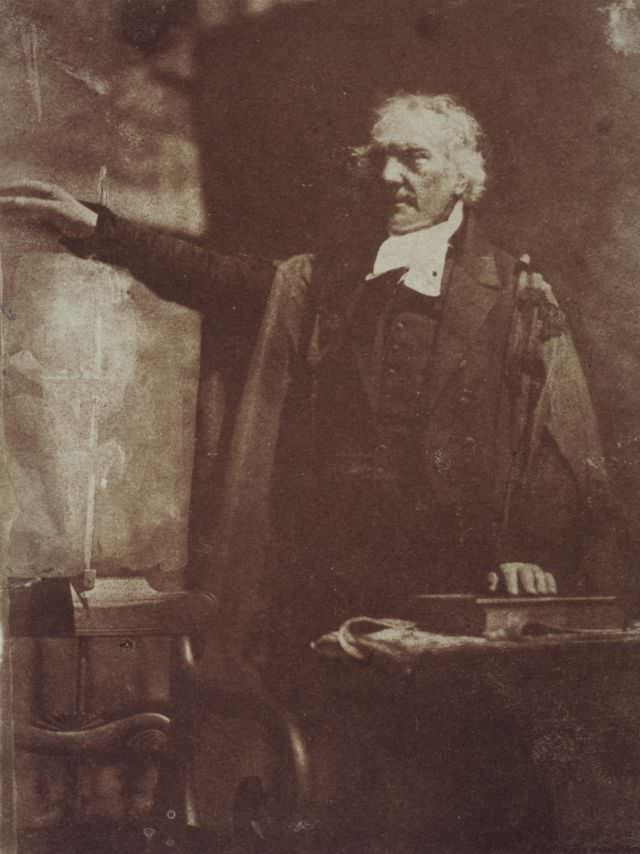
Among the many people they photographed were prominent figures of the day. The Reverend Thomas Chalmers, a well-known preacher and social reformer, sat for multiple portraits. George Combe, a phrenologist whose ideas on the shape of the human skull attracted wide public interest, was another subject. These were not just faces — they were people with defined roles in Scottish society, and the photographs reflect that.
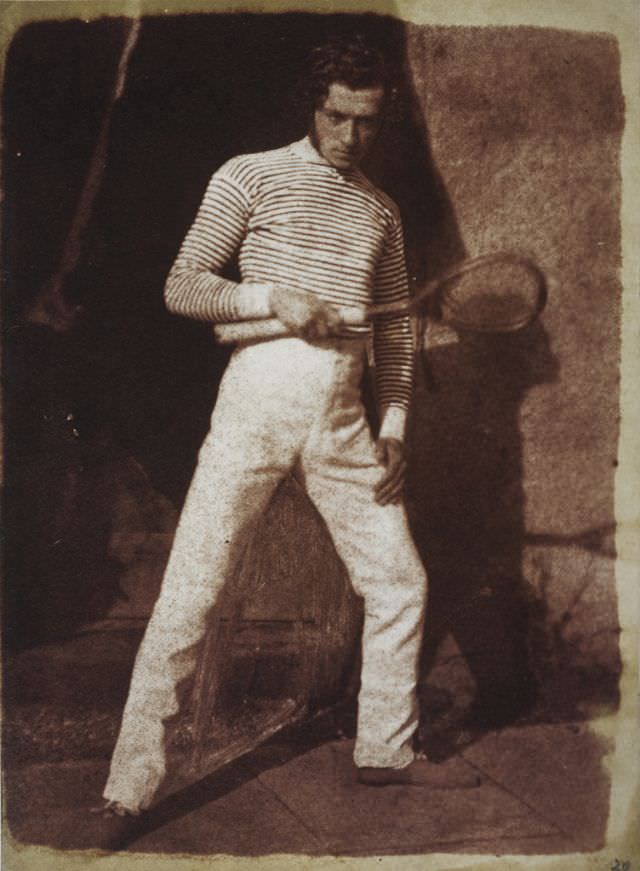
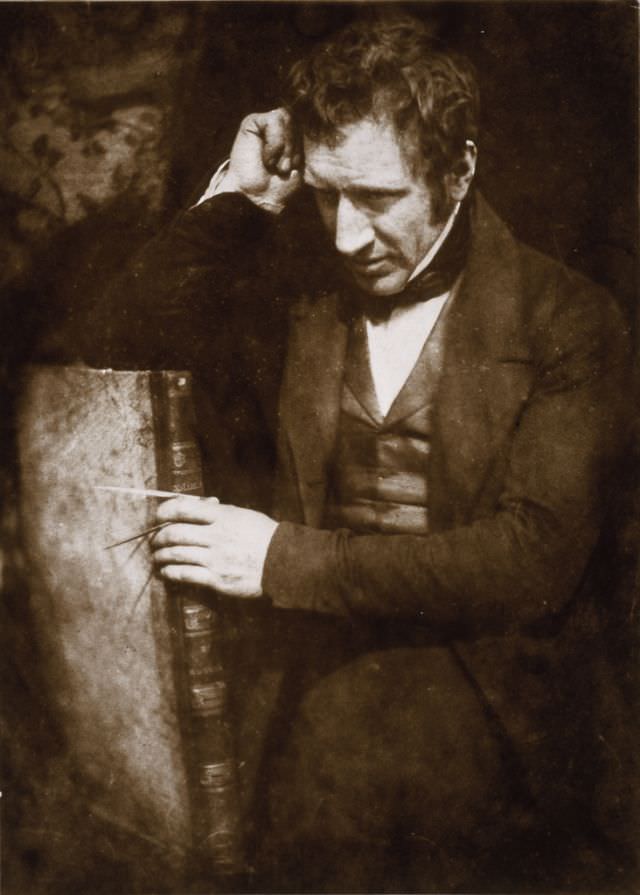
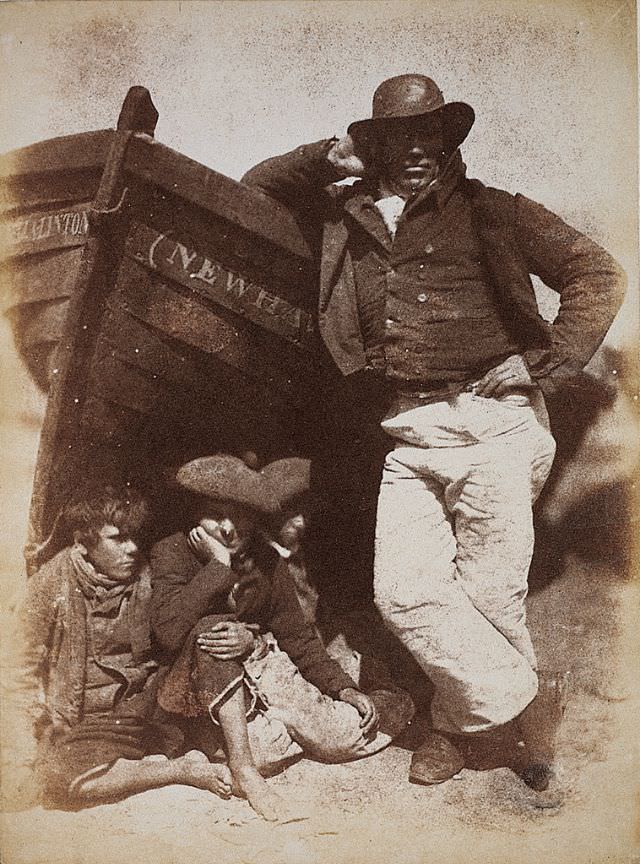
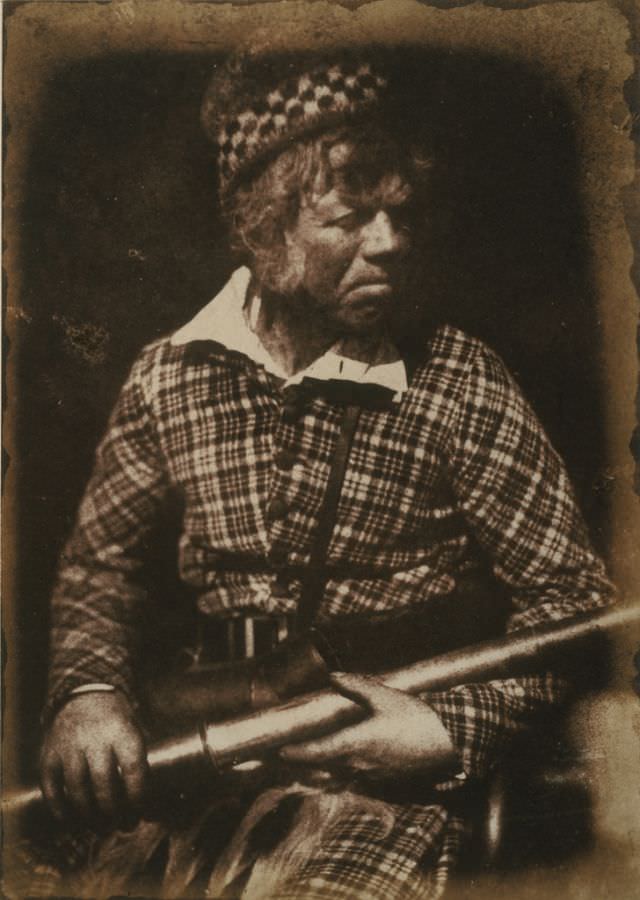
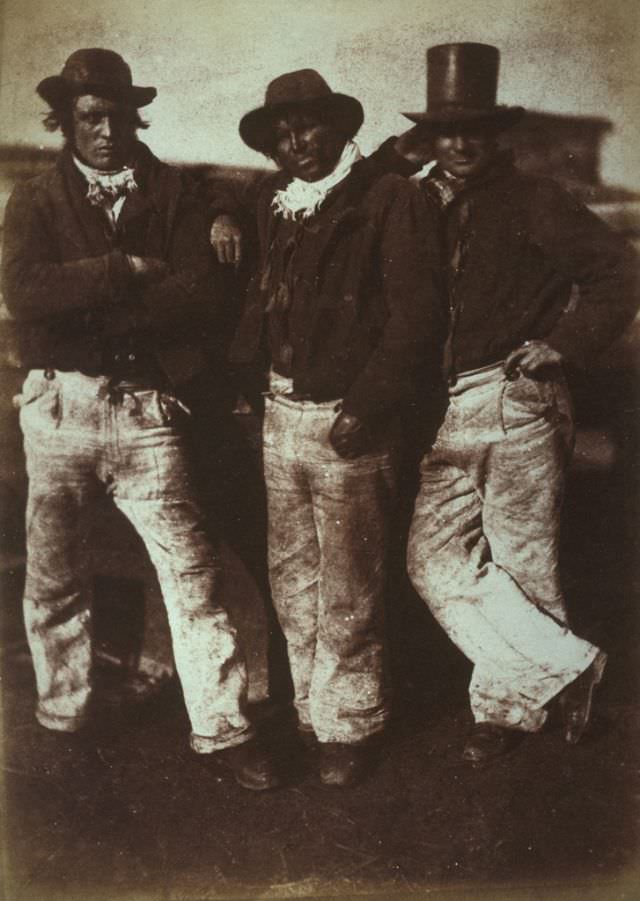
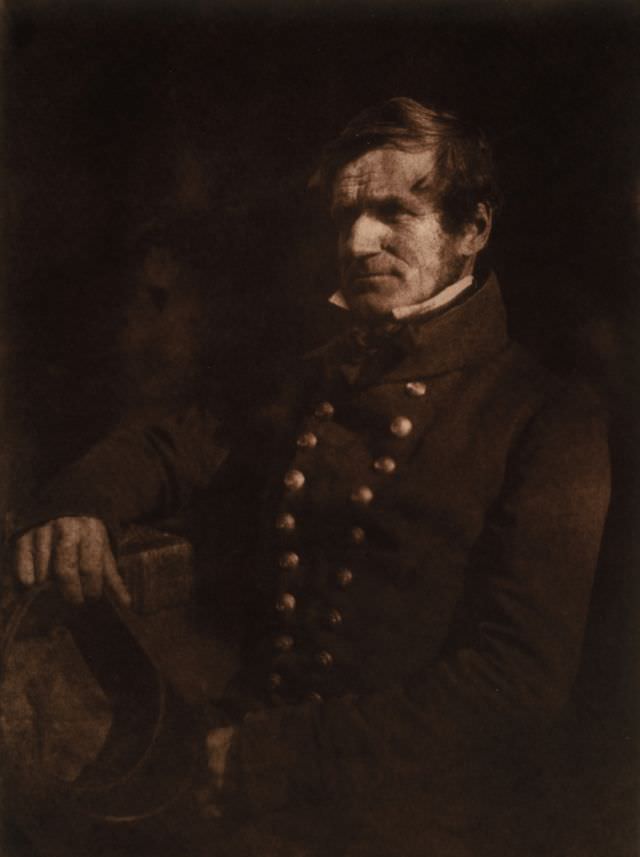
The range of subjects Hill and Adamson chose was wide. They photographed deerstalkers employed by Scottish landowners, soldiers stationed at Edinburgh Castle, and working-class fishermen from the village of Newhaven, just outside Edinburgh. The Newhaven portraits in particular carry a raw, documentary quality. These were working people — men who cleaned fishing lines and women who carried creels — and the photographers treated them with the same careful attention they gave to titled ladies and prominent academics.
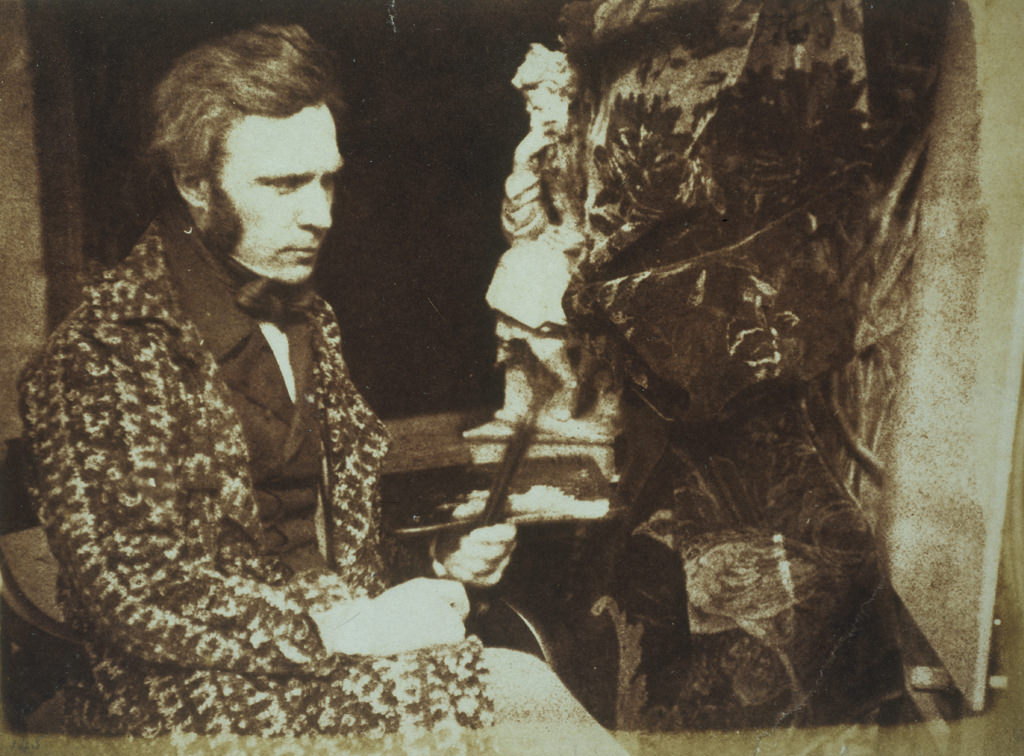
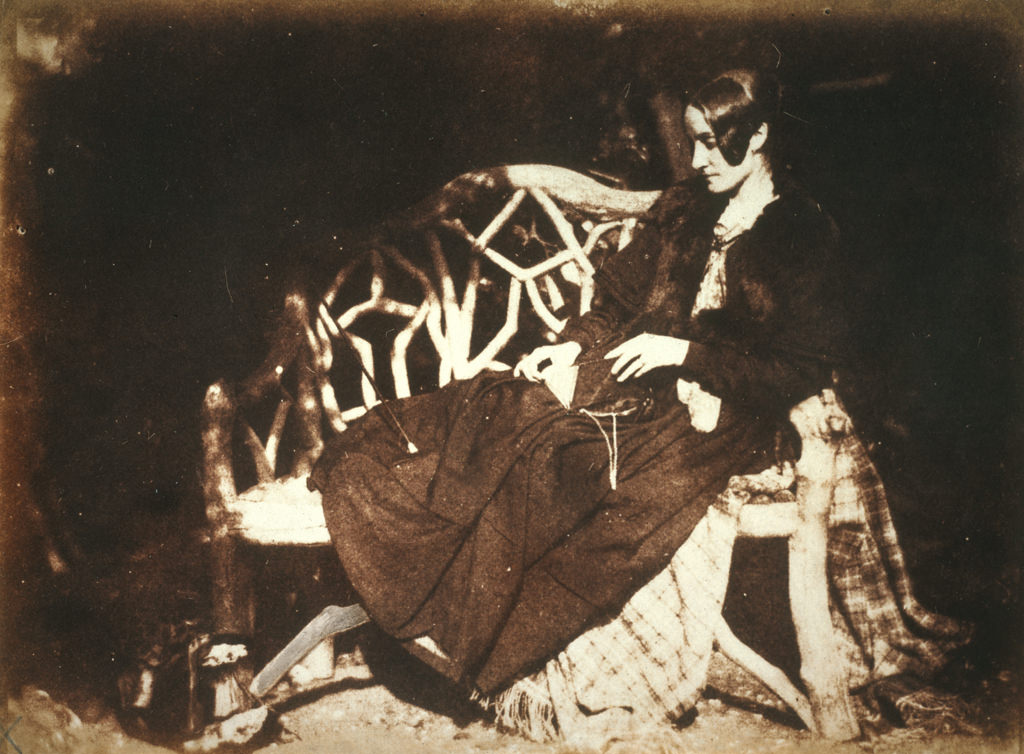
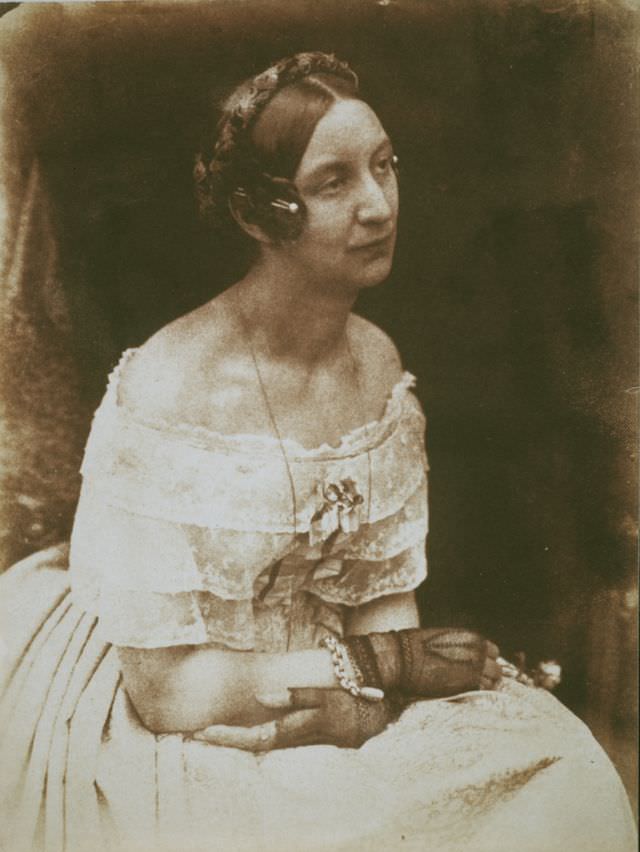
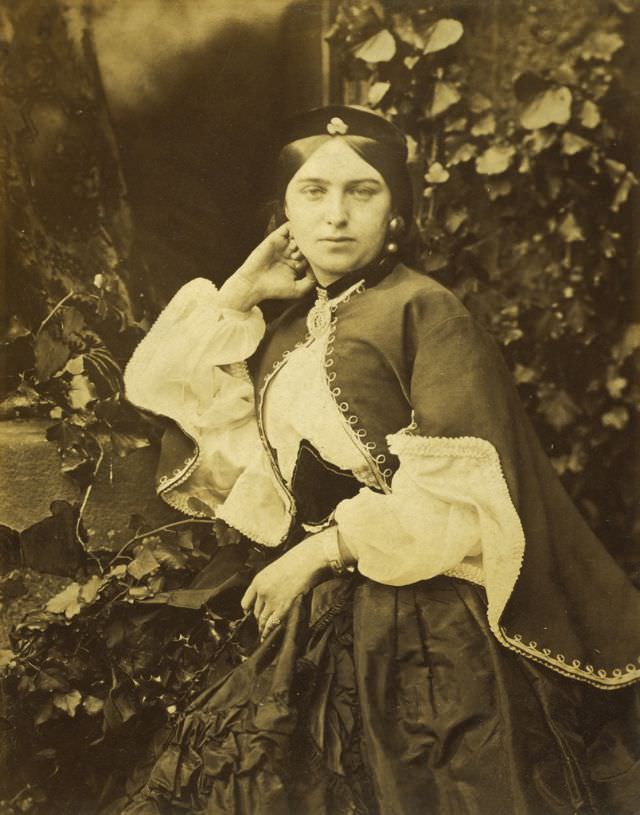
Women appear throughout the collection in a variety of roles. Anne Chalmers Hanna, daughter of Reverend Chalmers, was captured in her own right — not merely as an extension of her famous father. Charlotte Lockhart, granddaughter of the celebrated Scottish novelist Sir Walter Scott, appears in a portrait that connects the world of literature to the new world of photography. Lady Elizabeth Eastlake, a writer who would later publish one of the earliest critical essays on photography itself, also sat for the pair.
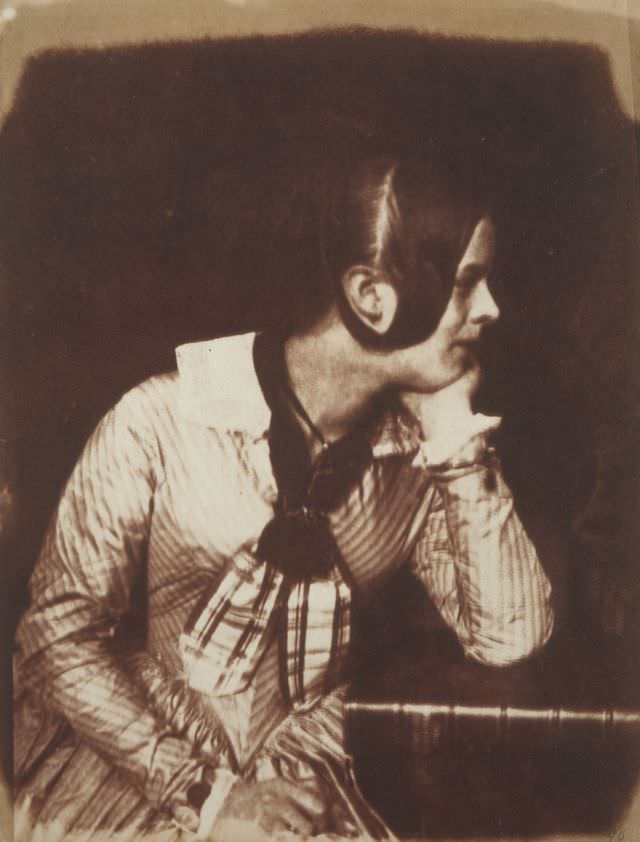
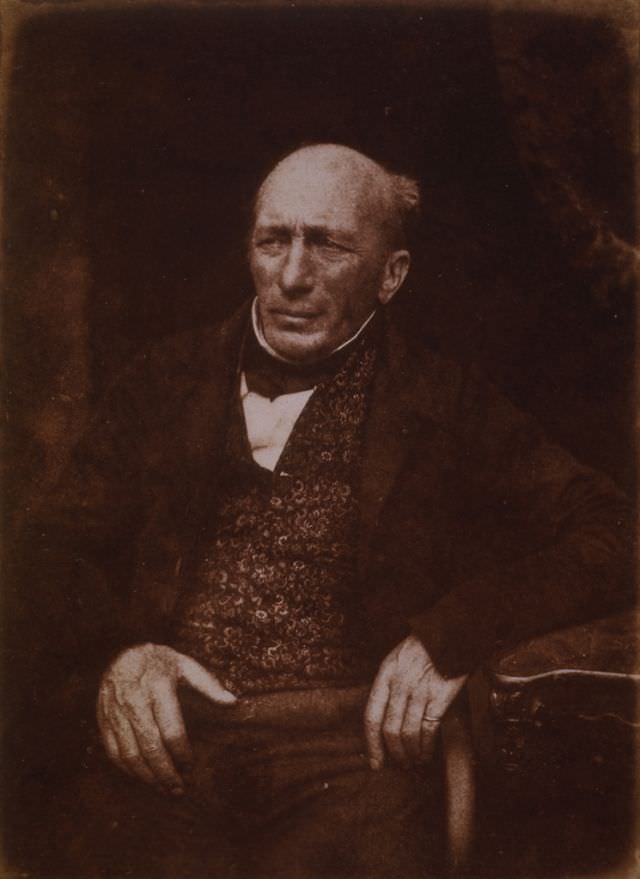
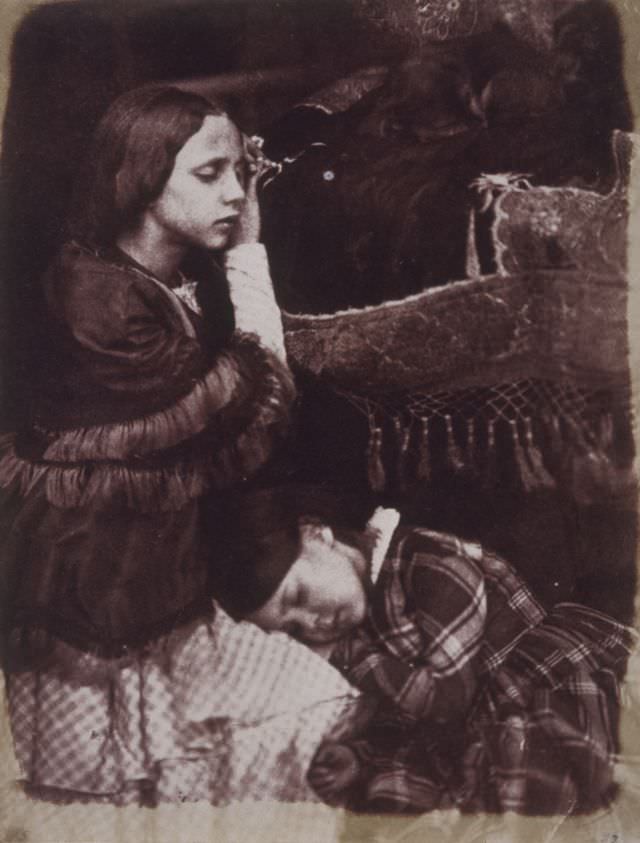
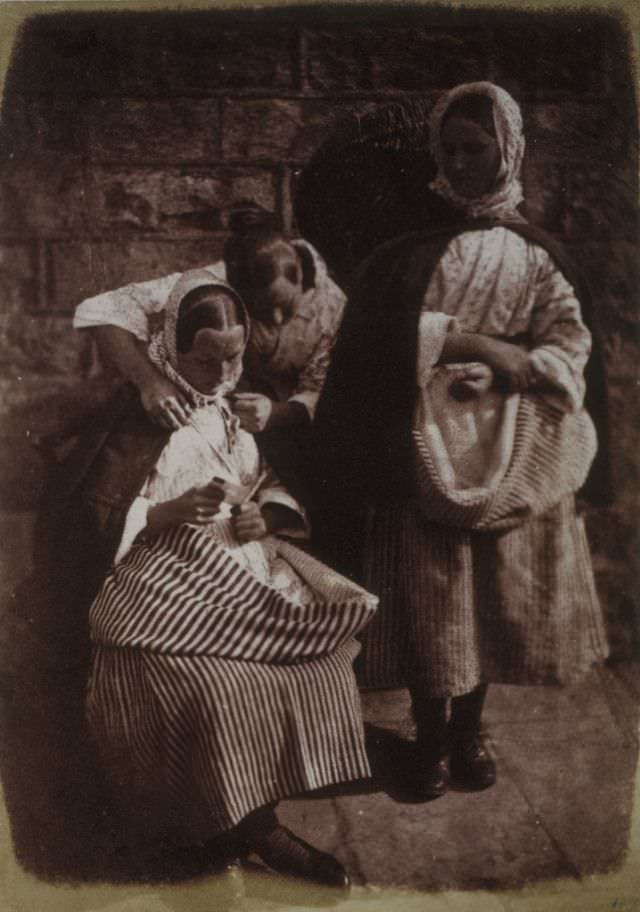
Some of the portraits carry playful or poetic titles. A grouping of three women was simply called “The Letter.” A session featuring Hill alongside fellow subjects James Ballantine and Dr. George Bell was titled “Edinburgh Ale.” Hill himself appears in several photographs, both alone and with colleagues, suggesting the studio operated as a collaborative and sociable space rather than a purely commercial one.
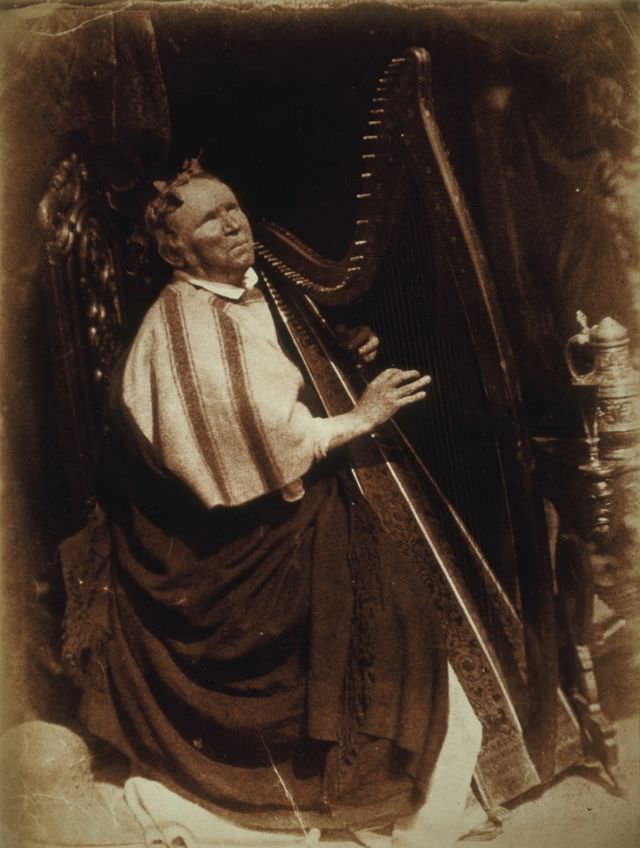
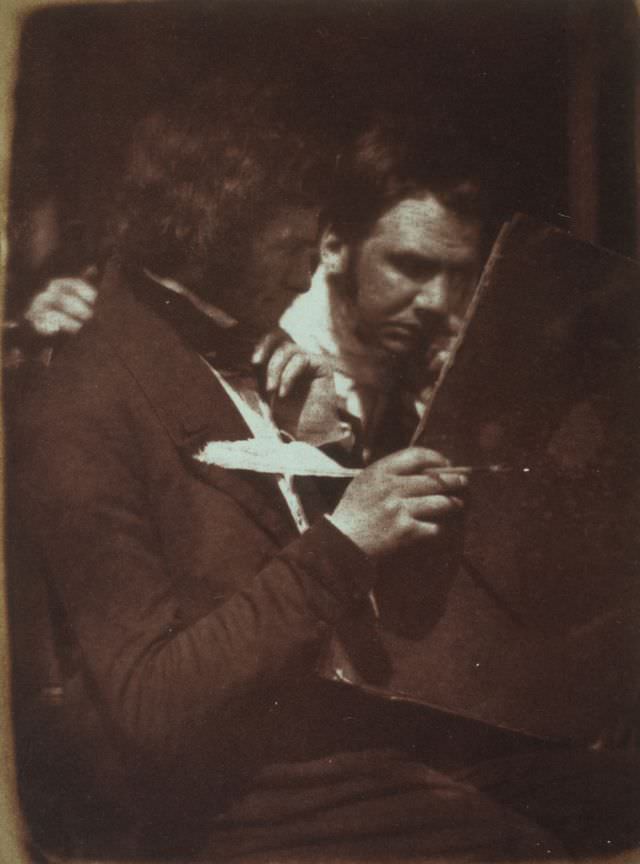
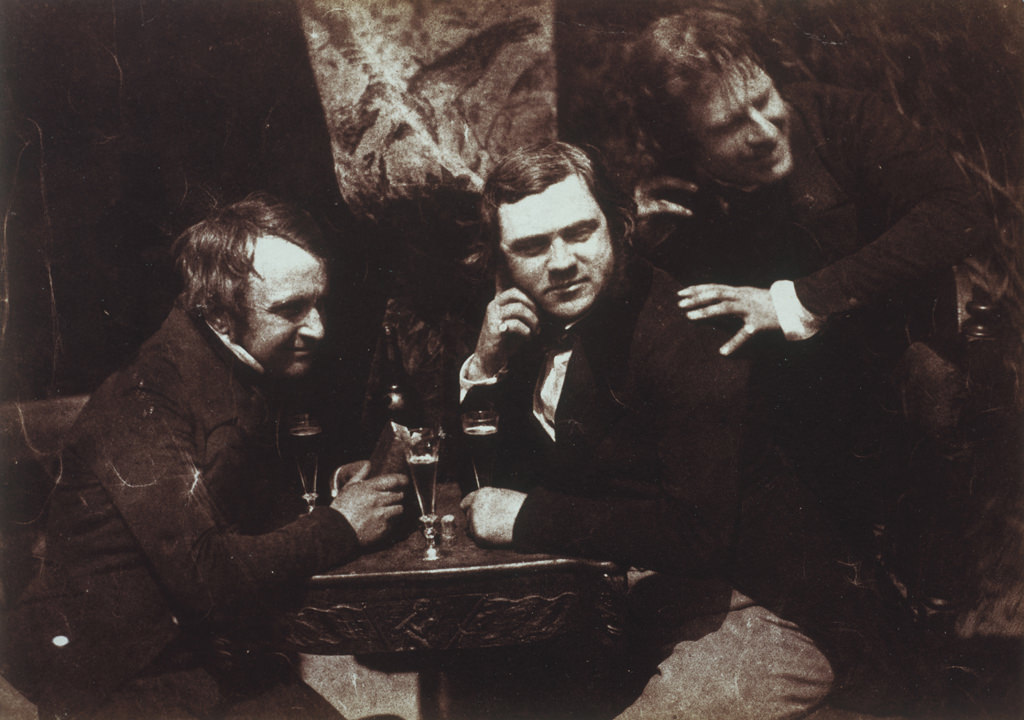
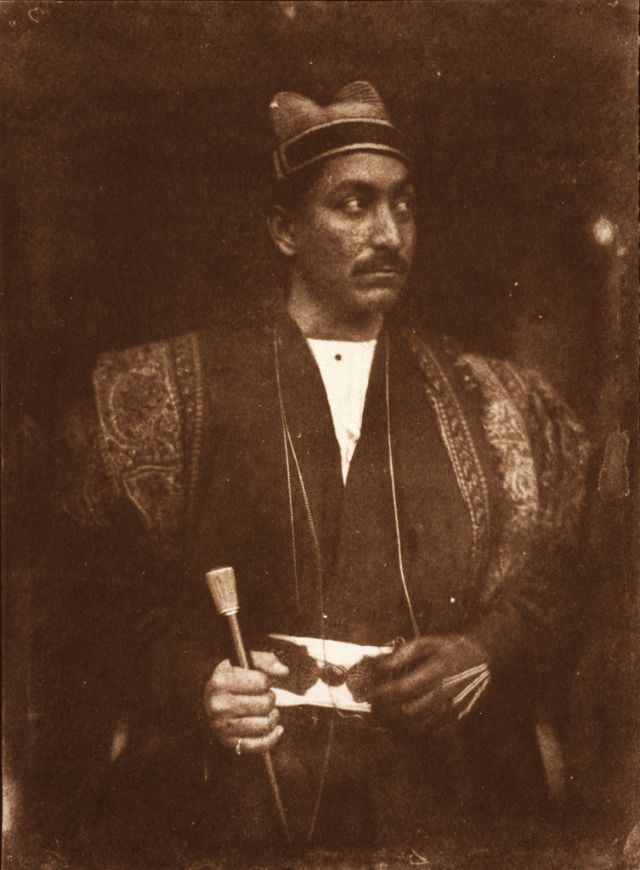
Not all the subjects were Scottish by birth. Patrick Byrne, an Irish harpist born around 1794, appears in one portrait. Mohun Lal, photographed in 1844 at the age of 28, was an Indian diplomat and writer who had traveled extensively and worked as an agent during the First Anglo-Afghan War. His inclusion in the collection is a reminder that Edinburgh in the 1840s was connected to a much wider world.
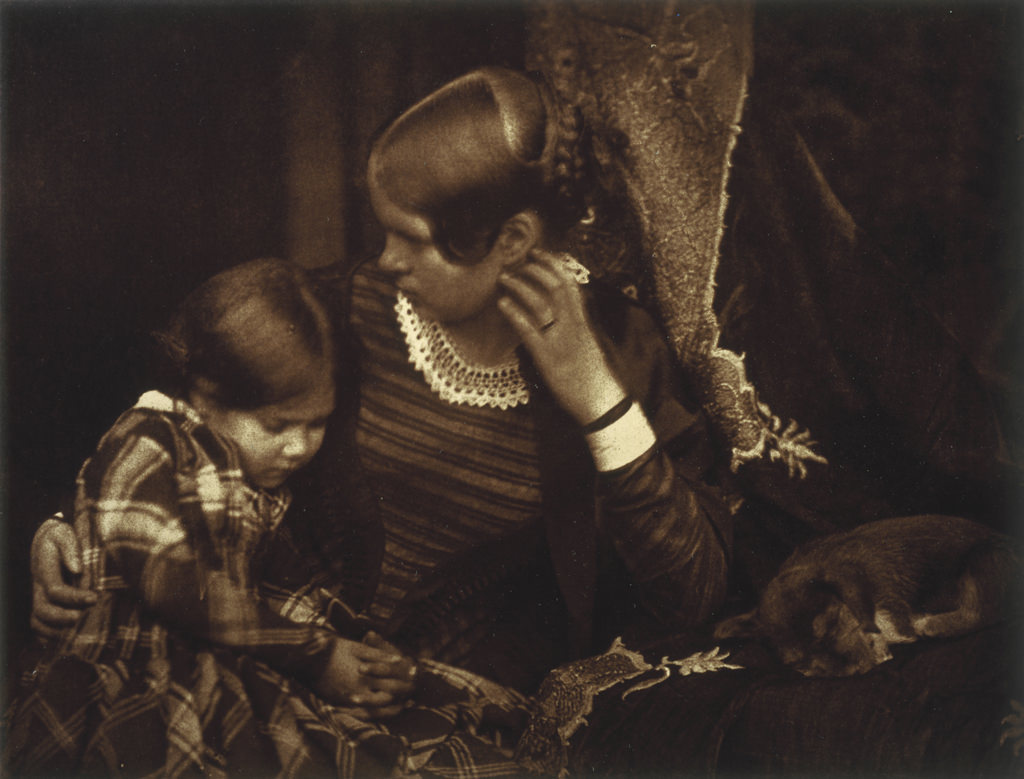
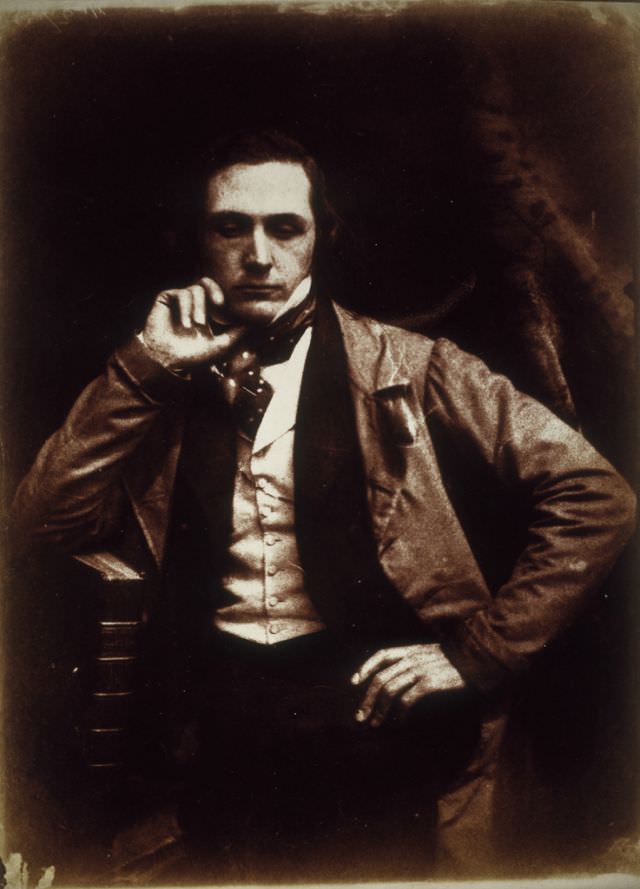
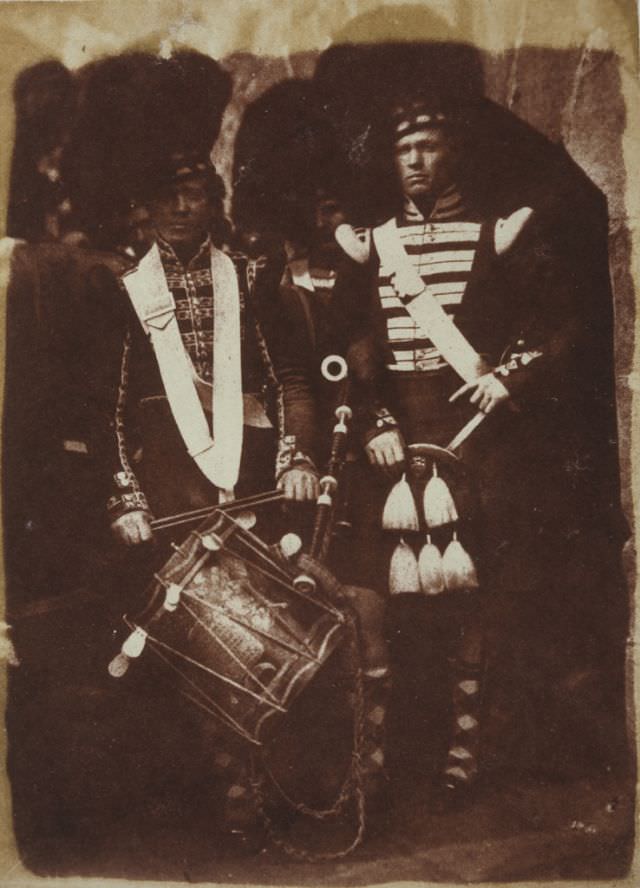
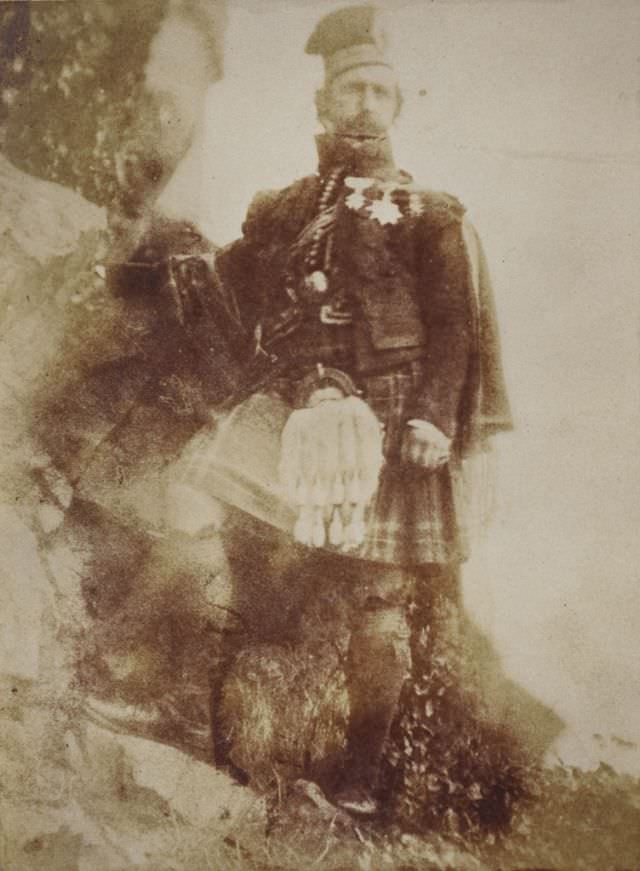
The military was also well represented. A photograph taken at Edinburgh Castle shows a piper and drummer of the 92nd Gordon Highlanders in full uniform. Captain Robert Barclay-Allardyce, famous in his time as an extraordinary long-distance walker, or “pedestrian” as such athletes were called, appears in his own portrait. John Sobieski Stolberg-Stuart — a man who claimed to be a grandson of Bonnie Prince Charlie, though historians dispute this — was photographed under his alias John Hay Allan.
One of the most historically notable subjects is Isabella Burns Begg, the youngest sister of Robert Burns — Scotland’s most beloved poet. Born in 1771, she was in her early seventies when Hill and Adamson photographed her. Her portrait is one of the few direct visual links to the life and family of the poet, who had died in 1796, decades before photography existed.
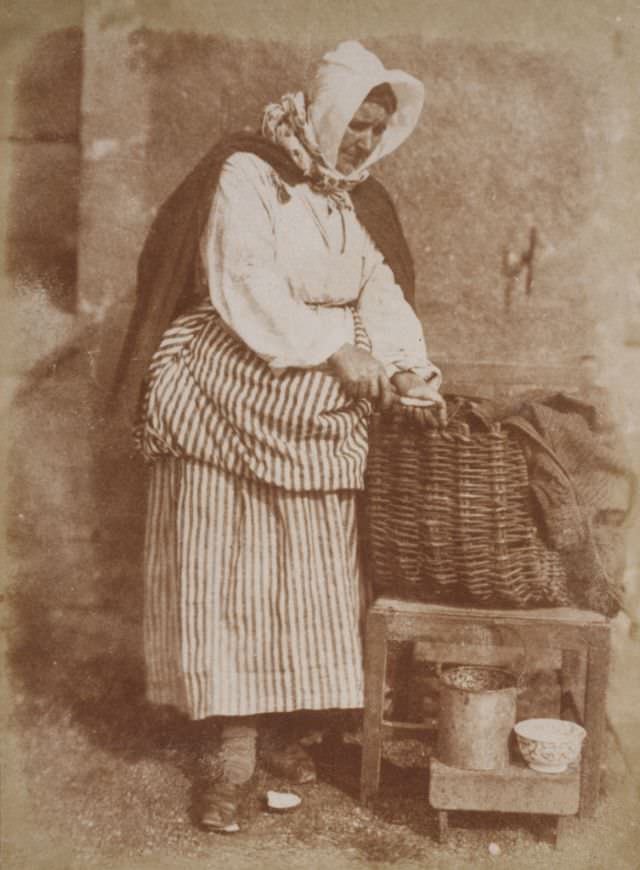
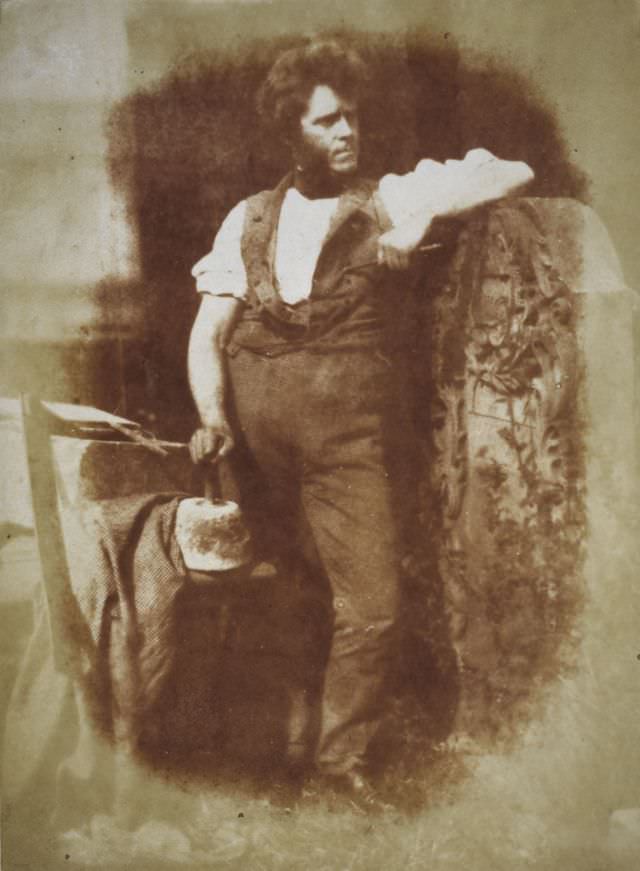
The Newhaven fishing community produced some of the most visually striking photographs in the whole collection. Hill and Adamson made multiple visits to the village and built up a series of portraits that documented its people with rare honesty. Willie Liston appears twice — once as a simple portrait, and once caught mid-task, cleaning or preparing a fishing line. These working images go beyond portraiture into something closer to documentary photography, a genre that would not be formally named for decades.
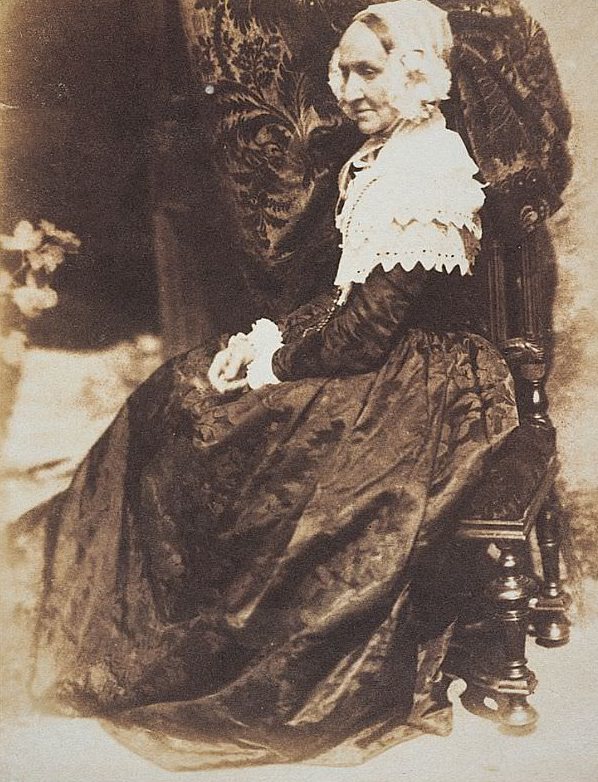
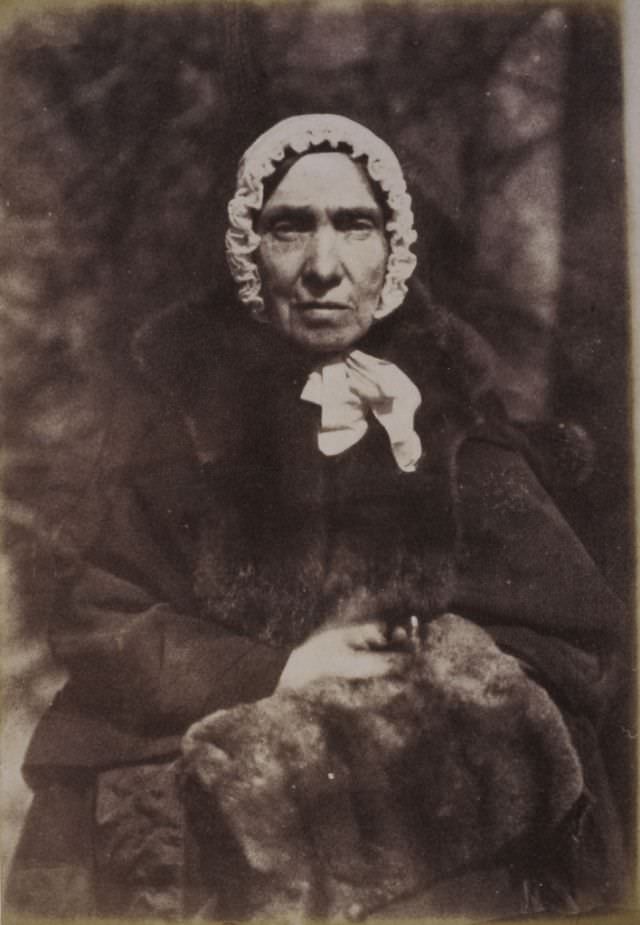
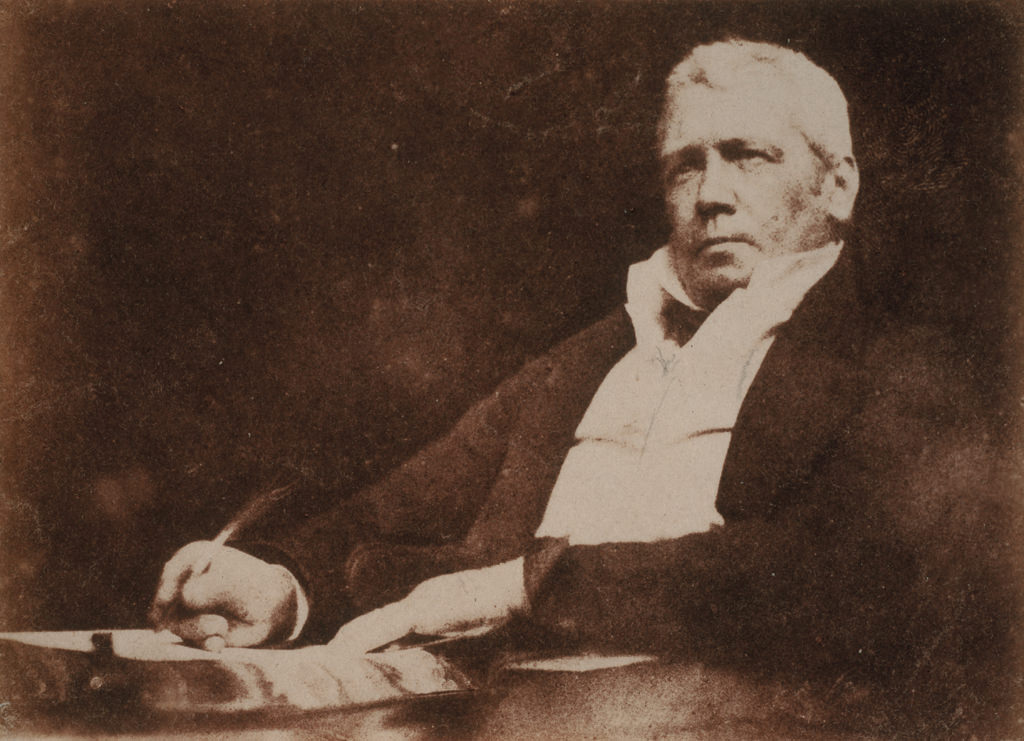
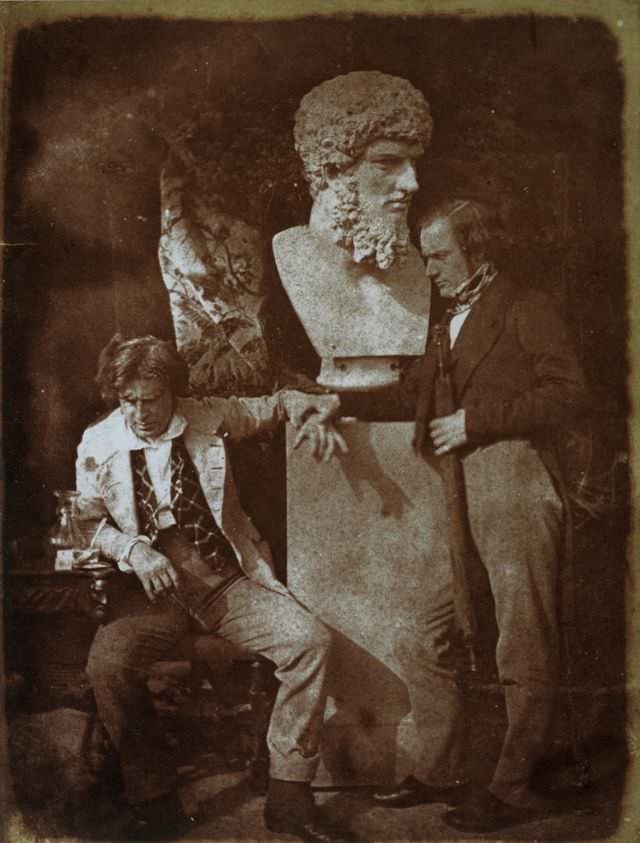
The partnership between Hill and Adamson produced hundreds of calotype photographs across a range of subjects, from formal individual sittings to group scenes and outdoor settings. Their technical command of the calotype process grew steadily over the years, and the results show a clear understanding of light, composition, and the way a face can be made to carry meaning in a photograph.
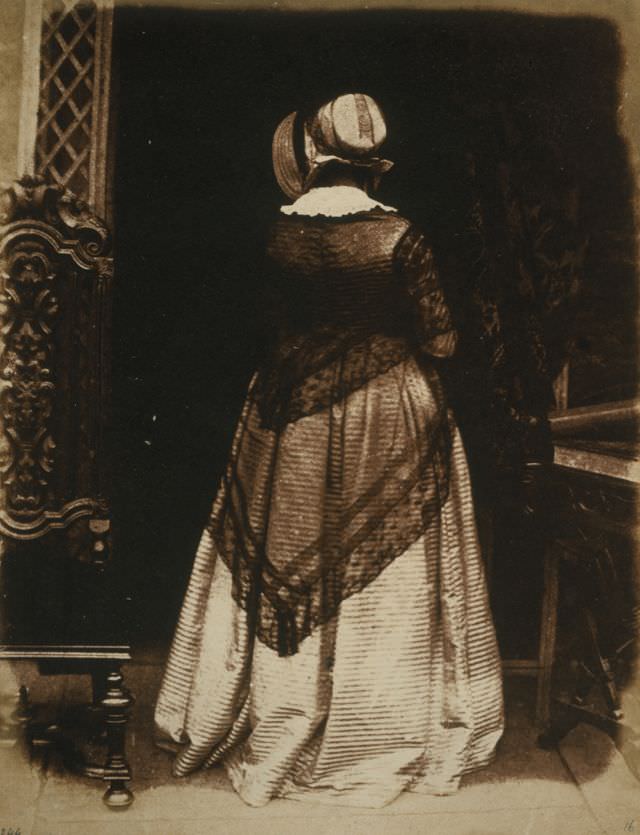
The collaboration came to an abrupt end in January 1848 when Robert Adamson died at just 27 years old. He had been in poor health for some time, and the demands of the work accelerated his decline. The entire active period of their partnership spanned fewer than five years, yet the volume and quality of what they produced in that time was extraordinary.
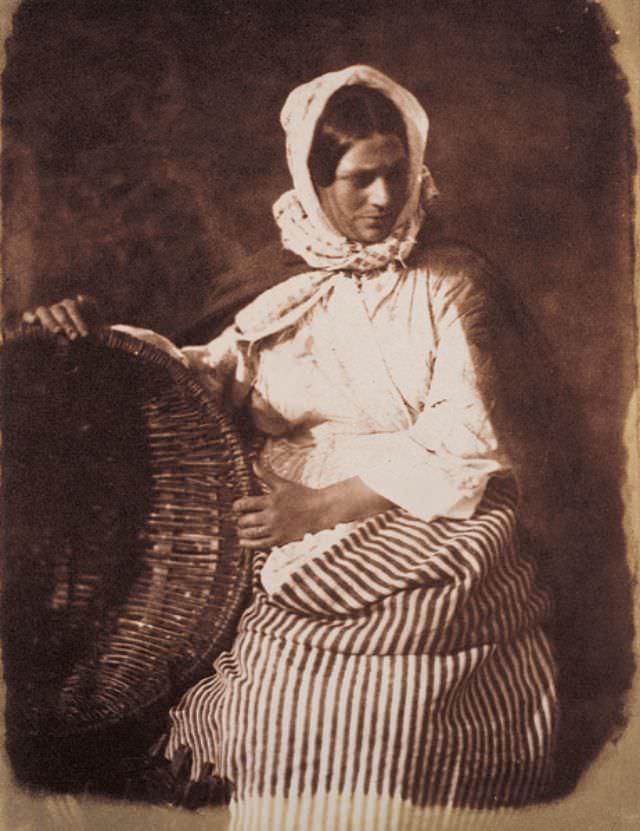
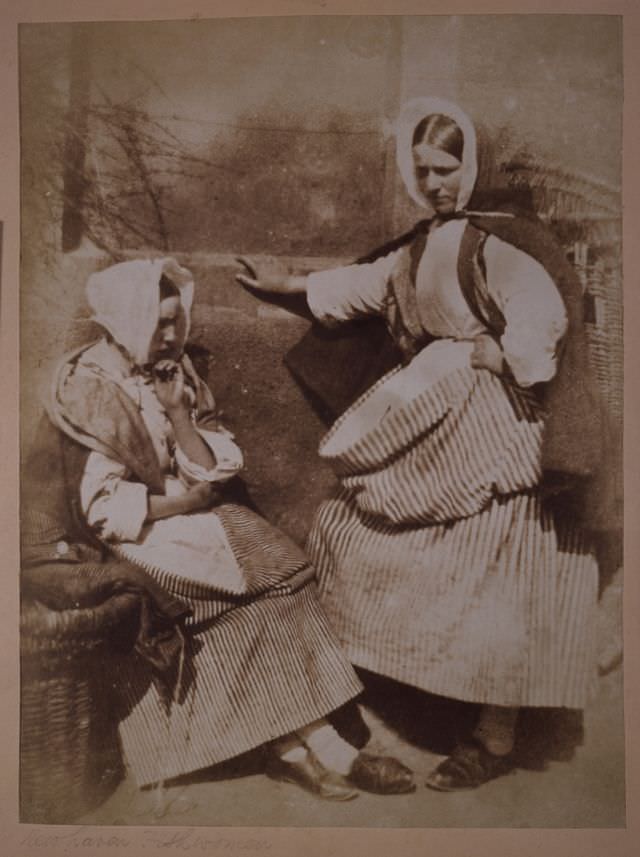
The Newhaven portraits deserve special attention for what they preserve. Mrs. Elizabeth Johnstone Hall, a fishwife from the village, appears in at least two photographs — once alone, and once alongside another woman in a paired portrait. These images show working women of the Scottish coast in ordinary dress and posture, which was unusual for photography of the time, when most portraits favored the formal and the affluent.
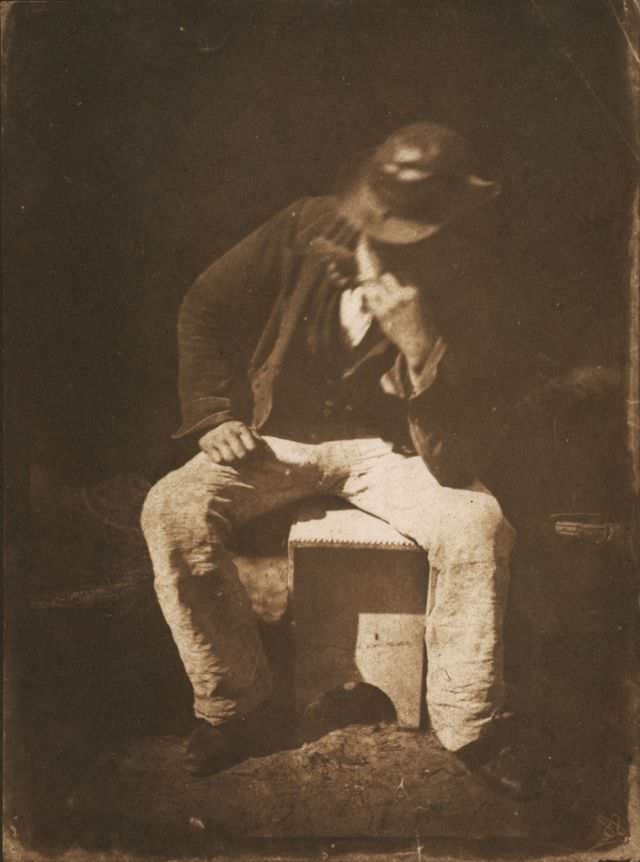
![Willie Liston, 'Redding [cleaning or preparing] the line'; Newhaven fisherman](https://www.bygonely.com/wp-content/uploads/2021/01/Scottish_people_1840s_38.jpg)
Hill and Adamson photographed people whose lives rarely intersected — aristocrats and fishermen, scholars and soldiers, reformers and entertainers. What connects them all is the care with which each portrait was made. These photographs are not snapshots. Each one required preparation, stillness, and a deliberate choice about how to frame and light a human face. The results are records of real people, taken at a specific moment in Scottish history, preserved through a chemical process that was barely a decade old when the shutter opened.