In the final decades of the Russian Empire, Tsar Nicholas II traveled in a style that matched his station. His Imperial Train was not simply a means of transport — it was a moving palace, purpose-built for the sovereign and his family. Constructed between 1894 and 1896 at the main Car Workshops of the Nikolaevsky Railway Company, the train was designed exclusively for international travel. From its earliest runs, it set a standard of royal comfort that few vehicles in history have matched.
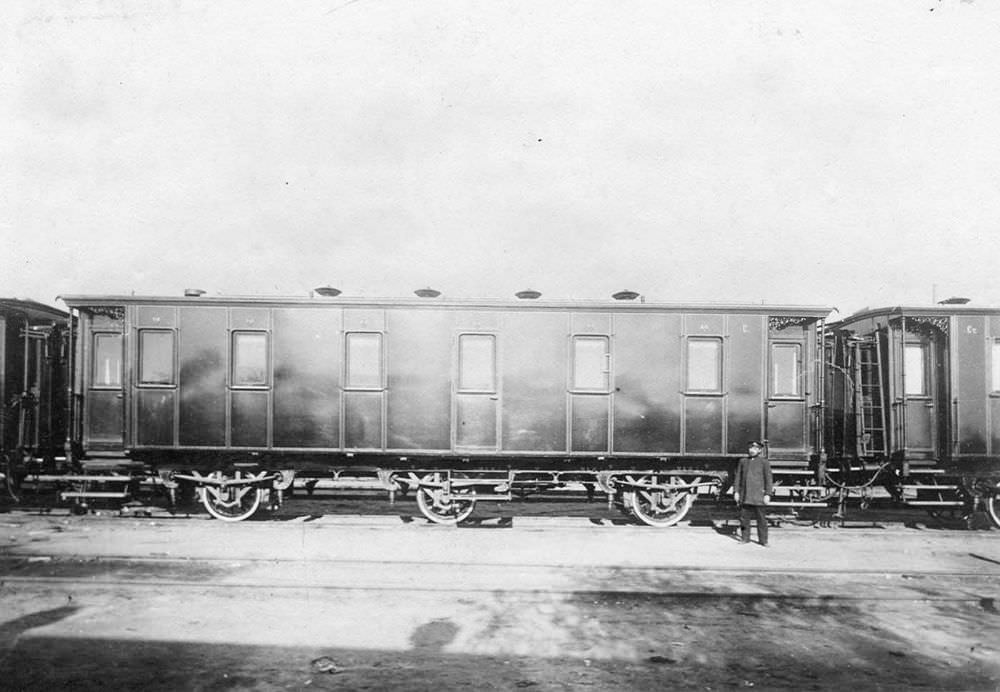
As the Romanov family grew and the demands of imperial life expanded, so did the train itself. It was adapted and extended throughout Nicholas II’s reign. By 1902, a full redesign was complete, bringing the train to ten carriages. These included a sleeping car for the Emperor and Empress, a saloon car, a kitchen, a dining car, and separate carriages reserved for grand dukes and other family members. A dedicated section for the children was also part of the layout. The eleventh and final car — a fully equipped chapel — was consecrated in 1899, making the train a self-contained world for the imperial household.
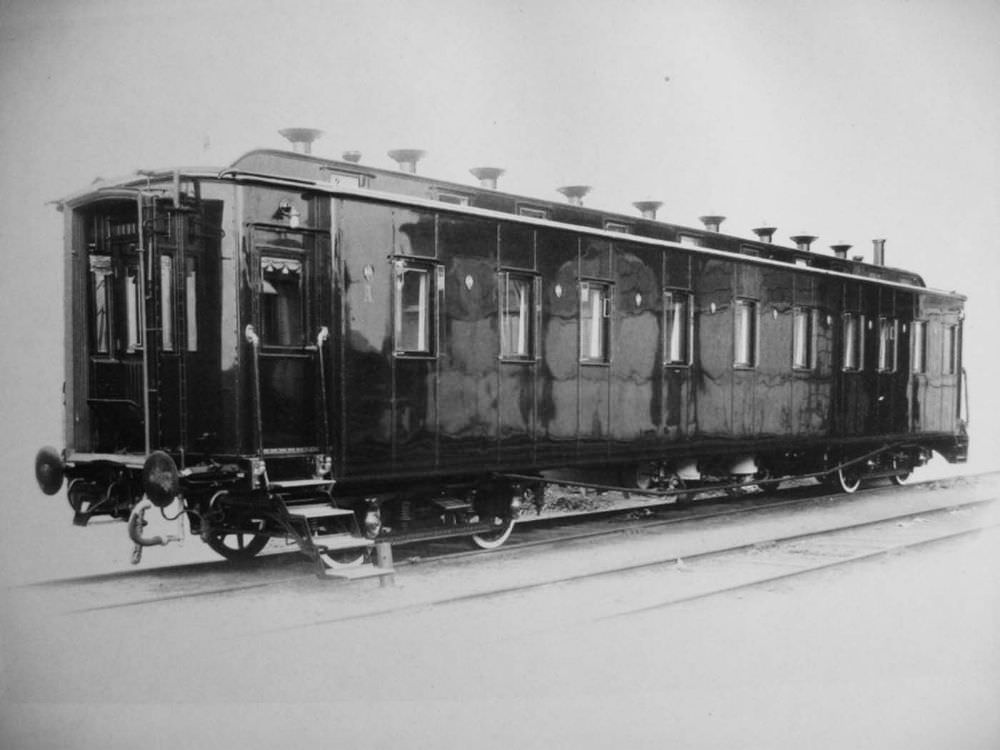
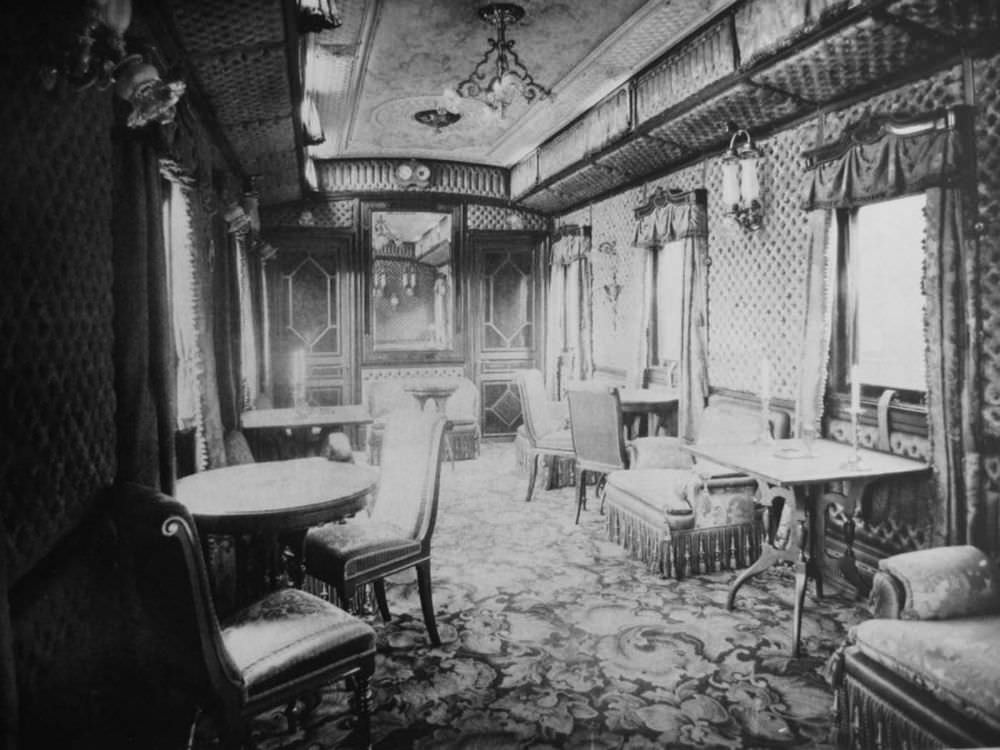
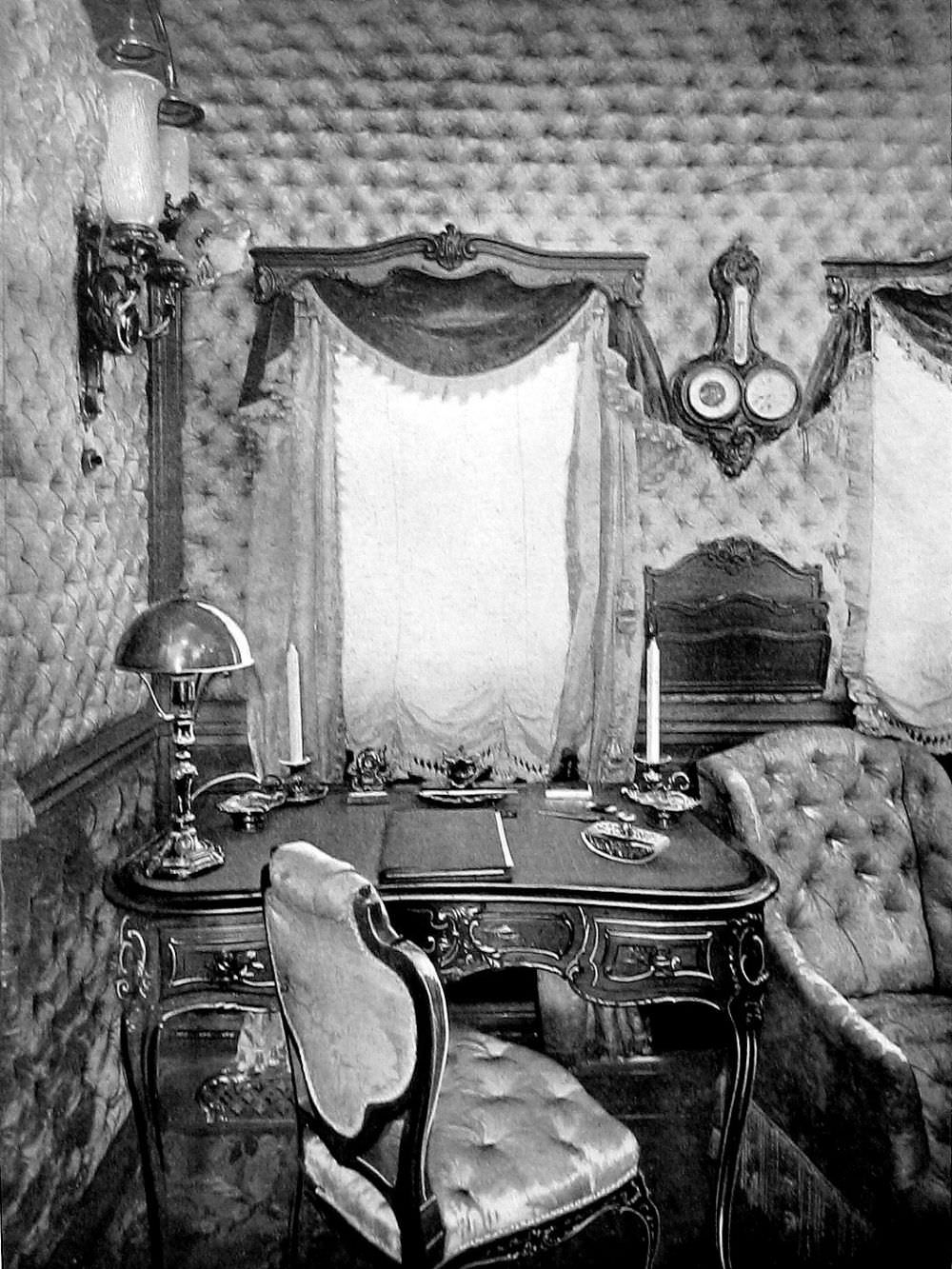
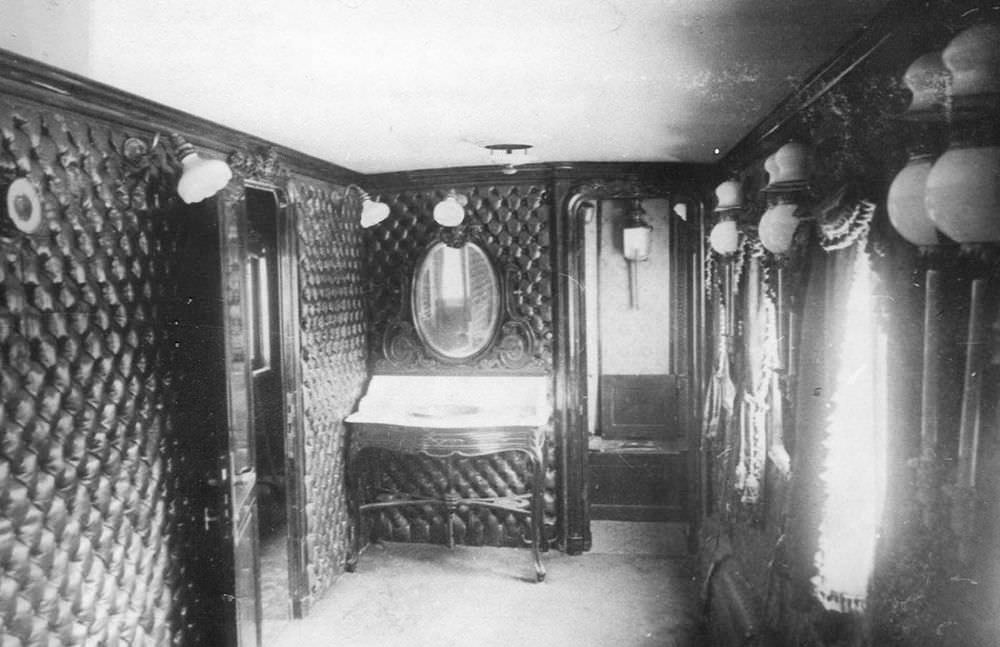
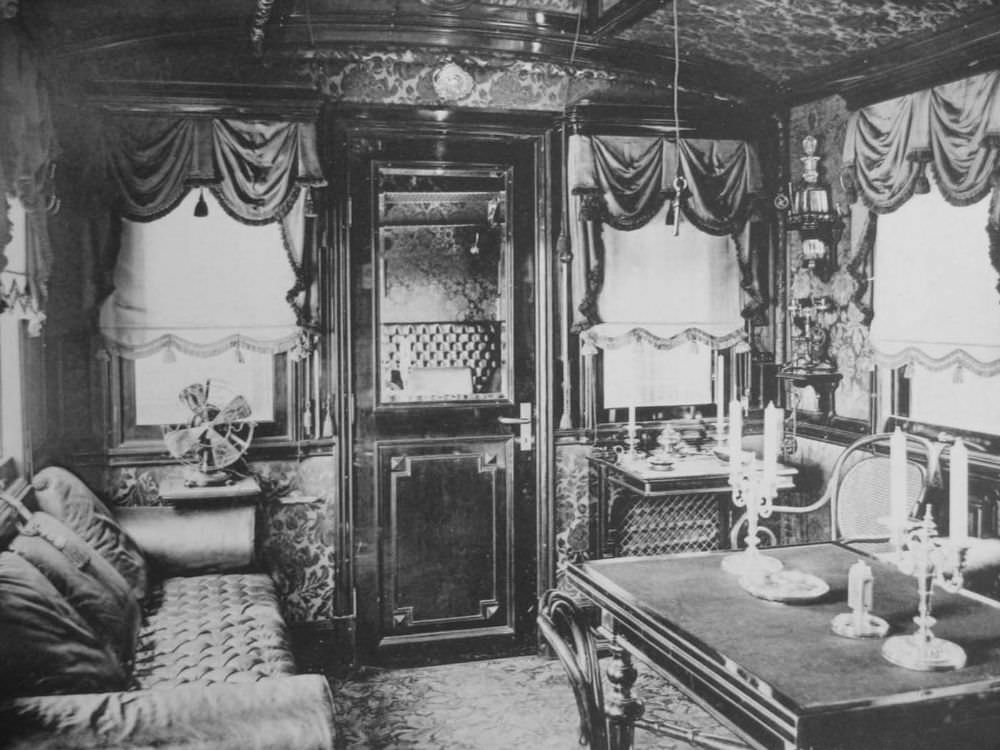
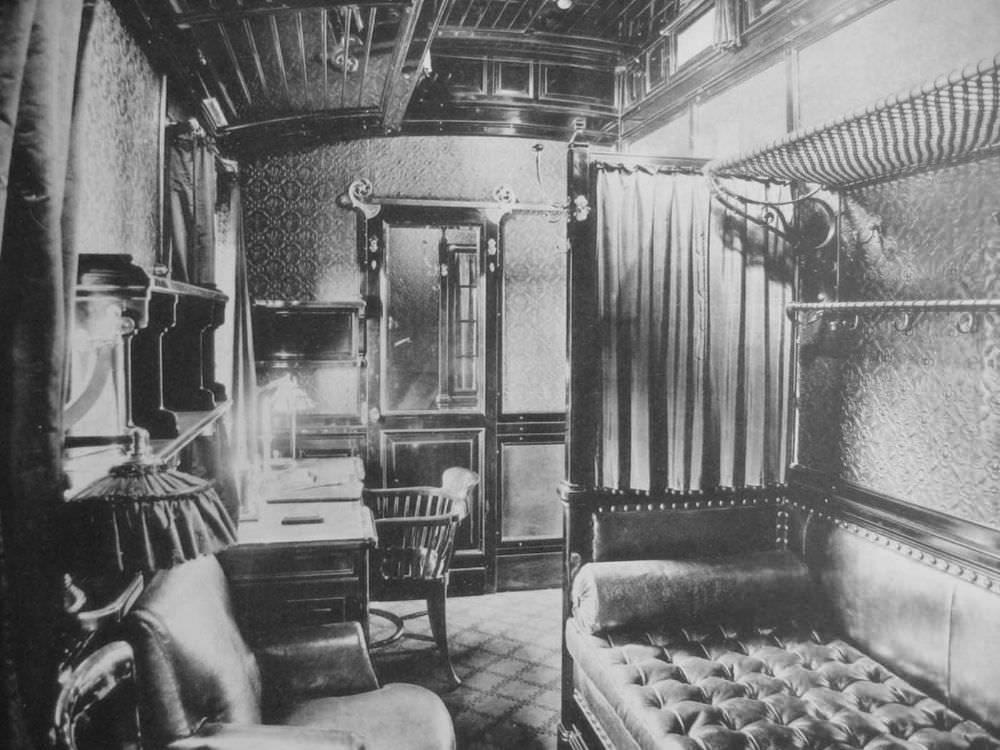
The exterior of the carriages was painted in dark blue and decorated with gilding. Inside, no expense was spared. Panels, ceilings, and furniture were crafted from polished oak, walnut, white and gray beech, maple, and Karelian birch. Floors were covered with linoleum and carpets, giving each car a warm, finished feel despite the motion of rail travel.
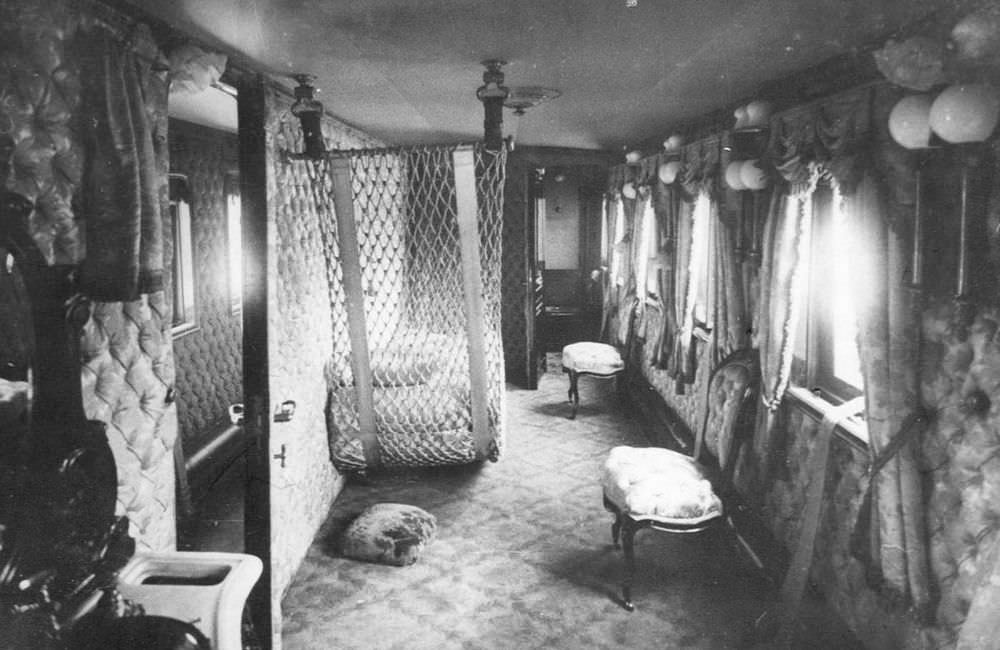
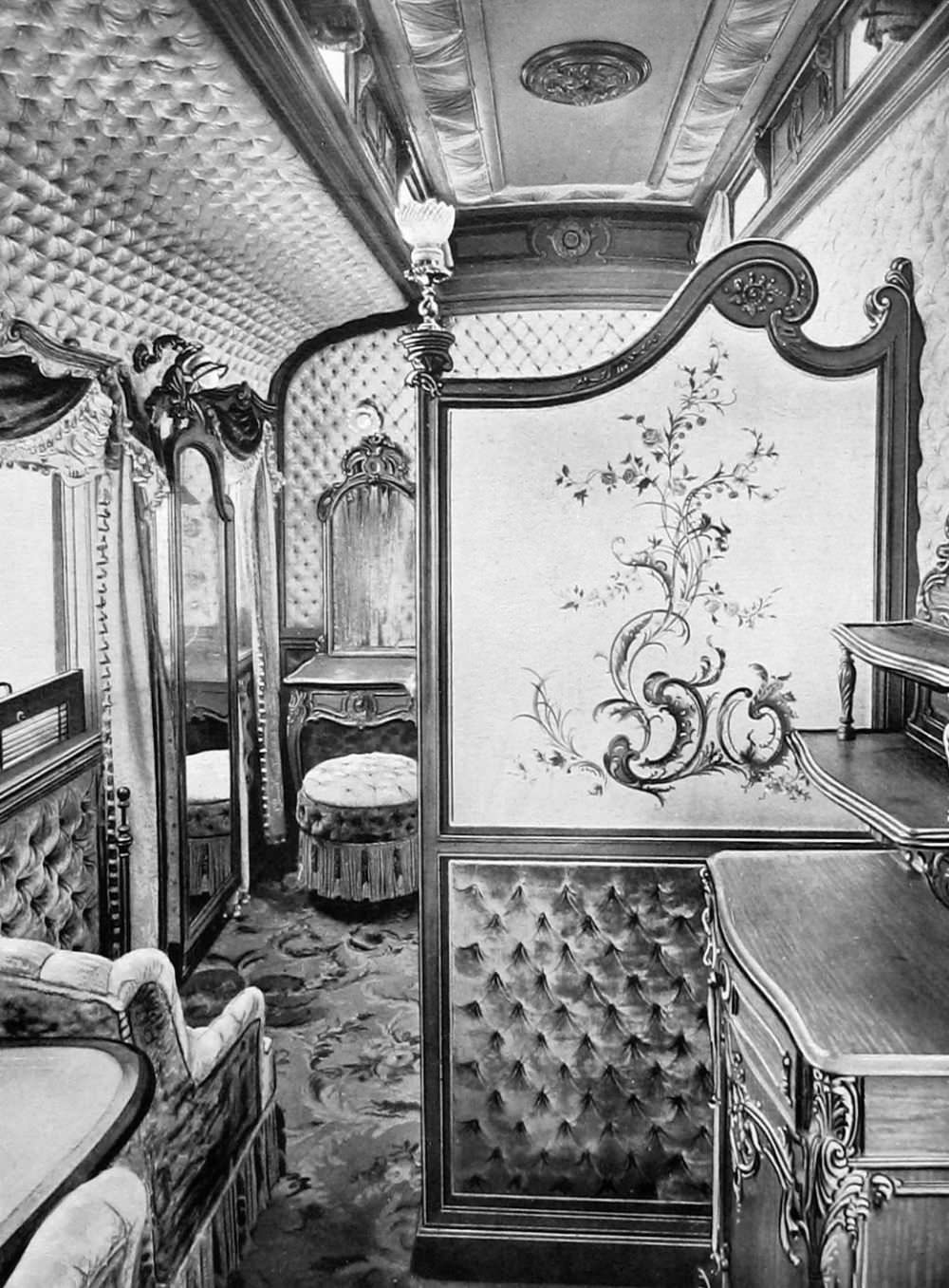
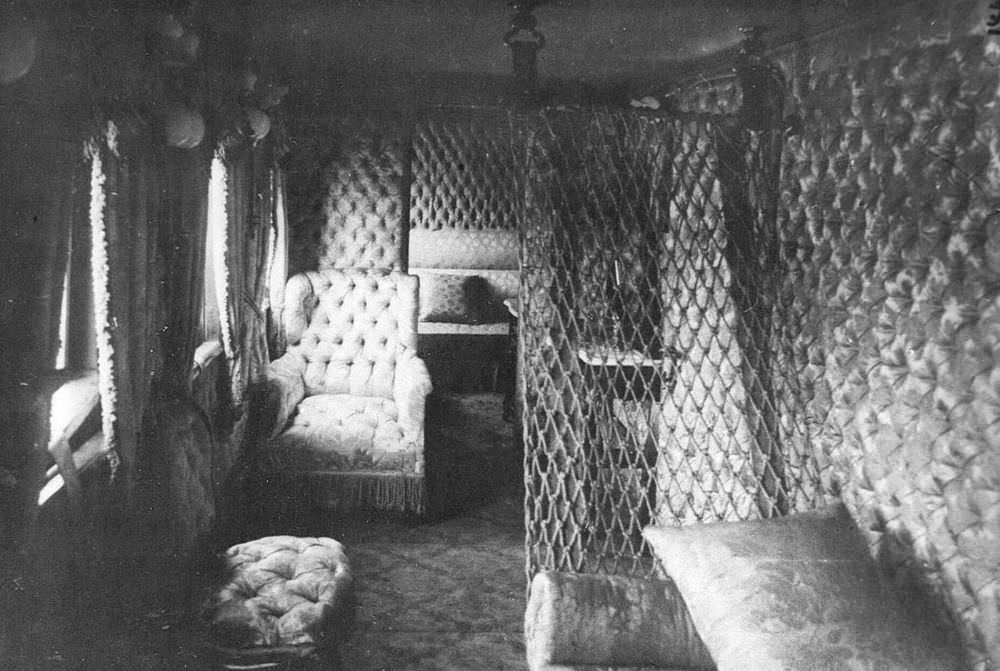
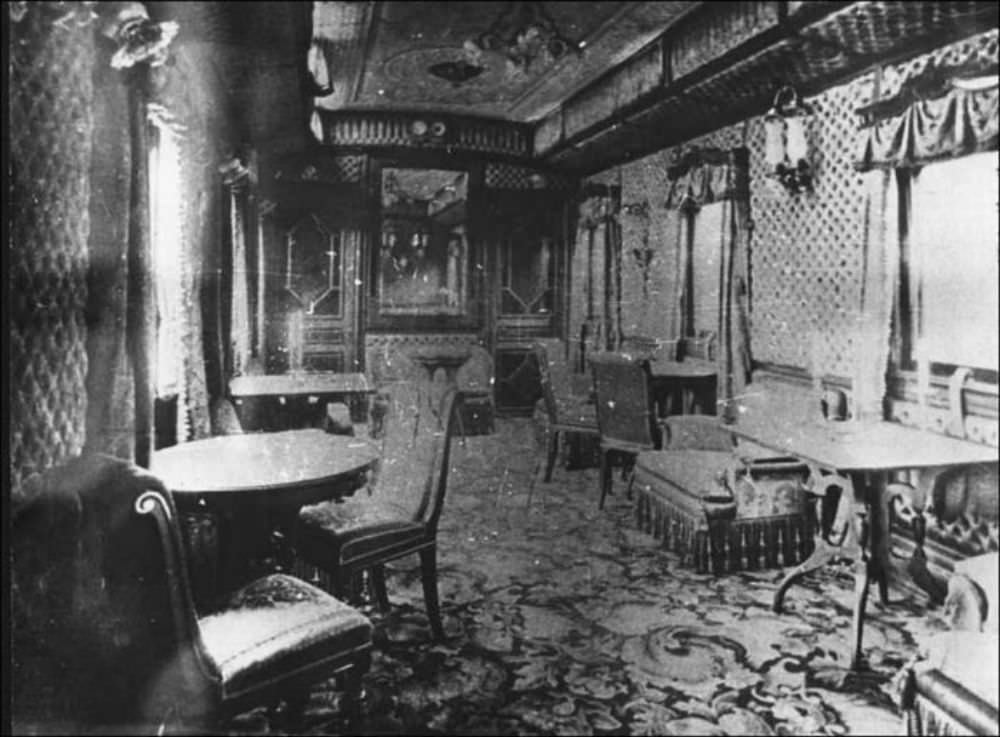
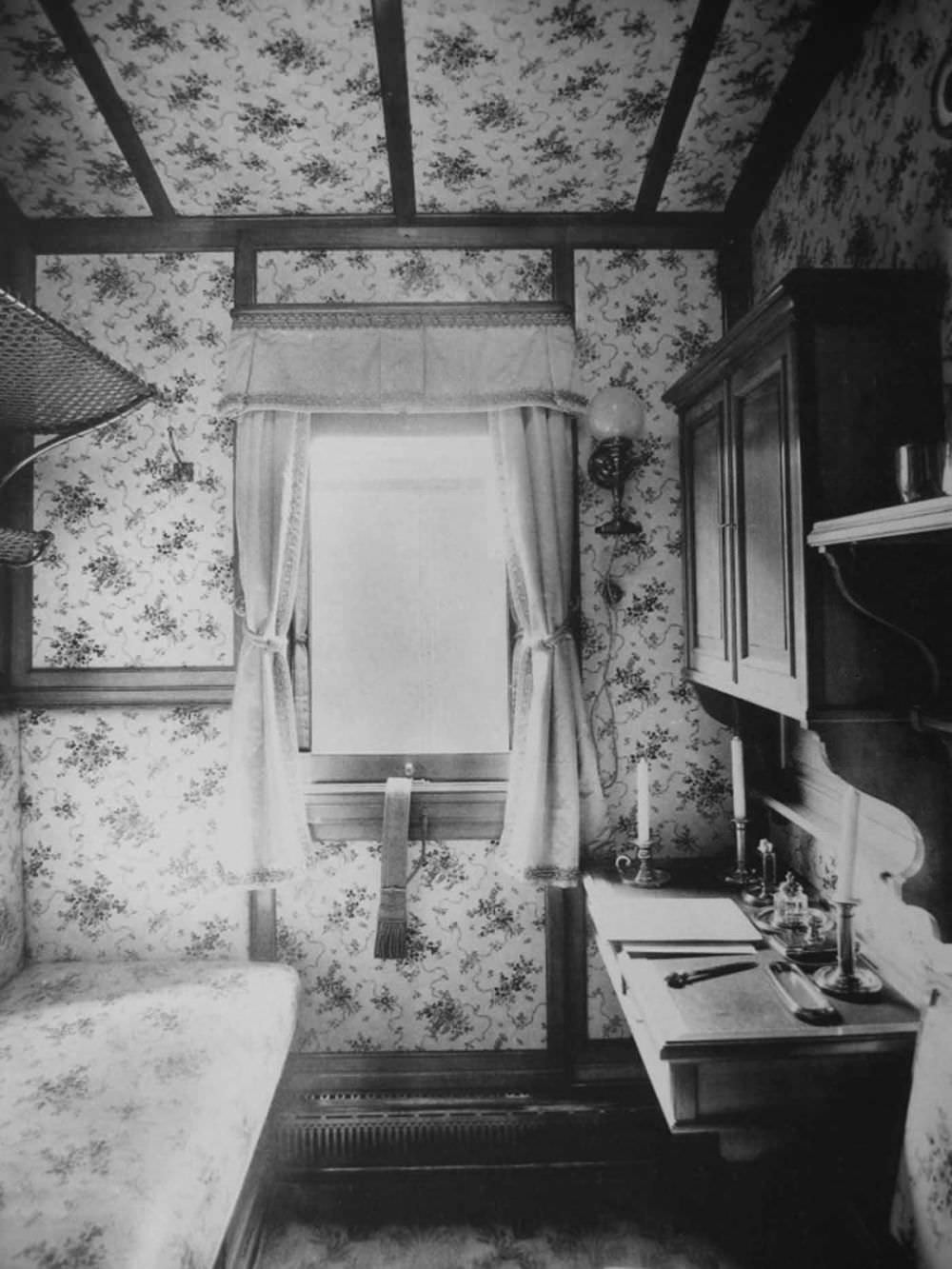
The fabrics used throughout the train were carefully chosen. Walls and furnishings were upholstered primarily in English cretonne featuring plant ornaments. The saloon car took a more refined approach, furnished with soft mahogany pieces in the Art Nouveau style. Its walls, sofas, armchairs, and chairs were lined in striped pistachio-colored curtains, and a plush carpet with a checked design covered the floor.
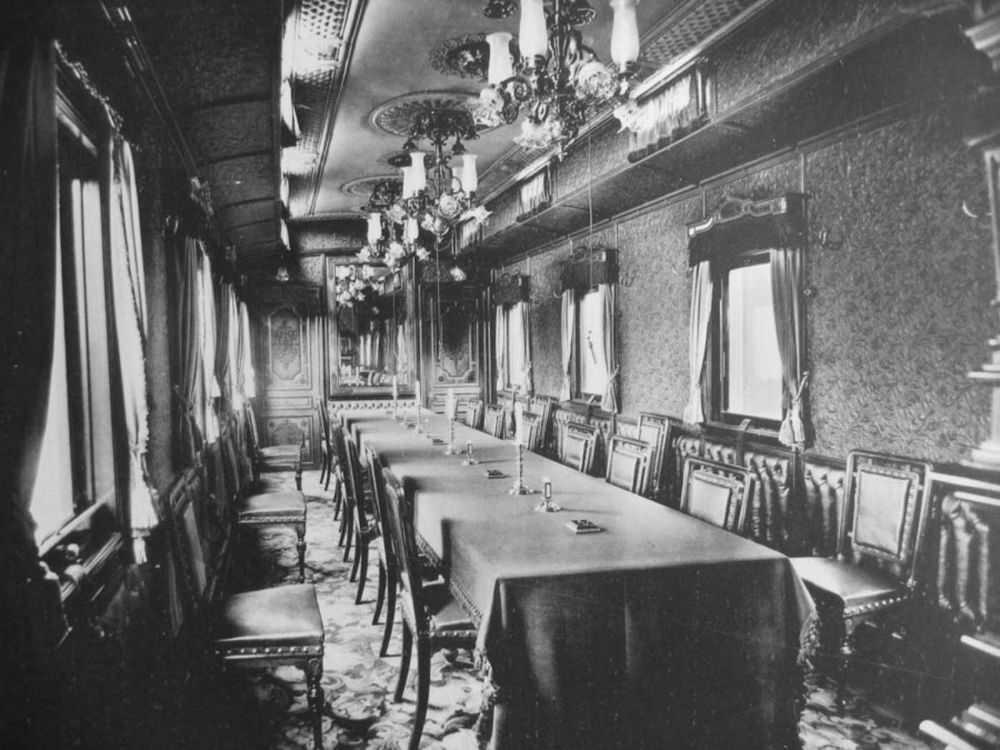
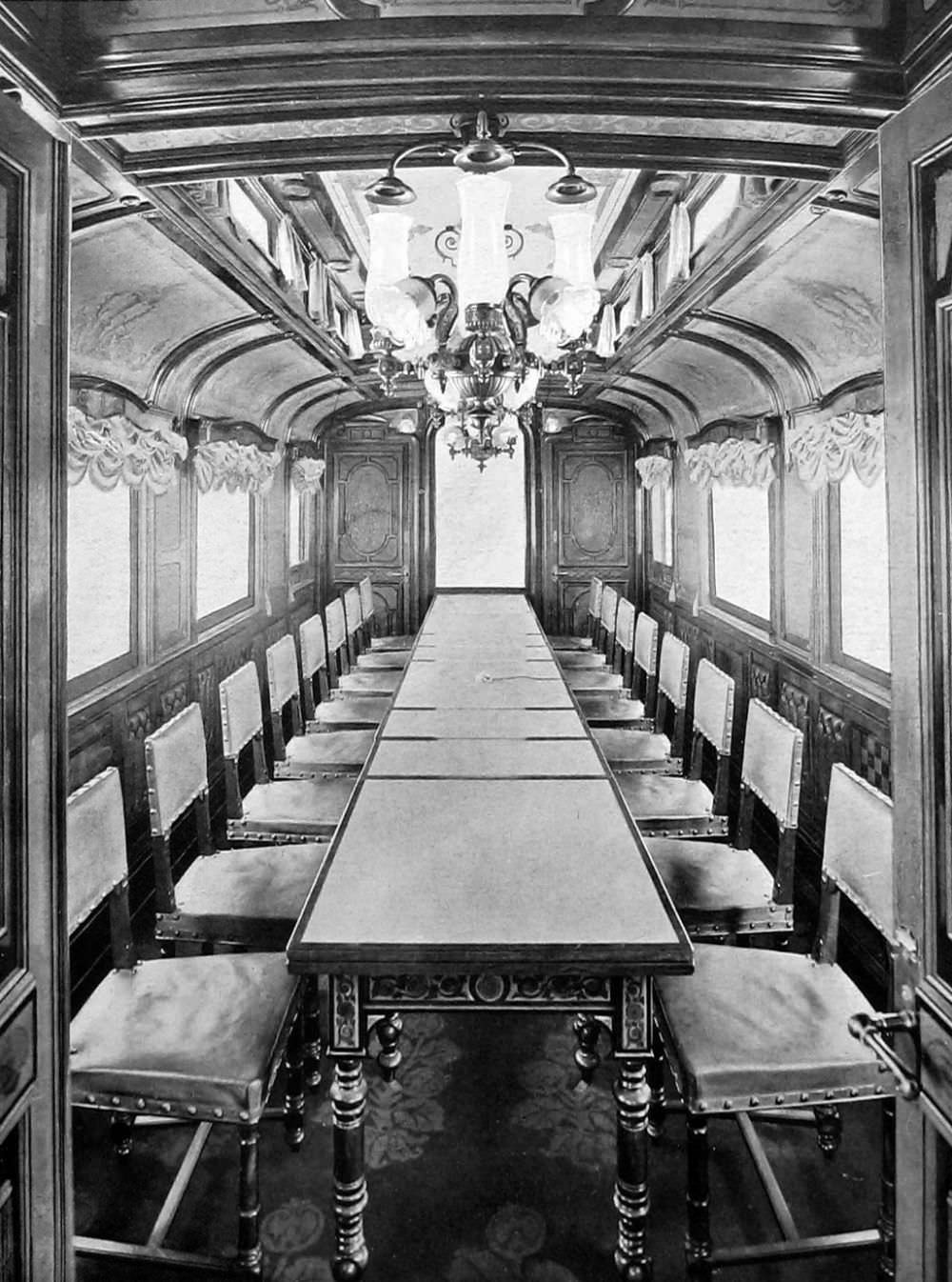
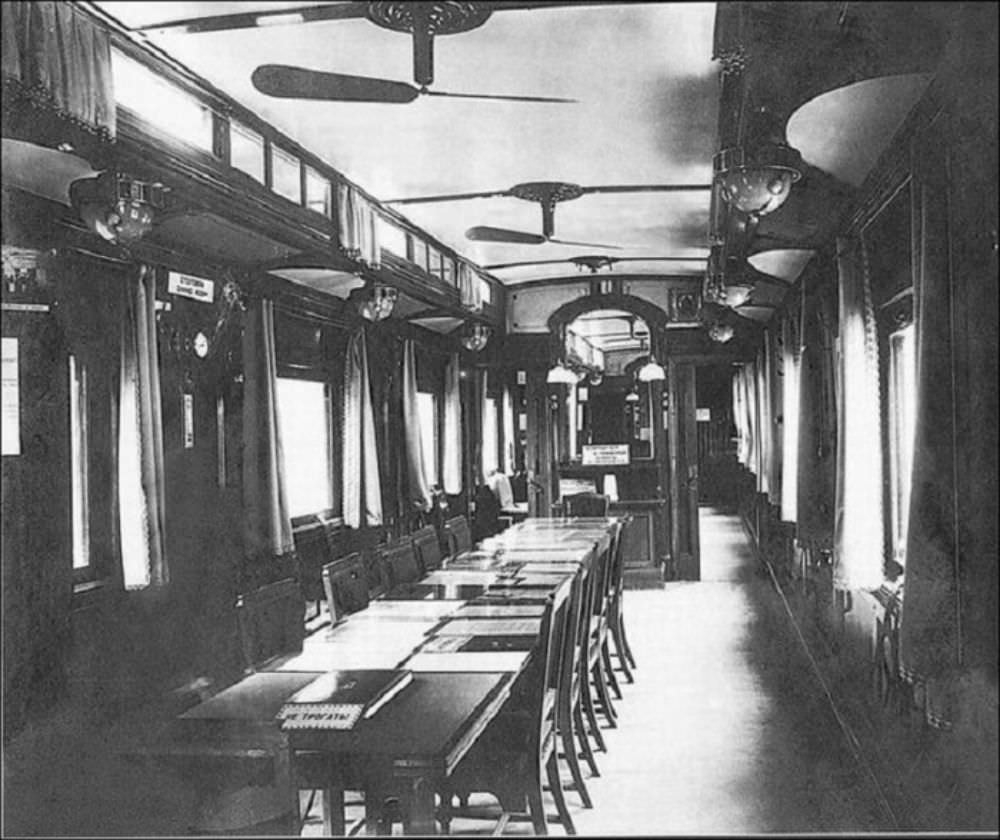
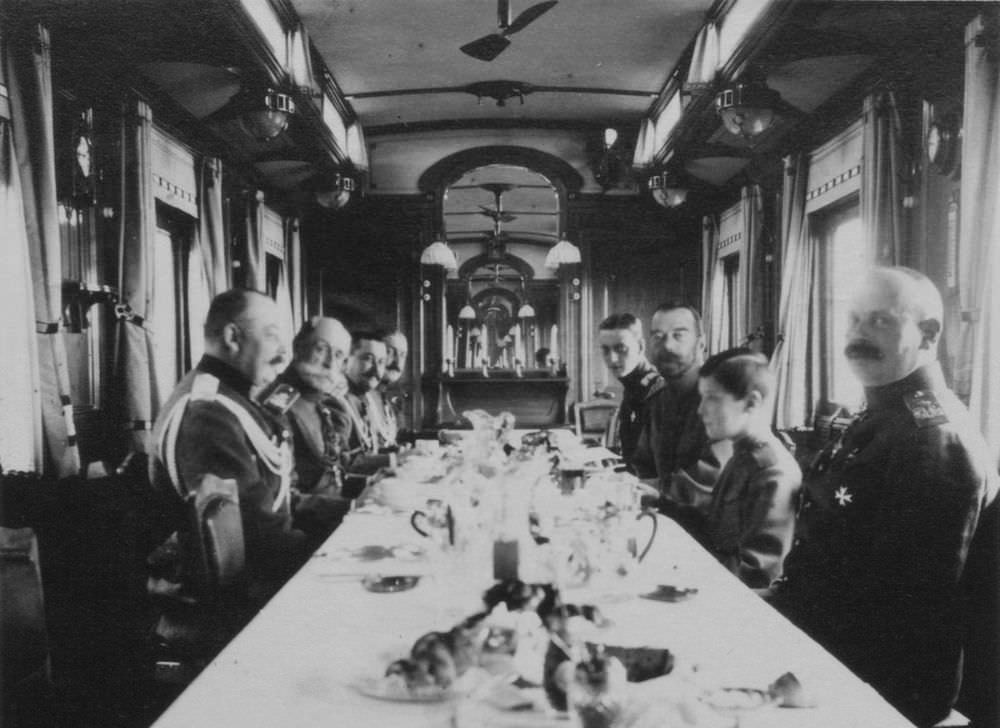
The dining car was one of the most heavily used spaces on the train. Nicholas II regularly hosted senior officials and military generals there during wartime. The room was arranged much like a formal dining room in any of the imperial palaces, with a table large enough for official gatherings and furnishings that reinforced the authority of the tsar even while in motion.
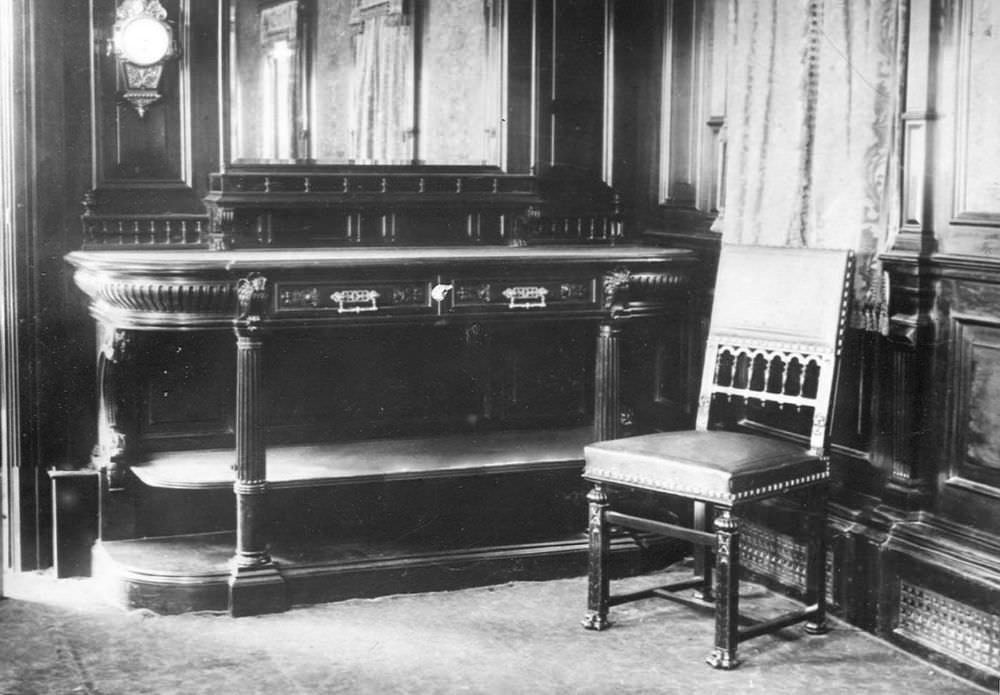
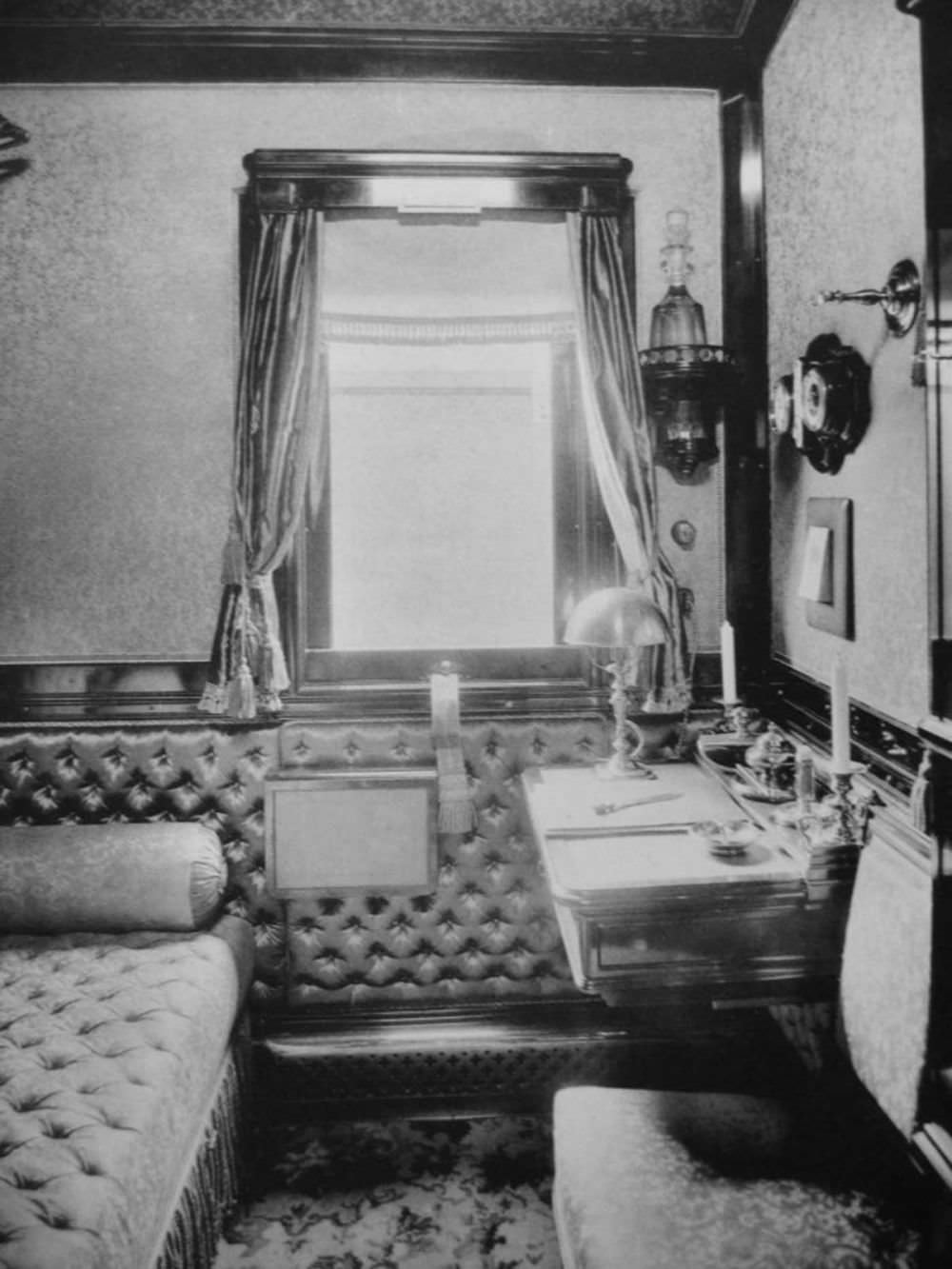
The ladies’ suites on the train were equally well appointed. These compartments were designed for the Empress and the imperial daughters, with interiors that reflected both comfort and aristocratic taste. Every detail — from the upholstery to the woodwork — was coordinated to create a cohesive, elegant space.
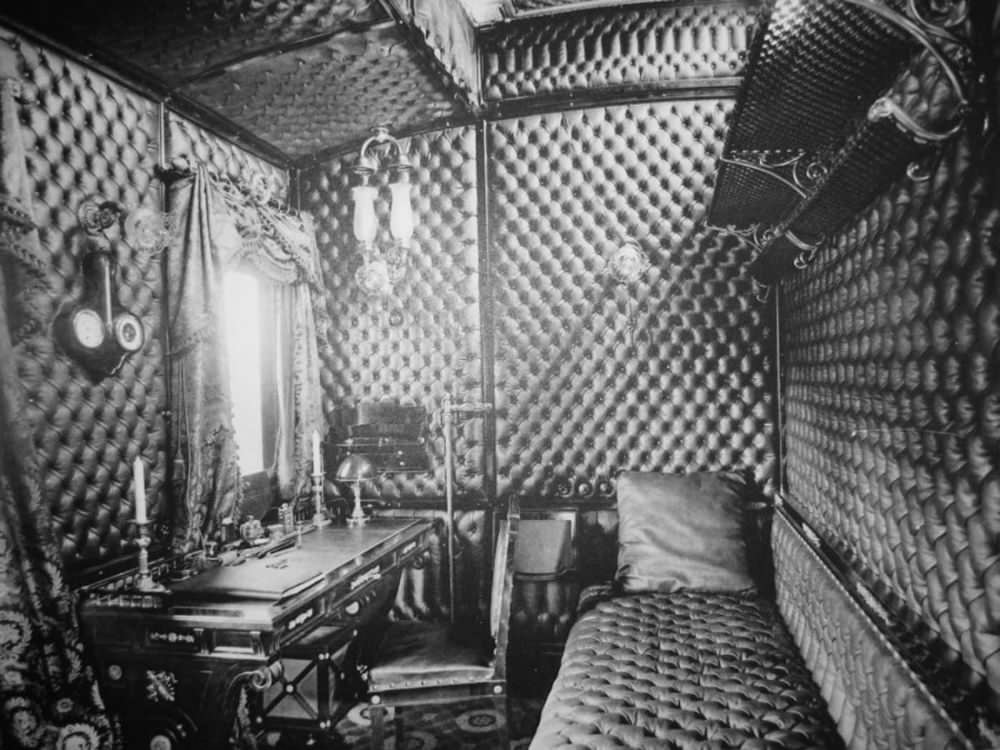
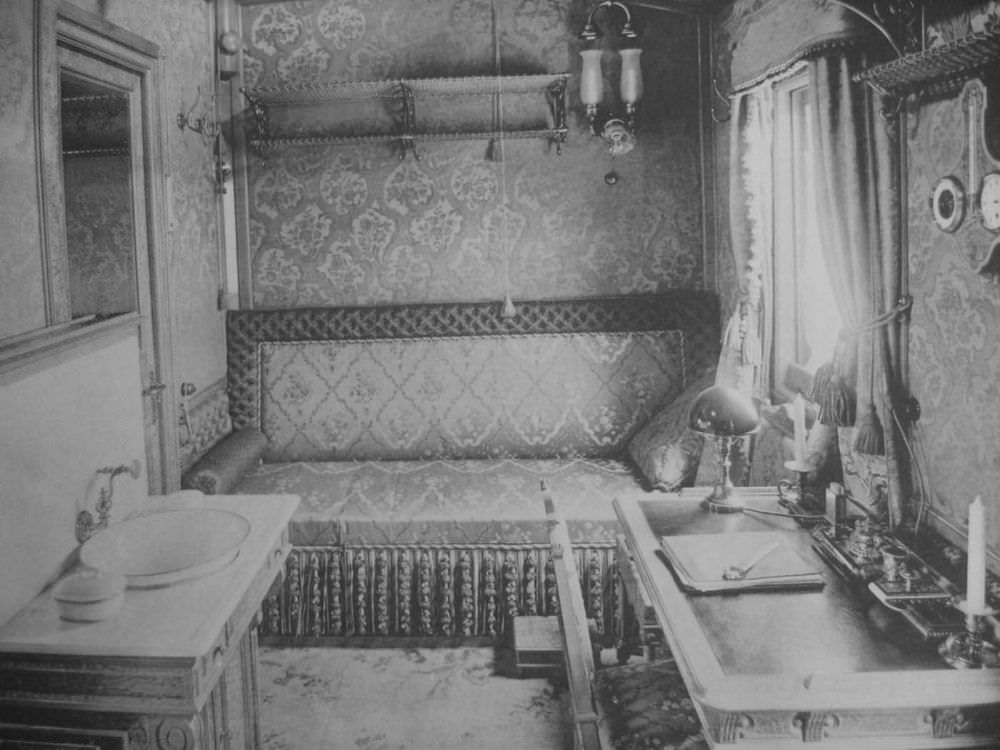
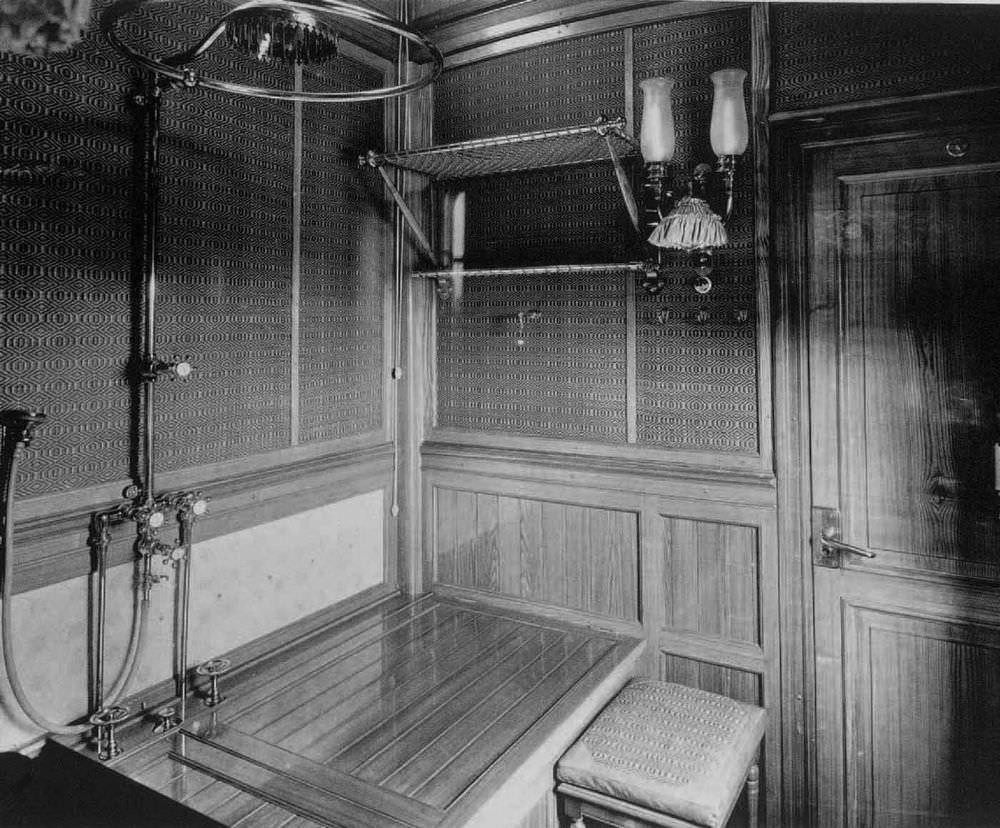
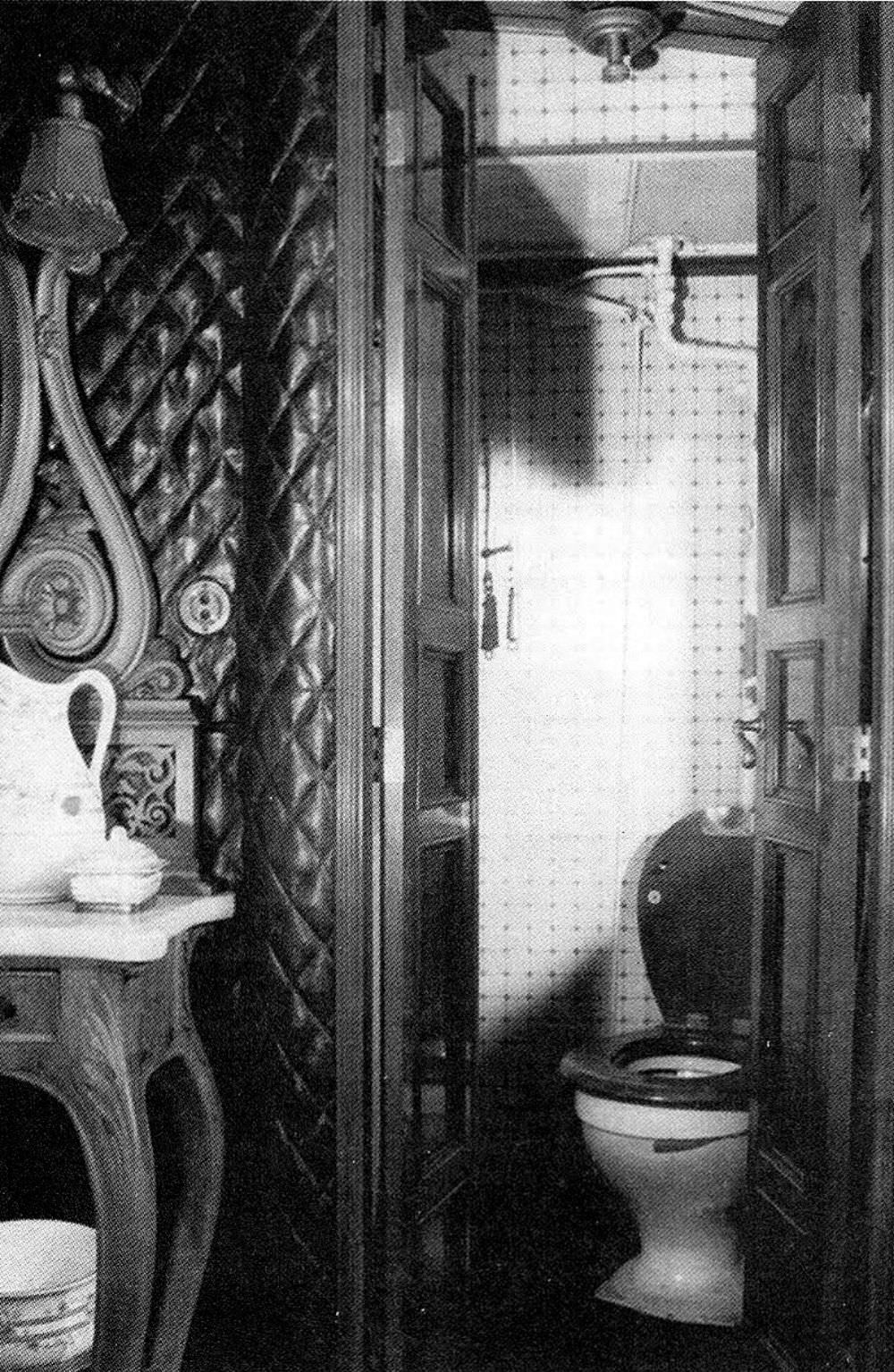
The train also included functional office spaces and private quarters for household staff. A maid of honor’s office, bathrooms, and restrooms were all built into the carriages, ensuring that the court could operate without interruption regardless of where the train was headed. The Tsar’s own compartment was private and separate from the family’s shared spaces.
Security was a constant concern for any movement of the Tsar. Before each journey, the imperial security services compiled a full passenger list to account for every person traveling with Nicholas II. The train also provided a smoother and more controlled environment than many other forms of travel, which added to both his comfort and his protection.
During World War One, the Imperial Train became far more than a travel vehicle. Nicholas II used it as a permanent base of operations, often residing on board for extended periods. It was on this train that he met with his generals, signed documents, and directed the war effort from the front. The train became, in effect, a mobile seat of government for the Russian Empire in its final years.
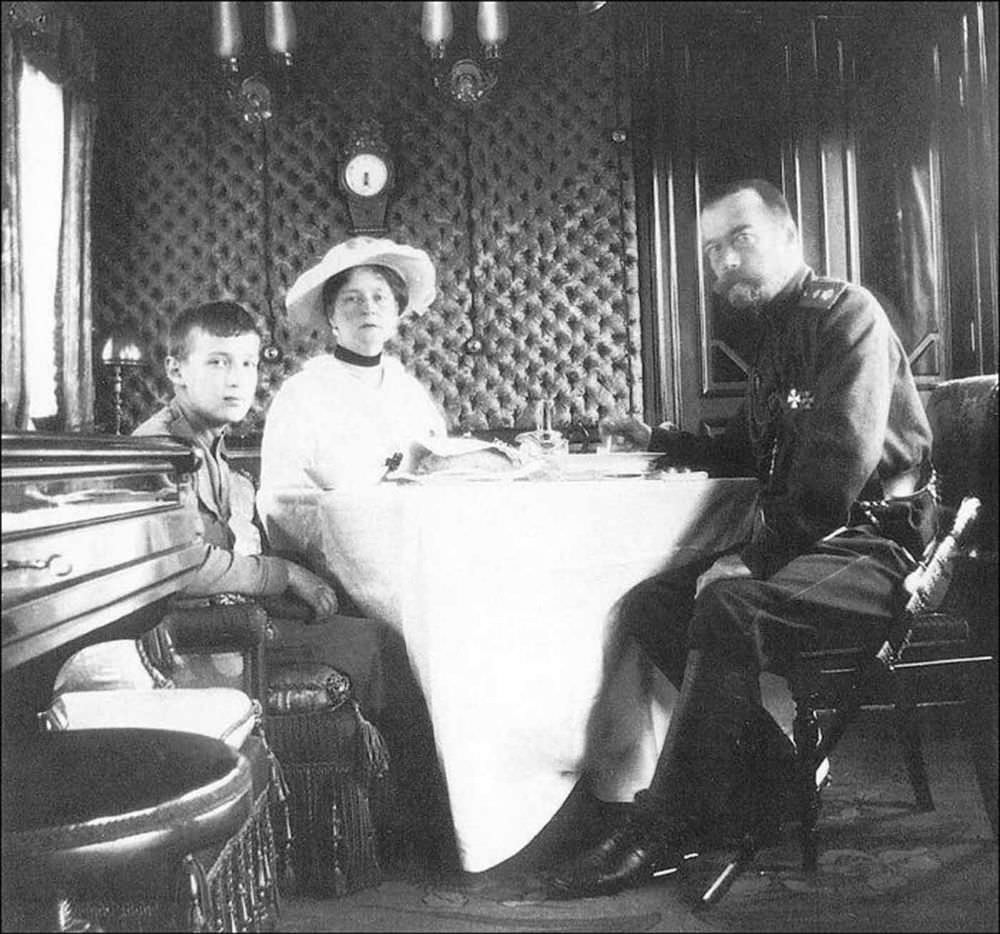
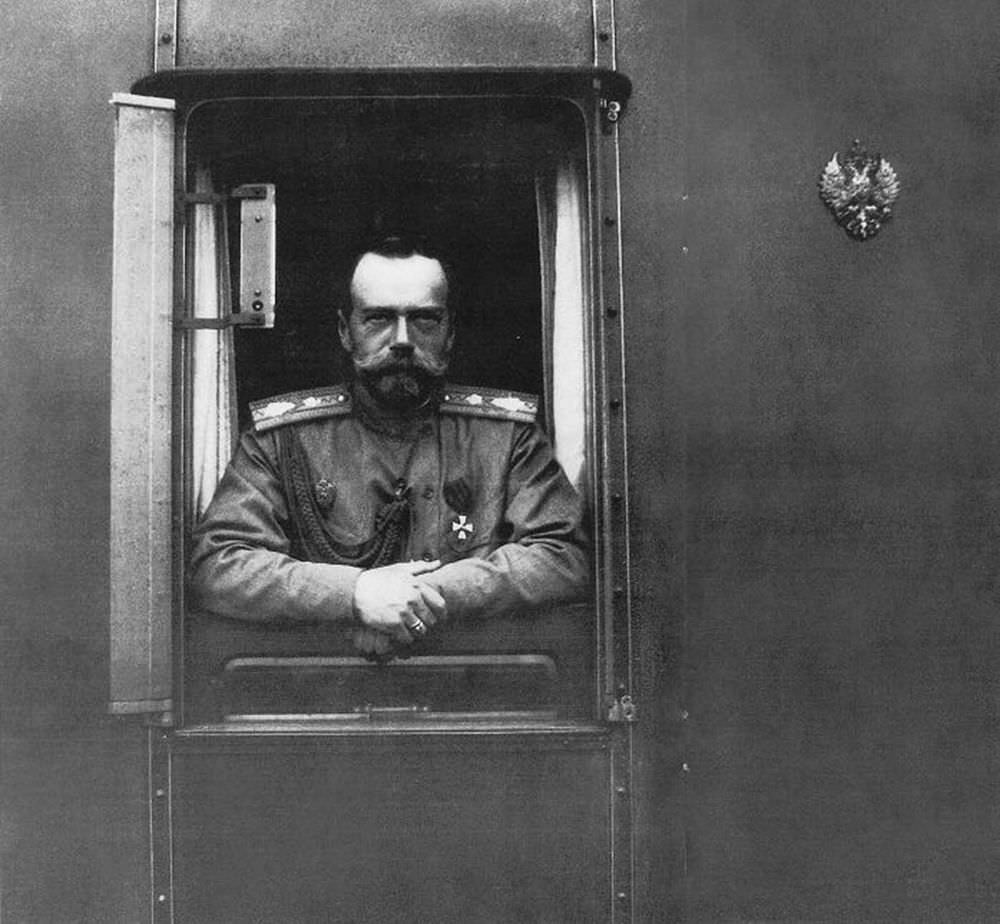
The Romanov children were also frequently present on board. A photograph from 1916 shows Grand Duchess Anastasia inside the train — a rare glimpse into the family’s daily life during a period of extraordinary national crisis. The train had been their home on the rails for years, as familiar to them as any room in the Winter Palace.
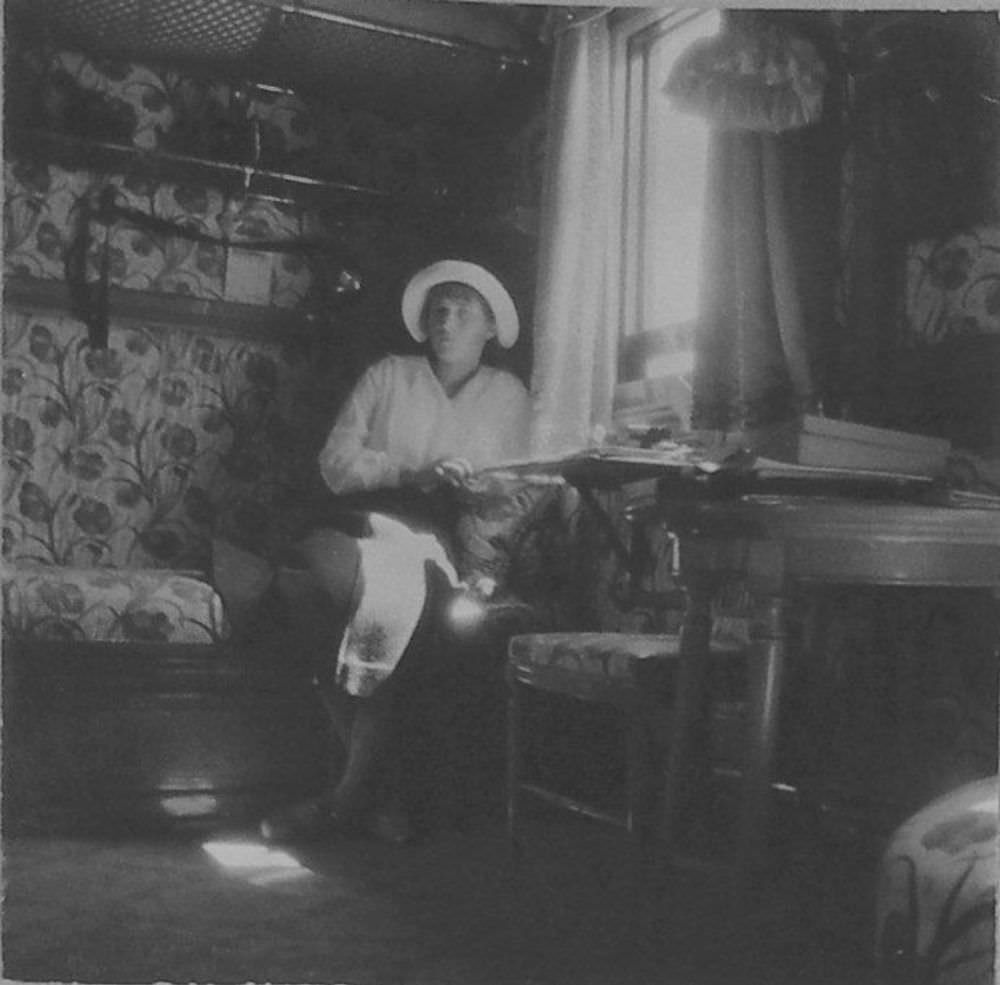
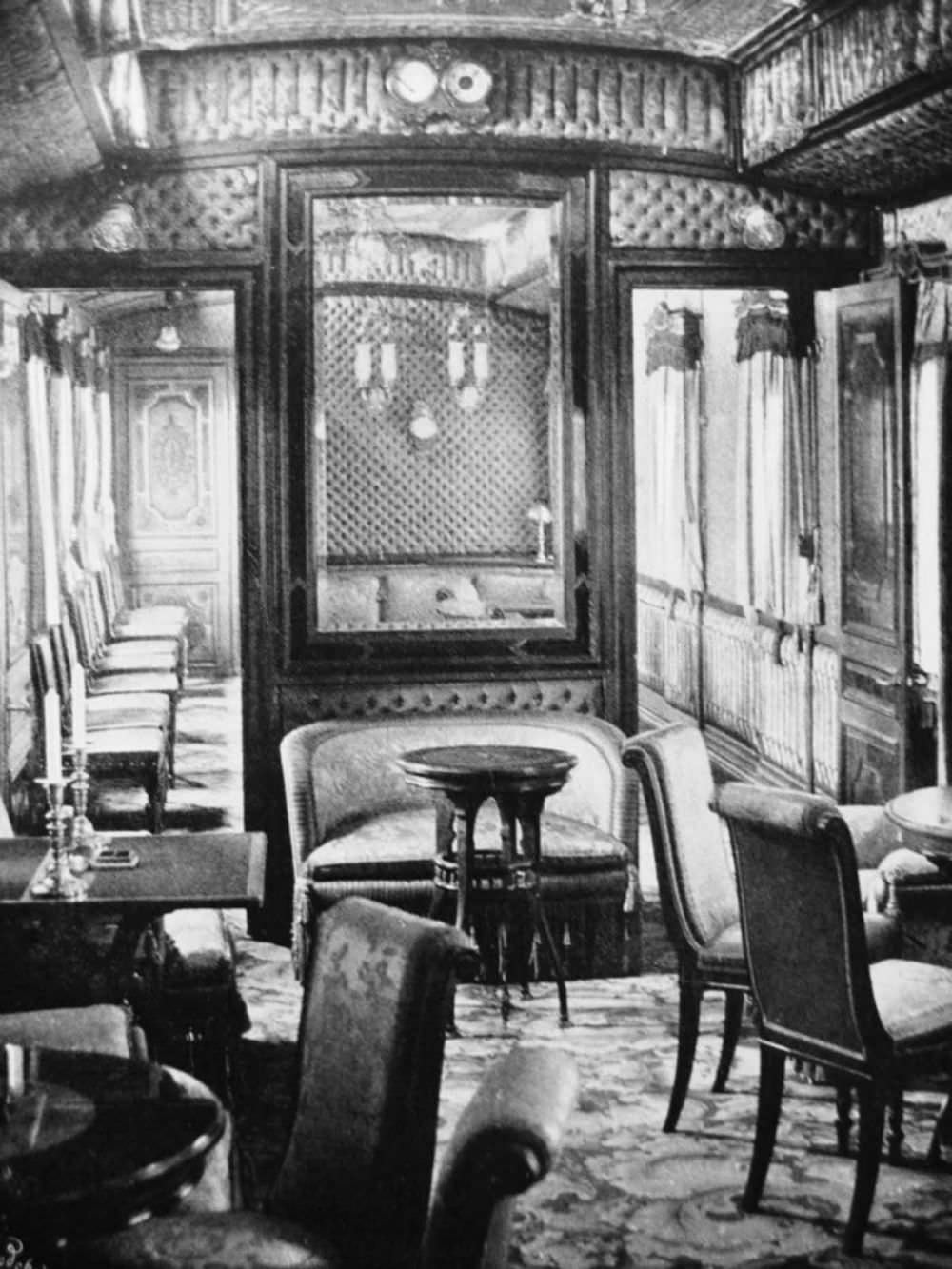
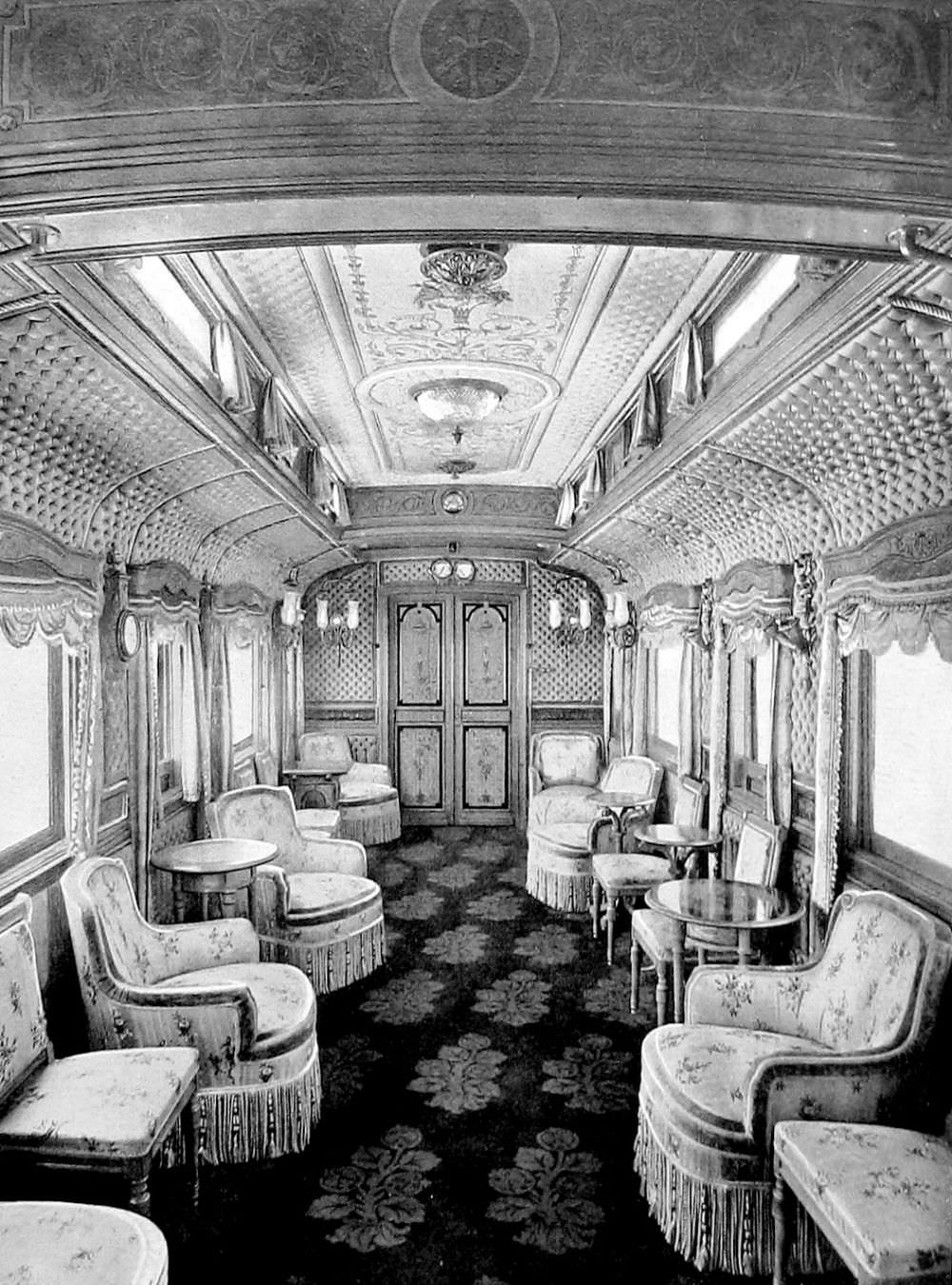
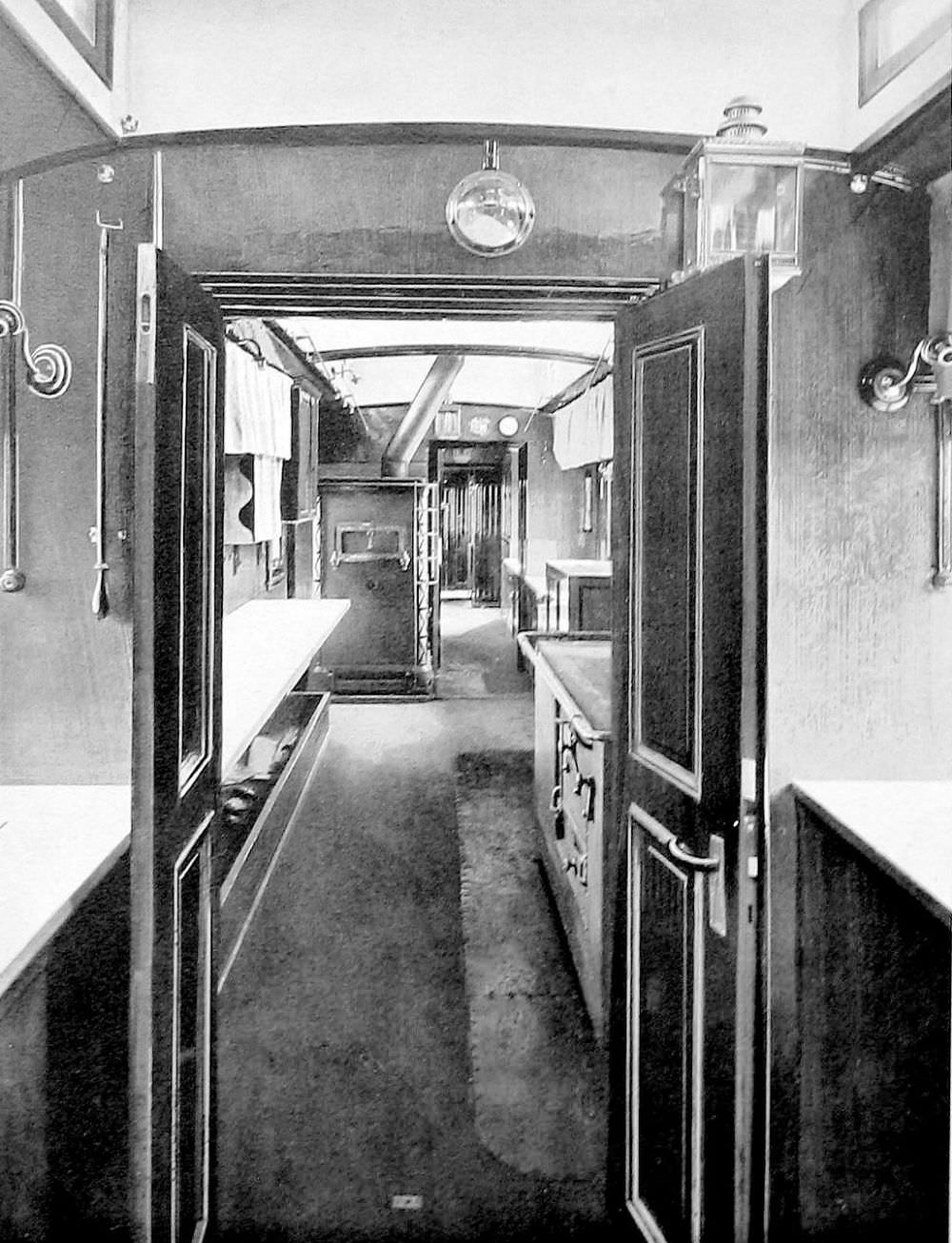
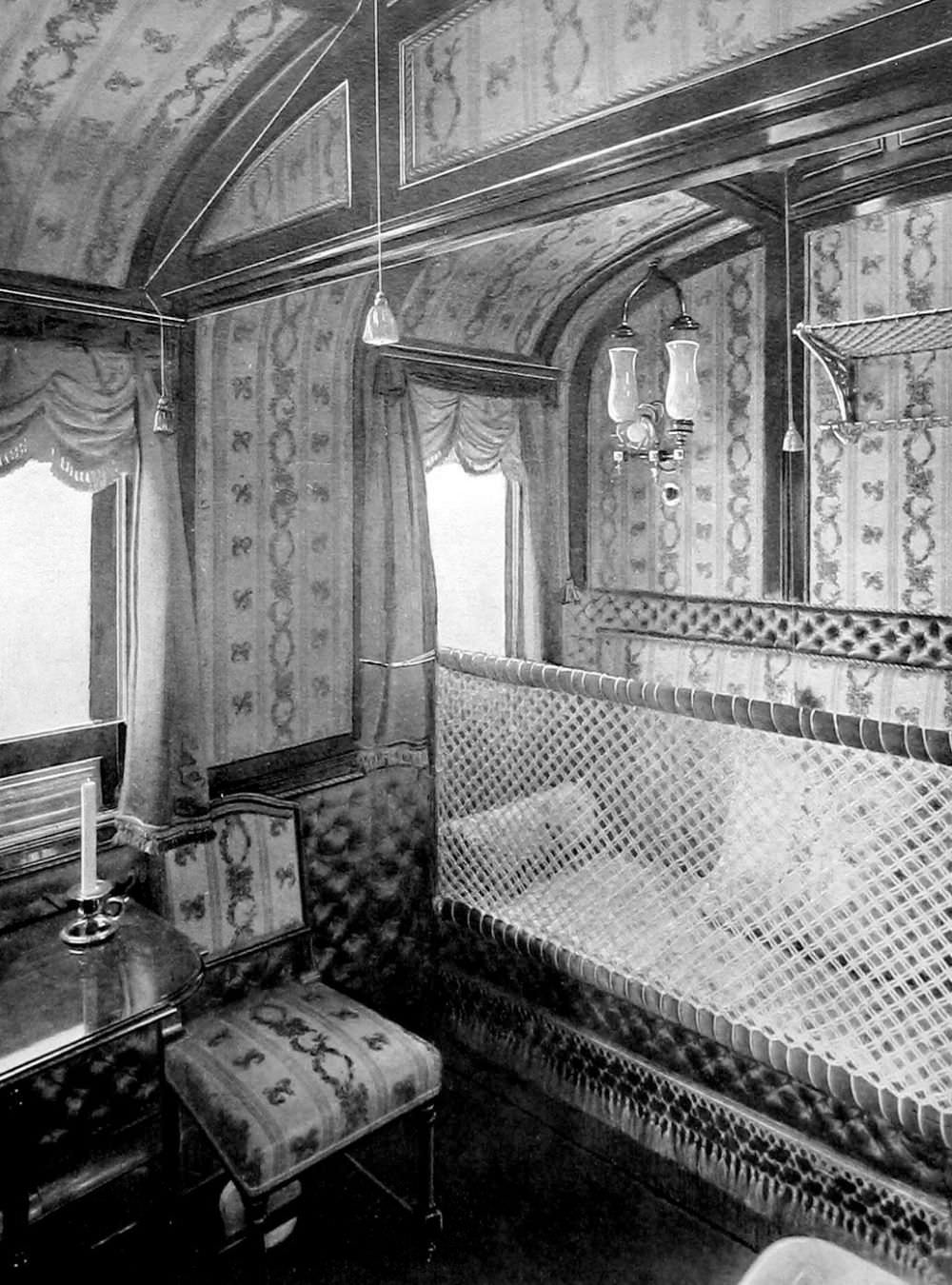
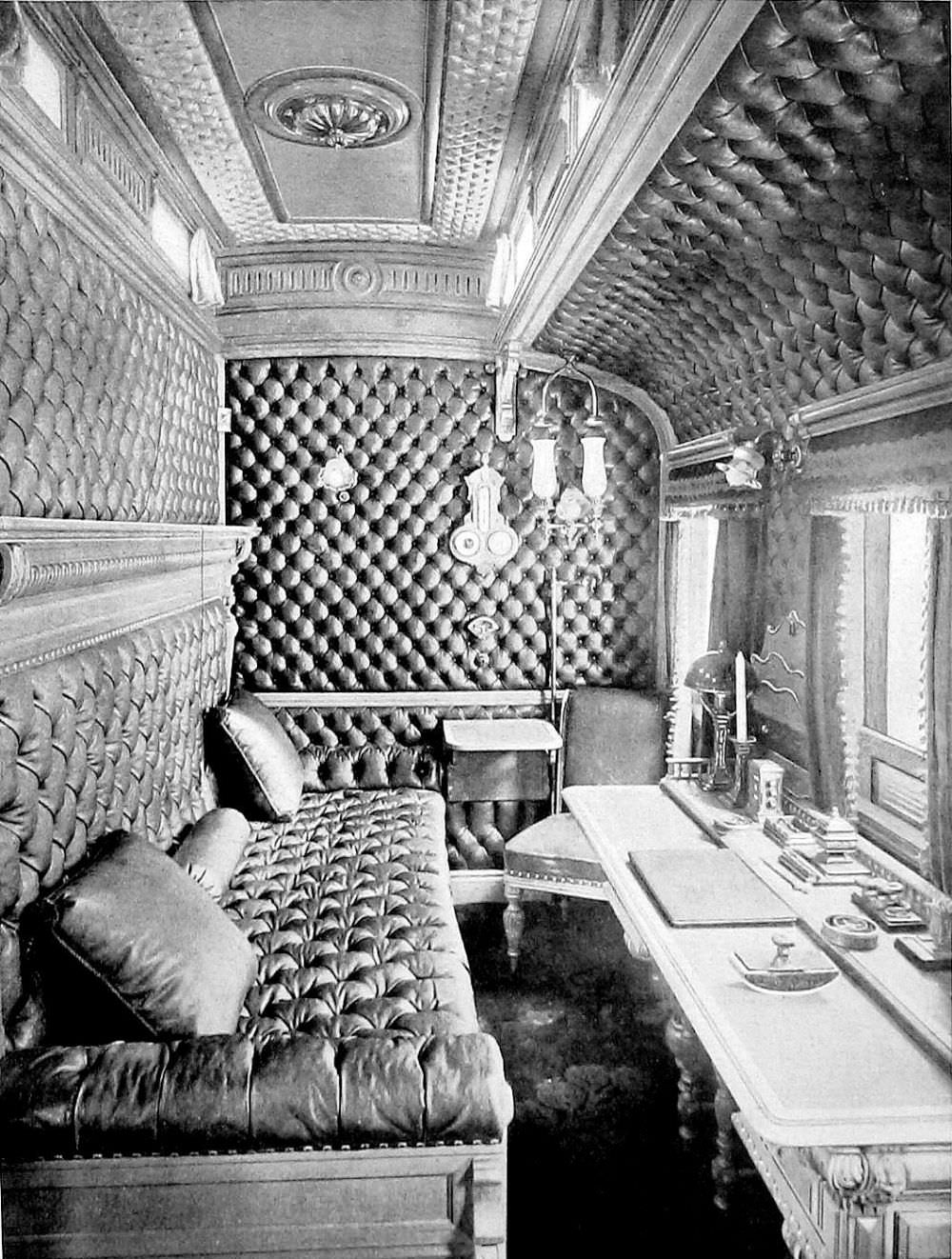
The fate of the Imperial Train followed the broader destruction of the Romanov era. During the Russian Civil War, the Bolsheviks burned the trains. Any carriages that survived that period were destroyed in 1941. Today, not a single original car from the Imperial Train survives anywhere in Russia. These photographs are among the only records that show what was inside.