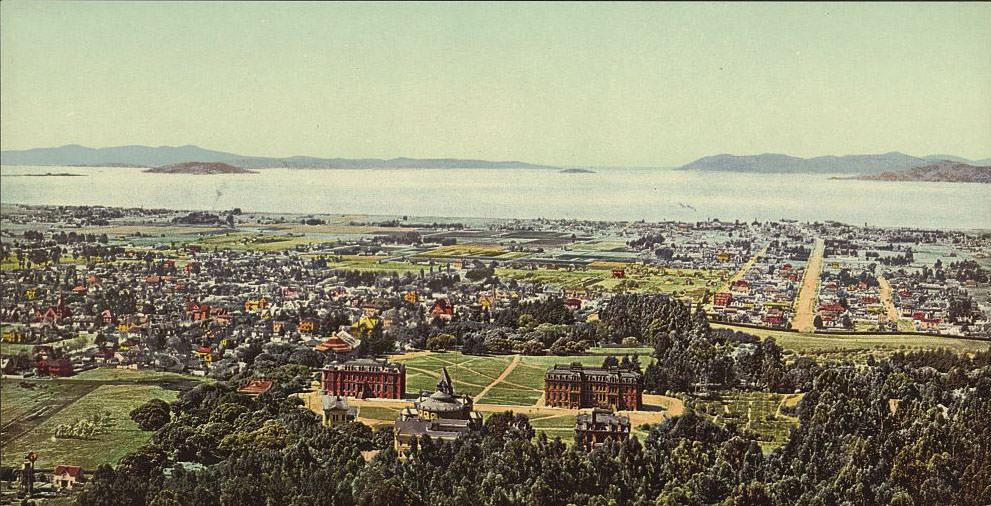
San Francisco has one of the oldest human histories on the West Coast. The Yelamu tribe settled the area as far back as 3000 BC, living off the land by hunting, fishing, and gathering nuts and fruits. Native Americans called this region home for thousands of years before European contact. By the time the United States annexed California in 1846, the city’s non-native population was still tiny — just around 800 people. That number was about to explode.

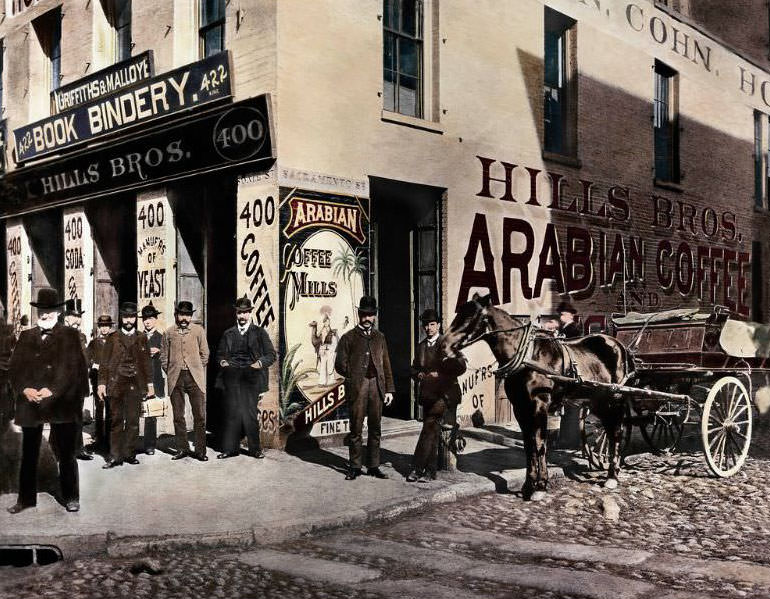
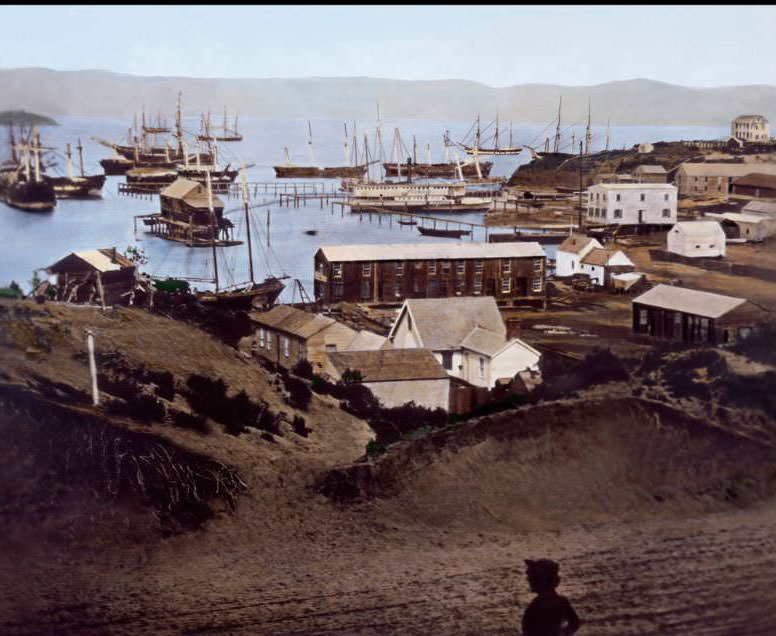
In 1848, gold was discovered at Sutter’s Fort in the foothills of California. The news spread fast. Within months, tens of thousands of people from across the world descended on California in what became known as the Gold Rush. San Francisco sat at the center of it all. Its natural harbor made it the main port of entry for ships arriving from the East Coast, South America, Europe, and Asia. The city transformed almost overnight from a sleepy settlement into a roaring commercial hub.

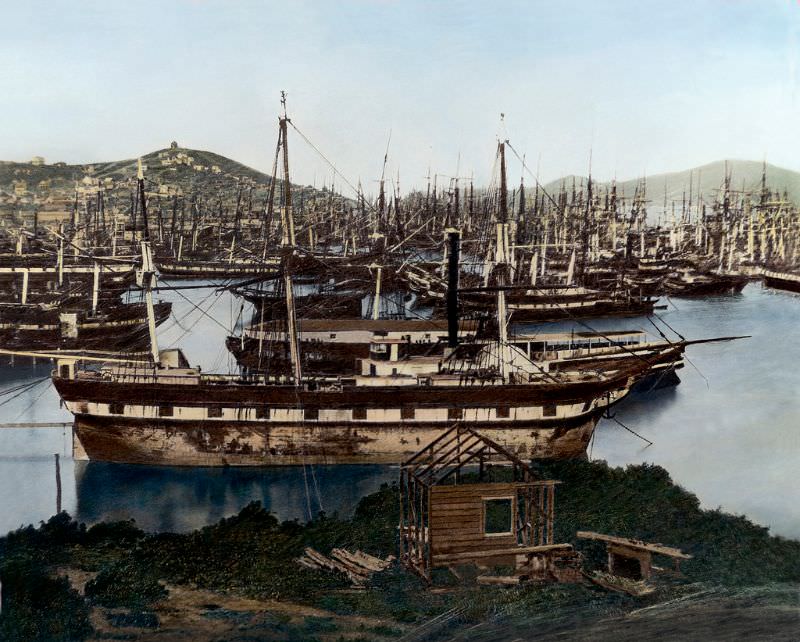
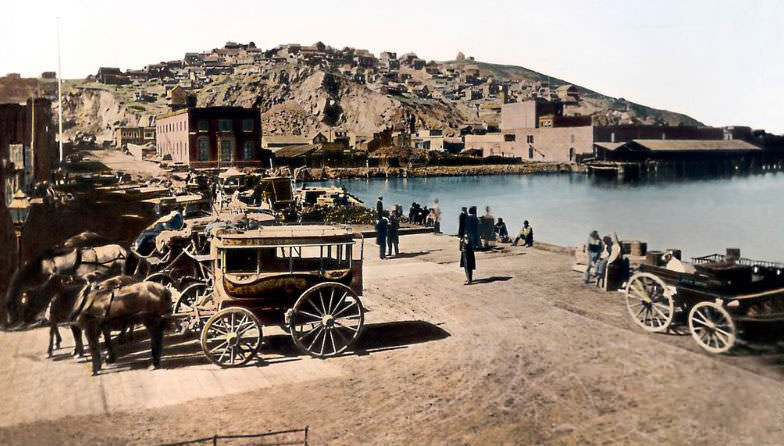
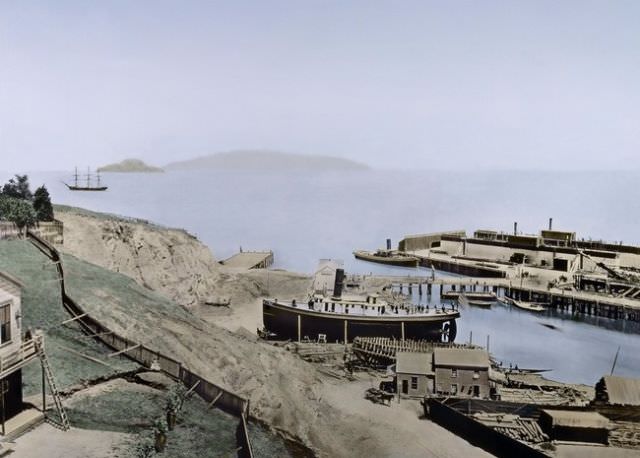
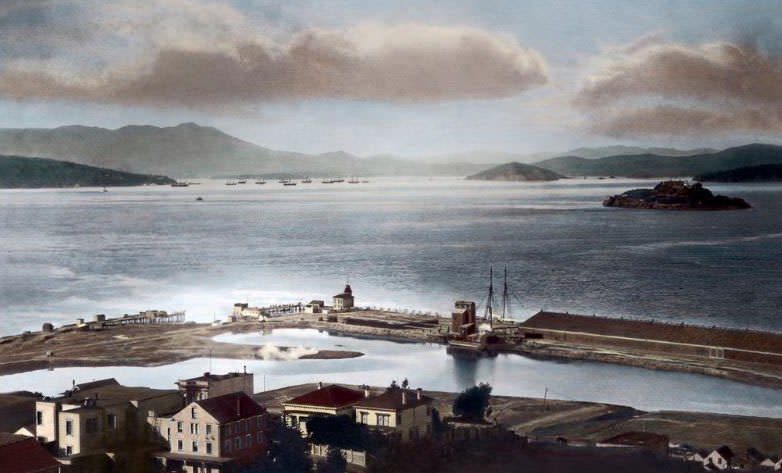
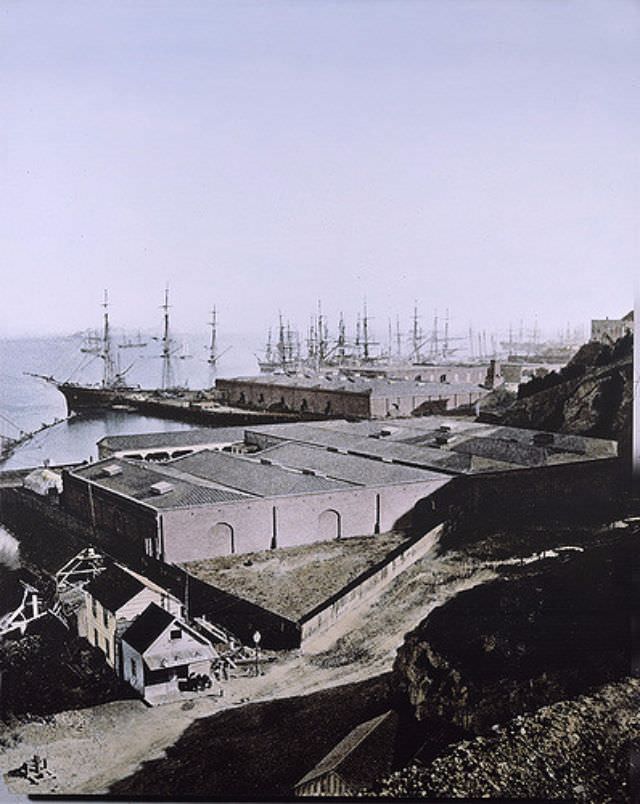
The waterfront was the city’s lifeline during those chaotic early years. Ships packed the bay, and new buildings went up faster than the city could manage. Merchants, miners, and laborers all flooded in, and the demand for goods, shelter, and services drove rapid construction along every street near the water.


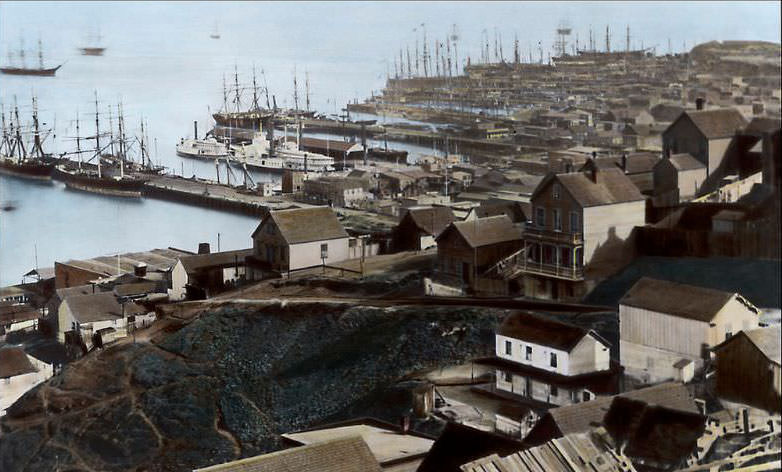
Telegraph Hill became one of the best vantage points for watching the city’s growth unfold. From its slopes, you could see the dense cluster of ships, warehouses, and wharves spreading along the waterfront. The hill itself was named for a signal station built at its summit to alert residents when ships were entering the bay — a vital service in a city whose economy depended entirely on maritime trade.


During the Civil War, the U.S. Navy planned to station the ironclad warship USS Camanche in San Francisco to protect the West Coast. The ship was transported in pieces by sea, but before it could be assembled and deployed, it sank in the city’s port during a violent storm. San Francisco never received its planned naval defense, though the threat of Confederate raiders on the Pacific coast remained a real concern throughout the war.


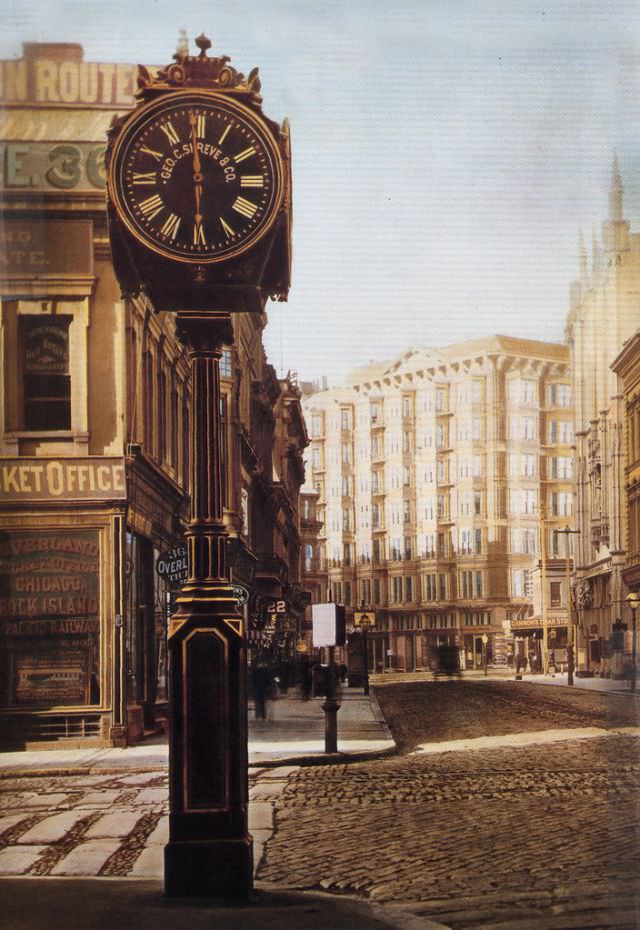
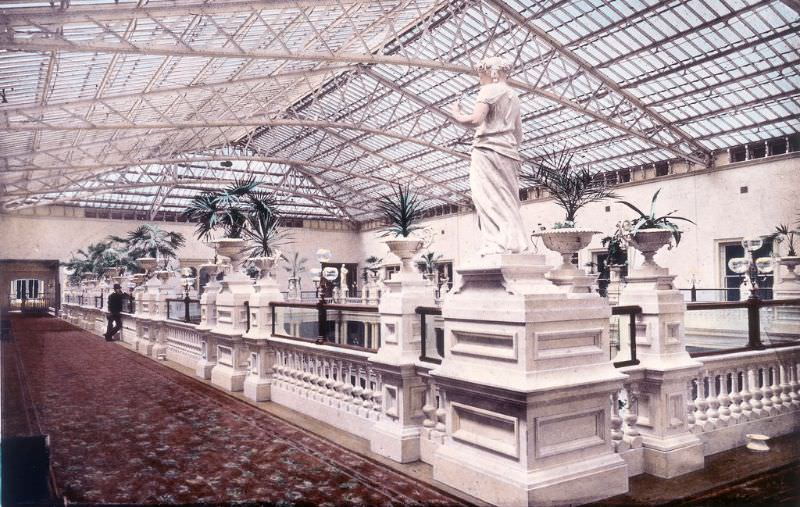
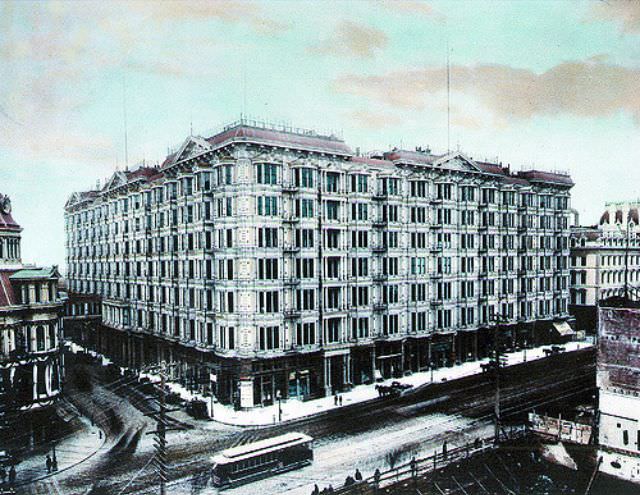
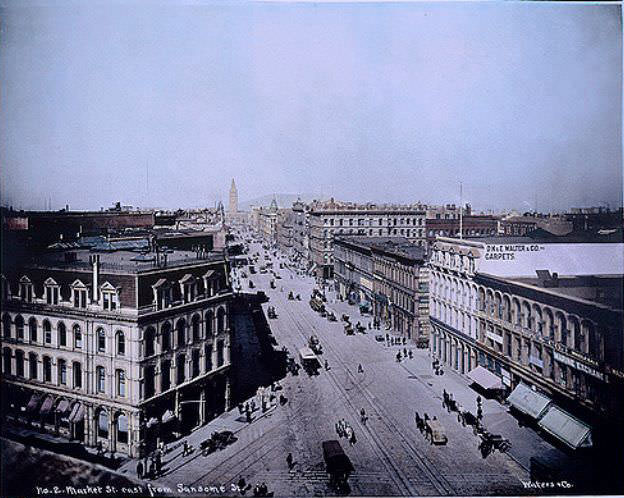
By the 1870s and 1880s, San Francisco had grown into one of the most important cities in the American West. Market Street became its commercial spine, lined with banks, shops, and grand buildings that reflected the city’s new wealth. The Palace Hotel, which opened in 1875, was among the most luxurious hotels in the entire country at the time — a seven-story structure with an interior courtyard that drew visitors from around the world.


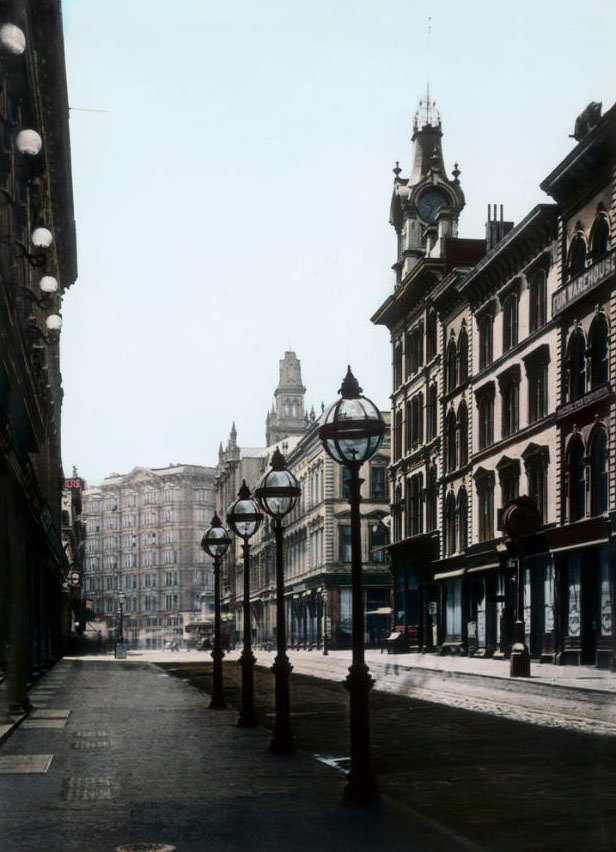
The Palace Hotel stood as the crown jewel of the city’s business district. Its grand upper corridors and ornate interior design set a standard for hospitality that few buildings in the West could match. Looking down Montgomery Street toward Market, the Palace’s bulk dominated the skyline at the end of the road, a constant reminder of how far San Francisco had come since its Gold Rush days.


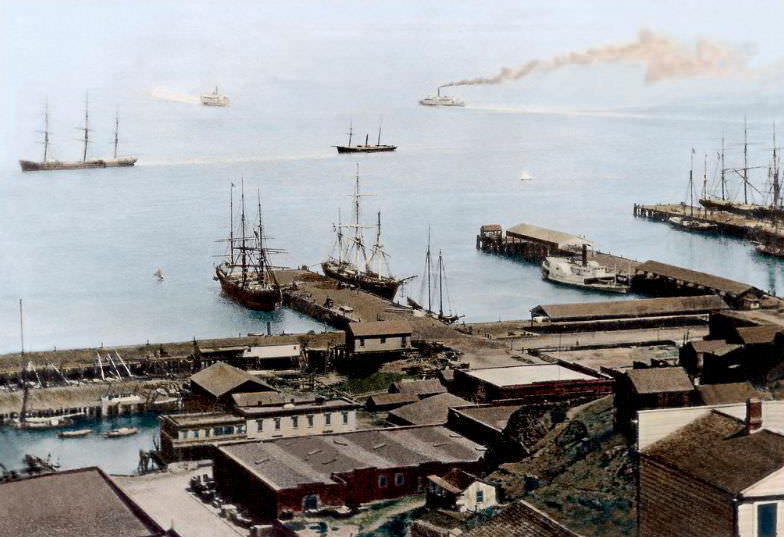
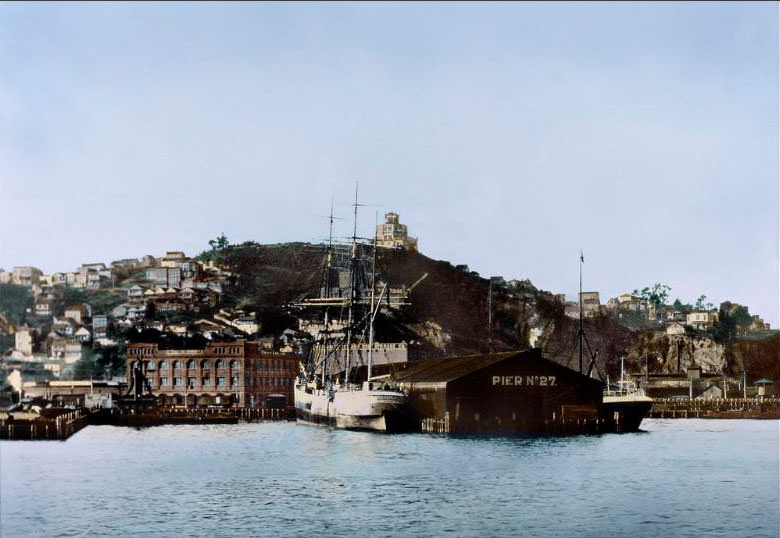
The waterfront continued to evolve through the mid-1880s. Pier 27 and the surrounding docks handled enormous volumes of cargo and passengers. Streets like Market and Sansome connected the harbor to the rest of the city, forming busy corridors that hummed with carriages, workers, and commerce every day of the week.


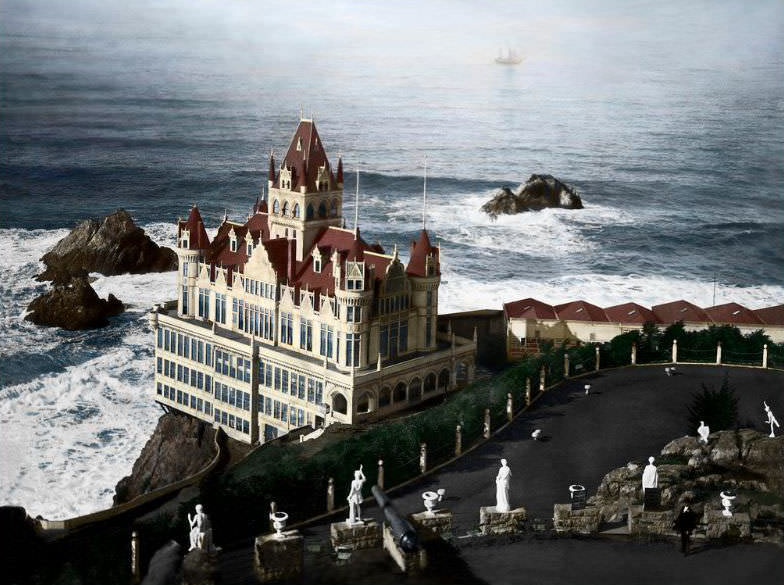
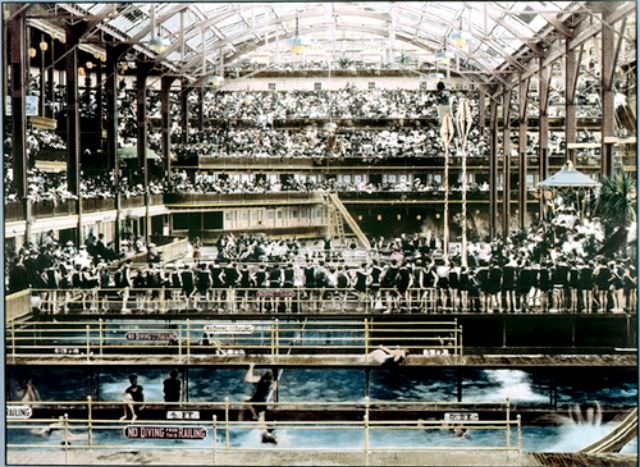
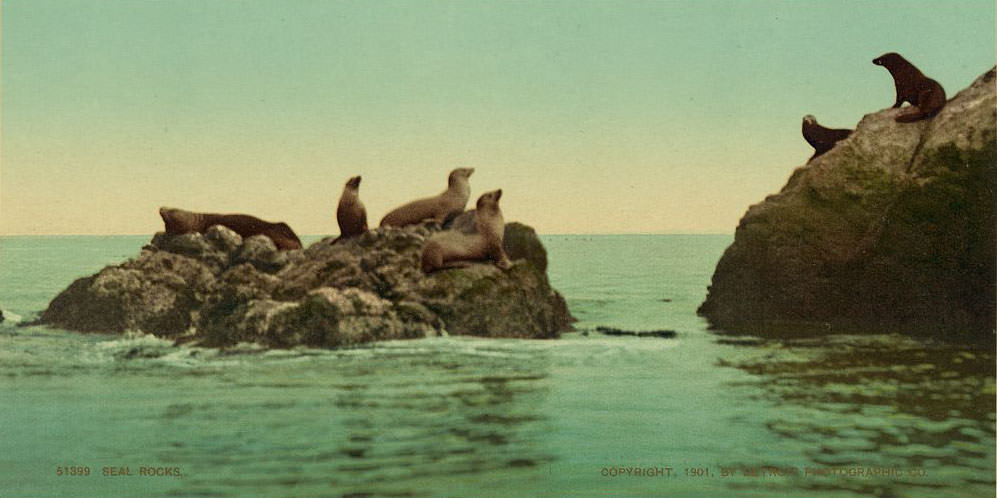
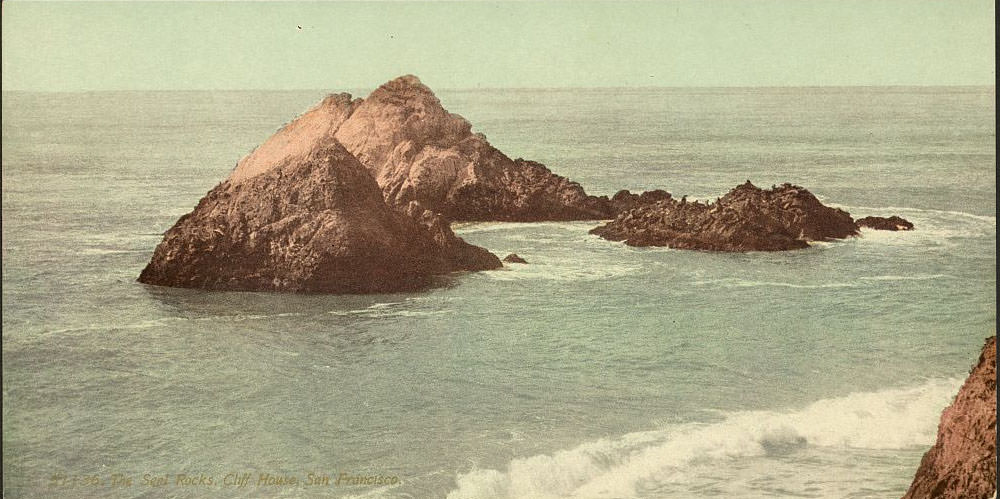
The western edge of the city offered a very different atmosphere. The Cliff House, perched on the rocks above Ocean Beach, became a popular destination for San Franciscans looking to escape the bustle of downtown. The second Cliff House — built after the original burned down in 1894 — drew large crowds who came to watch sea lions on the nearby Seal Rocks and take in sweeping views of the Pacific. Just to the north, Adolph Sutro opened his famous Sutro Baths in 1896, a massive indoor swimming complex that could hold thousands of visitors at once.


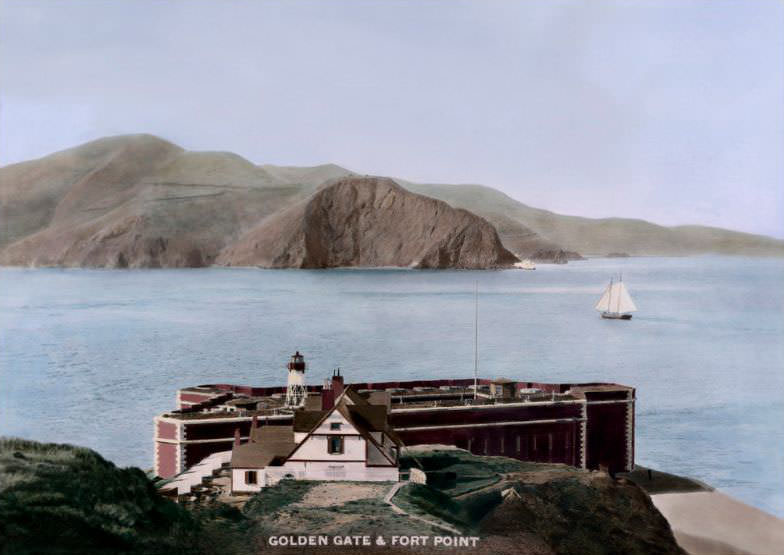
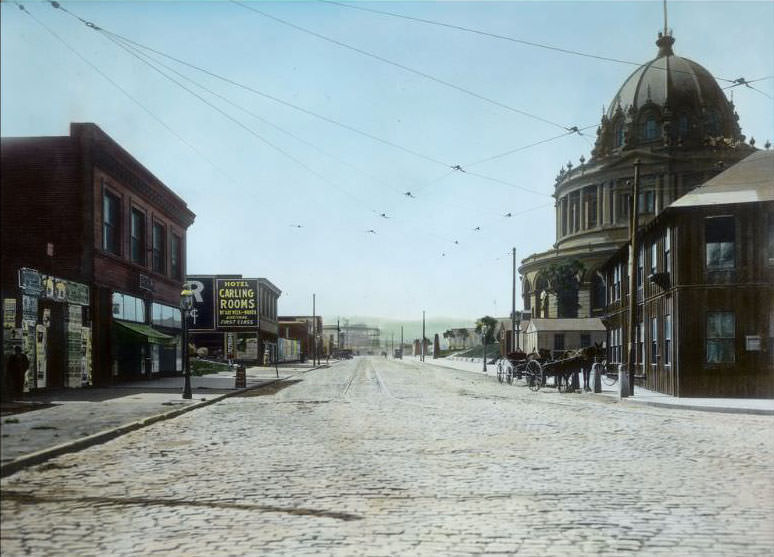
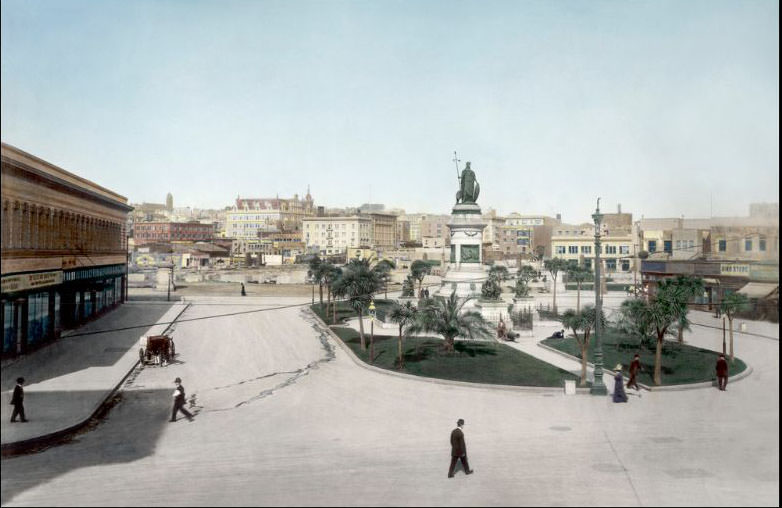
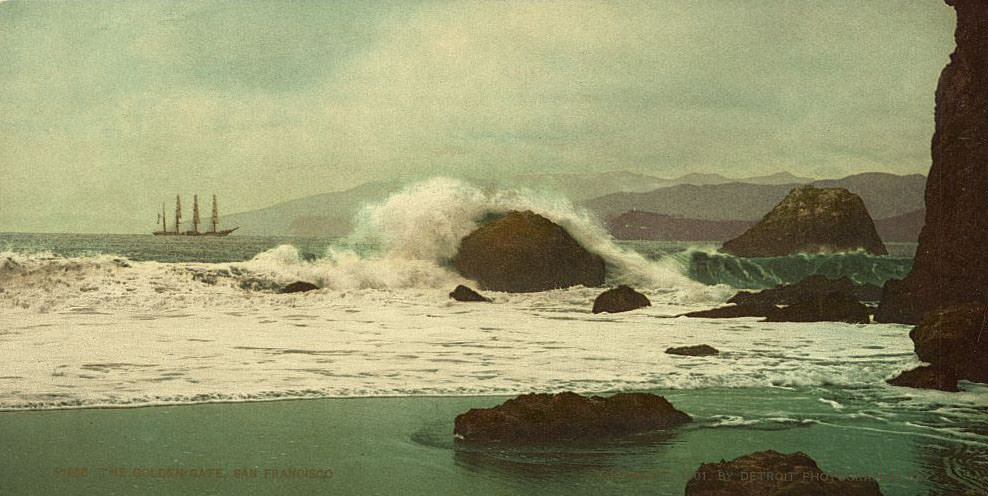
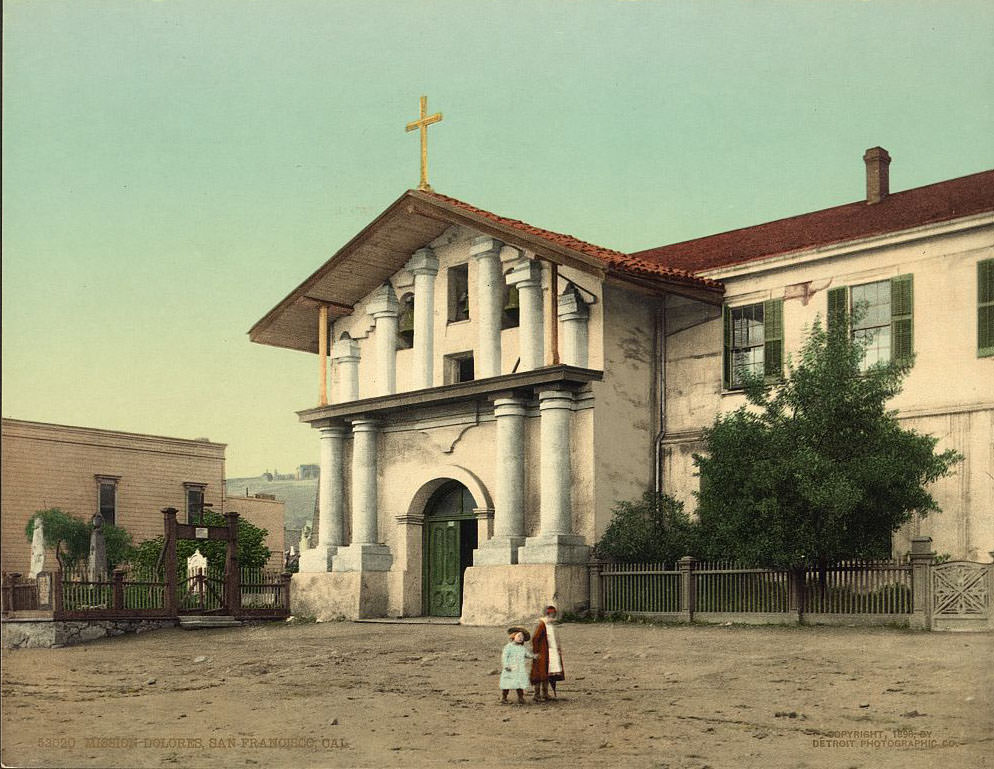
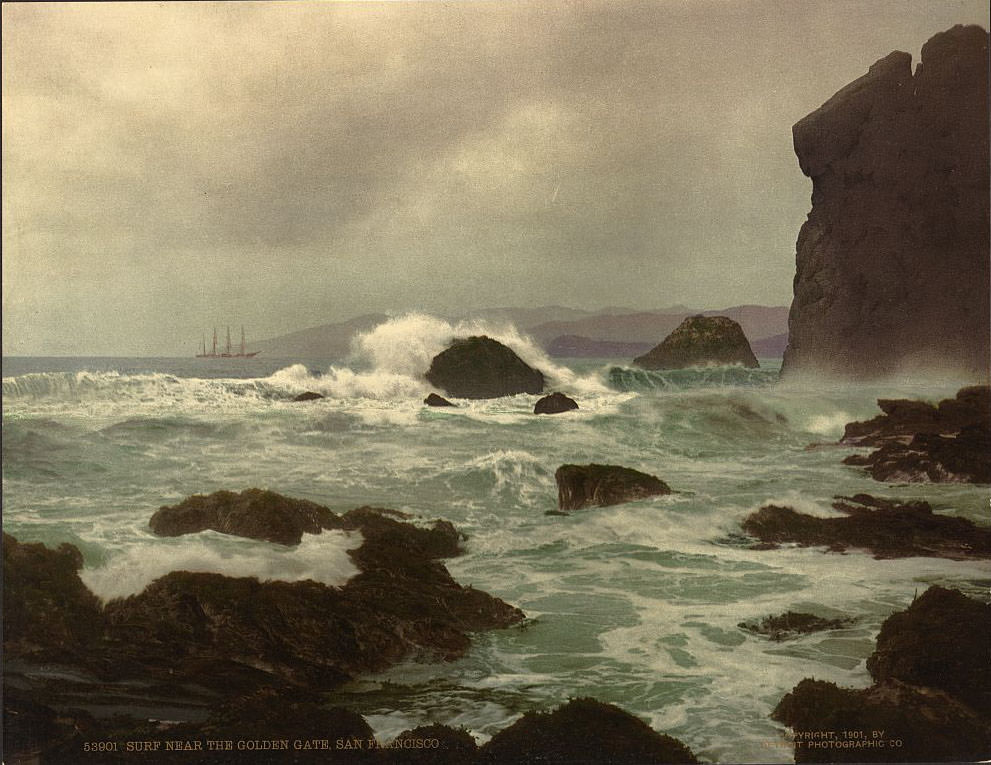
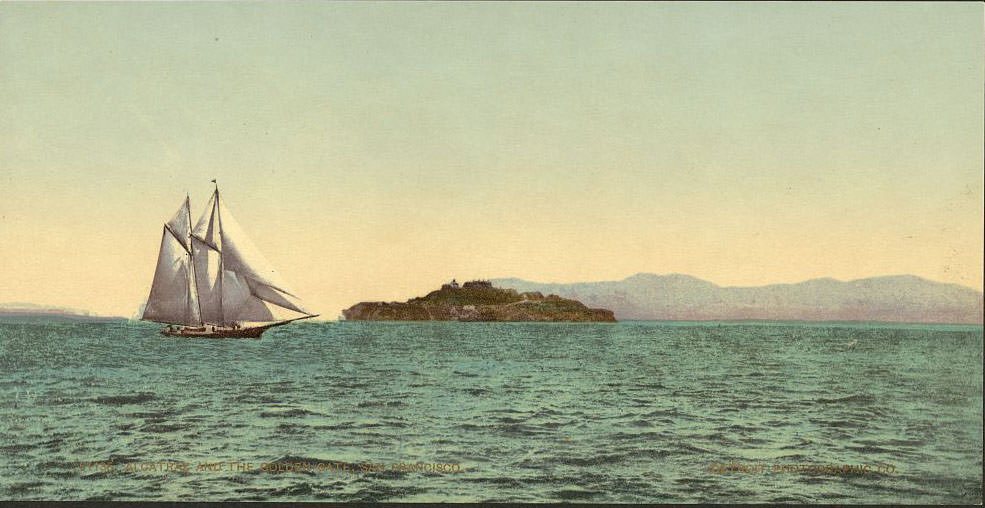
Back in the city proper, the Civic Center and surrounding neighborhoods took shape through the 1890s. Mission Dolores — the oldest intact building in San Francisco, founded in 1776 — stood as a quiet contrast to the modern city growing up around it. The Golden Gate strait, long before a bridge ever crossed it, was already one of the most photographed natural features on the West Coast, drawing painters, photographers, and tourists alike.