Ramon Casas was one of the most important figures in Catalan Modernisme, the local version of the Art Nouveau movement that swept through Europe in the late 19th century. Based in Barcelona, Casas used his posters to challenge traditional artistic norms and push graphic design in a bold new direction. His work didn’t just decorate walls — it helped define an entire cultural moment.
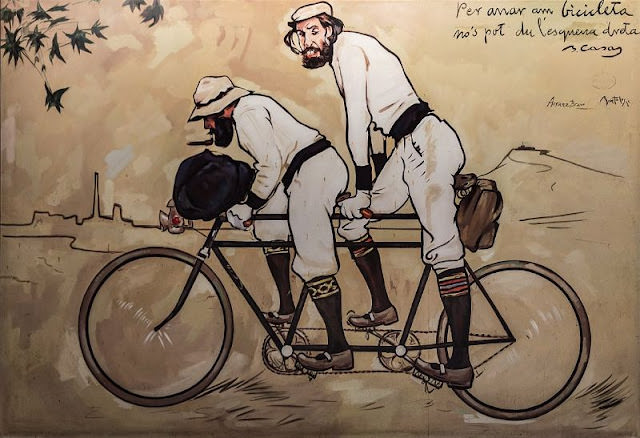
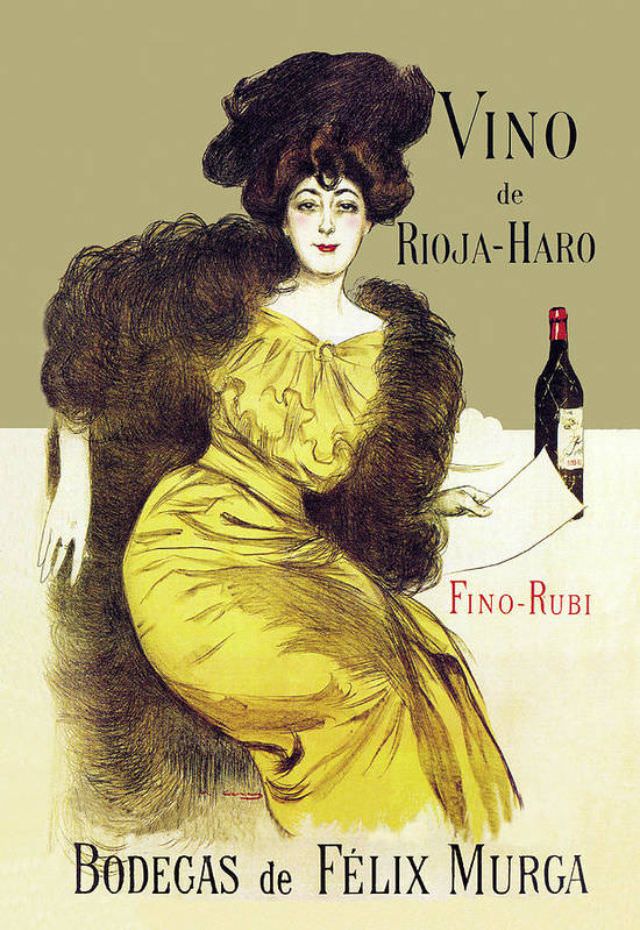
Casas drew heavily from French Impressionism and Japanese printmaking. He used strong outlines, vivid color, and a sense of motion that made his figures feel alive. These weren’t stiff commercial illustrations — they carried the same energy found in his painted portraits. That combination of fine art technique and graphic clarity set his posters apart from anything else being produced in Spain at the time.
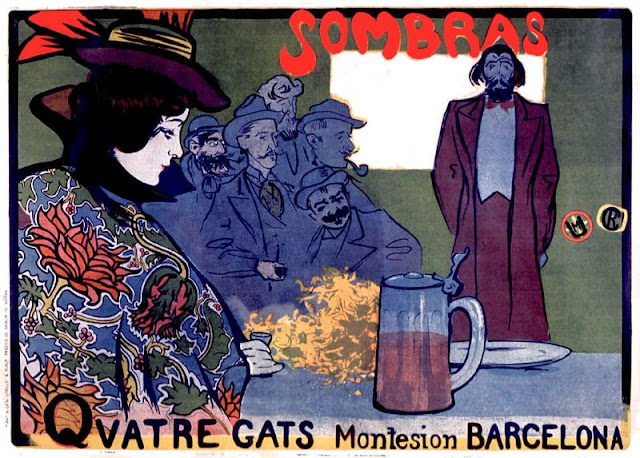
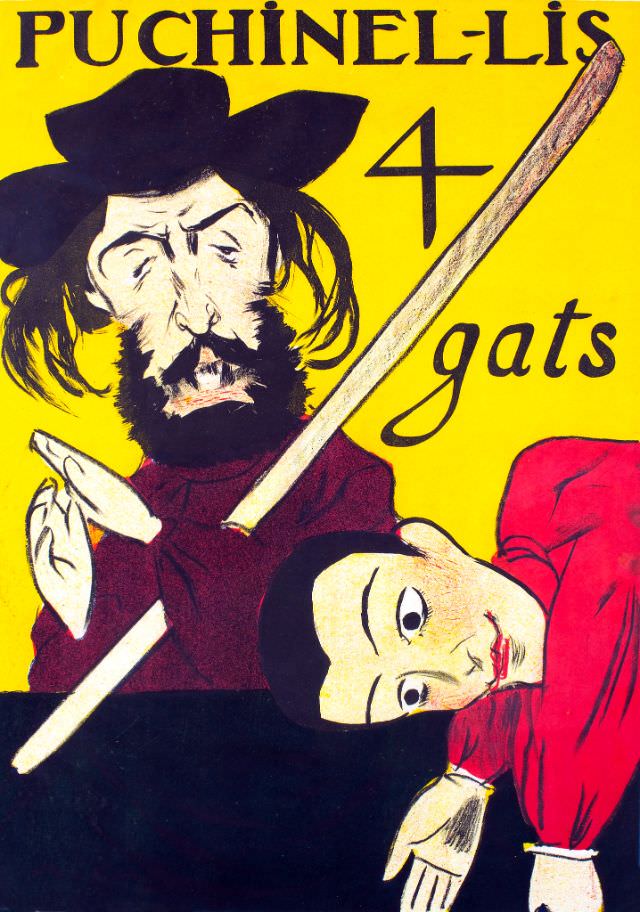
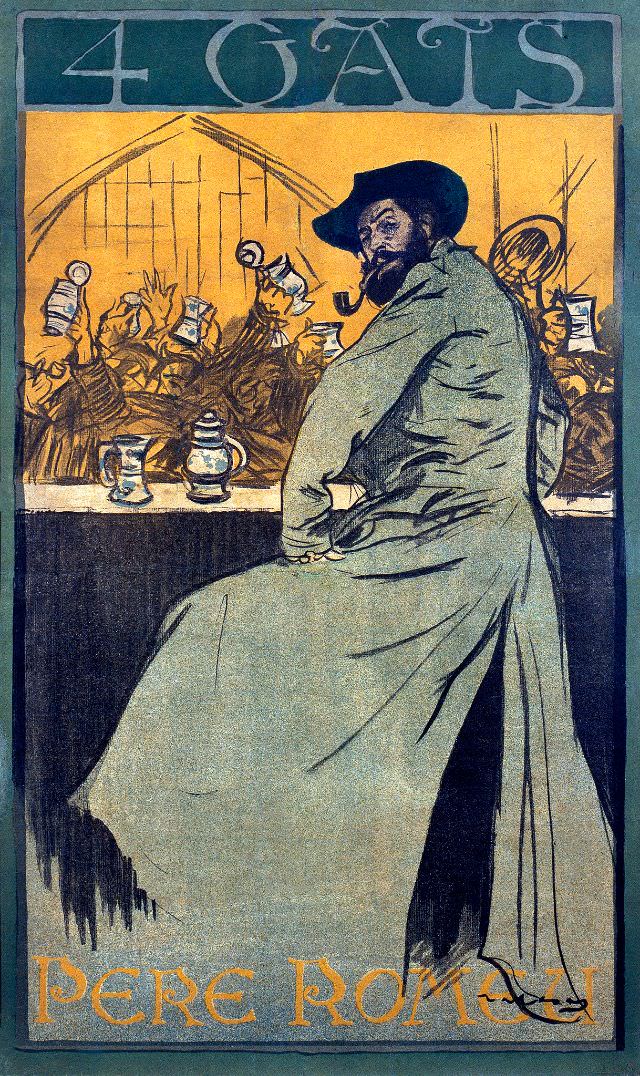
Els Quatre Gats, the famous Barcelona café that served as a gathering place for artists and intellectuals, was closely tied to Casas’s early poster output. He created work for its events and puppet shows, tying his graphic art directly to the cultural life of the city. The café itself became a symbol of Modernisme, and Casas’s posters were part of its identity.
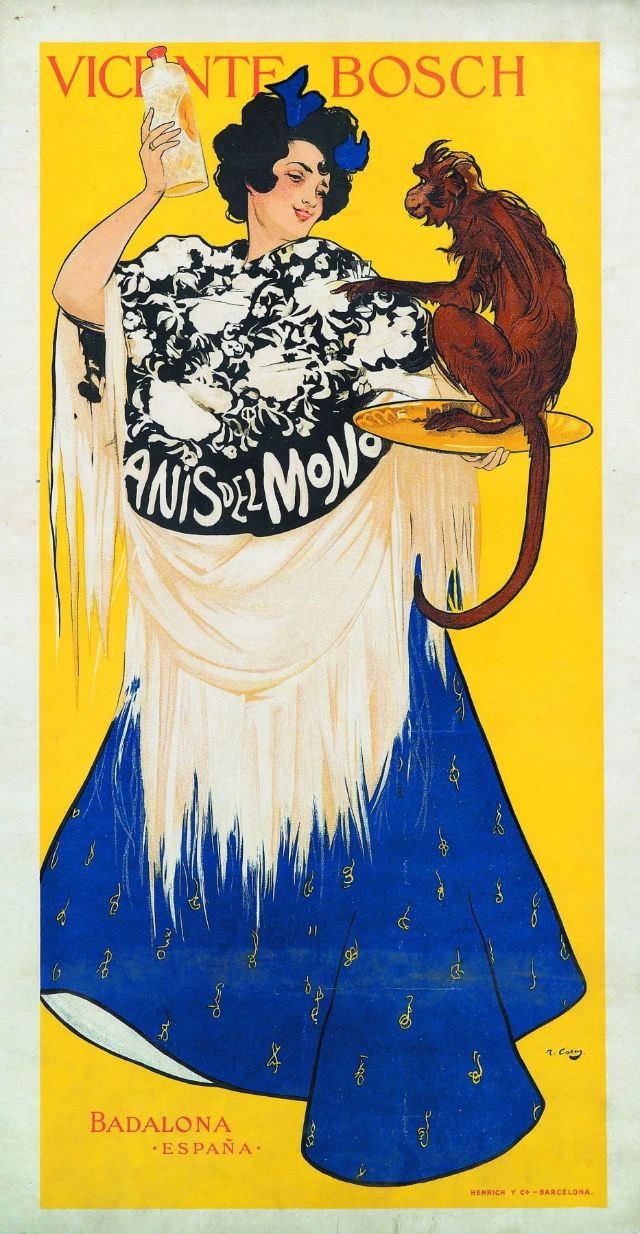
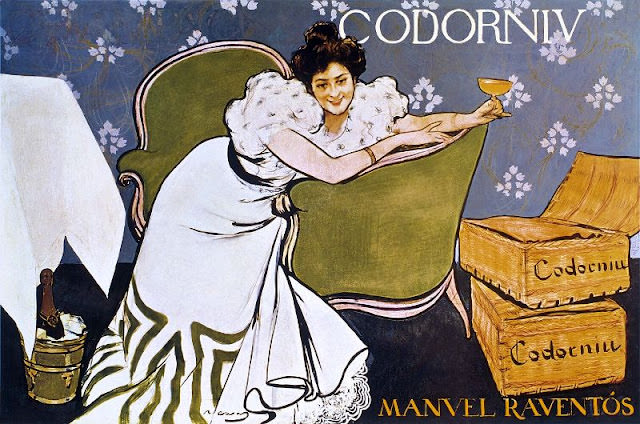
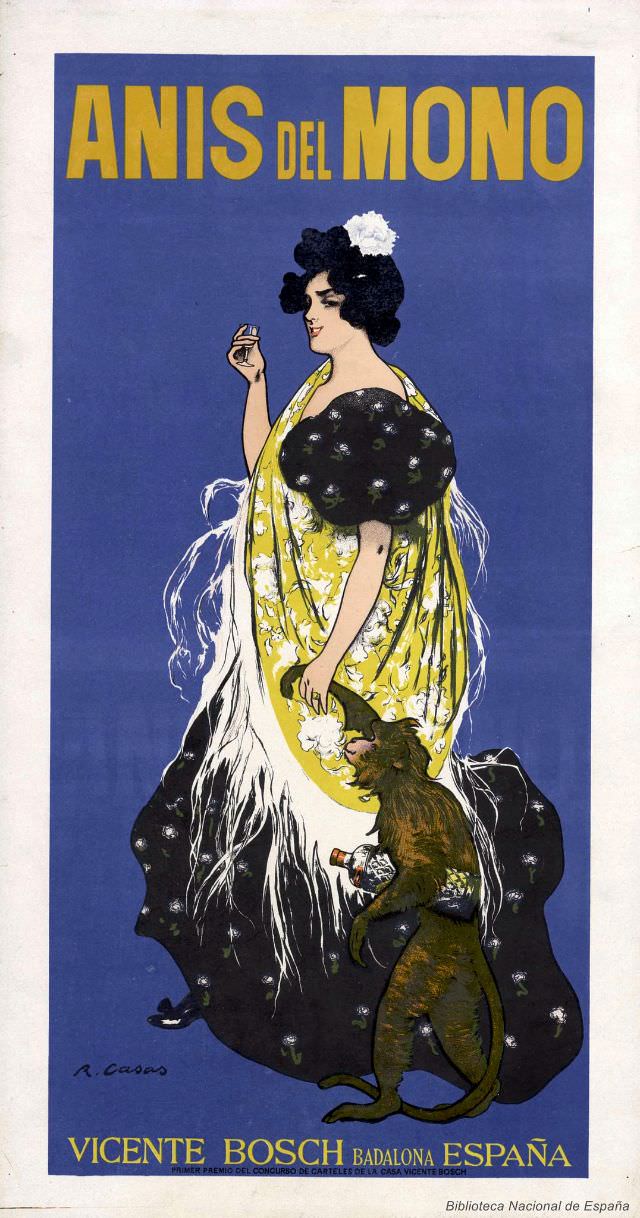
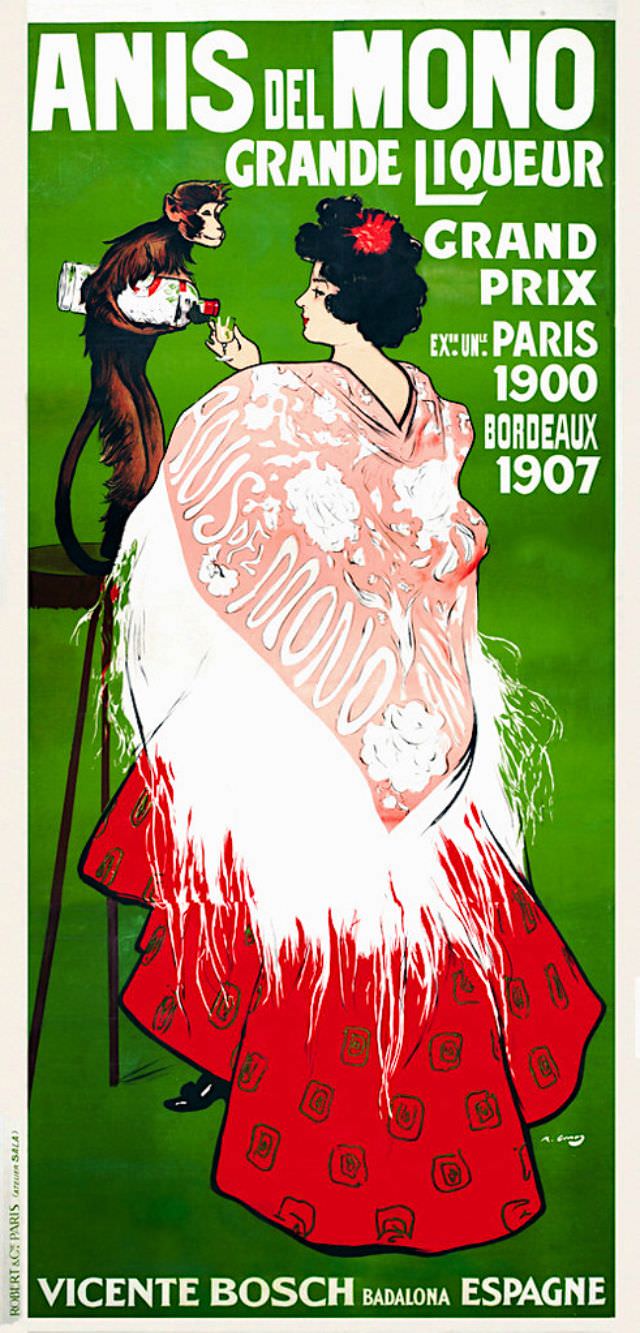
By 1898, Casas was producing commercial posters for well-known Spanish brands. His work for Anís del Mono, a popular anise liqueur from Badalona, showed how naturally he moved between fine art and advertising. Around the same time, he created posters for Codorníu, the prestigious Catalan cava producer. Both campaigns demonstrated his ability to make a product feel sophisticated without losing visual impact.
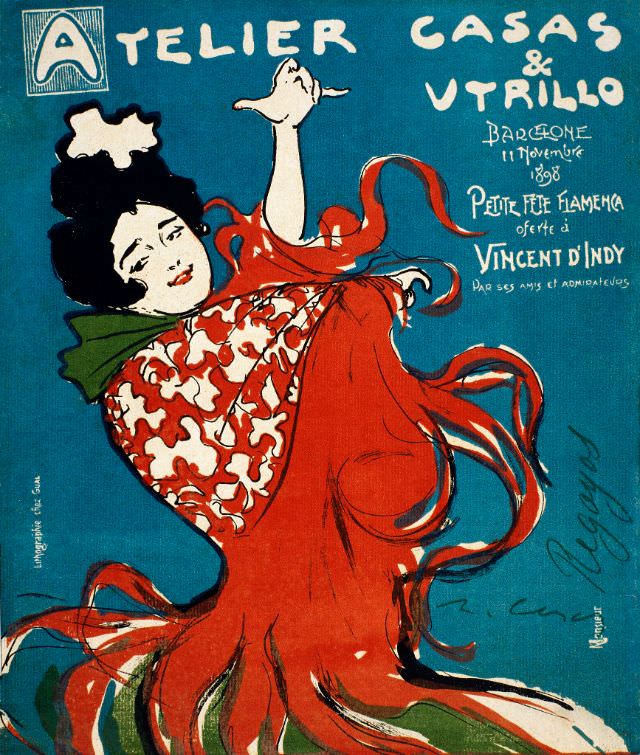
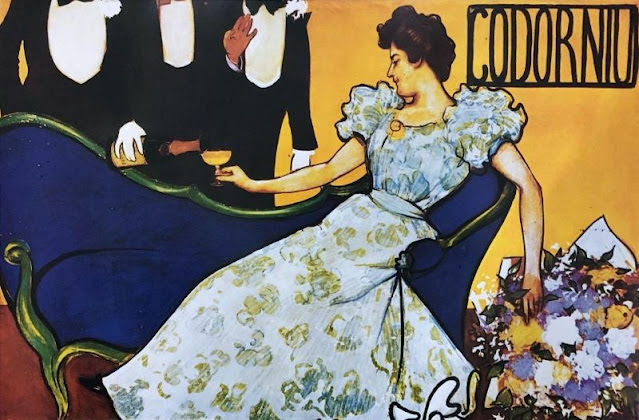
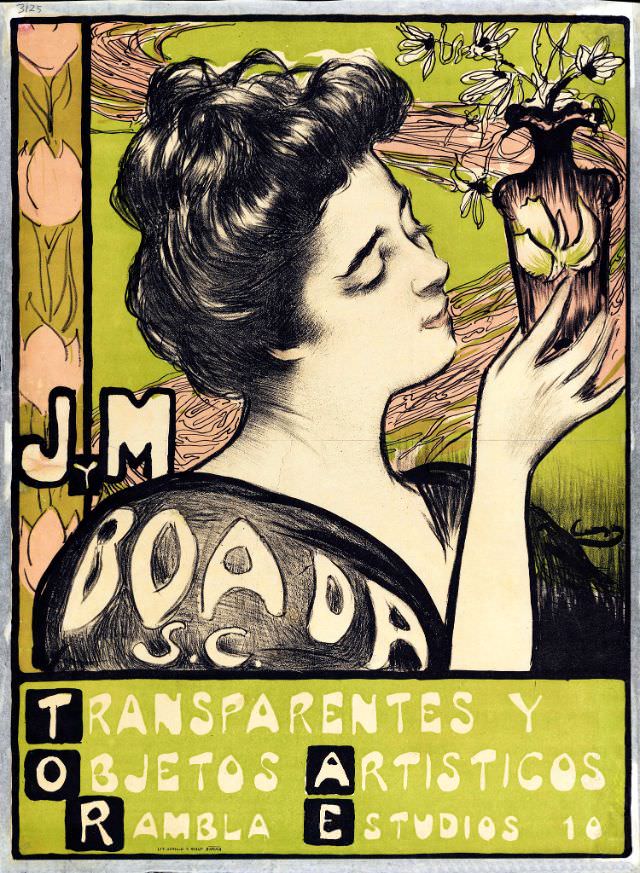
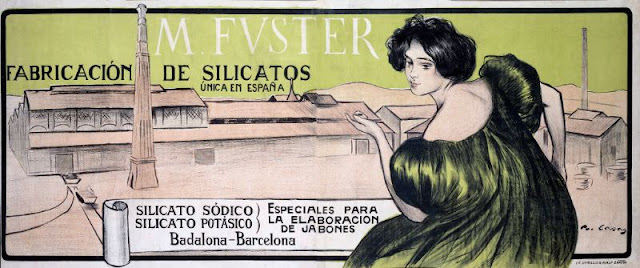
Casas ran a shared atelier with fellow artist Miquel Utrillo, and together they took on a wide range of commissions. The breadth of his 1898 work alone reveals just how in demand he was. From furniture makers to silicate manufacturers, Casas lent his distinctive style to businesses across Barcelona’s growing industrial economy.
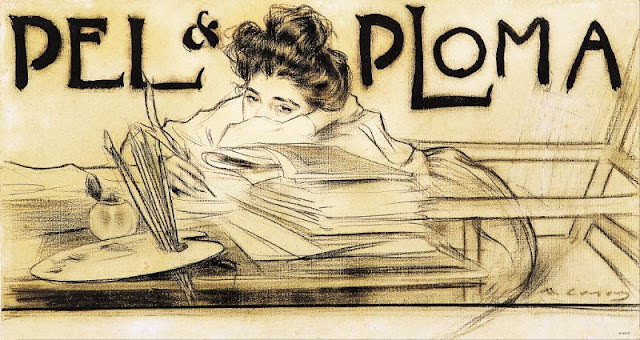
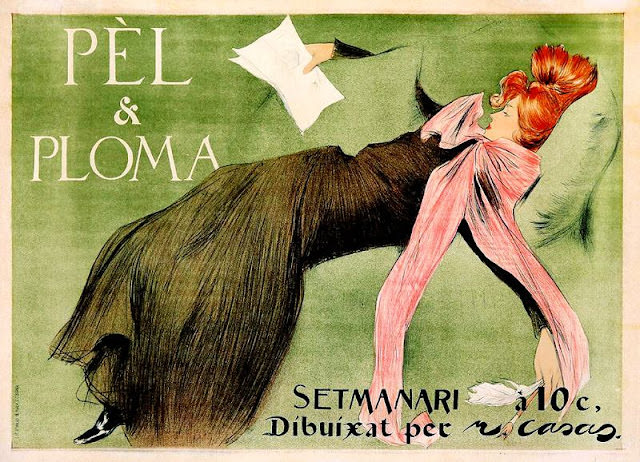
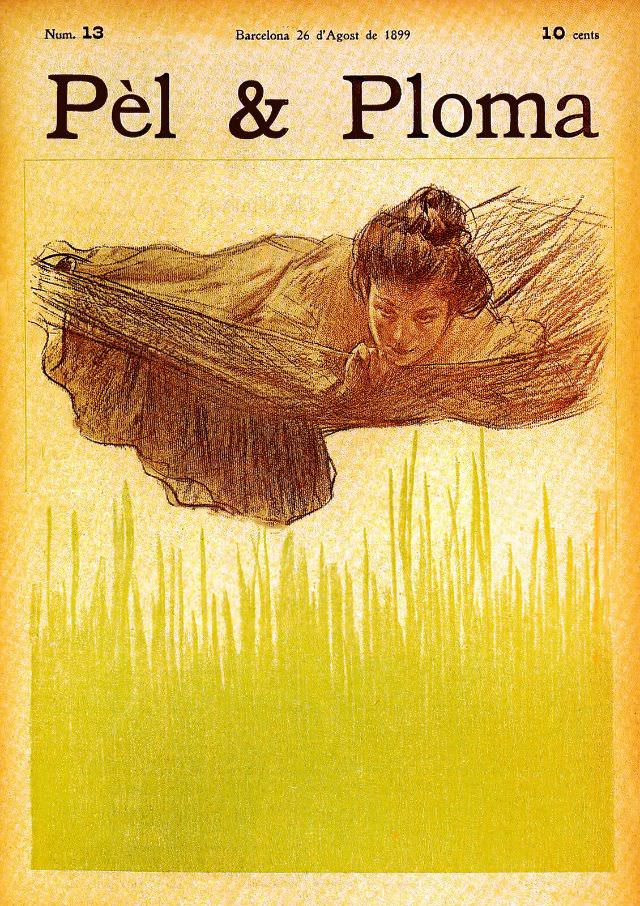
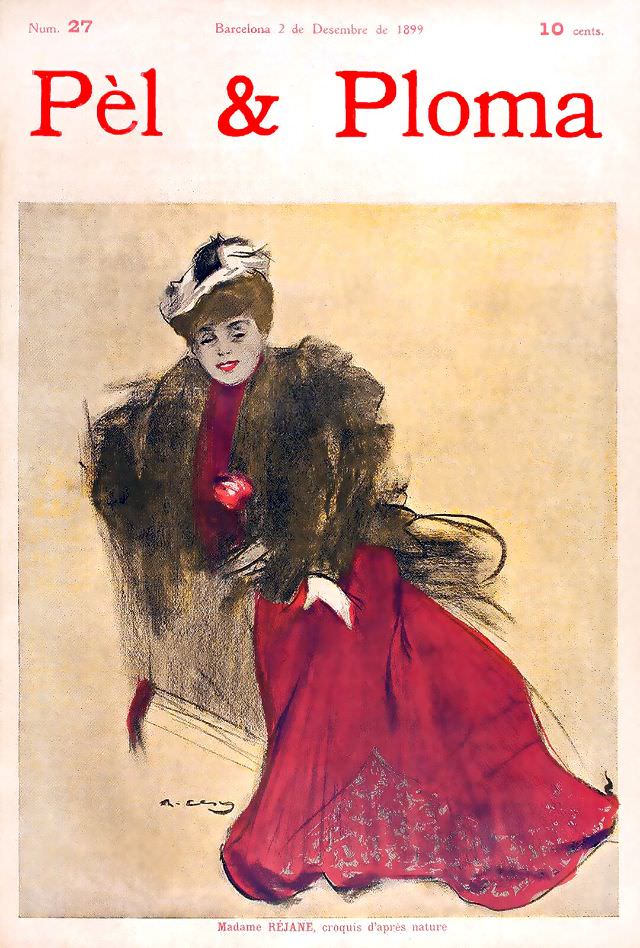
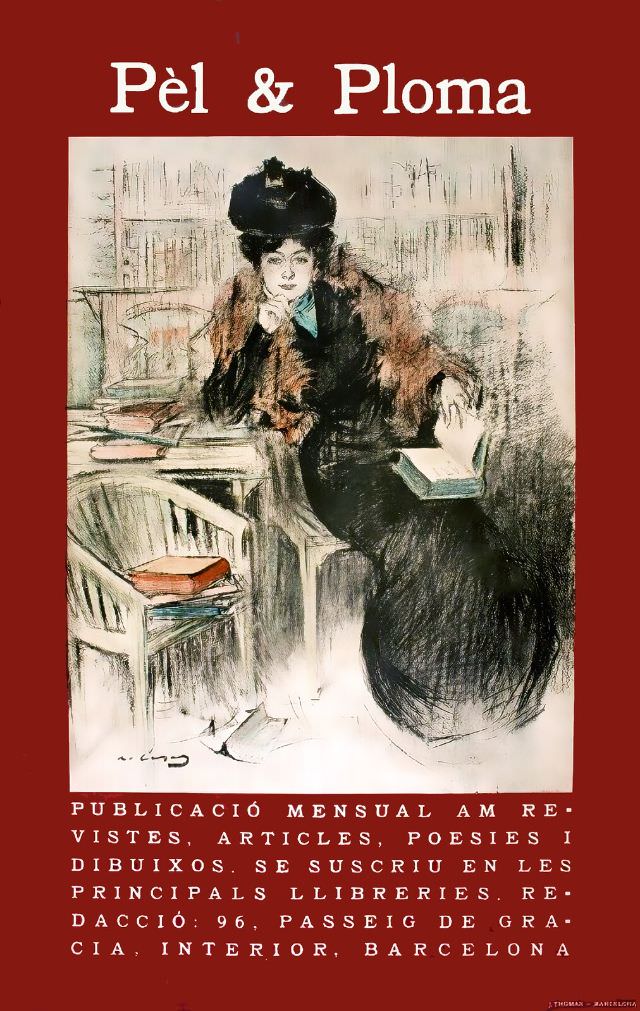
One of Casas’s most sustained projects was his work for Pèl & Ploma, a Catalan arts magazine he co-founded with Utrillo in 1899. He designed multiple covers for it over several years, each one a small showcase of his graphic range. The magazine became a key platform for Modernisme, and its visual identity was inseparable from Casas’s hand.
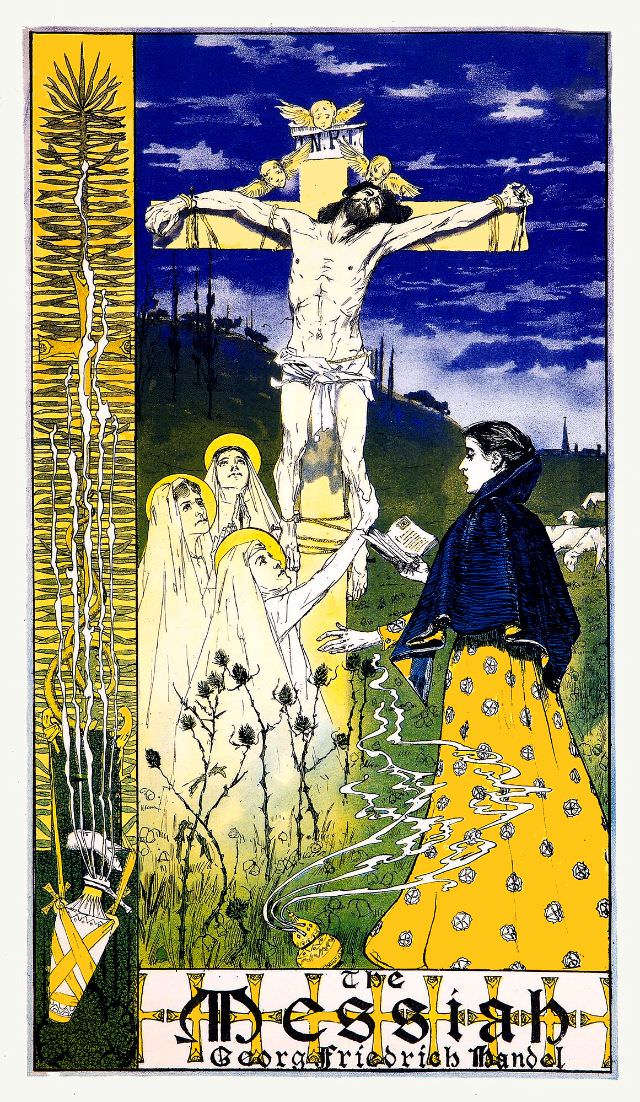
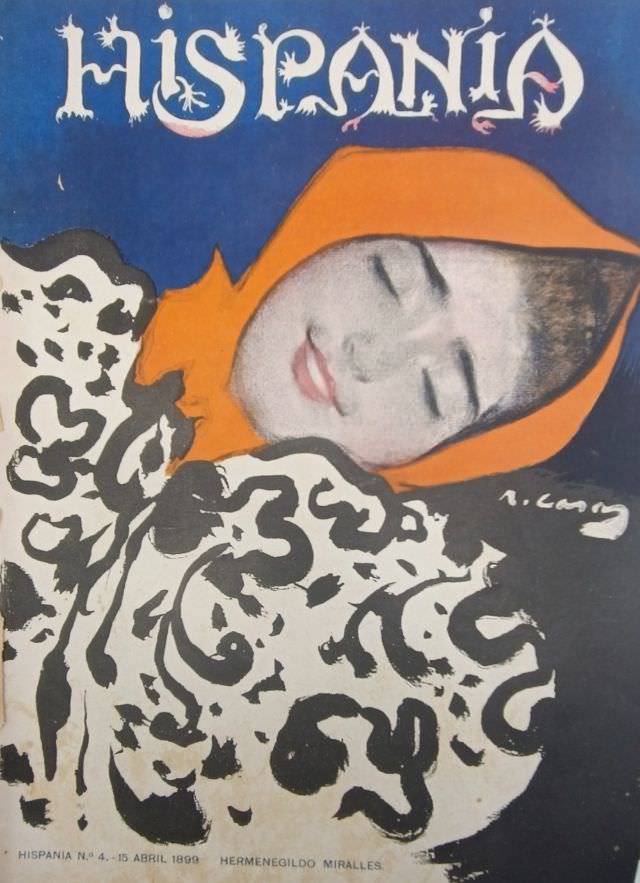
Casas also contributed cover designs to Hispania, another Barcelona publication that featured art, literature, and current affairs. His covers gave both magazines a consistent visual prestige that helped them reach audiences beyond Catalonia.
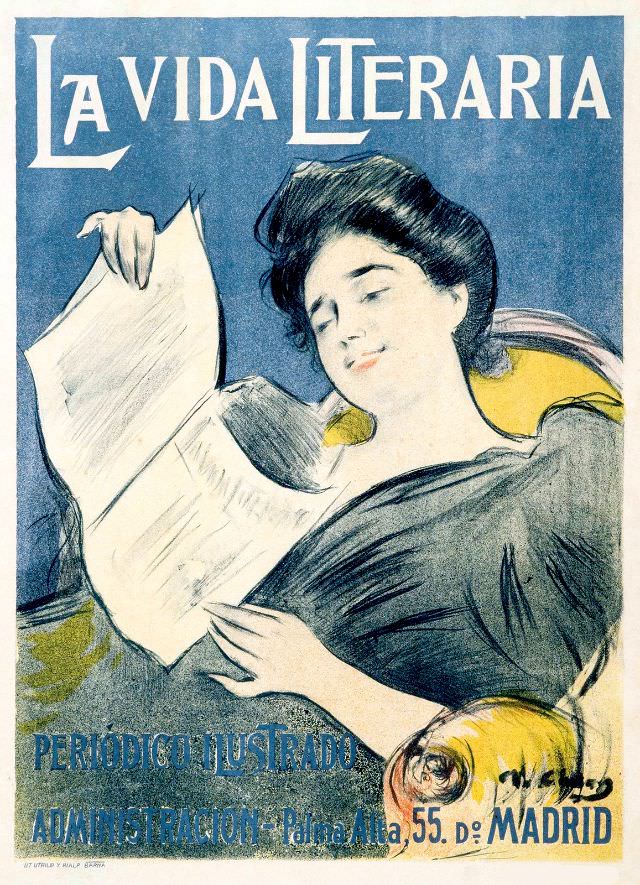
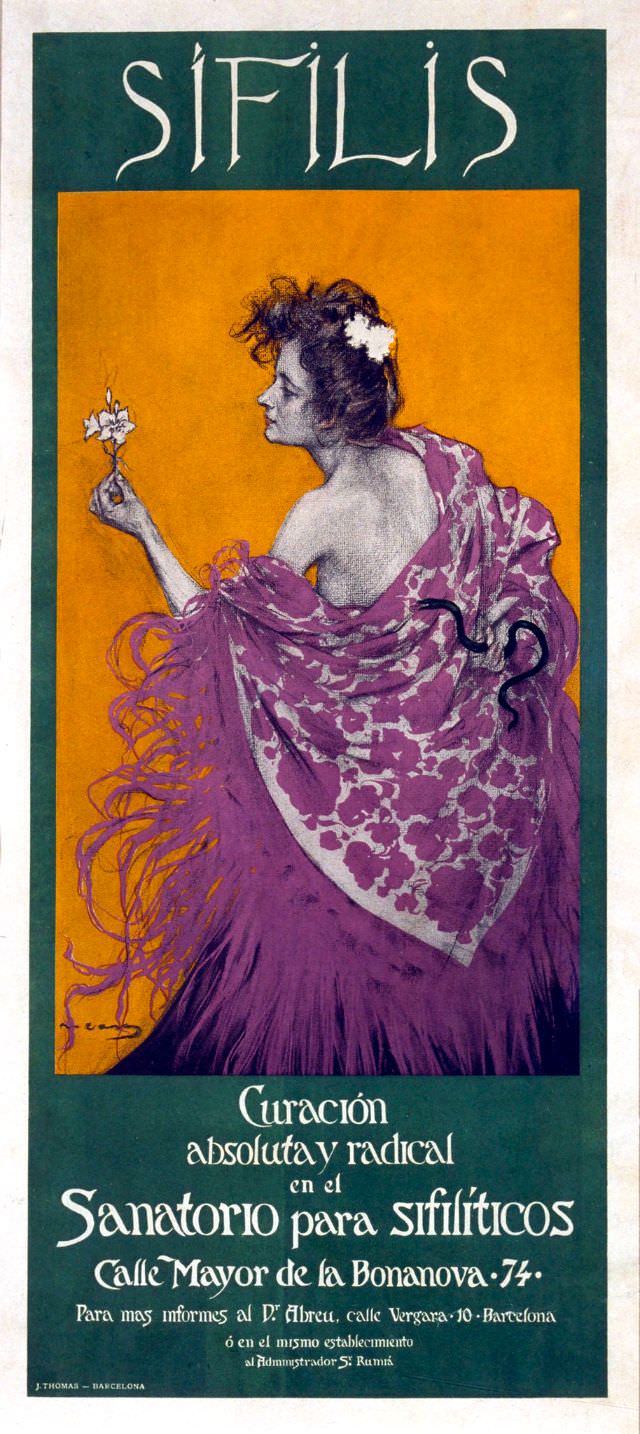
As the new century opened, Casas kept expanding his range of subjects. He designed posters for a Madrid literary journal, a Parisian cigarette brand, and even a public health campaign addressing syphilis. That last poster is a direct example of how poster art in this era served urgent social functions alongside commercial ones.
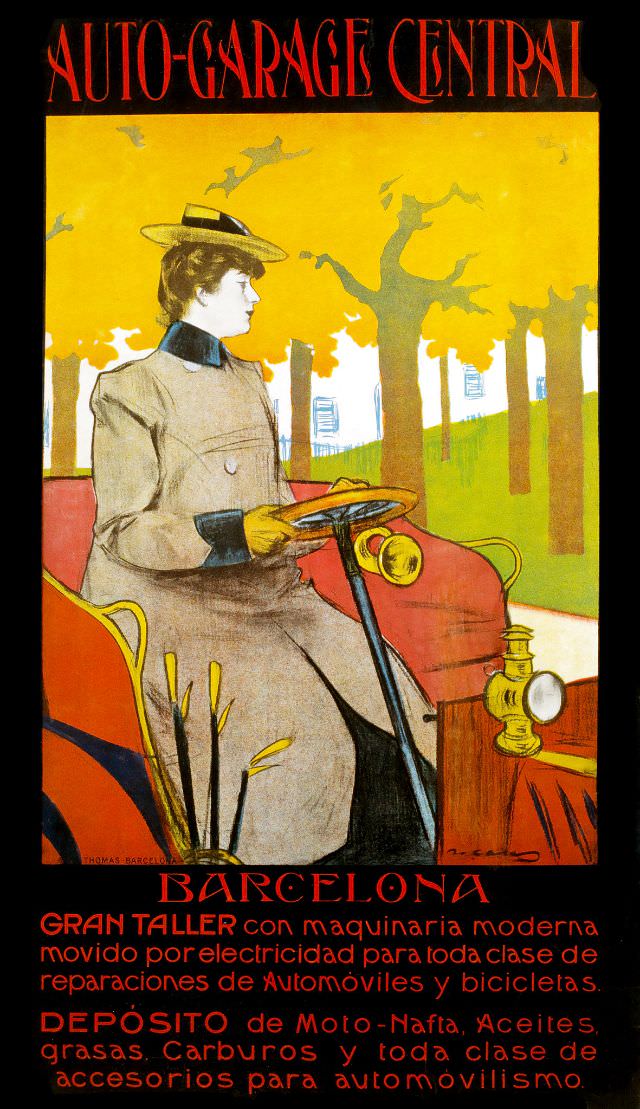
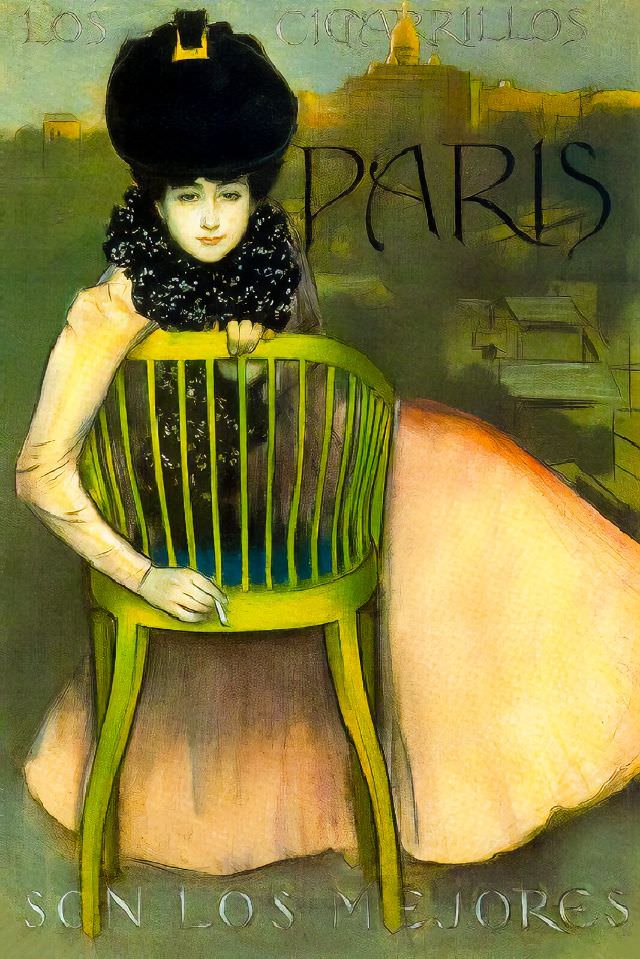
The early 1900s also brought commissions tied to Barcelona’s rapid modernization. A poster for the Auto-Garage Central in 1901 placed Casas at the intersection of art and the emerging automobile age. His Cigarrillos París poster the same year nodded to Montmartre, the Parisian neighborhood that had long inspired him during his years studying in France.
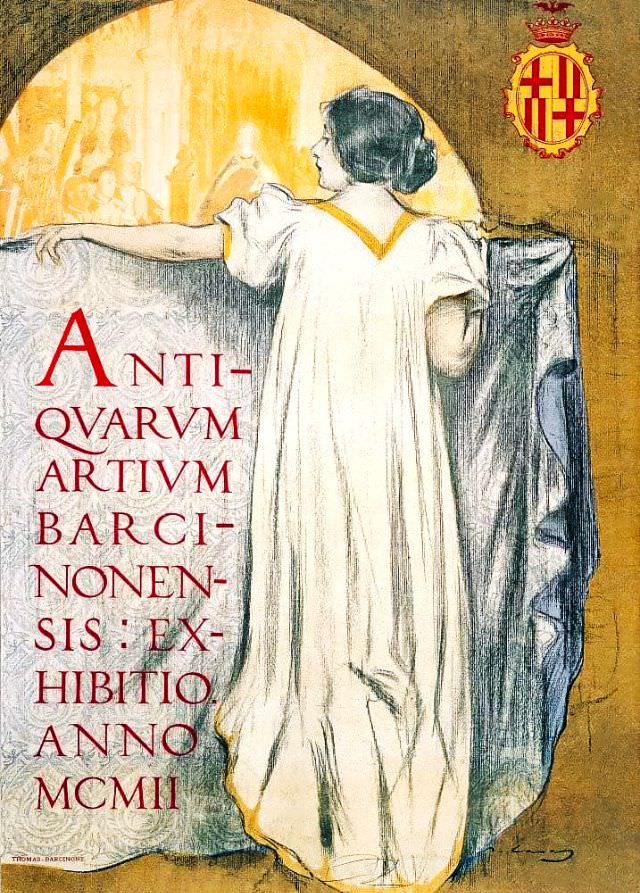
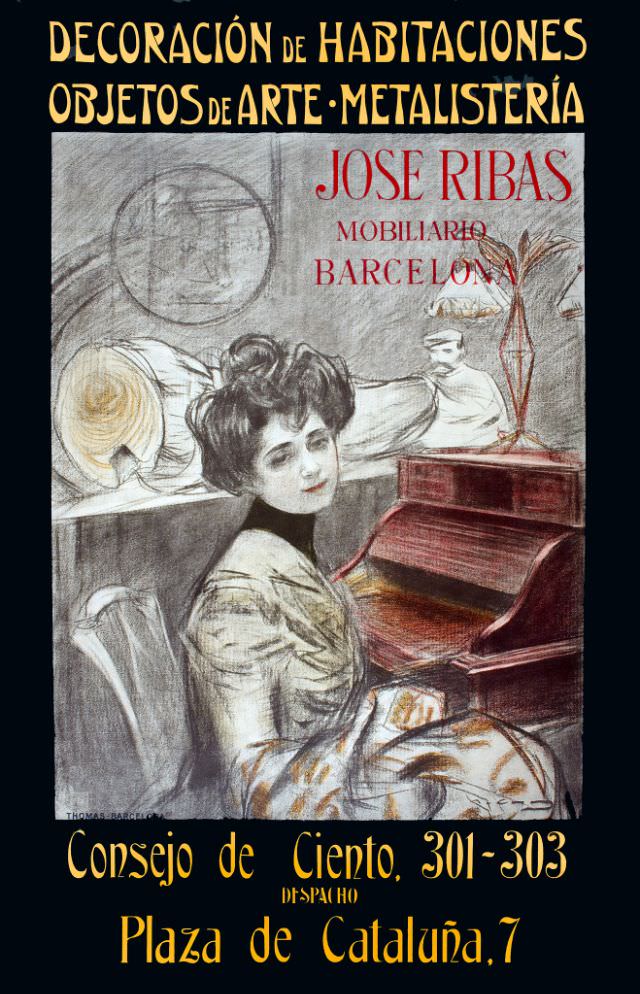
By 1902, Casas was taking on prestige cultural commissions alongside his commercial work. The Antiquarum Artium Barcinonensis poster signaled his involvement in the city’s broader heritage and exhibition culture. His poster for furniture maker José Ribas that same year showed the same elegance applied to everyday trade.
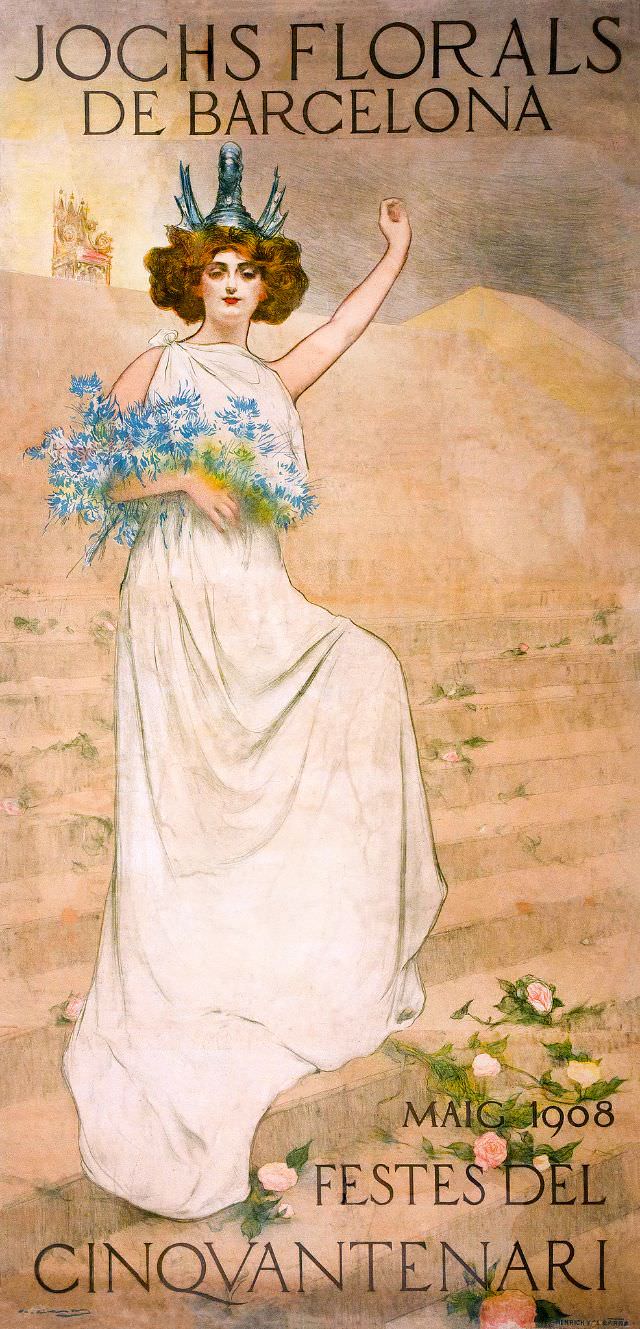
Casas returned to the Anís del Mono brand around 1907, producing a new version of the campaign that showed his style had matured without losing its directness. His 1908 poster for the Jochs Florals de Barcelona — the city’s celebrated Catalan-language poetry festival — reflected his ongoing ties to Catalan cultural institutions.
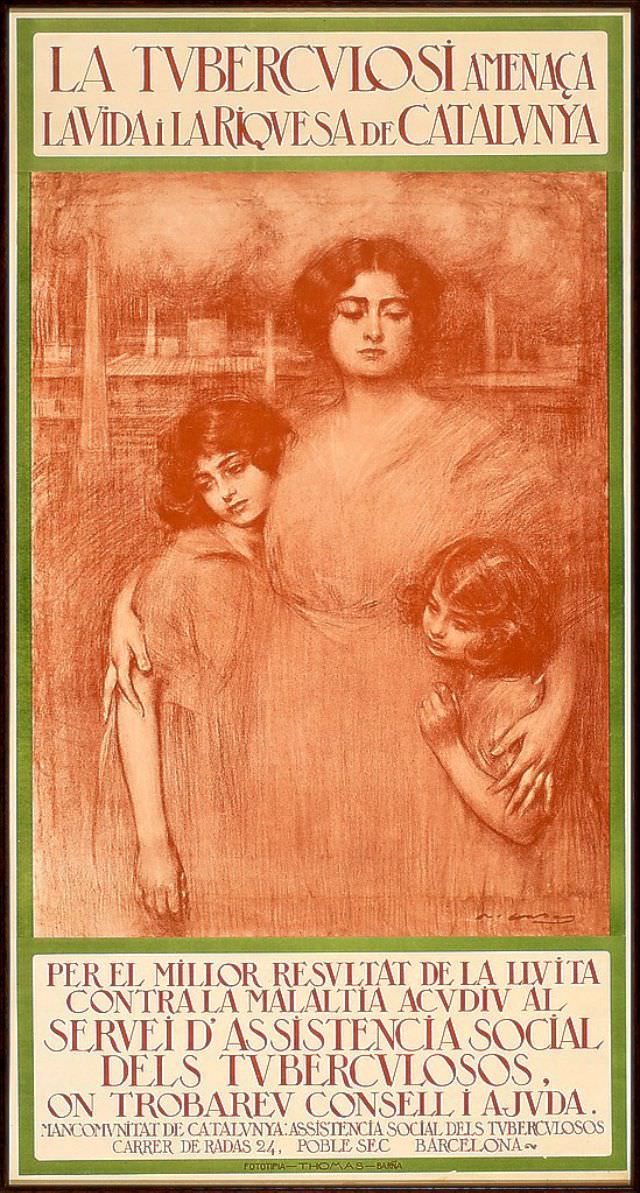
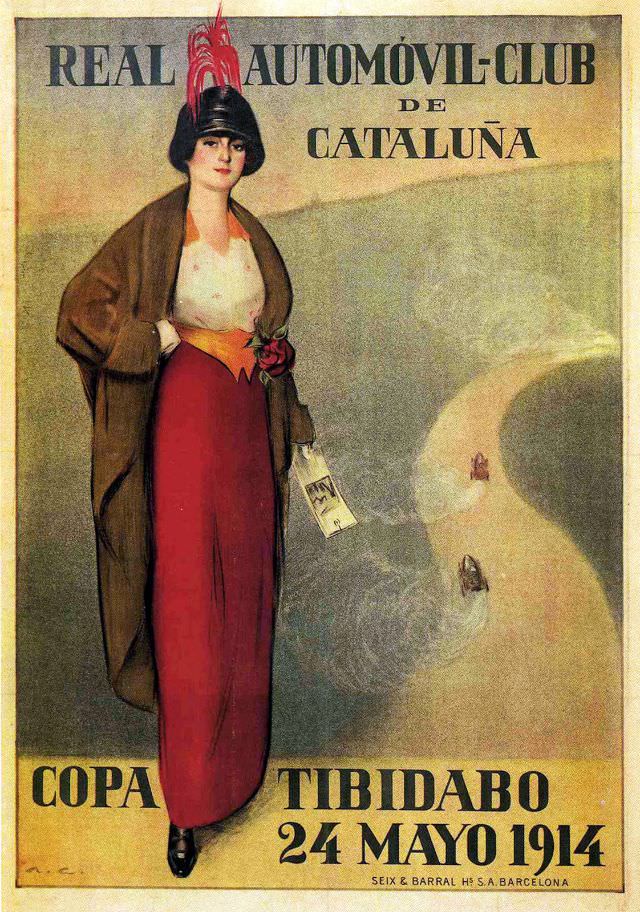
In the 1910s, Casas turned his skills toward public health and civic causes. A tuberculosis awareness poster, produced for a Catalan health campaign, warned plainly that the disease threatened both life and the region’s prosperity. His 1914 poster for the Real Automóvil Club de Cataluña’s Copa Tibidabo race brought his career full circle — from the bicycles of 1897 to the motor age of early 20th-century Barcelona.