
On the morning of December 10, 1967, Otis Redding boarded a Beechcraft H18 twin-engine plane in Cleveland, Ohio. He was 26 years old and at the height of his career. He had concerts lined up, recordings in progress, and a band of young musicians traveling with him. By early afternoon, he was dead at the bottom of a Wisconsin lake.
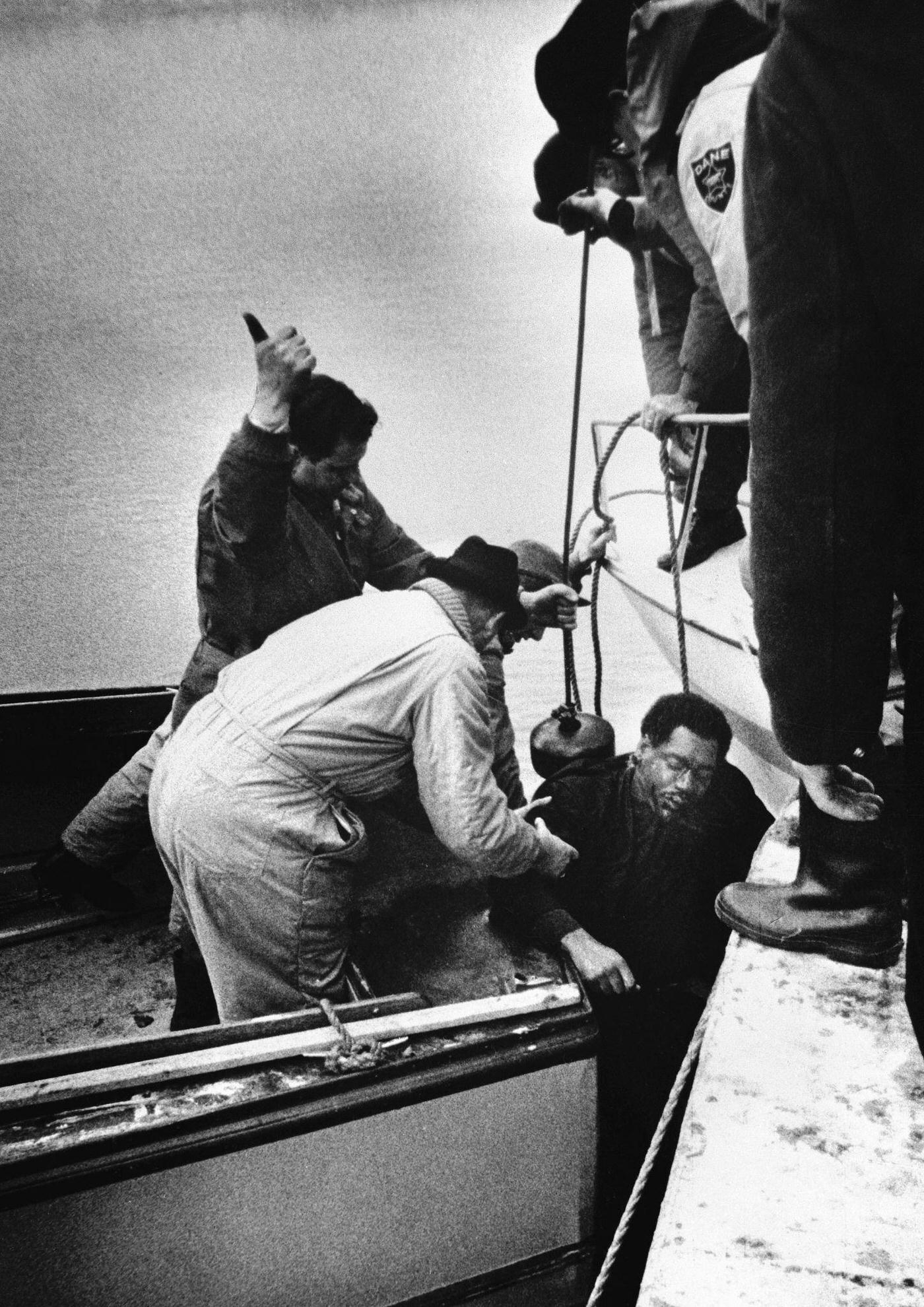
Redding and his backing band, The Bar-Kays, were flying to Madison, Wisconsin, for a scheduled show at the Factory nightclub. The group had been working a heavy touring schedule and this was just another stop. The plane took off from Cleveland in deteriorating weather, with low visibility and freezing temperatures across the region. At approximately 3:28 p.m., the aircraft descended sharply and plunged into Lake Monona, roughly three miles from the Madison airport. The plane hit the water at high speed. Of the eight people on board, only one survived — Bar-Kays trumpeter Ben Cauley, who was thrown clear on impact and clung to a seat cushion until help arrived.
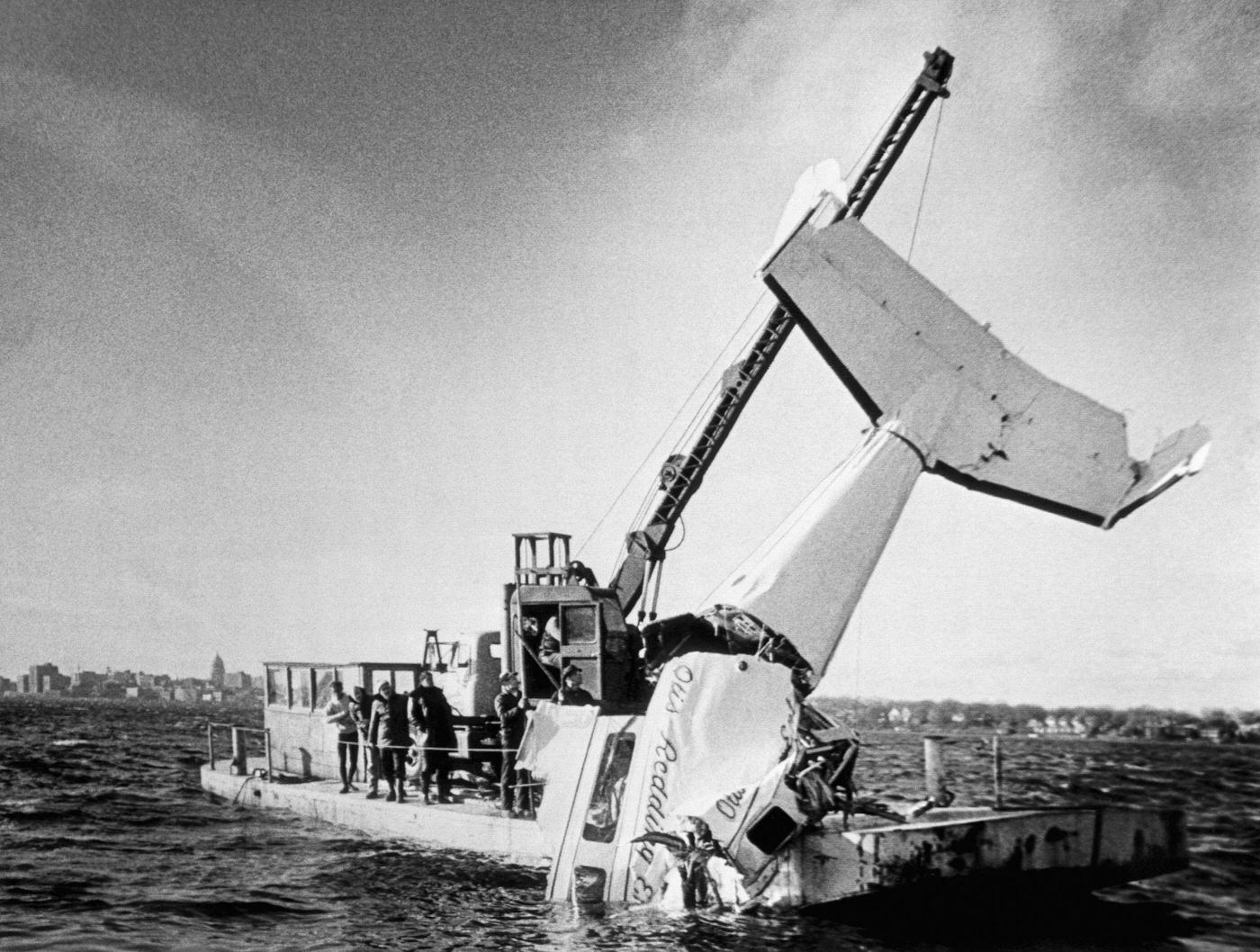
The dead included Redding, along with Bar-Kays members Ronnie Caldwell, Phalon Jones, Carl Cunningham, and Jimmy King. The plane’s pilot, Richard Fraser, also perished. Rescue crews reached the scene within hours, but the water was bitterly cold. The wreckage sank in about 15 to 20 feet of water, and recovery operations were difficult and slow. Divers worked through the night in near-freezing conditions. A crane was eventually brought in to lift the mangled fuselage from the lake bed.
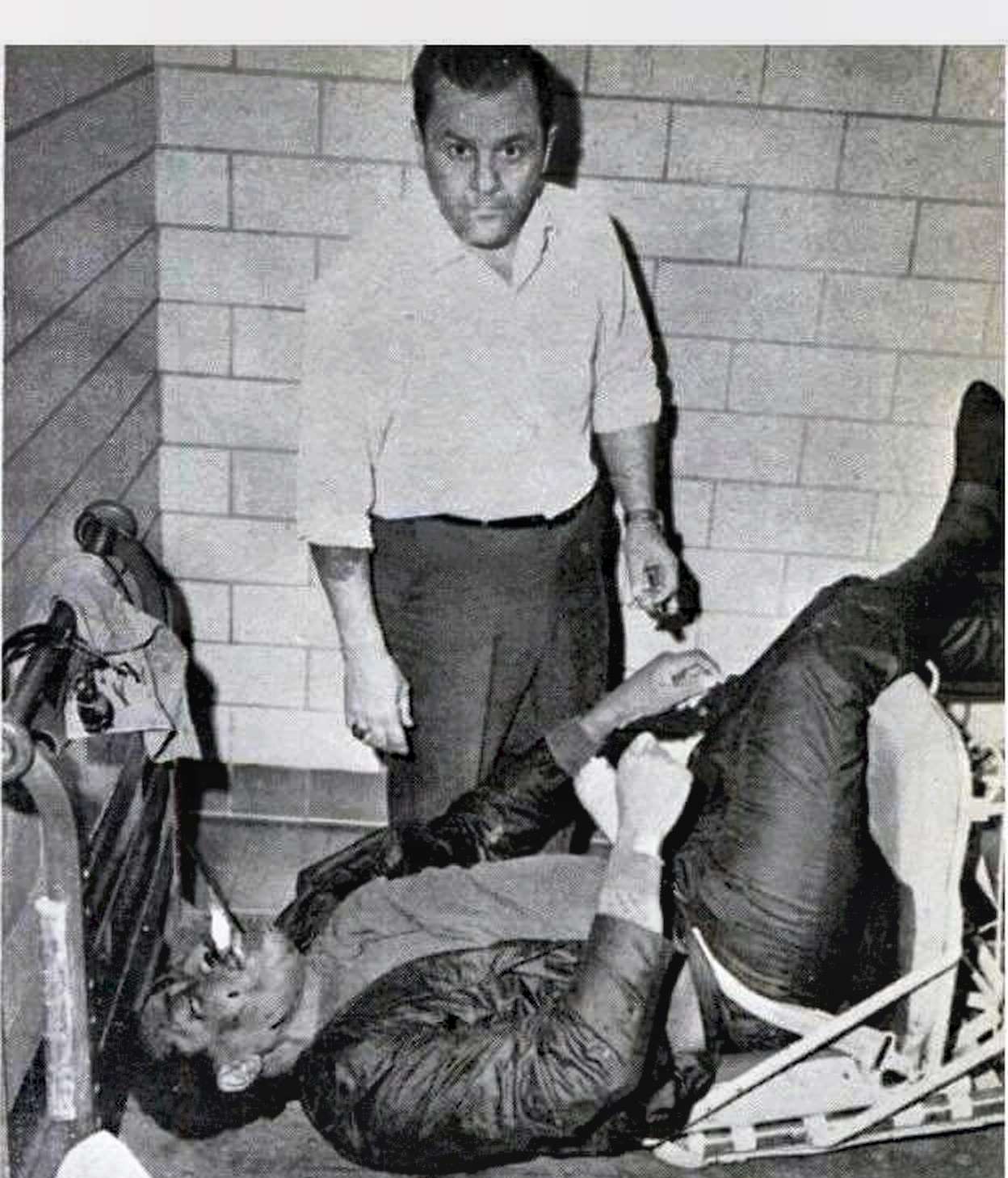
When Redding’s body was located inside the wreckage, recovery teams discovered it had been submerged in freezing water long enough to freeze solid. His body had fused to the floor of the plane’s cabin. Authorities used a blowtorch to cut the remains free from the wreckage. The process caused severe additional damage. His head and torso bore deep burns, and his left arm had been severed at the shoulder. The official cause of the crash was never definitively determined, though investigators pointed to poor weather conditions and possible pilot disorientation as contributing factors.
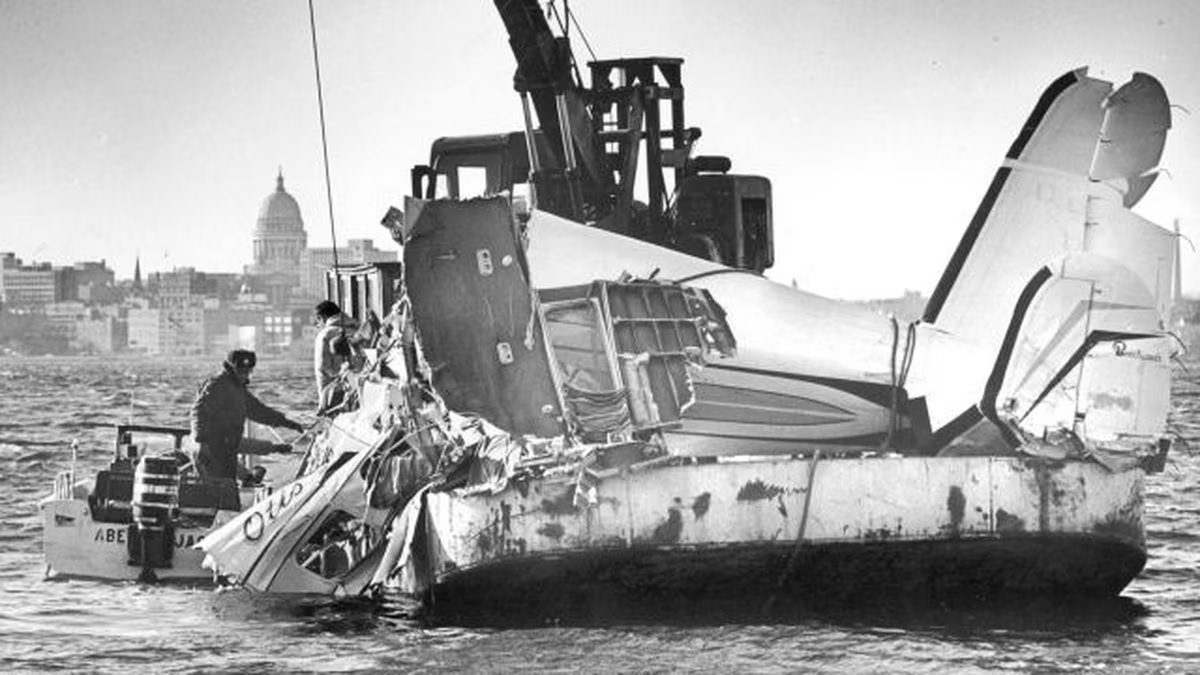
Redding’s body was identified in part through a gold ring he was still wearing. His wife had given him the ring, and it was engraved with the words “Otis Redding, The Big O.” Despite the extensive damage to his remains, the ring had stayed on his finger through the crash, the submersion, and the recovery. It was one of the few intact personal items found on his body.
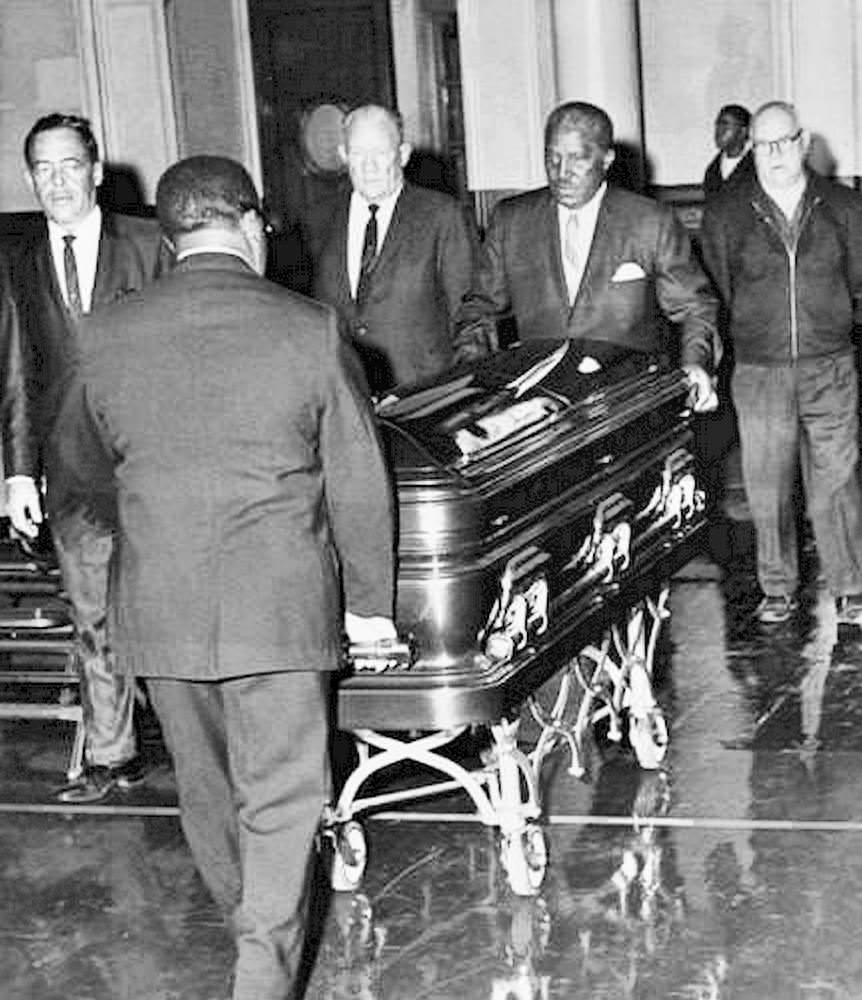
The condition of Redding’s body was so severe that his family initially discussed forgoing a public funeral altogether. The idea of an open casket was out of the question. After several days of deliberation, the family decided to hold a service. It took place on December 18, 1967, eight days after the crash, at the Macon City Auditorium in Macon, Georgia — Redding’s hometown. The service drew an enormous crowd. Thousands of mourners lined up outside the auditorium, and the streets around the building were packed for blocks.
Among those in attendance were some of the biggest names in American music. James Brown, Aretha Franklin, and Stevie Wonder all came to pay their respects. Fellow soul and R&B artists who had toured with Redding or recorded alongside him filled the auditorium. For many of them, Redding had been more than a peer — he had set the standard they measured themselves against. His voice, raw and powerful and full of genuine emotion, had defined what soul music sounded like in that era.
Redding had recorded “(Sittin’ On) The Dock of the Bay” just three days before his death. The session took place in Memphis on December 7, 1967. The song marked a noticeable shift in his style — quieter, more reflective, and built around a simple acoustic guitar riff. He had never released anything quite like it. The track was completed and released posthumously in January 1968, just weeks after his funeral. It became his first number-one single on the Billboard Hot 100.
At the time of his death, Redding had been performing professionally for less than a decade. He had signed with Stax Records in Memphis in 1962, and within a few years he was one of the label’s biggest draws. Songs like “These Arms of Mine,” “Respect,” “Try a Little Tenderness,” and “I’ve Been Loving You Too Long” had made him a headliner at major venues across the United States and Europe. His performance at the Monterey Pop Festival in June 1967 introduced him to a massive new audience of rock fans who had little prior exposure to deep Southern soul.
The Bar-Kays, the young band traveling with Redding, were themselves an emerging group. Most of the members killed in the crash were teenagers. Cauley, the sole survivor, later rejoined a reconstituted version of the Bar-Kays and continued performing into the 1970s and beyond. He rarely spoke in detail about the crash in public interviews, describing those minutes in the water as something he never fully moved past. The full investigation report on the crash cited weather as a probable factor but stopped short of a definitive conclusion about what caused the plane to go down when and where it did.

Nothing of what you said makes sense. The plane crashed into water, there was no fire. The pictures show his body is remarkably intact.
It didn’t say HIS body was burned. Read it again
Head and torso were severely burned. Read it again