Norman Seeff operated differently from almost every other photographer working in the 1970s and 1980s. He called his shoots “sessions,” and they functioned less like formal sittings and more like extended conversations between friends. He talked with his subjects, learned what made them tick, and sometimes played music alongside them before a single frame was shot. The result was a body of work that stripped away the polished, managed image that celebrities typically projected.
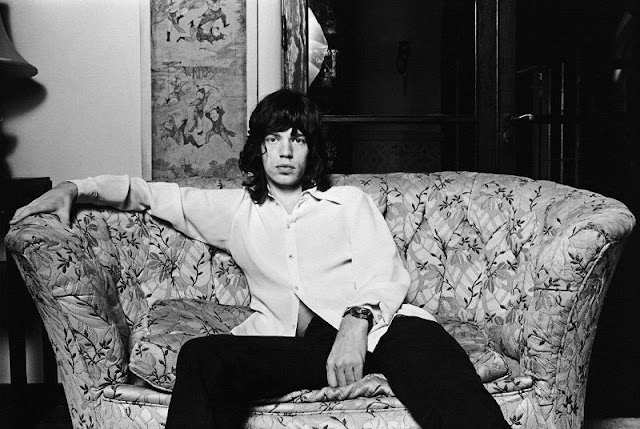
Rock royalty sat in front of Seeff’s lens and showed sides of themselves the public rarely saw. Mick Jagger, one of the most guarded performers in music, let his guard down. Patti Smith, the poet-punk queen of New York, brought her raw intensity into the frame.
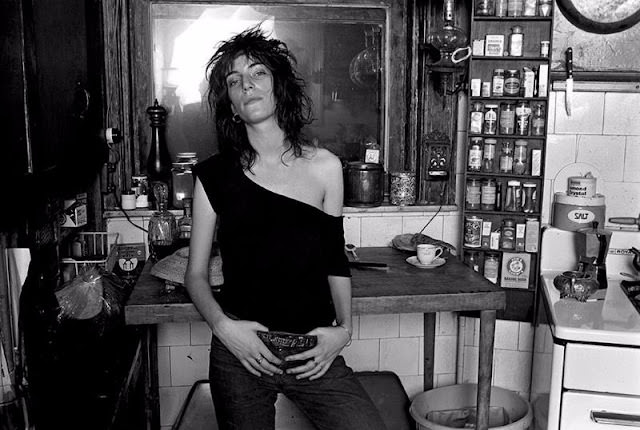
Seeff’s sessions extended well beyond musicians. Actors who defined the era stepped in front of his camera too. John Travolta, at the peak of his Saturday Night Fever fame, appears unfiltered. The relaxed atmosphere Seeff created meant no carefully rehearsed expressions — just the person.
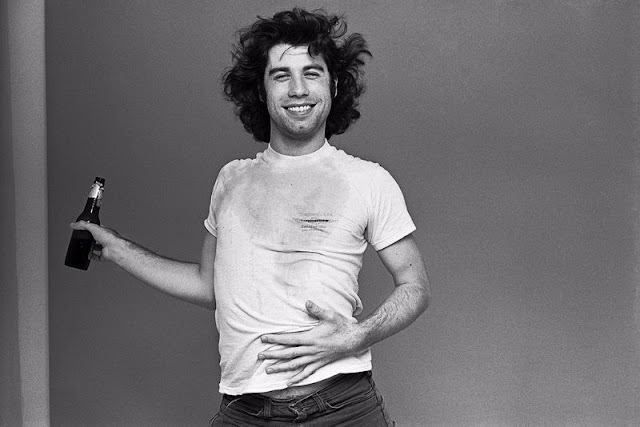
Not every subject was a performer. Steve Jobs sat for Seeff during the early years of Apple, long before he became a global tech symbol. The portrait reveals a young, driven man still in the process of building something the world had never seen.
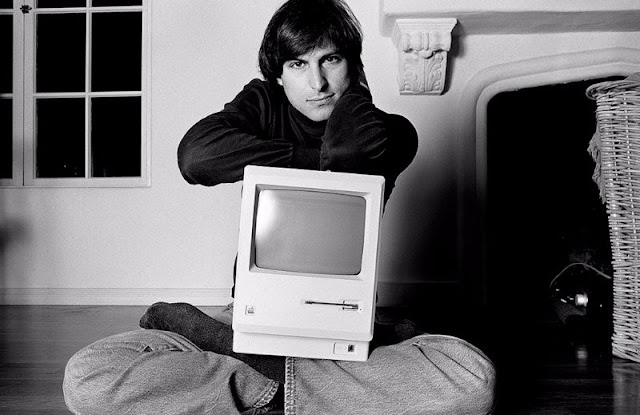
John Belushi, the Saturday Night Live comedian known for his explosive energy, gave Seeff something more layered. The session captured the tension between the performer people cheered for and the private man beneath that persona.
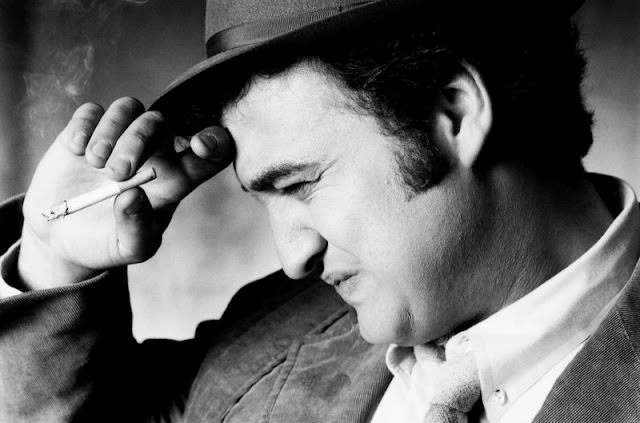
Steve Martin, another comedian famous for his wild and unpredictable stage presence, appears strikingly still and contemplative in Seeff’s work. It’s a side of Martin that audiences almost never got to see — thoughtful, quiet, and inward.
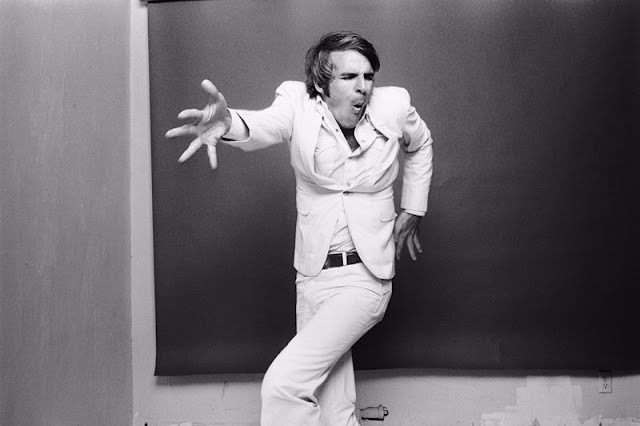
Frank Zappa, rock music’s most deliberately strange and confrontational figure, found a natural fit in Seeff’s approach. Zappa never performed for cameras — he simply was himself. Seeff’s session honored that completely.
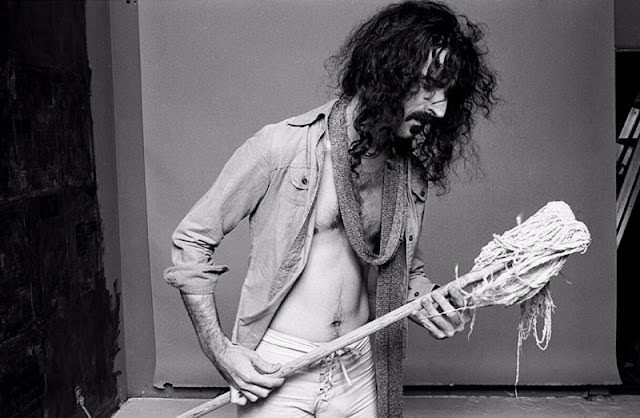
Cher arrived as one of the most recognizable faces in entertainment, yet Seeff’s portrait captures something beyond the glamour. Both her confidence and her vulnerability are visible in the same frame — a combination that defined her entire career.
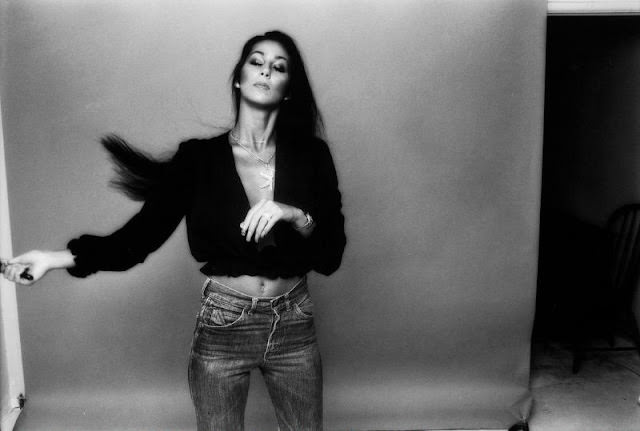
Jodie Foster, already a serious dramatic actress by her teenage years, brought that same seriousness to Seeff’s session. The portrait reflects a young woman operating far beyond her age in terms of artistic depth.
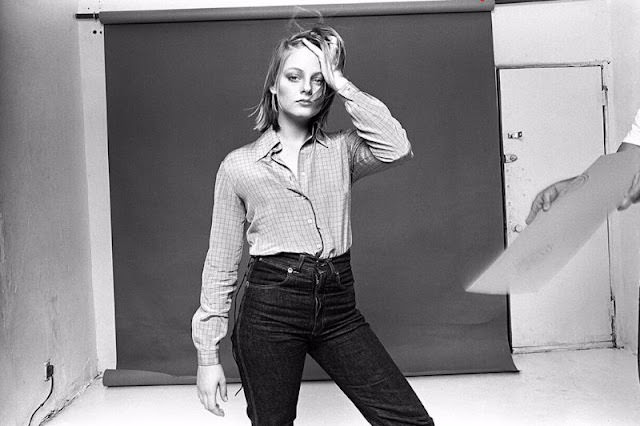
Whitney Houston’s session with Seeff caught her early, before the full weight of her superstardom arrived. The photographs show a voice and presence already fully formed, contained in someone still at the start of an extraordinary rise.
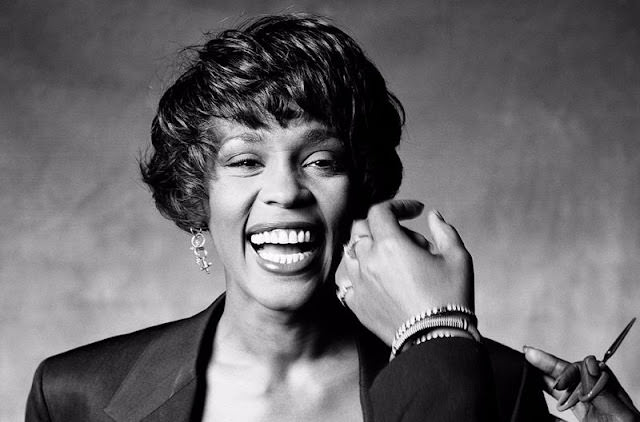
Joni Mitchell, the singer-songwriter whose albums defined a generation of personal, confessional music, was a natural subject for Seeff’s intimate style. His camera met her with the same honesty she brought to every lyric she wrote.
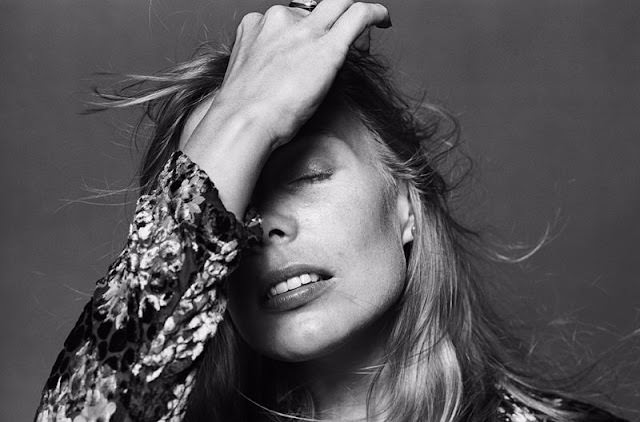
Director Martin Scorsese, already recognized as one of American cinema’s most intense voices, carries that focused energy into the portrait. His session with Seeff reflects a filmmaker completely absorbed in his craft.
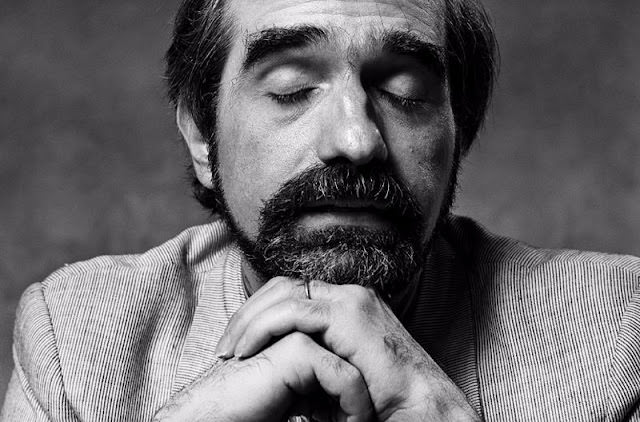
Dennis Hopper — actor, director, photographer, and Hollywood outsider — was one of the era’s most complex figures. Seeff’s portrait acknowledges all of that without attempting to simplify it.
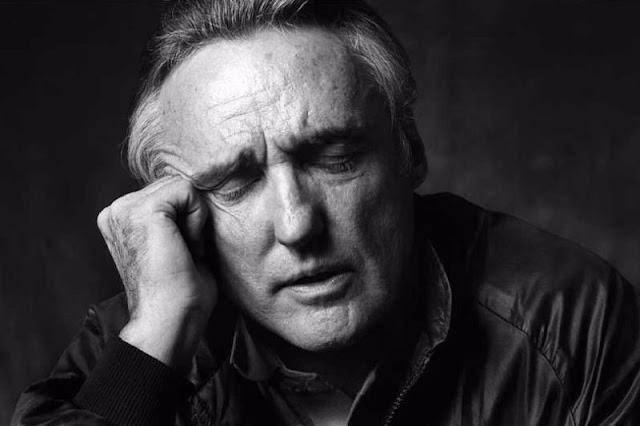
Ray Charles, a man who had already lived several lifetimes’ worth of music history, carries decades of experience into his portrait. Seeff’s approach gave Charles the space to simply exist in front of the camera on his own terms.
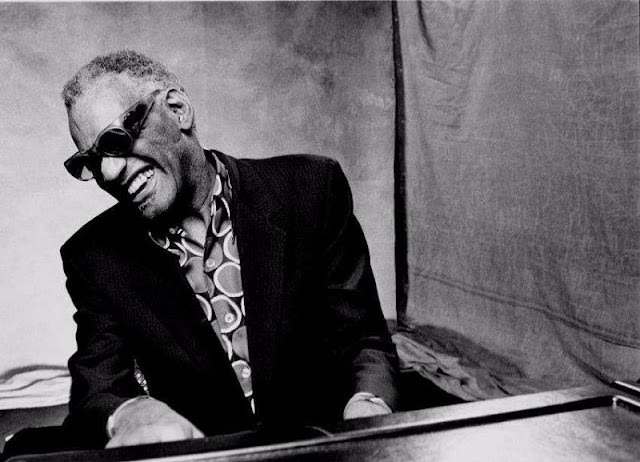
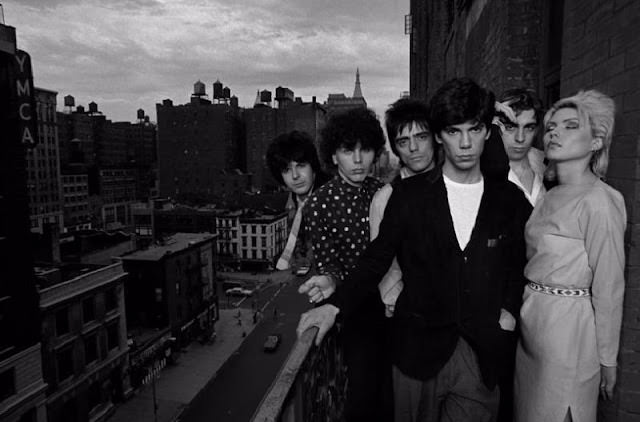
Blondie — the band that bridged punk, new wave, and mainstream pop — closed out Seeff’s roster of subjects with their own brand of cool confidence. Debbie Harry and the band gave him exactly what they gave every stage they stepped onto: full presence, zero pretense.