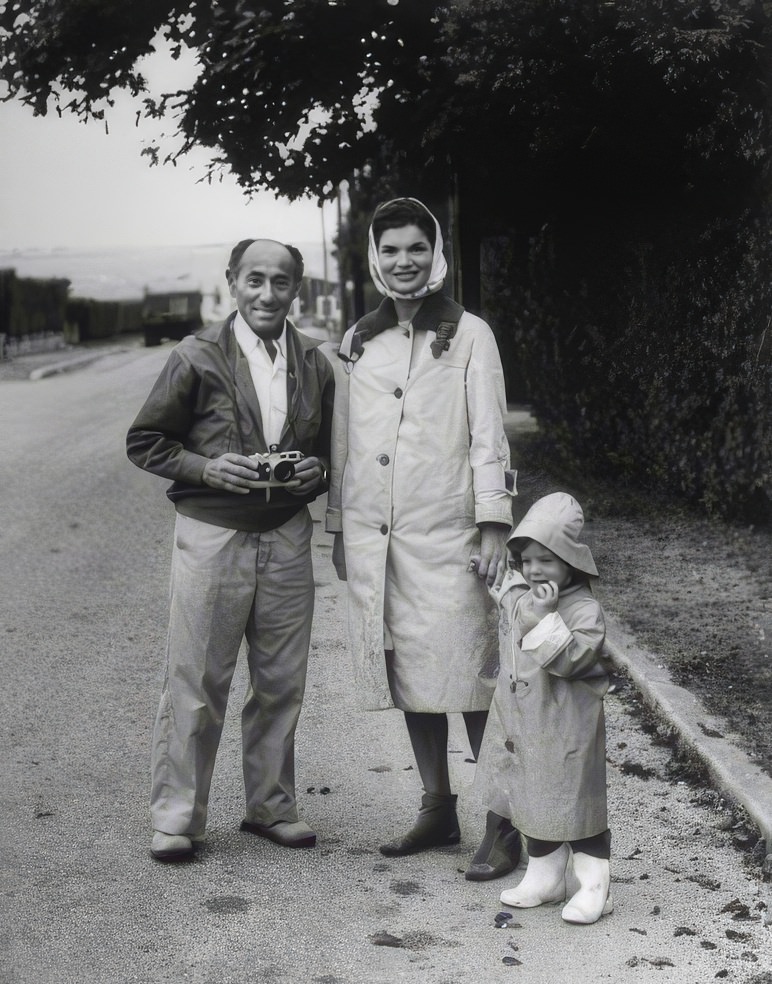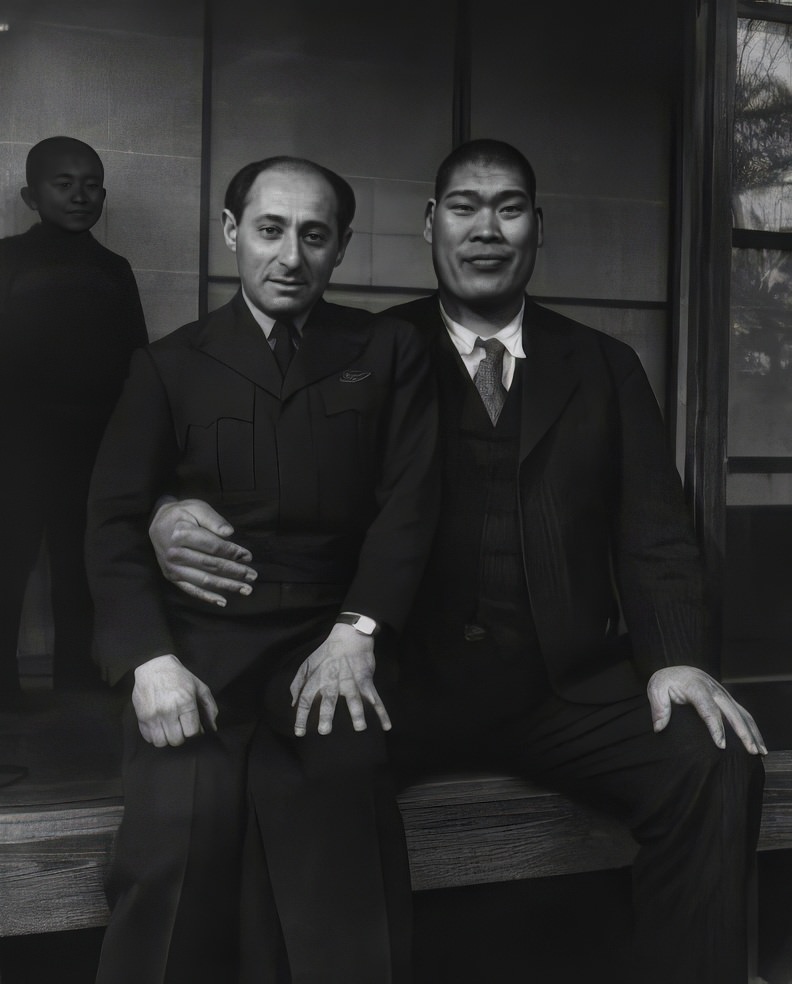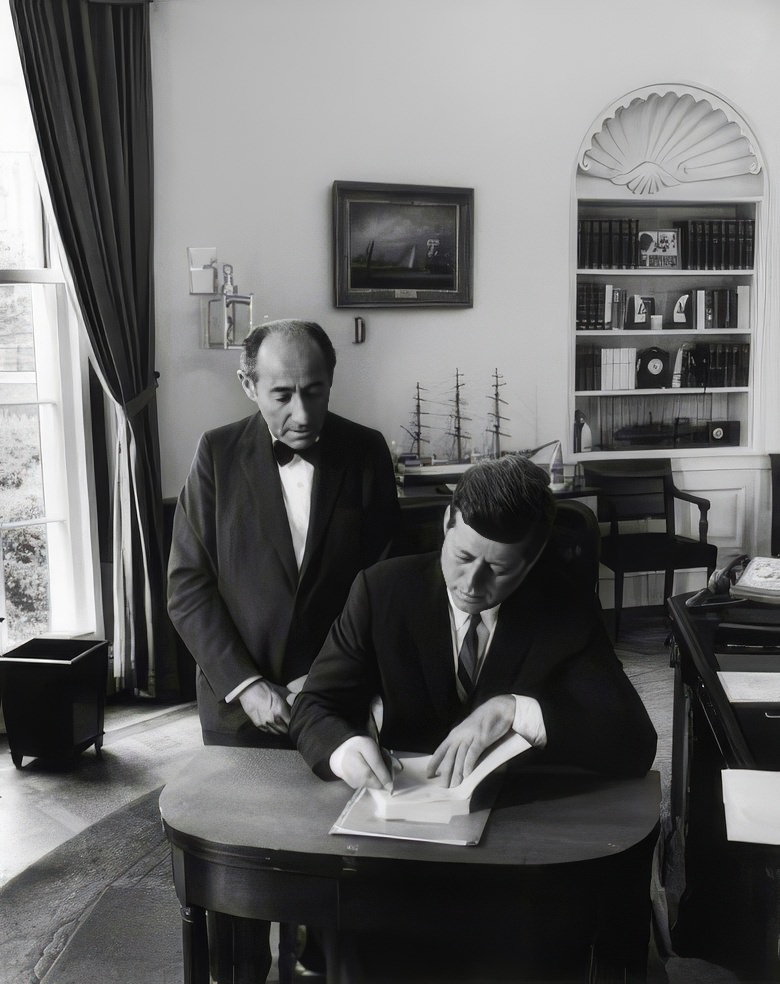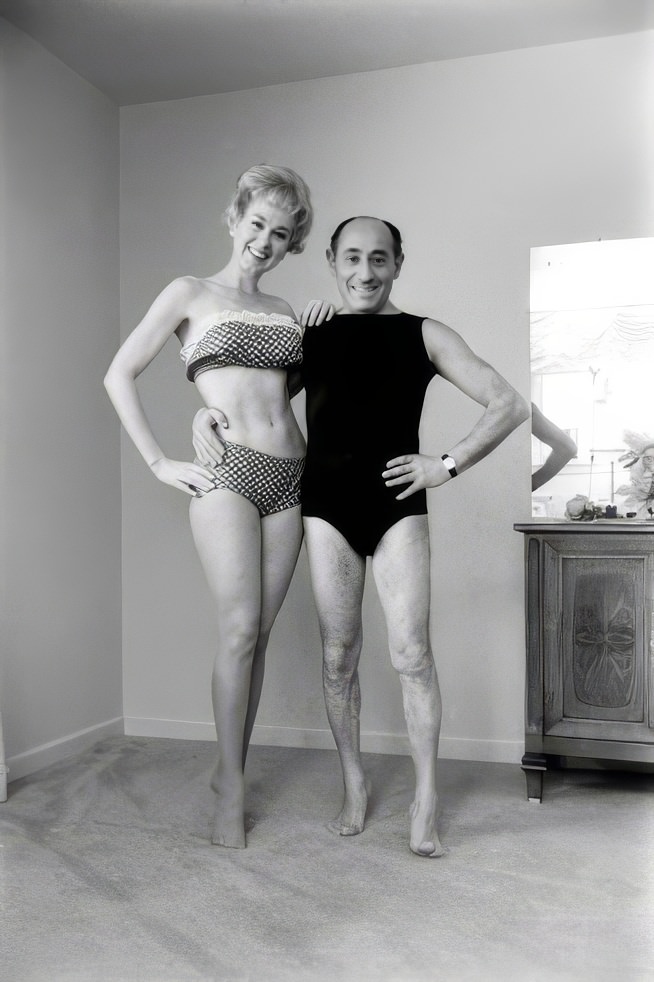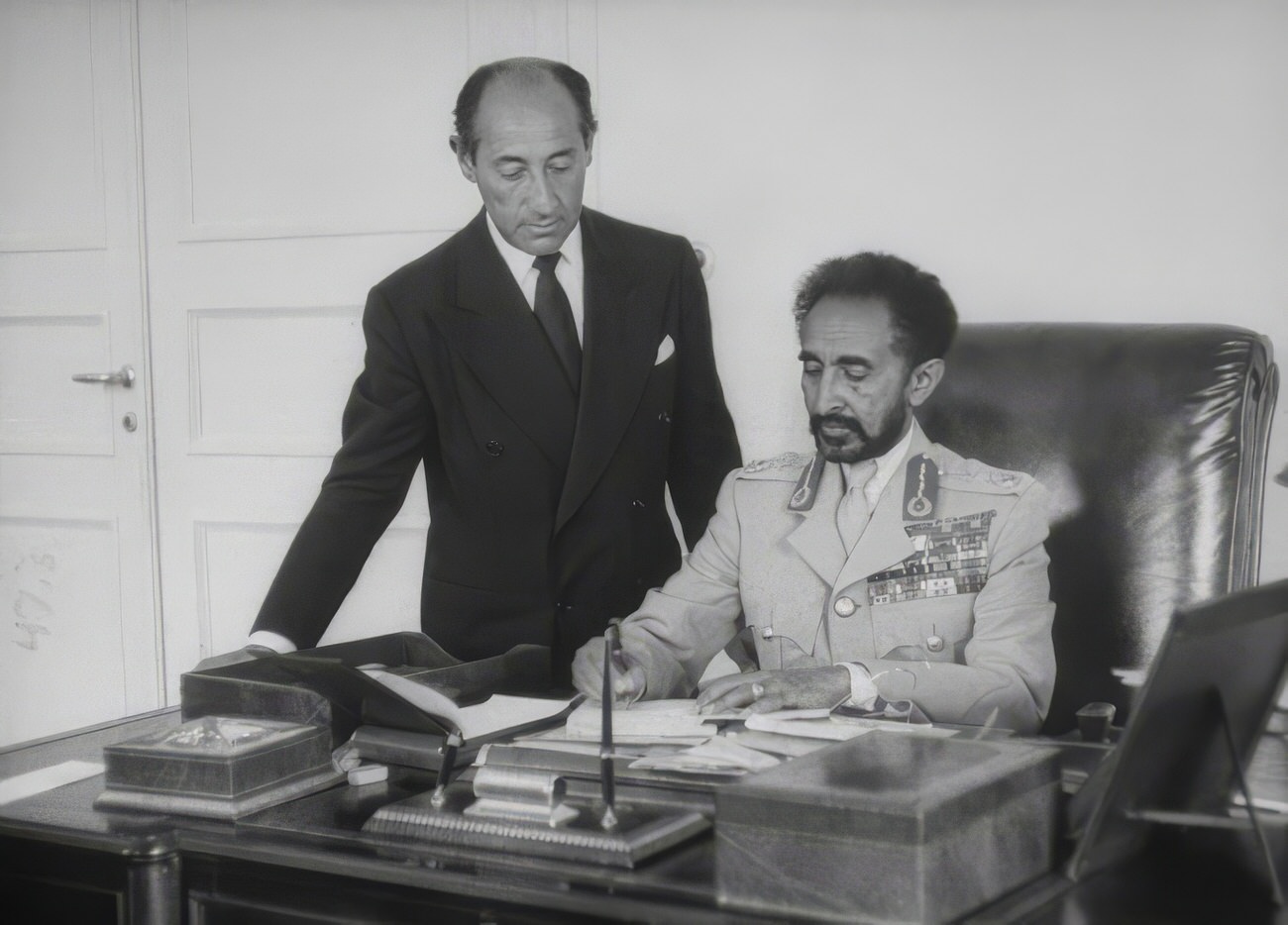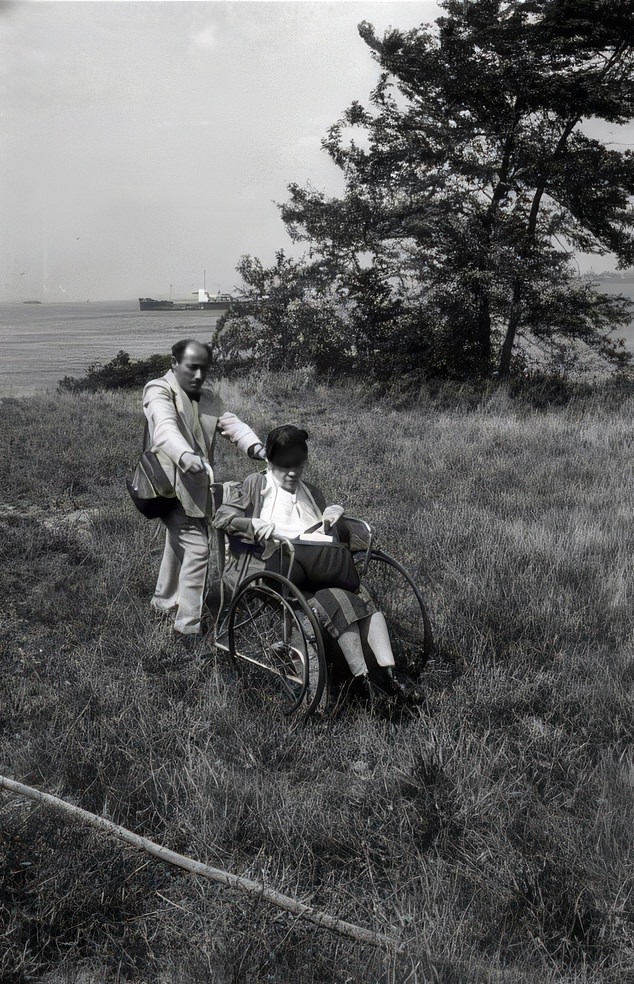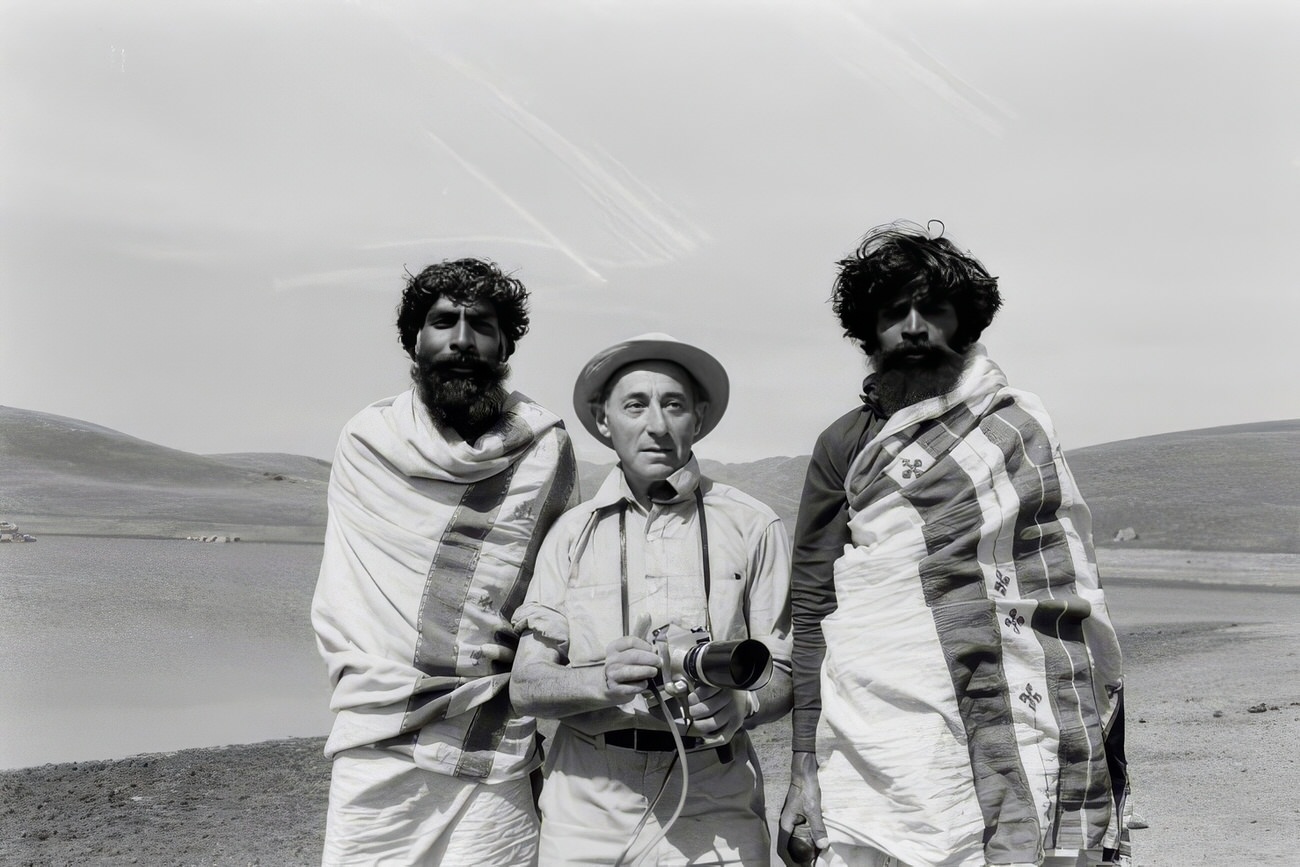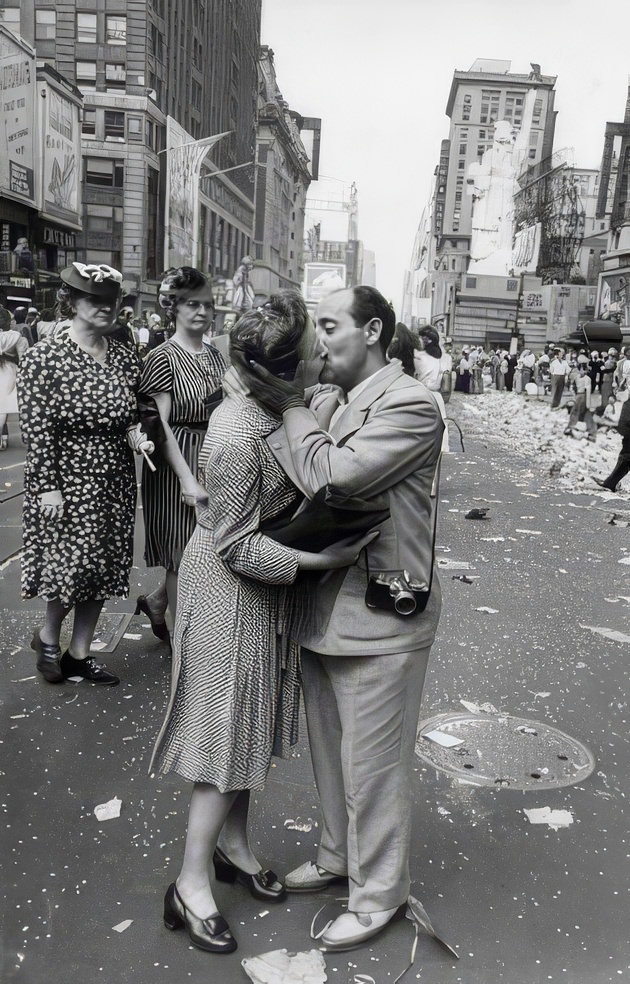

Alfred Eisenstaedt, the legendary German-American photographer, is often remembered for his iconic images like the V-J Day kiss in Times Square. However, his portfolio extends far beyond that single defining moment. Eisenstaedt had an uncanny ability to capture the essence of his subjects, particularly celebrities and famous people. His portraits weren’t just photographs; they were glimpses into the souls of some of the 20th century’s most intriguing personalities.
One of Eisenstaedt’s greatest strengths was his knack for capturing candid moments. He believed that the best portraits were those taken when the subject was relaxed and unaware of the camera. To achieve this, Eisenstaedt often engaged his subjects in conversation, putting them at ease and allowing their true personalities to shine through..
Read more
Famous Faces, Intimate Portraits
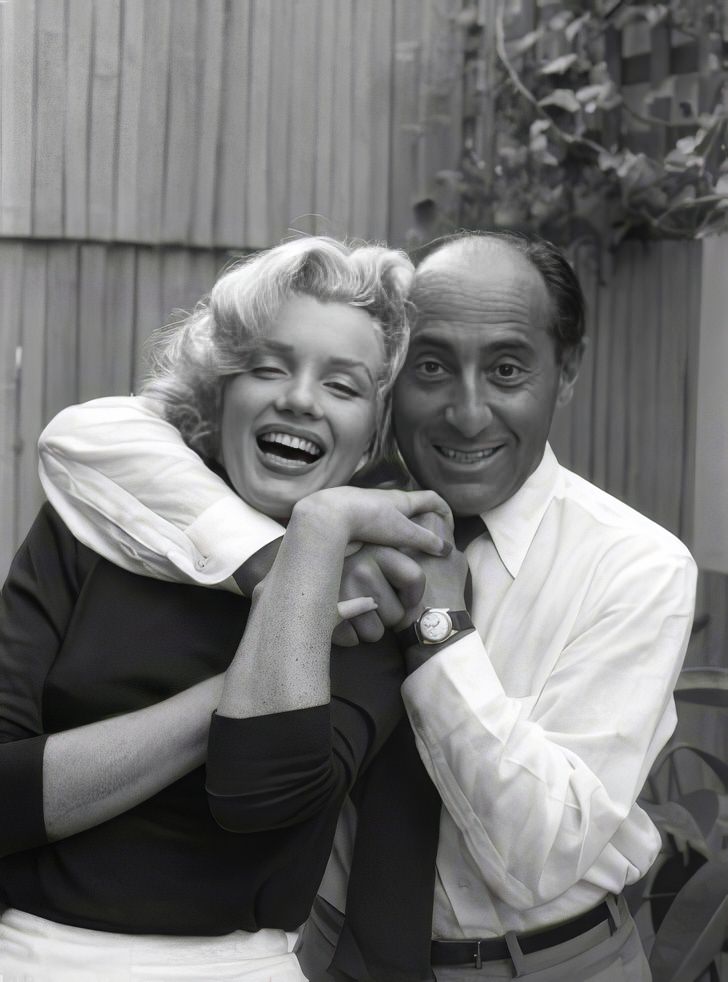
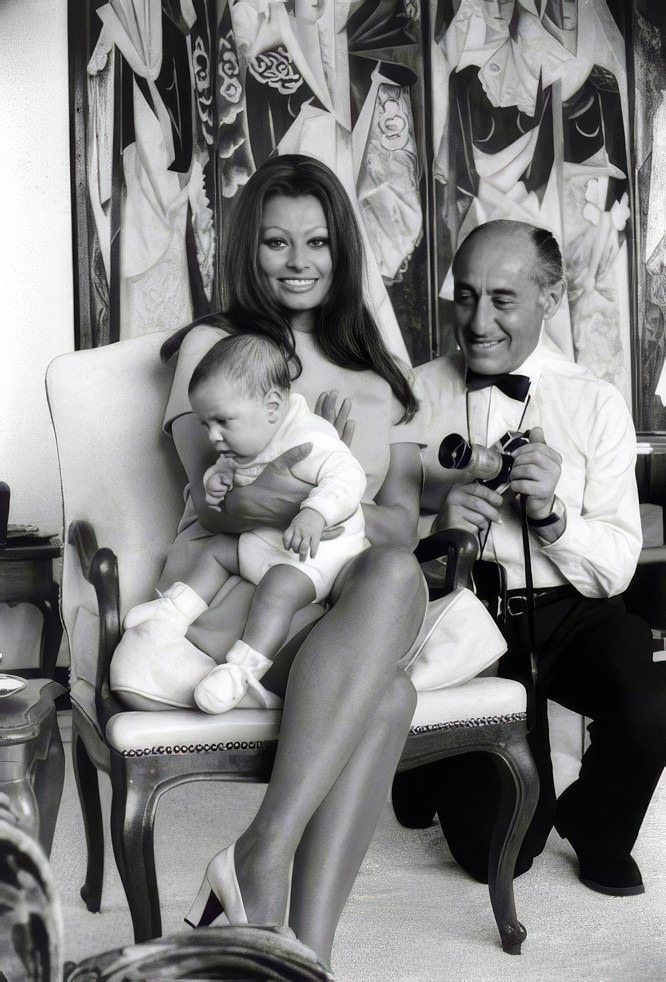
Eisenstaedt’s lens captured a wide range of celebrities and famous people, from Hollywood stars to political figures to artists and intellectuals. His portraits of Marilyn Monroe, Sophia Loren, and Audrey Hepburn are some of the most iconic images of these legendary actresses.
He also photographed Ernest Hemingway, Albert Einstein, and Winston Churchill, capturing their strength and determination. Eisenstaedt’s portraits of artists like Pablo Picasso and Salvador Dalí reveal their creative spirit and eccentric personalities.
The Leica and the 35mm Revolution
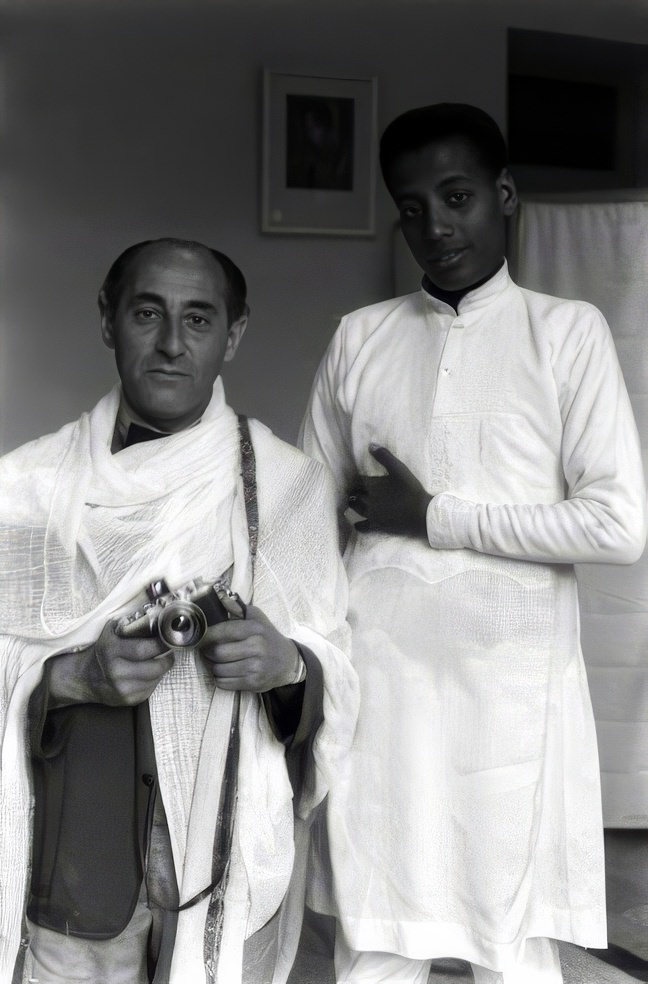
Eisenstaedt was a pioneer in the use of the 35mm Leica camera. This small, unobtrusive camera allowed him to move freely and capture spontaneous moments. The Leica’s fast lens and quiet shutter also made it ideal for candid photography. Eisenstaedt’s mastery of the Leica helped to revolutionize portrait photography, paving the way for a more natural and intimate approach.
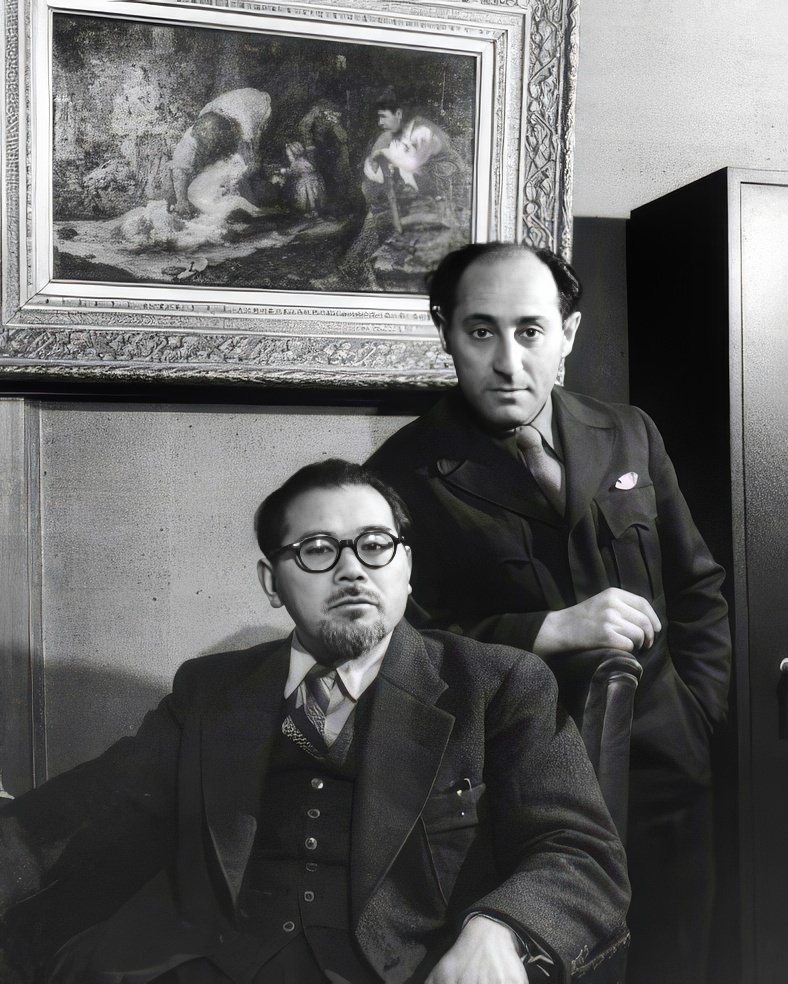
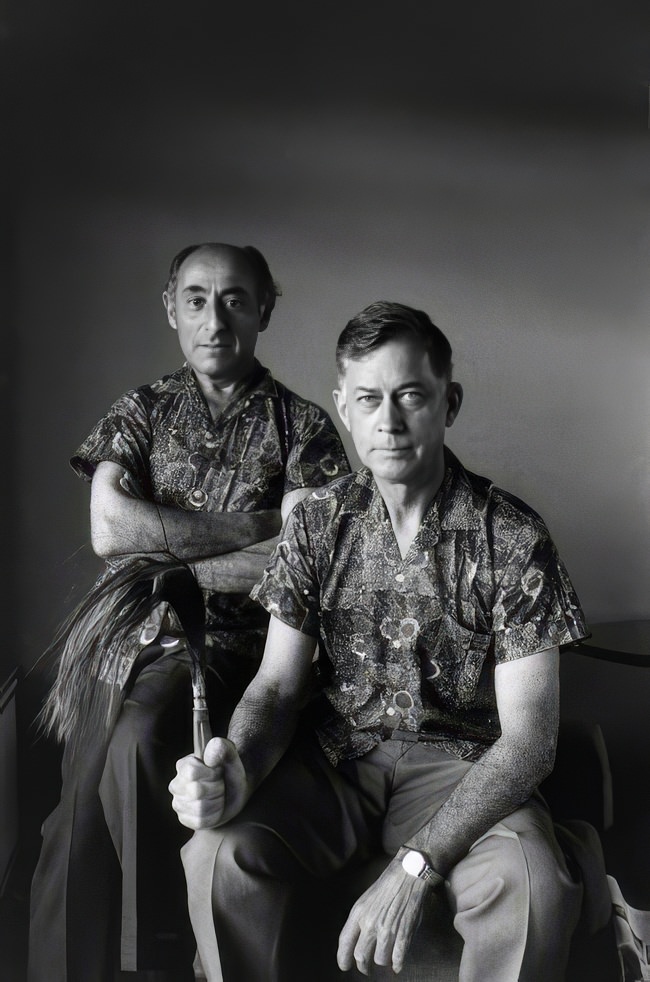
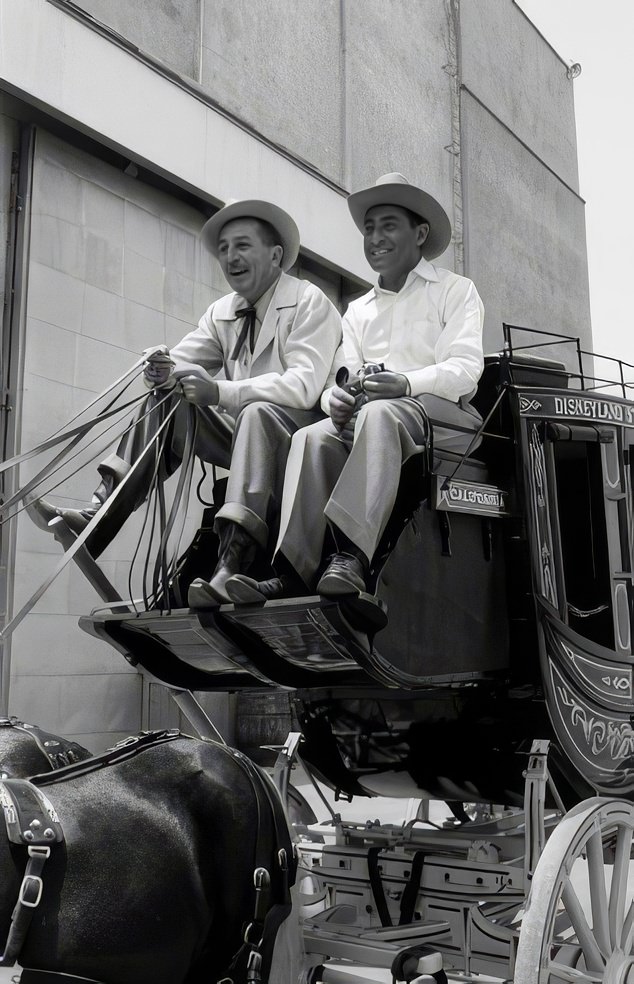
While Eisenstaedt is celebrated for his portraits of others, his self-portraits offer a unique glimpse into his own personality and his relationship with his subjects. These playful and often humorous images show Eisenstaedt interacting with his subjects, breaking down the barrier between photographer and subject.
Alfred Eisenstaedt’s celebrity portraits are a testament to his skill as a photographer and his ability to connect with his subjects. His images continue to inspire and captivate viewers, offering a glimpse into the lives of some of the 20th century’s most fascinating personalities.