Maripol was born in Rabat, Morocco, in 1957 and grew up in France. At just 19 years old, she moved to New York City in 1976 with her then-boyfriend, filmmaker Edo Bertoglio. Within a year, she had landed a role as art director for Fiorucci, the influential Italian fashion label. New York’s downtown scene was electric at the time, and Maripol stepped right into the center of it.
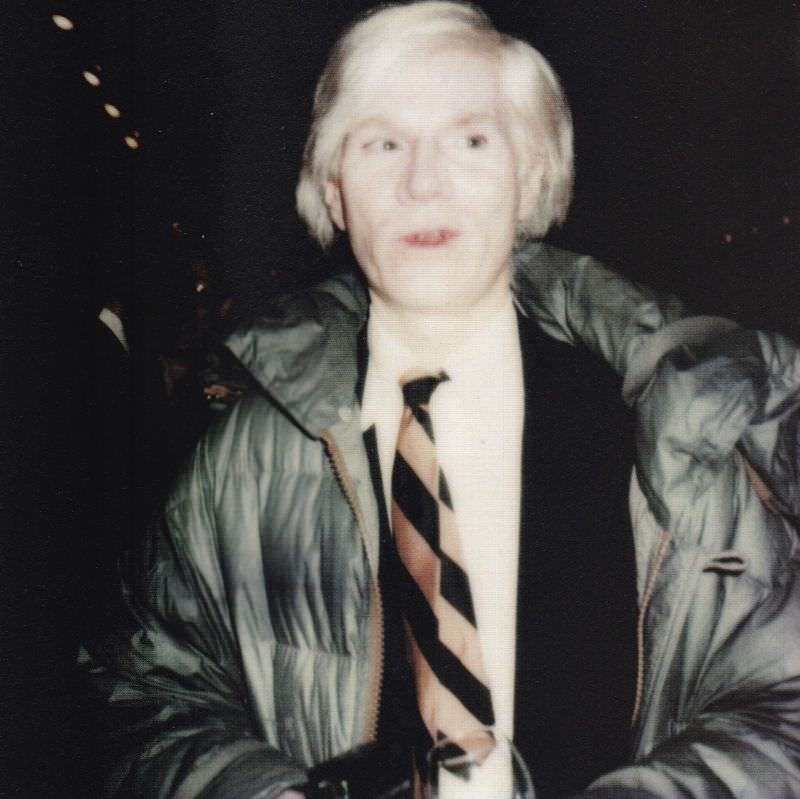
In 1977, she picked up an SX-70 camera and took her first Polaroid. That single moment set the course of her most lasting work. She began shooting at Studio 54 — then the beating heart of New York nightlife — capturing Andy Warhol, Steve Rubell, Bianca Jagger, Jerry Hall, and Grace Jones on film. The Polaroid format gave her images an instant, intimate quality that more formal photography couldn’t match.
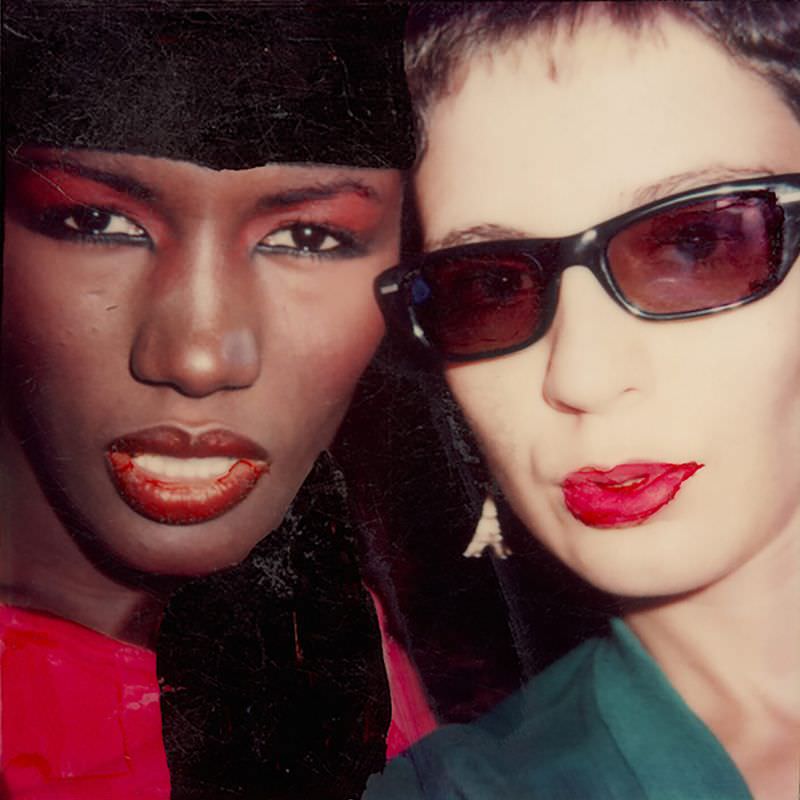
Maripol also documented the Mudd Club, a rawer, grittier counterpart to Studio 54 that attracted artists, musicians, and punk figures. Those photographs were exhibited at the Rizzoli and Earl McGrath galleries in Manhattan and later published in V magazine. She wasn’t just a bystander — she was a fully embedded member of the scene she was shooting.
Her work as a stylist directly shaped the visual identities of artists like Madonna and Grace Jones. Beyond styling, Maripol also worked as a film producer, most notably on the cult film “Downtown 81,” which starred Jean-Michel Basquiat. Her creative reach spread across fashion, film, and photography simultaneously.
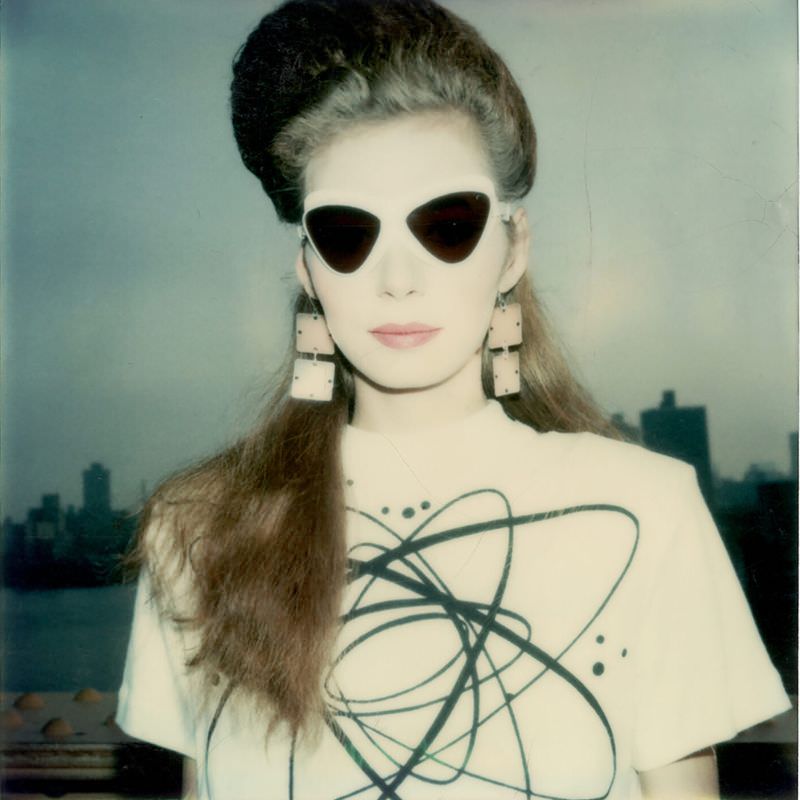
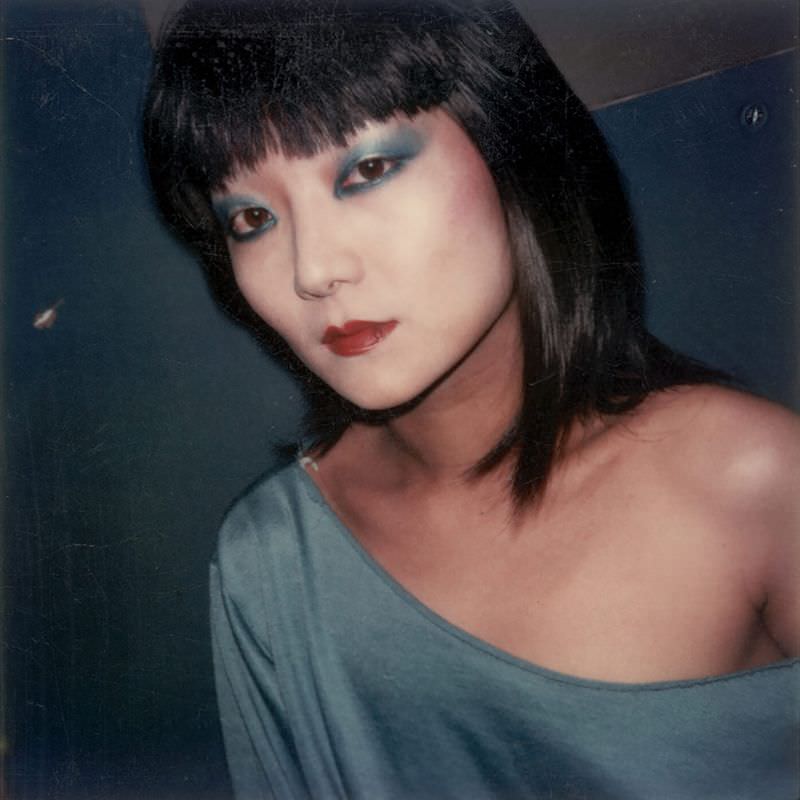
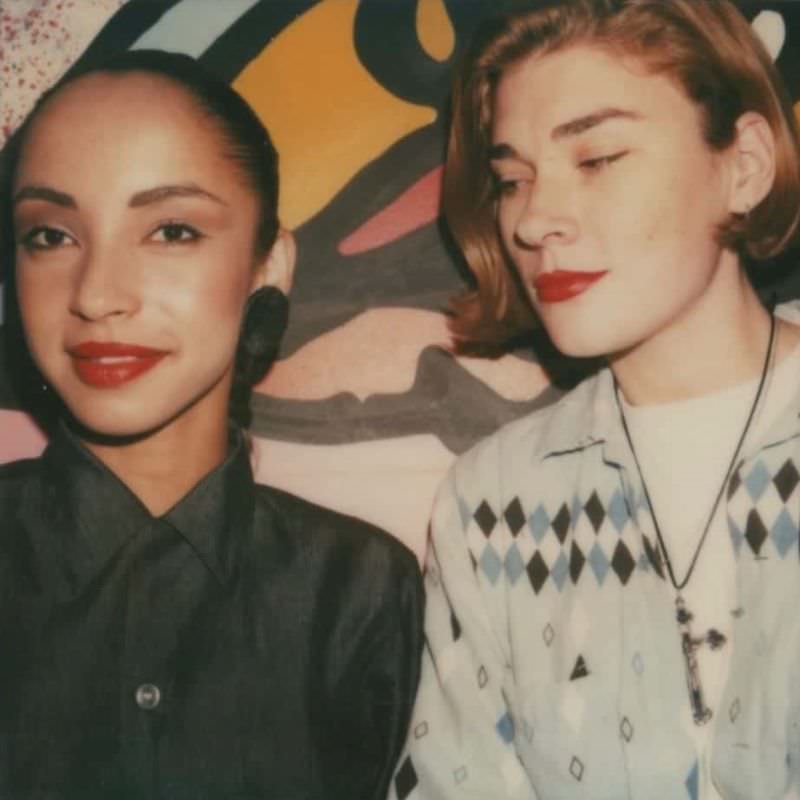
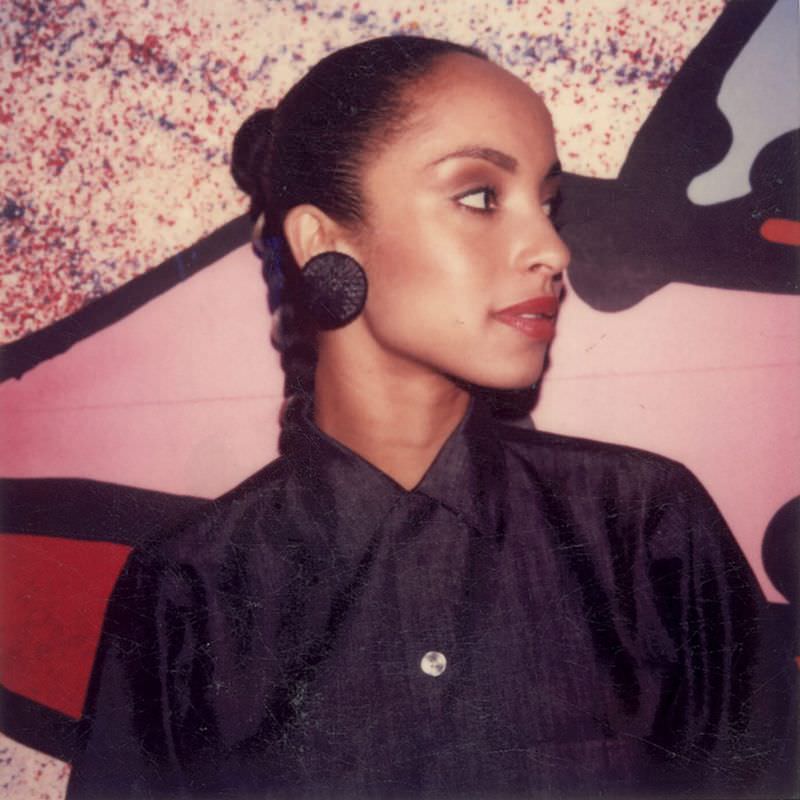
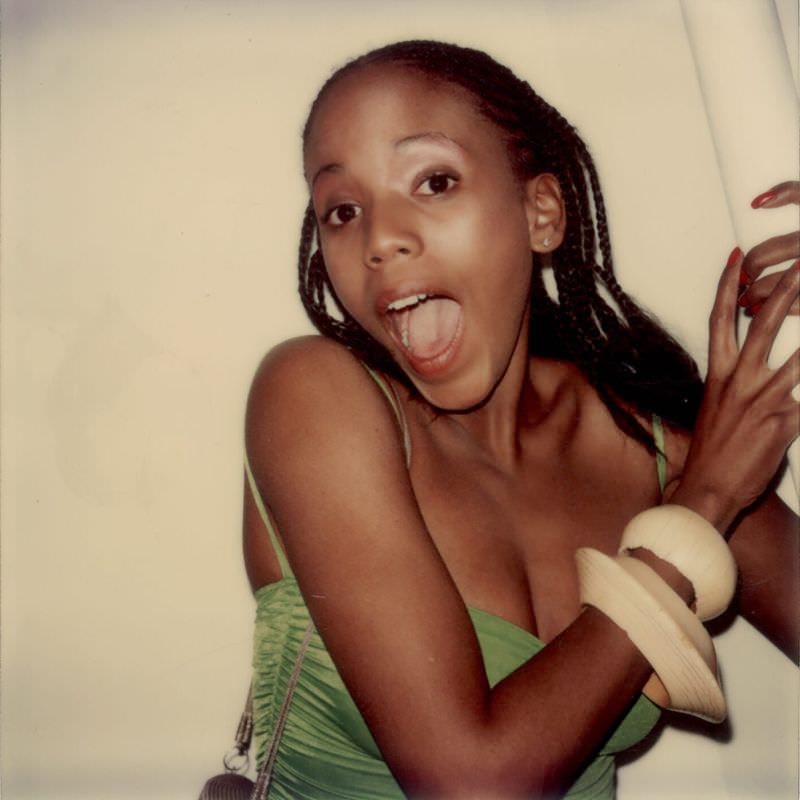
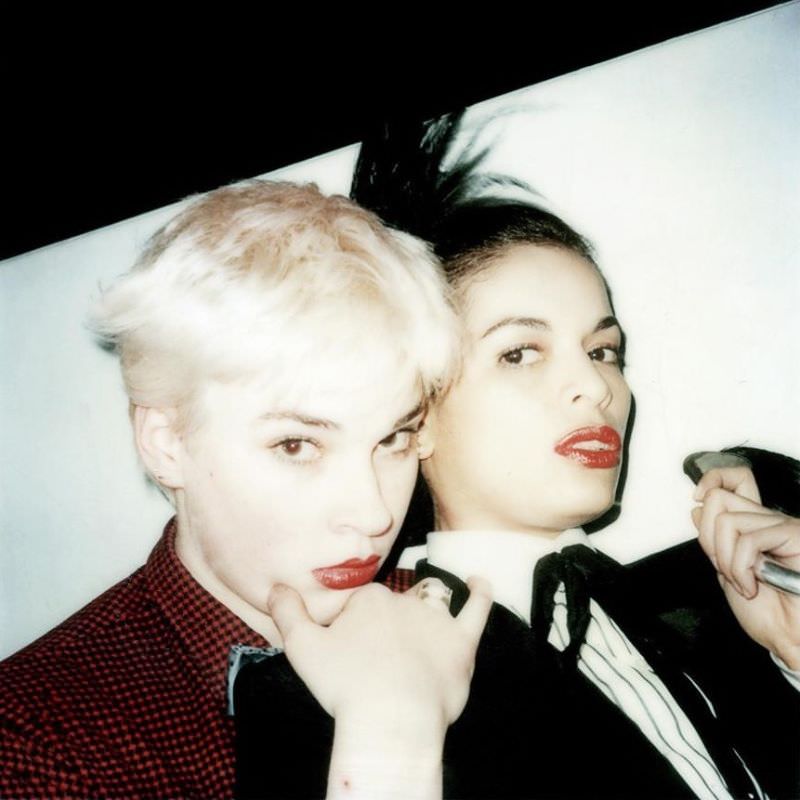
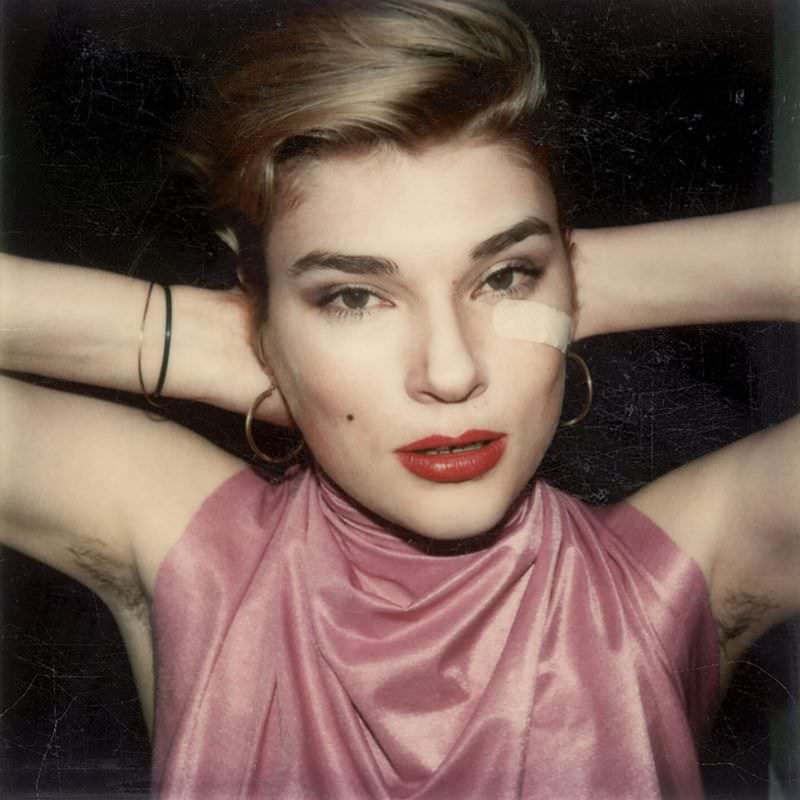
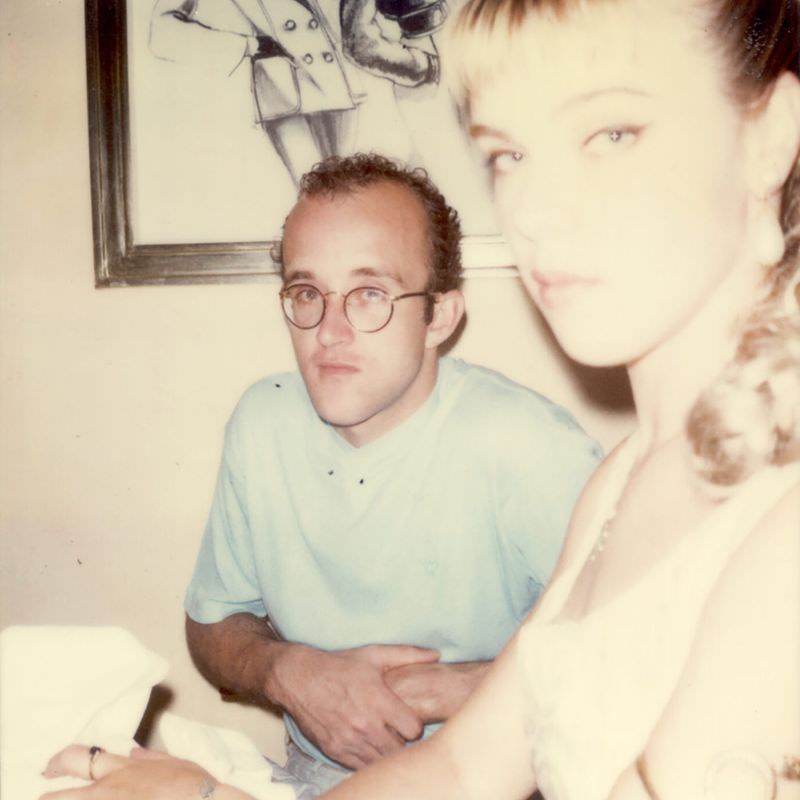
The portraits gathered here come from Maripol’s personal collection. They span the late 1970s and 1980s and feature the downtown New York characters who defined that era. Some are world-famous names. Others are figures who were central to the scene but less known outside it. Together, they form a vivid record of a specific time and place.
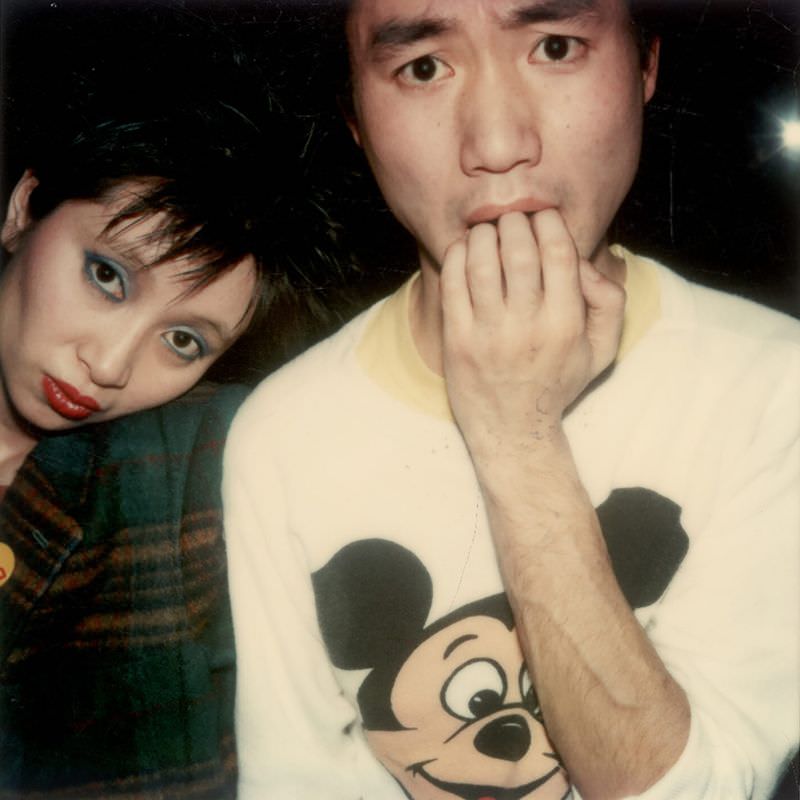
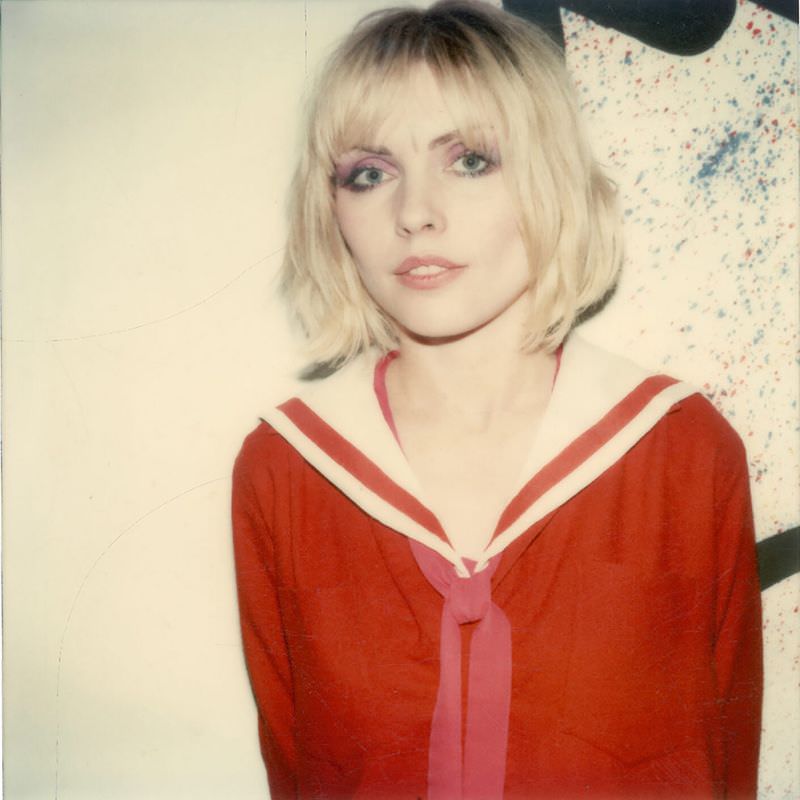
Blondie’s Deborah Harry was a fixture of the downtown world, as was the fearless Bianca Jagger. Maripol photographed both within the same social orbit, often alongside other key figures of the night. Her camera caught them in unguarded, relaxed moments — the kind that staged photography rarely achieves.
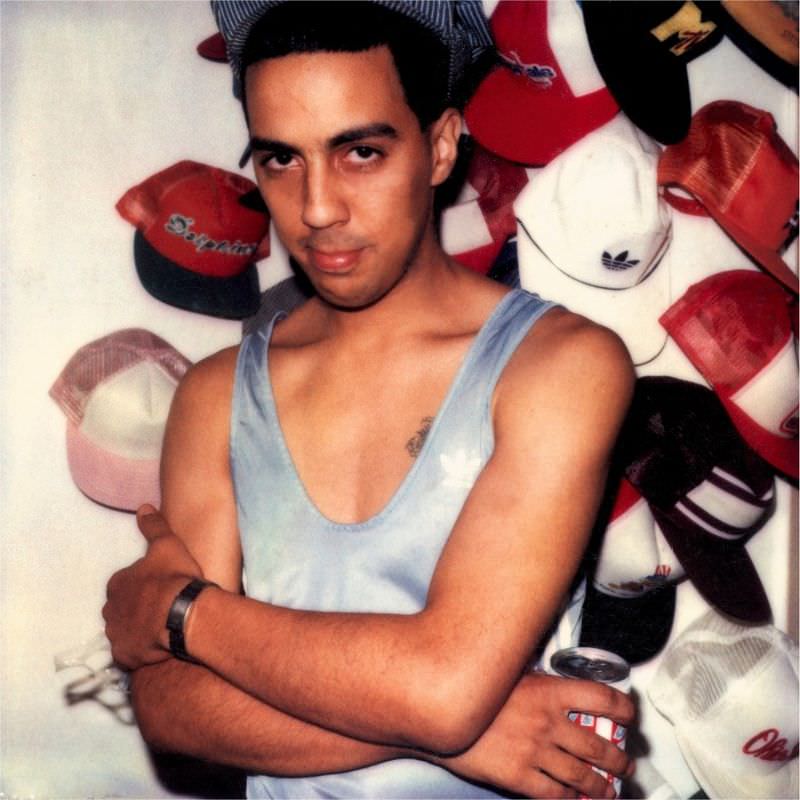
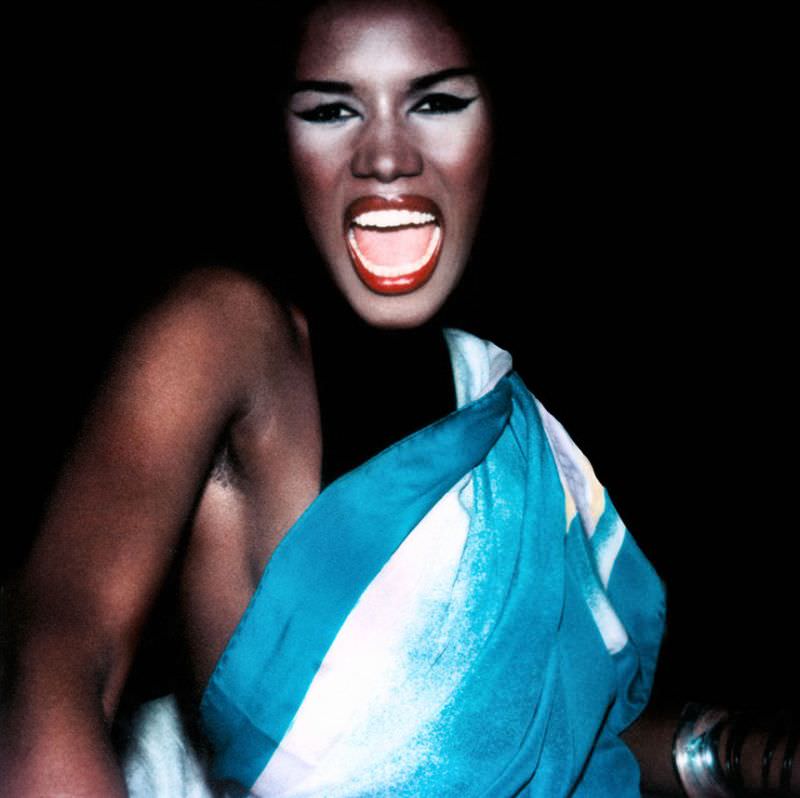
Graffiti artist Futura 2000 appears in the collection alongside Grace Jones, who Maripol photographed multiple times. Jones was a constant presence in Maripol’s work — both as a subject and as someone whose bold visual style Maripol helped shape. The two shared a creative closeness that shows clearly in the photographs.
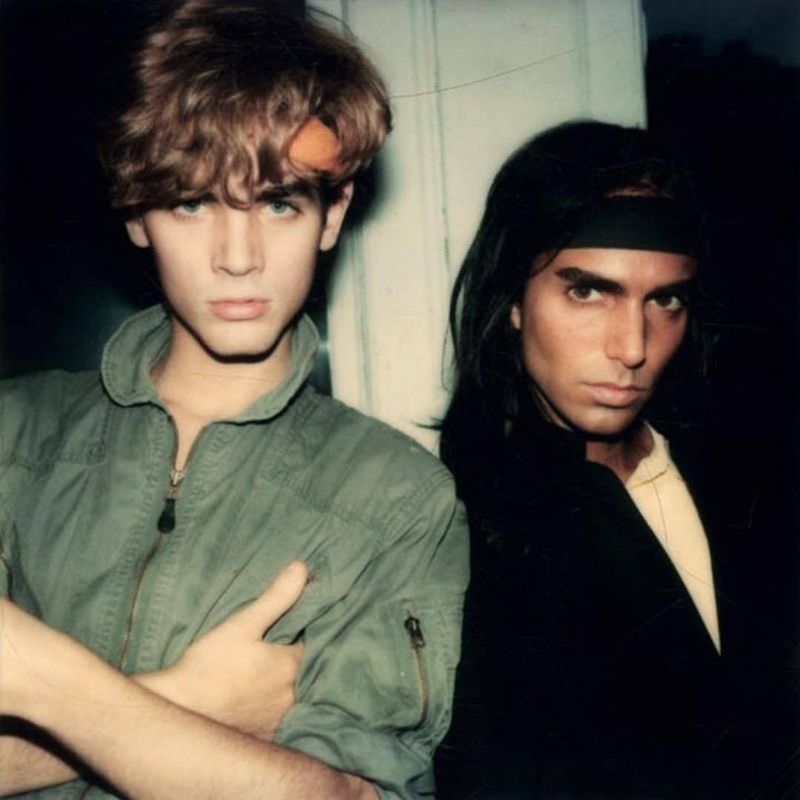
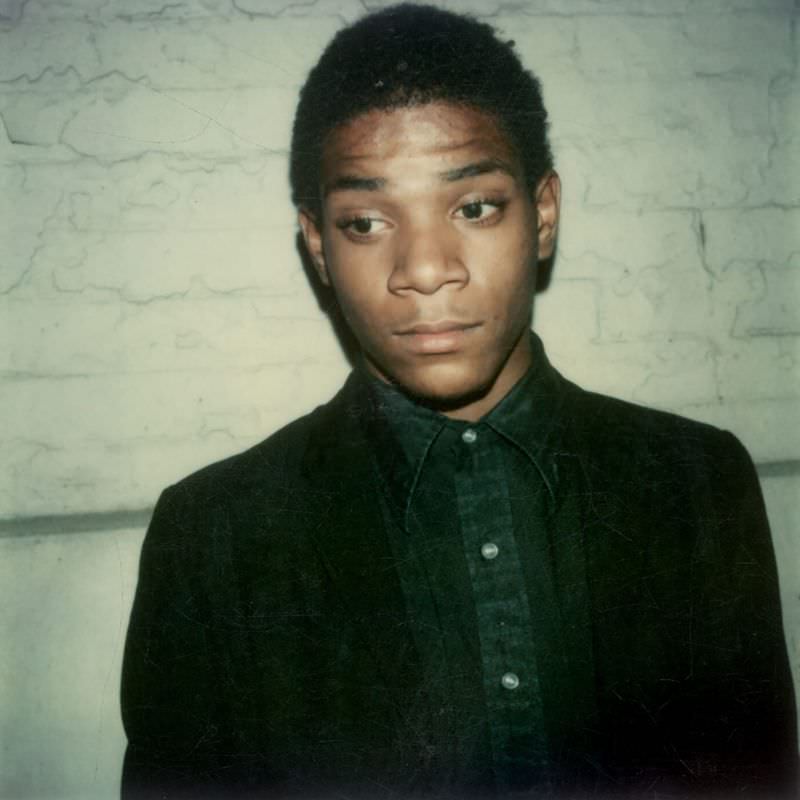
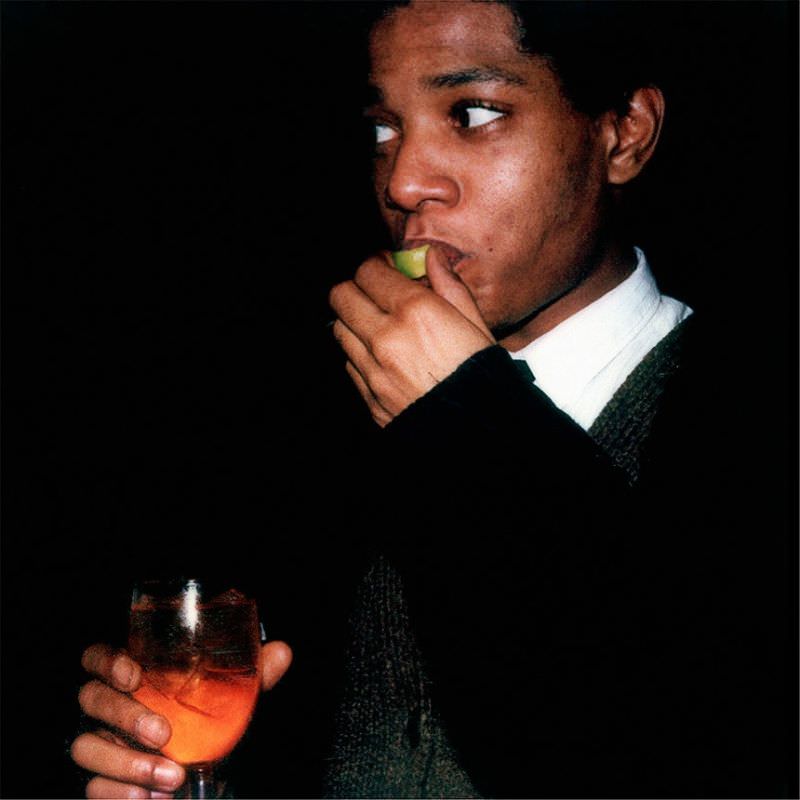
Jean-Michel Basquiat appears in the collection more than once. By the early 1980s, Basquiat was one of the most talked-about artists in New York, moving fluidly between the street art world and the fine art gallery circuit. Maripol knew him personally through their shared downtown circles, and her Polaroids of him carry that familiarity.
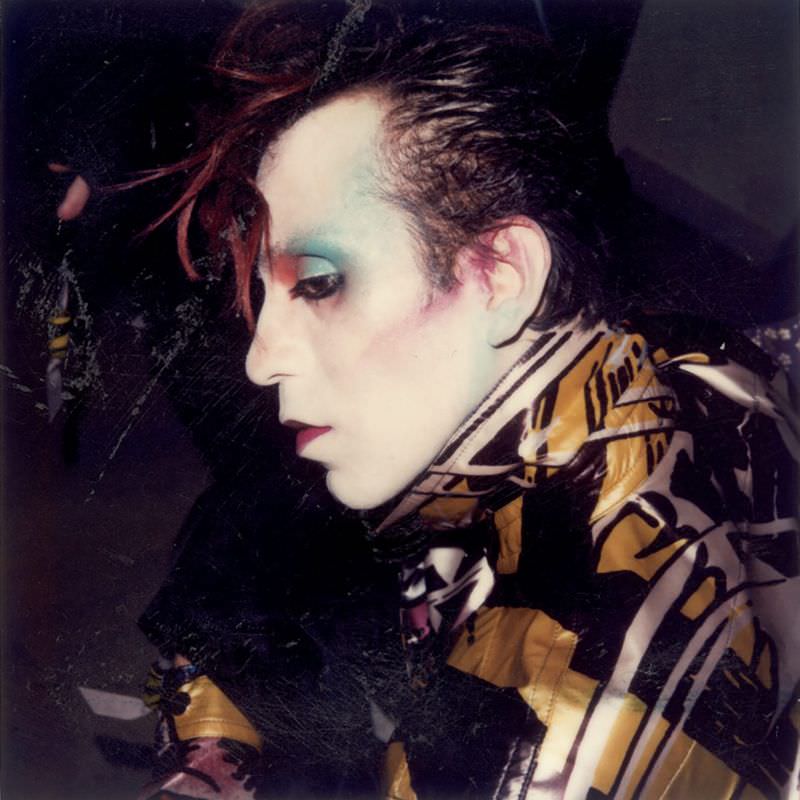
Keith Haring was another artist deeply woven into the fabric of 1980s downtown New York. His appearance here alongside Debi Mazar reflects the tight-knit nature of the scene. These weren’t just people who crossed paths — they were a community, and Maripol’s Polaroids are one of the most direct records of that community’s daily life.
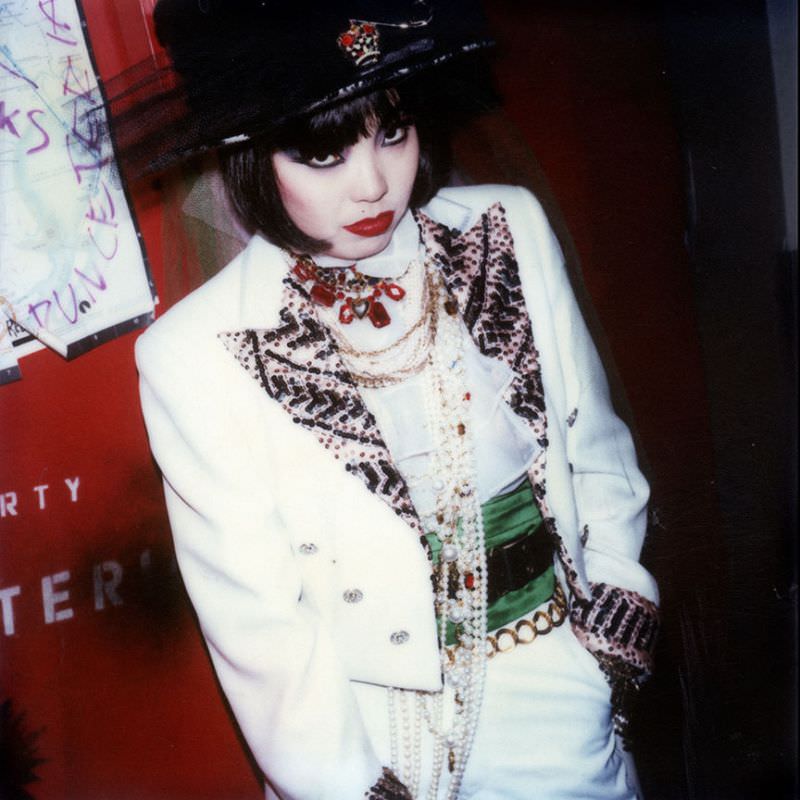
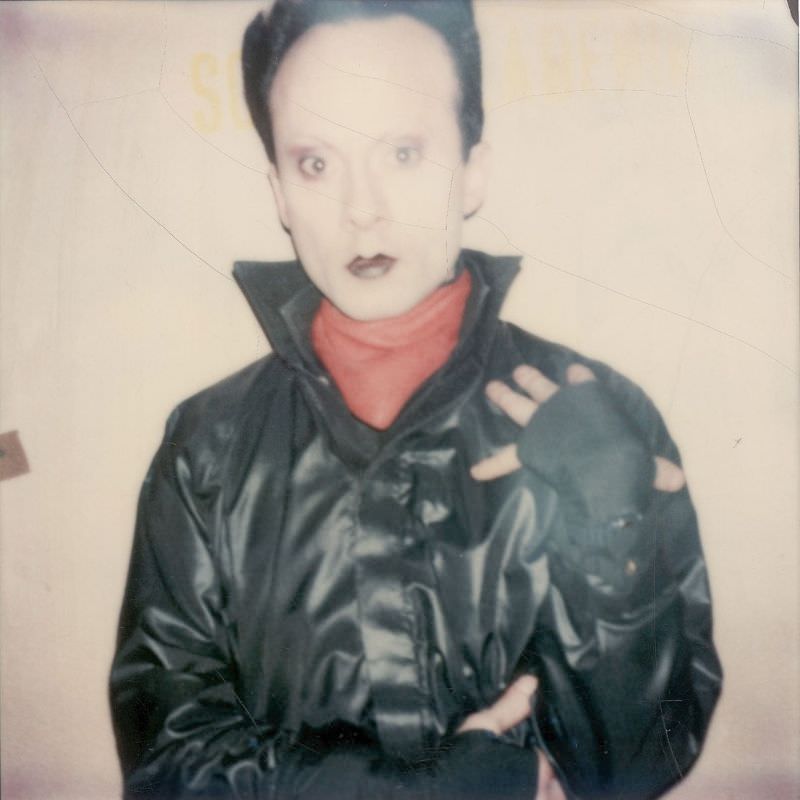
Klaus Nomi, the German countertenor known for his otherworldly stage persona and striking look, was a defining figure of the downtown avant-garde. His presence in the collection is fitting — he was exactly the type of singular personality that Maripol’s camera sought out. Singer Sade also appears, photographed both alone and alongside Edwige Belmore.
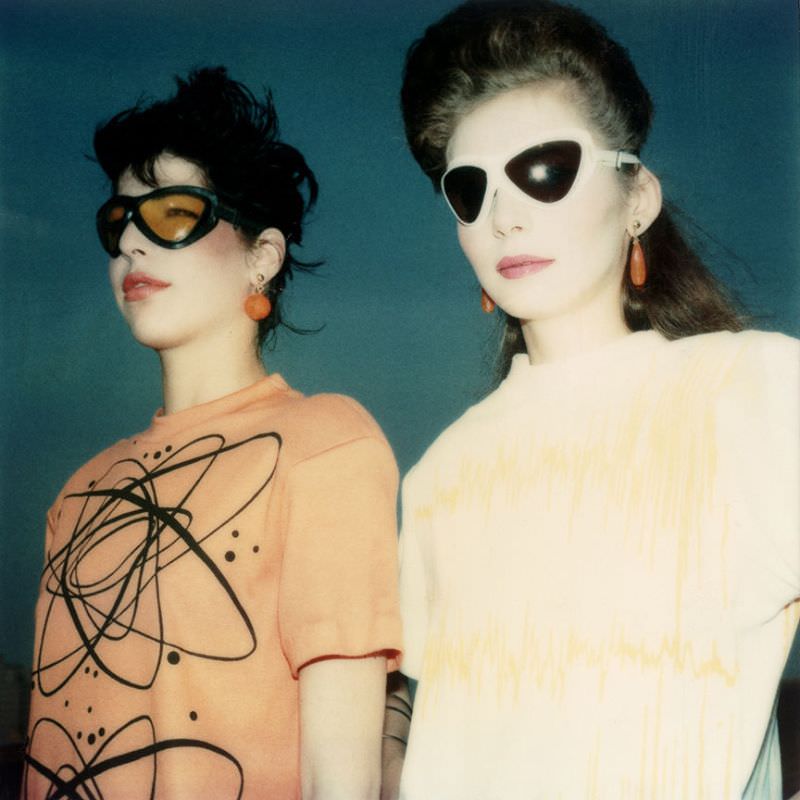
Madonna features prominently in the collection, both in solo portraits and alongside Maripol herself. The two had a close working relationship during the early 1980s, with Maripol contributing directly to the look that launched Madonna’s career. The photographs of them together document that collaboration at its earliest and most personal stage.
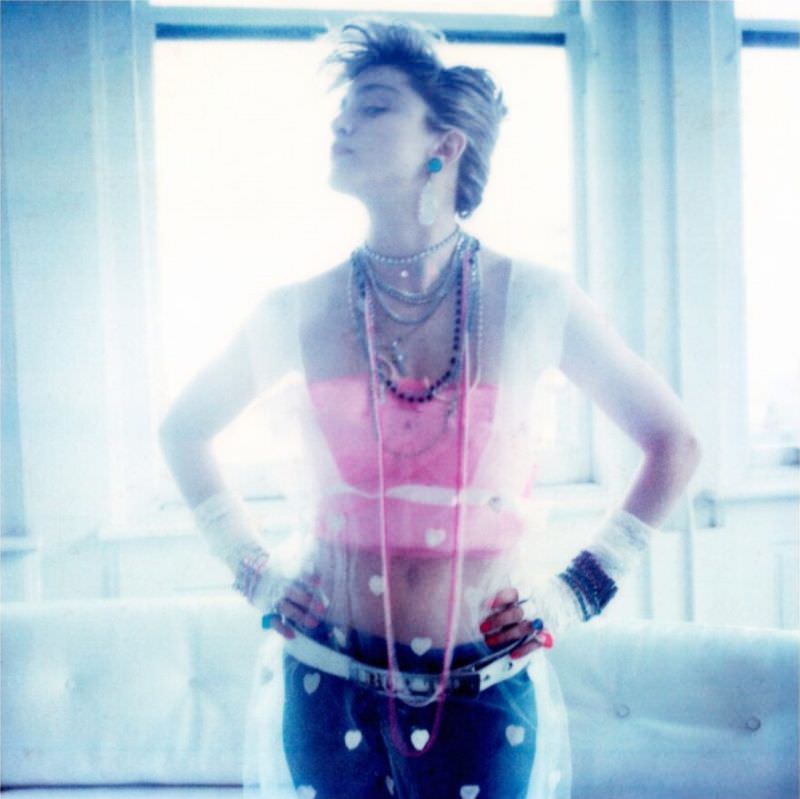
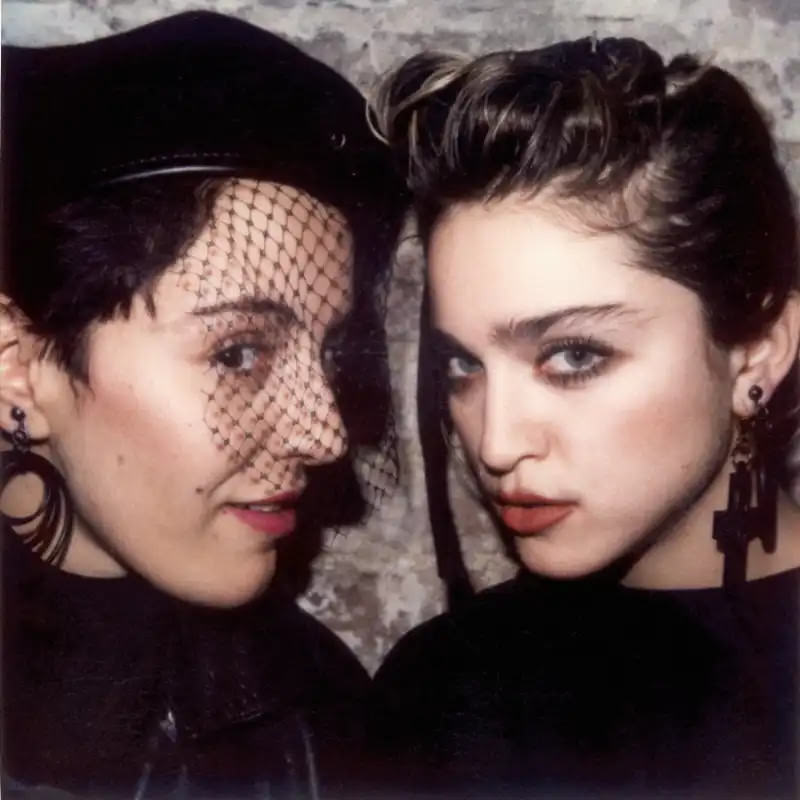
Maripol also turned the camera on herself. Her self-portraits — including a painted Polaroid — show the same directness she brought to her subjects. She was not simply an observer. She was a participant, and her self-portraits make that plain.
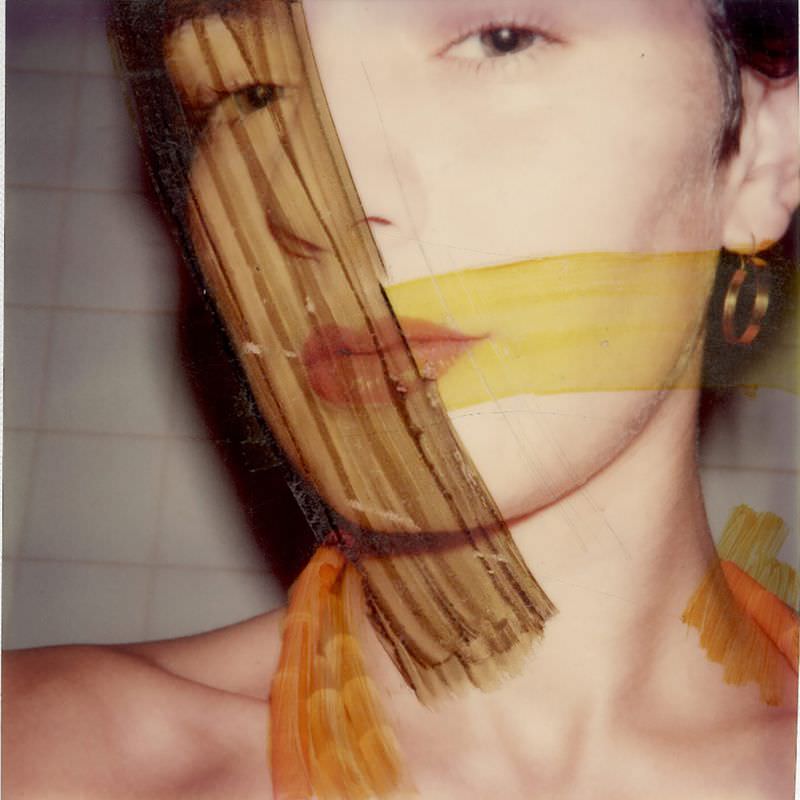
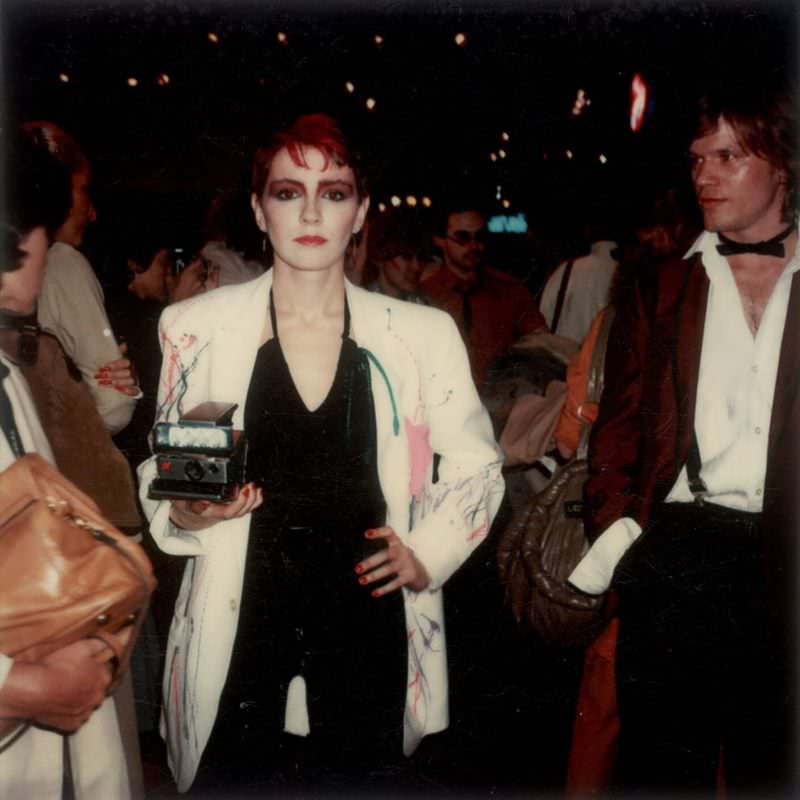
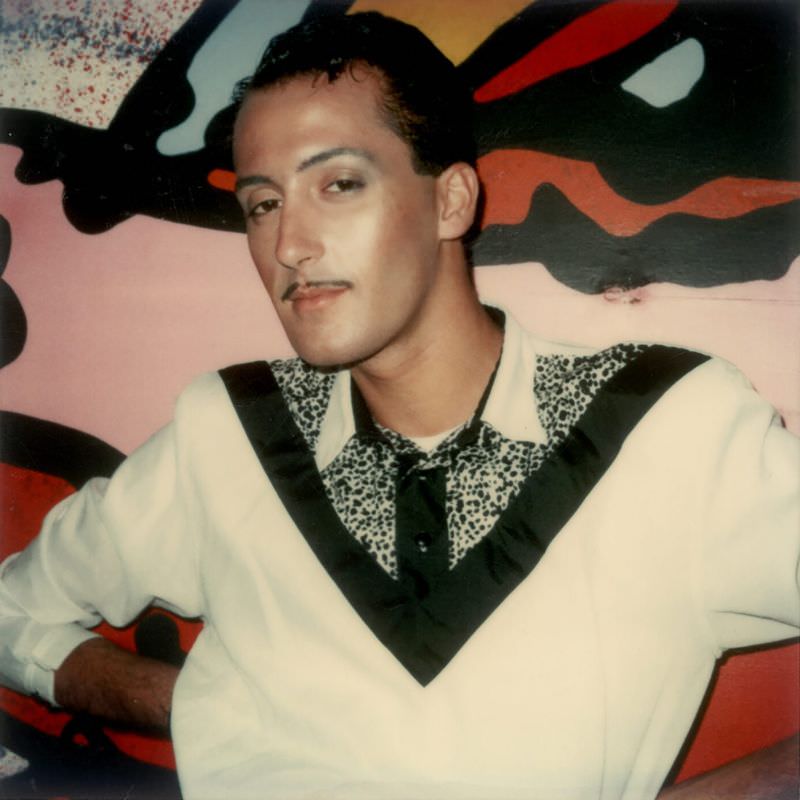
Sade’s appearances in the collection are among its quieter, more striking moments. Whether photographed alone or with Edwige Belmore, she projects a composure that stands apart from the frenetic energy of many other images. Toukie Smith, model and actress, rounds out the collection — a reminder of how many worlds overlapped in downtown New York during this period.