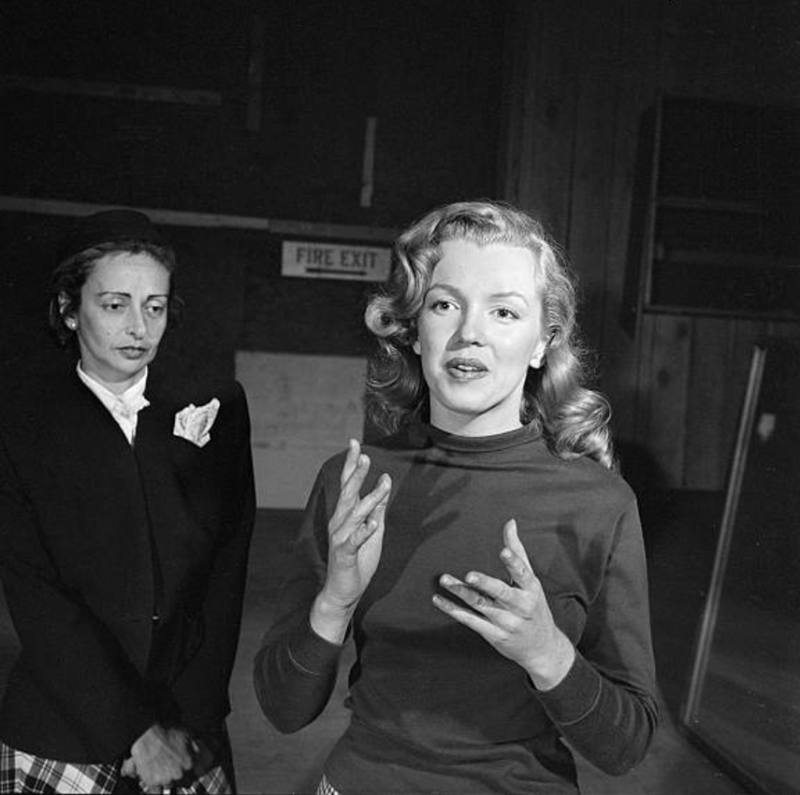
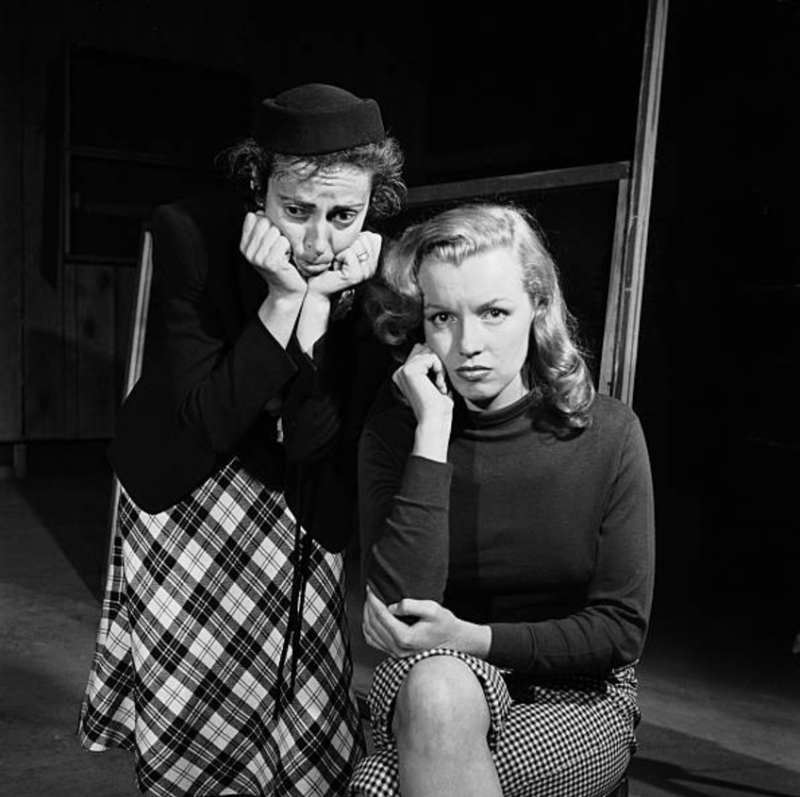
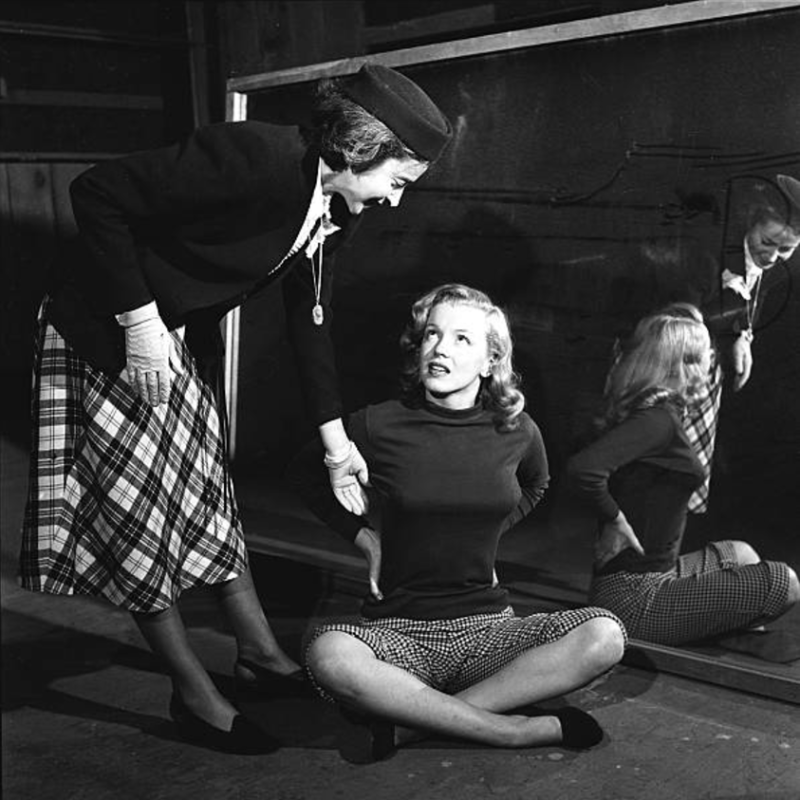
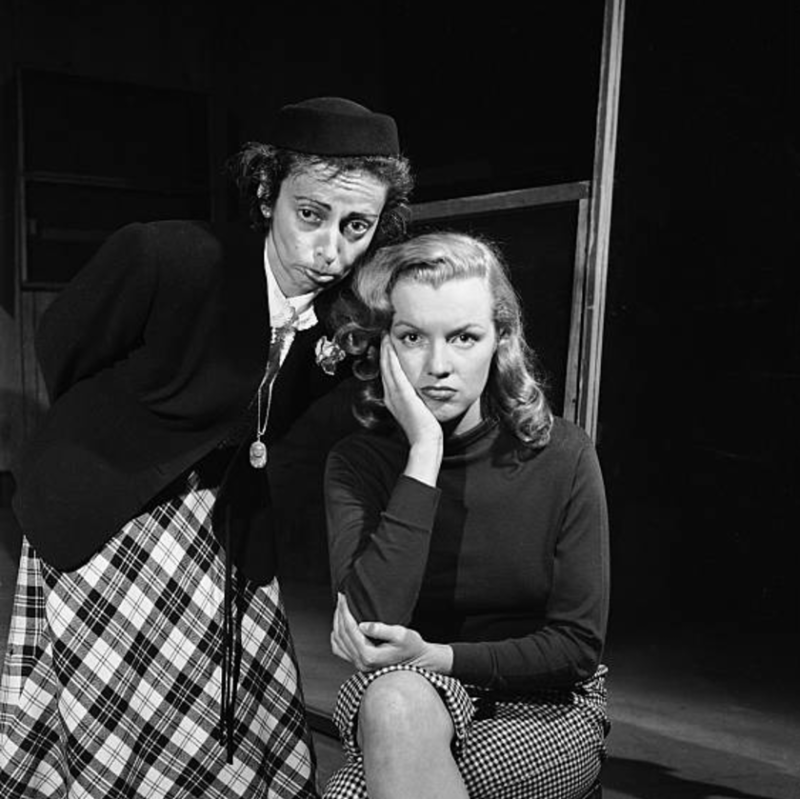
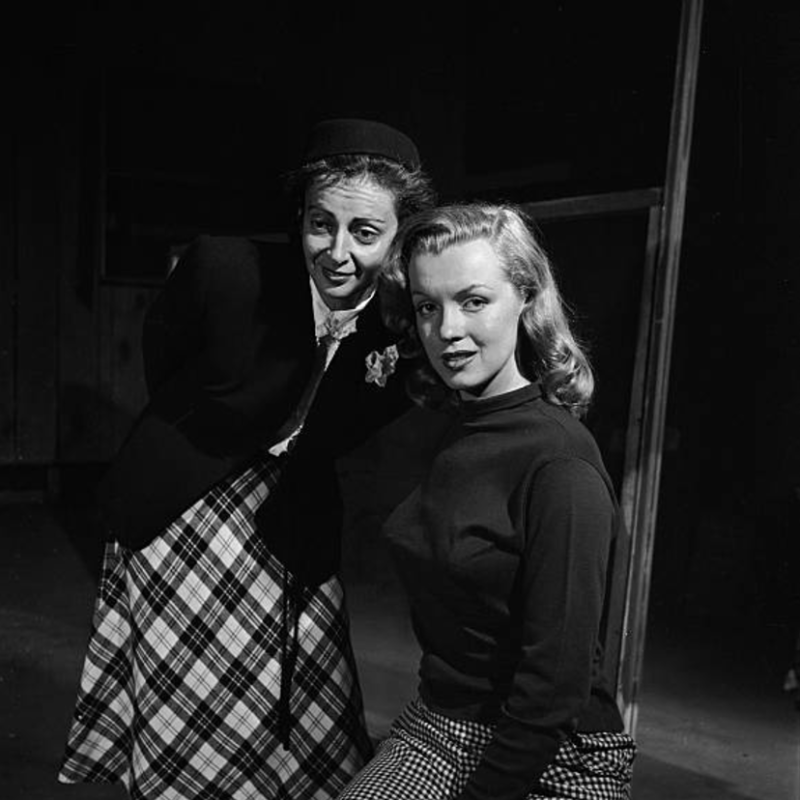
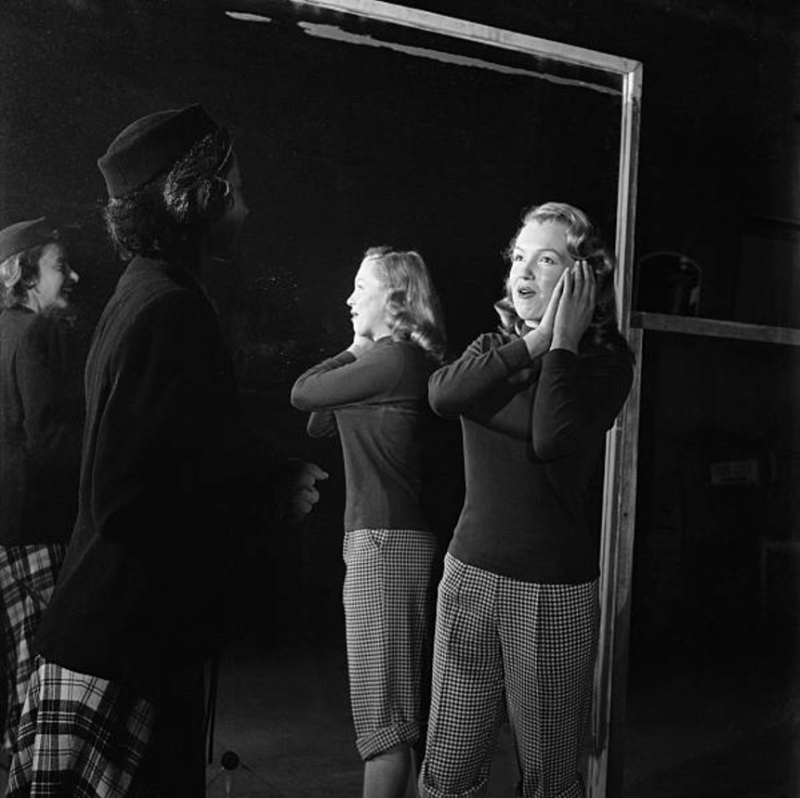
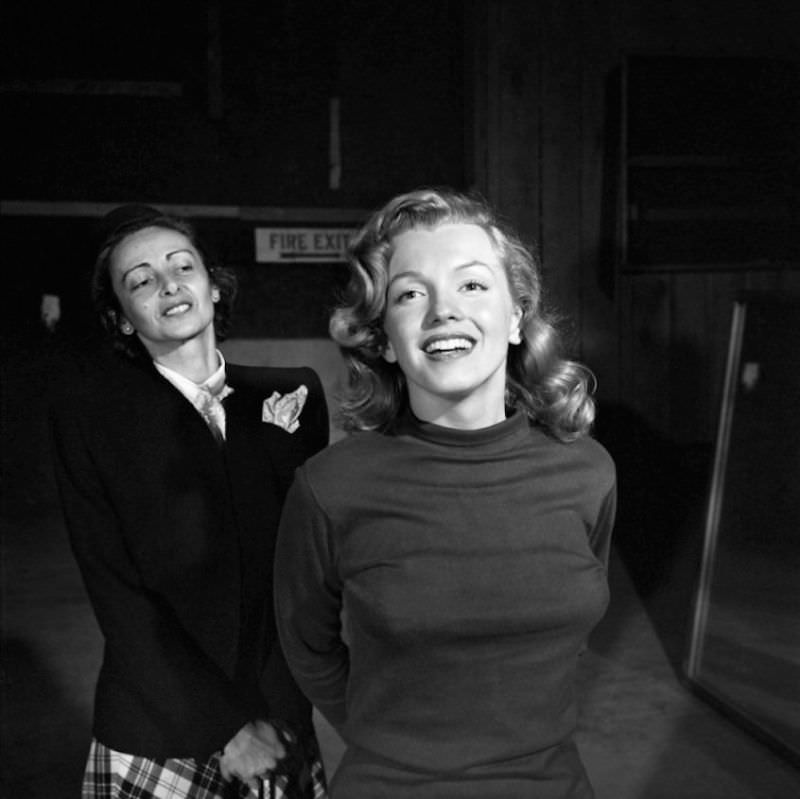
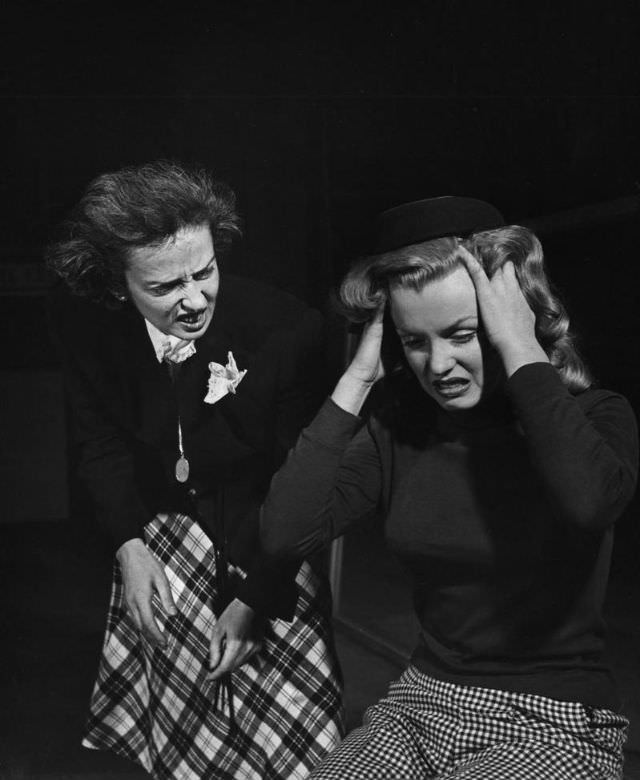
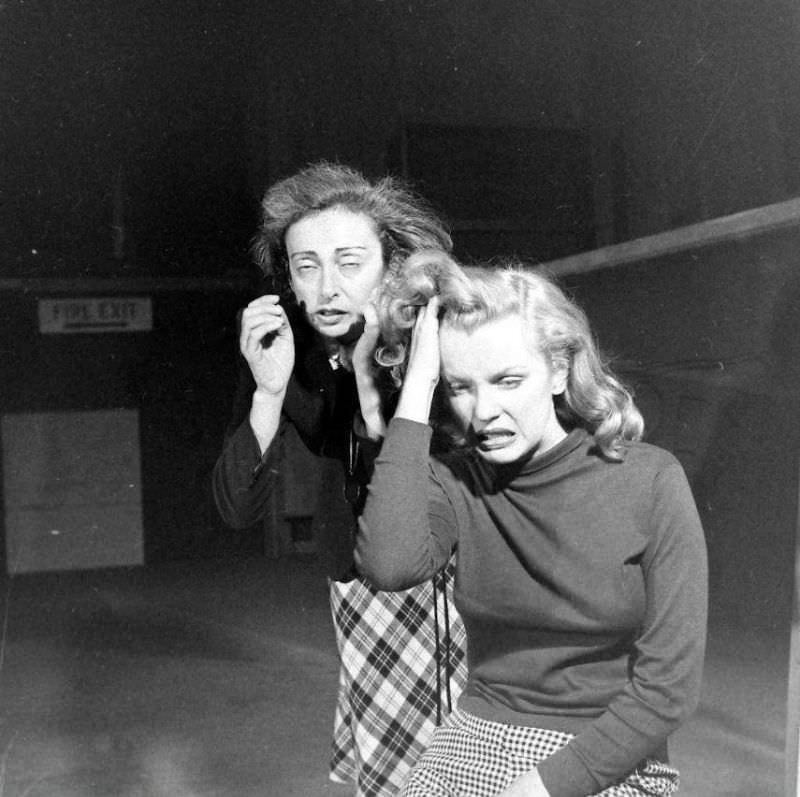
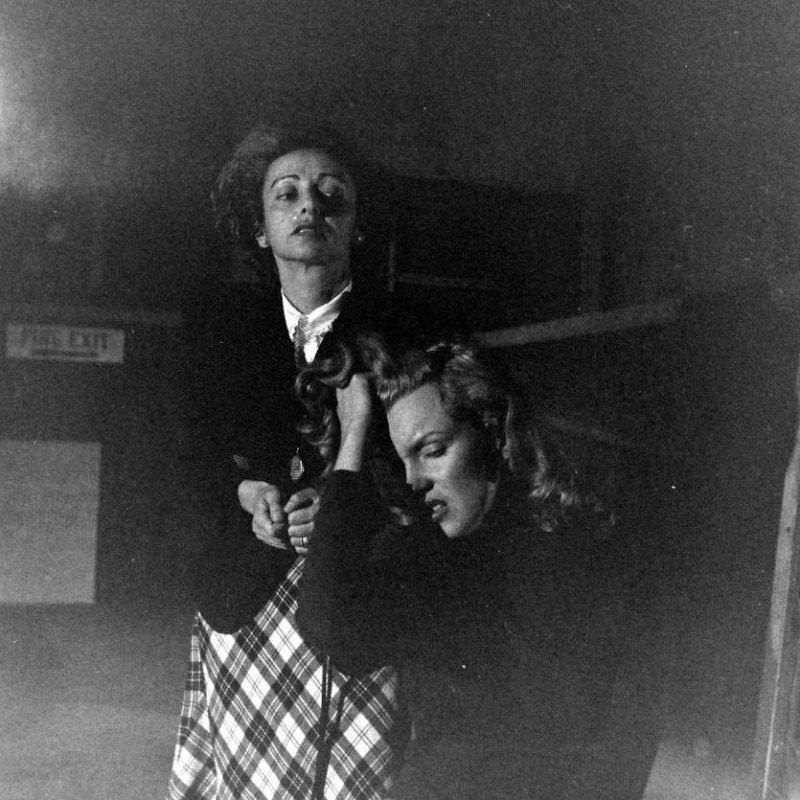
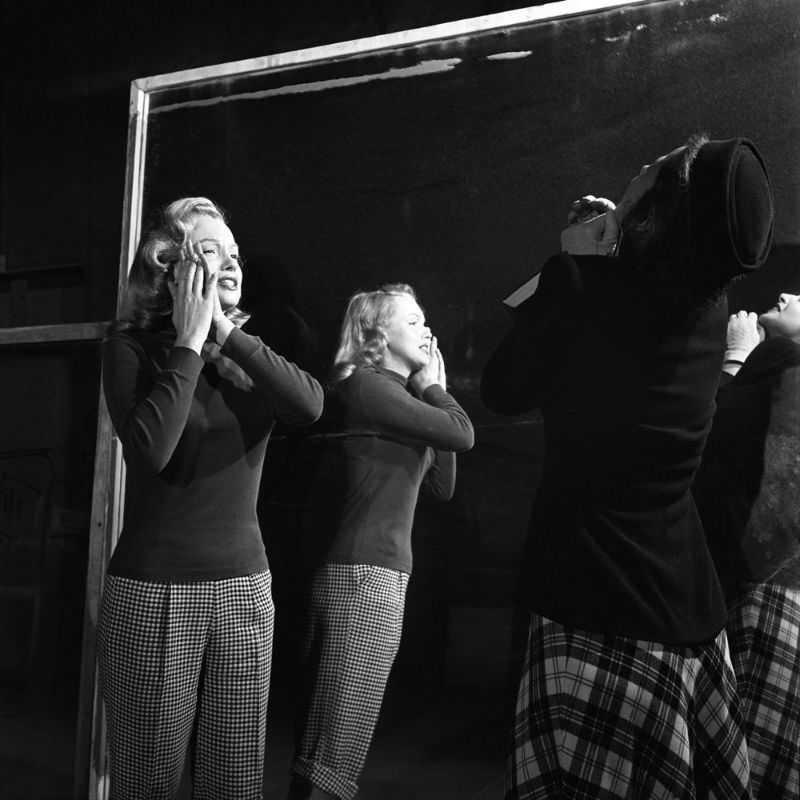
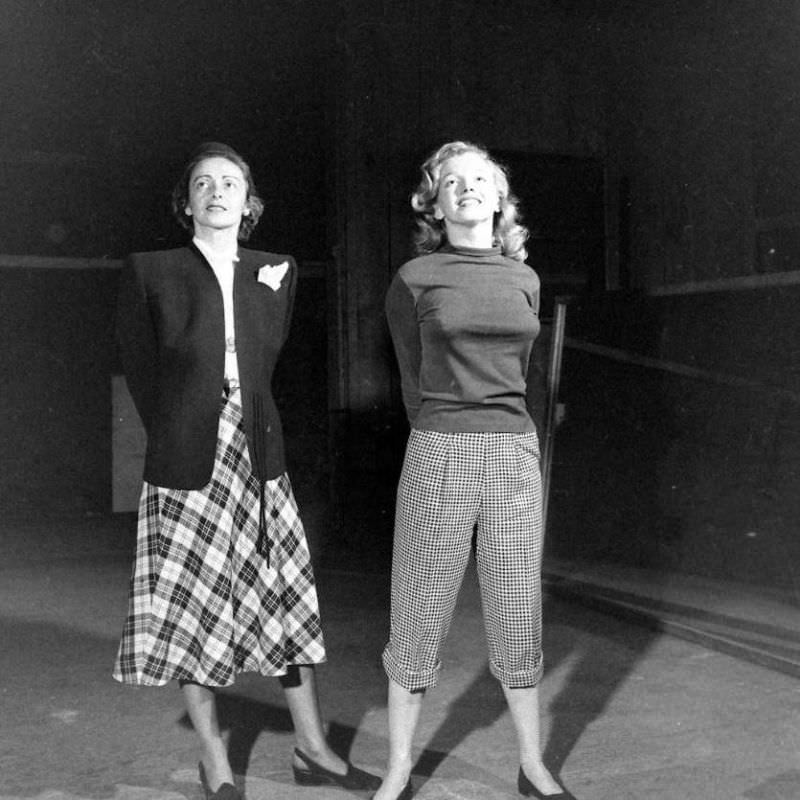
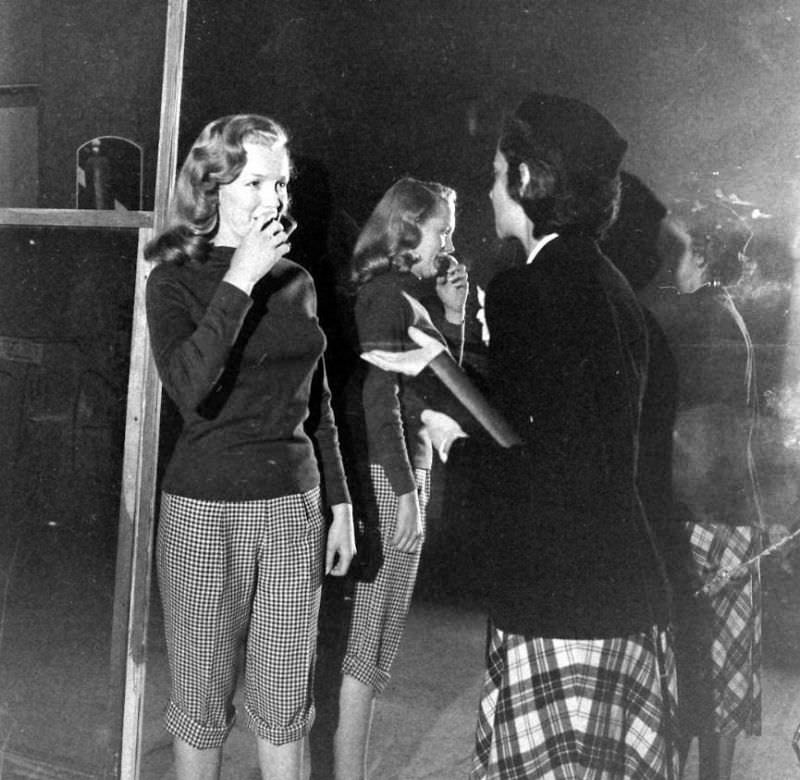
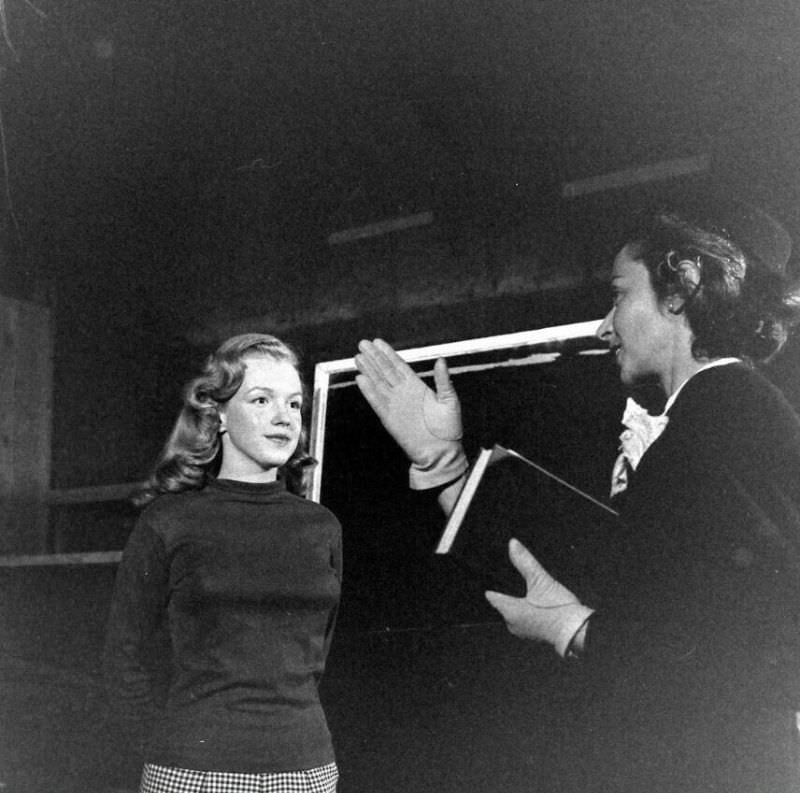
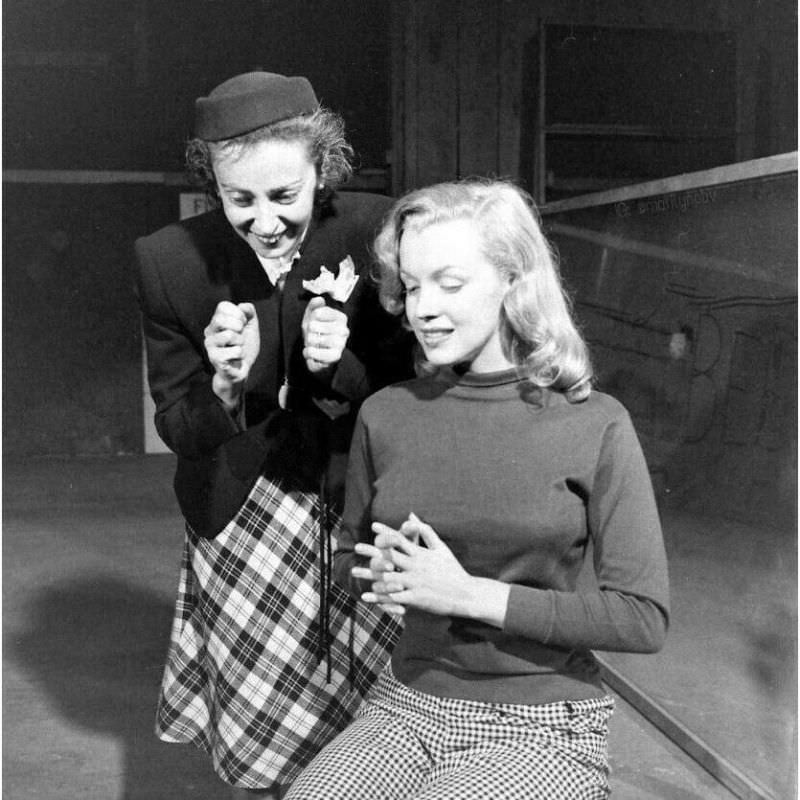
Before Marilyn Monroe became one of Hollywood’s biggest stars, she was a young actress working hard to sharpen her craft. In November 1948, she was photographed during an acting lesson with her coach, Natasha Lytess — the woman who played a direct role in getting Monroe’s career off the ground.
Natasha Lytess was a German-born actress and drama coach who had relocated to Los Angeles with ambitions of her own. Her German accent and appearance limited the roles available to her, so she shifted her focus to coaching. She joined Columbia Pictures as a drama coach, and it was there that she first saw Monroe’s screen test. Lytess was impressed enough to go directly to the head of Columbia Pictures and push for Monroe to be signed. The studio offered Monroe a six-month contract.
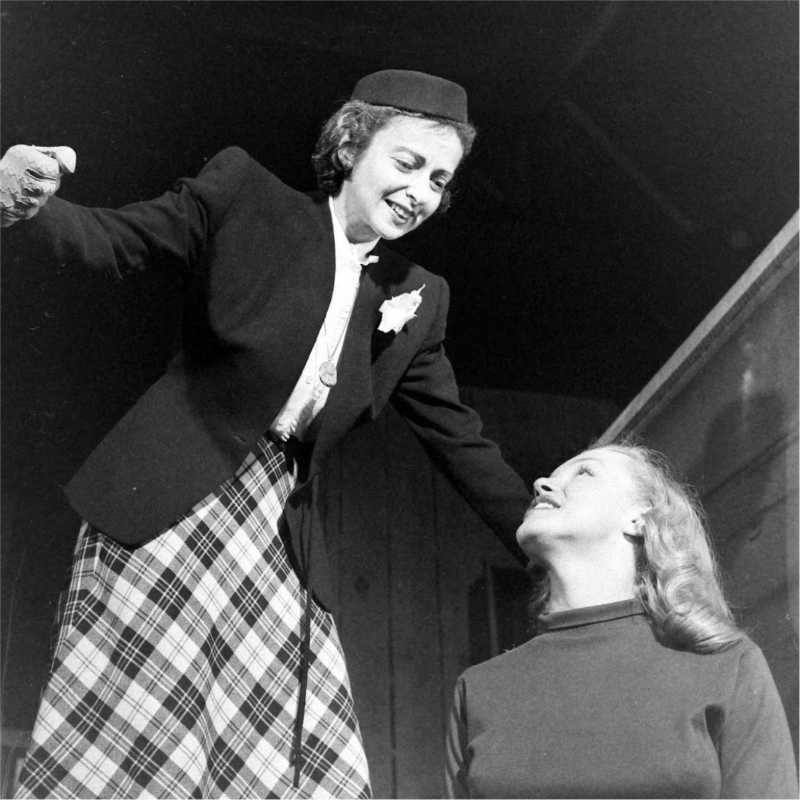
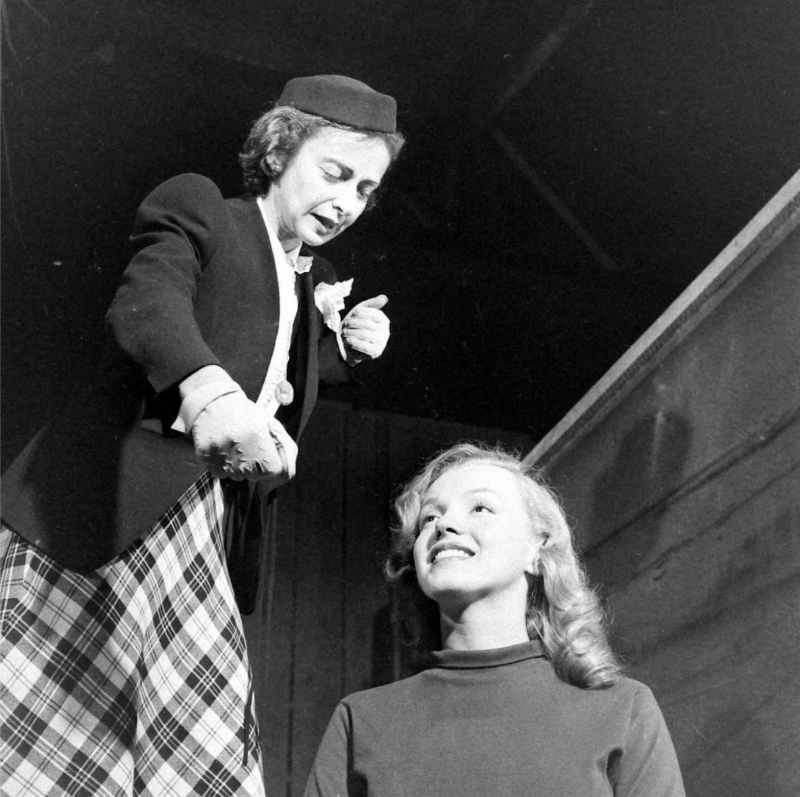
That intervention set Monroe on the path to stardom. From 1948 onward, the two women formed a working relationship that lasted eight years and spanned more than 20 films. Lytess was present on set for many of Monroe’s early productions, guiding her through scenes and helping her develop the screen presence she became known for.
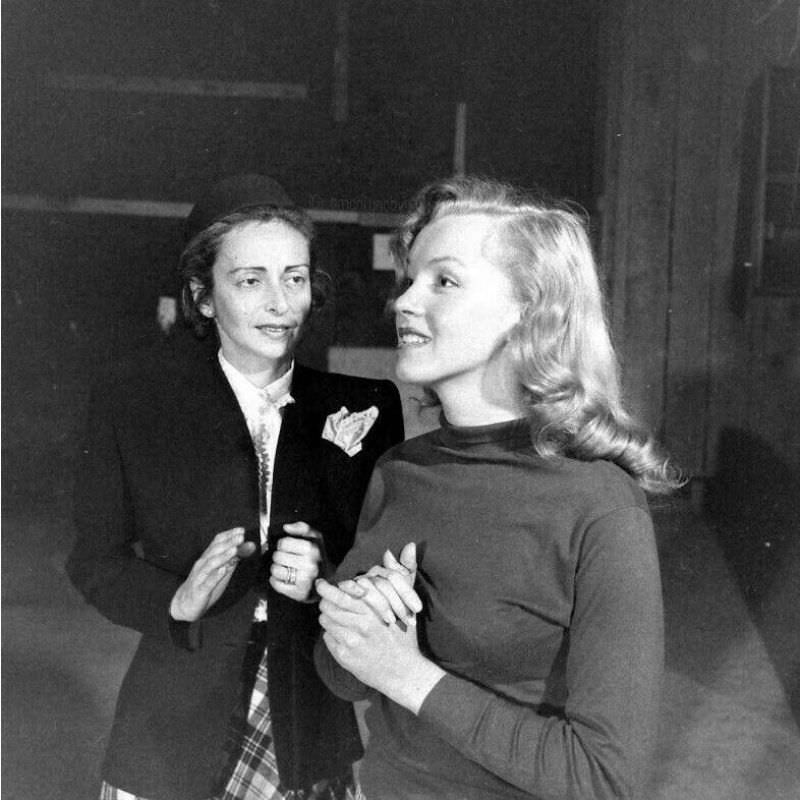
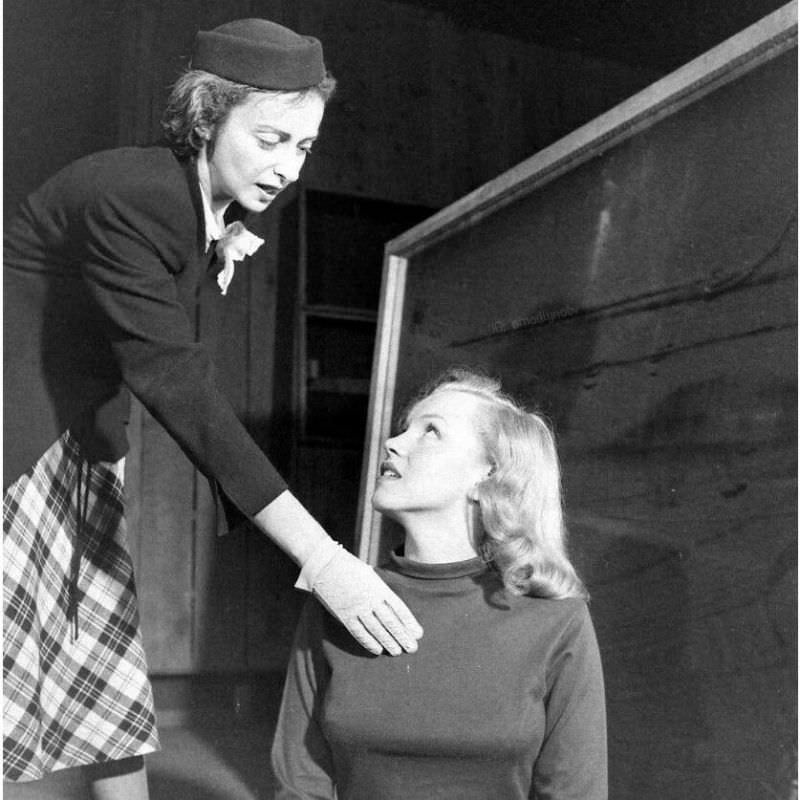
The photos below were taken in November 1948, capturing one of those early training sessions between Monroe and Lytess. At this point, Monroe was just 22 years old and still building the technical skills that would define her performances.
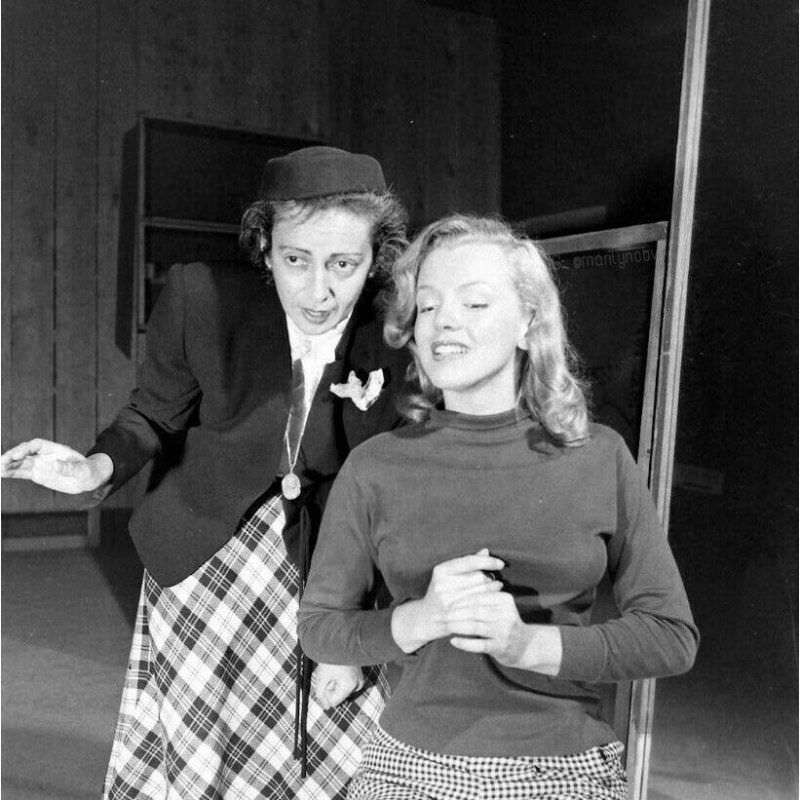
Beyond the professional relationship, Lytess and Monroe were close friends. But according to Monroe and other actresses who studied under Lytess, the coach’s feelings toward Monroe grew beyond professional boundaries. What began as admiration developed into an overbearing obsession, which Monroe and her peers described openly.
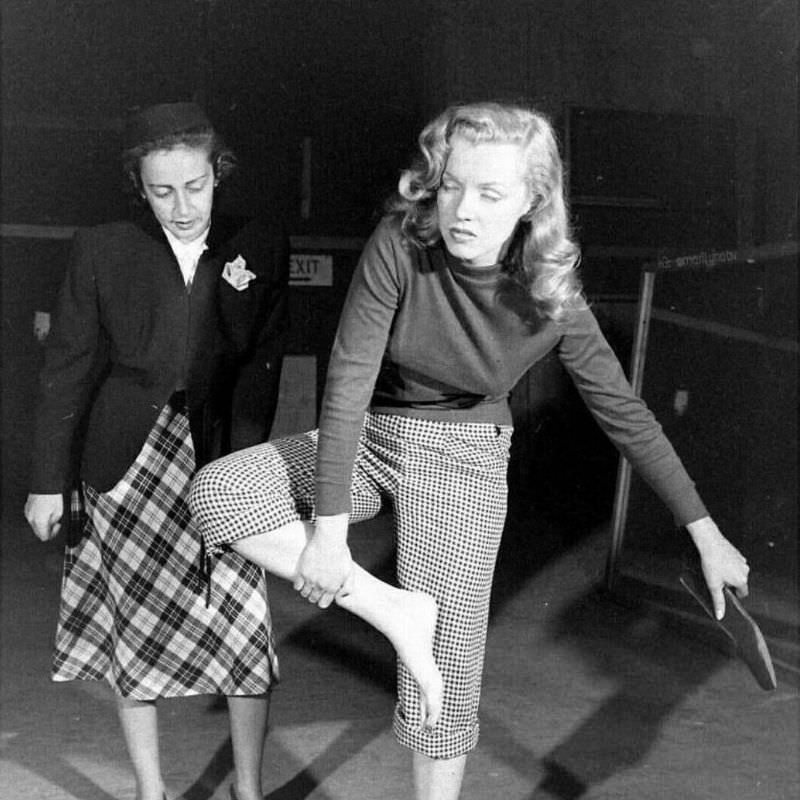
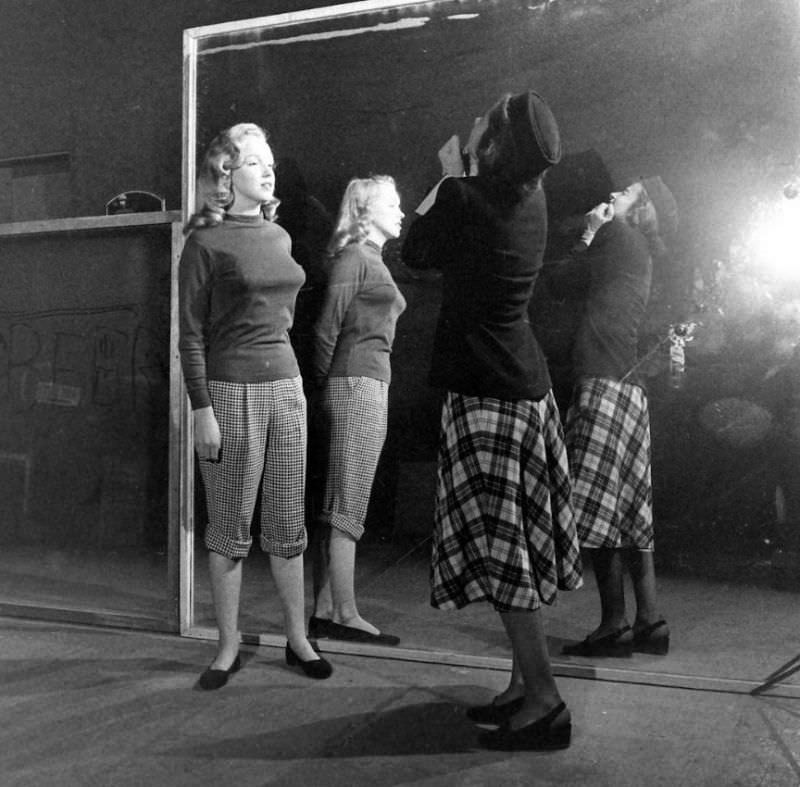
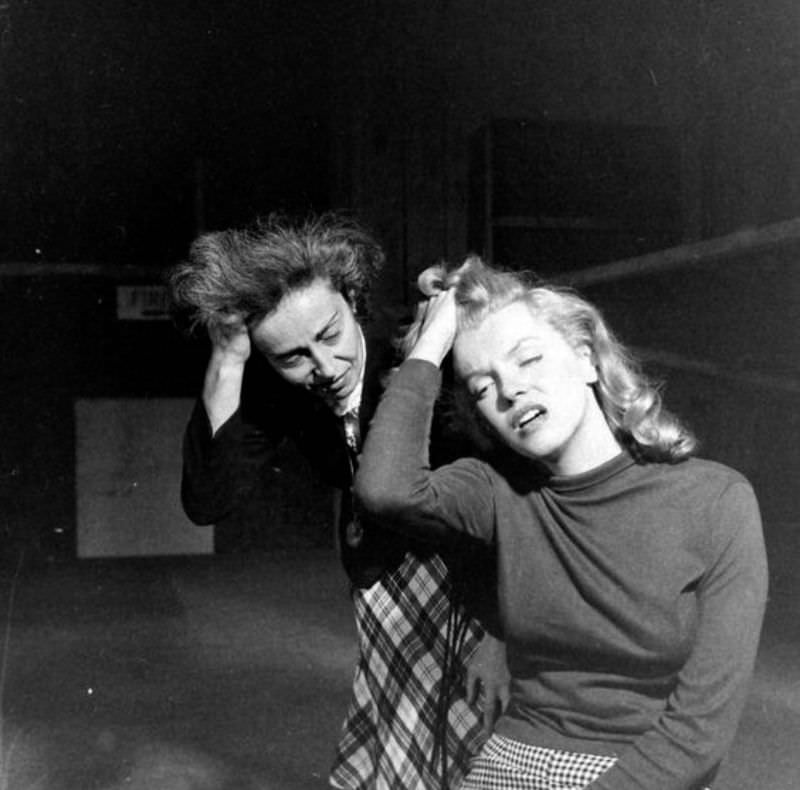
Despite the complications in their personal dynamic, the professional arrangement held for years. Lytess remained one of the most consistent figures in Monroe’s early career, present through roles that steadily raised her profile in Hollywood.
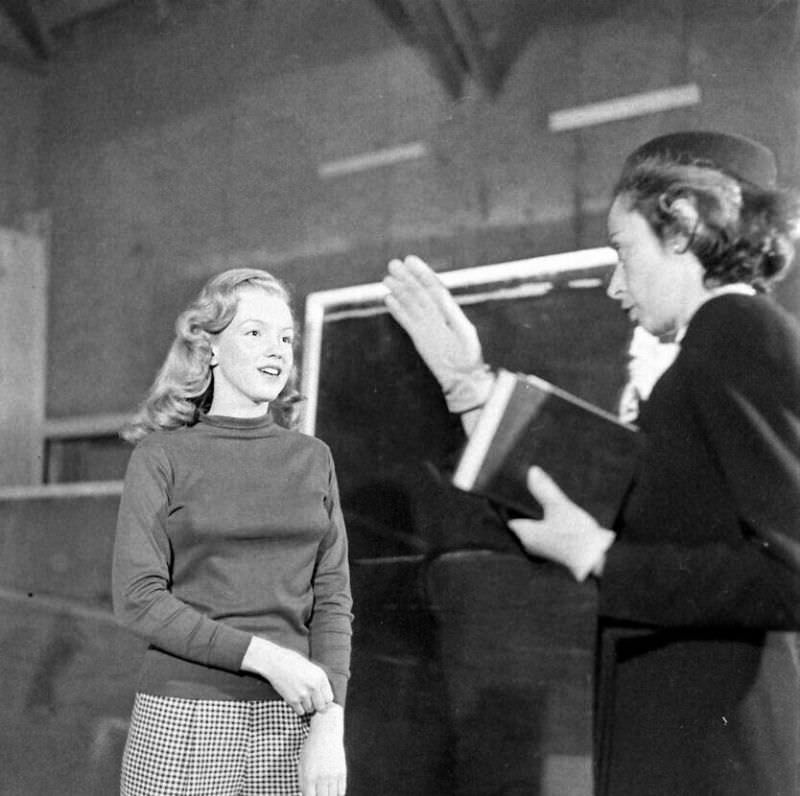
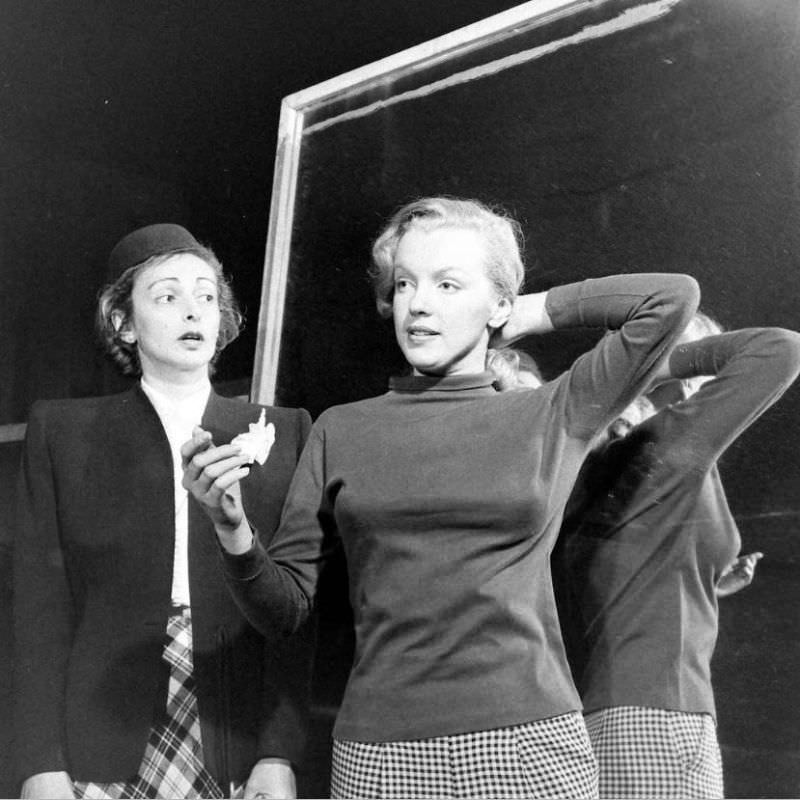
By 1956, Monroe decided to end the arrangement. She did not meet Lytess in person to deliver the news. Instead, she sent a telegram stating that she no longer required her services. The message was brief and final, closing out one of the most significant professional relationships of her early career.
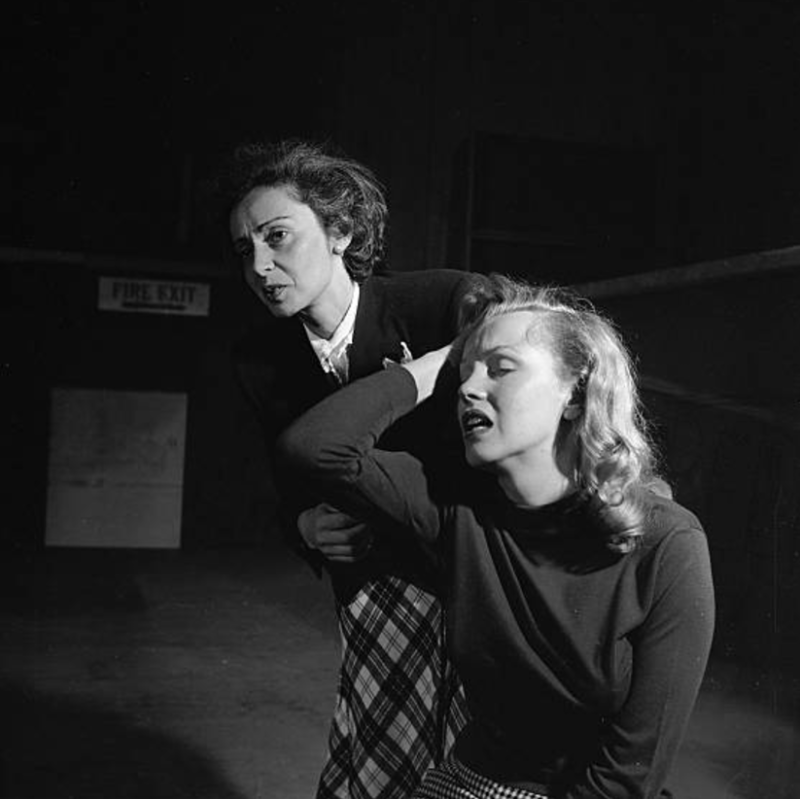
These photographs offer a rare look at Monroe during a formative period — before the fame, before the iconic roles, and before the public image that the world came to recognize. In 1948, she was a student, working through lessons with the coach who had helped open the door to her career.