in ,

Munich Air Disaster: Causes, Facts and Photos of the Plane Crash That Killed Manchester United Players, Staff, and Crew

On 6 February 1958, a plane carrying the Manchester United football squad, supporters, and journalists crashed on its third takeoff attempt at Munich Airport. The disaster killed 23 of the 44 people on board, including eight players from one of England’s most talented young football teams. It remains one of the darkest days in British sporting history.

Manchester United, widely known as the ‘Busby Babes’ after their manager Matt Busby, had just played a European Cup quarter-final second leg against Red Star Belgrade in Yugoslavia. The match ended 3–3, and United advanced on aggregate. The team, along with club staff, journalists, and supporters, boarded British European Airways Flight 609 for the journey back to Manchester.
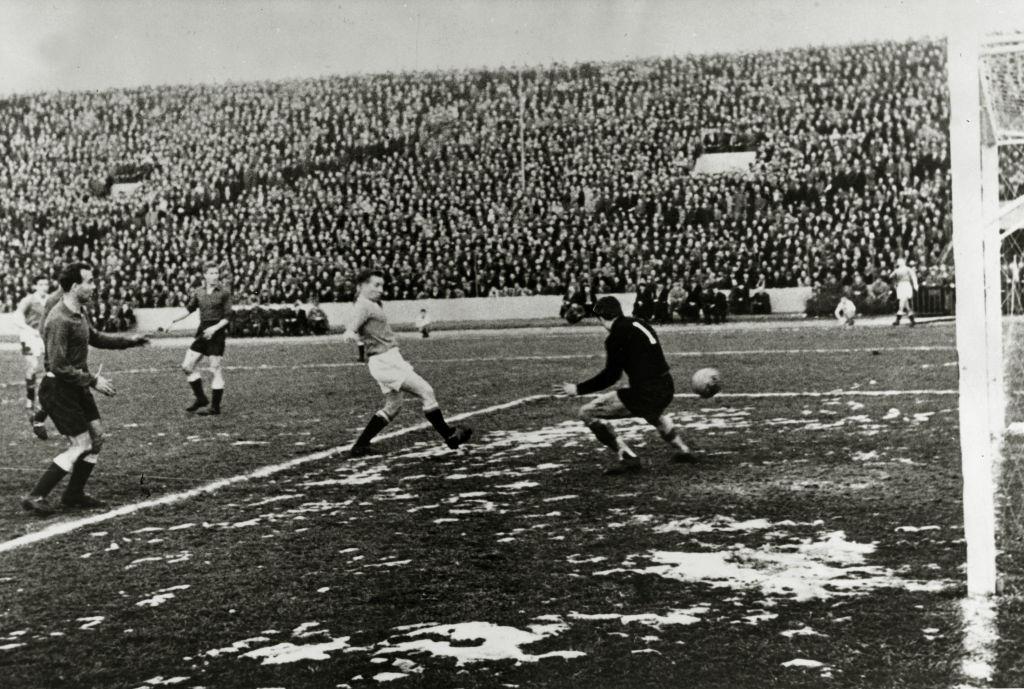
European Cup Quarter Final 2nd Leg, Red Star Belgrade 3 v Manchester United 3, February 1958

The aircraft was an Airspeed Ambassador 2, registration G-ALZU, named ‘Lord Burghley.’ It had been built in 1952, making it six years old at the time of the crash. The pilot was Captain James Thain, a former RAF flight lieutenant. The co-pilot was Captain Kenneth Rayment. The flight route took them from Belgrade Airport with a scheduled refueling stop in Munich before continuing on to Manchester.

The plane touched down at Munich’s Riem Airport at around 1:15 pm. After refueling, the crew made their first takeoff attempt but aborted it. A second attempt followed three minutes later and also failed. Both aborts were linked to a technical issue with engine boost pressure that the crew was monitoring. The passengers were asked to disembark and wait inside the terminal.
The wreckage of the plane after the crash at Munich. 6 Feb 1958.

After about 15 minutes, Captain Thain, anxious to keep to the schedule, called the passengers back on board for a third takeoff attempt. The mood among some passengers was uneasy. Winger Liam Whelan, who was not a confident flyer, reportedly said to those around him, “This may be death, but I’m ready.” The plane began its takeoff run down the runway, which was covered in a thick layer of slush from heavy snowfall.
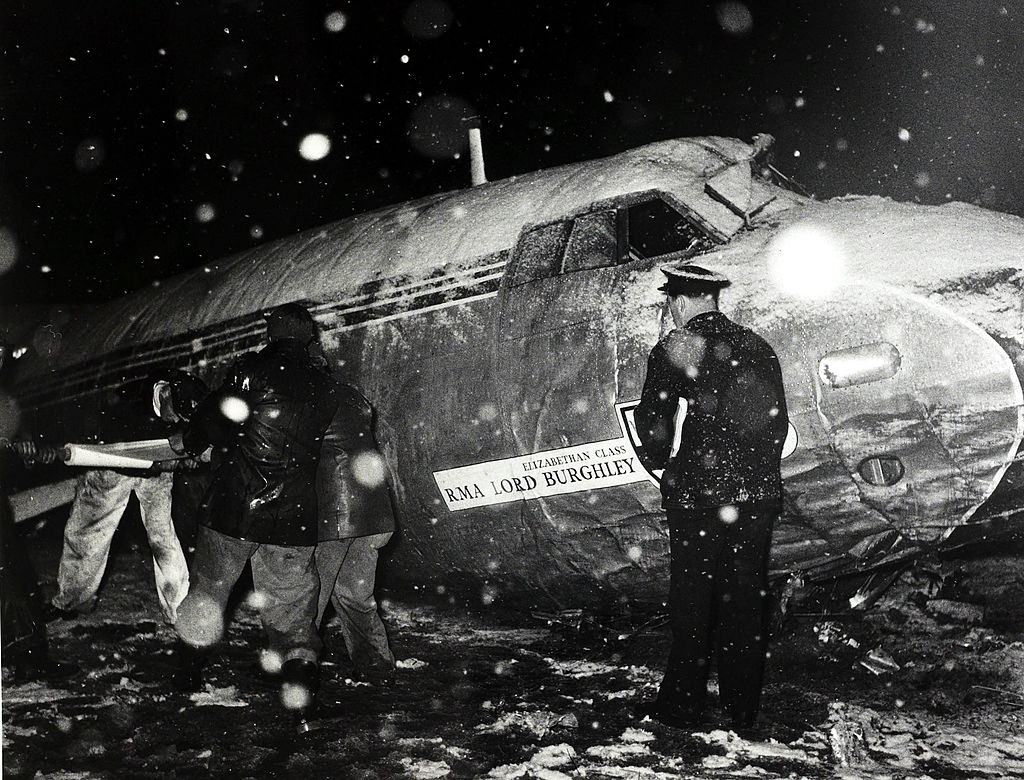
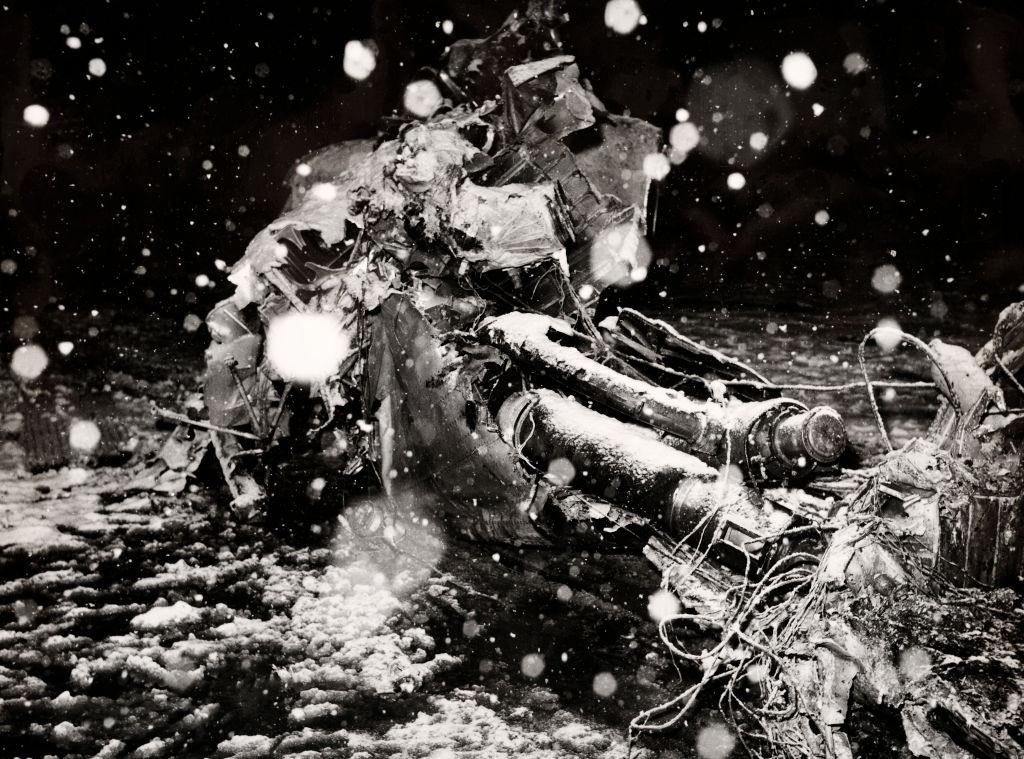
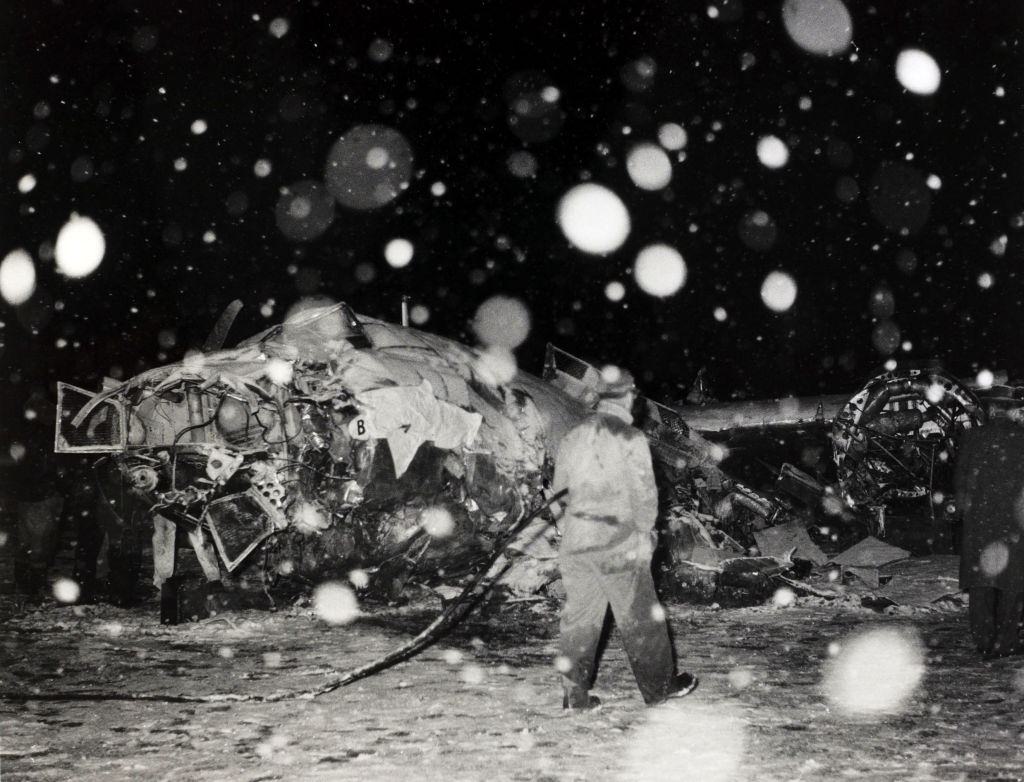
Rescue workers in a snowstorm at the wreckage of the B.E.A. Elizabethan airliner G-ALZU "Lord Burghley" after the crash. 6 February 1958.
Rescue workers in a snowstorm at the wreckage of the B.E.A. Elizabethan airliner G-ALZU “Lord Burghley” after the crash. 6 February 1958.

The slush on the runway created far more drag than a dry or even wet surface would. The aircraft failed to build enough speed to become airborne. It overran the end of the runway, smashed through the perimeter fence, and struck a nearby house. Part of the plane also hit a wooden hut containing a truck loaded with fuel. Both the aircraft and the structures caught fire almost immediately.
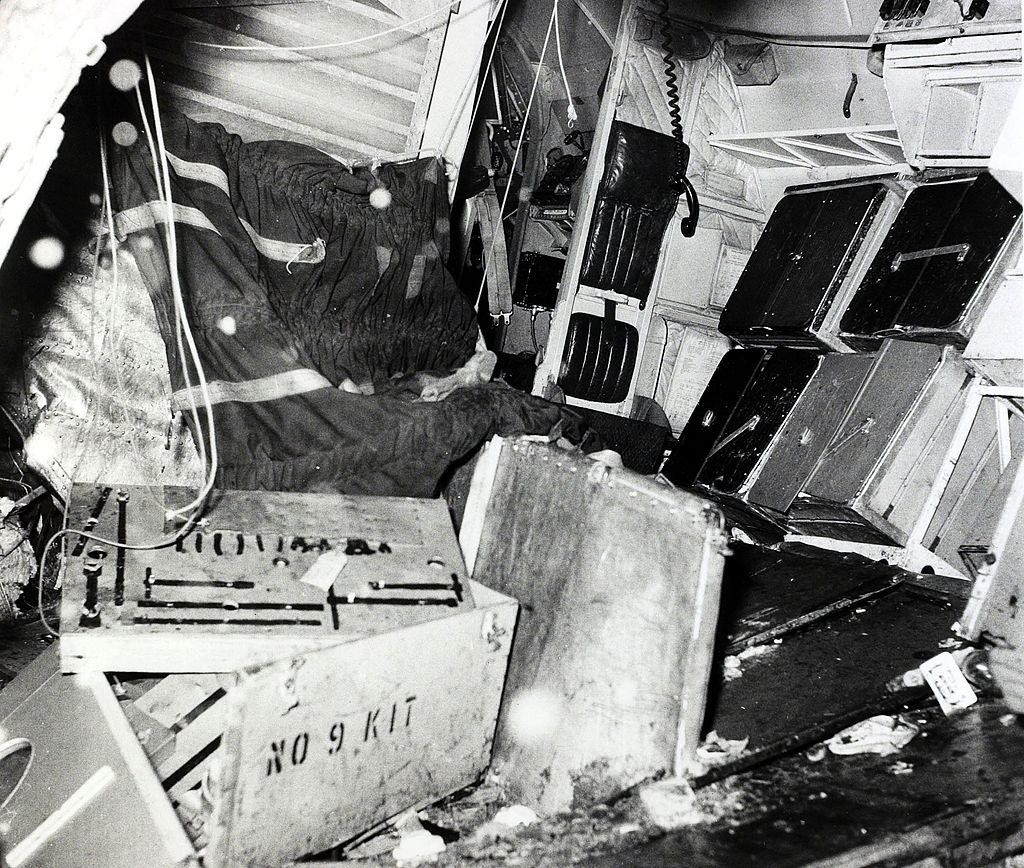
The interior of the plane that was crashed carrying Manchester United players and Journalists.
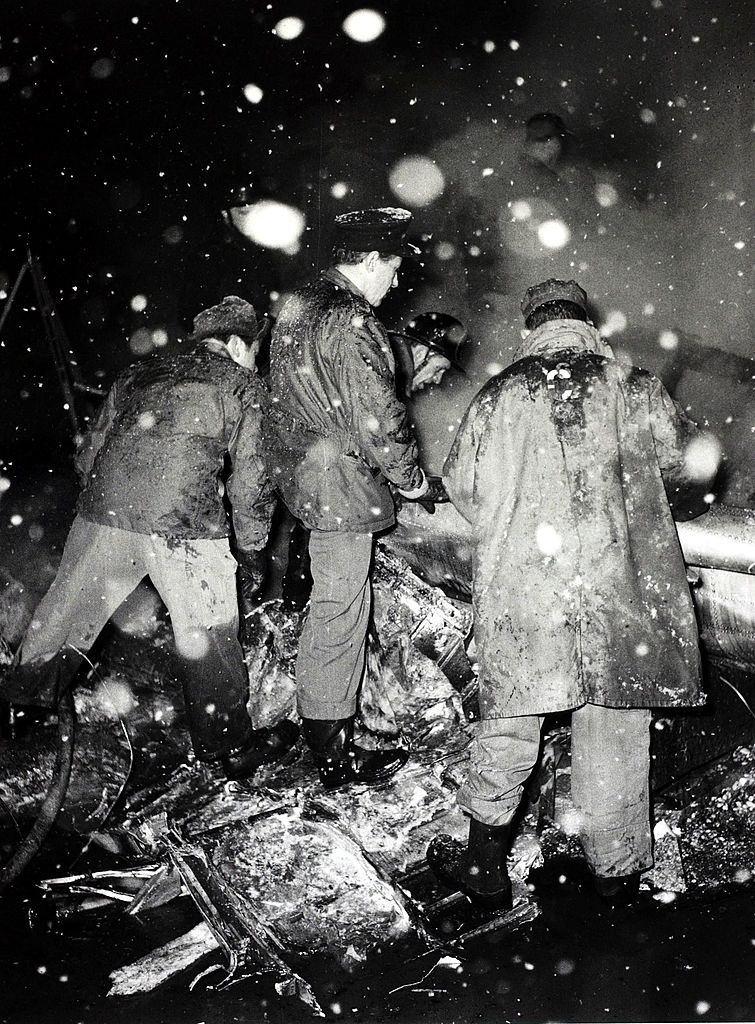
Rescue workers near the crash site at Munich Airport. 6 February 1958.

Twenty people died at the scene or very shortly after the crash. Seven Manchester United players were among the immediate dead: Geoff Bent, Roger Byrne, Eddie Colman, Mark Jones, David Pegg, Tommy Taylor, and Liam Whelan. A third player, Duncan Edwards, was pulled from the wreckage alive but died in hospital 15 days later from his injuries. A total of eight players from the squad were killed.
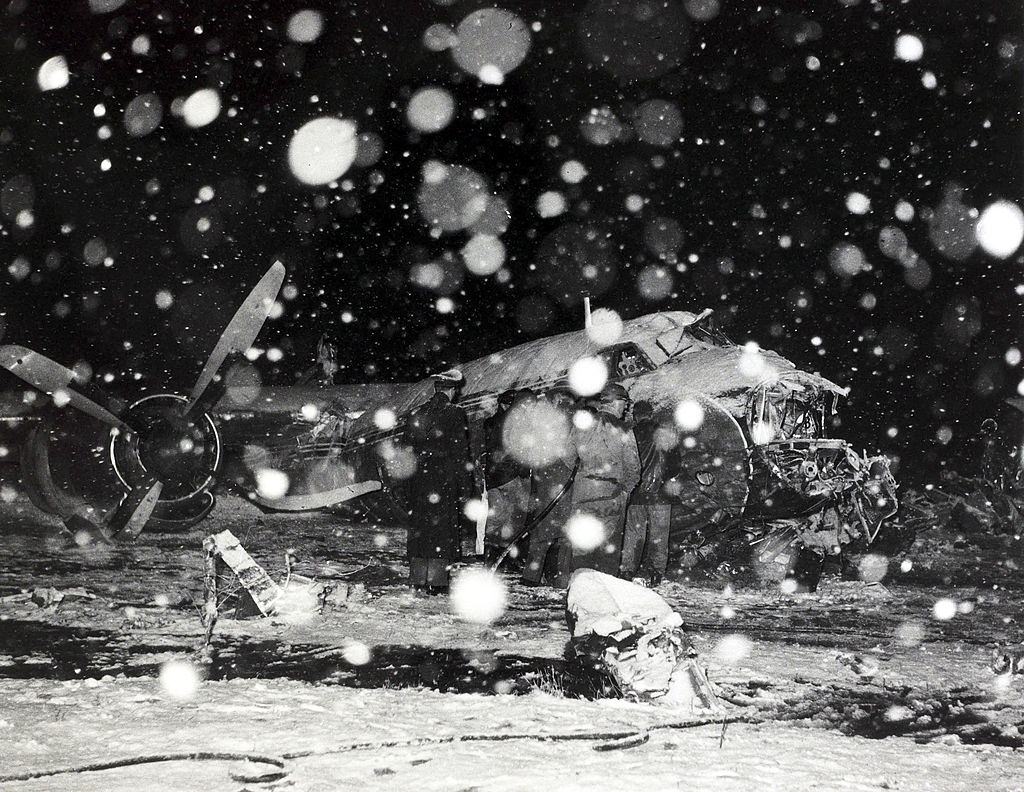
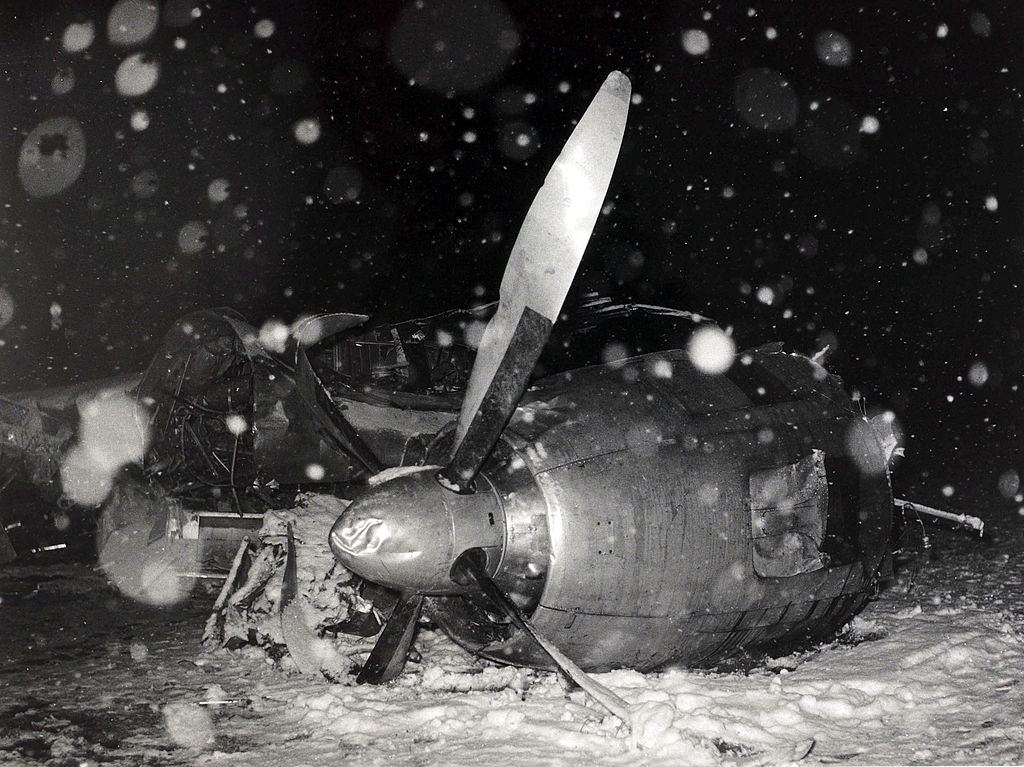
The snow covered fuselage, part of the wreckage of the B,E,A, Elizabethan airliner G-ALZU "Lord Burghley" after the crash at Munich. 6 February 1958.
The snow covered fuselage, part of the wreckage of the B,E,A, Elizabethan airliner G-ALZU “Lord Burghley” after the crash at Munich. 6 February 1958.
Part of the wreckage of the plane that was crashed at Munich airport.
The wreckage o plane  on the slushy runway following the Munich Air Disaster.
The wreckage o plane on the slushy runway following the Munich Air Disaster.

Among the other passengers who died were club secretary Walter Crickmer, first-team trainer Tom Curry, and coach Bert Whalley. Several journalists covering the club also lost their lives, including Alf Clarke, Don Davies, George Follows, Tom Jackson, Archie Ledbrooke, Henry Rose, Frank Swift, and Eric Thompson. Travel agent and club supporter Willie Satinoff also perished, as did co-pilot Captain Kenneth Rayment, who died in hospital 28 days after the crash.
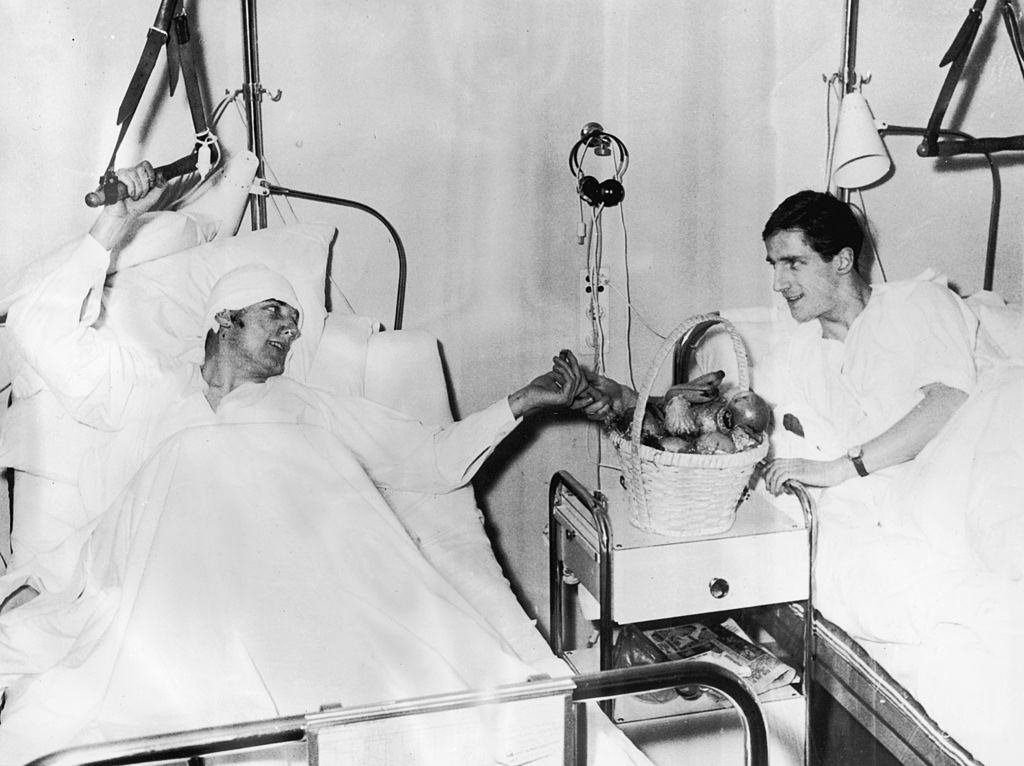
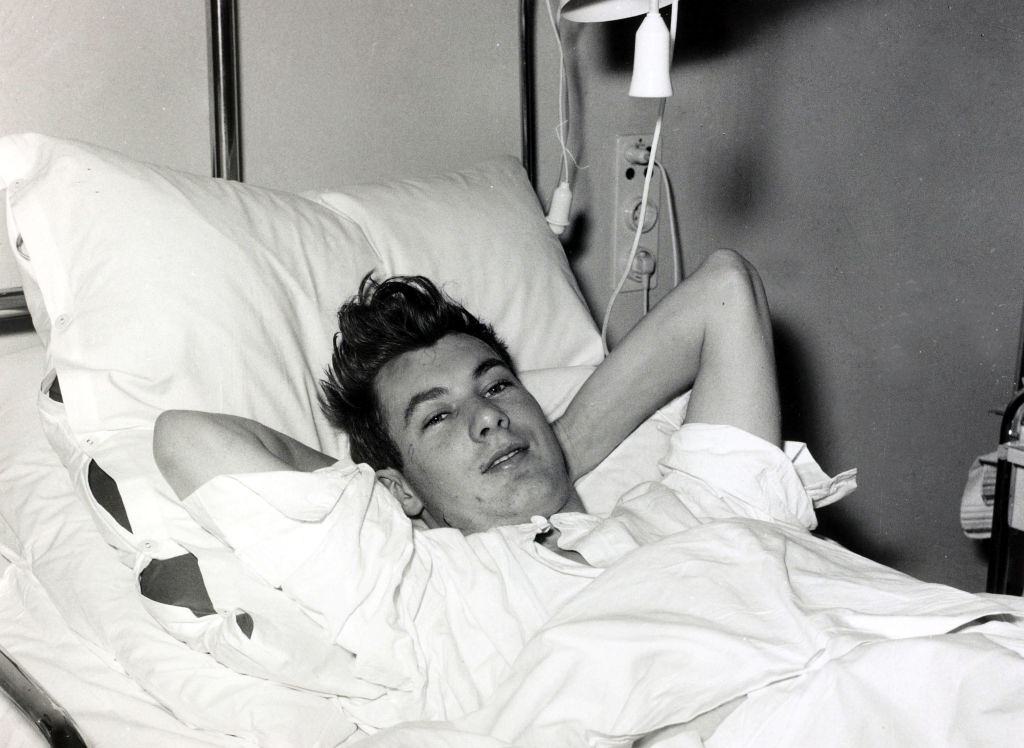
Manchester United footballers Dennis Viollet (left) and Albert Scanton share a basket of fruit in their ward at Isar Hospital Munich, 13th Feb 1958.

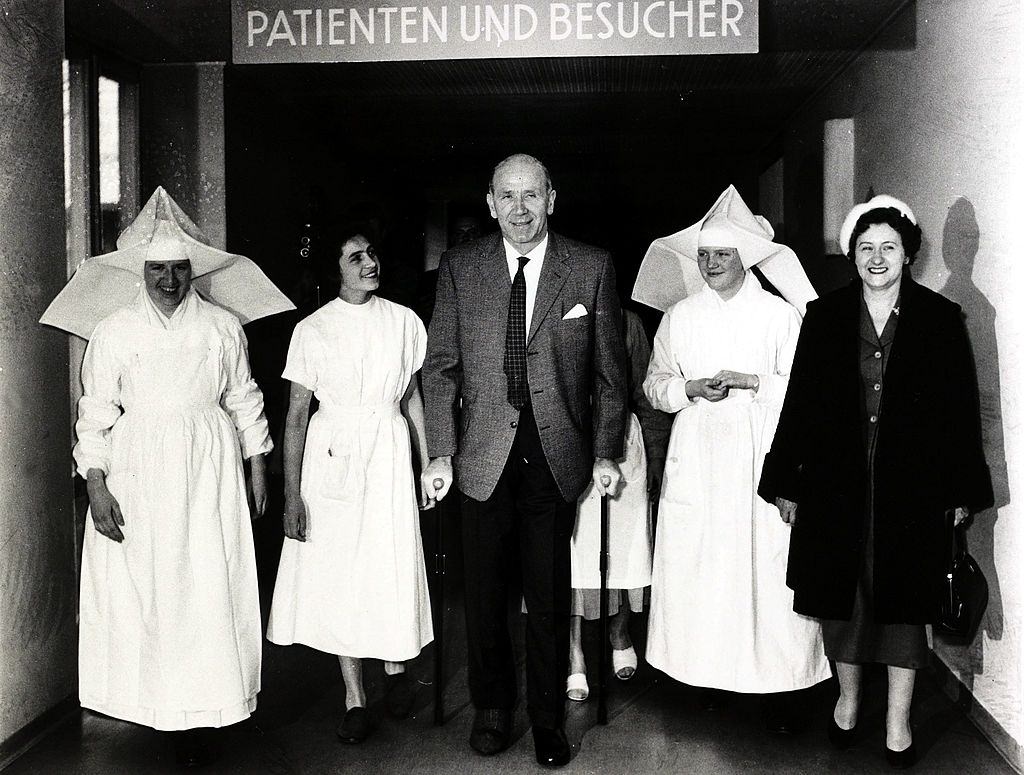
Matt Busby, the Manchester United manager, survived but sustained critical injuries. He was placed in an oxygen tent at a Munich hospital and was twice given the last rites by a priest, so grave was his condition. He spent months recovering before eventually returning to management.
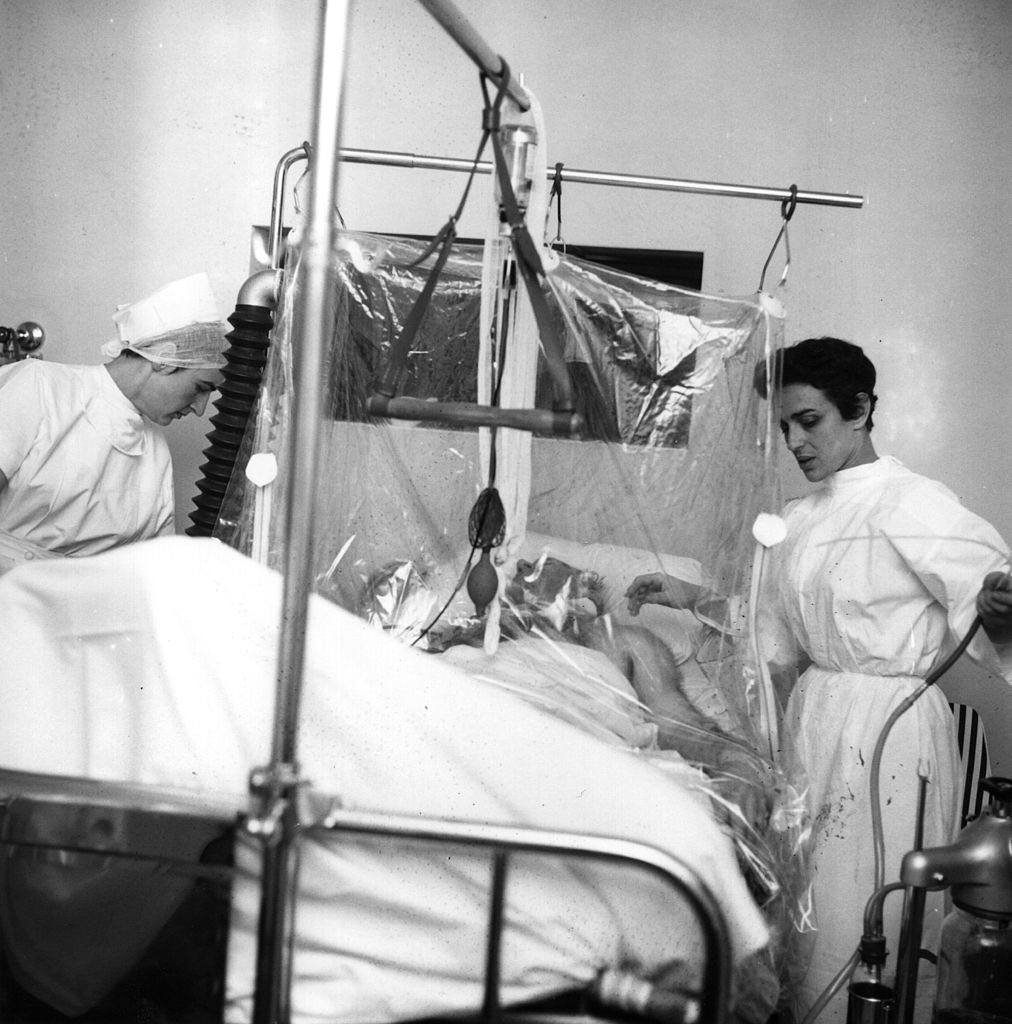
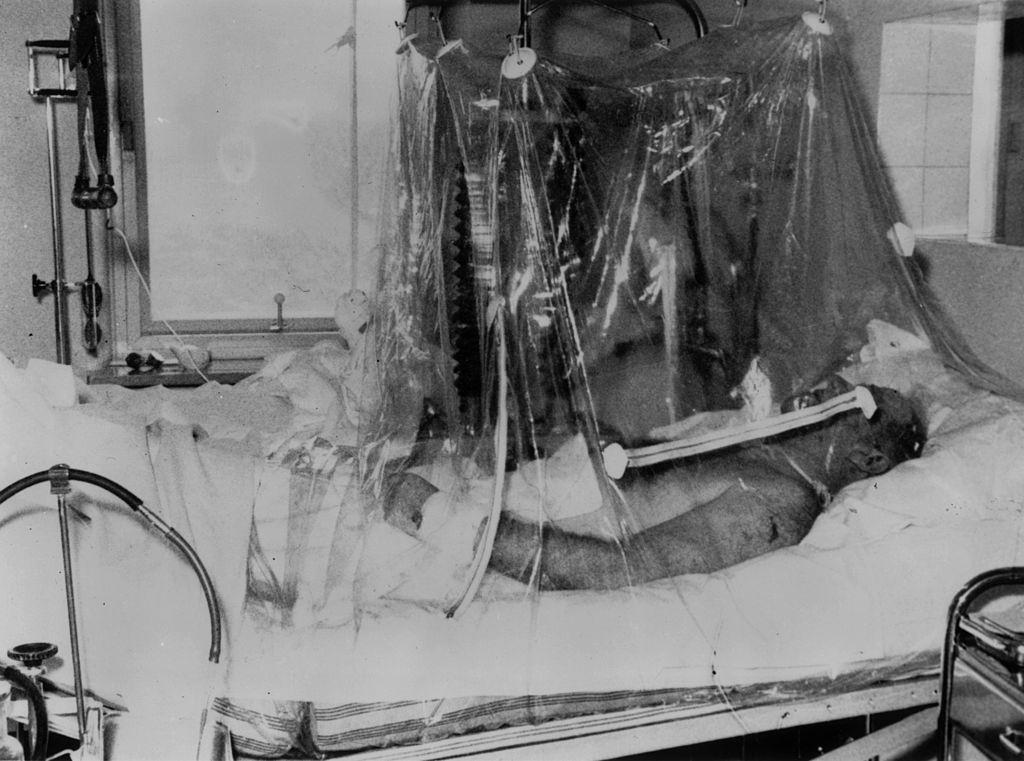
Sir Matt Busby (1909 - 1994), football manager of Manchester United, lying in hospital in an oxygen tent after the Munich air crash, 13th Feb 1958.
Sir Matt Busby (1909 – 1994), football manager of Manchester United, lying in hospital in an oxygen tent after the Munich air crash, 13th Feb 1958.
Manchester United football manager Sir Matt Busby lying in an oxygen tent in Munich Hospital. 8th February 1958

Several players survived the crash with injuries of varying severity. Bobby Charlton, who went on to become one of England’s greatest footballers, was pulled from the wreckage. Goalkeeper Ray Wood, Kenny Morgans, Dennis Viollet, and Bill Foulkes all survived. Foulkes was one of the few passengers who walked away from the wreckage almost unhurt.
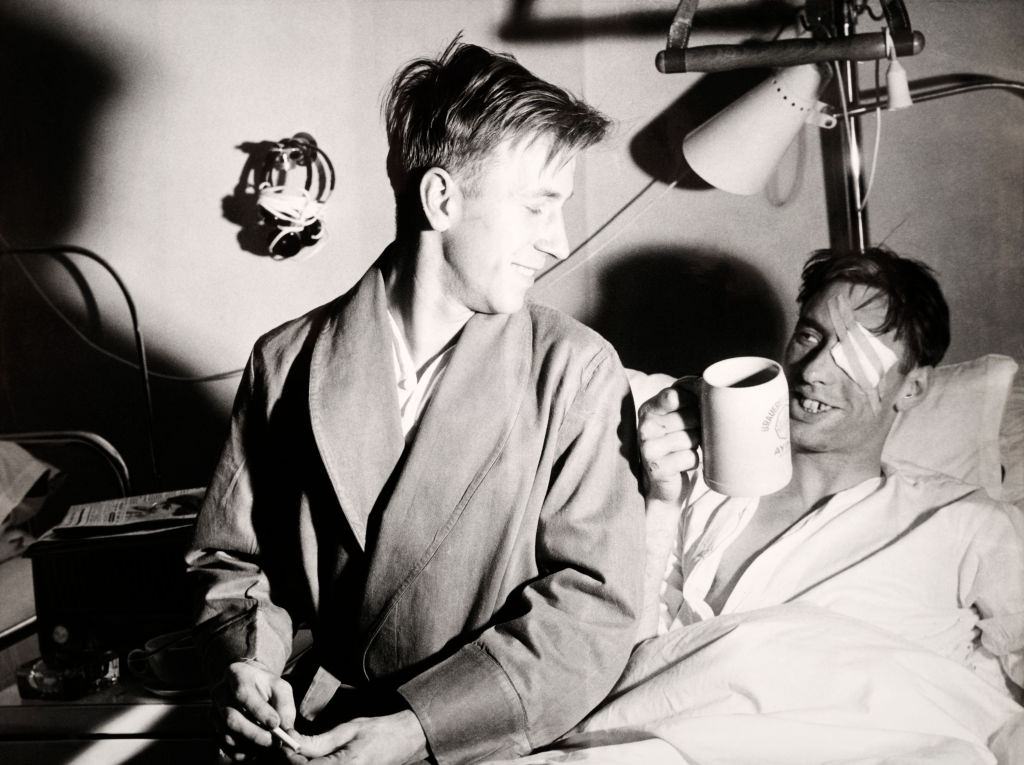
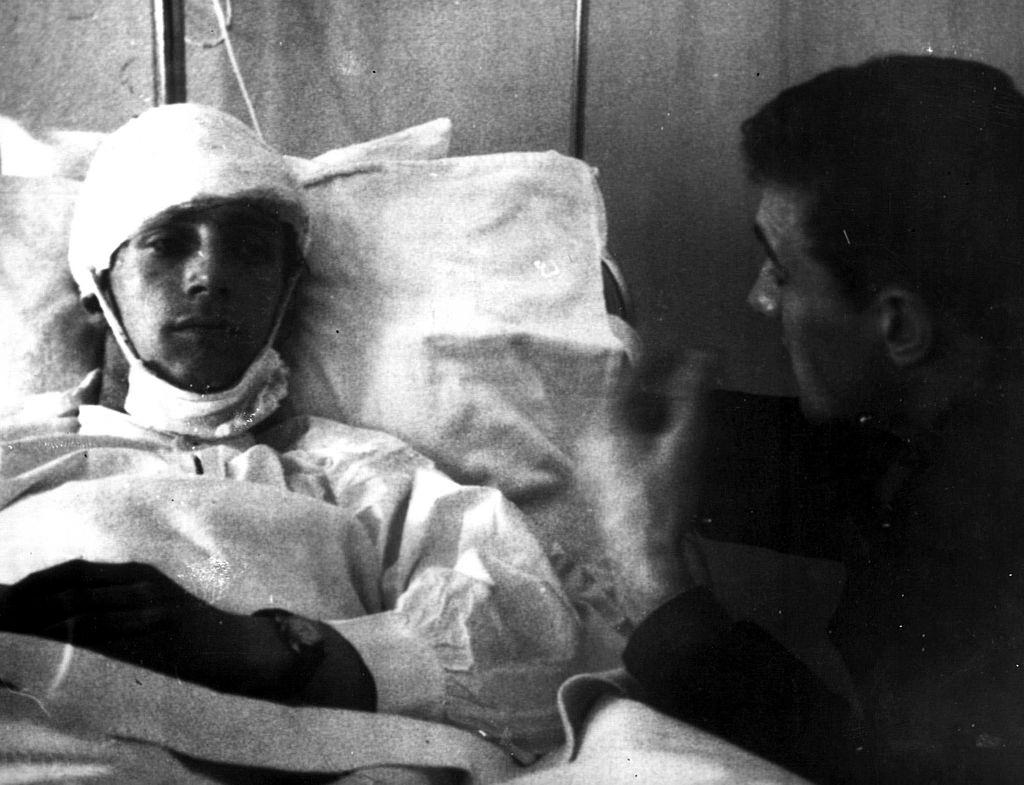
Manchester United survivor Ray Wood in hospital with his teammate Bobby Charlton (left) following the Munich Air Disaster.
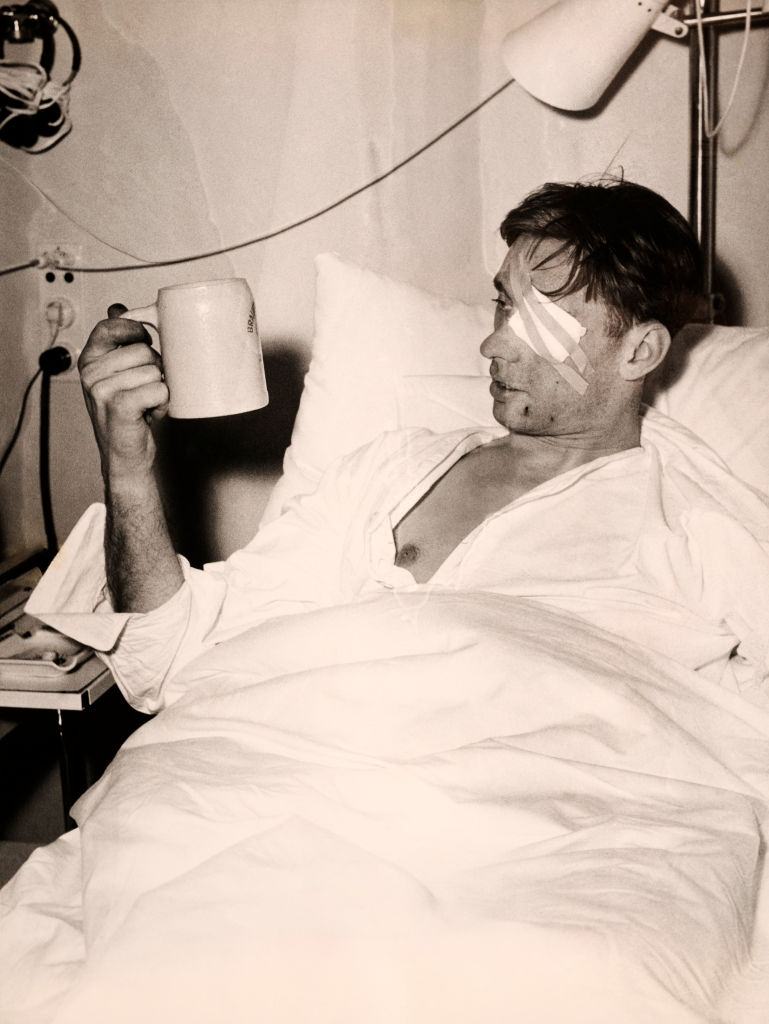
Manchester United survivor Ray Wood holds a tankard of beer following the Munich Air Disaster.
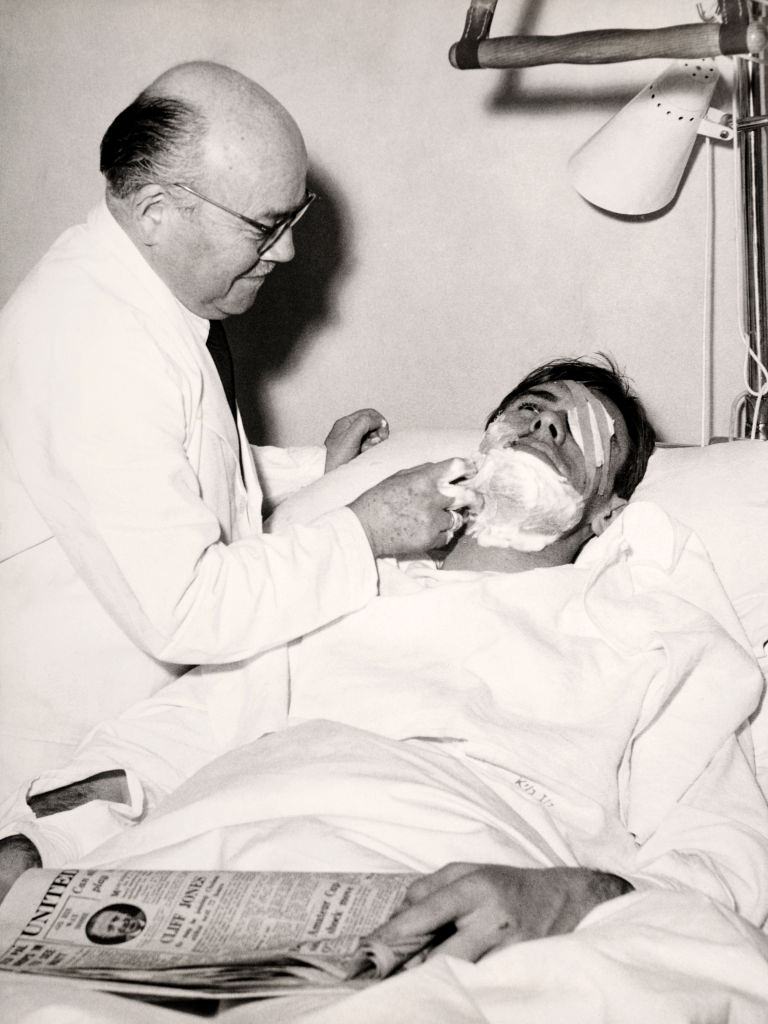
An orderly shaves Manchester United survivor Ray Wood following the Munich Air Disaster. Feb 1958.
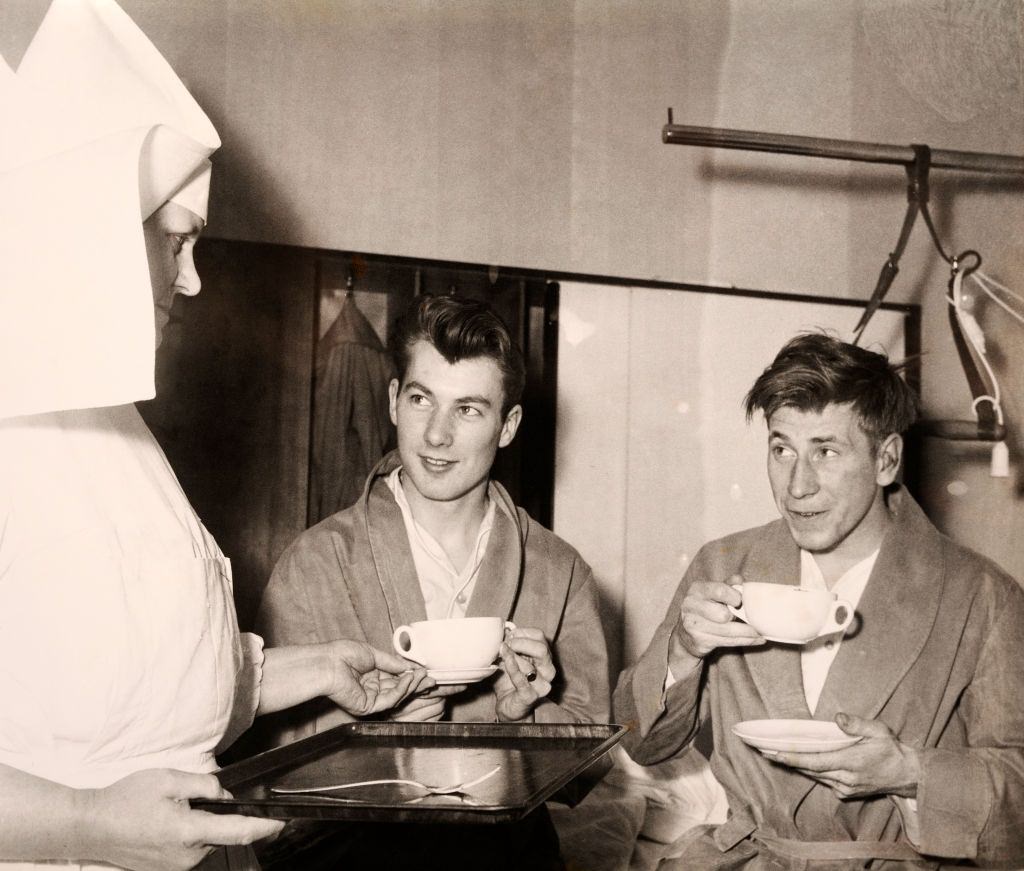
A ward sister serves mugs of soup to Manchester United survivors Kenny Morgans (left) and Bobby Charlton following the Munich Air Disaster

The survivors were treated at the Isar Hospital in Munich. Press photographers and journalists who had survived, such as Daily Mail photographer Peter Howard, began reporting from their hospital beds within days. Those well enough to travel departed Munich for London just two days after the crash.
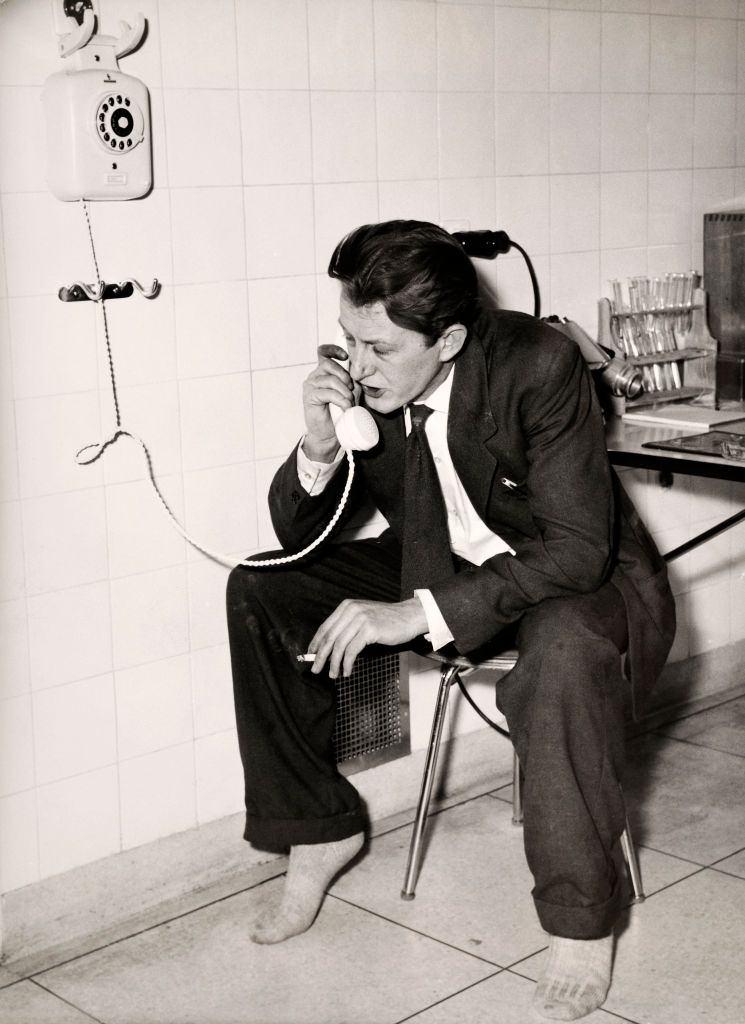
Survivor Peter Howard, Daily Mail photographer, on the telephone following the Munich Air Disaster.
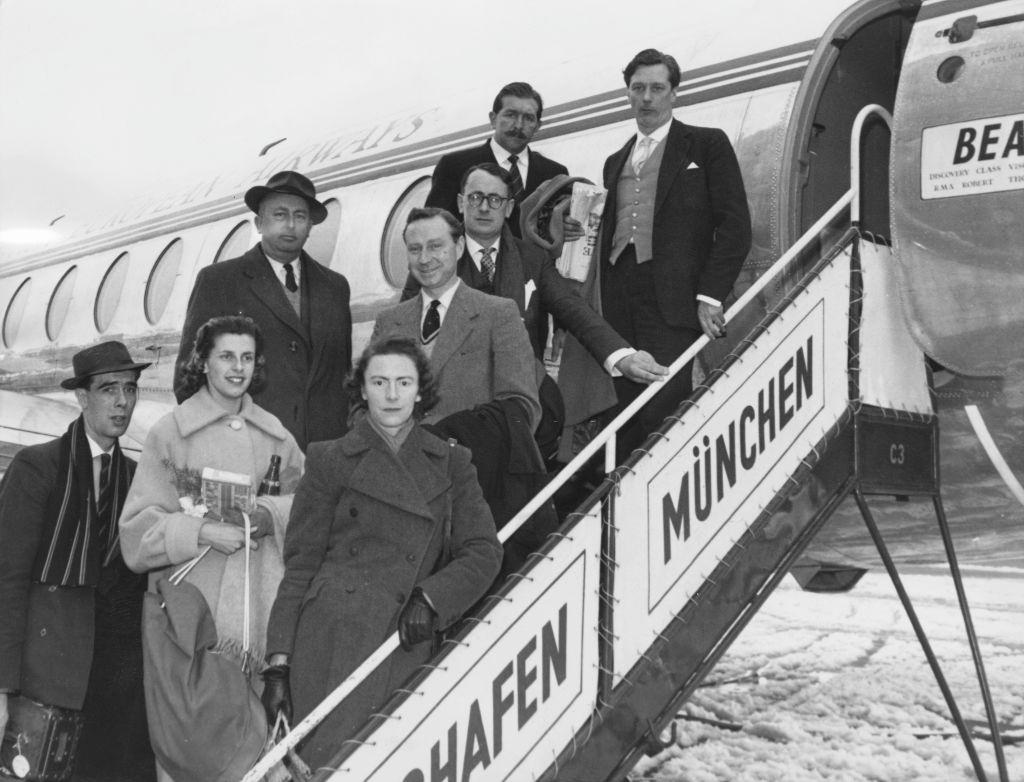
Survivors of the Munich air disaster leave Munich for London, 8th February 1958.
Manchester United's Dennis Viollet and captain Bill Foulkes talk in a Munich hospital.
Manchester United’s Dennis Viollet and captain Bill Foulkes talk in a Munich hospital.

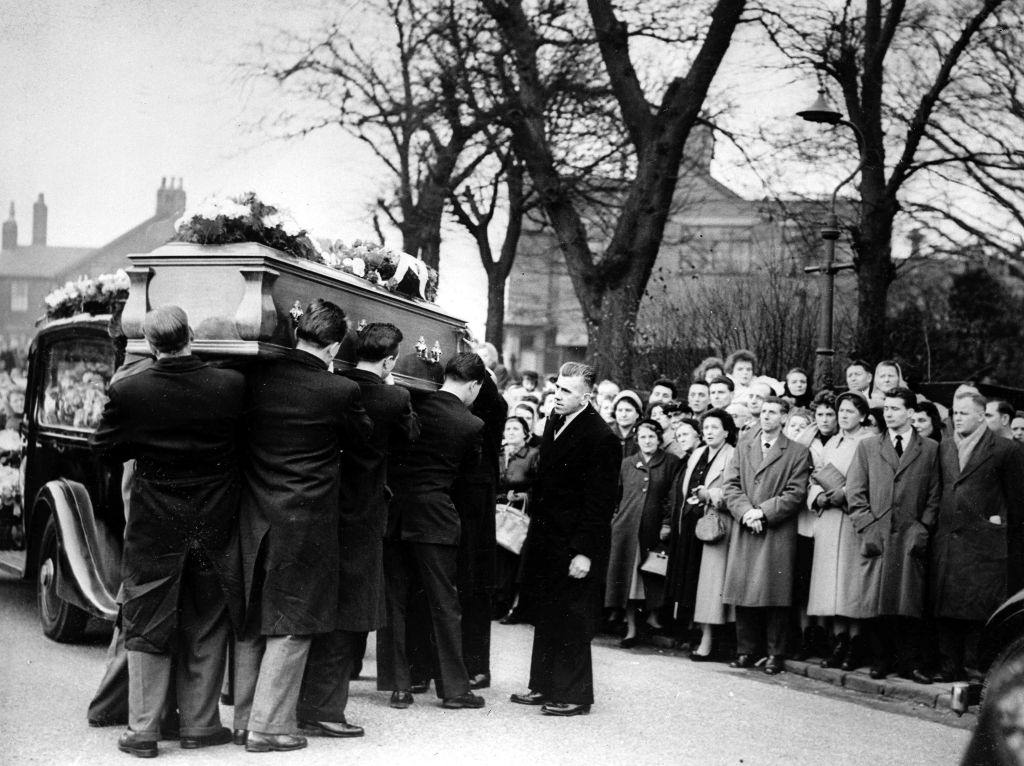
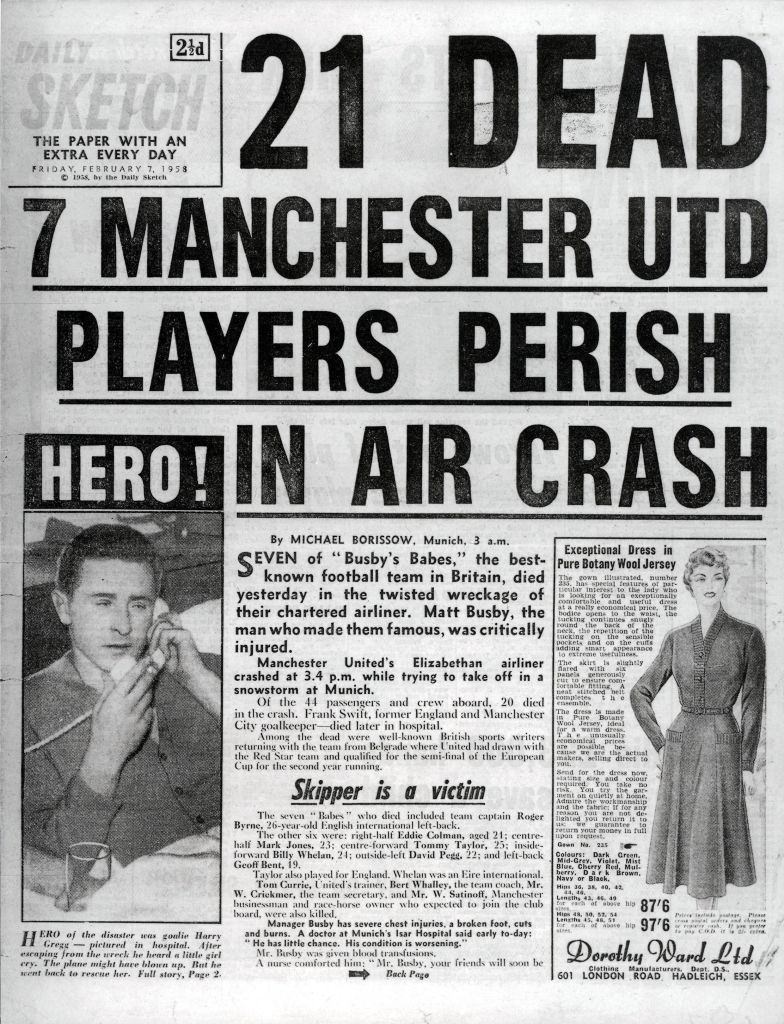
Back in England, news of the disaster spread quickly. The front page of the Daily Sketch on 7 February 1958 captured the shock of a nation. Thousands of fans and members of the public were left stunned. The victims’ funerals drew large crowds. England centre forward Tommy Taylor, one of the eight players killed, was buried in his hometown of Barnsley, Yorkshire.
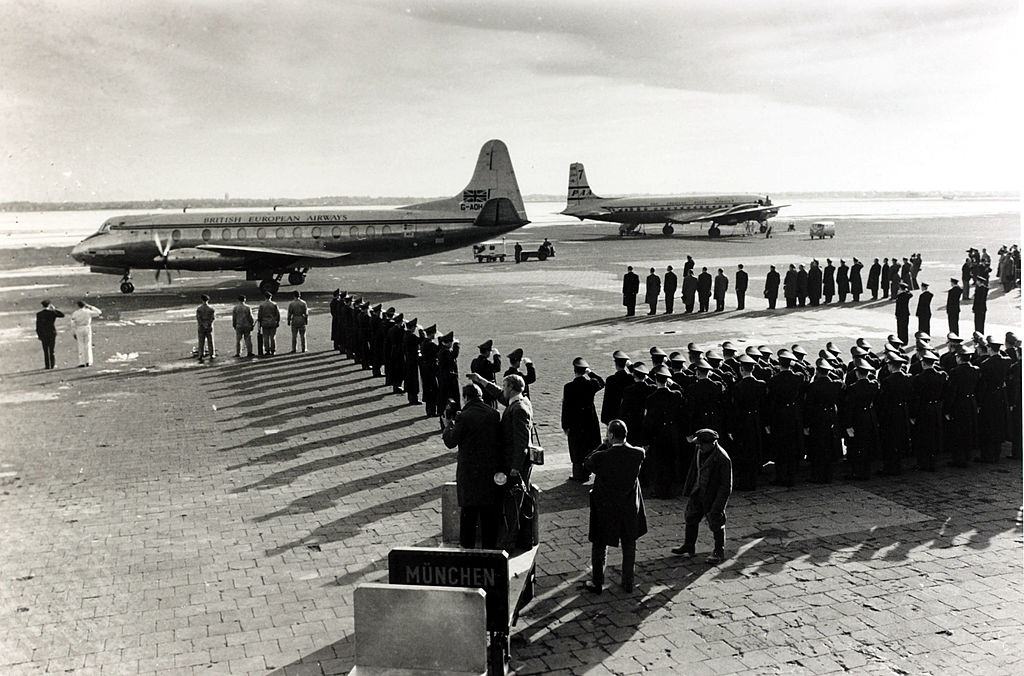
The B.E.A. aircraft carrying the coffins of the victims of the crash at Munich. 11th February 1958
The front page of the Daily Sketch reporting the Munich air crash. 7th February 1958.
The funeral of Manchester United and England centre forward Tommy Taylor at Barnsley, Yorkshire. 13th February 1958

The investigation that followed the crash initially placed blame on Captain James Thain and the German airport authorities. German investigators concluded that ice on the wings of the aircraft had caused the failed takeoff. Thain strongly disputed this finding and fought to clear his name for years. A decade after the crash, a full re-examination of the evidence confirmed that the slush on the runway had caused the loss of speed during the takeoff roll. Thain was officially cleared of responsibility in 1969.
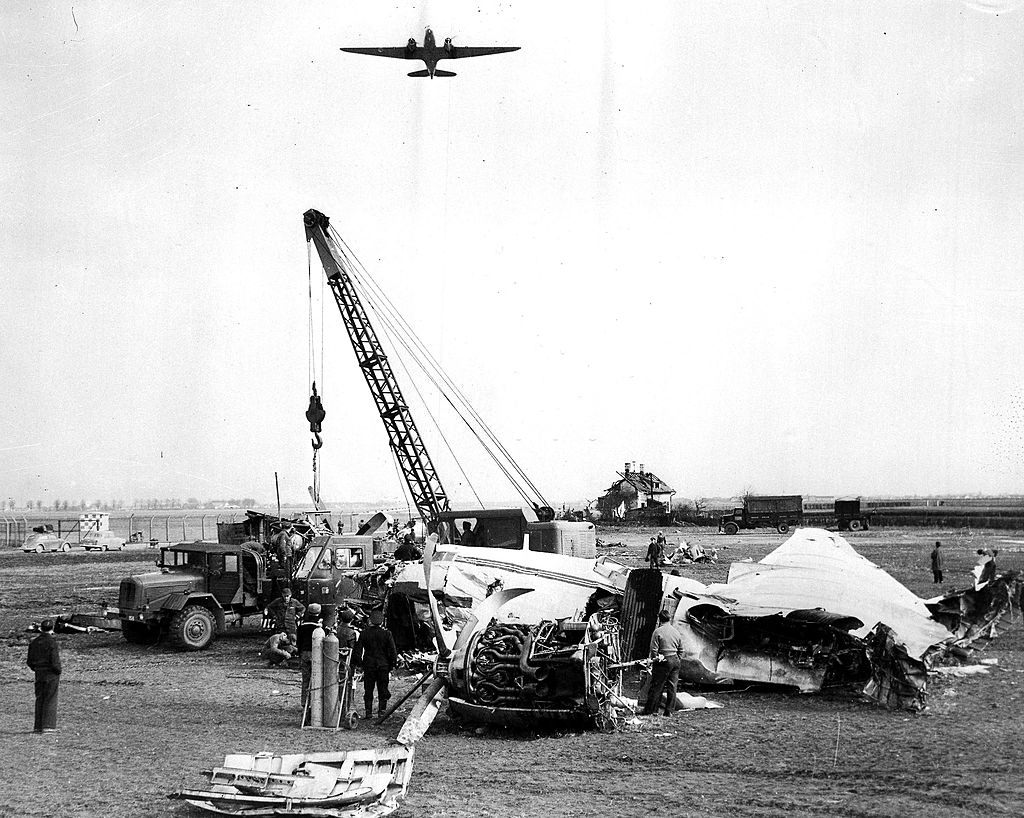
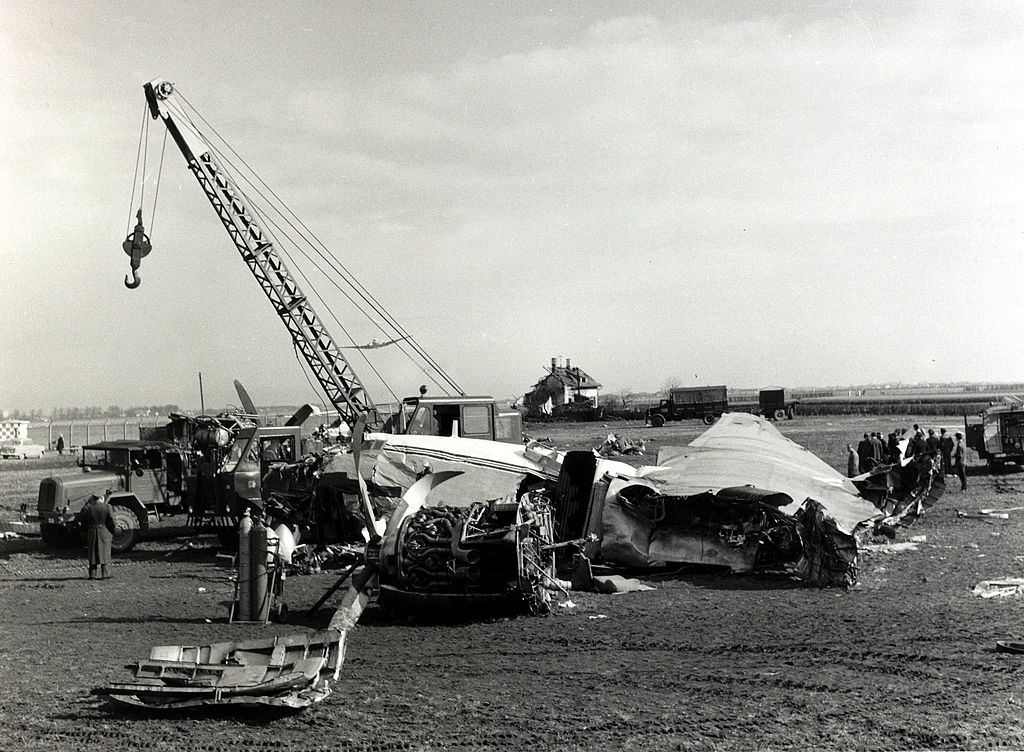
A crane removing the wreckage of the BEA Elizabethan airliner G-ALZU 'Lord Burghley' from Reim airport, Munich. 16th February 1958
A crane removing the wreckage of the BEA Elizabethan airliner G-ALZU ‘Lord Burghley’ from Reim airport, Munich. 16th February 1958
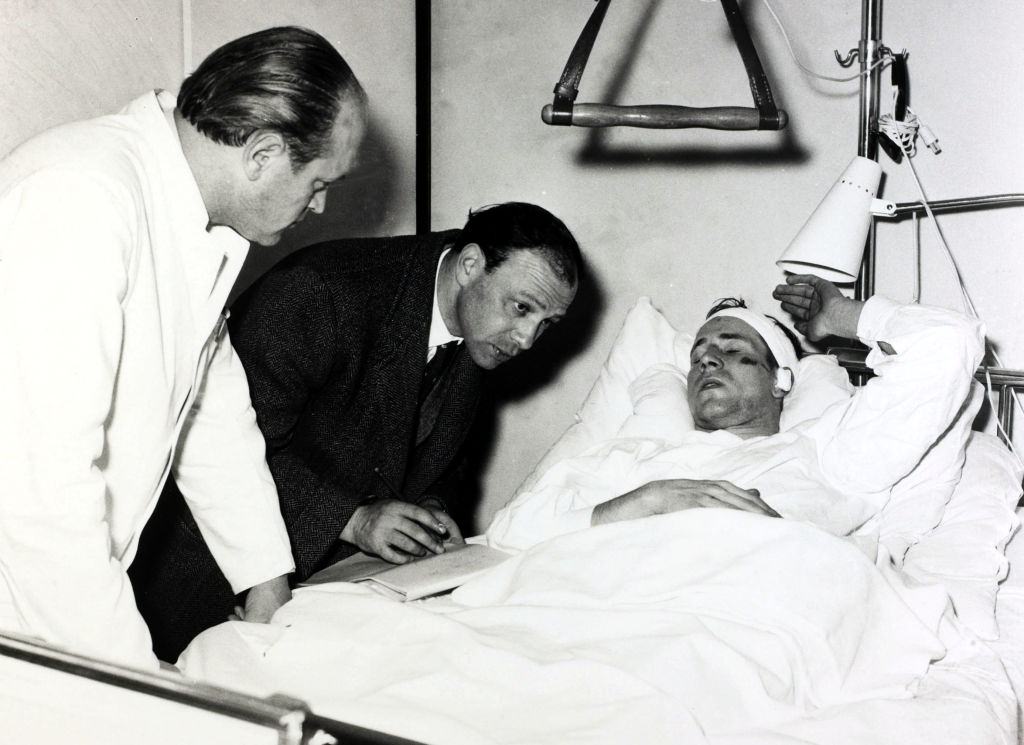
Manchester United's goalkeeper Ray Wood in the Isar hospital in Munich. February 1958.
Manchester United’s goalkeeper Ray Wood in the Isar hospital in Munich. February 1958.
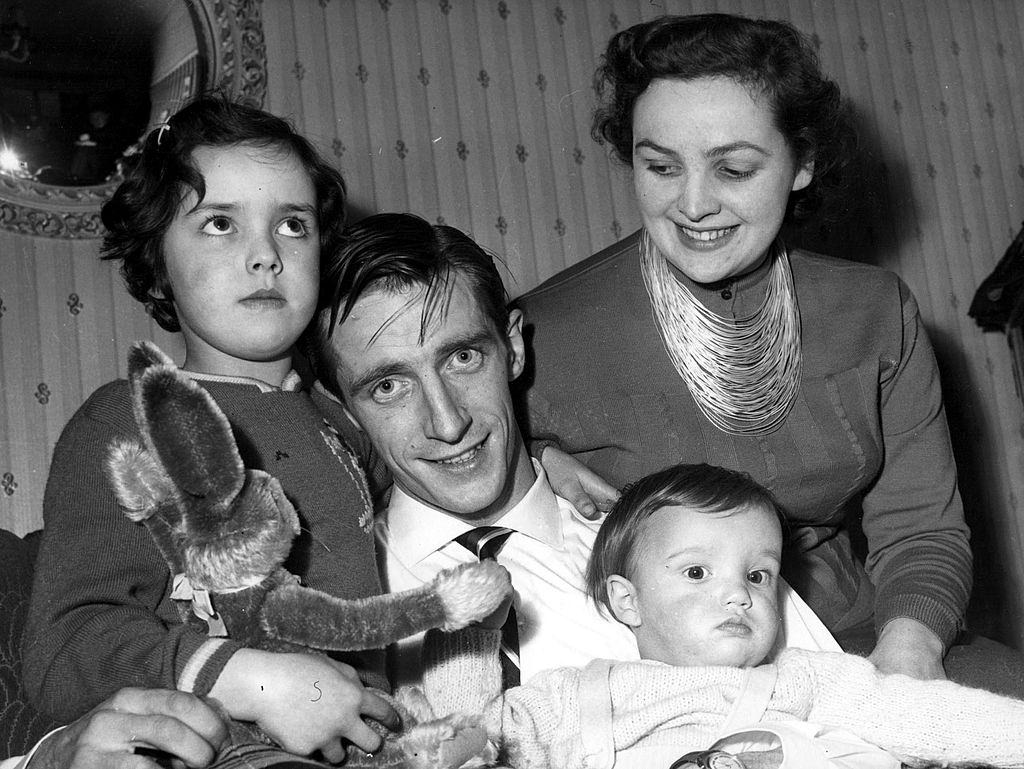
Manchester United Munich air crash survivor Dennis Viollet with his wife Barbara and children.
Munich Air Disaster: Causes, Facts and Photos of the Plane Crash That Killed Manchester United Players, Staff, and Crew
Manchester United's Bobby Charlton is interviewed at the Isar hospital in Munich. February 1958.
Manchester United’s Bobby Charlton is interviewed at the Isar hospital in Munich. February 1958.
Manchester United's Kenny Morgans recovering in hospital after being injured in the Munich Air Disaster. February 1958
Manchester United’s Kenny Morgans recovering in hospital after being injured in the Munich Air Disaster. February 1958
The wreckage of the plane after the crash at Munich. 15th February 1958

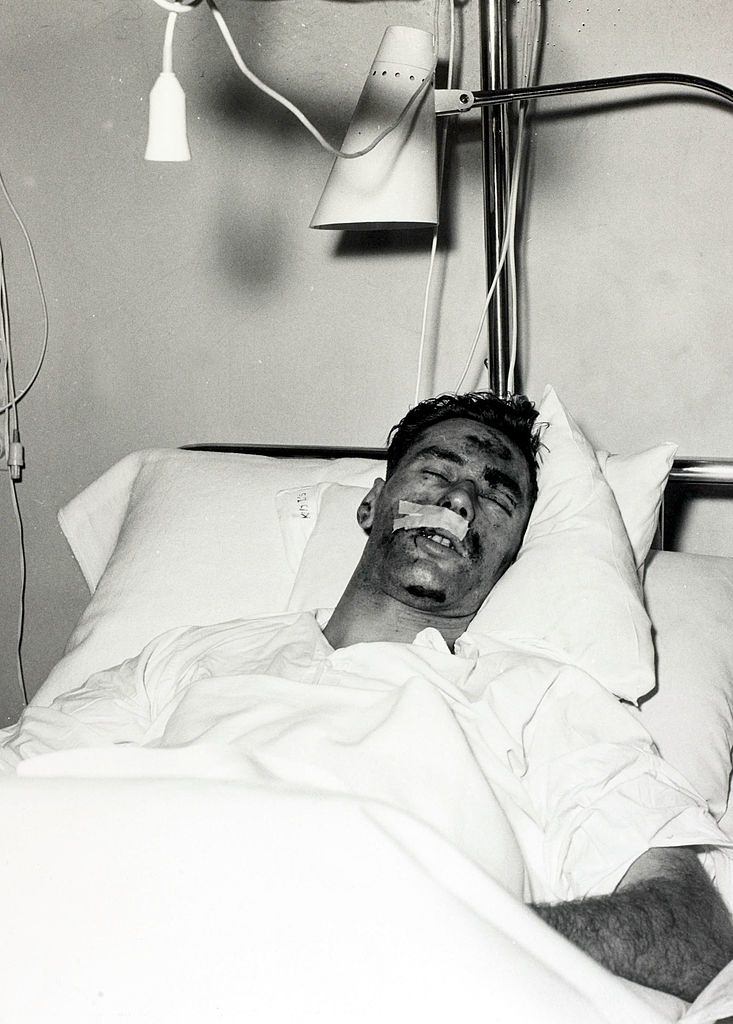
Co-pilot Captain Kenneth Rayment remained in critical condition throughout the weeks following the crash. He never recovered from the severe head injuries he sustained and died on 17 March 1958, 28 days after the disaster. He was one of the last victims to succumb to injuries from the crash.
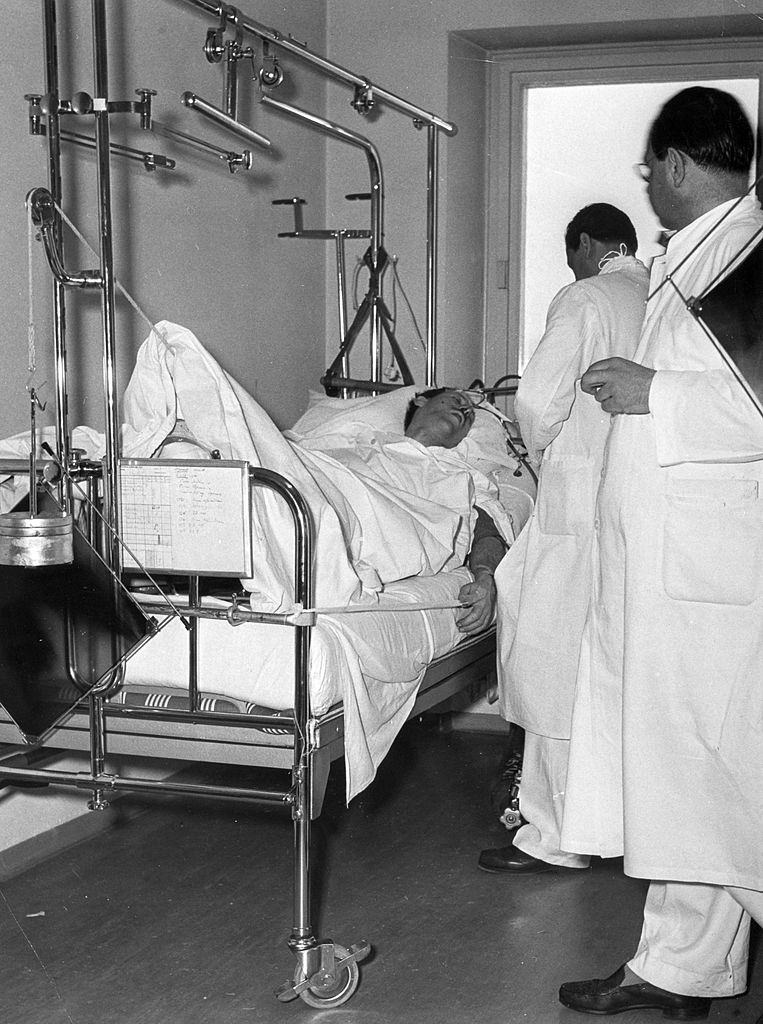

Captain Ken Rayment lies injured in hospital in Munich. 8th February 1958
Enjoyed this post? Get new ones in your inbox.
Avatar of Benjamin Grayson

Written by Benjamin Grayson

Former Bouquet seller now making a go with blogging and graphic designing. I love creating & composing history articles and lists.

Leave a Reply

Your email address will not be published. Required fields are marked *

3 Comments

    • Not as well appreciated in the 1950’s but there was a thin layer of ice on the upper wing surfaces which subtlety alter the wing profile which caused critical lack of lift – plus o f course the drag effect of the icy slush on the runway – and also a case of get-home-itis, which has caused many deaths . Also a lack of (CRM) crew resource management, unheard of back then. Nowadays that third take off attempt would also have been rejected by a certain predetermined point along the runway…these were ex-RAF pilots possibly still in a fly by the seat of the pants wartime mindset